
The Timeless Appeal Of Floral Curtain Ideas For Every Home
Why Floral Patterns Have Remained A Staple In Interior Design
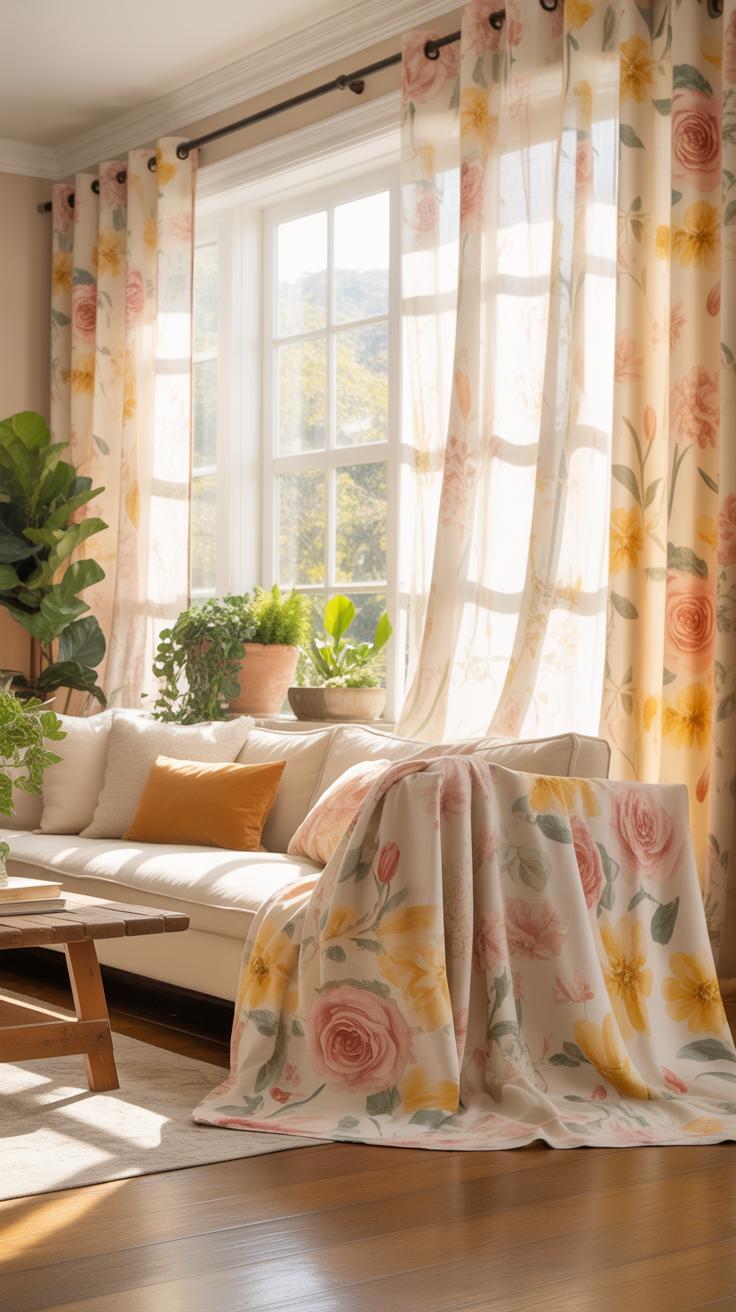
Floral patterns persist because they connect indoor spaces to the natural world. This design strategy dates back to ancient civilizations and gained massive traction during the Victorian era. Designers use these prints to break up the rigid lines of modern architecture. They provide a visual bridge between structured furniture and organic forms. This balance makes a room feel complete and grounded.
Modern manufacturing allows for various textile options like linen, cotton, and polyester blends. These materials hold dyes well and ensure pattern longevity. Professionals choose florals for their versatility across different design styles. You can find them in traditional English country homes and sleek contemporary apartments. They serve as a reliable tool for adding texture and visual weight to any window treatment project.
How Cute Curtains With Floral Motifs Can Elevate A Neutral Room
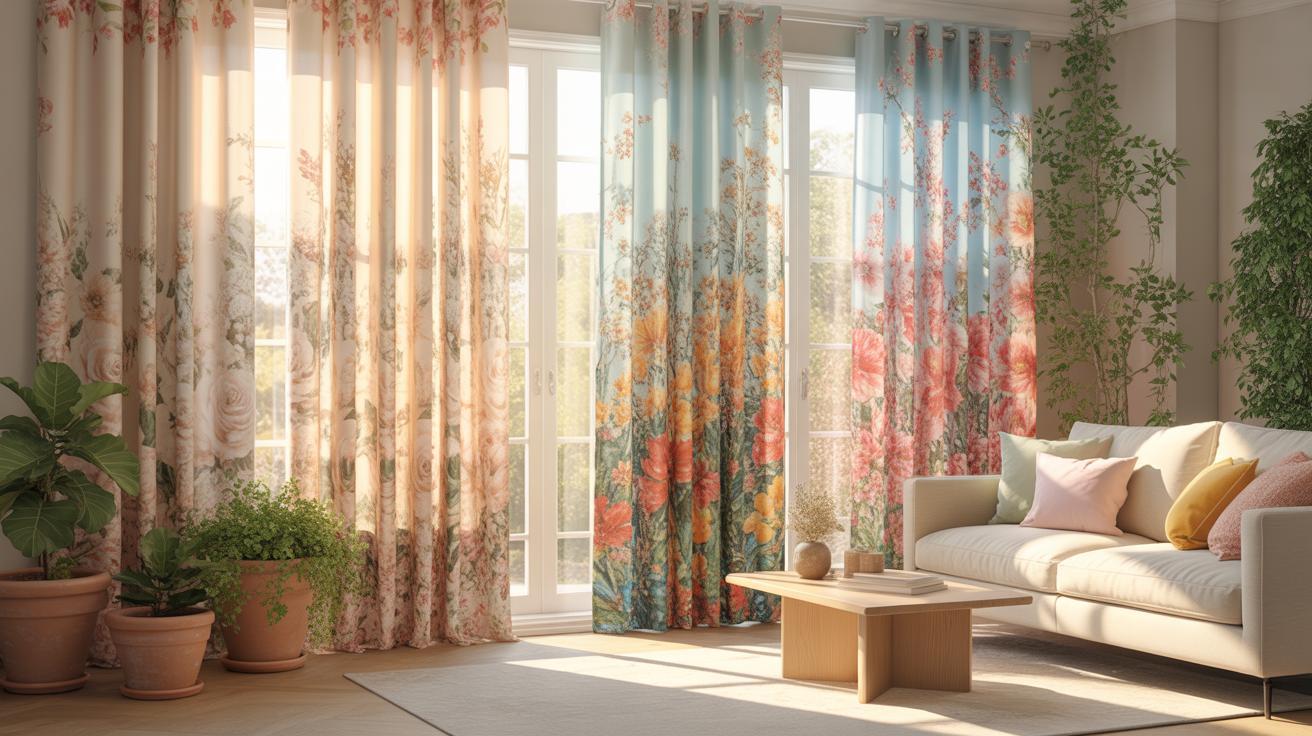
Neutral rooms often lack a clear focal point. Floral curtains solve this problem by introducing color and movement. They draw the eye toward the windows and maximize natural light. Small-scale prints add subtle texture without overwhelming the space. Large-scale motifs create a bold statement that defines the entire room. This tactical use of pattern transforms a sterile environment into a lived-in space.
Contrast is the key to successful neutral design. Floral fabrics provide this contrast through varying shades and shapes. They prevent a beige or white room from looking flat. You should match the secondary colors in the floral print to your existing decor pieces. This creates a cohesive look that feels intentional. High-quality floral textiles provide an easy way to update a room without painting the walls.

Top Floral Print Curtains Styles Trending Right Now
Botanical Prints Vs. Abstract Florals: Choosing The Right Look
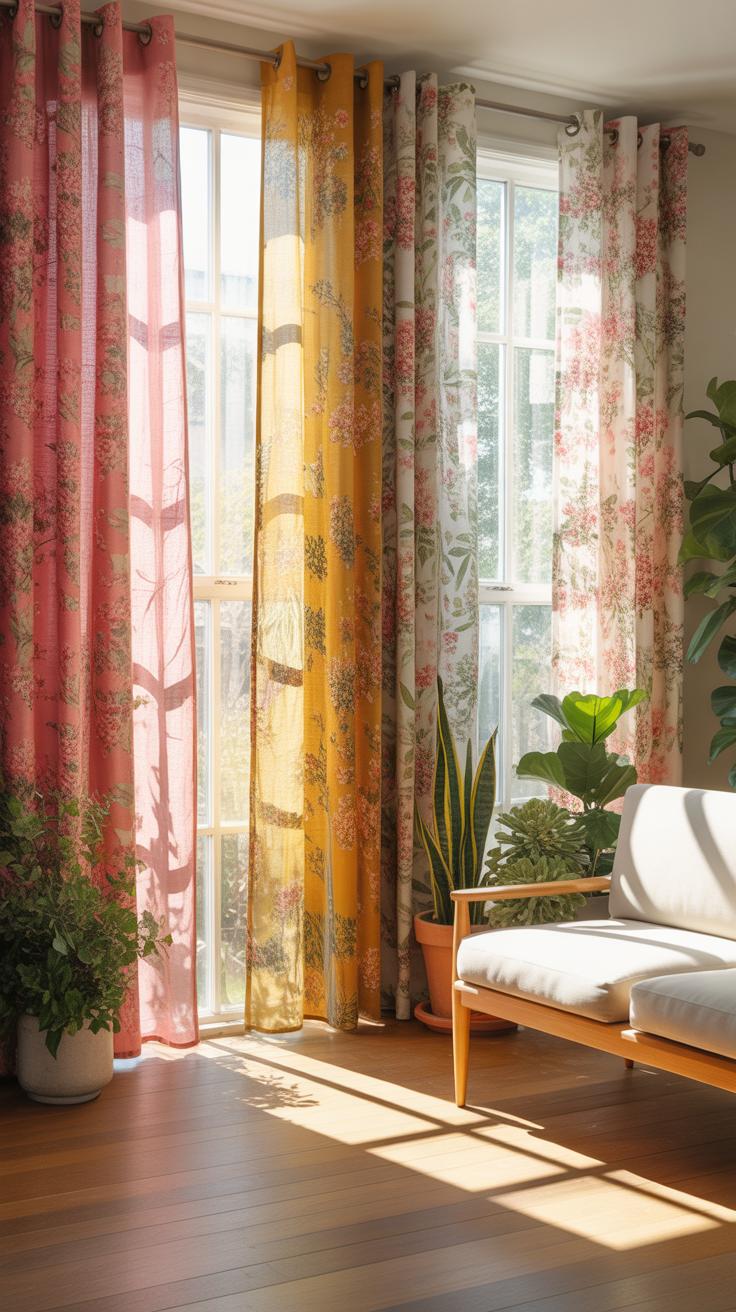
Botanical prints focus on scientific accuracy and realism. These designs often trace back to seventeenth century medicinal illustrations. They feature clear stems, leaves, and petals against neutral backgrounds. Use botanical prints in traditional or formal rooms to create an orderly atmosphere. The detail in these prints demands a secondary role. Pair them with solid furniture to avoid visual conflict in small spaces.
Abstract florals prioritize color and shape over exact replication. These patterns use broad brushstrokes or geometric interpretations of nature. They fit modern or minimalist interiors that need a focal point without looking dated. Choose abstract styles when you want to suggest a mood rather than a specific plant species. This style handles bold color palettes better than realistic prints. It provides a contemporary feel for open floor plans.
Best Fabric Choices For Floral Print Curtains That Last
Fabric selection determines the lifespan and drape of your window treatments. High quality materials resist sun damage and maintain print clarity over time. Natural fibers like linen and cotton offer the best surface for dye penetration. This ensures the floral patterns remain vibrant even with regular exposure to ultraviolet rays. Avoid cheap synthetics that thin out or yellow after one summer season.
- Linen: This natural fiber provides a textured look that complements organic floral patterns. It allows light to filter through while maintaining privacy. Linen is durable but prone to wrinkling. It works best in relaxed living areas where a crisp appearance is not the primary requirement for the homeowner.
- Cotton Canvas: This heavyweight material offers a flat surface for crisp and detailed digital printing. It blocks more light than standard weaves and holds its shape well. Use cotton canvas for large scale floral prints that need a stable background to prevent pattern distortion when the curtains hang.
- Polyester Blends: Modern blends mix synthetic strength with natural aesthetics to reduce shrinking and wrinkling. These fabrics are often more affordable and easier to clean in standard washing machines. They resist fading better than pure silk or thin cotton. Choose high denier counts for better durability and a premium feel.
- Velvet: Heavy velvet creates a luxurious backdrop for deep toned floral designs. The pile of the fabric adds depth to the colors and provides excellent thermal insulation. It excels in bedrooms or media rooms where light control and sound dampening are tactical priorities for the design project.
- Silk: Real silk offers a high sheen that makes floral colors pop with intensity. It is a traditional choice for formal dining rooms and primary suites. However, silk requires a protective lining to prevent the sun from rotting the delicate fibers. It is a high maintenance but high impact option.
Consider the weight of the fabric relative to your curtain rod hardware. Heavy fabrics like velvet or thick canvas require reinforced brackets to prevent sagging. Lighter fabrics work well with tension rods or slim decorative poles. Always check the cleaning instructions before purchasing. Prints on delicate fabrics often require professional dry cleaning to prevent the ink from bleeding or the natural fibers from shrinking.
Flower Curtain Crochet Pattern Ideas For A Handcrafted Touch
A Brief History Of Crochet In Home DéCor And Why It Is Back
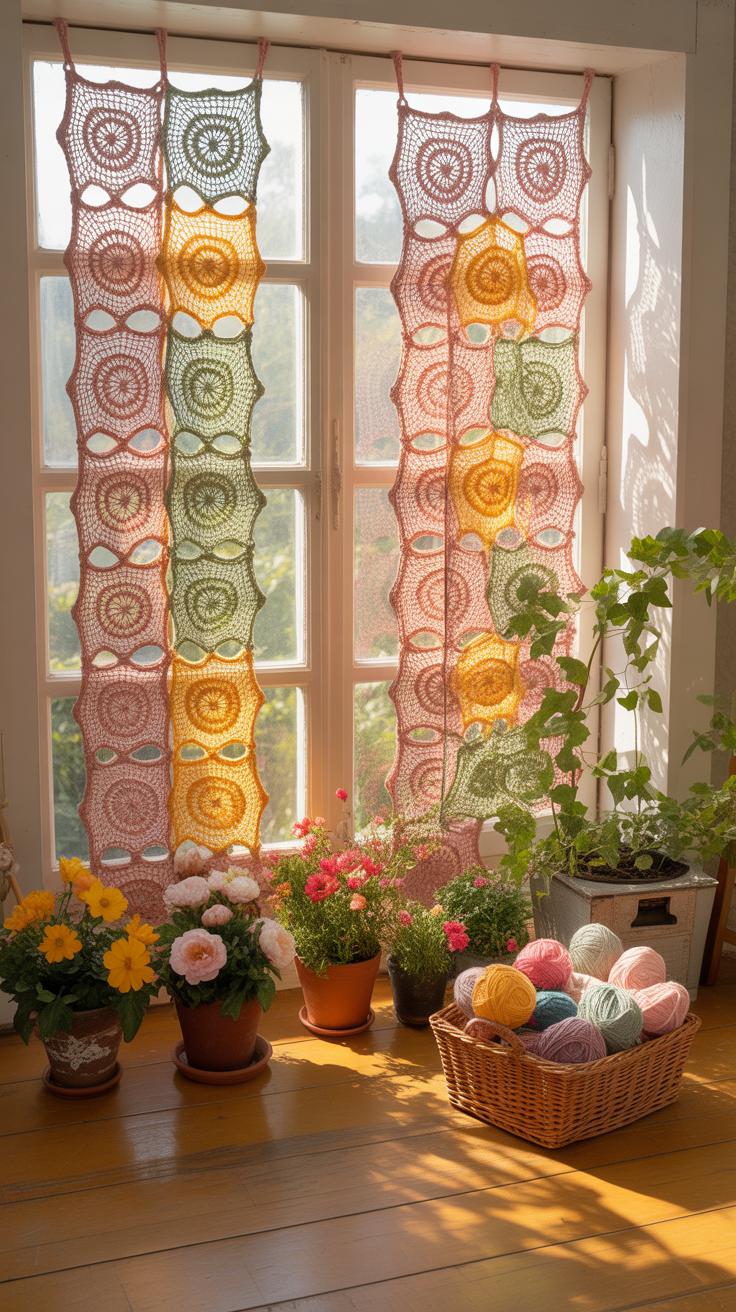
Crochet home décor has roots in 19th-century Europe. It began as a low-cost way to mimic expensive lace. Artisans used fine cotton threads to create intricate window coverings. These pieces provided privacy while letting light filter through. In the 1970s, the craft shifted toward bold colors and heavier yarns. Today, homeowners want unique items that mass-produced machines cannot replicate. Handcrafted curtains offer a tactile quality that digital manufacturing lacks.
The current revival stems from the cottagecore movement and a desire for sustainable materials. Consumers want plastic-free textiles that last for decades. Crochet floral patterns provide a bridge between traditional craft and modern minimalism. They work well in kitchens and bathrooms because cotton yarn is durable and easy to wash. This trend prioritizes the human touch over factory perfection. It reflects a strategic shift toward intentional, long-term interior design choices.
How To Choose The Right Flower Curtain Crochet Pattern For Your Skill Level
Beginners should start with modular designs. These patterns use individual flower motifs that you join together later. This method allows you to master one small shape at a time. It also prevents the weight of a full curtain from pulling on your hook during the process. Look for patterns that use basic stitches like the double crochet or chain stitch. Simple geometric flowers provide the best results for those with limited experience.

Advanced crafters should look for Irish crochet or filet crochet techniques. These methods create complex floral scenes within a mesh background. You must track stitch counts carefully to maintain the vertical alignment of the curtain. Choose lace-weight yarns for a high-end, professional look. Factoring in the drape of the finished piece is vital. Heavier yarns can stretch over time, so use mercerized cotton to hold the floral shape against gravity.
Crochet Home Decor Turning A Flower Curtain Into A Statement Piece
Pairing A Crocheted Flower Curtain With Modern And Bohemian Interiors
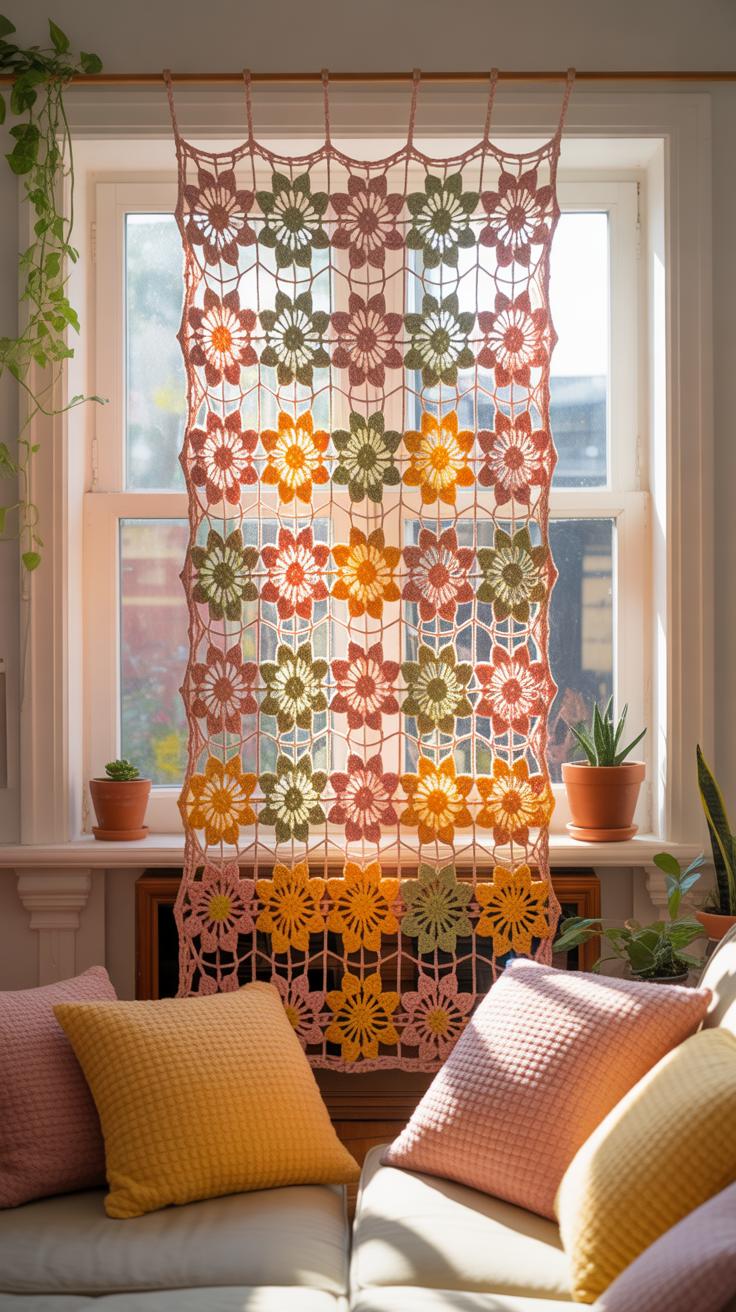
Crochet flower curtains bridge the gap between vintage craftsmanship and current design styles. In modern interiors, these curtains soften harsh geometric lines and glass surfaces. Use monochromatic white or cream yarn to maintain a clean aesthetic. This approach adds texture without cluttering the visual field. Position them in rooms with high natural light to create intricate shadow patterns on floors and walls.
Bohemian interiors thrive on the layered textures and organic shapes found in crochet. Use vibrant, multi-colored yarn to reflect the eclectic roots of the 1970s revival. These curtains serve as functional art rather than simple window coverings. They provide privacy while maintaining an airy feel. Pair them with indoor plants and wooden furniture to ground the space. This creates a cohesive look that emphasizes handmade quality.
Yarn Types And Thread Weights That Work Best For Crochet Home Decor Curtains
Material choice dictates the lifespan and drape of your floral curtain. Cotton is the industry standard for home decor because it resists stretching and holds its shape under its own weight. Mercerized cotton offers a slight sheen and increased durability. Avoid animal fibers like wool as they sag and trap dust easily. Choose a weight that balances structural integrity with transparency requirements.
- Mercerized Cotton: This treated cotton thread resists fraying and holds deep dyes better than standard yarn. It provides a crisp definition for intricate flower patterns. The smooth finish prevents the curtain from catching on window hardware during daily use.
- Linen Yarn: Linen offers a high tensile strength that prevents the curtain from elongating over time. It creates a rustic, matte texture that fits well in minimalist environments. This breathable fiber allows maximum airflow through the floral motifs while maintaining privacy.
- Bamboo Blend: Bamboo fibers provide a soft drape and natural antimicrobial properties. When blended with cotton, it creates a curtain that hangs gracefully without losing the structural detail of the crochet stitches. It is an eco-friendly choice for modern sustainable homes.
- Size 10 Crochet Thread: This specific weight is the tactical choice for delicate floral lace. It is thick enough to work quickly but thin enough to allow light to penetrate the room. It creates a classic heirloom look that mimics historical lace patterns.
- Recycled T-Shirt Yarn: Use this heavy weight for bold, sculptural floral designs in large spaces. It works best for chunky modern 3D motifs that require high visibility. The thickness ensures the curtain acts as a substantial room divider or a heavy statement piece.
Thread weight directly influences the light filtration of the finished product. Fine threads produce a sheer lace effect suitable for small windows or decorative overlays. Heavier worsted weights create a solid barrier that blocks more light and provides better thermal insulation. Always swatch your chosen material to test for vertical stretch. A curtain that looks perfect on a table may grow significantly once hung on a rod.
Embroidery Curtains Adding Delicate Floral Detail By Hand
The Craft Of Embroidery And Its Long Tradition In Textile Decoration
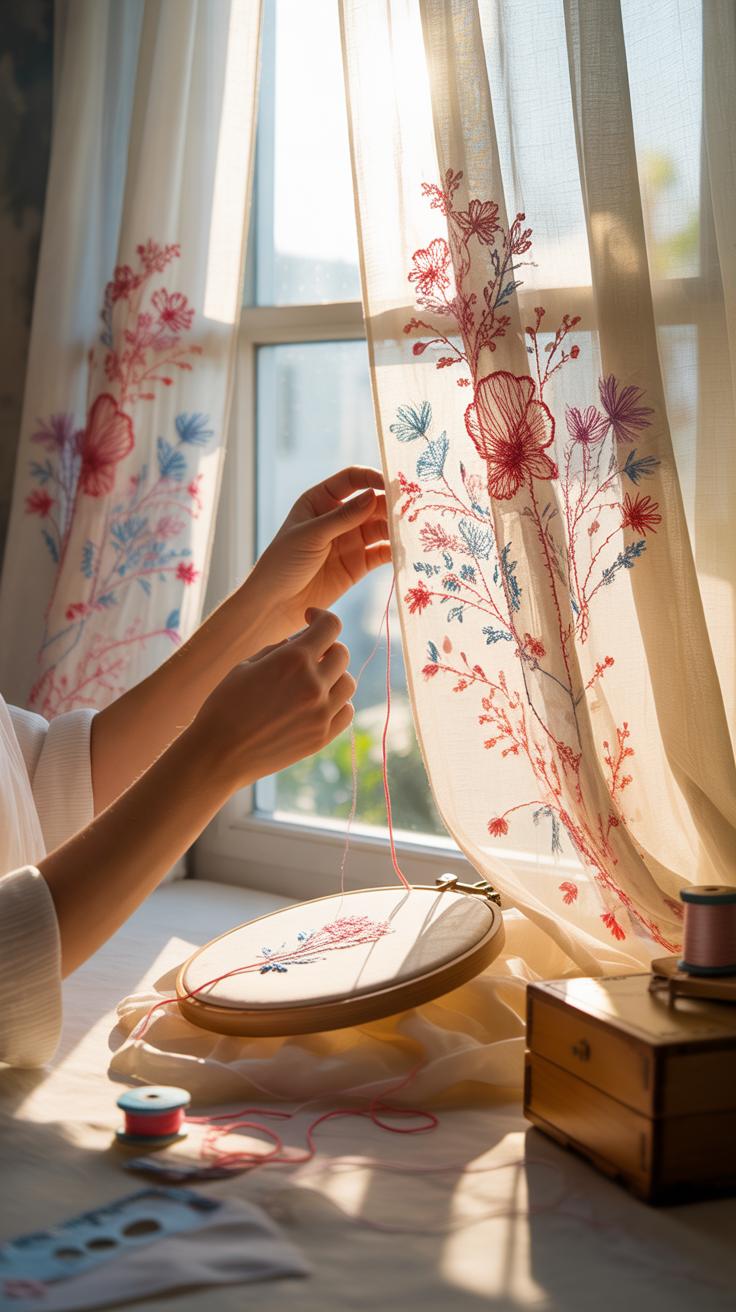
Embroidery involves decorating fabric using a needle and thread. Historically, this craft dates back to ancient civilizations in China and the Near East. Artisans used silk, wool, and linen to create intricate patterns. Floral motifs remain the most common choice due to their natural variation. Modern production uses both hand-stitching and high-speed industrial machines to achieve these classic looks on curtain panels.
Hand-embroidery provides a tactile texture that printed fabrics cannot replicate. The raised threads catch the light and create depth on the surface. Traditional techniques like crewelwork use heavy wool to build three-dimensional shapes. These methods ensure the design lasts longer than surface dyes. High-quality embroidery signifies craftsmanship and attention to detail. It transforms a standard piece of fabric into a structural element of interior design.
To have a house that is like a garden is the dream of every person who loves beauty. These floral designs bring the eternal optimism of a spring morning into the heart of the home.
How Embroidery Curtains With Floral Designs Complement Different Room Styles
Embroidery bridges the gap between traditional and modern aesthetics. In a classic setting, dense floral patterns provide weight and formality. These designs often use symmetrical layouts to create a sense of order. In minimalist spaces, a single embroidered vine adds contrast without clutter. The thread color can match the base fabric for a subtle look or use contrasting tones to draw the eye.
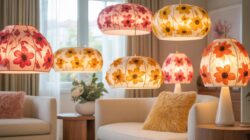
Tactical placement of these curtains changes the perception of a room. Use heavy embroidery to block light and add insulation in bedrooms. Light, airy linens with small floral accents work better in kitchens or dining areas. Embroidery adds physical weight to the drape of the fabric. This ensures the curtains hang straight and look professional. Choose silk threads for a formal shine or cotton for a matte finish.
Dreamy Curtains Soft Florals For Bedrooms And Romantic Spaces
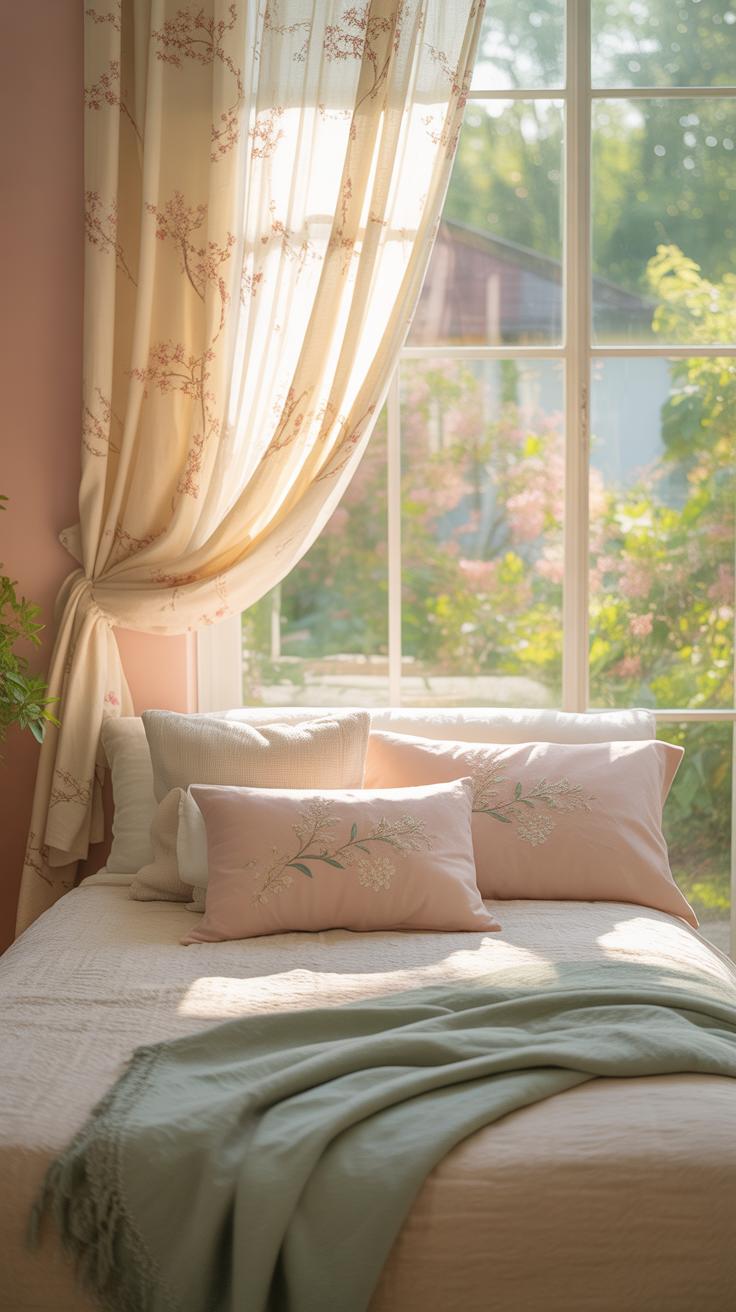
Color Palettes That Create A Dreamy Airy Atmosphere With Floral Curtains
Low-contrast color schemes create the most effective dreamy atmosphere. Use pastels like lavender, sage green, and petal pink. These shades reflect light rather than absorbing it. This keeps the bedroom feeling open and large. Avoid high-contrast patterns with black or dark navy backgrounds. Those colors create visual weight that pulls the ceiling down. Stick to white or cream-based fabrics to maintain a clean aesthetic.
Apply the tone-on-tone technique for a sophisticated look. Choose a floral print where the flower color is only two shades darker than the base fabric. This strategy prevents the pattern from overwhelming the room. It mimics the style found in French Provincial interiors. Neutral palettes using taupe and ivory provide a timeless feel. These colors work well with natural light to create soft shadows and a calm environment.
Sheer Vs Lined Dreamy Curtains What Works Best In A Bedroom Setting
Sheer floral curtains offer maximum light diffusion. They work best in living spaces or bedrooms where privacy is not the primary concern. Chiffon or voile materials allow breeze and light to pass through easily. This creates movement and a sense of airiness. However, sheers do not block sunlight. They will not protect furniture from UV damage over time. Use them for a purely decorative effect.
Lined curtains provide necessary functionality for sleep environments. A privacy lining blocks outside views while maintaining the drape of the floral silk or cotton. Blackout linings are the best choice for light-sensitive sleepers. They prevent early morning sun from waking you up. Modern lining techniques allow for heavy light blocking without making the fabric look stiff. Use a double rod to combine both sheers and lined panels for maximum utility.
Bold Curtains Living Room Making A Statement With Large Scale Florals
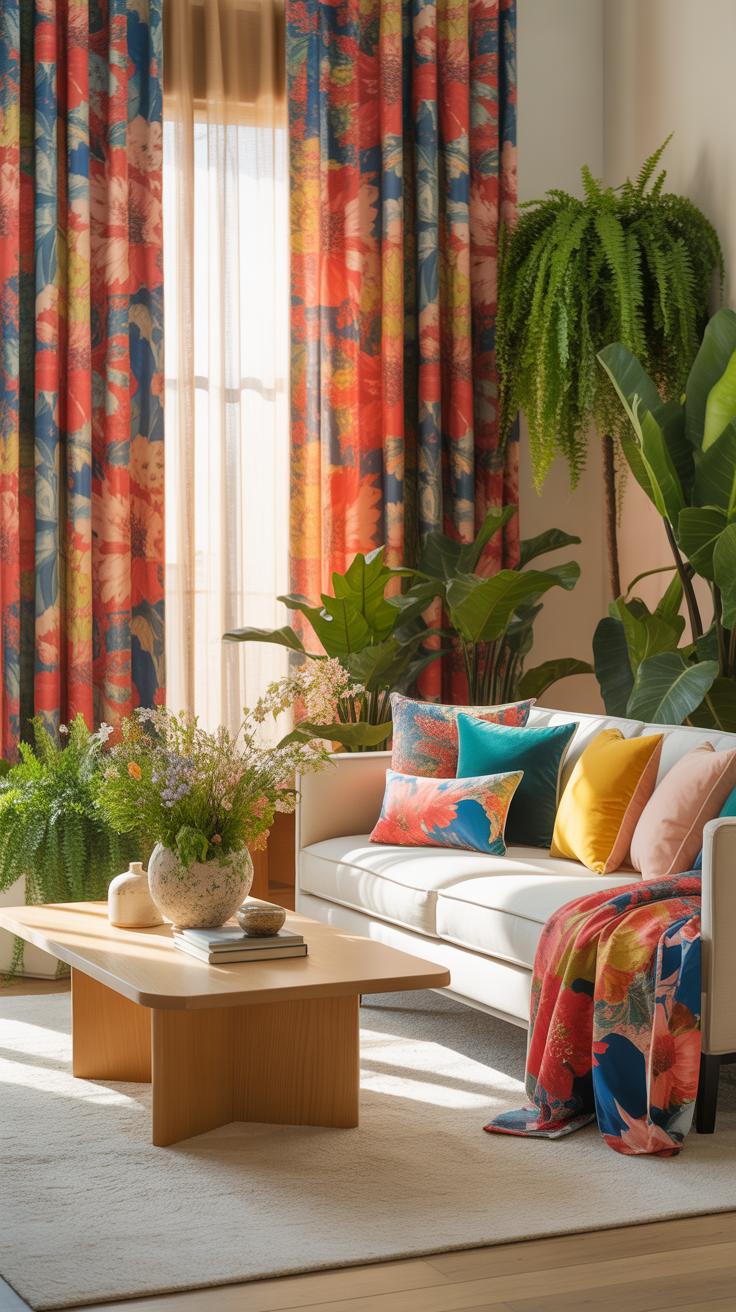
How To Anchor Bold Floral Curtains Without Overwhelming A Living Room
Large-scale floral prints command immediate attention. You must balance the visual weight to prevent the room from feeling cramped. Use neutral wall colors to provide a quiet background for the fabric. Match the background color of the curtain print to your wall paint. This technique creates a seamless transition. It keeps the bold pattern from vibrating against the rest of the architecture.
Select high-quality fabrics like heavy linen or cotton canvas. Thin materials make large prints look cheap and messy. Floor-to-ceiling lengths anchor the room properly. Short curtains with big patterns disrupt the vertical line of the wall. Hang the rod higher than the window frame. This placement gives the floral motifs space to breathe. Proper scale prevents the fabric from looking like a mistake.
Pairing Bold Curtains With Furniture, Rugs, And Wall Colors That Work
Limit your color palette to three main tones. Pick one secondary color from the floral pattern for your sofa or armchairs. Solid upholstery balances the complexity of the curtains. Avoid busy patterns on large furniture pieces. If you want a rug, choose a solid texture or a simple geometric design. Low-pile rugs work best. They provide a stable base without competing for visual dominance.
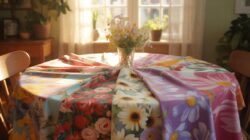
Metal finishes and wood tones act as neutrals in this setting. Darker woods anchor bright floral designs. Modern brass or matte black hardware provides a clean edge to organic shapes. Keep your wall art minimal on the same wall as the curtains. Let the fabric serve as the primary artwork for that section. Strategic placement ensures every element has a clear purpose. This approach creates a cohesive and professional appearance.
Shabby Chic Curtains Vintage Florals That Never Go Out Of Style
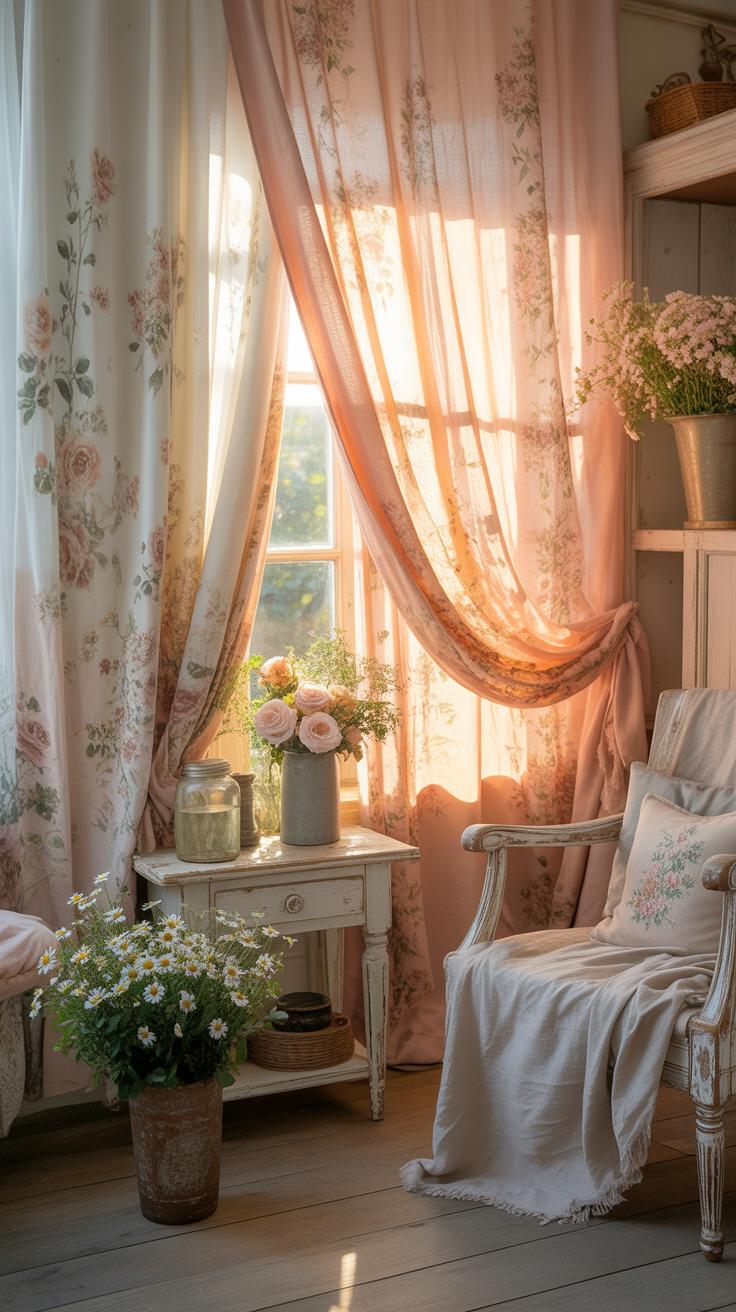
What Defines The Shabby Chic Aesthetic And Its Signature Floral Elements
Shabby chic emerged in the 1980s as a reaction against expensive decor. This style relies on a worn and lived-in look. It uses muted colors like white, cream, and dusty rose. Floral patterns are central to this design. These patterns often feature small rosebuds or delicate lavender prints. Designers call these ditsy prints. They reflect a time when fabric was reused and cherished.
The materials used are always natural and breathable. Cotton and linen are the primary choices for these curtains. Designers often use a technique called tea staining. This process gives new fabric an aged yellow tint. The goal is to make the curtains look like historical heirlooms. Ruffles and lace trim add texture without adding bulk. These elements define the signature soft appearance of the movement.
How To Style Shabby Chic Curtains In A Contemporary Home Without Looking Dated
To modernize shabby chic, you must manage contrast. Pair vintage floral curtains with clean lines in your furniture. Do not use a matching floral sofa. This prevents the room from feeling like a museum. Use matte black or brushed gold hardware for the curtain rods. These modern metals ground the soft fabric. They provide a sharp visual break from the traditional patterns.
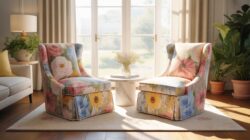
Limit your color palette to two or three tones. Too many colors create visual clutter. Use high quality laundry starch to keep the fabrics crisp. This removes the sloppy look associated with older styles. Mix the florals with solid textures like velvet or leather. This creates a balanced environment. It honors the vintage roots while meeting modern standards for clean and functional interior design.
Frequently Asked Questions

How do I choose the right floral pattern for a small room?
When exploring floral curtain ideas for smaller spaces, the scale of the print is key. To keep the room feeling airy, opt for delicate ditsy prints or soft watercolor designs with plenty of white space. Avoid oversized, dark blooms that can overwhelm a compact area. Choosing a light, sheer fabric with a subtle floral motif allows natural light to filter through, making your room feel much larger and more inviting.
How can I style floral curtains without making my home look outdated?
Modernizing floral curtain ideas is all about balance and contrast. To avoid a vintage look, pair bold botanical prints with sleek, contemporary furniture and clean lines. You can also try mixing textures by hanging floral drapes alongside minimalist hardware like matte black or brass rods. If your curtains feature a busy pattern, keep the surrounding walls a solid, neutral color to ensure the floral design acts as a sophisticated focal point.
Are there affordable ways to achieve a luxury floral look on a budget?
Absolutely! You can achieve a high-end aesthetic without a designer price tag by focusing on the hanging style. Look for affordable ready-made panels in linen-blend fabrics and hang them “high and wide” to create a sense of grandeur. Adding a simple DIY blackout lining can also give thinner fabrics a heavier, more luxurious drape. Scouring seasonal sales at home decor outlets is a great way to find premium floral patterns at a fraction of the cost.