Understanding The Charm Of Floral China Display Ideas For Celebrations
The History And Cultural Significance Of Floral China Patterns
Floral china began with the import of porcelain from China to Europe. Early designs featured blue and white motifs known as Chinoiserie. By the 1700s, European factories like Meissen and Sèvres developed local styles. They moved from Eastern symbols to botanical studies. These patterns reflected the wealth of owners who could afford expensive hand-painted sets for formal dining rooms.
During the Victorian era, floral patterns became a standard for middle-class homes. Mass production through transfer printing made these designs accessible. Each flower held a specific meaning and communicated messages to guests through the Language of Flowers. Collectors today value these pieces for their link to 18th-century craftsmanship and 19th-century social etiquette. Understanding this history helps you choose patterns that match historical event themes.
Why Floral China Pieces Make Such A Strong Visual Impact At Events
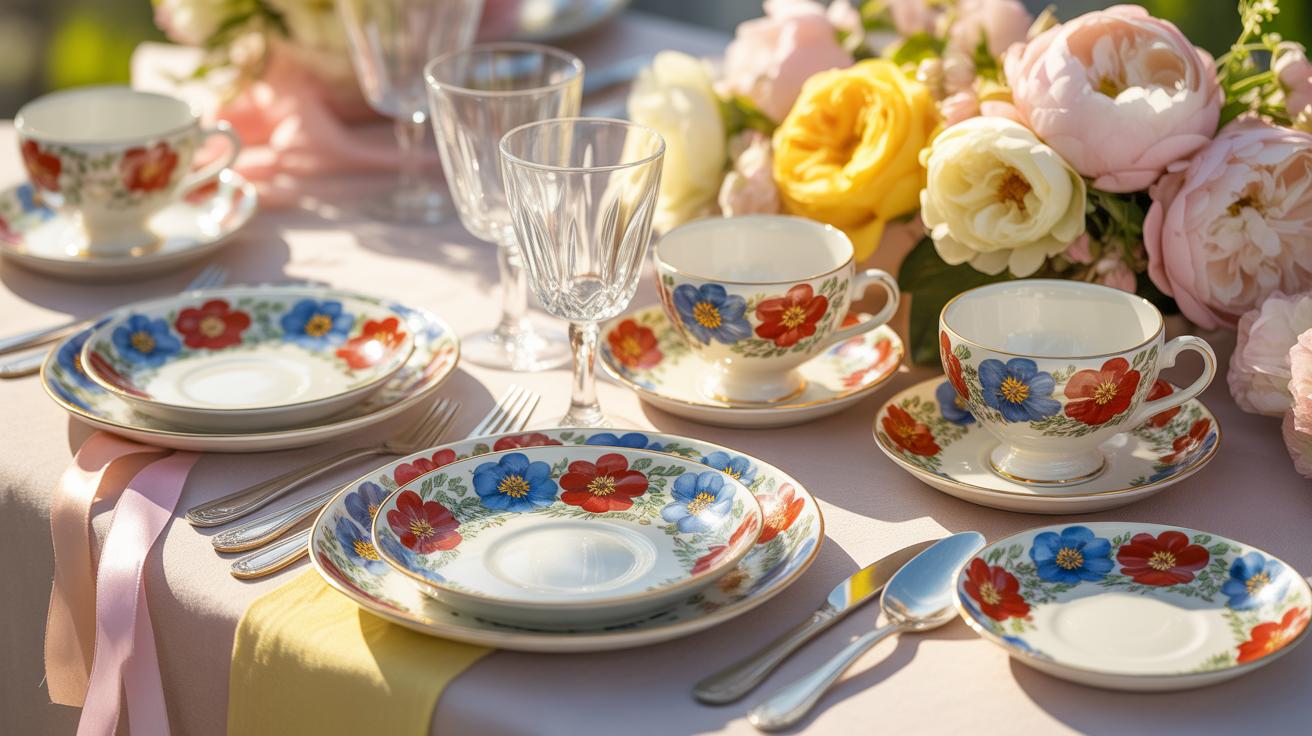
Floral china patterns act as a primary focal point on a table. The contrast between white porcelain and colorful pigments draws the eye immediately. Dense patterns create texture without requiring extra linens or centerpieces. Use these pieces to establish a color palette for the entire event. The delicate lines of the hand-painted or printed art provide a sense of luxury and detail.
Large displays of mismatched floral china create visual movement across a room. This technique prevents a flat look in your design. High-quality bone china has a translucent quality that interacts with light. This glow enhances the atmosphere during evening events. Position plates at different heights to exploit these light-reflecting properties. Using these items strategically reduces the need for expensive floral arrangements by providing permanent botanical color.

Vintage China Plates On Wall Turning Heirlooms Into Stunning DCor
Choosing The Right Wall Space And Layout For Displaying China Plates
Select a wall that provides high contrast against the floral patterns. Darker paint tones make white bone china pop. Avoid areas with high humidity or extreme heat like stove backsplashes. These conditions can damage the glaze or weaken the adhesive on the hangers. Ensure the wall receives enough light to showcase the hand painted details and gold rimming common in vintage sets.
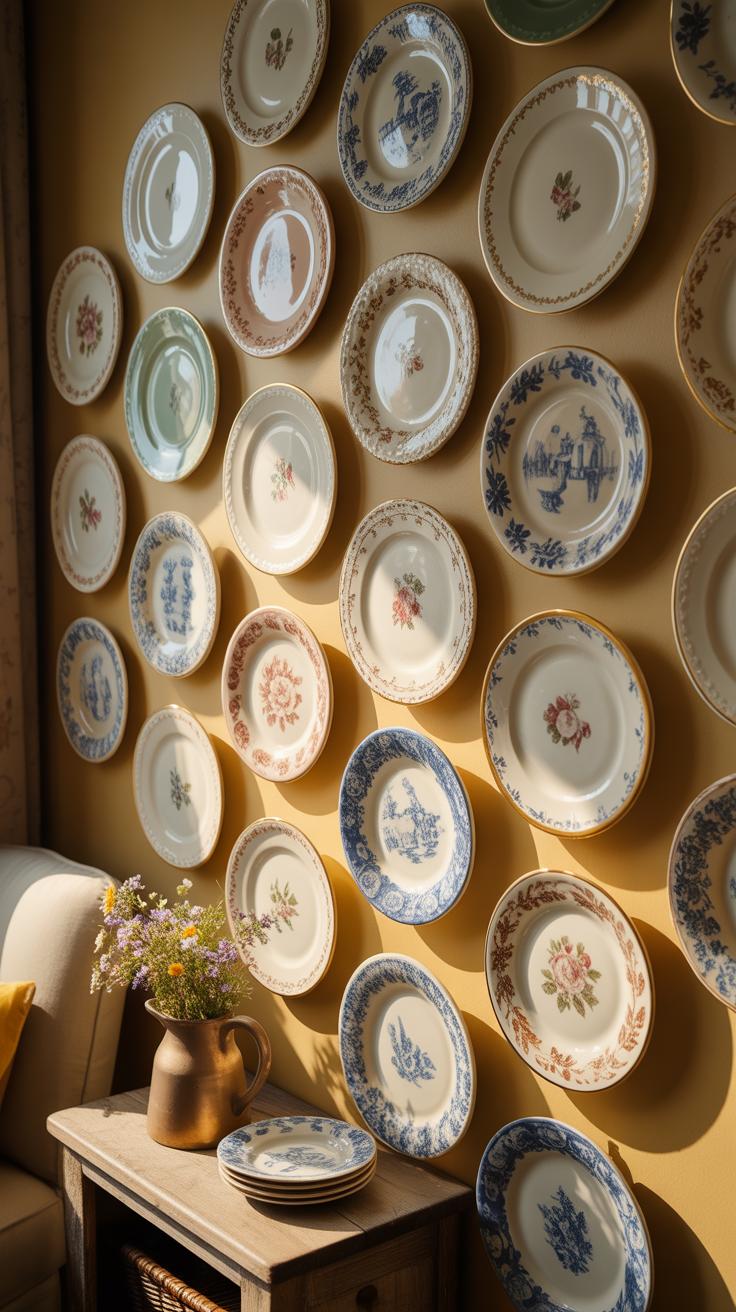
Map out your layout on the floor first. Measure the total wall area and mark it with tape. Arrange the plates in a balanced cluster or a structured grid. Geometric patterns work best for plates of the same size. For varied sizes, start with a large focal plate in the center. Build outward to create an organic flow. This step prevents unnecessary holes in your wall.
Safe Mounting Methods And Hardware For Hanging Vintage China Plates
Use wire plate hangers for heavy or oversized pieces. These hangers feature tension springs that grip the edges of the plate. Ensure the wire ends have rubber tips to prevent scratching the glaze. Check the weight capacity of the hardware before installation. High quality steel wires distribute pressure evenly across the ceramic body. This method keeps the plate secure and prevents it from slipping off.
Discs with adhesive backing offer a clean look without visible wires. These water activated hangers bond directly to the back of the porcelain. They work best on flat surfaces and distribute weight across the center of the plate. Always clean the back of the china with rubbing alcohol before applying. This removes oils and dust that might interfere with the bond. Testing the grip after twenty four hours is mandatory.
Antique Tea Cups Display Ideas That Add Elegance To Any Occasion
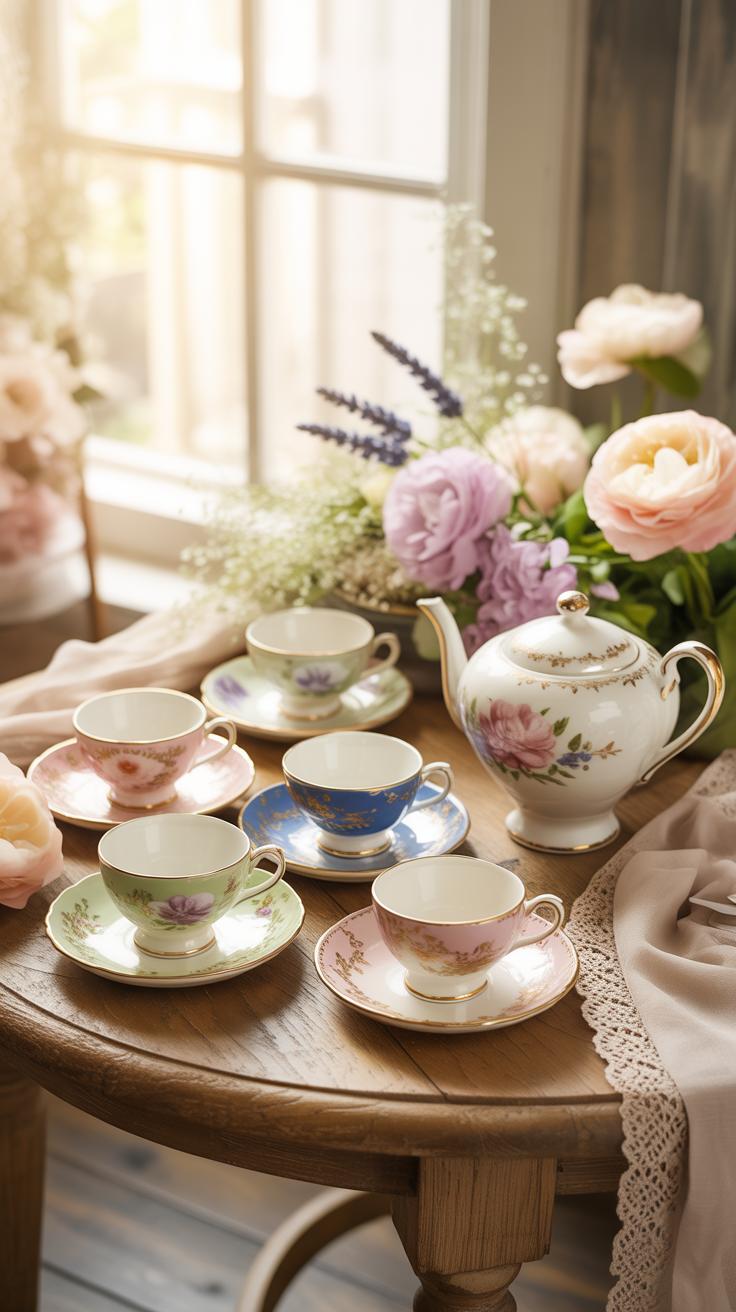
How To Display Teacups On Shelves, Trays, And Tiered Stands
Standard shelf displays require depth and height variation to prevent a flat appearance. Place saucers vertically in wire easels or grooves behind the cups. This method shows off the central floral patterns and manufacturer backstamps. Group items by porcelain type or color palette to maintain a cohesive look. Avoid overcrowding pieces to prevent accidental chipping. Leave gap space to let the bone china breathe and catch light.
Tiered stands and serving trays offer mobile display options for events. Position heavier stoneware on the bottom tier and delicate eggshell porcelain on top. Use velvet or linen liners on metal trays to stop sliding and scratching. This setup works best for high tea service or buffet lines. It keeps the collection organized while providing easy access for guests. Focus on stability and weight distribution to ensure the stand remains balanced.
Creative Vintage Teacup Display Arrangements For Tables And Mantels
Mantel displays benefit from a linear arrangement that highlights the silhouette of the porcelain. Mix heights by using small wooden blocks or books as hidden risers. Place the most intricate hand painted cups at eye level for close inspection. Symmetrical layouts create a formal atmosphere suitable for traditional events. Ensure the mantel surface is heat resistant if the fireplace is active. Dust the delicate rims regularly to maintain the glaze luster.

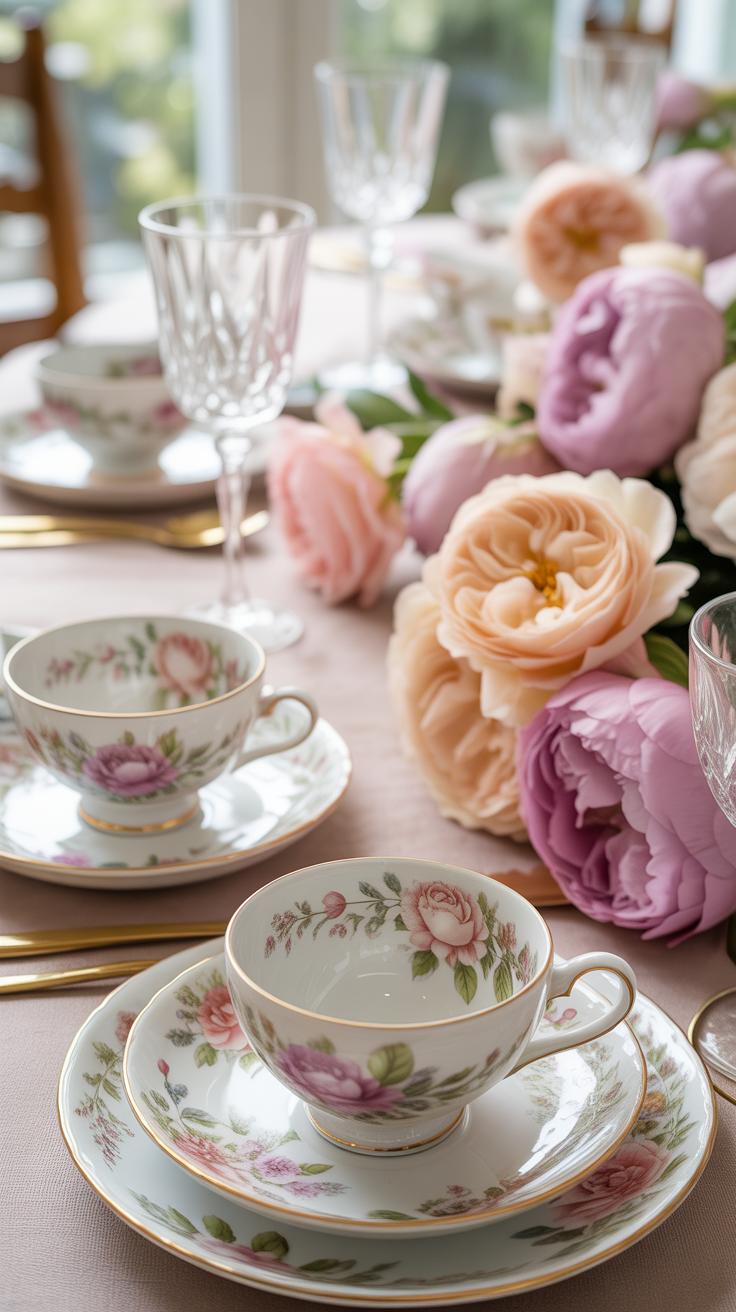
Table focal points require low profiles to allow clear sightlines across the room. Cluster three to five cups of varying sizes in the center of the table. Use mismatched patterns from the same historical era to create interest without clashing. Place small floral sprigs inside the cups to link the china patterns to the natural decor. Secure pieces with museum putty if the table is in a high traffic area. This prevents tipping during busy social gatherings.
China Display Ideas For Tablescapes At Weddings And Formal Dinners
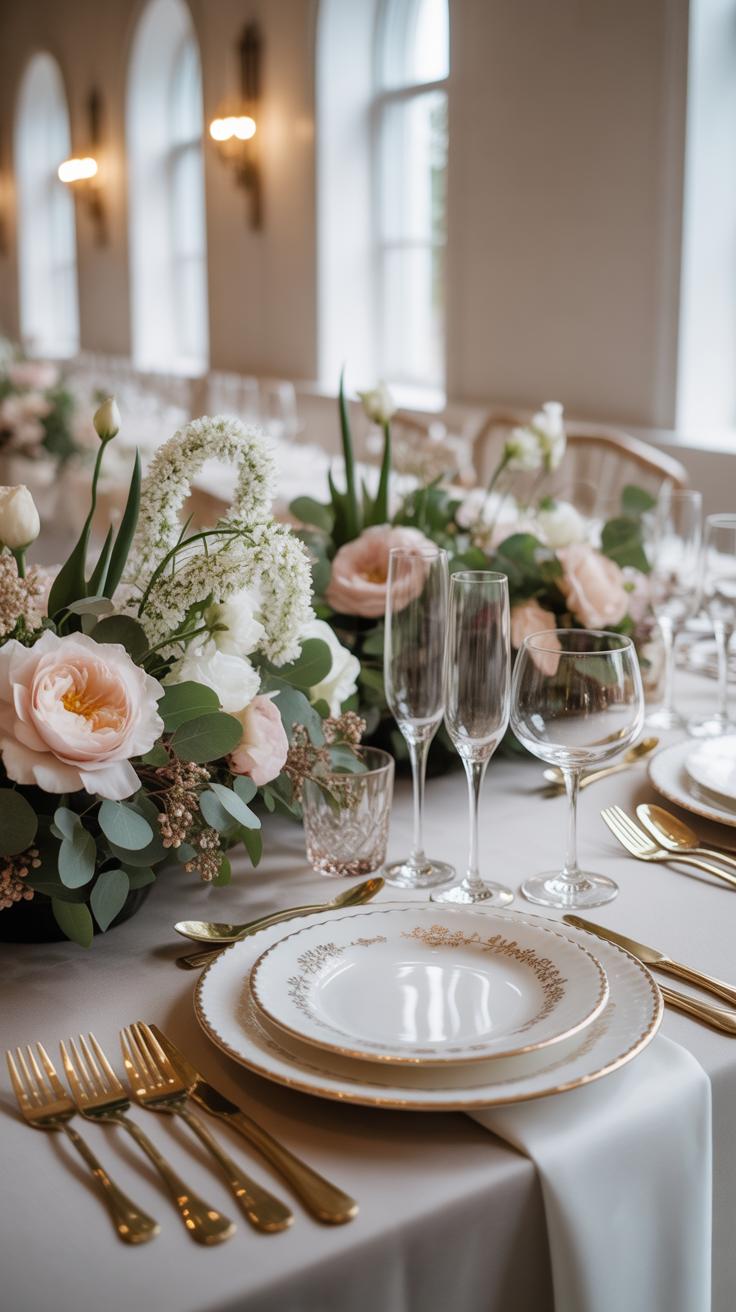
Layering Floral China Pieces With Linens, Candles, And Centerpieces
Effective layering starts with a neutral base to anchor the busy floral patterns. Use high-quality linen or cotton tablecloths in solid tones like cream or white. These materials provide a stable foundation for porcelain and bone china. Place a larger charger plate beneath the floral dinner plate. This adds depth and protects the table surface. Proper spacing ensures each piece remains distinct and visible during the event.
Lighting and floral arrangements must complement the china without overshadowing it. Use unscented taper candles in brass or silver holders to add height. Low centerpieces allow guests to see the intricate details on the plates. Select fresh flowers that match the colors found in the china glaze. This creates a unified look across the table. Keep the centerpiece height below eye level to maintain clear sightlines for seated guests.
There are always flowers for those who want to see them, especially when blooming from the heart of a cherished teacup. To set a beautiful table is to create a living memory that lingers long after the guests have departed.
Mixing And Matching China Patterns To Create A Cohesive Table Setting
Successful pattern mixing requires a common element to maintain order. Choose a singular base color to link different floral designs together. Bone china and porcelain have different translucency levels, so stick to one material type per table. Use a dominant floral pattern for the main course and smaller motifs for bread plates. This hierarchy prevents the table from looking cluttered. Tactical placement creates a controlled and intentional aesthetic.
Historic movements like Chinoiserie and Victorian styles provide templates for logic-based mixing. Combine larger botanical prints with tighter geometric borders from the same era. Use white space on the plates to give the eyes a place to rest. Ensure all pieces share a similar rim finish, such as gold or platinum gilding. This metallic thread binds disparate patterns into a professional collection. Consistent scale and color intensity are the keys to a balanced display.
China Cabinet Display Ideas Showcasing Your Floral Collection Sample With Style
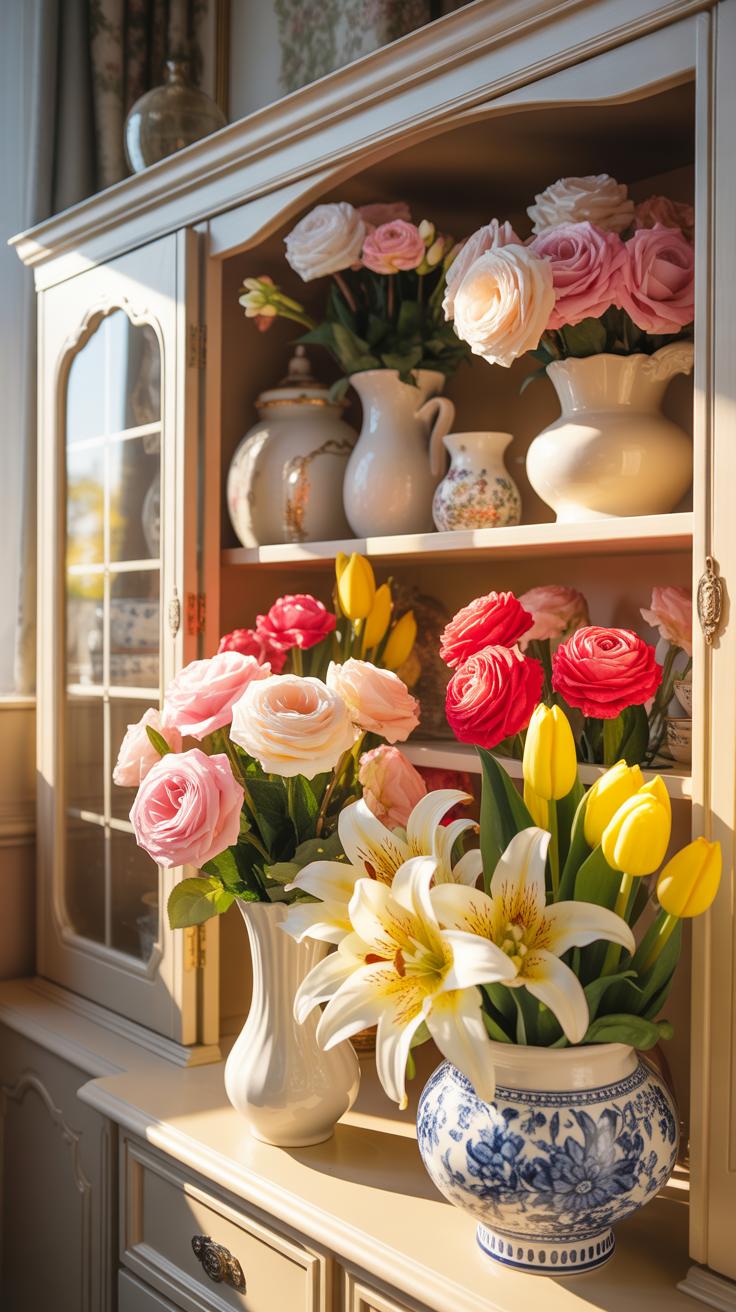
How To Arrange A Vintage China Cabinet Display By Color And Pattern
Group your china by base glaze color to create visual stability. Start with the heaviest floral patterns on the bottom shelves to anchor the display. Place white or cream pieces at eye level to reflect light. Mix different manufacturers only if they share a common color palette. This prevents the cabinet from looking cluttered or disorganized during professional events or home tours.
Incorporate the Rule of Three when placing platters and bowls. Set large floral chargers at the back as a backdrop for smaller teacups. Align patterns so the floral motifs face forward and remain upright. Use plate stands to create varying heights within each shelf. High-contrast arrangements work best in dark wood cabinets. Low-contrast schemes suit painted or light-colored furniture to maintain a clean appearance.
Essential Tips For Lighting And Staging Your China Cabinet For Maximum Impact
Proper lighting determines the visibility of intricate floral details and gold leaf edging. Use cool-toned LED strips to prevent heat damage to delicate porcelain glazes. Position light sources at the front top of the cabinet to eliminate shadows on the lower shelves. Effective staging requires a balance between density and open space. Overcrowding hides the craftsmanship and makes individual pieces look like generic bulk inventory.
- Install LED Puck Lights: Use battery-operated or hardwired puck lights to highlight specific floral centerpieces. These lights focus the beam on unique hand-painted details without raising the internal temperature of the glass enclosure.
- Utilize Clear Acrylic Risers: Add height to small teacups or saucers using transparent steps. Acrylic disappears into the background and allows the viewer to focus entirely on the china patterns rather than the support hardware itself.
- Implement Mirrored Backing: Install mirrors on the interior back wall to double the visual depth of your collection. This technique shows the back of the pieces and bounces light back through the glass to brighten the room.
- Offset Plate Placement: Stagger plates in a zigzag pattern rather than straight rows. This creates a natural path for the eye to follow and ensures that no single large platter blocks the view of smaller surrounding items.
- Maintain Negative Space: Leave two inches of air between distinct groupings of china. This gap acts as a visual palette cleanser and allows the brain to process different floral patterns without feeling overwhelmed by the complexity.
Secure all vertical plates with museum wax to prevent sliding on polished wood or glass surfaces. Use fabric liners only if they provide a neutral contrast to the floral designs. Avoid busy lace runners that compete with the patterns on the china. Check the shelf weight limits before stacking heavy stoneware. Finalize the arrangement by viewing it from a distance to ensure the overall composition looks balanced.
Floral China Set Display Concepts For Bridal Showers And Tea Parties
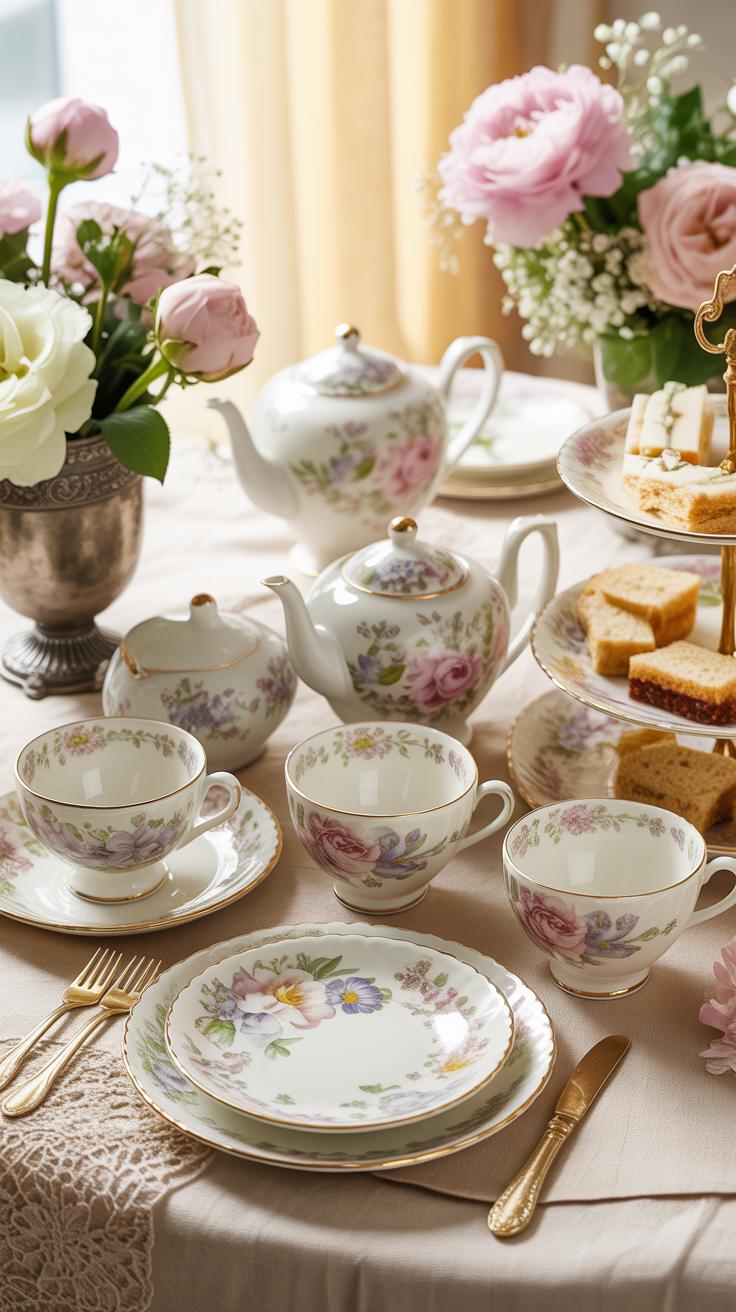
Setting Up A Themed Floral China Display For A Bridal Shower Buffet
Organize your buffet by height to maximize visual impact and plate accessibility. Use sturdy risers or wooden crates hidden under a linen cloth. Place large floral platters at the rear to create a backdrop for smaller items. This tiered approach prevents the display from looking flat. It also ensures guests can see every pattern clearly without reaching over delicate pieces.
Group china by floral pattern or color family to maintain a cohesive theme. Mixing random patterns creates visual clutter that distracts from the event aesthetic. Align plates in tight rows to emphasize the repetition of the design. Place stacks of bone china plates at the start of the line. Position teacups near the end to manage the flow of traffic effectively.
Using Floral China Sets As Both Functional Serveware And Decorative Centerpieces
Repurpose teapots and sugar bowls as floral vases to integrate the china into the table decor. Remove lids and fill the vessels with fresh greenery or matching blooms. This technique uses the china as a focal point while saving table space. Ensure the vessel weight stays balanced to prevent tipping. Use floral foam inside the china to hold stems securely without damaging the glaze.
Stack mismatched floral saucers and salad plates to create makeshift cake stands or jewelry holders. Secure the layers with museum putty for temporary stability during the party. This method displays the intricate rim details of the porcelain at different eye levels. It transforms flat serveware into a vertical design element. Guests can admire the craftsmanship while selecting small appetizers or finger sandwiches.
Seasonal And Holiday Floral China Display Ideas For The Home
Adapting Your Floral China Display To Spring, Autumn, And Winter Celebrations
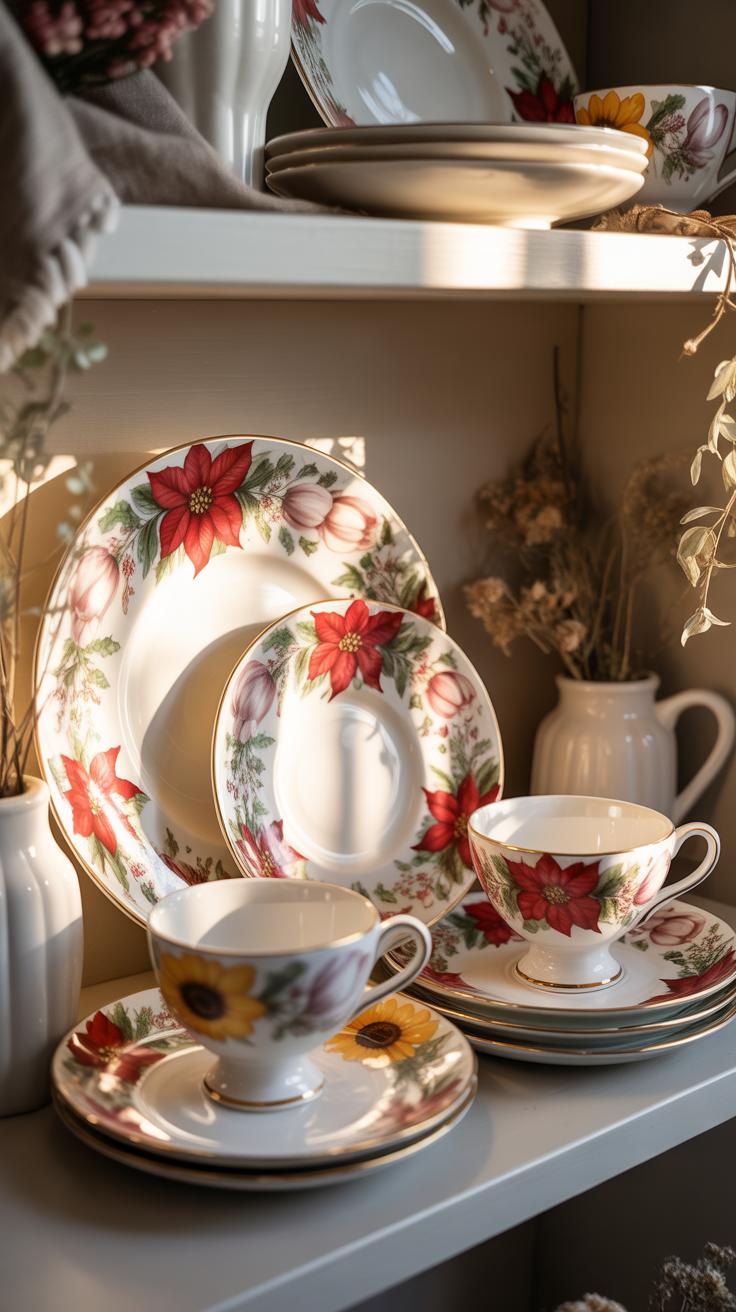
Seasonal displays require a shift in color theory and weight. Spring displays use light porcelain with pastel patterns to match the renewal cycle. Use thin-walled bone china to mirror the delicacy of early blooms. This style works best with high-key lighting and open space. Keep the arrangements airy to allow the intricate floral patterns on the plates to remain visible.
Autumn and winter demand a heavier visual density. Switch to ironstone or stoneware with darker botanical transfers. These pieces hold their own against the rich textures of harvested grains or evergreen branches. Winter displays benefit from white and gold patterns that reflect low light. Focus on grouping pieces in clusters to create a sense of warmth and abundance during colder months.
Pairing Fresh Or Dried Florals With China Pieces For A Seasonal Vignette
The physical properties of your florals must match the glaze and durability of the china. Fresh flowers provide moisture and weight, necessitating stable vessels like teapots or soup tureens. Ensure the china has a non-porous glaze to prevent water damage or staining. Dried florals offer a permanent solution for delicate antique pieces that cannot support the weight or humidity of live plants.
- Porcelain Teapots: Use these as primary vessels for dense spring bouquets. The heavy base prevents tipping when holding water and tall stems. They provide a functional look for kitchen displays or brunch tables.
- Ironstone Pitchers: These sturdy vessels support heavy autumn branches or dried wheat stalks. The thick walls handle the rough texture of woody stems without scratching. They anchor large scale displays on sideboards or mantels.
- Bone China Teacups: Small cups serve as individual bud vases for delicate winter sprigs. Their fine edges complement the tiny details of berries or baby breath. Place them at individual settings to distribute color across the table.
- Rimmed Soup Bowls: Use shallow bowls to create floating floral arrangements. Fill with water and add flat-headed flowers like camellias or roses. This technique protects the internal patterns of the china while showing off the blooms.
- Tiered Cake Stands: Place dried moss and pressed flowers on different levels. This vertical approach saves space and highlights multiple china patterns at once. It works well for showcasing a collection of mismatched floral patterns.
Balance texture by placing soft petals against hard ceramic finishes. Use floral foam or pin frogs to secure stems in wide-mouthed china containers. This prevents movement and keeps the composition tight. Always dry the exterior of the china after filling to protect wooden furniture surfaces. Proper placement ensures the florals enhance the china rather than hiding the hand-painted details.
Caring For And Preserving Your Floral China Before And After Display
Proper Cleaning And Handling Practices To Protect Delicate Floral China
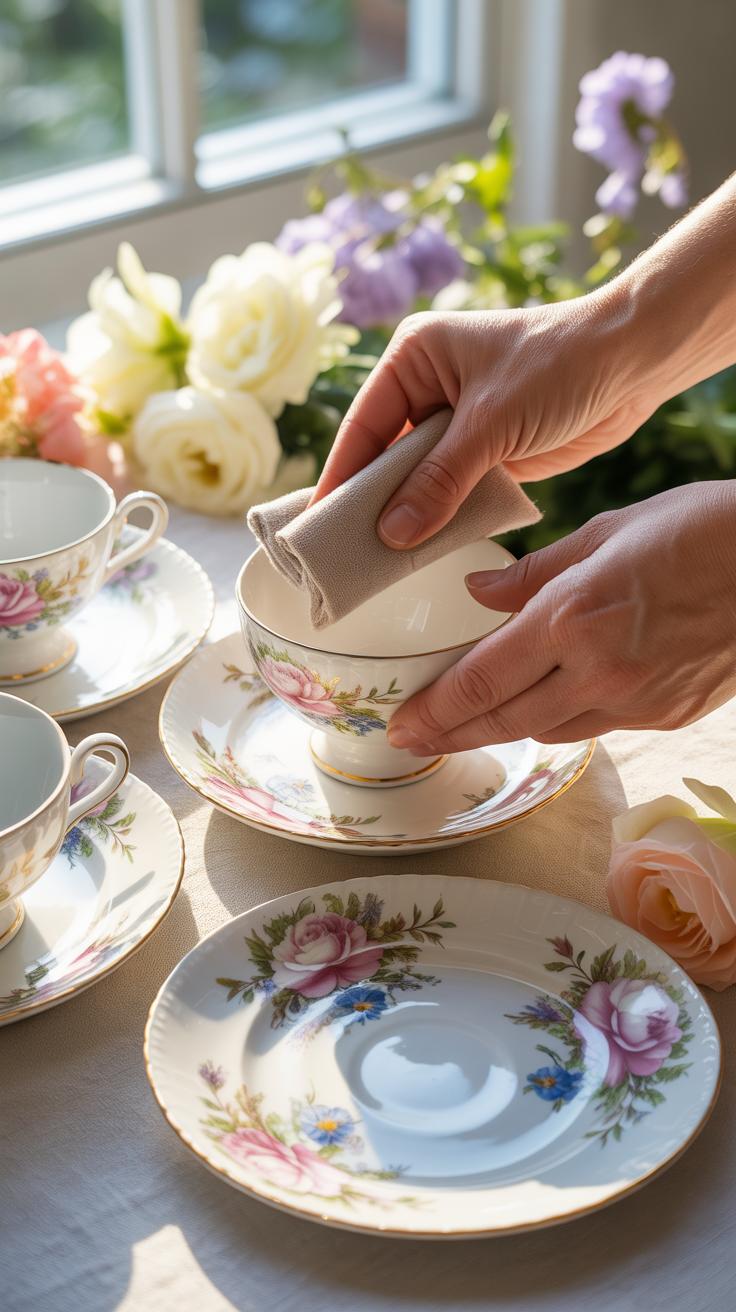
Hand wash only. Never use a dishwasher for floral china. High heat and harsh detergents strip away hand-painted details and gold leafing. Place a rubber mat or towel in the sink basin. This prevents chips if a piece slips. Use mild soap and lukewarm water. Avoid abrasive sponges that scratch the glaze. Wash one piece at a time to prevent collisions.
Dry each piece immediately with a soft lint-free cloth. Air drying leaves water spots that attract dust and grime. Keep your hands free of oils and lotions during the process. These substances can react with older glazes over time. Inspect each item for hairline cracks before putting it away. Careful handling ensures the floral patterns remain vibrant for several more decades of use.
Safe Storage Solutions To Keep Your Floral China In Perfect Condition
Store plates vertically in racks or stack them with protection. Always place felt or foam dividers between stacked plates. This prevents the foot ring of one dish from scratching the floral pattern of the one below it. Do not stack more than six pieces high to avoid weight stress. Heavy stacks can cause bottom pieces to crack. Keep the storage area cool and dry.

Avoid hanging cups by their handles on hooks. This puts excessive tension on the weakest part of the ceramic. Store cups rim-side up to protect the delicate edges. Use acid-free tissue paper for wrapping any items stored in boxes. Keep your collection away from direct sunlight. Constant UV exposure fades organic pigments found in nineteenth-century floral designs. Proper climate control prevents glaze crazing and keeps the china stable.
Frequently Asked Questions

How can I start decorating with floral china if I have never styled a table before?
Getting started is easier than you think. Begin by selecting a focal point, such as a vintage teapot or a decorative platter, to anchor your arrangement. You can explore various floral china display ideas by mixing your patterned pieces with solid-colored linens that highlight the delicate motifs. Don’t be afraid to layer different textures; a simple lace runner under your floral plates instantly adds a professional, curated touch to any beginner setup.
What is the best way to safely stack and layer plates for a tiered centerpiece?
To create a beautiful tiered centerpiece, use plate stands or specialized hardware to secure your dishes. Start with the largest dinner plate at the base and work your way up to smaller bread plates or teacups. When executing these floral china display ideas, place a small piece of felt or a napkin between layers to prevent scratching the glaze. Ensure the stack is balanced and stable before adding any fresh greenery or decorative accents.
Can I create an elegant display if I only have a few mismatched pieces?
Absolutely! Mismatched floral china is currently a major trend in home decor. You can create a cohesive look by grouping pieces that share a similar color palette, even if the patterns differ. Scour local thrift stores or flea markets for affordable single saucers to fill in gaps. This eclectic approach makes your special occasion feel more personal and whimsical without requiring you to invest in a full, expensive matching set.