
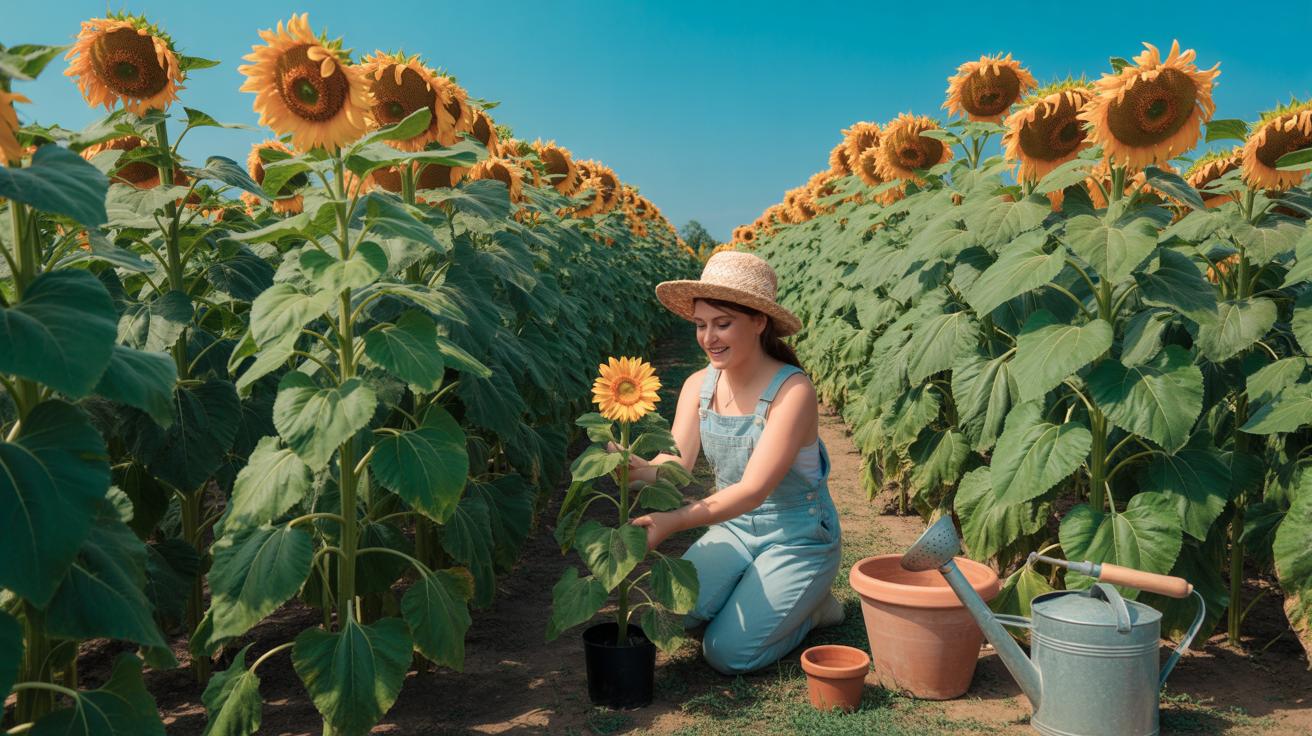
Why Growing Sunflowers Is One Of The Most Rewarding Things You Can Do In Your Garden
The Natural Appeal Of Sunflowers And What Makes Them Special
Sunflowers provide high agricultural yields with minimal labor. These plants exhibit heliotropism, meaning young buds track the sun from east to west. This biological trait maximizes photosynthesis and accelerates growth rates. They produce large amounts of biomass in a single season. Growers value them for their rapid development and structural strength. You get significant visual and physical results in tight timeframes.
These plants serve as a primary source of edible seeds and high quality oil globally. Native to North America, they have sustained human populations for thousands of years. They tolerate drought better than many traditional garden crops due to deep taproots. These roots stabilize the soil and pull nutrients from deep underground. Stalks provide strong vertical interest and can act as natural trellises for climbing plants.
How Sunflowers Benefit Your Garden Ecosystem And Surrounding Plants
Sunflowers function as efficient decontaminators through phytoremediation. Their root systems extract heavy metals and toxins like lead or arsenic from the soil. This process cleans the ground for future planting cycles. They also attract essential pollinators like bees and butterflies to your backyard. Increased pollinator activity improves the fruit set and yield of nearby vegetable crops. This creates a more productive growing environment.
The large leaves provide shade and reduce soil evaporation for smaller plants. This helps maintain consistent moisture levels in the ground during peak heat. Sunflowers also act as trap crops for specific pests. They draw aphids and leaffooted bugs away from more sensitive vegetables like tomatoes. Using sunflowers strategically reduces your need for chemical pesticides. This approach builds a self sustaining and hardy garden system with less effort.

Planting Sunflowers Choosing The Right Time Place And Soil
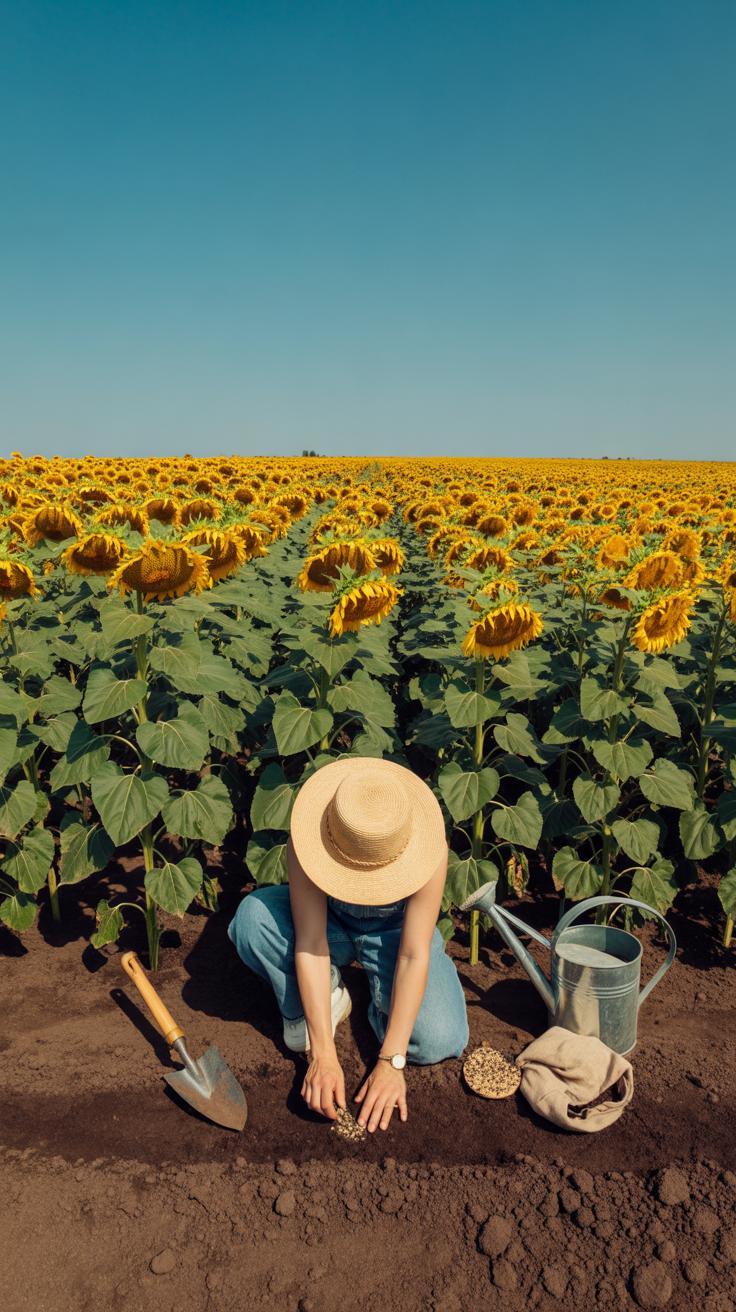
When To Plant Sunflowers For The Best Seasonal Results
Wait until the danger of frost passes completely. Sunflowers require warm soil to germinate effectively. Aim for a soil temperature of at least fifty to sixty degrees Fahrenheit. Planting too early leads to seed rot in cold, damp earth. Check your local frost dates before you start. Early spring planting usually fails in northern climates. Success depends on timing the heat of the summer sun.
Direct sow your seeds once the ground stays warm consistently. These plants have long taproots that dislike being moved. Avoid starting them indoors unless you use peat pots. Move them outside quickly to prevent root binding. Most varieties need between seventy and one hundred days to reach maturity. Plan your harvest by counting back from the first expected fall frost. Consistent warmth ensures tall stalks and heavy heads.
Just as the simple sunflower follows the light, anyone can find joy in the golden garden that grows from just a little care and a single seed. Keep your face to the sunshine and you cannot see the shadows.
How To Prepare Your Soil To Give Sunflowers The Strongest Start
Sunflowers need well-drained soil to thrive and stay upright. Heavy clay traps water and rots the root system. Loose, sandy loam provides the best structure for deep root penetration. Dig down at least two feet to break up hard pans. This allows the taproot to anchor the plant against high winds. Good drainage prevents fungal diseases from attacking the base of the stem.

Check your soil pH to ensure it falls between six and seven. Sunflowers are heavy feeders that pull nutrients quickly from the earth. Mix in aged compost or well-rotted manure before planting. Avoid high-nitrogen fertilizers that produce leaves instead of large flowers. Focus on phosphorus and potassium for strong stalks and seed development. Clear all weeds within a three-foot radius to eliminate competition for water and ground minerals.
How To Grow Sunflowers From Seeds The Right Way
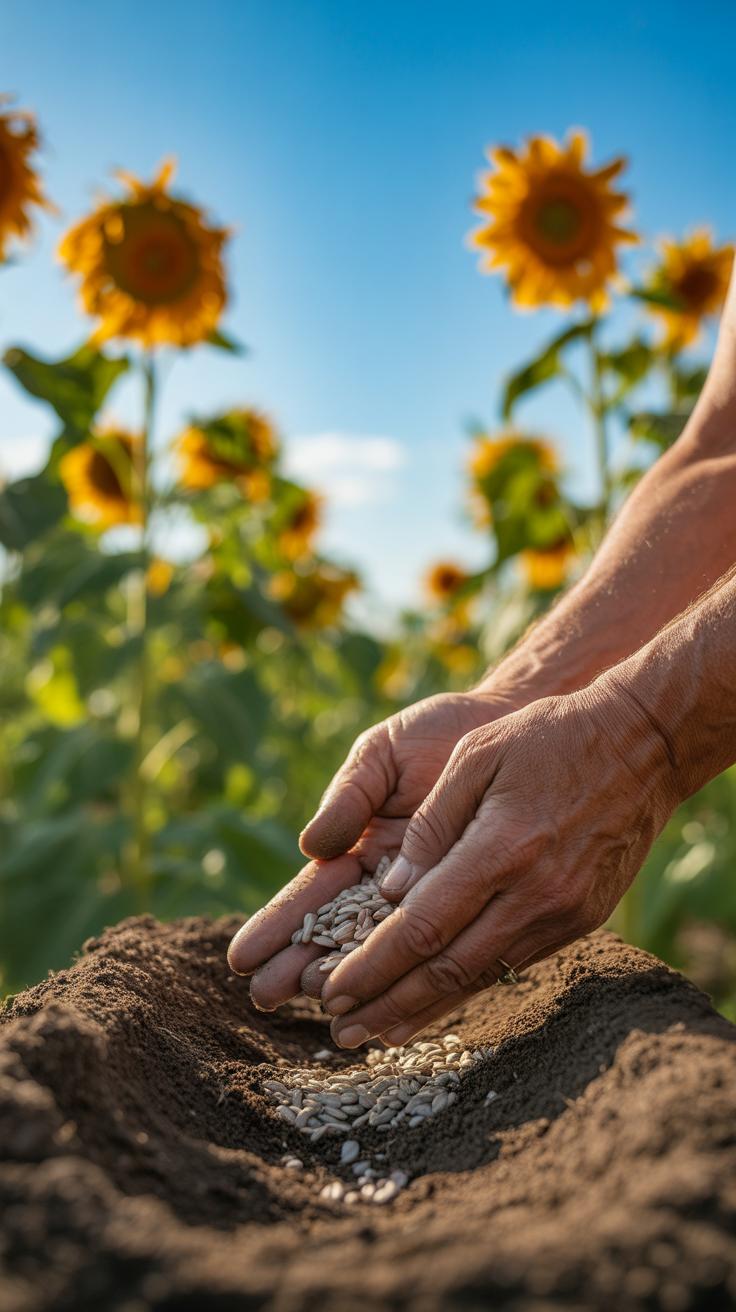
Selecting The Best Sunflower Seed Varieties For Your Climate And Space
Variety selection dictates the success of your harvest. Giant sunflowers like the Mammoth Russian require deep soil and significant vertical clearance. These plants reach heights over twelve feet and produce heavy seed heads. If you have limited space, choose dwarf varieties like the Teddy Bear. These stay under three feet tall and work well in containers or small garden borders.
Climate also impacts your choice. Most sunflowers need long, hot summers to reach full maturity. Check the days to maturity on the seed packet before buying. Northern gardeners should select early blooming types to avoid early autumn frosts. If you want cut flowers, choose pollenless hybrids. These varieties do not drop yellow dust on furniture and typically produce more branches and blooms.
Step By Step Guide To Sowing Sunflower Seeds Directly Into The Ground
Direct sowing works best because sunflowers have long taproots. These roots do not like being moved. Wait until the soil temperature reaches fifty degrees Fahrenheit before planting. High soil temperatures ensure fast germination and prevent seed rot. Choose a spot that gets at least six hours of direct sun daily. Clear all weeds and debris from the planting area first.
- Soil Preparation: Turn the soil to a depth of twelve inches. Sunflowers grow deep roots to support their height and weight. Mix in compost to provide drainage and nutrients without using high nitrogen fertilizers that delay blooming.
- Planting Depth: Bury seeds one inch deep into the soil. Planting too shallow allows birds to eat the seeds. Planting too deep prevents the sprout from reaching the surface before its stored energy runs out. Space seeds appropriately.
- Spacing Requirements: Space giant varieties thirty inches apart to allow for airflow. Crowding plants leads to thin stems and smaller flower heads. If you plant dwarf varieties, twelve inches of space is usually enough for healthy growth and development.
- Watering Technique: Water the soil immediately after planting. Keep the area moist but not soaking wet during the germination period. This usually takes seven to ten days. Use a gentle spray to avoid washing the seeds out of the dirt.
- Protection Measures: Cover the planting area with bird netting or hardware cloth. Birds and squirrels often dig up freshly planted seeds. Remove the covers once the seedlings reach four inches tall and have developed several sets of true leaves.

Sunflowers are heavy feeders and require consistent moisture during the early growth stages. Water the base of the plant rather than the leaves. This prevents fungal diseases like powdery mildew from forming. As the plant matures, it becomes more drought tolerant. However, you must provide extra water when the flower heads begin to form to ensure large, healthy seeds and strong, sturdy stems.
Sunflower Care How To Grow Strong Stems And Healthy Plants
Watering Routines That Keep Sunflowers Hydrated Without Overwatering
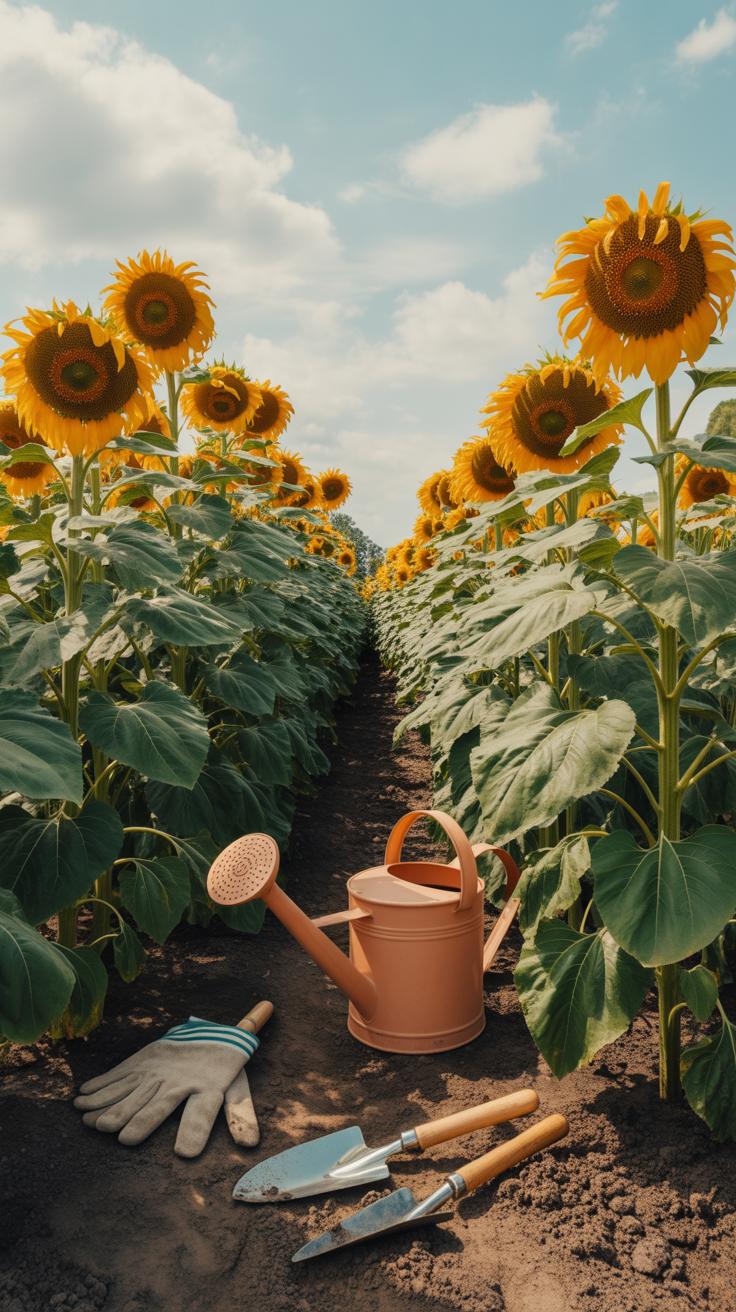
Sunflowers require deep watering to develop extensive taproot systems. Water the soil until it is moist four inches deep. Focus on the root zone rather than the leaves. Wet foliage increases the risk of fungal diseases like powdery mildew. Young seedlings need frequent watering to establish themselves. Mature plants tolerate some drought but need consistent moisture during the critical flowering stage.
Check the soil daily during hot summer months. Stick your finger two inches into the ground. If the soil feels dry, apply water immediately. Overwatering leads to root rot and weak stems. Use a soaker hose to provide slow and steady hydration. This method prevents soil erosion and keeps the plant base stable. Proper drainage is essential for preventing waterlogged roots and stunted growth.
Feeding And Fertilizing Sunflowers At The Right Growth Stages
Start with nutrient-rich soil to minimize the need for external fertilizers. Sunflowers consume large amounts of nitrogen during the early leaf growth phase. Use a balanced fertilizer if your soil lacks organic matter. Apply the nutrients several inches away from the main stalk to avoid chemical burns. High nitrogen levels support tall stems but can delay flower production if used too late.

Shift to a phosphorus-rich fertilizer once the flower head begins to form. This transition supports large blooms and strong seed development. Avoid over-fertilizing as this causes stems to snap under their own weight. Granular fertilizers provide a slow release of nutrients over several weeks. Water the ground thoroughly after applying any fertilizer to help the roots absorb the minerals safely and effectively.
How To Care For Sunflowers Through Every Stage Of Growth
Managing Sunflower Seedlings In The Early Weeks After Germination
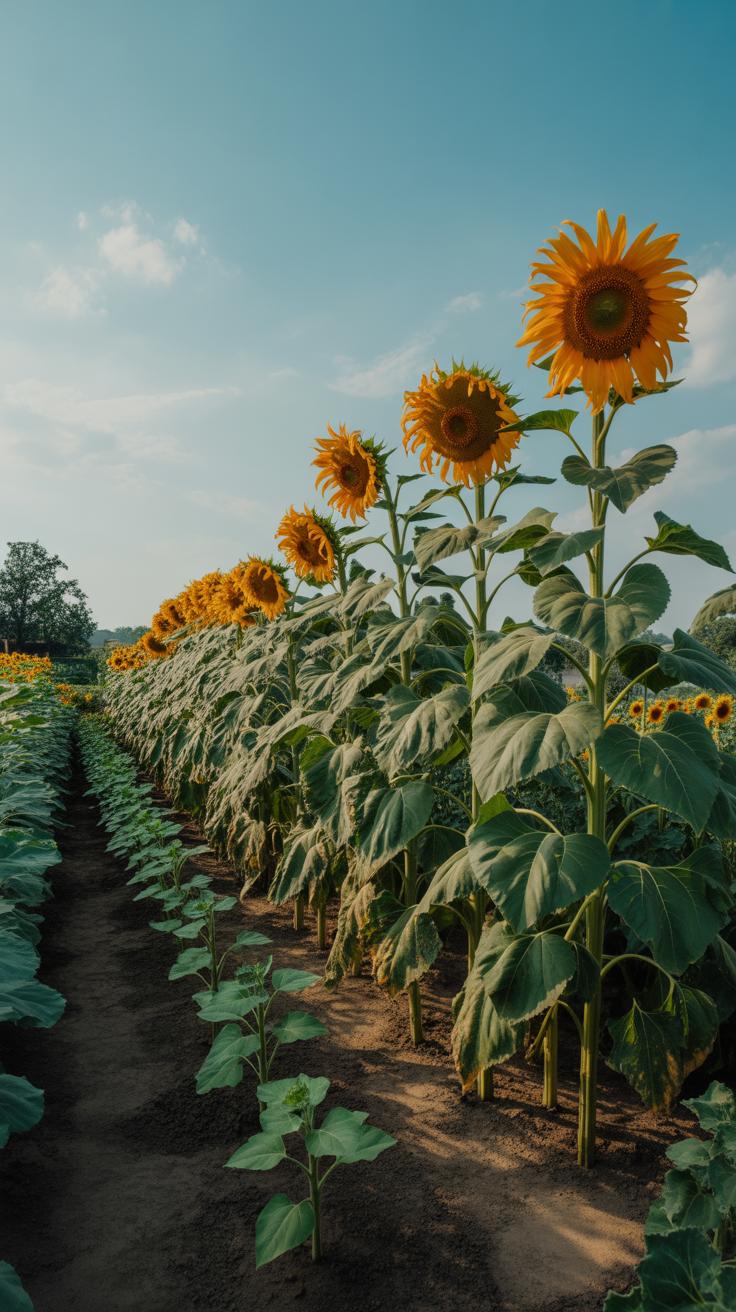
Seedlings require consistent soil moisture during the first 14 days. Dry soil stunts early root expansion and kills the plant. Water at the base to keep leaves dry. Wet leaves attract fungal disease and pests. Thin the seedlings once they reach 3 inches tall. Keep only the strongest plants. Space them 12 to 24 inches apart to ensure proper airflow and light.
Apply a light layer of mulch around the base of the young plants. This prevents weeds from stealing nutrients and water. Weeds compete with sunflowers for nitrogen and can quickly overwhelm small seedlings. Watch for slugs and snails during this phase. Scavengers eat tender new growth overnight. Use organic bait or physical barriers if you see damage. Strong early growth creates a vertical foundation.
Supporting Tall Sunflower Varieties With Stakes And Natural Windbreaks
Giant sunflowers need physical support to prevent snapping. High winds and heavy flower heads put massive stress on the main stalk. Drive a wooden or bamboo stake 12 inches into the ground next to the plant. Use soft twine or cloth strips to tie the stalk. Avoid wire or thin plastic. These materials cut into the plant tissue as the sunflower girth expands.

Strategic planting locations reduce the need for heavy staking. Grow sunflowers near a fence or a south facing wall. These structures act as a heat sink and a wind shield. Grouping sunflowers together allows them to buffer each other against gusts. Check the ties weekly. Loosen the grip if the tie becomes too tight. Flexible support allows the plant to thicken naturally while remaining upright.
Growing Sunflowers In Pots A Practical Guide For Small Spaces
Choosing The Right Container Size And Drainage Setup For Potted Sunflowers
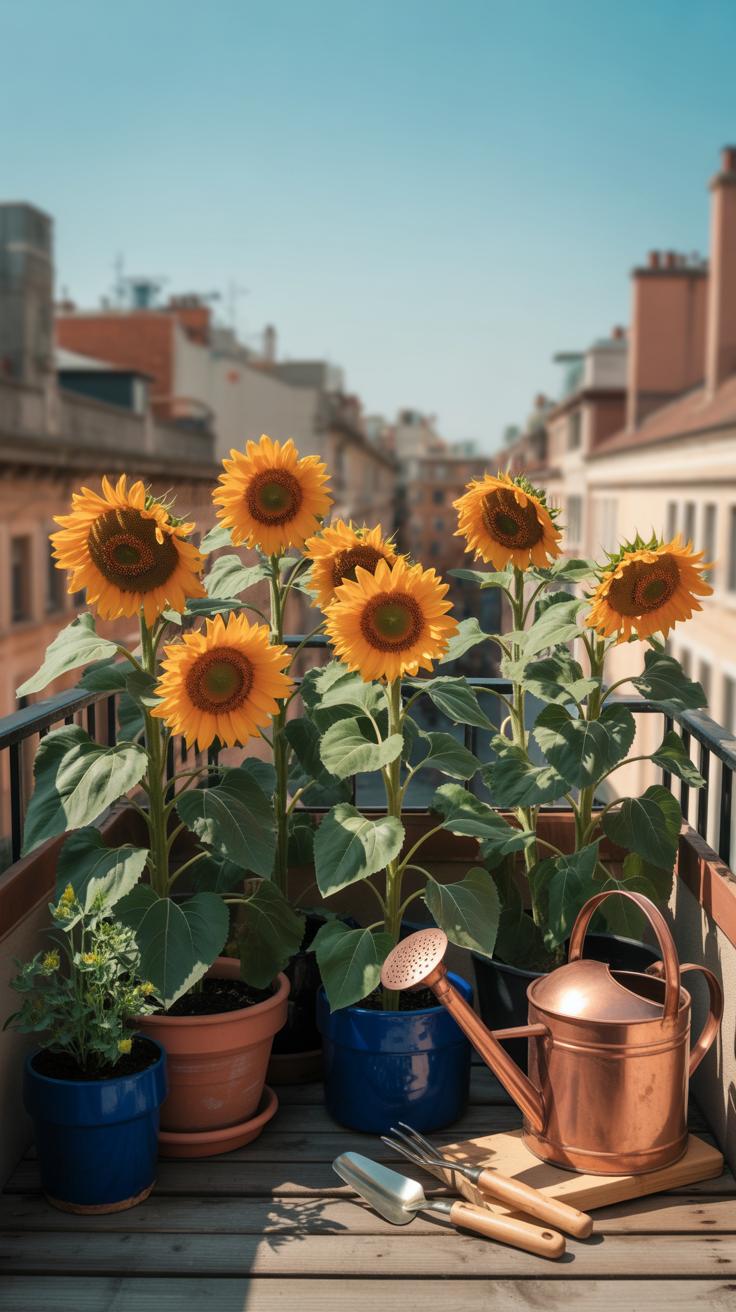
Standard sunflower taproots need vertical space to stabilize the plant. Use a container with at least a five gallon capacity for single plants. Small pots restrict root growth and cause the plant to fall over during wind. Ensure the pot has multiple drainage holes at the base to prevent water from sitting. Stagnant water causes root rot and kills the plant quickly.
Select a heavy material like terra cotta or glazed ceramic to provide a stable base. Lightweight plastic pots often tip over once the flower head becomes heavy with seeds. Fill the bottom with high quality potting soil rather than heavy garden dirt. Garden soil compacts in containers and prevents oxygen from reaching the roots. Proper airflow and fast drainage are essential for healthy container growth.
Best Dwarf Sunflower Varieties That Thrive In Containers And Balconies
Dwarf sunflower varieties stay short and manageable for small spaces. The Teddy Bear variety produces fluffy blooms on stalks under twenty four inches tall. Big Smile sunflowers grow quickly and stay small enough for window boxes or small patio pots. These specific cultivars focus energy on flower production rather than tall stalk growth. They handle the limited root space of a container without losing their structural integrity.

Suntastic Yellow is another reliable choice for indoor or outdoor containers. This variety produces multiple blooms on a single plant throughout the season. Dwarf varieties do not require the staking that tall agricultural sunflowers need for support. Place these pots in a location that receives at least six hours of direct sunlight. Consistent sun exposure ensures the stems remain thick and the flower heads develop fully.
Sunflower Care Dealing With Common Pests Diseases And Problems
Identifying The Most Common Sunflower Pests And How To Handle Them Naturally
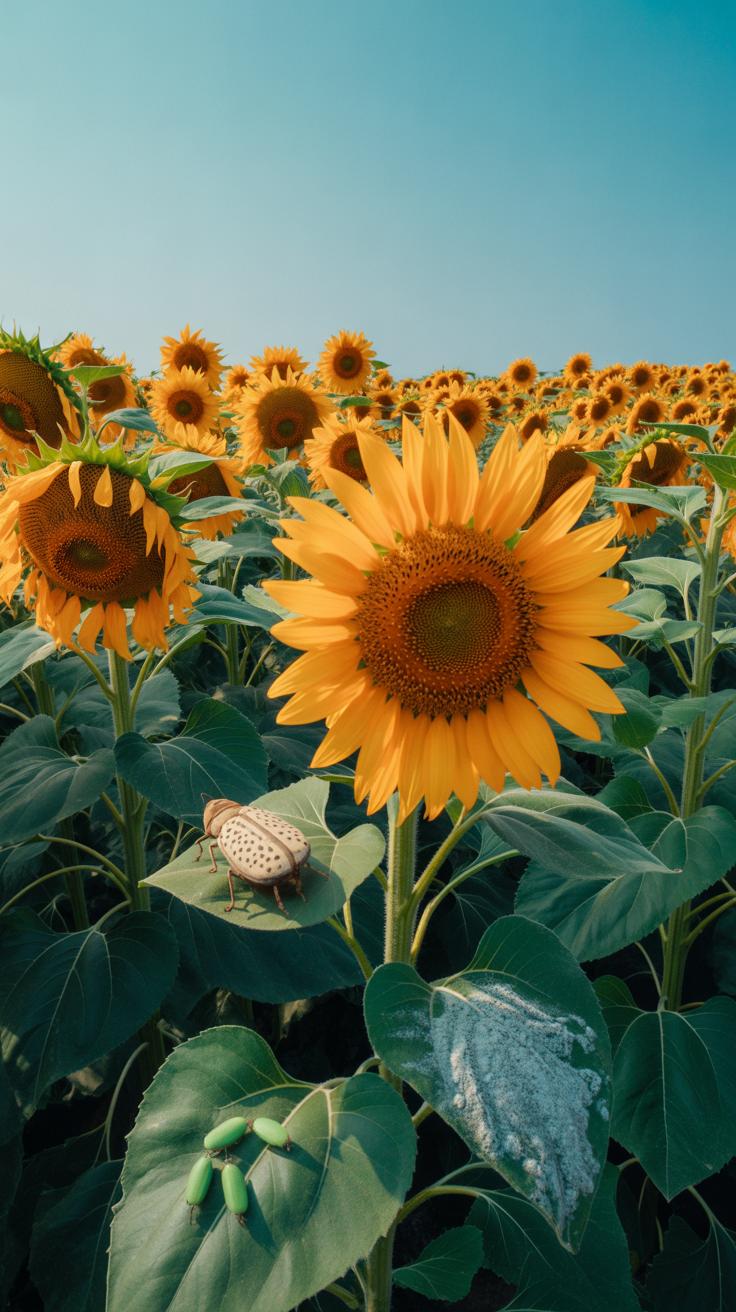
Sunflowers attract local wildlife and insects throughout the growing season. Aphids and whiteflies congregate on the undersides of leaves to suck sap. This weakens the plant and stunts growth. You must inspect your crops weekly to catch these infestations early. Blast pests off with a strong stream of water from a garden hose. This mechanical removal method works without harming beneficial insects.
Larger pests like cutworms and sunflower moths require different tactics. Cutworms sever young seedlings at the soil line during the night. Protect stems with physical barriers like cardboard collars. For moth larvae that tunnel into flower heads, deploy Bacillus thuringiensis sprays. This organic biological control kills caterpillars but leaves bees unharmed. Always remove debris from the soil base to eliminate hiding spots for these destructive pests.
Recognizing Fungal Diseases In Sunflowers And Preventing Their Spread
High humidity and poor airflow trigger most sunflower diseases. Fungal pathogens thrive in damp environments and spread through water splashes. You will see rust as orange pustules on lower leaves or powdery mildew as white dust. These infections reduce the plant ability to produce energy through photosynthesis. Act quickly to remove infected foliage. Never compost diseased material as spores survive the heat.
- Powdery Mildew: This fungus appears as white flour-like patches on leaves. It thrives in high humidity and crowds out light. Improve air circulation by spacing plants at least twenty-four inches apart to keep the foliage dry and healthy.
- Downy Mildew: This systemic pathogen causes thickened leaves and stunted growth. It often enters the plant during the seedling stage in cool, wet soil. Treat seeds with fungicides or choose resistant varieties to prevent this soil-borne threat from taking hold.
- Sunflower Rust: Look for small cinnamon-colored spots on the undersides of leaves. This fungus steals nutrients and causes premature leaf drop. Destroy all infected crop residue at the end of the season to prevent the spores from overwintering in your soil.
- Septoria Leaf Spot: Fungi create gray spots with dark borders on older leaves first. This disease moves upward during rainy periods. Mulch around the base of the stems to prevent soil-borne spores from splashing onto the leaves during heavy summer rainstorms.
- Sclerotinia Stem Rot: Also known as white mold, this fungus causes stems to turn tan and eventually collapse. It produces hard black survival structures inside the pith. Rotate your crops every year to ensure sunflowers do not grow in the same spot twice.

Prevention is more effective than any chemical cure for fungal issues. Irrigate your sunflowers at the base of the plant using drip hoses. Avoid overhead watering because wet leaves invite spores to germinate. If you notice localized infection, prune the damaged areas immediately with sanitized shears. Maintaining dry foliage and clean soil represents the best tactical defense against the most common sunflower diseases.
Designing A Sunflower Garden That Looks Stunning All Season Long
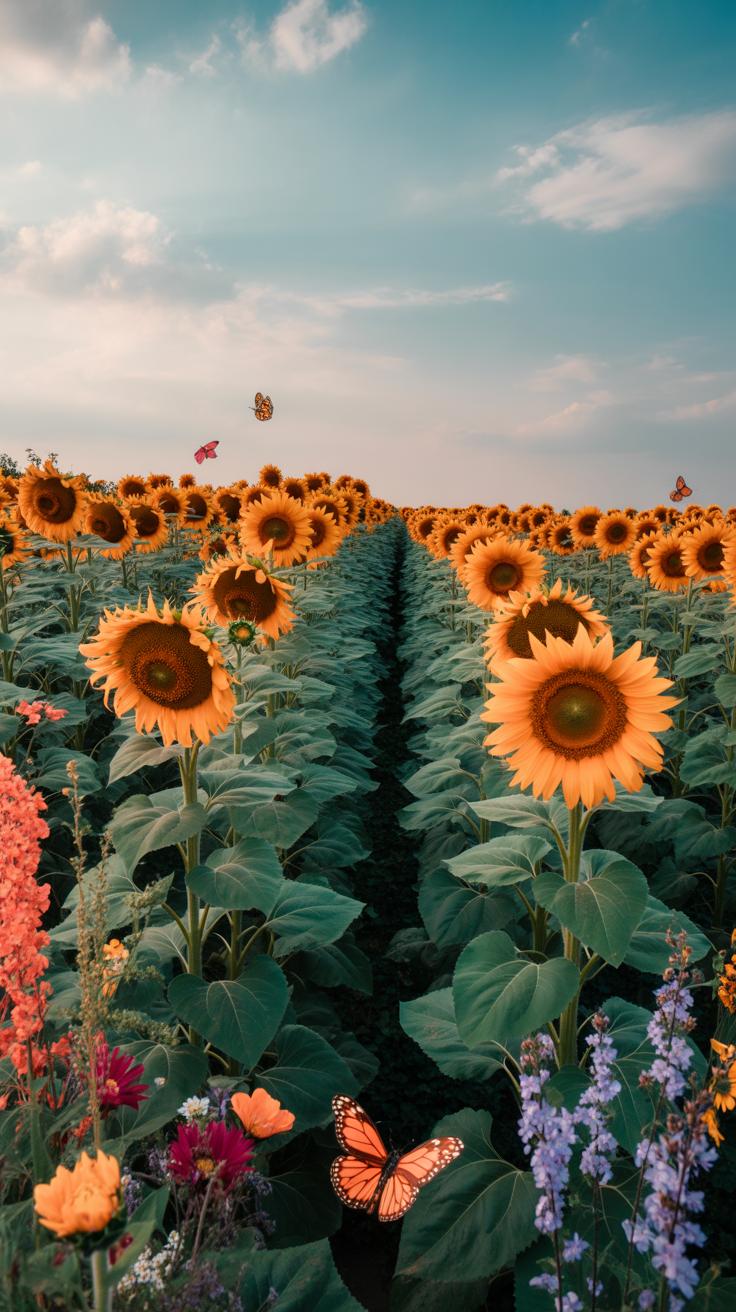
How To Layout And Plan A Sunflower Garden For Maximum Visual Impact
Position the tallest varieties at the north end of your garden. This prevents giant stalks from shading out smaller plants. Use a tiered height strategy to create a stadium seating effect. Place dwarf varieties in the front and medium cultivars in the middle. This layout ensures every flower remains visible. It also maximizes sunlight exposure for each leaf. Good spacing prevents powdery mildew by improving airflow.
Orient your rows to face the southern sun. Sunflowers are heliotropic and will track light during their early growth stages. Once mature, flowers typically face east. Plan your seating areas or paths to capitalize on this eastern orientation. Solid blocks of color provide more impact than scattered individuals. Grouping varieties by bloom time extends the visual display. This method keeps the garden looking full for months.
Companion Plants That Pair Beautifully And Beneficially With Sunflowers
Select companion plants that thrive in high nitrogen environments. Nitrogen fixing legumes like bush beans or peas provide essential nutrients to the heavy-feeding sunflowers. These plants cover the bare soil at the base of the stalks. This living mulch retains moisture and suppresses weeds. Choose low-growing varieties to avoid competition for light. This creates a functional ecosystem that supports the primary crop growth.

Incorporate flowering herbs such as borage or calendula to attract pollinators. These insects increase seed set and manage pests naturally. Tall sunflowers provide structural support for climbing plants like morning glories or vining cucumbers. This vertical gardening technique saves space and adds depth to the landscape. Ensure the companions do not reach the sunflower heads. Excessive weight from vines can snap the main stalks during high winds.
Grow Sunflowers Year After Year By Harvesting And Saving Seeds
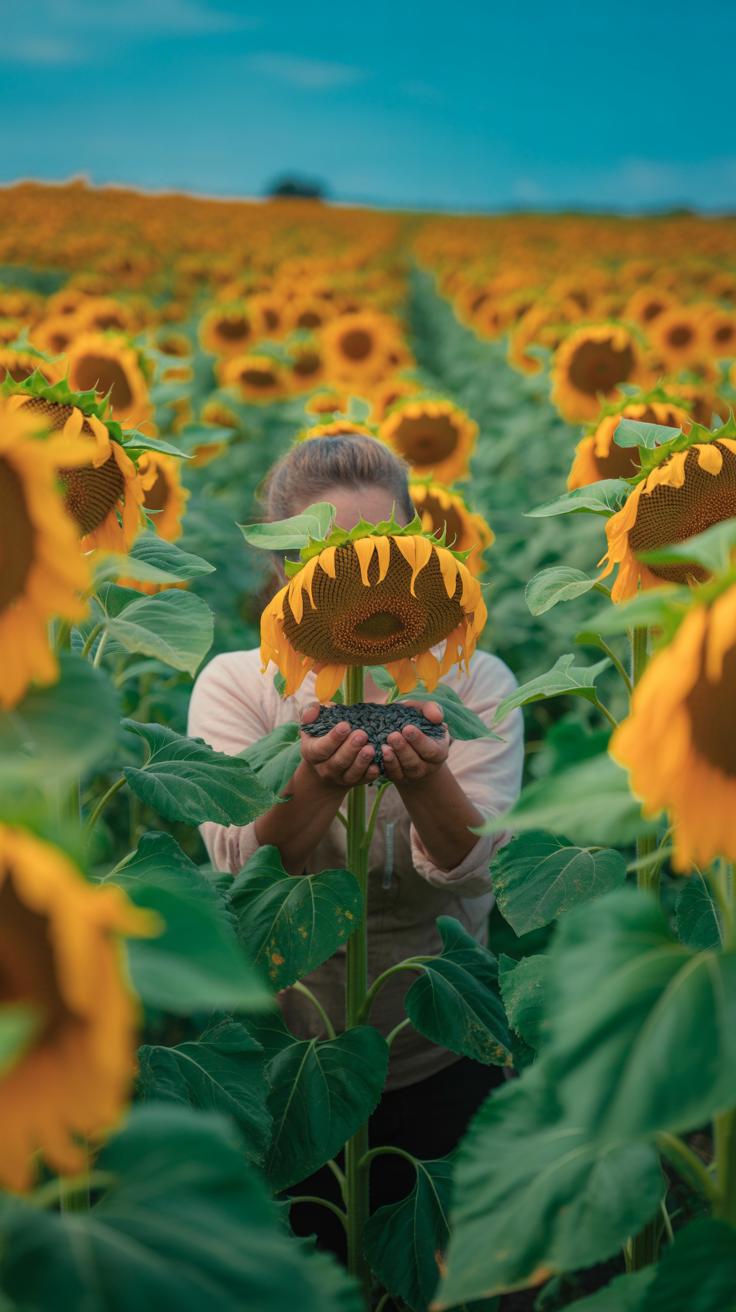
Knowing When And How To Harvest Sunflower Heads At Peak Maturity
Identify the right time to harvest by watching the back of the flower head. The green bracts must turn yellow and then deep brown. Petals will shrivel and fall off the face. Check the seeds for a full, plump shape and hard outer shells. If the back of the head is still green, the seeds within have not reached full physiological maturity.
Cut the stalk about four inches below the head using sharp bypass pruners. You must protect the seeds from birds and squirrels during the final drying phase. Many growers wrap the heads in breathable mesh bags or cheesecloth while they remain on the stalk. This prevents seed loss. Move the cut heads to a dry, well-ventilated indoor space to finish the drying process completely.
Properly Storing Sunflower Seeds So They Stay Viable For The Next Season
Remove the seeds by rubbing your thumb across the dry flower disk. Seeds should drop out easily if they are ready. Spread the loose seeds across a flat screen or tray for several days to ensure zero moisture remains. Trapped moisture causes mold and ruins the entire batch. Solid black seeds or striped varieties both require this critical desiccation period before final storage.
Place the dry seeds into glass jars or paper envelopes. Plastic bags often trap humidity and lead to rot. Store the containers in a cool, dark, and dry location like a basement or refrigerator. Maintaining a constant temperature extends the life of the embryo. Label every container with the variety name and the harvest date. High quality seeds remain viable for seven years.
Frequently Asked Questions

Are sunflowers easy for beginners to grow at home?
Absolutely! Sunflowers are some of the most resilient plants for new gardeners because they germinate quickly and tolerate various soil types. One of the best sunflower growing tips for beginners is to start with a “mammoth” variety, as these seeds are large and easy to handle. As long as you have a sunny spot with six to eight hours of direct light, these cheerful giants will practically grow themselves.
How do I properly plant sunflower seeds for the best results?
To ensure success, plant your seeds about one inch deep once the danger of frost has passed. Space them roughly six to twelve inches apart, depending on the variety’s mature size. A vital part of your sunflower growing tips routine is to water the soil immediately after planting and keep it moist until sprouts emerge. Once established, water deeply but infrequently to encourage strong, drought-resistant root systems that support tall stems.
Can I grow sunflowers on a tight budget without fancy equipment?
You certainly can! Sunflowers are incredibly budget-friendly because a single packet of seeds usually costs just a few dollars and requires no special tools. You don’t need expensive fertilizers; simple kitchen compost or aged manure works perfectly. For those with limited space or no yard, many dwarf varieties thrive in recycled containers or inexpensive plastic buckets, making this a rewarding and accessible hobby for every home gardener.