
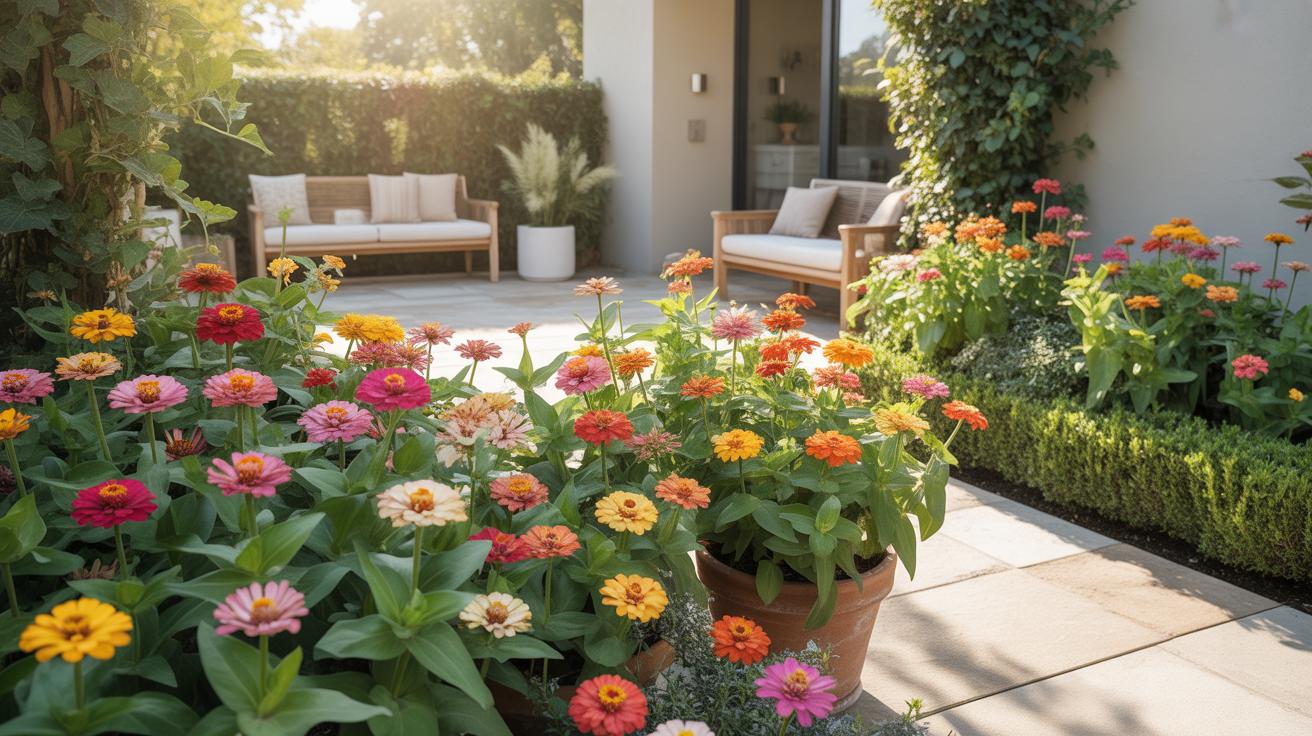
How To Grow Zinnias What Every Home Gardener Should Know First
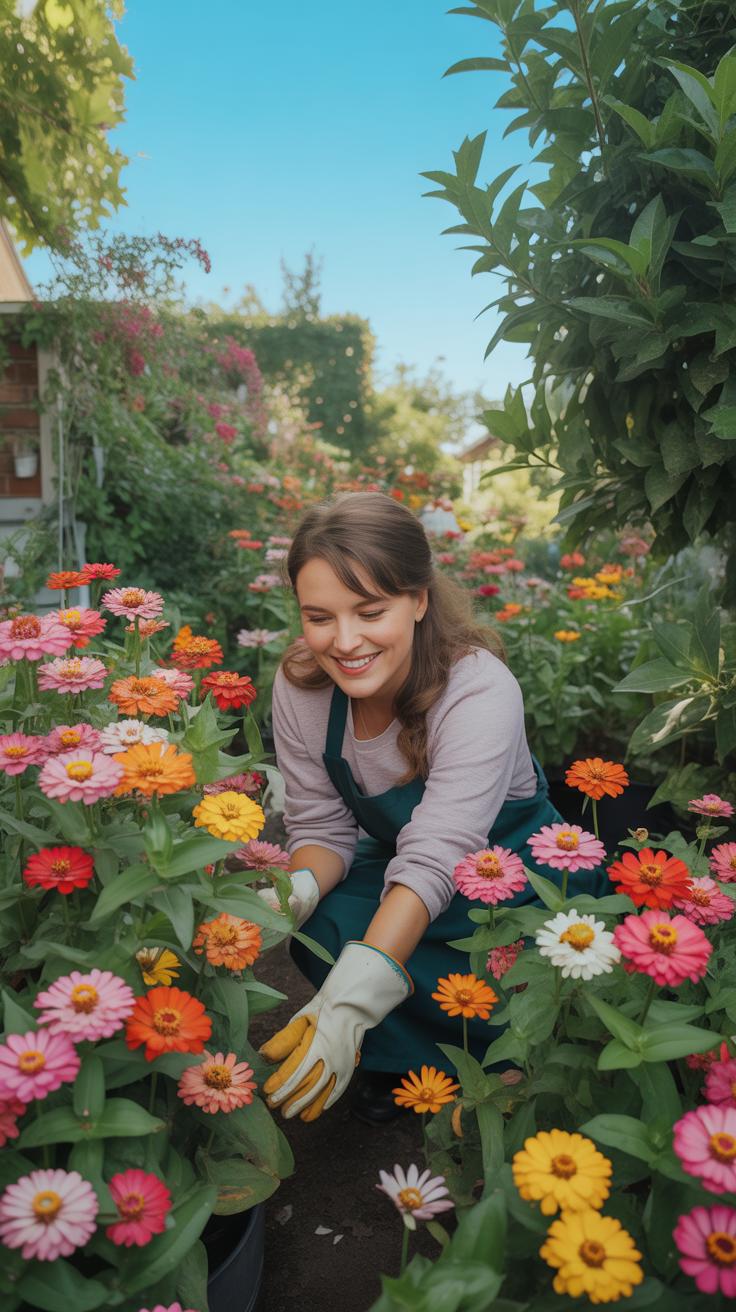
Understanding The Zinnia Plant And Its Natural Growing Habits
Zinnias belong to the Asteraceae family and originate from the scrublands of Mexico. These plants evolved to thrive in high heat and intense sunlight. They feature a stiff stem structure that supports heavy blooms without bending easily. Most varieties follow a determinate or indeterminate growth pattern. Understanding these traits helps you choose the right cultivars for specific garden functions or cut flower production.
These plants require well-draining soil to prevent root rot. They utilize a taproot system that dislikes disturbance once established. Proper airflow is vital because these plants are susceptible to fungal diseases in humid conditions. You must provide at least six hours of direct sun daily for peak health. Knowing their natural resistance to drought allows you to manage water resources efficiently without sacrificing bloom quality or plant vigor.
Why Zinnias Are One Of The Most Beginner Friendly Flowers To Grow At Home
Zinnias represent a low-risk entry point for new gardeners due to their rapid growth cycle. They germinate quickly from seed, often appearing within five to seven days. This fast turnaround provides immediate feedback on your planting technique. They do not require complex stratification or indoor starting. You can sow seeds directly into the warm ground after the last frost date with a high success rate.
Low maintenance requirements define the zinnia experience. These plants demand very little supplemental fertilizer if the soil contains basic organic matter. They produce more flowers the more you cut them, which rewards active harvesting. Pests generally ignore them compared to more delicate species. This resilience ensures that minor mistakes in watering or spacing rarely result in total crop failure. You gain high visual impact for minimal physical labor.

Planting Zinnias From Seed A Step By Step Approach For Best Results
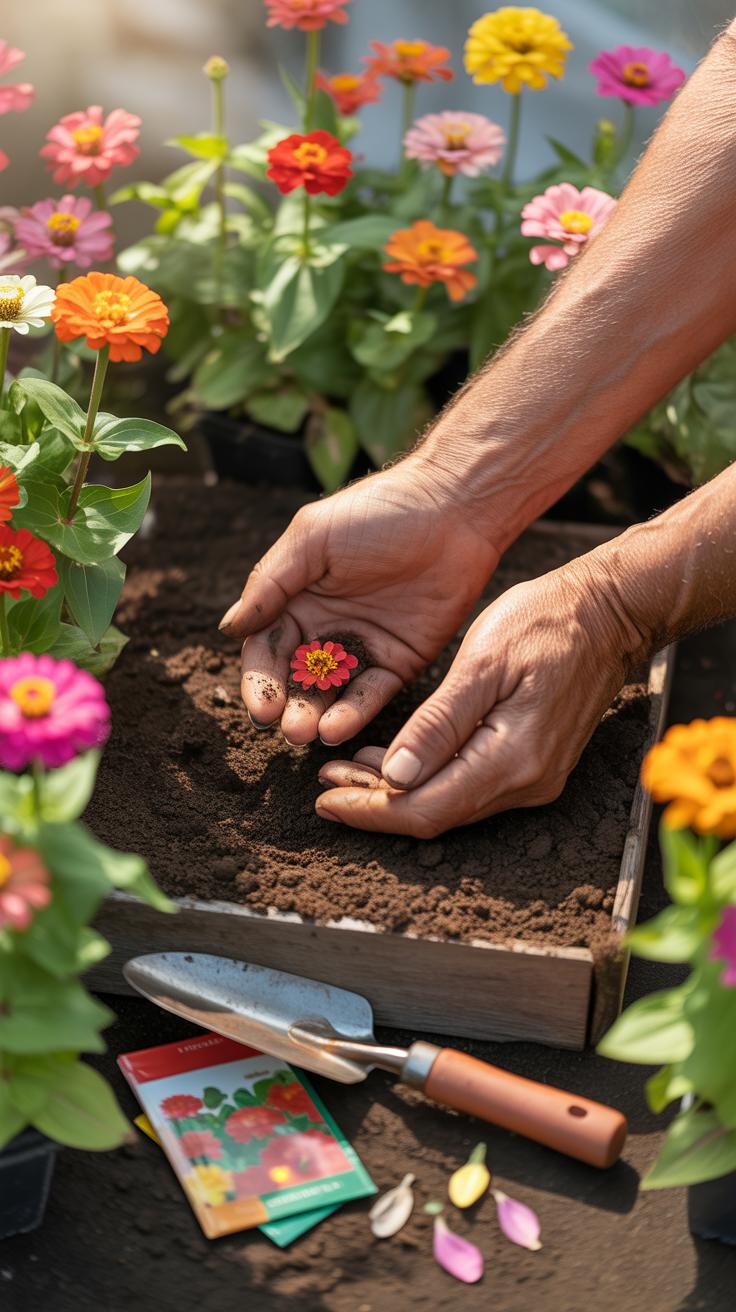
How To Prepare Your Seeds And Soil Before You Plant
Zinnias require full sun and well-draining soil to thrive. Select a site that receives at least six hours of direct light daily. Test your soil pH to ensure it falls between 5.5 and 7.5. Amend heavy clay with organic compost to improve drainage. Poor drainage leads to root rot and fungal issues. Clear all weeds and debris from the planting area to eliminate competition for nutrients.
Soil temperature determines your success rate. Do not plant until the ground reaches a consistent sixty degrees Fahrenheit. Zinnias are sensitive to frost and will die if exposed to freezing temperatures. Use a garden fork to loosen the top six inches of soil. This allows young roots to penetrate the ground without resistance. Proper preparation reduces plant stress and encourages faster growth during the early stages.
Step By Step Instructions For Sowing Zinnia Seeds Directly Into The Garden
Direct sowing into the garden yields the strongest plants. Zinnias have sensitive root systems and often suffer from transplant shock when moved. Wait until the danger of frost has passed completely. Space your seeds according to the specific variety size to ensure proper airflow between mature plants. Crowd control prevents powdery mildew. Place seeds one quarter inch deep into the prepared soil and cover lightly.
- Seed Placement: Space small varieties six inches apart and larger types twelve to eighteen inches apart. Proper spacing allows air to circulate around the foliage. This reduces the risk of leaf spot and other moisture-related diseases.
- Depth Control: Bury seeds exactly one quarter inch deep. Planting too deep prevents the sprout from reaching the surface. Planting too shallow allows birds to eat the seeds or causes them to dry out before they can germinate properly.
- Moisture Management: Use a fine mist to water the area immediately after planting. Keep the soil surface moist but not soggy until sprouts appear. Consistent moisture is critical during the first ten days of the germination process for uniform growth.
- Thinning Process: Remove the weakest seedlings once they reach three inches in height. Snip them at the soil line instead of pulling them. This protects the root systems of the remaining plants. Use the recommended final spacing for your specific zinnia cultivar.
- Labeling Rows: Mark each row with the variety name and planting date. Professional gardeners track these details to monitor growth rates and bloom times. This data helps you plan your garden layout more effectively for the next growing season.

Germination typically occurs within seven to ten days under ideal conditions. Watch for the first set of true leaves to appear after the initial seed leaves. Apply a balanced liquid fertilizer once the plants reach four inches tall. Maintain a regular watering schedule at the base of the plants. Avoid overhead watering to keep foliage dry. This tactical approach ensures a high survival rate and healthy blooms.
Best Time To Plant Zinnias Zinnia Flower Planting Time And Seasonal Timing Guide
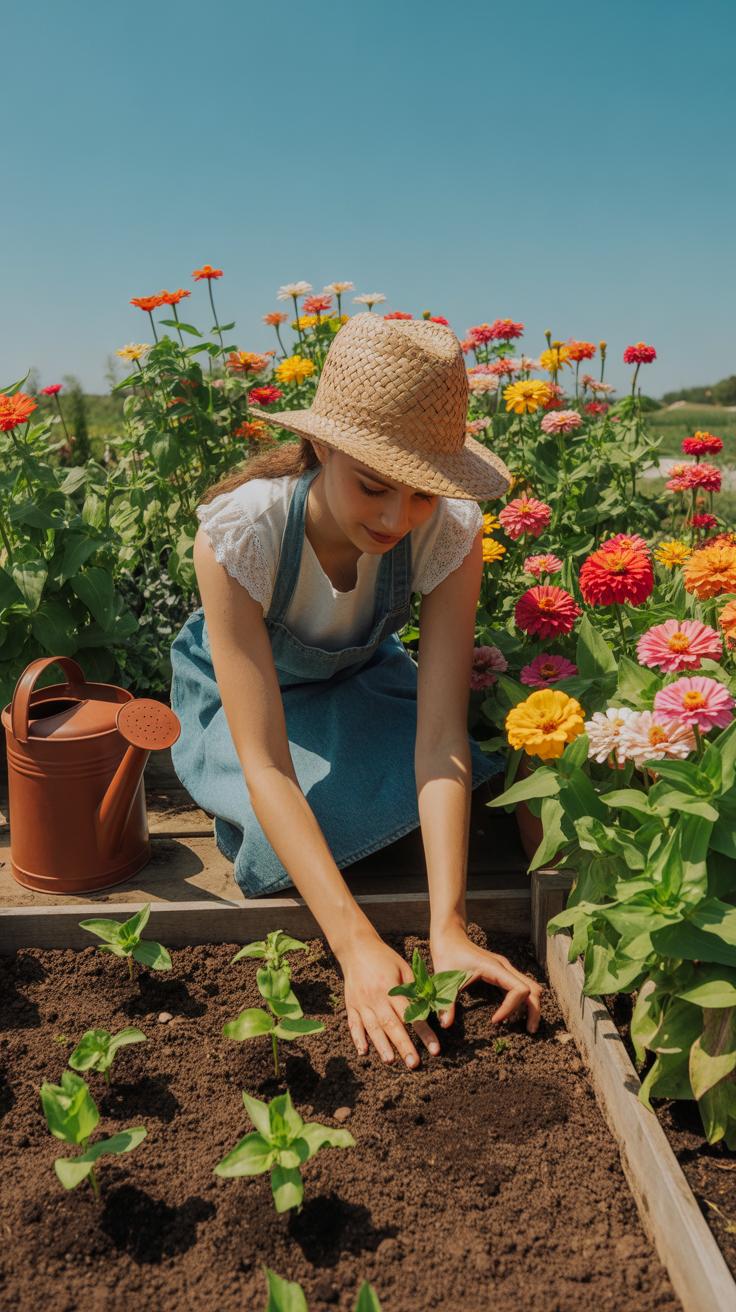
When To Plant Zinnia Seeds Based On Your Climate And Hardiness Zone
Zinnias are annuals that require warm soil to germinate. Wait for the last frost to pass before planting seeds outdoors. In Hardiness Zones 3 through 6, this usually happens in late May or early June. Soil temperatures must reach at least 70 degrees Fahrenheit for successful growth. Planting too early in cold ground leads to seed rot and stunted development.
Southern gardeners in Zones 8 through 11 can plant earlier in the spring. These regions often support a second planting in late summer for a fall harvest. Monitor local soil temperatures rather than air temperatures for accuracy. Use a soil thermometer to confirm the ground is warm. Early planting in cold weather does not give you a head start. It only weakens the plant.
How Zinnia Planting Time Affects Bloom Quality And Longevity
Planting timing directly impacts the health of the flowers. Early summer plantings take advantage of long daylight hours. This light fuels rapid stem growth and large flower heads. Plants started during the peak heat of July may grow faster but often produce smaller blooms. High heat stresses the plant and accelerates the life cycle. This results in shorter stems and faster fading.

Succession planting ensures a steady supply of high quality flowers. Sow new seeds every two to three weeks until mid-summer. This strategy replaces older, tired plants with fresh growth. Older plants become susceptible to powdery mildew as summer humidity increases. New plants maintain stronger immune systems and better foliage. This method keeps your garden productive and visually sharp until the first autumn freeze.
Growing Zinnias Successfully Soil Sunlight And Spacing Essentials
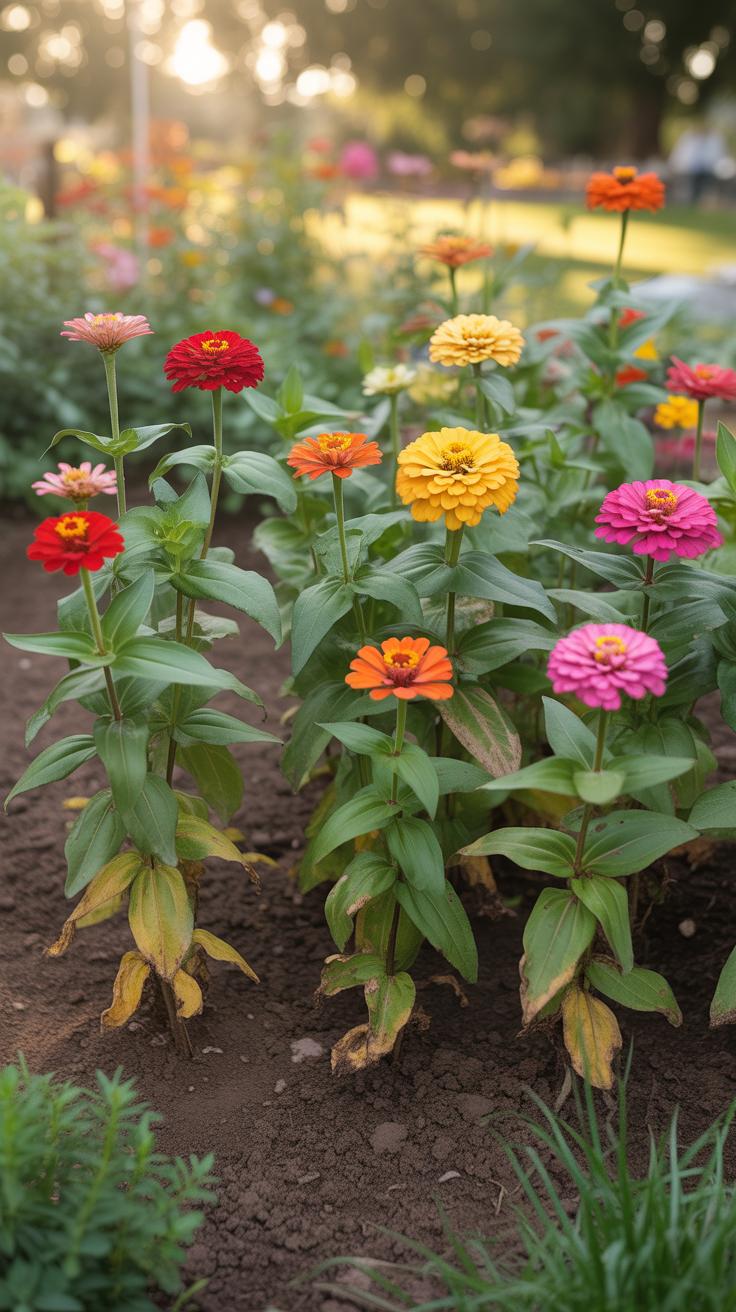
Choosing The Right Soil Type And Drainage Conditions For Healthy Zinnia Growth
Zinnias require well-draining soil to prevent root rot and fungal pathogens. These plants prefer a soil pH between 5.5 and 7.5 for optimal nutrient uptake. Heavy clay soils trap excess moisture and kill young seedlings quickly. You must amend tight soils with organic matter like compost or leaf mold. This structural improvement increases aeration and ensures water moves through the root zone efficiently.
Site selection determines the health of your flowers. Zinnias need full sun for at least six to eight hours daily to produce strong stems. Proper spacing is equally critical for success. You must leave ten to twelve inches between plants to allow for air circulation. High humidity and poor airflow lead to powdery mildew. Strategic spacing reduces moisture buildup on the leaves and keeps the plants dry.
What You Need To Get Started: Essential Supplies For Growing Zinnias At Home
Successful zinnia cultivation depends on having the right tools before you plant the first seed. You need quality inputs to ensure high germination rates and vigorous growth throughout the summer season. Preparing your inventory ahead of time prevents delays during the critical planting window. Focus on functional equipment that simplifies soil preparation and moisture management to maintain a healthy garden environment from day one.
- High Quality Seeds: Select fresh seeds from a reputable supplier to ensure high germination rates. Choose specific varieties like Benary Giant for long stems or Thumbelina for shorter border displays. Look for disease resistant strains to minimize maintenance.
- Balanced Compost: Incorporate aged organic matter into your garden beds to provide slow release nutrients. Compost improves soil structure and helps sandy soils retain necessary moisture. Apply a two inch layer over the planting area before tilling or digging.
- Hand Trowel: Use a sturdy metal trowel for precise seed depth control and transplanting nursery starts. High quality stainless steel resists rust and cuts through compacted soil easily. This tool is essential for maintaining proper spacing between each individual plant.
- Soaker Hose: Install a drip irrigation system or soaker hose to deliver water directly to the soil surface. Watering from above encourages foliage diseases like powdery mildew. Targeted irrigation keeps the leaves dry and reduces overall water waste in your garden.
- Garden Labels: Trace your different zinnia varieties using waterproof markers and durable stakes. Labeling allows you to track growth rates and bloom times for future planning. This record keeping helps identify which specific colors and heights work best in your layout.

Sunlight remains the most important free resource for your garden. Position your beds in an area that receives morning sun to dry overnight dew quickly. If you grow in containers, ensure the pots have multiple drainage holes at the bottom. Stagnant water is the primary cause of failure for home growers. Secure these essential items and follow basic drainage principles to maximize your total flower yield.
Growing Zinnias From Seed Indoors Vs Outdoors Which Method Works Best
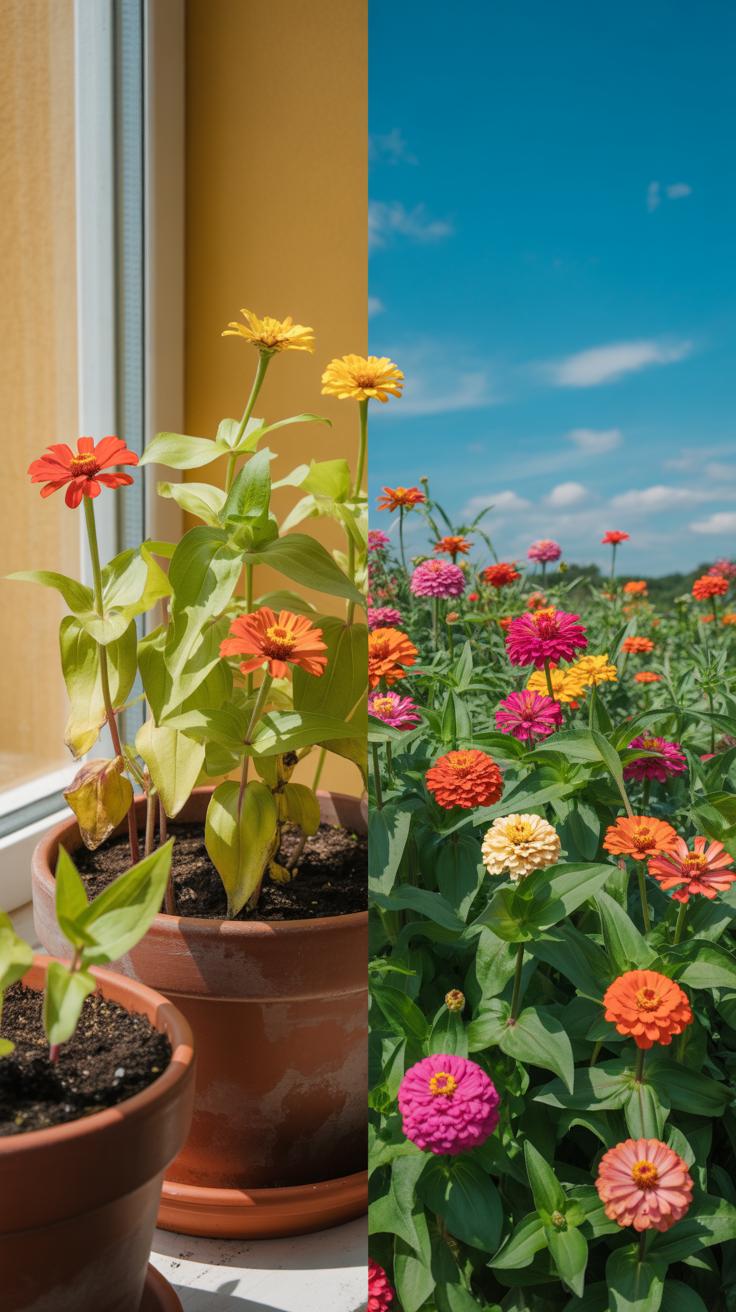
The Pros And Cons Of Starting Zinnias From Seed Indoors Before Transplanting
Starting seeds indoors allows you to control the environment during the vulnerable germination phase. You gain a head start of four to six weeks before the last frost. This early start leads to earlier blooms in the summer season. Growers in cold climates often use this method to maximize their growing window. Use peat pots or soil blocks to reduce root disturbance during the later move.
Transplanting indoor seedlings carries significant risks due to the zinnia root system. Zinnias have taproots that do not like movement or confined spaces. If you wait too long to transplant, the plants become root-bound and stunted. You must harden off the seedlings by gradual exposure to wind and sun. Failure to do this causes transplant shock, which often kills the plant or stops its growth entirely.
Why Direct Outdoor Sowing Often Produces Stronger And More Resilient Zinnia Plants
Direct sowing outdoors remains the most effective method for high-quality zinnia production. You eliminate the risk of transplant shock by planting directly into the final garden bed. This allows the taproot to grow deep into the soil without interruption. Stronger root systems lead to better drought resistance and upright stems. Local soil temperatures must reach seventy degrees Fahrenheit before you place seeds in the ground.

Plants grown from outdoor seeds often overtake indoor transplants within weeks. These plants adapt to the local light and wind conditions from day one. They develop thicker stems and more robust foliage because they do not suffer from the stress of moving. You save time and resources by skipping grow lights and indoor trays. Direct sowing creates the most durable flowers for a cutting garden or professional landscape design.
Zinnia Flower Care Watering Feeding And Deadheading For Continuous Blooms
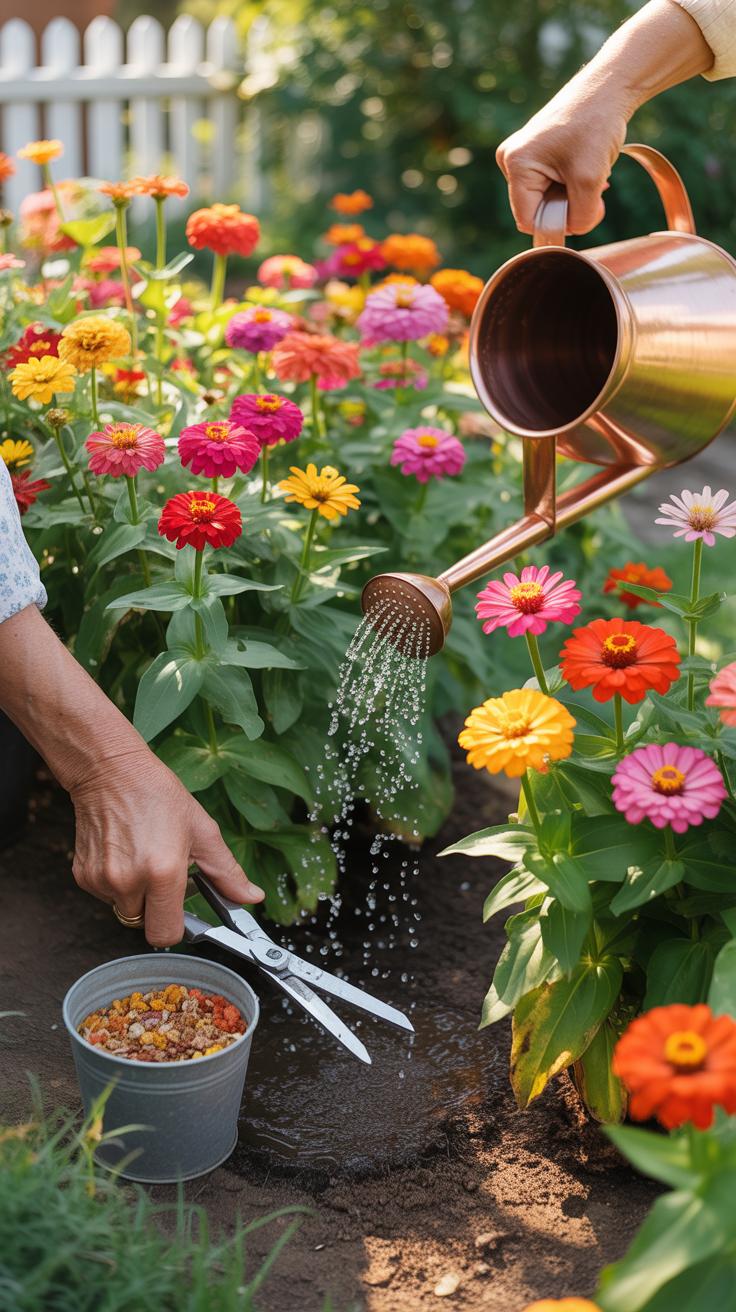
How Often To Water Zinnias And The Best Watering Techniques To Prevent Disease
Zinnias require consistent soil moisture to thrive but hate wet leaves. Apply water directly to the base of the plant using a soaker hose or drip irrigation system. This tactical approach keeps the foliage dry. Wet leaves invite powdery mildew and fungal pathogens that kill the crop. Aim for one inch of water per week through deep soaking sessions rather than light daily sprays.
Check the soil drainage before you water. Zinnias rot in standing water and heavy clay soils. Morning watering is the best strategy for these plants. It allows any accidental moisture on the stems to evaporate during the day. Monitor the soil surface and only water when the top inch feels dry. High heat requires more frequent checks to prevent the plants from wilting.
The Role Of Deadheading And Fertilizing In Keeping Your Zinnia Flower Blooming All Season
Deadheading is the most effective way to force new growth. Snip off faded blooms just above the first set of leaves or a leaf node. This prevents the plant from producing seeds and redirects energy back into flower production. Regular cutting keeps the plant productive and prevents a leggy appearance. It is a simple mechanical process that ensures a steady supply of fresh stems.

Fertilizing supports the high energy demands of constant blooming. Use a balanced liquid fertilizer every two to four weeks during the peak growing season. Avoid high nitrogen formulas that promote leaves over flowers. Phosphorus is the key element for strong bud development. Consistent feeding maintains plant health and flower size. Healthy plants resist pests better than nutrient-deprived ones. Combine feeding with watering for maximum absorption.
Common Zinnia Growing Problems And How To Fix Them Quickly
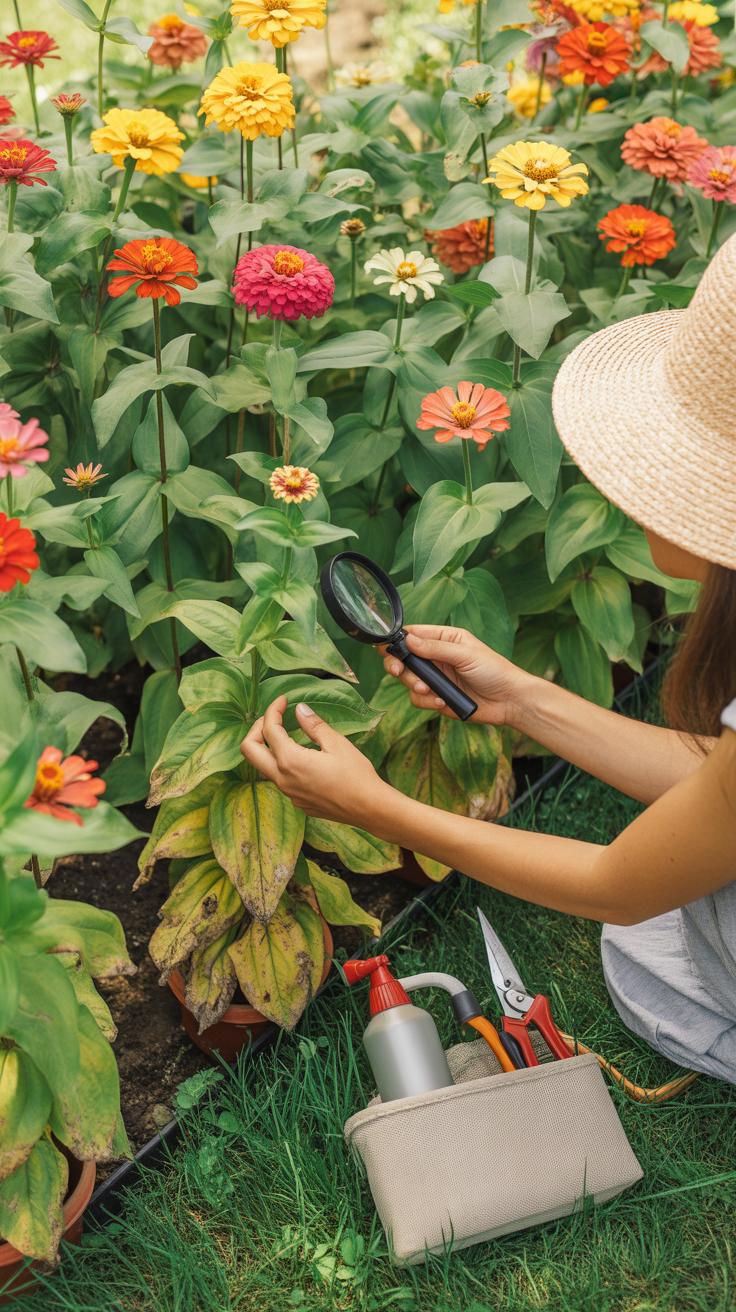
Identifying And Treating Powdery Mildew And Other Fungal Issues In Zinnias
Powdery mildew appears as white dust on zinnia leaves during humid weather. High humidity and poor airflow trigger this fungal growth. It weakens the plant and ruins its appearance. You must sacrifice infected foliage immediately to stop the spread. Proper spacing between plants prevents this issue before it starts. Air must move freely around every stem to keep the leaves dry.
If infection occurs, use sulfur or potassium bicarbonate sprays to kill the spores. Apply treatments in the early morning so leaves dry quickly. Stop watering from above because wet leaves invite Alternaria leaf spot. This fungus causes reddish-brown circles with gray centers. Remove any debris from the soil surface at the end of the season. Clean soil prevents fungal spores from overwintering in your garden beds.
The zinnia is the old-fashioned flower that brings a sense of joyful abundance and vibrant color into every corner of a well-loved home.
How To Deal With Common Zinnia Pests Like Aphids And Spider Mites
Aphids and spider mites pierce zinnia stems to suck out essential fluids. You will see curled leaves or yellow stippling when these pests arrive. Check the undersides of leaves where insects hide from the sun. A strong blast of water knocks most pests off the plants. This method works well for small outbreaks without using harsh chemicals. It keeps your cutting garden safe and productive.
If water fails, use insecticidal soap or neem oil to coat the pests. These products suffocate insects on contact but require direct hits to work. Apply these treatments during cool evening hours to avoid leaf burn. Beneficial insects like ladybugs also control pest populations naturally. Avoid broad-spectrum pesticides that kill these helpful predators. Maintaining a balanced ecosystem reduces your workload and keeps your zinnias healthy all season.
Best Zinnia Varieties To Grow For A Stylish And Colorful Home Garden
Top Zinnia Varieties For Cut Flower Arrangements And Interior Home Styling
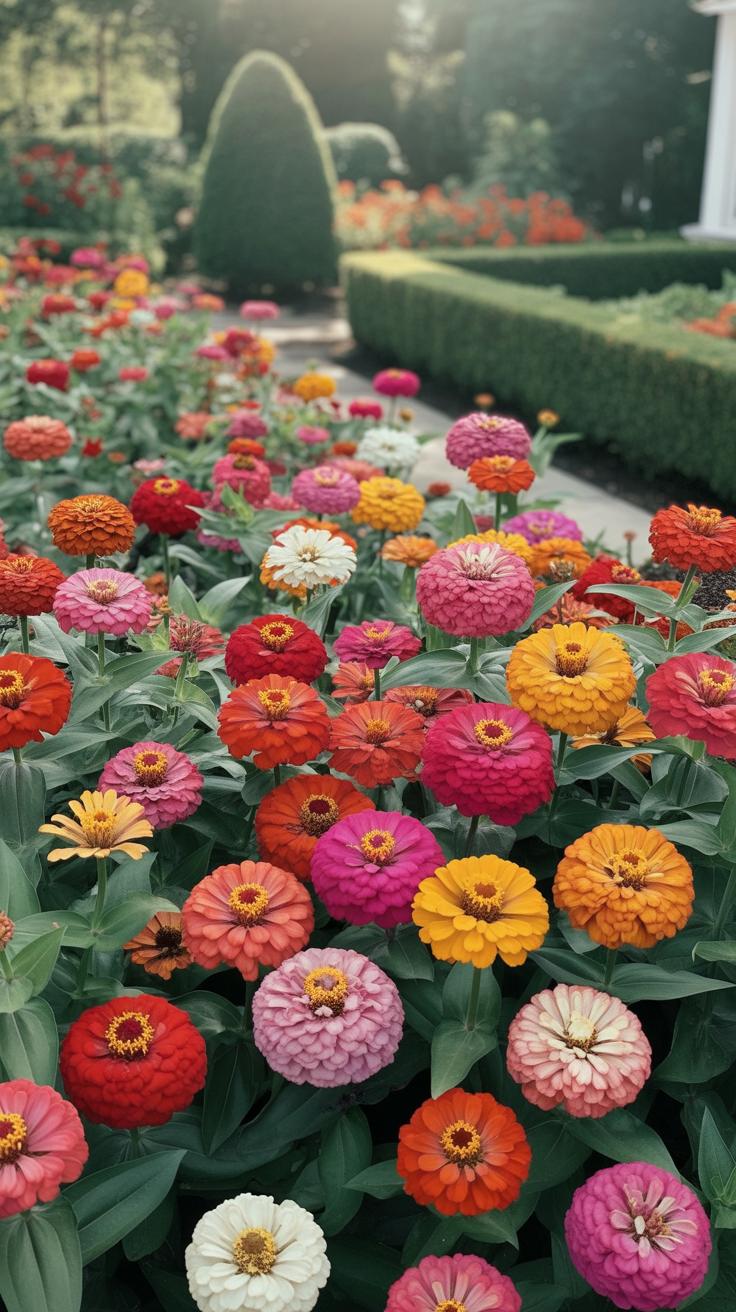
Professional floral designers choose specific zinnia varieties for stem length and vase life. Benarys Giant series provides the industry standard for height and mildew resistance. These stems reach three feet and produce four inch blooms. Use them in minimalist glass cylinders for a modern aesthetic. They offer dense petals that mimic Dahlias but require less maintenance during the summer heat.
The Queeny series creates a sophisticated palette for contemporary interior styling. Colors like Lime Orange and Red Lime provide muted tones that blend with neutral decor. These varieties avoid the loud primary colors of standard mixes. Their multi-layered petals add texture to monochromatic arrangements. Cut the stems at a forty-five degree angle when the flower head is stiff to ensure maximum structural integrity.
Compact And Dwarf Zinnia Varieties Perfect For Container And Balcony Gardens
Small spaces require zinnia varieties that resist sprawling and leggy growth. The Profusion and Zahara series are the top choices for pots and window boxes. These types stay under twelve inches tall and maintain a mounded shape. They tolerate the high soil temperatures found in clay and plastic containers. Their dense foliage hides the soil and prevents moisture evaporation during peak sunlight hours.

Linearis varieties like Star White offer a fine leaf texture for a refined garden look. These plants produce small daisy-like flowers that do not require deadheading to continue blooming. They fit well in mid-century modern ceramic planters or industrial metal troughs. Choose these for balconies with limited airflow because they resist powdery mildew better than tall varieties. They provide consistent color without overtaking your limited outdoor living area.
Frequently Asked Questions

Are zinnias easy for beginners to grow at home?
Absolutely! Zinnias are one of the most resilient flowers for novice gardeners looking to add a pop of color to their property. They germinate quickly and can handle various soil types, making them incredibly forgiving. By following basic zinnia growing tips, such as planting them in a spot with full sun and good airflow, you can enjoy stunning, vibrant blooms all summer long with very minimal effort or prior gardening experience.
How do I encourage my zinnias to produce more flowers for indoor bouquets?
To maximize your harvest, utilize the “pinching” technique when the plant is about twelve inches tall. Snip off the top of the main stem to encourage branching, which results in multiple flowering stems. Additionally, consistent deadheading or cutting fresh flowers for vases signals the plant to keep blooming. Implementing these zinnia growing tips ensures your garden stays productive and provides an endless supply of stylish floral arrangements for your home.
Can I grow a stylish zinnia garden on a tight budget?
Gardening doesn’t have to be expensive, as a single packet of seeds costs just a few dollars and can produce dozens of plants. You can save even more by repurposing household containers or starting seeds in egg cartons. Since zinnias are annuals that produce heavy seeds, you can harvest them at the end of the season to replant next year for free, making this a highly accessible way to decorate.