
Most Profitable Flowers To Grow For Your Home Based Cut Flower Business
Top High Value Flower Varieties That Sell Fast At Markets And To Florists
Profitability requires focusing on flowers with high stem counts or premium price points. You must choose varieties that have a long vase life and strong stems. Florists want unique colors that big wholesalers do not stock. Speed to market and stem quality determine your success. Focus on these high-demand crops to ensure your inventory moves fast and generates consistent weekly revenue.
- Zinnias: These are high-yield workhorses for any home grower. They produce stems all summer if you harvest them regularly. Florists love the Benary’s Giant series for its thick stems and mildew resistance. They offer a massive range of colors for mixed bouquets.
- Ranunculus: These cool-season blooms command premium prices from wedding florists. The corms are affordable but the flowers look like peonies. They bloom early in the spring when supply is low. Use high-tunnel or frost cloth protection to ensure long, straight stems for high-end floral design.
- Dahlias: These are the crown jewels of the late summer garden. Cafe au Lait and specialty ball types are in constant demand for events. You can sell individual stems for five times the price of a zinnia. Store tubers over winter to increase your stock without buying new inventory.
- Celosia: This crop provides essential texture and heat tolerance. The crested and spike varieties hold their color well after cutting. They are durable in hot weather when other flowers wilt. Florists use them as structural elements in large arrangements. They also dry perfectly for off-season sales.
- Snapdragons: These provide necessary height and vertical interest in bouquets. They are cold-hardy and can be planted early in the spring. Select professional greenhouse varieties like the Maryland or Potomac series for stronger stems. They offer a repeatable harvest if you cut back to the base correctly.
Labor costs and time are your biggest expenses. Select varieties that are easy to process and do not require complex support netting. High-value flowers like dahlias require more care but offer the highest return per square foot. Balance your field with reliable fillers and focal flowers to create complete bouquets. This mix ensures you always have a product ready for any buyer.
How To Match Your Local Climate And Soil To The Right Profitable Flower Varieties
Analyze your USDA hardiness zone and frost dates before buying seeds. Growing a heat-loving crop in a short, cool summer leads to failure. Test your soil for pH levels and nutrient deficiencies every spring. Most cut flowers prefer well-draining soil with high organic matter. Match your plant choices to the natural water availability and sunlight levels of your specific backyard plot.
Observe the wind patterns and drainage points in your yard. High winds snap tall stems like sunflowers or snapdragons without proper staking. Wet areas cause root rot in bulbs and tubers. Use raised beds if your soil is heavy clay to improve drainage and warming. Success depends on working with your environment rather than fighting it. Choose species that thrive in your native conditions to reduce chemical inputs.

Flower Farming For Beginners Setting Up Your Home Growing Space
How To Assess Your Available Land, Light, And Water Access Before Planting
Maximize production by choosing a site with at least six to eight hours of direct sunlight. High light intensity ensures strong stems and vibrant colors. Map your yard to find areas that do not hold standing water. Heavy clay soil drowns roots and kills your profit margin. Test your soil drainage by digging a hole and filling it with water to see how fast it empties.
Proximity to a water source determines your labor costs. Carrying hoses over long distances wastes time and energy. Check your water quality and pressure before installing irrigation systems. You must have a reliable supply during peak summer heat. Strategic placement near the house also protects crops from wind and high traffic. Use every square foot of flat land to increase your total yield per season.
To have a garden is to believe in tomorrow, where every bloom you raise becomes a shared piece of your soul.
Essential Tools And Supplies Every First Time Cut Flower Grower Needs At Home
Start with high quality hand pruners and sharp floral snips. Clean cuts prevent disease and extend the vase life of your harvest. Invest in a sturdy broadfork to aerate soil without destroying its structure. Healthy soil biology reduces the need for expensive chemical fertilizers. Use landscape fabric to suppress weeds and maintain clean rows. Controlling weeds manually takes too much time for a profitable home business.

Purchase clean plastic buckets for immediate post harvest hydration. Field heat kills flowers fast so you must move stems into water quickly. Use professional grade floral preservative to keep blooms fresh for customers. Buy a waterproof scale to measure amendments and seed quantities accurately. Organize your supplies in a dry shed to prevent rust and damage. Efficient tool management keeps your overhead low and your production speed high.
How To Start A Flower Farm From Your Backyard On A Realistic Budget
Calculating Your Startup Costs And Understanding Your Break Even Point Early On
Estimate your initial investment by focusing on three main categories. These are seeds, soil amendments, and basic tools. Seeds offer the highest return on investment compared to buying established plugs. You must also budget for irrigation supplies and landscape fabric to suppress weeds. Accurate record keeping ensures you know exactly what you spend before the first stem sells. Tracking every penny prevents hidden costs from eating your profits.
Your break even point is the moment your total revenue equals your startup expenses. Calculate this by dividing your fixed costs by the average price per stem. Most backyard growers hit this milestone during their first full growing season. Focus on high yield crops like zinnias and dahlias to reach this goal faster. Avoid expensive machinery in the first year. Use hand tools to keep overhead low while you test your local market demand.
Smart Ways To Scale Your Home Flower Farm Gradually Without Overextending Finances
Scale your production by reinvesting profits rather than taking out loans. Expand your growing space in small increments each season. Use the revenue from spring sales to fund autumn bulb purchases. This method ensures your growth matches your actual sales data. It prevents the common mistake of overproduction. Focus on increasing your efficiency before you increase your square footage. Better soil health produces more flowers in less space.

Adopt a lean approach to infrastructure by repurposing existing materials. Build raised beds from untreated scrap wood or use second hand irrigation components. Focus on high margin crops that your specific customers want. This strategy reduces waste and maximizes every dollar spent. Grow more of what sells and cut out what fails. Success comes from perfecting a small plot before moving to a larger one. Steady growth builds a sustainable and profitable business model.
Starting A Flower Farm Planning Your Growing Calendar For Year Round Blooms
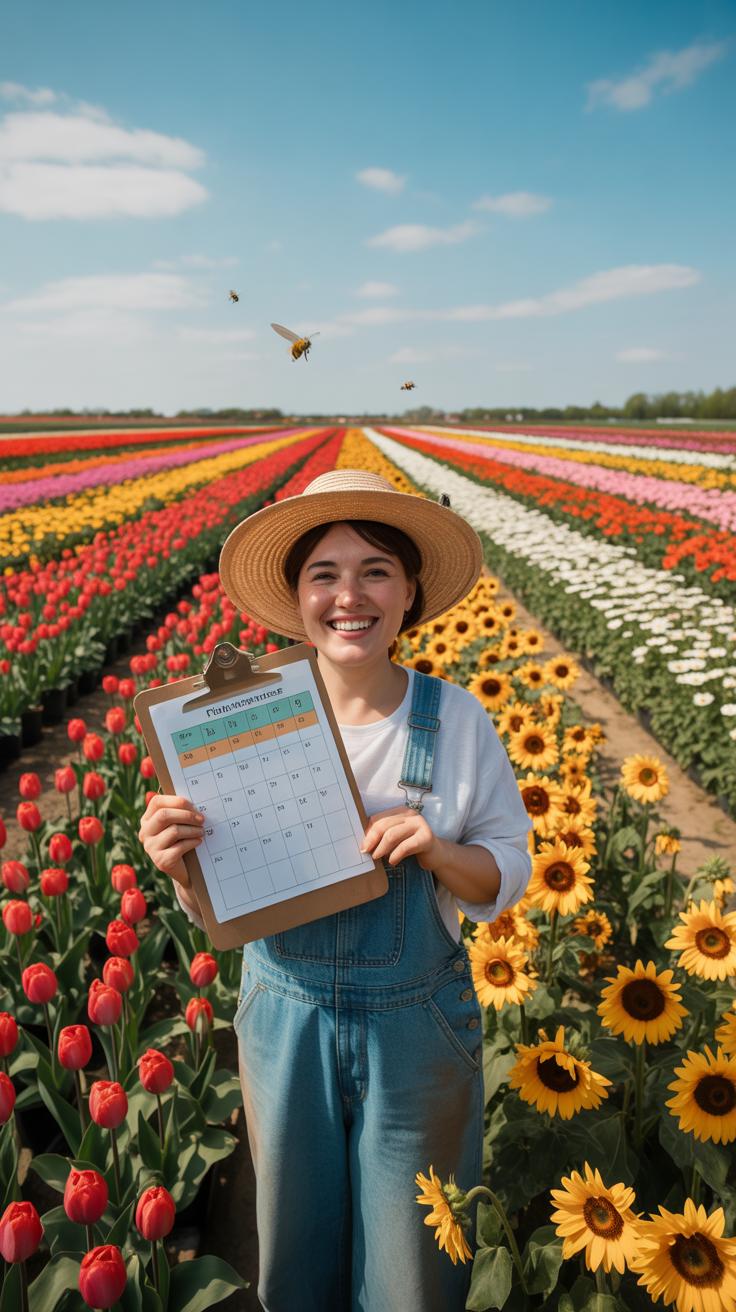
How To Stagger Your Plantings To Ensure A Continuous Supply Of Fresh Cut Flowers
Success in selling cut flowers from home depends on consistency. You must avoid the feast or famine cycle. Staggered planting involves sowing seeds at regular intervals rather than all at once. This technique maintains a steady flow of inventory for your customers. Start new seeds every seven to fourteen days for fast-growing species. This ensures that new stalks reach maturity as older ones fade.
Choose varieties with different maturation rates to expand your production window. Combine early, mid, and late-season cultivars in your planning. This strategy reduces the risk of crop failure from localized weather events. If one batch suffers, the next sequence is already growing. Use high-density planting to maximize your available square footage. Proper staggering creates a reliable weekly harvest. This reliability builds trust with repeat buyers and floral designers.
Understanding Succession Planting And Seasonal Gaps To Maximize Your Harvest Windows
Succession planting requires precise tracking of days to maturity. You must calculate back from your first and last frost dates. Identify the natural gaps in your local blooming cycle. Early spring and late autumn often lack supply in many markets. Fill these holes by using season-extending tools like low tunnels or frost cloths. These methods allow you to start earlier and harvest later than your competitors.

Maximize your harvest windows by replacing spent crops immediately. Once a row finishes blooming, pull the plants and prep the soil for the next round. Do not let beds sit empty during the growing season. Use cool-season annuals for the shoulders of the year and heat-tolerant varieties for mid-summer. This constant rotation keeps your revenue streams active. Strategic planning ensures you have sellable products for the longest possible duration.
Growing Flowers For Profit Best Practices For Healthy Market Ready Stems
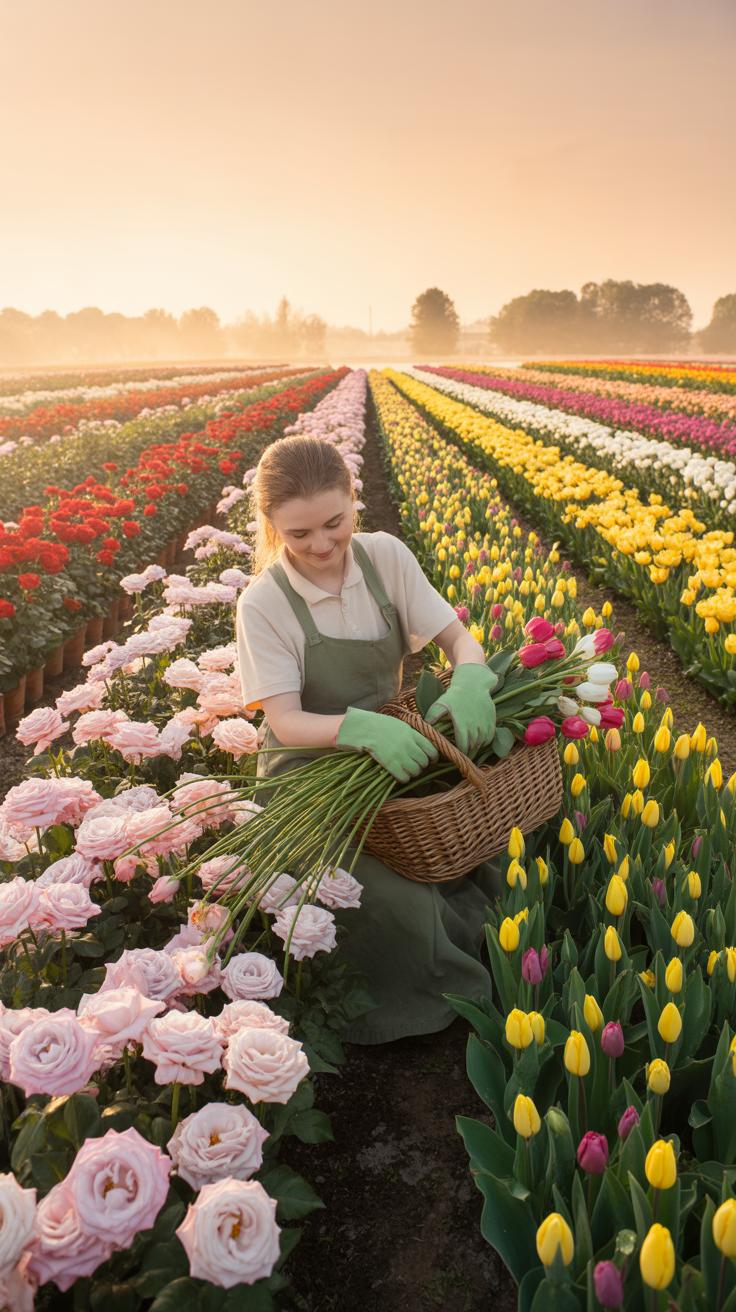
Proper Harvesting Techniques That Extend Vase Life And Preserve Flower Quality
Timing determines the longevity of your cut flowers. Harvest in the early morning before the sun evaporates field moisture. This ensures stems are fully hydrated. Use sharp, sanitized shears to prevent crushing the vascular system of the plant. A clean cut allows the stem to drink water effectively. Cut stems at a forty-five degree angle to increase the surface area for water intake.
Different species require specific harvest stages for maximum shelf life. Pick sunflowers when the first petals start to lift. Harvest zinnias when the stem is stiff and the flower head does not wiggle. Cutting too early prevents the bud from opening. Cutting too late reduces the time the customer enjoys the bloom. Place harvested stems immediately into clean buckets filled with cool, fresh water.
Post Harvest Care, Conditioning, And Storage Tips To Keep Your Cut Flowers Fresh Longer
Conditioning stems immediately after harvest prevents wilting and bacterial growth. Remove all foliage that will sit below the water line in the bucket. Leaves left in water rot and create bacteria that block stem veins. Use dedicated floral buckets cleaned with bleach to ensure a sterile environment. Move the flowers to a cool, dark area for several hours to stabilize them.
- Hydration Solutions: Commercial hydrating solutions lower the water pH to help stems drink faster. These solutions contain citric acid which clears out the air bubbles and blockages inside the plant veins. This step is critical for woody stems that struggle to move water quickly.
- Temperature Control: Store flowers in a dedicated cooler set between thirty-four and thirtyndegrees Fahrenheit. This temperature slows the respiration rate of the plant and stops it from aging. Avoiding heat exposure keeps the blooms looking crisp and prevents premature petal drop in many bulb varieties.
- Ethylene Management: Keep flowers away from ripening fruit and exhaust fumes in your storage area. Ethylene gas is a ripening hormone that causes flowers to wilt and drop petals overnight. Proper ventilation and clean air prevent this invisible gas from ruining your entire inventory of market-ready stems.
- Water Sanitation: Change the water in your buckets every day to stop bacterial blooms. Bacteria clog the stem ends and prevent the flower from taking up water. Clear water indicates a healthy environment for the flowers. Use professional floral food to provide sugar for energy and biocide for cleanliness.
- Stem Recutting: Recut all stems by one inch before placing them into their final market containers. This opens up fresh tissue that has not been clogged by air or debris. Always use clean tools for this process to avoid reintroducing pathogens to the fresh water supply.

Market readiness depends on consistent monitoring of your cold storage and water quality. Check the water levels twice daily as thirsty stems drink rapidly after the initial cut. Cull any stems that show signs of spotting or soft tissue to prevent the spread of disease. Professional growers treat post-harvest care with the same rigor as the growing stage to ensure high-quality products.
How To Sell Flowers Finding The Right Markets And Buyers For Your Blooms
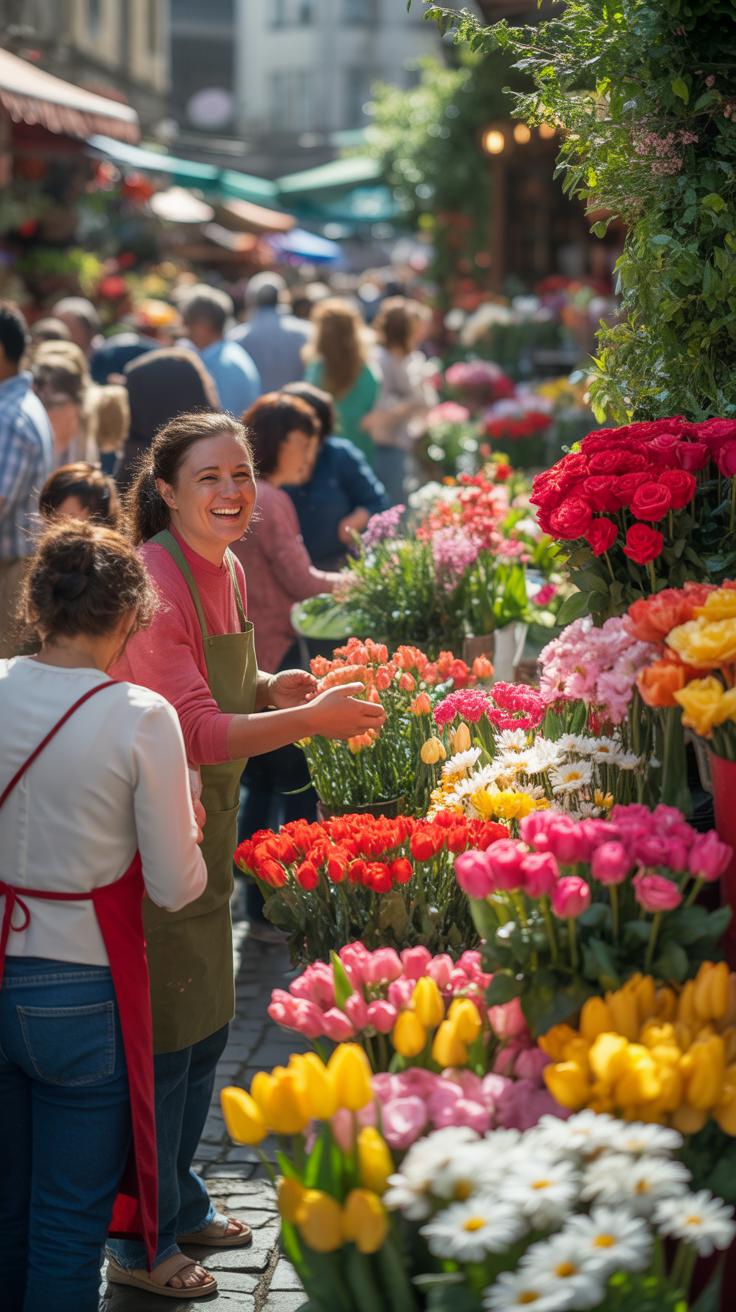
Selling At Farmers Markets, To Local Florists, And Through Community Supported Agriculture Subscriptions
Selling at farmers markets requires a high volume of stems and a physical presence. You must calculate booth fees and travel time against potential sales. Visual presentation dictates your success here. Keep buckets full and group flowers by color to grab attention. Most customers buy on impulse. Arrive early to secure a prime spot near the entrance. Market sales provide immediate cash flow and direct customer feedback.
Local florists represent a consistent wholesale opportunity. They value freshness and unique varieties that large wholesalers cannot provide. Deliver your price list weekly and provide high quality stems. Community Supported Agriculture subscriptions offer upfront capital. Customers pay for a season of weekly bouquets before the first bloom. This model guarantees income and reduces waste. It allows you to plan your planting schedule based on committed sales.
Using Social Media And Online Platforms To Build A Local Customer Base For Your Cut Flowers
Social media is a free tool to showcase your current inventory. Visual platforms like Instagram and Facebook work best for flower sales. Post clear photos of what is blooming now. Use local location tags to reach people in your immediate area. Do not waste time on global audiences. Focus on your specific delivery zone. Mention your ordering process and pickup locations in every single post you make.

Online platforms handle the logistics of payment and scheduling. Set up a simple website or use a dedicated sales app. This reduces time spent on manual administrative tasks. Send a weekly email newsletter to your subscriber list. Let them know what flowers are available for the weekend. Direct communication builds loyalty and brings repeat business. Efficient digital systems allow you more time to spend in the garden growing more crops.
How To Start A You Pick Flower Farm As An Extra Revenue Stream From Home
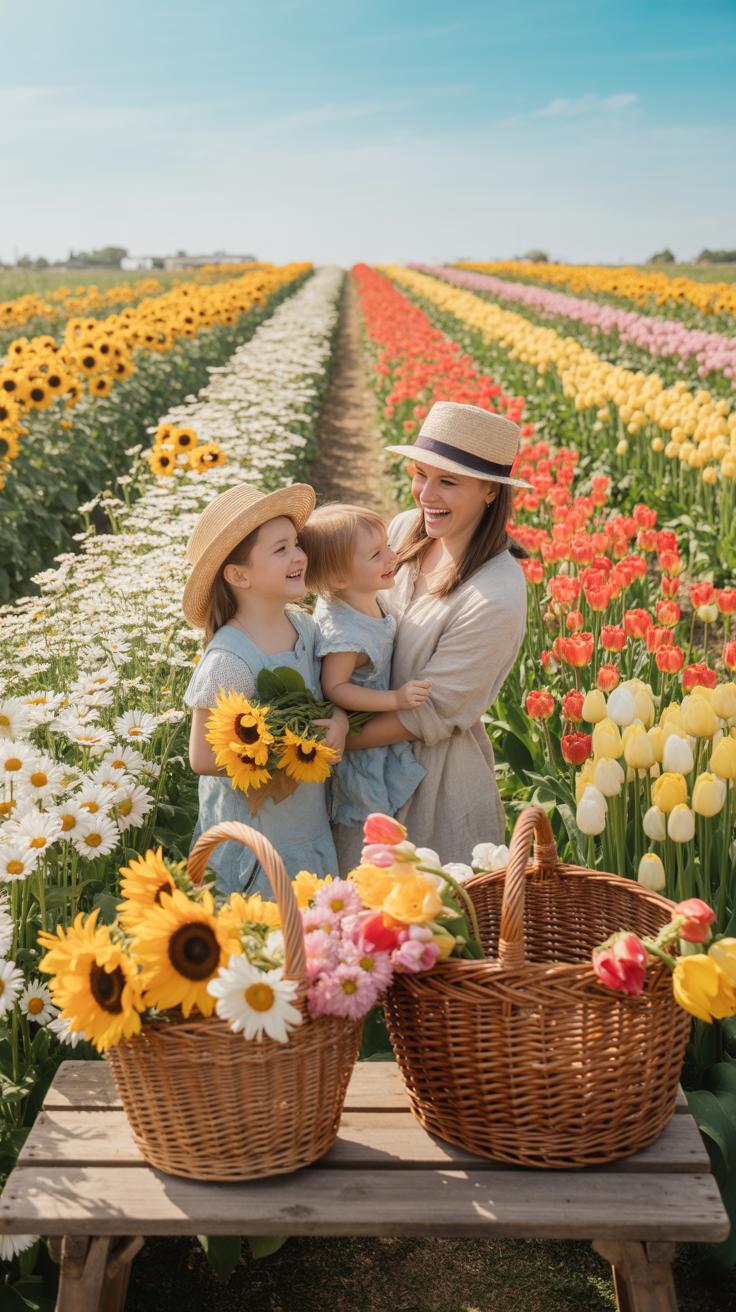
What A You Pick Flower Farm Model Looks Like And Why Customers Love The Experience
A you-pick model shifts the labor of harvesting from the grower to the customer. This setup turns your home garden into a local destination. You provide the tools and the space while customers pay for the right to cut their own stems. It eliminates the need for post-harvest storage and delivery logistics. You monetize the atmosphere along with the physical product.
Customers value the transparency and connection to the land. They want to see where their flowers grow and participate in the selection process. This model appeals to families and hobbyists seeking a rural experience. Providing this access creates a stronger brand loyalty than selling pre-made bouquets. People pay a premium for the activity itself. It differentiates your home business from a standard florist.
How To Set Pricing, Manage Visitor Flow, And Protect Your Crops On A You Pick Operation
Set pricing based on container size rather than individual stems to simplify transactions. Use a flat rate for a bucket or a small jar to keep traffic moving. This method prevents disputes over stem counts and encourages customers to fill their vessels. Accept digital payments to reduce cash handling on your property. Clear signage must mark the entrance and the specific cutting zones.

Control visitor flow by requiring pre-booked time slots. This prevents overcrowding and helps you manage the impact on your turf. Use physical barriers like rope or stakes to protect sensitive flower beds from foot traffic. Provide blunt-nosed snips to prevent injury and damage to the plants. Train every visitor on proper cutting techniques before they enter the field. This step preserves the health of your perennials.
Building A Sustainable Cut Flower Business From Home For Long Term Growth
How To Brand Your Home Flower Business And Create Loyal Repeat Customers Over Time
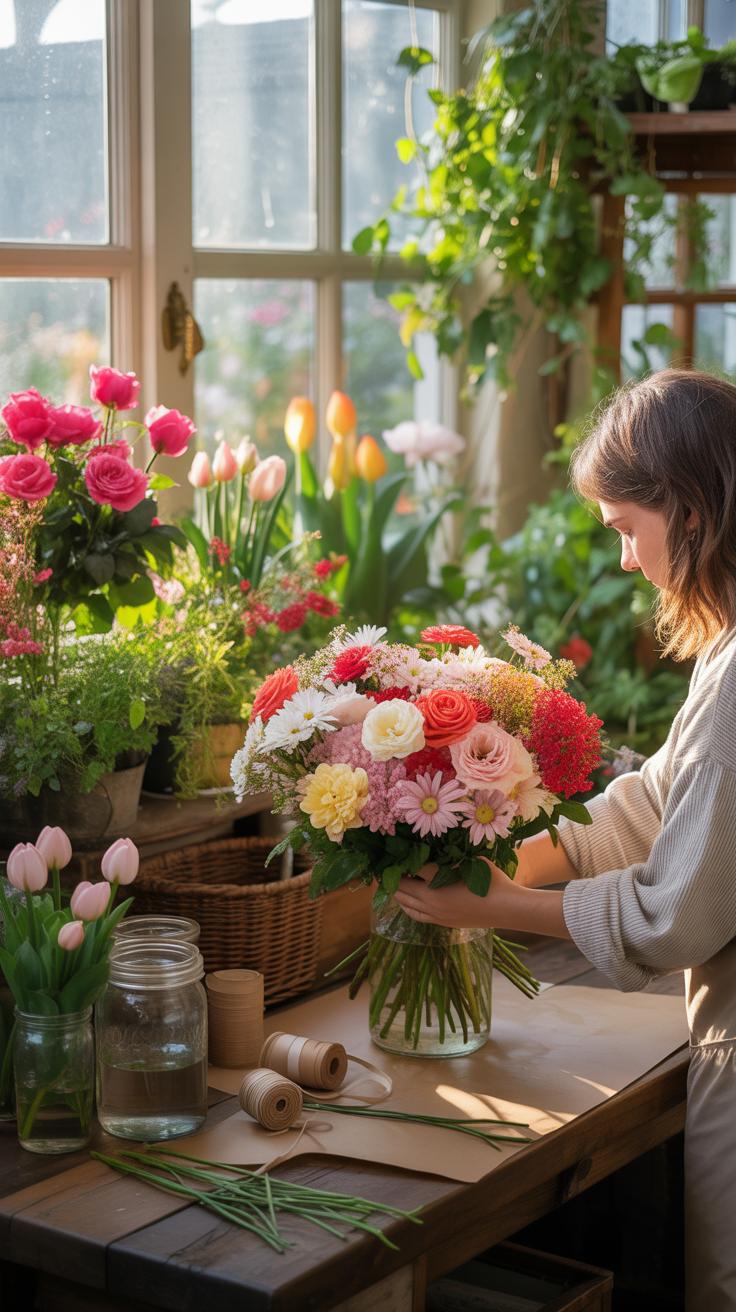
Branding a home flower business requires a clear visual identity and consistent quality. You must choose a name that is easy to remember and reflects your specific floral niche. Professional packaging signals value to your customers. Use stamped brown paper or simple twine to create a recognizable look. This consistency helps customers identify your work immediately at markets or on social media platforms.
Customer retention depends on direct communication and reliability. Collect email addresses or phone numbers to notify buyers about new blooms. Offer a subscription model to secure recurring revenue throughout the growing season. Happy customers provide the best marketing through word of mouth. Deliver exactly what you promise every time. High quality builds trust. Trust turns a one-time buyer into a loyal brand advocate for years.
Record Keeping, Legal Considerations, And Permits To Keep Your Home Flower Business Compliant
Operating a home business requires strict adherence to local zoning laws and tax regulations. You must register your business entity with the state to protect your personal assets. Check with your local city hall regarding home occupation permits. Some areas restrict customer traffic or signage in residential zones. Keep detailed records of every expense and sale. Use a dedicated bank account to simplify your yearly tax filings.

Many states require a nursery dealer license to sell live plants or cut flowers professionally. Contact your Department of Agriculture to confirm specific requirements for your region. Product liability insurance is necessary to protect against claims from allergic reactions or property damage. Keep digital copies of all receipts and invoices. Accurate data allows you to track which crops are profitable. Legal compliance prevents fines and ensures your business remains viable.
Frequently Asked Questions

What are the best varieties for someone just starting to grow flowers for profit?
If you are new to selling cut flowers from home, start with “cut-and-come-again” varieties like zinnias, cosmos, and sunflowers. These hardy plants are incredibly beginner-friendly because they produce multiple flushes of blooms throughout the season. Focusing on high-yield, easy-to-grow staples allows you to build confidence and establish a consistent inventory for your customers while you learn the nuances of professional floral conditioning and seasonal harvesting techniques.
How do I ensure my cut flowers stay fresh and marketable for customers?
To maintain professional quality, harvest your blooms in the cool early morning or late evening when the stems are fully hydrated. Use sharp, sanitized shears and immediately place the stems into clean buckets of lukewarm water. To succeed at selling cut flowers from home, you must also use a floral preservative and store your arrangements in a cool, dark location away from direct sunlight to prolong their vase life and overall beauty.
Do I need a large acreage or expensive greenhouse to start a home floral business?
Not at all! You can launch a successful venture using just a few raised beds or a small backyard plot. Intensive planting techniques, like the square foot gardening method, allow you to maximize your yield in limited spaces. By focusing on high-value specialty blooms and unique foliage, you can create a profitable side hustle without a massive initial investment or high overhead costs, making home-based flower farming accessible to almost everyone.