
Why Cut Flower Harvest Timing Is The Secret To Longer Vase Life
How Harvest Timing Directly Affects Bloom Longevity
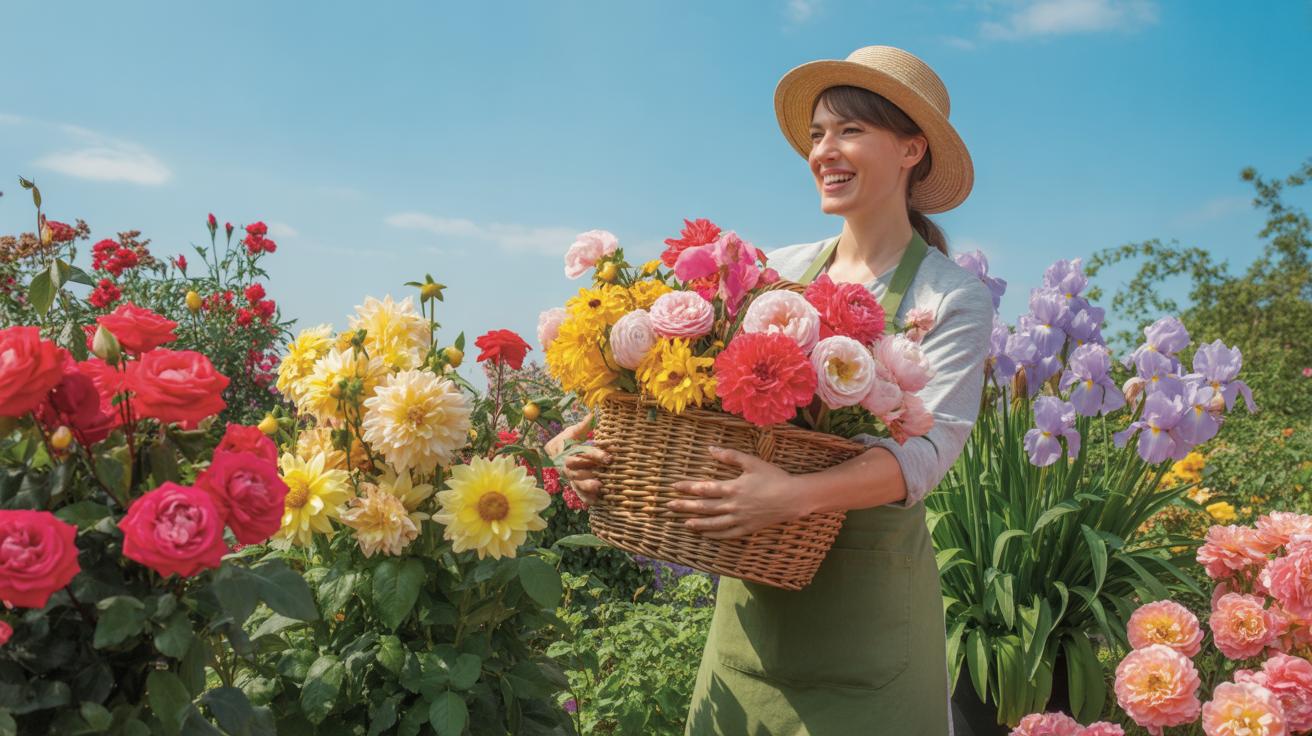
Cut flower harvest timing dictates the total lifespan of a floral arrangement. Flowers contain a finite amount of stored energy in the form of carbohydrates. If you cut a bloom too late, it has already spent its energy on reproduction and seed production. Early harvest preserves these energy stores. This ensures the flower uses its remaining fuel to maintain tissue turgidity inside your vase.
Temperature also plays a critical role in the timing of your harvest. High heat causes rapid transpiration and depletes moisture within the plant stems. Cutting during the heat of the day leads to immediate wilting that is often irreversible. Professional growers harvest in the early morning when stems are full of water. This strategic timing prevents cellular collapse and extends the display life by several days.
The Science Behind Early Stage Cutting And Water Uptake In Cut Flowers
The stage of bud development at harvest determines how well a stem absorbs water. Tight buds have a lower surface area which reduces water loss through evaporation. Once the flower fully opens, the vascular system begins to prioritize petal expansion over stem health. Cutting at the bud stage allows the flower to adapt its hydraulic system to the vase environment. This transition creates a more resilient bloom.
Enzymes and bacteria also impact water uptake after the cut. Plants harvested at the correct stage produce fewer ethylene gasses. Ethylene is a natural ripening hormone that signals the flower to die. By harvesting early, you slow down the aging process and keep the water-conducting tissues clear of blockages. Effective timing ensures the xylem remains open. This allows the flower to drink water efficiently throughout its entire indoor life.

Understanding Flower Growth Stages In Your Cut Flower Garden
Identifying The Bud Bloom And Open Stages Of Common Garden Flowers
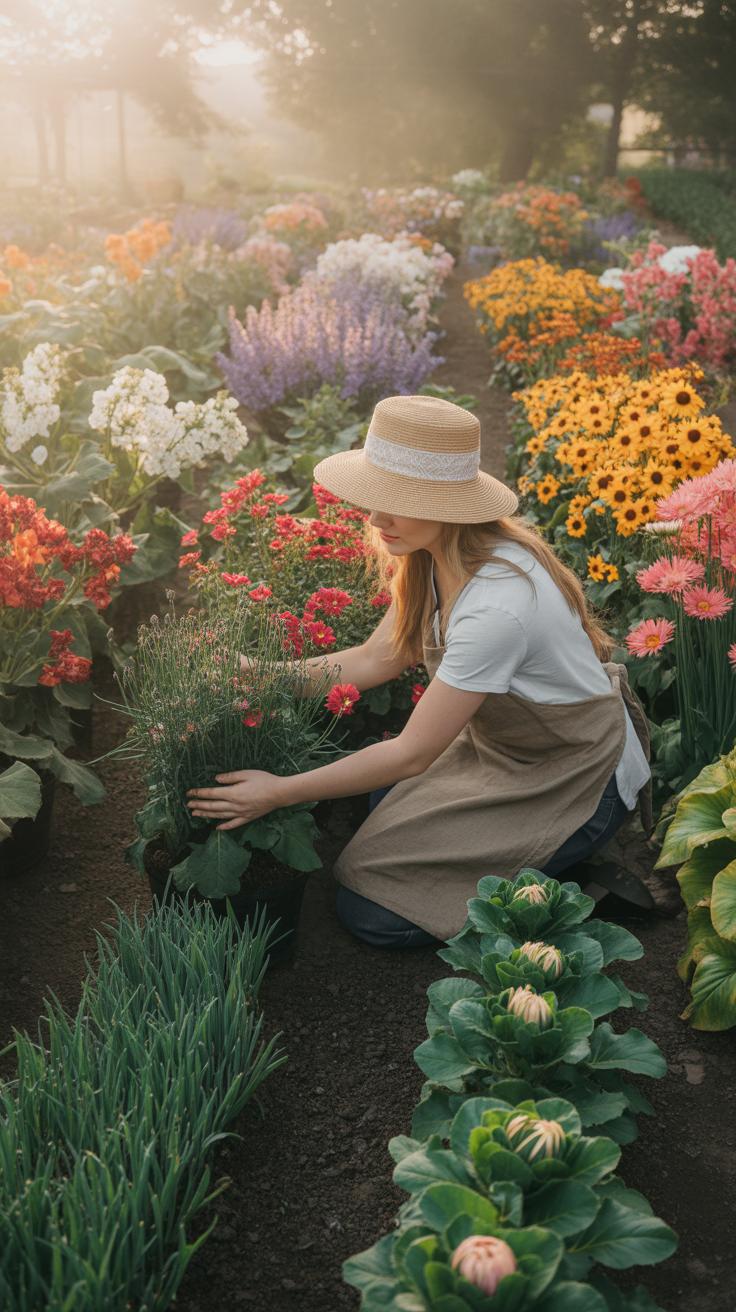
Flower maturation follows three distinct phases. The bud stage occurs when color first emerges but the petals remain tight. Professional growers call this the marshmallow stage for peonies because the bud feels soft but stays closed. Identifying this specific moment is critical for maximum vase life. You must observe the calyx closely to see if it has started to separate from the petals.
The blooming stage starts as petals begin to unfurl. For spike flowers like snapdragons or gladiolus, this means the bottom blossoms are open while the top remain closed. The fully open stage occurs when the flower reaches its maximum diameter and pollen becomes visible on the anthers. Once a flower hits the open stage in the garden, its remaining lifespan decreases rapidly.
Why Cutting At The Bud Stage Produces The Best Results For Cut Flowers
Cutting at the bud stage protects the bloom from environmental damage. Wind, rain, and insects degrade the quality of open petals in the garden. When you harvest early, the flower opens in a controlled indoor environment. This keeps the petals pristine and free from bruising. It also prevents pollination. Once a bee pollinates a flower, the plant stops sending energy to the bloom.

Harvesting early extends the total vase life by several days. The flower uses its stored sugars to open slowly in the water. This process allows the stem to hydrate fully before the bloom reaches peak size. You also save space in your transport buckets because tight buds take up less room than full blooms. Professional floral designers prioritize bud stage harvests to ensure the flowers peak exactly during the event.
The Best Time Of Day To Harvest Cut Flowers From Your Flower Garden
Morning Harvesting And Why Cooler Temperatures Preserve Stem Hydration
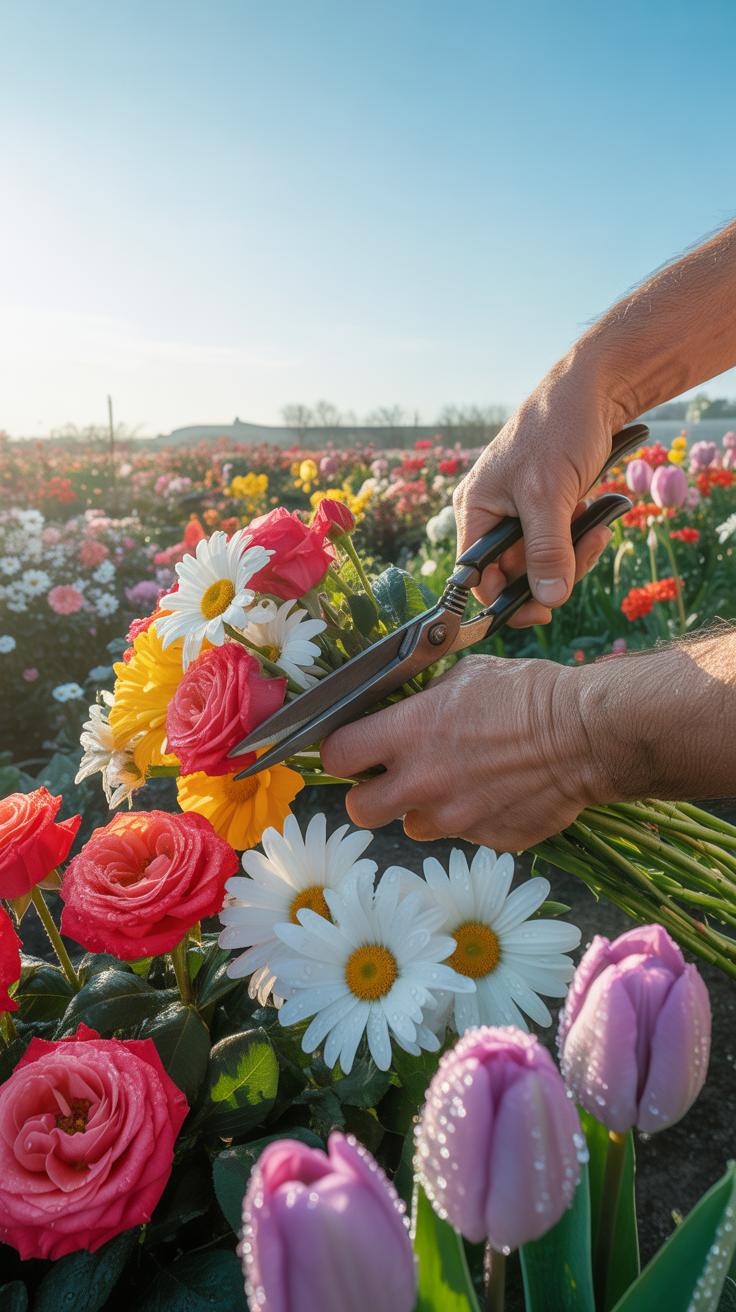
Harvest flowers between 6:00 AM and 9:00 AM for maximum vase life. During these hours, plants reach peak turgidity because they absorbed water overnight. Stems are stiff and full of moisture. Early morning dew keeps the air humid and the soil cool. This physical state prevents the plant from wilting immediately after you make the cut. You capture the bloom at its most resilient point.
High temperatures cause rapid transpiration and moisture loss through the leaves. If you cut during the heat of the day, the flower loses water faster than the stem can take it up. This leads to permanent cellular damage and premature drooping. Cool morning air slows down the metabolic rate of the plant. This delay gives you time to move stems into water before air pockets block the vascular system.
Evening Cutting As A Viable Alternative When Mornings Are Not Possible
Evening harvesting serves as a functional backup when morning schedules fail. Wait until the sun sets and the air temperature drops significantly. During the day, plants produce carbohydrates through photosynthesis. These stored sugars provide energy to the bloom after harvest. By evening, the flower has high energy reserves. This fuel helps the bloom open and maintain its color once indoors.

Hydration levels in the evening are lower than in the morning. Daytime sun evaporates moisture from the foliage through the afternoon. You must rehydrate these stems immediately in deep, tepid water. Allow the flowers to rest in a dark, cool spot overnight. This process restores the turgidity lost during the day. Following this cooling period ensures the stems perform well in arrangements despite the late cutting time.
Seasonal Cut Flower Harvest Timing Guide For Year Round Blooms
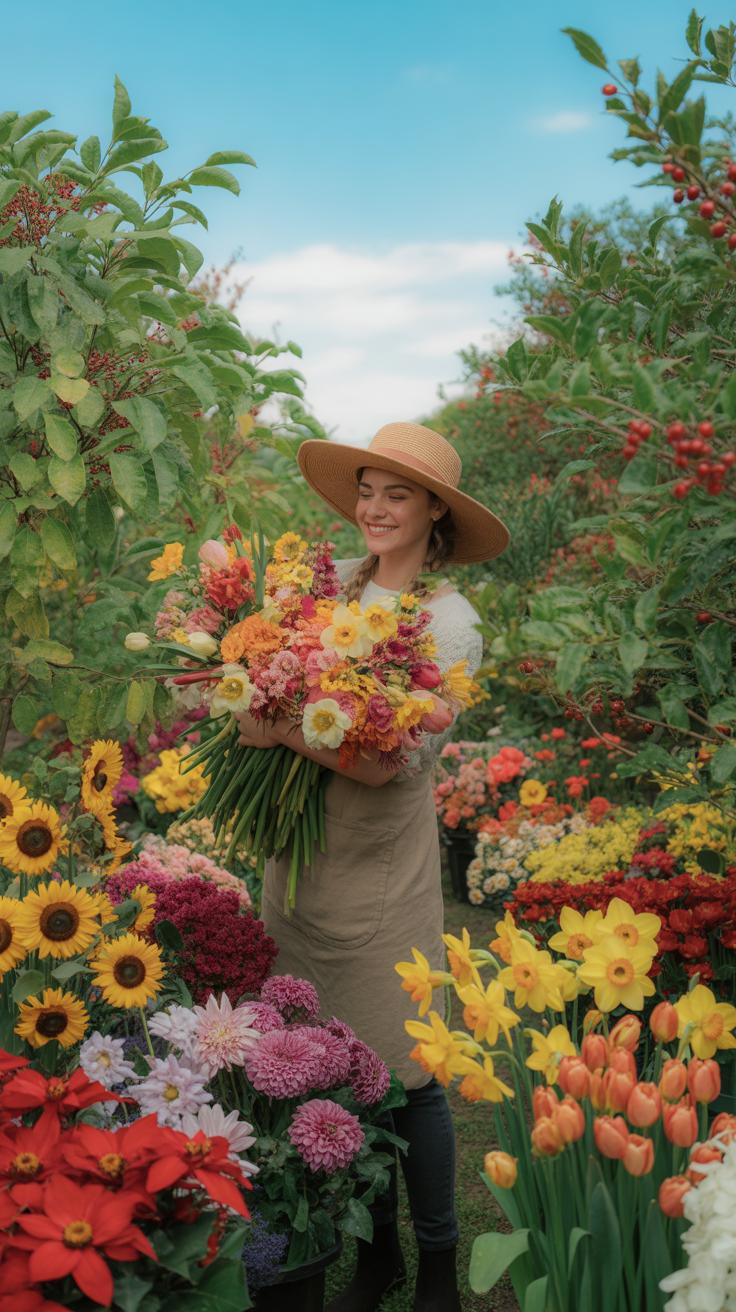
Spring And Summer Flowers: Timing Tulips, Peonies, And Sunflowers For Peak Harvest
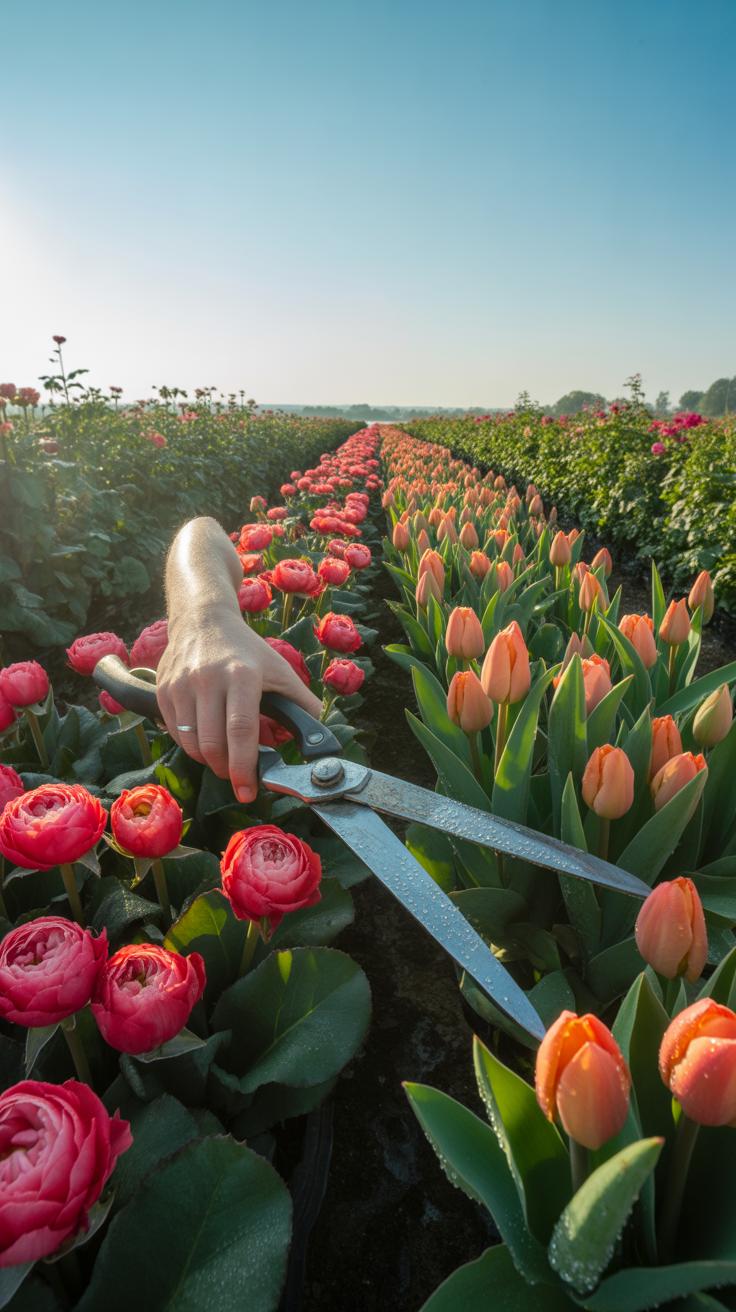
Harvest tulips when the color first appears on the bud but before the flower opens. This stage is the marshmallow stage. The bud should feel soft but remain closed. Cutting at this point ensures the longest vase life. Tulips continue to grow after harvest. They will gain height and size in the water. Use clean shears to prevent disease transmission during the cut.
Peonies require precise timing for maximum bloom size. Cut them when the bud feels like a soft marshmallow. If the bud is hard like a marble, it will not open. Sunflowers are ready when the ray petals begin to lift off the central disk. Do not wait for the flower to flatten completely. Harvest during the cool morning hours to maintain high moisture levels in the stems.
Fall And Winter Blooms: Harvesting Dahlias, Zinnias, And Amaryllis At The Right Moment
Dahlias do not open much after harvest. You must wait until the flower is almost fully open. Check the back of the bloom for firm petals. If the back petals feel soft or look brown, the flower is too old. Zinnias require a wiggle test before cutting. Shake the stem about six inches below the head. If the stem bends or flops, the flower is not ready.

Amaryllis harvest occurs when the first bud on the stalk shows color. The bud should be loose but not yet open. This timing allows the flower to expand safely in a vase. Indoor winter blooms depend on temperature control. Keep these stems away from drafts to prevent premature wilting. Cold water slows the opening process while warm water speeds it up. Use these triggers to manage your floral display timing.
Essential Tools And Techniques Every Cut Flower Farm Relies On At Harvest
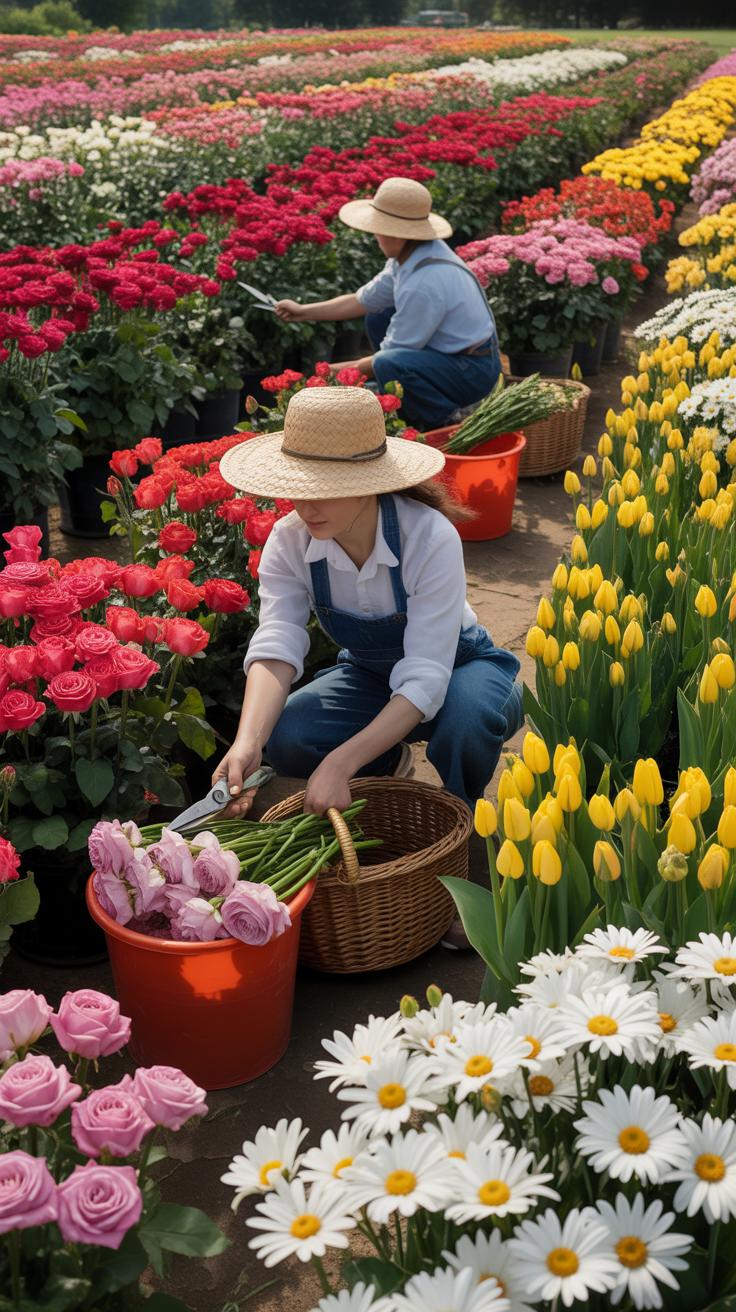
Choosing The Right Cutting Tools To Protect Both Stem And Plant Health
Clean cuts prevent vascular damage and bacterial entry. You cannot use standard household scissors for this task. They crush the stem walls and block water uptake. Professional growers use bypass pruners or specialized floral snips. These tools maintain the integrity of the plant tissue. Sharp blades ensure the mother plant heals quickly to produce more blooms for the next harvest cycle.
- Bypass Pruners: These tools use two curved blades that pass each other like scissors. They provide the cleanest cuts on woody or thick-stemmed flowers. Use them for roses or hydrangeas to avoid crushing the delicate water-conducting vessels located inside the stem.
- Floral Snips: Small and lightweight tools designed for soft-stemmed annuals. They feature long pointed blades that reach into dense foliage without damaging surrounding buds. Use these for high-speed harvesting of cosmos, zinnias, or sweet peas where precision and speed are the primary requirements.
- Harvesting Knife: Professional field workers often prefer a sharp fixed blade for speed. A swift upward or downward stroke removes stems instantly. This tool requires significant skill to prevent injury but is the fastest method for harvesting large volumes of flowers like sunflowers or greens.
- Sharpening Stone: Maintenance is the most overlooked part of harvest strategy. A dull blade tears the plant skin and invites disease. Keep a whetstone or diamond file in your harvest kit. Honing the blade every few hours keeps cuts precise and reduces hand fatigue during long sessions.
- Disinfectant Solution: Pathogens spread rapidly through dirty tools. Carry a bucket of water mixed with a small amount of bleach or isopropyl alcohol. Dip your blades between different plant varieties. This prevents the transfer of viruses and root rot from one section of your garden to another.
Standardize your tool kit to match your specific crop types. Heavy woody shrubs require more leverage than delicate wildflower stems. Always oil your tools after use to prevent rust and ensure smooth mechanical action. Proper tool selection reduces the physical strain on your hands. It also extends the shelf life of your flowers by keeping the stem base open and functional.
Proper Cutting Angles And Immediate Water Placement For Maximum Stem Absorption
The angle of your cut dictates the surface area available for hydration. Cut every stem at a forty-five-degree angle. This prevents the stem from sitting flat against the bottom of the bucket. A flat cut creates a vacuum that stops water flow. An angled cut ensures the flower can pull moisture even when resting on the container floor. This technique is a fundamental requirement for long-lasting blooms.

Immediate hydration is the second critical step in the harvest process. Air bubbles form in the stem seconds after the cut is made. These bubbles block the flow of water to the head. Submerge the bottom two inches of the stem in clean water within seconds of cutting. Use lukewarm water for most varieties to speed up the initial drink. This rapid transition preserves the turgidity of the flower petals.
Flower Farm Layout Strategies That Support Efficient And Timely Harvesting
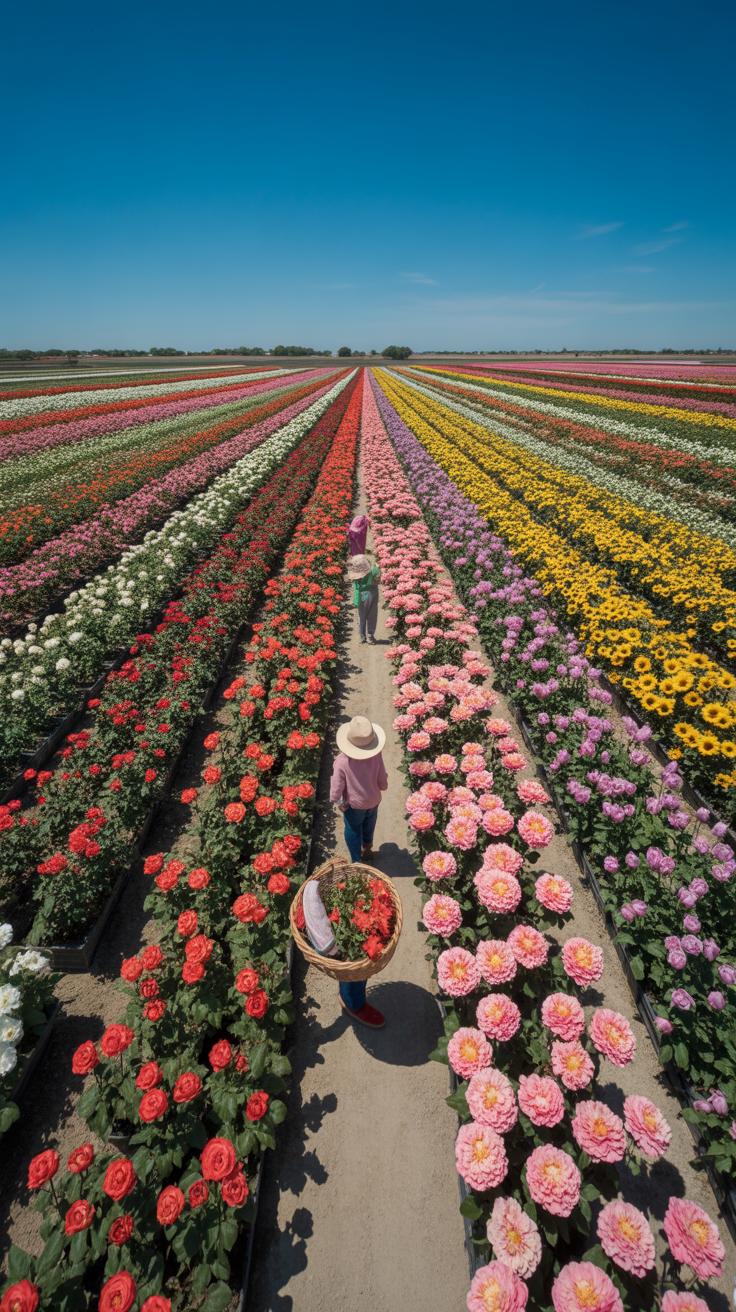
Designing Harvest Friendly Row Spacing And Bed Access In A Flower Farm Layout
Standardized bed widths maximize your physical reach and harvest speed. Most professional growers use thirty inch beds because they allow you to reach the center from either side without stepping on the soil. This prevents soil compaction and protects delicate root systems. Clear paths between beds must be wide enough for harvest buckets or carts. Narrow paths slow down movement and damage stems during transport.
Efficient farm layouts group plants by their specific harvest frequency requirements. Place high maintenance crops that require daily cutting near the main packing shed or tool storage. This reduces transit time for workers and keeps the cold chain intact. Use permanent perimeter paths to move heavy equipment without disturbing the growing area. Proper spacing ensures you can see every bloom clearly to judge the exact stage of ripeness.
Staggered Planting Schedules That Ensure A Continuous Supply Of Ready To Cut Blooms
Succession planting prevents a market glut and ensures a steady harvest window. You must calculate the days to maturity for each variety and plant new batches every ten to fourteen days. This tactical approach keeps flowers at the peak stage of development throughout the season. Without staggered dates your entire crop will bloom at once. This leads to wasted product and missed revenue opportunities when the plants go to seed.

Utilize cool season and warm season blocks to manage your workflow. Start hardy annuals in late fall or early spring to trigger early harvests. Transition to heat loving species as temperatures rise to maintain volume. Accurate record keeping is the only way to track these cycles effectively. Use your harvest data from previous years to adjust your sowing dates. This precision allows you to hit specific market dates with high accuracy.
How To Start A You Pick Flower Farm With Harvest Timing At Its Core
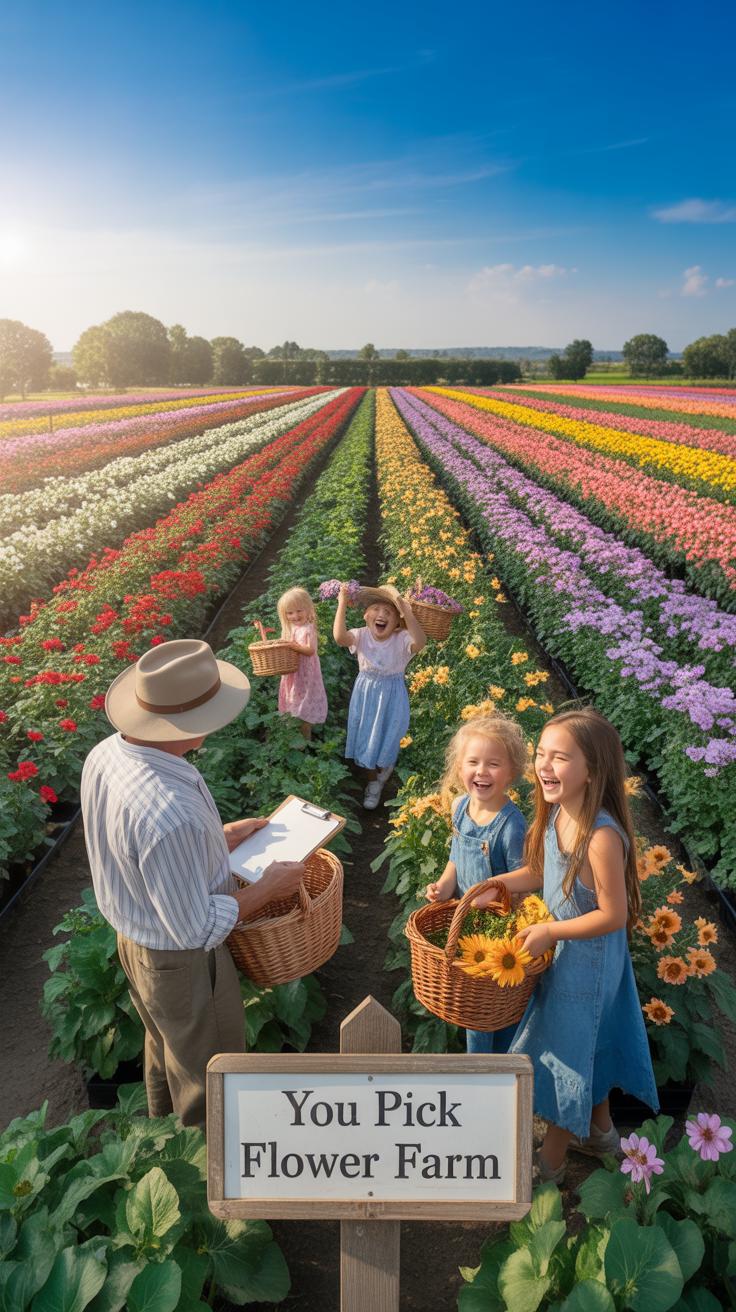
Educating You Pick Visitors On Correct Flower Harvest Timing And Cutting Etiquette
Provide visitors with visual guides showing the correct development stage for each variety. Most amateurs pick flowers that are too open. This results in immediate wilting and poor vase life. Force guests to look for tight buds on roses and lilies. Explain that Zinnias must pass the wiggle test before cutting. Steady education prevents product loss and ensures customer satisfaction after they leave the farm.
Set strict rules for tool usage and stem length. Instruct guests to cut stems at a forty-five degree angle right above a leaf node. This practice encourages the plant to produce more blooms for future visitors. Supply clean, sharp snips to prevent crushing the vascular system of the plant. Proper cutting etiquette preserves the health of your field and maintains your production schedule throughout the season.
Scheduling You Pick Hours Around Peak Bloom Windows For The Best Guest Experience
Open your gates during the early morning hours when plant turgidity is highest. Flowers harvested in the cool morning air contain the most moisture. They hold their shape longer than those cut in the midday heat. Heat stress causes immediate drooping and shortens the life of the flower. Focus your business hours on the window between sunrise and ten in the morning for maximum quality.

Track your local frost dates and growing degree days to predict bloom surges. Use this data to adjust your opening dates each year. Do not rely on fixed calendar dates. Nature dictates the harvest window based on temperature and sunlight. Limit entry during periods of extreme heat to protect the plants. Strategic scheduling ensures guests always find flowers at the perfect stage for harvest and long term display.
Conditioning And Post Harvest Care That Complements Proper Harvest Timing For Plants
The Role Of Conditioning Water Temperature And Floral Preservatives After Cutting
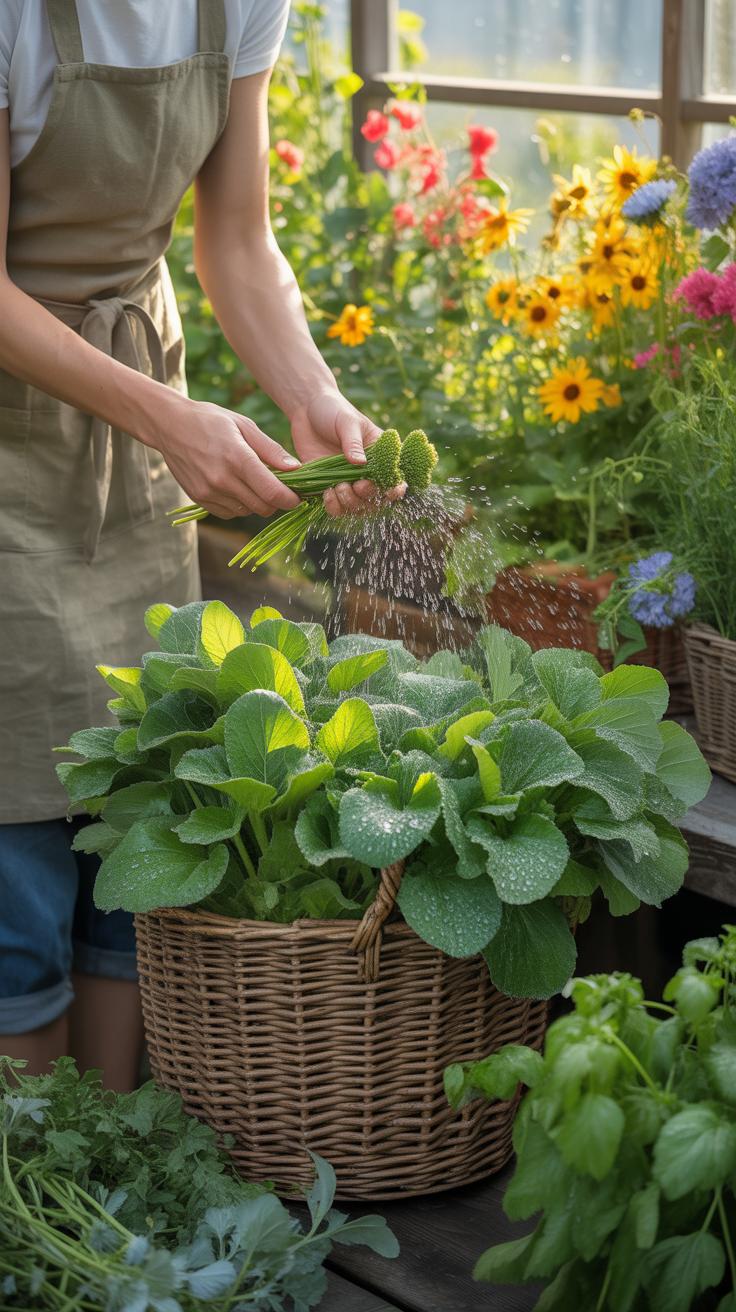
Immediate hydration stops the plant from wilt after harvest. Use lukewarm water between 100 and 110 degrees Fahrenheit for most species. Warm water molecules move faster than cold ones. This promotes rapid uptake through the xylem. Do not use cold water initially unless working with bulb crops like tulips. Rapid water intake stabilizes the internal pressure of the stem. It ensures the flower stays upright and firm.
Preservatives help maintain the Cut Flower Harvest Timing benefits. These solutions contain three main agents: sugar, acid, and bleach. Sugar provides a food source for bloom development. Acid lowers the water pH to improve flow. Bleach kills bacteria that plug the stem ends. Change the water and the preservative every two days. This prevents microbial buildup. Clean water extends the life of the flower significantly.
Hardening Off Cut Flowers In A Cool Environment Before Displaying Them Indoors
Hardening off is a critical step after the initial hydration. Place freshly cut stems in a dark, cool room for several hours. This environment slows down the respiration rate of the plant. It allows the cells to fully saturate without the stress of sunlight or heat. Professional florists call this the resting period. Skipping this step leads to premature drooping in many garden varieties.

Temperature control determines the total vase life of the flower. Keep the resting area between 38 and 45 degrees Fahrenheit for optimal results. High temperatures accelerate aging and cause petals to drop early. Cool air locks in the moisture the plant absorbed during the conditioning phase. This process completes the transition from the garden to the home. It guarantees the flower remains crisp for the entire display period.
Common Harvest Timing Mistakes To Avoid In Any Cut Flower Farm Or Home Garden
Cutting Flowers Too Late: How Fully Open Blooms Reduce Vase Life Significantly
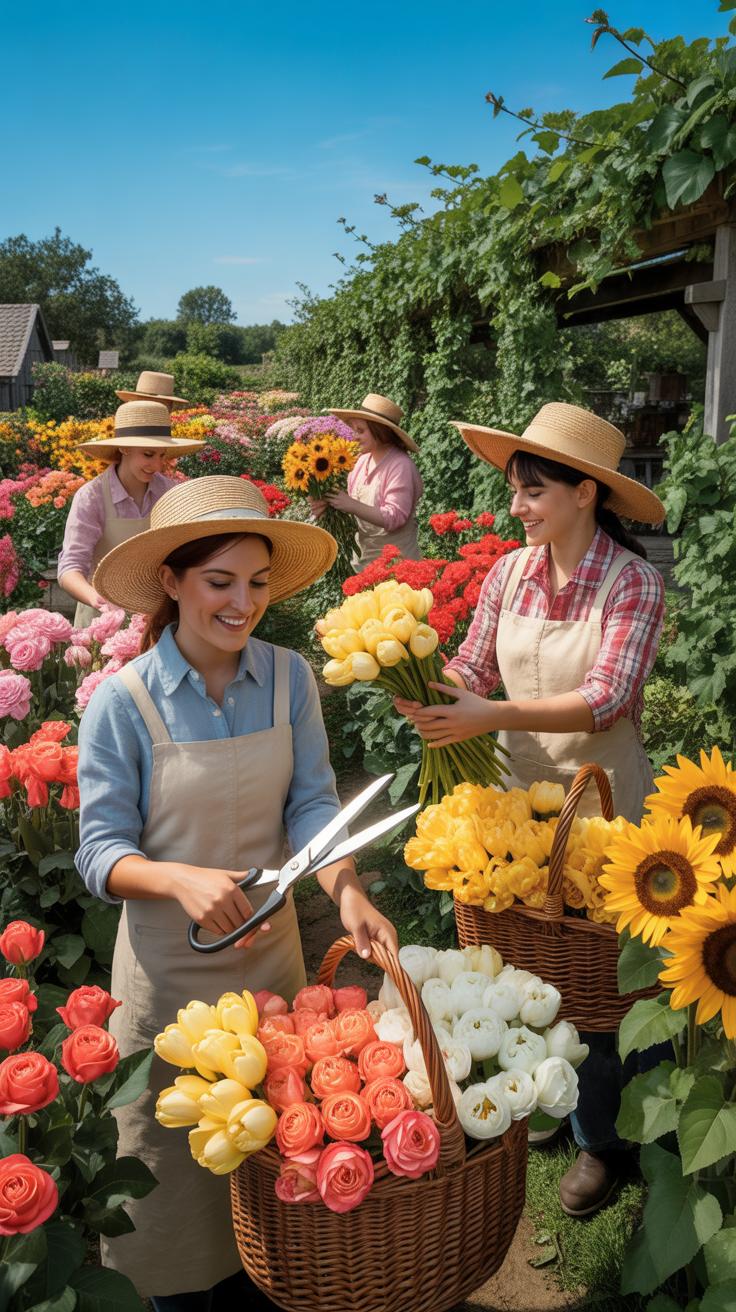
Harvesting flowers at full bloom is a tactical failure. Once a flower opens completely, it shifts its energy from maintaining Petal turgidity to reproduction and seed production. This metabolic shift triggers ethylene gas release, which causes rapid wilting and petal drop. You lose several days of display time when you wait for the flower to look perfect in the field rather than the vase.
Professional growers prioritize the bud stage to ensure maximum longevity. Flowers cut too late often suffer from bruised petals during transport or handling. These mature blooms also attract more pests and accumulate more dust or pollen. To maximize vase life, you must harvest before the flower reaches peak maturity. This strategy keeps the bloom fresh and allows the customer to watch the flower open.
To have a garden is to believe in tomorrow, and the secret lies in knowing just when each bloom is ready to share its light with your home.
Top Harvest Timing Pitfalls That Home Gardeners And Small Flower Farms Should Avoid
Gardeners often ignore the physiological state of the plant during harvest. Cutting stems during the heat of the day is a major mistake. High temperatures cause plants to lose moisture through transpiration faster than they can replace it. This leads to immediate wilting and vascular shock. Professional operations always harvest in the early morning when stems are fully hydrated and temperatures are still low.
- Harvesting in High Heat: Cutting stems during the afternoon ensures a short vase life. The plant is under heat stress and lacks the necessary water tension to recover. Always harvest before the dew dries to secure maximum hydration levels within the stems and foliage.
- Ignoring the Bud Stage: Many people wait for color to show completely. Different species require specific opening stages for success. For example, zinnias must pass the wiggle test, while lilies should be cut as the first bud shows color but remains closed to prevent pollen staining.
- Using Improper Tools: Dull blades crush the vascular system instead of slicing it. This damage prevents the stem from taking up water efficiently. Always use sharpened snips or knives and sanitize them between different plants to prevent the spread of soil-borne pathogens or plant viruses.
- Neglecting Immediate Conditioning: Leaving cut stems in the sun destroys their quality. You must place harvested flowers into clean buckets of tepid water immediately. Proper conditioning in a cool, dark space for several hours allows the stems to stabilize before you begin any floral arrangement or transport.
- Oversight of Field Heat: Field heat refers to the temperature of the plant at harvest. Failing to remove this heat quickly leads to rapid decay. Move your buckets to a climate-controlled area or a dedicated floral cooler immediately after cutting to slow down the respiration rate of the blooms.
Small farms also fail by not monitoring local weather patterns. Heavy rain damages delicate petals and introduces fungal spores like botrytis. If a storm is approaching, harvest slightly early to protect the crop. Consistent scouting is the only way to catch the narrow window between an immature bud and a blown-out flower. Success requires daily discipline and a strict adherence to the clock.
Variety Specific Cut Flower Harvest Timing Tips For A Thriving Cut Flower Garden
Harvest Timing Cues For Popular Flowers Like Roses, Lisianthus, And Lavender
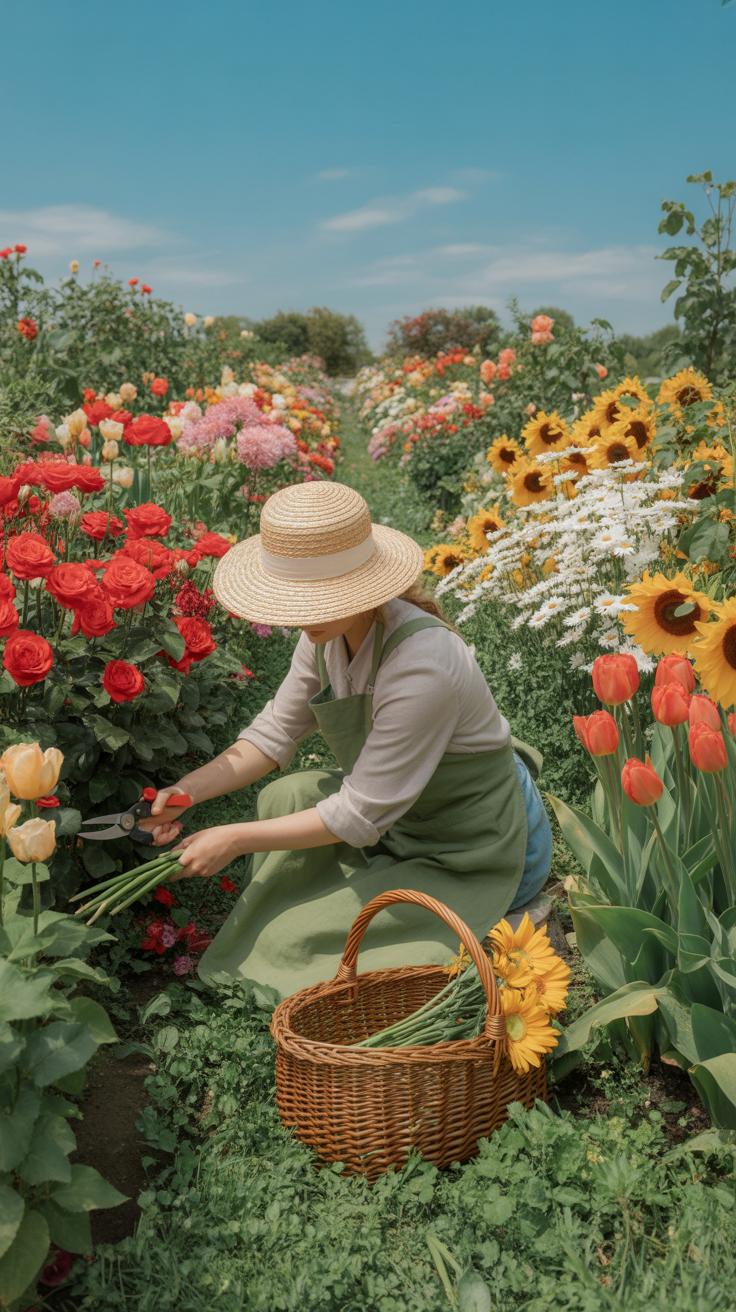
Harvest roses when the outer petals start to unfurl from the tight bud. You want the sepals to turn downward. If you cut too early, the neck will droop. If you cut too late, the vase life drops significantly. Look for a soft feel akin to a marshmallow. This stage ensures the flower opens fully in the vase while maintaining its structural integrity.
Lisianthus requires at least two open blooms on a stem before you cut. Cutting earlier prevents the remaining buds from opening. Lavender demands a different strategy based on use. For fresh bouquets, cut when the bottom third of the small flowers on the spike open. For dried use, harvest earlier when buds show full color but remain closed to keep the stems straight.
Reading Visual And Tactile Signals That Tell You A Stem Is Ready To Cut
Use the wiggle test to check for stem stiffness in flowers like zinnias and dahlias. Hold the stem about eight inches below the flower head and shake it gently. If the head flops or bends, the stem is too soft. It lacks the internal strength to move water. Wait until the neck stays stiff and upright during the movement to ensure the bloom holds.
Visual cues provide the final data point for harvest. Most disk flowers, such as sunflowers or daisies, are ready when the first ring of petals begins to lift. Check the center for pollen. If you see yellow dust, you are too late. The flower has already started its seed production phase. Harvest before the pollen sheds to maximize the time the flower stays fresh indoors.
Frequently Asked Questions

Why is the time of day so important when gathering fresh blooms?
Determining the right cut flower harvest timing begins with the sun. You should ideally gather stems in the early morning while temperatures are cool and the plants are fully hydrated from the night. At this stage, the stems are turgid and full of water, which prevents immediate wilting. Harvesting during the heat of the day causes significant stress, leading to a much shorter vase life for your beautiful home arrangements.
How can I tell if a specific flower is ready to be cut for a vase?
Mastery of cut flower harvest timing depends on the specific variety you are growing. For instance, roses should be harvested when the outer petals are just beginning to unfurl, while sunflowers are best cut when the petals first start to lift off the central disk. Always use sharp, clean shears and look for spikes like snapdragons when the bottom third of the florets are open to ensure maximum longevity and beauty.
Can I create professional-looking bouquets using simple flowers from a small backyard?
Absolutely! You do not need a massive greenhouse or expensive seeds to enjoy a floral home. Affordable options like cosmos, zinnias, and marigolds are prolific producers that thrive in small patches. By focusing on consistent pinching and proper timing, you can yield dozens of stems from a single seed packet. Growing your own is the most cost-effective way to keep your living space filled with vibrant, seasonal color all summer long.