
What Is Backyard Flower Farming And Why ItS Worth Starting
Understanding The Basics Of Backyard Flower Farming
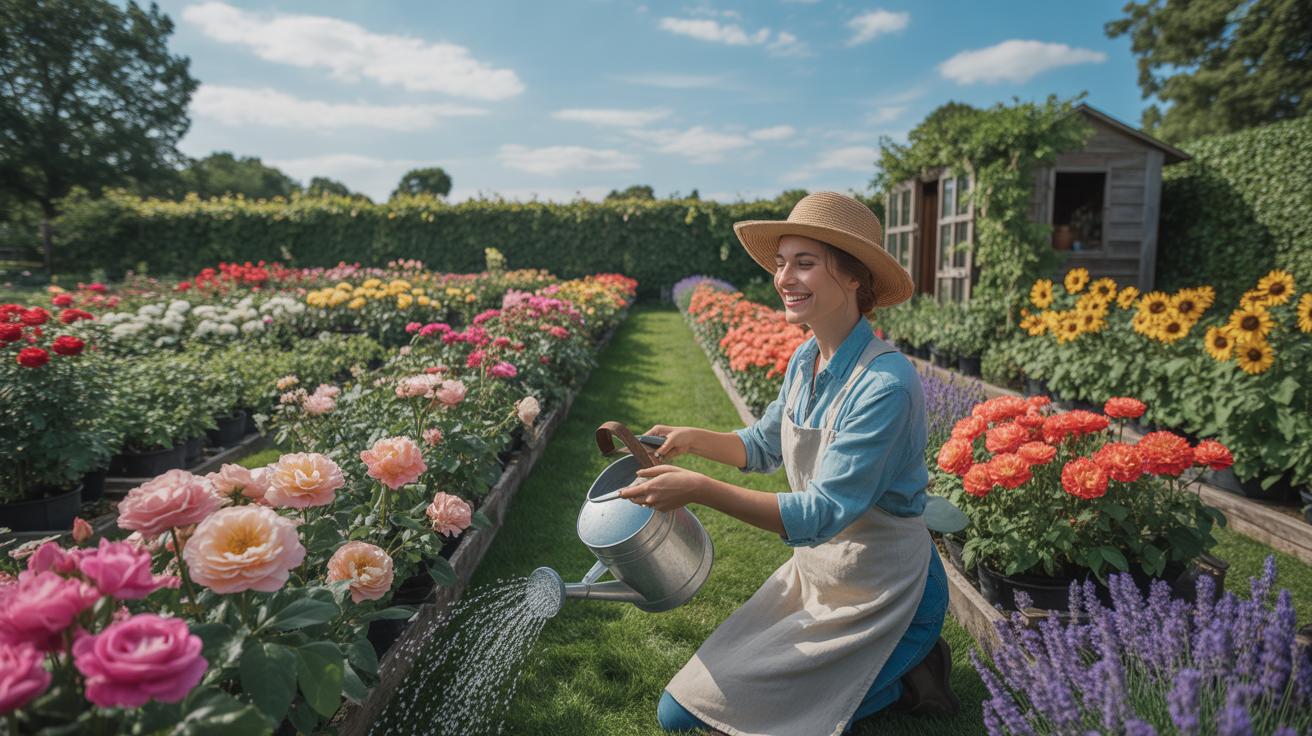
Backyard flower farming is the intensive cultivation of cut flowers on private residential land. Unlike traditional gardening, this practice focuses on high yield and stems per square foot. Every inch of soil must produce a return. You treat the backyard as a production floor. You prioritize varieties that hold up well in vases and have long stems. Efficiency drives every single decision.
Success requires a shift from aesthetics to logistics. You must manage soil health, irrigation, and harvest schedules with precision. Growers use succession planting to ensure a steady supply of blooms throughout the season. You track every seed and every sale. You select crops based on their durability and market demand. This method turns a small outdoor space into a functional and profitable agricultural unit.
The Growing Popularity Of Home Based Floral Farms And Their Real Benefits
Local flower demand is rising as consumers move away from imported blooms. Most grocery store flowers travel thousands of miles and lose their scent and quality. Home-based farms provide fresh and chemical-free alternatives. This shift creates a massive opportunity for small-scale growers. You can fill a gap in the local market. You offer a superior product that lasts longer than mass-market options.
Operating a flower farm from home reduces overhead costs significantly. You eliminate the need for expensive land leases or long commutes. The business generates immediate cash flow through subscriptions or local markets. You also improve the local ecosystem by providing pollinator habitats. This model offers high profit margins because you control the entire supply chain. It is a lean and scalable way to enter the floral industry.

Planning Your Cut Flower Garden Ideas Before You Break Ground
Defining Your Goals: Personal Use, Local Sales, Or Farmers Market Vending
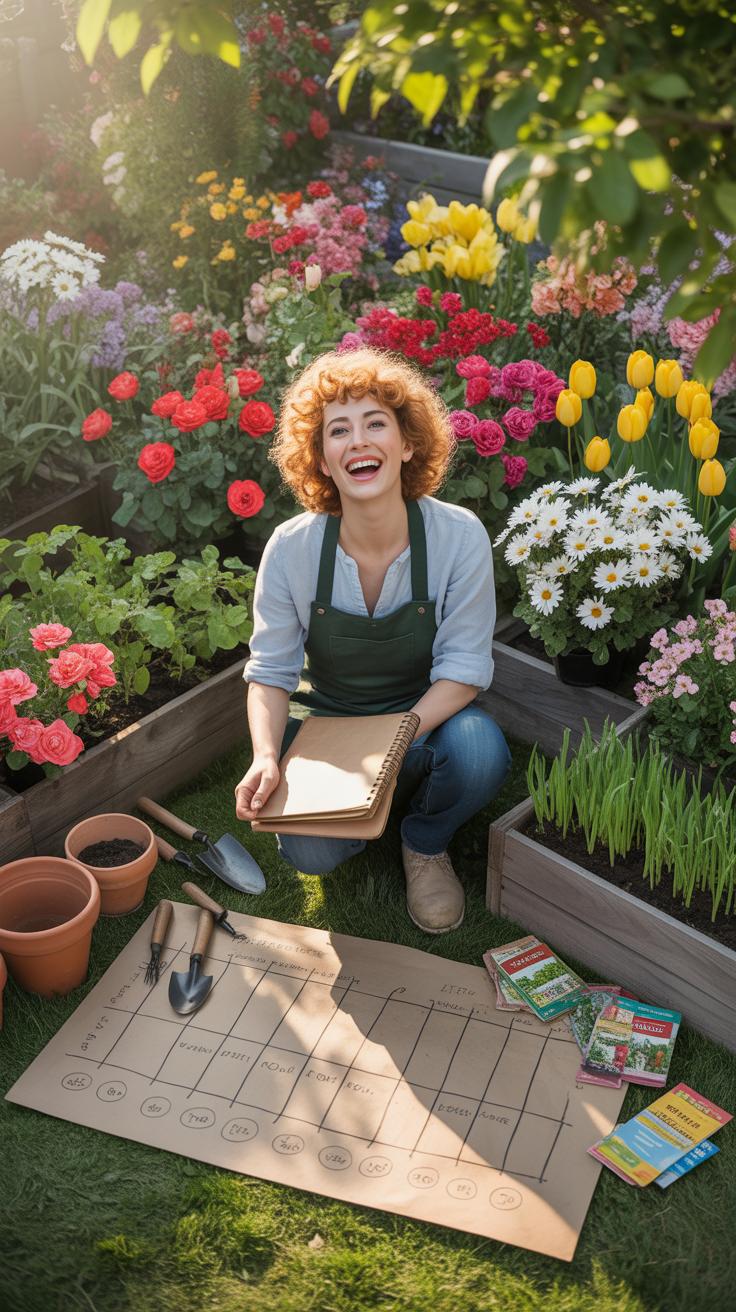
Decide on your output volume before buying seeds. Personal use allows for variety and experimentation without the pressure of yield consistency. You can focus on fragile blooms that do not ship well. This path requires less infrastructure and lower financial risk. Your primary goal is aesthetic pleasure and home decoration. This approach lacks a return on investment but builds your basic gardening skills.
Commercial goals require a production mindset. Selling to local florists demands stems with specific lengths and long vase lives. Farmers market vending requires high volume and a diverse mix of focal flowers and fillers. You must calculate labor costs and market demand. Scaling for profit changes your crop selection from delicate favorites to hardy, high-yield varieties. Professional success depends on meeting strict market reliability standards.
The glory of gardening: hands in the dirt, head in the sun, heart with nature. To nurture a garden is to feed not just the body, but the soul.
Assessing Your Available Space, Sunlight, And Soil Conditions
Measure your actual growing area to determine plant density. Most cut flowers need six to eight hours of direct daily sunlight. Observe shadows from buildings and trees during the peak growing season. Lack of light results in weak stems and fewer blooms. Positioning your beds near a reliable water source reduces daily labor. Efficient layout maximizes every square foot of your backyard footprint.

Test your soil drainage and nutrient levels immediately. Heavy clay stunts root growth while sandy soil drains too fast for thirsty annuals. Use a formal soil test to check pH levels and organic matter content. Amend the earth based on data rather than guesswork. Healthy soil produces stronger plants that resist pests and disease. Proper site preparation saves time and money during the heat of the summer.
Designing An Efficient Flower Farm Layout For Maximum Yield
How To Structure Your Growing Beds For Easy Access And Harvest Efficiency
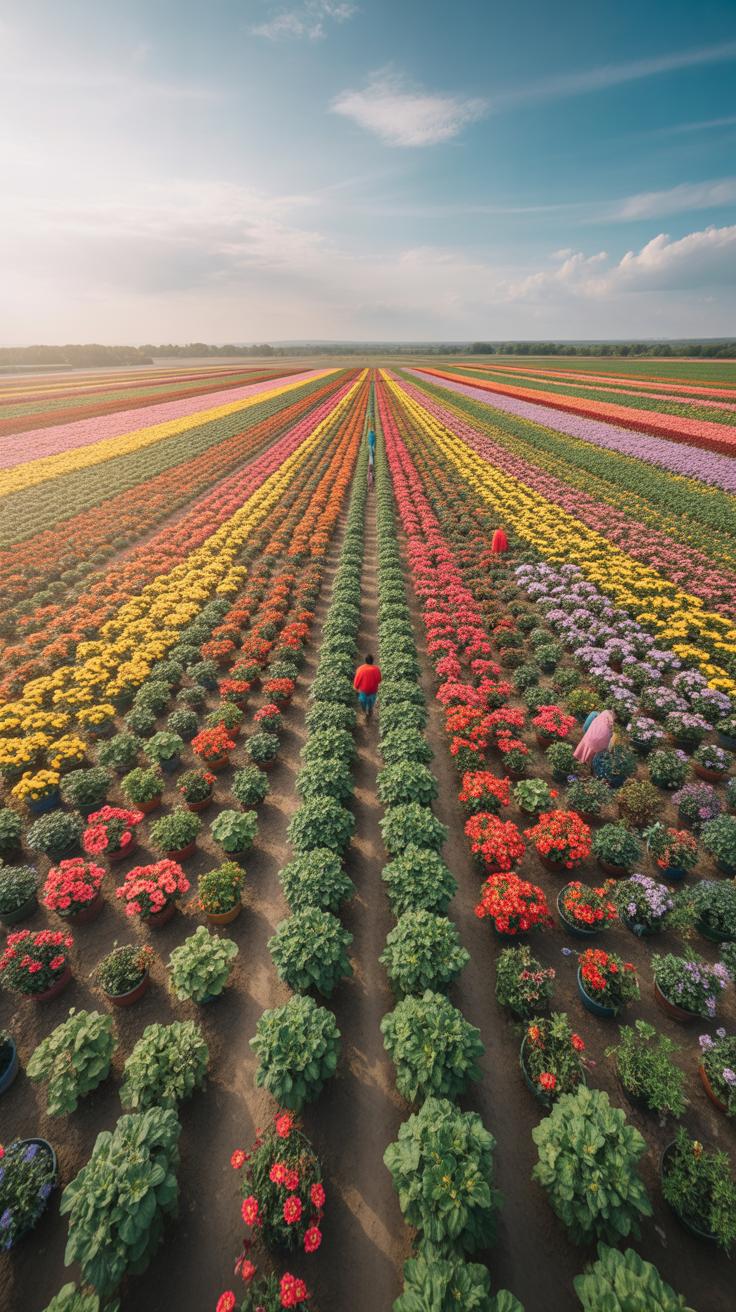
Standardize your bed width to thirty or thirty-six inches. Humans can reach roughly eighteen inches comfortably from either side. This width prevents soil compaction because you never step inside the growing area. Fixed bed widths also allow you to swap tools and netting between sections without adjustments. Efficiency relies on repeatable measurements. Align beds north to south to ensure even sun exposure for every plant.
Longer beds increase your total planting area by reducing the number of cross-paths. Aim for lengths of twenty to fifty feet depending on your total acreage. Commercial growers use the intensive French Intensive method to pack plants tightly in these rows. This setup suppresses weeds and maximizes stems per square foot. Use permanent raised beds to maintain soil structure and promote better drainage during heavy rain cycles.
Incorporating Pathways, Irrigation Zones, And Tool Storage Into Your Farm Layout
Primary pathways must accommodate a wheelbarrow or harvest cart. Make these main arteries at least thirty-six inches wide. Secondary paths between individual beds can be narrower, typically twelve to eighteen inches. Cover paths with wood chips or landscape fabric to suppress weeds and keep boots clean during wet harvests. Clean paths reduce the time you spend on maintenance and prevent pathogens from spreading to your flowers.

Zonal irrigation is critical for diverse crops. Group flowers with similar water needs in the same valve section. Install header pipes at the top of each row for easy drip tape connections. Place tool storage and bucket washing stations at a central hub to minimize walking time. Every extra step taken during a harvest reduces your hourly profit. A centralized layout keeps high-use equipment within reach at all times.
Choosing The Right Flowers For Your Cut Flower Farm
Best Annual And Perennial Flowers Proven To Thrive In Backyard Cut Flower Gardens
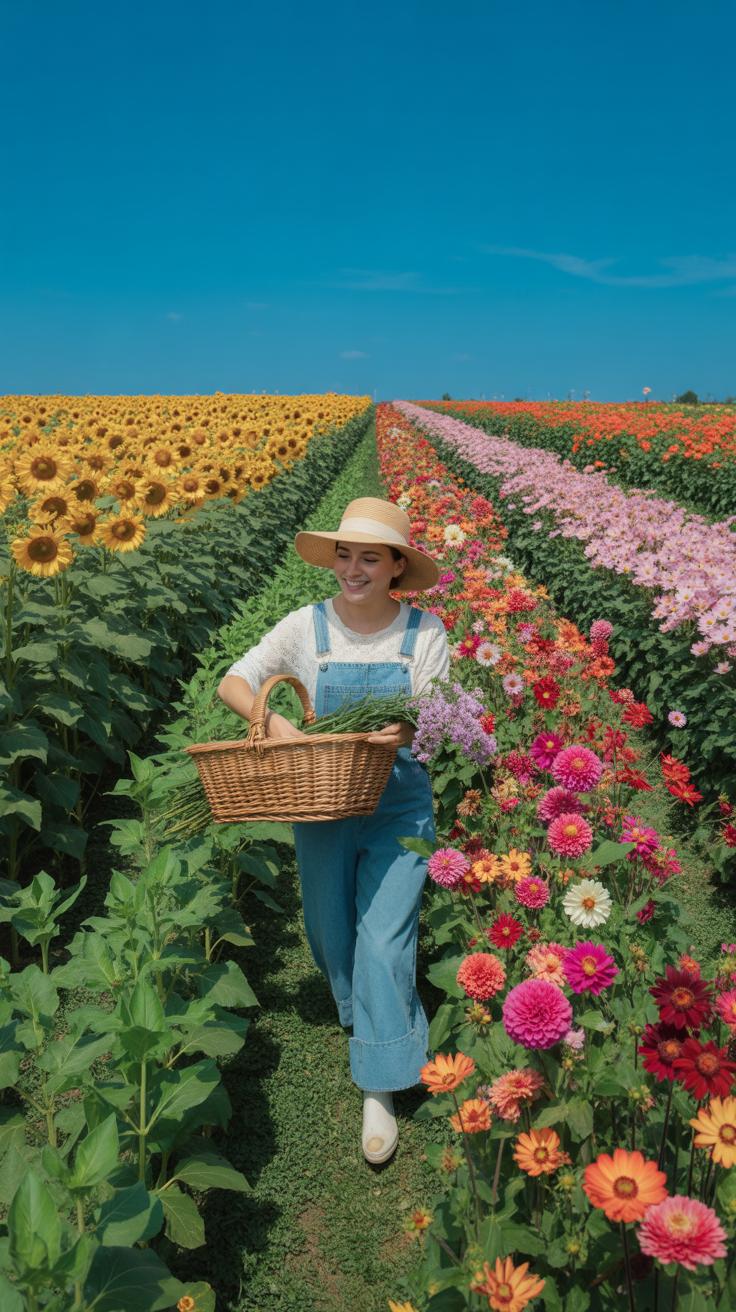
Backyard flower farming requires high yields from small spaces. Annuals provide the fastest return on investment because they bloom heavily in one season. You must select species that offer long stems and multiple flushes of growth. Perennials require more initial time but offer structural consistency and early spring harvests. These choices determine your farm profitability and your workflow efficiency during the peak summer months.
- Zinnias: These annuals are essential for any backyard operation. They grow fast from seed and produce high volumes of stems. They tolerate heat well and offer a wide range of colors. You must harvest them often to encourage more blooms throughout the entire growing season.
- Sunflowers: Branching varieties are better for cutting than single stem types. They provide height and volume for large arrangements. Successive plantings every ten days ensure a steady harvest from midsummer until the first frost. They are hardy and handle direct sun with very little maintenance.
- Dahlias: These tuberous perennials are high-value crops for small farms. They produce intricate blooms that command premium prices. You must dig up the tubers in cold climates to store them over winter. They require staking and consistent water but provide the most impressive focal flowers for your garden.
- Peonies: These long-lived perennials offer a massive harvest in late spring. They are a significant investment but increase in value every year. The blooms have a short window but are highly sought after by buyers. They require cold winters to set buds and well-drained soil to thrive.
- Snapdragons: These cool-season annuals are perfect for early spring and late fall harvests. They provide necessary vertical spikes for floral design. You can start them indoors to get a jump on the season. They are frost-tolerant and continue to produce new stems after you cut the primary central spike.
Diversifying your selection between annuals and perennials stabilizes your harvest schedule. Use annuals to fill the summer gaps when spring perennials finish their cycle. Mix different textures like spikes, disks, and airy fillers to create professional bouquets. Focus on reliable varieties that resist local pests and diseases. This strategy reduces your loss and ensures you have high-quality stems ready for the market every week.
How To Select Varieties Based On Bloom Time, Vase Life, And Market Demand
Strategic flower selection depends on three data points: when it blooms, how long it lasts, and who wants it. You must map out your bloom calendar to ensure continuous production from April to October. Gaps in your schedule lead to lost revenue and unhappy customers. Research the average vase life of every variety you plant. Customers expect flowers to stay fresh for at least five to seven days.
Market demand dictates your color palette and flower forms. Current design trends favor muted pastels and muddy tones over bright primary colors. Florists often look for unique textures and delicate greens that wholesalers do not carry. Focus on growing varieties that are too fragile for long-distance shipping. This gives your backyard farm a competitive edge over large commercial importers. Local freshness is your primary selling point.
Flower Farm Design Principles That Blend Beauty With Productivity
Using Color Theory And Succession Planting To Keep Your Farm Blooming All Season
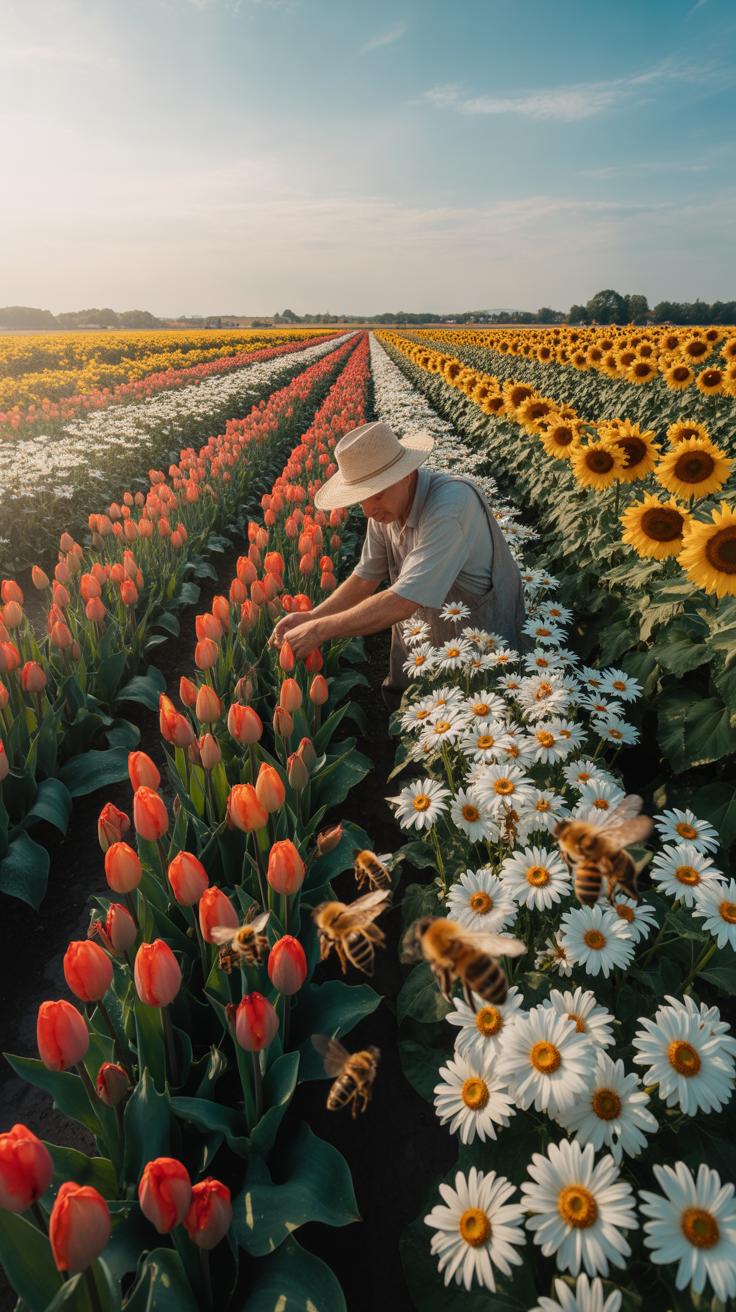
Effective farm design relies on the color wheel to drive sales. Use complementary colors like blue and orange to create visual tension. Use analogous colors like red and pink for a cohesive look. Professionals organize rows by hue to simplify harvesting. This method ensures you always have the right palette for market bouquets. Grouping by color also helps monitor plant health across different species quickly.
Succession planting maintains this color output throughout the year. Plant new crops every two weeks to replace dying ones. This technique prevents gaps in your field and your cash flow. Track the days to maturity for every variety you grow. Replace spring cool-season crops with heat-tolerant summer annuals immediately after the final harvest. This constant rotation maximizes every square foot of your backyard soil and keeps production high.
How To Create Visually Stunning Growing Zones That Double As Display Areas
Design your growing beds using permanent raised structures or clean-edged rows. Use the French Intensive method to pack plants closely together. This creates a lush wall of blooms that looks intentional. Wide paths between beds allow for easy cart movement and foot traffic. Use gravel or wood chips to keep paths clean and professional. Organized rows demonstrate quality to customers and improve the efficiency of your daily workflow.

Incorporate high-value focal points like arched trellises or gated entries. Grow climbing varieties such as sweet peas or runner beans on these structures. Vertical elements add height and interest to a flat backyard space. These structures serve as natural photo backdrops for social media marketing. Use durable materials like cedar or galvanized steel for longevity. Strategic placement of these features guides the eye and defines different zones within your small-scale flower farm.
Soil Preparation And Feeding Essentials For A Thriving Flowers Farm
Building Healthy, Nutrient Rich Soil That Supports Strong Stem And Bloom Development
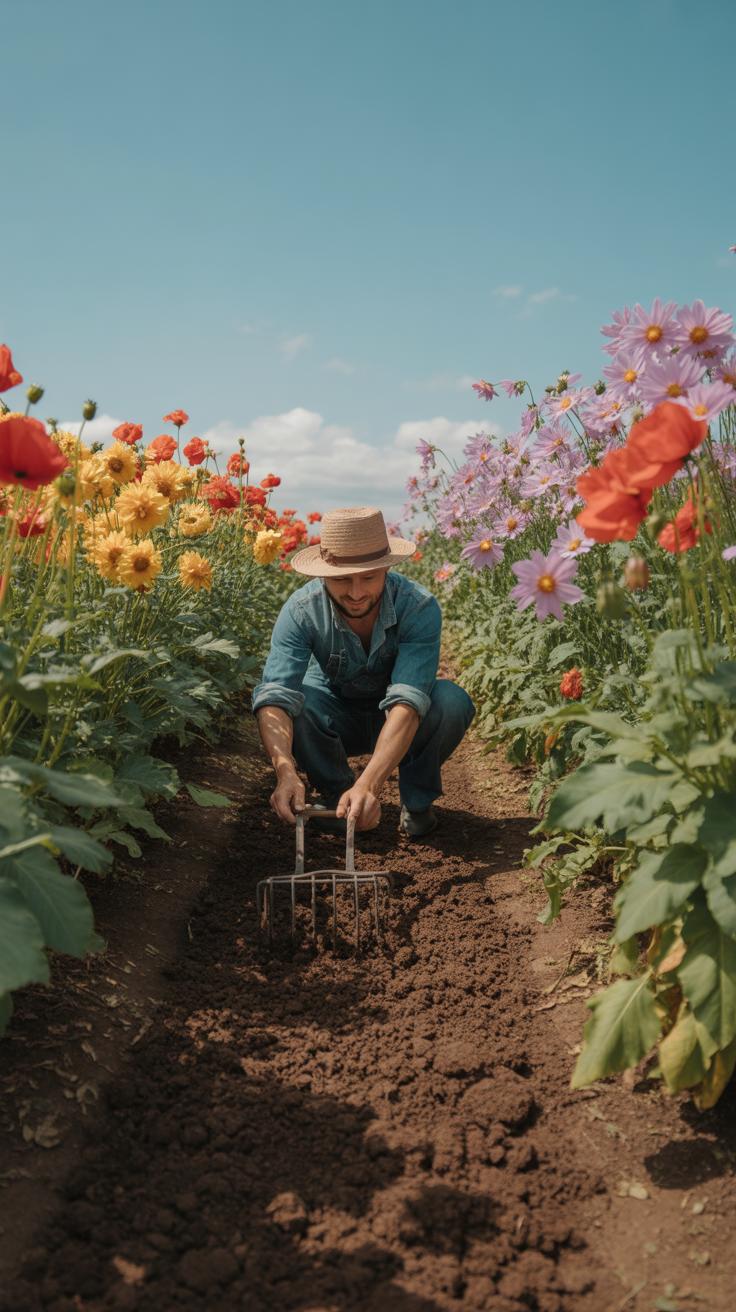
Soil structure dictates the success of your flower farm. High quality blooms require loose soil with excellent drainage. Compacted dirt prevents roots from reaching water and air. Add organic matter like aged compost to improve soil texture. This creates a crumbly environment where roots can expand quickly. Strong root systems lead to thick stems that hold up heavy flower heads.
Test your soil pH before planting any crops. Most cut flowers thrive in slightly acidic to neutral soil. Use lime to raise pH or sulfur to lower it. Healthy soil contains active microbes that break down nutrients for the plants. You must avoid tilling too deeply to protect these soil organisms. Consistent mulching keeps the ground cool and maintains moisture levels for steady growth.
Organic Vs. Synthetic Fertilizers: What Works Best For Flower Production
Organic fertilizers feed the soil over a long period. They use natural sources like bone meal or fish emulsion. These products release nutrients slowly as they break down. This method prevents salt buildup in the ground. It also improves the soil structure for future seasons. Organic options are safer for the environment and promote long term health for your entire backyard ecosystem.
Synthetic fertilizers provide a fast chemical boost to your plants. They work well when you need to fix a specific nutrient deficiency quickly. However, overusing these chemicals can kill beneficial soil life. High nitrogen levels can cause rapid green growth but weak stems. Balance is key for heavy bloomers. Use a mix of slow release organics and targeted minerals to sustain high yield flower production.
Practical Farm Flower Garden Techniques For Everyday Maintenance
Watering Schedules, Mulching Strategies, And Weed Control That Save You Time
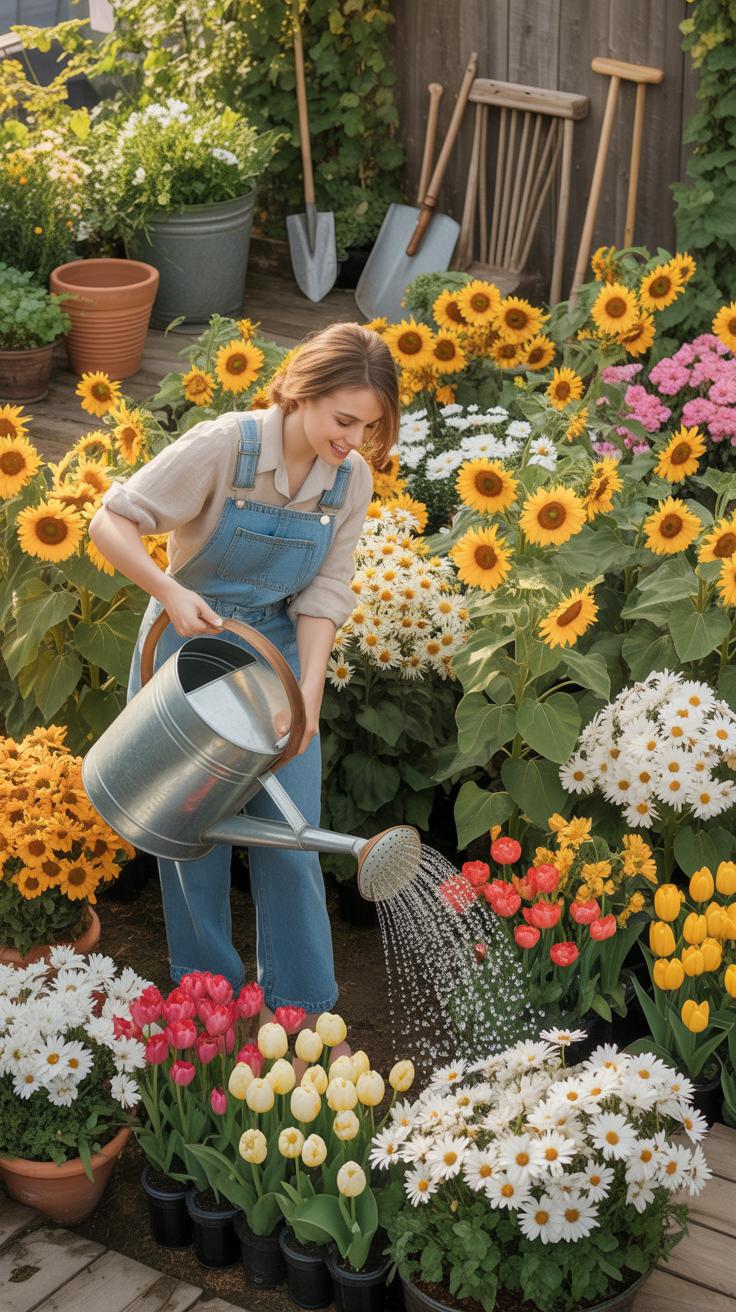
Water flowers early in the morning. This practice allows foliage to dry before sunset. Damp leaves at night invite fungal diseases. Direct water to the soil surface using drip irrigation or soaker hoses. Overhead watering wastes resources through evaporation and promotes mold. Targeted hydration ensures roots get the moisture they need. Proper timing reduces water bills and improves overall crop health.
Apply two inches of organic mulch to the soil. Straw or shredded bark works best for flower beds. Mulch suppresses weed seeds by blocking necessary light. It also regulates soil temperature during hot afternoons. Established mulch layers prevent moisture loss and stop soil crusting. Pull weeds while they are young. Removing them before they set seed prevents future work. Smart mulching cuts total maintenance hours in half.
How To Identify And Manage Common Pests And Diseases In A Backyard Flower Garden
Inspect crops daily for damage. Look for holes in leaves or sticky residue on stems. Aphids and spider mites often cluster on the undersides of foliage. Use a strong blast of water to dislodge these insects. Avoid broad chemical sprays that kill beneficial ladybugs. Integrated pest management focuses on disruption rather than total eradication. Healthy soil produces strong plants that naturally resist most minor insect attacks.

Disease management requires air circulation. Space plants according to their mature size. Narrow gaps trap humidity and lead to powdery mildew. Remove any diseased stems immediately and dispose of them in the trash. Never put infected material in your compost pile. Proper sanitation prevents spores from spreading to healthy rows. Choose disease resistant cultivars to minimize risk. Clean tools with alcohol after every use to stop cross contamination.
Harvesting And Post Harvest Care In Your Cut Flower Garden
When And How To Harvest Cut Flowers At Peak Bloom For The Longest Vase Life
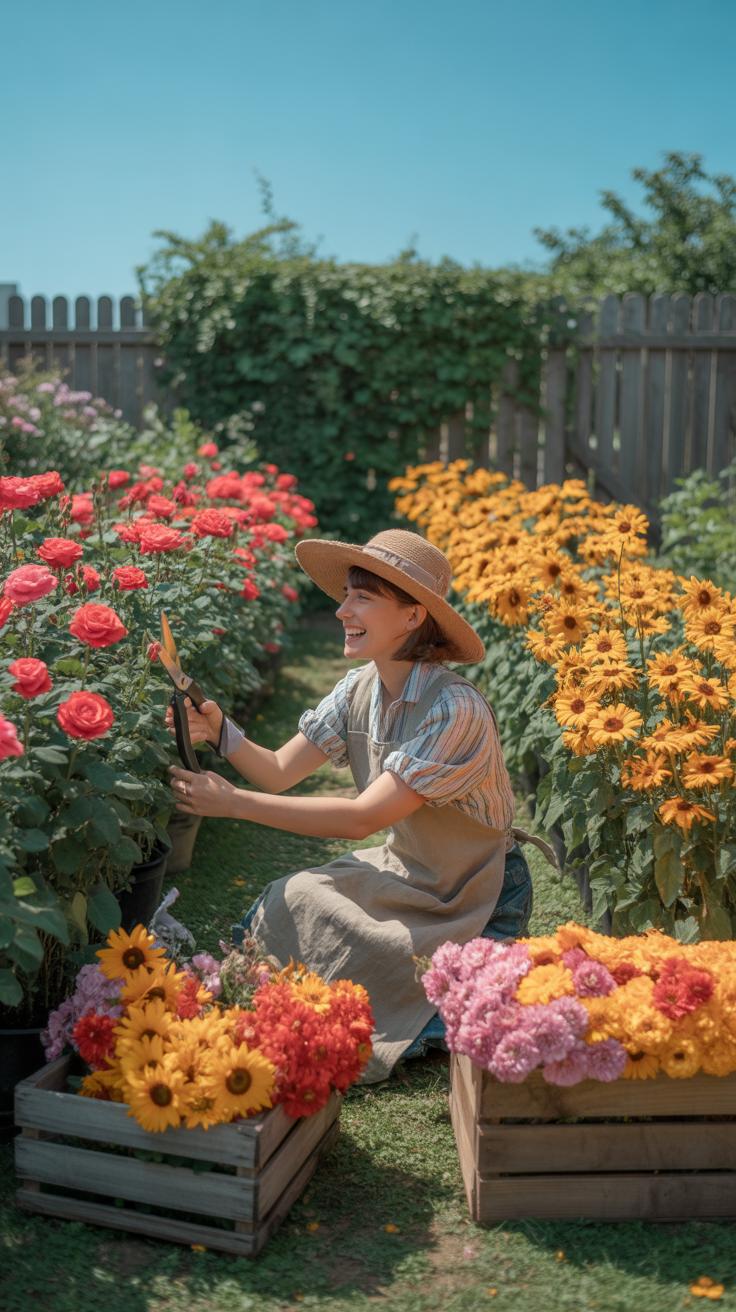
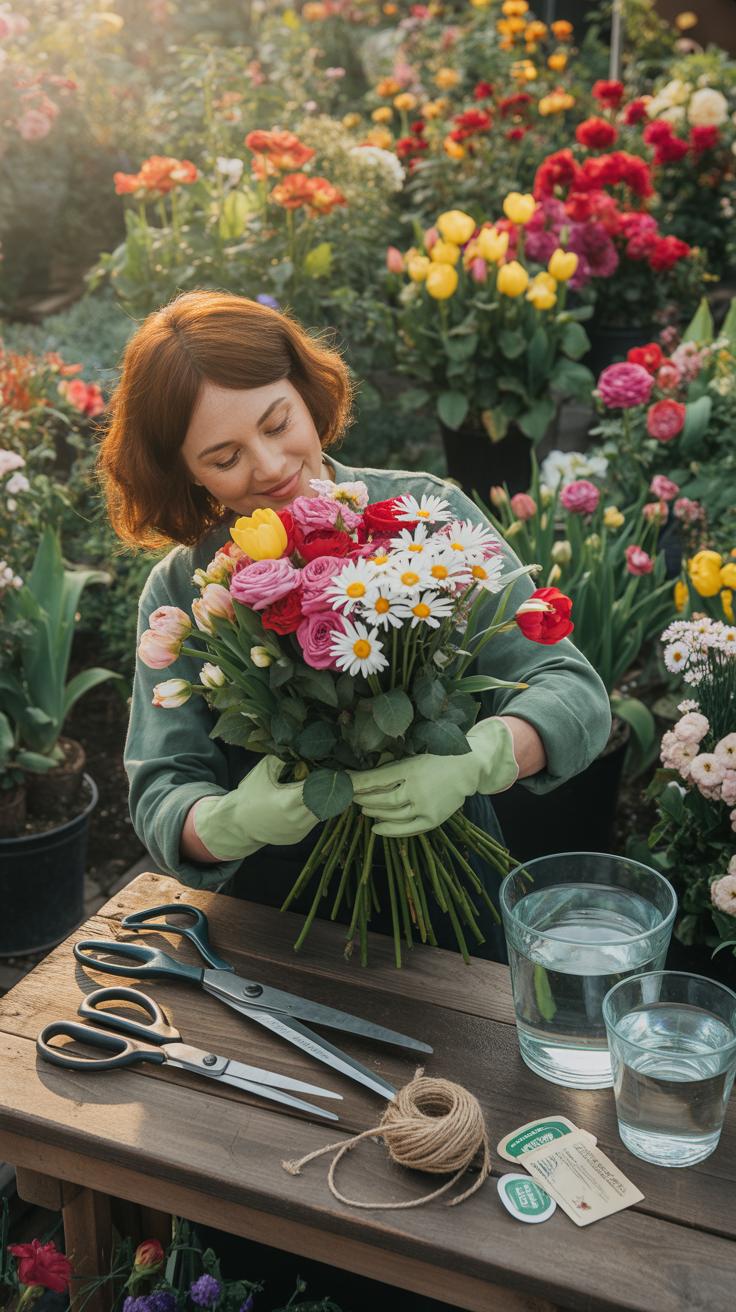
Harvesting time determines the entire shelf life of your product. You must cut flowers in the cool hours of the early morning or late evening. During these times, plants contain the highest moisture levels and sugar content. Cutting in the heat of the day leads to rapid wilting and permanent vascular damage. You need sharp, sanitized shears to prevent crushing the stems.
Every species has a specific harvest stage for maximum longevity. Spike flowers like snapdragons require the bottom third of bells to be open. Disk flowers like zinnias must pass the wiggle test to ensure a stiff neck. You should harvest roses just as the first few petals begin to unfurl from the tight bud. Removing field heat immediately after the cut is your primary goal.
Proper Conditioning, Hydration, And Cool Storage Techniques After Harvest
Post-harvest handling begins the moment the stem leaves the plant. You must place cut stems into clean buckets filled with room temperature water immediately. This prevents air bubbles from entering the vascular system and blocking water uptake. Professional growers use floral preservatives to lower the water pH and provide necessary carbohydrates. Controlled environments help maintain the cellular integrity of the blooms before sale.
- Hydration Solutions: Use a professional hydrating solution to facilitate rapid water uptake. This chemical mixture contains acidifiers that lower the pH to around 3.5 or 4.5. This acidity prevents air embolisms and keeps the stem vessels open for consistent water movement throughout the plant tissue.
- Sanitization Protocols: Clean every bucket and tool with a bleach solution or professional floral soap. Bacteria multiply rapidly in standing water and clog the stems of your flowers. Eliminating pathogens at the source is the most effective way to extend the total life of your cut flowers.
- Temperature Control: Move harvested flowers into a dark, cool area or a dedicated floral cooler. Traditional refrigeration at thirty-eight to forty degrees Fahrenheit slows the respiration rate of the plant. Reducing the temperature prevents the flowers from aging too quickly and helps maintain vibrant petal color and structure.
- Stem Recutting: Perform a second cut under water or immediately before placing stems into final vases. A fresh angled cut increases the surface area for water absorption and removes any dried tissue that formed during the initial harvest. This step ensures the flower has an unobstructed path to pull up hydration.
- Ethylene Management: Keep your flowers away from ripening fruit and exhaust fumes in your workspace. Ethylene gas is a natural ripening hormone that causes flowers to drop petals and wilt prematurely. Maintain good air circulation and separate your processing area from kitchens or garages to prevent gas exposure.

Conditioning requires at least two to four hours of rest in a cool, dark space. This period allows the flowers to become fully turgid before you handle them for arrangements. Avoid overcrowding stems in buckets to allow for adequate air flow and prevent fungal growth on the foliage. Check water levels daily as fresh cut flowers consume large volumes of water during the first twenty-four hours.
Turning Your Floral Farm Into A Small Business With Flower Farm Ideas
How To Sell Cut Flowers Locally Through Farmers Markets, CSA Bundles, And Florists
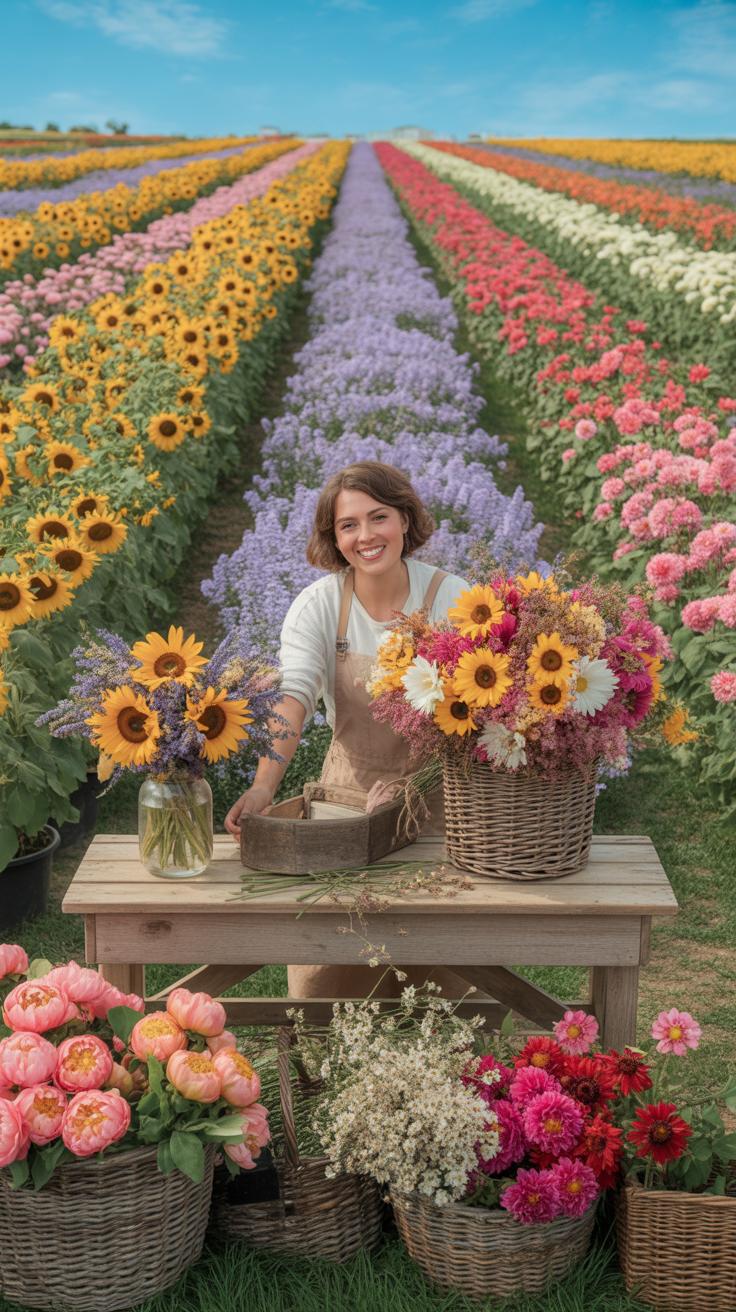
Local sales generate immediate cash flow for small scale growers. Farmers markets offer high visibility but require significant physical labor and time. You must research local health and tax regulations before setting up your stall. Bring durable buckets and clear signage to attract customers quickly. Focus on high volume and quick transactions to maximize your hourly earnings during market hours.
Community Supported Agriculture or CSA models provide upfront capital for your growing season. Customers pay for a weekly flower subscription before the first bloom. This strategy reduces financial risk for the farm. Selling directly to local florists requires a different approach. Focus on stem quality and consistent delivery schedules. Florists value specific colors and sturdy stems that survive refrigerated storage and transport.
Using Social Media And A Simple Online Presence To Grow Your Flower Farm Brand
Digital marketing builds a loyal customer base without expensive advertising. Use platforms like Instagram to show your current bloom inventory. Clear photos of your farm establish trust with buyers. Update your availability weekly so customers know exactly what you have for sale. Simple websites under your farm name help local people find you via search engines.
An email list is the most reliable way to drive repeat sales. Collect customer emails at markets or through your website. Send brief updates when new varieties start blooming or when CSA spots open up. Keep your online message direct and clear. Avoid complex designs that slow down your website loading speed. A fast and mobile friendly site ensures customers can order quickly.
Scaling Up And Sustaining Your Backyard Flower Farming Operation Long Term
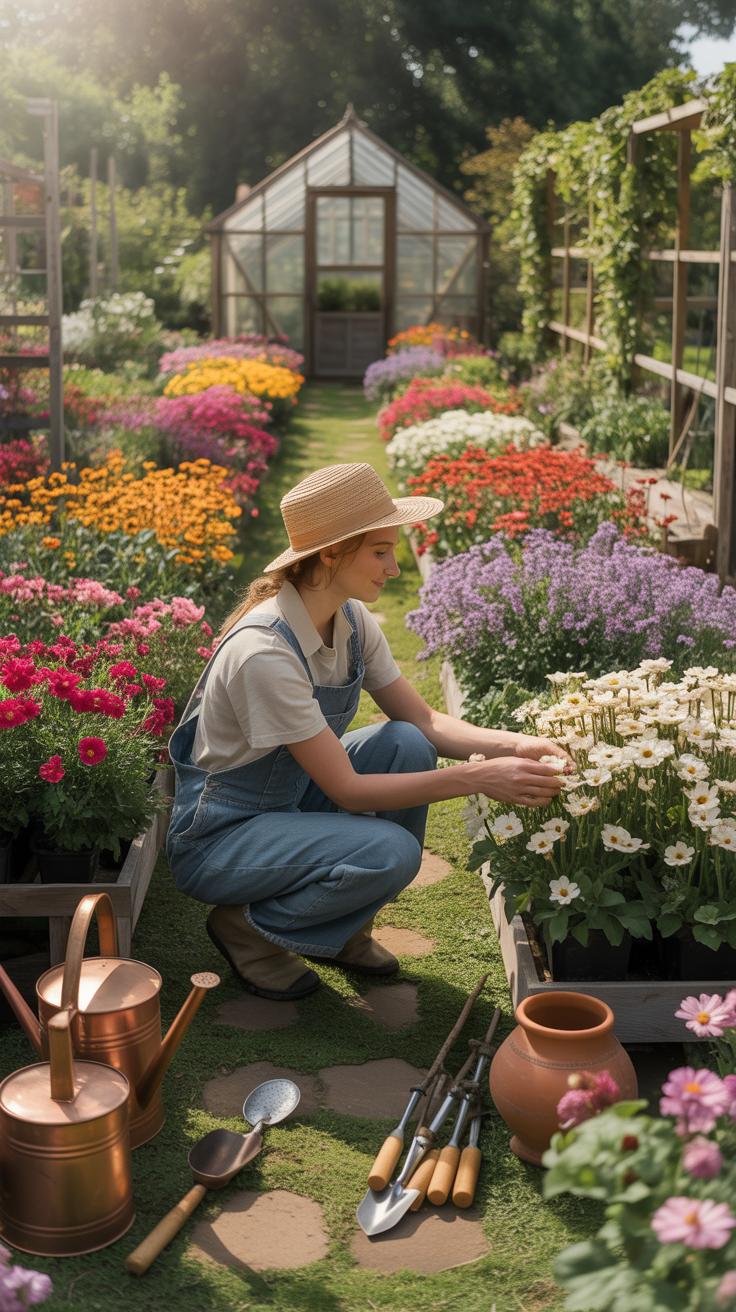
How To Expand Your Growing Capacity Without Overwhelming Your Space Or Budget
Vertical expansion and intensive spacing maximize your yield without buying more land. Swap traditional wide paths for narrow twelve inch walkways. Use every square inch of soil by transplanting successions immediately after a harvest. Intercropping fast growing species with slow growers keeps your beds productive at all times. This high density approach increases your stem count per square foot and reduces your water waste.
Smart budgeting requires investing in reusable infrastructure instead of annual consumables. Buy high quality hand tools and irrigation components that last for several seasons. Propagate your own perennials from cuttings to save on nursery costs. Source bulk compost from local municipalities to build soil organic matter cheaply. Focus your spending on high margin seeds and reliable cooling equipment. This strategy ensures your farm grows at a sustainable and profitable pace.
Building A Season Extension Strategy With Row Covers Tunnels And Cold Frames
Season extension tools allow you to beat the market by weeks. Low tunnels made of PVC or conduit pipes support frost cloth and plastic film. These structures protect tender seedlings from late spring frosts and early autumn freezes. You gain extra time for high value crops like ranunculus and anemones. Using these methods stabilizes your inventory and provides a consistent supply of stems to your customers.
Cold frames provide a hardened environment for overwintering hardy annuals. These glass or plastic topped boxes capture solar heat and shield plants from harsh winds. Place them in southern exposures for maximum light during short winter days. Heavier row covers provide a thermal blanket for field crops during extreme temperature drops. Controlling the environment ensures your backyard flower farming operation remains productive throughout the shoulder seasons and into the winter.
Frequently Asked Questions

Is backyard flower farming suitable for beginners with limited gardening experience?
Absolutely! Backyard flower farming is a wonderful way for beginners to dive into the world of horticulture. Start small by choosing resilient, easy-to-grow varieties like zinnias, cosmos, and sunflowers. These blooms are forgiving and provide high yields with minimal fuss. Focus on learning your local hardiness zone and soil quality first, as these foundational elements will ensure your floral oasis flourishes throughout the growing season.
What are the essential steps to prepare my soil for a productive flower harvest?
To achieve success with backyard flower farming, start by clearing all weeds and debris from your designated plot. Conduct a simple soil test to check pH levels and nutrient density; then, amend the area with organic compost or aged manure to improve drainage and fertility. Aerating the ground ensures healthy root expansion, providing your flowers with a strong foundation to produce the vibrant, long-lasting stems you desire.
Can I start a small-scale flower farm on a tight budget?
You certainly can create a stunning floral display without breaking the bank. Instead of buying expensive established plants, purchase seeds in bulk and start them indoors or direct-sow them into the ground. Repurpose household items for seed trays and use organic mulch from your own yard to suppress weeds. With a little creativity and patience, you can cultivate a professional-looking garden while keeping your initial investment very low.