
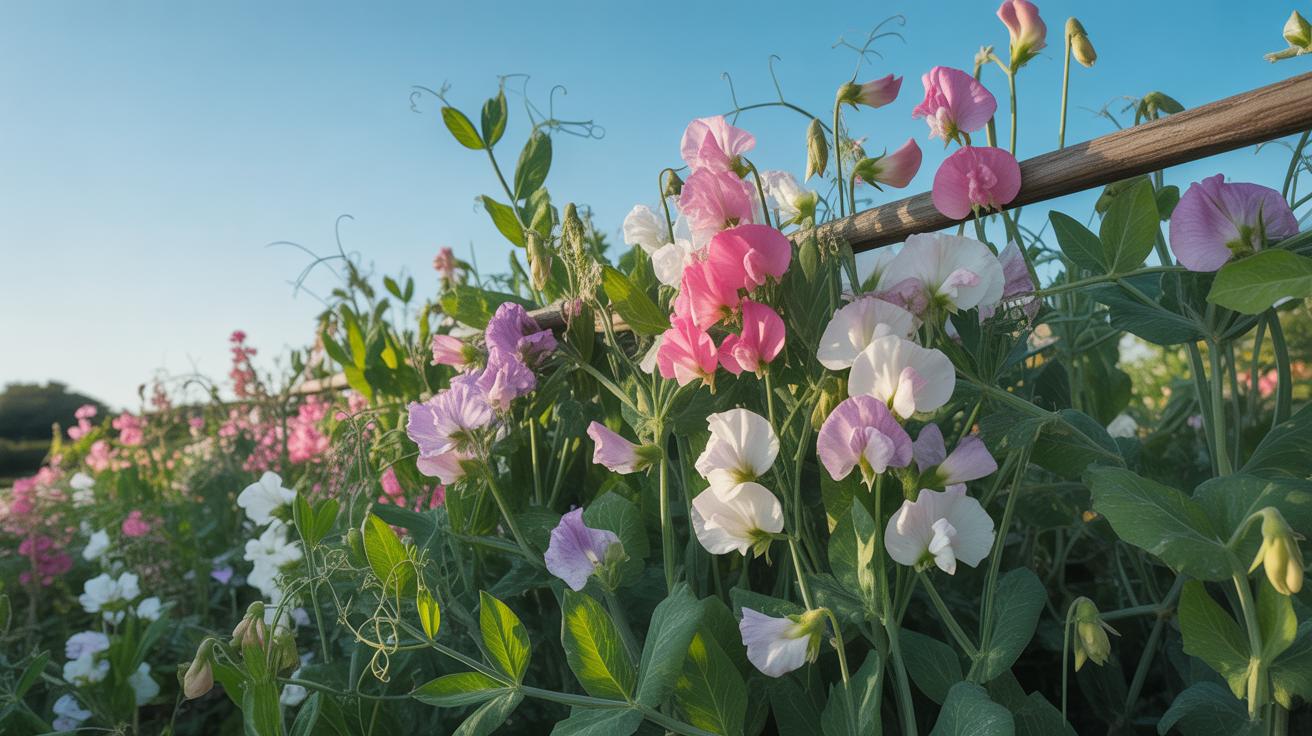
What Are Sweet Pea Flowers And Why Gardeners Love Them
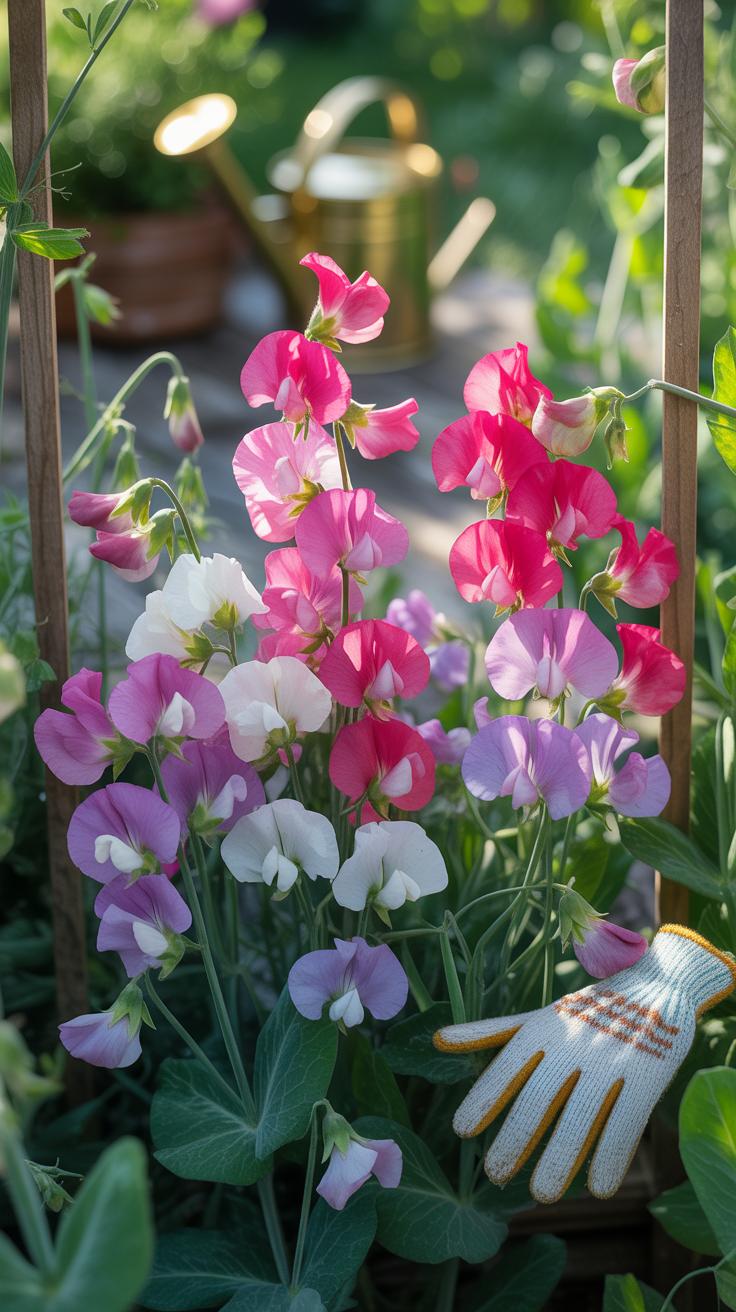
The Origins And Characteristics Of Sweet Pea Flowers
Sweet peas originated in Sicily during the late seventeenth century. A monk named Francisco Cupani sent the first seeds to England in 1699. These plants belong to the Lathyrus odoratus species. They are annual climbing legumes that use thin tendrils to grip supports. Most traditional varieties produce winged stems and pinnate leaves. The flowers naturally feature a distinct keel and standard petal shape.
Modern sweet peas result from extensive Victorian breeding programs. Henry Eckford transformed the wild species into the Grandiflora types known today. These plants typically grow between six and eight feet tall in a single season. They thrive in cool temperatures and require well drained soil to prevent root rot. You must provide a sturdy trellis because these vines grow quickly once the spring weather warms the soil.
Why Sweet Pea Flowers Are A Beloved Choice For Home Gardens
Gardeners choose sweet peas for their high scent production and vertical growth habits. These plants offer a massive return on investment for small spaces. They produce more flowers the more you cut them. This makes them a primary crop for home cutting gardens. They fill a specific niche by blooming in early spring when most other flowering perennials remain dormant or small.
Beyond their scent, sweet peas serve a functional role in garden design. Their height creates immediate visual privacy and breaks up flat landscapes. They attract pollinators like bees and butterflies early in the growing year. Because they are hardy annuals, they tolerate light frosts that would kill other summer flowers. They provide a reliable harvest of stems for indoor arrangements from late spring through mid summer.

When To Plant Sweet Peas For The Best Results
Understanding The Ideal Season And Temperature For Planting Sweet Peas
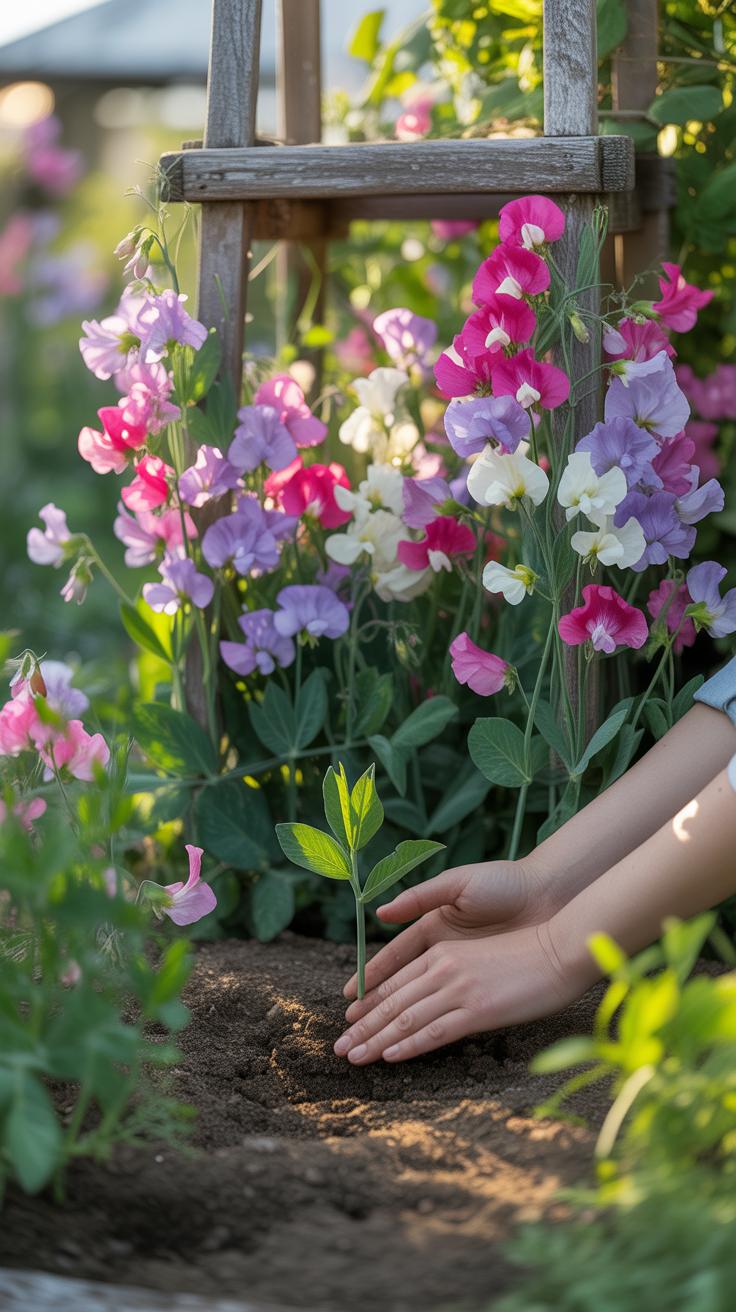
Sweet peas are hardy annuals that thrive in cool weather. They require a long period of cool temperatures to establish strong root systems before the heat of summer arrives. In most temperate regions, you should plant seeds in late winter or early spring. The ideal soil temperature for germination stays between 55 and 65 degrees Fahrenheit. Planting too late leads to weak plants that fail in high heat.
Early planting allows the vines to develop deep roots that support heavy flowering. If the ground is workable and not waterlogged, you can sow seeds directly into the garden. If your soil remains frozen or too wet, start the seeds indoors in deep pots to prevent root disturbance. This head start ensures the plants bloom before the intense sun of July shuts down their production.
How Climate And Hardiness Zones Affect When To Plant Sweet Peas
Your specific hardiness zone determines the exact timing for planting. In USDA zones 7 and higher, where winters are mild, gardeners often plant in the fall. This allows the seeds to over-winter and bloom very early in the spring. In zones 6 and lower, fall planting is risky due to deep freezes. In these colder areas, you must wait until late winter to sow your seeds.

Gardeners in cold climates should aim to get seeds in the ground six weeks before the last frost. Sweet pea seedlings can tolerate light frosts, so do not wait for perfectly warm weather. Professional growers often use the appearance of the first spring bulbs as a cue. If the soil is dry enough to crumble, it is ready for your seeds. Local climate patterns dictate your success more than a calendar date.
How To Plant Sweet Pea Flowers The Right Way
Preparing Your Soil And Choosing The Right Location For Planting Sweet Pea Flowers
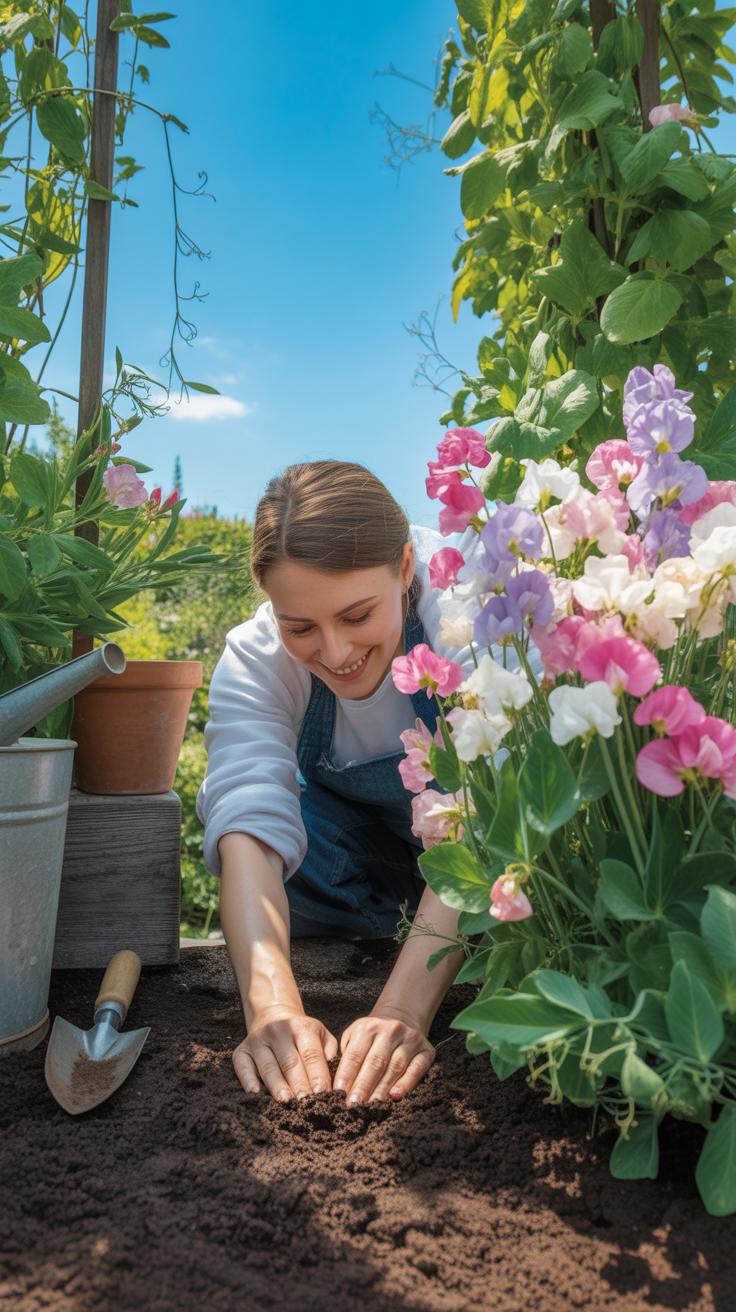
Sweet peas require full sun to thrive and produce consistent blooms. Choose a spot that receives at least six hours of direct sunlight daily. Good air circulation is also critical to prevent powdery mildew and other fungal diseases. Ensure the location has sturdy support structures like fences or trellises already in place. These vines climb quickly and need a stable foundation from the start.
Soil quality determines the strength of your plants and the length of the flowering season. Sweet peas are heavy feeders that require rich, well-draining soil. Dig in plenty of well-rotted organic matter or compost several weeks before planting. Use lime if your soil is acidic because these flowers prefer a neutral to slightly alkaline pH. Proper preparation prevents root rot and ensures the plants access vital nutrients immediately.
Step By Step Seed Sowing Guide For How To Plant Sweet Pea Flowers
Start your seeds indoors or outdoors depending on your local climate and frost dates. Nick the seed coat with a file or soak seeds in water for twenty-four hours to speed up germination. This process allows moisture to penetrate the hard outer shell more effectively. Use deep pots or root trainers because sweet peas develop long taproots that dislike any disturbance during the transplanting phase.
- Seed Preparation: Use a nail file to gently nick the seed coat opposite the eye. This mechanical scarification allows water to enter the seed quickly. It leads to faster and more uniform germination across your entire crop.
- Sowing Depth: Plant seeds one inch deep in high-quality seed starting mix. Proper depth ensures the seed stays moist and protected from light during the initial growth stage. Firm the soil gently over the top to remove any large air pockets.
- Temperature Control: Maintain a steady temperature between fifty-five and sixty-five degrees Fahrenheit for indoor starts. Sweet peas prefer cool roots and do not require high heat to sprout. High temperatures can cause weak or leggy growth that fails after transplanting.
- Spacing Requirements: Space your plants six to eight inches apart once they reach three inches in height. This spacing provides enough room for root expansion and ensures adequate airflow between the mature vines. Crowded plants often suffer from nutrient deficiencies and pests.
- Initial Watering: Water the soil thoroughly immediately after sowing to settle the seeds. Keep the medium consistently moist but never saturated until shoots appear above the surface. Overwatering at this stage will cause the seeds to rot before they can grow.

Pinch out the growing tips when the plants are about four inches tall. This tactical move forces the plant to branch out from the base rather than growing a single thin stem. More branches lead to more flowers and a bushier appearance. Transplant your hardened-off seedlings into the garden once the soil is workable in early spring. Firm the earth around the roots to provide immediate stability.
Essential Tips For Growing Sweet Peas In Your Garden
Watering, Feeding, And Mulching Best Practices For Growing Sweet Peas
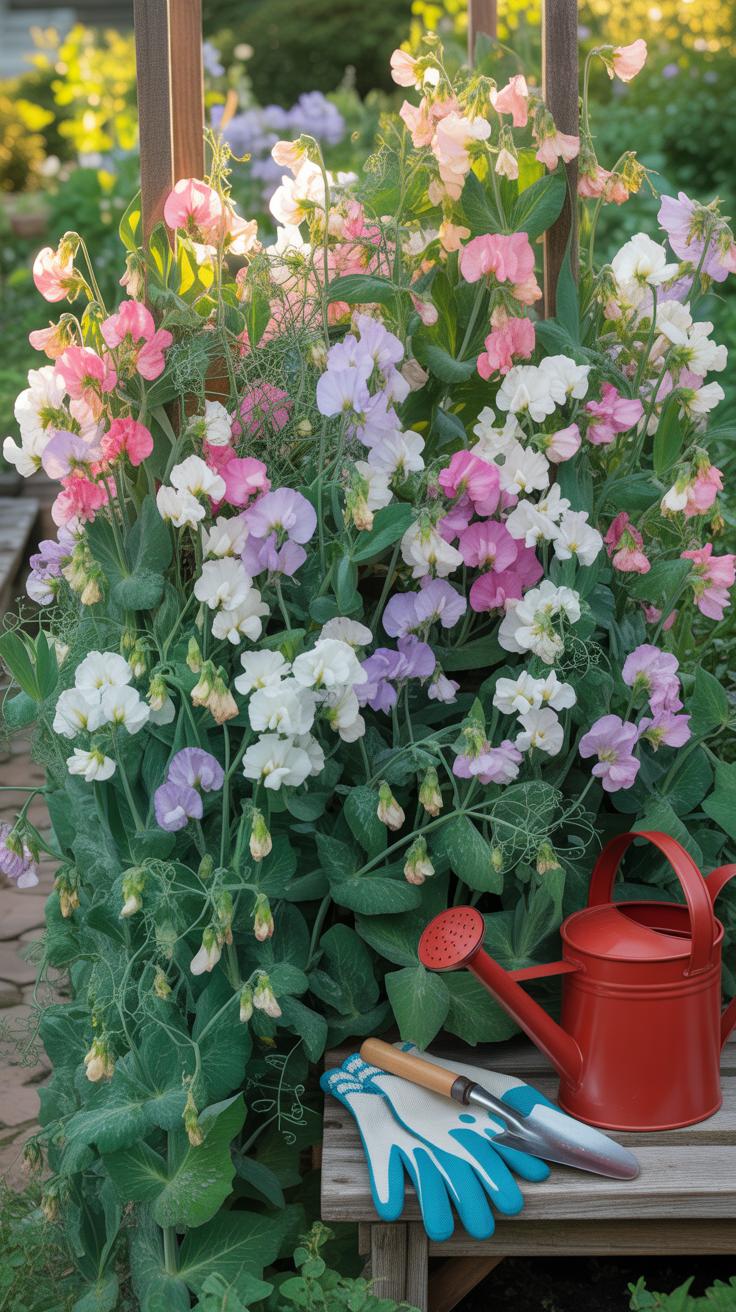
Sweet peas require consistent moisture to thrive. Check soil dampness daily during hot periods. Water at the base of the plant to keep foliage dry. This prevents fungal diseases like powdery mildew from spreading. Deep watering twice a week is better than light daily sprays. Reliable hydration ensures stems stay long and flowers remain abundant. Dry soil causes the plant to stop blooming.
Apply a high potassium fertilizer every two weeks once flower buds appear. Liquid tomato feed works well for this purpose. Avoid high nitrogen fertilizers as they promote leaves instead of flowers. Spread a thick layer of organic mulch around the base of the plants. Use compost or bark to lock in moisture and cool the roots. This layer also prevents weeds from competing for essential nutrients.
To grow the sweet pea is to nurture a fragment of childhood joy that climbs toward the sun with effortless grace. Anyone can plant these seeds of nostalgia and watch as the garden fills with their honeyed perfume.
How To Support And Train Climbing Sweet Pea Plants As They Grow
Climbing sweet peas need vertical support immediately after planting. Install a trellis, netting, or a bamboo teepee before they reach four inches tall. These plants use tendrils to grip surfaces. Rough materials like twine or wire provide the best grip for these structures. Ensure the support is at least six feet tall. Strong winds can topple weak structures once the vines grow heavy.

Fasten young stems to the support using garden twine or plastic clips. Do not tie them too tight as the stems need room to expand. Guide the main shoots toward the center of the frame to ensure even coverage. Check the plants weekly to tuck in new growth. Manual training prevents the vines from tangling on the ground. Professional growers often remove tendrils to focus energy on flower production.
How To Grow Sweet Peas In Containers And Small Spaces
Choosing The Right Container Size And Potting Mix For How To Grow Sweet Peas
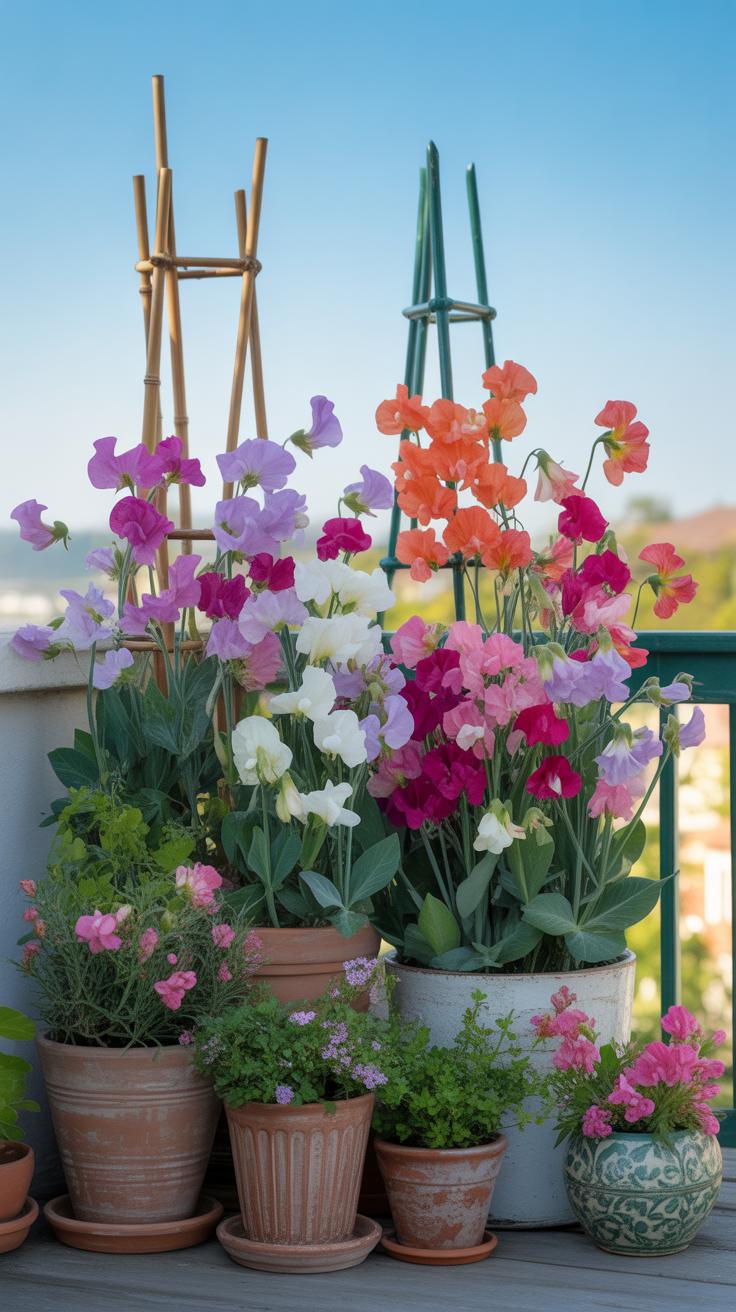
Sweet peas require deep containers because they develop long taproots. Choose a pot at least 15 inches deep to allow roots to expand vertically. Smaller pots stunt growth and cause plants to dry out too fast. Ensure the container has large drainage holes at the bottom. Material choice matters for heat regulation. Plastic and glazed ceramic retain moisture better than unglazed terracotta pots.
Avoid garden soil for container growing. It is too heavy and lacks proper aeration for root health. Use a high quality potting mix amended with aged compost or leaf mold. Add perlite to increase drainage if the mix feels dense. Sweet peas are heavy feeders and benefit from a slow release fertilizer mixed into the soil. Maintaining a rich nutrient profile ensures more flowers throughout the season.
Managing Growth And Bloom Production When Growing Sweet Peas In Pots
Vertical support is mandatory for container sweet peas. Install a tripod or obelisk directly into the pot at planting time. This prevents root damage later in the season. Secure young stems to the support with soft garden twine. Position the container in a spot receiving at least six hours of full sun daily. Rotate the pot weekly so the plant grows evenly on all sides.

Watering is the most critical task for small space growers. Containers lose moisture rapidly in summer heat. Check soil moisture daily by sticking a finger two inches deep. Water until liquid runs out the bottom drainage holes. Deadhead spent flowers every two days to stop seed pod formation. Removing old blooms forces the plant to put energy into new buds. Constant harvesting keeps the plant productive and healthy.
Building A Cut Flower Garden With Sweet Peas As The Star
Why Sweet Peas Are A Top Pick For Any Cut Flower Garden
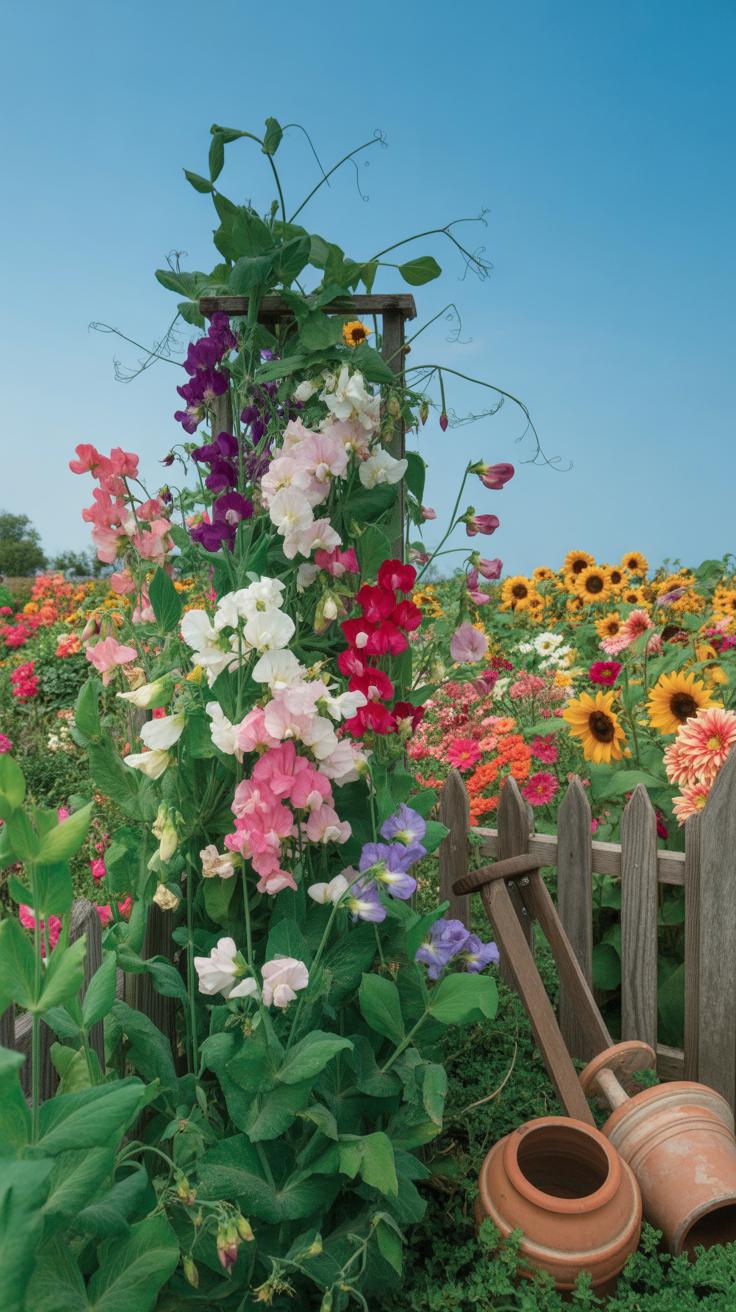
Sweet peas provide high yields in small vertical spaces. They produce more stems per square foot than most annuals. Their primary value lies in their intense fragrance and diverse color range. Breeders have developed Spencer varieties specifically for long stems and large ruffled blooms. These traits make them a functional foundation for spring floral arrangements. They fill a critical window between early bulbs and summer dahlias.
Historical evidence shows sweet peas gained global popularity during the late Victorian era. Henry Eckford transformed the wild Sicilian vine into a robust garden staple through focused breeding. Today, they remain a top choice for commercial growers and home gardeners alike. They offer high turnover because daily cutting triggers more flower production. This biological mechanism ensures a steady supply of fresh material for the vase throughout the entire cool season.
How To Harvest And Condition Sweet Pea Stems For Long Lasting Vase Life
Harvesting requires precise timing to maximize vase life. Cut stems when the bottom two flowers on the spike are open but the top bud is still closed. Use sharp snips to prevent crushing the vascular system of the vine. Always cut in the early morning while the plants are fully hydrated. Heat during the day causes rapid moisture loss and leads to wilted stems that cannot recover.

Immediate conditioning is necessary for professional results. Place the cut stems into clean lukewarm water right away. Professional florists use a cool, dark room for two hours to stabilize the blooms before arranging them. Keep the water free of leaves to stop bacterial growth. Replace the water every twenty-four hours to maintain clarity. These steps extend the display life from three days to nearly a full week.
Creative Sweet Pea Ideas For Your Home And Outdoor Spaces
Inspired Sweet Pea Ideas For Garden Trellises, Arches, And Borders
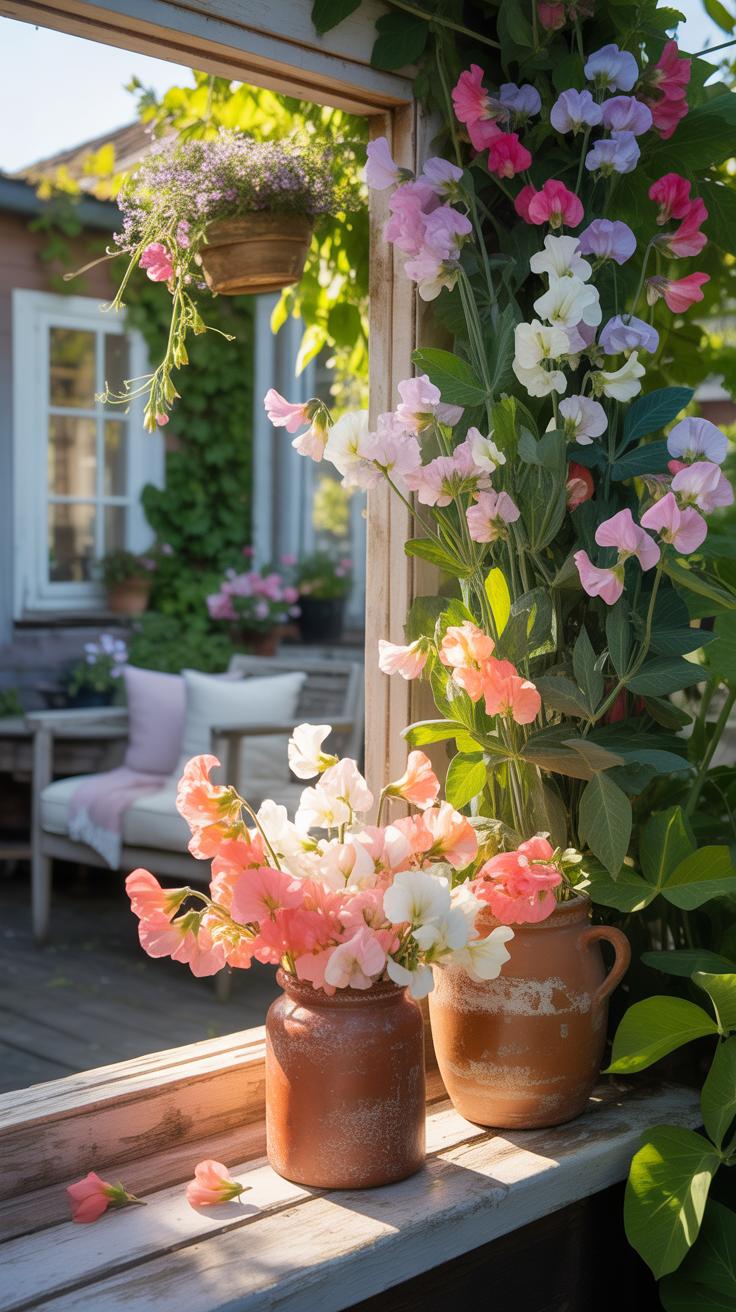
Vertical growth maximizes garden space and improves air circulation. Use obelisks or tripods made from cedar or bamboo to support climbing varieties. Secure the stems early with soft twine or plastic clips to guide growth. This method prevents heavy rain from flattening your crop. Placing these structures at the back of mixed borders creates height. It also keeps flowers at eye level for easier harvesting.
Arches serve as functional entry points and structural focal points. Position two plants at the base of each side of a metal or wooden arch. Use netting to give the tendrils a surface to grip. As the season progresses, vines will meet at the top to form a dense canopy. Consistent deadheading is vital here to maintain the visual appeal. This technique mirrors traditional English cottage garden designs used for centuries.
Practical Sweet Pea Ideas For Gifting, Arrangements, And Seasonal DéCor
Proper harvesting and handling extend the life of your cut flowers. Cut stems early in the morning when the temperature is cool. Choose stems with at most two open blossoms and several closed buds. This timing ensures the longest vase life once brought indoors. Clean water and sterilized glass vessels prevent bacterial growth. These steps preserve the intense fragrance and delicate appearance of the blooms.
- Posy Bouquets: Bundle ten to fifteen stems together and tie them with natural raffia or silk ribbon. These small arrangements highlight the variety of colors and protect the fragile stems. They make excellent gifts for neighbors because they fit easily into standard drinking glasses or small ceramic jars.
- Monochromatic Vases: Group flowers of the single same shade into a dense cluster. This design choice creates a high-impact visual statement that fits modern interior styles better than mixed colors. Using only white or deep purple blooms provides a clean and sophisticated look for dinner table centerpieces.
- Mason Jar Gifts: Place short-cut stems into wide-mouth jars filled with two inches of water. This rustic presentation protects the blooms during transport and requires no specialized floral foam. Add a simple handwritten tag with the variety name to provide a personal touch for the recipient.
- Float Bowls: Remove the stems entirely and place open flower heads in a shallow bowl of water. This technique works well for petals that have snapped during harvest or heavy winds. It allows the scent to disperse quickly throughout a room without needing tall or bulky containers.
- Tiered Displays: Arrange multiple small vases at different heights on a bookshelf or mantel. Use different sizes of glassware to create depth and interest in the display. This method allows you to showcase individual rare varieties and ensures every flower gets sufficient light and visibility indoors.

Scented sweet peas lose their potency quickly after they are cut from the vine. Change the water every day to keep the fragrance fresh. Keep your arrangements away from direct sunlight and ripening fruit to prevent wilting. Most varieties will last four to seven days in a cool room. Consistent cutting encourages the plant to produce more flowers. This cycle provides a steady supply of decor for several weeks.
Common Problems When Growing Sweet Pea Flowers And How To Fix Them
Identifying And Treating Pests And Diseases That Affect Growing Sweet Pea Flowers
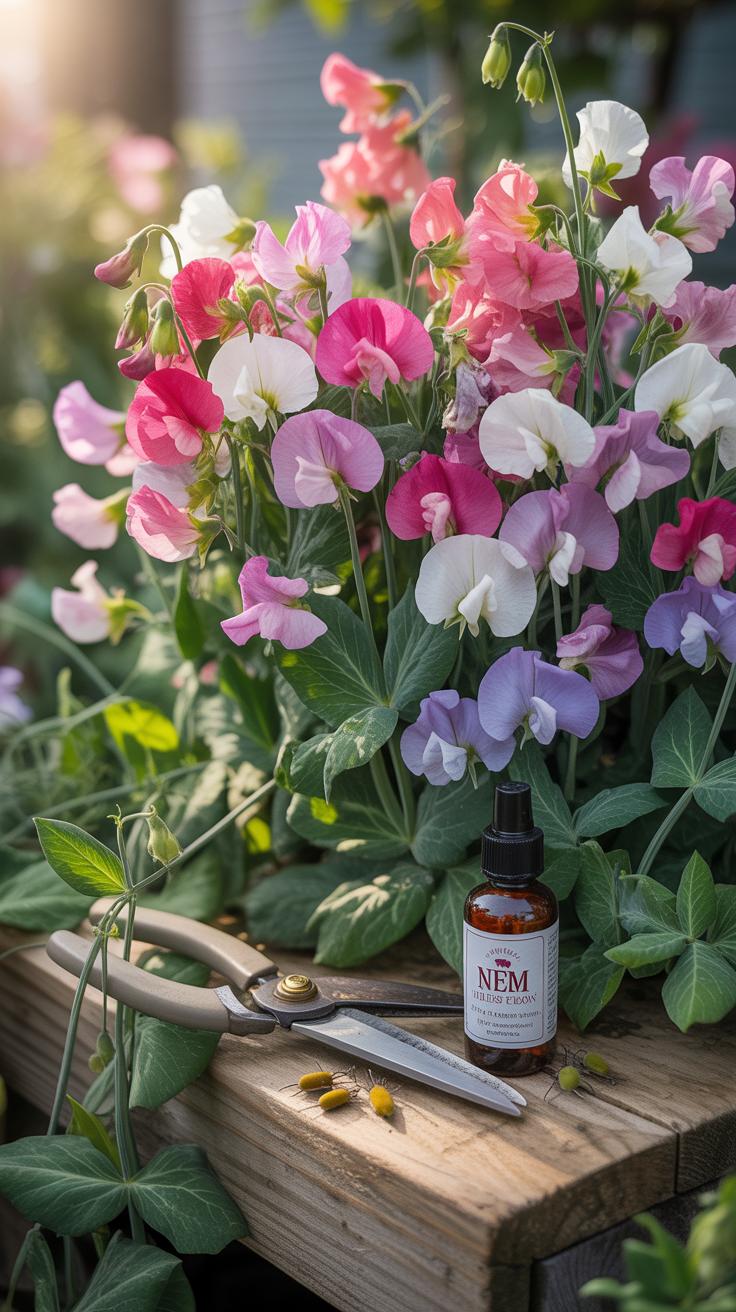
Aphids represent the most common threat to sweet pea health. These small insects suck sap from young shoots and spread the Lathyrus mosaic virus. You must spray infested plants with a strong stream of water or insecticidal soap immediately. Early detection prevents stunted growth and leaf distortion. Watch for sticky honeydew on foliage because this residue attracts black sooty mold which blocks necessary sunlight.
Powdery mildew thrives in dry soil and humid air during late summer. White fungal spots appear on leaves and quickly consume the plant. To stop this you must improve air circulation and water the roots directly rather than the foliage. Remove and destroy infected plant debris at the end of the season. Do not compost diseased vines because many fungal spores survive the winter and reinfect new spring crops.
Troubleshooting Poor Blooms And Leggy Growth In Sweet Pea Plants
Leggy growth occurs when plants do not receive enough direct sunlight. Sweet peas require at least six hours of full sun to develop strong stems. If your plants look thin and sparse you must pinch out the growing tips. Removing the top inch of the central stem forces the plant to send out lateral buds. Side branches create a bushier shape and produce significantly more flower spikes throughout the season.

Bud drop happens when temperatures fluctuate rapidly or soil moisture remains inconsistent. High nitrogen fertilizers also cause excessive green leaves but zero flowers. Switch to a potash-rich tomato fertilizer to trigger bloom production once the plant reaches two feet tall. Keep the soil consistently moist but never waterlogged. Regular picking is essential because if seed pods form the plant will stop blooming and focus all energy on seed production.
Frequently Asked Questions

Is it difficult for a beginner to start growing sweet peas from seed?
Not at all! Sweet peas are hardy annuals, making them perfect for those just starting their gardening journey. These flowers are relatively resilient and germinate quickly if you nick the seed coat or soak them overnight. By following a few basic sweet pea growing tips, like ensuring they have plenty of sunlight and well-draining soil, even a novice gardener can enjoy a vibrant, fragrant display throughout the spring and early summer months.
How can I encourage my sweet peas to produce more flowers throughout the season?
The secret to a long-lasting bloom is consistent deadheading. Once your plants start flowering, make sure to pick the stems frequently for indoor bouquets. This prevents the plant from setting seed pods, which signals it to stop producing blossoms. One of the most practical sweet pea growing tips is to “pinch out” the central growing tip when the plant is six inches tall, as this encourages bushier growth and significantly more flower sites.
Do sweet peas need a trellis or support structure to grow well?
Yes, sweet peas are climbing vines and rely on a support structure to grow upright and produce the most flowers. A simple trellis, netting, or even twiggy branches pushed into the soil works well. Without support, the vines will sprawl along the ground, which makes them more prone to pests and reduces both bloom quality and quantity.