What Is A Cut Flower Garden And Why Every Beginner Should Grow One
Understanding The Purpose And Joy Of A Cut Flower Garden
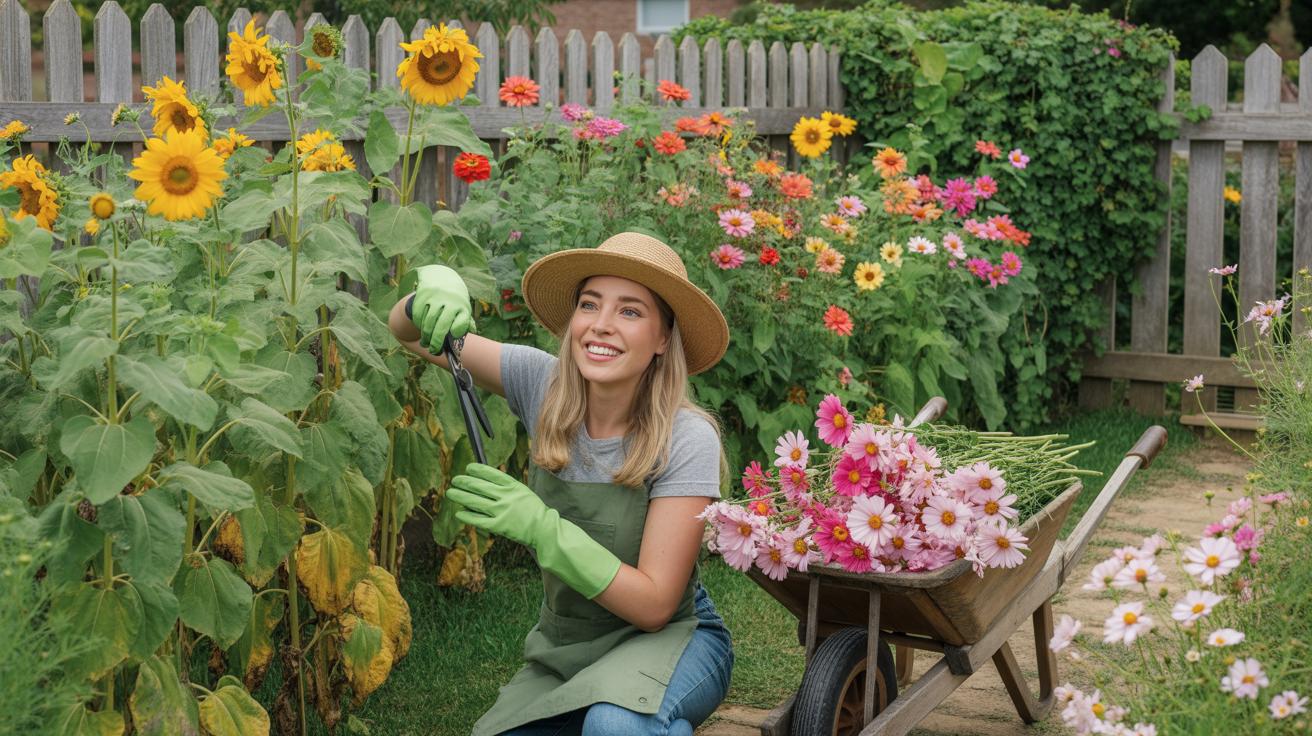
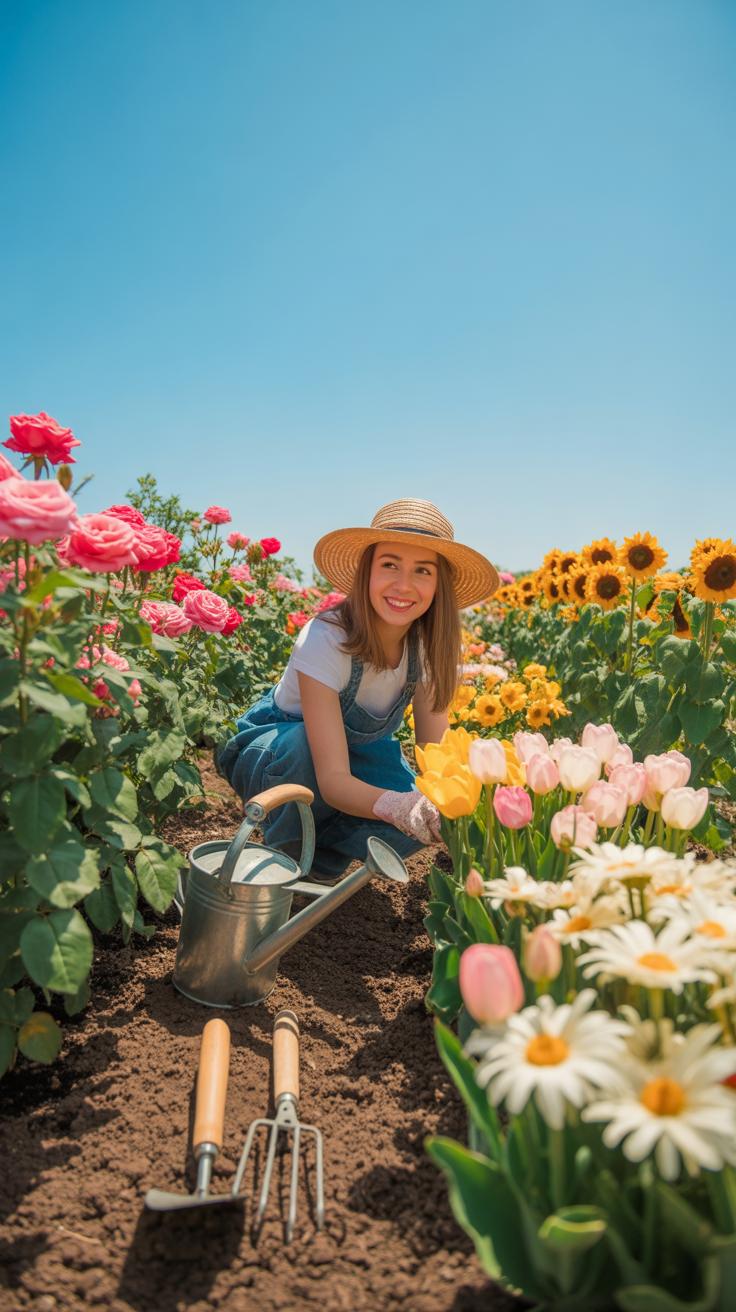
A cut flower garden serves one specific objective. You grow plants to harvest them for indoor arrangements. Typical landscape gardens focus on curb appeal and year-round visual interest. A cutting garden focuses on stem length and vase life. You treat these plants like a crop rather than a design element. This shift in mindset allows you to prioritize production over aesthetics.
Beginners should start here because it simplifies the growing process. You do not need complex color theories or landscape architecture. You only need healthy soil and sunlight to produce high quality blooms. Cutting flowers regularly actually encourages the plant to produce more blossoms. This creates a feedback loop that rewards the grower. You gain a steady supply of fresh flowers for a fraction of retail prices.
How A Cutting Garden Differs From A Decorative Landscape Garden
Decorative gardens use plants to hide foundations or define spaces. They require specific heights and textures to create a permanent visual composition. You rarely harvest from these beds because it leaves holes in the design. Cutting gardens are different. They often use rows for efficiency. You plant them in backyards or side lots where visual perfection is not a requirement for the overall property.
The maintenance techniques also differ significantly between these two styles. Decorative gardens require careful pruning to maintain a specific shape. In a cutting garden, you harvest deep into the plant to ensure long stems. You prioritize soil nutrients for fast growth rather than long term structural stability. This utilitarian approach makes management easier for a novice. You focus on yield and stem quality instead of complex garden maintenance.

Best Flowers To Grow In A Cut Flower Garden For Beginners
Top Hardy Annual And Perennial Varieties That Thrive For New Growers
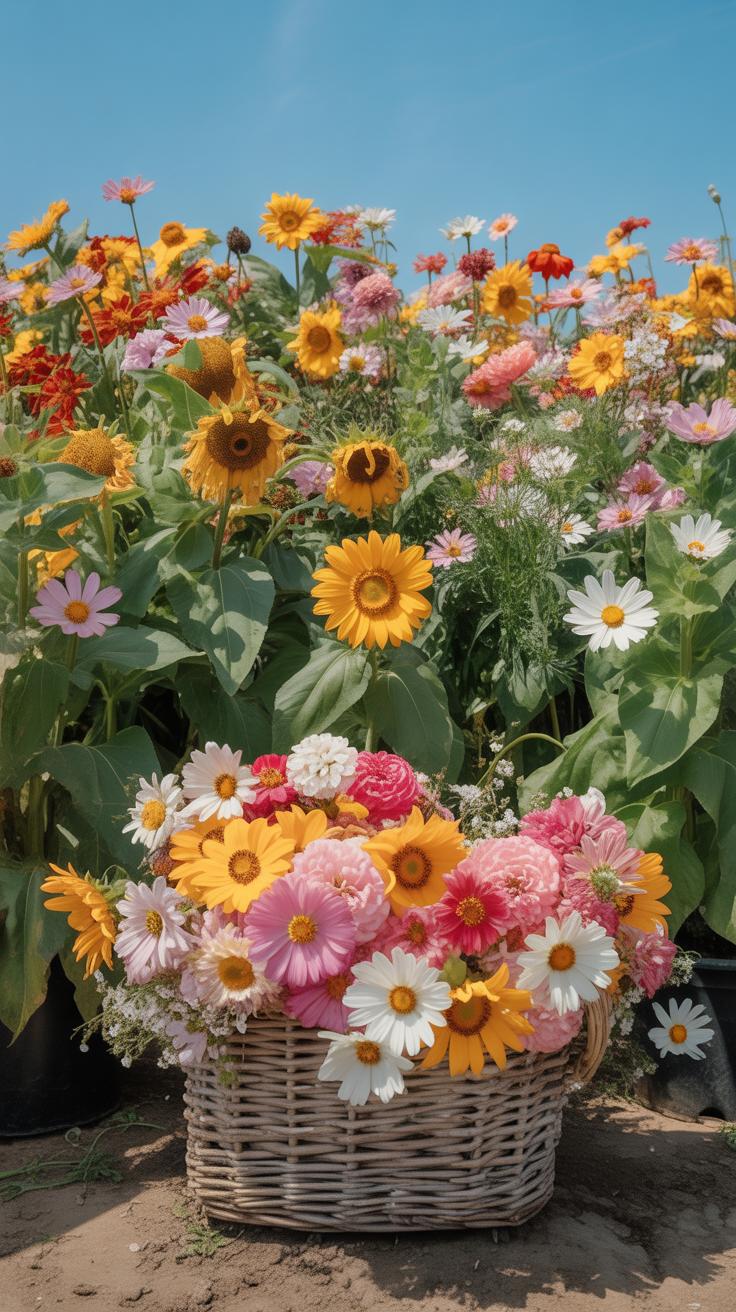
Beginners must prioritize high-yield crops with strong disease resistance. Focus on “cut and come again” varieties. These plants produce more blooms every time you harvest a stem. Hardy annuals survive light frosts and establish deep root systems quickly. Perennials provide a permanent structural base for your garden. Choose species that require minimal staking and thrive in standard garden soil.
- Zinnias: These annuals offer high productivity throughout the summer heat. They feature sturdy stems and come in various shapes like cactus or dahlia flowered. Beginners should select the Benary Giant series for long stems and powdery mildew resistance.
- Cosmos: This hardy annual thrives in poor soil conditions and produces many delicate blooms. Frequent harvesting encourages the plant to branch out and create more flowers. The Sensation series is a reliable choice for height and stem strength.
- Sunflowers: Branching varieties are superior for cutting compared to single-stem types. They provide multiple harvests from one plant over several weeks. Look for pollen-less cultivars to prevent staining indoor furniture and fabrics when placed in vases.
- Rudbeckia: Often known as Black-Eyed Susans, these perennials or biennials are exceptionally tough. They withstand drought and provide late-season color when other flowers fade. Their stiff stems make them easy to arrange without additional wire support or netting.
- Peonies: These perennials are a long-term investment that produce massive, high-value blooms every spring. They require chill hours during winter to set buds properly. Once established, these plants can produce flowers for decades with very little annual maintenance.
Select varieties based on your specific hardiness zone to ensure survival. Start with seeds for annuals to keep initial costs low. Buy established crowns for perennials to save two years of growing time. Proper spacing prevents fungal issues and ensures straight stems. Use clean shears when harvesting to avoid spreading pathogens between plants. Consistent deadheading keeps the garden productive for the entire season.
Choosing Flowers Based On Bloom Time To Ensure A Continuous Harvest
A strategic garden layout avoids the “all or nothing” harvest trap. You must plant a mix of cool-season and warm-season crops. Map your growing season from the last spring frost to the first autumn freeze. Early spring relies on bulbs like tulips and narcissus. Early summer transitions into hardy annuals. Late summer and autumn belong to heat-loving species and dahlias.
Succession planting is the core tactic for a constant supply. Do not plant all your seeds on the same day. Sow fresh batches of sunflowers and zinnias every two weeks. This method replaces old, tired plants with fresh, productive ones. Research the “days to maturity” for every variety you buy. This data allows you to calculate exact harvest windows and fill gaps in your production schedule.
How To Plan A Small Cut Flower Garden That Fits Any Yard Or Space
Evaluating Your Available Space, Sunlight, And Soil Before You Plant
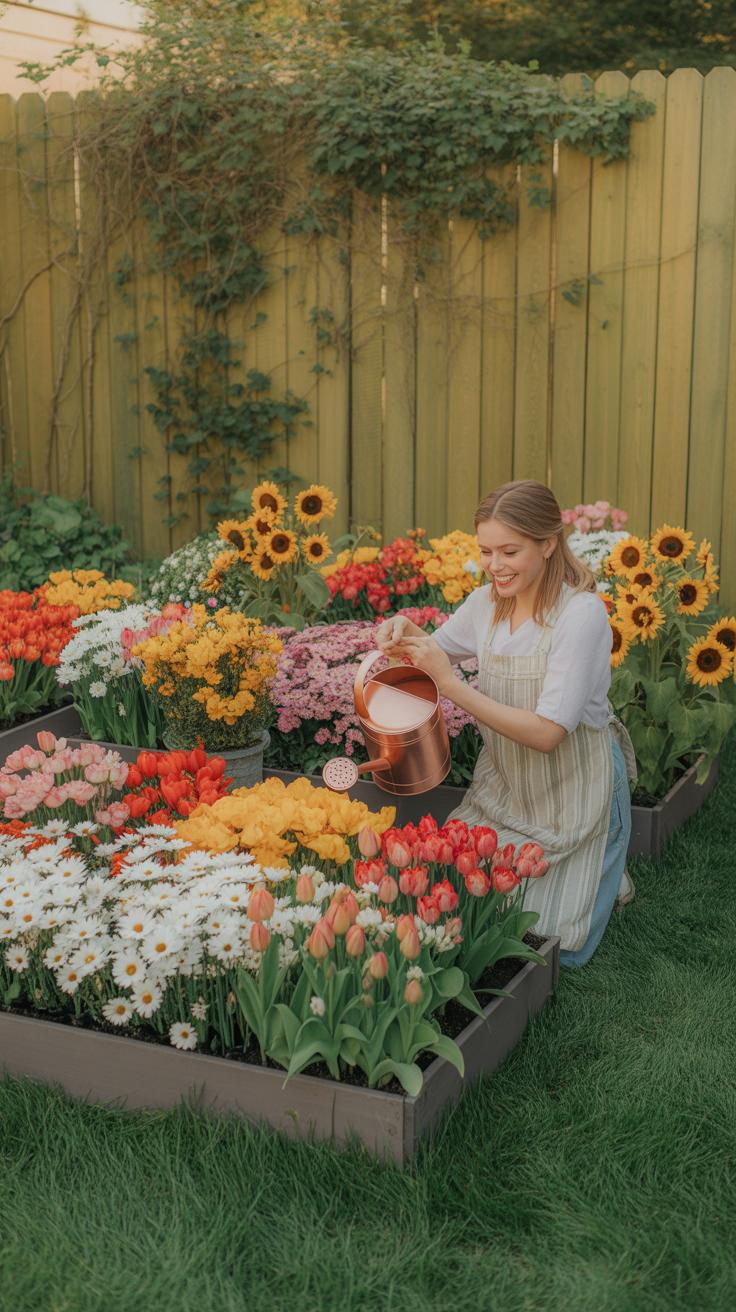
Cut flowers require specific environmental conditions to produce strong stems and healthy blooms. You must identify a spot that receives at least six to eight hours of direct sunlight daily. Intense solar energy drives the photosynthesis needed for high volume flower production. Avoid areas near large trees or buildings that cast long shadows. Proximity to a reliable water source is also critical for consistent growth.
Perform a simple drainage test before choosing your site. Dig a hole and fill it with water to see how fast it empties. Standing water rots roots and kills your investment. Test your soil pH to ensure nutrients are available to the plants. Most cut flowers thrive in slightly acidic to neutral soil. Healthy soil structure supports deep root systems and provides heavy stability for tall stems.
Scaling Your Small Cut Flower Garden For Maximum Yield In Minimal Space
Efficient garden design prioritizes high density planting to maximize production per square foot. Use the block planting method instead of traditional long rows. This technique reduces wasted path space and keeps flowers close together for support. Align your beds in a north to south orientation. This layout prevents taller plants from shading out smaller varieties throughout the day. Every inch of soil must produce a bloom.

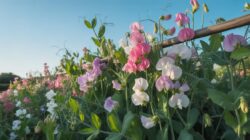
Utilize vertical space with trellises or netting for climbing varieties like sweet peas. This strategy doubles your output without increasing your footprint. Intensive spacing also shades the soil which helps suppress weed growth and retain moisture. Select productive varieties that offer multiple stems per plant rather than single bloom types. This approach ensures a continuous harvest from a very small area. Success requires strict organization and aggressive harvesting.
Flower Garden Layouts That Work Best For A Productive Cutting Garden
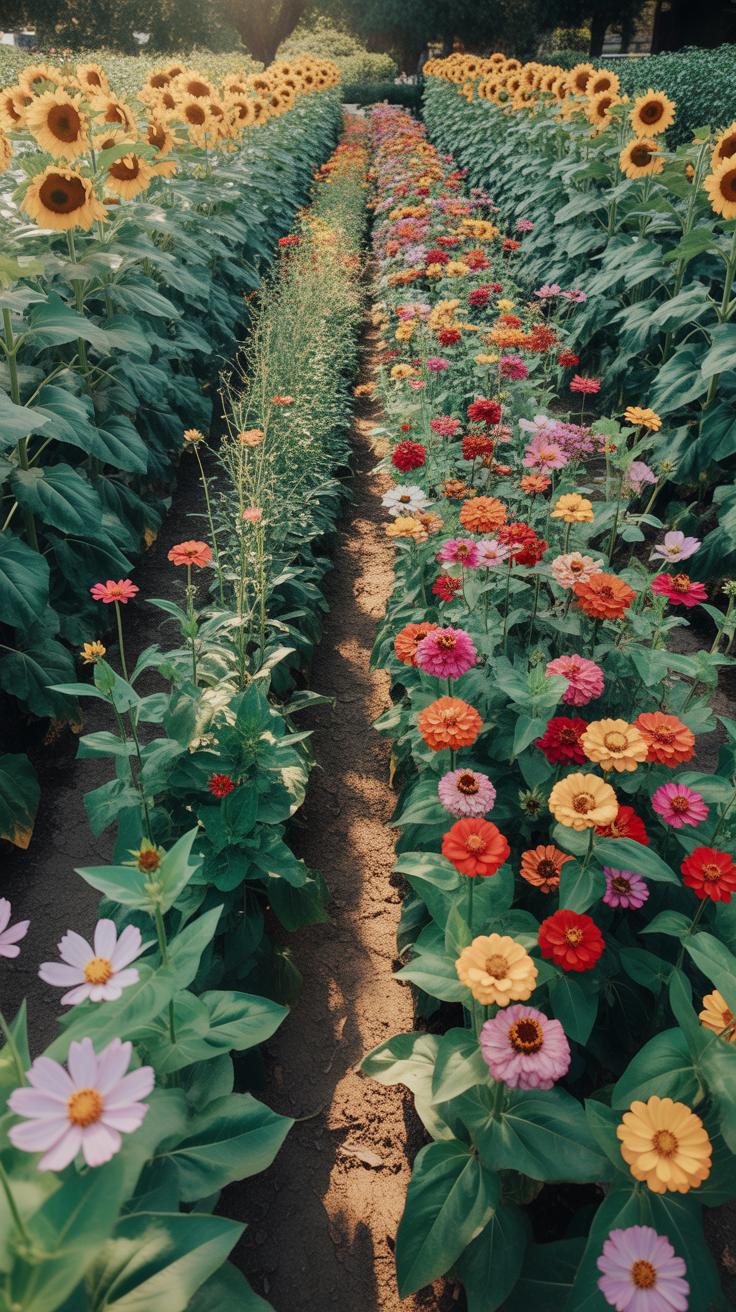
Row Based Versus Block Planting: Which Cut Flower Garden Layout Suits You
Row planting mimics commercial agriculture and offers the highest efficiency for harvesting. This layout uses long straight lines to organize different flower species by bloom time. It allows you to use mechanical tools like tillers or hoes without damaging the roots. You can easily track success rates and identify pests when plants sit in single files. This method maximizes sunlight exposure for every stem.
Block planting groups flowers in dense squares to maximize small spaces. This technique stems from the French intensive method and focuses on yield per square foot. High density creates a microclimate that suppresses weeds and retains soil moisture. You should choose this layout if your garden area is limited. It works well for high turnover crops like zinnias. Block layouts require careful reach to avoid crushing plants during harvest.
Designing Pathways And Spacing Into Your Flower Garden Layout For Easy Access
Effective pathways prevent soil compaction and protect your crop investment. Permanent paths should be at least two feet wide to accommodate harvest buckets and tool carts. You must use heavy mulch or gravel to keep these areas dry and accessible in all weather. Proper spacing between beds allows you to move freely without snapping fragile stems. Good design ensures you spend time cutting rather than navigating obstacles.

Internal bed spacing depends on the specific flower variety and air circulation needs. Professional growers often use beds four feet wide to allow reaching the center from either side. If a bed is wider you will likely step into the soil and damage the structure. Crowded plants suffer from powdery mildew and stunted growth. Strategic spacing reduces disease pressure and creates longer stems by forcing plants to grow upright.
How To Grow A Cut Flower Garden From Seed To First Bloom
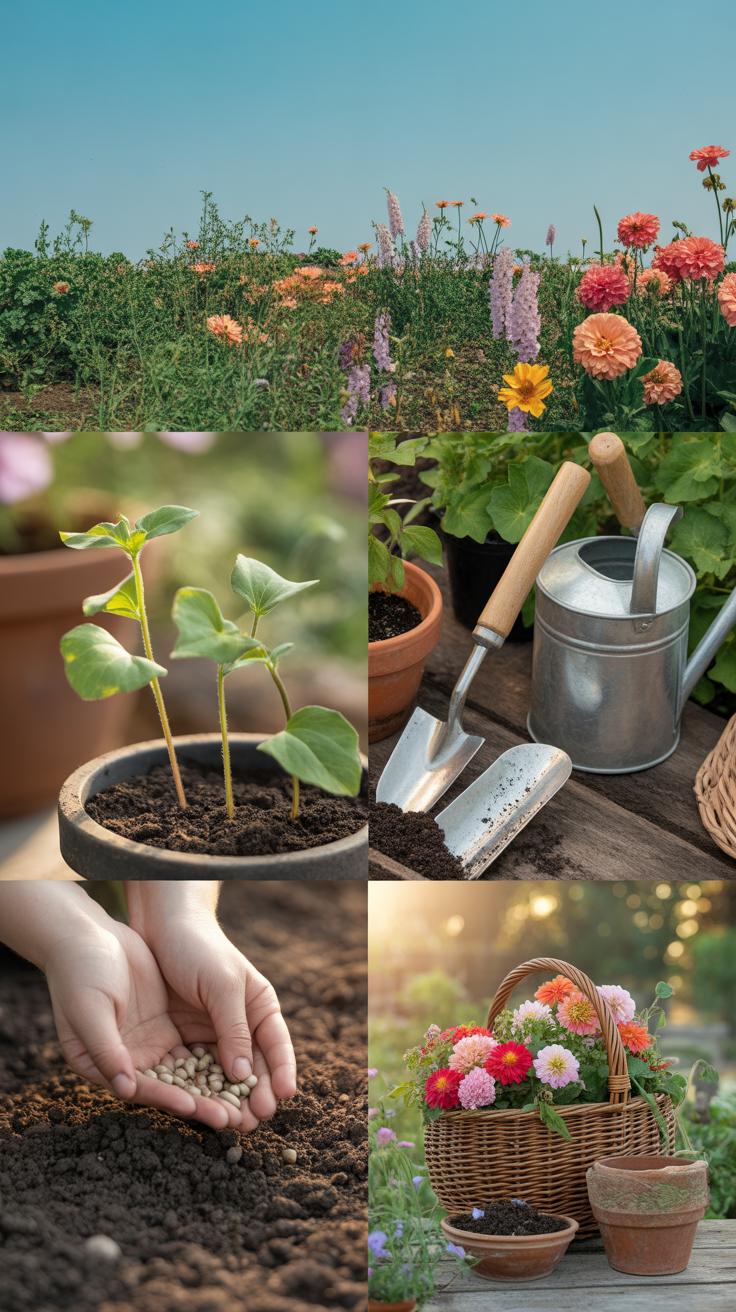
Starting Seeds Indoors Versus Direct Sowing Outdoors: What Beginners Should Know
Indoor seed starting gives you a head start on the growing season. Use seed trays and high quality potting mix six to eight weeks before the last frost. This method provides total control over temperature and light. It is essential for flowers with long maturity dates like snapdragons or lisianthus. Buying grow lights ensures seedlings stay strong and do not become leggy.
Direct sowing involves planting seeds directly into the garden soil. This technique works best for flowers that resent root disturbance like poppies or zinnias. You must wait until the soil warms to at least sixty degrees Fahrenheit. Keep the top inch of soil consistently moist until germination occurs. Direct sowing reduces the labor of transplanting and the risk of transplant shock for the gardener.
Soil Preparation, Fertilizing, And Watering Habits That Fuel Healthy Blooms
Success begins with soil structure and nutrient availability. Work three inches of finished compost into the top six inches of your garden bed. This improves drainage in clay and water retention in sand. Test your soil pH to ensure it falls between six and seven. Balanced soil allows plants to pull necessary nitrogen and phosphorus for strong stems and vibrant flower petals.
Consistent moisture is critical for high yields and long stems. Water at the base of the plants early in the morning to prevent fungal diseases. Overhead watering damages delicate blooms and wastes water through evaporation. Apply a slow release organic fertilizer once a month during the peak growing season. Proper hydration and feeding prevent plant stress and keep flowers blooming until the first fall frost.
Essential Cut Garden Ideas To Inspire Your First Season Of Growing
Mixing Foliage, Fillers, And Focal Flowers For Well Rounded Bouquet Variety
Success requires a specific planting ratio. Beginners often plant too many focal flowers like Dahlias or Peonies. This mistake leaves you with heavy blooms and no structural support. You must plant thirty percent focal flowers and forty percent foliage. The remaining thirty percent must be filler. This balance ensures your arrangements look professional. It also provides the physical stability needed for tall vase displays.
Focal flowers catch the eye first. Fillers like Ammi or Baby’s Breath bridge the gaps between large blooms. Foliage provides the green frame and structural backbone. Use Eucalyptus or Ninebark for woody stems that last long in water. This variety allows you to cut full bouquets from one small plot. Without this mix, your garden only yields individual stems rather than complete, cohesive floral designs.
There are no happier flowers than the ones that grow just outside your door, waiting to be gathered and brought into the home.
Themed Cut Garden Ideas: Cottage Style, Monochromatic, And Wildflower Patches
Select a theme to simplify your seed ordering process. A Cottage Style garden uses traditional English plants like Delphiniums and Sweet Peas. This style prioritizes fragrance and soft textures. Monochromatic gardens focus on different shades of one single color. This approach makes arranging easy for beginners. You do not have to worry about clashing hues. Greenery and white flowers create a high-contrast, modern aesthetic.
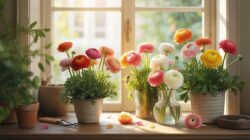
Wildflower patches offer a low-maintenance tactical advantage. These areas attract pollinators and provide airy stems like Cosmos and Coreopsis. These species require less water and soil prep than heavy feeders. Choose a theme based on your available sunlight and regional climate. If you have limited time, stick to one color palette. This narrows your focus and ensures all harvested stems work together in a single vase.
Building Your Beginner Flower Garden With The Right Tools And Supplies
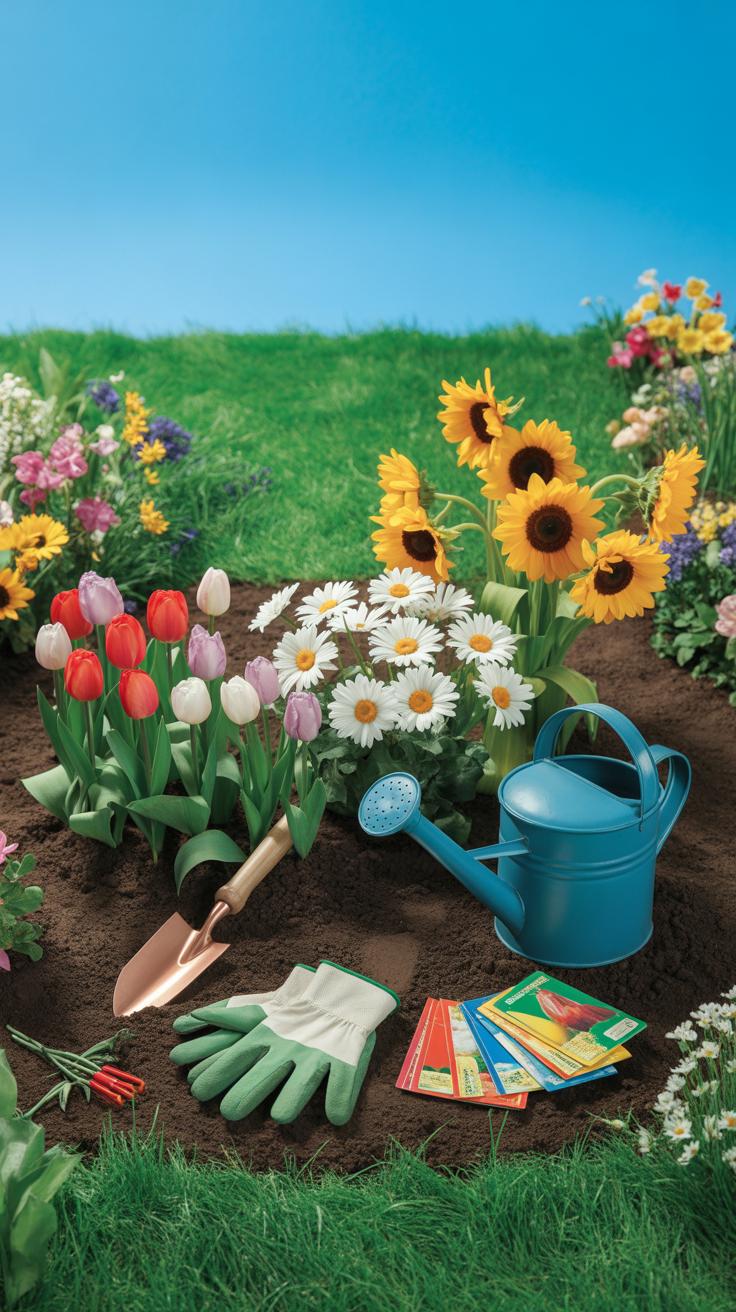
The Core Gardening Tools Every Beginner Flower Garden Grower Needs On Hand
Cutting gardens require specific tools to maintain plant health and ensure long vase life. You cannot use standard kitchen scissors for harvesting. Clean, sharp cuts allow the parent plant to heal quickly and the stem to drink water effectively. Invest in high quality steel tools that hold an edge. Dirty or dull blades crush stems and spread fungal diseases between your floral crops.
- Bypass Pruners: Use these for thick woody stems like hydrangeas or roses. The blades overlap like scissors to create a clean slice without crushing the plant tissue. Keep the hinge oiled and the blade sharp to prevent hand fatigue during heavy harvest sessions.
- Floral Snips: These lightweight pointed blades excel at harvesting delicate annuals like cosmos and sweet peas. The narrow tips reach into tight spots without damaging neighboring buds. They are essential for deadheading spent blooms to encourage continuous flower production throughout the season.
- Hori Hori Knife: This multipurpose Japanese tool handles planting, weeding, and light digging tasks. It features a serrated edge and a flat blade with depth measurements. It replaces several smaller hand tools and works well for dividing perennial clumps or removing deep taproots.
- Harvest Bucket: Use a clean five gallon plastic bucket to hold water while you cut. Stems must go into water immediately after harvest to prevent air bubbles from blocking the vascular system. Sanitize your buckets with a weak bleach solution between uses to kill bacteria.
- Garden Spading Fork: This tool breaks up compacted soil without destroying the soil structure or killing beneficial earthworms. Use it to incorporate compost into your flower beds before planting. It provides better aeration than a standard shovel and requires less physical force to penetrate the ground.
Organize your tools in a dry location to prevent rust and corrosion. Wipe blades clean after every use to remove sap and soil. Proper tool maintenance extends the life of your equipment and protects your investment. High quality tools make the physical labor of gardening more efficient. Start with these basics and only buy specialized equipment once your garden expands in size.
Understanding Soil Amendments And Mulching To Protect And Enrich Your Garden Beds
Soil amendments improve the physical properties and nutrient content of your growing area. Flower crops deplete the soil quickly because they produce high volumes of biomass and nectar. Add organic matter like finished compost or aged manure to increase water retention and drainage. Test your soil pH before adding lime or sulfur. Accurate testing prevents nutrient lockout and ensures your flowers can access the minerals they need.
Mulch serves as a protective barrier between the soil and the atmosphere. Use organic materials like straw, shredded leaves, or wood chips to suppress weed growth. Weeds compete with your flowers for light and water. Mulch also regulates soil temperature and prevents moisture evaporation during summer heat. Apply a layer two to three inches thick but keep it away from the base of the plant stems to avoid rot.
Harvesting And Conditioning Cut Flower Garden Ideas Into Beautiful Arrangements
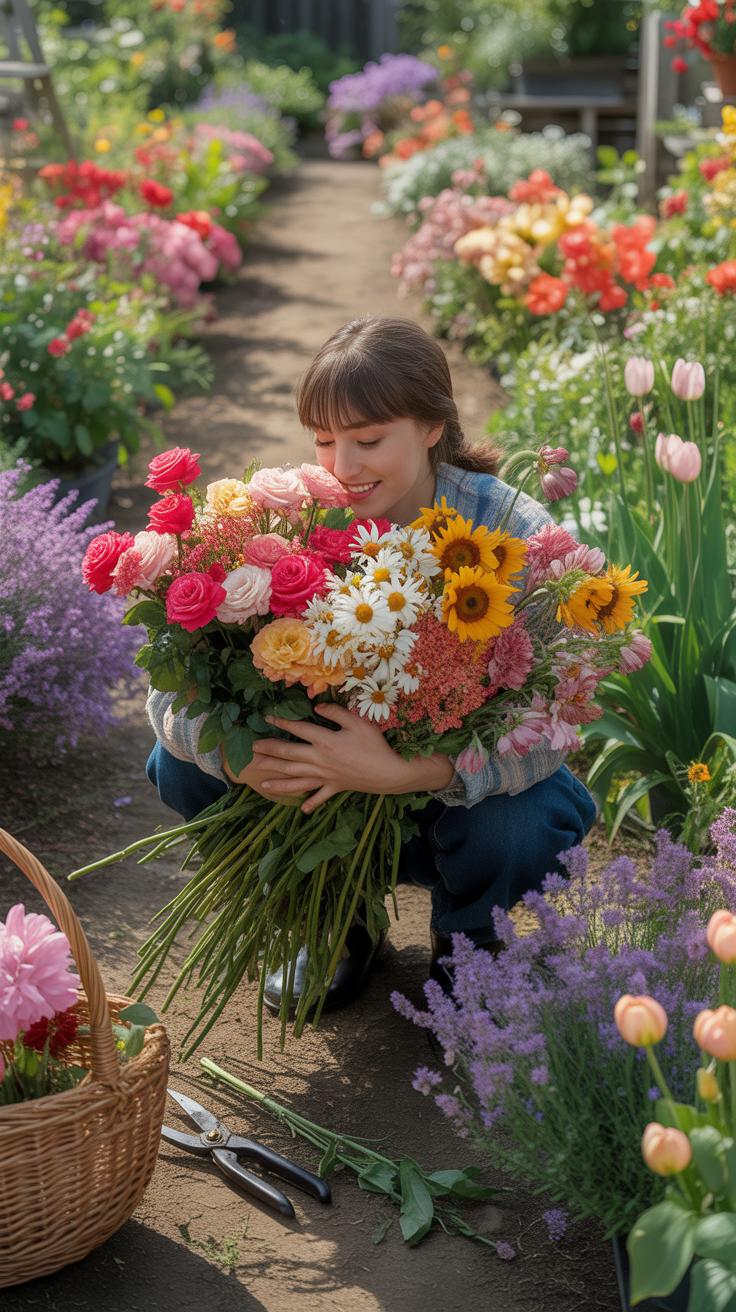
When And How To Cut Stems For The Longest Possible Vase Life
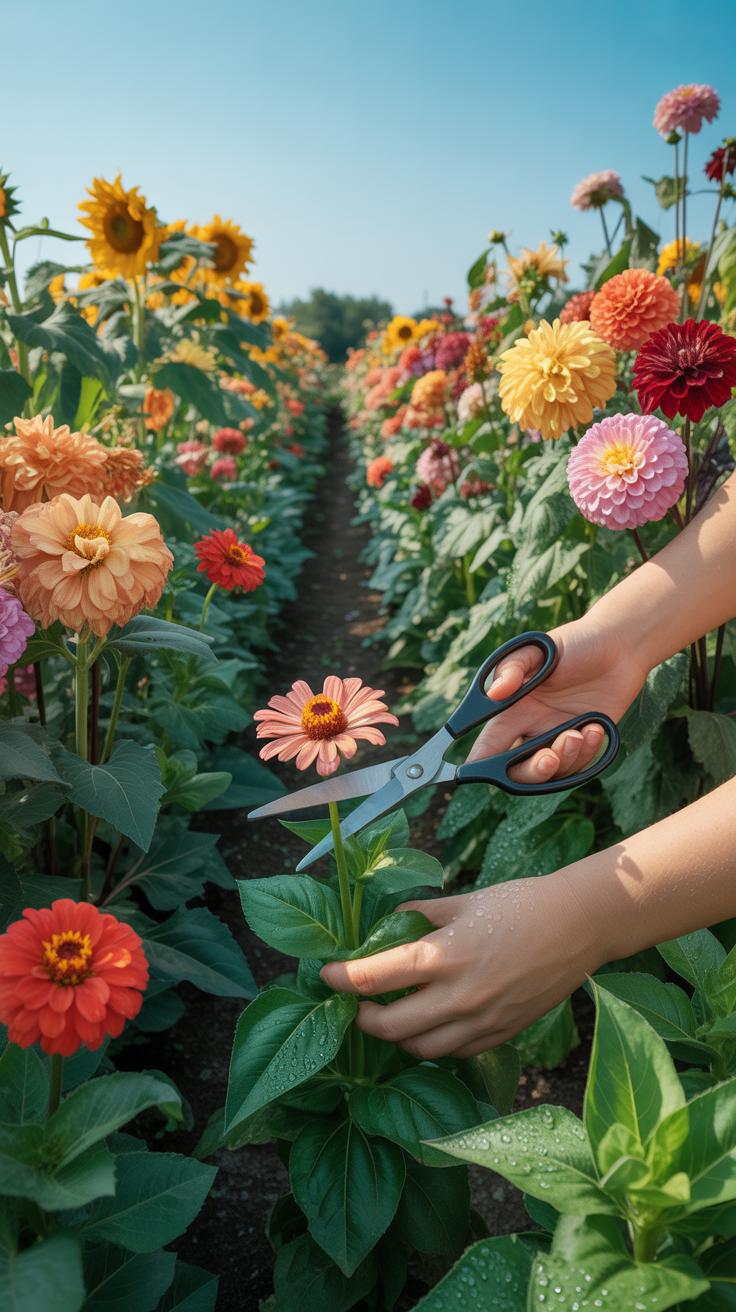
Timing determines the success of your harvest. Cut your flowers in the early morning while temperatures remain cool. At this time, plants hold maximum moisture levels. High turgor pressure prevents immediate wilting and ensures the stems stay rigid. Late evening is a secondary option, but morning is superior. Avoid cutting during the heat of the day when plants lose water rapidly through their leaves.
Use sharp, bypass pruners to make clean cuts. Dull blades crush the vascular system and block water uptake. Cut stems at a forty-five degree angle to increase the surface area for hydration. Harvest flowers at the correct stage of openness. For most varieties, cut when the first few buds begin to show color. This practice allows the flower to open fully inside the vase.
Conditioning Techniques That Keep Your Freshly Cut Flowers Hydrated And Vibrant
Conditioning stabilizes the flower after the initial cut. Place stems into a clean bucket of lukewarm water immediately after harvesting. Remove all foliage that falls below the water line. Submerged leaves rot quickly and create bacterial growth. Bacteria clog the stem ends and kill the flowers prematurely. Store the buckets in a cool, dark room for several hours before you start arranging them.
Use an acidic floral preservative to lower the water pH. This helps the stems drink more efficiently. Change the water every two days to maintain a sterile environment. Re-cut the stems by one inch during water changes to open fresh tissue. Keep finished arrangements away from direct sunlight, drafts, and ripening fruit. Ethylene gas from fruit causes flowers to drop their petals and die fast.
Common Mistakes To Avoid When Starting A Cutting Garden For The First Time
Overcrowding, Under Watering, And Other Planting Pitfalls New Growers Often Face
New growers often plant seedlings too close together to maximize space. This mistake restricts airflow and invites fungal diseases like powdery mildew. Overcrowding also forces plants to compete for limited soil nutrients. This stress results in weak stems and smaller blooms. You must follow specific spacing requirements for each species. Proper spacing ensures every plant receives enough sunlight and resources to produce high quality flowers for cutting.
Irrigation errors also ruin many first year gardens. Surface watering often fails to reach the deep root systems of productive flowering plants. Inconsistent soil moisture causes flower heads to droop or stems to become brittle. Install a drip irrigation system to deliver water directly to the soil level. This method prevents leaf diseases caused by wet foliage. Mulching helps maintain even moisture levels and suppresses weeds that steal water from your crops.
How To Stay Motivated And Adapt Your Garden Plan After Your First Growing Season
Review your harvest logs to identify which varieties performed best in your specific climate. Most beginners plant too many varieties at once and feel overwhelmed by maintenance. Narrow your focus for the second year. Select three or four high-yielding species that thrived in your soil conditions. This targeted approach reduces labor and increases your success rate. Simplify your workflow to keep the hobby manageable and productive.
Soil health requires constant attention beyond the first season. Amending your beds with organic matter every autumn restores the nutrients lost during heavy harvest periods. Use your first year data to adjust planting dates based on local frost cycles. Successful growers adapt their plans based on real results rather than general guides. Steady improvement comes from correcting small errors each season. Stay disciplined and stick to a consistent maintenance schedule for long term success.
Frequently Asked Questions

What are the best low-maintenance flowers for someone starting a cutting garden?
If you are just starting a cutting garden, focus on prolific “cut-and-come-again” varieties that thrive with minimal fuss. Zinnias, cosmos, and sunflowers are ideal for beginners because they germinate quickly and produce multiple blooms throughout the summer. These hardy choices provide a reliable harvest for your indoor arrangements, allowing you to gain confidence in your gardening skills while enjoying a constant supply of vibrant, homegrown floral displays.
How do I choose the right location and soil for my new garden beds?
When starting a cutting garden, success begins with selecting a spot that receives at least six to eight hours of direct sunlight daily. Ensure the area has well-draining soil enriched with organic compost to provide the nutrients your flowers need to produce long, sturdy stems. Proper drainage is crucial to prevent root rot, so consider using raised beds if your backyard soil is heavy clay or stays consistently soggy after rain.
Can I create a beautiful cutting garden on a tight budget?
Absolutely! You can grow a stunning floral bounty without spending a fortune by starting your plants from seeds rather than buying expensive nursery starts. Focus on purchasing high-yield seed packets and repurposing household items, like egg cartons, for seed starting. Additionally, using organic mulch or DIY compost helps maintain soil health for pennies, making the dream of a lush, productive flower garden accessible and affordable for any homeowner.