Why A Flower And Herb Pairing Guide Is The Foundation Of Smart Herb Garden Design
How Thoughtful Herb Garden Design Supports Plant Health And Aesthetic Balance
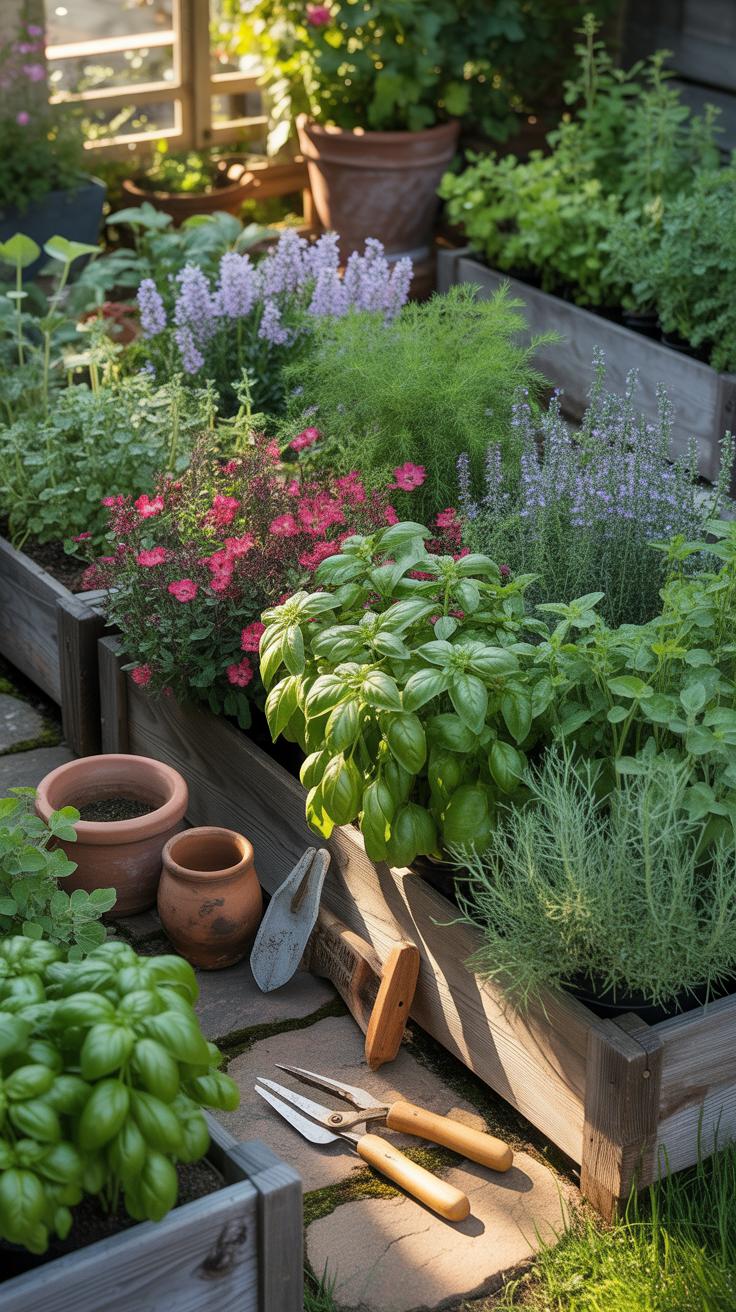
Strategic flower and herb pairing creates a self-sustaining ecosystem. You must match plants based on their biological needs. Combine sun-loving Mediterranean herbs like rosemary with drought-tolerant flowers like lavender. This reduces water waste and ensures both species thrive in the same bed. Proper pairing also prevents aggressive species from choking out delicate ones. You solve growth conflicts before you ever put a shovel in the dirt.
Aesthetic balance follows technical function. Use a Flower and Herb Pairing Guide to select colors and textures that provide year-round interest. Plant tall perennials like yarrow behind low-growing culinary herbs like thyme. This creates vertical layers and maximizes sunlight exposure for every plant. Good design uses flowers to draw in pollinators. These insects increase the yield of your fruiting herbs. Functional beauty is’ the result of precise planning.
The Role Of Structure And Spacing In A Functional And Beautiful Herb Garden Layout
Structure dictates the longevity of your garden. You must account for the mature size of every plant in your layout. Crowding leads to poor air circulation and fungal diseases. A solid pairing guide provides the exact footprint for each variety. Set hard edges with woody herbs like hyssop to define your space. Use these boundaries to keep spreading mints from taking over your primary growing zones.
Spacing is a tactical decision. You need clean paths to harvest herbs without stepping on flowers or compacting soil. Group plants with identical nutrient requirements to simplify your feeding schedule. High-maintenance flowers should not sit next to herbs that prefer lean soil. Logical spacing keeps your workload low and your garden output high. Smart layouts focus on access and efficiency. Every square inch must have a clear and defined purpose.
Understanding Companion Planting Herbs And Flowers For A Thriving Garden Ecosystem
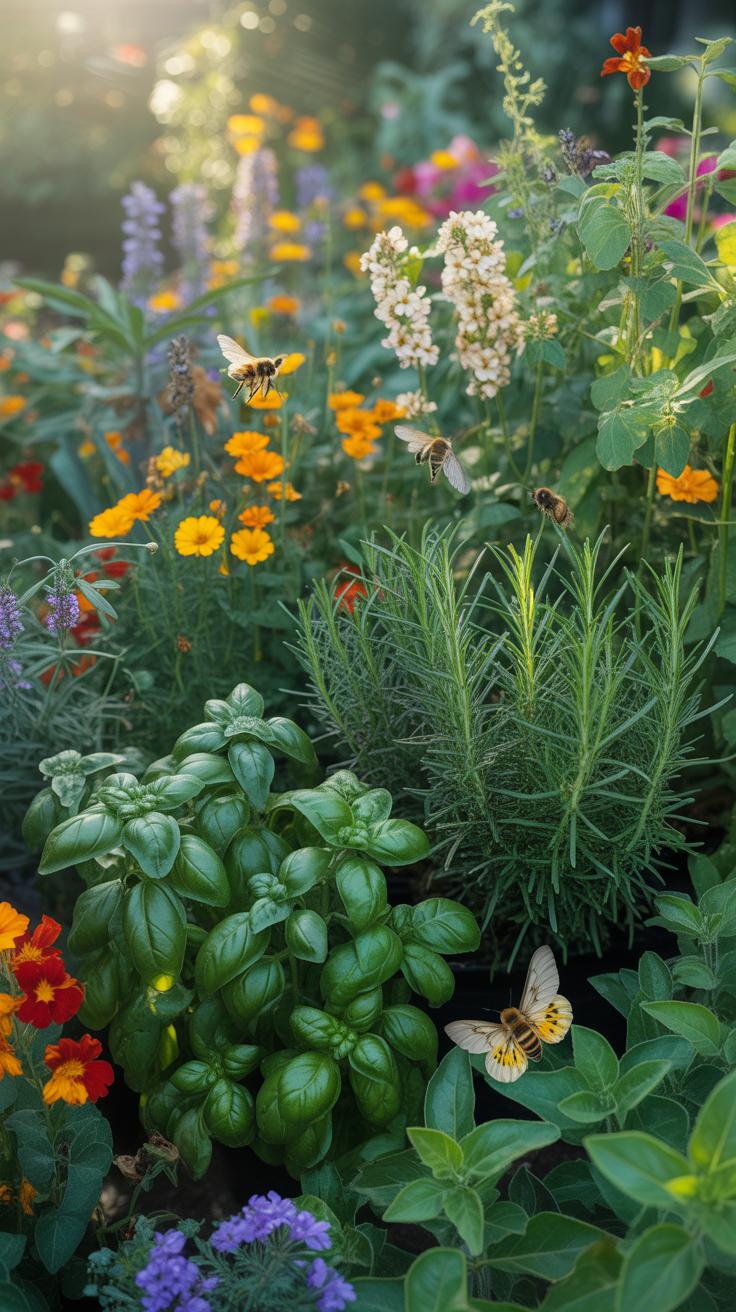
What Companion Planting Herbs And Flowers Actually Means And Why It Works
Companion planting is a strategic placement of different species to create a symbiotic environment. This method relies on the biological traits of plants to help their neighbors. Some plants release chemicals that stimulate growth or deter specific insects. Gardeners use these natural interactions to maximize space and health. This system replaces chemical reliance with functional biology. It is a tactical approach to land management.
Pairing specific herbs and flowers exploits their unique root structures and scents. Tall plants provide shade for low-growing herbs. Deep roots pull nutrients from the subsoil to the surface for shallow-rooted flowers. This diversity prevents the rapid spread of diseases common in monocultures. Modern growers use these pairings to create stable microclimates. Scientific evidence supports these combinations for increasing yields and reducing plant stress throughout the season.
How Companion Planting Improves Soil Health, Pollination, And Natural Pest Control
Functional pairings focus on three main metrics: soil quality, insect attraction, and pest reduction. Leguminous plants fix nitrogen in the soil to feed heavy-feeding flowers. Aromatic herbs like lavender and rosemary emit strong volatile oils. These scents mask the smell of target crops from flying pests. Meanwhile, bright flowers like marigolds and zinnias attract hoverflies and bees. This ensures high pollination rates and strong fruit set.
Effective pest management uses trap crops to lure insects away from valuable plants. Nasturtiums often serve as a sacrificial layer for aphids. This protects the primary herbs and flowers nearby. Strategic planting also creates habitats for predatory insects. Ladybugs and lacewings move into the garden to consume mites and larvae. This biological control maintains a balance without using toxic sprays. Healthy soil and high biodiversity result in a self-sustaining garden.
Top Herb And Flower Companion Planting Combinations Backed By Gardening Tradition
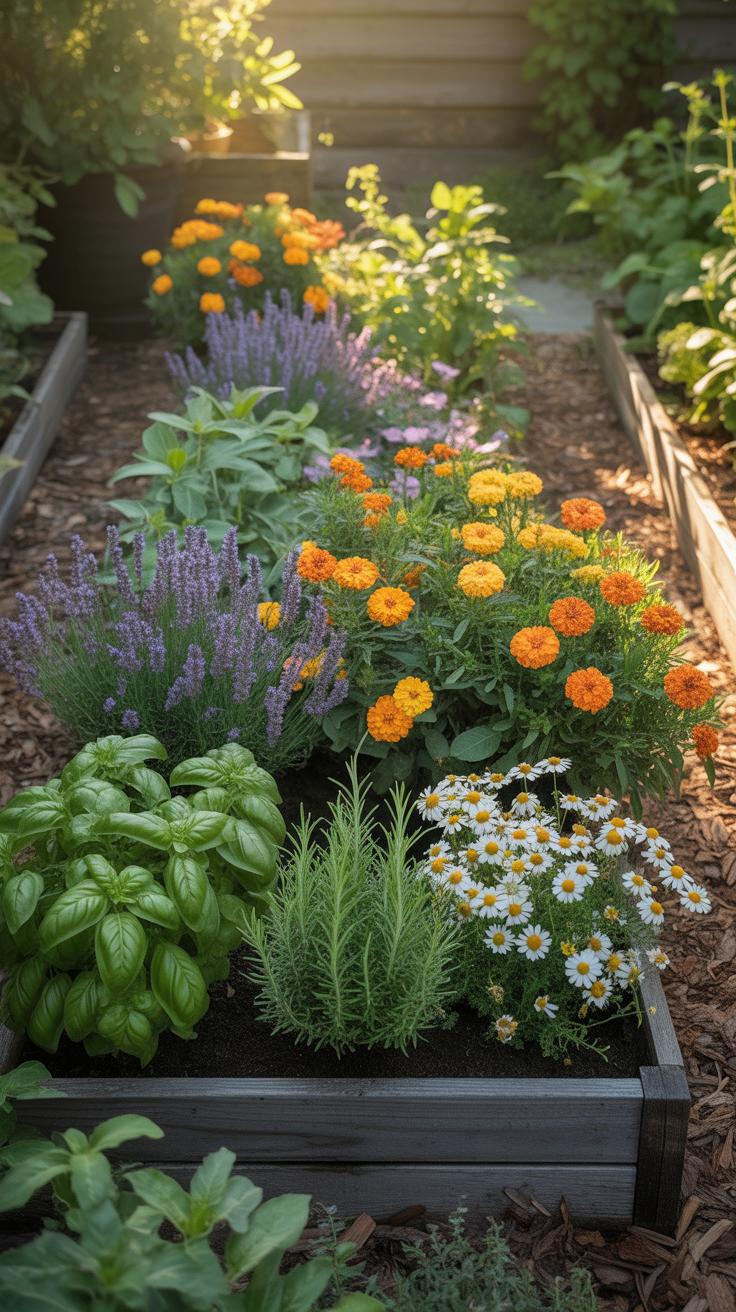
Classic Herb And Flower Companion Planting Pairs That Have Stood The Test Of Time
Farmers and gardeners have used companion planting for centuries to improve yields and protect crops. This traditional method relies on the natural properties of plants to assist their neighbors. Some flowers repel pests while certain herbs mask the scent of vulnerable blooms. These pairings create a balanced ecosystem without the use of harsh chemicals or artificial fertilizers in the garden.
Historical garden designs often integrated these species to manage space efficiently. European cottage gardens utilized this strategy to maintain health in dense planting areas. You should select pairs based on their shared soil and light requirements. Success depends on matching the growth habits of the herb with the protective qualities of the flower. This tactical approach ensures both plants thrive throughout the entire growing season.
Best Flower Varieties To Pair With Common Culinary And Aromatic Herbs
Practical herb and flower pairings maximize garden utility and health. These combinations serve specific functions such as pest deterrence or pollinator attraction. You must choose flowers that provide clear defensive benefits to your culinary herbs. Strategic placement allows for higher crop quality and reduced maintenance time. Focus on varieties that have proven track records in professional and traditional nursery settings across various climates.
- Marigolds and Basil: Marigolds produce thiophenes in their roots which repel soil nematodes. This protects the sensitive root systems of basil plants. The strong scent of the flower also confuses pests that typically target leafy culinary herbs during the peak summer heat.
- Nasturtiums and Parsley: Nasturtiums act as a trap crop for aphids and whiteflies. They draw these pests away from the parsley foliage. This keeps your harvest clean and reduces the need for organic sprays. The flowers also provide shade to the soil which keeps herbs cool.
- Lavender and Roses: Lavender masks the scent of rose bushes and deters common garden aphids. This classic pairing survives well because both plants require full sun and well-drained soil. The lavender provides a solid base that hides the woody stems of older rose varieties in your beds.
- Borage and Strawberries: Borage attracts honeybees and parasitic wasps that protect berry plants. It also adds trace minerals back into the soil which improves the flavor of nearby herbs and fruits. Planting borage ensures high pollination rates for a more productive and healthy garden harvest.
- Calendula and Chives: Calendula attracts beneficial ladybugs that consume pests commonly found on chives and onions. The bright flowers also serve as a sentinel plant for the vegetable garden. They provide a sturdy barrier and improve soil health through their extensive and vigorous root systems.

Properly executed pairings reduce the need for human intervention. Use these specific combinations to create a self-sustaining environment that minimizes pest damage naturally. Always monitor the growth rates to ensure the flowers do not crowd out the herbs. Accurate spacing is the key to maintaining a functional and productive layout. These methods provide a reliable framework for any serious grower looking to optimize their garden output.
Using An Herb Plant Chart To Map Out Your Ideal Flower And Herb Pairings
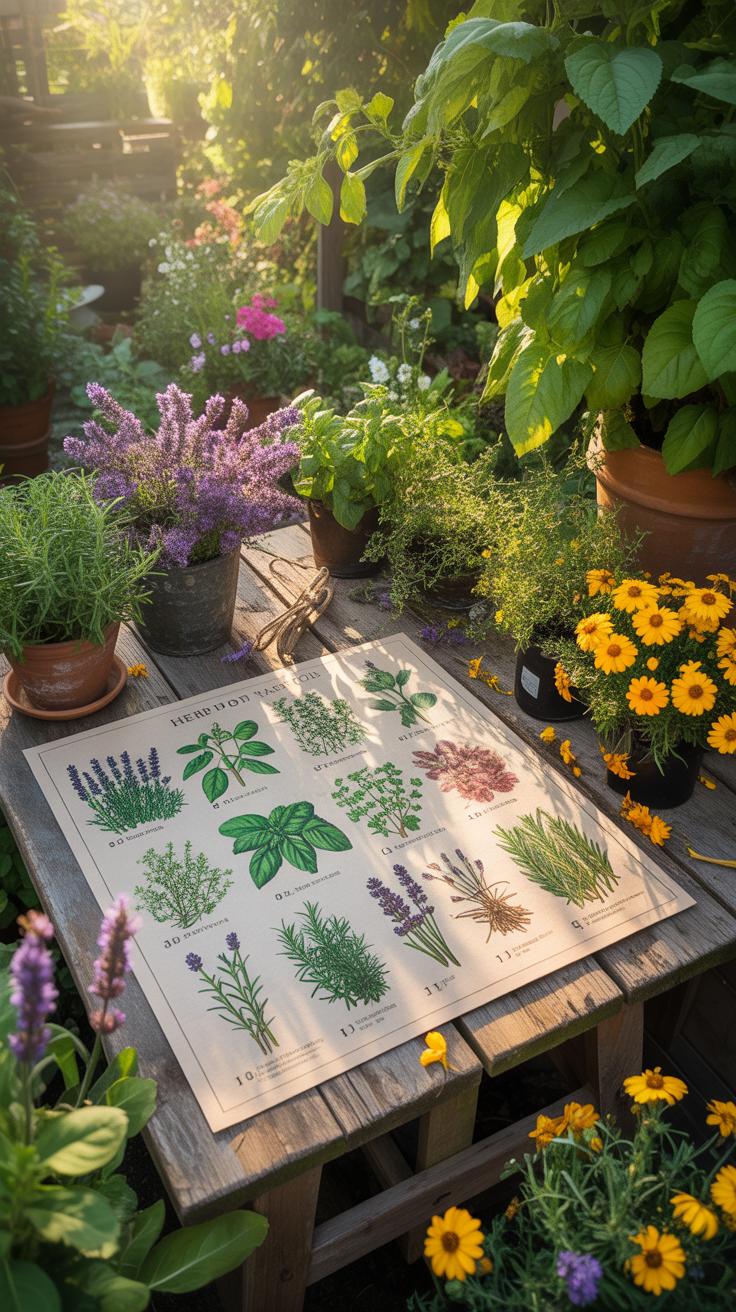
How To Read And Apply An Herb Plant Chart For Smarter Garden Planning
An herb plant chart functions as a technical blueprint for the garden. It categorizes plants by light requirements, water needs, and growth habits. You must match these variables to ensure survival. Reading a chart correctly allows you to group plants with similar needs. This prevents overwatering or scorching and maximizes your yield. Efficiency starts with understanding the specific environmental demands of each plant species before you dig.
Apply the data from the chart to create functional zones. Place drought-tolerant herbs like rosemary near sun-loving flowers like zinnias. Put moisture-seeking herbs like mint near hydrangeas. The chart tells you which plants compete for nutrients and which ones cooperate. Use this information to avoid planting aggressive spreaders near delicate flowers. Proper planning through data reduces maintenance time and eliminates common planting errors that lead to garden failure.
Building Your Own Custom Herb Plant Chart Based On Climate, Space, And Soil Type
Your custom chart must reflect your specific regional climate. Local frost dates and humidity levels dictate which pairings thrive. Start by testing your soil pH and drainage capacity. Heavy clay requires different pairings than sandy soil. Document these findings in your chart to filter out incompatible plants. Customizing your data ensures that your flower and herb pairings are grounded in local reality rather than general assumptions.

Include spatial dimensions in your personal chart to manage garden density. Large herbs like lavender need significant airflow to prevent fungal diseases. Match these with airy flowers to maintain circulation. Small balconies or containers require vertical planning. List the mature height and width of every plant in your layout. Accurate spatial data prevents overcrowding and ensures each plant receives adequate sunlight. This data-driven approach leads to a professional and healthy garden.
Integrating Perennial Herbs Into Your Flower And Herb Pairing Strategy
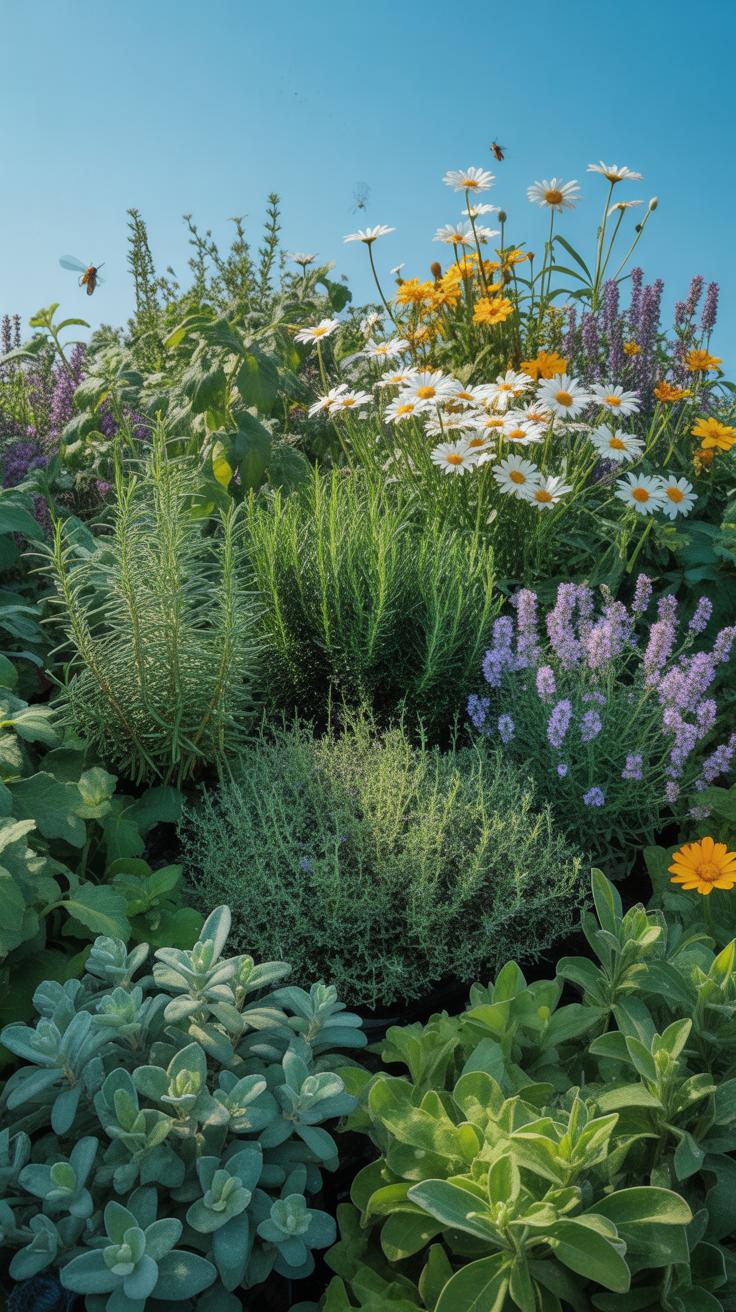
Which Perennial Herbs Pair Best With Flowering Plants For Long Term Garden Success
Successful garden design relies on shared cultural requirements. Perennial herbs like rosemary and oregano thrive in well-drained soil with full sun exposure. These herbs pair effectively with drought-tolerant flowers such as Echinacea or Rudbeckia. Matching these species ensures consistent growth cycles across multiple seasons. This alignment reduces maintenance needs because the plants share water and nutrient schedules. Strategic pairing creates a stable environment for long-term health.
Focus on root structures when selecting perennial companions. Deep-rooted herbs like comfrey improve soil aeration for shallow-rooted flowers. This interaction prevents soil compaction and promotes nutrient cycling near the surface. Use woody perennials to provide structural support for delicate flowering stems. This tactical approach prevents plants from flopping during heavy rain or high winds. Proper selection guarantees that your Flower and Herb Pairing Guide yields a resilient and functional landscape.
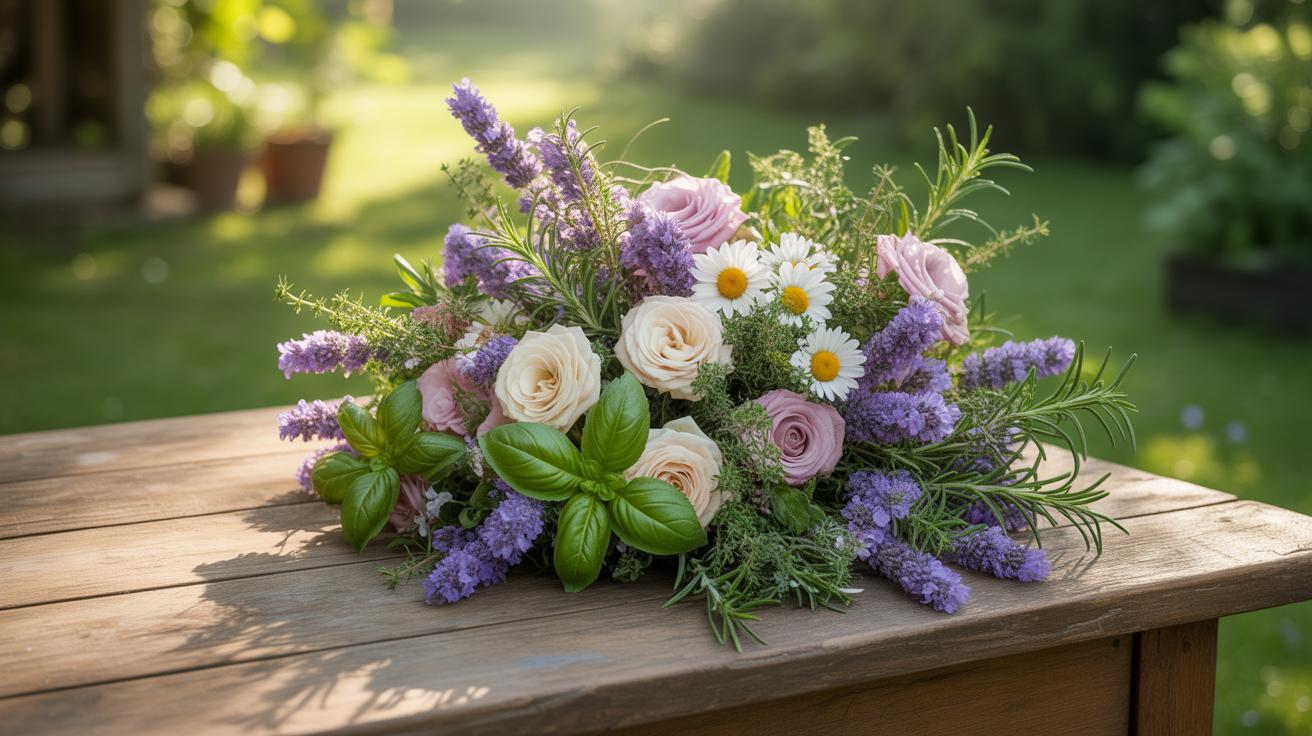
The fragrance of localized herbs mingled with the soft bloom of a garden rose reminds us that nature is the finest artist of all.
How Perennial Herbs Like Lavender, Thyme, And Sage Anchor Mixed Garden Beds
Perennial herbs serve as the structural backbone of a mixed bed. Lavender and sage retain their form throughout the year, providing visual weight even when flowers fade. These plants act as fixed points in a shifting seasonal landscape. They define the perimeter and prevent the garden from looking empty in winter. Use these woody herbs to establish hard boundaries. This creates a permanent framework for rotating annual floral displays.

Low-growing perennials like thyme function as living mulch between taller flowering species. These herbs suppress weeds and regulate soil temperature by covering bare ground. This layer protects the root zones of more sensitive ornamental plants. Anchoring a bed with these herbs reduces your reliance on synthetic ground covers. The silver and gray foliage of these herbs also provides a neutral backdrop. This allows the bright colors of blooming flowers to stand out.
Growing A Medicinal Herbs Garden With Flowers That Enhance Healing Properties
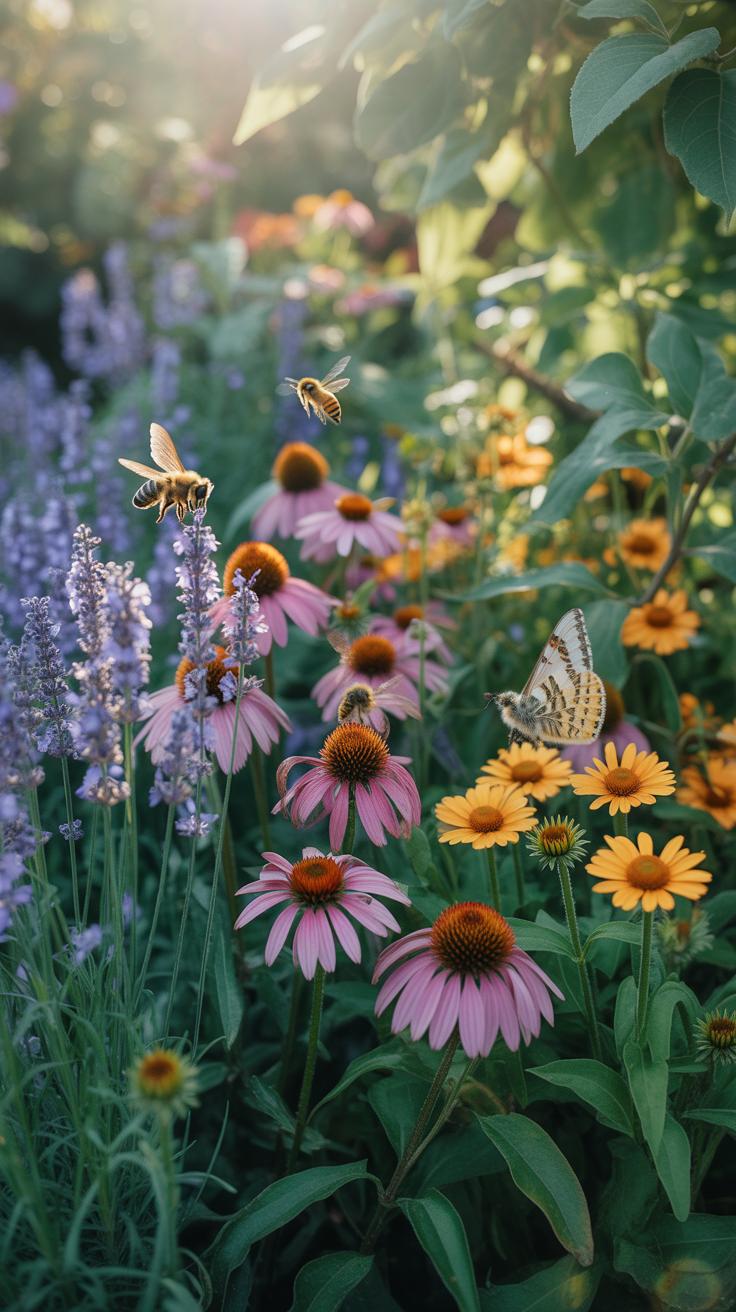
Key Medicinal Herbs To Grow Alongside Flowers That Support Their Therapeutic Value
Planting Echinacea next to Sage provides more than visual appeal. This Flower and Herb Pairing Guide tactic ensures both plants thrive in similar soil conditions. Echinacea strengthens the immune system while Sage acts as a potent antimicrobial. Growing them together optimizes garden space and concentrates active compounds. This pairing helps you maintain a functional pharmacy in a single bed. It reduces the need for synthetic fertilizers.
Marigolds offer vital protection for delicate herbs like Basil and Mint. These flowers produce alpha-terthienyl which kills root-knot nematodes in the soil. Healthy soil allows medicinal herbs to produce higher concentrations of essential oils and therapeutic resins. You get cleaner harvests without using toxic chemical pesticides. This strategic placement protects the chemical integrity of your healing plants. It ensures your herbal remedies remain pure and effective.
Designing A Medicinal Herbs Garden That Blends Beauty, Function, And Natural Wellness
Effective medicinal garden design requires grouping plants by their water and light needs. Place Mediterranean herbs like Rosemary and Lavender in the sunniest spots with well-draining soil. These plants produce more medicinal resin when they face slight environmental stress. Use gravel mulch to reflect heat and keep roots dry. This layout ensures your herbs maintain their strength. Proper drainage prevents root rot and preserves the plant healing qualities.

Separate high-moisture herbs like Lemon Balm and Valerian from your dry-climate species. Use stone borders to create distinct microclimates within your garden. Stones absorb heat during the day and release it at night. This technique extends the growing season for your medicinal plants. A structured design allows for easier harvesting and faster processing of raw materials. Sharp organization prevents cross-contamination of different plant species during the drying phase.
Herbs That Grow Well Together In A Veg Garden And How Flowers Complete The Picture
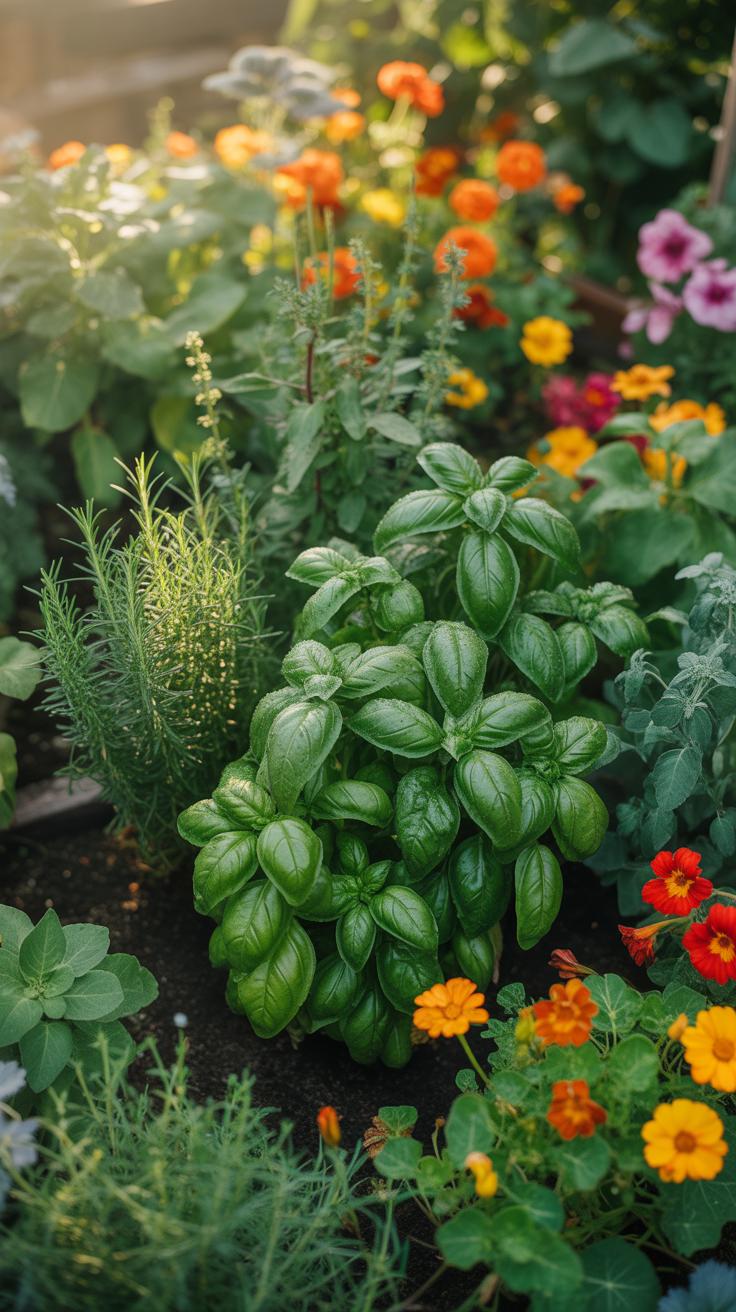
Identifying Herbs That Grow Well Together Without Competing For Nutrients Or Space
Strategic herb grouping depends on matching moisture levels and soil types. Mediterranean varieties like rosemary and thyme require dry soil and high sunlight. These plants do not compete for resources because they have similar low-water needs. Most woody herbs prefer sandy soil with excellent drainage. Grouping these together prevents overwatering. Do not mix moisture-loving herbs with drought-tolerant types.
- Rosemary and Thyme: Both herbs thrive in hot, dry conditions with poor soil quality. They share similar growth rates and do not overshadow one another. This pairing simplifies irrigation schedules in a vegetable garden setting.
- Basil and Parsley: These herbs require consistent moisture and rich, nutrient-heavy soil to produce foliage. They grow well alongside tomatoes in a vegetable plot. This combination ensures that frequent watering routines benefit all nearby plants equally.
- Sage and Oregano: These perennials prefer full sun and well-drained ground. They spread as groundcover or low shrubs without stealing nitrogen from deeper-rooted vegetables. This makes them ideal for filling gaps at the edges of garden beds.
- Dill and Cilantro: These short-lived herbs prefer cooler weather and moist soil. They share a similar lifecycle and should be planted together in spring or fall. Their root systems are shallow and do not interfere with larger vegetable crops.
- Chives and Tarragon: Both plants are hardy and prefer rich, well-drained soil. They return every year and maintain a compact footprint. This stability allows you to plan permanent herb zones within a rotating vegetable garden layout easily.
Space management is the second pillar of herb pairing. Mint is invasive and will choke out other roots if planted directly in the ground. Keep it in buried pots or separate containers to protect the garden. Taller herbs like dill provide shade for sensitive greens but require staking in windy areas. Understanding growth habits prevents one plant from dominating the sunlight or root zone.
How Adding Flowers To Your Veg Garden Creates A More Balanced And Productive Plot
Integrating flowers into vegetable rows provides immediate tactical advantages for pest management and pollination. Marigolds emit chemicals that deter root-knot nematodes in the soil. This protects the root systems of tomatoes and peppers. Nasturtiums act as a trap crop by drawing aphids away from your primary harvest. These flowers occupy small spaces while providing significant protection for the entire plot.
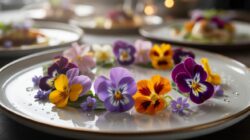
Biodiversity strengthens the garden against disease and crop failure. Flowers attract predatory insects like hoverflies and ladybugs that eat common garden pests. Bright blooms also bring bees to the garden, which increases the yield of fruiting vegetables. A mix of colors and scents confuses harmful insects looking for a specific host plant. This strategy reduces the need for chemical pesticides and improves the overall health of the soil.
Harvesting Herbs At The Right Time To Preserve The Benefits Of Your Flower Pairings
Best Practices For Harvesting Herbs Without Disrupting Companion Flower Growth
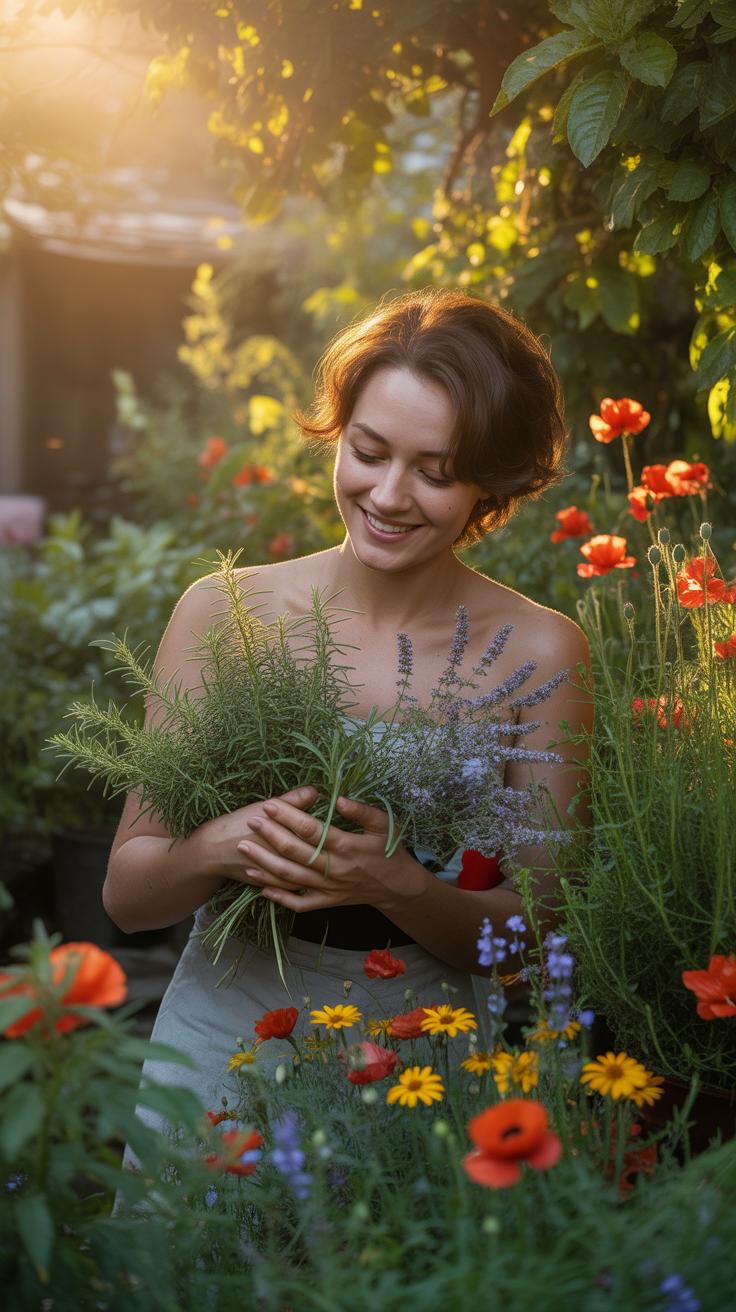
Strategic harvesting requires precision to maintain the symbiotic relationship between herbs and flowers. You must use sharp shears to make clean cuts above the node. This practice prevents disease and encourages bushy growth. Never remove more than one-third of the herb plant at once. Excessive pruning shocks the root system and reduces the protective volatile oils that benefit your neighboring flower species.
Timing your harvest ensures your flowers remain protected from pests. Conduct harvests in the early morning after dew evaporates but before the sun reaches its peak heat. This timing preserves the highest concentration of essential oils in the herbs. Maintaining herb density provides necessary ground cover and microclimate stability for sensitive flowers. Consistently thinning the herb canopy allows light to reach the lower foliage of your paired floral plants.
How Seasonal Harvesting Herbs Cycles Influence The Health Of Your Whole Paired Garden
Seasonal cycles dictate the chemical potency and physical resilience of your garden ecosystem. Perennial herbs like rosemary and lavender require a final harvest before the first frost. Late-season cutting allows the plant to harden off for winter. This protects the structural integrity of the garden bed for spring flower emergence. Failure to respect these cycles weakens the herb and leaves paired flowers vulnerable to soil erosion.
Annual herbs require aggressive harvesting during the peak summer bloom. This prevents the herbs from going to seed too early. If an herb bolts, it stops producing the repellent scents that shield flowers from insects. Rotating your harvest spots prevents any single area from becoming bare. A staggered harvest ensures a continuous supply of aromatic compounds. This constant presence maintains a natural barrier that keeps your flowers healthy and vibrant throughout the year.
Frequently Asked Questions

What are the benefits of following a flower and herb pairing guide for my home?
Combining flowers and herbs is a wonderful way to elevate your home’s sensory appeal. A flower and herb pairing guide helps you create arrangements that not only look beautiful but also offer incredible aromatherapeutic benefits. By matching the visual elegance of blooms with the earthy textures of herbs like rosemary or mint, you can achieve a sophisticated, garden-fresh aesthetic that keeps your living spaces smelling divine and feeling naturally energized.
How do I choose the right containers when creating these botanical pairings?
When selecting containers, focus on drainage and scale to ensure your plants thrive. For a successful flower and herb pairing guide application, choose vessels that provide at least one inch of space between the root balls. Terracotta pots are excellent for Mediterranean herbs like lavender, while glazed ceramic holds moisture better for delicate blossoms. Always consider the height of each plant to create a balanced, visually appealing silhouette that showcases both textures.
Is it expensive to start a mixed botanical display in a small apartment?
Absolutely not! Creating a stunning botanical display is very budget-friendly, especially if you start with kitchen staples. You can easily repurpose glass jars or vintage tins to house your arrangements. Purchasing affordable seed packets or small starter plants from a local nursery allows you to experiment with different pairings without a large financial commitment. Even a few stems of basil paired with grocery store daisies can look incredibly high-end and stylish.