Understanding Flower Arrangement Longevity And Why It Matters
What Causes Cut Flowers To Wilt Faster Than Expected
Bacteria growth is the primary enemy of cut flowers. When stems enter water, microbes multiply and block the vascular system. This blockage prevents the flower from drinking. Air bubbles also cause issues. If air enters the stem during cutting, it creates an embolism. This physical barrier stops water flow immediately. High temperatures and direct sunlight accelerate moisture loss through the petals.
Ethylene gas also triggers rapid aging. Ripening fruit and dying leaves release this gas into the air. Flowers sense this gas and begin to drop petals prematurely. High pH levels in tap water can also hinder uptake. Hard water often contains minerals that shift the chemical balance. This shift makes it harder for the plant to absorb nutrients. Proper sanitation reduces these risks significantly.
How Flower Arrangements Ideas Can Be Built Around Lasting Blooms
Selection determines the baseline for success. Professional florists choose flowers with woody or thick stems for longer displays. These structures resist collapse better than soft stems. Tropical species like Orchids or Anthuriums naturally survive longer because of their thick cuticles. They hold moisture inside their tissues for days. Designing with these hardy varieties ensures the arrangement maintains its shape without constant maintenance.
Material choice goes beyond the flowers themselves. Clean glass vessels prevent bacterial hiding spots found in porous ceramics. Florists often use foliage like Eucalyptus or Ruscus to provide structure. These greens last twice as long as most focal flowers. By using durable greenery, the arrangement looks full even after the first blooms fade. This strategy extends the life of the overall visual design.
Choosing The Right Flowers For Long Lasting Arrangements
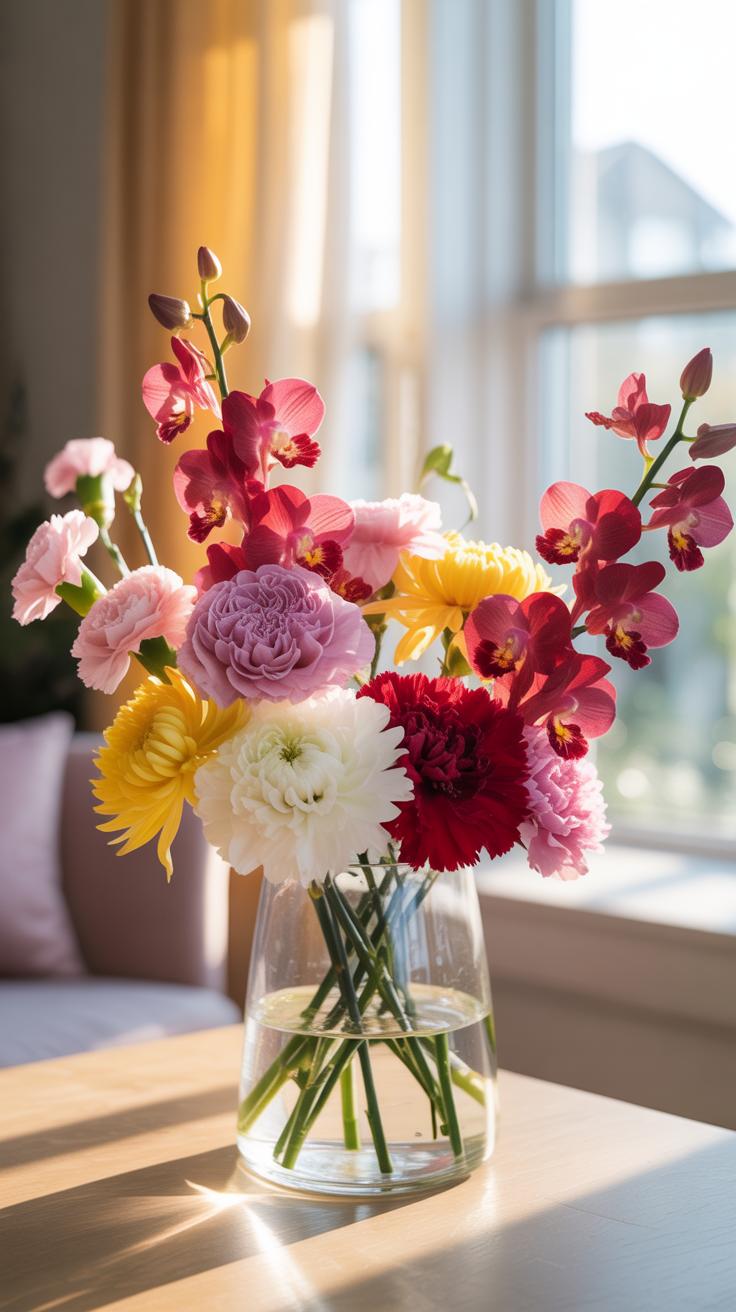
Hardy Flower Varieties That Naturally Stay Fresh Longer
Select flowers with thick, woody stems and firm petals to ensure maximum durability. Chrysanthemums and carnations lead the market in vase life because they resist ethylene gas better than delicate species. These flowers possess a cellular structure that retains water efficiently after harvest. Choosing these hardy varieties provides a strong foundation for any arrangement. It reduces the need for constant maintenance and replacement.
Genetic traits determine how long a cut flower survives. Flowers like Alstroemeria and Zinnias have evolved to stay hydrated for up to two weeks in a clean vase. These plants maintain their vascular integrity longer than soft-stemmed varieties like tulips or sweet peas. Focus on buying flowers that show tight buds rather than full blooms. This strategic selection guarantees your arrangement stays fresh for the longest possible window.
How Unusual Flower Arrangements Using Dried Or Tropical Blooms Improve Longevity
Tropical flowers like Protea and Anthurium offer superior longevity due to their waxy coatings. These surfaces prevent moisture loss in dry indoor air. Most tropicals evolved in humid climates and developed thick skins to protect their internal water supply. This physical trait makes them perfect for long-term displays. They outlast standard garden roses by several days. Using these blooms lowers the total cost of your floral decor.

Integrating dried elements or preserved foliage removes the risk of biological decay entirely. Dried Eucalyptus and Banksia retain their shape and color without any water requirements. This method follows the principles of mid-century modern design where texture often outranks temporary color. Mixing fresh tropicals with dried materials creates a stable environment. It stops the spread of bacteria commonly found in rotting stems. This approach ensures your design stays intact.
Proper Stem Cutting Techniques That Make A Real Difference
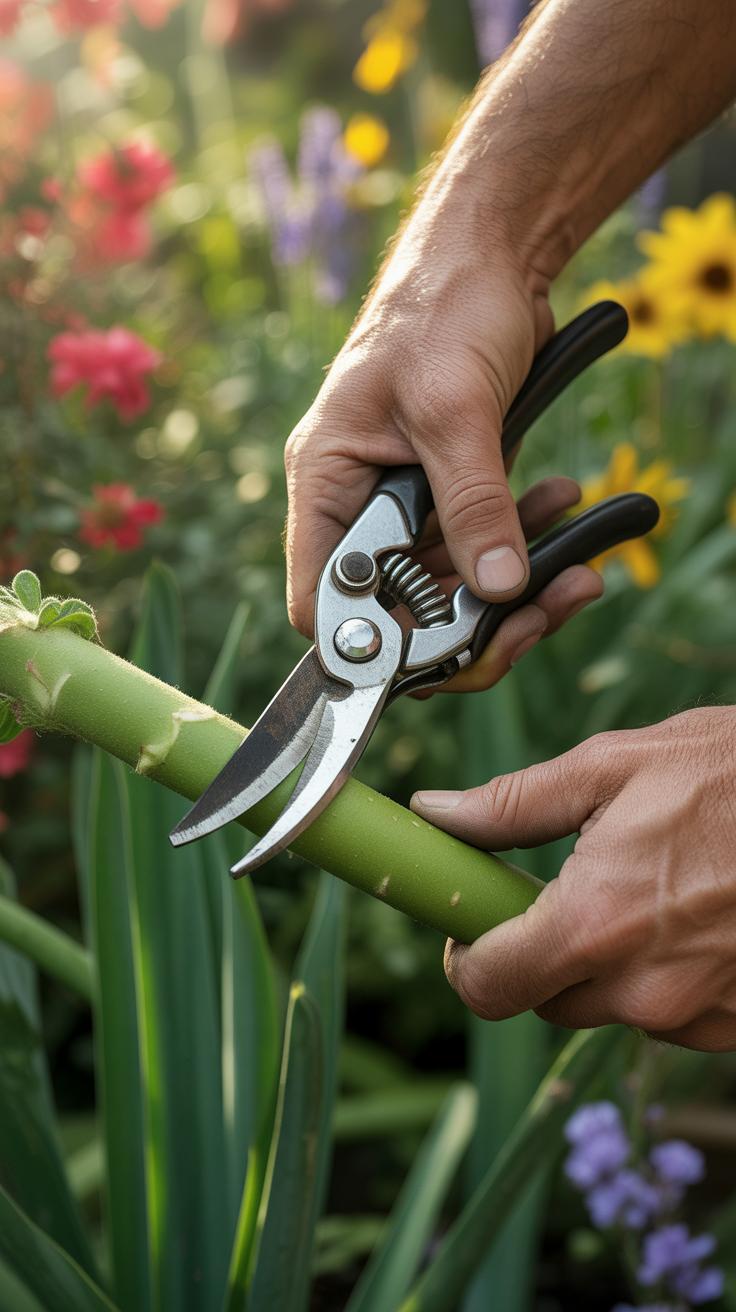
Why Cutting Stems At An Angle Improves Water Absorption
Cutting stems at a forty-five degree angle is a fundamental requirement for flower arrangement longevity. This technique increases the surface area of the exposed xylem. The xylem consists of tiny tubes that transport water upward. A larger opening allows more water to enter the stem quickly. This prevents the flower from wilting or drooping early in the display process.
A flat cut allows the stem to sit flush against the bottom of the vase. This position creates a seal that blocks water intake. An angled cut ensures the stem remains open even when resting on a solid surface. It also prevents air bubbles from forming in the canal system. These bubbles create blockages that stop hydration. Consistent angled cuts keep the vascular system clear.
Essential Tools And Steps For Preparing Stems Before Arranging
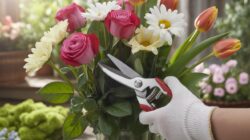
Successful flower preparation starts with the right equipment and timing. Use sharp bypass pruners or dedicated floral shears to avoid crushing the stem tissue. Dull blades pinch the vascular tubes shut and lead to rot. You must cut the stems under lukewarm water or immediately before placing them into a clean vessel. This prevents air from entering the stem and blocking hydration.
- Bypass Pruners: Use these tools for woody or thick stems. They act like scissors with two curved blades. This design provides a clean snip without smashing the delicate internal fibers. Clean them with alcohol after every single use to prevent bacteria.
- Floral Shears: Choose these for soft or thin stems. They provide high precision in tight spaces. Sharp shears allow you to work quickly through large bundles. Avoid using kitchen scissors because they often tear the stems and introduce pathogens.
- Foliage Strippers: Remove all leaves that fall below the water line. Submerged leaves decay rapidly and release harmful bacteria into the water. Clean water is the most critical factor for stem health. High bacterial counts will clog the stem ends.
- Correct Water Temperature: Use room temperature or slightly warm water for most varieties. Warm water molecules move faster and penetrate the stem more efficiently. High heat will damage the cells while cold water can slow down the initial hydration process.
- Immediate Submersion: Place the cut stems into water within seconds of trimming. Air exposure causes the xylem to dry out and seal up. This rapid response ensures the continuous flow of nutrients and moisture. Do not leave cut flowers on the counter.

Standardize your preparation routine to ensure every stem receives the same treatment. Re-cut the stems every two days to remove any bacterial buildup at the base. This practice refreshes the hydration path and extends the life of the arrangement. Use clean tools and sanitized vases for every new batch. Proper maintenance prevents the premature death of your floral designs.
Water Quality And Vase Hygiene For Maximum Flower Freshness
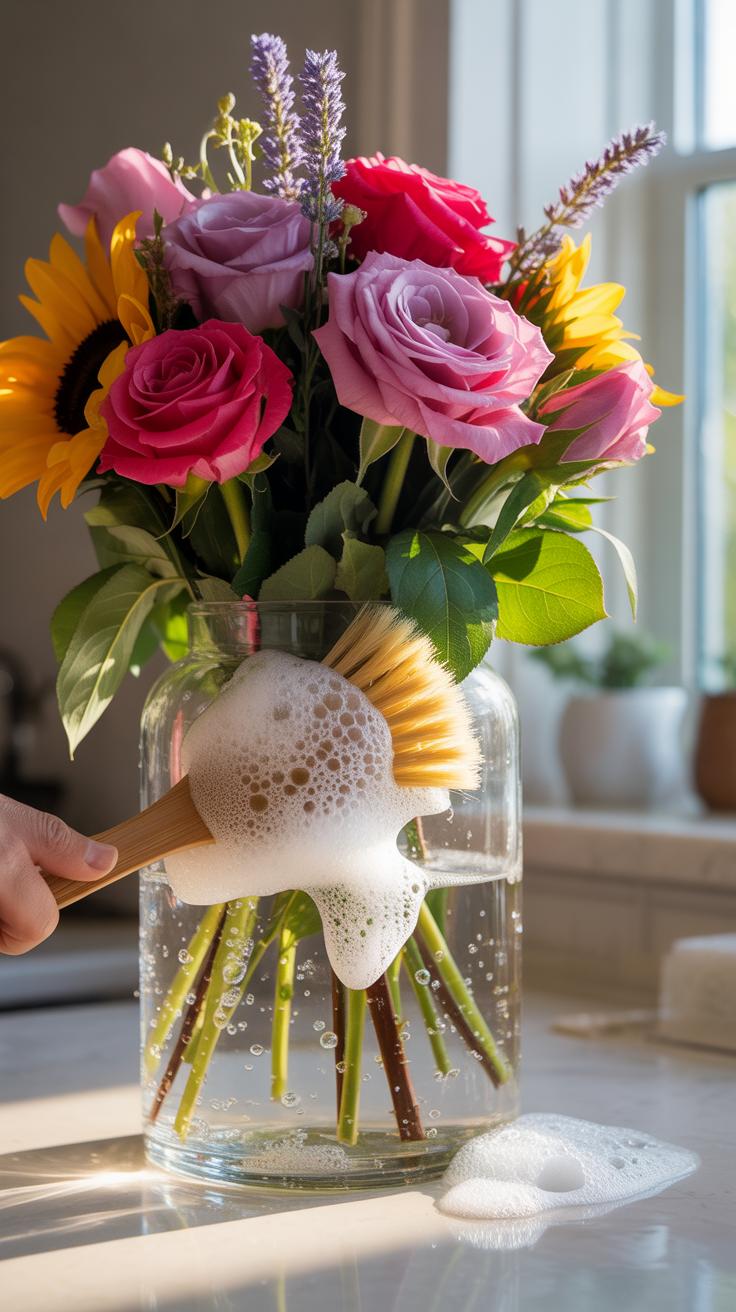
How Clean Vases Prevent Bacterial Growth That Shortens Bloom Life
Bacteria act as the primary enemy of flower longevity. Microorganisms multiply rapidly in stagnant water and move into the cut stems. These microbes create physical blockages within the xylem tubes. These tubes function like straws to transport water upward. When bacteria clog these pathways, the flower cannot drink. This dehydration causes premature wilting even when the vase remains full of water.
Eliminating bacterial residue requires mechanical scrubbing and chemical disinfection. Simply rinsing a vase is insufficient for removing biofilm. This slimy layer protects dormant bacteria from fresh water additions. Use a bleach solution or a specialized floral cleaner to sanitize the glass. Professional florists prioritize this step to ensure the vascular system of the plant remains open. Clean vessels directly extend the functional life of every bloom.
The Role Of Water Temperature And Change Frequency In Trending Floral Arrangements
Temperature determines the rate of water uptake and metabolic activity. Most floral designs require lukewarm water between 100 and 110 degrees Fahrenheit. This specific temperature range contains less dissolved air and moves more easily through the stem. Cold water can slow down the hydration process for stressed flowers. However, bulb flowers like tulips prefer cold water to prevent rapid stem stretching and premature opening.

Frequency of maintenance defines the success of modern arrangements. Change the water every two days to prevent microbial buildup. Stagnant water loses its oxygen content and accumulates harmful ethylene gas. When you swap the water, trim one inch off the stems at a forty-five degree angle. This fresh cut exposes new healthy tissue. Consistent water management keeps the arrangement looking professional and prevents the foul odors of decay.
Using Flower Food And Natural Preservatives Effectively
What Commercial Flower Food Actually Contains And How It Works
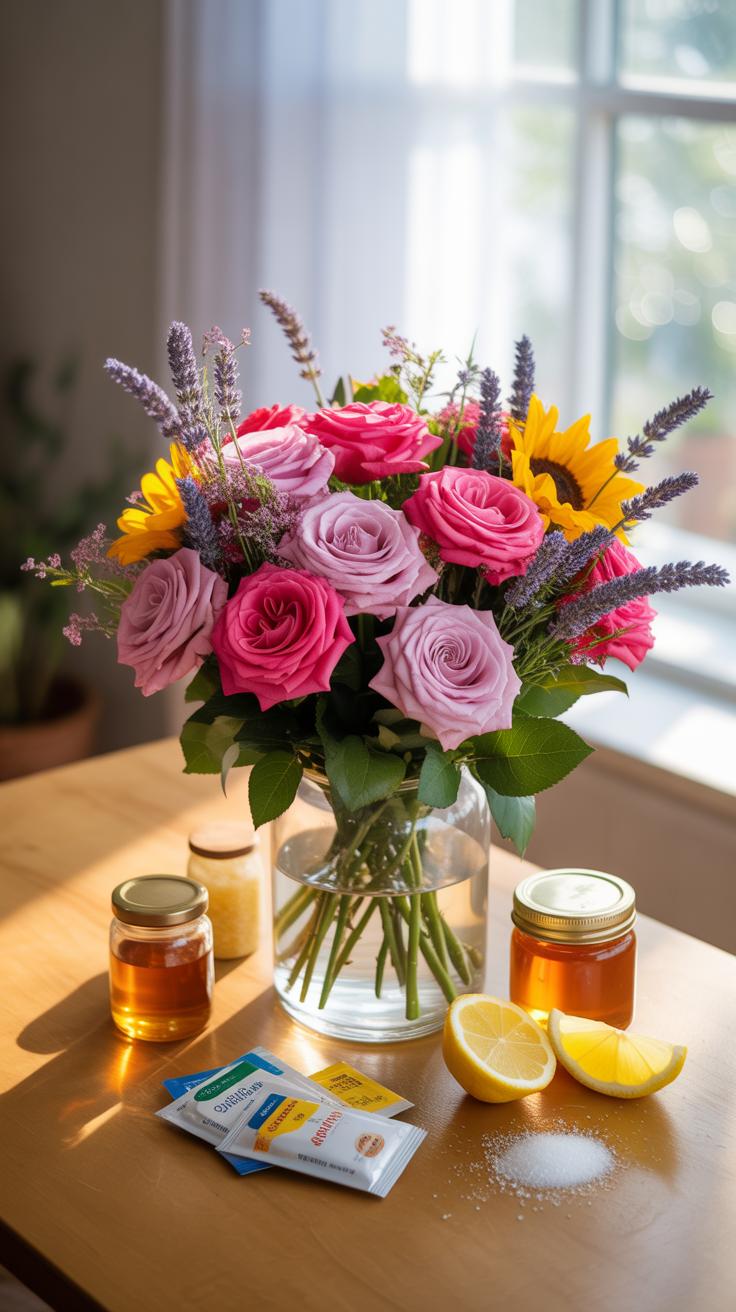
Commercial flower food uses three core ingredients to keep cut stems alive. Citric acid lowers the water pH level. This acidic environment allows water to move up the stem faster. It also prevents air bubbles from blocking the vascular system. Most tap water is too alkaline for flowers to drink efficiently. Acidification solves this primary physical barrier immediately.
The second component is sugar which provides necessary carbohydrates for the blooms. Flowers lose their energy source once cut from the mother plant. Sugar replaces this energy to help buds open fully. The third component is a biocide. This chemical kills bacteria and fungi in the vase. Bacteria clog the stem ends and cause premature wilting. These three ingredients work together for maximum survival.
Natural Home Alternatives That Support Flower Arrangement Longevity
You can mimic commercial formulas using basic household supplies. These DIY solutions must address the same three needs: acidity, energy, and sanitation. Without an acidifier, the plant cannot drink. Without sugar, the plant starves. Without a disinfectant, the water rots. You must balance these parts carefully to avoid harming the delicate tissue. Do not overmedicate the water or the stems will burn.
- Crystalized Citric Acid: This white powder lowers the pH of your vase water effectively. Use a very small pinch to reach the ideal acidic range for most common flowers. It replicates the primary active ingredient found in professional floral sachets used by commercial shops.
- Granulated White Sugar: Sugar acts as the main food source for cut flowers. It provides the glucose required for cell respiration and petal expansion. Do not use honey or brown sugar as they contain impurities that promote rapid bacterial growth in the water.
- Liquid Chlorine Bleach: Bleach acts as a powerful disinfectant to keep the water clear. Use only two or three drops per liter of water. This concentration kills microbes without damaging the plant tissue. It prevents the slimy buildup often seen on old stems.
- Clear Lemon Lime Soda: Regular soda contains both sugar and citric acid in one liquid. Mix one part soda with three parts water for an easy preservative blend. Ensure you use the full calorie version because diet soda lacks the sugar flowers need to survive.
- White Vinegar: Vinegar is a reliable acidifier if you lack citric acid. It helps open the vascular tubes in the stem for better hydration. Mix two tablespoons per quart of water. This creates an environment where water flows freely from the vase to the flower head.
Natural additives require more frequent monitoring than commercial packets. Homemade solutions tend to break down faster under heat and light. Change the water every two days to maintain the correct chemical balance. Always recut the stems at a forty five degree angle during every water change. This ensures the fresh preservative solution can enter the plant immediately. Clean the vase with soap between uses.
Placement And Environment Tips Inspired By Traditional Flower Arrangements
Guidance On How Temperature Light And Airflow Affect The Life Of Your Blooms
High temperatures speed up the metabolic rate of cut flowers. This heat causes blooms to respire faster and use up stored food reserves quickly. Direct sunlight also creates a greenhouse effect on petals and leaves. This leads to rapid wilting and color fading. Keep arrangements in cool areas to slow down biological aging. Optimal temperatures for most cut flowers range between 34 and 38 degrees Fahrenheit.
Airflow also dictates Flower Arrangement Longevity by controlling moisture loss. Drafts from open windows or heating vents pull water out of plant tissues through transpiration. If the stem cannot pull water up fast enough to replace this loss, the flower collapses. Avoid placing vases near air conditioners or fans. Stagnant air is better than moving air for maintaining the structural integrity of delicate blossoms and foliage.
Like the simple wisdom shared by our mothers, a few drops of care can help the most modest bloom carry its sweetness through the passing days. With a gentle touch and clear water, anyone can keep the quiet beauty of a floral memory alive just a little longer.
Lessons From Traditional Flower Arrangements On Mindful Display Placement
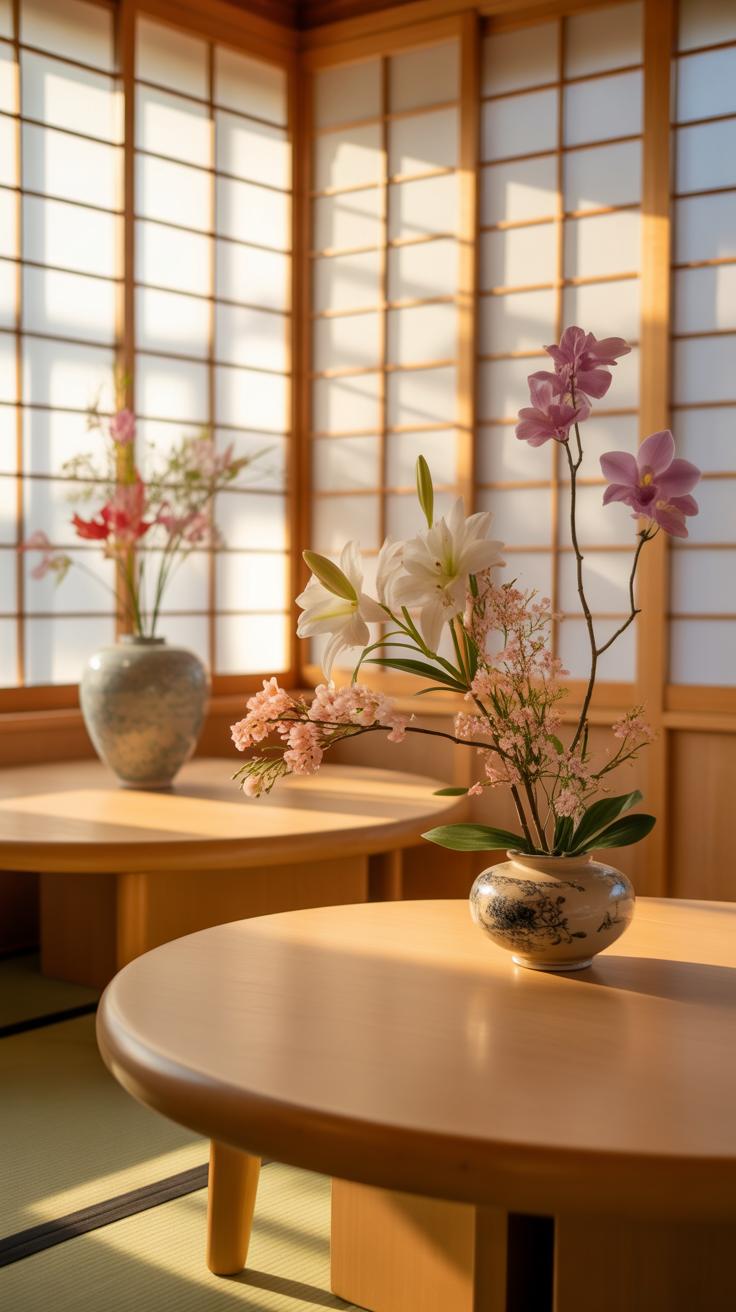
Japanese Ikebana masters prioritize the placement of arrangements based on seasonal environmental shifts. They traditionally avoid placing flowers near ripening fruit because fruit releases ethylene gas. This hormone signals plants to age and drop their petals prematurely. Ancient techniques involve placing vessels in alcoves called Tokonoma. These spaces provide consistent shade and protection from harsh indoor drafts. This tactical placement ensures the botanical structural elements remain stable.
In Victorian floral design, displays often sat on marble surfaces to keep the water temperature low. Cooler water slows bacterial growth in the vase. Modern homes pose challenges like electronics that emit heat. Placing a vase on a television or near a computer monitor kills flowers fast. Move your arrangement to a stone or wooden surface away from appliances. This simple shift mirrors historical practices that focused on thermal stability to extend life.
Applying Japanese Floral Arrangements Principles To Extend Beauty And Longevity
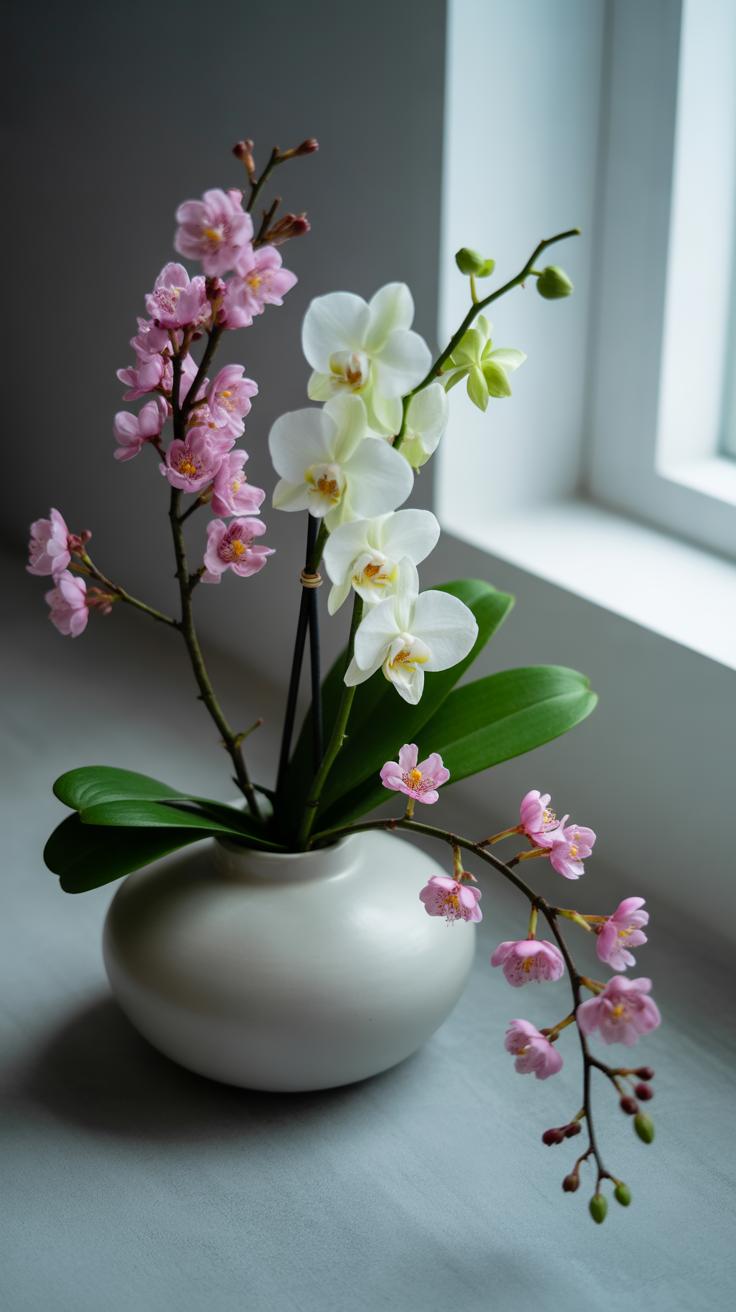
The Core Philosophy Of Ikebana And Its Approach To Minimalism And Flower Care
Ikebana centers on the Shin, Soe, and Hikai stems. These three main lines represent heaven, man, and earth. This method uses fewer stems than Western styles. It prioritizes negative space over massed blooms. Selecting fewer flowers reduces the biological load on the water. It prevents the rapid buildup of bacteria that usually kills crowded arrangements. Less organic matter means a cleaner environment for the stems.
Strategic cutting is the primary tool for preservation in this discipline. Practitioners use the Mizukiri method to cut stems underwater. This technique prevents air from entering the plant vascular system. It maintains high internal pressure within the stem. Constant hydration keeps the flowers turgid and upright. You maximize vase life by focusing on the health of a few stems rather than sacrificing many to rot.
How Japanese Floral Arrangements Techniques Reduce Overcrowding And Improve Air Circulation
Western arrangements often pack stems into tight bundles. This creates a humid microclimate that triggers mold and petal wilt. Japanese design eliminates this density through structural spacing. By using a Kenzan or a branched Yome dome, you fix each stem in a specific spot. This creates gaps between every leaf and bloom. Air flows freely through the arrangement to keep the plant tissues dry and cool.

Good airflow slows down the release of ethylene gas. Ethylene is a ripening hormone that makes flowers die faster. When stems are spread out, this gas dissipates into the room instead of being trapped. You also gain easier access to the water line. You can change out the water daily without disturbing the design. This mechanical advantage ensures the flowers remain fresh for the longest possible time.
Incorporating Branch Flower Arrangements For Structural Longevity
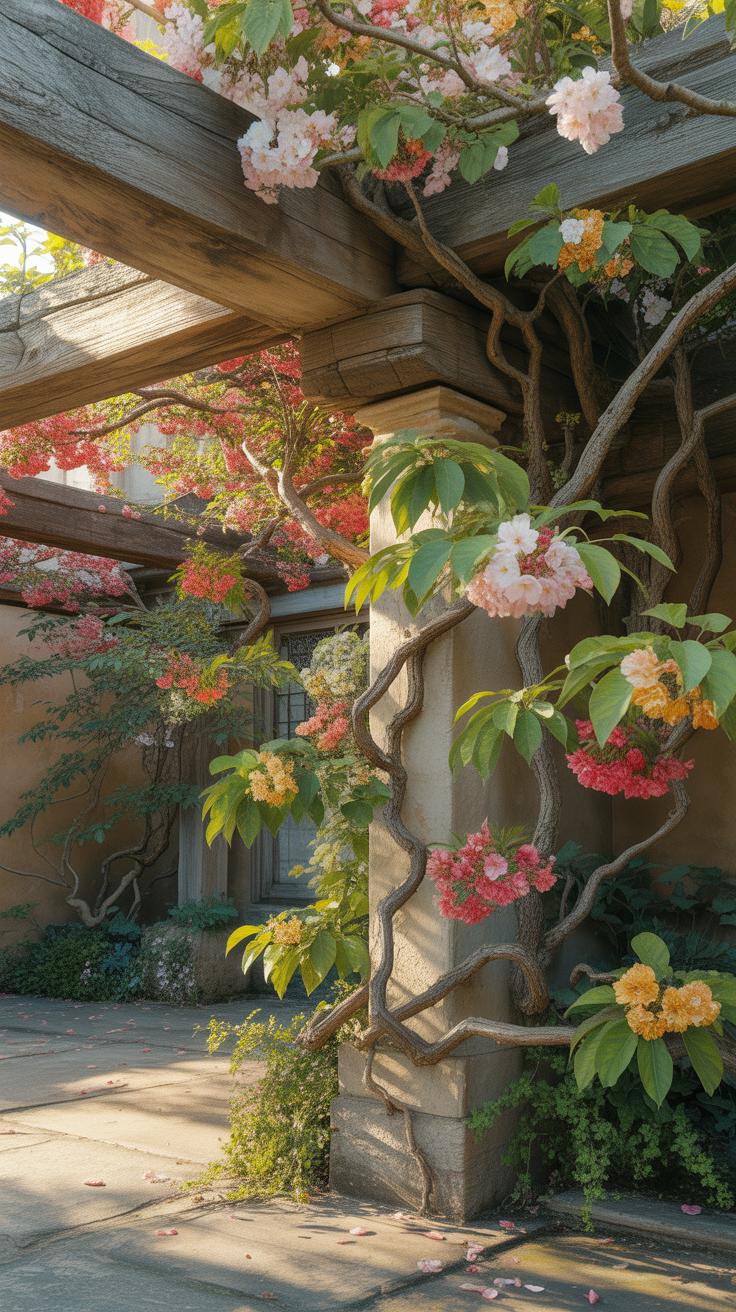
Why Woody Branches And Stems Last Longer And Anchor Arrangements Naturally
Woody stems contain dense lignin structures that resist water decay better than soft green stems. These branches have vascular systems designed to transport water across long distances in harsh conditions. This anatomical advantage means branches remain viable for weeks rather than days. They serve as a permanent internal grid. This grid eliminates the need for toxic floral foam that restricts water flow and breeds bacteria.
Using branches creates a natural mechanical support system for the entire arrangement. You can wedge branches against the vase walls to form a stable nest. This foundation holds delicate flowers in precise positions with minimal effort. This technique draws from the Ikenobo school of Ikebana where structure dictates the design life. Sturdy branches like quince or willow provide the physical tension necessary to keep the display upright.
How Branch Flower Arrangements Combine Artistic Floral Arrangements With Lasting Structure
Branch arrangements bridge the gap between temporary floral beauty and semi-permanent decor. You create a visual skeleton that remains attractive even after the primary blooms expire. This method allows you to swap out short-lived flowers while keeping the main structure intact. It reduces waste and saves time on labor. The woody elements provide a sense of scale and line that soft stems cannot achieve alone.

Modern minimalist movements prioritize this structural approach to maximize the lifespan of every component. You focus on the silhouette of the branch to carry the artistic weight of the piece. This strategy ensures the arrangement looks intentional and full without overstuffing the container. High-quality structure prevents the drooping common in top-heavy designs. By utilizing branches, you ensure the arrangement retains its intended shape until the final stem is removed.
Vertical Flower Arrangement Styles That Optimize Water Flow And Bloom Support
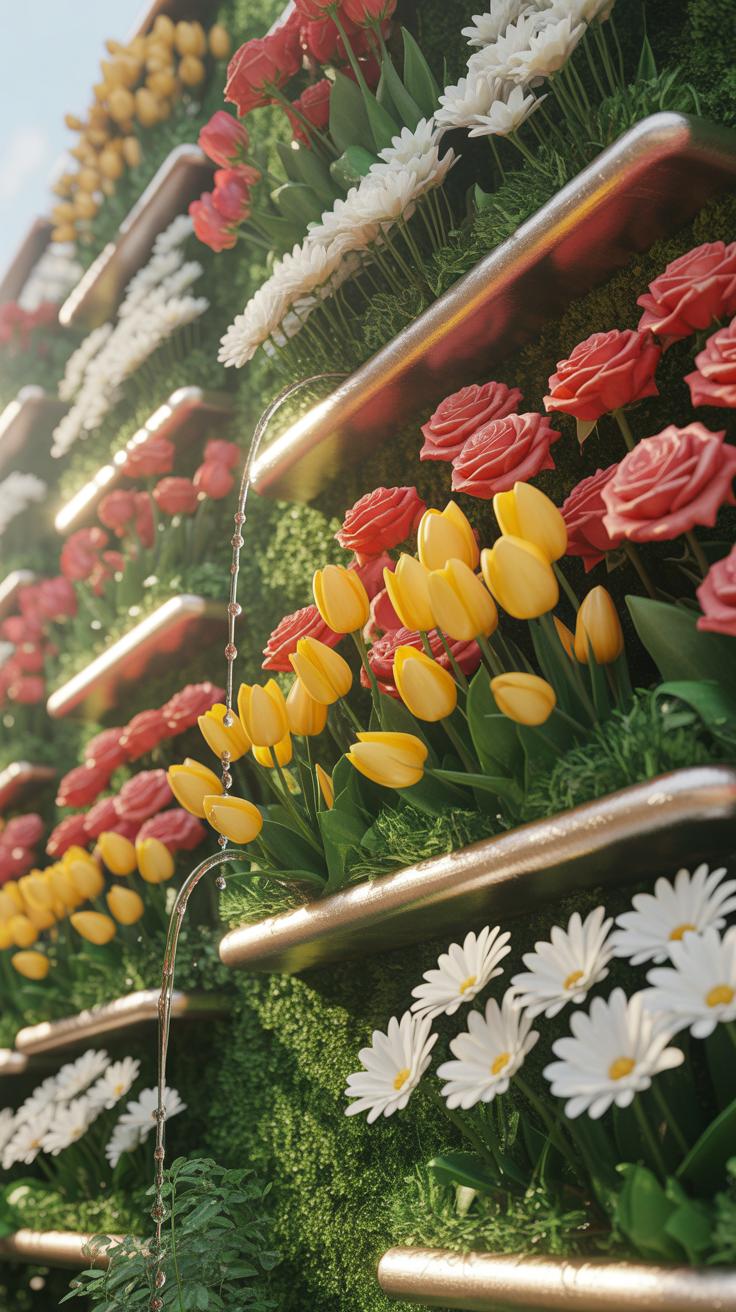
How Vertical Flower Arrangement Design Naturally Supports Stem Hydration
Vertical arrangements leverage gravity to streamline nutrient delivery. Straight stems prevent the air pockets common in bent or horizontal designs. Liquid moves through the xylem more efficiently when the path is direct. This orientation reduces physical stress on the vascular system of the plant. Better water pressure keeps the cell walls turgid. Firm cells prevent the flower heads from drooping or snapping prematurely.
Proper vertical alignment also minimizes foliage submersion. Keeping leaves out of the water prevents bacterial growth. Bacteria clog the stem ends and stop water intake. Tall glass cylinders or narrow neck vases force stems into this upright position. This structural choice ensures the cut end stays flush against the bottom. Constant contact with clean water is the primary driver of flower arrangement longevity in professional floral design.
Creative Flower Arrangements Unique To Vertical Formats That Stay Fresh Longer
Line designs often use rigid stems like gladiolus or delphinium. These species have natural vertical growth patterns that thrive in upright displays. Their sturdy stalks resist bending under the weight of multiple blooms. This structural integrity prevents the crimping of internal water tubes. By using the natural shape of the flower, you reduce the need for wired support. Wiring often damages tissue and invites decay into the arrangement.
Parallel systems place stems in groups with equal spacing. This technique allows for maximum air circulation between the flowers. High airflow reduces the risk of mold and petal rot. It also prevents ethylene gas from trapping near the blooms. Modern tall arrangements often use submerged pebbles to lock stems into place. This keeps the flowers stable while ensuring they remain deep in the water reservoir for optimal hydration.
Daily Maintenance Habits That Anyone Can Follow For Lasting Arrangements
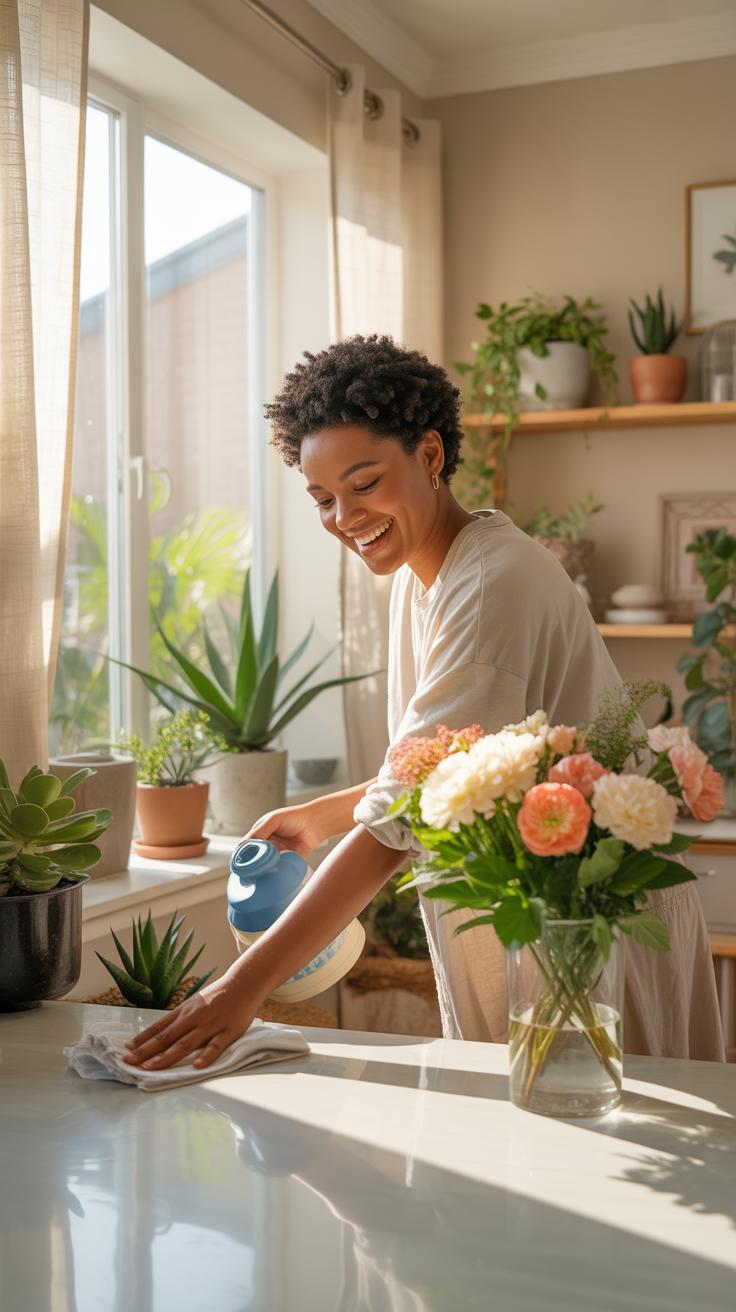
Daily Checks That Prevent Common Causes Of Premature Wilting
Visual inspection is your primary tool for Flower Arrangement Longevity. Every morning you must check for bacterial growth. Look for cloudy water or slime on the stems. Bacteria block the vascular system of the flower. This prevents water from reaching the head. If you see debris in the vase you must remove it immediately. Clean water is the only way to stop stem rot before it starts.
Temperature and light also dictate the lifespan of your flowers. Keep the arrangement away from direct sunlight and drafts. Heat speeds up the metabolic rate of the plant. This causes the flower to use its energy reserves too fast. Moving the vase to a cool area at night mimics a florist refrigerator. This simple habit slows down the aging process and extends the life of every bloom.
When To Refresh Rearrange Or Replace Blooms To Keep Displays Looking Their Best
You must change the water every two days to maintain health. When you change the water you must also trim the stems. Cut one inch off the bottom at a sharp angle. This opens fresh tissue that has not been clogged by air or bacteria. Use sharp shears to avoid crushing the stem. A crushed stem cannot absorb water effectively and will lead to early wilting.
Not all flowers die at the same time. You should remove dead or fading blooms immediately. Decay releases ethylene gas which kills healthy flowers nearby. Take the arrangement apart to pull out the spent stems. You can then rearrange the remaining healthy flowers into a smaller container. This keeps the display looking intentional and fresh. Strategic pruning prevents a single dead flower from ruining the entire batch.
Frequently Asked Questions

Why do my fresh flowers always wilt so quickly after I get them home?
Most blooms fade prematurely due to bacteria growth and dehydration. Ensuring flower arrangement longevity starts with a clean vase and fresh, lukewarm water. When stems are cut and left out of water, they form a seal that prevents hydration. By re-trimming stems at an angle and removing submerged leaves, you prevent rot and allow the plant to drink efficiently, keeping your display vibrant for much longer than standard store-bought bouquets.
How can I change the water without ruining the look of my arrangement?
To maintain flower arrangement longevity without starting from scratch, hold the stems gently near the rim and tilt the vase to pour out old water. Refill with cool water and floral preservative. If the stems are tied, you can lift the entire bundle out, rinse the stems, and place them back. Replacing the water every two days is the most effective way to eliminate harmful bacteria and extend the life of your blooms.
Can I use household items to make my grocery store flowers last longer?
Absolutely! You don’t need expensive chemicals to see results. A simple homemade solution of one teaspoon of sugar for nourishment and a few drops of bleach to kill bacteria works wonders for flower health. Additionally, placing your vase in a cool spot away from direct sunlight and ripening fruit—which releases ethylene gas—will significantly improve your results. These small, accessible adjustments ensure your budget-friendly flowers look professional and stay fresh for over a week.