Understanding The Basics Of Wedding Bouquet Preservation
Why Preserving Your Wedding Bouquet Matters More Than You Think
Flowers represent a significant portion of wedding expenses and design labor. Failing to preserve them results in a total loss of that financial and artistic investment. Preservation transforms a temporary decoration into a permanent physical record. High quality techniques ensure the bouquet survives as an heirloom. You must decide on a preservation method before the event to ensure the best results.
Professional preservation maintains the structural integrity of the blooms. Standard air drying often leads to brittle petals and lost color density. Modern methods like silica gel or resin casting lock the organic material into a stable state. This prevents the loss of delicate textures and complex shapes. Taking these steps allows you to document the specific floral varieties used on your wedding day for years.
How Flowers Deteriorate Over Time And What You Can Do About It
Biological decay begins the moment a flower is cut from its root system. Ethylene gas and bacteria accelerate the breakdown of cell walls. Without intervention, moisture leaves the petals and causes them to shrivel and brown. Exposure to oxygen and light further degrades the natural pigments. You must stop these chemical processes immediately after the ceremony to maintain the appearance of the bouquet.
Successful preservation requires removing moisture while maintaining the cell structure. Silica gel pulls water out quickly without the shrinking seen in traditional air drying. Resin encapsulation blocks oxygen and prevents external physical damage to the plant tissue. Keep your bouquet in a cool dark place until you can apply these techniques. Immediate action is the only way to stop mold growth and structural collapse.

How To Preserve Wedding Bouquet Right After The Ceremony
The Critical First 24 Hours: Immediate Steps To Take After Your Wedding
The first twenty four hours determine the success of your preservation. Flowers begin to die the moment the florist cuts them. Bacteria growth in the water and heat exposure accelerate this decay. You must act quickly to stop the wilting process. Neglecting these initial steps leads to brown petals and mold. Fast action ensures the color and shape remain intact for your display.
Assign a specific person to manage the flowers immediately after the ceremony. Do not leave the bouquet in a hot car or near a sunny window. Direct sunlight cooks the delicate tissues of the petals. High temperatures cause the moisture to evaporate from the cells too fast. Keep the stems in cool water as much as possible. This maintains the turgor pressure needed for structural integrity.
How To Keep Your Bouquet Fresh Until You Are Ready To Preserve It
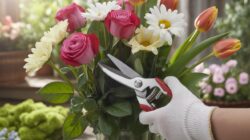
Prep the stems by cutting them at a forty five degree angle. This increases the surface area for water intake. Use cold water to slow the metabolism of the plant. Change the water every few hours to prevent bacterial buildup. Bacteria plug the vascular system of the flower and stop hydration. Place the vase in a dark and cool room to preserve the pigments.

Remove any decorative ribbon or plastic wrap from the stems. These materials trap moisture and cause the stems to rot. Check the petals for any bruising or signs of browning. Pluck away damaged petals to prevent the spread of rot to healthy buds. Use a refrigerator if space allows but keep flowers away from ripening fruit. Fruit releases ethylene gas which triggers flowers to drop their petals early.
How To Preserve Flowers Using The Air Drying Method
A Step By Step Guide To Air Drying Your Wedding Flowers At Home
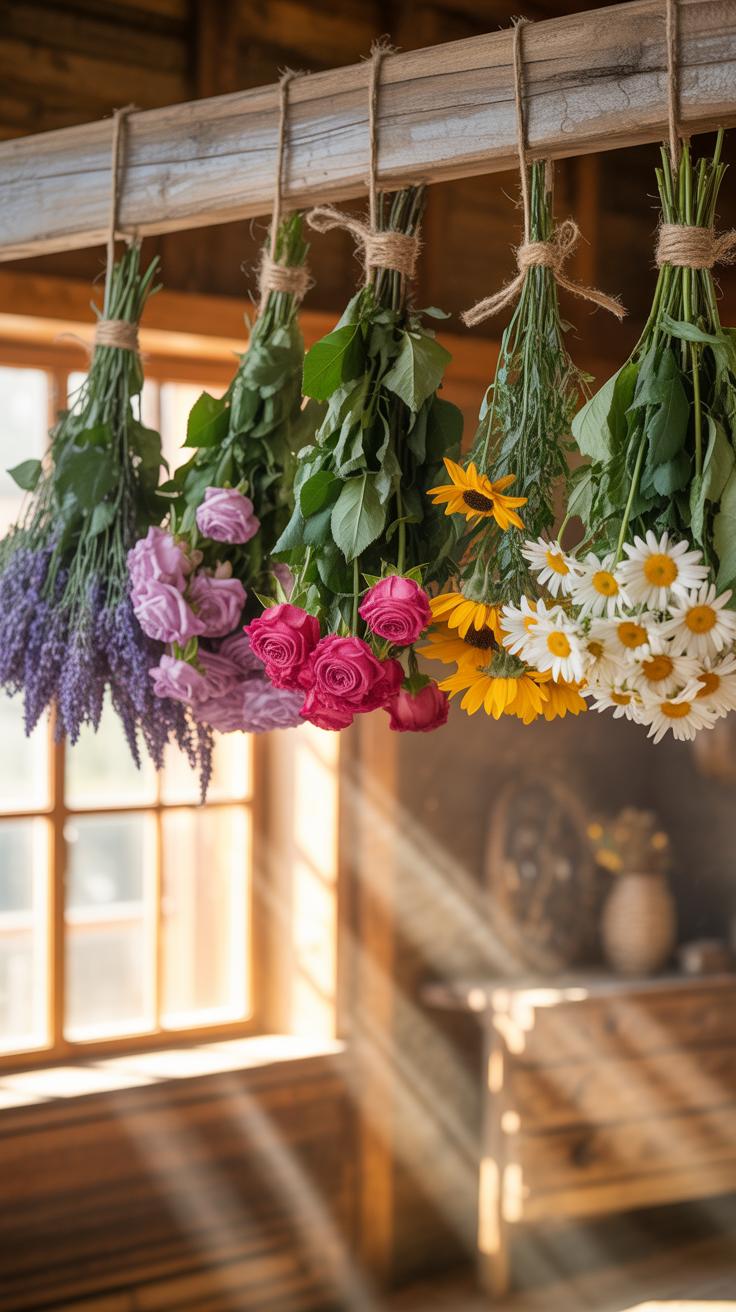
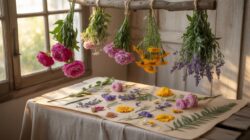
Air-drying is the oldest and simplest method for bouquet preservation. It relies on evaporation to remove moisture from plant tissues. You must start this process before the flowers begin to wilt or drop petals. Freshness at the start determines the quality of the final product. Select a dark, dry space with consistent airflow to prevent mold growth and color fading.
- Strip Excess Foliage: Remove all leaves from the lower two-thirds of the stems. Leaves hold unnecessary moisture that slows the drying process. Removing them prevents rot and creates a cleaner look for the final dried arrangement.
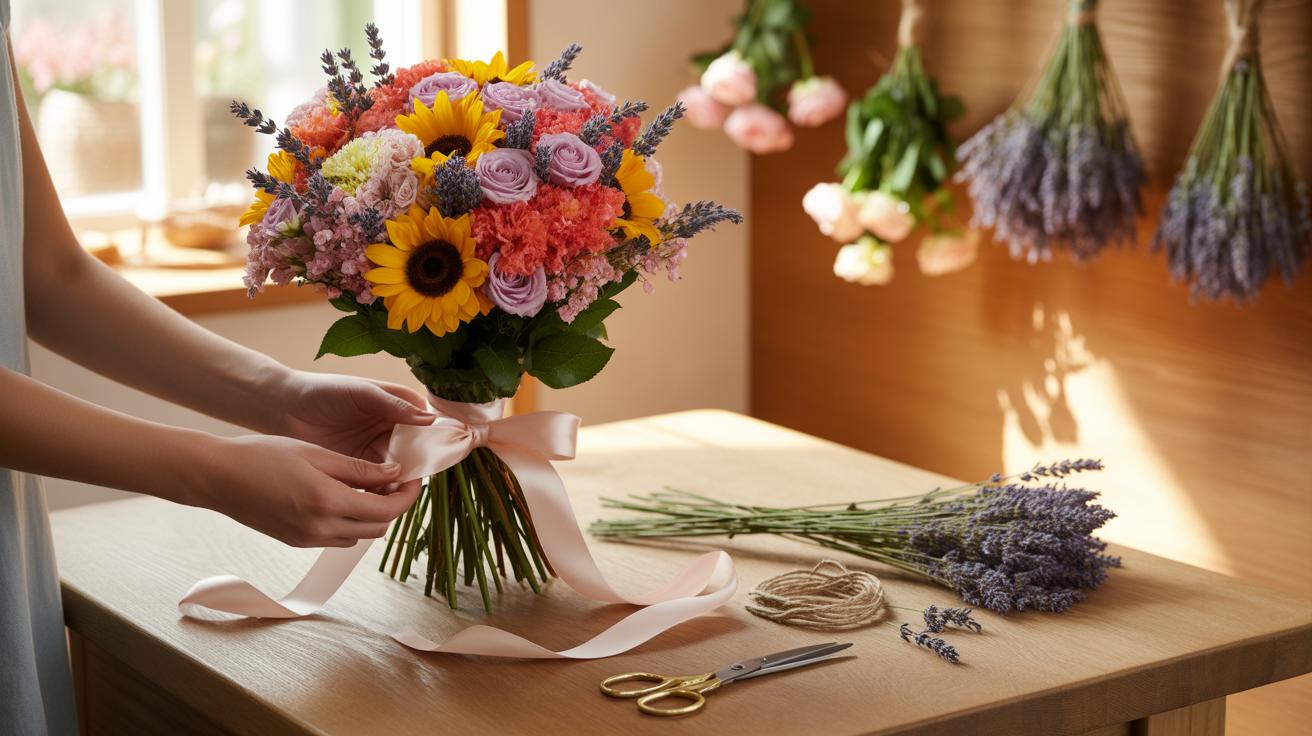
- Group and Secure: Bundle three to five stems together using a rubber band. Rubber bands are superior to twine because they tighten as stems shrink during dehydration. This prevents individual flowers from slipping out and falling to the floor.
- Position Upside Down: Hang the bundles from a hook or clothesline with the flower heads facing the floor. Gravity keeps the stems straight and prevents the heavy flower heads from drooping or snapping. Proper positioning ensures the bouquet retains a natural structural shape.
- Ensure Proper Ventilation: Space the bundles at least six inches apart to allow air to circulate freely. Stagnant air traps humidity and encourages fungal growth. Use a small fan if the room lacks natural cross-ventilation to keep the air moving constantly.
- Monitor Dehydration: Check the flowers every few days for brittleness. The process typically takes two to four weeks depending on the humidity and flower density. Once the petals feel like paper and the stems snap easily, the preservation process is complete.
Avoid direct sunlight during the drying phase to prevent UV rays from bleaching the pigments. Once the flowers are completely dry, apply a light coat of unscented hairspray or floral sealant. This coating adds a protective layer against moisture and helps the delicate petals stay attached to the calyx. Store the finished stems in a cool area away from high humidity.
Which Flower Varieties Respond Best To Air Drying Techniques
Certain flowers possess a structural makeup that favors air-drying. Varieties with low moisture content and sturdy petals maintain their shape best. Roses, lavender, and hydrangeas are the primary choices for this method. These species have stiff stems and dense petal structures that do not collapse when the water evaporates. They retain their bulk and provide a reliable foundation for preserved arrangements.

Flowers with high water content or thin petals often fail during air-drying. Tulips and lilies usually turn brown or shrivel into unrecognizable shapes. If your bouquet contains these delicate types, consider using silica gel instead. For air-drying, stick to hearty blooms like strawflower, baby’s breath, and statice. These varieties are historically preferred because they naturally hold their color and form through the dehydration process.
Bridal Bouquet Preservation Ideas Using Silica Gel And Desiccants
What Silica Gel Is And Why It Is One Of The Most Effective Preservation Methods
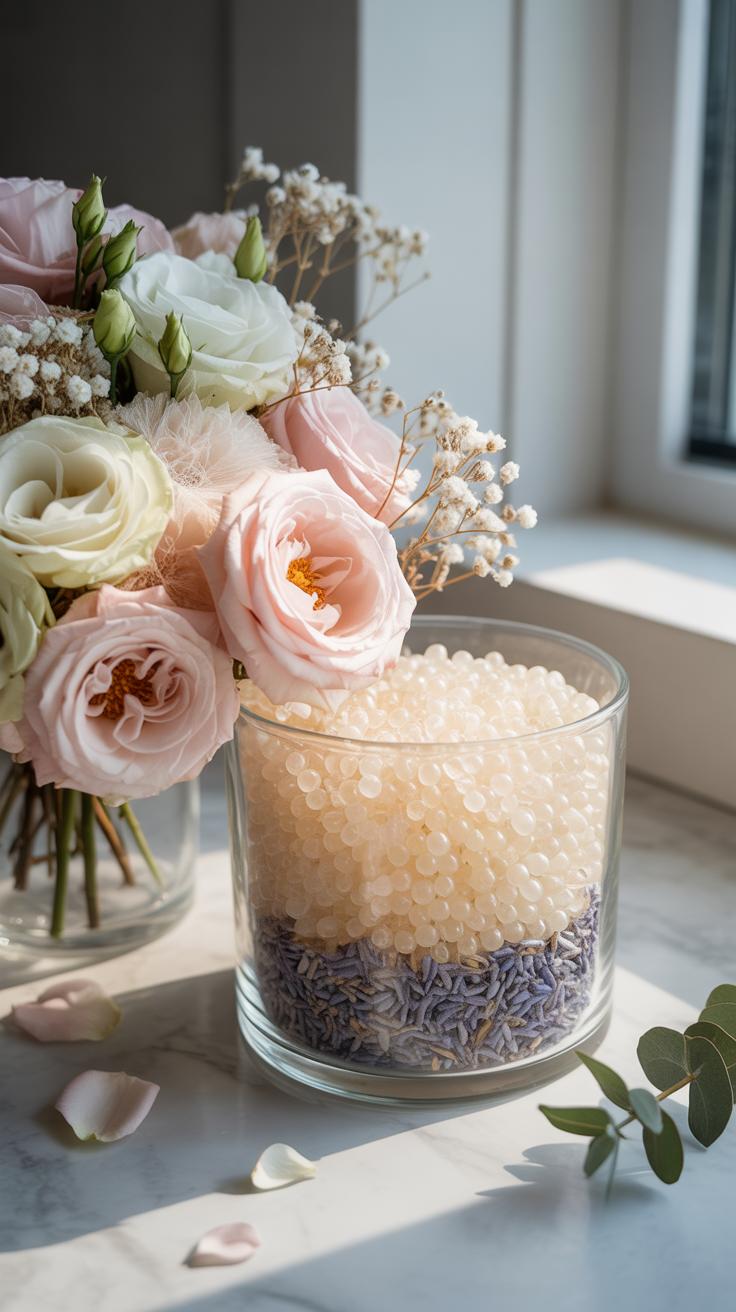
Silica gel is a porous form of silicon dioxide. It acts as a powerful desiccant by pulling moisture out of organic matter through adsorption. Unlike air drying, this material prevents the rapid decay of cell structures in flower petals. This technical approach stops the wilting process immediately. Professional preservationists use it because it offers more control than traditional hanging methods.
The chemical properties of silica gel allow for superior structural integrity. Most silica products contain blue indicator crystals that turn pink when saturated with water. You can bake the crystals to remove moisture and reuse them indefinitely. This method is the industry standard for high-end floral dioramas. It works faster than pressing and handles three-dimensional shapes better than any other drying agent.
Every flower is a soul blossoming in nature, and by preserving them we hold onto the beauty of our most cherished moments forever.
How To Use Silica Gel Correctly To Retain Color And Shape In Dried Flowers
Successful preservation requires an airtight container and precision. You must place a base layer of sand-like silica at the bottom of the vessel. Position the flowers face up and slowly pour the granules around each petal. This support prevents the bloom from flattening under its own weight. Total submersion ensures that every surface dries at the same rate to avoid browning.

Timing depends on the moisture content of the specific flower species. Roses generally take seven days while thinner petals dry in three. Over-drying makes the flowers brittle and prone to shattering upon touch. Remove the blooms carefully once they feel like paper. Use a soft brush to clear away any remaining dust. This process locks in vibrant pigments that air drying usually destroys.
How To Preserve Wedding Flowers Through Pressing And Framing
The Art Of Flower Pressing: Turning Wedding Blooms Into Timeless Flat Art
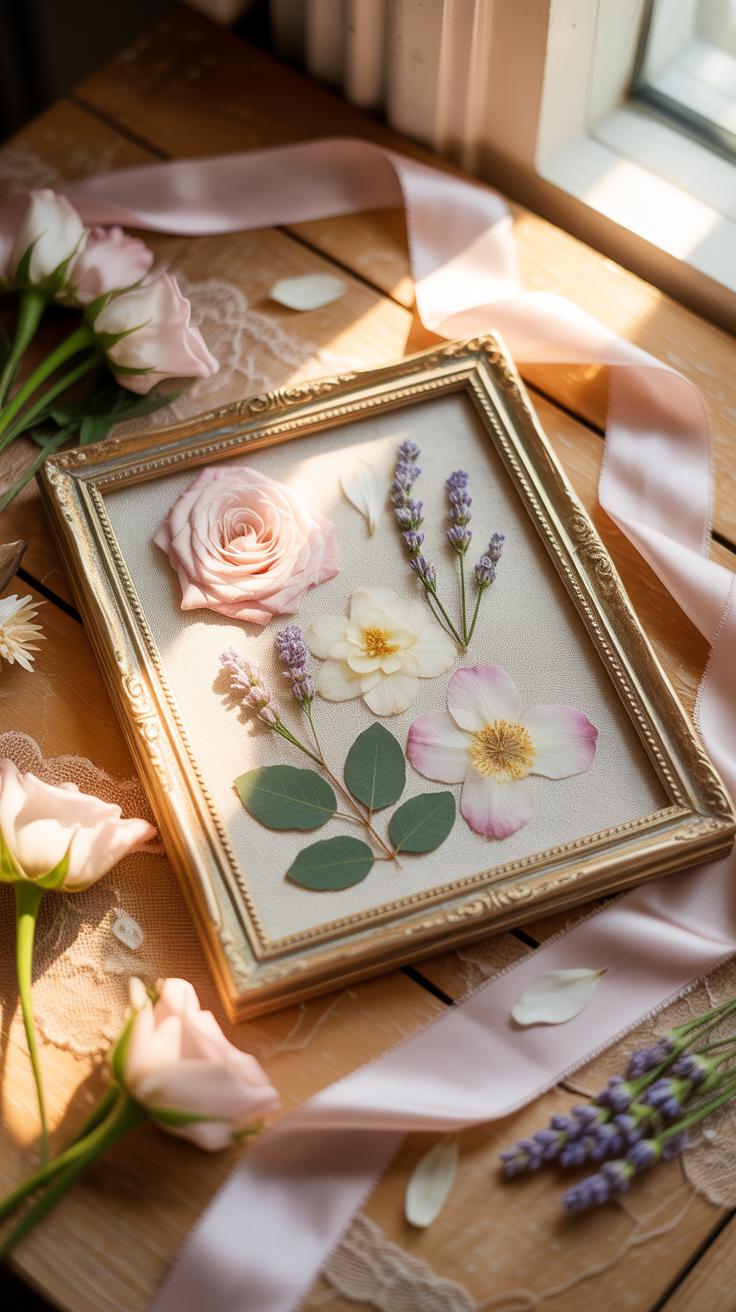
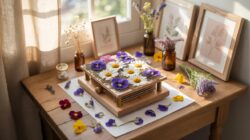
Flower pressing removes moisture while maintaining the structural outline of the bloom. This method works best with flat faced flowers like pansies or daisies. Thick flowers like roses require deconstruction before pressing. You must place specimens between acid free parchment paper to prevent browning. Apply even pressure using a dedicated wooden press or heavy books. This process takes three to four weeks.
The Victorian era popularized this technique for botanical study and scrapbooking. Modern preservation requires a dry environment to prevent mold growth. Check the flowers weekly to ensure the paper remains dry. Once the petals feel like thin paper, the process is complete. Remove them carefully with tweezers to avoid tearing the delicate tissue. Do not expose pressed flowers to direct sunlight as they will fade quickly.
Creative Framing Ideas That Display Your Pressed Wedding Flowers Beautifully
Floating frames utilize two panes of glass to secure the flowers in place. This creates a modern look where the wall color shows through the glass. Use a small amount of acid free adhesive to keep the petals from sliding. Choose UV protective glass to stop the sun from bleaching the natural pigments. Proper sealing prevents dust and moisture from entering the frame and damaging the art.

Traditional shadow boxes allow you to mix pressed flowers with other wedding mementos like invitations. Arrange the blooms in a balanced composition before applying glue. Minimalist designs focus on a single striking stem for a clean aesthetic. Use archival quality backing board to prevent chemical damage over time. High quality framing ensures your wedding flowers remain a permanent focal point in your home without degrading or losing color.
Preserving Wedding Flowers With Resin A Modern And Lasting Approach
What Resin Preservation Is And How It Encases Flowers In A Clear, Durable Form
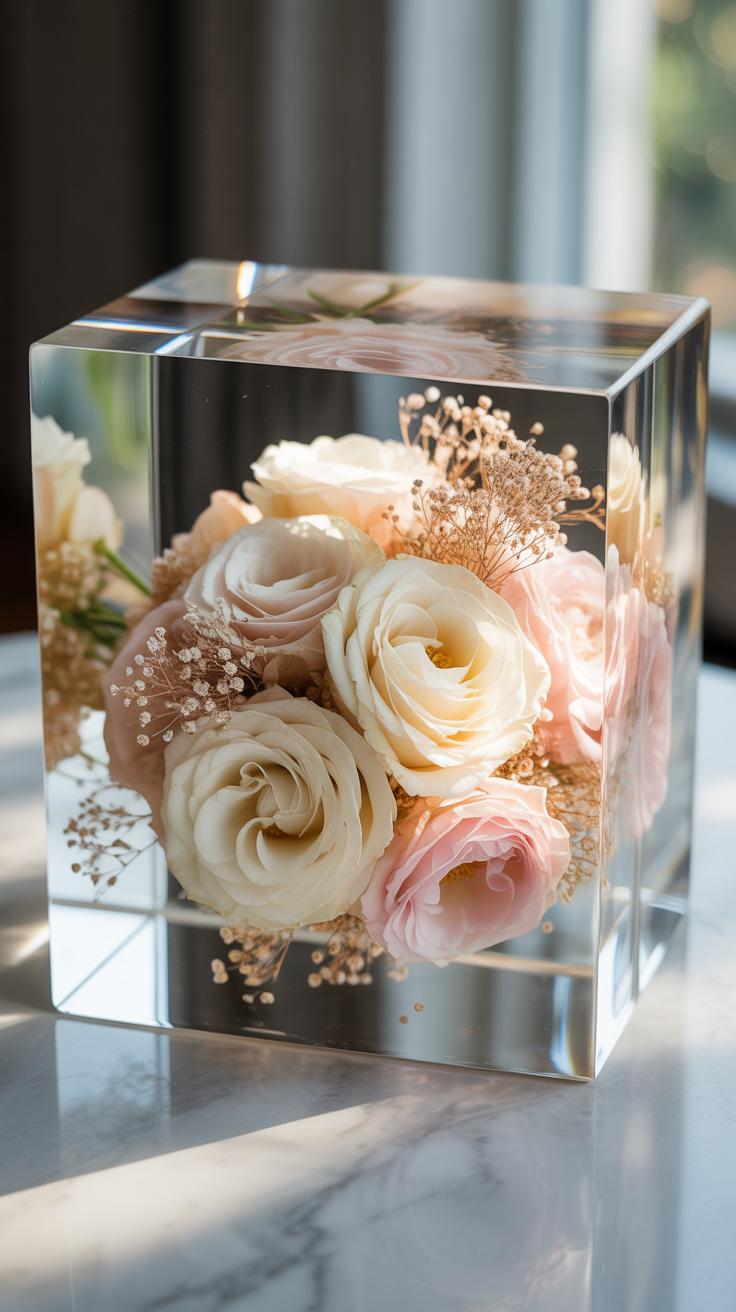
Resin preservation uses synthetic polymer chemicals to lock organic material inside a solid block. You must dry the flowers completely before starting this process. Moisture trapped inside resin causes rot and discoloration over time. Professionals use deep pour epoxy resin formulated for clarity and UV resistance. This material starts as a liquid and hardens through a chemical reaction called curing.
The process involves pouring resin in multiple thin layers. Pouring too much at once creates excess heat that scorches delicate petals. Each layer must gel before you add the next one. This technique suspends the flowers in a three dimensional space. The result is a glass like finish that protects the bouquet from oxygen. This airtight seal stops the natural decomposition process effectively.
Popular Resin Keepsake Ideas For Preserving Wedding Bouquet Flowers
Designers create various functional and decorative items using resin preservation techniques. Large geometric blocks remain the most common choice for entire bouquets. These heavy shapes stand on shelves and offer a full view of the flower arrangement. Hexagons and rectangles provide stable bases for displaying thick blooms like roses or peonies. Smaller molds allow for more practical uses in daily life.
Functional items include coasters, bookends, and jewelry trays. These smaller pieces use petals or individual flower heads rather than the whole bouquet. You can also turn dried petals into wearable jewelry such as pendants or beads. Trays serve as flat displays for pressed flowers set in a thin layer of resin. These items keep the wedding memories visible and useful in a modern home.
Saving Wedding Bouquet Memories Through Professional Preservation Services
What To Expect When You Hire A Professional Bouquet Preservation Specialist
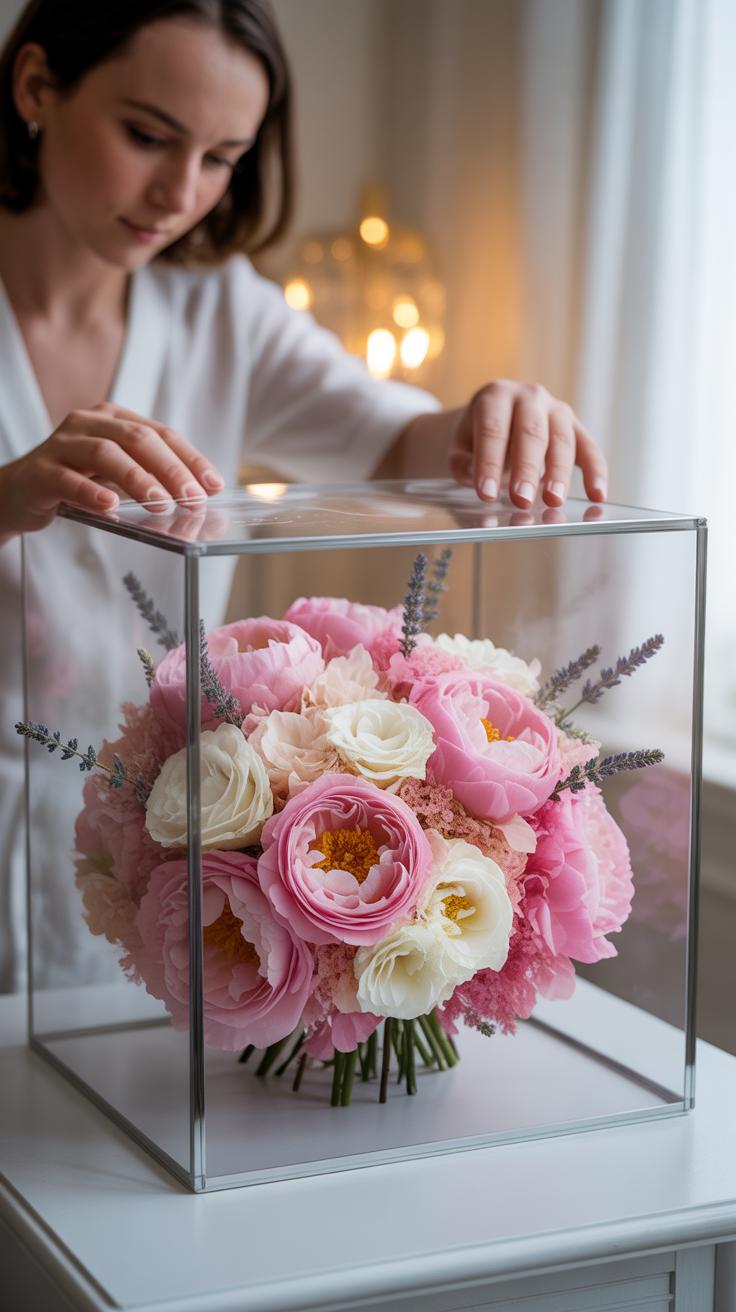
Professional preservationists use industrial grade chemistry and controlled environments to stop flower decay. Most experts require you to ship or drop off the bouquet within forty eight hours of the event. They will disassemble the bouquet and treat each stem individually. You should expect an initial consultation to discuss color retention and structural integrity. Professionals manage expectations regarding how certain pigments react to chemicals.
The process often takes three to six months to complete. Specialists use freeze drying technology or high grade silica gel to extract moisture without shrinking the petals. They reconstruct the bouquet piece by piece into your chosen display vessel. You receive a finished product sealed against humidity and ultraviolet light. This level of technical precision ensures the biological material does not rot or attract pests over several decades.
How To Choose The Right Professional Service And What Questions To Ask
Selecting a vendor requires vetting their technical methodology and past portfolio. Request clear photos of work that is at least two years old to check for browning or structural collapse. Ensure the specialist has experience with your specific flower species. Some delicate blooms require specialized resin or chemical pre treatments. A reputable service provides a clear contract and specific shipping instructions to maintain flower health.
- Preservation Method: Ask if they use freeze drying or traditional silica air drying techniques. Freeze drying better maintains the original shape and size of the bloom. Silica drying is faster but can lead to more brittle petals. Choosing the right method depends on your desired final look and budget.
- UV Protection: Confirm if the display case or resin contains UV inhibitors. Ultraviolet light causes organic pigments to fade rapidly over time. Without proper protection your flowers will turn yellow or brown within a few years. Quality vendors insist on using museum grade glass or treated resin.
- Color Enhancement: Inquire if they offer color restoration services for faded petals. Some flowers naturally lose vibrancy during the drying process. Specialists can apply thin layers of organic tint to restore the original hue. This step ensures the bouquet looks exactly like it did on the wedding day.
- Portfolio Longevity: Request images of preserved bouquets that are five years old. Freshly cured flowers always look good but long term stability is the real test. Professional work should show minimal sagging and no signs of pest infestation or mold growth. Real experts stand by their long term results.
- Logistics and Shipping: Request a detailed guide on how to pack your bouquet for transit. Overnight shipping in a climate controlled box is often mandatory to prevent wilting. A professional should provide a step by step protocol for moisture retention during the journey. Proper shipping prevents bruising and oxygen damage.
Review the total costs including shipping and Insurance before signing any agreement. Ask about the design layout phase and if you get to approve the arrangement before they seal it. Secure a firm timeline for the return of your items. High demand artists book up months in advance so reserve your date early. Do not settle for vague answers regarding their chemical processes or storage requirements.
What To Do With Wedding Bouquet Beyond Traditional Preservation
Repurposing Wedding Flowers Into Candles, Potpourri, And Home DéCor
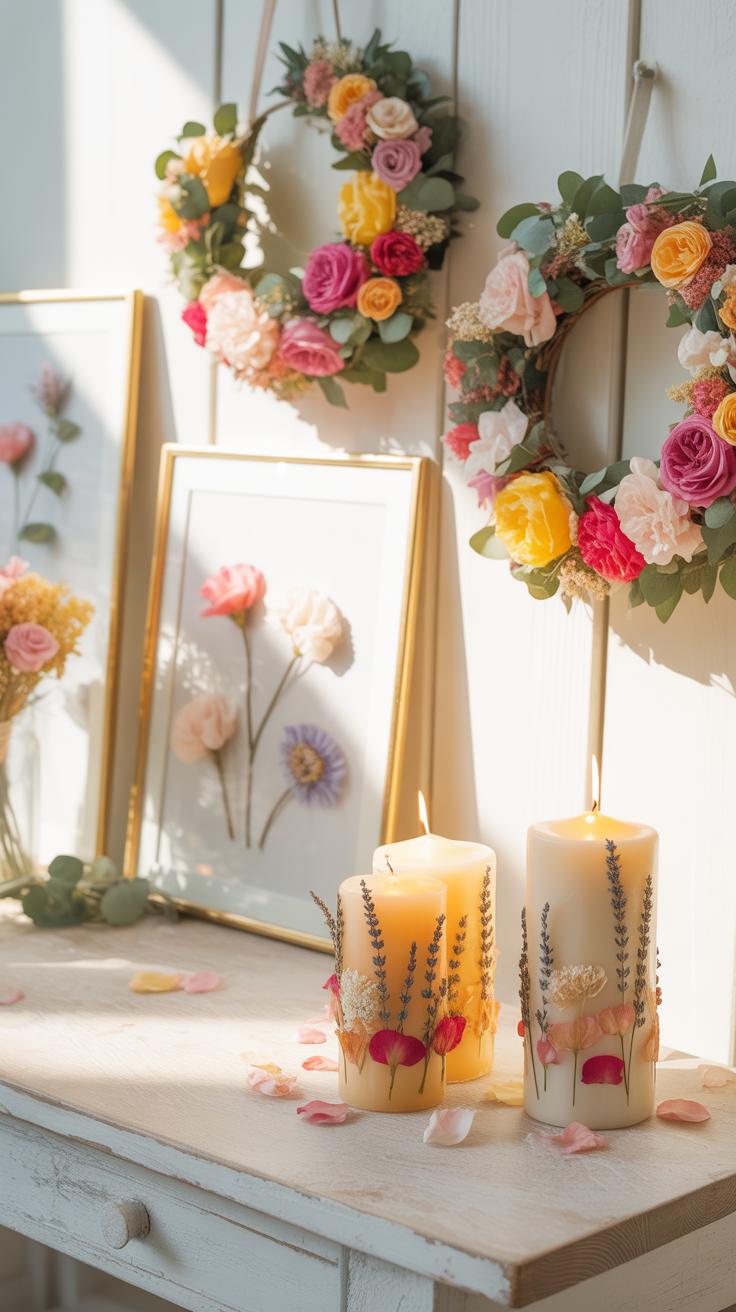
Transforming wilted petals into functional home items extends the life of the botanical material. You can embed dried petals into soy or paraffin wax to create custom candles. This technique requires heat-resistant glass containers and proper wick placement. The petals act as aesthetic fillers while the wax preserves their shape. Ensure the floral material is completely dry to prevent mold growth within the wax structure.
Ground dried blooms serve as the base for high-quality potpourri. Mix the dried petals with fixatives like orris root to retain scent for several months. You can also cast whole flower heads in clear synthetic resin to create paperweights or bookends. This method mimics the look of mid-century lucite designs. Use deep-pour epoxy resin to avoid bubbles and ensure a crystal-clear finish for these durable décor pieces.
Donating Or Gifting Your Wedding Flowers As A Meaningful Gesture
Immediate donation prevents floral waste and provides a secondary use for expensive arrangements. Many hospitals and nursing homes accept floral deliveries to improve patient environments. You must contact these facilities twenty-four hours in advance to confirm their intake policies. Some units have strict rules against high-pollen plants or strong scents. Arrange for a designated person to transport the flowers directly after the event concludes.
Gifting sections of the bouquet to guests or staff is a practical liquidation strategy. This removes the logistical burden of transporting large volumes of organic matter. You can provide small vases or recycled glass jars at the exit for guests to take. This mirrors the Victorian tradition of sharing floral tokens. It ensures the blooms stay in water and remain vibrant for several more days in different households.
Preserving Wedding Bouquet Long Term Care And Display Tips
How To Store And Protect Your Preserved Bouquet From Light Humidity And Dust
Light causes organic pigments to break down through photodegradation. Direct sunlight or strong UV rays will bleach your flowers until they turn white or brittle. Keep your preserved bouquet in a cool room away from windows. UV filtering glass provides a necessary barrier if you plan to display the piece in a bright room. Proper placement prevents irreversible color loss over time.
Humidity is the primary enemy of dried and silica-treated flowers. High moisture levels cause petals to limp or develop mold. Sealed containers or shadow boxes offer the best defense against environmental changes. Use silica gel packets inside sealed frames to absorb any trapped moisture. Dust accumulation also degrades the surface of the blooms. Keep the arrangement under glass to maintain a clean and crisp appearance.
Display Ideas That Honor Your Preserved Wedding Flowers In Your Home
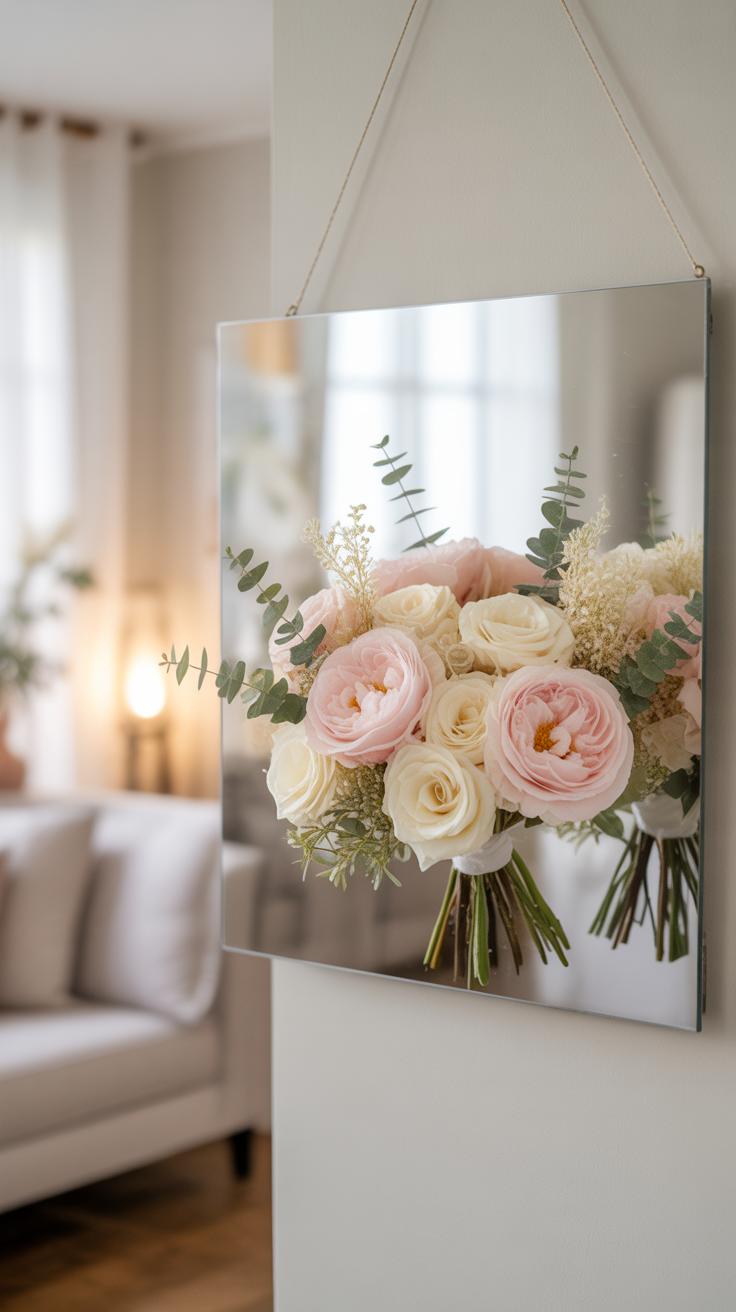
Shadow boxes remain the industry standard for displaying preserved wedding bouquets. These deep frames protect the three dimensional shape of the blooms while allowing for wall mounting. You can include other mementos like your invitation or a photo within the same space. This method keeps the flowers at eye level and safe from physical touch. Use acid free backing to prevent paper discoloration.
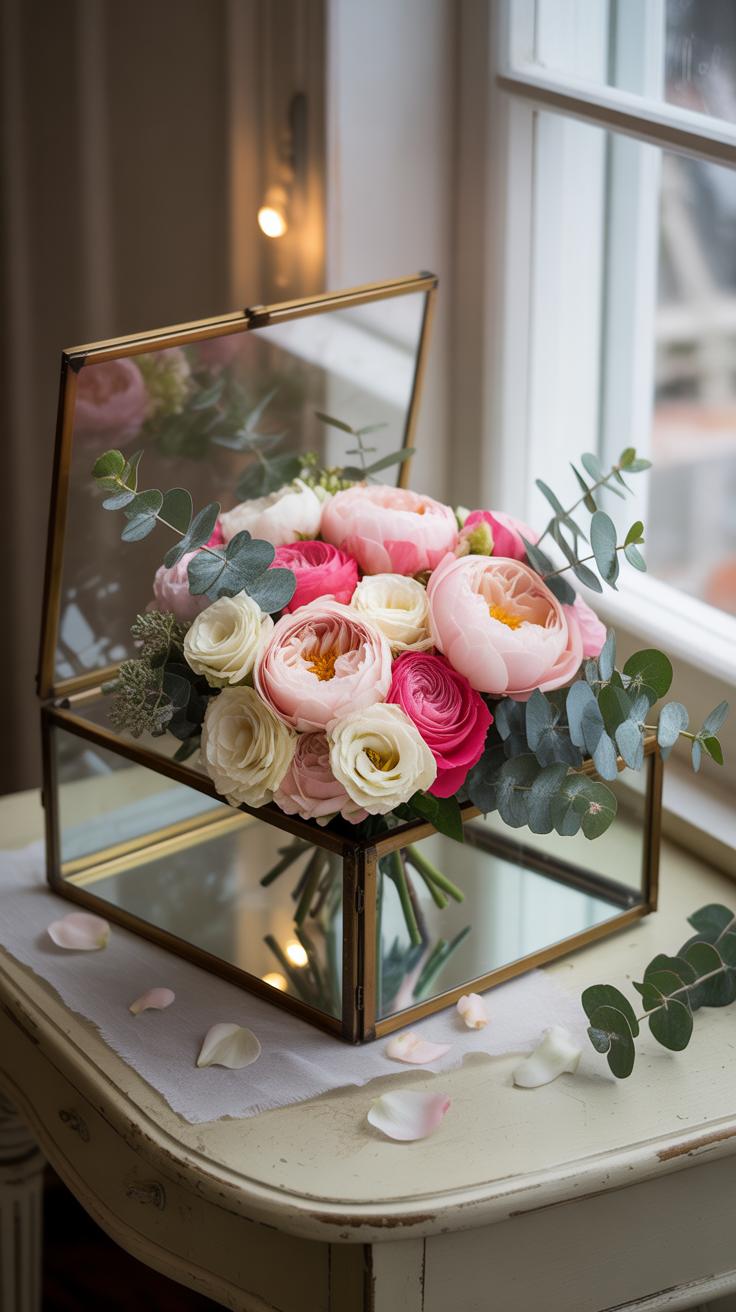
Glass cloches and resin blocks offer modern alternatives to traditional framing. A glass cloche provides a 360 degree view of the arrangement on a mantle or bookshelf. Resin preservation locks the flowers into a solid acrylic shape. This technique creates a functional piece of art like a paperweight or bookend. Both options provide a high level of protection from air and dust while fitting into contemporary home decor styles.
Frequently Asked Questions

What is the best time to start the bouquet preservation process?
Timing is critical for success when using professional bouquet preservation tips. To ensure your flowers maintain their vibrant color and structural integrity, you should begin the preservation process while the blooms are still fresh. Ideally, this means starting within 24 to 48 hours of your event. Keep the stems in water and out of direct sunlight until you are ready to begin pressing, drying, or using silica gel for the best results.
How do I preserve my wedding bouquet at home using silica gel?
Using silica gel is one of the most effective bouquet preservation tips for maintaining a 3D shape. Simply place a layer of silica crystals in an airtight container, nestle your flower heads inside, and gently pour more gel over them until fully covered. Seal the container for about a week. This method pulls moisture out quickly, leaving you with stunning, lifelike flowers that look beautiful displayed in a shadow box or glass dome.
Are there any affordable ways to preserve flowers without expensive equipment?
Absolutely! The most budget-friendly method is traditional air-drying. Simply gather your stems, tie them together with twine, and hang the bunch upside down in a cool, dark, and dry area for two to three weeks. While the colors may deepen and take on a vintage aesthetic, this is a completely free way to save your sentimental blooms. You can also press individual petals inside a heavy book for a charming, low-cost keepsake.