
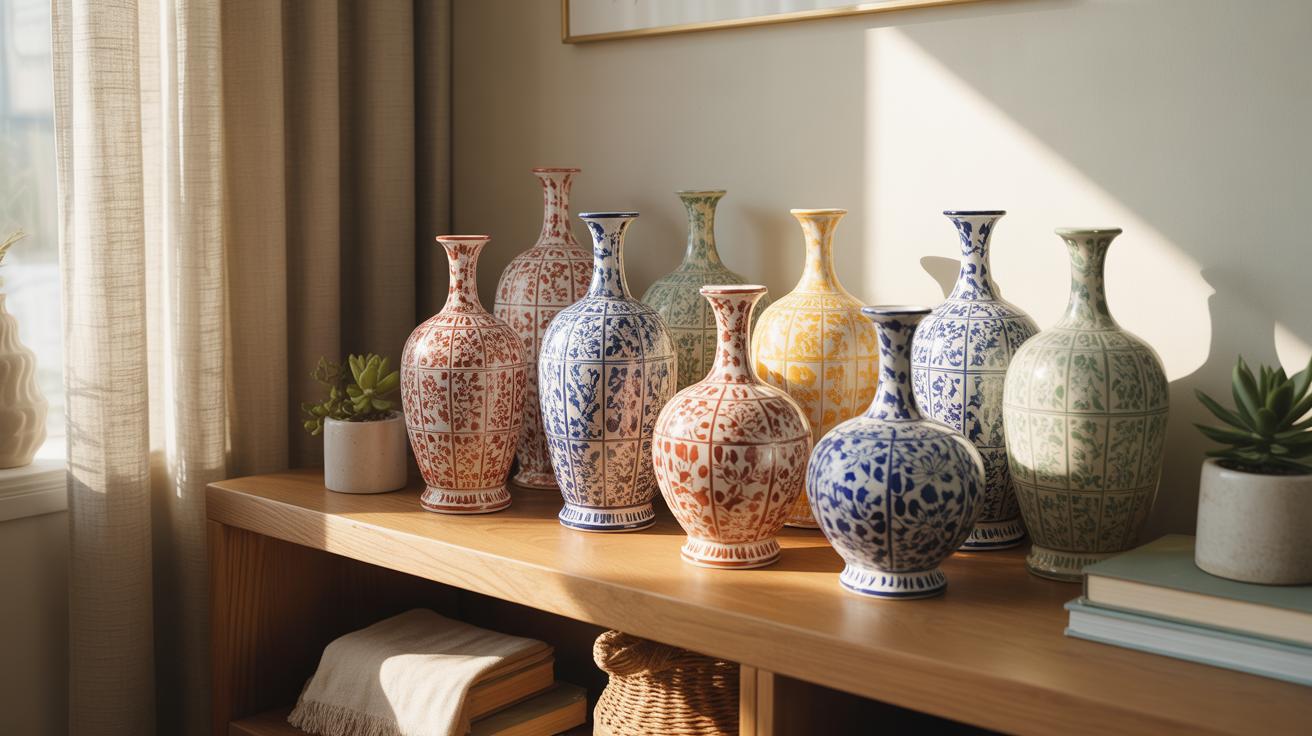
What Makes Art Pottery Collection Inspiration So Enduring In Modern Interiors
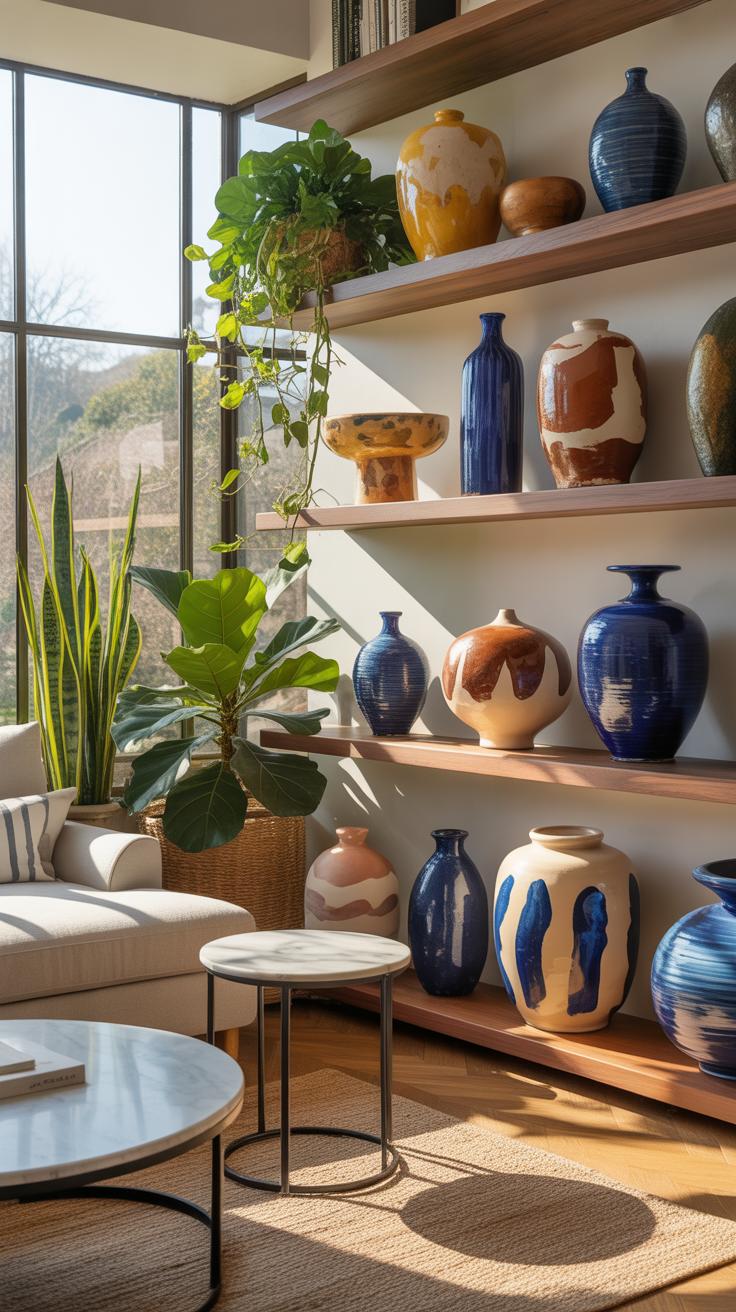
The Historical Roots Of Art Pottery And Why Collectors Still Seek It Today
Art pottery emerged in the late 19th century as a response to mass production. Artisans shifted away from factory molds to create handmade pieces. These ceramics featured unique glazes and hand-carved textures. Collectors today value these items because they represent a specific moment in design history. Each piece shows the skill of the individual maker rather than a machine process.
Modern buyers seek these vases to add character to minimalist rooms. Vintage art pottery provides a tactile quality that new items cannot replicate. The use of local clays and experimental firing techniques creates surfaces with deep visual interest. These objects serve as functional history. They hold their value well because the supply of authentic, well-preserved pieces remains small while global demand grows steadily.
How Art Pottery Movements Like Arts And Crafts Shaped The Modern Collector Eye
The Arts and Crafts movement prioritized simple forms and natural motifs. This era rejected the over-decorated styles of the Victorian period. Designers focused on honest materials and visible craftsmanship. Contemporary collectors gravitate toward these clean lines and earthy tones. This aesthetic fits perfectly with today’s interior design trends. It emphasizes utility and beauty without unnecessary clutter or fake ornamentation.
This movement taught collectors to appreciate minor imperfections in a glaze. These flaws prove that a human hand touched the work. Modern eyes look for matte finishes and organic shapes popularized by pioneer studios like Rookwood and Grueby. These historical design choices established the standard for what we consider high-quality decor today. Sturdy construction and timeless colors ensure these vases remain relevant in any decade.

Essential Pottery Collection Ideas And Pottery Collection Inspiration For First Time Buyers
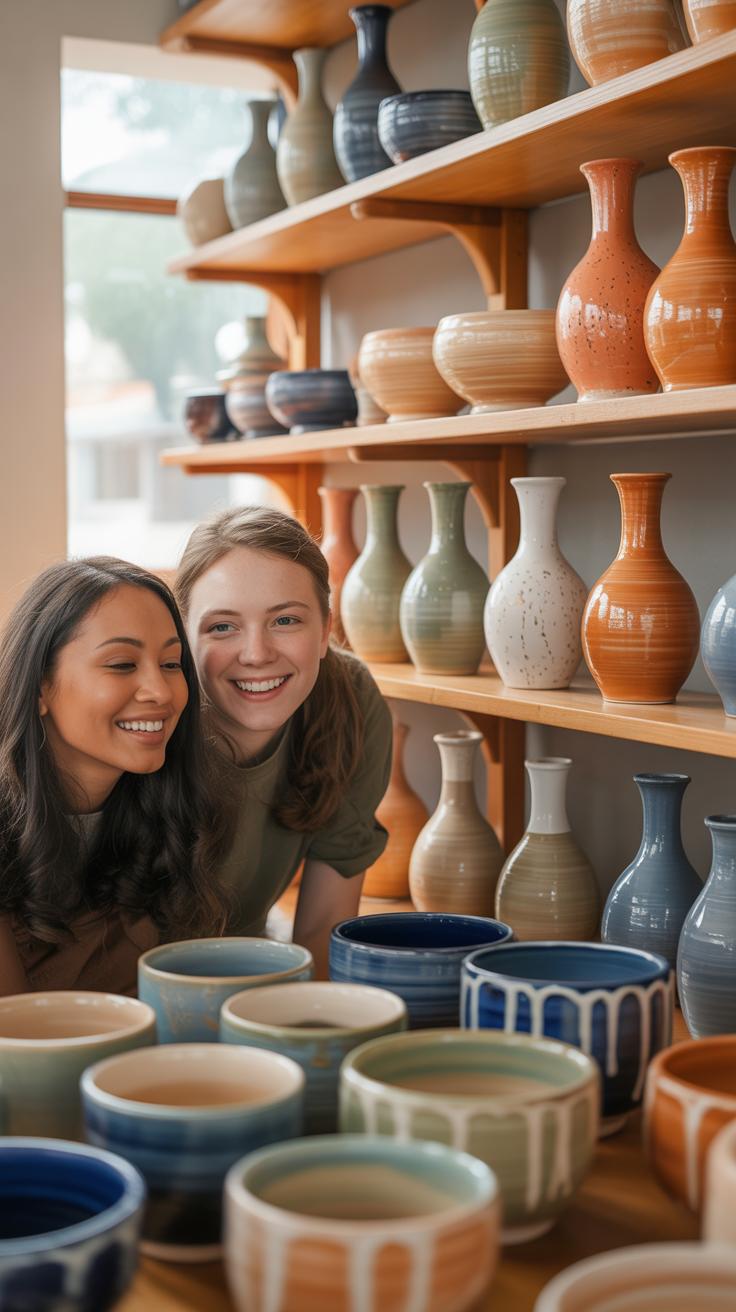
How To Define Your Collecting Style Before Making Your First Purchase
Successful collectors choose a specific era or material to anchor their search. Look at Mid-Century Modernism or Art Deco for distinct geometric forms. Mid-Century pieces often feature matte glazes and organic shapes. Art Deco focuses on bold lines and symmetry. Deciding on a specific aesthetic prevents scattered buying. You should study the makers marks from these periods to verify authenticity before spending any money.
Analyze your living space to determine which scale and color palette works best. A collection of small bud vases produces a different visual impact than large floor pitchers. Focus on one primary material like earthenware, stoneware, or porcelain. Earthenware offers a rustic look while porcelain provides a refined finish. Consistency in material makes a collection look intentional. Define these parameters early to save time and resources.
Top Tips For Building A Cohesive And Valuable Vintage Vase Collection On Any Budget
Building value requires a balance between aesthetic appeal and historical significance. Start by hunting for unsigned pieces that mimic famous styles to keep costs low. As your budget grows, pivot toward signed works by known studios. This strategy builds a foundation of knowledge without high financial risk. Always inspect every piece for hairline cracks or chips that drastically reduce resale value and long-term durability.
- Identify Maker Marks: Check the bottom of every vase for stamped or incised signatures. Research these marks in digital databases to confirm the manufacturer and production era. Authentic marks increase the liquid value of your asset.
- Focus on Glaze Quality: Look for unique glaze techniques like crystalline, volcanic, or drip finishes. High-quality glazes represent technical skill and are highly sought after by serious collectors. Avoid pieces with uneven or accidental crazing.
- Specialize in One Region: Target specific geographical areas like West Germany, Japan, or Scandanavia. Regional specialization helps you become an expert on specific clay bodies and historical shifts. It simplifies the sourcing process at estate sales and auctions.
- Evaluate Structural Integrity: Use a bright light to check for professional repairs or hidden fills. Run your fingernail along the rim to feel for grit or snags. Perfect condition pieces always command the highest prices in the secondary market.
- Buy the Best of a Subset: Purchase one high-quality piece instead of five mediocre ones. A single rare vase from a respected designer like Roseville or Hull holds value better than common mass-produced items. Quality always beats quantity in asset appreciation.

Diversify your sourcing locations to find undervalued items. Visit rural auctions, thrift stores, and online marketplaces to compare prices. Use digital price guides to track what specific models sell for in real-time. This data-driven approach ensures you never overpay for a common item. Strategic buying turns a hobby into a financial investment. Keep detailed records of every purchase price and origin for future insurance or sale needs.
Exploring The West German Pottery Collection Trend That Captivated The Mid Century World
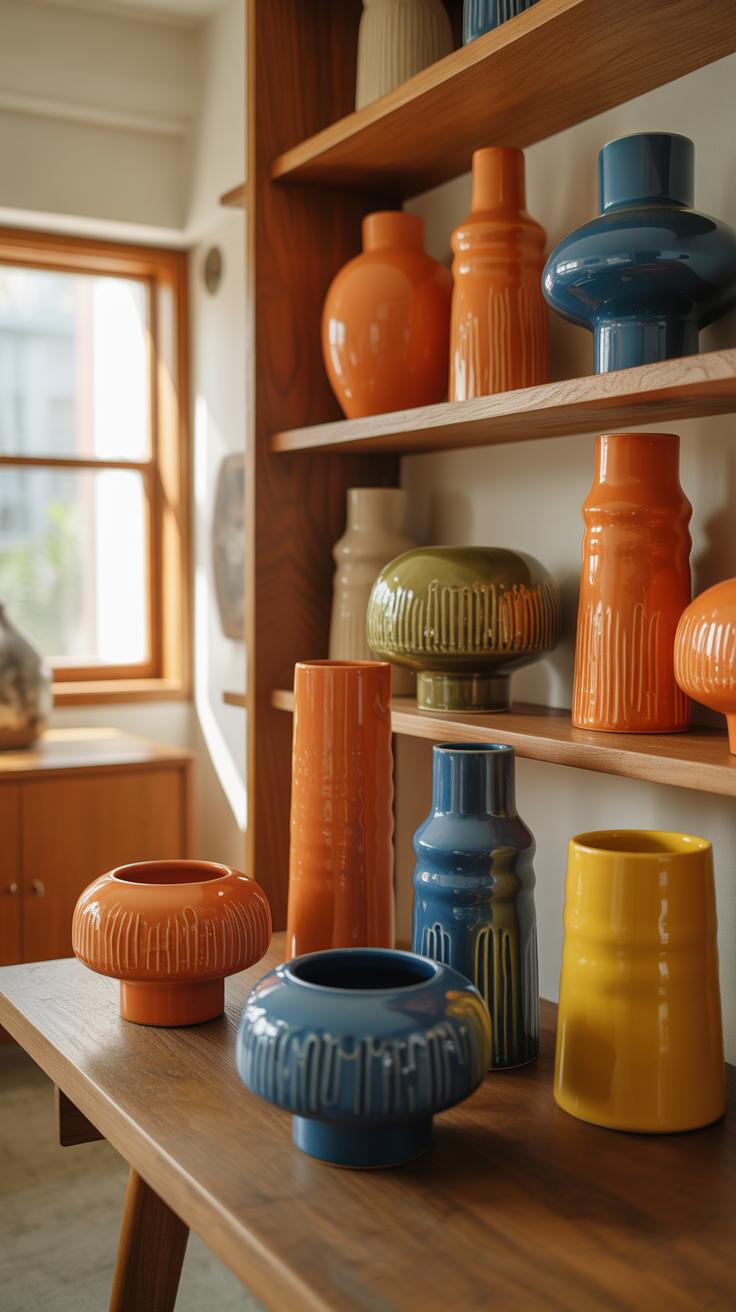
The Rise Of West German Pottery In The 1950s Through 1970s And Its Defining Fat Lava Glaze Style
West German pottery dominated the global ceramics market after World War II. Production peaked between 1950 and 1979. Rapid industrialization allowed factories to produce high volumes of artistic vases. These pieces used local clay and innovative firing methods. Designers moved away from traditional floral patterns. They embraced bold shapes and intense colors to match modern interior design trends of the era.
The Fat Lava style defines this specific period of ceramic history. This technique uses thick glazes with chemical additives. During firing, these chemicals react to create a bubbling, volcanic texture. The result is a rough surface that looks like cooled magma. Collectors value these items for their tactile quality and visual depth. This aesthetic broke all previous rules of smooth ceramic finishing and created a new standard.
Key West German Pottery Manufacturers Worth Knowing Including Scheurich And Roth Keramik
Scheurich remains the most prolific manufacturer from this period. The company used a high degree of automation to lower costs. They marked most pieces with numbers indicating height and shape. This systematic approach makes their work easy for new collectors to identify today. Their designs often featured the Europ Line labels. They focused on consistent quality and mass appeal across European and American markets.

Roth Keramik represents the more experimental side of the movement. This firm produced smaller quantities compared to major industrial giants. They are famous for extreme textures and iconic handled jugs. Their glaze combinations often appear more aggressive and avant-garde. High demand for Roth pieces drives prices up in the current vintage market. Serious collectors track these specific mold numbers to find the rarest examples of volcanic art.
Vintage German Pottery Collection Ideas And German Pottery Home Decor Ideas For Every Room
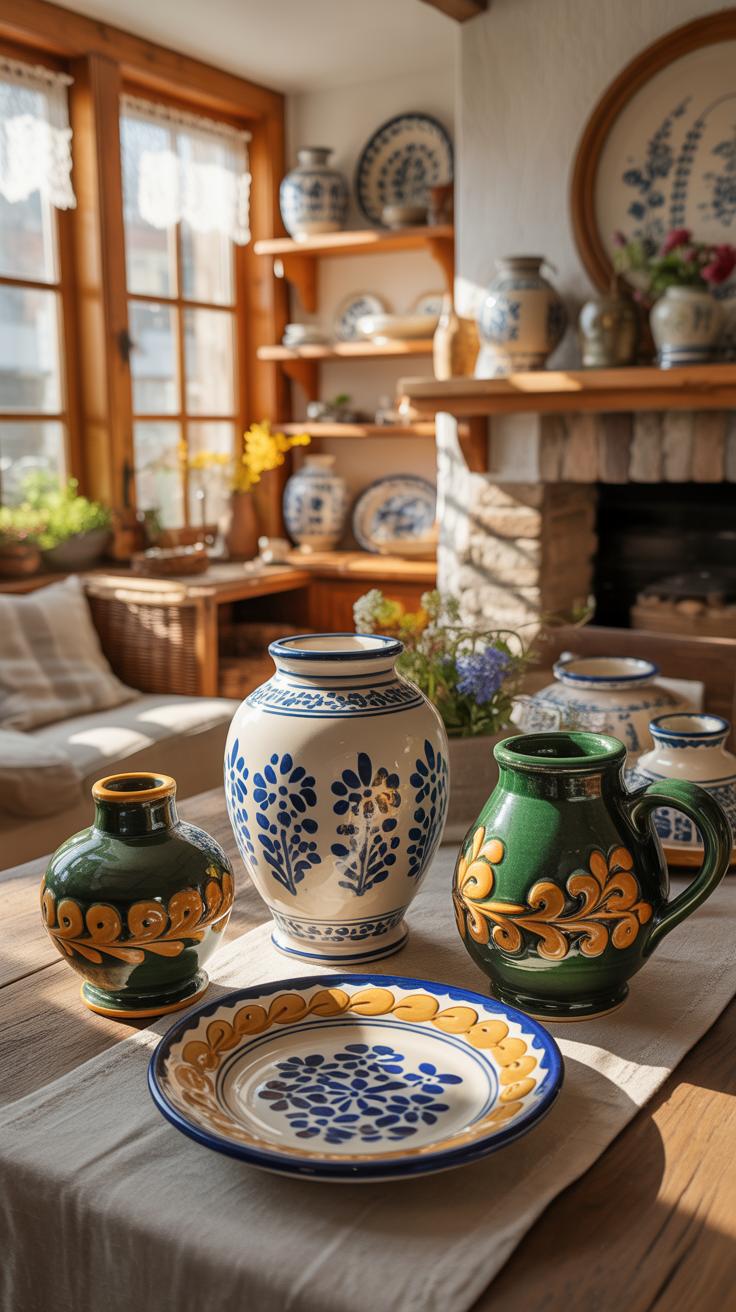
How To Style Vintage German Pottery Vases On Shelves, Mantels, And Dining Surfaces
Group West German pottery by height to create visual impact. Place tall floor vases like those from Scheurich or Bay Keramik on the ground near furniture legs. Use smaller jugs and vessels on eye-level shelves. Arrange items in odd numbers to maintain balance. Heavy volcanic glazes provide texture that stands out against flat wall surfaces. Position light sources to highlight deep surface recesses.
Balance the weight of Fat Lava pieces on mantels by spacing them out. Solid ceramic forms carry significant visual weight. Place them at different depths on dining tables to create a centerpiece. Avoid crowding the pieces. Allow the unique silhouettes to breathe. Clear paths between objects help the eye focus on individual glazes and shapes. This tactical placement ensures the collection looks curated rather than cluttered.
The best collections are those that tell a story, where a simple vintage vase breathes the soul of the past into a modern home.
Pairing German Pottery Colors And Textures With Contemporary And Mid Century Modern Furniture
Pair bold Fat Lava glazes with the clean lines of teak furniture. The rough texture of the pottery contrasts with smooth wood surfaces. Use neutral-toned ceramics to ground vibrantly colored upholstery. Match the geometric patterns on the vases with the structural legs of mid-century chairs. This creates a cohesive look across different decades. Stick to a limited color palette to keep the arrangement sharp.

Integrate drip glazes with industrial metal accents in modern rooms. The organic flow of the glaze breaks up the rigidity of steel or glass. Do not overcomplicate the scene. Use one large statement piece on a sideboard to draw attention. Smaller sets work best on open shelving units with thin frames. Ensure the pottery colors bridge the gap between your wall paint and your furniture fabrics.
Decorative Pottery Collection Inspiration Curating Vases As Statement Art Pieces
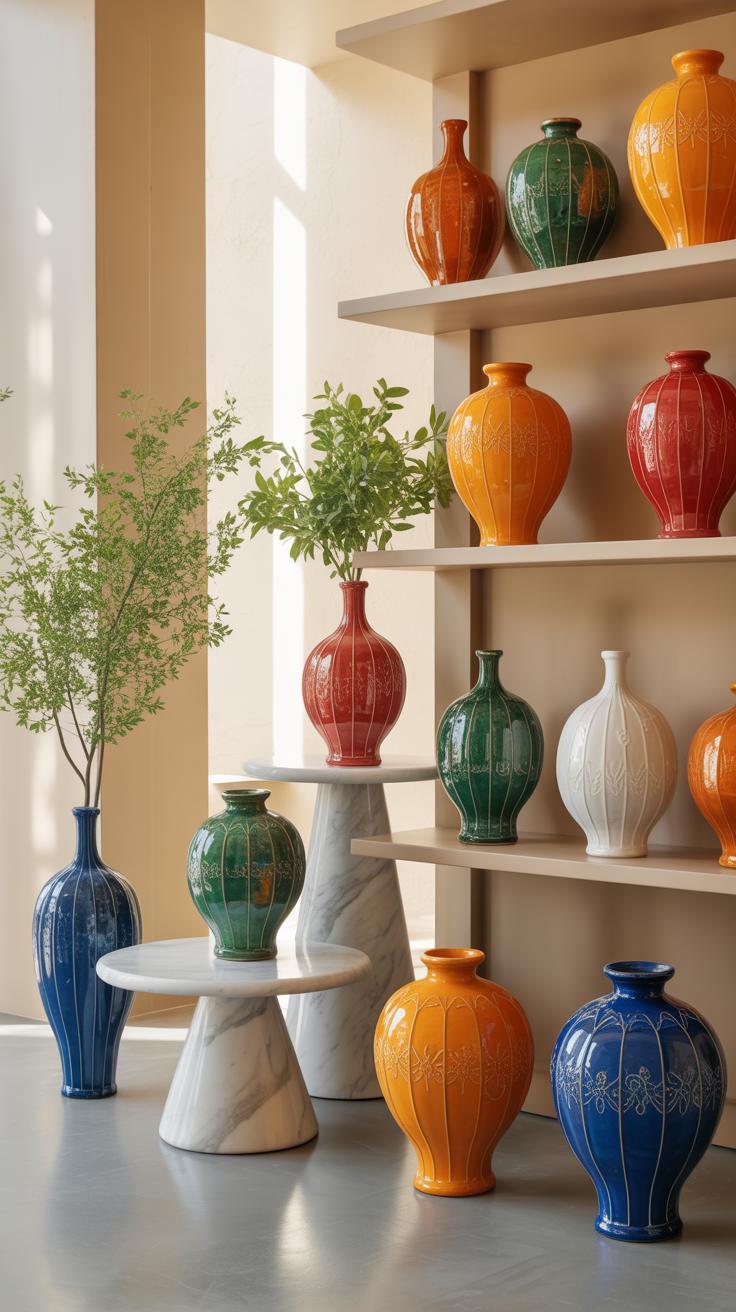
Display Techniques That Turn Your Vintage Vase Collection Into A Gallery Worthy Focal Point
Effective displays prioritize visual weight and historical context. You must group objects to tell a story or highlight a specific technical achievement. Use varied heights to keep the eye moving across your collection. Avoid flat lines that hide the unique silhouettes of your best pieces. Lighting is your most critical tool. Direct light reveals glaze depth and texture that flat room lighting often kills.
- Geometric Triangulation: Place three vases of different heights in a triangle pattern. This creates depth and ensures each silhouette remains visible. Use a tall floor vase as the anchor and smaller shelf pieces to balance the visual weight of the arrangement.
- Chronological Grouping: Arrange pieces by their historical era to show the evolution of style. Placing a 1920s Art Deco piece next to a mid-century vessel highlights the shift from rigid geometry to organic forms. This method provides an educational narrative for visitors.
- Monochromatic Textures: Select vases in the same color family but with different surface finishes. Combine matte volcanic glazes with high-gloss crystalline finishes. The lack of color variation forces the viewer to focus on the physical craftsmanship and the interplay of light and shadow.
- Tiered Elevation: Use museum blocks or sturdy books to lift smaller vases. Elevation prevents small, valuable items from getting lost behind larger stoneware. This technique mimics professional gallery displays. It allows you to utilize the vertical space on narrow mantels or deep built-in bookshelves.
- Safety and Spacing: Leave two inches of negative space between each piece to prevent crowding. Crowded displays look like clutter rather than a curated collection. Use museum wax on the base of fragile items to prevent accidental tipping. This protects your investment while maintaining a clean look.
Proper placement protects the physical integrity of the pottery. Never place porous earthenware near open windows or high-traffic zones. Sunlight can degrade certain vintage glazes over long periods. Use stable surfaces like solid wood or stone mantels. Keep heavy stoneware on lower shelves to lower the center of gravity of the furniture. These tactical choices ensure your collection remains both beautiful and safe for decades.
Mixing Vintage Vases With Modern Decor Elements For A Balanced And Sophisticated Interior
Contrast is the engine of high-end interior design. Set a rough-textured mid-century fat lava vase against a sleek glass table. This juxtaposition highlights the grit of the vintage piece. It also makes the modern surface look cleaner. Stick to a unified color palette to bridge the gap between different centuries. This prevents the room from feeling like a random thrift shop.

Use vintage pottery to break up the sterile lines of mass-produced furniture. A single large vessel adds a hand-crafted soul to a room full of factory-made items. Place a vibrant glazed piece in an otherwise neutral minimalist space. This creates a sharp focal point without needing extra art. The goal is balance. Limit vintage items to thirty percent of the room to keep the look current and sharp.
Understanding Berndt Friberg Stoneware Value And What It Means For Serious Collectors
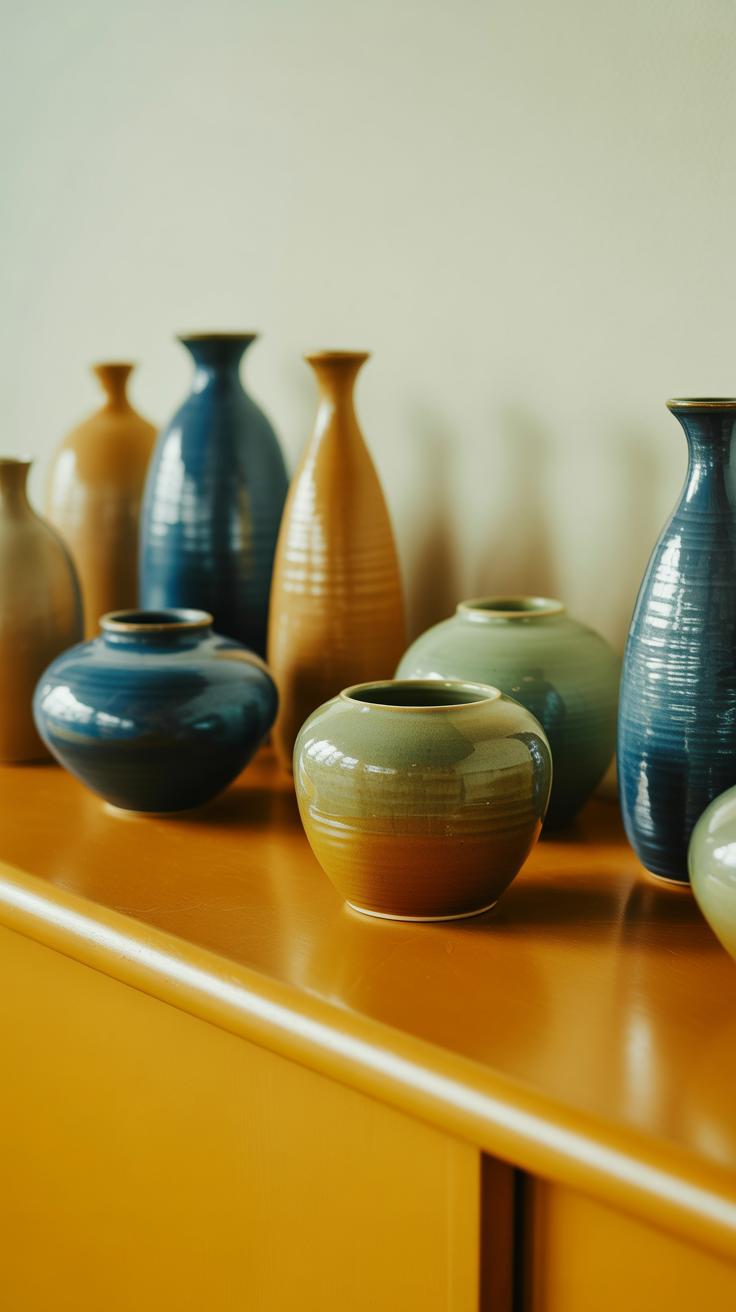
Who Was Berndt Friberg And Why His Swedish Stoneware Commands Respect At Auction
Berndt Friberg worked as a master thrower at Gustavsberg Studio in Sweden. He joined the team in 1934 and remained there until his death in 1981. He focused on perfection in form and glaze. His work drew inspiration from classic Chinese ceramics of the Song Dynasty. Collectors respect his technical skill. He shaped every piece by hand on a manual wheel.
His stoneware represents the height of Scandinavian modern design. Friberg achieved fame for his matte hare fur glazes. These glazes required precise firing temperatures and chemical compositions. Market demand stays high because he produced fewer items than industrial factories. Serious collectors view his vases as blue-chip investments. His reputation for quality ensures that his work retains significant value at international art auctions.
How To Authenticate And Assess The Market Value Of Berndt Friberg Stoneware Pieces
Authentication begins with the underside of the vase. Friberg signed his pieces by hand with a stylus. Look for the Gustavsberg hand logo and the word Friberg. He typically included a year letter code to mark the date of production. These marks are small and precise. Fakes exist but often lack the sharp clarity of his genuine signature and the distinctive studio stamp.

Size and glaze quality determine the final market price. Miniature vases are popular but larger pieces often command higher prices. Rare colors like oxblood or specific turquoise shades increase the value. Check for any chips or repairs under ultraviolet light. Even small cracks reduce the worth by half. Investors should look for intense glaze depth and perfect symmetry to ensure they buy a top-tier asset.
The Timeless Appeal Of The Vase Antique From Ancient Origins To Contemporary Collections
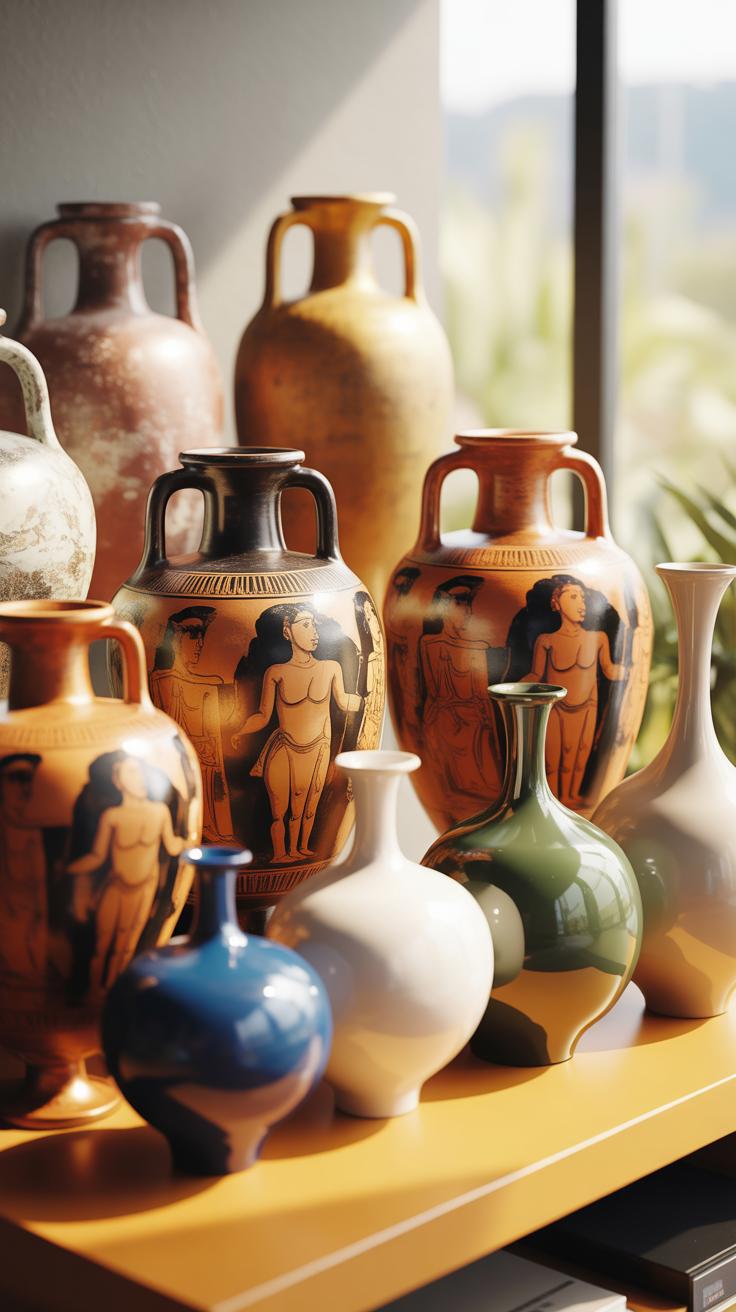
A Brief History Of The Antique Vase From Ancient Greece And China To Victorian Europe
Ancient Greece defined the early form of the ceramic vessel. Potters created the amphora and krater for storage and mixing. They used black-figure and red-figure techniques to depict daily life. Meanwhile, Chinese dynasties perfected porcelain production. The Ming Dynasty became famous for blue and white cobalt designs. These items served as functional tools and elite status symbols across global trade routes.
The Victorian era shifted focus toward mass production and high ornamentation. European factories like Staffordshire and Meissen dominated the market. They used transfer printing to create intricate patterns quickly. Industrial advancements allowed middle-class families to display decorative glass and stoneware. These periods established the silhouettes and materials that modern collectors now track. Each movement reflected the specific technological capabilities and social priorities of its time.
How To Spot An Authentic Antique Vase And Avoid Common Reproduction Pitfalls
Authenticity depends on physical evidence left by historical manufacturing methods. Real antique vases often show hand-turned marks or asymmetrical shapes. Check for signs of natural wear on the base. Genuine aging appears as uneven scratches or discoloration where the piece touched surfaces. Modern fakes often have perfectly smooth bottoms or artificial crazing. Examine the weight and clay type to verify the origin.

Glaze and firing techniques provide critical clues for identification. Older glazes often contain lead or tin, creating a specific depth and lustre. Look for “kiln scars” or small imperfections from old firing processes. Modern reproductions use electric kilns that produce too much uniformity. Check the maker’s mark against verified databases. Forged stamps often look too crisp or use the wrong font for the stated period.
Where To Source And How To Care For Your Vintage Vase Collection For Long Term Elegance
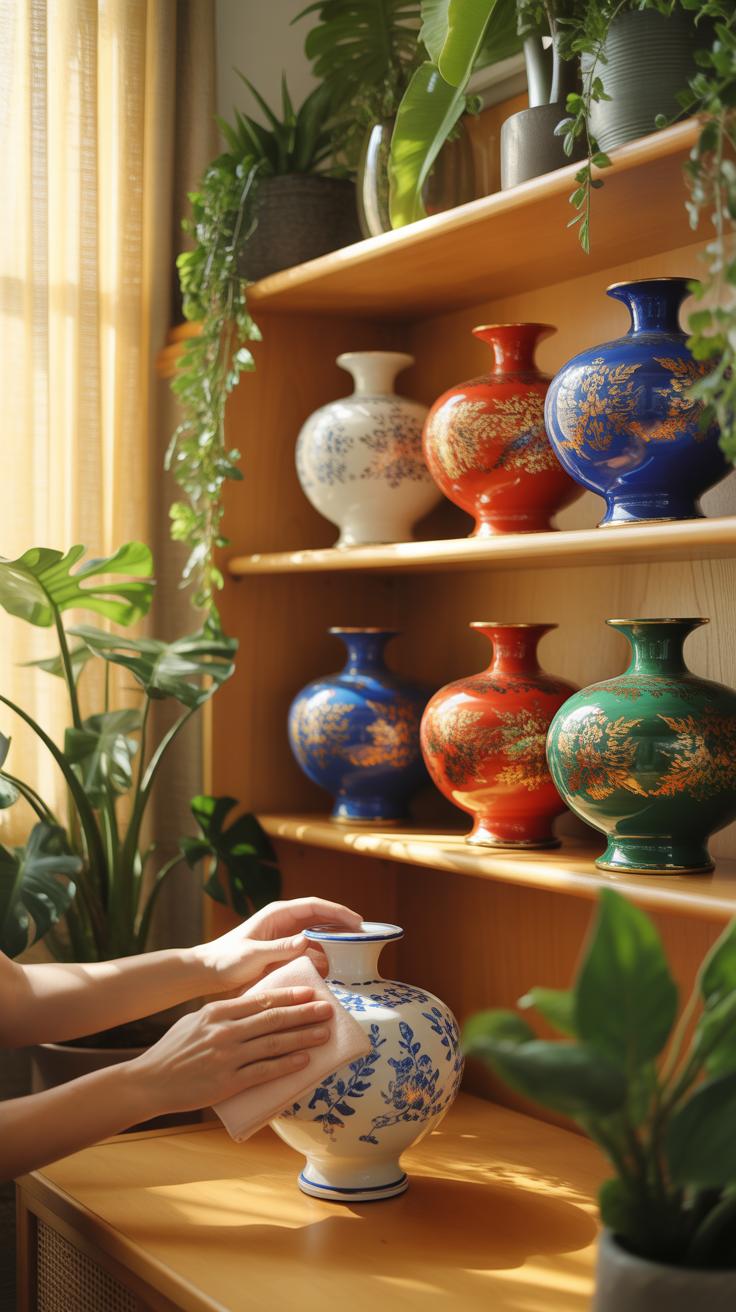
The Best Places To Find Authentic Vintage Vases, From Estate Sales To Reputable Online Auctions
Estate sales offer the highest probability of finding underpriced mid-century modern or Art Deco originals. Local auctions often provide a clear provenance for high-value items like genuine Murano glass or Wedgwood Jasperware. You must inspect the base for maker marks or acid-etched signatures to verify authenticity. Look for signs of wear that match the age of the piece. Avoid items that look too perfect for their alleged era.
Online platforms like 1stDibs or Bidsquare provide access to vetted dealers specializing in European and Asian ceramics. These sites often include professional condition reports. Always request high-resolution photos of the bottom and interior. Check for hairline cracks that do not appear in standard shots. Specialized antique shows remain the gold standard for tactile inspection. Experienced collectors use these events to build relationships with trusted subject matter experts.
Proper Cleaning, Storage, And Handling Practices To Preserve Your Vintage Vases Over Time
Vintage glass and ceramics require specific environmental controls to prevent degradation. Avoid placing porous earthenware or delicate lusterware in direct sunlight. UV rays can fade pigments and weaken structural integrity over decades. Store heavy pieces on reinforced shelving to prevent bowing. Never stack vintage vases inside one another. This pressure causes micro-fractures that eventually lead to catastrophic failure. Use acid-free tissue paper for seasonal storage.
Cleaning requires extreme caution to avoid stripping original glazes or cold paint. Use lukewarm distilled water and mild pH-neutral soap for most glass and glazed ceramic items. Hand wash only and avoid abrasive sponges. Do not submerge unglazed pottery or items with metal mounts in water. Dry each piece immediately with a soft lint-free cloth. Fast temperature changes cause thermal shock. Never put vintage collections in a modern dishwasher.
Frequently Asked Questions

What should I look for when starting my first vintage vase collection?
When beginning your journey into vintage vase collections, focus on identifying authentic maker’s marks or signatures on the base. Look for unique silhouettes, such as Mid-Century Modern geometric shapes or Art Deco flourishes, that resonate with your personal style. It is essential to inspect each piece for hairline fractures or chips, as these significantly impact value. Start with one specific era or color palette to create a cohesive and curated look.
How do I style and display vintage vase collections throughout my home?
To style vintage vase collections effectively, try grouping pieces in odd numbers to create visual interest on mantels or bookshelves. Varying the heights and textures of your vases prevents the display from looking flat. For a modern touch, mix your antique finds with fresh greenery or dried botanicals. Placing your collection near a natural light source can also highlight the unique glazes and glass transparency inherent in older craftsmanship.
Is it possible to find authentic vintage vases on a limited budget?
Absolutely! You can build impressive vintage vase collections without a massive investment by frequenting local estate sales, thrift stores, and flea markets. Look for unmarked art glass or “unpopular” eras that haven’t yet seen a price surge. Often, a thorough cleaning can transform a dusty, overlooked vessel into a stunning centerpiece. Online marketplaces also offer great deals if you set alerts for specific styles like milk glass or stoneware.