
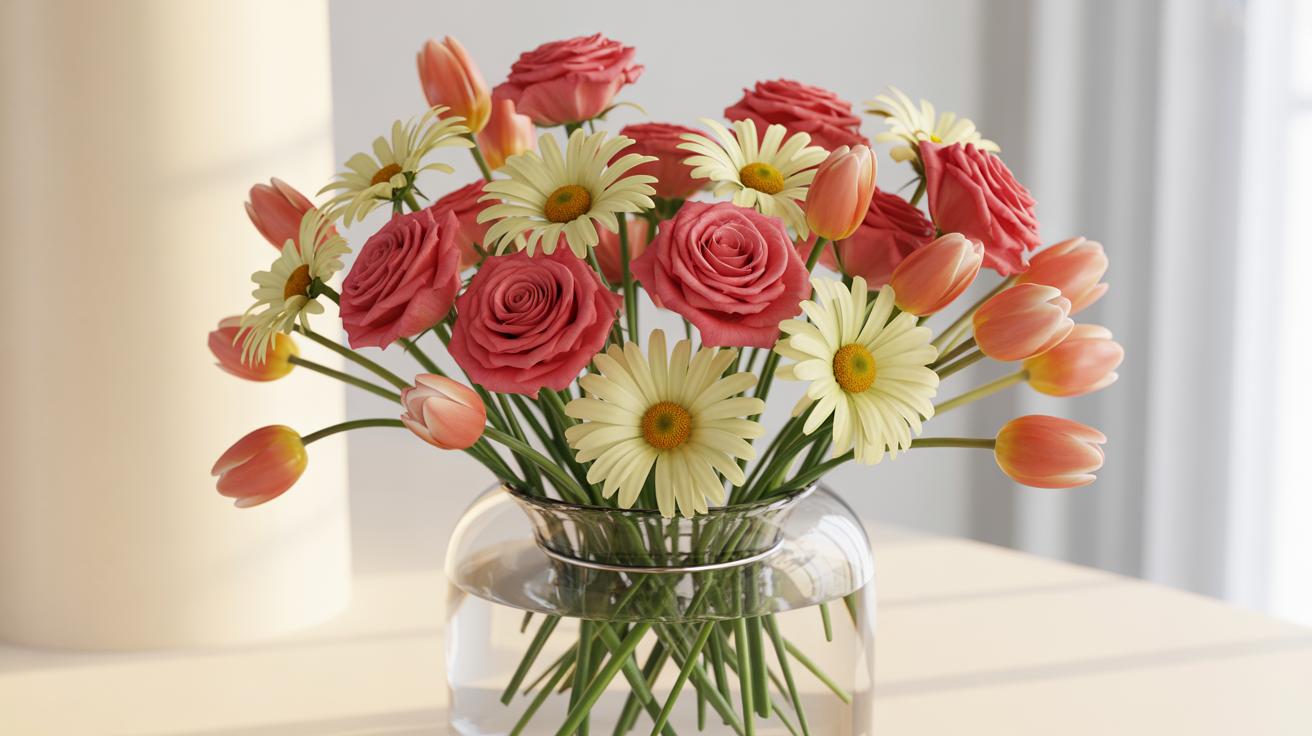
What Is A Flower Frog Understanding This Classic Floral Tool
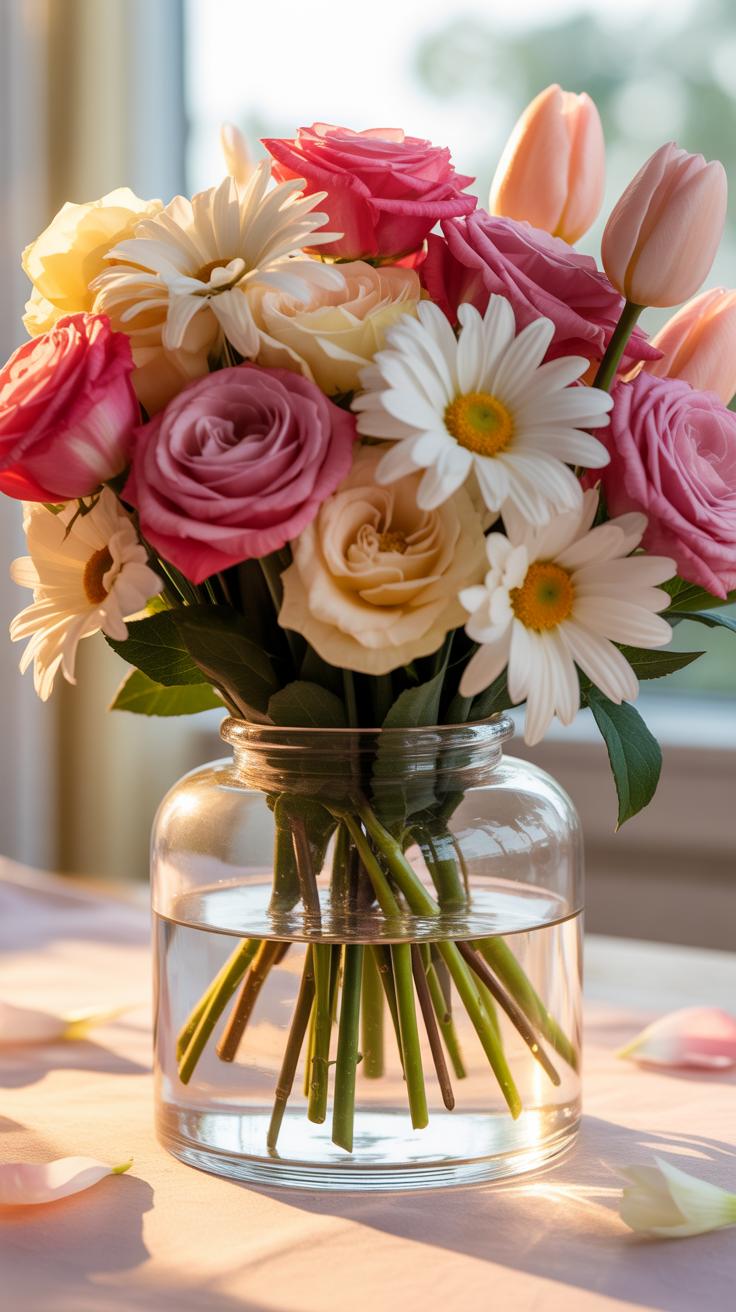
The History And Origins Of The Flower Frog In Floral Design
Flower frogs emerged as essential tools for stabilizing stems in shallow water. Early versions appeared in 14th-century Japan as kenzan within the art of Ikebana. These heavy metal plates used sharp needles to hold stalks at specific angles. Western designers adopted the concept during the Victorian era. Manufacturers began mass-producing various designs to accommodate different vessel shapes and stem thicknesses.
The United States saw a patent surge for these devices in the early 20th century. Production peaked between the 1920s and 1950s. Companies utilized diverse materials like glass, lead, and ceramic to suit consumer needs. Collectors today seek these vintage pieces for their durability and distinct utility. Every design choice focused on one goal. The tool had to hold heavy plant material without tipping over.
Why Florists And Home Arrangers Still Love The Floral Frog Today
Modern florists choose flower frogs because they offer superior control over placement. Foam products break down and release microplastics into the water supply. Frogs provide a sustainable and reusable alternative that lasts for decades. They allow for minimalist designs where the stems remain visible. You can reposition stems multiple times without damaging the structural integrity of the base like you would with foam.
These tools support heavy or woody branches that would collapse in other mediums. The weight of a metal frog prevents the entire arrangement from flipping over in a light breeze. They facilitate better water flow to the stem ends. Stems sit directly in the water rather than being clogged by floral foam particles. This mechanical advantage extends the life of the blooms. Professional designers rely on them for high-end, architectural work.

Exploring Flower Frog Ideas The Different Types Available
Pin Frogs, Cage Frogs, And Glass Frogs: What Sets Each Type Apart
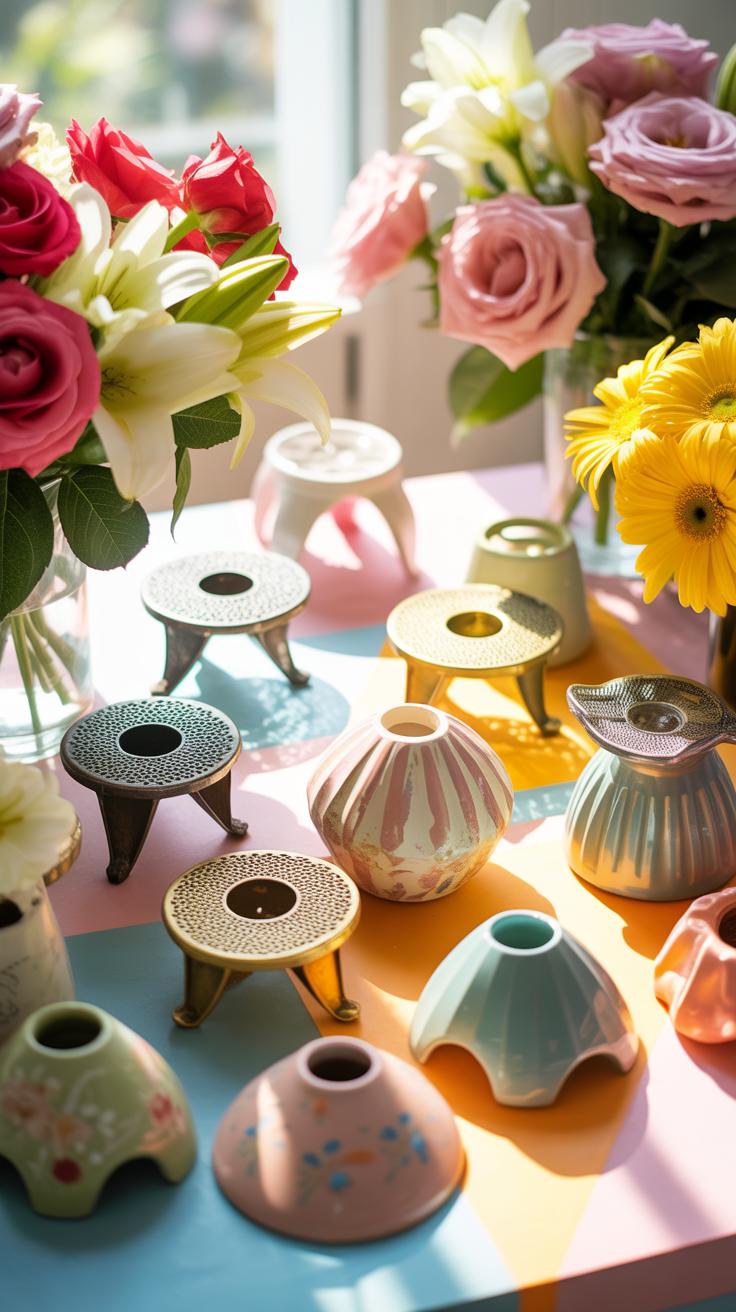
Pin frogs or kenzan consist of a heavy metal base with sharp upward needles. These originated in Japanese Ikebana to hold thick woody stems at specific angles. The heavy weight provides a low center of gravity. This prevents top-heavy arrangements from tipping over in shallow water. You press stems directly onto the needles to secure them firmly in place.
Cage frogs and glass frogs use holes or grids rather than spikes to support stems. Metal cage frogs offer a dome shape that allows for more horizontal stem placement. Glass frogs gained popularity in the early twentieth century. These flat discs feature vertical holes of varying diameters. Glass versions work best in clear vessels where the hardware must remain visible yet clean.
How To Choose The Right Flower Frog For Your Arrangement Style
Select your frog based on the weight and diameter of your floral stems. Heavy branches require the piercing power of a lead-based pin frog. Use smaller pin frogs for delicate wildflowers to avoid crushing the stems. If you want a tall and vertical look, choose a kenzan. It provides the strongest mechanical grip for upright designs. Use larger metal bases for wide bowls.

Choose cage or glass frogs for voluminous European style bouquets. These tools allow you to crisscross stems and create a natural spray. Metal cages work well in opaque ceramic vases where you want a rounded shape. Glass frogs suit vintage aesthetics and simple garden cuttings. Always match the frog size to the bottom of your container. Reliable stability depends on a tight fit inside the vessel.
Essential Materials You Need To Get Started With Flower Frog Arranging
Tools And Supplies That Complement Your Flower Frog Setup
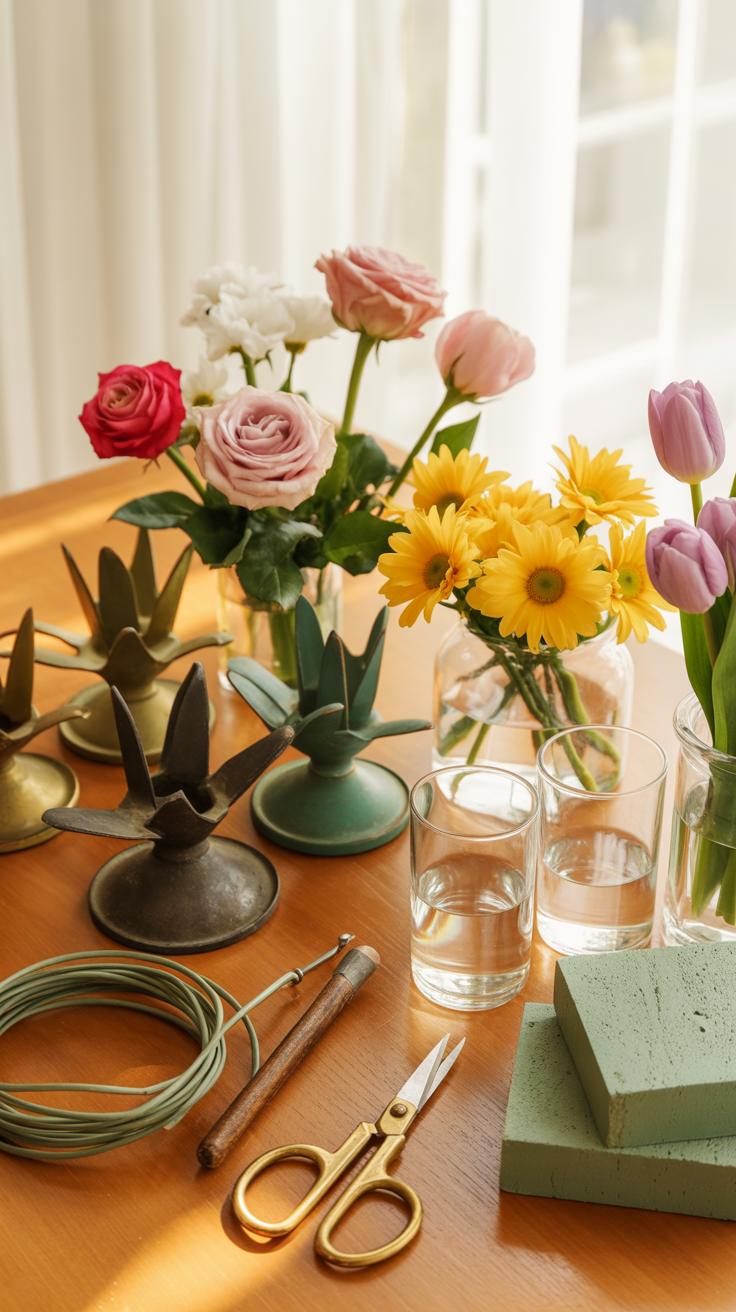
Successful flower frog arranging requires specific tools to maintain stem health and structural integrity. You must prepare your stems and secure your hardware before adding water. These peripheral tools ensure your frog stays in place and your flowers stay hydrated. Proper preparation prevents the arrangement from shifting or collapsing during the design process. Precise cuts and firm attachments are the foundation of professional floral work.
- Floral Putty: This waterproof clay secures the frog to the bottom of your container. You must apply it to a dry surface to create a strong suction bond. It prevents the heavy metal frog from sliding when you add top-heavy branches or thick stems.
- Stem Cutters: High-quality bypass pruners or floral shears are necessary for clean cuts. A blunt cut crushes the vascular system of the plant. Sharp blades allow the stem to pull water efficiently while sitting on or between the pins of the flower frog.
- Floral Tape: Waterproof tape provides extra security for larger arrangements. You can create a grid over the mouth of the vessel to work in tandem with the frog. This adds a second layer of stability for tall focal flowers that exert significant leverage.
- Branch Clippers: Heavy-duty shears are required for woody stems and thick branches. Standard scissors will fail against birch or cherry blossom limbs. These tools allow you to prune the base of a branch so it fits perfectly between the brass pins of a kenzan.
- Pin Straightener: This small metal tool fixes bent pins on your flower frog. Heavy use or thick stems can push pins out of alignment over time. Keeping the pins vertical ensures the frog maintains its grip and longevity for many years of repeated use.
Cleanliness is the final supply requirement for any floral project. Use a dedicated brush to scrub old plant debris from between the pins after every use. This prevents bacteria growth and keeps the metal from corroding. Bacteria block water uptake and kill flowers prematurely. Maintain your tools and supplies to ensure every arrangement stays fresh and stable for the maximum amount of time possible.
Selecting The Best Vase Or Container To Pair With Your Floral Frog
The shape and depth of your container dictate the style of your flower frog arrangement. Low, shallow dishes called compotes work best for kenzan style frogs. These vessels allow the flower frog to sit flat on the bottom while the water covers the pins. You can showcase the natural line of the stems because the container does not hide the architecture of the plant.

Depth and weight are the primary technical factors for selection. If you use a glass vase, ensure the base is wide enough to accommodate the frog without touching the sides. The container must be heavy enough to counterbalance the weight of the flowers and the metal frog itself. Use ceramic, stone, or thick glass to avoid tipping. Metal containers work well but require a liner to prevent rust.
How To Make A Floral Frog Work Securing And Positioning Techniques
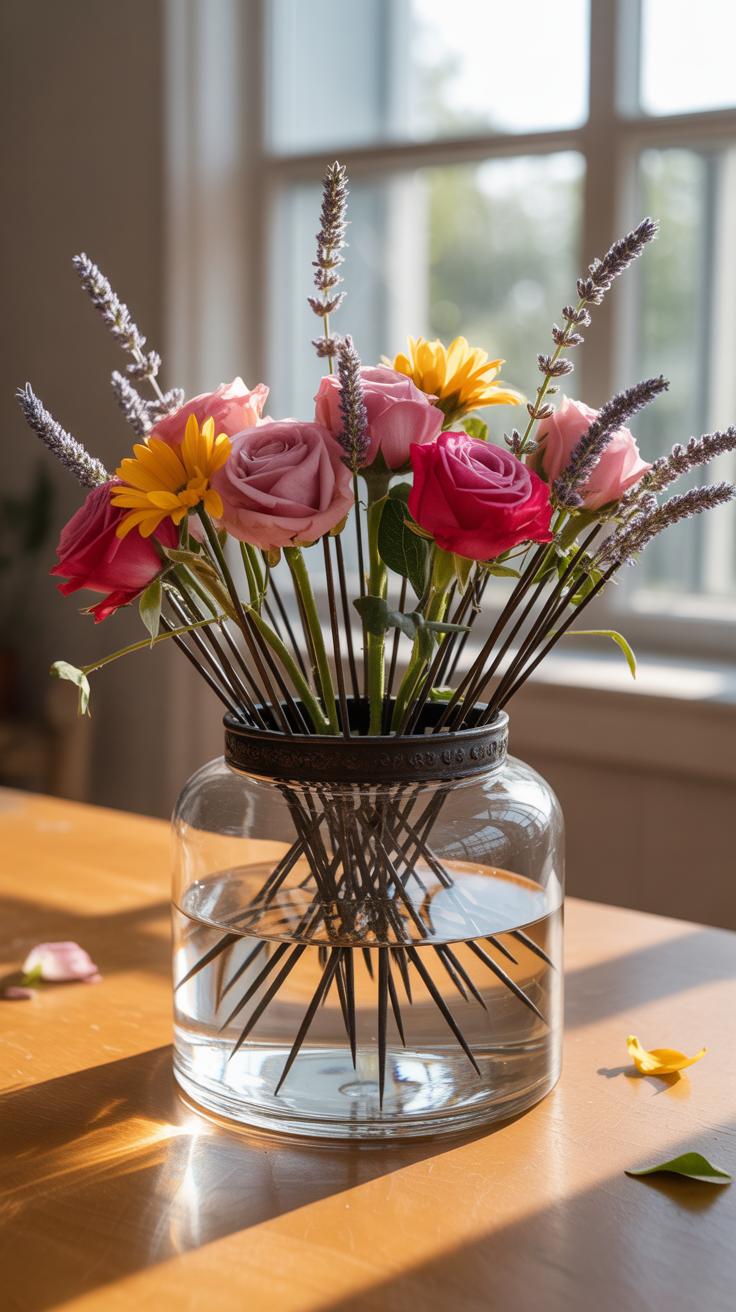
How To Anchor Your Flower Frog Securely At The Base Of Your Vessel
A loose flower frog ruins an arrangement. You must stabilize the base before adding water or stems. Use floral adhesive clay, often called sticky clay or putty. Roll a small piece of clay into a thin rope. Press this rope onto the dry bottom of the metal kenzan or glass frog. Firmly push the frog onto the dry floor of your vessel.
Achieving a waterproof bond requires dry surfaces. If the vessel or the frog is wet, the clay will slide. Twist the frog slightly as you press down to create a vacuum seal. This technique ensures the weight of heavy branches does not tip the frog over. Only fill the container with water after the clay sets and the frog stays immobile.
Tips For Positioning Stems At The Right Angles Using A Pin Frog
Pin frogs allow for precise angles that foam cannot match. Cut your stems at a sharp slant or a straight cross-section. Push the stem onto the brass pins with direct downward pressure. For vertical placements, keep the stem straight. For dramatic lean, insert the stem at the desired angle and let the pins grip the outer bark or fibers.

Balance your design by working from the center outward. Thick woody stems require more force to penetrate the pins. Thin or hollow stems may need a small piece of another stem stuffed inside to provide grip. This method provides the structural integrity needed for the minimalist lines found in Ikebana. Proper positioning ensures the water reaches the stem base without obstruction.
Frog Pin Arrangement Fundamentals Building Your First Design
Understanding Floral Design Principles: Balance, Proportion, And Flow
Flower frog arranging relies on structural physics rather than foam. You must achieve physical balance by centering the weight over the kenzan pins. If the arrangement leans too far, the entire vessel will tip. Visual balance requires placing darker or larger blooms near the base. This anchors the design and prevents a top-heavy appearance. Proper balance ensures the arrangement remains stable during the entire display.
Proportion dictates the relationship between the flowers and the container. A standard rule requires the tallest stem to reach one and a half times the height or width of the basin. Flow directs the eye through the design using curved stems or graduating heights. In Japanese Ikebana tradtions, this flow often represents heaven, man, and earth. High-quality frog pins allow for precise angles that create this essential movement.
Step By Step Guide To Building A Frog Pin Arrangement From Scratch
Before you begin, secure the frog to a dry vessel using floral adhesive or putty. Add water only after the frog is firmly in place. Clean all stems by removing foliage that would sit below the water line. This prevents bacterial growth and keeps the water clear. Use sharp shears to cut every stem at a forty-five-degree angle to maximize water intake and ease insertion.
- Set the Skeleton: Insert the primary structural stems first to define the height and width of the design. These stems establish the boundaries of the arrangement and dictate the overall shape. Push them straight onto the pins for maximum security.
- Establish the Focal Point: Place your largest or most vibrant bloom near the center of the kenzan. This flower acts as the visual anchor. Position it slightly lower than the surrounding stems to create depth and a heavy base for the design.
- Add Secondary Blooms: Fill the gaps with medium-sized flowers to build volume. Vary the heights of these stems to avoid a flat look. Ensure each stem reaches the pins at the bottom of the vessel to draw water effectively for long life.
- Incorporate Texture: Use greenery or smaller filler flowers to hide the metal frog from view. These elements add visual interest and soften the transition between the blooms and the vessel. Avoid overstuffing the kenzan to maintain clean lines and proper airflow.
- Refine the Angles: Adjust the tilt of individual stems to create a natural look. Kenzans allow for extreme angles that would fail in traditional foam. Use the gaps between the pins to wedge stems at slant positions to enhance the organic flow.

Finalize the arrangement by checking all connection points on the pins. Test the stability by gently shaking the vessel. If a stem wobbles, remove it and re-insert it into a fresh spot on the kenzan. Add water to the bowl until it covers the pins completely. Check water levels daily because shallow vessels evaporate quickly. This method ensures a professional result every time.
Ikebana Flower Arrangement The Japanese Art That Inspired Flower Frog Use
The Core Philosophy And Principles Behind Ikebana Floral Design
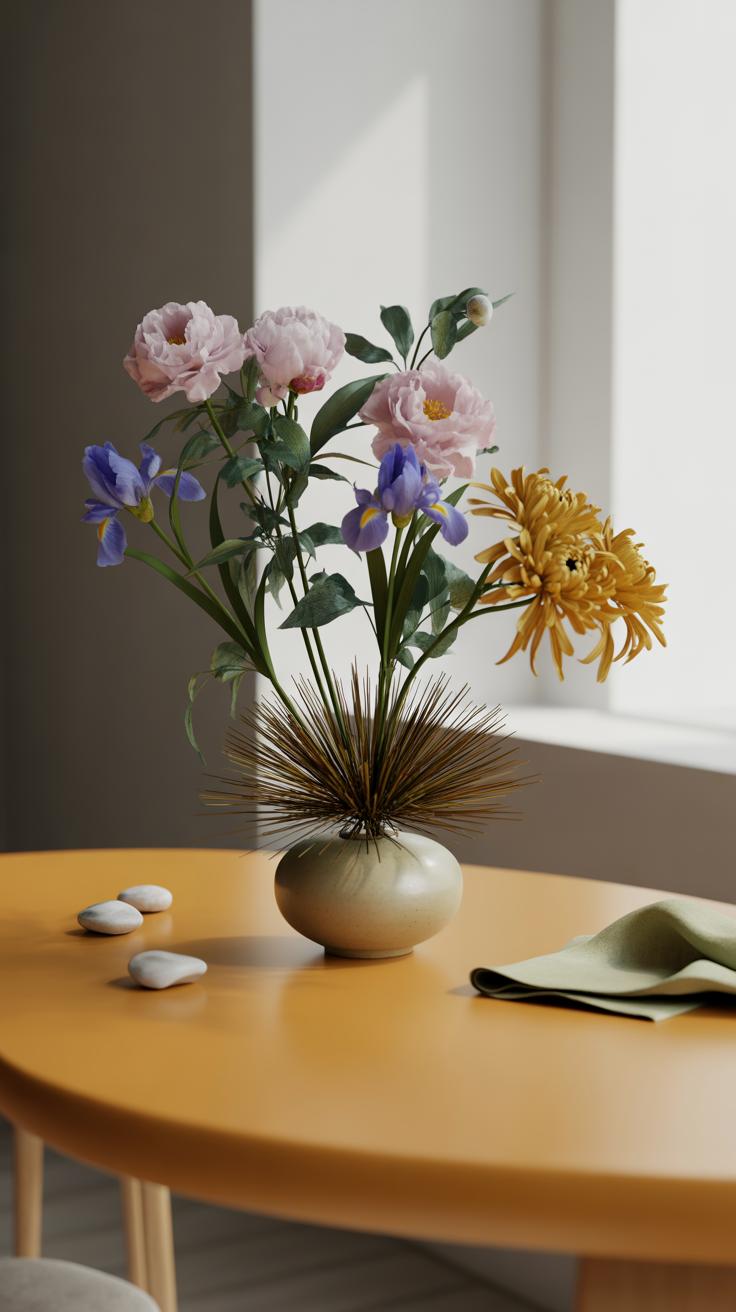
Ikebana centers on the concept of negative space. Practitioners call this ma. It emphasizes the shape of the branches over the quantity of flowers. This discipline uses three main lines to represent heaven, humanity, and earth. You must position these elements at specific angles to create a balanced triangle. This structural approach forces the viewer to look at the entire composition rather than just the color.
Rigid rules govern every placement in traditional schools like Ikenobo or Ohara. These schools focus on the natural growth patterns of plants. You do not just stick stems in a bowl. You recreate a landscape in a small vessel. This philosophy values minimalism and intentionality. Every stem serves a specific purpose in the final design. If a leaf does not add value, you remove it immediately to maintain clarity.
How Ikebana Techniques Translate Into Modern Flower Frog Arrangements
Modern flower frog arranging relies on the kenzan. This metal pin frog is a direct import from Japanese floral history. It allows you to fix heavy branches at sharp angles without them slipping. This tool creates the structural stability needed for asymmetrical designs. Without a kenzan, you cannot achieve the dramatic heights found in professional work. The pins grip the woody stems and provide a constant water source.

You utilize these techniques by prioritizing line and form in your work. Start with your tallest branch to set the height. Use the frog to lean the stem away from the center for a dynamic look. Fill the base with smaller elements to hide the metal Pins. This method replaces messy floral foam with a reusable and sustainable tool. It gives you total control over the direction and lean of every single flower.
Flower Frog Floral Arrangement Ideas For Every Season And Occasion
Seasonal Bloom Pairings That Work Beautifully With A Flower Frog
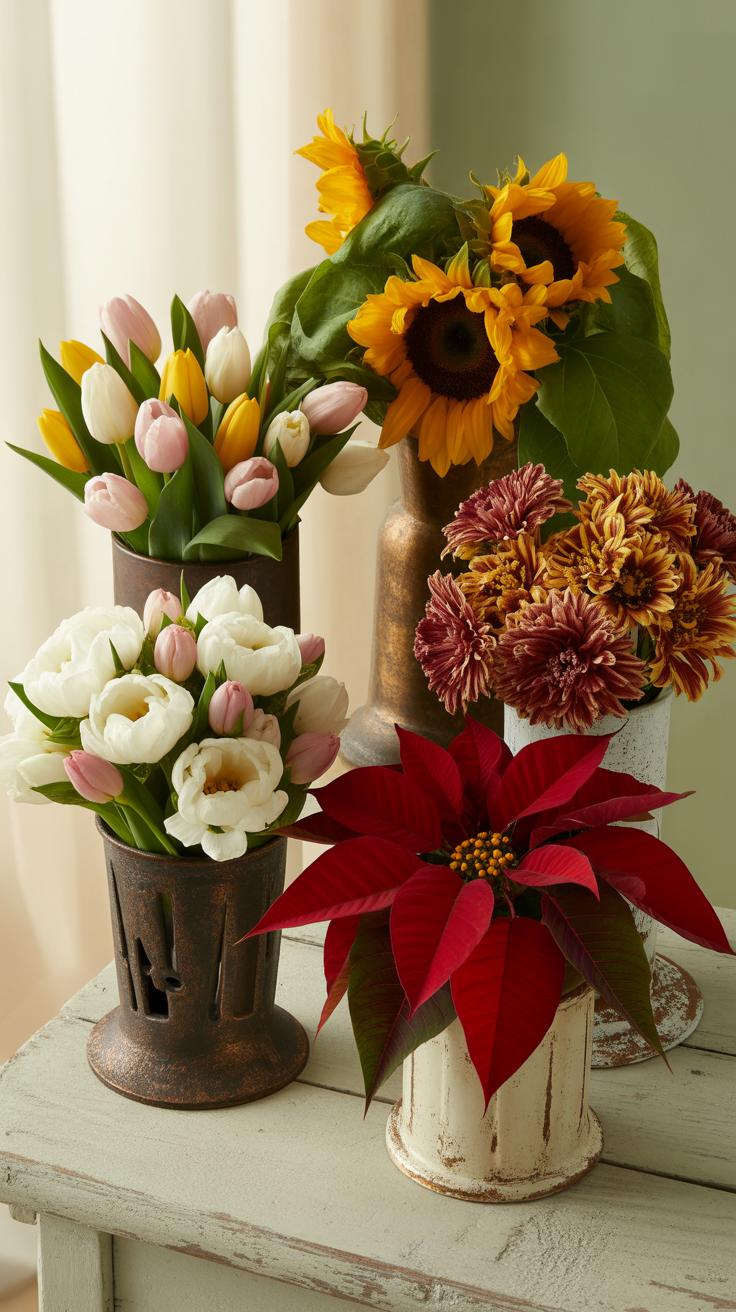
Spring requires thin stems like tulips or ranunculus. These soft stems often collapse in floral foam but thrive in heavy lead pin frogs. The pins provide a firm grip for hollow stems without crushing them. Match these with heavy glass bowls to anchor the weight. Use woody branches like forsythia to create height and stability for the smaller spring bulbs.
Autumn arrangements benefit from the structural support of metal cages or hairpin frogs. Use these to hold heavy dahlias and dried hydrangeas at specific angles. Winter designs often feature stiff evergreen branches and berries. A heavy cast iron frog prevents top heavy pine branches from tipping over the vessel. Focus on stem thickness when choosing your frog. Large pins handle thick woody stems effectively.
Creative Flower Frog Arrangement Styles For Everyday Home DéCor
Minimalist decor mirrors the Japanese Ikebana style known as Moribana. Use a shallow ceramic dish with a single pin frog. Focus on three main stems to represent heaven, man, and earth. This style removes visual clutter and highlights the natural curve of the plant. It works well on narrow mantels or side tables. The exposed water surface adds a cooling element to your room.

For a vintage look, place a glass block frog inside a wide mouth mason jar. This keeps flowers upright even with low water levels. Clear glass frogs disappear in water to让 the stems stay the focus. Group several small vessels with individual frogs to create a centerpiece. This allows you to swap single dead flowers without ruining the whole display. It saves time and resources daily.
Pin Frog Flower Arrangement Working With Delicate And Woody Stems
How To Insert Delicate Flower Stems Without Damaging Them On A Pin Frog
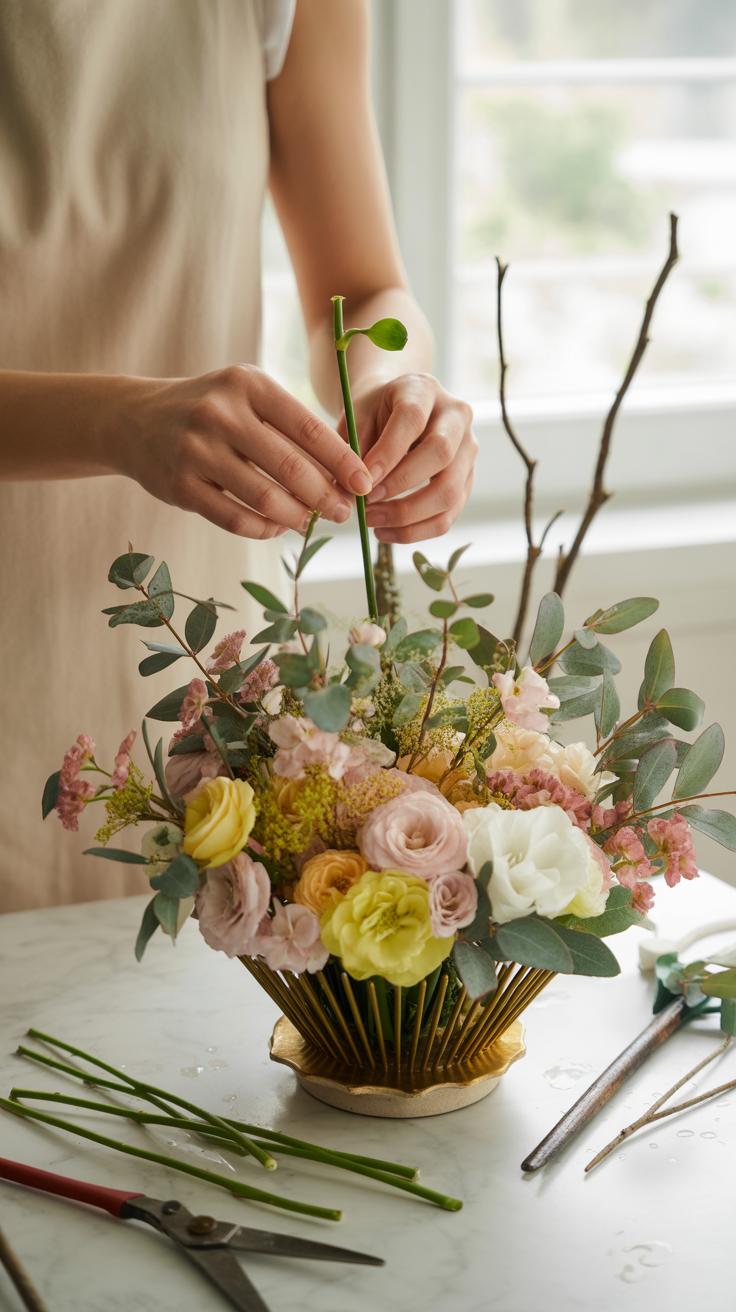
Delicate stems require a light touch to prevent crushing or snapping. You must avoid brute force when using a kenzan. Place the stem between the pins rather than forcing it directly onto a point. Use the tension of the surrounding needles to hold the flower in place. This method maintains the integrity of the stem and ensures the flower can still drink water.
For extremely thin or hollow stems, use a support system. Wrap the base of the delicate flower with a small piece of thicker stem or floral tape. This creates a larger surface area for the pins to grip. Insert this reinforced base into the frog. This technique provides stability for top-heavy blooms. It also prevents the sharp brass pins from slicing through the fragile plant tissue.
Techniques For Placing Woody Or Thick Stems Onto A Floral Pin Frog
Woody stems like branches or shrubs require more physical pressure. You cannot simply push them down. Use sharp shears to cut a vertical slit at the base of the stem. This split allows the pins to slide into the wood without the branch bouncing off. Position the stem at the desired angle and press firmly. This mechanical connection ensures the heavy branch remains upright.

Heavy branches can tip the entire pin frog over. Use a heavy lead-based frog or secure the kenzan with floral clay to the bottom of the vessel. If the stem is too thick for any pins, shave the sides of the base with a knife. This thins the profile to fit between the needles. Proper preparation prevents the branch from shifting and ruining the structural balance.
Flower Frog Arrangement Care Keeping Your Design Fresh Longer
Water Maintenance And Stem Trimming Tips For Longer Lasting Arrangements
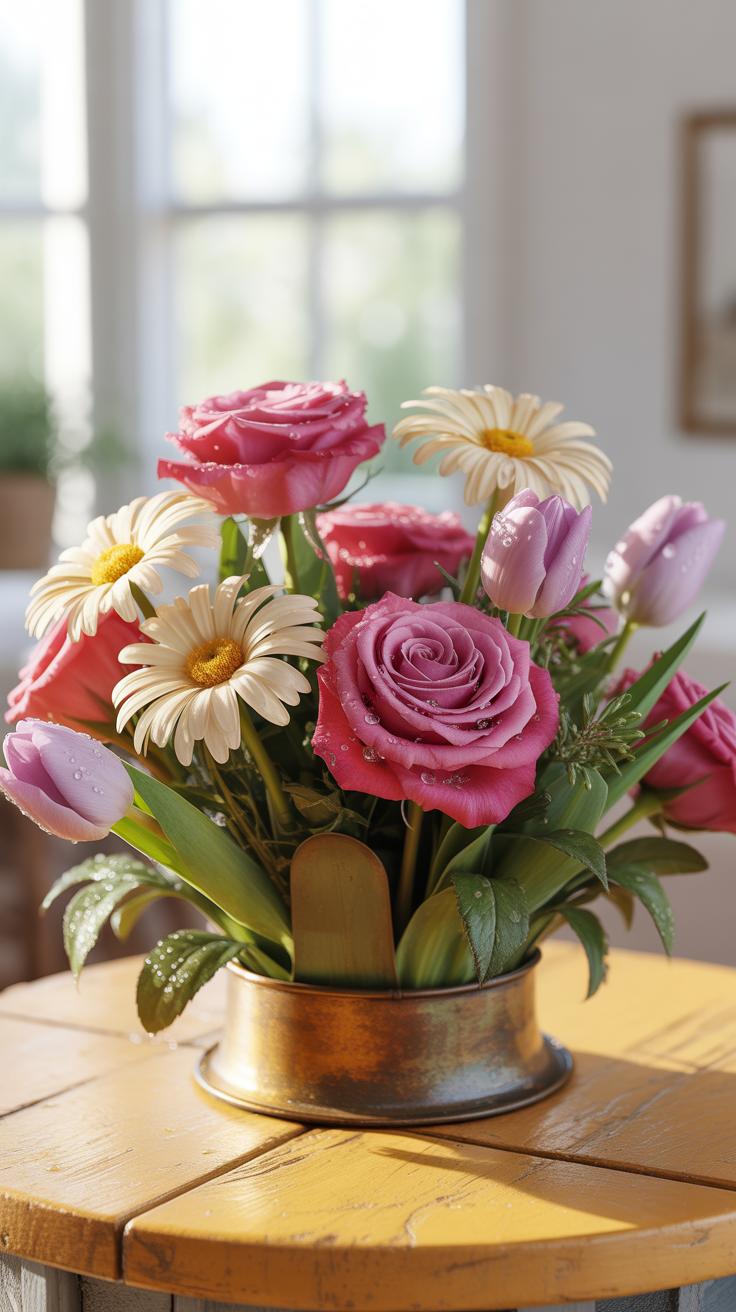
Flower frogs allow for shallow water displays that evaporate quickly. You must check the water level daily. Low volume means bacterial growth happens faster. Use room temperature water to avoid shocking the stems. If the water turns cloudy, replace it immediately. Clean water prevents the vascular systems of the plants from clogging. This ensures the flowers continue to hydrate effectively throughout their lifespan.
Recut stems every two days at a forty-five degree angle. A fresh cut exposes new tissue for better water intake. Use sharp shears to avoid crushing the stem walls. If you use a kenzan, do not shove the stem onto the same spot twice. Move the stem slightly to ensure the pins penetrate fresh material. This mechanical connection remains the best way to support heavy blooms in open vessels.
Use a flower frog to give each stem its own voice, allowing the arrangement to breathe with the quiet elegance of a meadow. The secret to a soulful display lies in letting the tools disappear so the natural beauty of the blooms can shine.
How To Clean And Store Your Flower Frog After Use
Scrub your flower frog with a stiff brush and mild soap after every use. Plant debris and sap create a film on the metal or ceramic surface. This film harbors bacteria that will kill future arrangements. For lead-based kenzans, avoid harsh acidic cleaners that cause corrosion. Rinse the frog thoroughly in cold water. Ensure no organic matter remains lodged between the pins or inside the holes.
Dry the flower frog completely before placing it in storage. Trapped moisture leads to oxidation and mold growth inside your storage containers. Store metal frogs upside down on a soft cloth to protect the pins from bending. Keep them in a dry environment away from high humidity. Proper storage maintains the structural integrity of the heavy base and sharp points. This discipline extends the life of your tools for decades.
Where To Find And Buy The Best Flower Frogs For Your Floral Practice
Vintage Vs. Modern Flower Frogs: What To Look For When Shopping
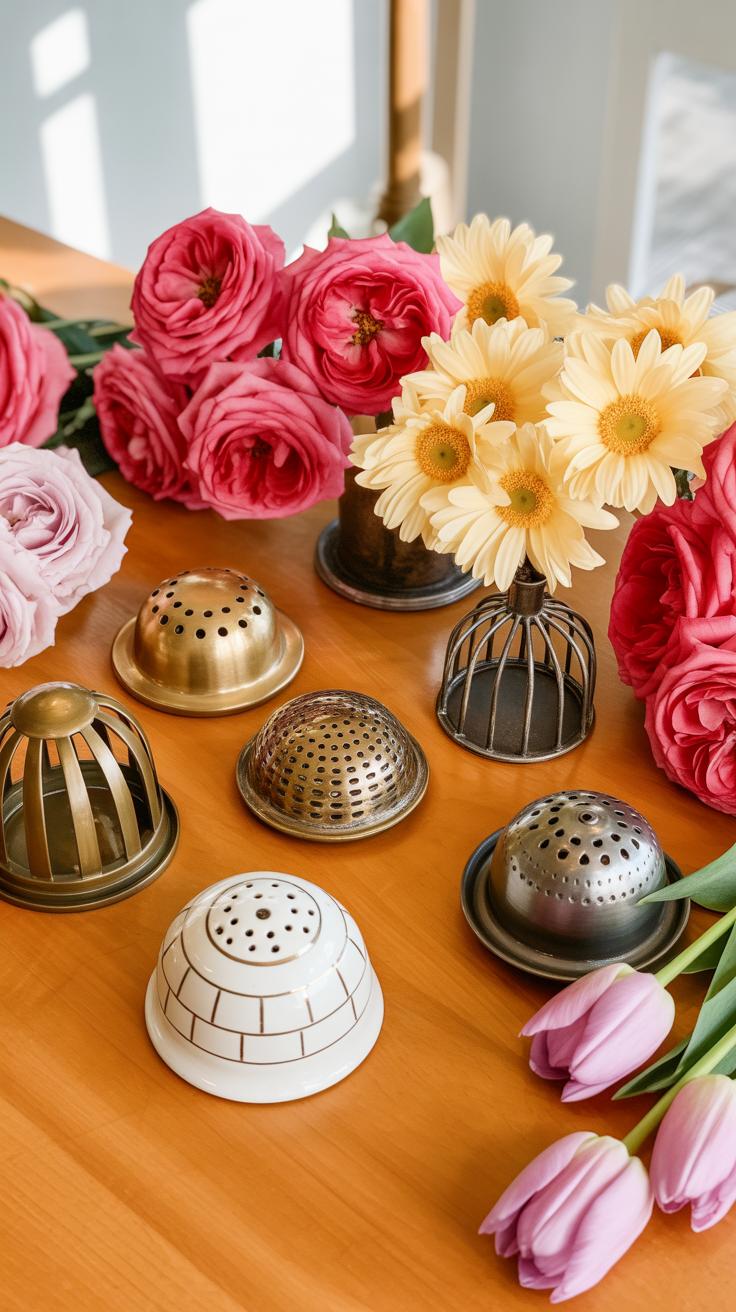
Vintage frog shopping requires a focus on material integrity and weight. Real antiques from the early 20th century often feature heavy lead or cast iron bases. These materials provide the necessary ballast for large woody stems. Check for sharp brass pins that show no signs of bending or rust. Patina is acceptable but structural damage ruins the tool. Authentic pieces often carry manufacturer stamps on the bottom.
Modern frogs prioritize safety and accessibility over raw weight. Today many manufacturers use stainless steel or plastic to avoid lead exposure. New pins are sharper and more uniform which helps with delicate stems. Look for removable rubber gaskets on the base to prevent slipping. Modern designs often include smaller sizes for bud vases. Choose modern versions when you need consistency and clean materials for daily professional use.
Trusted Sources And What To Expect When Investing In A Quality Floral Frog
Acquire high grade frogs from specialized floral suppliers or antique dealers. Estate sales and flea markets are prime locations for finding heavy kenzans and glass cage frogs. Expect to pay more for solid brass or heavy lead units. These tools are long term investments that should last decades. Avoid cheap mass market imports made of lightweight aluminum. These light metals fail to support heavy floral arrangements.
Professional floral supply houses offer the best selection of specialized shapes. Look for horseshoe or moon shaped frogs for specific container curves. Digital marketplaces allow you to source unique Japanese kenzans directly from manufacturers. Shipping costs are often high due to the weight of the metal. Verify the pin density before purchasing online. Higher pin counts provide better control for thin stems found in minimalist design styles.
Frequently Asked Questions

What exactly is a flower frog and how does it work?
A flower frog is a heavy device placed at the bottom of a vase to hold stems securely in place. Traditionally made of lead, ceramic, or glass, these tools allow for precise flower frog arranging by providing a stable base. Unlike floral foam, they are reusable and eco-friendly. By inserting stems into the metal pins or glass holes, you can create airy, architectural designs that look professional and intentional.
How do I secure a heavy arrangement so it doesn’t tip over?
To master flower frog arranging with heavy or tall branches, start by ensuring your container and frog are completely dry. Apply a small amount of floral adhesive clay to the bottom of the frog and press it firmly into the vessel. Once secured, add your water. This creates a watertight seal that prevents the frog from shifting under the weight of your blooms, allowing for dramatic, asymmetrical displays without any stability issues.
Are there affordable alternatives if I cannot find vintage metal frogs?
Absolutely! While vintage “pin kensans” are popular, you can achieve beautiful results using modern plastic versions or even DIY methods. A common budget-friendly hack is creating a grid out of clear florist tape across the mouth of your vase. Alternatively, a balled-up piece of chicken wire tucked into the bowl works wonderfully. These accessible options provide the same structural support for your stems without the high cost of antique collectibles.