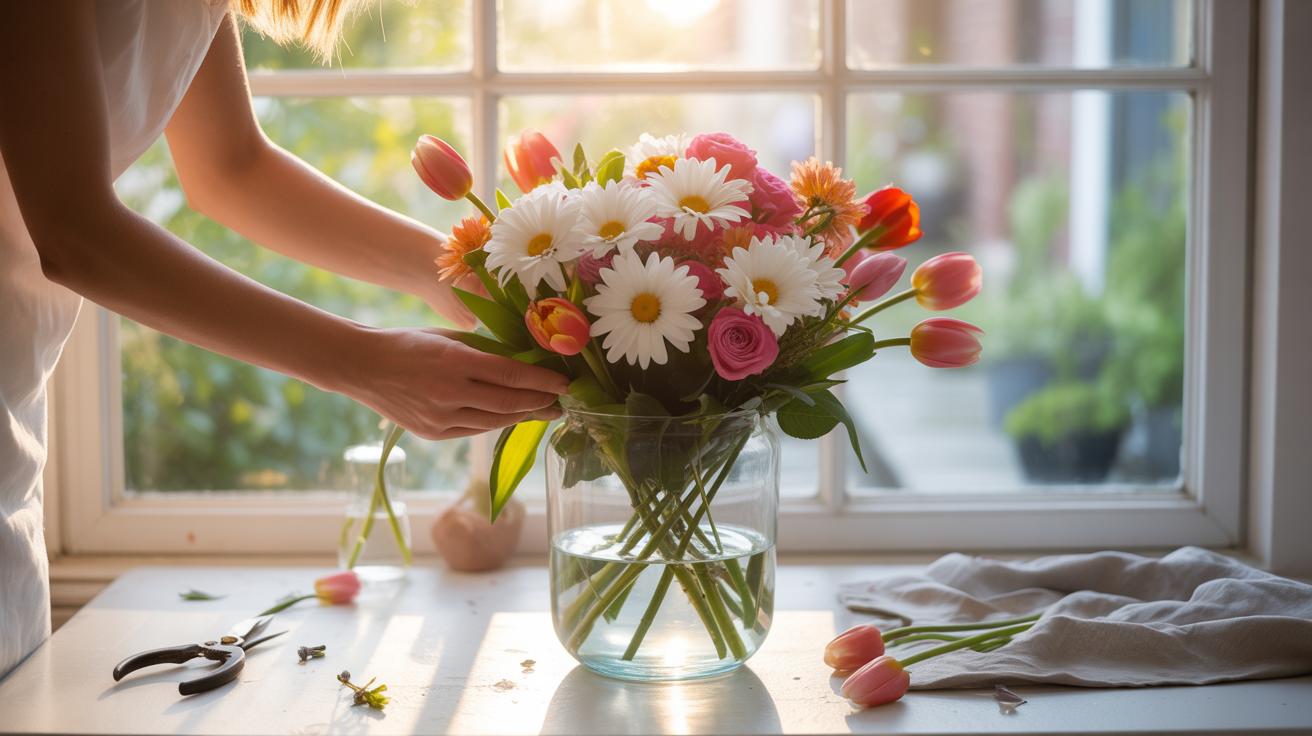
Understanding The Basics Of Vase Arranging Techniques And Flower Arrangements Ideas
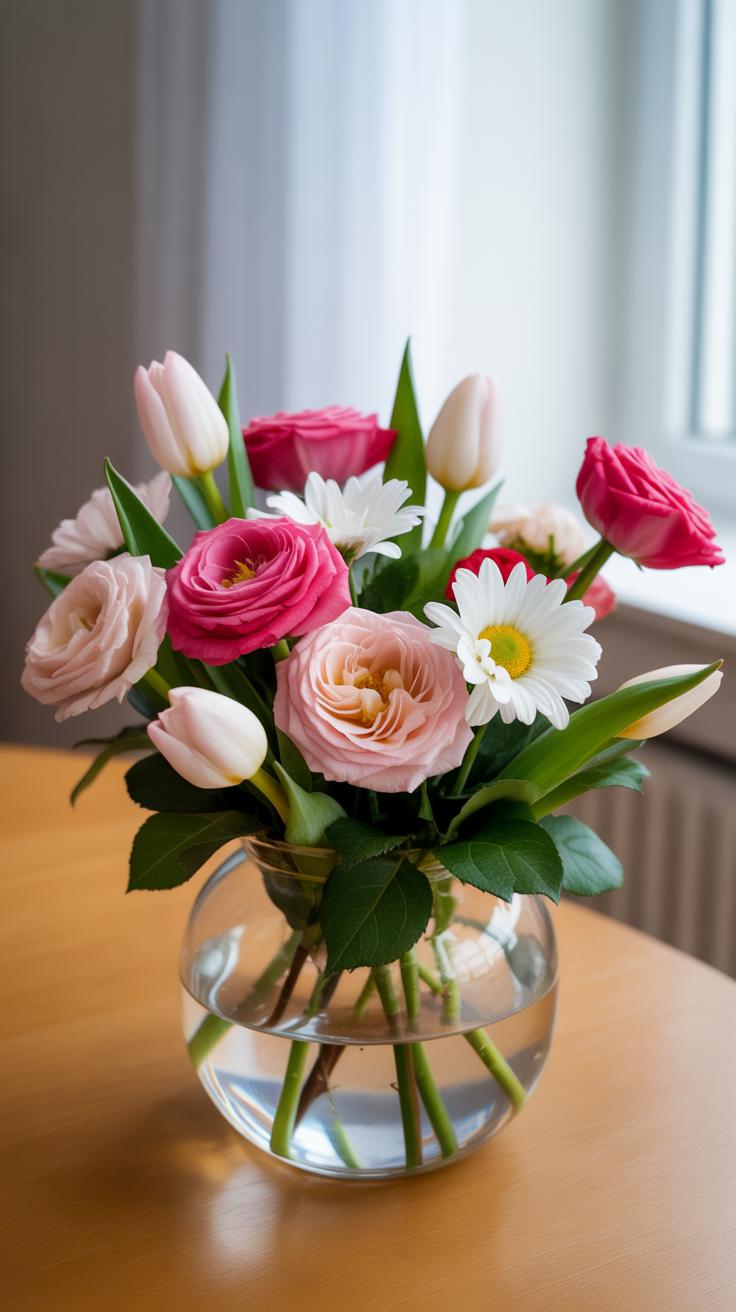
What Makes A Good Vase Arrangement: Principles Every Beginner Should Know
Effective vase arranging starts with structural integrity. You must build a solid foundation using a grid or a heavy kenzan to hold stems in place. This prevents the flowers from collapsing to the sides. Proper preparation involves stripping leaves that fall below the water line. This step stops bacterial growth and keeps the water clean. Clean water extends the life of every bloom you use.
A successful design follows the rule of thirds to establish height and width. You should place the tallest stems at one point five times the height of the container. This ratio ensures the arrangement looks stable and intentional. Professional florists use focal flowers to draw the eye and filler flowers to add density. These components work together to create a cohesive look that fills the space effectively.
How Proportion, Balance, And Color Theory Shape Beautiful Flower Arrangements
Proportion dictates the relationship between the flowers and the vessel. If the stems are too short, the vase overwhelms the blooms. If the stems are too long, the arrangement becomes top heavy and tips over easily. Balance can be symmetrical or asymmetrical. Symmetrical designs offer a formal appearance. Asymmetrical designs provide a natural and modern feel. Both styles require careful placement of weight.
Color theory provides a roadmap for visual impact. Complementary colors sit opposite each other on the color wheel and create high contrast. Monochromatic schemes use different shades of one single color for a clean look. You should use darker colors at the base of the arrangement to provide visual weight. Lighter colors and airy textures work better near the top and edges to create a sense of movement.
Essential Tools And Materials For Florist Arrangements At Home
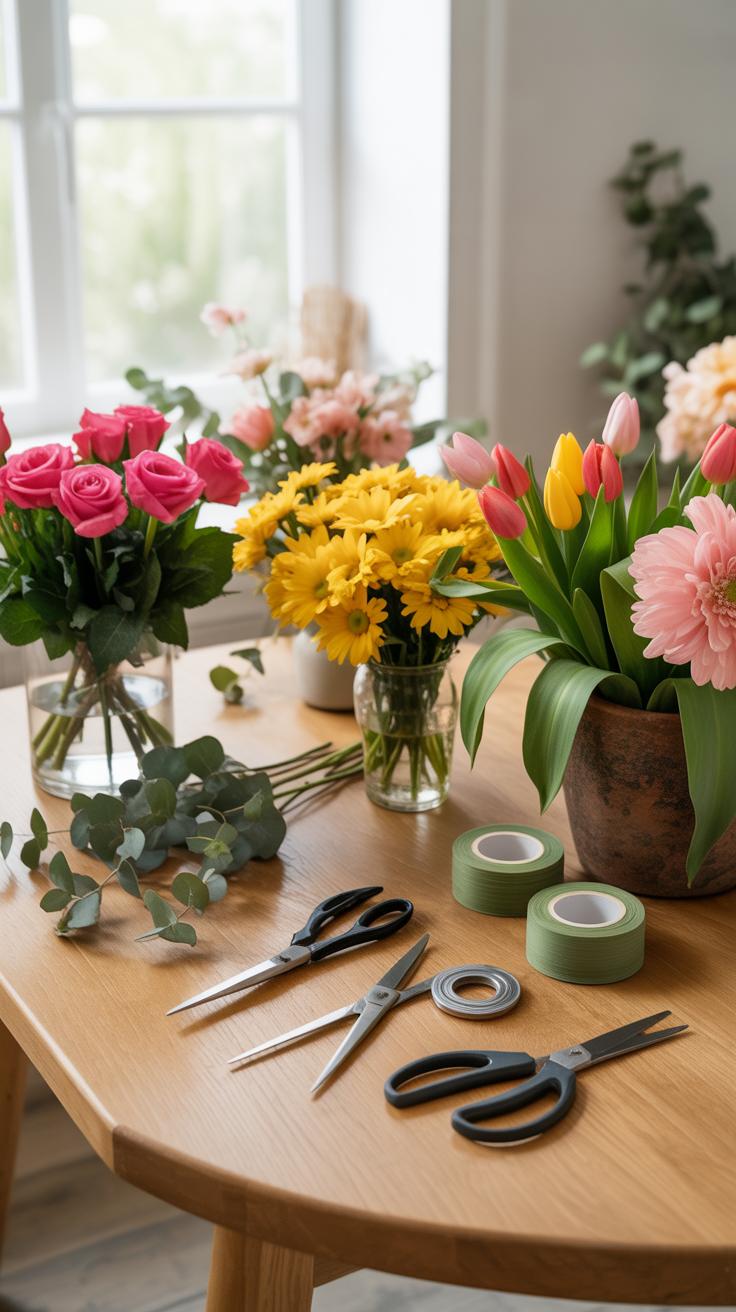
The Must Have Tools Every Beginner Needs Before Starting A Vase Arrangement
Successful vase arranging requires specific hardware to ensure plant health and structural integrity. You cannot use standard kitchen scissors because they crush the vascular system of the stem. This prevents the flower from absorbing water and leads to early wilting. Proper tools create clean wounds that allow for maximum hydration. Gather these items on a clean surface to maintain a sterile environment for your cut flora.
- Floral Shears: These specialized bypass cutters provide a sharp and clean slice through soft or woody stems. They prevent the crushing of cell walls which is vital for nutrient transport. Keep them oiled and sharp for the best results in every project.
- Floral Tape: This thin green tape creates a waterproof grid across the mouth of a vase. It provides mechanical support for individual stems and keeps them in specific positions. The adhesive activates when stretched tightly across the dry rim of the glass container.
- Thorn Stripper: This metal or plastic tool removes foliage and thorns from rose stems quickly without damaging the outer bark. It saves time and protects your hands during the preparation phase. Removing submerged leaves prevents bacterial growth in the vase water.
- Chicken Wire: Florists use coated hexagonal wire as a sustainable alternative to floral foam. You crumple it into a ball and place it inside the vase to act as a structural cage. It allows for natural stem movement while providing excellent grip and stability.
- Flower Food: These packets contain a precise mix of citric acid, bleach, and sugar to nourish the blooms. The acid lowers the pH level of the water to improve flow. The bleach kills bacteria that clog stems, while sugar provides a vital energy source.
Cleanliness is the final tool in your kit. Scrub every vase with a mixture of bleach and water before use to kill lingering pathogens. Bacteria are the primary cause of premature flower death in home arrangements. Professional florists treat their vessels like surgical tools to extend the life of the display. Always rinse your equipment thoroughly after every session to prevent rust and cross-contamination.
Choosing The Right Vase Shape And Size To Complement Your Flowers
Vase selection dictates the final physics and visual balance of your work. A heavy glass or ceramic base prevents the arrangement from tipping over when you add top-heavy blooms. You must match the neck opening to the volume of stems you plan to use. A wide mouth leads to splaying, while a narrow neck forces a vertical and tight composition.
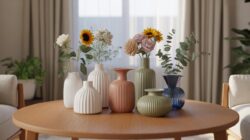
Consider the height ratio for a stable and proportional look. Your flowers should typically stand one and a half to two times the height of the vase. Trumpet vases support flared designs, while cylinder vases work best for modern and linear styles. Select clear glass to monitor water levels or opaque ceramic to hide structural mechanics like wire and tape grids.
How To Arrange Flowers In A Vase Step By Step Flower Arrangement Instructions
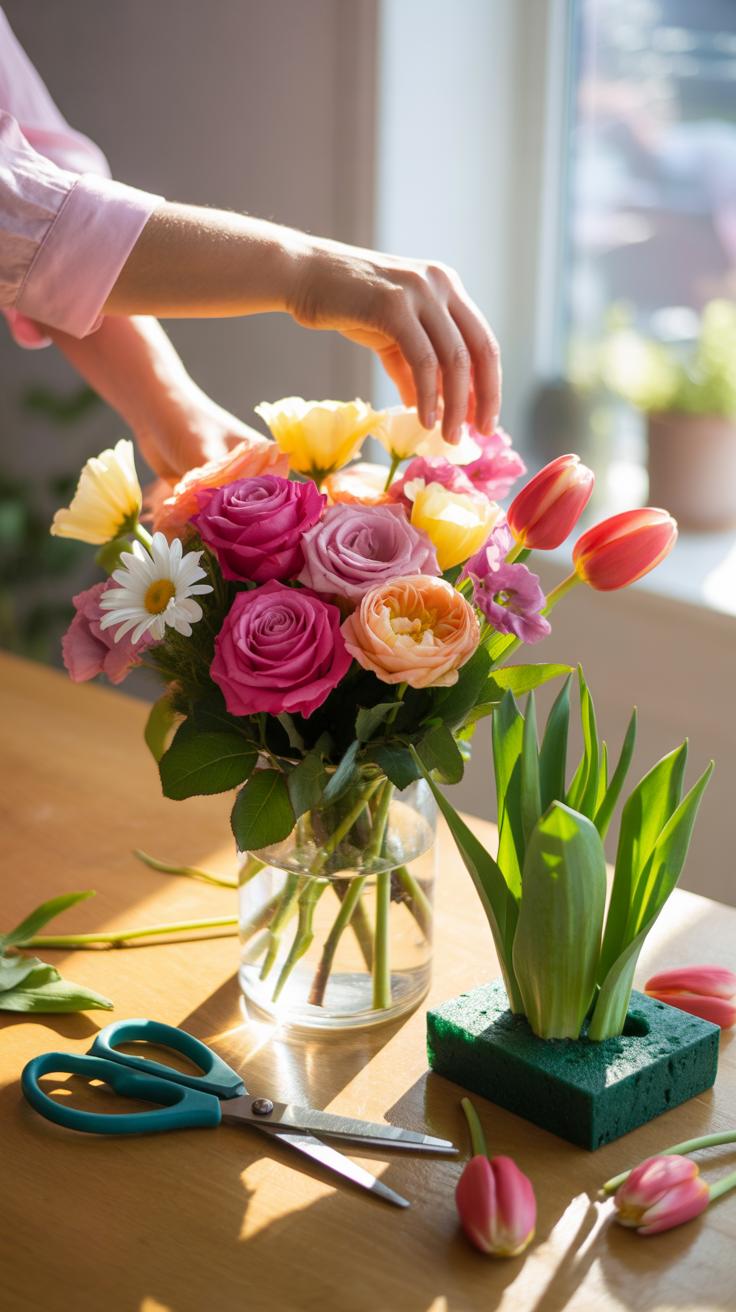
Preparing Your Flowers: Trimming Stems, Removing Leaves, And Conditioning Blooms
Effective preparation starts with clean tools and cold water. Use sharp shears to cut stems at a forty-five-degree angle. This increases the surface area for water absorption. Remove all foliage that falls below the water line of your vase. Rotting leaves create bacteria that kill flowers quickly. Professional florists call this process stripping the stems. It keeps the water clear and healthy.
Conditioning ensures your blooms last longer. Place clipped stems into tepid water immediately after cutting. Keep the flowers in a cool, dark room for two hours before you start arranging them. This allows the stems to drink and firm up. For woody stems like hydrangea, make a vertical slit at the base. This helps the plant pull thick water molecules more efficiently into the bloom.
Building Your Arrangement Layer By Layer: From Focal Flowers To Filler Greens
Begin by creating a structural base with greenery. This grid holds your flowers in place without using floral foam. Start with the largest stems to define the width and height of the design. Space them evenly around the rim of the vase. This foundation supports the heavier blooms you will add later. Proper spacing at this stage prevents the arrangement from looking crowded.
- Greenery Base: Use sturdy branches or leafy stems like eucalyptus to create a natural framework. This layer acts as a mechanic to hold other stems. Cross the stems inside the vase to build a stable nest.
- Focal Flowers: Add your largest and most expensive blooms next. These are the primary visual draws of the arrangement. Place them at varying heights near the center. Position some low near the rim to ground the design.
- Filler Flowers: Use clusters of smaller blooms to fill the gaps between your focal flowers. Materials like waxflower or baby’s breath work well here. These additions soften the transition between large blooms and the green base layer.
- Linear Accents: Incorporate tall, thin stems like snapdragons or bells of Ireland to add vertical interest. These pieces lead the eye upward and outward. Use them to break the circular symmetry and create a more dynamic shape.
- Floaters: Finish with delicate, airy flowers on long stems. These should sit slightly above the main canopy of the arrangement. They add movement and a professional finish. Position them last to ensure they do not get crushed.

Assess your work from all angles to find empty spots. Fill these holes with remaining greens or small buds. Ensure no stems are floating above the water level. Change the water every two days to maintain the health of the stems. If a flower wilts, remove it immediately to protect the others. High-quality arrangements rely on constant maintenance and clean water.
How To Make Flower Arrangements In A Vase Using Popular Everyday Flowers
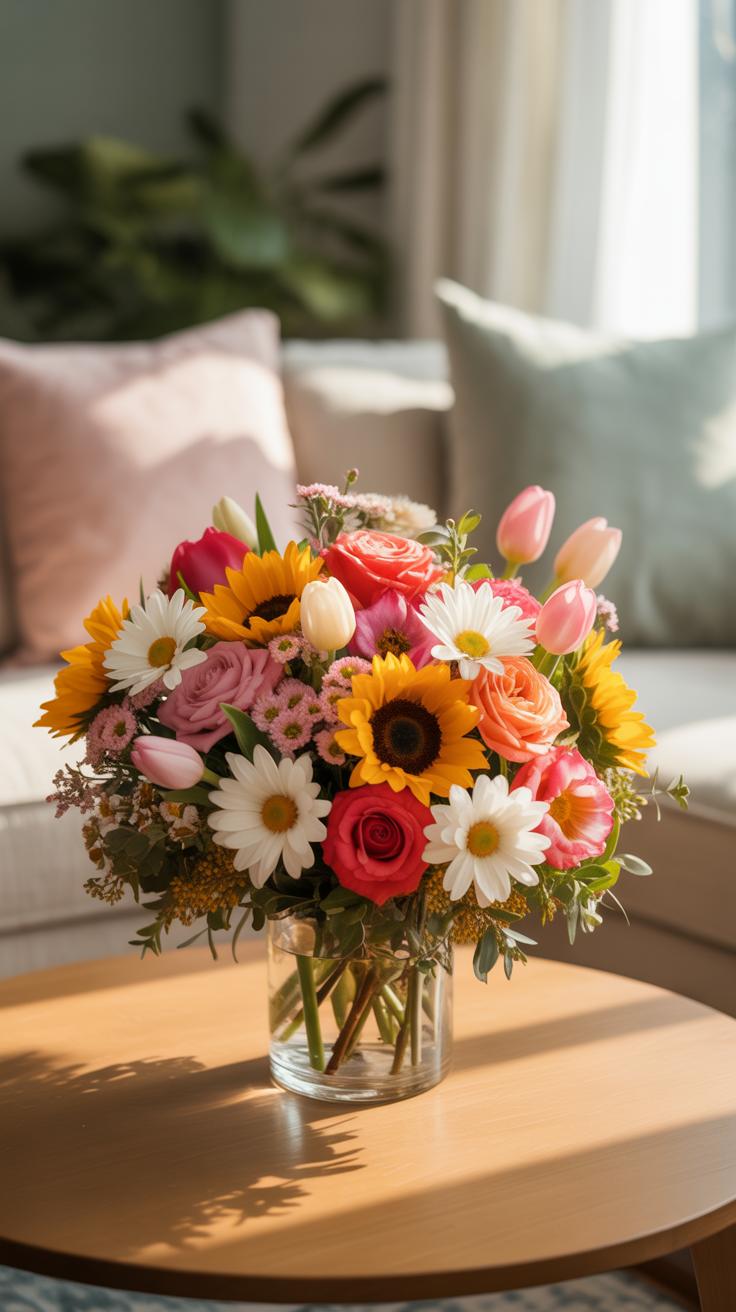
Best Flower Varieties For Beginners: Roses, Sunflowers, Tulips, And More
Beginners should select flowers with sturdy stems and long vase lives. Roses provide a firm structure and predictable bloom patterns. Sunflowers offer large focal points that fill space quickly. Tulips continue to grow after cutting, which adds movement to an arrangement. Carnations remain a staple because they survive for two weeks or more. These varieties tolerate handling and do not wilt immediately if the temperature shifts.
High-density blooms like hydrangeas require more water than thinner stems. Lilies offer a strong scent and multiple buds per stalk for a full look. Always remove foliage that sits below the water line to prevent bacterial growth. Use clean sharp shears to cut stems at a forty-five degree angle. This increases the surface area for water intake. Consistent hydration keeps these common varieties upright and healthy for several days.
There are always flowers for those who want to see them, so simply place them in a jar and let their natural beauty tell a story of home.
Mixing Textures And Heights To Create A Naturally Full And Balanced Vase Display
Vase Arranging Techniques rely on three layers: focal flowers, fillers, and greenery. Start with a base of greenery to create a grid. This structure holds the other stems in place. Place the largest blooms at varying heights to lead the eye through the design. Use spike-shaped flowers like snapdragons to add vertical interest. These tall elements prevent the arrangement from looking flat or overly dense.
Balance the weight of the display by placing heavier blooms near the rim of the vase. Use small airy fillers like baby’s breath or waxflower to bridge gaps between large stems. Different textures like smooth petals and rough leaves create visual depth. Ensure no two flowers sit at the exact same level. This staggered approach mimics natural growth patterns. A balanced display remains stable and resists tipping over in the container.
How To Arrange Flowers With Confidence Tips Inspired By Flower Arrangement Tutorial Videos
Learning From Professional Florists: Key Visual Techniques You Can Apply Right Away
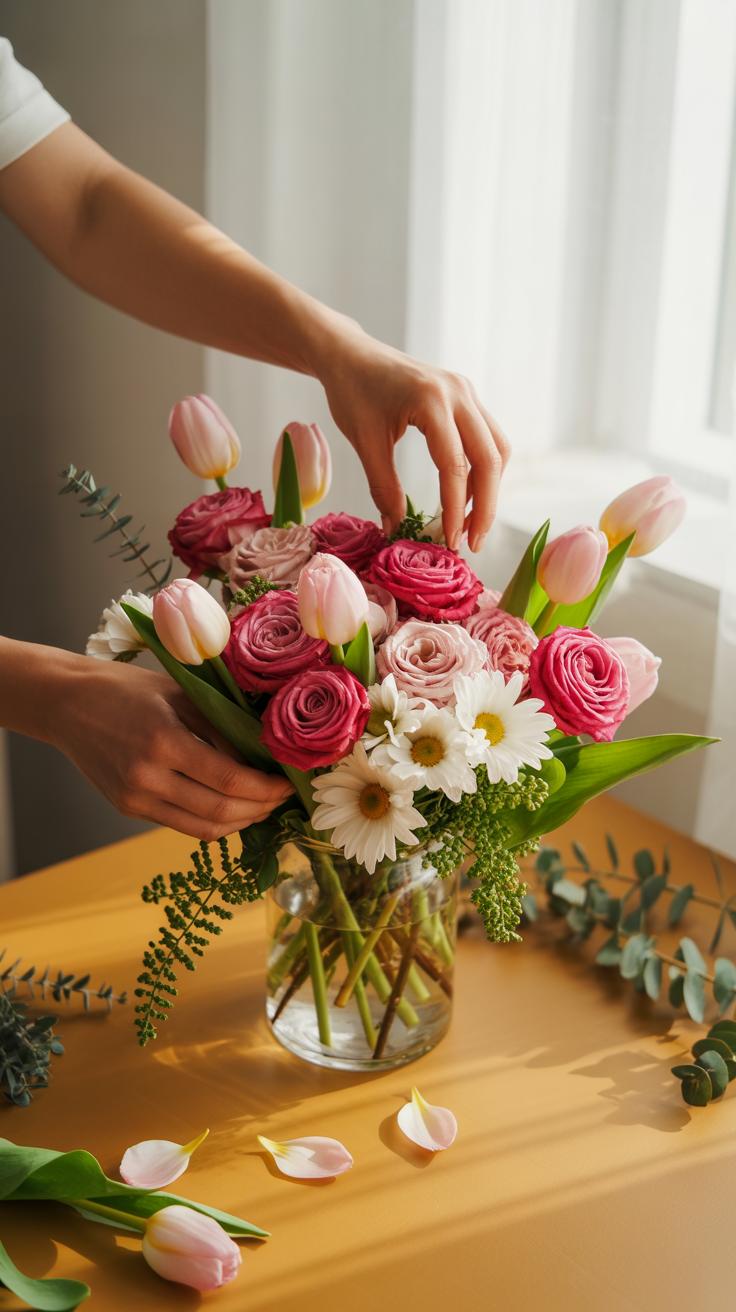
Professional florists prioritize structural integrity before adding aesthetic details. Use the three-point placement technique to create a balanced foundation within the vase. This method involves placing three primary stems in a triangular formation to support thinner stems later. Stagger heights to mimic natural growth patterns seen in the Dutch Golden Age style. Use heavy woody stems first to establish the overall height and width of your design.
Focus on the focal point to guide the eye through the arrangement. Place your largest or most vibrant blooms lower in the vase and near the center. This creates a visual anchor and prevents the design from looking top-heavy. Keep stems clean of foliage below the water line to prevent bacterial growth. Experts use a spiraling technique when placing stems to ensure even volume and to make adjustments easier.
Common Beginner Mistakes When Arranging Flowers In A Vase And How To Avoid Them
Many beginners cut stems too short or leave too much foliage on the stalk. Foliage submerged in water decays rapidly and kills the flowers. Accurate stem height should be approximately one and a half times the height of the container. Use sharp bypass shears rather than standard kitchen scissors to avoid crushing the vascular system. Crushed stems cannot absorb water, which leads to premature wilting and design failure.
Incorrect vase selection often ruins a promising arrangement before it starts. A vase with an opening that is too wide causes stems to fall to the sides. This leaves a hole in the middle of the display. Use waterproof floral tape to create a grid across the mouth of the vessel. This grid holds every stem in its exact place. Avoid placing arrangements in direct sunlight or near ripening fruit to maximize lifespan.
Elegant And Simple Flower Arrangements For Church Settings
Choosing The Right Flowers And Colors For Formal Church Flower Arrangements
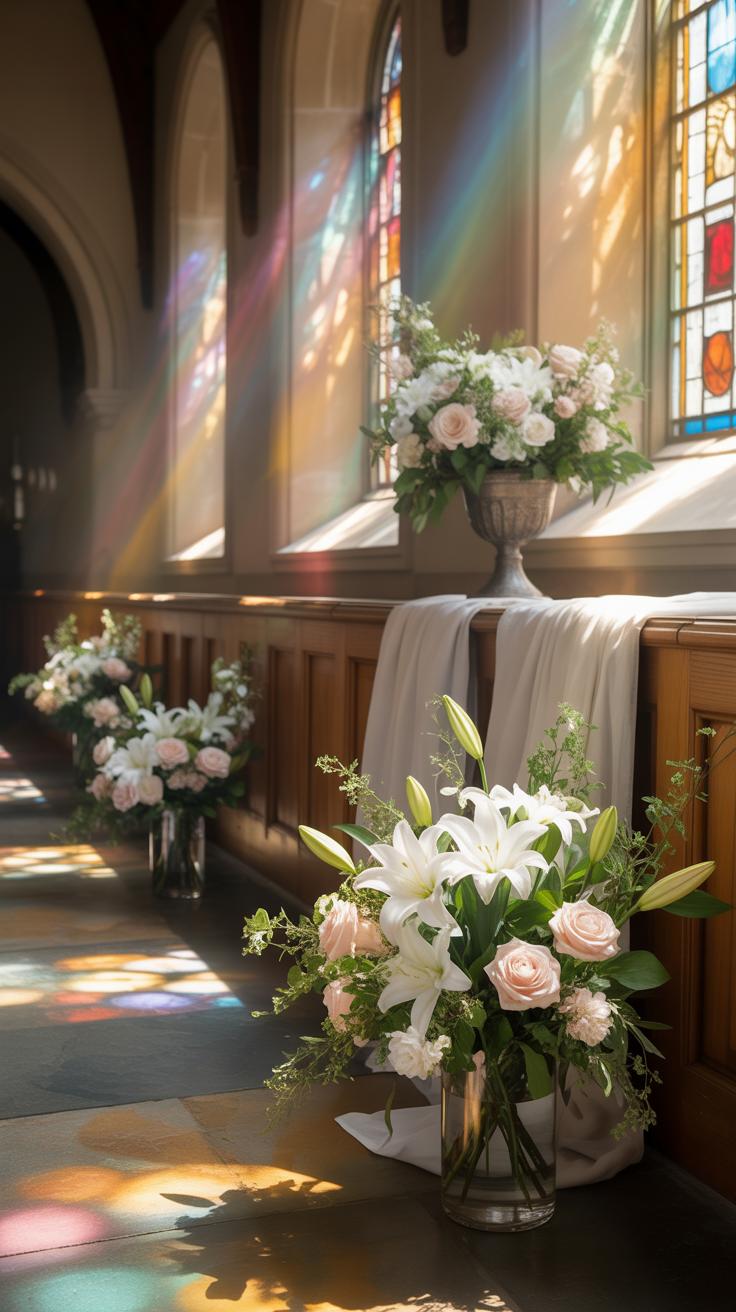
Select flowers based on the liturgical calendar and the architectural scale of the building. Traditional church settings often require white lilies or gladioli to represent purity and light. These flowers provide the height necessary to bridge the gap between small vessels and high ceilings. Use hearty blooms like carnations or roses for longevity during multi day services. Darker wood interiors need bright whites or deep creams to remain visible from the back pews.
Color palettes should remain cohesive to avoid distracting the congregation. Monochromatic schemes work best for formal services. Use green foliage like ivy or leatherleaf fern to fill gaps and frame the focal flowers. This creates a professional look without excessive cost. Avoid high fragrance flowers in confined spaces as they may cause allergic reactions. Stick to structured stems that maintain their form in large stone or wooden sanctuary containers throughout the week.
Vase Arranging Techniques That Work Best For Large Altar And Aisle Displays
Large altar displays require the radial arrangement technique. Start by placing the tallest stems in the center of the vase to establish the maximum height. Angle subsequent stems outward to create a fan shape. This ensures the arrangement looks full from every angle in the room. Use chicken wire or floral foam to secure heavy stems in wide mouth vases. This mechanical support prevents the heavy blooms from sagging under their own weight.
Aisle displays need the facing technique to ensure visibility for guests walking toward the front. Position the best blooms to face the center of the walkway. Use low profile containers to prevent tipping in high traffic areas. Secure these vases with temporary adhesive or heavy bases. This provides stability against accidental bumps. Incorporate long trailing greens like eucalyptus to add motion and connect the separate units visually along the entire length of the church.
Exploring Unusual Flower Arrangements Creative Vase Techniques Beyond The Traditional
Using Non Traditional Vessels And Unexpected Blooms For Eye Catching Arrangements
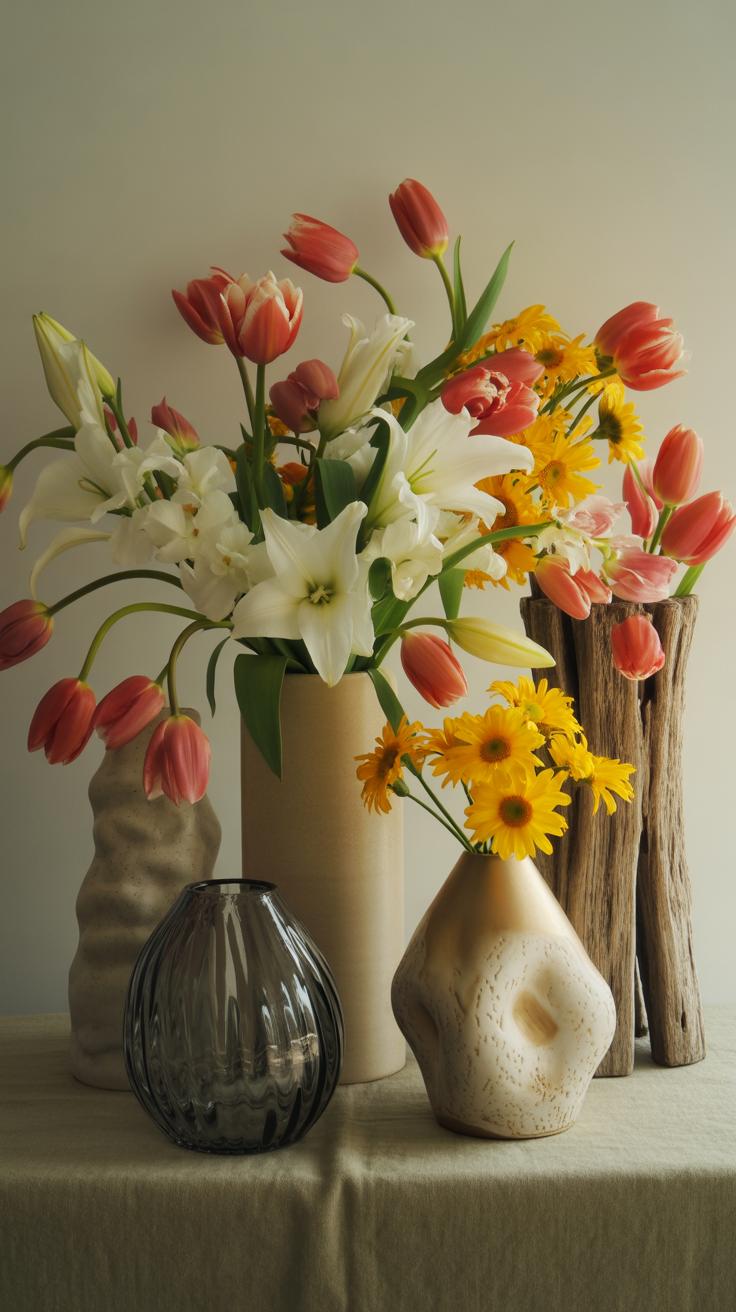
Standard glass vases limit your design potential. Use vintage pitchers, wooden crates, or industrial metal tins to change the visual weight of your work. These vessels dictate the structure of the stems. Narrow necks support tall, thin stalks while wide basins require a foundation like chicken wire. Match your vessel material to your environment. Functional objects provide better stability for top-heavy floral displays.
Select blooms that defy standard floral tropes. Use ornamental kale, thistle, or berried branches to add texture. Contrast soft petals with rigid architectural plants. This approach creates visual tension and draws the eye. Ensure the vessel remains watertight to prevent damage. Use plastic liners inside porous materials like wood or clay. Proper preparation keeps the arrangement fresh and protects your surfaces from water stains.
Incorporating Dried Flowers, Foliage, And Branches Into Your Vase Designs
Dried elements provide height and structure without requiring water. Use preserved eucalyptus, pampas grass, or dried hydrangeas for long-lasting displays. These materials work well in opaque vases where you can hide structural foam. Position heavier branches first to establish the frame. Use the natural curves of the wood to lead the viewer’s eye. This technique creates a permanent design that requires zero maintenance.
Foliage acts as the primary filler and defines the shape of your arrangement. Use leather leaf ferns or ruscus to hide the rim of the vase. This makes the design look professional. Branches add an organic feel and architectural interest. Prune thick stems at a sharp angle to increase surface area for water absorption. Solid greenery provides a backdrop that makes the colors of your flowers pop.
Keeping Your Vase Arrangements Fresh Care Tips And Long Lasting Display Advice
How Often To Change Vase Water And Trim Stems To Extend The Life Of Cut Flowers
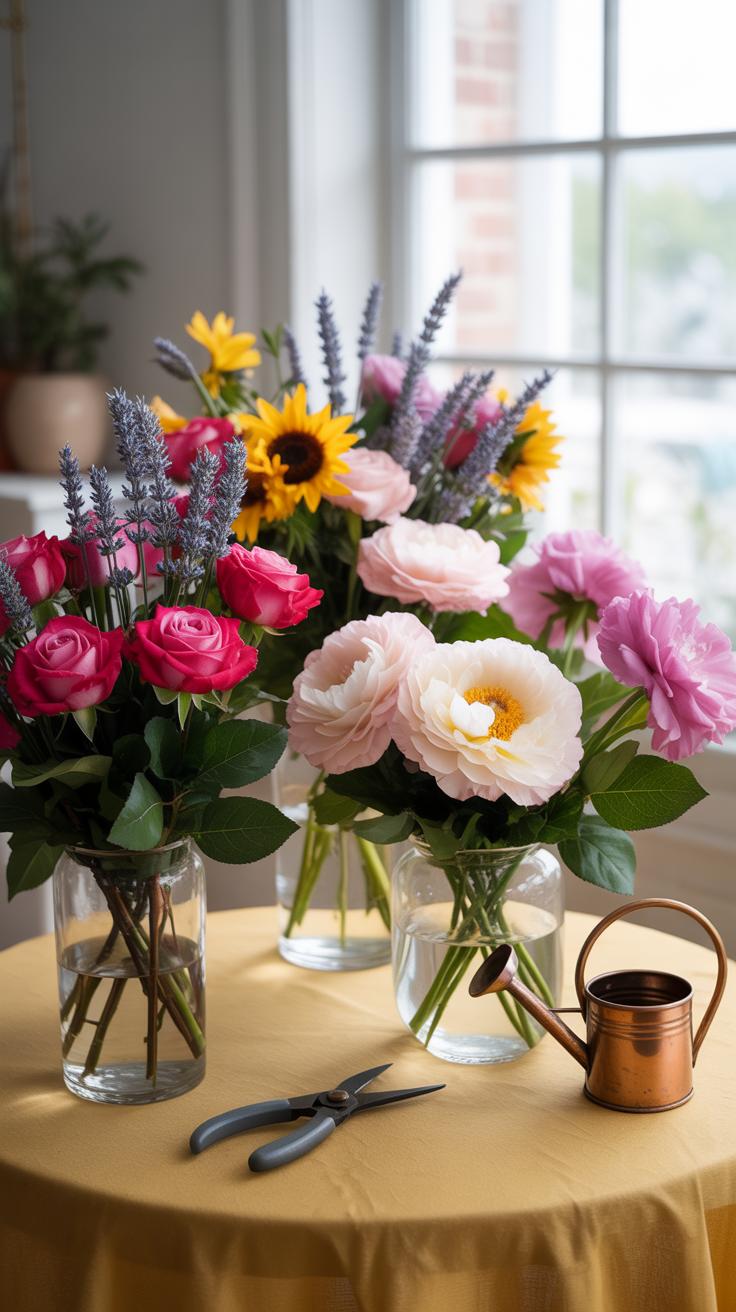
Bacteria kill cut flowers fast. You must change the water every two days to prevent slime buildup. Clean water keeps the plant vascular system open. Use lukewarm water for most blooms to promote better absorption. Scrub the vase with soap during each water change. Professional florists know that stagnant water clogs the stem and causes the flower to wilt prematurely.
Trimming stems is a tactical necessity. Recut the stems at a forty-five degree angle every time you change the water. This angle provides more surface area for hydration. Use sharp floral shears to avoid crushing the tiny water tubes in the stalk. Remove any leaves that sit below the water line. Rotting foliage creates toxic gases that destroy the rest of the arrangement quickly.
The Best Placement And Environmental Conditions To Keep Your Arrangement Looking Its Best
Temperature control determines how long your display lasts. Place your vase in a cool spot away from direct sunlight. High heat accelerates the aging process and causes moisture loss through the petals. Avoid drafty areas near air conditioners or heaters. These spots dry out the blooms too fast. Stability in the environment preserves the cellular structure of the flowers for several extra days.

Ethylene gas is a silent killer for floral arrangements. Keep your vase away from ripening fruit like apples or bananas. This gas causes flowers to drop their petals and turn brown. Do not place the arrangement on top of electronics that emit heat. Cool air and shade mimic the conditions of a professional floral cooler. Following these placement rules ensures your design work remains vibrant and healthy.
Frequently Asked Questions

What are the most basic vase arranging techniques for someone just starting out?
For beginners, one of the most effective vase arranging techniques is the grid method. By using clear floral tape to create a cross-hatch grid over the mouth of your vase, you provide a supportive structure for every stem. This prevents flowers from flopping to the sides, allowing you to build height in the center and achieve a professional, balanced look even if you have never handled professional shears before.
How do I choose the right flowers to create a full and balanced arrangement?
To achieve a balanced look, follow the “thriller, filler, and spiller” rule. Start with a bold “thriller” flower as your focal point, add “filler” blooms to take up space, and finish with “spiller” greenery that drapes over the edge. These vase arranging techniques ensure variety in texture and height. Always remember to strip any leaves that fall below the waterline to keep your water clean and your blooms or foliage healthy.
Can I create beautiful floral displays without spending a lot of money on professional tools?
Absolutely! You do not need expensive equipment to master the basics of floral design. Most household items, like mason jars or recycled glass bottles, make excellent vessels. Instead of floral foam, try using chicken wire or even scrunched-up waterproof tape. Focus on using affordable greenery from your own backyard or grocery store bundles to practice your skills, as expensive stems aren’t necessary to create a stunning, heartfelt centerpiece.