What Are Mixed Vase Displays And Why They Work So Well As Vase Display Decor
The Core Concept Behind Grouping Vases Together
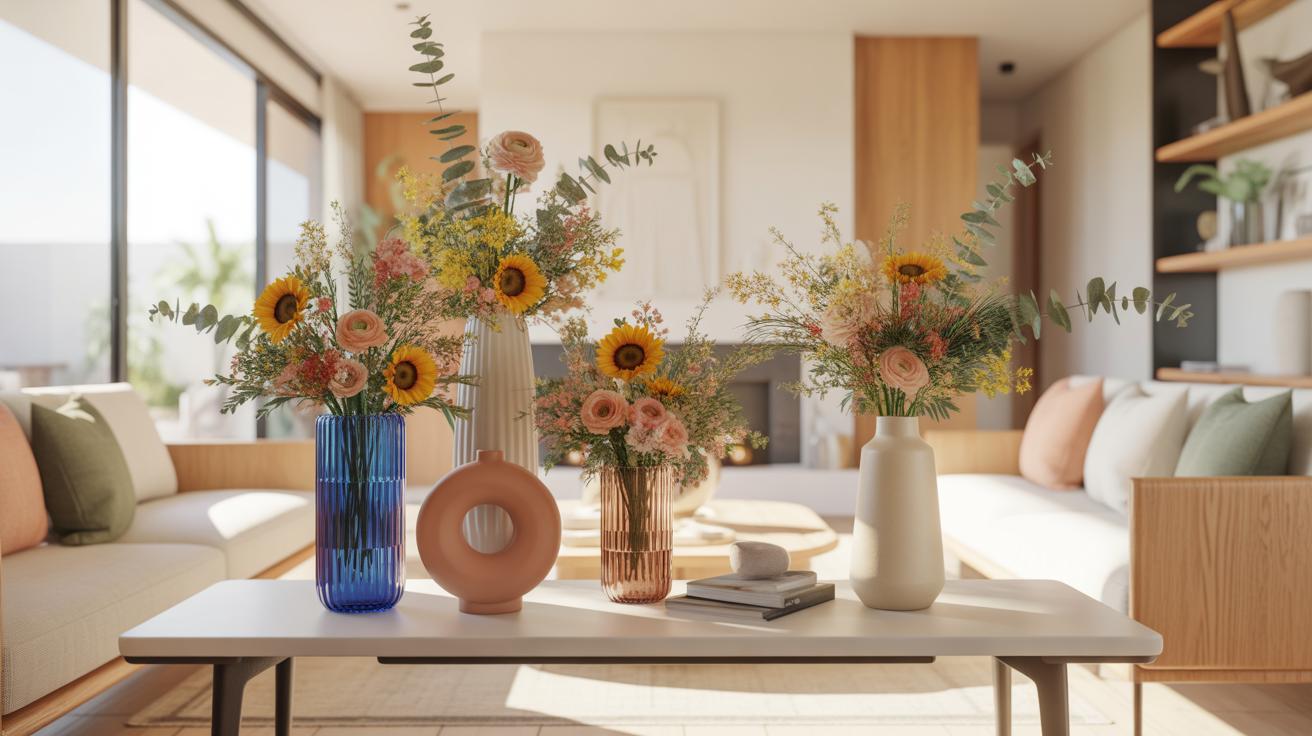
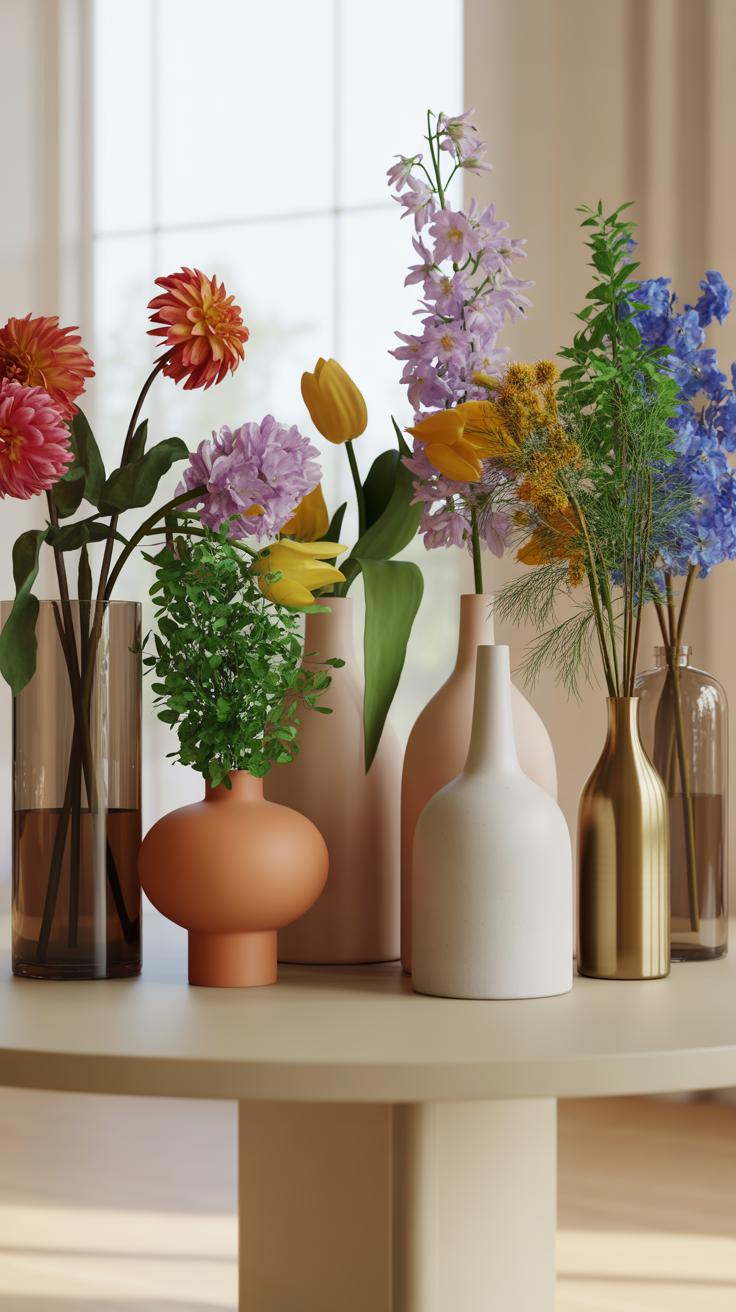
Mixed vase displays rely on the principle of grouping individual objects to create a single cohesive unit. Designers call this the power of the cluster. When you place one vase alone, it serves as a simple focal point. When you group multiple vases, they tell a broader story. This tactic allows you to fill larger surface areas without using bulky furniture or heavy art pieces.
Successful groupings use an odd number of items to prevent stagnancy. Three or five vases often work best for the human eye. This arrangement forces the viewer to scan the entire display rather than focusing on a single center point. You create depth by overlapping the vessels. This technique builds layers that make a flat shelf or table look more complex and professional.
Why Varied Heights, Shapes, And Textures Create Visual Balance
Varied heights prevent the eye from moving in a flat horizontal line. When all vases have the same height, the display looks like a retail shelf. Using a tall cylindrical vase next to a short round pot creates a diagonal line. This line guides the viewer through the arrangement. This movement is a core part of the Dutch Golden Age still life tradition.
Texture and shape provide necessary contrast. Smooth glass reflects light while matte stoneware absorbs it. Mixing these materials creates tension that keeps the display interesting. Use geometric shapes alongside organic forms to balance modern and natural styles. Properly scaled pieces ensure that no single vase dominates the space. This balance makes the collection feel intentional rather than like a random pile of containers.
Choosing The Right Vases For Your Mixed Vase Displays A Bottle Vase Arrangement Guide
How To Select Complementary Bottle Vase Shapes And Sizes
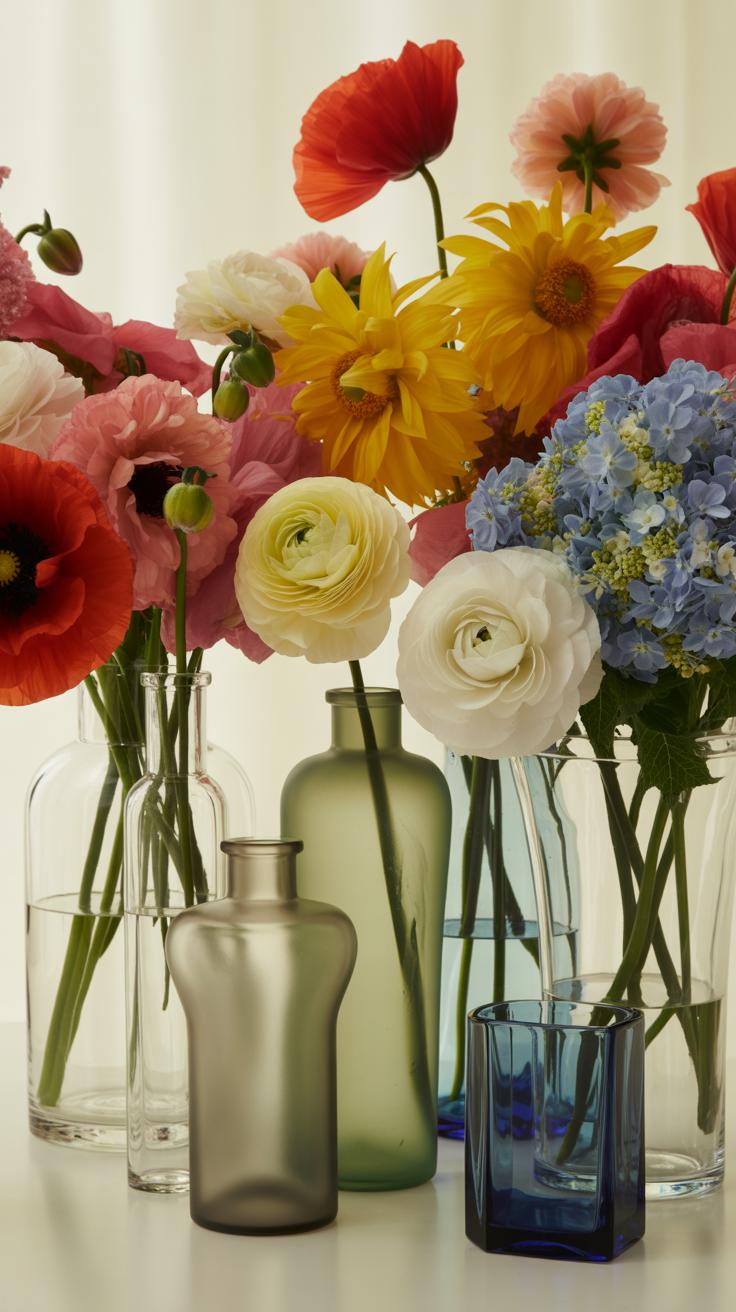
Successful mixed vase displays rely on varying heights and neck diameters. Choose three distinct sizes to create a visual triangle. A tall, thin bottle provides necessary vertical reach. Pair it with a stout, rounded base to anchor the arrangement. Ensure the neck widths differ to accommodate various stem thicknesses. This variety prevents the display from looking like a retail shelf set.
Focus on the silhouette of each vessel. Align different shapes through a shared design element like a specific curve or rim style. Mid-Century Modern designs often feature tapered necks that contrast well with brutalist geometric forms. Maintain a consistent distance between each bottle. This spacing allows the eye to process every individual shape without visual clutter or crowding.
Materials That Work Best: Glass, Ceramic, Terracotta, And More
Material selection dictates the weight and light interaction of your display. Glass allows light to pass through and highlights stem structure. Opaque ceramics provide solid blocks of color and hide murky water. Mixing these textures creates depth. Professionals often combine smooth glazes with rough surfaces to add tactile interest. Choose materials that survive moisture and clean easily for long term use.
- Clear Borosilicate Glass: It offers superior clarity and heat resistance. This material works best for minimalist displays where you want to emphasize the water and clean lines of the stems. Its transparency prevents the arrangement from feeling heavy.
- Stoneware Ceramics: These vessels provide weight and durability. High-fire stoneware often features unique glazes from the Arts and Crafts movement style. Use these for heavy branches or top-heavy florals that require a stable, non-tip base for safety.
- Earthenware Terracotta: This porous clay offers a rustic finish seen in Mediterranean design. It adds warmth and organic texture to a group. Ensure the interior is glazed if you plan to hold water, as raw terracotta will eventually seep moisture.
- Frosted or Sandblasted Glass: This material diffuses light and masks internal stem decay. It provides a soft visual bridge between transparent glass and solid ceramic pieces. Use it to add a contemporary feel to a classic bottle vase collection.
- Reactive Glazed Porcelain: Designers use porcelain for its delicate thin walls and refined finish. Reactive glazes create natural color shifts during the firing process. Each piece looks unique but maintains a consistent professional aesthetic within a high-end mixed display.
Balance these materials across the entire arrangement to maintain physical stability. Place heavy terracotta or stoneware pieces at the center or rear of the group. Position lighter glass bottles on the perimeter to catch natural light. This strategy ensures the display remains grounded while appearing airy. Using varied materials also allows you to blend different historical design periods into a single cohesive unit.
How To Style Floral Arrangements Inside Mixed Vase Displays
Pairing Fresh And Dried Flowers Across Multiple Vases For A Cohesive Look
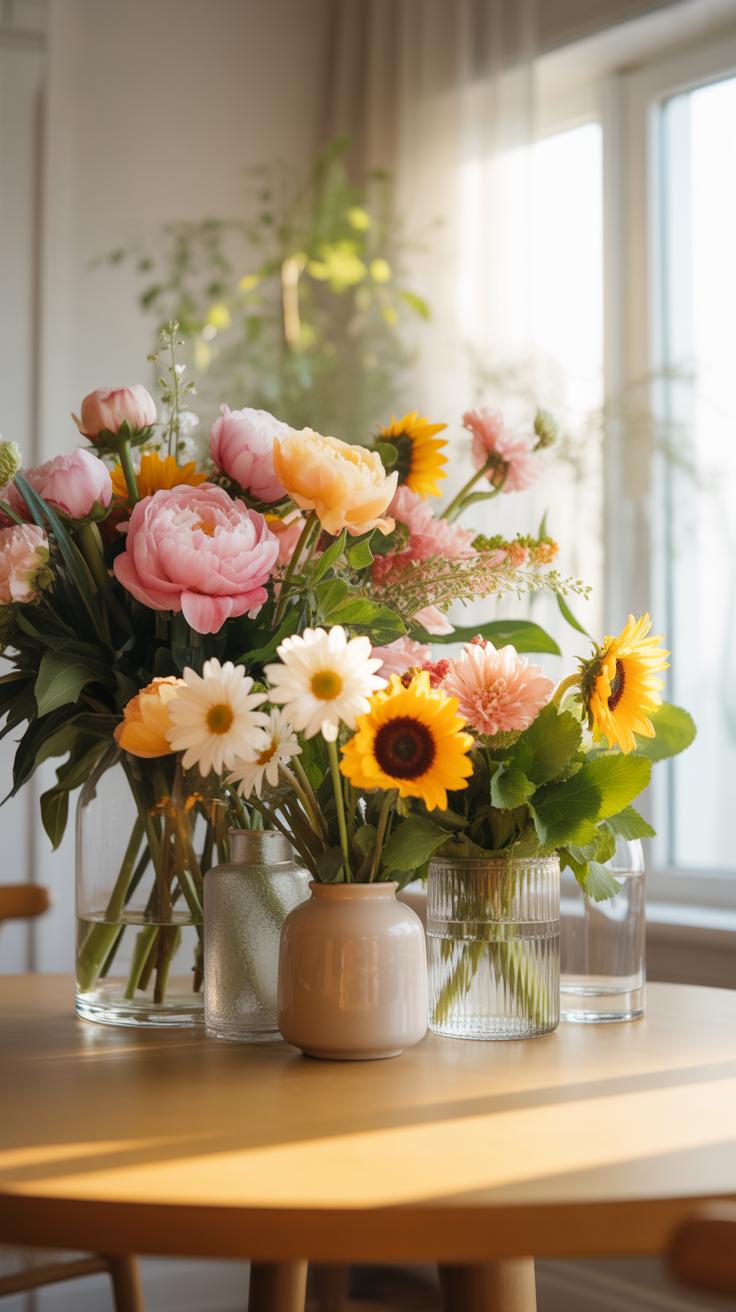
Maintain visual balance by grouping vases based on material and weight. Put fresh stems in glass or glazed ceramic vessels to hold water safely. Use unglazed stoneware or wooden vessels for dried elements like pampas grass or preserved eucalyptus. This division prevents moisture from ruining dried materials. Ensure the heights of the stems vary across the grouping. This creates a natural line for the eye to follow.
Link the different textures through a shared color palette. Match the undertones of the dried husks to the centers of your fresh blooms. Use the Rule of Three to organize the display. Place the largest arrangement in the center as a focal point. Surround it with smaller vessels containing single dried branches. This method adds depth without overcrowding the surface. It makes the entire collection look like one unit.
The earth laughs in flowers, and a house becomes a home when we gather these memories into beautiful, mismatched vessels.
Seasonal Floral Arrangements That Keep Your Display Feeling Fresh Year Round
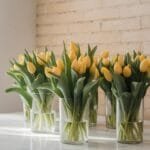
Rotate your botanical choices to match the light levels of each season. Use heavy, structural branches like magnolia or bare willow during winter months. These stems support larger ceramic vases and provide height without needing constant water changes. Spring requires lighter glass vases to showcase soft stems like tulips or daffodils. Clear glass emphasizes the cleanliness of the water and the vibrant green of the stems.
Adjust the volume of your arrangements as the temperature changes. Summer displays benefit from airy, thin-stemmed wildflowers spread across multiple small bud vases. This prevents a heavy look in bright rooms. Fall calls for dense foliage and dried seed pods in earthy terracotta vessels. Focus on the geometry of the plants to maintain style. Keep the scale of the flowers proportional to the neck of each specific vase.
Using Colored Vases As Wedding Centerpieces And Translating That Elegance Into Your Home
What Makes Colored Vases Wedding Centerpieces So Visually Stunning
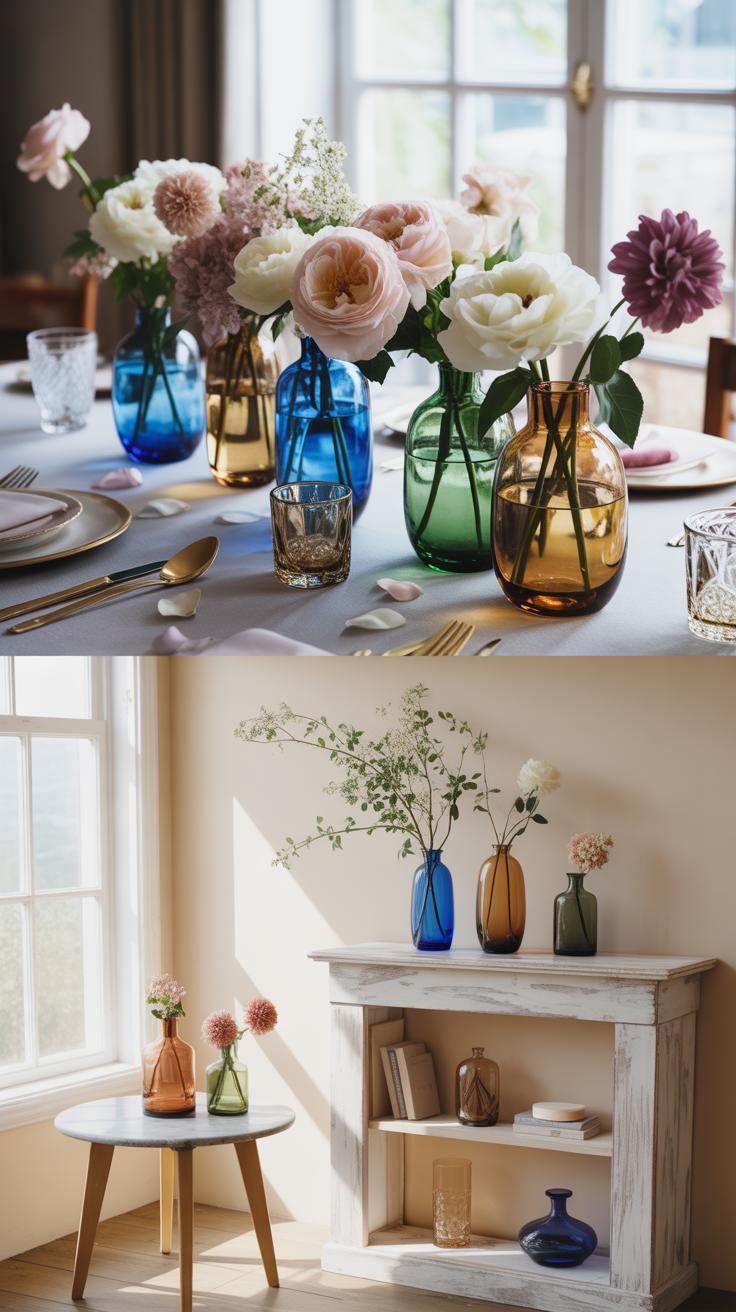
Colored vases create immediate visual impact by controlling how light interacts with a table setting. In wedding design, event planners use tinted glass to direct the eye and establish a clear color story. Transparent colored glass allows light to pass through, which prevents the centerpiece from feeling heavy or blocking sight lines. Saturated hues provide a high-contrast backdrop that makes floral stems and petals appear more vibrant.
Strategic use of colored glass also adds physical depth to a display. Designers often mix different heights and opacities to create layers of visual interest. Opaque vessels like ceramic or milk glass provide solid color blocks that anchor the arrangement. Translucent glass adds a glow when illuminated by candlelight or sunlight. This combination of material density and light refraction is why colored vessels remain a staple in high-end event production.
Adapting Wedding Centerpiece Color Palettes For Everyday Home Decor
Homeowners can replicate wedding elegance by shifting from seasonal event trends to timeless interior palettes. A successful transition requires balancing bold vase colors with the existing room tones. Use the 60-30-10 rule to integrate colored glassware into your living space. Select one dominant vase color that complements your upholstery or wall paint. Use secondary colors in smaller vessels to create a cohesive look without overwhelming the room.
Tactical placement is the key to making these displays look intentional rather than cluttered. Group three colored vases of varying sizes on a mantel or dining table. Place darker, heavier vessels at the ends of the arrangement to provide stability. Use lighter, more transparent pieces in the center to maintain a sense of openness. This method ensures your home decor retains the professional Polish of a wedding centerpiece while remaining functional for daily life.
Room Makeover Tips Placing Mixed Vase Displays In The Right Spots At Home
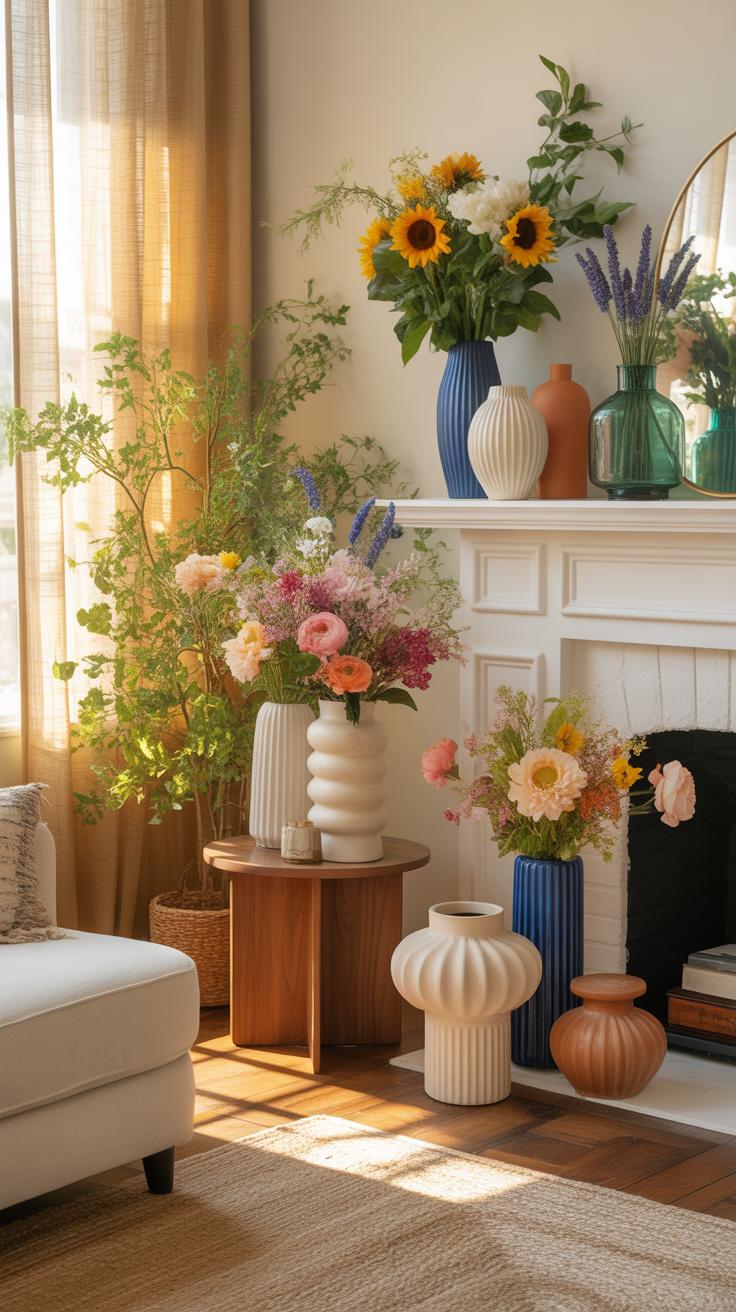
Strategic placement of mixed vase displays depends on surface height and traffic patterns. You must select stable foundations that can support the collective weight of ceramic, glass, and water. High-traffic areas require heavy-based vessels to prevent accidental tipping. Align the scale of your display with the furniture footprint. A small cluster on a large dining table looks weak, while a massive arrangement on a narrow mantel creates clutter.
- Entryway Consoles: Set the tone for the home by grouping three vases of varying heights. Use a tall cylinder for structure and two smaller vessels to anchor the look. This creates immediate visual interest without blocking the walkway or doorway.
- Dining Table Centers: Use low-profile vessels to ensure guests maintain eye contact across the table. Intersperse narrow neck vases with wider bowls to fill the horizontal space. This layout works best for long rectangular or large circular tables.
- Fireplace Mantels: Place asymmetrical groupings on one end to balance the weight of the hearth. Use vertical glass pieces to catch rising light from the room. Keep materials non-flammable and ensure the base of each vase sits securely on the ledge.
- Bedroom Dressers: Choose soft textures like matte stoneware or frosted glass to create a calm environment. Group items in odd numbers to keep the eye moving across the surface. Ensure the vessels do not interfere with daily mirror use or jewelry storage.
- Kitchen Islands: Target the far corners or the center point away from food preparation zones. Utilize sturdy materials like heavy porcelain or thick recycled glass that can withstand humidity and heat. Maintain a clear perimeter to keep the workspace functional and safe.
Positioning these items near architectural features like windows or alcoves maximizes their impact. Use shelves at eye level to showcase intricate details or rare materials. Avoid placing fragile antiques in narrow hallways where people frequently pass. Correct height placement ensures the viewer sees the transition between different vase shapes. Constant evaluation of sightlines helps you refine the display for the best possible domestic viewing experience.
Proper placement dictates how light interacts with the materials in your display. Transparent glass vessels act as prisms when placed in direct sunlight. This technique creates moving reflections and brightens dark corners of a room. Matte finishes absorb light and provide a grounding effect in overly bright spaces. Aligning your vases with natural light sources changes the appearance of the display throughout the day.
Vase arrangements also control the flow of movement within a living space. A large cluster can act as a visual boundary between an open-concept kitchen and a living area. Using vertical shapes draws the eye upward and makes low ceilings feel higher. Horizontal groupings on a sideboard expand the perceived width of a narrow room. Use these tactical placements to fix structural flaws and direct the gaze of your guests.
Dream Home Design Aesthetics That Pair Beautifully With Mixed Vase Displays
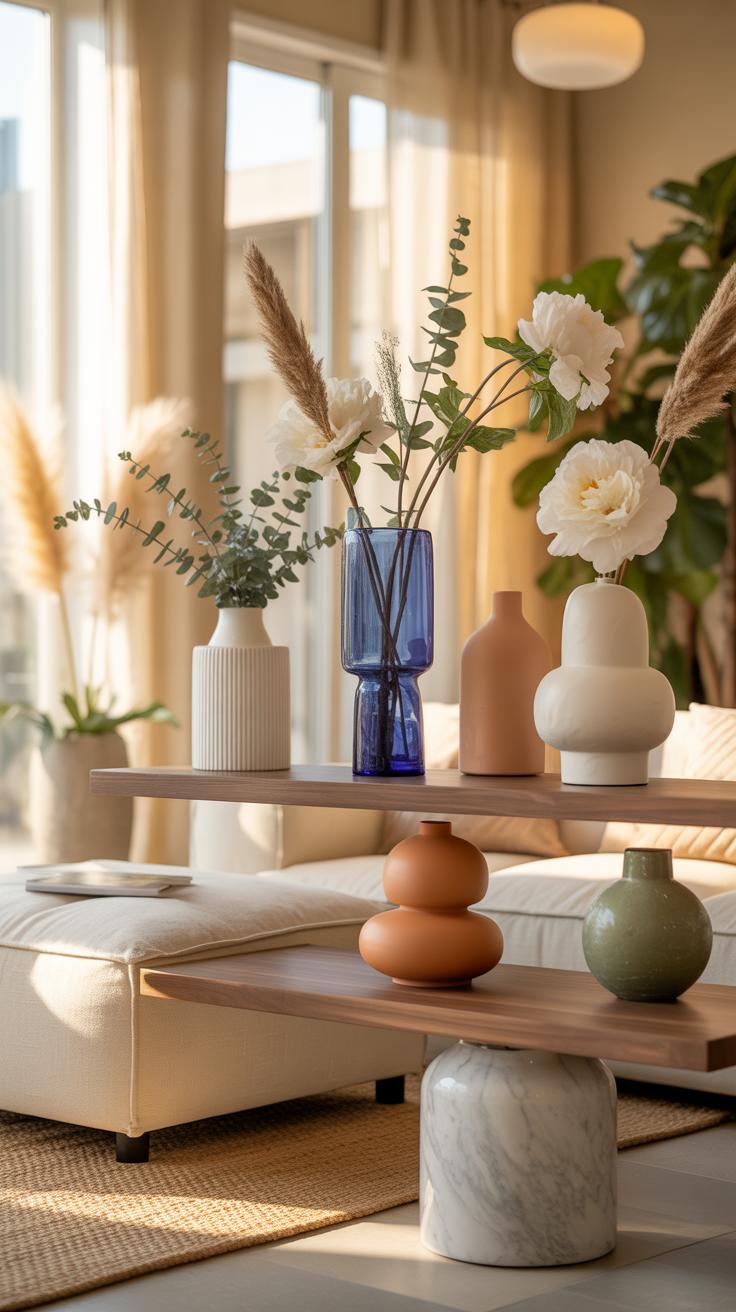
Matching Vase Displays To Interior Styles: Minimalist, Bohemian, And Scandinavian
Minimalist interiors demand geometric precision and negative space. Select three vases of varying heights but identical finishes like matte white porcelain or clear glass. Arrange them in a staggered line to maintain clean sightlines. Avoid busy patterns that distract the eye from architectural lines. Use single branches instead of full bouquets. This approach emphasizes the form of the vessel over the content.
Scandinavian design focuses on natural materials and functional simplicity. Mix light wood vessels with muted ceramic pots to create texture. The hygge concept relies on organic shapes that feel handmade rather than factory-produced. Place these groups on wooden trays or stone mantels. Bohemian styles allow for more aggressive mixing of vintage colored glass and glazed stoneware. Contrast rough terracotta against smooth jewel-toned glass.
How Color Theory Helps You Build A Display That Feels Intentional And Sophisticated
Intentional displays use the color wheel to create visual balance. Monochromatic schemes use different shades of the same hue to provide depth without clashing. This tactic works best when you vary the textures of the vases. A high-gloss navy vase paired with a matte denim vessel creates instant sophistication. Complementary colors like amber glass against blue ceramic create high-energy focal points for modern rooms.
Analogous colors sit next to each other on the wheel and offer a harmonious look. Use a mix of forest green, olive, and chartreuse vases for a cohesive nature-inspired arrangement. Designers often follow the sixty-thirty-ten rule for color distribution. Use a neutral base for sixty percent of the display. Add a secondary color for thirty percent. Finish with a bold ten percent accent to draw the eye.
Room Inspo Real World Mixed Vase Display Ideas You Can Recreate Today
Shelf And Mantle Vase Groupings That Feel Curated But Effortless
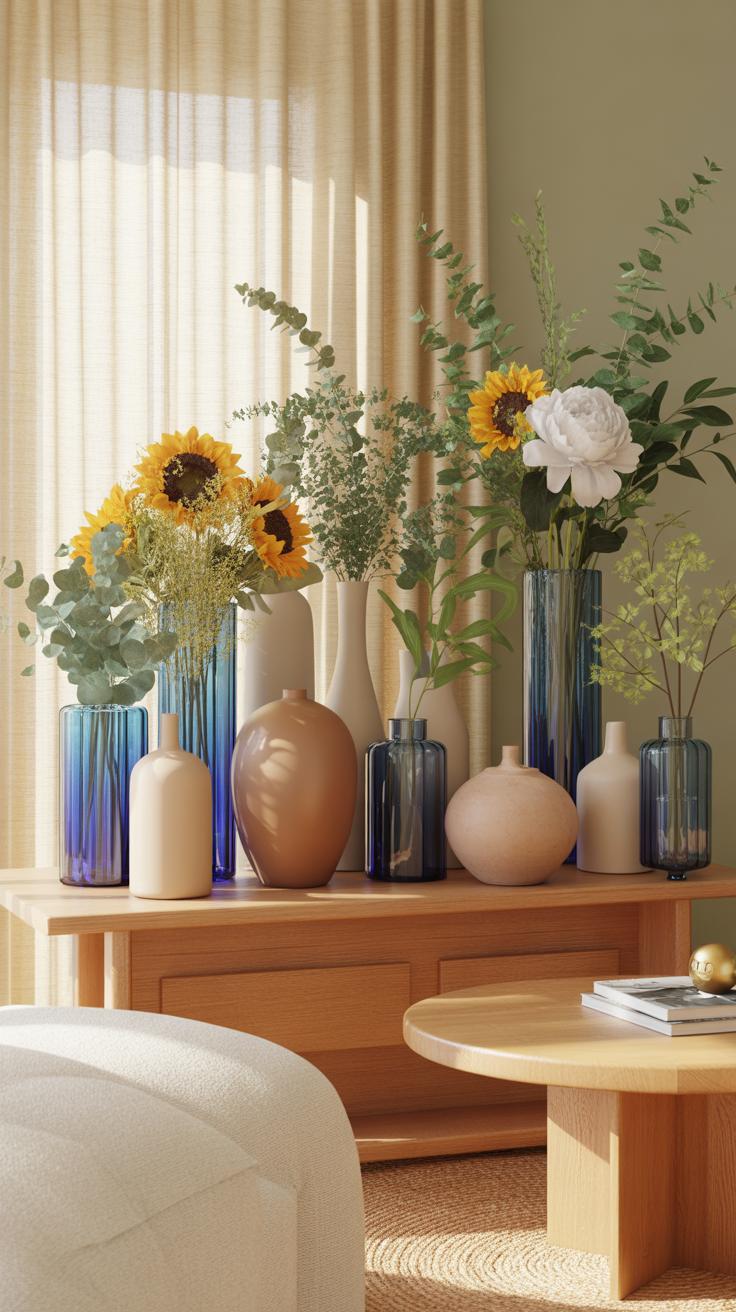
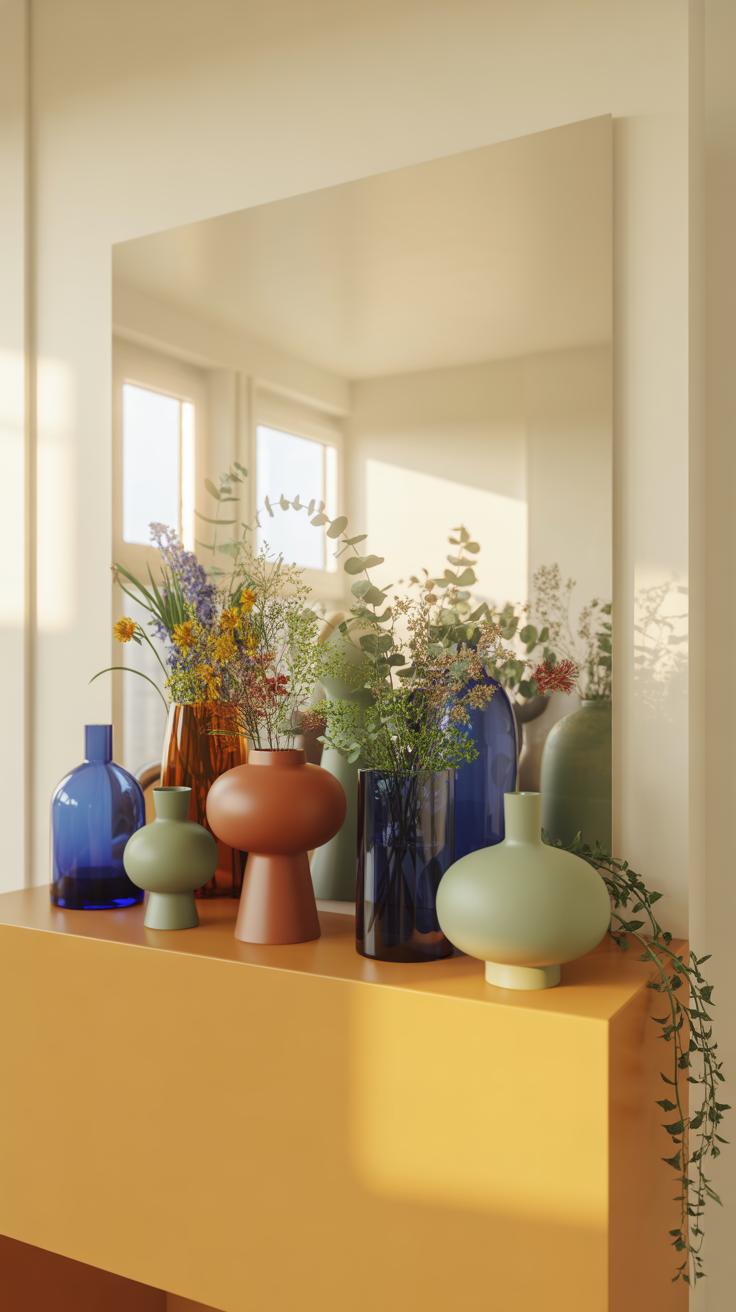
Effective shelf displays rely on the rule of three. Group vases with varying heights to create a visual triangle. Use stoneware and matte ceramics to prevent glare from overhead lighting. For mantles, place the tallest vessel off-center to break symmetry. Use heavy glass at the ends to anchor the arrangement. This technique draws the eye across the entire horizontal surface effectively.
Avoid overcrowding the shelf space. Leave negative space between groups to allow each silhouette to stand out. Mix textures like smooth porcelain with rough terracotta for contrast. Ensure colors remain within a unified palette to maintain a cohesive look. Professionals often use museum wax to secure lighter vessels on high shelves. This prevents accidents while keeping the display looking clean and intentional.
Dining Table And Entryway Display Ideas That Make An Instant Impression
Dining tables require low-profile arrangements to facilitate eye contact. Use a long trough or a series of small bud vases down the center line. Combine different geometric shapes like spheres and cylinders to add interest. Keep the tallest piece below chin level when seated. This strategy ensures the display remains functional during meals. Use weighted bases for stability in high-traffic areas.
Entryways demand scale and height to fill the void of a foyer. Place a large floor vase next to a smaller console vessel. Use clear glass to keep the space feeling open. Incorporate materials like brass or mercury glass to reflect light near the door. This creates a bright and welcoming atmosphere immediately. Match the vase weight to the furniture strength to ensure safety and balance.
Future Apartment Decor Budget Friendly Ways To Build A Stunning Mixed Vase Display
Where To Source Affordable Vases Without Compromising On Style
Thrift stores and estate sales remain the primary sources for high-quality glass and ceramic vessels. Look for mid-century modern shapes or Brutalist textures. These items often feature heavy builds and unique glazes absent in modern mass production. Focus on the silhouette rather than the current color. You can find authentic stoneware from the 1970s for a fraction of its original retail value at these locations.
Professional floral supply wholesalers offer another path for bulk glass acquisition. These outlets sell standard cylinders and cubes at trade prices. Buy clear glass in varied heights to create a baseline for your collection. You can customize these basic pieces using sandblasting or glass paint later. This strategy allows you to allocate more of your budget toward signature statement pieces from independent ceramic studios or high-end designers.
How To Start Small And Expand Your Display Over Time As Your Taste Evolves
Begin your collection with three basic vessels in a neutral color palette. Select one tall cylindrical shape, one round bud vase, and one medium tapered piece. This trio establishes a functional foundation for any floral arrangement. Stick to matte white or charcoal gray to ensure long-term versatility. This approach prevents early burnout on trends that may fade before your collection grows into a full display.
Add one significant piece every six months to diversify your inventory. Look for contrasting materials like smoked glass, unglazed terracotta, or brushed brass. Each new addition should provide a different height or texture than your existing items. Evaluate how the new vessel interacts with light and shadow in your space. This slow growth model ensures each item has a purpose and fits your changing aesthetic preferences over several years.
Dekorasi Rumah Inspired Incorporating Cultural And Global Influences Into Mixed Vase Displays
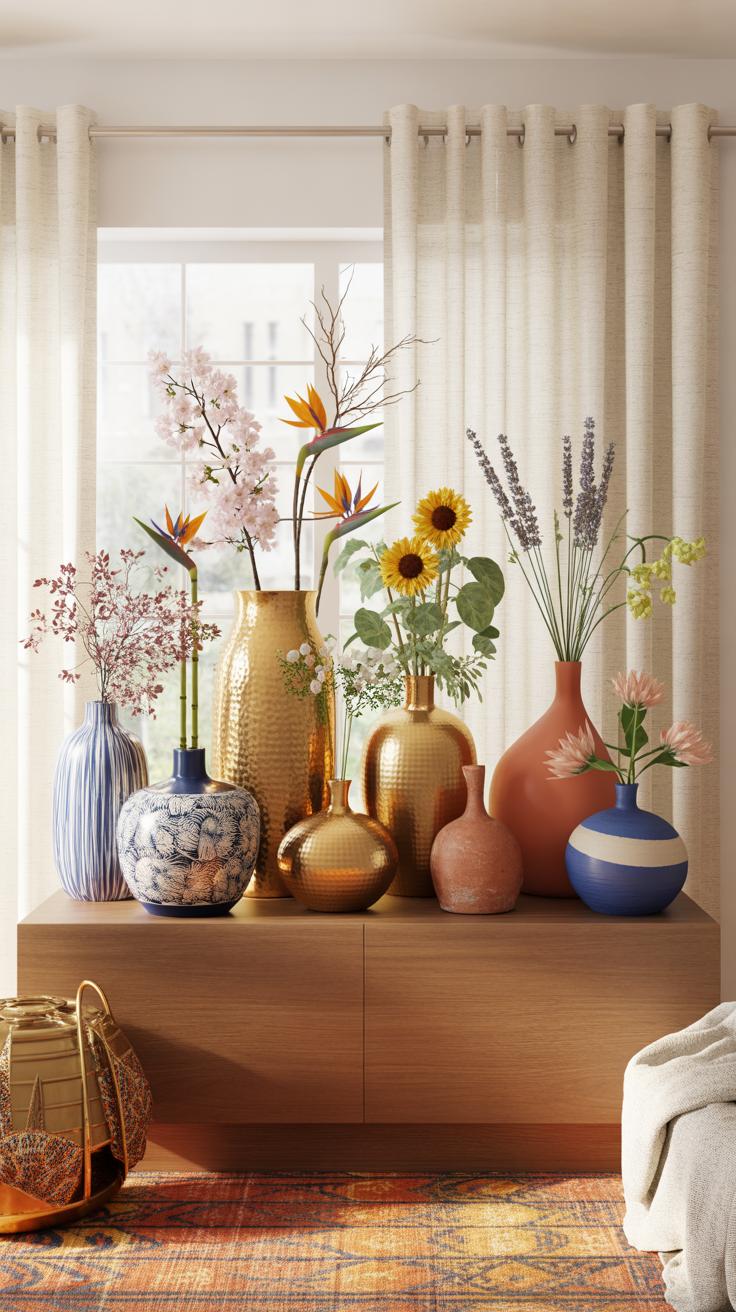
Drawing Inspiration From Southeast Asian And Global Home Decor Traditions
Southeast Asian decor centers on natural materials and handmade textures. Artisans in this region often use terracotta, bamboo, and Celadon stoneware. These materials ground a room. They offer a raw contrast to mass-produced items. You should look for vases with wood-fired finishes or geometric carvings. These details reflect the artistic heritage of Vietnam and Thailand. Global traditions provide depth through history and craftsmanship.
Select vases that highlight specific regional techniques like Batik-inspired etchings or lacquerware. Use high-fired stoneware from Japan to add a minimalist touch. These pieces serve as functional art. They carry stories of technical skill passed down through generations. Focus on Earth tones and organic shapes. These elements ensure your display feels authentic rather than decorative. Real materials matter more than trendy patterns for a lasting look.
How To Blend Cultural Pieces With Modern Vases For A Unique And Personal Display
Successful blending requires a clear focus on scale and texture. Pair a rough-textured antique clay pot with a sleek glass cylinder. This creates visual tension and keeps the eye moving. Use the modern piece to anchor the display with clean lines. Use the cultural piece to provide a sense of time and place. This strategy prevents your home from looking like a showroom.
Balance your arrangement by grouping items by color or material. A collection of blue and white Ming-style porcelain works well next to modern navy glass. Avoid clutter by choosing one dominant piece as the tall focal point. Surround it with smaller vessels of varied heights. This creates a curated feel. It shows you value both innovation and tradition. Strategic placement makes various styles work together in one unified scene.
Frequently Asked Questions

What are mixed vase displays and how do I start one?
Mixed vase displays are curated groupings of vessels that vary in height, shape, and material to create visual interest. To begin, gather three vases of different sizes—small, medium, and tall. Focus on a unifying element, such as a similar color palette or texture, to ensure the collection feels intentional. This simple approach avoids clutter while instantly elevating your shelf or tabletop with a sophisticated, designer-inspired focal point.
How do I arrange different vases together without them looking cluttered?
The secret to professional mixed vase displays lies in the “rule of three” and varying elevations. Always stagger your vases so they overlap slightly rather than sitting in a straight line. Incorporate different silhouettes, like a narrow bud vase next to a round ginger jar, to create contrast. Use books or decorative risers to add height where needed, ensuring the eye moves naturally across the arrangement for a harmonious, balanced look.
Can I create a stylish vase display using affordable or secondhand items?
Absolutely! You don’t need designer price tags to achieve high-end mixed vase displays. Thrift stores and flea markets are goldmines for unique glass and ceramic pieces with beautiful silhouettes. If the colors don’t match your aesthetic, a simple coat of matte spray paint or a DIY textured “stone” finish can unify mismatched vessels. Mixing inexpensive finds with one statement piece creates an accessible yet luxurious atmosphere in any room.