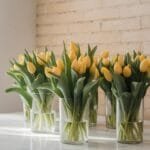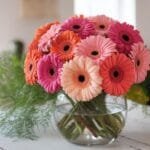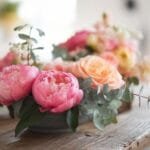

What Makes Short Vase Arrangements A Timeless Home DCor Choice
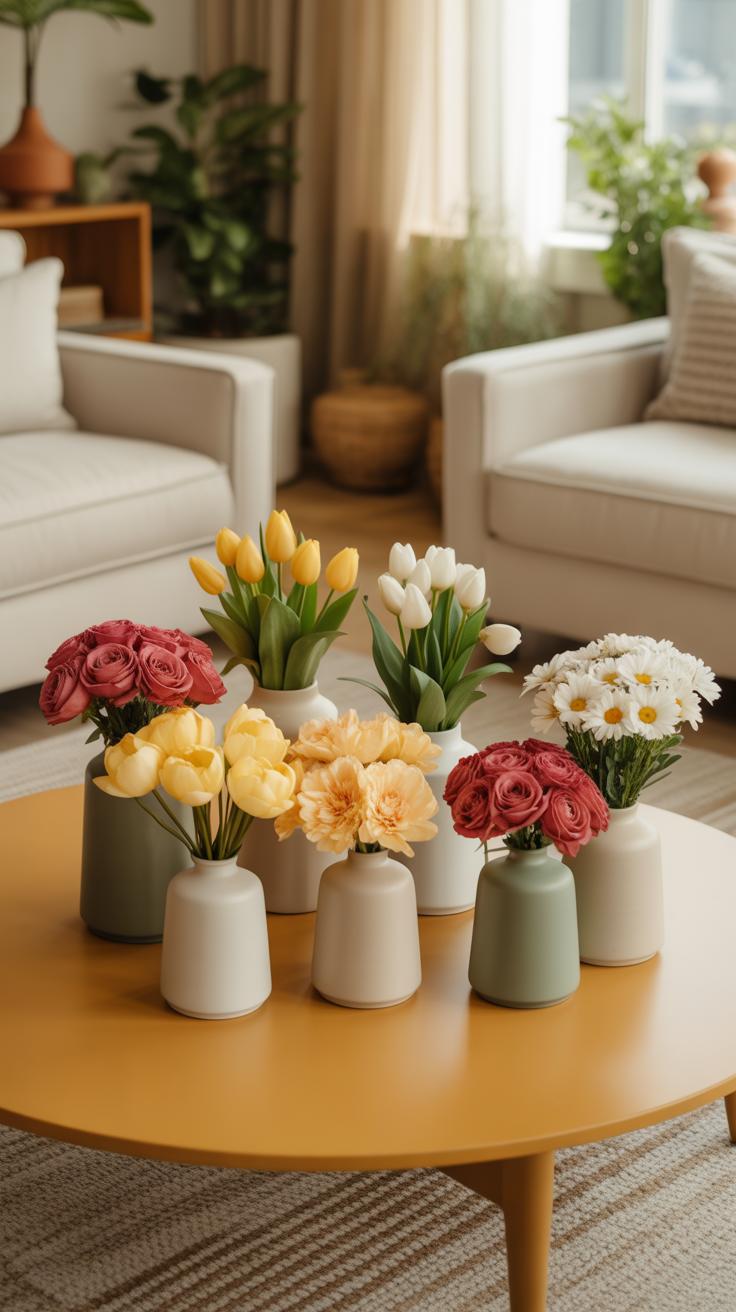
The Appeal Of Low Profile Floral Design In Interior Styling
Low-profile floral design focuses on the architecture of the bloom rather than the length of the stem. This style forces the viewer to look at the texture and color of the plant itself. It removes the distraction of long, messy stems. Designers use this method to create a clean visual line. It works well in modern and minimalist settings that value structure over bulk.
Modern interior design relies on fixed sightlines. High arrangements block these views and make a room feel small. Short arrangements keep the space open and airy. They allow people to see across a table or a room without obstruction. This tactical choice improves communication in social settings. It also follows the Bauhaus principle of form following function by prioritizing the utility of the living space.
How Short Vases Complement Any Room Without Overwhelming The Space
Short vases provide stability and balance to a room. They have a lower center of gravity which makes them harder to tip over. This makes them a safe choice for high-traffic areas like entryways or dining tables. A small vase takes up less surface area on desks and counters. It leaves more room for daily tasks while still providing a professional aesthetic touch.
Scale is a critical factor in successful home styling. Large floral displays often dominate a room and clash with other furniture. Short arrangements act as accents rather than focal points. They fit into small nooks, bookshelves, and bathroom vanities where taller items fail. Using multiple short vases creates a cohesive look throughout a home. This strategy maintains a consistent design language without cluttering your environment.
Choosing The Right Vase Shape And Size For Low Flower Arrangements
Understanding Vase Proportions: Width, Height, And Mouth Opening
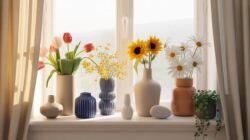
Successful low arrangements rely on the ratio between the vessel and the stem. A short vase should generally stand no higher than six inches. This height ensures the flowers do not obstruct views across a dining table or desk. Stability is the primary goal. A wide base prevents top-heavy blooms from tipping the container over during movement or handling.
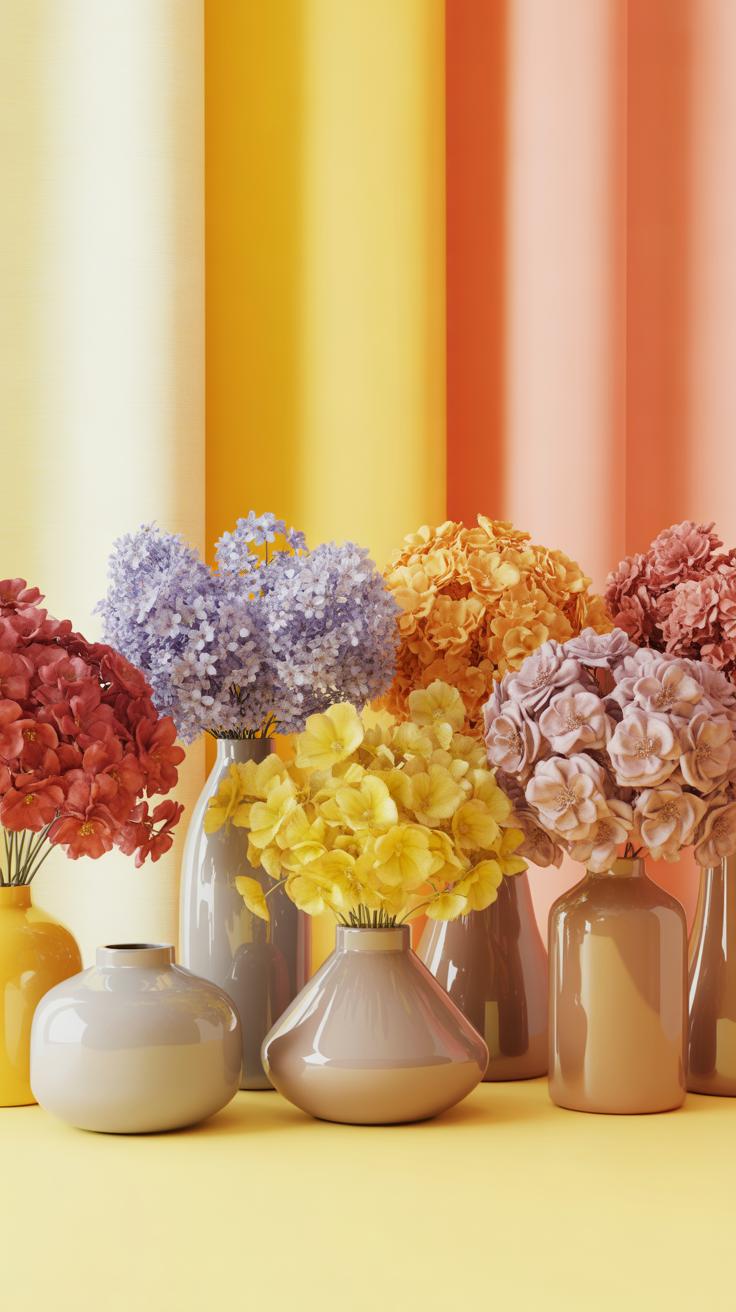
The diameter of the mouth opening dictates the density of your arrangement. A wide mouth requires more stems or a frog to keep flowers upright. A narrow mouth provides natural support for a few thick stems. Strategic designers match the neck width to the volume of the bouquet. This control prevents stems from splaying out and losing their intended structural shape.
Best Vase Materials For Low Flower Arrangements — Glass, Ceramic, And Terracotta
Glass offers a clean look and remains the standard for modern minimalist design. Clear glass reveals the water level and stem health instantly. This transparency helps you spot bacteria growth before it kills the flowers. Use glass when the stems are part of the visual design. However, visible debris in clear water can ruin the aesthetic of a professional display.
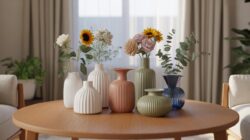
Ceramic and terracotta offer different functional benefits. Ceramic vases provide weight and obscure messy stem ends or floral foam. This makes them ideal for complex, dense arrangements. Terracotta brings a rustic feel and porous texture. It absorbs some water which can cool the root zone. Choose these opaque materials when you want the focus entirely on the petals rather than the mechanics.
Simple Table Flower Arrangements That Make A Big Impact
How To Build A Simple Table Flower Arrangement From Scratch
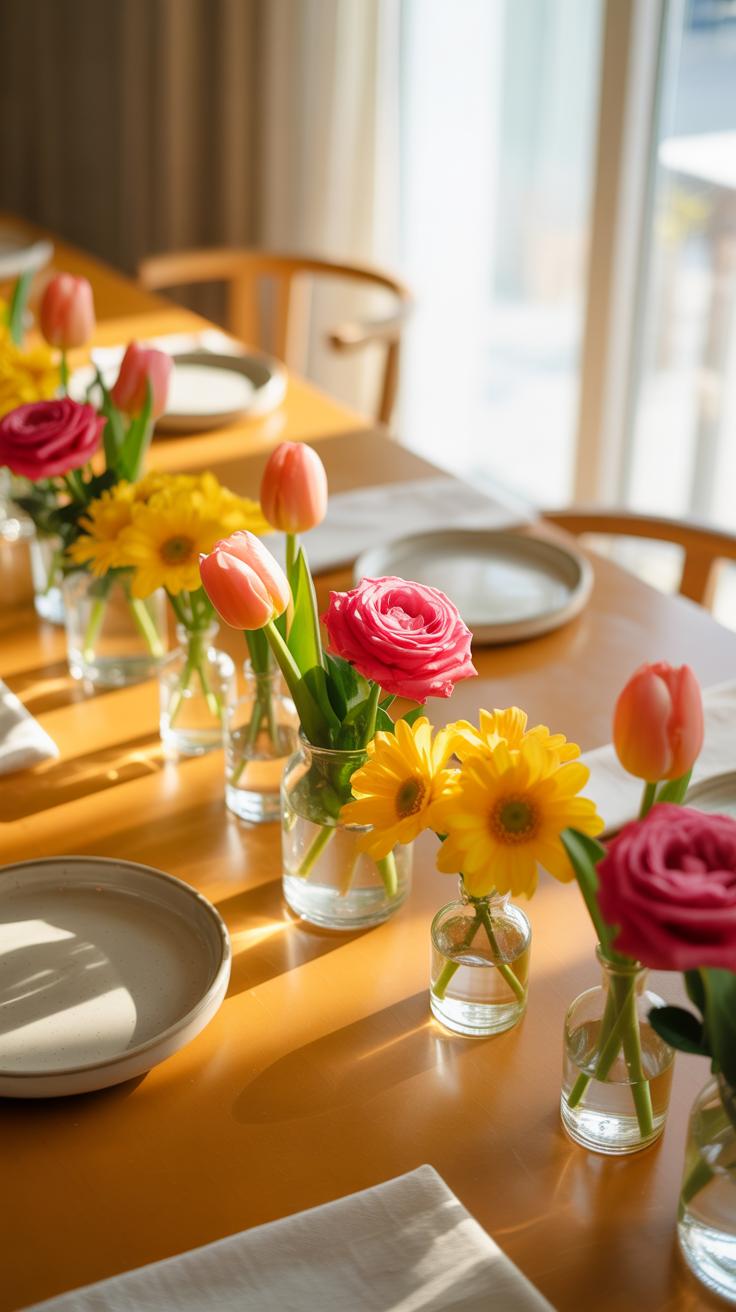
Start with a clean vessel and fresh water. Cut stems at a forty-five degree angle. This increases the surface area for water intake. Remove all leaves that sit below the water line. Decaying foliage creates bacteria and kills flowers fast. Use a grid of clear floral tape across the rim. This grid keeps stems upright and maintains the structural integrity of your design.
Place your largest blooms first to establish a focal point. Position these stems low to ground the arrangement. Add secondary flowers at varying heights to create depth. Fill remaining gaps with small textural elements. Rotate the vase constantly while working. This ensures the arrangement looks balanced from every angle. Keep the height below chin level. This allows guests to maintain eye contact across the table.
Deeply cut stems in a small vessel bring the garden’s quiet intimacy right to your bedside table. These petite arrangements prove that beauty does not need height to fill a home with soul.
Choosing Flowers And Foliage That Work Together For Effortless Table Displays
Select flowers based on their shape and longevity. Mass flowers like hydrangeas or garden roses provide a solid base. Use form flowers such as calla lilies to add distinct visual interest. Mix textures to create contrast without adding bulk. Select colors that sit near each other on the color wheel for harmony. Stick to two or three varieties. This keeps the table display clean and professional.

Foliage acts as the skeleton of your arrangement. Use woody stems like eucalyptus for structure. Incorporate soft greens like ruscus for movement. Choose greenery that matches the scale of your blooms. Large leaves overwhelm small flowers. Select foliage with different shades of green to add dimension. This technique creates a lush look without high costs. Quality foliage often outlasts the flowers and maintains the shape.
Modern Flower Arrangements Centerpieces Using Short Vases
Design Principles Behind Clean And Contemporary Centerpiece Styling
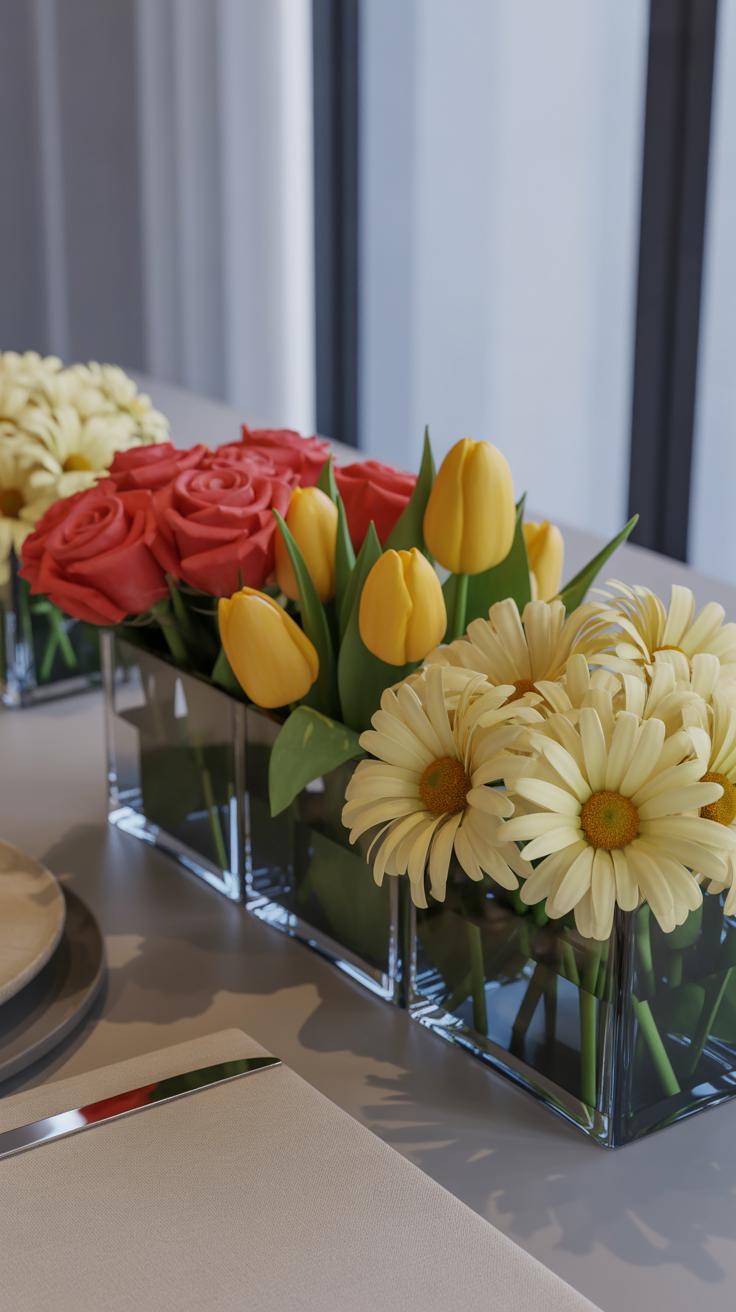
Modern centerpiece design relies on the grid technique to maintain structural integrity. Short vases require a clear focal point to avoid a cluttered look. You must manage the scale by keeping the height of the flowers within one and a half times the height of the container. This ratio ensures stability and keeps sightlines open across a dining or coffee table.
Strategic negative space defines the contemporary aesthetic. You should group similar stems together rather than mixing them randomly. This method creates bold blocks of texture and color. Use heavy glass or ceramic bases to support the weight of dense arrangements. Tight clusters of blooms provide a clean silhouette that fits minimalist interiors. Focus on geometric shapes to achieve a professional result.
Flower And Color Palette Choices For A Modern Floral Centerpiece Look
Monochromatic color schemes dominate modern floral design. You should select flowers with architectural shapes like calla lilies or protea. Use deep greens as a base to make primary colors pop. Neutral tones like white or cream work best for high-end residential settings. Avoid using small filler flowers which create visual noise. Stick to one or two species per arrangement for maximum impact.

Textural contrast creates interest without using clashing colors. Pair smooth petals with waxy leaves or rough stems. Use seasonal blooms to ensure the freshest quality and most vibrant hues. Cool tones like blue and violet provide a calming effect in short vessels. Warm tones like orange or red demand immediate attention. Choose a palette that complements the room materials like marble, wood, or steel.
Creating A Stunning Bouquet On Table With Short Vase Flower Arrangements
How To Style A Bouquet On A Table Using Compact Vase Groupings
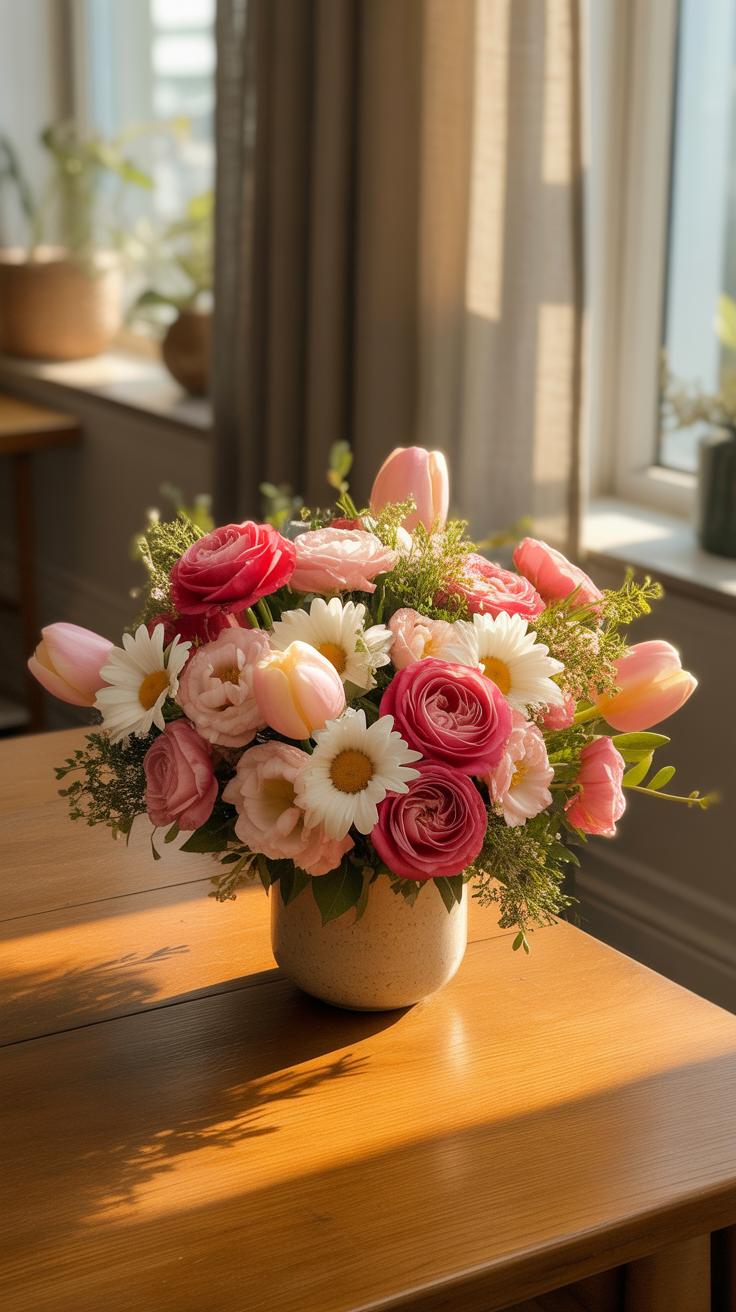
Table arrangements require low profiles to maintain sightlines between guests. You must anchor the design by placing the heaviest blooms near the rim of the vase. This technique lowers the center of gravity and prevents the vessel from tipping. Use an odd number of vases to create visual interest. Align them in a straight row for modern tables or a cluster for round surfaces.
Scale the arrangement to fit the table surface area exactly. Leave enough room for place settings and serving dishes. Short vases work best when you cut stems at different lengths to create a stepped effect. This method mimics natural growth patterns while keeping the overall height under six inches. Place the largest flowers first to set the shape. Fill the gaps with smaller textures to finish.
Essential Tools And Supplies You Need Before You Start Arranging
Professional results depend on having the correct equipment ready before you cut a single stem. High quality tools ensure clean cuts that prolong flower life by preventing crushed vascular systems. You need more than just a vase to hold a complex shape in a short vessel. Specialized mechanics provide the necessary structure to keep heavy heads from drooping over the edge of the container.
- Floral Shears: Standard scissors crush stems and block water intake. Professional shears utilize bypass blades to make clean slices. This maintains the health of the bloom and allows for precise height adjustments in shallow water levels.
- Chicken Wire: Pliable metal mesh offers better support than floral foam for short arrangements. Fold it into a ball and wedge it inside the vase. It creates a grid that holds stems at specific angles while allowing for easy water changes.
- Waterproof Floral Tape: Thin green tape creates a stable grid across the mouth of the vase. This keeps flowers upright when using wide containers. It resists moisture and stays stuck to the rim even when the stems move during the design process.
- Floral Frog: These weighted metal spikes sit at the bottom of the vase. They are essential for minimalist designs or heavy woody stems. Pin frogs hold stems securely at the base to allow for dramatic leaning angles without the arrangement falling over.
- Thorn Stripper: Removing foliage from the bottom half of the stem prevents bacterial growth in the water. This tool quickly clears stems without damaging the outer skin. Clean water is the most important factor for keeping short arrangements fresh for several days.
Select your mechanics based on the mouth width of your chosen vase. Wide bowls require chicken wire or tape grids to prevent the flowers from falling to the sides. Use pin frogs for clear glass to maintain a clean look. Always sanitize your tools with a mild bleach solution after every use. This prevents cross contamination and ensures your next table arrangement stays healthy and vibrant.
Rose Flower Arrangement Ideas Perfectly Suited For Short Vases

Why Roses Work So Well In Low And Compact Floral Compositions
Roses possess strong, woody stems that provide necessary structural integrity for low-profile displays. This rigidity allows the bloom to remain upright without the support of a tall vessel neck. Short vases stabilize the heavy heads of large varieties like tea roses. Removing the majority of the stem increases water uptake efficiency. This mechanical advantage extends the shelf life of the cut flower significantly.
Compact vessels force roses into a dense cluster. This proximity creates a saturated visual focal point that draws the eye downward. Short stems prevent the flower from drooping or splaying outward. This technique mimics the formal Biedermeier style which emphasizes geometric precision. By keeping stems short, you control the exact angle of the bloom. This ensures the face of the flower remains visible to the viewer.
Pairing Roses With Complementary Blooms For A Layered, Luxurious Look
Effective layering requires mixing textures while maintaining a unified height. Pairing roses with rounded blossoms like ranunculus creates a cohesive surface area. Use small spray roses to fill gaps between larger focal flowers. This prevents unsightly holes in the composition. Incorporate stiff greenery like eucalyptus to define the perimeter. These elements provide a frame for the central roses and hide the vase rim.
Professional designers use monochromatic color schemes to highlight shape over hue. Use different rose varieties in the same color family to add depth. Introduce berries or hypericum for a tactile contrast against soft petals. This strategy builds a complex arrangement without increasing the physical footprint. Always cut secondary stems at varying lengths within a one inch range. This subtle height difference creates a 3D effect in a shallow container.
Dainty Floral Arrangements Embracing Delicate Blooms In Small Vases
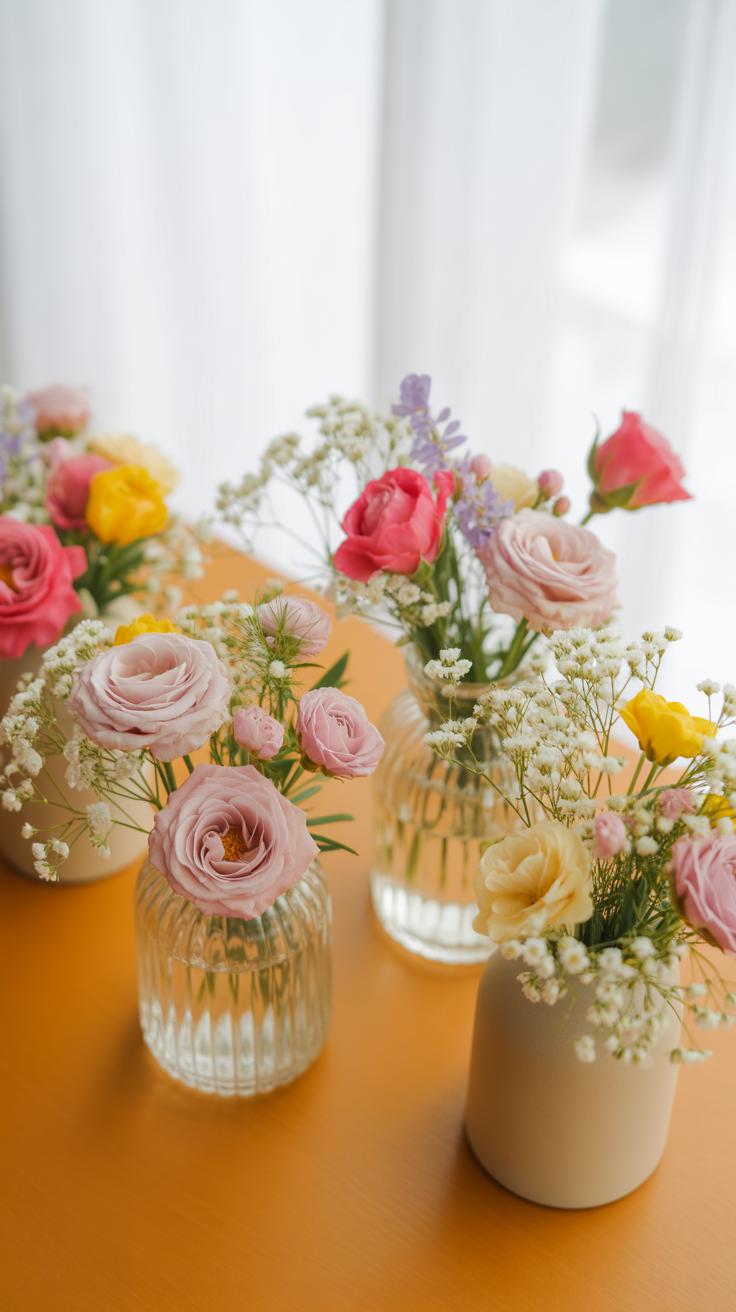
Best Delicate Flower Varieties For A Dainty Floral Arrangement Style
Dainty floral arrangements require species with thin stems and light heads. Sweet peas offer unique visual texture and vertical interest despite their small size. Ranunculus provides dense petal layers that fill space without adding heavy bulk. Lily of the valley works well for low profiles due to its drooping bell shape. These choices ensure the design remains balanced and does not overwhelm the small vessel.
Muscari and anemones fit the scale of short vases perfectly. These flowers allow for tight clusters that mimic natural meadow patterns. Spray roses serve as an effective filler because they provide multiple buds on a single stem. Use these varieties to create a dense look that maintains a light feel. Selecting the right species prevents the arrangement from looking cluttered or structurally unstable.
How To Preserve The Freshness Of Dainty Blooms In A Short Vase
Preserving thin stems in short containers requires frequent water changes. Small vases hold less volume so bacteria build up quickly. Cut stems at a sharp angle to increase the surface area for water intake. Remove any leaves that sit below the water line immediately. This prevents rot and keeps the water clear for longer periods of time.

Temperature control is vital for delicate petal structures. Place the arrangement away from direct sunlight and heat vents to prevent wilting. Use lukewarm water for the initial soak to help the vascular system open up. Add a drop of bleach or floral preservative to kill microbes. These steps ensure your small arrangement stays vibrant for the maximum possible duration.
Short Vase Flower Arrangements For Every Room In Your Home
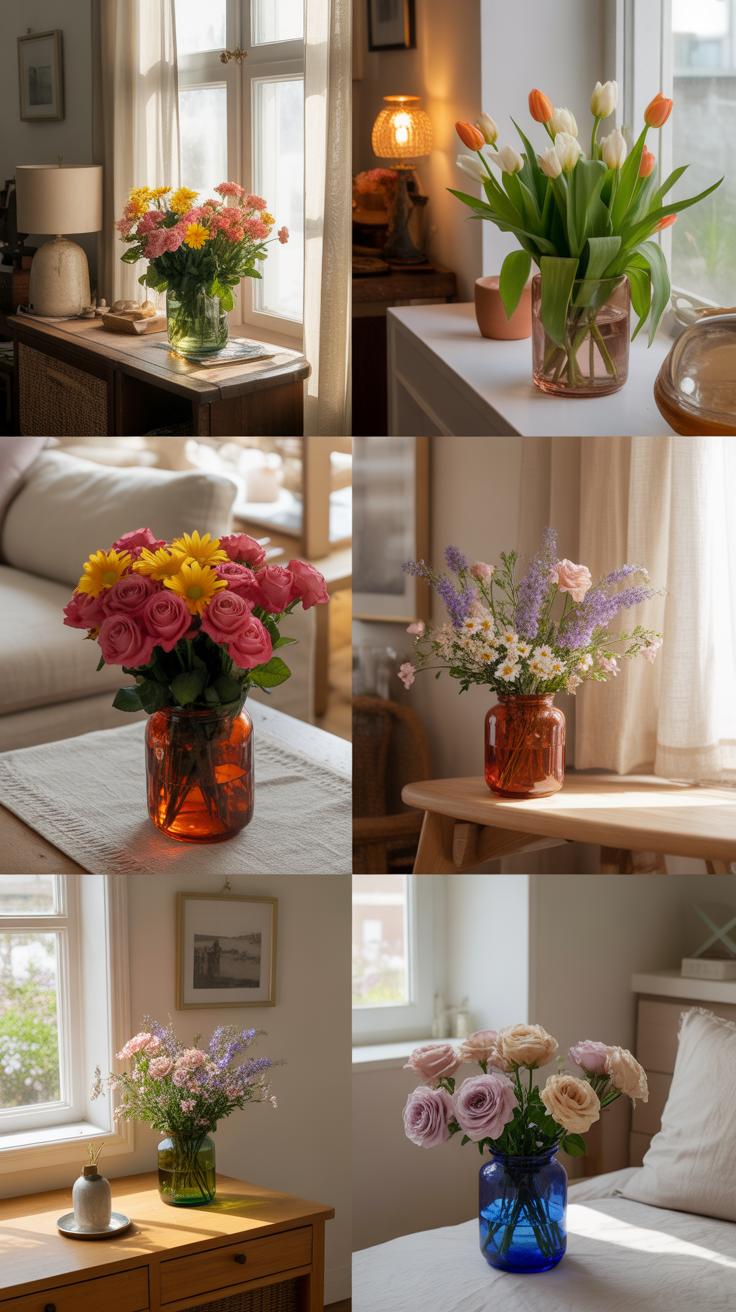
Room By Room Guide: Matching Short Vase Styles To Your Living Spaces
Strategic placement of short vases maximizes visibility without blocking sightlines. Choose vessels based on the physical requirements of each room. Low profiles work best where people communicate or perform tasks. Heavy materials provide stability in high-traffic areas. Transparent glass offers a clean look for minimalist spaces. Metal or ceramic adds texture to traditional rooms. Match the vase scale to the furniture surface to maintain balance.
- Dining Room Table: Use low cubes or troughs to keep floral displays below eye level. This prevents barriers between guests during conversation. Centerpieces should not exceed six inches in height to allow clear views across the table. Use sturdy glass to prevent tipping during meals.
- Kitchen Counter: Select heavy ceramic or stone vessels that resist accidental knocks. Place them away from heat sources like stoves to extend bloom life. Compact bundles of herbs or hardy flowers work best in this high-utility zone. Keep the footprint small to save workspace.
- Bedside Nightstand: Opt for small bud vases or round bowls with soft textures. These take up minimal space while adding a natural element to a private area. A single large bloom or a small cluster provides visual impact without cluttering the surface. Choose stable bases for safety at night.
- Entryway Console: Position squat, wide-mouthed vases to create a bold first impression. These vessels handle dense bunches that signal a curated home. Use weighted bottoms to withstand vibrations from doors opening and closing. They fill the horizontal space effectively on narrow furniture.
- Home Office Desk: Pick small geometric vases that fit behind monitors or alongside notebooks. Avoid wide arrangements that interfere with mouse movement or paperwork. A short vase keeps the workspace organized while providing a mental break. Low designs ensure the flowers do not block computer screens.
Effective design requires evaluating the function of each surface. High-moisture areas like bathrooms need non-porous materials like glass or glazed ceramic. Entryways benefit from broad bases that offer physical security. Living rooms allow for more artistic shapes but still require low heights for viewing media. Always consider the viewing angle. Short vases allow you to see the tops of the flowers, which creates a different visual experience than tall arrangements.
Seasonal Flower Swaps To Keep Your Home Arrangements Fresh Year Round
Seasonal changes dictate your choice of stems and colors. Spring demands bulb flowers like tulips or ranunculus that thrive in shallow water. These stems continue to grow after cutting, so trim them frequently to maintain the short aesthetic. Summer allows for sun-loving blooms like zinnias or marigolds. These flowers have sturdy stems that support their weight in low vessels. Use cold water to help them last during heat peaks.
Autumn requires a shift toward woody stems and dried elements. Hydrangeas and chrysanthemums provide the density needed for wide, short vases. These varieties offer rich textures that complement heavier ceramic containers. Winter focuses on evergreens, berries, and forced bulbs like amaryllis. Use short vases to support heavy heads or stiff branches. Swapping flowers by the season ensures the arrangement matches the natural light and temperature of your home.
Simple Flower Arrangements For Weddings Using Short Vases
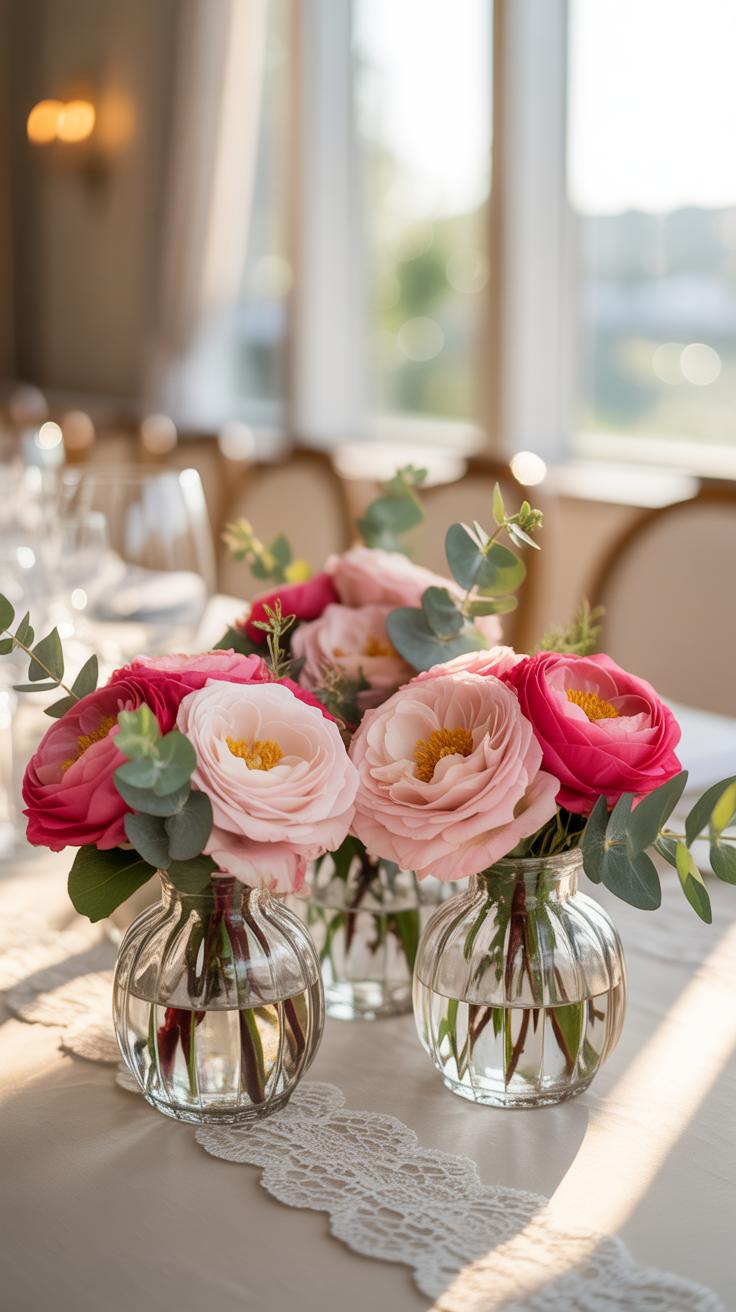
Why Simple Flower Arrangements Wedding Tables Benefit From Low Vase Designs
Low vase designs solve the primary failure of wedding reception layouts. Tall arrangements create physical barriers between guests. This stops natural conversation and forces people to lean awkwardly to see each other. Short vases keep the sightlines open across the table. Guests engage more when they have a clear view. Professional planners prioritize these designs to ensure the event stays social and functional.
Short vases also provide better stability on crowded tables. Catering staff move plates and glassware constantly throughout the night. High centerpieces have a high center of gravity and tip easily if bumped. A low container sits firmly on the tablecloth. This prevents spills and broken glass. Using short vessels reduces risk and ensures the decor remains intact from the first course through the final dance.
Budget Friendly Wedding Floral Ideas That Don’T Sacrifice Elegance
Cost control in wedding florals depends on stem count and labor. Large, tall displays require expensive internal structures and significantly more flowers to fill space. Short arrangements use fewer stems to achieve a high impact. You spend money on quality blooms rather than sheer volume. Monochromatic clusters of carnations or roses in low glass cubes look expensive but cost a fraction of traditional tiered pedestals.
Savvy designers use massing techniques to create luxury without high costs. Grouping three small vases of varying heights creates visual depth. You can use local, seasonal flowers that transport easily. Because the vases are small, you do not need long, premium stems which carry a higher price tag. This strategy allows you to allocate the floral budget toward high-touch areas like the bridal bouquet or the ceremony backdrop.
Simple Floral Arrangements Everyday Styling Tips To Keep It Fresh And Chic
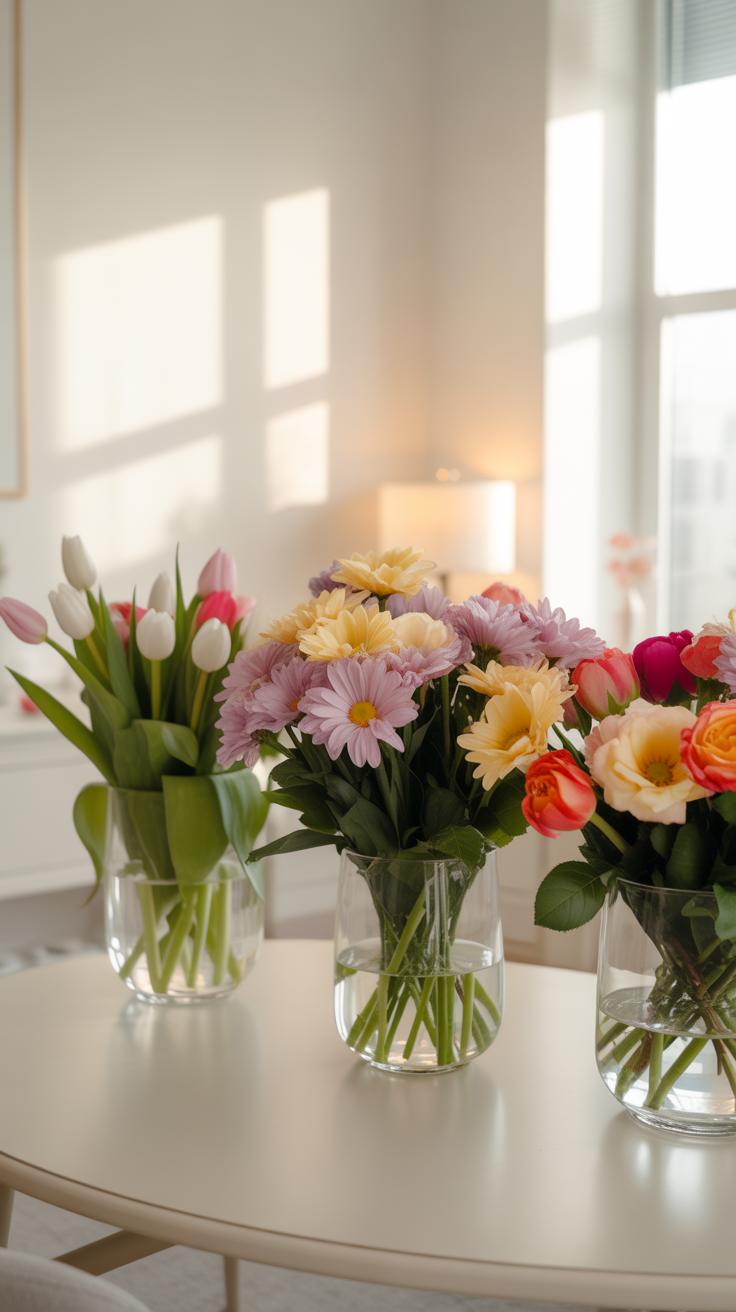
How To Refresh Your Simple Floral Arrangements Without Starting Over
Maximize the lifespan of your arrangement by performing a daily water change. Bacteria grow rapidly in short containers due to the high stem-to-water ratio. Remove every stem and rinse the vase with hot water and soap. Trim exactly one half inch off each stem at a forty five degree angle. This exposes fresh tissue for better hydration. Cold water is best for most bulb flowers.
Remove wilted petals or leaves immediately to prevent ethylene gas buildup. This gas accelerates decay in healthy flowers. Shifting the position of the remaining blooms can fill gaps created by discarded stems. Short vases allow for easy restructuring without losing the original design intent. Re-cutting stems every two days ensures the vascular system remains open. Consistent maintenance doubles the display time for your home decor.
Common Mistakes To Avoid When Styling Short Vase Arrangements At Home
Avoid leaving foliage below the water line. Leaves submerged in water rot quickly and create toxic conditions for the plant. This decay blocks the stem from absorbing water properly. Stripping the lower stems is a standard technique from the French floral tradition. It keeps the water clear and prevents foul odors. Use sharp floral shears instead of kitchen scissors to avoid crushing the stem.
Do not ignore the scale of the flower head relative to the vase height. Large blooms in a short vase can become top heavy and tip the container. Proportional balance is a key rule in Ikebana and modern minimalist design. Ensure the height of the flowers does not exceed one point five times the height of the vase. Proper weight distribution keeps the arrangement stable and visually grounded.
Frequently Asked Questions

What are the benefits of using short vase arrangements in home decor?
Short vase arrangements are perfect for creating an intimate atmosphere without obstructing views across a table. They provide a sturdy base for heavier blooms and help small spaces feel organized rather than cluttered. Because they require shorter stems, these displays often last longer as water travels less distance to reach the flower head. They are the ideal choice for coffee tables, bedside stands, or anywhere you want a sophisticated, low-profile accent.
How do I keep flowers in place when creating short vase arrangements?
To master short vase arrangements, the secret lies in the internal structure. You can create a grid using clear floral tape across the rim or insert a small piece of chicken wire to hold stems at specific angles. Trimming your stems at a sharp 45-degree angle ensures they sit firmly against the bottom. Start with your largest “thriller” blooms in the center and tuck foliage around the edges to hide the structural supports.
Can I create a stylish arrangement using grocery store flowers on a budget?
Absolutely! You don’t need expensive florist stems to achieve a high-end look. A great budget tip is to buy one mixed bouquet and separate it by color or texture into smaller, low-set containers. By trimming the stems significantly and grouping similar flowers together, you create a dense, luxurious appearance. Using household items like mason jars or ceramic bowls as vessels makes your floral styling both affordable and incredibly charming.