What Are Runner Style Centerpieces And Why They Work So Well
Understanding The Concept Of A Table Runner Centerpiece
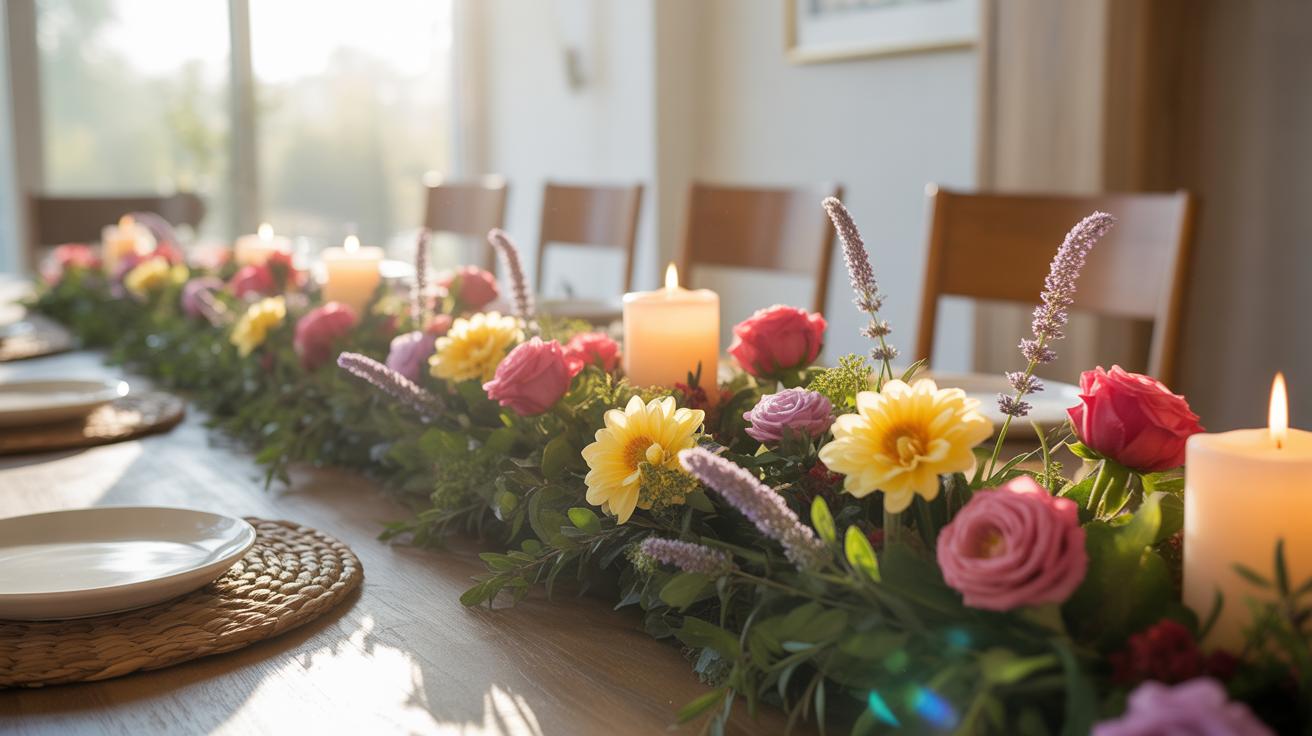
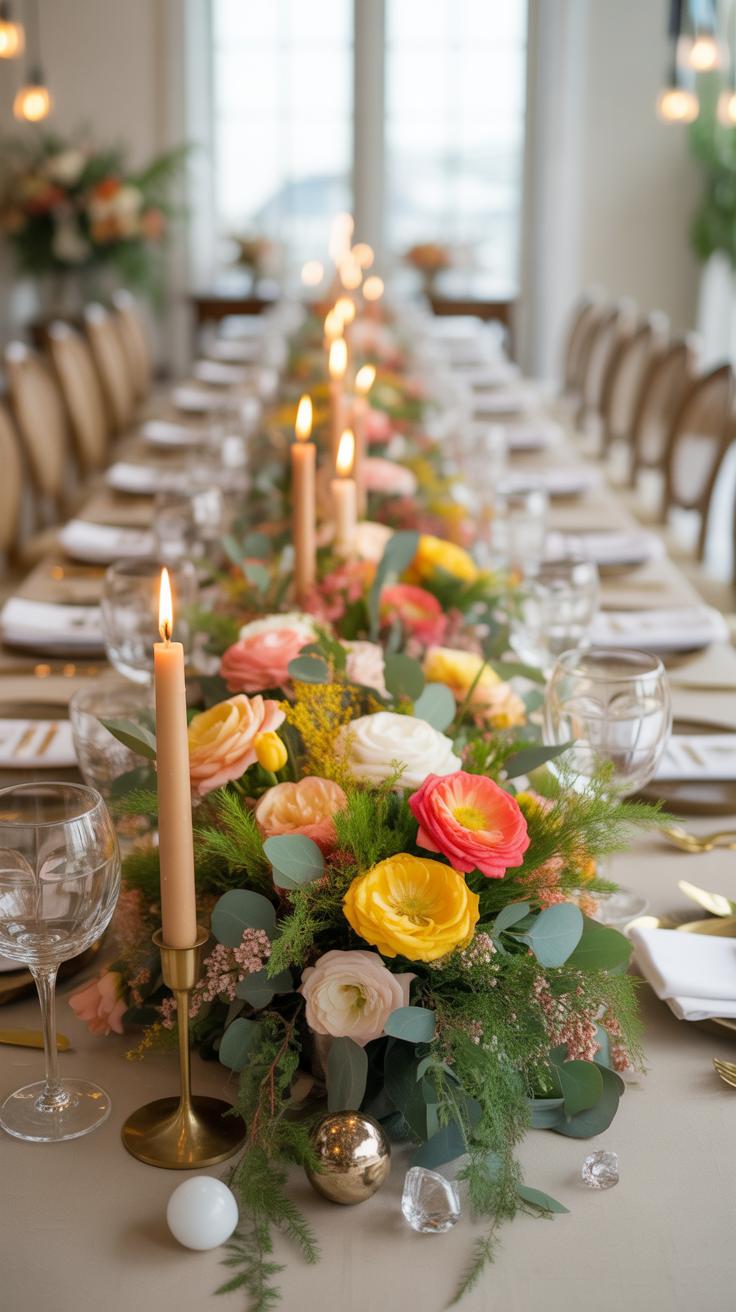
A runner style centerpiece spans the length of a table instead of sitting in the middle. Designers call this a linear arrangement. It follows the shape of the table. Usually it sits on a fabric runner or directly on the surface. This style uses repeating elements like greenery, candles, or vessels. It creates a continuous visual path from one end to the other.
This design grew popular during the Arts and Crafts movement. Designers wanted to emphasize the long lines of rectangular dining tables. Today it is a staple in modern and rustic events. You can build it using a thick garland or several small vases. The goal is to fill the central spine of the table. This approach ensures every guest has a view of the decor.
Why Runner Style Centerpieces Outperform Traditional Single Point Arrangements
Traditional tall centerpieces block sightlines. They force guests to lean around flowers to talk. Runner style arrangements sit low to the table surface. This layout keeps the air clear for conversation. It distributes the weight of the decor evenly. You do not have one heavy focal point. This creates a more balanced look for long rectangular or oval banquet settings.
Linear arrangements provide more value per square inch. They cover the entire table surface without using bulky materials. You can mix textures like wood, glass, and silk to add depth. This style works better for family style dining. It leaves room for platters while maintaining a decorated look. It is a smarter use of space. You get high impact with less vertical height.
Top Table Runner Decor Ideas To Inspire Your Next Event
Mixing Textures And Materials For A Layered Runner Look
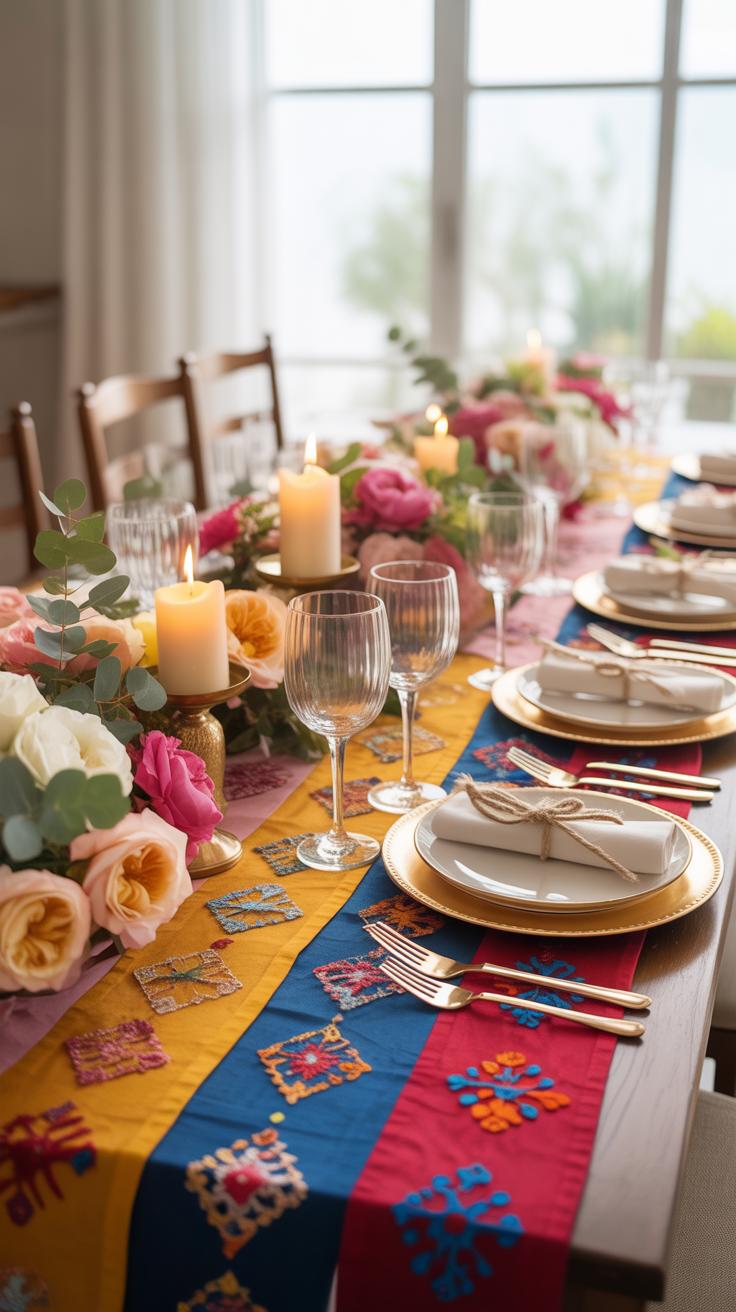
Effective runner style centerpieces rely on structural contrast. You must layer materials with different weights to create visual depth. Start with a heavy foundational textile like canvas or velvet. Place lighter materials like chiffon or sheer silk on top. This technique breaks up the flat surface of the table. It forces the eye to move across the design rather than through it.
Select materials based on their light reflection properties. Combine matte fabrics with polished metal or glass elements. Use stone or wood bases to ground the softer textiles. High contrast between rough and smooth surfaces creates professional interest. This approach provides a stable base for floral arrangements or candles. Layering ensures the centerpiece looks intentional and complex without requiring excessive vertical height.
Seasonal And Theme Based Table Runner Decor Concepts
Successful seasonal designs use historical color palettes and local botanical elements. Winter runners utilize evergreen branches and heavy wool fabrics to imply warmth. Spring designs pivot to light linen and bulb flowers like tulips. Accurate seasonal choices reflect the natural environment at the time of the event. Proper selection ensures the decor integrates with the surrounding atmosphere instead of clashing with the weather.

Thematic runners must adhere to specific design movements for authenticity. Industrial themes require cold materials like sheet metal or concrete runners. Brutalist styles use bold and heavy geometric shapes. Mid Century Modern themes focus on sleek wood grains and pops of primary colors. Always align the runner material with the architectural style of the venue. This tactical alignment creates a cohesive experience for participants and prevents visual clutter.
How To Design Floral Centerpieces For Long Tables
Choosing The Right Flowers And Foliage For Long Table Arrangements
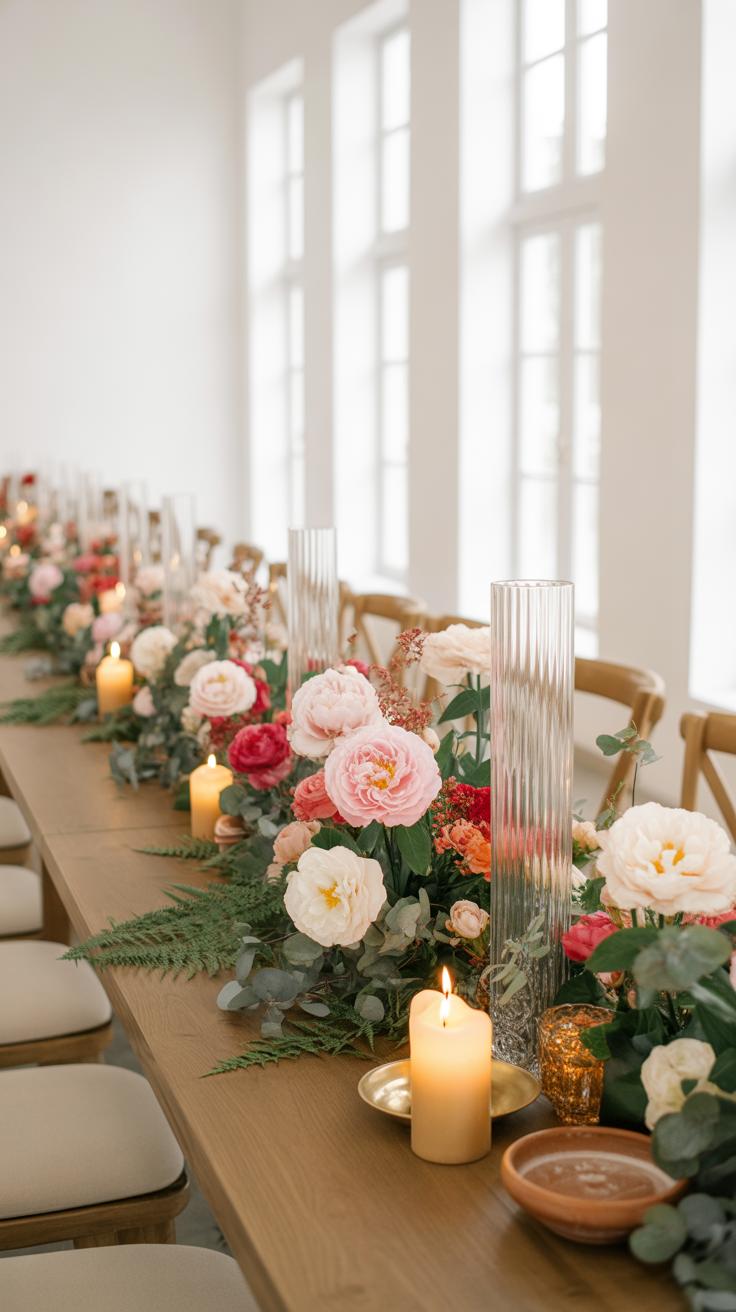
Select hardy greenery to build the structural foundation of the runner. Eucalyptus and ruscus provide durable bases that resist wilting during long events. These varieties offer different textures and shades of green. Use leather hollow or salal for density if the design requires more volume. A strong foliage base hides mechanical elements like floral foam or water tubes. This ensures the arrangement looks professional from every angle.
Integrate focal flowers with sturdy stems to maintain the shape of the centerpiece. Roses and hydrangeas offer significant visual impact and fill space efficiently. Use seasonal blooms to ensure freshness and reduce costs. Avoid high-pollen varieties that may drop debris onto the table surface. Group flowers in clusters rather than spacing them evenly. This technique creates a natural rhythm and mimics traditional English garden style design movements.
Spacing And Proportion Tips For Floral Centerpieces Along Long Tables
Maintain a consistent height below eye level to allow clear sightlines across the table. Effective runner style centerpieces rarely exceed twelve inches in height. This clear zone ensures guests can communicate without obstruction. Measure the table width before starting your design. Leave at least fifteen inches of space on each side for place settings and glassware. Proper clearance prevents the floral elements from crowding the diners or their food.
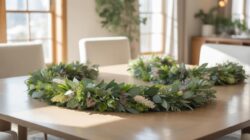
Distribute visual weight evenly to prevent the arrangement from looking disjointed. Repeat specific flower types every twelve to eighteen inches along the length of the runner. This repetition creates a cohesive look that guides the eye forward. Use smaller accent blooms to fill gaps between the larger clusters. Ensure the ends of the runner taper down toward the table surface. This technique provides a finished look and keeps the design balanced.
Creating A Beautiful Green Table Runner Wedding Aesthetic
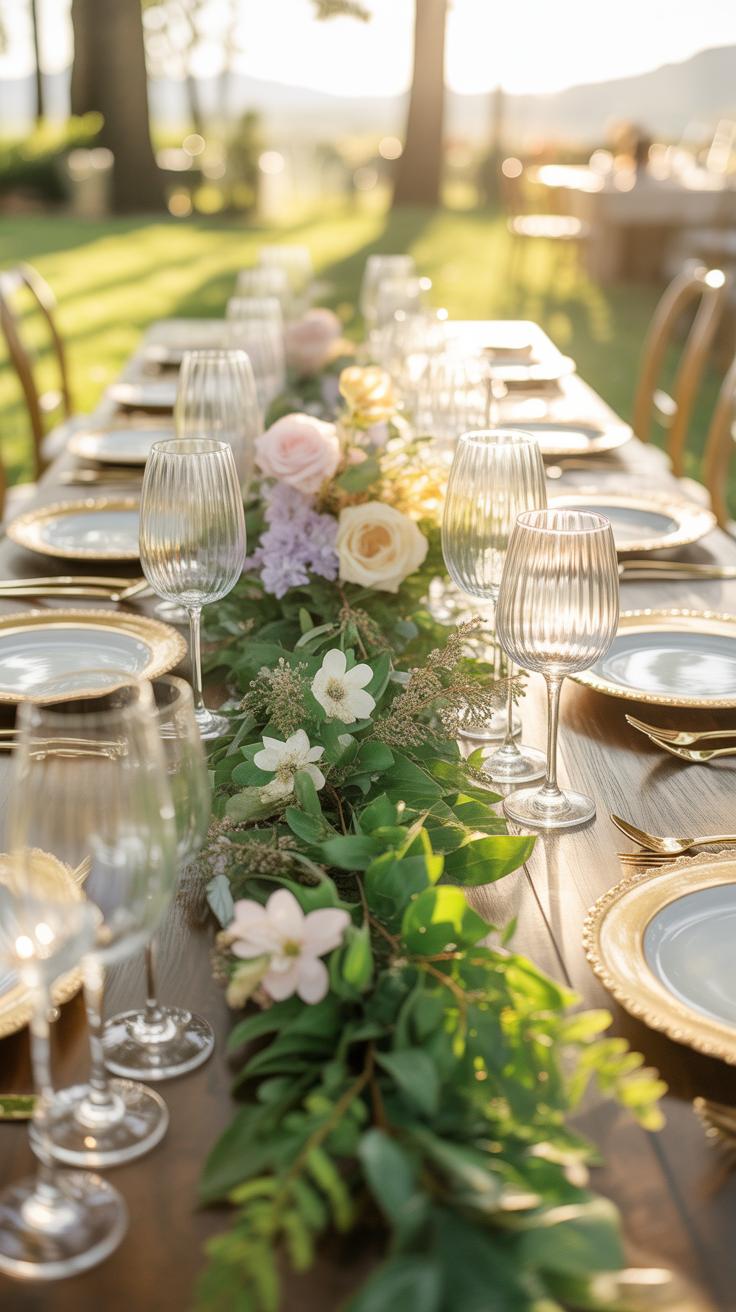
Best Greenery Varieties To Use In A Wedding Table Runner
Selection begins with foliage that maintains rigidity without constant water access. Silver Dollar Eucalyptus offers broad leaves and dusty tones that provide structural volume for the base layer. It creates a wide footprint on the table surface. Leatherleaf fern serves as a durable secondary filler. This variety resists wilting under high heat or bright lighting. It provides a dark green contrast to lighter botanical elements.
Ruscus acts as the primary vine for length and movement. Italian Ruscus features long stems and glossy leaves that trail off the table edges effectively. This species lasts for days after being cut. Smilax offers a delicate climbing appearance that mimics natural growth patterns. Use Victorian heritage varieties for a classic look. These selections ensure the runner remains fresh throughout the entire wedding event.
How To Combine Green Foliage With Blooms For A Romantic Wedding Look
Layering blooms into greenery requires a focus on depth and focal points. Start by tucking large blossoms like garden roses or peonies into the thickest parts of the foliage. These serve as visual anchors along the table center. Place them at varying heights to mimic a garden bed. Use floral water spikes to keep these heavy hitters hydrated. This prevents petals from dropping during the dinner service.
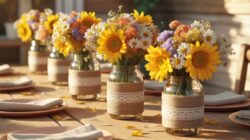
Integrate smaller accent flowers such as ranunculus or spray roses to bridge gaps between large stems. These lighter elements should float slightly above the greenery layer. This technique creates a three dimensional effect. Space them unevenly to avoid a patterned or synthetic appearance. Point flower heads toward seated guests to maximize the visual impact. This method ensures the runner looks lush and organic from every viewing angle.
Incorporating A Macrame Table Runner Into Your Centerpiece Design
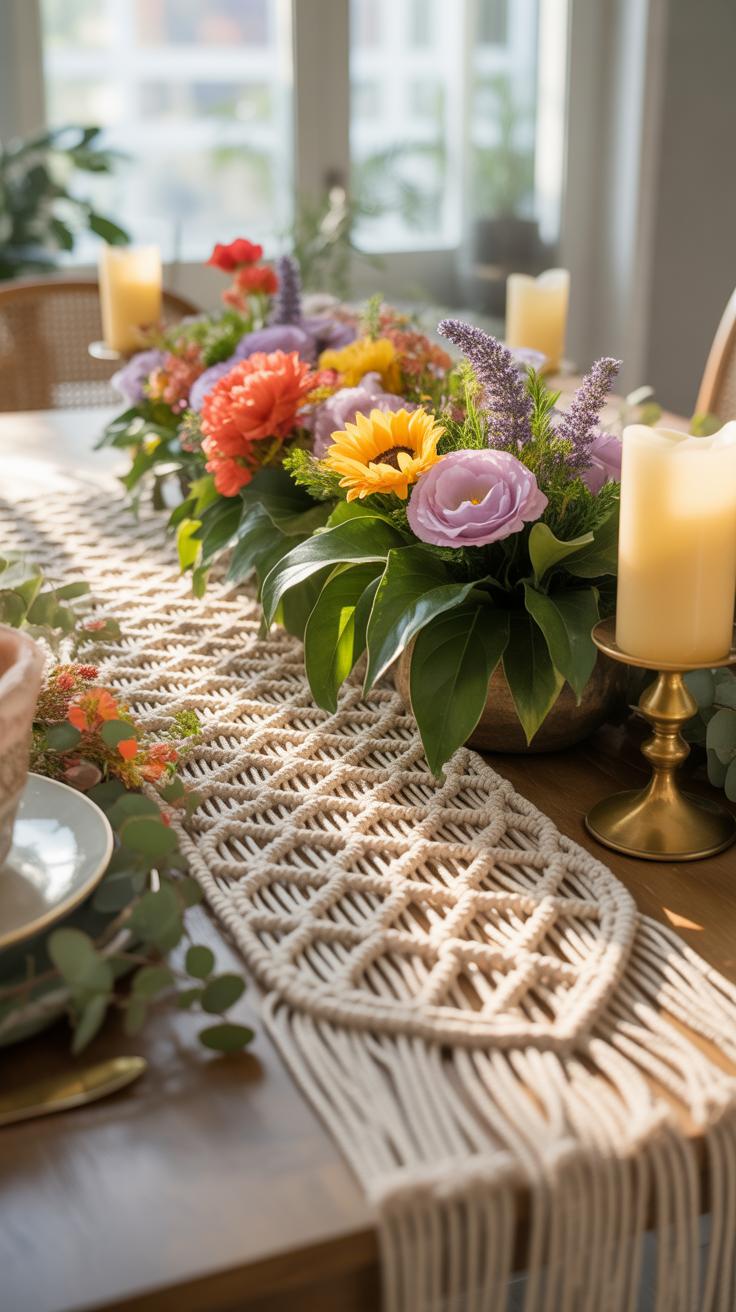
What Makes Macrame An Ideal Base For Bohemian Runner Centerpieces
Macrame provides a structural foundation for Bohemian runner style centerpieces. This textile technique uses knotting rather than weaving. It creates a heavy, textured surface that keeps decorative objects in place. The thick cotton cords prevent lightweight accents from sliding on polished wood or glass tables. Macrame offers a neutral color palette. This allows the colors of your florals and candles to stand out clearly.
Modern macrame designs root back to 13th-century Arab weavers. These craftsmen finished the edges of looms with decorative knots. This history gives the material a handmade and authentic feel. The geometric patterns in the knots create visual pathways for the eye. These patterns guide guests along the full length of the table. You gain a durable base that withstands the weight of heavy stoneware and large floral arrangements.
Pairing Macrame Table Runners With Florals Candles And Natural Accents
Contrast is the main goal when adding florals to a macrame runner. Use wild, asymmetrical greenery like eucalyptus or ferns to break up the rigid knot patterns. Place low profile vessels directly onto the knots. This hides the containers and makes flowers look like they grow from the fabric. Stick to matte textures for your vases. Shiny surfaces often clash with the raw and natural cotton fibers.
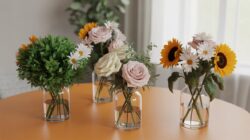
Lighting requires stability on uneven textile surfaces. Use wide pillar candles or heavy glass hurricanes to ensure safety. Thin taper candles may tilt on the knotted ridges. Incorporate organic elements like driftwood or smooth river stones to ground the design. These items bridge the gap between the soft textile and the hard table surface. Distribute these accents evenly across the runner to maintain balance and visual flow.
Building A Lush Floral Runner From Start To Finish
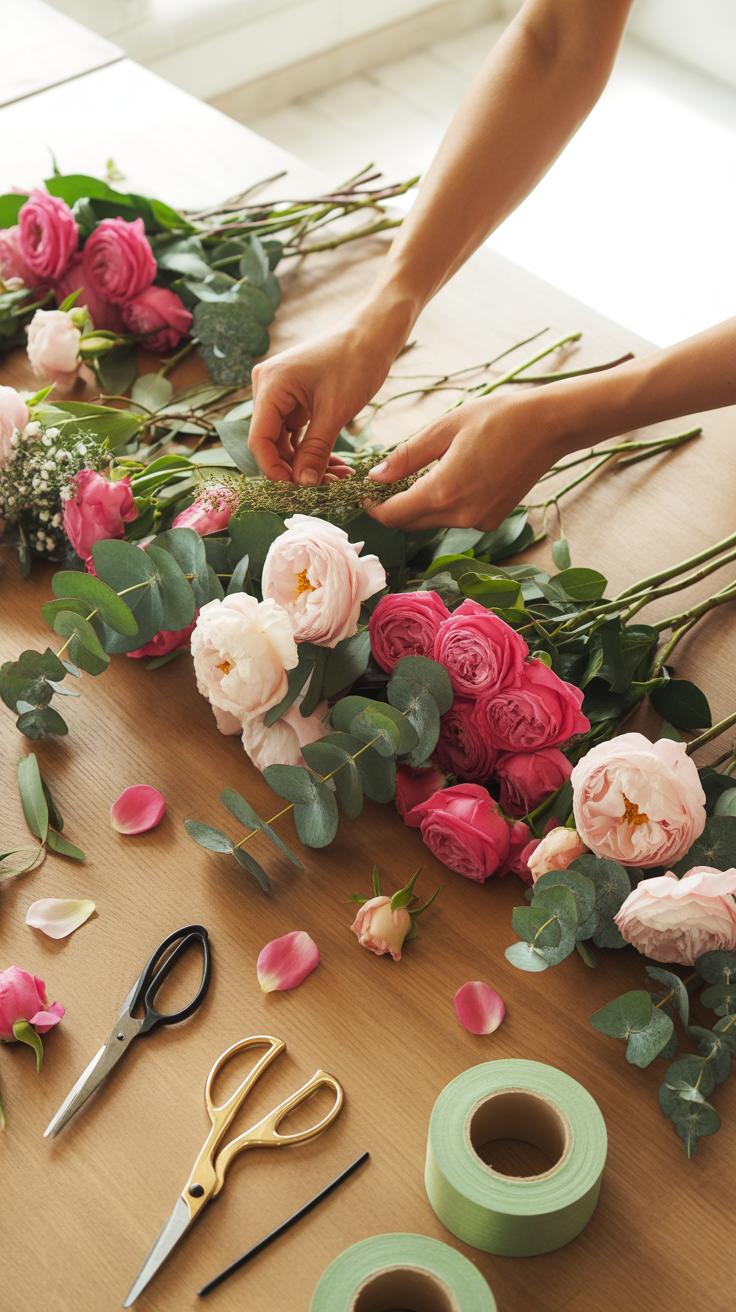
Essential Materials And Tools Needed To Build A Floral Runner
A professional floral runner requires specific mechanics to maintain hydration and structural integrity. You must select tools based on the table length and the desired density of the arrangement. Using the wrong materials leads to wilting or collapsing mid-event. Proper preparation ensures the runner stays fresh and secure throughout the duration of the function. Focus on high-quality hardware to support the weight.
- Oasis Floral Foam Bricks: These bricks provide the primary water source for stems. Soak them fully in water before use. They come in cages or can be wrapped in chicken wire for added strength and stability during the assembly process.
- Chicken Wire: This 22-gauge wire adds a structural layer over the foam or base. It prevents heavy woody stems from tearing the foam apart. It also allows for more aggressive angles when placing greenery to create a wider profile.
- Waterproof Floral Tape: Use half-inch green or clear tape to secure the foam to containers or table guards. This tape maintains its adhesive grip even when exposed to moisture. It prevents the entire runner from shifting if the table is bumped.
- Pruning Shears and Snips: Sharp blades are vital for clean vascular cuts on stems. Clean cuts allow for maximum water uptake. Use heavy shears for thick branches and precision snips for delicate blooms to avoid crushing the sensitive plant tissues.
- Plastic Liners or Trays: These long, narrow containers hold the damp foam and catch excess water. They protect the tabletop surface from moisture damage and stains. Choose low-profile designs that remain hidden once you apply the base layer of greenery.
Organize your workstation before you begin the assembly. Layout all hardware and prep your botanical elements by stripping lower foliage. This prevents bacteria from growing in your water source. Tactical organization speeds up the build time and reduces waste. Keep your tools within reach to maintain a steady workflow. Efficient setups lead to more consistent and symmetrical design results.
The table is a meeting ground for the soul, and a long runner of flowers is the thread that weaves our memories together.
Step By Step Technique For Laying Out And Securing Your Floral Runner
Begin by placing your plastic liners in a straight line down the center of the table. Space them evenly to ensure full coverage without gaps. Secure the pre-soaked floral foam into the trays using waterproof tape in a cross-pattern. If you are using chicken wire, wrap it tightly around the foam now. Ensure the mechanics are low to the table to keep the profile sleek.
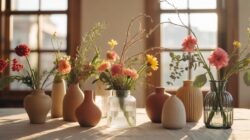
Insert your primary greenery at the base to establish the length and width of the runner. Work from the outside in to define the perimeter first. Angle the stems downward to hide the plastic trays and tape. Once the base is set, insert your focal flowers at varying heights. Use shorter stems for a dense look and longer stems for movement. Check all angles to ensure no foam remains visible.
Using Altarpiece Flowers To Elevate Your Runner Centerpiece Style

How Altarpiece Flower Traditions Influence Modern Runner Centerpiece Design
Historical altarpieces utilized linear arrangements to draw the eye toward a central focus. These displays used mass and height to command attention in large stone cathedrals. Modern runner centerpieces mirror this logic by stretching floral elements across a horizontal plane. Designers now use these traditional layering techniques to create depth. You build a visual path that leads guests along the table length just as altars directed light and prayer.
Baroque and Renaissance periods emphasized symmetry and overflowing abundance in their sacred floral displays. These eras dictated that flowers must look structural yet organic. Modern runners use these same principles to blend greenery with focal blooms. You achieve this by placing the largest flowers at the base to ground the design. This creates a foundation that supports lighter accents. It ensures the centerpiece looks heavy and expensive rather than thin and cheap.
Translating Grand Altarpiece Floral Styles Into Elegant Table Runner Arrangements
Scaling down a massive church display for a dining table requires a focus on proportion. You must maintain the architectural integrity of the original style while keeping sightlines clear. Successful runners use low profile metal cages or foam blocks to mimic the stone plinths of the past. These tools hold stems at precise angles to create a rolling landscape. This technique prevents the arrangement from looking like a flat line of scattered stems.
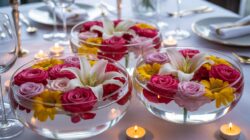
Select flowers with strong stems and large heads to replicate the visual weight of altarpiece classics. Lilies and roses provide the necessary structural bulk found in historical European designs. Mix these with cascading foliage to soften the edges of the table. You should maintain a consistent color palette to preserve the formal tone typical of religious architecture. This strategy ensures the runner feels like a deliberate piece of art rather than a casual table accessory.
Mastering Runner Flowers Varieties That Thrive In Long Arrangements
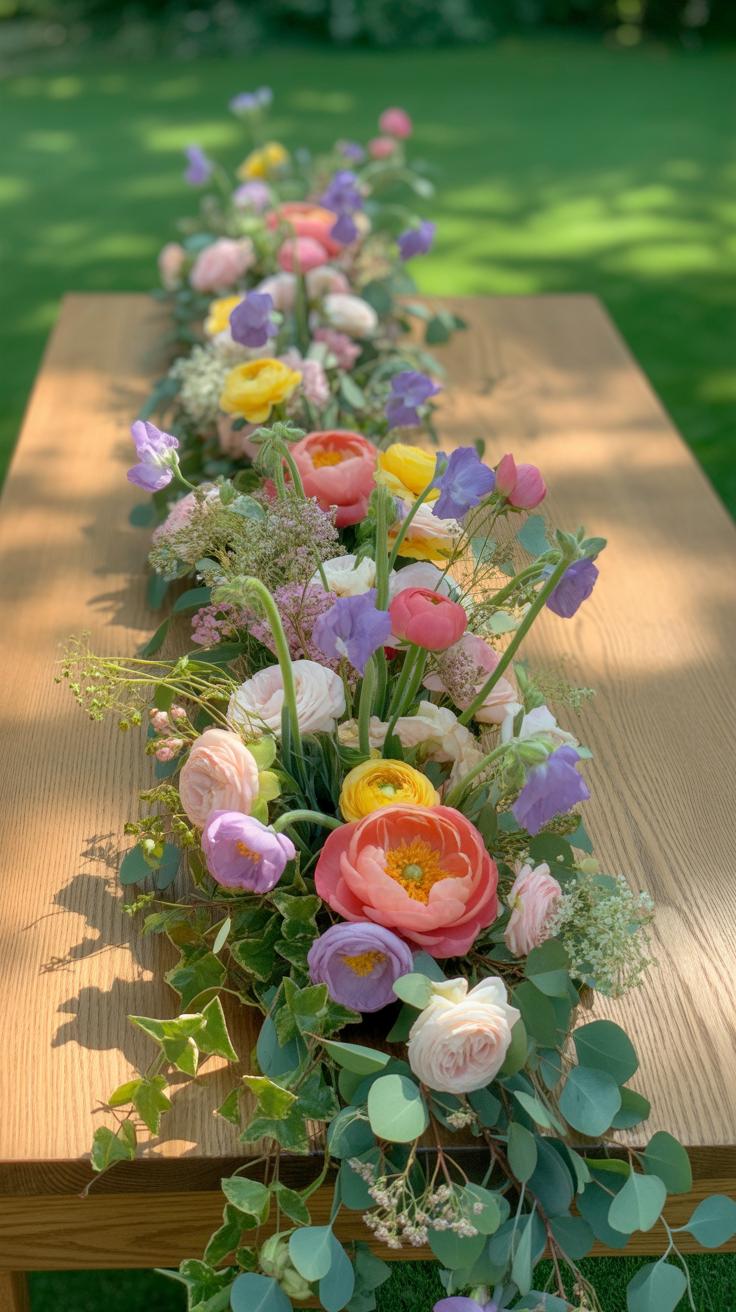
Best Flower Varieties That Hold Up Well In Extended Runner Centerpieces
Select flowers with woody stems or thick petals to ensure longevity in long arrangements. Carnations and chrysanthemums provide structural density and resist wilting for several days. These species tolerate temperature shifts better than delicate field flowers. Use orchids or lilies for high-impact focal points along the table length. Their rigid cell structures prevent drooping. These choices maintain a professional look from the event start until the end.
Runner arrangements require blooms that can survive outside of deep water reservoirs. Standard roses and spray roses thrive when tucked into wet floral foam or small water tubes. Tropical greens like ruscus or monstera provide a hardy base that stays green for a week. Avoid hydrangeas or sweet peas in long runners. These varieties require constant hydration and collapse quickly. Stick to reliable, heavy-drinking plants to guarantee a sharp appearance.
How To Condition And Prep Runner Flowers For Maximum Freshness And Longevity
Proper conditioning starts with a sharp diagonal cut to every stem. This increase in surface area allows for maximum water intake before assembly begins. Place all stems in room temperature water mixed with floral preservative for at least four hours. This step hydrates the vascular system of the plant. High-stress environments like long tables require flowers to be at peak hydration before you move them.

Remove all foliage that will sit below the water line or inside the floral foam. Decaying leaves create bacteria that block water flow to the bloom. Mist the finished runner with an anti-transpirant spray to seal the petals. This coating slows down the natural evaporation process. Keep the completed arrangement in a cool, dark space until the event starts. Proper prep work prevents the centerpiece from looking tired before the guests arrive.
Crafting A Long Low Floral Arrangement That Commands Attention
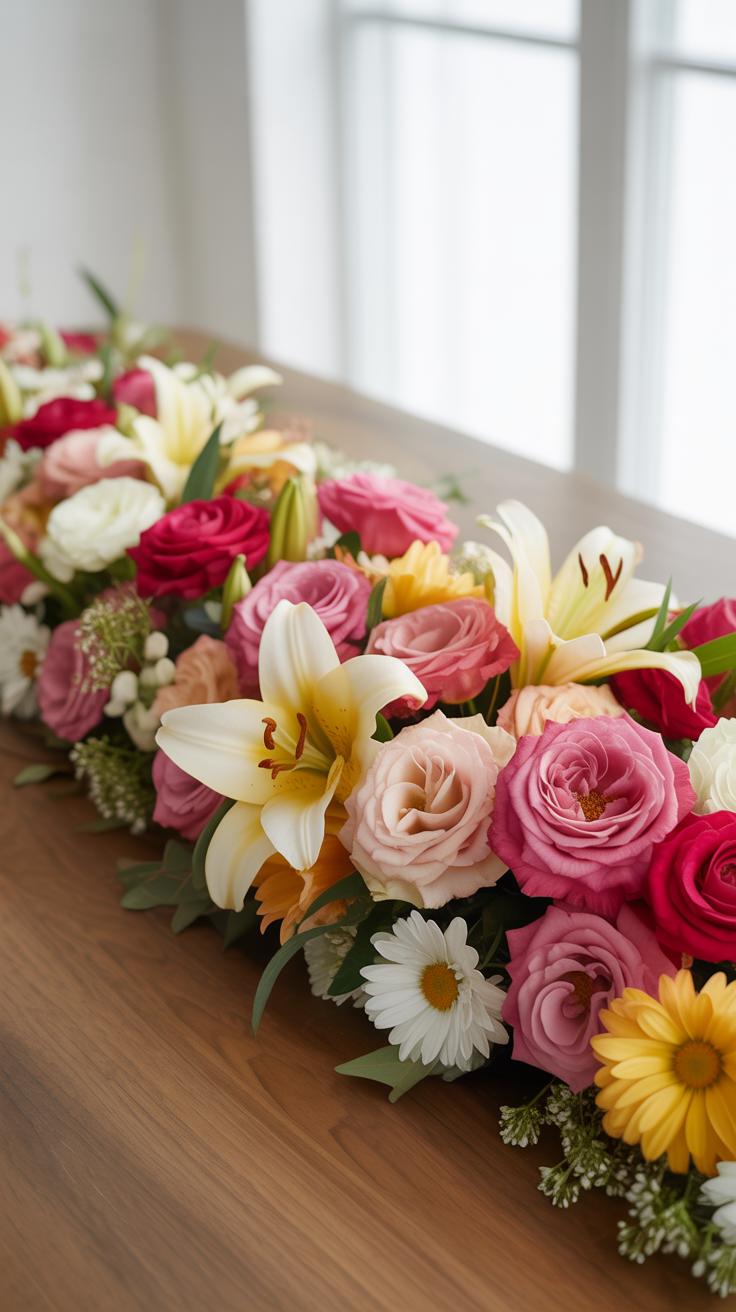
Why Low Profile Floral Arrangements Are The Gold Standard For Dining Tables
Low-profile arrangements solve the primary failure of traditional centerpieces. High floral structures block sightlines and prevent eye contact between guests. A runner style centerpiece stays below chin level to encourage constant conversation. This functional design follows the etiquette standards established in formal European dining. It prioritizes the guest experience over sheer height. Successful hosts use these low designs to ensure the table remains a social space.
The horizontal orientation also fills the dead space found in the center of long rectangular tables. Tall arrangements leave the ends of the table looking empty and disconnected. A low runner creates a physical link between every seat. It grounds the table setting and provides a cohesive visual path. This technique works because it mirrors the shape of the furniture. It turns the entire tabletop into a unified design piece.
Design Principles For Building A Balanced And Visually Flowing Low Arrangement
Proper balance requires a strong central axis. Start with a structured base using floral foam or heavy pin frogs. Place your heaviest blooms near the center and the bottom of the arrangement. This creates a center of gravity that keeps the piece from looking top-heavy. Use a repetition of shapes to lead the eye down the length of the table. This movement gives the arrangement its necessary rhythmic flow.
Texture adds depth without increasing height. Mix smooth petals with rough foliage to create interest at the macro level. Professionals use the graduated placement of materials to soften the edges of the runner. Avoid perfect symmetry which can look stiff and artificial in a long format. Instead, aim for a balanced weight on both ends. This approach ensures the centerpiece looks complete from every angle around the dining table.
Styling Runner Style Centerpieces For Party Floral Arrangements
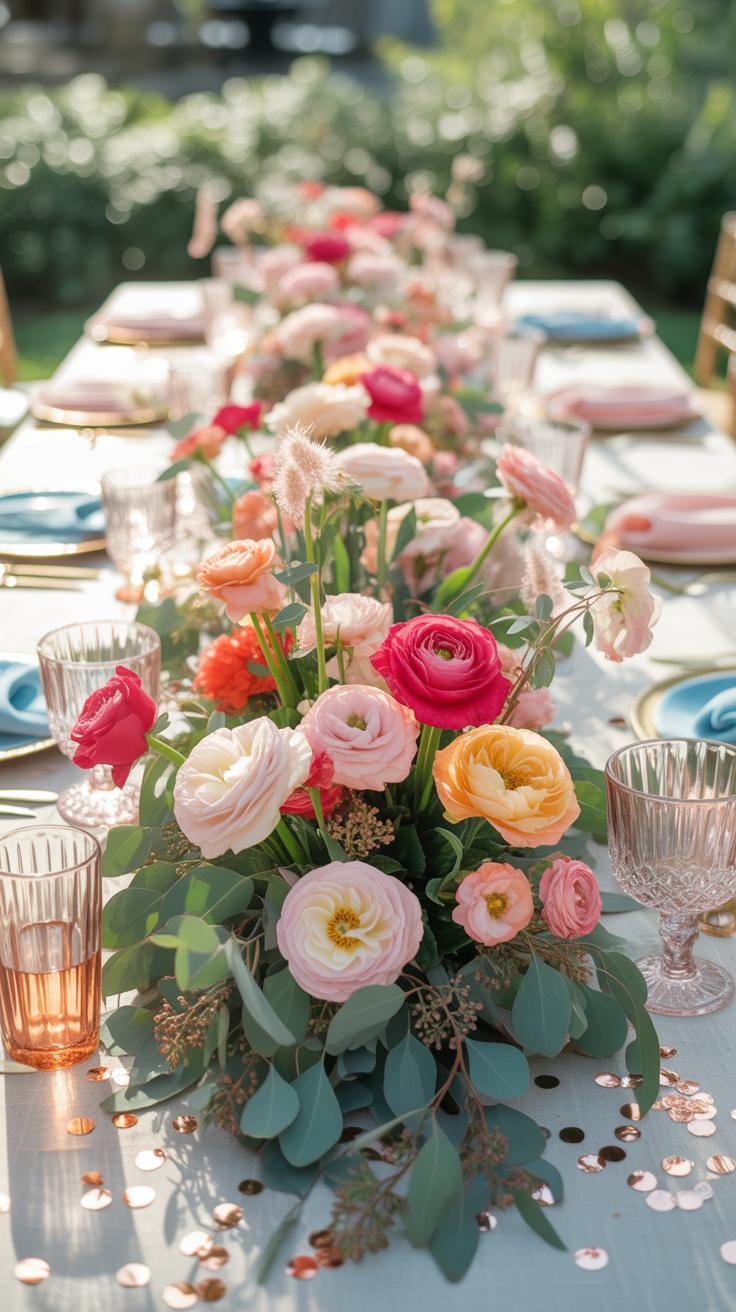
Adapting Runner Centerpiece Designs For Birthdays, Galas And Casual Gatherings
Scale defines the success of a runner centerpiece across different event types. For high-end galas, use elevated bridges to lift floral runners above the table surface. This technique preserves sightlines and allows for elaborate draping. Birthdays require more compact footprints to accommodate gift placement and heavy food service. Use modular foam blocks to build lengths that match specific table dimensions without obstructing guest movement.
Casual gatherings benefit from broken runner designs. Instead of one continuous line, place smaller clusters in a linear path. This method mimics the look of a traditional runner but offers more flexibility. Use potted herbs or singular blooms in bud vases for a relaxed aesthetic. Ensure the height stays below fourteen inches. This keeps the atmosphere intimate and encourages conversation across the table during the party.
Budget Friendly Tips For Creating Impressive Party Floral Runner Arrangements
Cost management depends on the ratio of expensive focal flowers to affordable bulk foliage. Professional designers use high-volume greens like eucalyptus or lemon leaf to build the primary structure of the runner. These materials cover large surface areas for a low price point. Add premium blooms only at key visual intervals. This strategy creates the illusion of a lush, high-end installation while minimizing the total stem count.
- Bulk Greenery Bases: Use hardy greens like salal or ruscus to create a thick foundation. These varieties last a long time without water. They provide a dense texture that hides mechanics and fills space efficiently for minimal cost.
- Repurposed Glassware: Collect mismatched jars or clear glass bottles to hold individual stems. Aligning these containers in a straight row creates a runner effect. This avoids the high cost of long, custom-made troughs or specialized floral foam bricks.
- In-Season Sourcing: Buy flowers that grow naturally during the current month. Transport costs for out-of-season blooms inflate prices significantly. Local, seasonal choices are fresher and more sturdy. They provide better visual impact for every dollar spent on the arrangement.
- Filler Flower Density: Integrate inexpensive filler flowers like baby’s breath or waxflower to add volume. These stems have multiple heads per branch. They Bridge the gaps between larger focal flowers. This technique makes the runner look full and expensive on a tight budget.
- Reflective Surface Use: Place mirrors or metallic trays underneath a thin floral runner. The reflection doubles the visual volume of the flowers. You use half the amount of plant material to achieve the same aesthetic density. This trick works well in low-light environments.
Mechanics play a vital role in reducing overall expenses. Use chicken wire instead of floral foam for the internal structure. It is reusable and requires fewer specialty tools. Avoid using exotic varieties that wilt quickly without climate control. Focus on long-lasting carnations or chrysanthemums for color density. Proper hydration and stem prep also extend the life of the runner, ensuring the investment lasts throughout the entire event.
Frequently Asked Questions

What exactly is a runner style centerpiece and how does it differ from traditional arrangements?
Unlike a single focal point, runner style centerpieces extend along the length of your table to create a continuous flow of visual interest. These arrangements typically mimic the shape of a fabric table runner, using layers of greenery, candles, or seasonal decor. This elongated style is perfect for rectangular or oval dining tables because it ensures every guest has a beautiful view of the decor regardless of where they are seated during the meal.
How do I layer different materials to create a professional-looking tabletop display?
To master runner style centerpieces, start with a textured base like seeded eucalyptus or a fabric scarf. Next, nestle larger “anchor” items such as lanterns or large blooms at staggered intervals. Finally, fill in the smaller gaps with votive candles or sprigs of berries to add depth. Remember to keep the height low so guests can easily see one another across the table while enjoying the lush, layered aesthetic you have created.
Can I create a high-end runner look if I am decorating on a strict budget?
Absolutely! You can design stunning runner style centerpieces by sourcing greenery from your own backyard or using affordable grocery store eucalyptus. Incorporating items you already own, such as mismatched glass jars or plain white pillar candles, adds a charming, curated feel without the designer price tag. Focusing on a “more is more” approach with inexpensive natural elements creates a luxurious, abundant look that feels expensive while remaining incredibly budget-friendly for any host.