
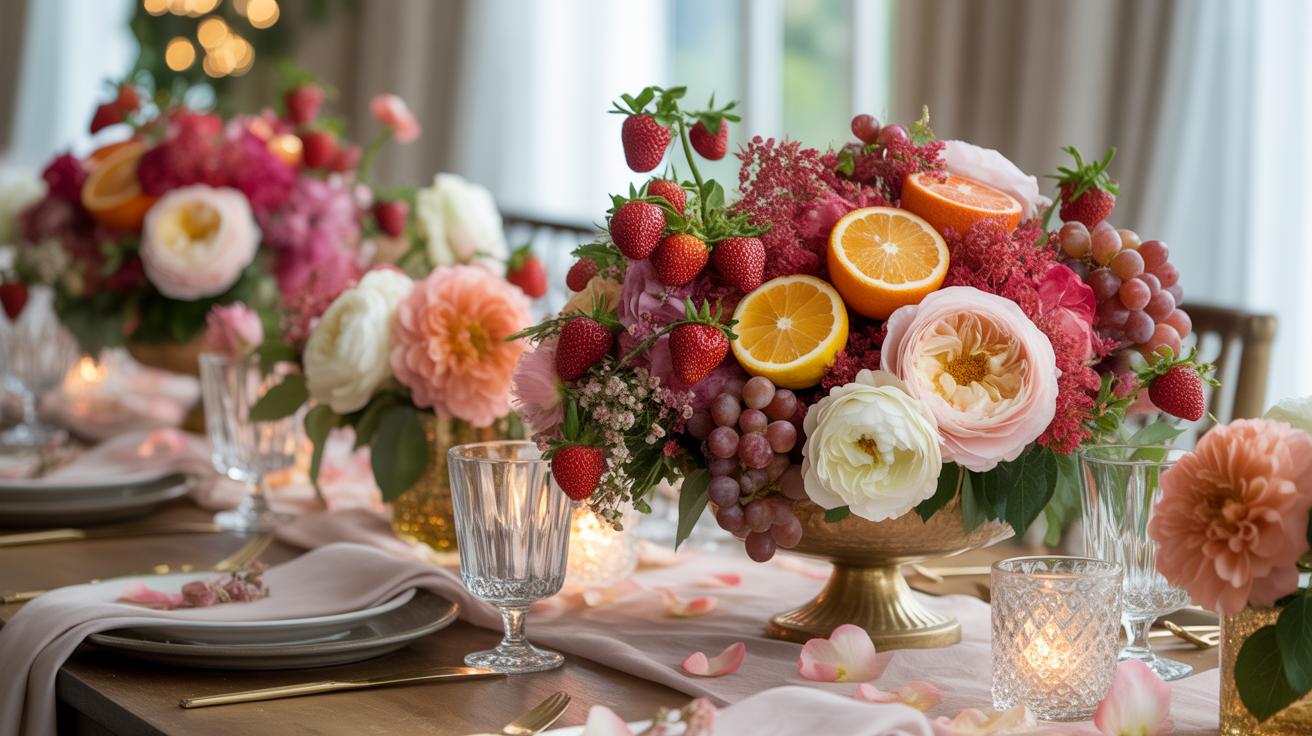
The Art Of Fruit Floral Centerpieces A Timeless Design Tradition
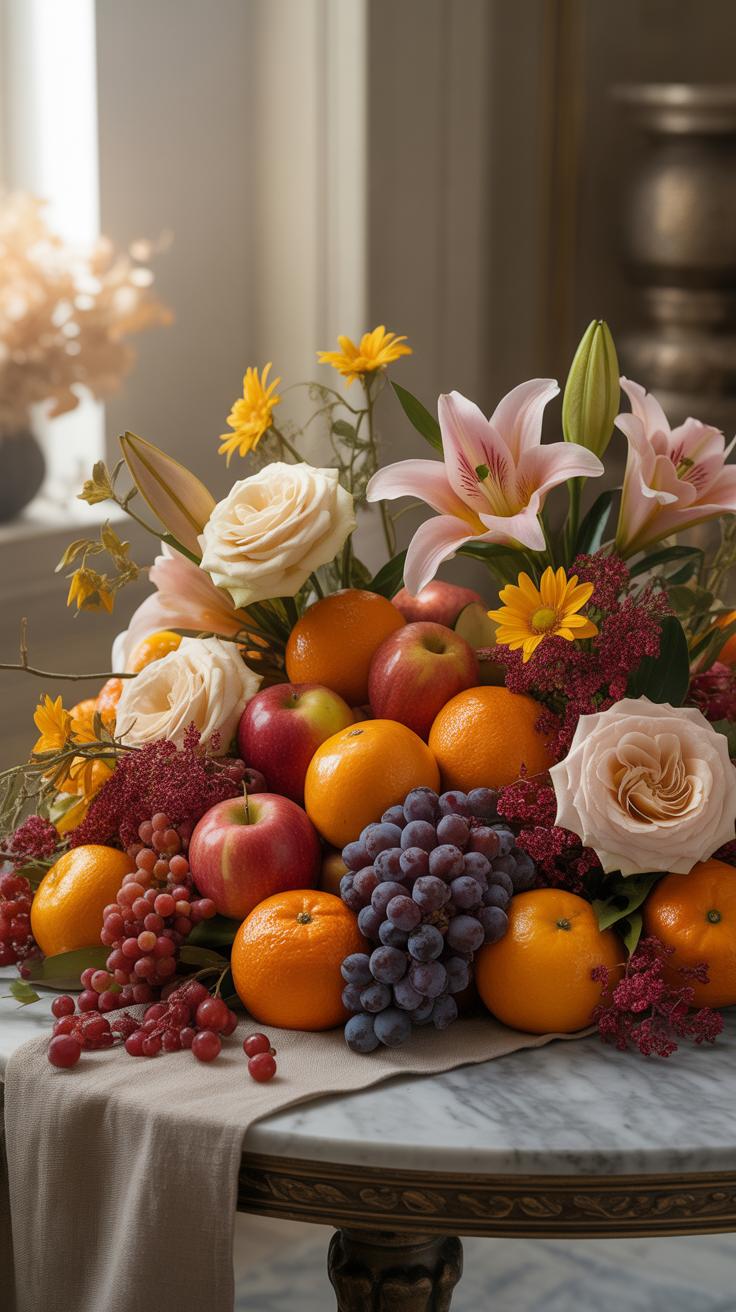
The Historical Roots Of Combining Fruit And Flowers In DéCor
Ancient civilizations used fruit and flowers for rituals and feasts. Egyptians placed bowls of figs and grapes alongside lotus flowers to symbolize plenty. Greeks and Romans created cornucopias to show off wealth and successful harvests during banquets. These early designs focused on symmetry and volume. Makers used clay vessels or woven baskets to hold the heavy produce and delicate stems together.
During the Baroque and Renaissance eras, artists painted still life scenes with rotting fruit and wilting blooms. These paintings influenced florists to use real items in table settings. Flemish painters captured the contrast between hard fruit skins and soft petals. This period locked in the habit of using food as a structural element in floral design. Designers today still use these classic proportions for formal events.
Why Fruit And Floral Centerpieces Continue To Captivate Modern Hosts
Modern hosts choose fruit and flower centerpieces to add texture and weight to a table. Fruit provides solid color blocks that flowers cannot match alone. It anchors a design physically and visually. Designers use citrus, berries, and stone fruits to create a sense of seasonality. This technique offers a grounded look that feels more organic and less manufactured than standard floral arrangements.
This style cuts costs while increasing the visual impact of an arrangement. Large fruits like pomegranates or pears take up more space than expensive blossoms. This allows designers to use fewer premium flowers without losing the scale of the piece. The weight of the fruit also stabilizes the tall stems in shallow containers. It remains a practical choice for high-end events and simple home dinners alike.
Choosing The Right Fruits For Your Floral Arrangements With Fruit
Seasonal Fruit Selection: Matching Produce To The Time Of Year
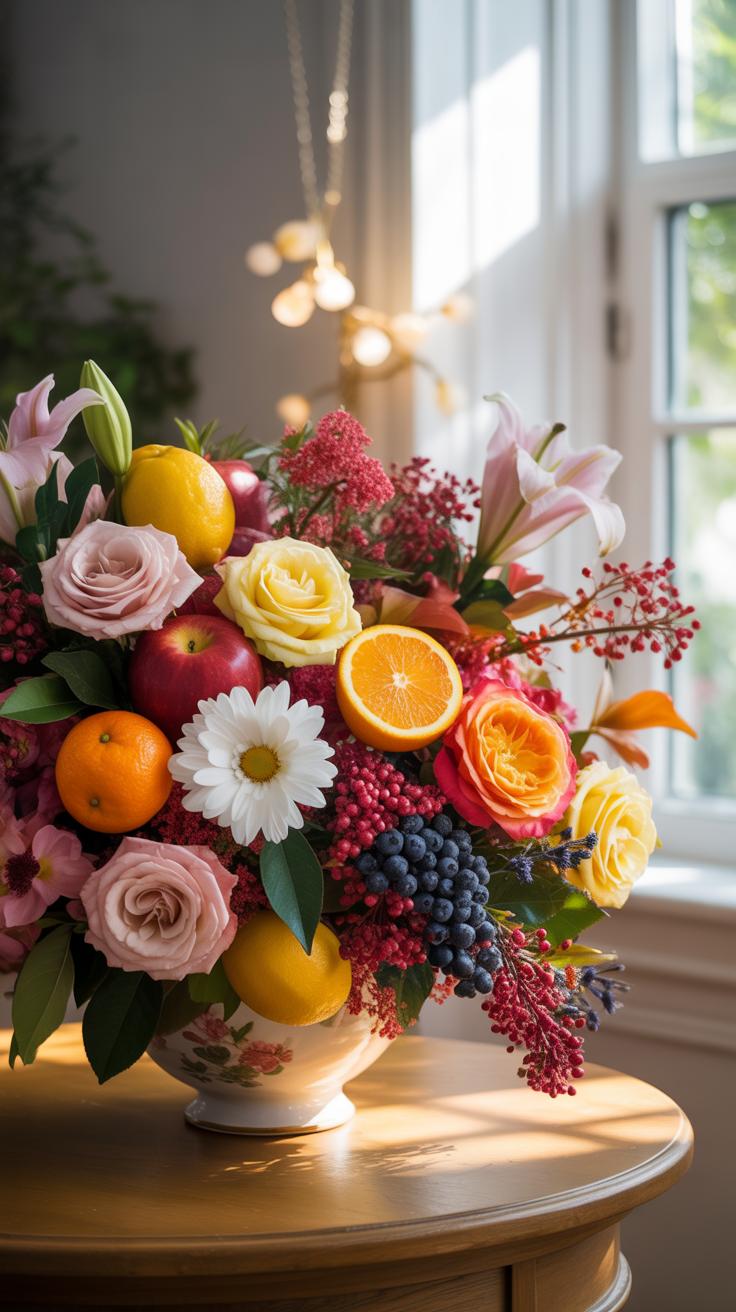
Every Fruit and Flower Centerpieces design depends on the season for structural integrity and visual logic. Spring designs rely on citrus and early berries to complement bulb flowers like tulips. Summer heat requires durable stone fruits or melons that resist quick bruising. Autumn shifts toward apples, pears, and pomegranates as they offer hard skins. These choices ensure the fruit remains firm throughout the entire event duration.
Historically, Flemish painters depicted fruit based on local harvest cycles to show wealth and realism. Modern designers follow this logic to maintain freshness and reduce costs. Winter arrangements utilize persimmons or cranberries because they handle low humidity well. Selecting out-of-season produce often leads to rapid decay or soft textures. Always match the ripeness level to the expected length of your display to prevent unappealing odors.
Essential Materials For Building Long Lasting Fruit And Flower Centerpieces
Building a stable base is the most important step for large displays. Heavy fruits like pineapples or melons sink quickly in water or loose foam. You must use high-density floral foam or metal grids to support the weight of the produce. Wooden skewers and waterproof floral tape act as the mechanical anchors. These tools keep the fruit in place without damaging the stems of the flowers.
- Wooden Skewers: Use various lengths to pierce thick-skinned fruits and anchor them into foam bases. Ensure you use food-grade wood to prevent chemical leaching into the arrangement. Longer skewers provide better leverage for heavy items like apples.
- High-Density Floral Foam: This material supports both the weight of the fruit and the hydration needs of the flowers. Standard foam often collapses under the pressure of large produce. Soak it thoroughly before starting your build to ensure maximum stability.
- Waterproof Floral Tape: Tape creates a grid over the container opening to prevent heavy fruit from shifting during transport. It maintains the structural integrity of the design even if the foam begins to soften. Use clear or green tape for better concealment.
- Shellac or Food-Grade Wax: Apply a thin coating to the skin of the fruit to prevent moisture loss and oxidation. This step is vital for cut fruits like citrus halves. It keeps the surface looking polished and fresh under bright event lighting.
- Heavy-Duty Pruning Shears: You need sharp blades to cut through thick woody stems and hard fruit rinds without crushing them. Clean cuts prevent bacterial growth and extend the life of the arrangement. Sanitize your tools between every use to avoid cross-contamination.

Stability determines the success of these arrangements. If the fruit moves, it will crush the delicate flower petals nearby. Use heavy gauge wire for smaller fruits like grapes to drape them naturally. Always test the balance of your centerpiece before finishing the floral layer. This ensures the arrangement will not tip over once you add water. Professional results require these specific mechanical foundations.
Table Decor With Fruit Styling Your Tablescape From Base To Top
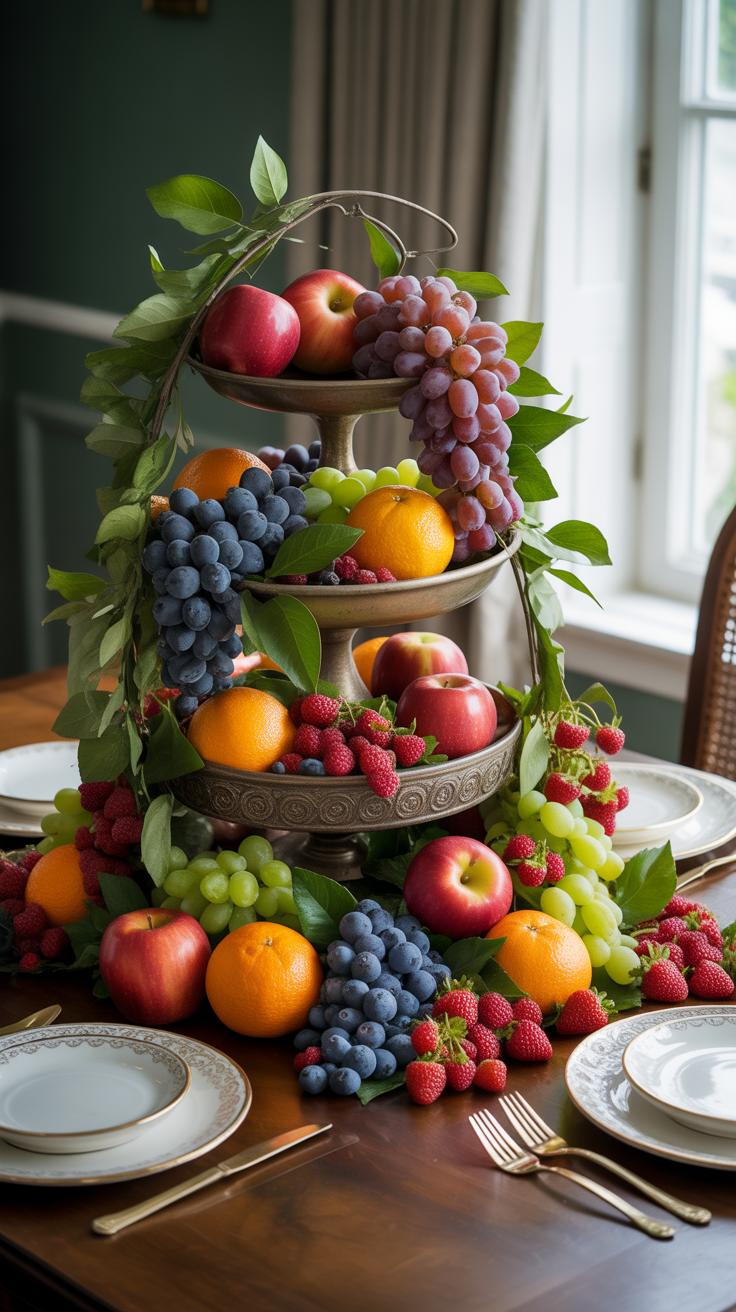
Choosing The Right Vessels, Risers, And Bases For Fruit Infused Tables
Select vessels based on weight and moisture resistance. Stone and ceramic basins support heavy citrus and pome fruits without tipping. Glass compotes allow visibility of color and shape from all angles. For multilevel displays, use acrylic or metal risers to create depth. Ensure all bases are food-safe if guests will consume the display. Low-profile wooden trays offer stability for sprawling arrangements that stretch across the table.
Strategic placement requires accounting for the center of gravity. Large fruits like pineapples or melons require broad bases to prevent sliding. Use floral foam or pin frogs inside vessels to secure heavy branches and fruit stems. Distribute weight evenly across the table surface to avoid stress on furniture joints. Pedestal bowls elevate the display to keep the sightline clear for seated guests. Choose matte finishes to keep the focus on the produce.
To create a beautiful centerpiece of seasonal fruits and blossoms is to set the stage for memories that linger long after the guests have gone. It turns a simple table into a harvest of the heart, celebrating both nature’s bounty and the warmth of home.
Layering Textures: How Foliage, Fabric, And Fruit Work Together On A Table
Effective layering begins with a neutral textile base. Linen or heavy cotton provides enough friction to keep round fruits in place. Place waxy foliage like ruscus or eucalyptus between the fruit and the fabric to prevent juice stains. This creates a barrier while adding a secondary texture. Mix matte-skinned fruits like grapes with glossy leaves to create visual contrast. This contrast helps each element stand out clearly.

Layering builds from the largest items to the smallest details. Start with the heaviest fruits as the foundation. Tiling fruit over flat foliage creates an organized look. Use fine-textured fillers like moss or small berries to plug gaps in the arrangement. Tactile variety keeps the eye moving across the design. Ensure the foliage is hydrated to prevent wilting near the fruit. Proper physical spacing prevents the display from looking like a pile of produce.
Fruit Table Arrangements For Weddings Elegant And Abundant Displays

Classic Wedding Centerpiece Styles That Incorporate Fresh Fruit Beautifully
Traditional wedding designs often utilize the Dutch Still Life style for maximum visual impact. This method focuses on abundance and realism. Florists place heavy fruits like pomegranates and grapes at the base of the arrangement. This creates a stable foundation for the taller floral stems. This technique anchors the centerpiece visually. It also prevents the vessel from tipping over during the event.
The Cornucopia style remains a standard for autumnal weddings. Designers use woven baskets to hold seasonal produce and blooms. You must secure the items with floral wire or hidden wooden skewers. This ensures the fruit stays in place as guests move around the table. Using uncut fruit prevents oxidation and keeps the display fresh for hours. High end weddings often use gilded fruit for a formal look.
Color Palette Coordination: Matching Fruit Hues To Wedding Flowers
Effective color coordination relies on the color wheel. For a monochromatic look, match dark red roses with black cherries or burgundy plums. This creates a deep and moody texture. Use citrus fruits like lemons and limes for bright, high contrast summer weddings. The natural oils in the citrus skins provide a matte or glossy finish. This adds a layer of depth that petals cannot achieve.

Complementary schemes offer the strongest visual tension. Pair orange persimmons with blue hydrangeas or purple anemones. This pairing makes both the fruit and the flowers appear more vivid. Always consider the ripeness of the fruit. Overripe fruit changes color and may attract insects. Select firm specimens that match the specific tone of your floral dyes. Consistency in saturation ensures a professional and polished appearance for the table.
Flowers In Citrus The Stunning Technique Of Blooms Rooted In Fruit
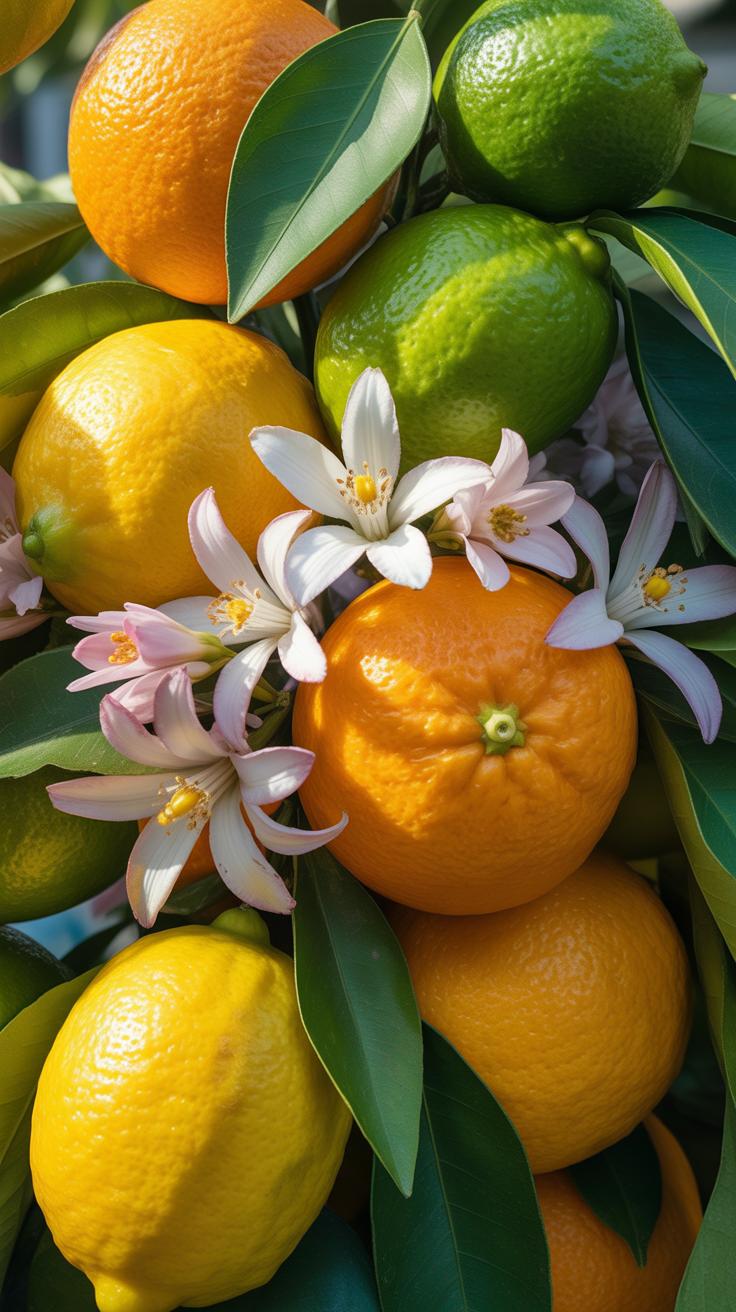
How To Use Hollowed Citrus Fruits As Natural Floral Vessels
Select large citrus fruits with thick rinds like grapefruits or pomelos. These provide the structural integrity needed to hold water and floral weight. Cut the top third of the fruit off with a sharp knife. Use a spoon or grapefruit knife to remove the pulp entirely. Ensure you do not puncture the bottom skin or the vessel will leak immediately.
- Moisture Barrier: Line the interior with a small plastic cup or heavy foil. Citrus acid reacts with flower stems and kills them quickly. A barrier prevents the acid from shortening the lifespan of your blooms.
- Water Reservoir: Fill the lined cavity with floral foam or water. Floral foam provides better stability for top heavy flowers. Soak the foam in water treated with flower food before placing it inside the hollowed citrus shell.
- Level Base: Slice a small flat section off the bottom of the fruit. This prevents the centerpiece from rolling or tipping on the table. Do not cut too deep or you will break the fluid seal of the rind.
- Grouping Strategy: Arrange multiple citrus vessels in odd numbers for visual impact. Small limes and lemons work well for individual buds. Large grapefruits can support full clusters of roses or ranunculus for a denser floral look.
- Edge Sealing: Apply a thin layer of petroleum jelly to the cut edges of the rind. This slows down the dehydration and browning of the fruit skin. It keeps the vessel looking fresh and vibrant for the duration of your event.
Citrus vessels have a limited lifespan of twenty four to forty eight hours. Prepare these centerpieces on the day of the event to ensure the fruit remains firm. Move the finished arrangements to a cool location away from direct sunlight. This prevents the rinds from shriveling. Discard the fruit after use as the rind absorbs bacteria once you remove the protective pulp.
Best Flower Varieties That Complement Citrus Tones And Scents
Pair yellow lemons with bright white daisies or blue hydrangeas for high contrast. Orange oranges work best with warm tones like coral roses and copper foliage. Use green limes to highlight pink peonies or purple anemones. These color combinations follow standard color wheel principles to create visual balance. Matching the flower color to the fruit creates a monochromatic look that appears clean and modern.

Select flowers with sturdy stems to survive the tight spacing of a fruit vessel. Marigolds and zinnias offer a rugged structure and withstand the warm climates where citrus centerpieces often appear. These flowers do not wilt quickly and survive well in small water reservoirs. Avoid delicate blooms like sweet peas that require massive amounts of water. Stick to hardy varieties that maintain their shape and color for several hours.
Citrus Decorations Bringing Vibrant Energy To Event Tables
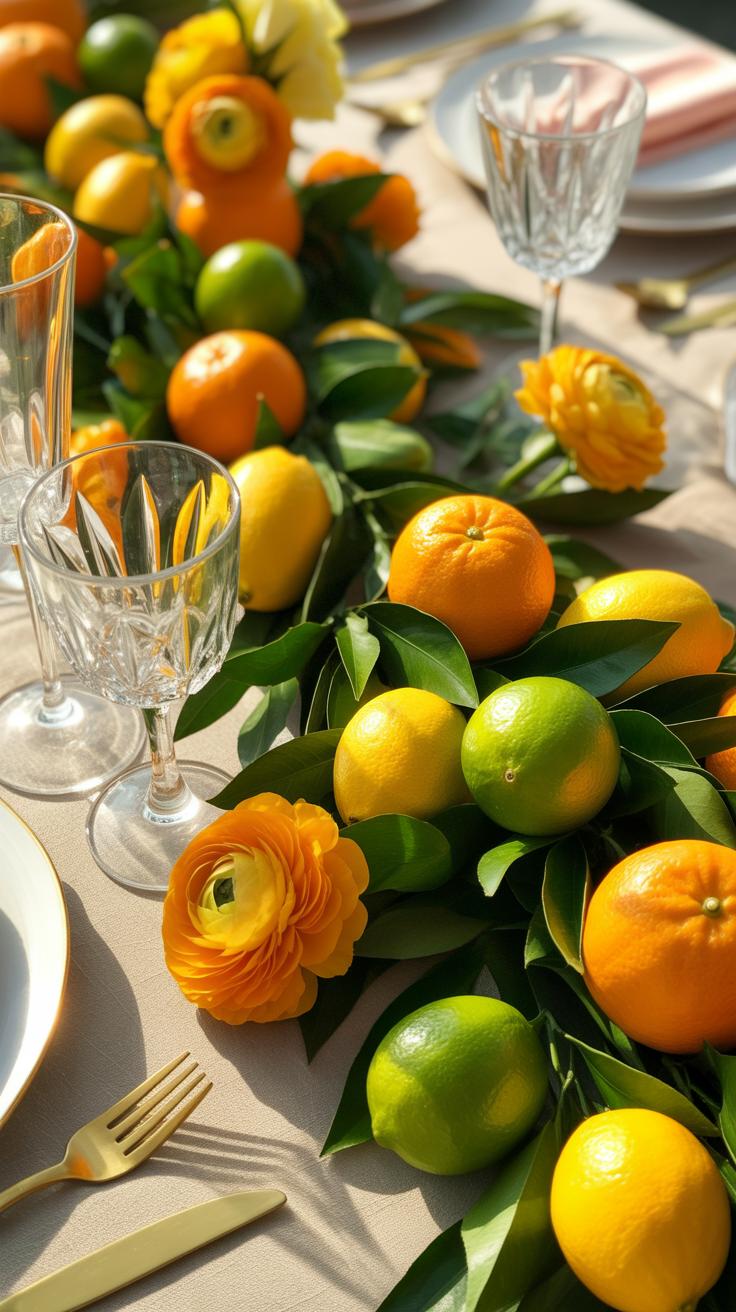
Using Lemons, Limes, And Oranges To Create Bold Visual Impact
Citrus fruits offer high saturation and structural integrity for centerpieces. Lemons provide a bright yellow hue that signals cleanliness and sharp contrast. Limes offer a deep greens that ground lighter floral arrangements. Oranges bring warmth and bridge the gap between bright yellows and red tones. Use whole fruits to provide bulk and hide floral foam or plastic stems at the base.
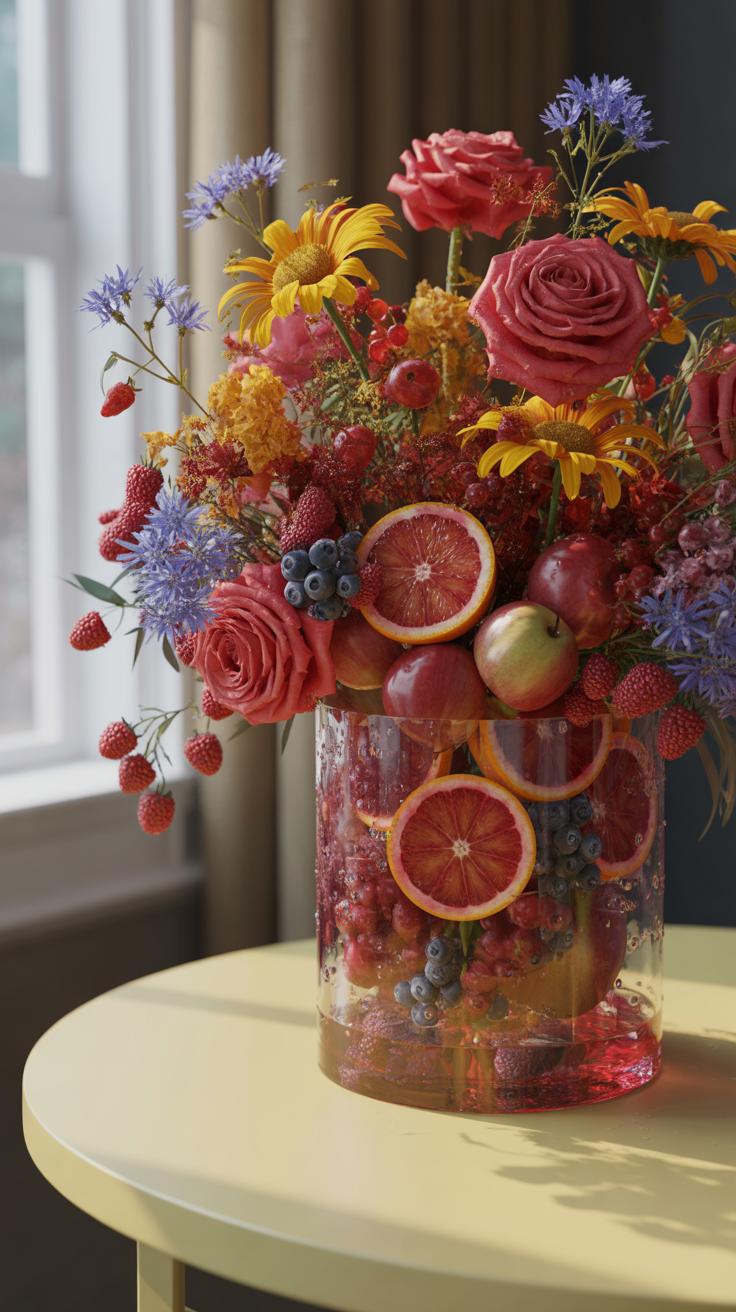
Tactical layering involves using sliced citrus against the inner walls of glass vases. Slice fruit to a uniform quarter-inch thickness for best results. Press these slices firmly against the glass before adding water or an inner vase. This technique hides unsightly stems and provides a clean, architectural look. The acidity in the fruit helps maintain water clarity for forty-eight hours if changed regularly.
Citrus Themed Centerpieces For Summer Parties, Brunches, And Garden Events
Outdoor events require materials that withstand heat and direct sunlight. Citrus fruits maintain their shape and color better than delicate flowers in high temperatures. Pair lemons with white hydrangeas for classic garden aesthetics. Use oranges with blue delphinium to exploit complementary color theory on the wheel. These combinations create immediate visual interest and feel appropriate for morning or afternoon lighting.

Scale your arrangements based on table size and service style. Long tables benefit from low citrus runners that do not block guest sightlines. Use small bowls of limes interspersed with bud vases for a modular approach. This allows staff to move pieces easily for food platters. Ensure all fruit used in decor remains separate from food service to prevent cross-contamination from floral preservatives.
Fruit And Floral Arrangements For Holiday And Seasonal Celebrations
Autumn Harvest Centerpieces: Combining Berries, Gourds, And Warm Toned Blooms
Autumn design focuses on texture and weight. Use gourds and pumpkins as structural anchors to stabilize the arrangement. Integrate hypericum berries and bittersweet vines to add visual depth. Select flowers like marigolds and dahlias in burnt orange and deep red tones. These heavy elements reflect the harvest theme used in Dutch Still Life traditions. Ensure all produce is dry to prevent early decay.
The construction requires clear mechanical support. Use wooden skewers to pin small gourds into floral foam. This technique prevents heavy fruit from shifting and crushing delicate stems. Place larger pumpkins at the base to lower the center of gravity. Surround the fruit with seasonal foliage like oak leaves or eucalyptus. This layering creates a dense appearance that defines the classic harvest aesthetic.
Winter Holiday Centerpieces: Pomegranates, Evergreens, And Rich Floral Accents
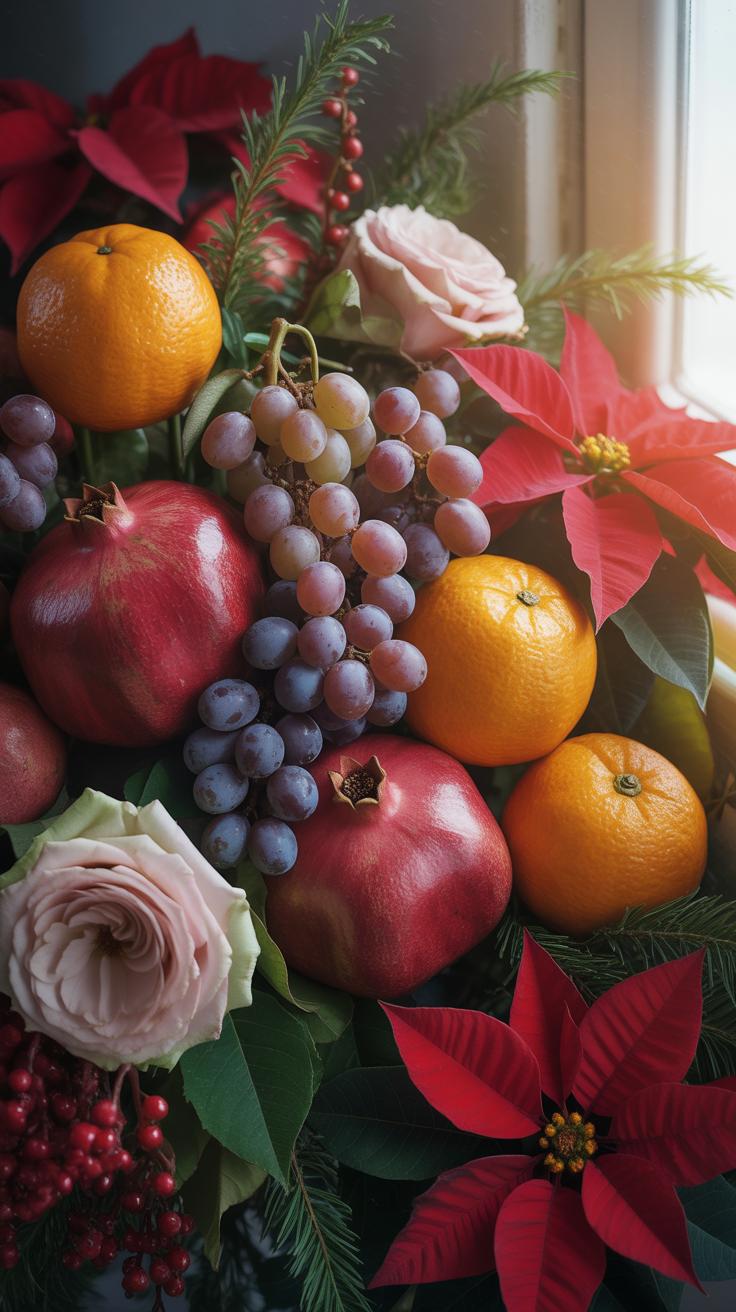
Winter arrangements rely on contrast and longevity. Pomegranates provide a glossy texture and deep red color that stays fresh for weeks. Pair these with hardy evergreens like cedar, pine, and spruce. For floral accents, use amaryllis or roses to match the fruit. This style draws from Victorian holiday traditions where people displayed exotic fruits as a sign of wealth and hospitality.

Strategy for winter decor involves moisture management. Evergreens sap water quickly so keep the reservoir full. Seal cut fruit surfaces with clear wax if you display them sliced open. Use florist wire to secure pomegranates to branches or heavy floral picks. Place the heaviest fruit near the center of the vessel for balance. This ensures the arrangement remains stable during busy holiday gatherings.
Floral Fruit Design Principles Balance Scale And Visual Flow

Understanding Proportion And Scale When Combining Fruit With Flowers
Proportion requires you to compare the size of individual components. Large fruits like pineapples or melons overwhelm delicate blooms such as sweet peas. You must match the physical weight of the fruit to the visual volume of the flowers. Use heavy fruits as a base or anchor near the container rim. This creates a stable foundation for the overall arrangement.
Scale refers to the relationship between the centerpiece and the table size. A small bowl of berries gets lost on a long banquet table. You must increase the diameter and height of the display to fit the surrounding space. Use larger clusters of fruit like grapes to fill gaps quickly. Proper scale ensures the arrangement commands attention without blocking the guests’ line of sight.
Creating Visual Flow: How To Guide The Eye Across A Fruit And Flower Display
Visual flow moves the eye through the arrangement in a specific path. You achieve this by repeating colors and shapes throughout the design. Slice citrus fruits to reveal inner textures that mimic the patterns of open roses. Place these bright focal points at different heights to create depth. Rhythmic placement prevents the eye from getting stuck on one heavy fruit or flower.
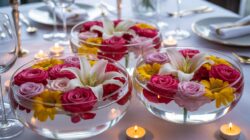
Use trailing elements like ivy or vine fruits to bridge the gap between sections. Grapes hanging over the edge of a pedestal bowl provide a downward motion. This connects the elevated display to the tabletop surface. Strategic placement of smaller fruits like cherries or kumquats fills empty spaces. These small details act as stepping stones. They pull the viewer from one side of the centerpiece to the other.
Fruit And Flower Centerpieces On A Budget Beautiful Without Breaking The Bank
Affordable Fruit And Flower Pairings That Still Look Luxurious
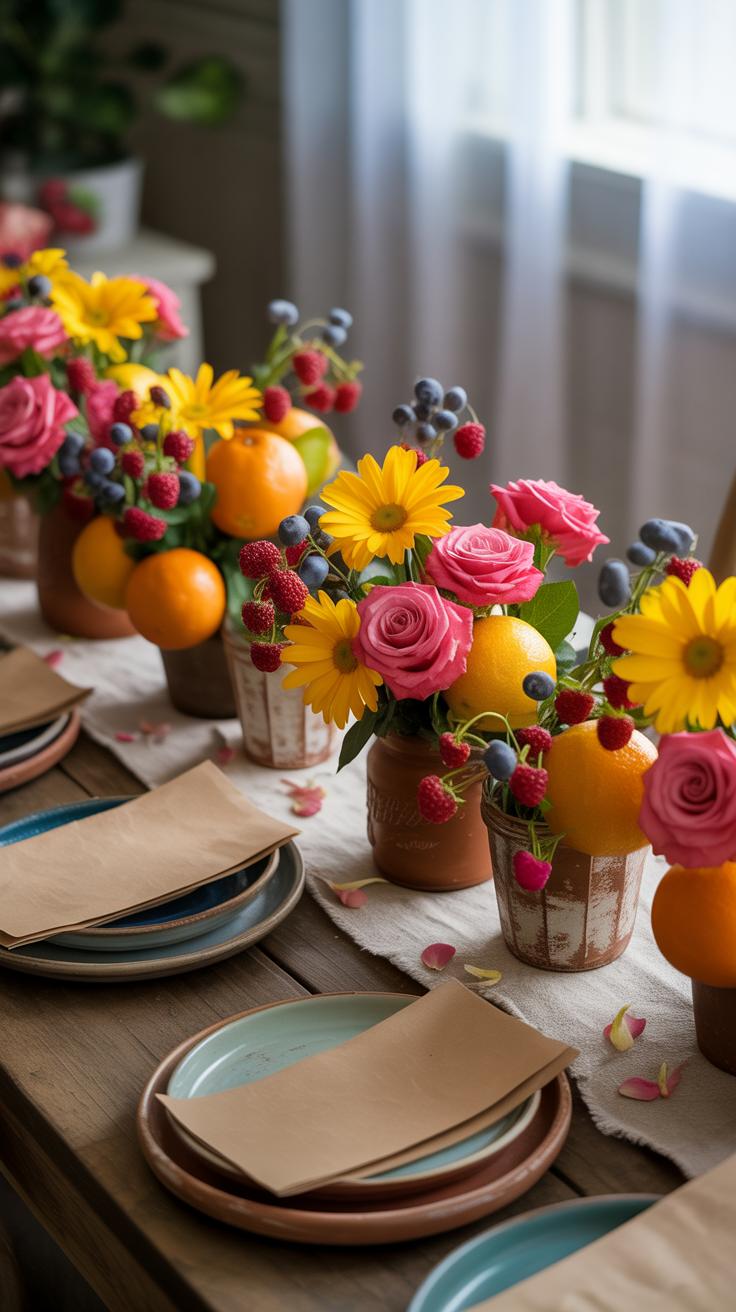
High design does not require expensive imports. Use grocery store staples like citrus and apples to create scale. Lemons and limes provide saturated color and structural support in glass vases. Pair these with seasonal greenery and mass market blooms like carnations or alstroemeria. These flowers last longer than expensive garden roses. They offer a similar visual density for a fraction of the cost.
Contrast drives the perceived value of a centerpiece. Use dark fruits like plums or purple grapes to ground light colored flowers. This creates a Flemish Dutch still life aesthetic. This style relies on deep shadows and rich tones rather than rare species. Select one primary fruit and one primary flower to keep costs low. Buying in bulk reduces the unit price and ensures a cohesive look.
DIY Strategies For Creating Professional Looking Centerpieces At Home
Professional results come from proper mechanics and prep work. Use clear waterproof tape to create a grid across the top of your vessel. This grid holds stems in place without the cost of floral foam. Prep all fruit by cleaning away wax coatings. Secure heavy items like pomegranates on bamboo skewers. This keeps them at the correct height and prevents them from sinking.
Focus on grouping similar items for visual impact. Do not scatter small pieces randomly. Cluster fruit at the base to hide the stems and mechanics. Use a monochromatic color scheme to mask the use of cheaper materials. A single color palette looks intentional and expensive. Trim all leaves that will sit below the water line. This prevents bacteria growth and keeps your centerpiece fresh for the entire event.
Caring For Floral Arrangements With Fruit Keeping Your Display Fresh All Event Long
How To Prep And Condition Flowers Before Assembling A Fruit Centerpiece
Hydration is your first priority. You must cut stems at a sharp angle under warm water. This prevents air bubbles from blocking the vascular system. Remove all leaves that sit below the water line. Decaying foliage creates bacteria. This bacteria kills flowers fast. Professionals pulse stems in a hydrating solution for two hours before assembly. This step ensures the blooms hold their structure.
Temperature control prevents premature wilting. Store your prepared stems in a cool, dark room. High humidity levels keep the petals firm. Avoid placing flowers near ripening fruit during this stage. Ripening fruit releases ethylene gas. This gas triggers flowers to drop their petals and die early. Use clean buckets and sanitized shears to prevent contamination. Clean tools are vital for a long shelf life.
Day Of Maintenance Tips To Keep Fruit And Flowers Looking Their Best
Strategic placement determines the lifespan of your centerpiece. Keep the arrangement out of direct sunlight and away from heating vents. Heat speeds up the ripening of the fruit. Overripe fruit turns mushy and attracts pests. Check the water levels every four hours. Fruit centerpieces often use smaller reservoirs. These dry out faster than standard vases. Refill them with cold water and floral food.
Monitor the fruit for signs of bruising or juice leakage. Acidic citrus juice can damage delicate flower stems. If a piece of fruit begins to soften, remove it immediately. This prevents the spread of mold to the rest of the display. Use a fine mist of water on the foliage to maintain a crisp look. Do not mist the fruit itself. Excess moisture on fruit skins causes rapid decay and fungal growth.
Frequently Asked Questions

What are the benefits of combining produce and florals in table decor?
Integrating edibles into your arrangements adds incredible texture and a sensory element that traditional bouquets often lack. Using fruit and flower centerpieces creates a lush, bountiful look that feels organic and sophisticated. This pairing allows you to play with vibrant color palettes, such as deep citrus oranges or rich berry purples, while the natural fragrance of sliced fruits enhances the dining experience for your guests during special gatherings.
How do I keep the fruit stable and fresh in my arrangement?
To secure your elements, use floral foam or wooden skewers to anchor heavier items like pomegranates or apples within the vessel. Always ensure that any cut fruit is added shortly before the event to maintain its vibrant appearance. When building fruit and flower centerpieces, you can also submerge hardy citrus slices in clear glass vases filled with water to provide structural support for flower stems while creating a stunning visual effect.
Can I create a high-end look if I am on a tight budget?
Absolutely! You can achieve a professional aesthetic by sourcing seasonal produce from your local grocery store and mixing it with greenery foraged from your own backyard. Focus on a monochromatic color scheme to make humble ingredients like green grapes or lemons look expensive. By using larger decorative fruits as focal points, you require fewer expensive blooms to fill the space, making these elegant displays both affordable and impactful.