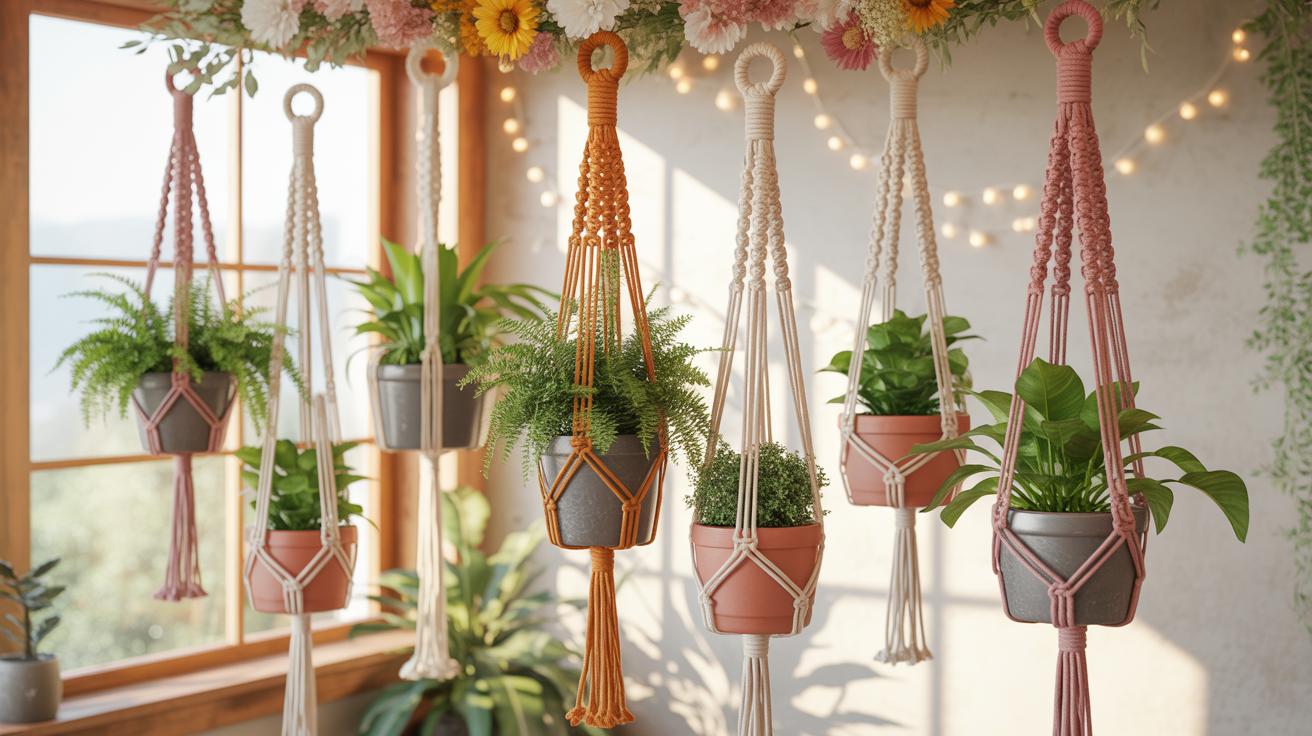
The History And Revival Of Macrame Plant Hangers
The Origins Of Macrame As A Textile Art Form
Macrame originated with 13th-century Arabic weavers. These artisans used decorative knots to finish the edges of hand-woven fabrics like towels and veils. They created fringes to keep threads from unraveling. This tactical solution evolved into a distinct art form. Traders spread these techniques throughout the Mediterranean. Sailors eventually adopted the craft to pass time at sea while making functional tools and decorative items.
Sailors played the biggest role in moving macrame across the globe. They used square knots and hitching to create hammocks and belts. They traded these goods in China and the Americas. By the Victorian era, macrame became a popular home hobby. Books from the 1800s detail how to make intricate lace and trimmings. The focus remained on handheld items and interior textiles for desks and windows.
How Macrame Plant Hangers Became A Modern DéCor Staple
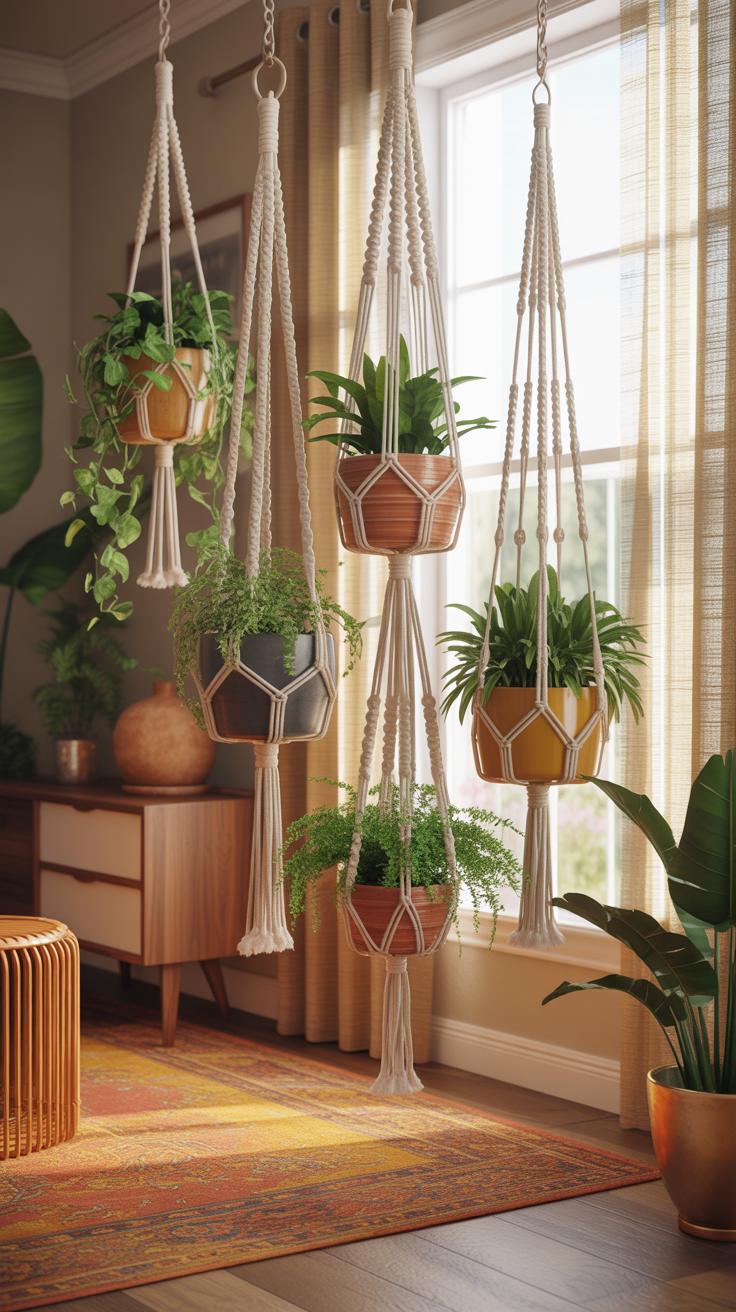
The 1970s transformed macrame into a massive cultural trend. Large-scale plant hangers became the primary output of the craft during this decade. Homeowners used jute and sisal cords to hold heavy ceramic pots. This trend maximized vertical space in smaller urban apartments. The movement prioritized natural materials and a handmade aesthetic. People wanted to bring nature indoors to contrast the rise of industrial mass production.
Macrame resurfaced as a staple in the 2010s due to the indoor plant craze. Modern designers replaced rough jute with soft cotton cord and synthetic blends. These newer materials provide better durability and a cleaner look. Social media platforms drove the demand for visual texture in home staging. Today, these hangers serve as functional tools for plant health. They improve light exposure and keep foliage away from floor-bound pets.
Choosing The Right Macrame Plant Holder For Your Event Theme
Matching Plant Holder Styles To Rustic Bohemian Or Elegant Themes
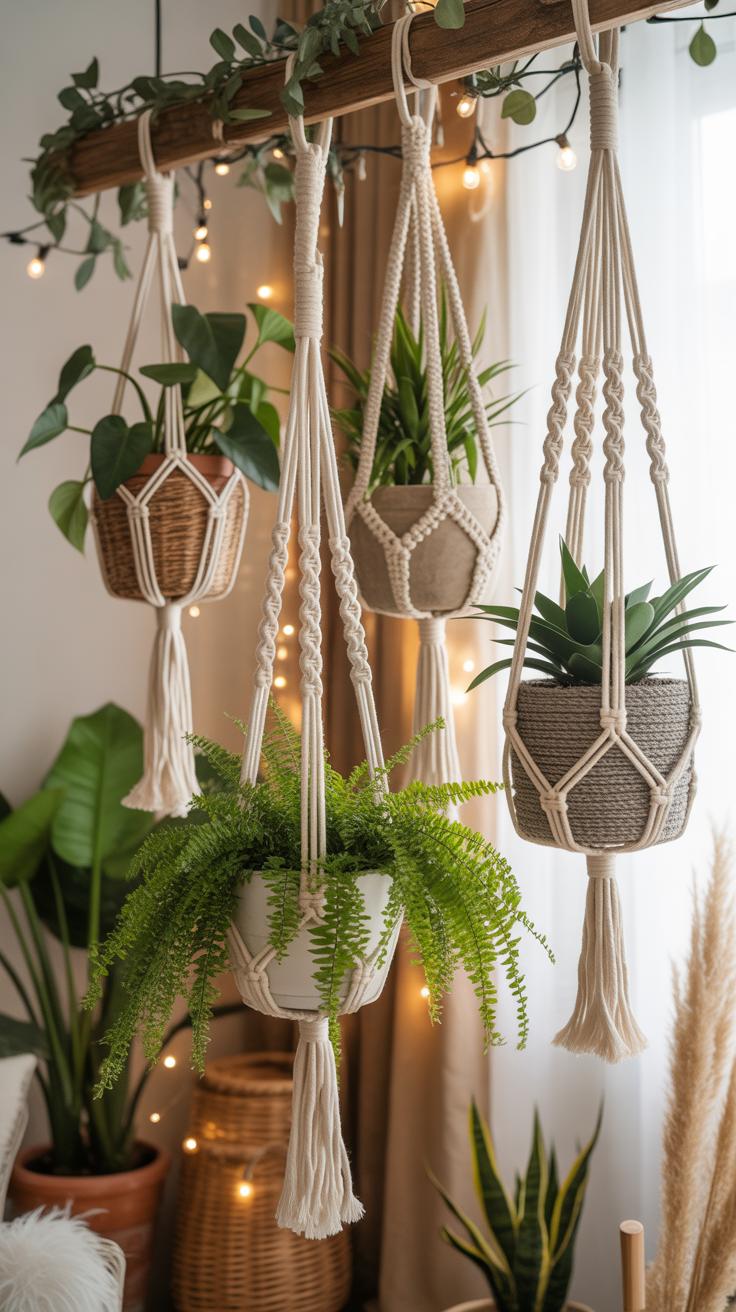
Rustic events require natural materials. Use unbleached cotton or jute cord. These fibers offer high structural integrity and a raw texture. Focus on basic square knots and spiral half hitches. These simple patterns highlight the organic nature of the cord. Attach the work to driftwood or fallen branches instead of metal rings. This creates a cohesive look for barn or outdoor settings.
Bohemian themes demand complex patterns. Integrate vintage techniques like the double half hitch and wide diamond meshes. Incorporate wooden beads or tassels for visual weight. For elegant themes, shift to high grade cord in monochromatic tones. Mercerized cotton or silk blends provide a subtle sheen. Use clean lines and minimal fringing. Secure these hangers with brass or chrome rings to match polished interior hardware.
How Pot Size And Plant Type Influence Your Macrame Plant Holder Choice
Pot size dictates the required cord strength and basket depth. Small four inch pots work with three millimeter cord. Large ten inch pots need five millimeter cord or higher. Ensure the cradle covers at least two thirds of the pot height. This prevents the vessel from tipping. Weight distribution is critical. Use a four arm design for heavy ceramic pots. Use a three arm design for light plastic liners.
Plant growth habits determine the knot spacing. Vining plants like Pothos need wide gaps in the mesh. This allows stems to trail through the sides without damage. Upright plants like Snake Plants require tight knots at the base. This provides a stable center of gravity. Consider the final weight when the plant is wet. Watered soil adds significant mass. Always verify that your ceiling hooks can handle the maximum load of a hydrated plant.
Essential Materials For Your DIY Macrame Plant Hanger
Selecting The Best Rope Types And Thicknesses For Plant Hangers
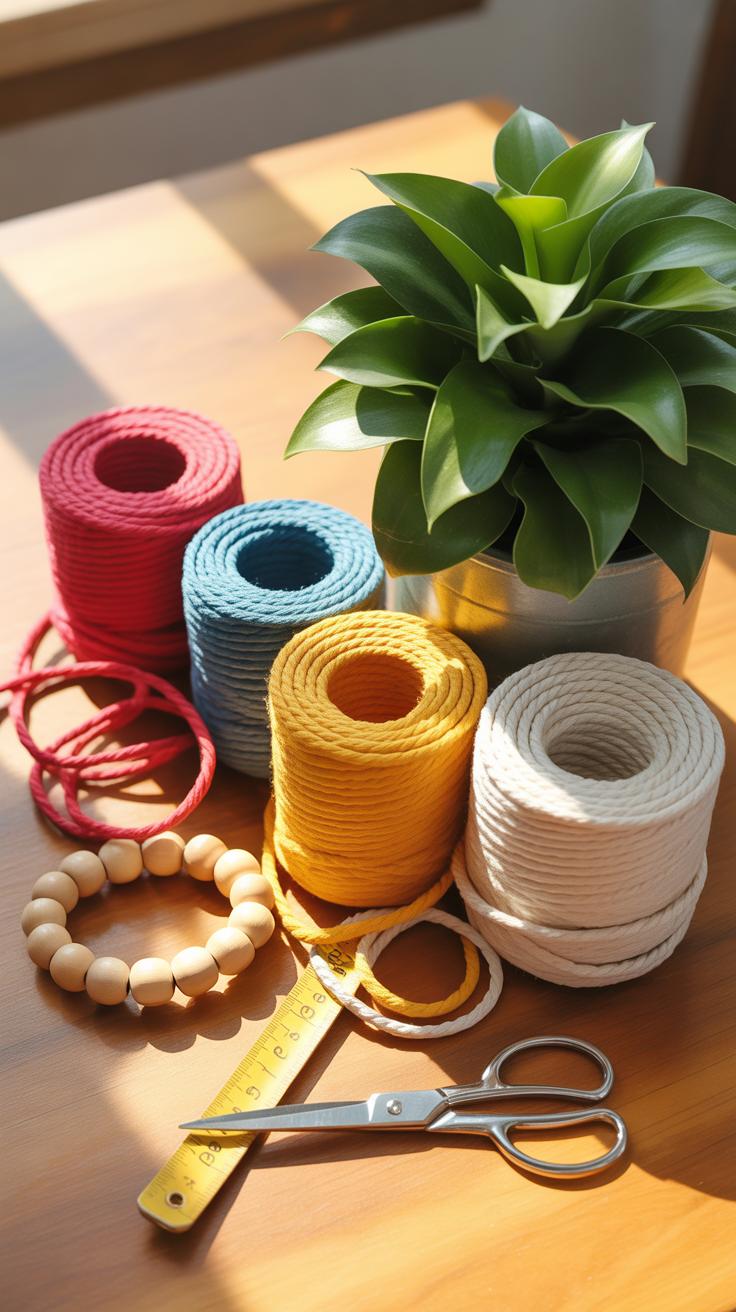
The structural integrity of a plant hanger depends entirely on the tensile strength of the cord. Cotton remains the standard material because it grips knots tightly and offers enough friction to prevent slipping under the weight of wet soil. You must match the rope diameter to the size of the pot. Standard three millimeter or four millimeter cords handle most medium sized ceramic pots without stretching excessively over time.
- Single Strand Cotton: Manufacturers produce this by twisting fibers into one thick ply. It creates a soft finish and combs out easily into a fringe. You should use it for indoor hangers where aesthetic texture is the priority over heavy load bearing capacity.
- Three Strand Twisted: This rope features three individual strands wound together for maximum durability. It provides the strongest structural support for heavy plants. The twisted texture ensures that square knots and half hitches remain tight even when supporting larger clay or terracotta containers.
- Braided Cord: Braided cord uses a tube like weave that resists fraying. It does not untwist during the knotting process. This makes it a superior choice for beginners who tend to redo knots frequently. It lacks the ability to create traditional fringe ends.
- Jute or Hemp: These natural plant fibers offer high weather resistance for outdoor use. The rough surface provides excellent grip for knots. You must account for the stiffness of the material as it can be abrasive on your hands during long periods of repetitive knotting.
- Polypropylene Rope: Synthetic ropes resist rot and mold in high humidity environments. Use this material for hangers placed in bathrooms or outdoor patios. It stretches more than natural fibers so you must tighten your knots to compensate for the weight of the water.
Rope thickness dictates the final scale of the piece and the ease of construction. Use five millimeter cord for large focal pieces to reduce the total number of knots required. Thinner two millimeter cord works best for small succulents or air plants. Always buy more length than you estimate because intricate knot patterns like the berry knot consume cord significantly faster than basic square knots.
Tools And Accessories That Make Your DIY Macrame Plant Hanger Easier To Craft
Precision tools eliminate common errors and speed up the production cycle. A dedicated macrame board or a heavy duty S-hook provides the necessary tension to keep your anchor cords taut. Maintaining consistent tension prevents the hanger from tilting when you finally insert the pot. Sharp fabric shears are mandatory. Dull blades crush the fibers instead of cutting them which leads to messy ends that are difficult to thread through beads.

The hardware you choose serves as the foundation for the entire project. Wood or metal rings provide a secure starting point for the mounting knot. Ensure the ring diameter can support the total weight of the plant and wet soil combined. S-hooks allow you to work at eye level by hanging the project from a rack or door frame. This ergonomic setup prevents back strain and allows you to check for symmetry as you work.
Step By Step Macrame Plant Hanger Tutorial For Beginners
Core Knots Every Beginner Must Learn Before Starting A Macrame Plant Hanger Tutorial
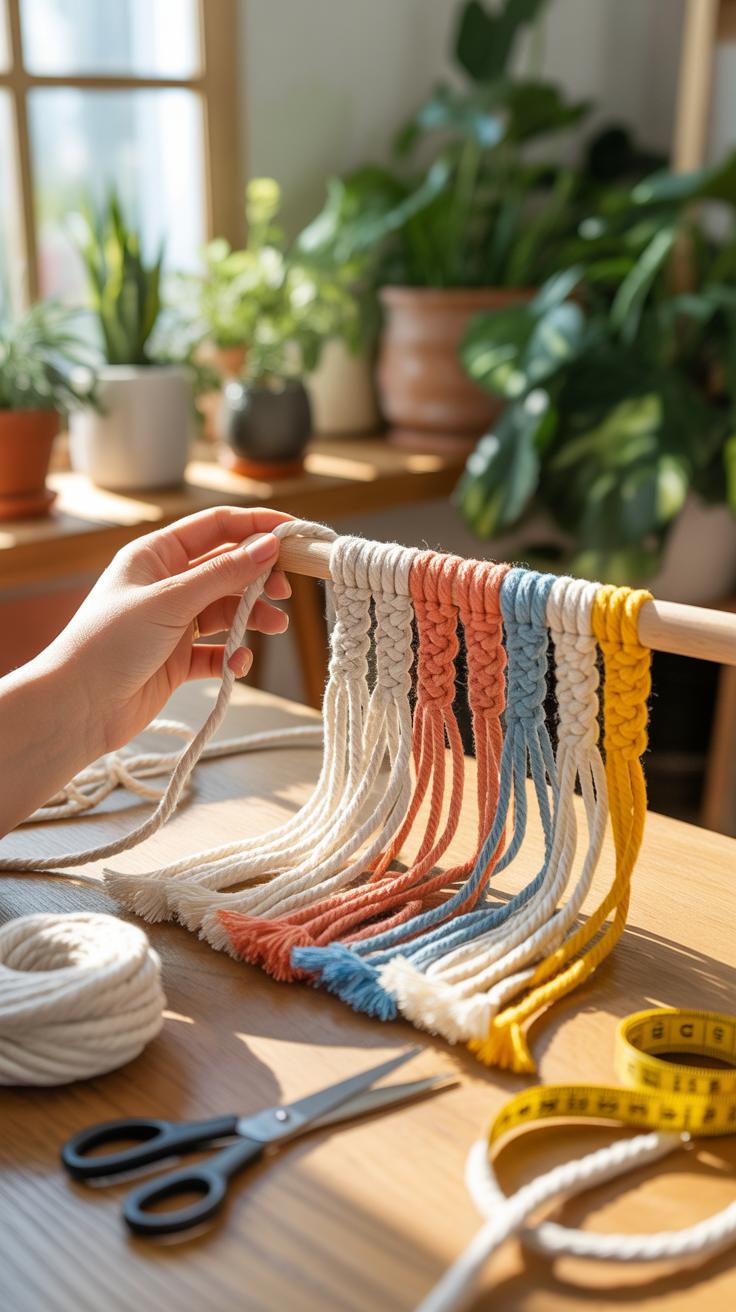
You must master the Lark’s Head knot and the Square knot first. The Lark’s Head attaches your cord to the mounting ring securely. It provides the foundation for the entire weight of the plant. Without a tight Lark’s Head, the structure will fail quickly. Use high quality cotton cord for better grip and friction while you practice these essential movements today.
The Half Knot and Spiral Stitch create the decorative vertical sections of the hanger. Repeating Half Knots causes the cord to twist naturally into a helix. Beginners often mistake this for a mistake, but it is a standard design element. Use the Gathering knot to finish the base. This knot secures all strands together and supports the weight of the pot during long term use.
Building Your First Hanger: A Simple And Structured Macrame Plant Hanger Tutorial Walkthrough
Start by cutting eight equal lengths of three millimeter cotton cord. Fold the cords in half and secure them to a metal ring using Lark’s Head knots. Divide the sixteen resulting strands into four groups of four. Create several Square knots on each group to form the upper arms. Maintain even tension to ensure the hanger remains balanced and straight when you hang it.

Measure down and tie alternating Square knots between the groups to form the basket. This creates a diamond mesh that holds the pot. Adjust the distance between knots based on your pot size. Finish the project by wrapping a separate cord around all strands using a Gathering knot. Trim the remaining fringe to your desired length to complete the structural build of your hanger.
Exploring Macrame Plant Hanger Patterns Tutorials For Special Occasions
Popular Macrame Plant Hanger Patterns Tutorials Suited For Weddings And Celebrations
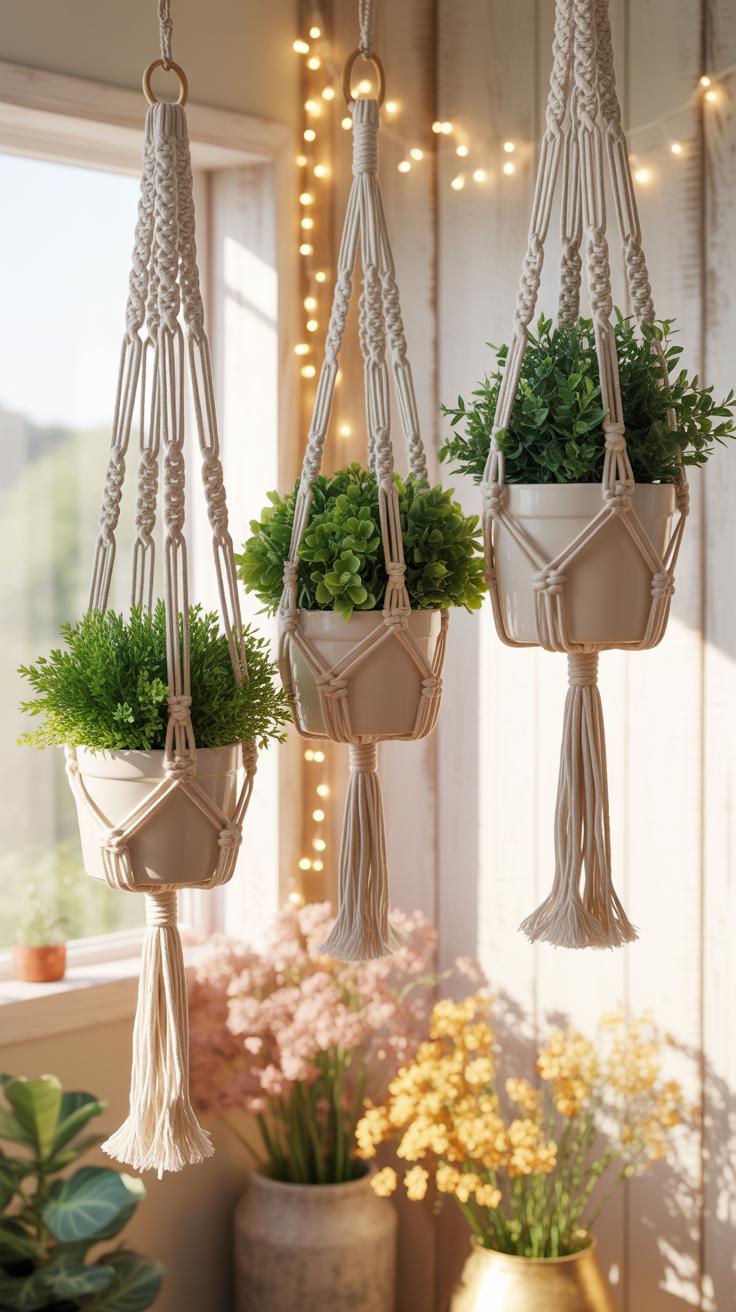
Wedding decor requires clean lines and structural integrity. Professionals choose the square knot and the spiral stitch for these events. These patterns create a classic look that fits bohemian and modern themes. Use high quality bleached cotton cord to achieve a crisp finish. This material reflects light well during photography. Proper tension ensures the hangers remain symmetrical under heavy ceramic pots.
Tutorials for celebrations focus on speed and scale. You must produce multiple units that look identical. Select patterns that use lark’s head knots for quick mounting on wooden rings. These rings allow for easy hanging on temporary venue structures. Incorporate decorative beads to match the event color palette. High contrast between the cord and the beads increases visual impact from a distance.
How To Adapt Macrame Plant Hanger Patterns Tutorials To Suit Seasonal Events
Seasonal adaptation depends on material choice and small structural shifts. Swap standard cotton for jute or hemp to create a rustic autumn feel. In winter, use metallic thread or darker synthetic cords. Adjust the gathering knot at the base to accommodate larger holiday planters. These changes do not require learning new knots. You simply apply existing skills to different textures and diameters.
Strategic modifications make standard patterns look unique for holidays. Add fringe or tassels to the bottom of the hanger for festive movement. Shorten the tail for summer outdoor use to prevent wind damage. Lengthen the suspension cords for spring displays in high ceiling venues. Consistent practice with basic tutorials allows you to scale these designs up or down. Always test the weight capacity after making any structural changes.
Creative Plant Hanger Macrame Ideas For Weddings And Ceremonies
Using Plant Hanger Macrame Pieces As Ceremony Backdrops And Aisle DéCor
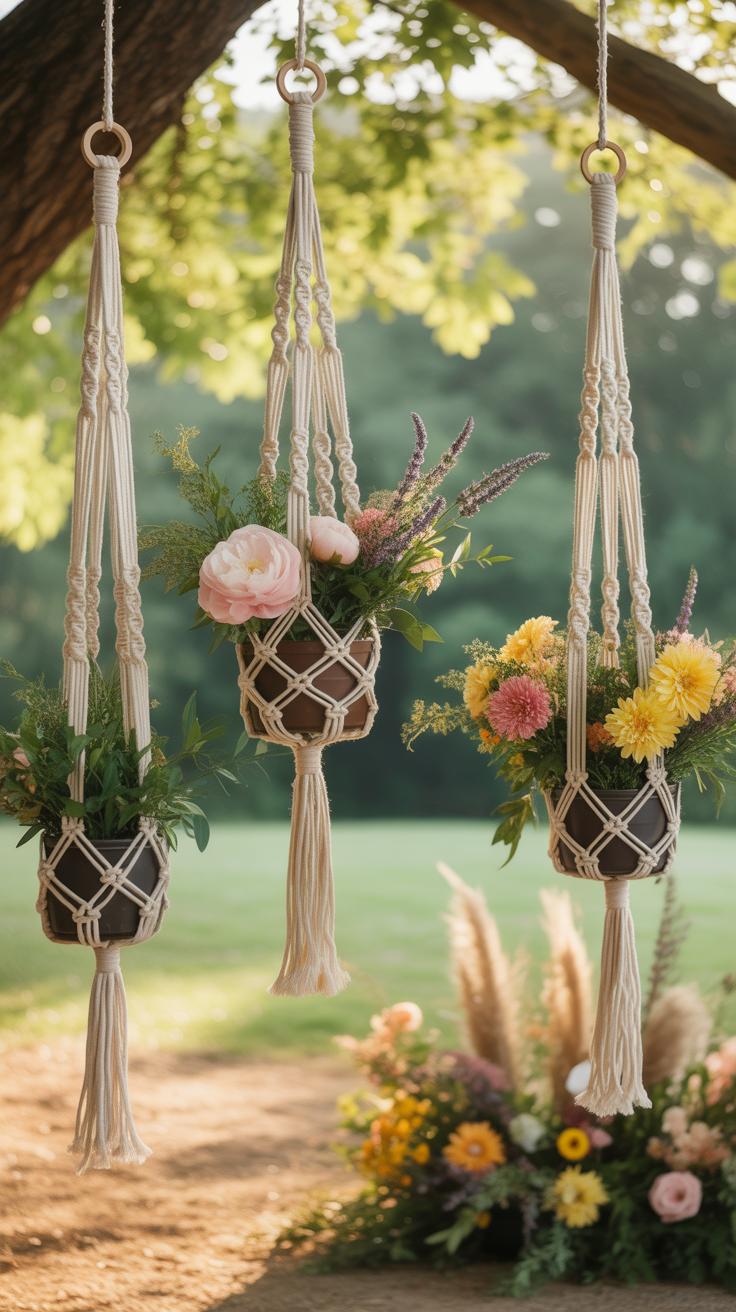
Strategic placement of Macrame Plant Hangers creates vertical interest in ceremony spaces. Large scale hangers function as focal points when suspended from arbors or freestanding frames. Use heavy duty cotton cord to support the weight of substantial ceramic pots. Thicker cords ensure the piece maintains its structure under tension. This tactile element provides a neutral base that complements various architectural styles and outdoor settings.
Designers utilize repeating square knots to build wide panels for aisle markers. Suspend these units from shepherd hooks to define the walking path. Keep lengths consistent to maintain a clean visual line along the floor. For maximum stability, choose flat bottomed vessels rather than tapered pots. Secure the anchors tightly to prevent swaying during the procession. This approach turns functional hardware into a cohesive structural design element.
Every knot is a memory tied with love, turning a simple cord into a masterpiece that celebrates life’s most beautiful moments.
Personalizing Plant Hanger Macrame Designs With Color Accents And Floral Touches
Incorporate specific wedding palettes by integrating dip dyed cords into the knotting process. Natural fibers like cotton and jute absorb pigments effectively. Use the ombre technique to add color depth without overwhelming the natural texture. Focus the dye on the tassel ends for a subtle effect or the entire body for high contrast. This customization aligns the textile art with the established event color scheme.

Integrate fresh flora directly into the knot gaps to enhance the aesthetic. Use small water tubes to keep stems hydrated throughout the event long. Place larger blooms at the gathering knot for a centered floral crown effect. Ivy and eucalyptus vines wrap easily around the support ropes. These additions bridge the gap between hard fiber structures and soft organic elements. Tactical floral placement increases the visual value of the installation.
Top Macrame Plant Hanger Patterns For Gifting And Home Celebrations
Why Handcrafted Macrame Plant Hanger Patterns Make Thoughtful And Lasting Gifts
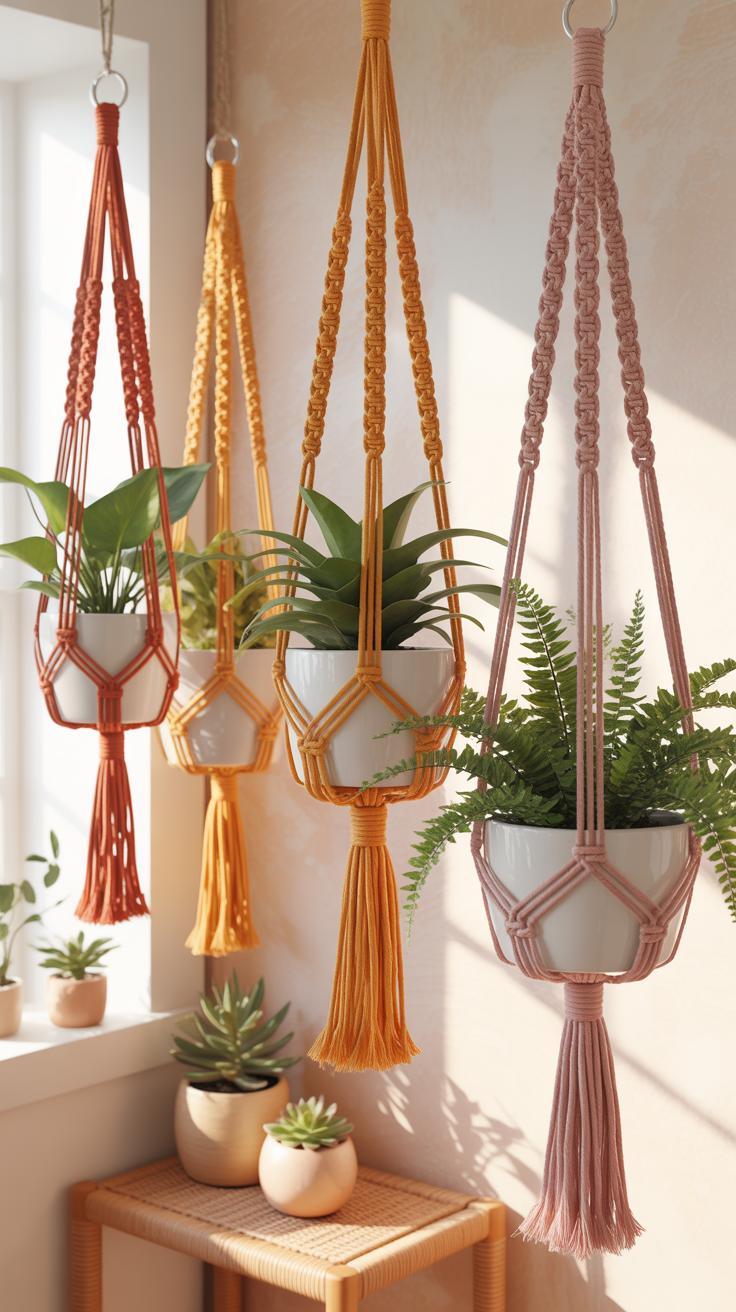
Handcrafted Macrame Plant Hangers provide high utility and long lifespan. Unlike cut flowers that die quickly, these textile structures support living greenery for years. The cord strength and knot density dictate the weight capacity for heavy ceramic pots. Gifting a handmade item demonstrates a high level of effort and technical skill. It creates a functional decor piece that fits various interior styles.
Modern macrame relies on high quality cotton or jute cord. These natural fibers are biodegradable and durable. A well tied hanger uses square knots and half hitch knots to ensure structural integrity. This prevents the pot from slipping or the cords from fraying under tension. Strategic gifting relies on choosing neutral colors. Natural tones match any home palette. This makes the gift versatile and timeless.
Styling Macrame Plant Hanger Patterns For Baby Showers, Birthdays, And Anniversaries
Event styling requires matching the knot pattern to the occasion theme. For baby showers, use soft white or pastel cords with simple spiral knots. These patterns create a light and airy feel. They work well with small trailing plants like Pothos or Spider plants. Hanging these at different heights creates visual depth in a nursery or event space. It adds organic texture without cluttering floor space.

Anniversaries and birthdays often call for more intricate designs. Incorporate wooden beads or metal rings to increase the visual value of the gift. Use the Josephine knot or crown knots for a sophisticated look. For outdoor celebrations, switch to synthetic paracord or treated jute. These materials resist rot and UV damage. Proper styling ensures the gift functions as both a celebration focal point and permanent home decor.
Makramee DIY Inspirations From Global Crafting Traditions
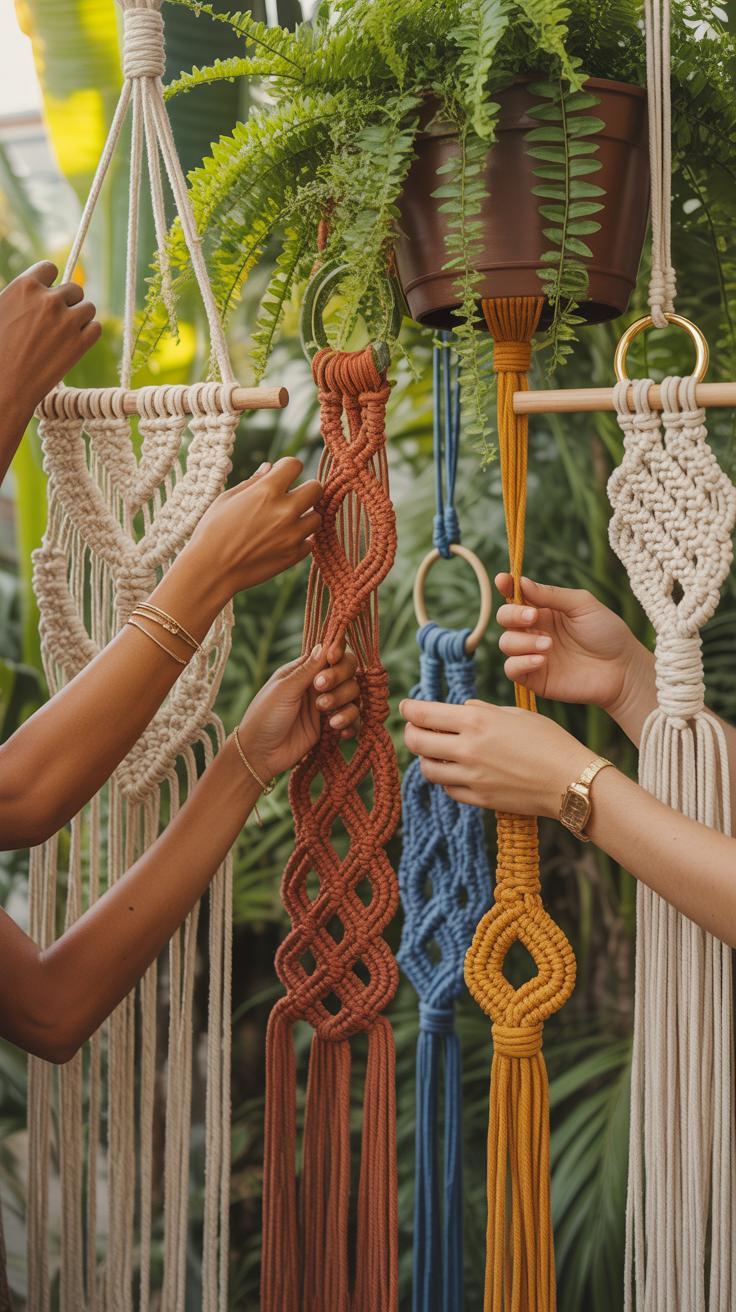
How European Makramee DIY Traditions Influence Contemporary Plant Hanger Designs
European knotting traditions trace back to the 14th-century Moorish influence in Spain before spreading across the continent. Sailors in the British Royal Navy and French merchant fleets refined these techniques during the 18th and 19th centuries. They created decorative fringes and bottle covers during long voyages. Modern Macrame Plant Hangers use these maritime foundations. Practical square knots and hitching methods ensure the structures carry heavy ceramic pots safely.
Victorian era craft books formalized these patterns for home decor. These historical texts prioritized symmetry and geometric precision. Today, designers use these rigid European structures to create tiered hangers. You see this influence in the use of high-quality cotton cord and heavy metal rings. Traditional lace-making techniques also impact how artists create intricate nets for small air plants. Precision knotting remains the core standard for high-end European styles.
Incorporating Makramee DIY Techniques Into Occasion Specific DéCor Projects
Occasion-based projects require a shift in material choice and knot density. Traditional celebratory designs often utilize white or metallic fibers to match formal themes. You must select the cord based on the weight of the botanical arrangement. Wedding designs utilize flowing lark’s head knots to create soft visual lines. Holiday installations require tighter structure to support seasonal weight. Technical accuracy ensures the hanger stays level during the event.
- Beaded Accents: Add wooden or ceramic beads to the main strands to signify specific themes. Use red beads for winter holidays or unfinished pine for rustic weddings. This technique adds weight and visual interest to the knots.
- Dyeing Techniques: Use dip-dyeing or ombré methods on the fringe after knotting the Macrame Plant Hangers. This allows you to match specific event color palettes. Natural dyes like indigo or madder root provide authentic historical tones.
- Tiered Construction: Link multiple nets together vertically to maximize vertical space at crowded venues. Use heavy-duty metal rings to connect each section securely. This method allows you to display several plants using a single ceiling anchor point.
- Incorporating Metallic Cord: Mix gold or silver lurex cord with cotton rope for formal celebrations. This adds light reflectivity without sacrificing the structural integrity of the knots. It works best for evening events with specific lighting requirements.
- Fringe Customization: Adjust the length and texture of the bottom tassel to suit the formality of the occasion. Long, brushed-out fringe provides a soft appearance for garden parties. Short, clean-cut ends offer a modern look for corporate events.

Strategic knotting allows for the quick assembly of large-scale decor. Use the half-hitch knot to create spiraling patterns that catch light from different angles. This adds a sense of movement to stationary plant displays. Ensure all structural knots are tightened with consistent tension to prevent lopsided hanging. Correct execution results in a professional finish that lasts through the entire duration of any special event.
How To Create A Stunning DIY Hanging Planter For Outdoor Events
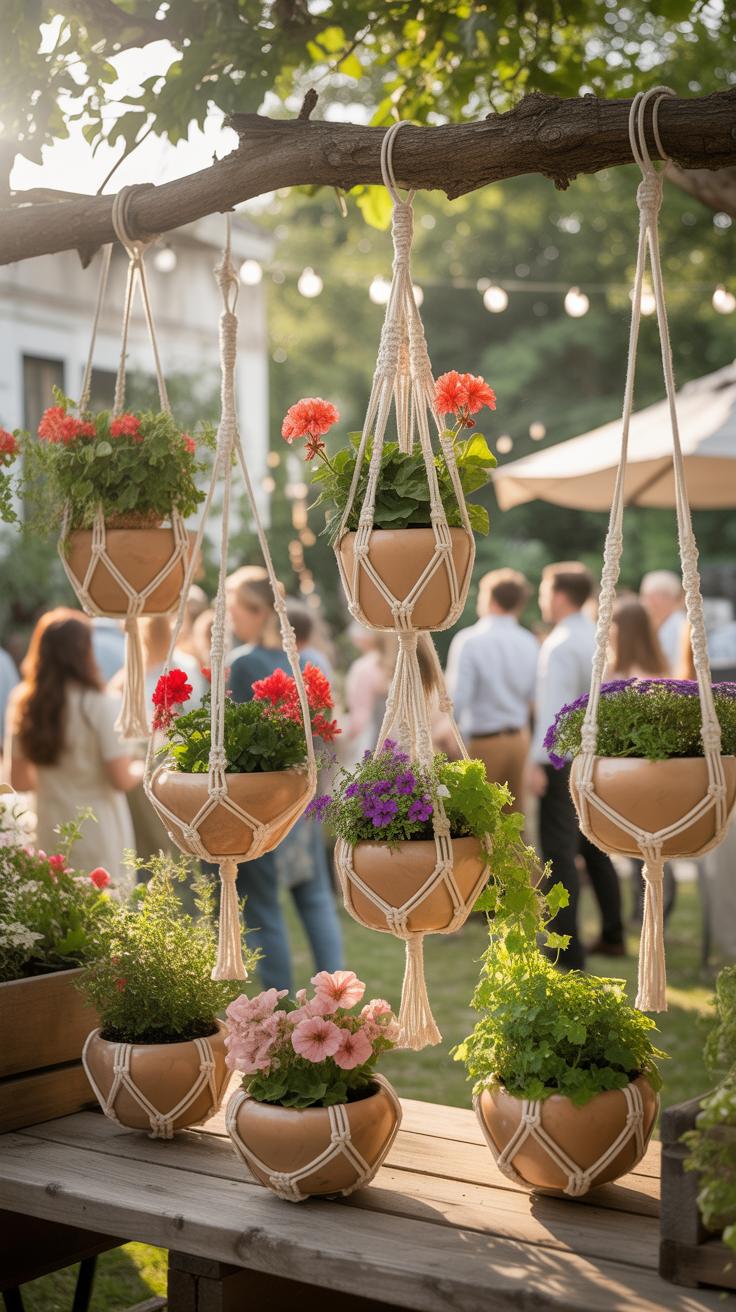
Weather Resistant Materials To Use For An Outdoor DIY Hanging Planter
Standard cotton cord fails in outdoor settings. Humidity and rain cause organic fibers to rot or develop mold. You must select synthetic fibers for longevity. Polyester and nylon cords offer high tensile strength and resist moisture absorption. These materials maintain their structural integrity when exposed to the elements. They do not stretch or sag under the weight of wet soil like natural cotton does.
Polypropylene rope is the most durable choice for high-sun environments. It features built-in UV resistance to prevent color fading and fiber breakdown. If you prefer a natural look, use treated manila or jute. These must have a chemical coating to repel water. Check the weight rating of your cord before knotting. Ensure the material can handle the load of the ceramic pot and the saturated plant.
Arranging Multiple DIY Hanging Planter Displays For Garden Parties And Receptions
Create visual impact by grouping Macrame Plant Hangers at varying heights. Use existing structures like pergolas, sturdy tree branches, or custom timber frames. A staggered vertical arrangement draws the eye upward and maximizes limited floor space. High-traffic areas require higher clearance to prevent guests from bumping into pots. Secure every hook into solid wood or metal. Do not rely on light branches to support heavy soil.
Symmetry works for formal entries but organic clusters suit garden paths. Mix different knot patterns to keep the display interesting. Use a single color palette to unify various plant types and pot styles. This strategy prevents the display from looking cluttered or chaotic. Plan your irrigation access before the event begins. Make sure you can reach every planter with a watering can or hose without disturbing the guests.
Caring For And Displaying Your Macrame Plant Hangers Long Term
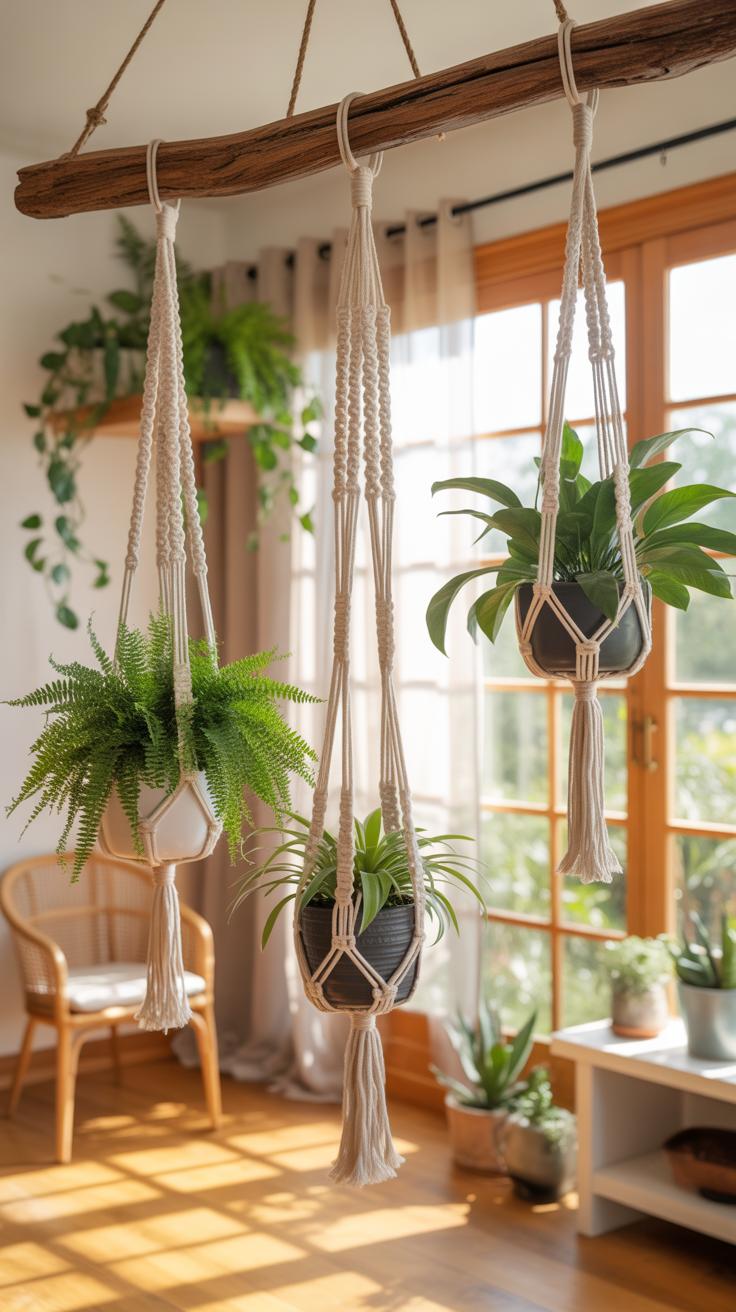
How To Clean And Maintain Natural Fiber Macrame Plant Hangers After Events
Natural fibers like cotton and jute trap dust and odors during indoor events. Shake the hangers outdoors to remove loose particles once the event ends. Use a soft brush to clear stubborn debris from the square knots and spirals. Avoid machine washing because agitation ruins the structural tension of the knots. Hand wash only if deep stains exist. Use lukewarm water and mild detergent.
Dry the hangers flat on a clean towel to prevent stretching. Hanging a wet macrame piece causes the cotton fibers to elongate under the weight of the water. This ruins the original design proportions. Keep the cords away from direct sunlight during the drying process. UV rays weaken natural cellulose fibers and cause yellowing over time. Check for structural fraying before storing the items in breathable bags.
Creative Ways To Repurpose Your Macrame Plant Hangers Beyond Special Occasions
Repurpose your event hangers to solve vertical storage problems in small rooms. Move these pieces from the venue to the kitchen or bathroom. Use the suspended baskets to hold lightweight produce like onions or garlic. This removes clutter from your counters. You can also hang them in a nursery to store plush toys. This shift from decor to utility maximizes your initial investment.
Integrate the hangers into a permanent gallery wall to add depth. Mix cord textures with framed art to create a layered aesthetic. Many interior designers use this technique to soften hard lines in modern rooms. Ensure the ceiling hooks can support long term weight. Replace temporary event hardware with heavy duty anchors for safety. Proper placement near windows allows indoor plants to thrive and cleans the air.
Frequently Asked Questions

Are macrame plant hangers suitable for beginners who want to decorate for a party?
Absolutely! Even if you have never tried fiber arts, simple macrame plant hangers are a fantastic entry point for festive DIY decor. By mastering just two basic knots—the square knot and the spiral stitch—you can create stunning, personalized holders for your event. Using thicker cotton rope makes the process faster and more forgiving, allowing you to craft beautiful, bohemian-inspired displays for your next special occasion without needing professional skills.
How do I incorporate festive colors or themes into my macrame designs?
To elevate your macrame plant hangers for holidays or themed events, try swapping standard natural cord for colored yarns or metallic strings. You can also weave in silk ribbons, eucalyptus sprigs, or strings of LED fairy lights to match your party palette. For a practical touch, ensure your knots are tight enough to support the weight of seasonal ceramic pots or glass bowls filled with bright, celebratory floral arrangements.
Can I create an elegant look for events without spending a lot of money?
One of the best things about macrame plant hangers is their affordability. You can achieve a high-end, elegant aesthetic by using inexpensive materials like clothesline cord or upcycled fabric strips from old linens. Adding wooden beads or spray-painting finished pieces in gold or silver can transform basic materials into luxurious-looking decorations. This allows you to fill a large venue with beautiful greenery while staying well within your styling budget.