
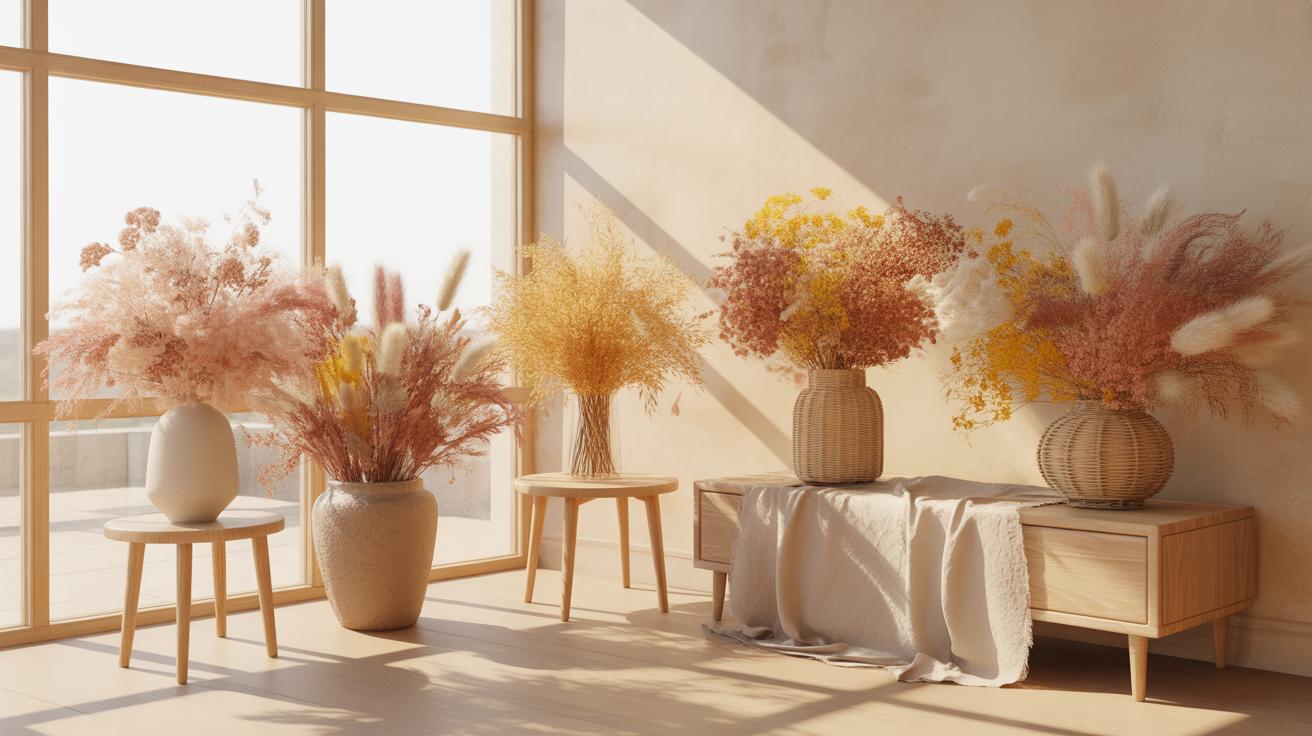
What Makes Dried Flowers Bouquet A Lasting Home DCor Choice
The Enduring Appeal Of Dried Flowers In Interior Design
Dried flowers solve the problem of high maintenance in modern homes. They serve as a practical alternative to fresh stems that require constant water changes and pruning. This utility aligns with minimalist and brutalist design movements. Designers use these arrangements to add organic textures to sharp architectural lines. They offer a fixed aesthetic that does not change daily.
These arrangements bridge the gap between nature and permanent furniture. Historical records show dried botanicals in Egyptian tombs and Victorian parlors. Today, they function as sculptural elements rather than just floral displays. They provide a predictable visual weight in a room. You get a consistent color palette that survives every season. This stability makes them a superior choice for long-term interior planning.
How Dried Flowers Retain Their Color And Structure Over Time
Precision drying techniques lock the cellular structure of the plant. Air drying involves hanging stems upside down to pull moisture out while keeping the heads straight. Glycerin treatments replace water within the plant tissues to keep them flexible. This prevents the petals from becoming brittle or shattering. Proper processing ensures the bouquet maintains its physical shape for years.
Color retention depends on the chemical breakdown of chlorophyll and pigments. Professional growers harvest flowers at peak maturity to ensure stable dye levels. Silica gel drying preserves the vibrant hues of sensitive species like roses or peonies. Keeping these bouquets away from direct UV light prevents fading. These tactical steps ensure the product looks intentional and high-end rather than old and neglected.
Top Dried Floral Arrangements To Elevate Any Room In Your Home
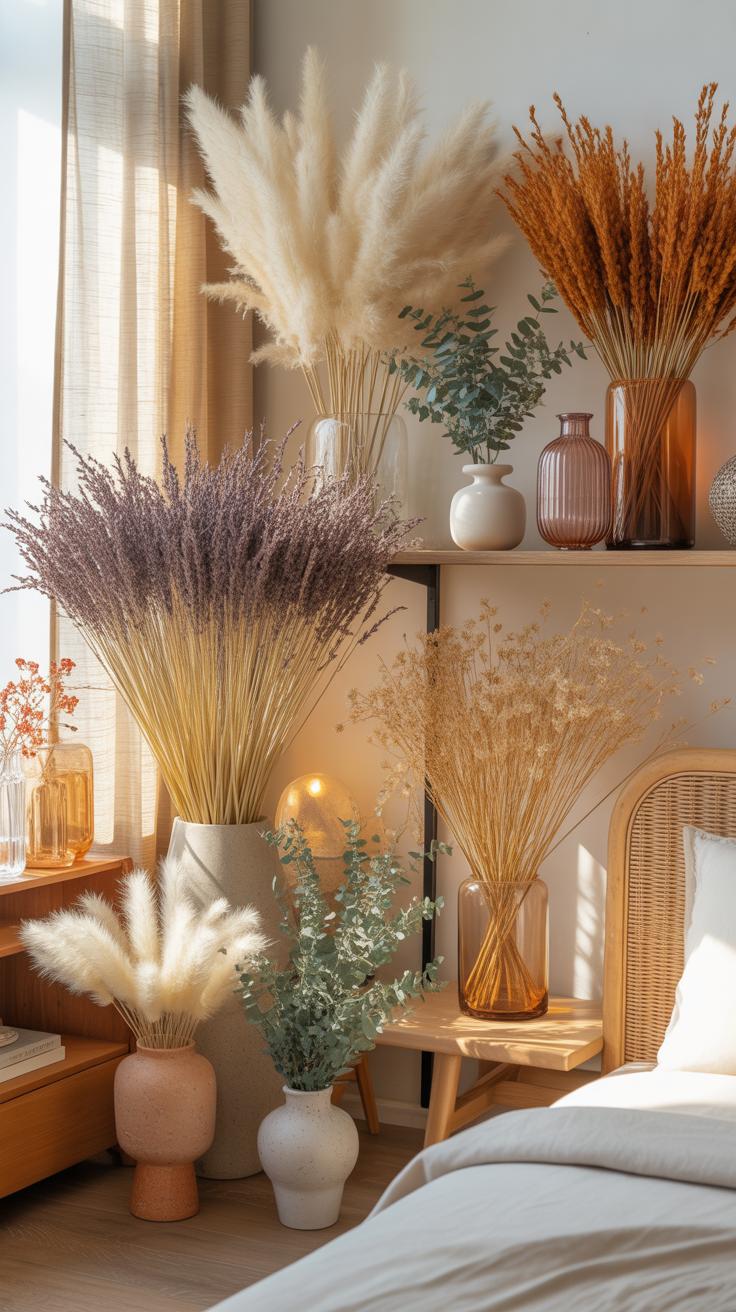
Best Flower Varieties To Use In Dried Floral Arrangements
Successful dried floral arrangements require species that maintain structural integrity and color after moisture removal. You must select plants with high cellulose content or low water volume in their petals. Woody stems provide the necessary support for heavy flower heads. Avoid thin-petaled flowers like lilies which shrivel and lose all visual appeal. Focus on species known for their durability in the desiccated state.
- Lavender: This herb retains its blue and purple hues for several months. It offers a natural fragrance that many other dried plants lose during the preservation process. The stems are straight and easy to bundle for structured displays.
- Protea: These large flowers have thick, leathery bracts that hold their shape perfectly when dried. They provide a strong focal point in any arrangement due to their size and geometric texture. They are extremely durable and last for years.
- Eucalyptus: The silver and green leaves of this plant provide essential filler and movement. Various species offer different leaf shapes, from round coins to long spears. The oils in the leaves help preserve the color and flexibility over time.
- Strawflower: These blooms have a natural papery texture even when alive. They do not wilt because their petals are actually modified leaves called bracts. They come in vibrant yellows, oranges, and reds that do not fade quickly in sunlight.
- Banksia: This Australian native features heavy, cone-like flower heads and jagged leaves. It adds a rugged and architectural element to a bouquet. Its wood-like structure means it will never droop or lose its shape in a vase.
Preservation techniques like air drying or silica gel treatments affect the final look of these varieties. Air drying works best for sturdy plants like lavender and banksia. Use silica gel for delicate shapes like roses to keep the petals from curling too much. Professional designers often mix these methods to create depth. Always check for pests before bringing dried materials into your home environment.
Matching Dried Floral Arrangements To Your Home Interior Style
Modern minimalist homes require clean lines and restricted color palettes. Use architectural stems like pampas grass or single palm spears to complement this look. These plants provide height and texture without cluttering the visual field. Neutral tones like beige and cream blend with white walls and natural wood furniture. Keep the arrangements sparse to maintain the focus on the room’s proportions.

Industrial and rustic interiors benefit from more rugged botanical choices. Incorporate dried seed pods and dark branches to match metal and brick textures. Deep earth tones like rust and forest green strengthen the room’s color scheme. These materials withstand the dust and air movement common in open-plan spaces. Select heavy ceramic or cast-iron vases to anchor the display. Strategic placement on mantels or dining tables adds organic warmth.
Dry Wildflower Bouquet Ideas That Bring Nature Indoors
Why Wildflowers Are Among The Best Candidates For Drying
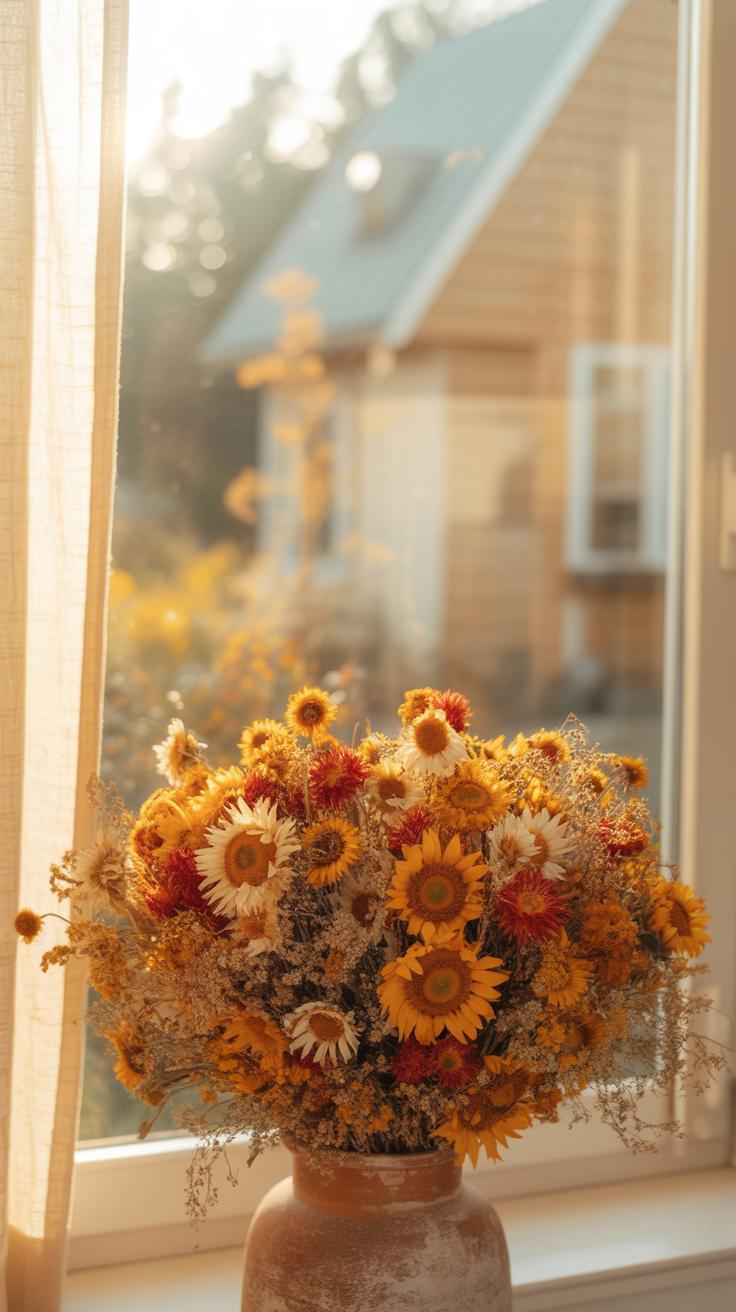
Wildflowers contain less moisture than mass-market roses or lilies. High water content causes petals to turn brown or mold during the drying process. Species like Yarrow, Thistle, and Statice possess rigid cellular structures. These plants maintain their physical form after all water evaporates. This structural integrity prevents the bouquet from drooping or shattering. You get a durable product that lasts for years.
The pigment in wildflowers is often more stable than in greenhouse hybrids. Varieties like Goldenrod and Lavender retain distinct hues even after prolonged exposure to air. This happens because these plants evolved to survive harsh outdoor conditions. Many wildflowers also feature natural oils that act as preservatives. This chemistry keeps the stems flexible and prevents them from becoming too brittle. You save time and money on replacements.
How To Style A Dry Wildflower Bouquet In Rustic And Boho Interiors
Rustic design relies on raw materials and unfinished textures. A dry wildflower bouquet adds the necessary organic layer to stone or wood surfaces. Place the flowers in heavy stoneware or galvanized metal pitchers. These vessels provide a visual weight that balances the delicate dried stems. Avoid glass containers for rustic looks. You want to hide the dry stems to focus on the flower heads.

Boho interiors prioritize layered patterns and varied heights. Use wildflowers like Pampas grass or dried Eucalyptus to create vertical interest. These plants work best in ceramic vases with matte finishes. Group different textures together to mimic a natural meadow. This contrast creates a relaxed environment without looking cluttered. Place these arrangements on low coffee tables or shelving units. They provide visual softness to modern furniture lines.
Dried Wedding Flowers Preserving Your Bouquet As A Beautiful Keepsake
Popular Methods Used To Preserve Dried Wedding Flowers
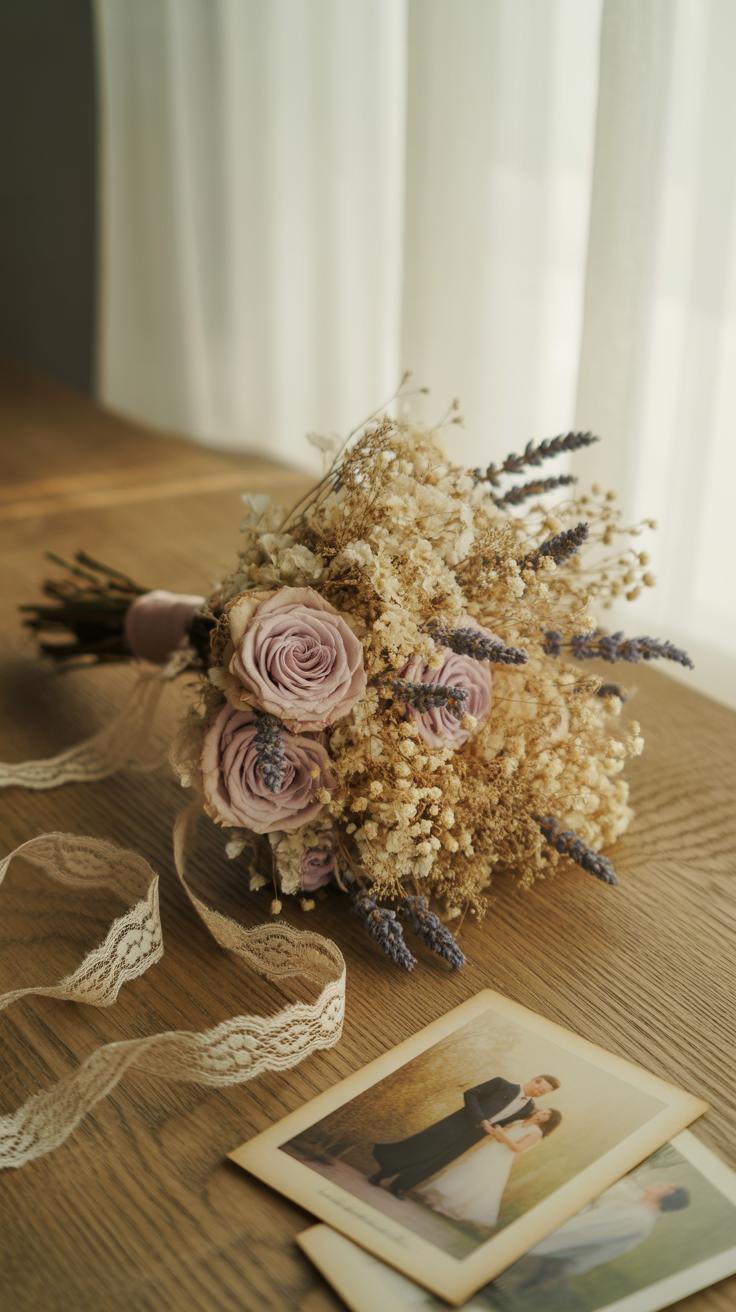
Air drying remains the most common technique for preserving wedding bouquets. You must strip excess foliage and hang the flowers upside down in a dark, dry space with consistent airflow. This method relies on gravity to keep stems straight while moisture evaporates. Dark environments prevent UV rays from bleaching the natural pigments. It takes roughly two to three weeks for the blooms to fully desicate.
Silica gel provides a faster alternative for heavy or moisture-rich flowers like peonies and roses. Professionals bury flower heads in these desiccant crystals to pull moisture out quickly. This process maintains the original three-dimensional shape better than air drying. You must seal the container to prevent outside humidity from entering. Once dry, you should apply a specialized floral sealant to protect the brittle petals from environmental moisture.
Creative Ways To Display Dried Wedding Flowers Around The Home
Shadow boxes offer the highest level of protection for dried wedding arrangements. These deep frames allow you to mount the entire three-dimensional bouquet behind glass. This barrier shields the delicate organic material from dust and physical contact. You should place the box away from direct sunlight to stop the colors from fading. Proper mounting ensures the heavy flower heads stay secure over time.

Glass cloches provide a classic Victorian aesthetic for displaying preserved blooms on tabletops or shelves. Placing flowers under a glass dome creates a controlled microenvironment that minimizes air movement. This reduces the risk of petals shattering due to vibrations or drafts. For a modern approach, you can incorporate the dried elements into resin blocks. This keeps the flowers encased in a permanent, airtight solid that prevents decay.
Dried Flower Bouquet Arrangements Styling Tips For A Polished Look
Choosing The Right Vase And Container For Dried Flower Bouquet Arrangements
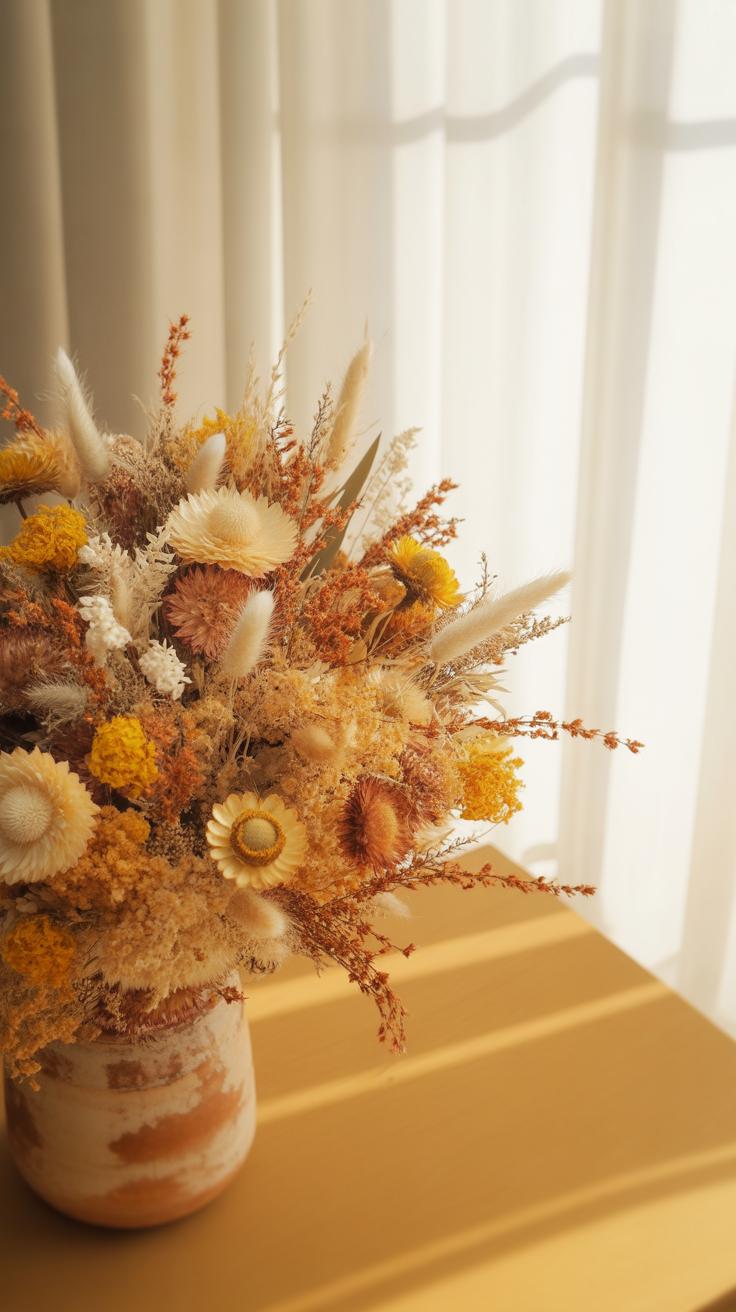
Dried stems lack the weight of water. This makes vertical stability a primary concern for your arrangement. Choose heavy materials like stoneware or thick glass to prevent tipping. Opaque ceramic vessels hide messy floral foam or tangled stems. This creates a cleaner look for your display. Ensure the vessel neck width matches the bunch size to keep the arrangement from splaying or collapsing.
Mid-century modern design often utilizes matte textures to contrast with organic shapes. Match the vase finish to your interior style. Brutalist concrete pots ground airy grasses like pampas. Minimalist glass cylinders work well for structural stems like eucalyptus. Avoid clear vases if the stem ends look brittle or dusty. Use sand or gravel at the bottom of the container to add necessary weight and stabilize tall displays.
How To Layer Textures And Heights In Dried Flower Bouquet Arrangements
Effective layering relies on the principles of the Golden Ratio. Aim for the bouquet height to be one and a half times the height of the vase. Start with a sturdy frame of woody branches or stiff foliage. Place these at the back and center of the vessel. This creates a skeleton for the softer elements. Use taller stems to draw the eye upward and define the overall silhouette.

Contrast rough textures with smooth surfaces to create visual interest. Pair coarse thistles or protea with soft, feathery grasses. Use the filler material to bridge the gap between focal flowers and the vessel rim. This hides structural gaps. Rotate the arrangement frequently during the build process. This ensures the design looks balanced from every angle. Keep heavier blooms lower in the arrangement to maintain a low center of gravity.
Dried Plants Decor Going Beyond Bouquets To Transform Your Space
How Dried Plants Decor Compares To Fresh And Faux Plant Alternatives
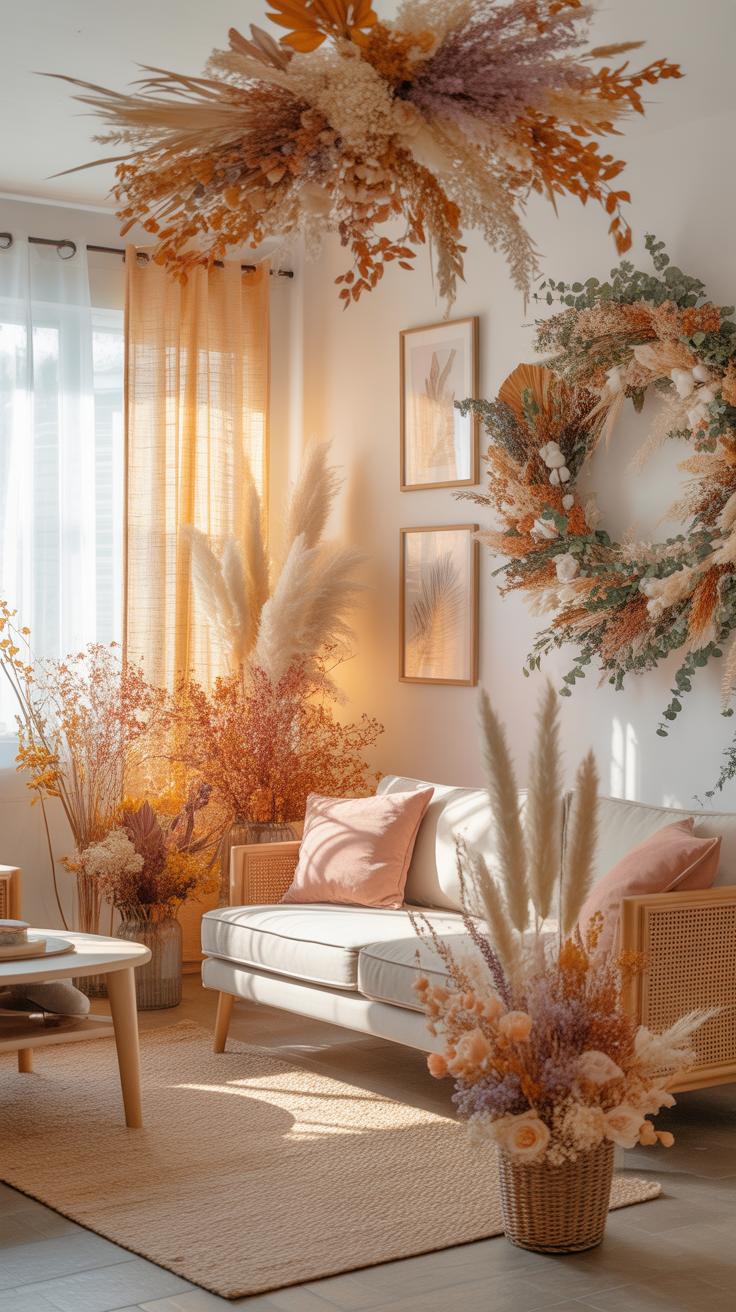
Dried plants offer a middle ground between living greenery and synthetic replicas. Fresh flowers require constant hydration and nutrient management to prevent decay. Most cut stems fail within ten days. Dried materials undergo a dehydration process that preserves their structural integrity for months or years. This removes the need for water, sunlight, or specialized climate control. They provide a predictable aesthetic that does not change over time.
Faux plants use petroleum based plastics or polyester fabrics to mimic nature. These materials often look artificial under direct light and collect static dust. Dried plants are biodegradable and maintain a tactile, organic texture that synthetic options cannot match. They offer a more sustainable choice for interior design. You get the authentic look of real botanical structures without the recurring costs of fresh replacements or the environmental impact of plastic.
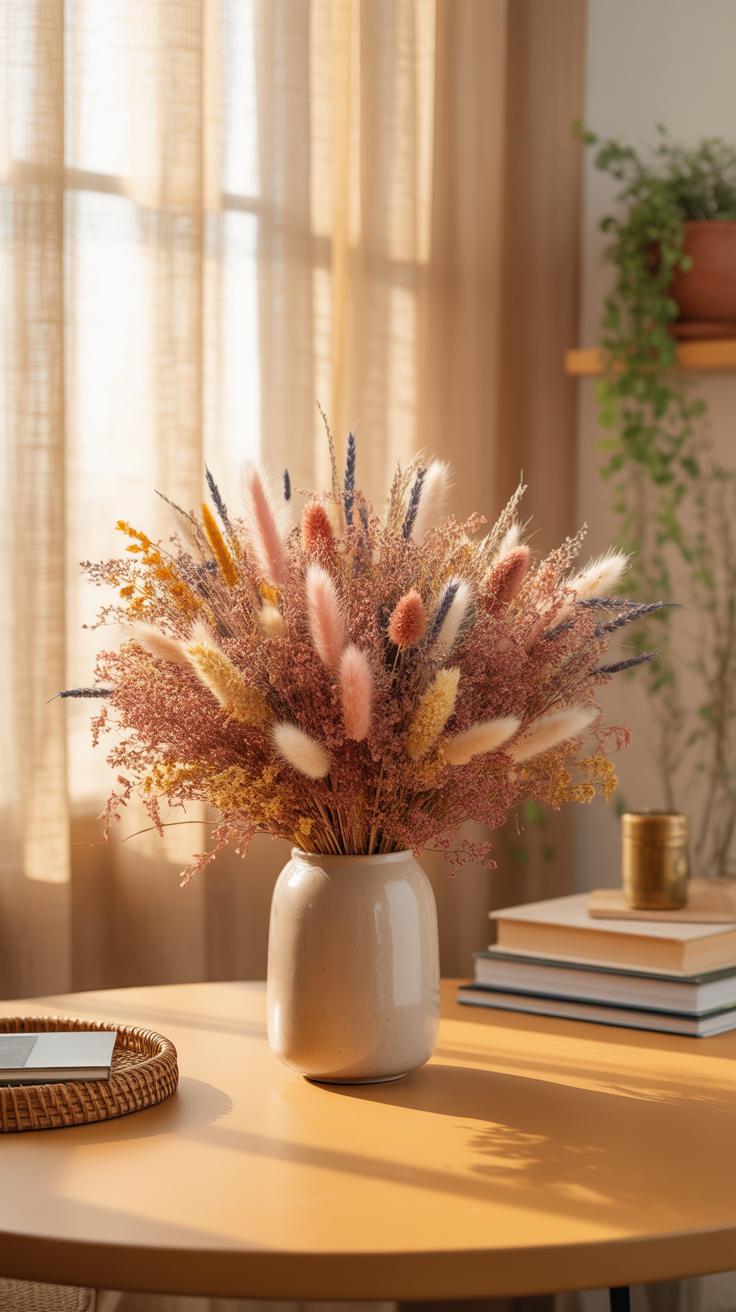
The best dried flower bouquets are more than just stylish decor; they are a timeless whisper of a garden that once bloomed. They hold the memories of summer within their petals, bringing a warm soul to every corner of a home.
Rooms That Benefit Most From Adding Dried Plants Decor
The entryway and living room benefit most from these arrangements. These high traffic zones often have variable lighting that kills living indoor plants. Dried pampas grass or preserved eucalyptus thrive in these dry environments. They maintain their form despite floor drafts or heating vents. Use them in corners where sunlight does not reach. This adds texture to dead spaces without the risk of plant death or soil mess.
Kitchens and dining areas transition well with dried botanicals. Fresh flowers near food preparation areas attract insects and shed pollen. Dried stems are inert and clean. They provide a structural element on islands or sideboards that lasts through every season. Choose varieties like dried lavender or wheat stalks for these spaces. They withstand the lower humidity levels typically found in modern kitchens. This ensures your decor remains consistent and professional.
Dry Flowers Ideas Creative Ways To Use Dried Blooms Around The Home
Unconventional Dry Flowers Ideas Beyond The Traditional Vase Display
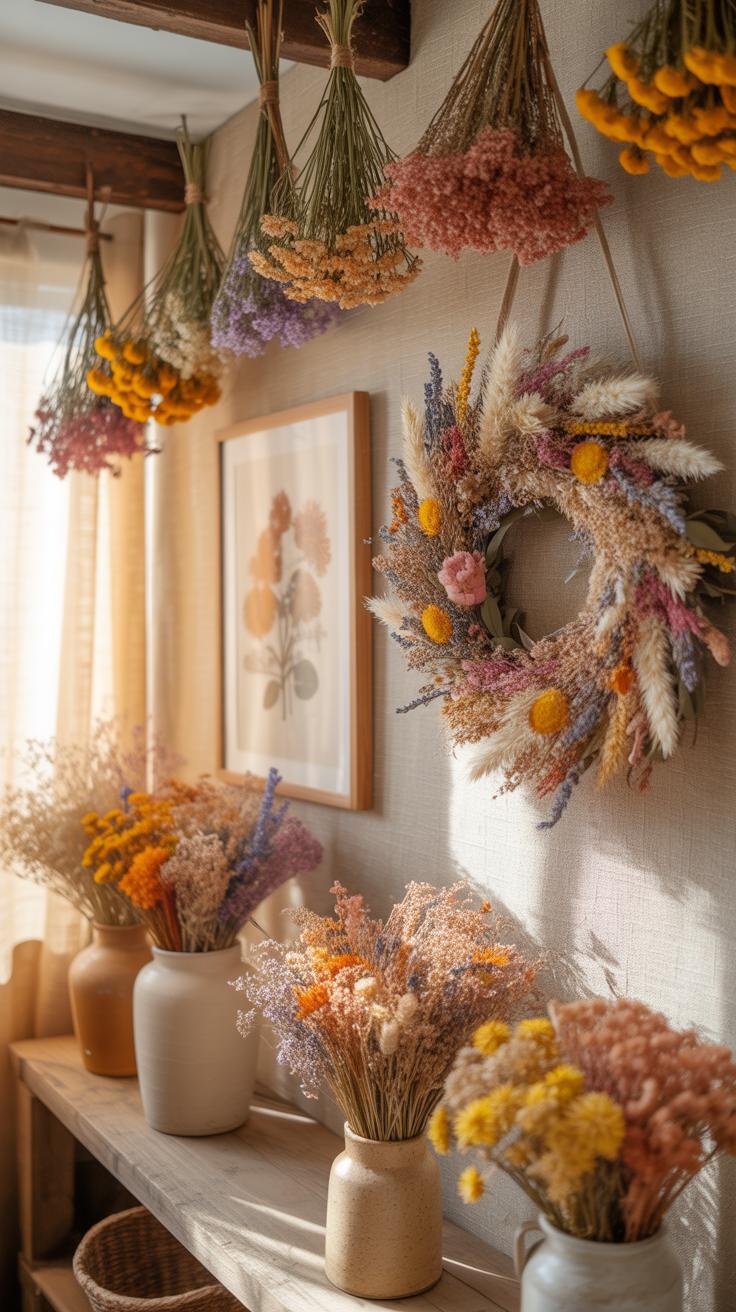
Standard vases often limit the visual impact of dried flora. Designers use vertical space and structural frames to showcase texture without crowding surfaces. This approach treats botanical elements as architectural components rather than temporary garnishes. You must consider the weight and stem fragility when moving away from traditional vessels. Use wire, twine, or adhesive strips to secure stems to unconventional mounting surfaces safely.
- Wall Hoops: Structural brass or bamboo rings provide a minimalist frame for asymmetrical arrangements. This technique stems from the Modernist movement, focusing on clean lines and negative space. Secure stems with thin florist wire to maintain the circular silhouette.
- Shadow Boxes: Enclosed glass frames protect delicate specimens from dust and humidity. This method references Victorian-era herbarium displays. It serves a functional purpose by preserving the color of light-sensitive petals like delphinium or strawflower behind UV-protective glass.
- Hanging Installations: Suspend large bundles of lavender or eucalyptus from exposed ceiling beams or pot racks. This mirrors historical drying room practices found in European farmhouses. It maximizes scent distribution and keeps surfaces clear for high-traffic zones like kitchens or hallways.
- Cloches: Glass domes create a micro-environment that guards against physical damage and air currents. Use a wooden base to anchor dense clusters of billy buttons or protea. This creates an immediate focal point on coffee tables or shelves while preventing petal shedding.
- Woven Tapestries: Mount dried stems directly onto textile wall hangings or macrame pieces. This integrates botanical textures into soft furnishings. Use rugged species like banksia or dried palm spears that can withstand the tension of weaving fibers without snapping or crumbling.
Effective displays utilize the structural integrity of the plant material. Rigid stems work best for wall mounts, while flexible grasses suit woven applications. Avoid high-moisture areas like bathrooms when using open-air displays. Humidity softens the stems and causes them to droop or grow mold. Choose high-visibility spots with stable temperatures to prolong the lifespan of your custom installations.
Seasonal Dry Flowers Ideas To Refresh Your Home DéCor Year Round
Successful seasonal rotation relies on color theory and botanical availability. During spring and summer, focus on air-dried blooms that retain vibrant pigments, such as larkspur or peonies. These elements bring light and energy into a room without the maintenance of fresh cuts. Position these near windows to catch natural light, but monitor for fading. Swap light tones for deeper hues as the daylight hours decrease.

Winter and autumn demand structural density and muted tones. Incorporate dried seed pods, lotus heads, and preserved oak leaves to reflect the dormant season. These materials offer high durability against dry indoor heating which often kills fresh plants. Arrange dark evergreens and pampas grass in entryways to create a transition from the outdoors. This strategic shift keeps the interior environment aligned with external natural cycles.
Dried Flower Bouquet Ideas How To Choose The Best Bouquet For Your Home
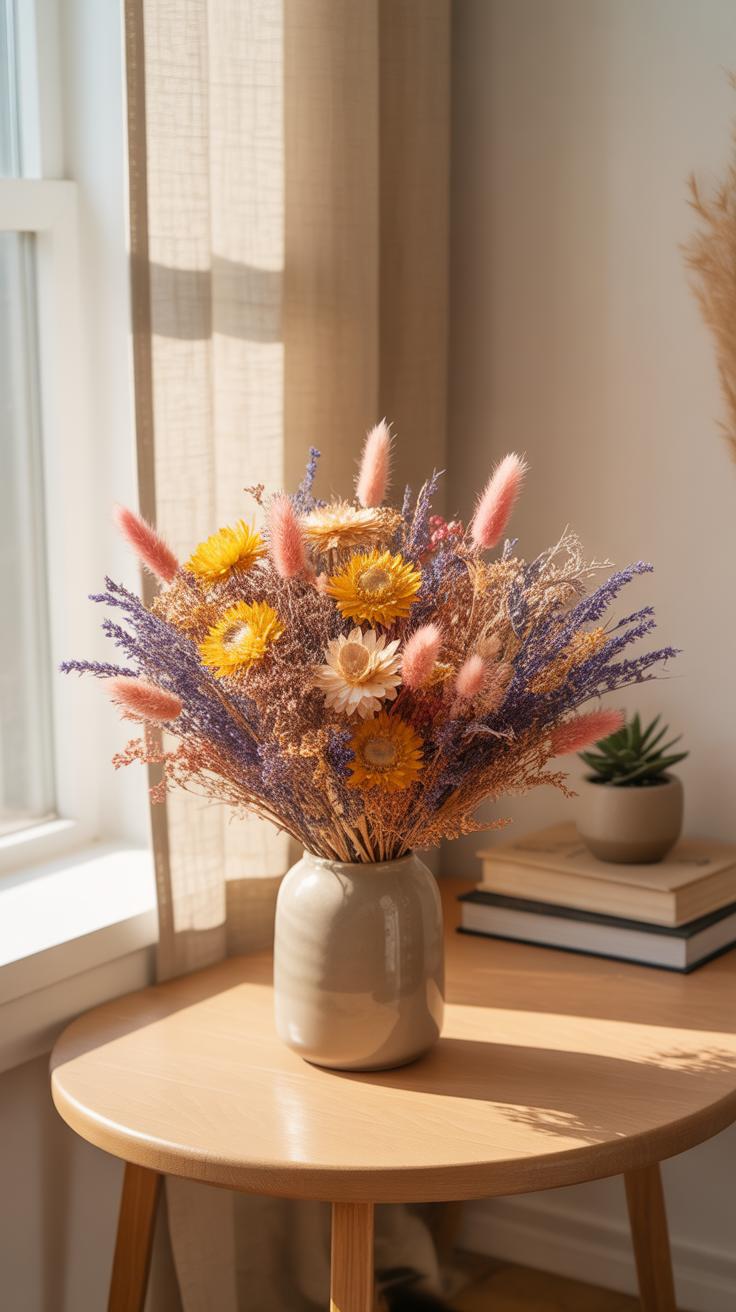
How To Select A Dried Flower Bouquet Based On Color Palette And Room Tone
Match your bouquet to the existing light levels and wall colors. Neutral rooms with white or beige walls benefit from muted tones like pampas grass and bleached ruscus. These botanical elements provide texture without clashing with minimalist decor. Use warm tones like terracotta and mustard for rooms with dark wood or industrial finishes. These colors draw from Mid-Century Modern and Brutalist palettes to ground the space.
Contrast plays a tactical role in interior design. Place light-colored stems against dark backdrops to create a focal point. Use deep green or burgundy foliage in bright, airy rooms to add weight. Avoid matching the flower color exactly to the wall color. This makes the arrangement disappear. Select shades that are two steps lighter or darker than the room tone. This creates a professional and deliberate visual layer.
Where To Buy Quality Dried Flower Bouquets And What To Look For
Buy from suppliers who use air-drying or silica gel methods. Avoid mass-market retailers that use heavy chemical dyes or synthetic scents. High-quality dried flowers must have structural integrity. Stems should be firm and colors should look natural. Look for specialists who source during peak bloom seasons. This ensures the flower heads remain intact during the dehydration process. Checking for signs of pests or mold is vital.
Evaluate the preservation technique before purchasing. Traditional air-drying preserves the vintage aesthetic seen in rustic movements. Glycerin-treated leaves stay flexible and resist shattering better than untreated stems. Check the shipping methods of the vendor. Professional sellers use reinforced packaging to prevent crushing during transit. High-end florists will provide a list of species included. This transparency confirms you are receiving authentic botanical materials rather than plastic fillers.
Frequently Asked Questions

What are the main benefits of using dried flowers instead of fresh blooms?
Choosing dried flower bouquets is a fantastic way to enjoy nature’s beauty without the constant maintenance required by fresh stems. Unlike traditional flowers that wither within a week, dried arrangements offer enduring style and texture for months or even years. They are entirely water-free, making them an eco-friendly and mess-free choice for busy homeowners who want to maintain a sophisticated, curated aesthetic throughout every season of the year.
How can I style and care for my dried flower bouquets to make them last?
To keep your dried flower bouquets looking vibrant, place them in a cool, dry spot away from direct sunlight, which can cause colors to fade. Avoid humid areas like bathrooms to prevent softening. For styling, try varying the heights of your stems or using a textured ceramic vase to complement the organic feel. If dust accumulates, simply use a hair dryer on its lowest, coolest setting to gently clean the delicate petals.
Are dried floral arrangements a cost-effective option for home decorating?
Absolutely! While the upfront cost might be slightly higher than a grocery store bunch, dried flower bouquets are a smart investment for your home decor budget. Since they don’t need replacing every few days, you save significantly over time. You can even create an expensive, high-end look by mixing affordable dried pampas grass with a few premium preserved stems, ensuring a luxurious feel that stays beautiful without any recurring costs.