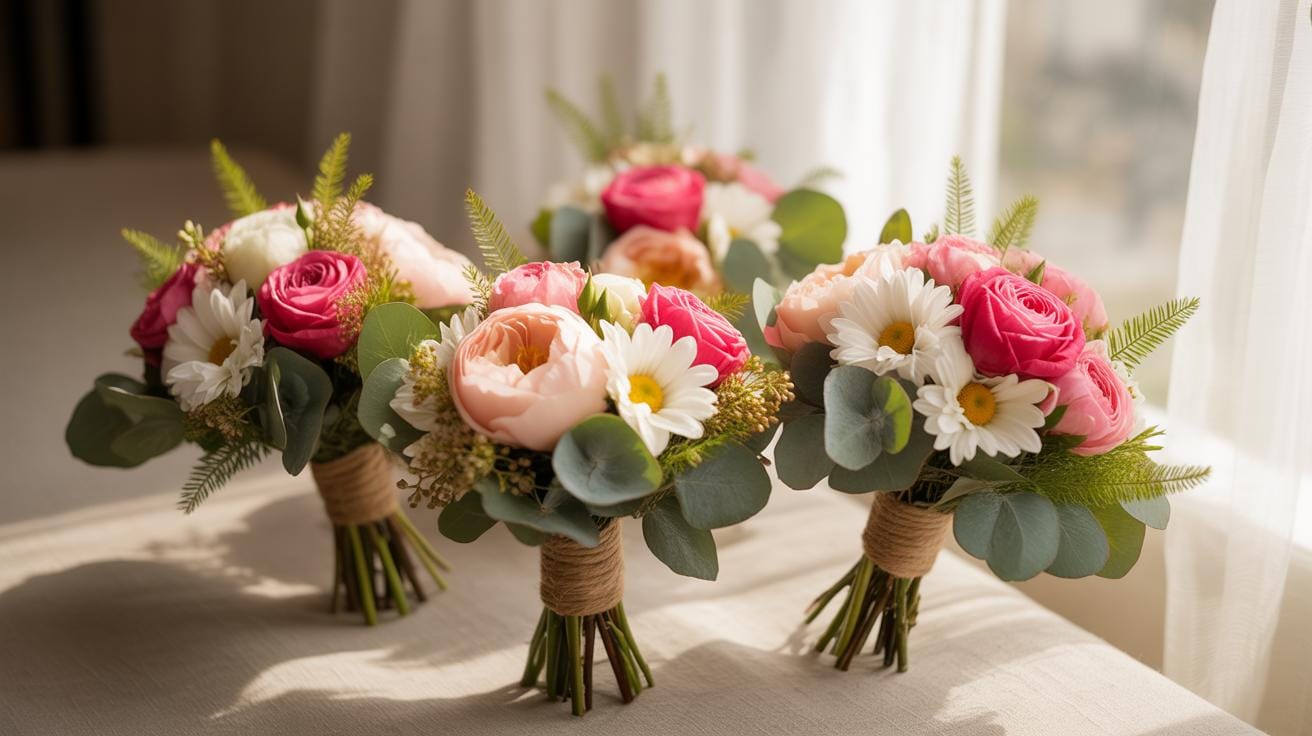
Why Simple Bridesmaid Bouquet Ideas Are Trending In Modern Weddings
The Shift Toward Minimalist Wedding Aesthetics
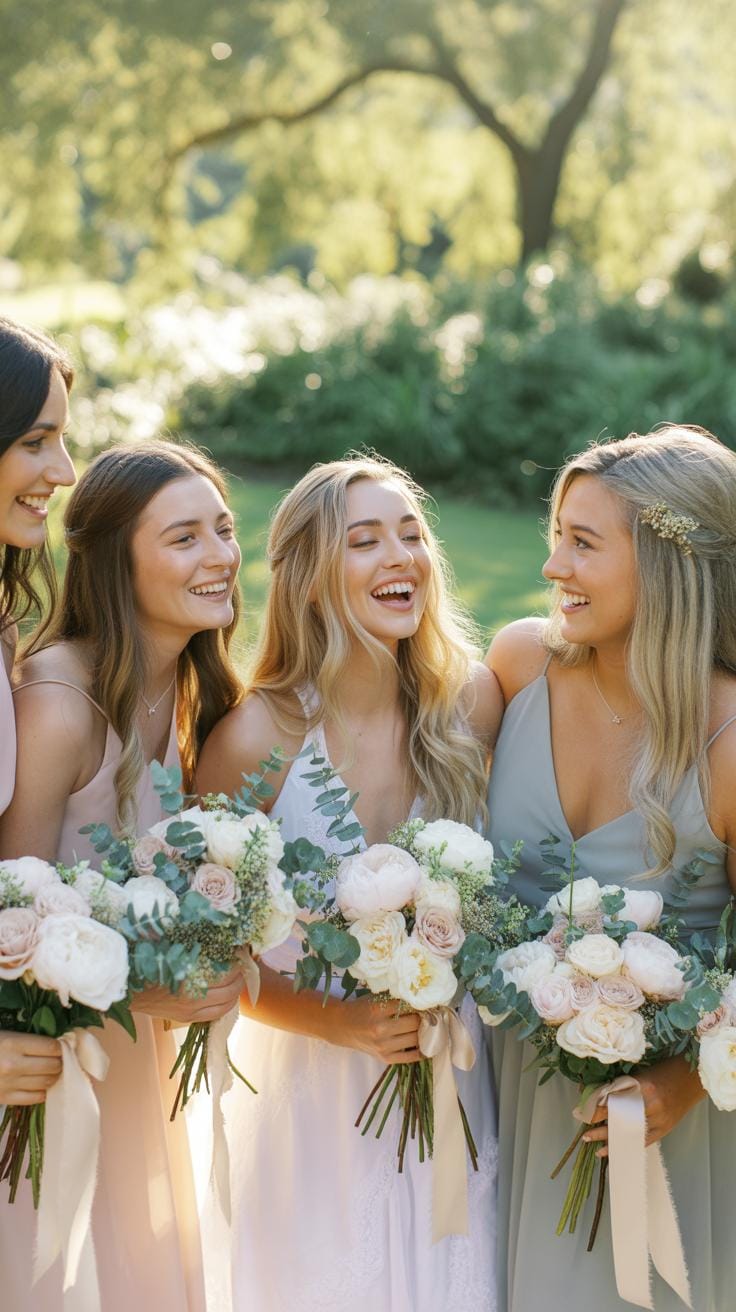
Modern weddings now prioritize clean lines over excessive decor. This shift follows the Scandinavian and industrial design movements of the last decade. Couples want to reduce visual noise and focus on quality materials. High costs and environmental concerns also drive this change. Large bouquets use more plastic foam and wire which creates waste. Simple arrangements use fewer resources and look better in photos.
Logistics favor smaller designs. Heavy bouquets tire out bridal parties during long ceremonies and photo sessions. Minimalist styles use local and seasonal flowers to ensure freshness. These designs highlight the natural shape of each stem instead of hiding it in a mass of greenery. Planners recommend this approach to save time during the morning setup. Speed and efficiency are now the primary goals for wedding floral teams.
How Simplicity Complements The Bride Without Overshadowing Her
The bride should always be the visual center of the event. Large bridesmaid bouquets create a wall of color that distracts the eye. Simple bridesmaid bouquets establish a clear hierarchy. When attendants carry smaller or single-stem arrangements, the bridal bouquet stands out more effectively. This creates a focal point that directs guests toward the couple. It is a tactical move to control the room.
Color theory supports this streamlined approach. Using a neutral palette for bridesmaids lets the bride’s white gown pop. Smaller bundles prevent clashing with different bridesmaid dress styles or textures. Designers now use a few high-quality blooms to match the wedding theme without adding bulk. This strategy ensures the wedding party looks uniform and professional. It keeps the focus on the ceremony rather than the accessories.
Top Bridesmaid Bouquet Ideas For Every Wedding Style
Classic Round Bouquets For Timeless Elegance
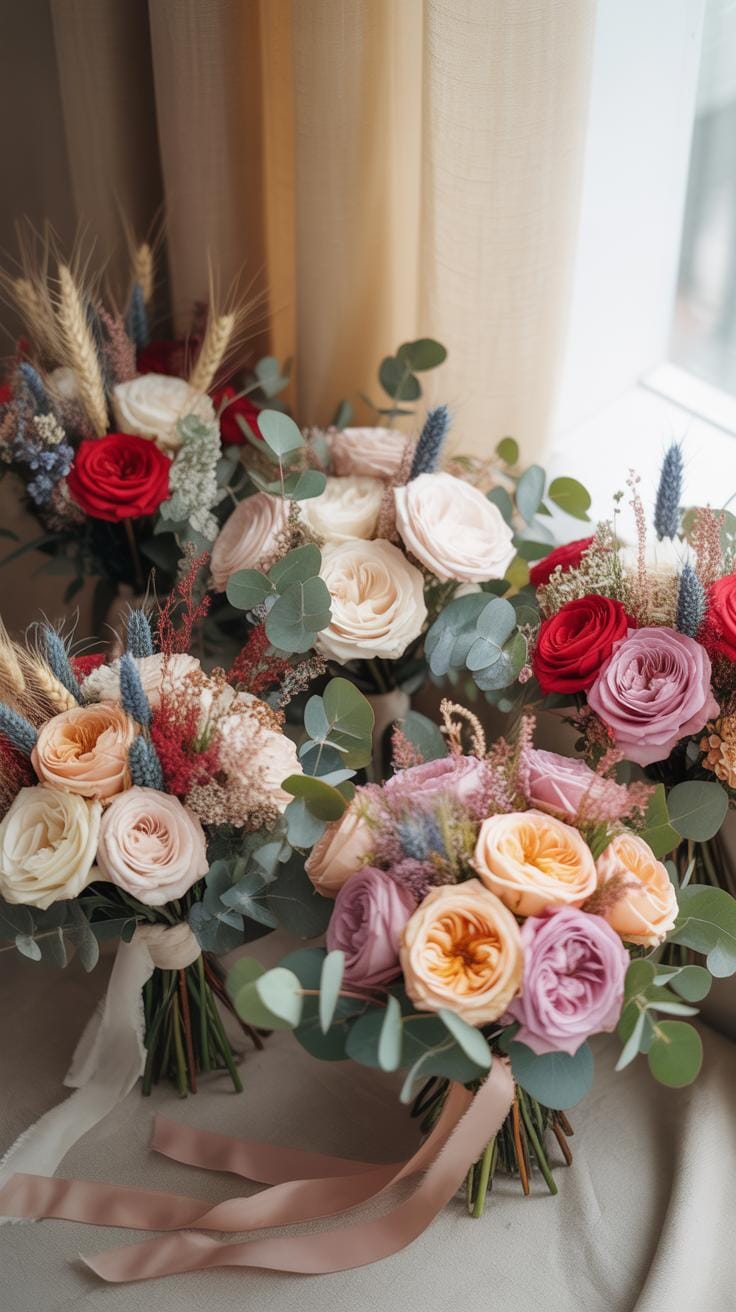
The round bouquet remains the industry standard for traditional ceremonies. It features an even, spherical shape created by tightly bundling stems together. This design relies on a central focal point. Florists usually select roses, peonies, or hydrangeas to maintain the curve. The uniform look ensures the bridesmaids do not distract from the bride. Solid colors provide the most impact in this specific shape.
Floral designers use the bypass technique to build these arrangements. You must trim all stems to a uniform length to ensure the dome remains symmetrical. Hand-wrapping the base with silk or satin ribbon provides necessary structural support. This style works best for formal events. It withstands handling well throughout the day. The compact nature of the round bouquet prevents petals from bruising during transportation.
Beauty is the shadow of God in the universe, and it is found in the simplest stems gathered with love for a walk down the aisle.
Cascading And Posy Bouquet Styles Explained
Cascading bouquets offer a dramatic vertical element. This style gained massive popularity in the 1980s but originated much earlier in the Edwardian era. Designers use wired frames or floral foam handles to secure trailing vines and heavy blooms. The arrangement flows downward like a waterfall. It requires specific greenery like ivy or eucalyptus to create the shape. Large weddings often utilize this silhouette.
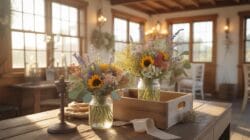
Posy bouquets are small and easy to carry. They focus on a handful of blooms that a person can hold with one hand. This style minimizes costs and reduces the weight for bridesmaids. Florists often choose posies for outdoor or casual weddings. The construction involves a simple spiral tie. You can use any flower type. The small size makes it a practical choice for long wedding days.
Best Flowers To Use For A Bridesmaid Bouquet Simple Enough For DIY
Hardy And Widely Available Blooms That Work Every Time
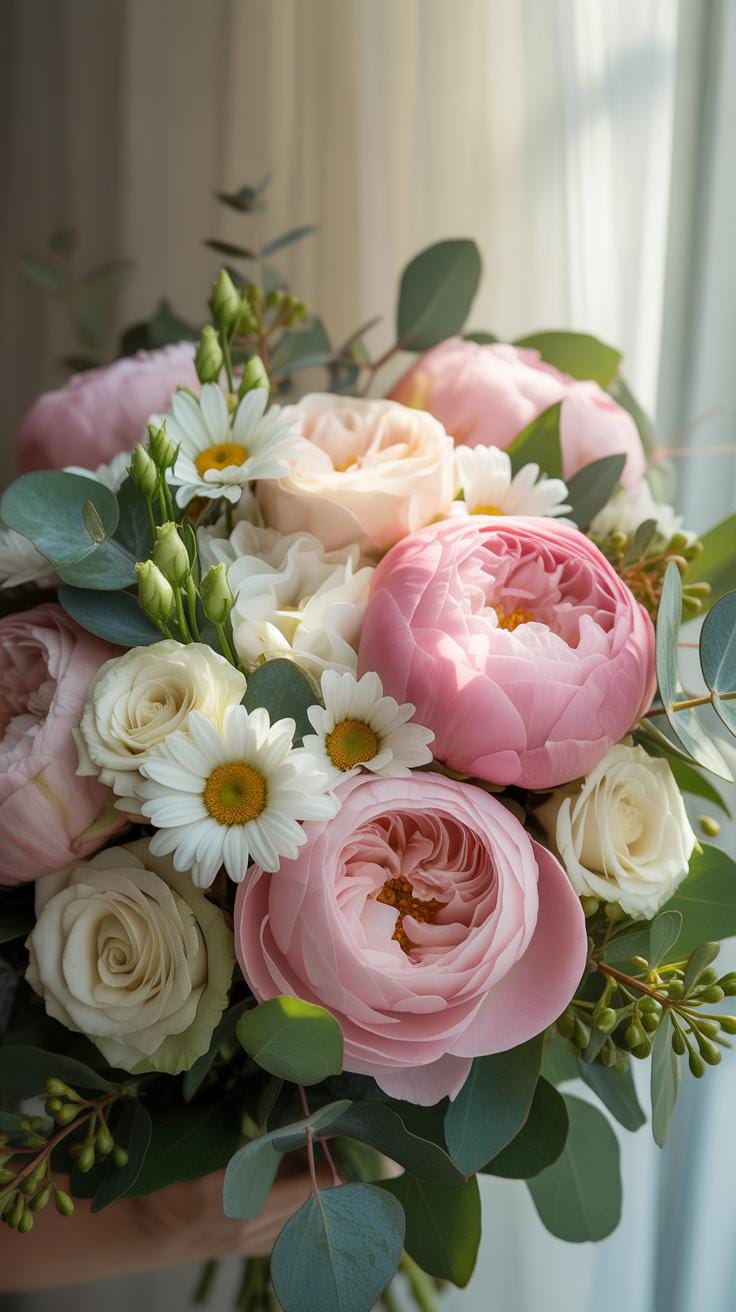
Successful DIY bridesmaid bouquets require sturdy stems and resilient petals. You need flowers that survive out of water for several hours during photos and the ceremony. Professional florists choose these varieties because they resist wilting and bruising. Select blooms with large heads to fill space quickly. This strategy reduces the total number of stems needed and shortens your assembly time.
- Roses: These are the industry standard for durability and variety. They have thick, woody stems that remain hydrated well. You can find them in every color year-round. Their structured shape makes it easy to form a balanced round bouquet without professional training or specialized tools.
- Carnations: Modern cultivars offer ruffles and sophisticated tones that mimic expensive peonies. They are incredibly hardy and can last for days without water. Their low cost allows for high-volume arrangements. Use them to create a dense, lush base that supports more delicate flowers in the design.
- Hydrangeas: A single bloom provides massive volume and instant impact. These flowers act as a natural grid to hold other stems in place. Ensure you hydrate them deeply before use. They work best for bridesmaids because one or two stems create a complete look with minimal effort or technical skill.
- Chrysanthemums: These flowers come in various shapes like buttons, spiders, or cushions. They are famous for their long vase life and stiff stems. They provide excellent texture and do not droop under heat. They are a reliable choice for outdoor summer weddings where other flowers might fail quickly.
- Eucalyptus: This greenery provides a sturdy frame for any bouquet. The silver-blue leaves stay fresh without water for extended periods. It adds a natural scent and covers mechanical parts like floral tape or wire. Use it to add professional movement and shape to a basic bunch of flowers.
Focus on these specific varieties to minimize stress on the wedding day. Large-headed flowers like roses and hydrangeas cover the most surface area. This efficiency allows you to build a bouquet in under ten minutes. Avoid delicate garden flowers like sweet peas or lilies of the valley. Those options require advanced wiring techniques and constant moisture. Stick to high-performance blooms to ensure a uniform look for all bridesmaids.
How To Choose Flowers Based On Season And Climate
Temperature and humidity dictate flower performance. High heat causes rapid evaporation through the petals. In summer months, choose tropical or waxy flowers that hold moisture. In winter, avoid thin-petaled varieties that turn brown in freezing temperatures. Match your selection to the environment of your venue. This practice prevents your bouquets from looking tired before the reception starts. Use locally grown options to ensure the shortest time from farm to hand.
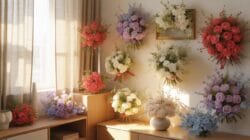
Seasonality also impacts your budget and design quality. Buying out-of-season flowers increases costs and lowers the health of the blooms. Spring offers bulbs like tulips and ranunculus, while autumn provides hardy dahlias and berries. Always check a seasonal availability chart before finalizing your flower list. Selecting flowers in their peak bloom results in stronger stems and larger heads. This tactical approach ensures your DIY bouquets look professional and stay vibrant throughout the event.
How To Put Together A Bridesmaid Bouquet Step By Step
Gathering Your Supplies Before You Start
Preparation is the most critical stage of floral design. You need clean tools to prevent bacteria from killing the flowers early. Sharp floral shears ensure clean cuts for water absorption. Do not use standard paper scissors because they crush the stems. Collect your focal flowers and greenery before beginning the assembly. Have your floral tape and pins ready on a flat workspace to keep the process efficient.
Verify that your stems have sat in water for at least four hours. Hydrated stems are firm and easy to manipulate during the build. Strip all foliage that will sit below the tie point to prevent rot. Use a clean bucket for the finished products. Organized supplies allow you to focus on the structure of the bouquet without interruption. Check your bloom count against your design plan now.
Wrapping And Finishing Techniques That Look Professional
Secure the stems with green floral tape once the arrangement is complete. Start at the top of the handle and wrap downward in a spiral. Pull the tape slightly to activate the wax adhesive for a tight hold. This creates a solid foundation for the decorative ribbon. A firm wrap prevents the flowers from shifting during the wedding ceremony. Use enough tension to lock the stems together safely.

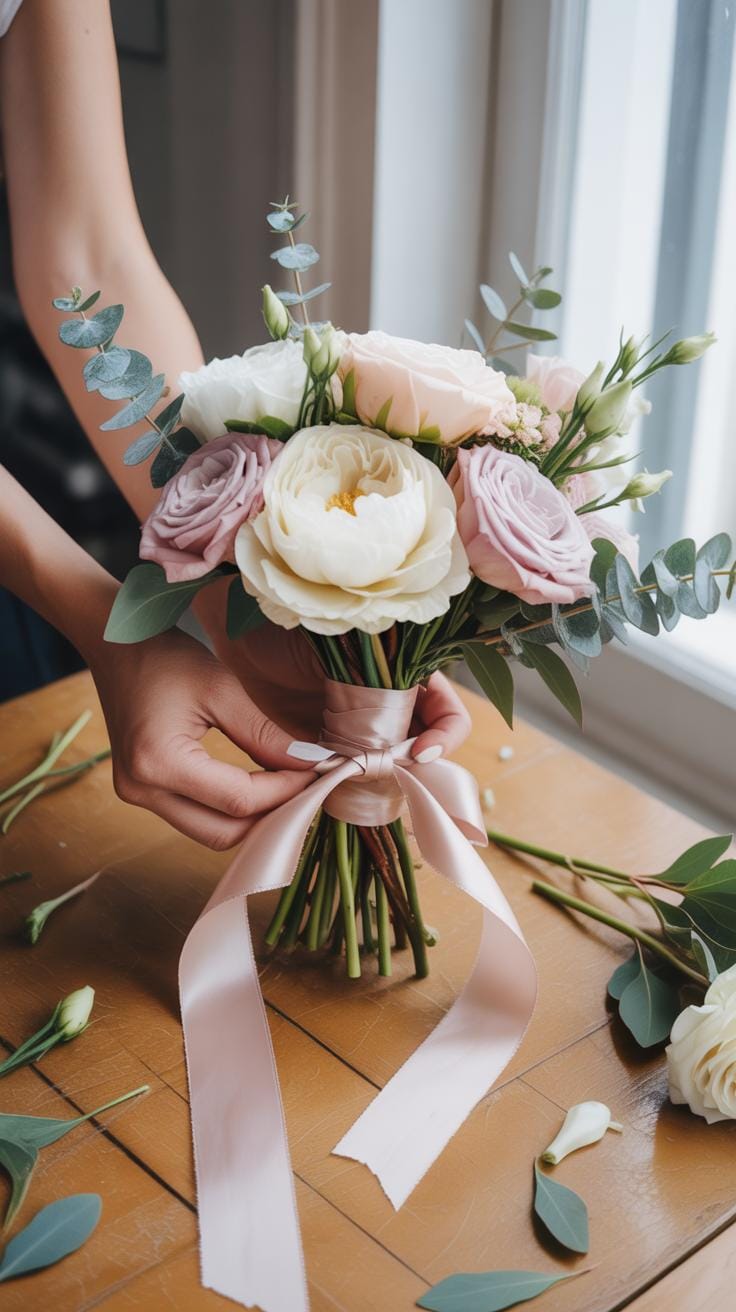
Cover the floral tape with satin or grosgrain ribbon for a polished look. Start from the top and wrap toward the base of the stems. Leave about an inch of stem exposed at the bottom for water intake. Secure the ribbon at the top with pearl-headed pins. Angle the pins upward into the stems to avoid pricking hands. This technique mirrors high-end floral shop standards and ensures durability all day.
Bridesmaid Flower Bouquets That Use Greenery As The Star
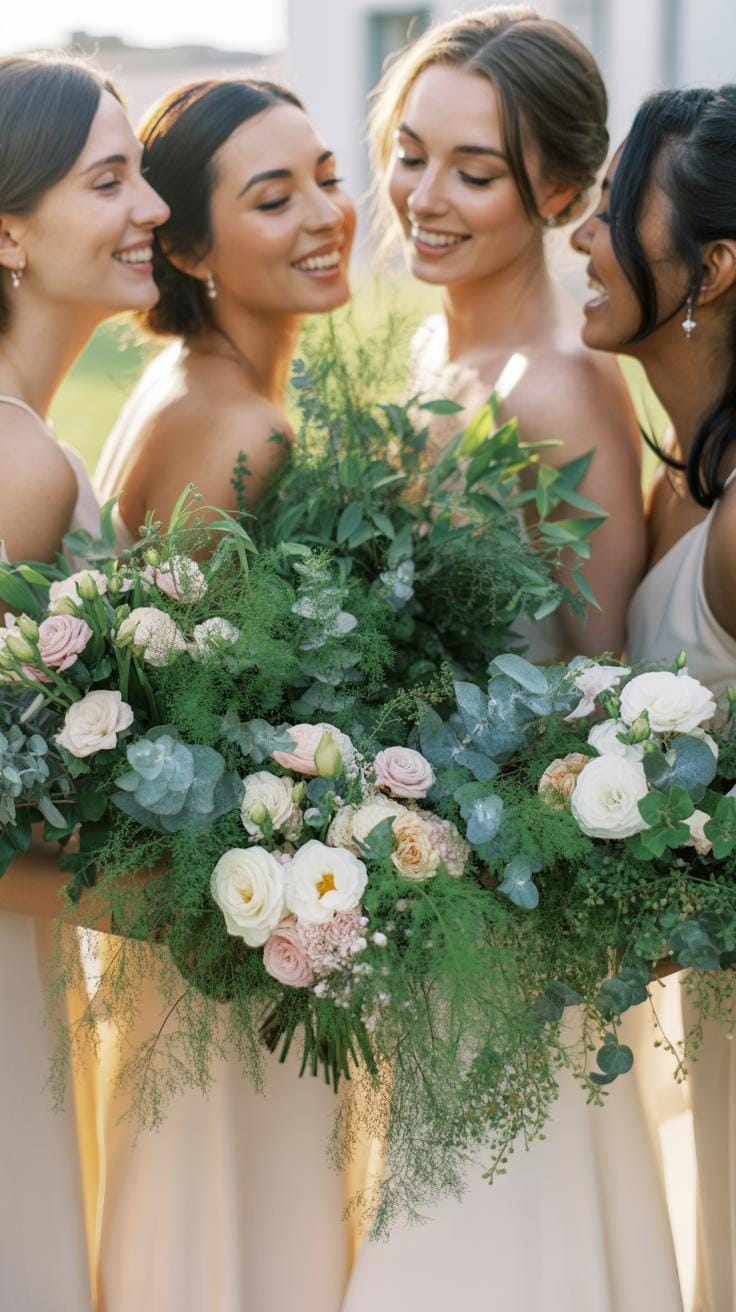
Popular Greenery Choices Like Eucalyptus, Ferns, And Ivy
Silver dollar and seeded eucalyptus serve as the primary structural base for modern greenery bouquets. These species provide a muted blue-green palette and sturdy stems for hand-tied arrangements. Use silver dollar eucalyptus for broad surface area and movement. Use seeded varieties to add textural density. These plants remain hardy in outdoor conditions and resist wilting longer than standard floral stems.
Ferns and ivy offer classic architectural shapes for traditional or woodland themes. Leatherleaf ferns provide a stiff triangular frame that supports heavier stems. Ivy creates a cascading effect suitable for teardrop shapes. Both options are cost-effective and readily available year-round. Select these varieties for high-contrast arrangements that require significant volume without adding the weight of large flowers.
Pairing Greenery With Minimal Blooms For A Natural Look
Strategic placement of single-stem flowers creates focal points without overwhelming the foliage. Use spray roses or ranunculus to add small bursts of color. Position these blooms at varying depths to mimic how plants grow in nature. This technique reduces the total stem count and lowers overall costs. Focus on one or two flower types to maintain a clean and intentional design.
Binding techniques determine the final aesthetic of a minimalist bouquet. Use floral tape to secure the structure and finish with silk or linen ribbons. Long ribbon tails complement the organic lines of the greenery. Ensure the stems are trimmed to a uniform length of eight inches for comfortable carrying. This approach emphasizes the texture of the leaves while providing a professional finish.
Bridesmaids Bouquet Ideas That Match Every Color Palette
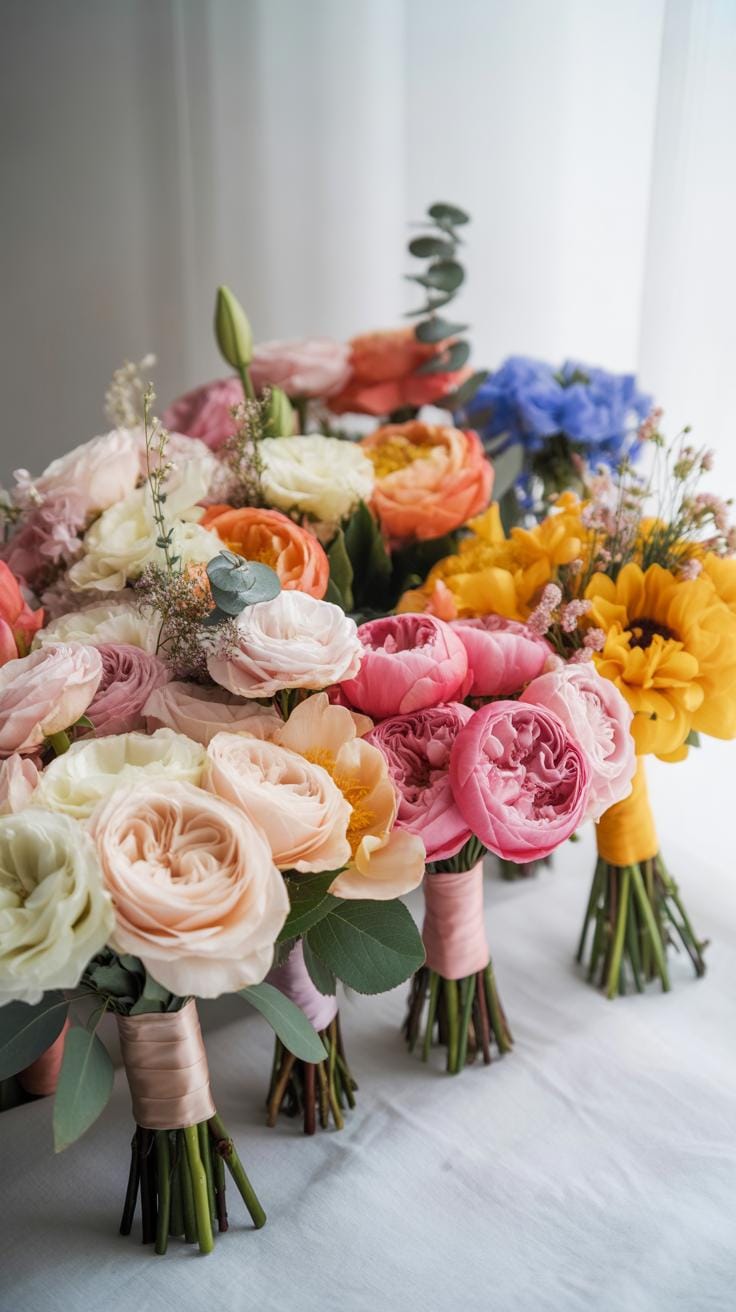
Monochromatic Bouquets And Why They Work So Well
Monochromatic bouquets use different shades of a single color. This approach creates a clean and modern look. It eliminates visual clutter and allows textures to stand out. Designers often use varying tones of one hue to build depth. This technique ensures the flowers do not blend into the bridesmaid dresses. It simplifies the ordering process and reduces the risk of clashing colors.
This style draws inspiration from minimalist design movements. By focusing on one color, you highlight the natural shape of the petals. Choose flowers with different sizes to keep the arrangement interesting. For example, pair large roses with small spray roses in the same tint. This strategy creates a sophisticated result with minimal effort. It works well for formal weddings where uniformity is the main goal.
Using Complementary Colors To Create Visual Harmony In Photos
Complementary colors sit opposite each other on the color wheel. Using this theory creates high contrast and makes the colors pop. Green stems naturally complement red or pink blooms. This balance draws the eye and makes the bridesmaid bouquets stand out against any background. Professional photographers prefer this contrast. It helps separate the subjects from the scenery, which results in much sharper digital images.
Strategic color pairing relies on science rather than trends. Navy blue dresses provide a perfect backdrop for orange or peach flowers. This combination uses the warmth of the blooms to balance the cool tones of the fabric. Always consider the saturation of the colors you choose. Highly saturated colors create energy and excitement in photos. Muted complementary tones offer a softer but equally balanced look for daytime events.
Simple Wedding Bouquets For Bridesmaids Using Non Floral Elements
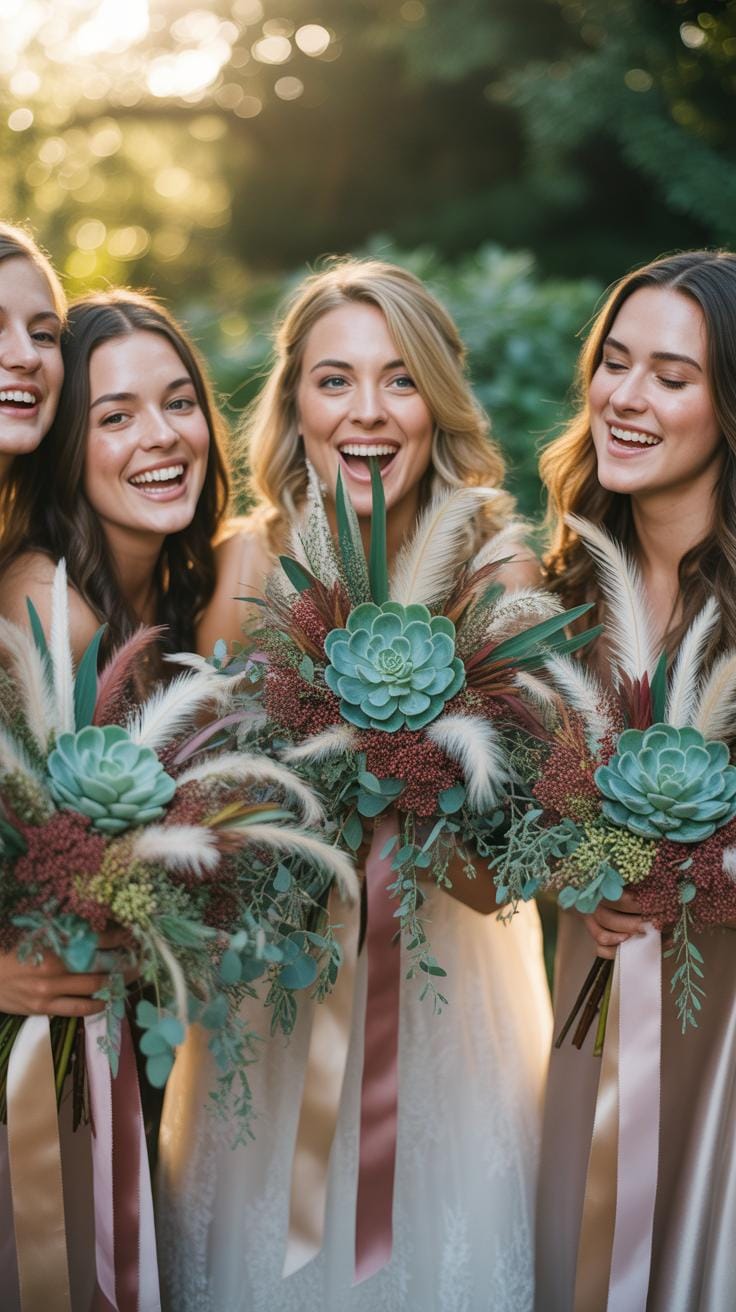
Dried Flowers, Pampas Grass, And Paper Blooms As Alternatives
Dried flowers and pampas grass offer structural stability that fresh stems lack. These materials do not wilt in heat or freeze in cold temperatures. You can assemble these arrangements weeks before the event. This timeline reduces stress on the wedding day. Use silica gel to dry specific blooms or buy pre-dried items. Focused selection of textures creates a modern look without needing water.
Paper flowers provide total control over color and size. Artisans use crepe paper or cardstock to mimic real species or create unique shapes. These blooms survive long travel and rough handling by bridal parties. They serve as permanent keepsakes for bridesmaids after the ceremony. Use florist wire to create stems for paper heads. This method ensures the bouquet maintains its shape throughout the entire day.
How To Incorporate Ribbon, Twine, And Fabric Into Your Design
Fabric and cordage function as both structural anchors and visual accents. These materials bridge the gap between organic stems and the wedding color palette. Choose your binding based on the desired level of formality. Smooth satin ribbons project a traditional aesthetic. Raw twine or jute offers a rugged look for outdoor settings. Proper tension during the wrapping process prevents the bouquet from shifting.
- Velvet Ribbon: This heavy material adds physical weight and a matte texture to the handle. It works best for winter ceremonies because it provides a warm feel. Secure it with pearl-head pins for a classic finish.
- Natural Jute Twine: Use this high-friction material to bind stems together tightly. It prevents slippery stalks from rotating in the bridesmaid’s hand. It suits rustic themes and provides a firm, non-slip grip for the user.
- Chiffon Streamers: Long fabric tails create movement as the bridesmaid walks down the aisle. Use lightweight silk or polyester chiffon to ensure the fabric catches the wind. Tie these in loose knots around the focal point.
- Cotton Lace: Wrap vintage lace over a base layer of solid ribbon to add detail. This layering technique masks ugly stems while adding a historical touch. It softens the overall look of stiff or woody non-floral elements.
- Recycled Sari Silk: These colorful strips offer unique patterns and raw edges. Designers use them to add a boho style to non-traditional bouquets. The varied widths create an organic, handmade appearance that hides structural wires well.
Layers of fabric provide ergonomic comfort for the person holding the arrangement. Bare wire or rough dried stems can irritate the skin during long photo sessions. Wrap the handle starting from the top and move downward for a clean look. End the wrap an inch above the stem bottoms to allow for a neat visual finish. Use hot glue or floral pins to lock the final tail in place.
Wedding Bouquets For Bridesmaids Working With A Florist Vs DIY
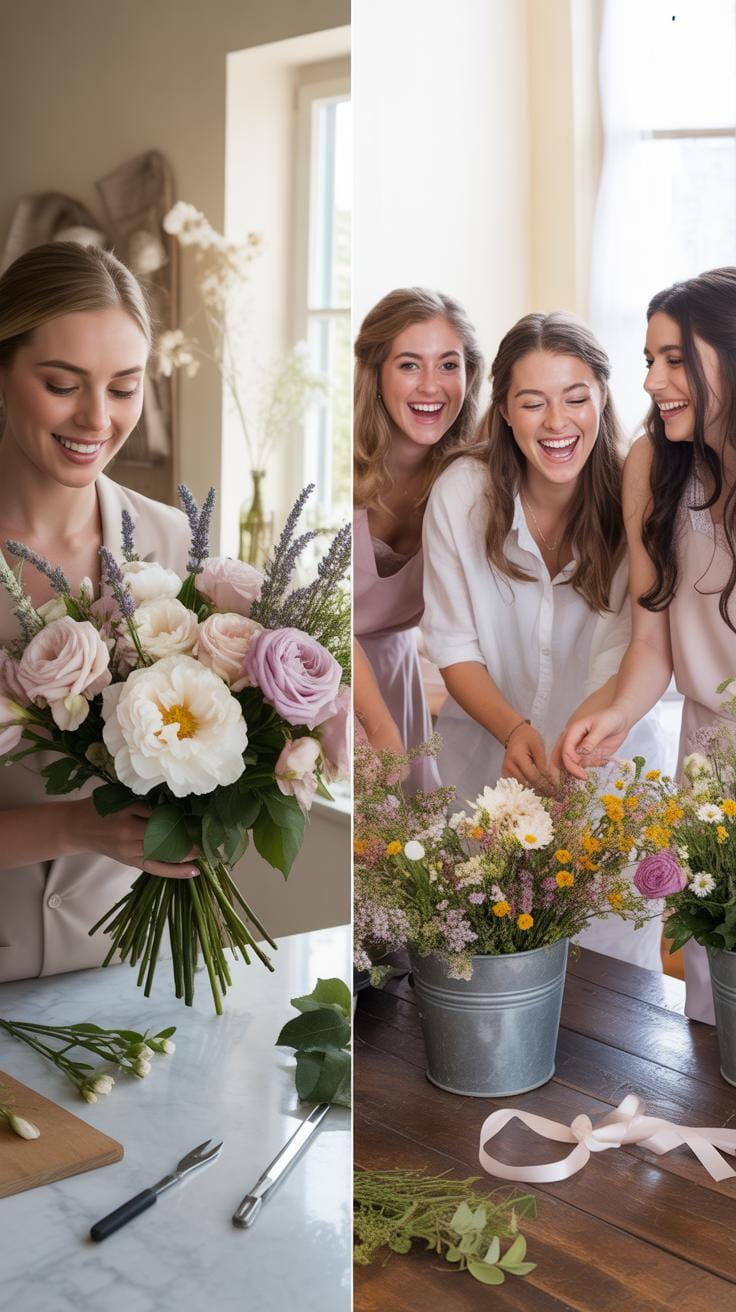
Guidance On What To Expect When Hiring A Professional Florist
Professional florists offer technical expertise and logistics management. They understand seasonal availability and bloom durability. A pro manages the cold chain to keep flowers fresh until the ceremony. They use structural mechanics like chicken wire and floral tape to prevent bouquets from falling apart. Hiring a florist eliminates the risk of transport damage. You pay for their design skills and labor.
Expect to pay a premium for sourcing and assembly. Florists often require a minimum spend for wedding services. They handle the cleaning and prepping of every stem. This process involves removing thorns and hydrating blooms. You get a contract that guarantees delivery times and styles. This option saves time but costs more. Use a professional if your designs require complex wiring or rare species.
When DIY Makes More Sense For Your Wedding Budget
DIY projects work best for small bridal parties and simple designs. You save money by purchasing stems from wholesalers or local markets. This approach requires zero labor fees. You must buy tools like floral snips and ribbon. It works well if you choose hardy flowers like roses or carnations. These blooms survive longer without constant water. Do not try this with delicate lilies.
Success depends on your timeline and storage space. You must assemble bouquets twenty-four hours before the event. Store them in a cool, dark room to prevent wilting. You need a dedicated workspace and plenty of water buckets. Enlist helpers to speed up the process. Only choose DIY if you have a reliable vehicle for transport. High heat will kill your flowers during a long car ride.
How To Create A Cheap Bridesmaid Bouquet Without Sacrificing Style
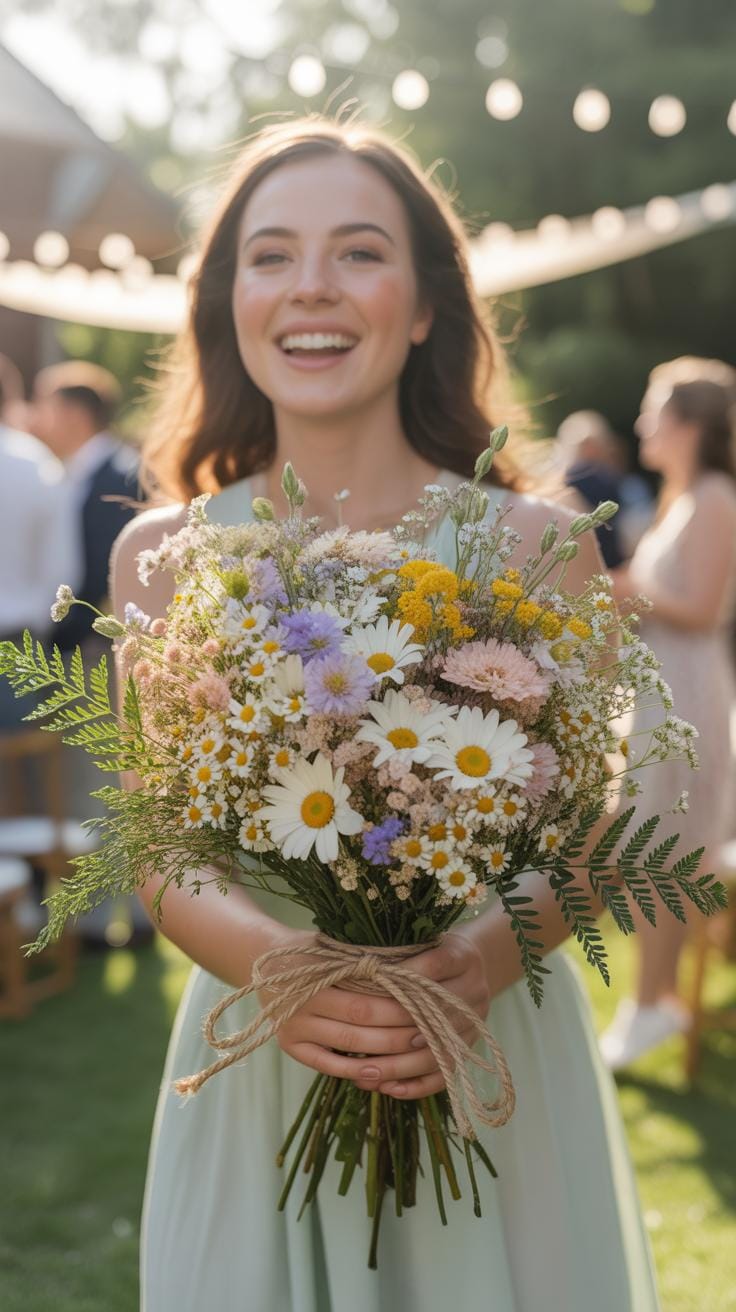
Where To Source Affordable Flowers In Bulk
Buy your flowers directly from wholesale markets or large warehouse clubs. These suppliers cut out the middleman and offer lower prices per stem. You must order your blooms at least three weeks before the wedding date. This ensures the supplier secures your specific inventory. Check for local flower farms in your area during the growing season. They often provide buckets of fresh stems at a fraction of florist rates.
Verify the delivery timeline to ensure the flowers arrive two days before the event. This allows the stems to hydrate and bloom fully. Use clean plastic buckets and fresh water to maintain the inventory. Keep the flowers in a cool and dark space to prevent wilting. Proper storage is the only way to protect your investment. Bulk buying requires self-management but slashes the total cost of the bridesmaid bouquets.
Smart Swaps That Keep Costs Low And Aesthetics High
Swap expensive focal flowers like peonies for Ranunculus or large garden roses. These alternatives provide a similar shape and density for less money. Use mass flowers like carnations or mums to fill the base of the arrangement. Modern floral design uses these hardy stems to create a high-end look through grouping. You save money by reducing the number of premium stems needed for each individual bridesmaid bouquet.
Incorporate plenty of greenery like eucalyptus or ruscus to add volume. Foliage costs significantly less than focal blooms and fills gaps efficiently. Limit each bouquet to three types of plants to maintain a clean aesthetic. Using fewer varieties simplifies the assembly process and reduces waste. Select seasonal blooms that are naturally abundant. This strategy ensures the freshest quality while keeping the price per stem at its lowest point.
Frequently Asked Questions

What are the best flowers for a beginner to use in a bridesmaid bouquet?
When creating your first bridesmaid bouquets, it is best to choose sturdy, forgiving blooms like roses, carnations, or hydrangeas. These flowers have thick stems that are easy to grip and stay hydrated well throughout the wedding day. To keep things simple, focus on just one or two flower varieties paired with easy-to-manage greenery like eucalyptus, which provides a beautiful, natural frame without requiring professional floral design skills.
How do you properly secure a bridesmaid bouquet for a professional look?
To secure your bridesmaid bouquets, start by stripping all leaves from the lower half of the stems. Gather your flowers in a tight bunch and wrap floral tape tightly around the stems, starting just below the blooms and working three inches down. Once the structure is firm, hide the tape by wrapping a beautiful satin or velvet ribbon over it, securing the ends with a few decorative pearl-headed pins for a polished finish.
Can you create beautiful bridesmaid bouquets on a very tight budget?
Absolutely! You can save significantly by choosing seasonal focal flowers or making “nosegay” style arrangements, which are smaller and require fewer stems. Using abundant grocery store greenery or foraging safe, non-toxic foliage from your own garden can also add impressive volume for free. By focusing on a minimalist aesthetic, you can create elegant bridesmaid bouquets that look high-end and intentional without spending a fortune on luxury floral imports.