
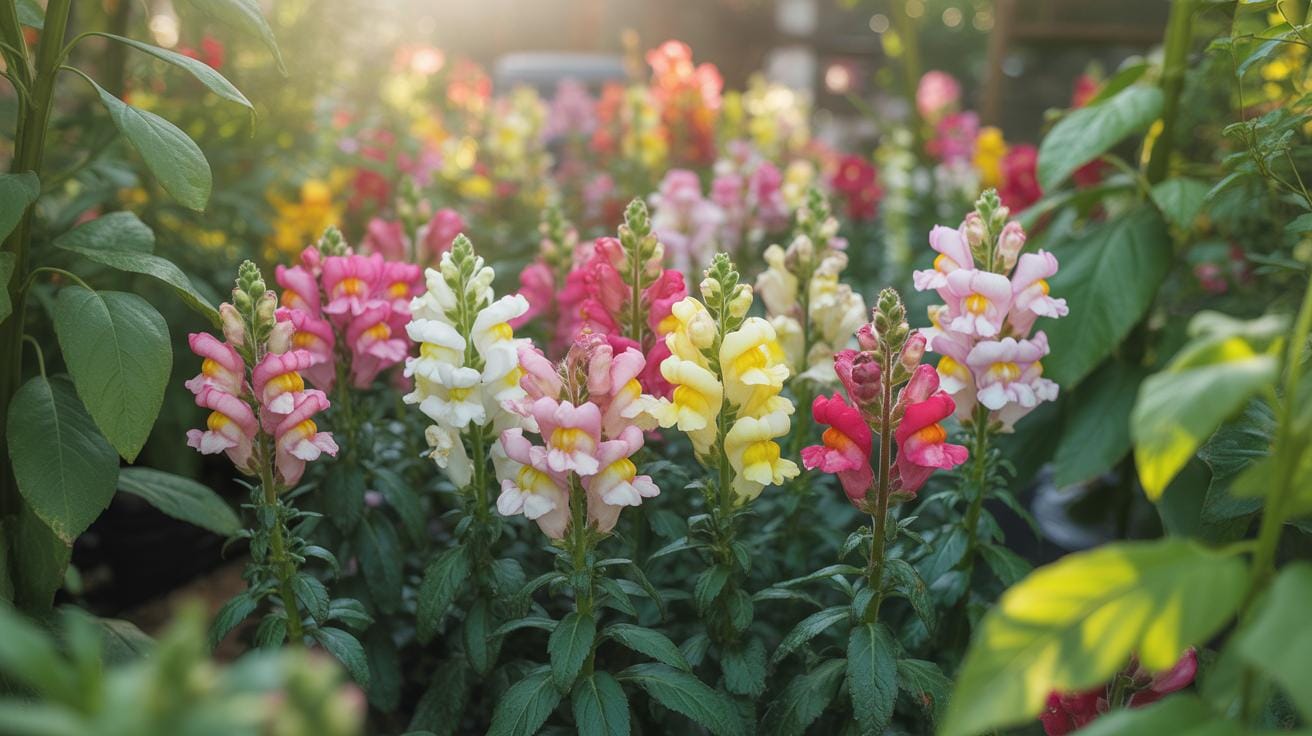
What Are Snapdragon Flowers And Why Are They So Beloved
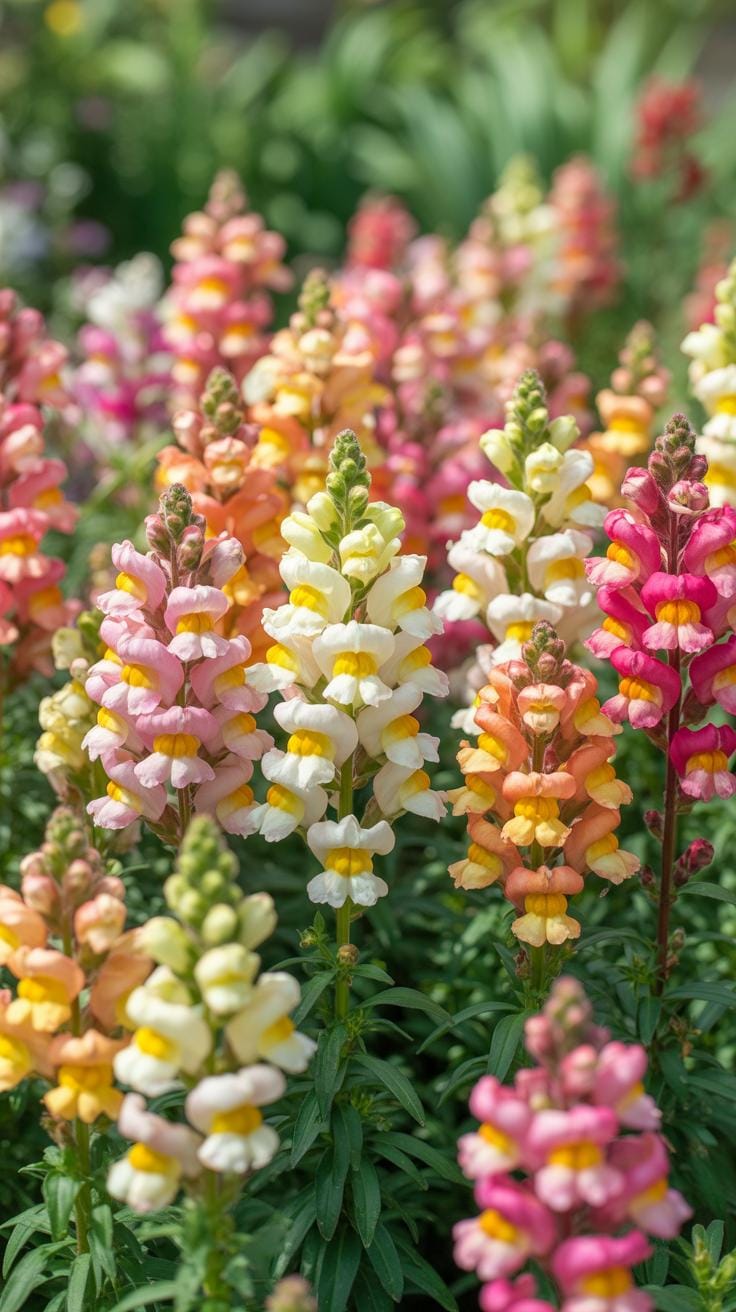
The Origins And Botanical Background Of Snapdragons Flowers
Snapdragon flowers belong to the genus Antirrhinum. They originate from the rocky areas of the Mediterranean region. These plants transitioned from wild species to garden staples centuries ago. Botanists classify them within the Plantaginaceae family. Historically, people found these flowers across southern Europe and North Africa. They thrive in temperate zones and prefer well-drained soil. Their genetic history shows a strong resilience to cooler weather.
Early botanists documented these plants for their structural complexity. They categorize modern varieties by height, ranging from dwarf to tall types. Breeders have spent decades refining their color profiles and stem strength. This development focuses on commercial viability and garden performance. You will find them used in both landscape design and the cut flower industry. They remain a primary choice for spring and fall planting cycles because of their biology.
What Makes The Snap Dragon Flower Unique Among Garden Blooms
The defining trait of this plant is its bilateral symmetry. The flower structure consists of fused petals that form a snout-like shape. Pressure on the sides of the corolla causes the mouth to open. This mechanism restricts pollination to heavy insects like bumblebees. These bees have the strength to force the petals apart to reach nectar. This physical interaction sets the plant apart from open-faced floral varieties.
Gardeners value these blooms for their vertical growth habit. They provide height in border designs without requiring excessive lateral space. The flowers bloom from the bottom of the stalk upward. This sequence extends the visual interest over several weeks. They also exhibit high cold tolerance unlike many summer annuals. This allows them to survive light frosts. They serve as a strategic tool for extending the growing season in northern climates.

A Visual Guide To Snapdragon Flower Blooms And Their Many Forms
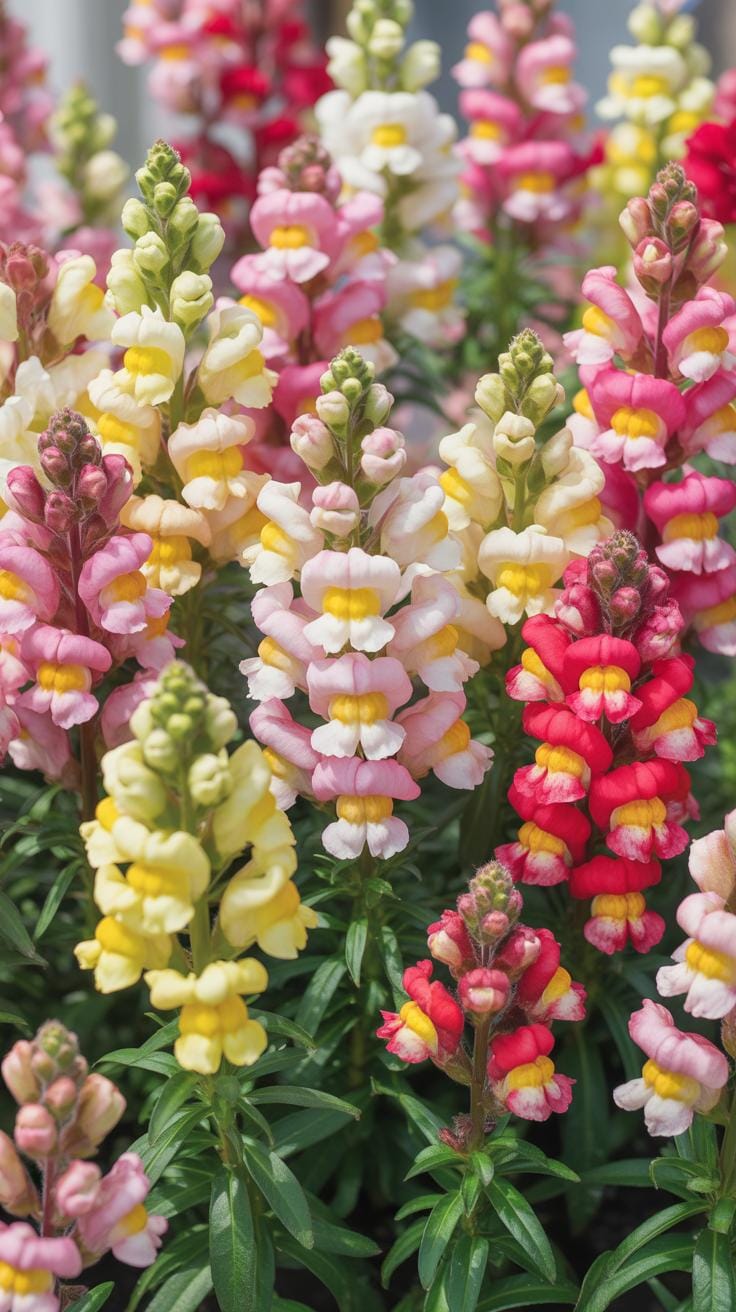
Understanding The Different Bloom Types And Growth Habits
Standard snapdragons feature a distinct zygomorphic shape. Two fused petals form an upper lip while three lower petals create a base. This mechanism protects the pollen from small insects. Only heavy bees possess the strength to force the petals open for pollination. This physical structure explains the common name. People associate the snap action with the jaws of a dragon.
Alternative forms deviate from this traditional shape. Open-faced butterfly types lack the snapping mechanism entirely. These blooms allow easier access for a wider variety of pollinators. Double azalea-flowered varieties offer extra petals that create a ruffled look. These dense clusters hide the floral throat. Select your variety based on your specific garden goals. Different shapes provide different visual textures for floral arrangements and borders.
To plant a snapdragon is to invite the playful spirit of childhood back into your garden, where even the simplest bloom feels like a small miracle. These cheerful giants remind us that beauty doesn’t have to be difficult; it only needs to be sown with a little love.
Height Varieties: Dwarf, Intermediate, And Tall Snapdragon Flower Blooms
Height classification dictates where you plant these flowers. Dwarf varieties grow six to twelve inches tall. They work well for containers and edge borders. These plants stay compact and bushy. They do not require staking to stay upright. Intermediate types reach fifteen to thirty inches. They serve as reliable mid-ground fillers in most landscape designs. These provide a balance between sturdiness and height.

Tall varieties reach heights of thirty to forty-eight inches. These plants require structural support to prevent snapping in high winds. Professional florists prefer these for long-stemmed arrangements. They create a vertical focal point in the back of garden beds. Always group plants by their expected height. This ensures the taller stalks do not block the sun for smaller varieties. Match the variety to your space.
Snapdragon Flower Photo Guide Identifying Colors And Varieties
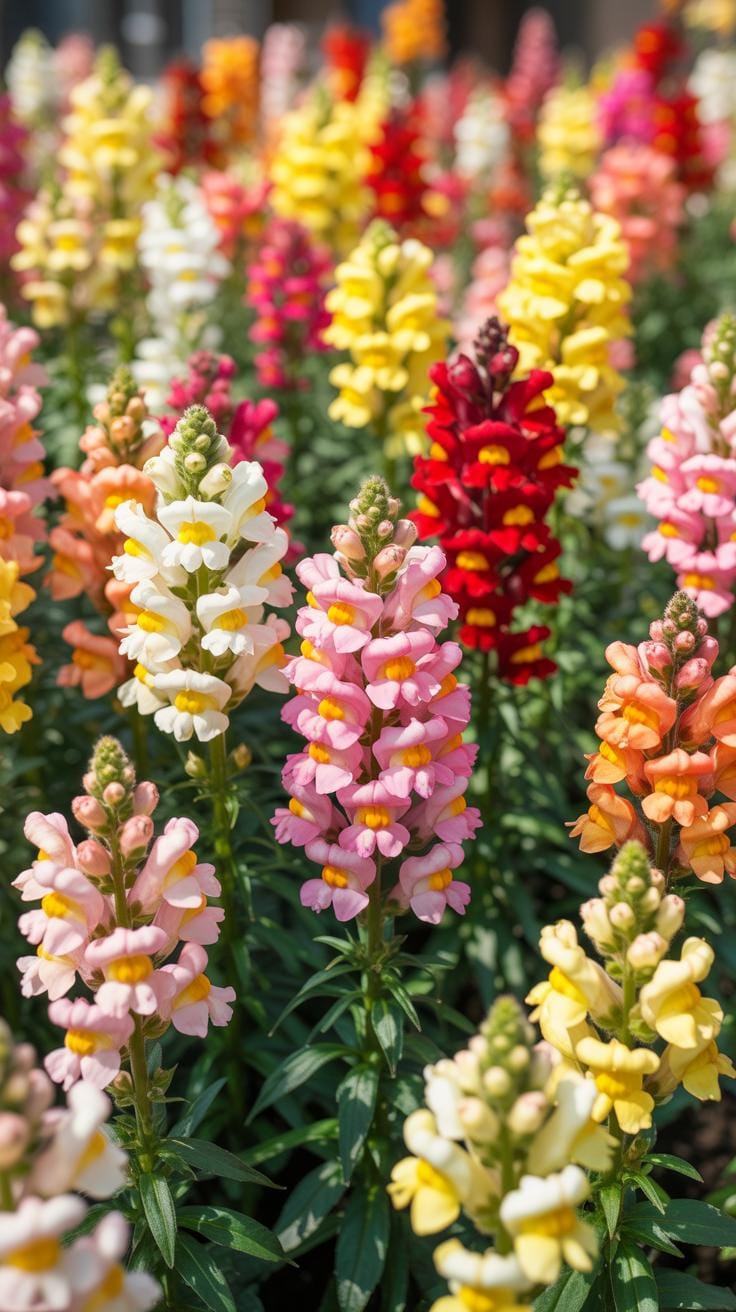
How A Snapdragon Flower Photo Can Help You Choose The Right Variety
Visual references allow you to identify specific growth habits before purchasing seeds or starts. Snapdragon flowers come in three distinct heights: dwarf, medium, and tall. Dwarf varieties stay under twelve inches and suit containers or edges. Tall types reach up to three feet and require staking for support. Photos show you the stem strength and how the blossoms crowd along the central spike.
Check photos for the dragon jaw shape versus the open face butterfly shape. Traditional varieties feature the classic snap mechanism that opens when pinched. Newer butterfly types stay open and offer a different silhouette in a landscape design. Use high resolution images to spot the difference in petal density. Choosing based on visual data ensures the variety fits your physical space and structural needs.
From Deep Crimson To Pink Snapdragon: Exploring The Color Spectrum
Snapdragon flowers offer a massive range of primary and secondary colors. Breeders have stabilized shades from deep velvety crimsons to soft pastel pinks. Some varieties feature bicolor patterns where the throat differs from the outer petals. These visual contrasts create depth in garden beds. You must identify these color breaks in photos to ensure your color palette remains consistent throughout the growing season.

Temperature affects color intensity in many snapdragon varieties. High heat often fades bright pigments while cool spring air deepens the saturation. Pink snapdragon varieties can shift from light blush to hot coral depending on the light and soil nutrients. Study photos of established plantings to see how colors hold up under full sun. This research prevents clashing with existing perennials and ensures a professional finish.
Flower Identification How To Recognize A Snapdragon In The Wild Or Garden
Key Physical Features That Make Flower Identification Simple
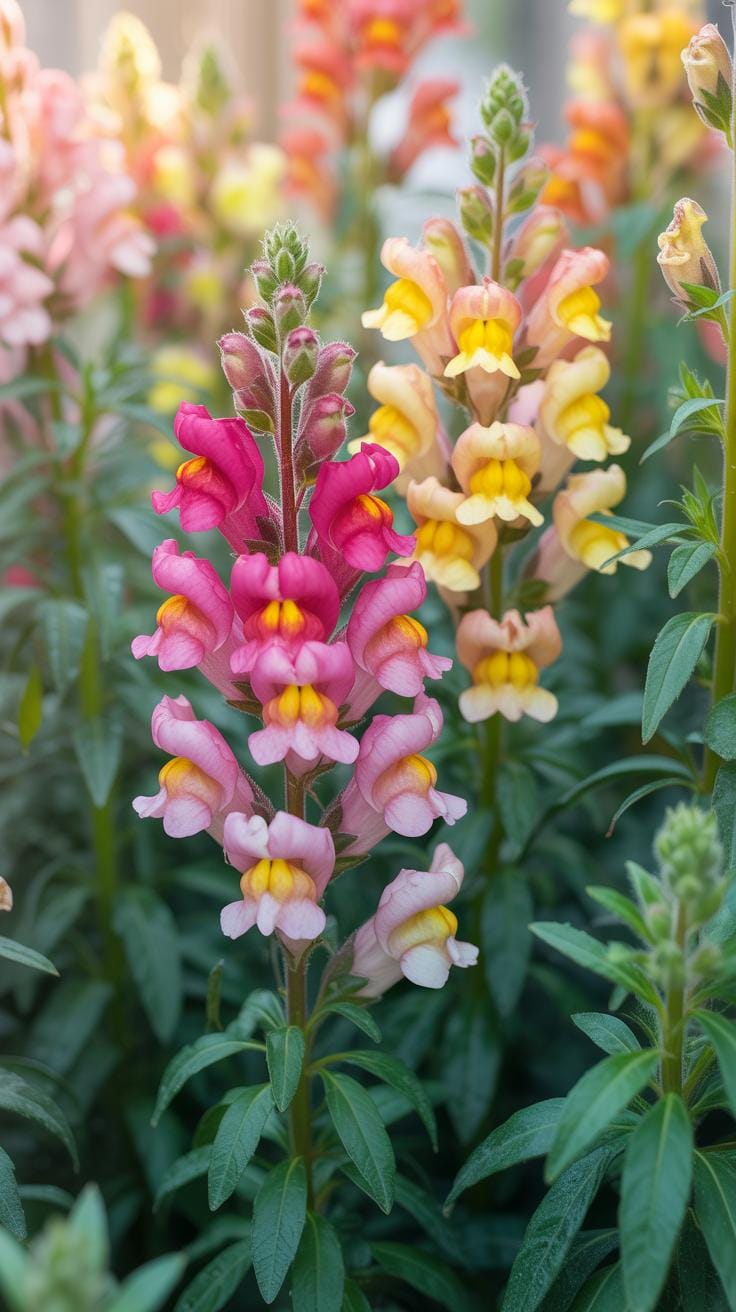
Snapdragons possess a unique bilateral symmetry. Look for a tubular shape that terminates in two closed lips. This structure hides the reproductive organs inside a tight throat. Pressure on the sides of the blossom forces the petals to part like a mouth. This mechanical action confirms the identity of the plant. Garden varieties typically range from six inches to three feet in height.
The foliage provides secondary identification markers. The leaves are lance-shaped and grow in an opposite or spiral pattern along the stem. Stems are sturdy and upright with clusters of blossoms forming at the top. Most modern cultivars display vibrant colors like red, pink, yellow, or white. The plant grows as a cool-season annual in most regions. Focus on the snap-jaw mechanism for the most reliable identification.
How To Tell Snapdragons Apart From Similar Looking Garden Flowers
Do not confuse snapdragons with foxgloves or toadflax. Foxgloves produce bell-shaped flowers that stay open. They lack the jaw-like hinge found in snapdragons. Foxgloves also grow much taller and feature larger, fuzzy leaves. Toadflax looks similar but usually has a long spur at the back of the flower. Snapdragons never have these long nectar spurs. Look for the flat base of the flower to distinguish them.

The Linaria genus often mimics the snapdragon shape on a smaller scale. These plants have narrower leaves and thinner stems. Examine the mouth of the flower closely. True snapdragons require significant pressure from a heavy bee to open. If the flower remains open or has a hollow throat, it is not a snapdragon. Real identification relies on the closed-lip structure. Check the stem strength to confirm it is the Antirrhinum species.
How To Grow Snapdragons Successfully In Your Own Backyard
Essential Growing Conditions: Soil, Sunlight, And Temperature For Snapdragons
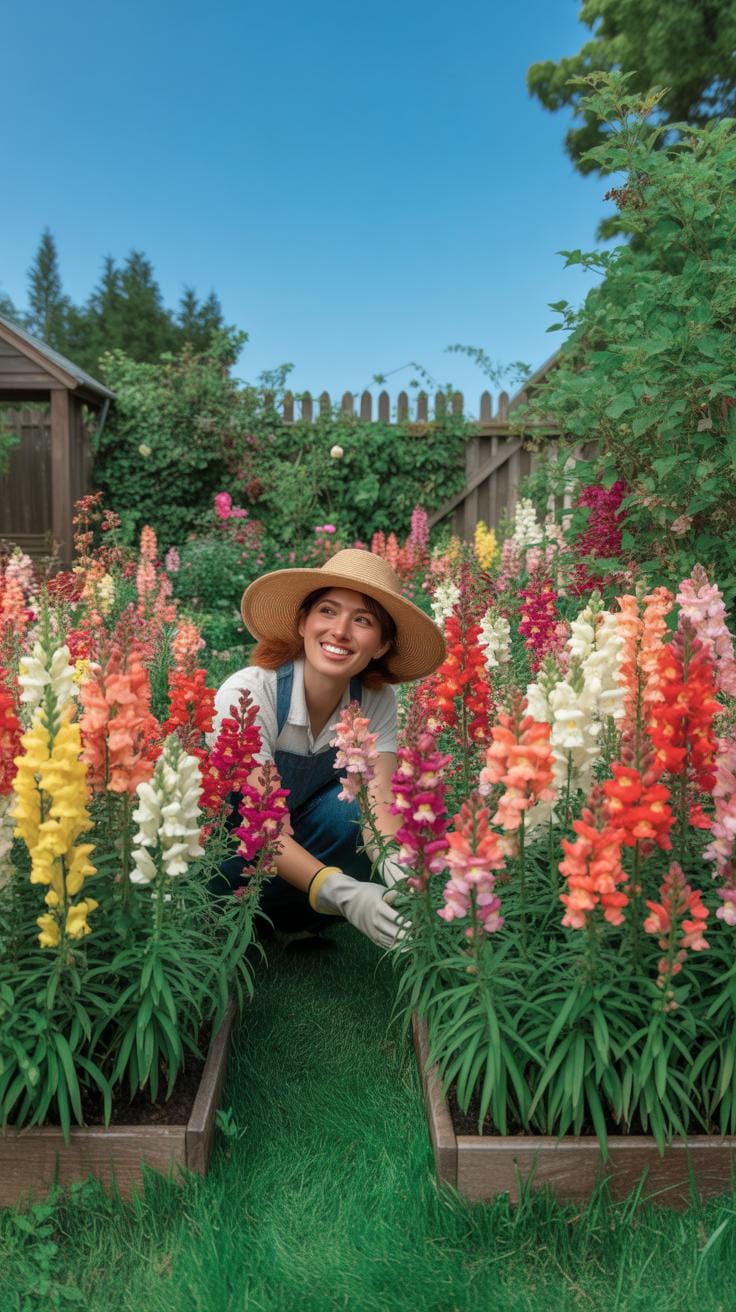
Snapdragons require well-draining soil with a neutral pH between 6.2 and 7.0 to thrive. Compacted clay prevents root expansion and leads to rot. Incorporate organic matter like compost to improve drainage and nutrient profile. These plants are heavy feeders. They need consistent access to nitrogen and phosphorus during the early growth stages. Proper soil preparation dictates the health of the entire crop.
These plants are facultative long-day plants that perform best in full sun. They need at least six hours of direct light daily. Snapdragons are cool-season annuals. They tolerate light frost but stop blooming when temperatures exceed eighty degrees Fahrenheit. Night temperatures between forty and fifty degrees produce the strongest stems. Heat stress cause the plants to go dormant or set seed prematurely.
Step By Step Guide On How To Grow Snapdragons From Seed To Bloom
Success starts with timing and light management during the germination phase. Start seeds indoors eight to ten weeks before the last frost date. Do not cover the seeds with soil because they require light to germinate. Use a heat mat to maintain a steady soil temperature of seventy degrees. Move seedlings to a cooler area once the first true leaves appear.
- Seed Sowing: Press seeds lightly into a sterile seed-starting mix. Do not bury them. Snapdragons need direct light exposure to trigger the germination process. Use a clear plastic dome to maintain humidity until sprouts appear within fourteen days.
- Hardening Off: Transition young plants to outdoor conditions gradually over one week. Start with two hours of shade. Increase sun exposure and wind contact daily. This process prevents transplant shock and strengthens the cellular structure of the stems against outdoor elements.
- Transplanting: Space plants six to twelve inches apart based on the specific variety height. Deep planting encourages a robust root system. Ensure the crown sits level with the soil surface. Water immediately after planting to settle the soil around the delicate root hairs.
- Pinching Stems: Cut the center stem back by half when the plant reaches four inches tall. This tactical move forces the plant to redirect energy into lateral buds. It results in a bushier habit with multiple flower spikes rather than one single weak stem.
- Support Systems: Install horizontal netting or individual stakes for tall snapdragon varieties. Large flower heads become top-heavy during rain or high winds. Supporting the stems early prevents lodging. It ensures straight spikes that are suitable for cutting and better air circulation.
Consistent moisture and nutrient management sustain the bloom cycle through the season. Water at the base of the plant to keep foliage dry. Wet leaves invite rust and fungal pathogens. Apply a balanced liquid fertilizer every two weeks once the plants are established. Deadhead spent blooms regularly. This prevents the plant from shifting energy toward seed production and extends the flowering period.
Caring For Your Snap Dragon Flower Throughout The Growing Season
Watering, Fertilizing, And Deadheading Your Snap Dragon Flower
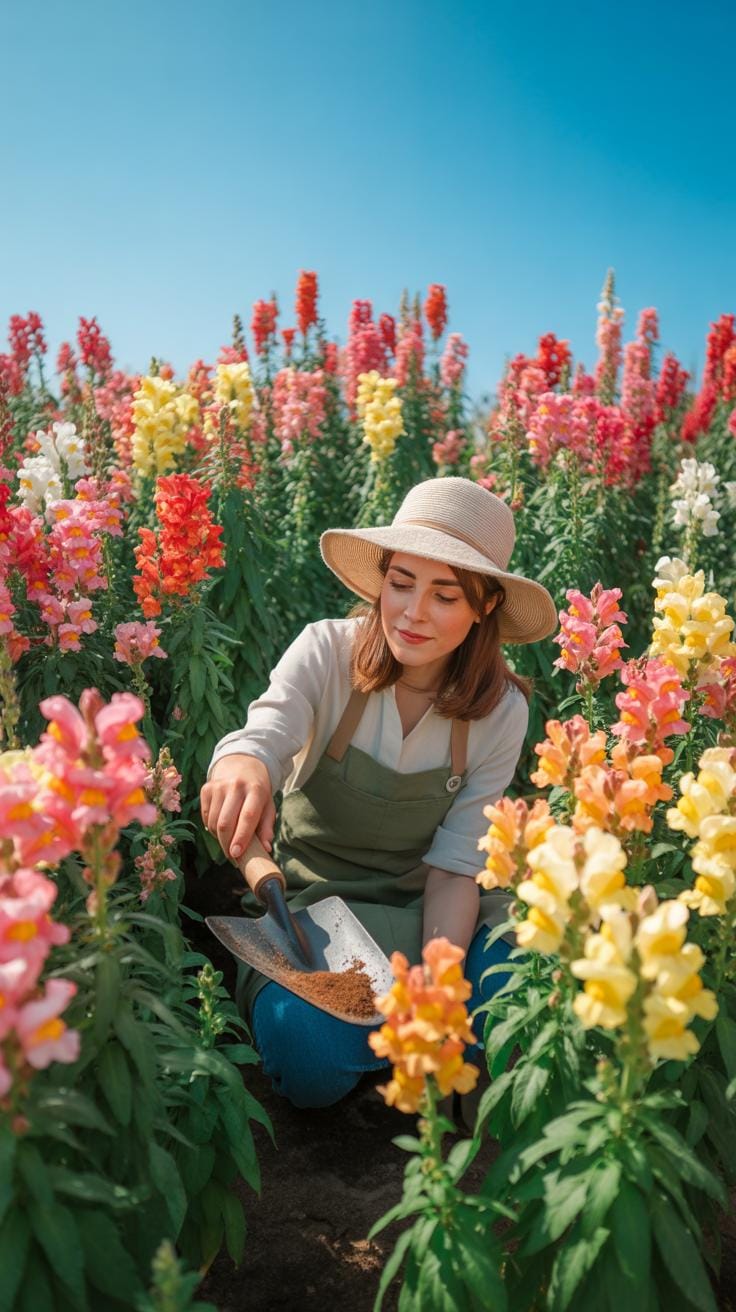
Snapdragon flowers require consistent moisture during the first few weeks after planting. Apply water at the base of the plant to keep the foliage dry. This prevents fungal growth on the leaves. Use approximately one inch of water per week once plants establish. Avoid overwatering as snapdragons are susceptible to root rot in saturated soil conditions. Check soil moisture levels daily during peak summer heat.
Apply a balanced liquid fertilizer every four weeks to promote continuous blooming. Avoid high nitrogen formulas which produce excess leaves but fewer flowers. Deadheading is the most critical maintenance task for this species. Pinch off faded flower spikes just above the next leaf node. This action forces the plant to redirect its energy into producing new buds rather than developing seeds for the season.
Common Pests And Diseases To Watch For And How To Handle Them
Watch for aphids and spider mites during dry periods. These pests suck sap from the stems and cause distorted growth. Apply insecticidal soap or a strong stream of water to remove them quickly. Catching infestations early prevents the need for harsh chemicals. Snapdragons also face threats from rust fungus. This appears as orange or brown spots on the undersides of leaves during humid weather.

Improve air circulation around the plants to reduce moisture on the foliage. Space plants according to their specific variety size to allow wind flow. If rust appears, remove and destroy the infected plants immediately. Do not compost diseased material because spores can survive the winter. Rotate your planting location every year to prevent soil-borne pathogens from building up. Use clean tools to prevent the spread of bacteria.
The Pink Snapdragon And Other Popular Varieties Worth Planting
Why The Pink Snapdragon Remains A Perennial Favorite For Home Gardeners
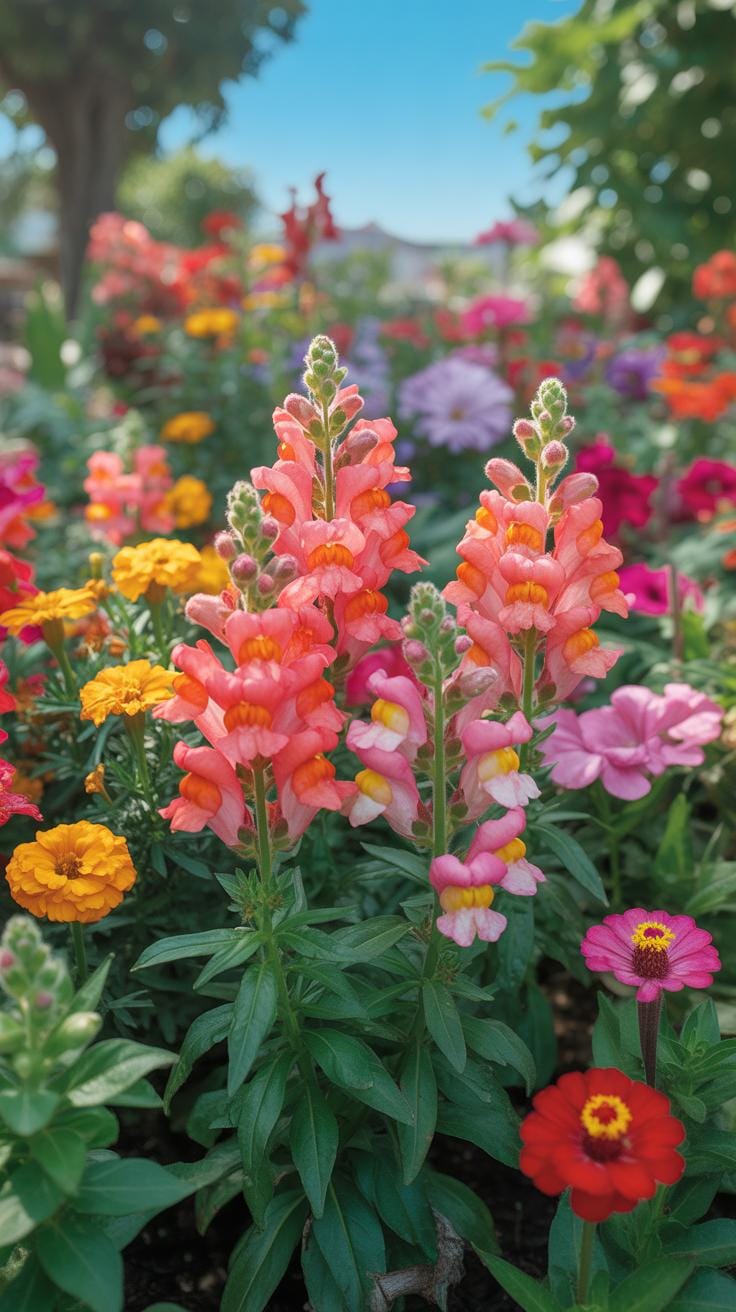
Pink varieties dominate the market because they offer the highest visual contrast against green foliage. Gardeners select these shades to mimic the classic English cottage style. These plants produce heavy nectar levels that attract essential pollinators like bumblebees. The color pink remains stable under intense UV exposure. Other colors often fade or bleach, but pink snapdragons maintain their pigment throughout the entire blooming cycle.
Strategic planting of pink snapdragons provides a reliable vertical element for mid-border placement. These flowers bloom from the bottom of the stalk upward. This growth pattern ensures a long display of color for several weeks. Homeowners choose pink because it bridges the gap between cool blues and warm yellows in a landscape. The genetic hardiness of pink cultivars often exceeds that of more exotic, darker bi-colors.
Top Snapdragon Varieties To Consider For Borders, Pots, And Cut Arrangements
Select specific varieties based on their mature height and stem strength. Dwarf types work best for containers and edge work. Tall varieties require staking but provide the best material for floral design. Breeders have developed heat-tolerant strains to extend the growing season into early summer. Match the variety to your specific zone and sunlight levels to ensure maximum flower production.
- Rocket Series: These plants reach heights of thirty-six inches and feature strong, thick stems. They handle heat better than most tall varieties. Professional florists choose them for large scale vertical arrangements and back-of-border planting.
- Madame Butterfly: This variety features unique double azalea-type blooms that do not snap shut. The ruffled petals create a fuller appearance in the garden. They provide a softer texture for high-end floral installations and bouquets.
- Montego Series: These dwarf plants stay under ten inches tall and require no support. They work perfectly for greenhouse production and front-row garden borders. Their compact habit makes them the industry standard for early spring container sales.
- Liberty Classic: This mid-height variety reaches twenty inches and offers excellent branching capabilities. Gardeners use them to fill large gaps quickly because they produce multiple flower spikes per plant. They tolerate light frost and bloom early in the season.
- Twinny Peach: This award-winning variety offers double flowers on short, sturdy stems. It resists rain damage better than single-petaled types. The unique pastel tones make it a primary choice for modern landscape pallets and small patio pots.
Evaluate the site conditions before purchasing seeds or starts. High-wind areas require the shorter Montego or Liberty series to avoid stem breakage. Use the Rocket series only if you can provide physical supports or wind protection. Proper selection reduces maintenance time and prevents plant failure. Mixing different heights creates a tiered effect that maximizes the visual impact of your garden space.
Creative Ways To Use Snapdragon Flowers In Your Outdoor And Indoor Spaces
Designing Garden Beds And Borders With Snapdragon Flowers
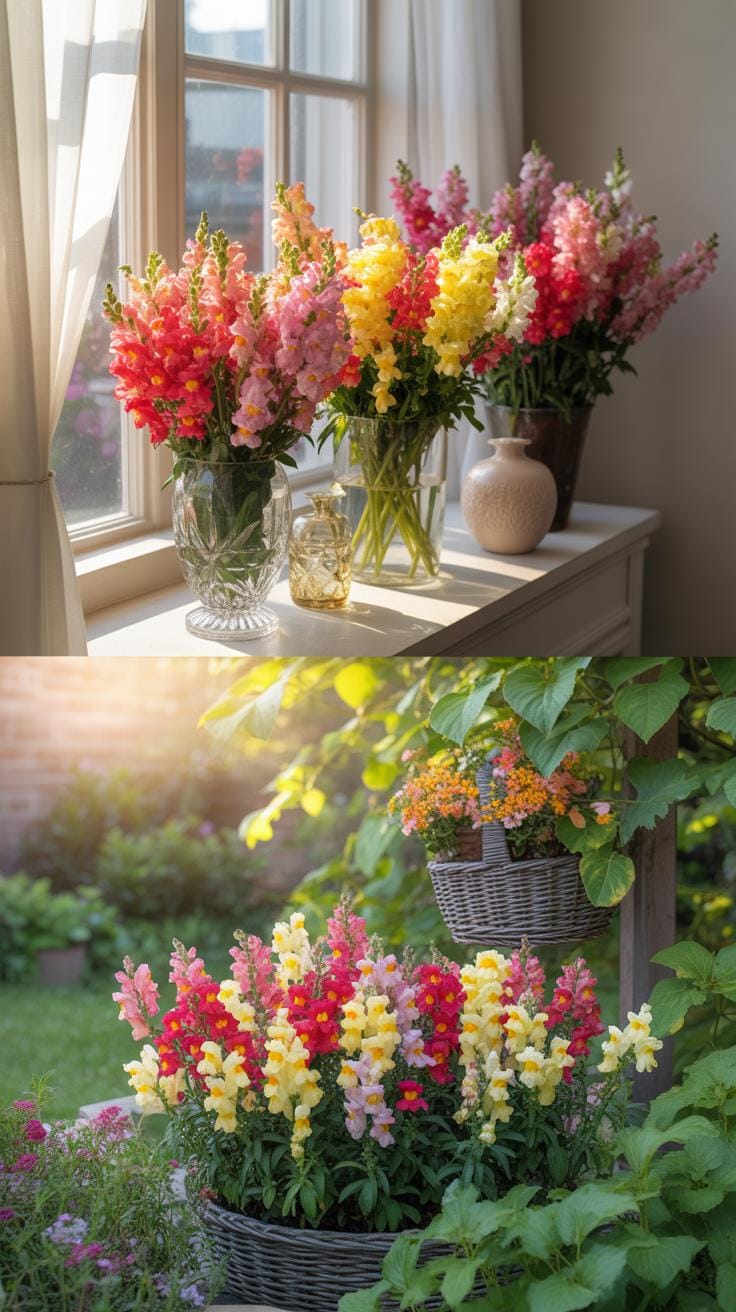
Snapdragons serve as vertical anchors in structured garden designs. Plant tall varieties at the back of borders to create a colorful backdrop for lower species. Use dwarf types for front edges to define paths. Their upright growth habit provides a strong contrast to mounding or spreading plants. This creates visual depth. Space them six to twelve inches apart depending on the specific cultivar size.
Group snapdragons by color to create high impact drifts. Mass planting mimics the classic English cottage garden style. These plants thrive in full sun and well drained soil. Deadhead spent blooms to keep the display clean and encourage new flower spikes. Strategic placement near structural elements like fences or walls protects taller stems from wind damage. Use them to transition between different garden zones effectively.
Using Snapdragons As Cut Flowers For Long Lasting Indoor Arrangements
Snapdragons are primary flowers for floral arrangements because of their long vase life. Harvest stems when the bottom two or three buds open. Use sharp shears to make a clean cut at a forty five degree angle. This maximizes water uptake immediately. Remove all foliage that will sit below the water line to prevent bacterial growth. Bacteria will clog stems and cause premature wilting.

Keep arrangements in a cool spot away from direct sunlight and ripening fruit. Fruit releases ethylene gas which causes flowers to drop early. Change the water every two days to maintain clarity. Use floral preservative to provide necessary nutrients. These flowers exhibit geotropism, meaning the tips will curve upward if laid flat. Always store and transport them vertically to keep the spikes straight and professional.
Frequently Asked Questions

Are snapdragon flowers easy for beginners to grow at home?
Absolutely! Snapdragon flowers are a fantastic choice for novice gardeners because they are incredibly resilient and thrive in cooler temperatures. These hardy plants come in various heights, making them versatile for either containers or flower beds. As long as they receive ample sunlight and well-draining soil, they will provide a stunning burst of color with very little fuss, making them a rewarding project for anyone just starting their gardening journey.
How do I encourage more blooms and extend the flowering season?
To keep your snapdragon flowers blooming all season long, the most important step is regular deadheading. Once the initial spikes begin to fade, pinch them back to encourage the plant to produce new lateral stems and fresh buds. Additionally, ensuring the soil remains consistently moist and applying a balanced liquid fertilizer every few weeks will provide the necessary nutrients for a continuous, vibrant display of vertical blooms in your garden.
Can I grow beautiful snapdragons on a tight budget?
Growing gorgeous flowers doesn’t have to be expensive. One of the most cost-effective ways to enjoy these blooms is by starting them from seed rather than buying established nursery plants. A single packet of seeds is very affordable and can produce dozens of plants. Furthermore, you can repurpose household containers like plastic tubs or old buckets for planting, provided you drill drainage holes, allowing you to create a high-end look for kernels.