
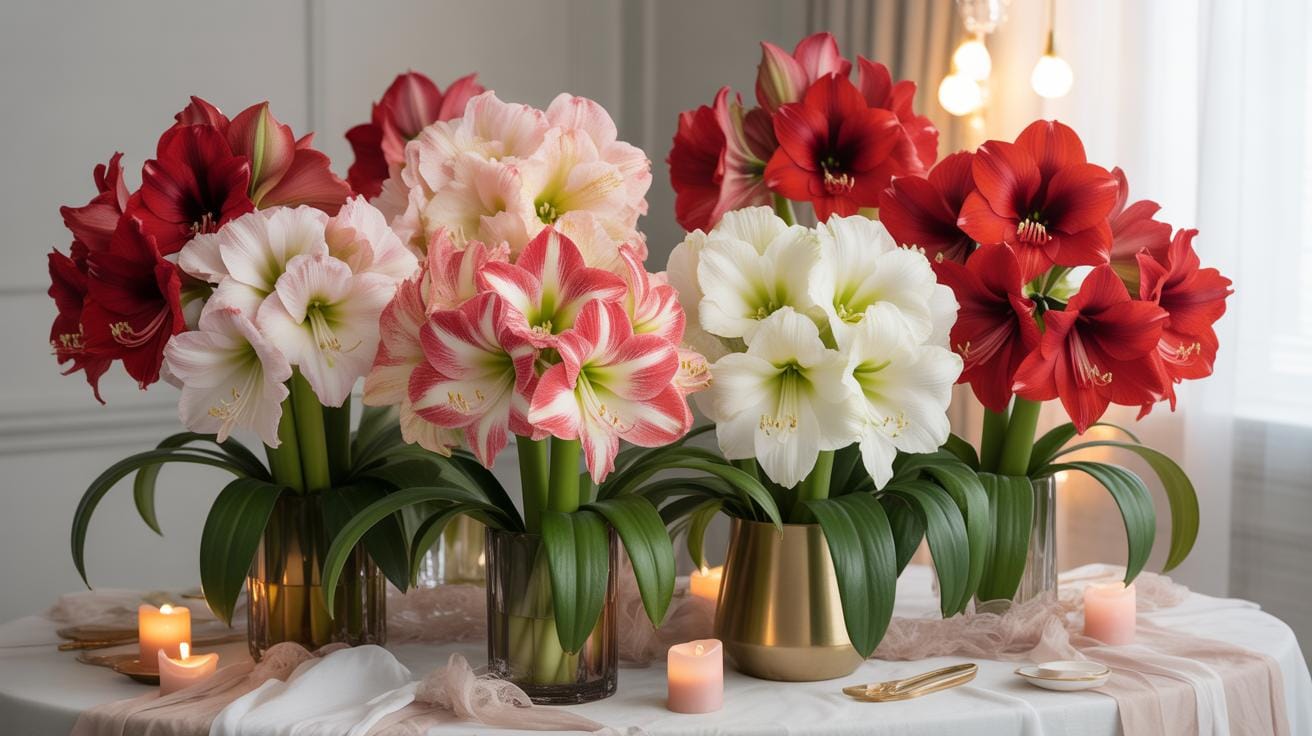
The Fascinating History And Symbolism Of The Amaryllis Flower
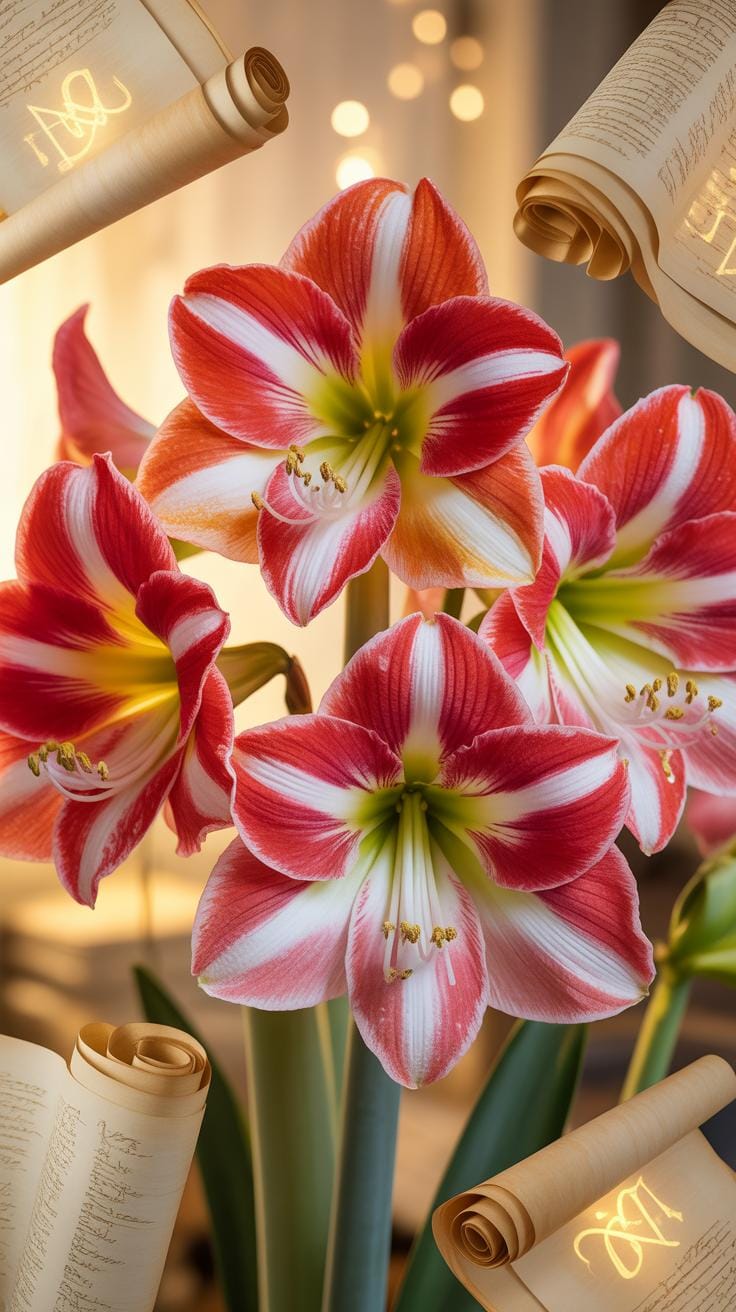
Origins And Cultural Significance Of The Amaryllis Flower Across The World
The Amaryllis flower originates from the tropical regions of South and Central America. Portuguese and Dutch explorers brought the bulbs to Europe during the 18th century. These plants belong to the Hippeastrum genus. Botanists originally confused them with the Belladonna lily from South Africa. This distinction remains critical for growers today. Trade routes helped spread the flower across the globe for commercial cultivation.
Victorian era gardeners valued the plant for its ability to bloom indoors during winter. This trait turned the flower into a staple of European conservatory culture. It represented wealth and global reach due to the cost of importation. Today, the Netherlands leads global production and distribution. They develop new hybrids with specific colors and sizes. This industry ensures the flower remains a primary tool in modern floral design.
What The Amaryllis Flower Symbolizes In Love, Strength, And Celebration
The name Amaryllis comes from a Greek myth about a maiden who shed blood to win her love. This origin story links the flower to determination and perseverance. In a tactical sense, the plant symbolizes pride and radiant beauty. Its tall and sturdy stalk represents physical and inner strength. This makes the flower a preferred choice for gifts that honor significant achievements or milestones.
People associate the bloom with holiday celebrations due to its natural mid-winter blooming cycle. The deep red varieties signify passion and confidence in many cultures. In contrast, white blooms represent purity and innocence. Professional florists use these meanings to select specific colors for weddings or corporate events. The flower communicates a message of hard-won success. Its symmetry and scale provide a visual anchor for complex floral arrangements.

A Visual Guide To Amaryllis Photography Capturing Their Stunning Beauty
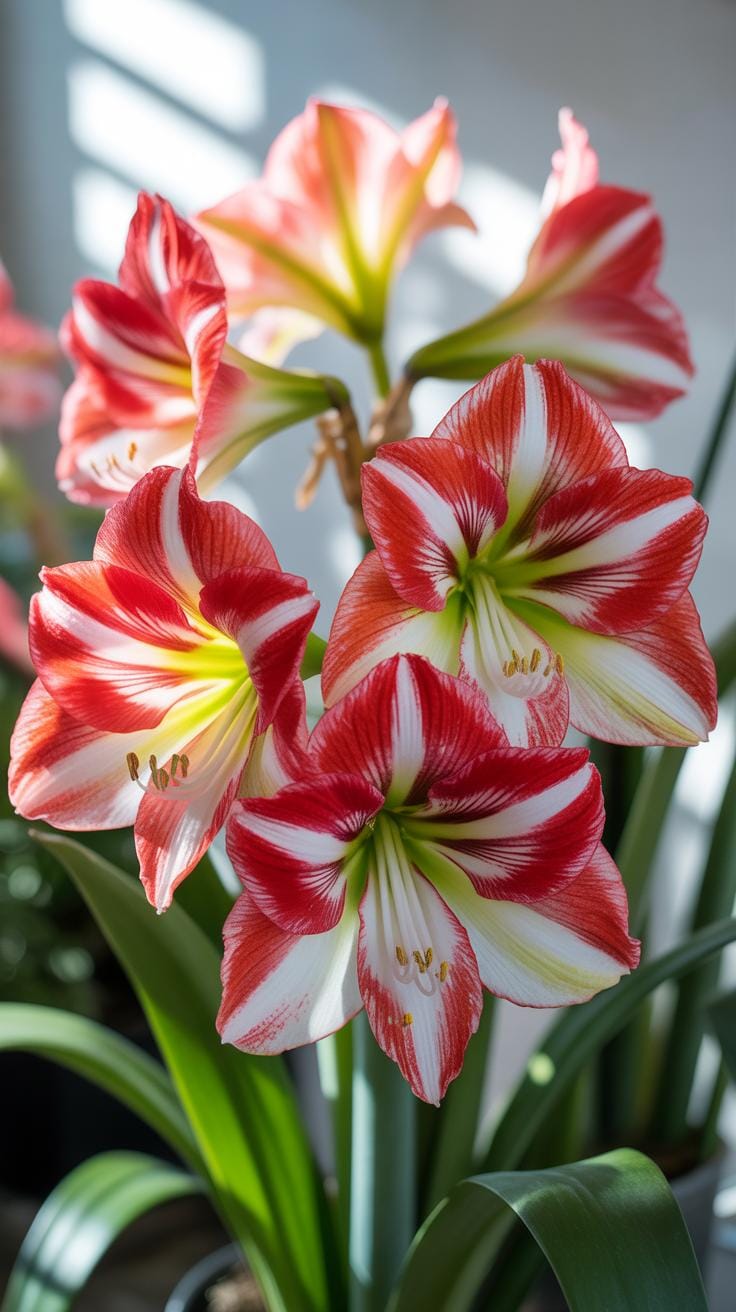
Best Lighting Techniques For Stunning Amaryllis Photography Indoors And Outdoors
Indoors, use north facing windows for soft light. This prevents harsh shadows on the thick petals. Direct sunlight causes glare and washes out deep reds. Position the flower forty-five degrees from the light source. This creates depth and shows the texture of the bloom. Use a white foam board to reflect light into dark areas. This balances the exposure without needing flash equipment.
Outdoors, shoot during the golden hour to avoid high contrast. Overcast sky acts as a natural softbox for vibrant floral colors. High noon sun flattens the shape of the bell-formed blossom. Wind creates motion blur on the long, heavy stalks. Use a fast shutter speed or a physical windbreak to keep the image sharp. Avoid backlighting unless you want to highlight the veins in the petals.
How To Compose The Perfect Shot With Colorful Amaryllis Photography
Focus on the Rule of Thirds to place the bloom off-center. This creates a more dynamic image than a centered shot. Use a wide aperture like f/2.8 to blur the background. This technique isolates the flower from distracting garden elements. Macro lenses allow you to capture the pollen on the anthers. Detailed shots of the throat reveal the true color complexity of the plant.
Change your perspective by shooting from a low angle. This makes the tall Amaryllis stalk look dominant and powerful. Use a clean background to make the red or white petals pop. Solid green foliage provides a natural color contrast. Remove dead leaves or debris from the frame before clicking. Distracting elements turn a professional photo into a messy snapshot. Keep the frame simple and focused on the flower.
The Elegant Appeal Of Pink And White Amaryllis In Wedding Arrangements
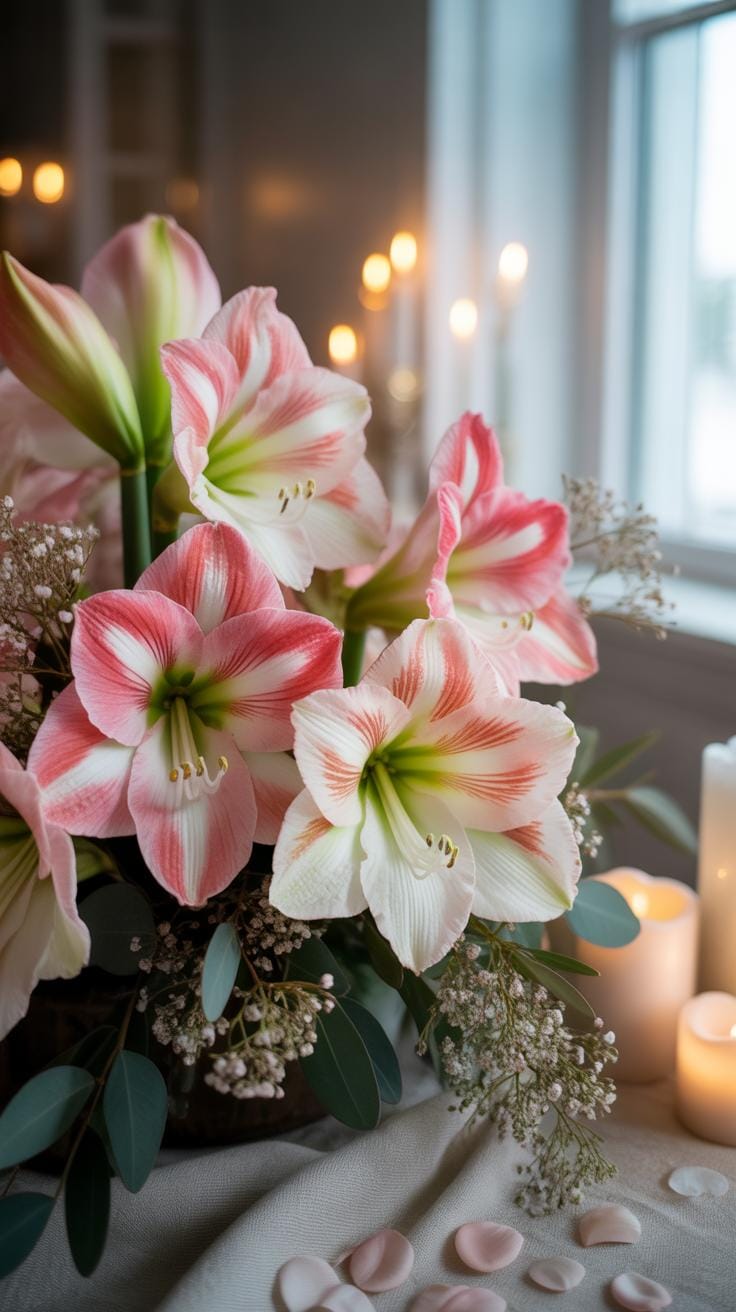
Why Pink And White Amaryllis Are A Beloved Choice For Bridal Bouquets And Centerpieces
Pink and white Amaryllis flowers offer a structural advantage for bridal designs. These blooms possess thick, hollow stems that support large, trumpet-shaped heads. This strength allows them to stand tall in elevated centerpieces without drooping. Their size means a florist needs fewer stems to create a full look. This efficiency manages costs while maintaining a high visual impact for the event.
The color palette reflects traditional wedding aesthetics. White varieties provide a crisp, clean look that matches formal bridal attire. Pink shades range from subtle blushes to deep rose tones. These colors symbolize romance and new beginnings in many cultures. Because these plants bloom naturally in winter and spring, they provide a reliable fresh floral option for cold weather weddings when other flowers are unavailable.
Pairing Pink And White Amaryllis With Complementary Flowers For A Refined Look
Successful floral design requires balancing the large scale of the Amaryllis with smaller textures. Use delicate greens like eucalyptus or ferns to soften the sharp lines of the Amaryllis petals. White ranunculus or pink spray roses fill the gaps between the larger blooms. This layering technique creates depth in the arrangement. It prevents the bouquet from looking flat or one dimensional under venue lighting.
Incorporate architectural elements like silver brunia berries or dusty miller for a modern finish. These additions provide a muted color contrast that highlights the vibrant pink and white petals. Stick to a monochromatic or analogous color scheme to keep the look sophisticated. Avoid overcrowding the vase so the individual shape of each Amaryllis remains visible. Proper spacing ensures the heavy heads do not crush the supporting flowers.
Bold And Passionate Using Amaryllis Red Blooms To Make A Statement
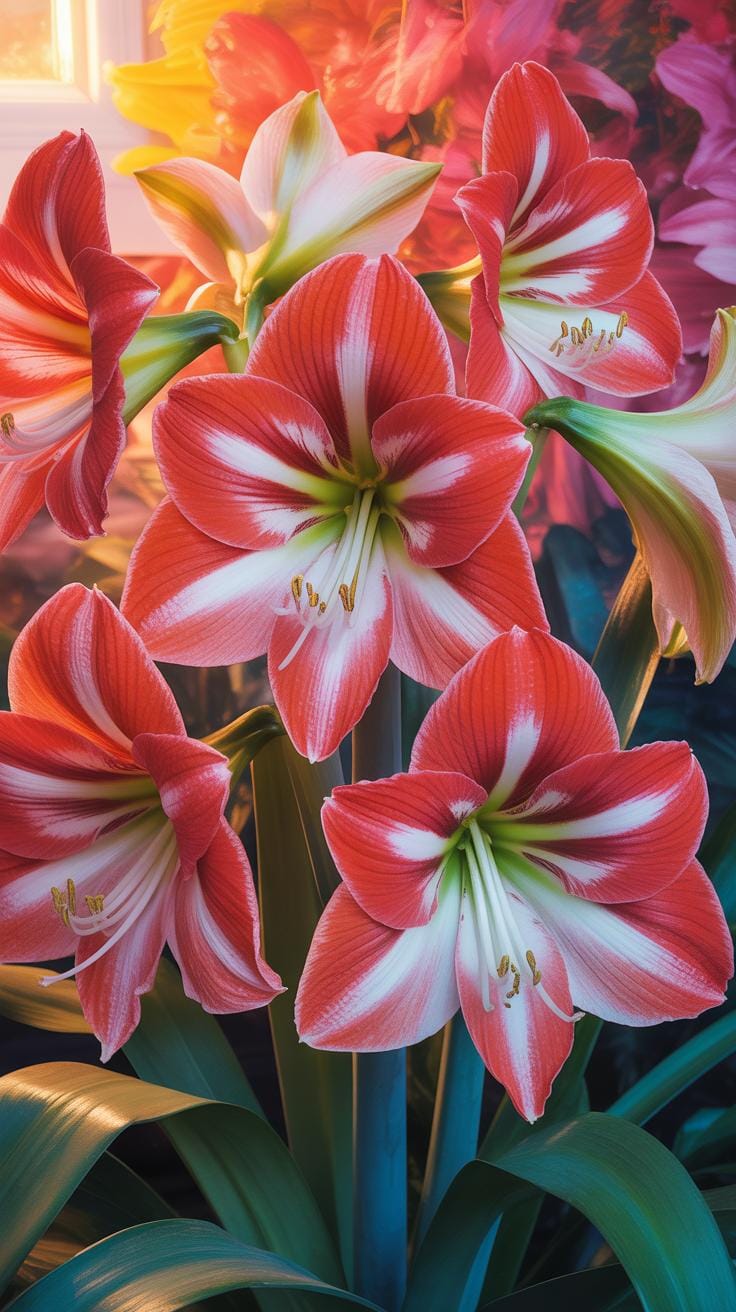
The Dramatic Impact Of Amaryllis Red Varieties In Holiday And Festive DéCor
Red Amaryllis flowers dominate the winter market because they respond to forced indoor growth during light-starved months. The genus Hippeastrum provides intense saturation that common holiday plants lack. Deep reds like ‘Red Lion’ or ‘Benfica’ create immediate focal points in large rooms. Their height and sturdy stalks allow for vertical design without the need for additional support structures or bulky armatures.
Commercial decorators use these blooms to signal prestige and seasonal energy. The color red historically represents status and power in European design traditions. Placing these flowers in entryways or centerpieces draws the eye and directs foot traffic flow. Because the bulbs bloom for several weeks, they offer a high return on investment for long-term festive displays. Use them to anchor large-scale spatial designs.
Design Tips For Incorporating Red Amaryllis Flowers Into Striking Floral Displays
Professional florists treat red Amaryllis flowers as architectural elements rather than soft fillers. The thick, hollow stems require careful handling but offer unique structural opportunities. Use heavy containers to balance the weight of the large flower heads. Pair red varieties with natural textures like birch bark or evergreen branches to ground the vibrant color. This creates a balanced look that suits modern and traditional spaces.
- Massing Technique: Group five to seven bulbs of the same variety in one wide shallow bowl. This creates a wall of solid color that looks more expensive than scattered single pots. Use moss to hide the soil and bulb tops for a clean finish.
- Structural Support: Insert a thin bamboo stake inside the hollow stem if the flower head becomes too heavy. This hidden support prevents stem snapping without distracting from the bloom. Professionals use this method to keep tall varieties upright in high-traffic commercial areas safely.
- Complementary Foliage: Use dark green glossy leaves like Magnolia or Ruscus to increase contrast. The dark green makes the red pigment appear more intense. Avoid using small, delicate greens that disappear next to the large scale of the Amaryllis petals.
- Water Management: Keep stems short if using the flowers in cut arrangements. Shorter stems drink water more efficiently and collapse less often. Change the water every two days to prevent bacterial growth and use a sharp knife for clean cuts that maximize intake.
- Color Blocking: Combine different shades of red such as ‘Ferrari’ and ‘Royal Velvet’ for depth. Using multiple tones prevents the display from looking flat or two-dimensional. This technique works best in large hotel lobbies or corporate banquet settings where scale is critical.
Incorporate metallic accents like gold or silver to enhance the perceived value of the red blooms. These materials reflect light and highlight the velvety texture of the petals. Avoid mixing red Amaryllis with too many other flower species. They perform best as a primary feature. Use clean lines and minimal accessories to maintain a professional and sophisticated aesthetic throughout the entire design project.
Everything You Need To Know About Amaryllis Bulbs For Special Occasion Blooms
How To Select And Store Amaryllis Bulbs To Ensure Peak Blooming For Your Event
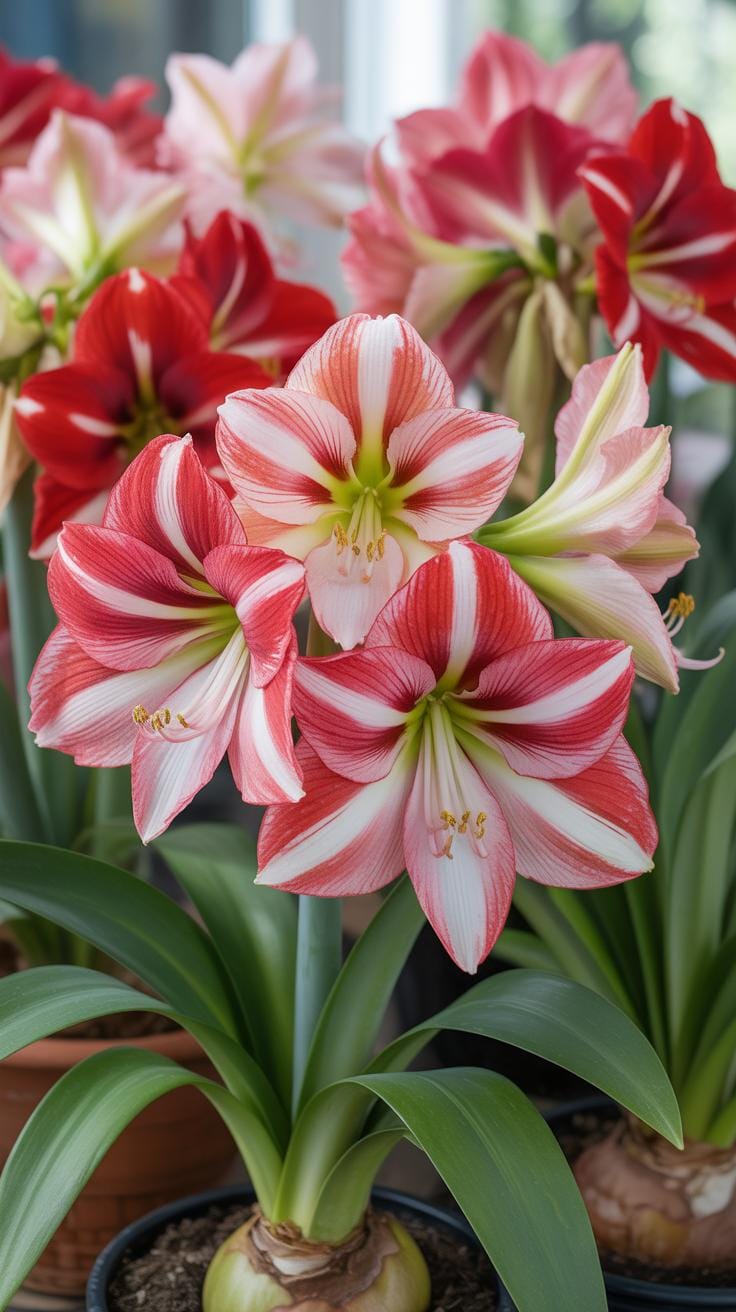
Select bulbs based on size and firmness. Larger bulbs contain more stored energy and produce more flower stalks. Look for a circumference of thirty to thirty four centimeters for high yields. Avoid bulbs with soft spots or mold. These signs indicate rot or disease. Ensure the basal plate is intact and dry. A solid foundation is necessary for successful root development later.
Store dormant bulbs in a cool and dry location. Maintain temperatures between forty and fifty degrees Fahrenheit. Keep them in a dark spot with good airflow to prevent premature sprouting. Use paper bags or sawdust to absorb excess moisture during storage. Avoid placing bulbs near ripening fruit. Apples and pears release ethylene gas. This gas destroys the flower bud inside the bulb before it grows.
Forcing Amaryllis Bulbs To Bloom On Schedule For Weddings, Holidays, And Celebrations
Timing is the most critical factor for event planning. Most amaryllis varieties require six to eight weeks from planting to flowering. You must control temperature and light to manage the growth rate. Warmer environments accelerate development while cooler spots slow it down. Use high quality potting mix and leave the top third of the bulb exposed to prevent neck rot.
- Temperature Control: Keep the pot at seventy to seventy five degrees Fahrenheit to trigger growth. Move the plant to a cooler room once the flower buds show color. This shift extends the life of the bloom for the event date.
- Light Exposure: Provide bright and indirect sunlight immediately after planting the bulb. Rotate the pot a quarter turn every day. This prevents the stalk from leaning toward the light source. It keeps the heavy flower heads centered and upright.
- Watering Protocol: Water the soil thoroughly once at the time of planting. Stop watering until you see green growth emerging from the bulb. Overwatering at this stage causes the bulb to rot. Maintain moist but not soggy soil once the stalk grows.
- Staking Support: Insert a bamboo stake or decorative glass rod at the time of planting. Secure the thick stalk to the support using soft twine as it grows. This prevents the heavy flowers from toppling the pot or snapping the stem during the celebration.
- Cultivar Selection: Choose early blooming varieties from the southern hemisphere for November events. Use Dutch varieties for late winter or spring occasions. Knowing the origin of your bulb helps you hit your target date with much better precision and less stress.
Standardize your process to ensure uniform results across multiple plants. Use identical pots and soil for every bulb intended for the same occasion. Grouping bulbs together helps create a consistent microclimate. Monitor the height of the stalks daily. If one plant grows too fast, move it to a darker and colder area. This tactical adjustment synchronizes the bloom times for a perfect display.
The Amarilis Flower Understanding A Commonly Confused But Equally Beautiful Bloom
Amarilis Flower Vs. True Amaryllis: Key Differences Every Flower Enthusiast Should Know
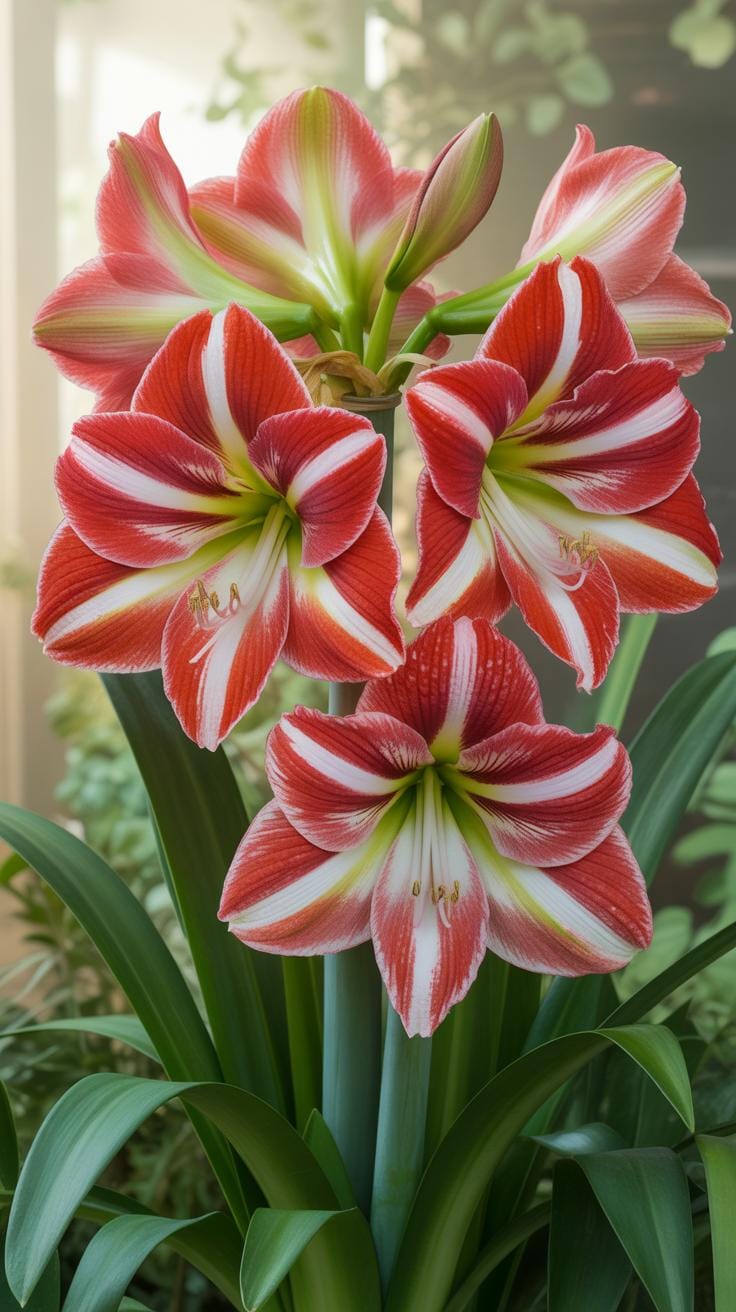
Botanical accuracy requires distinguishing between the genus Amaryllis and the genus Hippeastrum. Most commercial Amaryllis Flowers sold today are actually Hippeastrum. These South American natives produce hollow stems and bloom in winter or spring. True Amaryllis originates in South Africa. It features solid stems and usually flowers in late summer before its leaves appear. This distinction affects water needs and planting schedules for professional growers.
Understanding these differences ensures better crop management. Hippeastrum varieties offer a wider range of colors including greens and cybister shapes. True Amaryllis Belladonna has a limited palette of pink and white. Designers must identify the correct genus to predict stem strength. Hollow stems require internal support like wood dowels for heavy flower heads. Solid stems handle weight better but offer less flexibility for modern floral mechanics.
How The Amarilis Flower Is Used Creatively In Floral Arrangements For Special Events
Modern designers use these flowers to create vertical scale in event spaces. The tall and sturdy stems allow for massive installations without many support structures. Professionals often strip the leaves to focus on the geometric shape of the bells. This minimalist approach fits mid century modern and contemporary architectural styles. Using glass tubes or tall narrow vases highlights the clean lines of the primary stem.

Creative techniques involve upside down hanging installations and underwater submersed displays. The thick waxy petals resist wilting in high heat environments. This durability makes them ideal for gala centerpieces and outdoor weddings. Florists use cold glue to secure individual florets onto foam structures or wire frames. This creates dense floral walls or textured table runners. These methods provide high visual impact while maintaining the physical integrity of the bloom.
Red Amaryllis Flower Arrangements That Elevate Any Celebration
Iconic Red Amaryllis Flower Arrangement Styles For Christmas Valentine’S Day And Galas
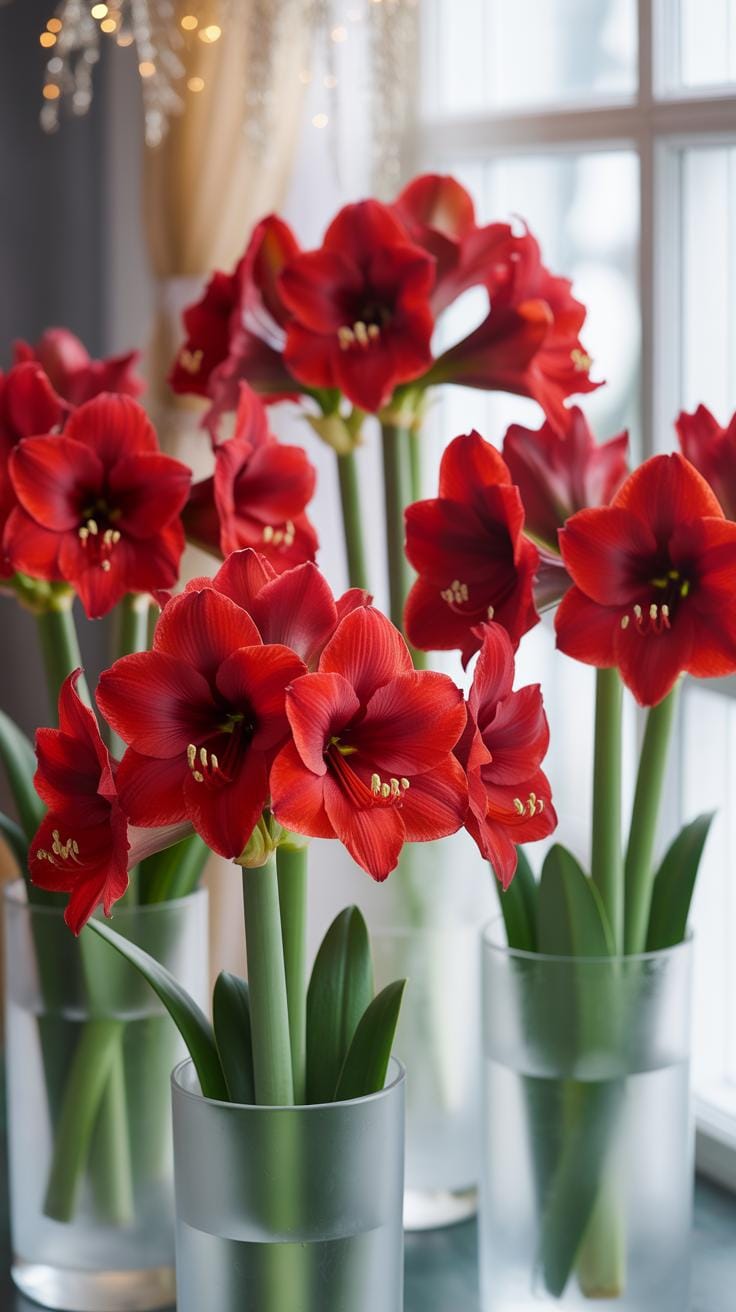
Red Amaryllis flowers dominate high-end holiday displays due to their thick stems and massive blooms. Modern Christmas designs use the “Ferrari” variety for its deep crimson hue. Florists place these flowers in heavy glass cylinders to support their weight. This vertical style fits narrow mantels or entry tables. It creates a bold visual impact without occupying excessive horizontal space during crowded events.
Valentine’s Day arrangements move away from standard roses toward the longevity of Amaryllis. Designers use the “Red Lion” cultivar for its symmetrical petals and sturdy structure. These flowers last up to three weeks in cool environments. Gala organizers choose them for large-scale centerpieces because they withstand heat and low humidity. Their scale allows for fewer stems while maintaining a sense of luxury and professional presence.
Combining Red Amaryllis Flowers With Greenery And Textures For Luxurious Event Decor
Top-tier event designers pair red Amaryllis with stiff greens to balance the visual weight of the bulbs. Magnolia leaves provide a waxy brown and green contrast that highlights the petal saturation. Seeded eucalyptus adds a dusty blue tone that cools down the intense red. Using branches like curly willow offers architectural support for the heavy flower heads. This prevents stems from snapping under their own weight.
Texture plays a critical role in professional floral engineering. Designers integrate hypericum berries or pine cones to add physical depth to the arrangement. Velvet ribbons or metallic vessels often ground the display. These materials reflect light and draw attention to the flower center. Strategic placement of different leaf shapes breaks up the solid red masses. This ensures the arrangement looks dynamic from every viewing angle at the venue.
Exploring Colorful Amaryllis Photography As Artistic Inspiration For Event Styling
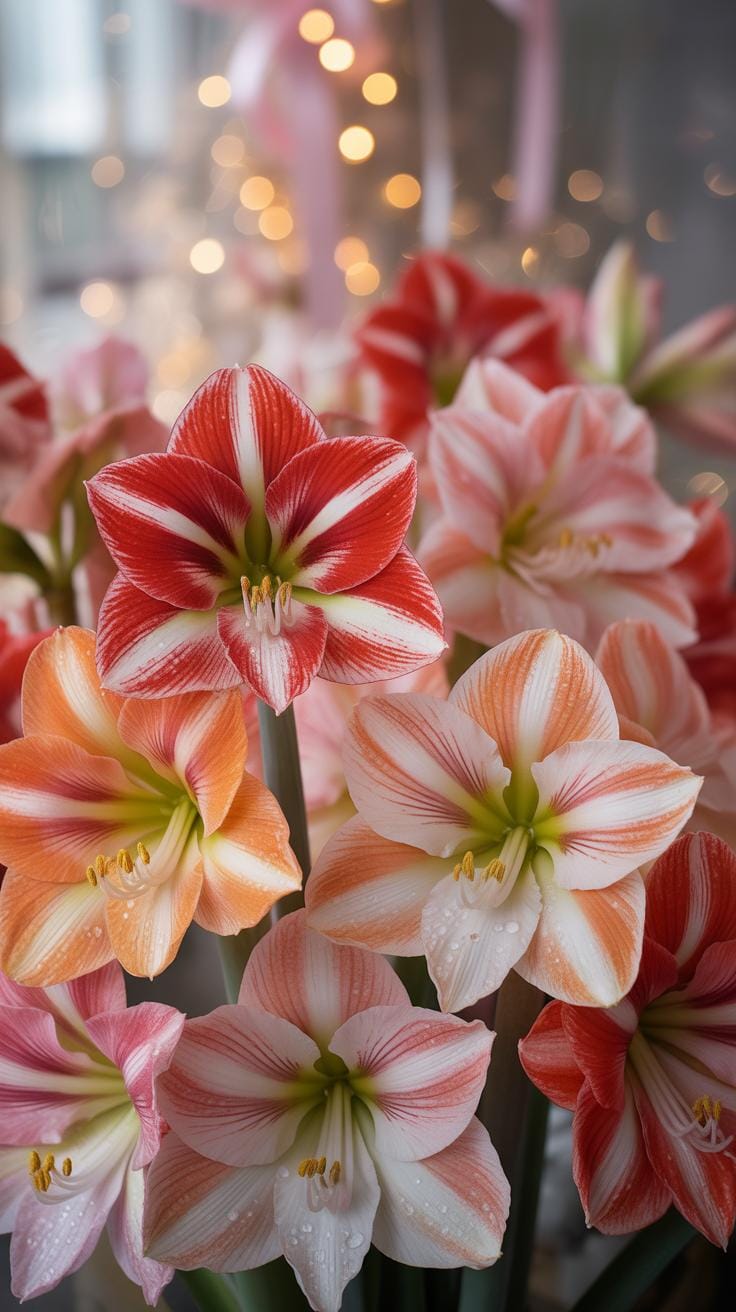
How Colorful Amaryllis Photography Influences Modern Floral And Event Design Trends
High-resolution photography of Amaryllis flowers changes how designers view scale. Macro shots reveal intricate vein patterns and velvet textures. These details push stylists to move beyond basic color matching. They now focus on tactile depth in their floral choices. This shift drives the use of specific cultivars like ‘Picotee’ or ‘Papilio’ in modern high-end events. Photography makes these rare patterns accessible.
Visual data from professional photography dictates current color palettes. Designers study how light hits the petals to choose complementary linens and lighting filters. Modern trends favor the bold, saturated reds and deep burgundies found in ‘Ferrari’ or ‘Royal Velvet’ varieties. Photographers highlight the structural strength of the thick stems. This encourages event planners to use them in minimalist, architectural centerpieces instead of traditional loose bouquets.
Like the bold bloom of an amaryllis, creativity flourishes best when we celebrate the roots of our most cherished memories. True elegance on a special occasion is found in the simple, vibrant beauty of nature’s own design.
Using Colorful Amaryllis Photography As A Mood Board For Your Next Special Occasion
Start your mood board with a focal image of a specific Amaryllis variety. A photo of the ‘Apple Blossom’ variety provides a soft pink and white foundation. Use the image to pull exact hex codes for your digital assets. This ensures color consistency across invitations and table settings. Detailed photography shows how the bloom opens. This helps you predict the visual space needed for centerpieces.

Photography allows you to test contrast before buying physical inventory. Place photos of white ‘Christmas Gift’ Amaryllis against dark backdrops to see the visual impact. This method prevents costly mistakes in floral ordering. You can identify which petal shapes match your event theme. Use these images to communicate exact expectations to your florist. Photography provides a factual reference point for color saturation and bloom size requirements.
Close Up Of Amaryllis Flower Buds A Look At NatureS Intricate Detail
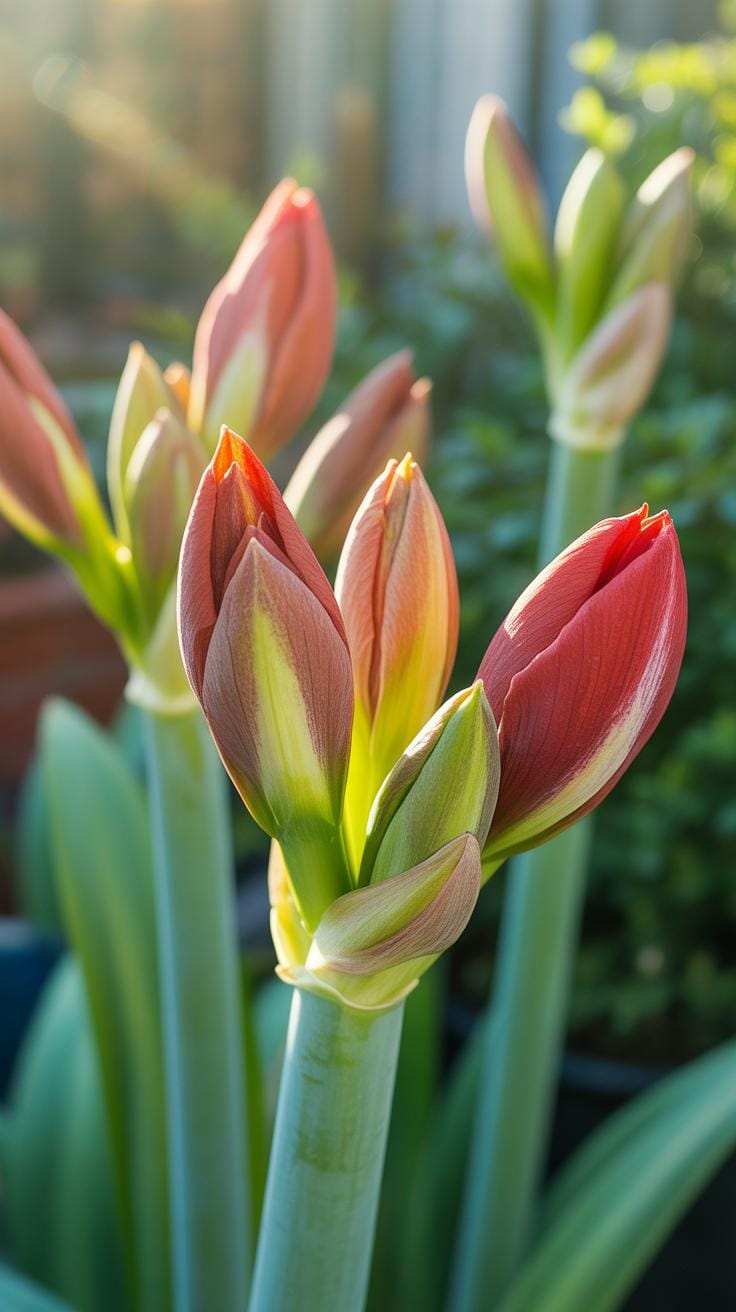
What A Close Up Of Amaryllis Flower Buds Reveals About Their Growth And Structure
Amaryllis buds emerge from the bulb protected by a thick green spathe. This casing shields the developing petals from physical damage and temperature shifts. Detailed observation shows the vertical veins that deliver nutrients. The bud stays upright throughout the initial growth phase. This verticality ensures the heavy blooms reach their full height without snapping the hollow scape. Proper hydration keeps these tissues turgid.
As the bud matures, the spathe splits open. You can see the individual flower segments packed tightly inside. Macro views reveal the waxy cuticle that prevents moisture loss. This coating is essential for the long life of the bloom. The color of the petals starts to show before the bud fully expands. This phase signals that the plant has shifted energy from the roots to the reproductive parts.
Incorporating Close Up Amaryllis Flower Bud Imagery Into Event Invitations And DéCor
Close-up photos of amaryllis buds work well for minimalist event invitations. High-resolution images highlight the geometric lines of the stem and casing. These visuals fit modern and industrial design styles. Use these images to signal growth and new beginnings for corporate launches or weddings. The green and red tones provide a natural color palette. This approach moves away from traditional, overused floral patterns.
In physical event spaces, use macro photography as large-scale wall art or backdrops. Large prints show the texture of the plant in a way that small flowers cannot. This technique creates a focal point without requiring live plants in every corner. Use matte paper to reduce glare and maintain a professional look. This strategy saves money on fresh floral budgets while maintaining the requested botanical theme for the entire venue.
Frequently Asked Questions

Why are amaryllis flowers so popular for special holiday decor?
These blooms are prized for their dramatic, trumpet-shaped petals and towering stems that create an instant focal point. Unlike many winter plants, Amaryllis flowers offer a vibrant burst of tropical color during the coldest months. Their reliable blooming cycle and architectural elegance make them a top choice for festive centerpieces, symbolizing pride and celestial beauty during Christmas, New Year celebrations, and even early spring weddings or dinner parties.
How can I style my amaryllis flowers to create a unique floral arrangement?
For a creative twist beyond the standard ceramic pot, try “waxing” the bulbs or suspending them upside down for a modern aesthetic. You can also cut the heavy stems and place them in tall glass cylinders filled with river rocks or seasonal ornaments. To keep your Amaryllis flowers looking fresh, use a hidden stake to support the hollow stems and display them in a cool spot away from direct heat sources.
Are these luxury blooms affordable for those on a tight decorating budget?
Absolutely. While high-end florists sell mature arrangements at a premium, purchasing bare bulbs is a cost-effective way to enjoy luxury décor. You can find high-quality bulbs at local garden centers for a fraction of the price of a bouquet. By planting them yourself in repurposed vintage vessels or simple glass jars, you can achieve a high-end, sophisticated look that lasts for weeks without breaking your decorating budget.