
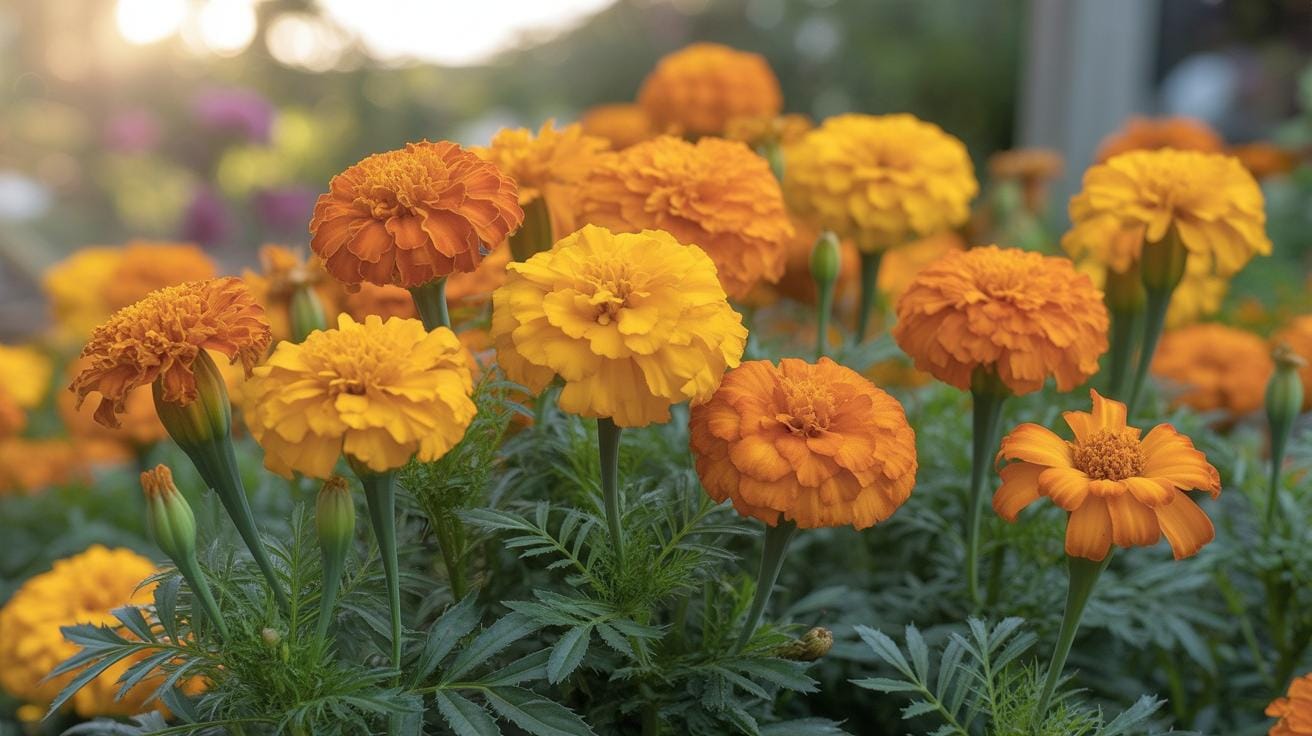
What Is A Marigold Flower And Why Is It So Beloved
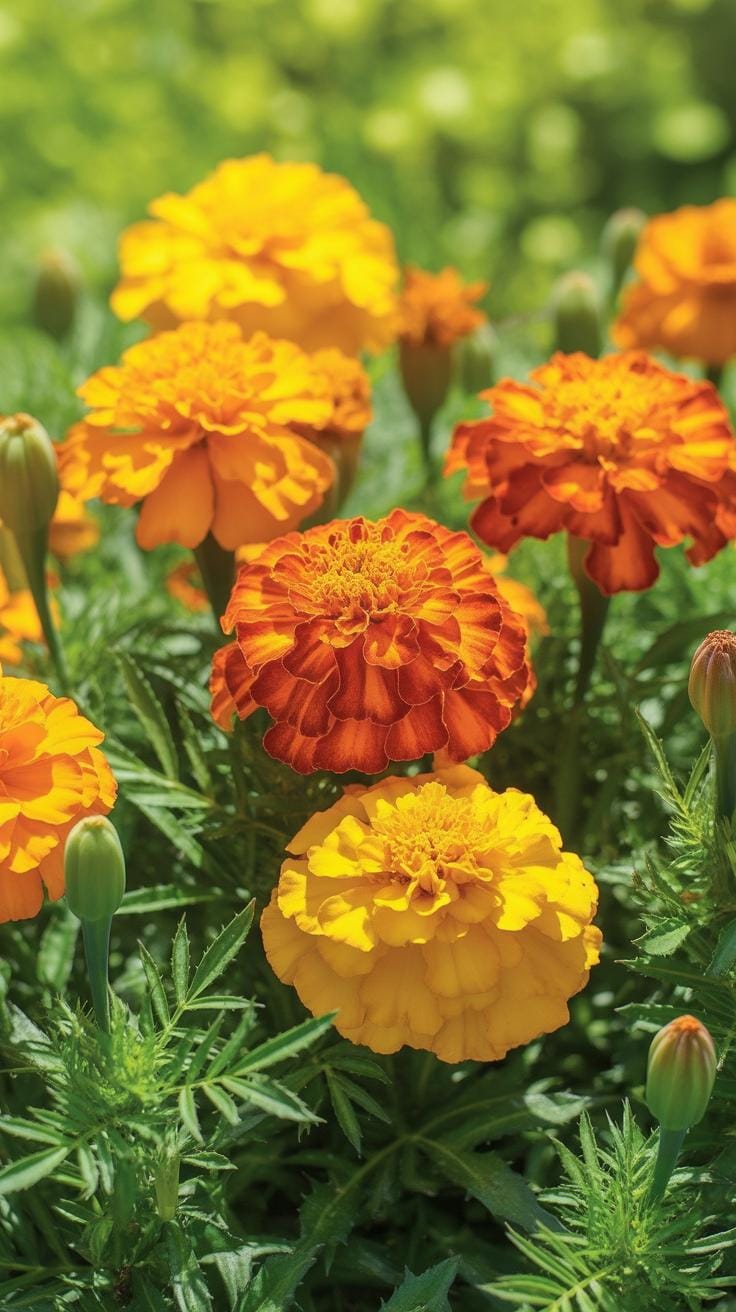
The Origins And Botanical Background Of The Marigold Flower
The Marigold flower belongs to the Tagetes genus within the Asteraceae family. These plants are native to the Americas, specifically Mexico and Central America. Spanish explorers took seeds back to Europe in the 1500s. From there, the plants spread through trade routes to Africa and France. This history explains common names like African Marigolds and French Marigolds despite their true American roots.
Botanically, Marigolds are herbaceous annuals. They feature composite flower heads that resemble daisies or carnations. Most varieties produce pinnate leaves with a distinct, pungent scent. This odor comes from chemical compounds that act as natural defense mechanisms. Cultivators categorize them into four main groups: African, French, Triploid, and Signet. Each group serves a specific purpose in landscape design and agricultural borders.
Why Gardeners Around The World Choose Marigolds Flower For Their Gardens
Gardeners select Marigolds for their extreme durability and rapid growth. These plants thrive in full sun and tolerate poor soil conditions. They provide consistent color from early summer until the first hard frost. This predictable performance makes them a reliable choice for beginners and commercial landscapers. They require minimal maintenance and very little water once established. You get a high visual return for a low tactical investment.
Marigolds function as powerful biological tools in a garden ecosystem. They produce alpha-terthienyl, a compound that suppresses root-knot nematodes in the soil. Many vegetable growers plant them near tomatoes and peppers to deter pests. Their bright blooms also attract beneficial pollinators like bees and butterflies. This dual-purpose nature makes the flower an essential component of integrated pest management strategies for organic and traditional growers.

Popular Types Of Marigold Flowers You Should Know
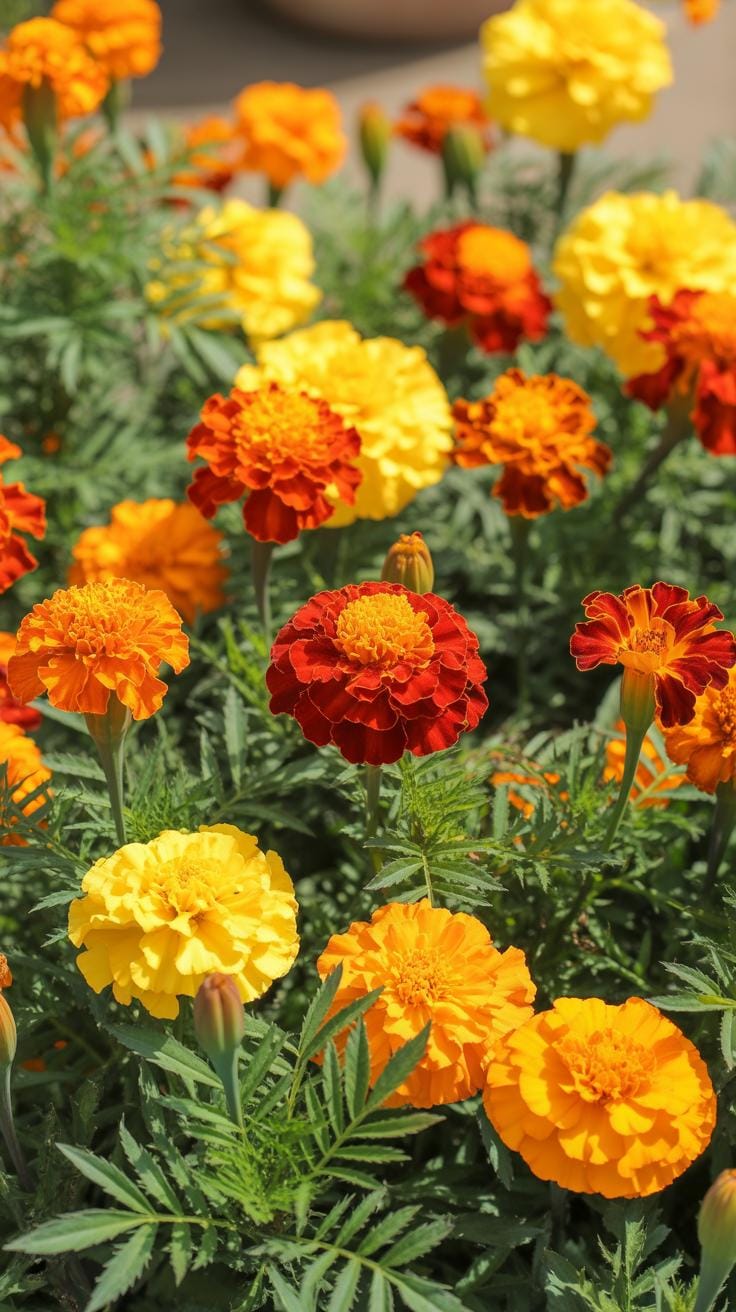
African, French, And Signet: The Main Varieties Of Marigolds Flowers
African marigolds are the tallest variety. They often reach heights of three feet. These plants produce large and heavy blooms. They thrive in hot and dry climates. Gardeners use them for bold backdrops in flower beds. They require sturdy stems to support their massive heads. You must plant them in full sun to ensure strong growth and prevent snapping stems.
French marigolds stay much shorter and bushier. They usually reach about twelve inches in height. These plants handle rainy weather better than the taller types. They flower for a longer period during the summer. Signet marigolds are the smallest and produce edible blooms. They have fine foliage that looks like lace. Choose these varieties based on your specific garden space and height needs.
How To Identify A Single Marigold Flower Variety By Its Bloom Shape
Bloom shape is the fastest way to identify a marigold. African varieties have rounded and pom-pon shapes. These blooms can reach five inches across. They consist of many tightly packed petals. This structure protects the center of the flower. Look for thick and solid colors like yellow and orange. This dense petal count makes them look like textured balls in the garden.

French marigolds display different shapes. Some have single rows of petals around a center disk. Others show semi-double or crested shapes. These often feature two colors on one petal. Signet blooms are always tiny and flat. They have only five petals per flower. Look for a simple star shape to find signets. This visual data helps you pick the right look for your landscape design.
How To Grow Marigold Flowers From Seed With Ease
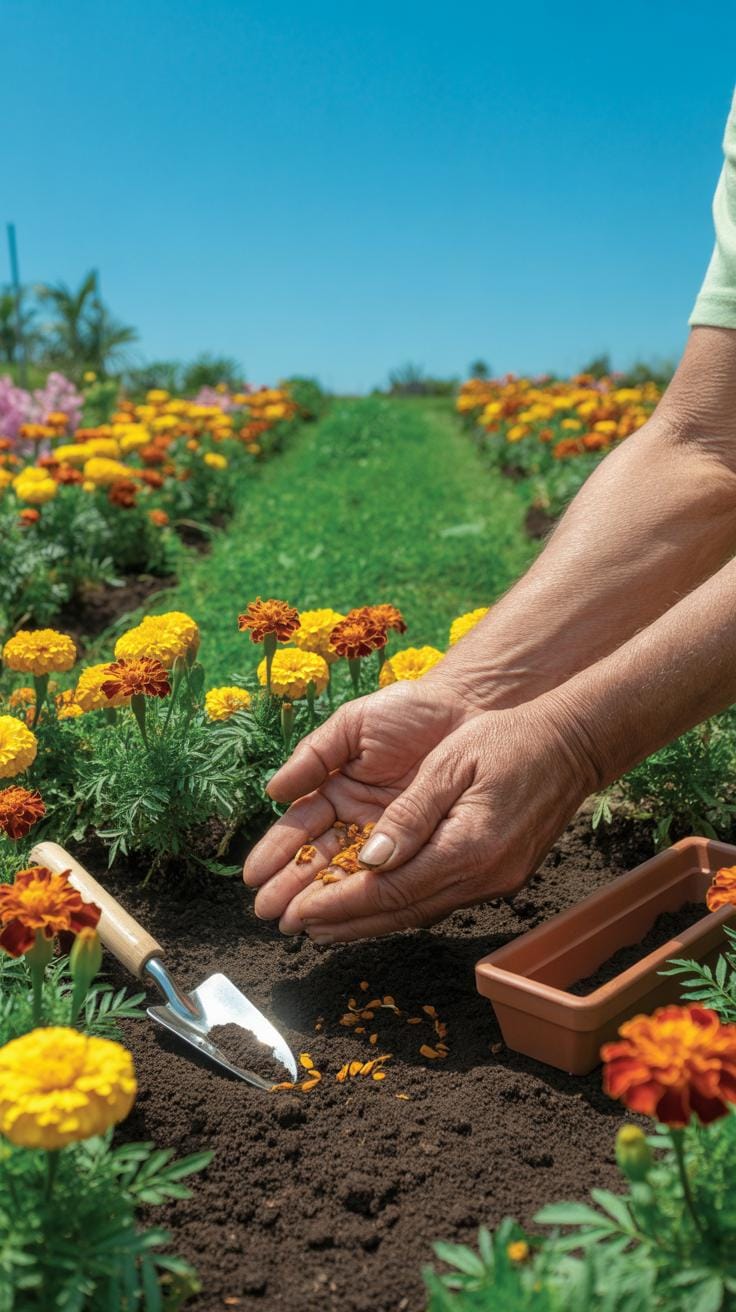
Step By Step Guide To Starting Marigolds Flowers From Seed Indoors Or Outdoors
You can start marigold seeds indoors six weeks before the last frost or sow them directly in the garden. For indoor starts, use a sterile seed-starting mix in shallow trays. For outdoor planting, wait until the soil reaches 65 degrees Fahrenheit. Proper timing ensures the seeds do not rot in cold, wet ground. Success depends on maintaining consistent moisture during the initial phase.
- Seed Placement: Press seeds one inch apart into the soil surface. Cover them with only one-quarter inch of fine soil. Marigold seeds need darkness to germinate but must not be buried too deep. Shallow placement allows the heat to reach the seed quickly for faster sprouting.
- Moisture Control: Spray the soil surface with a misting bottle until it feels damp. Avoid heavy pouring which displaces the small seeds. Consistent moisture is vital for the first seven days. If the soil dries out during germination, the embryo inside the seed will likely die immediately.
- Thinning Process: Remove the smallest seedlings once they grow two sets of true leaves. Space the remaining plants eight to twelve inches apart. This spacing prevents overcrowding and reduces the risk of fungal diseases like powdery mildew later in the season. Airflow is necessary for leaf health.
- Transplanting Method: Move indoor seedlings outside only after all danger of frost passes. Dig a hole twice the width of the root ball. Place the plant at the same depth it grew in the pot. Firm the soil around the stem to remove air pockets that could dry out roots.
- Hardening Off: Set indoor plants outside in a shaded area for two hours daily. Gradually increase their time in the sun over one week. This process toughens the cell walls of the plant. Skipping this step leads to transplant shock and may kill the young marigold flowers.
Germination typically occurs within five to ten days under ideal conditions. Keep the temperature between 70 and 75 degrees for the fastest results. Once the seedlings emerge, provide at least six hours of light. If growing indoors, place lights two inches above the plant tops. Move the lights upward as the plants grow to avoid burning the new leaves.
The marigold is the sturdy child of the sun, and there is no garden so humble that it cannot be brightened by its golden glow.
The Best Soil, Sunlight, And Watering Conditions For Healthy Marigold Growth
Marigolds require full sun to produce the most blooms and maintain sturdy stems. Aim for at least six to eight hours of direct sunlight daily. Shaded areas result in leggy growth and fewer flowers. These plants tolerate a wide range of soil types but prefer well-draining loam. Poor drainage causes root rot, which is the leading cause of plant failure.

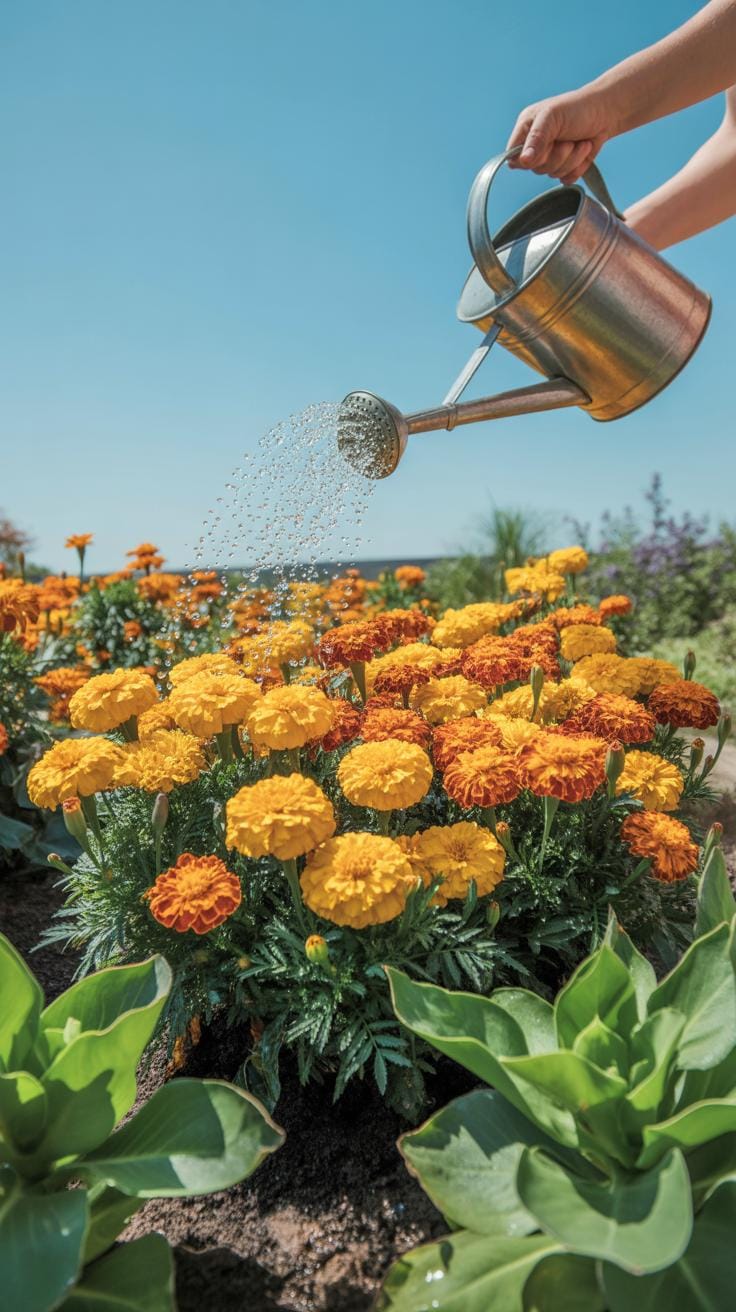
Water your plants at the base rather than from above. Wetting the foliage frequently triggers fungal infections and leaf spots. Allow the top inch of soil to dry out before watering again. During extreme heat, you may need to water more frequently. Avoid over-fertilizing with nitrogen, as this produces more green leaves but reduces the total number of flower heads.
Understanding The Marigold Bush Growth Habits And Sizing
What Makes A Marigold Bush Different From Standard Marigold Plants
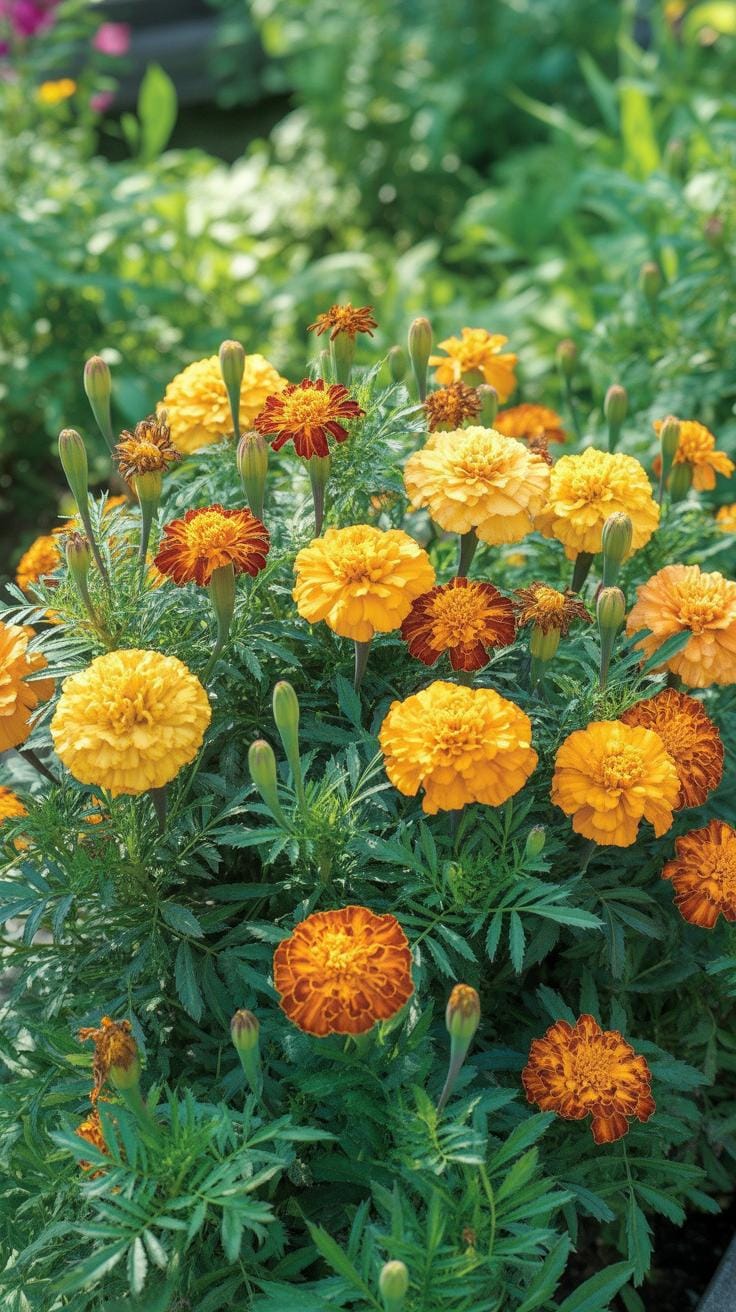
Traditional marigolds typically grow in low mounds or single upright stems. A marigold bush refers to larger cultivars like the Tagetes erecta or specific African varieties. These plants develop a woody base and a complex branching structure. They reach heights of three to four feet and spread wide. This structural density provides more surface area for flower production compared to smaller French varieties.
Growers select bush varieties for hedge utility and pest management. The increased biomass creates a stronger scent barrier against garden insects. These plants require more vertical and horizontal space than bedding types. Their root systems are more aggressive to support the heavy canopy. Use these in the back of borders or as standalone focal points. They provide structural stability that smaller marigolds lack.
How To Manage Size And Shape When Growing A Marigold Bush In Small Spaces
Control the size of a marigold bush through strategic pruning and container selection. Pinching off the central lead stem early in the growth cycle forces lateral branching. This technique keeps the plant shorter and more compact. It prevents the bush from becoming leggy or falling over under its own weight. Regular deadheading refocuses the plant energy into foliage and new buds rather than seed production.

Restrict the root zone to manage the overall footprint of the plant. A five gallon bucket or large ceramic pot limits expansion while providing enough stability. Ensure the container has adequate drainage to prevent root rot in dense soil. Use stakes or small trellises if the bush grows too tall for the wind conditions. Proper spacing ensures airflow between plants to prevent powdery mildew in tight quarters.
Annual Flowers In The Garden Why Marigolds Top The List
What It Means For Marigolds To Be Classified As Annual Flowers
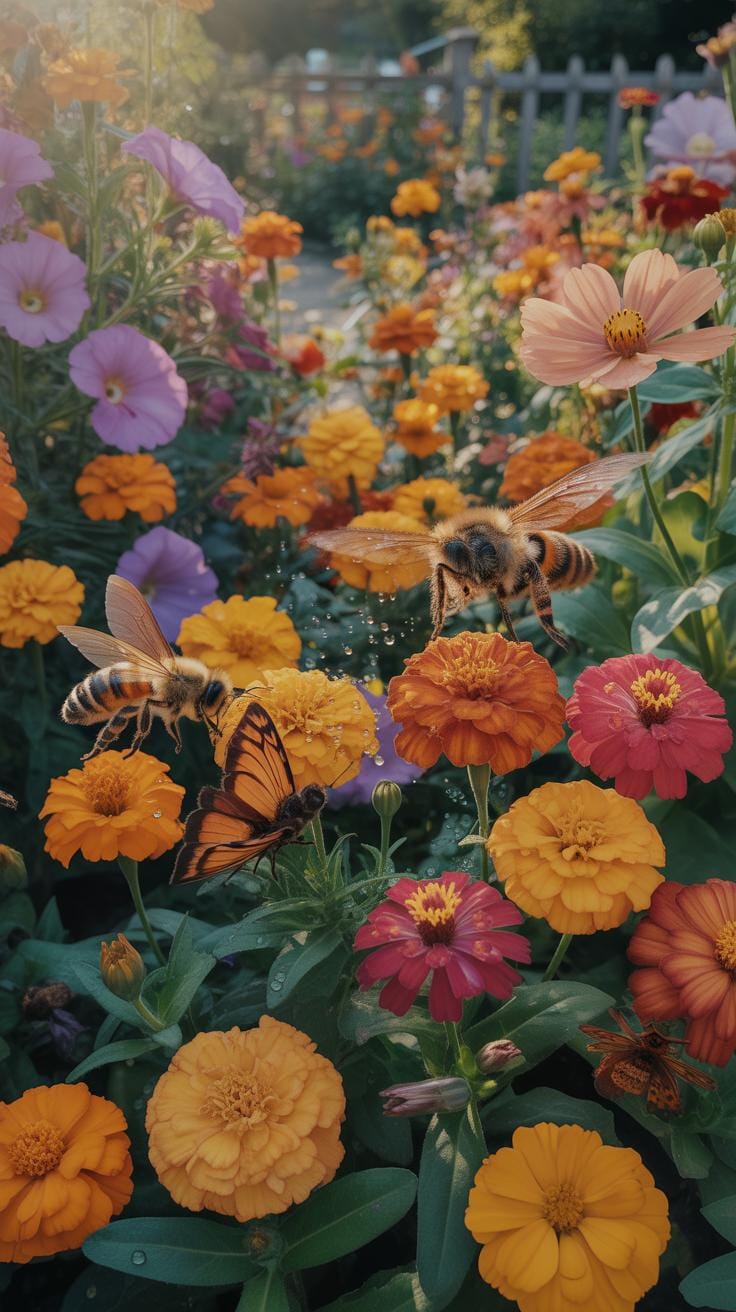
The annual classification means marigolds complete their entire life cycle in one growing season. They germinate from seeds, grow foliage, produce flowers, and set new seeds within months. Cold winter temperatures kill these plants entirely. They do not return from the roots the following year. This cycle forces the plant to focus all energy on immediate reproduction through heavy flowering.
Gardeners use annuals to fill gaps and provide instant results. Unlike perennials that take years to establish, marigolds reach full size quickly. You must replant them every spring to maintain the look. This creates a flexible landscape where you can change the garden layout annually. It also allows for high volume seed production. You can harvest seeds in autumn for the next season.
How Annual Flowers Like Marigolds Deliver Maximum Color In A Single Season
Marigolds produce more blooms than most plants because they lack a long term survival strategy. Perennials store energy in roots to survive winter. Annuals spend every resource on floral production to attract pollinators before the first frost. This results in a dense canopy of orange, yellow, and red. The plant continues to push out new buds as long as you remove dead flowers.

The speed of growth ensures the garden stays vibrant throughout the summer heat. Marigolds thrive when other plants wilt. Their rapid metabolism turns light and water into pigment efficiently. This makes them a tactical choice for high impact zones. You get a reliable color palette from late spring until the ground freezes. Low maintenance requirements paired with high output make them the standard for seasonal bedding.
Using Flowers Marigold For Natural Pest Control In Your Garden
The Science Behind Why Flowers Marigold Repel Common Garden Pests
Marigold roots produce a chemical called alpha-terthienyl. This compound is a potent allelochemical that inhibits the growth of root-knot nematodes. These microscopic worms damage plant roots and ruin harvests. The chemical stays active in the soil for several months. Planting marigold flowers creating a toxic zone for these specific soil-borne pests. Farmers have used this strategy for decades to protect high-value crops.
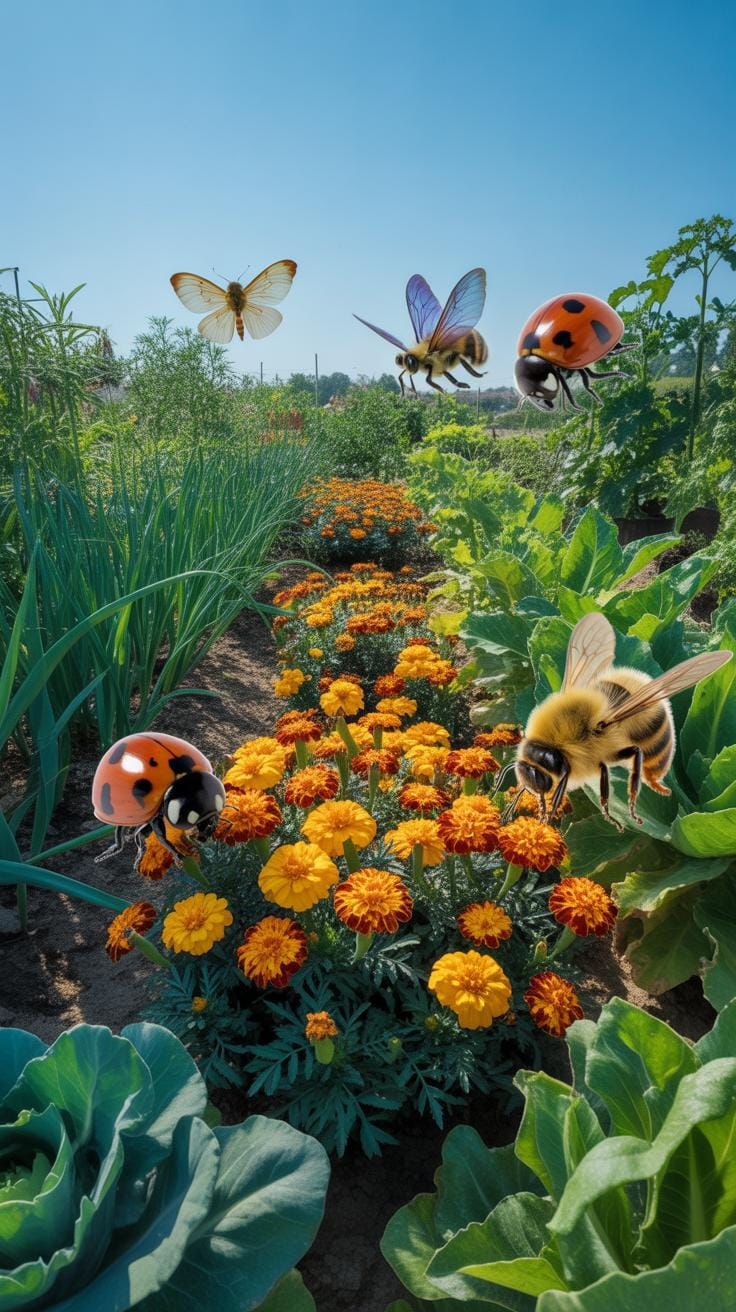
The strong scent of marigold foliage masks the smell of host plants. Many flying insects like whiteflies and cabbage moths find their targets by scent. The pungent aroma of the marigold confuses these pests. They cannot find the vegetables they want to eat or lay eggs on. This mechanical interference reduces the overall pest population in your garden. It provides a chemical-free barrier that protects your vulnerable edible plants.
Best Companion Planting Tips When Using Marigold Flowers Alongside Vegetables
Gardeners must place marigold flowers strategically to maximize their protective benefits. Proximity matters more than the total number of plants used. Interspersing them throughout the vegetable bed creates a better defense than a single border. This method forces pests to navigate a complex environment. It also encourages beneficial insects to stay near your food crops. Use French marigolds for the best nematode control results.
- Tomatoes: Plant marigolds at the base of your tomato plants. They repel whiteflies and soil nematodes that often stunt tomato growth. The fragrance also deters aphids from settling on the tender new stems of the vines.
- Brassicas: Place marigolds near cabbage, broccoli, and kale. They confuse cabbage moths seeking a place to lay eggs. This reduces the number of green caterpillars that eat through your greens. It acts as a primary physical scent barrier.
- Potatoes: Use marigolds to deter Colorado potato beetles. These beetles can strip a plant of its leaves in days. The chemical compounds in the marigold flowers make the area less attractive to these destructive insects. It lowers the need for sprays.
- Cucurbits: Marigolds help protect squash, cucumbers, and melons from squash bugs. These pests are notoriously difficult to manage without pesticides. Marigolds emit volatiles that mask the plants. They also attract predatory insects that eat the larvae of the squash bugs.
- Peppers: Interplant marigolds with bell peppers and chili plants. They help manage thrips and aphids which commony transmit viruses to pepper crops. This creates a healthier growing environment. It also brings pollinators to the garden to increase the fruit set.

Sunlight is the most important factor for marigold health and chemical production. These plants require at least six hours of direct sun daily. Shaded marigolds produce fewer protective compounds and smaller flowers. Space them twelve inches apart to ensure good air circulation. This prevents powdery mildew from spreading to your vegetables. Healthy marigolds provide the strongest defense against your garden pests.
The Cultural Significance And Marigolds Background Around The World

How Marigolds Background Connects To Festivals, Traditions, And Ceremonies Globally
Marigolds originated in the Americas before Spanish explorers transported them to Europe and Africa. Today, they dominate the visual landscape of major international festivals. In Mexico, these flowers facilitate the Dia de los Muertos celebration. Families build altars and create paths with petals to guide spirits home. This specific utility stems from the potent scent and bright colors that people believe bridge the physical and spiritual worlds.
In South Asia, marigolds serve as the primary floral element for Hindu weddings and religious gatherings. People string them into thick garlands for deities and guests. Farmers harvest massive quantities to meet the demand for Diwali and Dussehra celebrations. The flower thrives in diverse climates, making it a reliable crop for ceremonial use. Its role is purely functional, acting as a visual marker of sanctity and communal celebration across the region.
The Symbolic Meaning Of The Marigold Flower Across Different Cultures And Religions
The symbolic value of the marigold varies significantly by geographic region. In Western traditions, the name derives from Mary’s Gold, linking the flower to the Virgin Mary. Early Christians used the blossoms as a substitute for coins at shrines. This history connects the plant to concepts of sacrifice and devotion. In contrast, Victorian floral language often associated the flower with grief or cruelty, reflecting a stark shift in perceived meaning.
Eastern philosophies view the marigold through a lens of vitality and purity. The bright orange and yellow hues represent the sun and divine light. In Buddhist practices, the flower symbolizes the internal light found within every individual. Practitioners often use the blooms in offerings to show surrender to the divine. This widespread presence in religious life proves the flower is more than a garden plant. It is a tool for expressing deep spiritual intent.
Simple Care And Maintenance Tips To Keep Your Marigolds Flowers Blooming
How Deadheading And Pruning Encourages More Blooms On Marigolds Flowers
Deadheading is the physical removal of faded blossoms before they produce seeds. This tactic forces the plant to redirect its energy into new flower production rather than seed development. You must pinch or snip the spent bloom off at the first set of leaves below the flower head. Consistent removal prevents the plant from entering its natural reproductive shutdown phase early.
Pruning involves cutting back leggy or overgrown stems to promote a bushier shape. Marigolds naturally want to grow tall and thin if left alone. Strategic cuts encourage lateral branching which results in more bud sites. Ensure you use sharp tools to prevent tearing the plant tissue. Clean cuts heal faster and reduce the risk of disease entry. Proper pruning maintains a high density of flowers.
Common Problems And Easy Fixes For Keeping Your Marigold Flowers Healthy All Season
Powdery mildew and spider mites are the primary threats to these plants. High humidity and poor airflow create ideal conditions for fungal growth on the leaves. You fix this by spacing plants correctly and watering at the soil level. Never wet the foliage during the evening. If pests appear, use a strong stream of water or insecticidal soap to clear them.

Root rot occurs when you overwater or use soil with poor drainage. Marigolds require well-draining soil to prevent crown saturation. If the leaves turn yellow and the stems feel soft, reduce your watering frequency immediately. Check your soil moisture by hand before adding more water. Maintaining dry foliage and balanced soil moisture ensures the plants stay productive through the entire growing season.
Frequently Asked Questions

Are marigolds easy for a beginner to grow at home?
Absolutely! Marigolds are widely considered one of the best plants for novice gardeners because they are incredibly resilient and fast-growing. These cheerful blooms handle heat well and aren’t fussy about soil quality. If you are just starting out, choosing marigold flowers ensures a high success rate with minimal effort, providing a wonderful burst of golden color that encourages any beginner to keep developing their green thumb.
How do I properly deadhead marigolds to keep them blooming?
To keep your marigold flowers looking vibrant all season, you should practice deadheading, which simply means removing spent blooms. Once a flower head begins to brown and wilt, follow the stem down to the first set of healthy leaves and snip it off with sharp scissors. This prevents the plant from putting energy into seed production and encourages it to divert its strength into creating a fresh flush of beautiful new buds.
Can I grow marigolds on a tight budget?
Marigolds are incredibly budget-friendly because they are very easy to start from seed rather than buying expensive established plants. A single packet of seeds costs only a few dollars and can produce dozens of flowers. Additionally, you can easily harvest seeds from your own dried flower heads at the end of the season to store and replant next spring, making this a sustainable and cost-free hobby for your future garden.