What Makes The Ranunculus Flower So Universally Adored
The Botanical Identity Behind The Ranunculus Flower
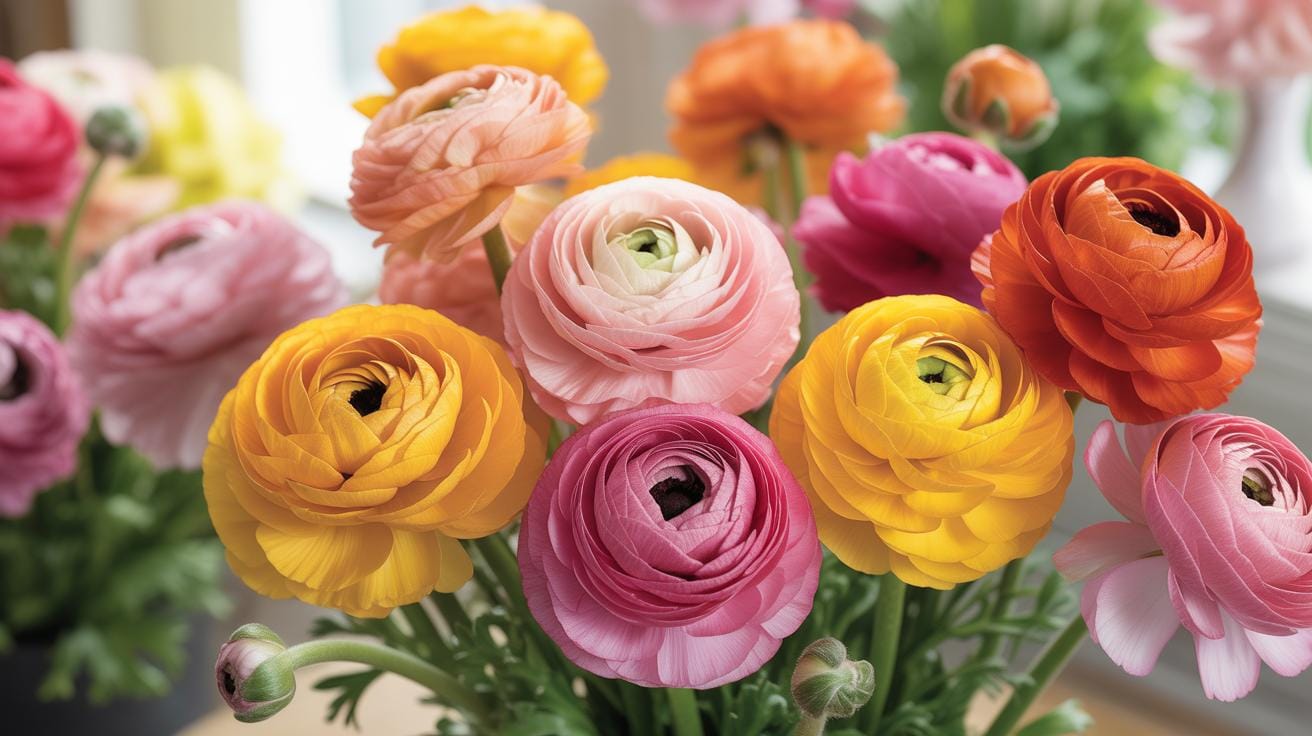
The Ranunculus flower belongs to the Ranunculaceae family. Most commercial varieties represent the species Ranunculus asiaticus. These plants grow from underground structures called corms. These corms resemble small claws and store the energy needed for growth. The plant thrives in cool temperatures and well drained soil. It produces multiple layers of petals that resemble crepe paper. These petals protect the reproductive center of the bloom.
The flower stems are hollow and require careful handling. Modern breeding focuses on the Tecolote and Italian series. These groups produce larger flower heads and stronger stems. Genetic selection has created a diverse color palette ranging from deep reds to pale pastels. Breeders continue to isolate traits for disease resistance and vase life. Understanding the corm structure remains essential for successful cultivation. Proper storage during dormancy ensures future yields.
Why Florists And Home Gardeners Keep Coming Back To Ranunculus
Florists favor this flower for its high petal count and structural integrity. The tight circular layers create a dense visual weight in bouquets. The stems remain flexible when hydrated properly. This flexibility allows for dynamic movement in floral arrangements. Professional designers use them as a luxury alternative to roses. They ship well when harvested at the marshmallow stage. This timing ensures the flowers open fully for consumers.
Home gardeners value the long blooming period during the spring season. The plants provide huge yields from a small footprint. They work well in both garden beds and containers. Gardeners choose them for their reliable return on investment. The flowers stay fresh for up to twelve days in a vase. This longevity reduces the need for frequent replacements. Routine deadheading encourages the plant to produce more buds throughout the growing cycle.
The Rise Of Pink Ranunculus In Modern Floral Design
How Pink Ranunculus Became A Staple In Contemporary Bouquets
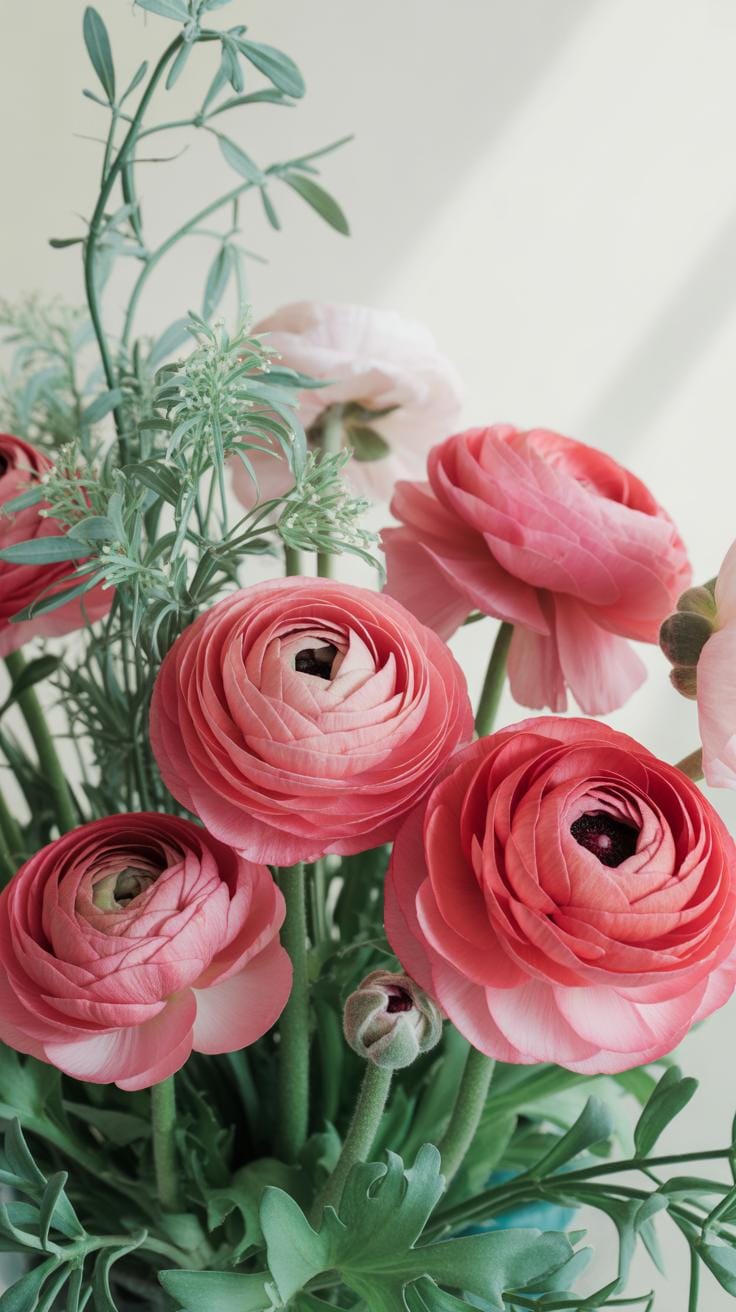
The floral industry shifted toward pink Ranunculus because of their high petal count and structural integrity. Designers transitioned away from stiff, formal rose arrangements in the early 2010s. They needed a flower with a more organic, layered appearance. The Ranunculus asiaticus offers a rannuncled form that mimics the look of high-end peonies. This similarity makes them a cost-effective alternative for wedding work and upscale events.
Event planners prioritize these flowers because of their long vase life and durable stems. Modern refrigeration technology and better global shipping routes allow these blooms to arrive in peak condition. Florists use them to create texture in low-profile centerpieces. Their ability to hold shape in floral foam or water makes them a tactical choice. This reliability pushed pink varieties to the top of the preferred sourcing lists for professional designers.
Shades Of Pink Ranunculus That Are Trending Right Now
Specific color palettes drive the current demand for pink Ranunculus. Salmon and peach tones dominate the spring market due to their versatility. These warm pinks bridge the gap between white base layers and bolder accent colors. Soft blush remains the standard for traditional bridal designs. It provides a clean and sophisticated look that photographs well under natural light. This consistency in color output is essential for high-end branding.
Deep magenta and raspberry shades are gaining ground in fall floral designs. These darker tones offer a sophisticated contrast to neutral backgrounds. Commercial growers now focus on producing bi-color varieties that feature darker edges on light petals. This specific look adds depth to professional arrangements without requiring extra materials. Designers select these precise shades to match specific brand colors or interior design themes. Clear, saturated pinks provide the most visual impact.
Flower Ranunculus Varieties Dominating The 20242025 Season
Popular Cultivated Varieties Of Flower Ranunculus To Know
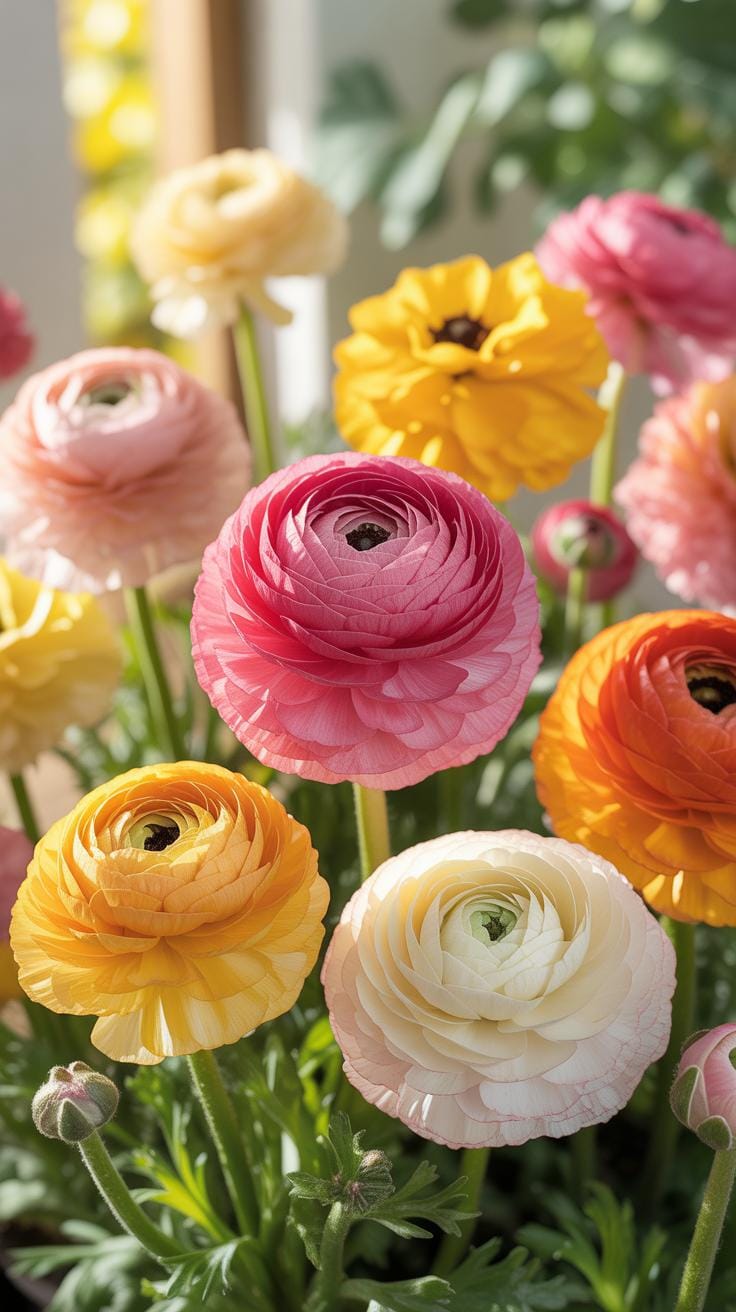
Professional growers now prioritize varieties with high petal counts and strong stems. The market shifted from basic Persian types to advanced Italian and Japanese strains. These modern cultivars offer better vase life and disease resistance. Buyers select specific series based on bloom size and climate tolerance. Commercial success depends on choosing varieties that survive local shipping and handling conditions without losing bloom integrity.
- Hanoi (Cloni Success): This Italian variety features large, soft pink blooms and thick stems. It represents the gold standard for wedding design due to its reliability. Growers value its high productivity and consistent flower shape throughout the peak spring growing season.
- Puccini (Butterfly Series): These plants produce single-petaled flowers with a wax-like coating. They offer a more natural look compared to double-petaled types. Designers use them to add height and movement to arrangements because they feature multiple blooms on a single branching stem.
- Amandine Series: Selected specifically for heat tolerance, this series extends the growing season into late spring. These flowers resist bolting when temperatures rise. They provide a diverse range of bold colors and maintain large, symmetrical heads that perform well in traditional retail floral settings.
- Elegance Series: This Italian line offers a massive color range and uniform growth habits. It serves as a primary choice for high-volume commercial production. The flowers feature tight centers and open slowly, which maximizes the display life for the end consumer in home environments.
- Mistral Plus: This French-bred series focuses on early blooming and intense pigment saturation. It provides growers with a head start on the market cycle. The robust stems support heavy, multi-layered heads that do not droop under their own weight during the hydration process after harvest.
Market demand dictates the production volume of these specific series. Event planners require predictable bloom times and color consistency. These five varieties dominate the 2024–2025 inventory because they meet rigorous professional standards. Growers reduce risk by planting these proven performers. They ensure a steady supply for the global floral trade while minimizing crop failure rates. Success in the industry requires mastery of these specific genetic lines.
Like the layers of a vintage gown, the ranunculus reminds us that beauty unfolds one petal at a time. Its timeless charm remains the heart of every spring garden, connecting our past memories to the blooms of today.
How New Hybridization Is Expanding The Flower Ranunculus Color Palette
Hybridization techniques now focus on complex pigment layers. Breeders cross-pollinate different species to create bi-color and picotee effects. This process involves precise genetic selection over multiple growing cycles. New results include muddy tones like terracotta, dusty rose, and mustard yellow. These colors match current interior design trends that favor earth tones. Traditional bright primary colors are losing market share to these sophisticated, muted palettes.
Scientists use tissue culture to stabilize these new colors rapidly. This technology allows for mass production of consistent clones. It eliminates the variation found in seed-grown plants. Modern hybrids also feature iridescent petals that catch light differently than older varieties. These advancements provide floral designers with specific tools for monochromatic palettes. The expansion of the color spectrum directly increases the commercial value of the crop in high-end global markets.
Ranunculus In Wedding Floristry A Trend That Shows No Signs Of Slowing
Why Brides Are Choosing Ranunculus Over Peonies And Roses
Ranunculus flowers dominate modern weddings because they offer superior durability. Unlike peonies that wilt in high heat, ranunculus stems remain rigid for hours. Their tight petal structure mimics the peony aesthetic at a lower price point. They stay fresh without water longer than most garden roses. This makes them a reliable choice for long outdoor ceremonies. They provide predictable results for planners.
Availability is another key factor for this shift. Peonies have a short blooming window in late spring. Ranunculus flowers are available almost year-round through global supply chains. Designers use them to achieve a high-end look during the off-season. Their wide color range fits any wedding palette perfectly. They offer more creative control than seasonal blooms. Professional florists rely on this consistency for large scale events.
Styling Ranunculus Flowers For Bridal Bouquets, Arches, And Table Arrangements
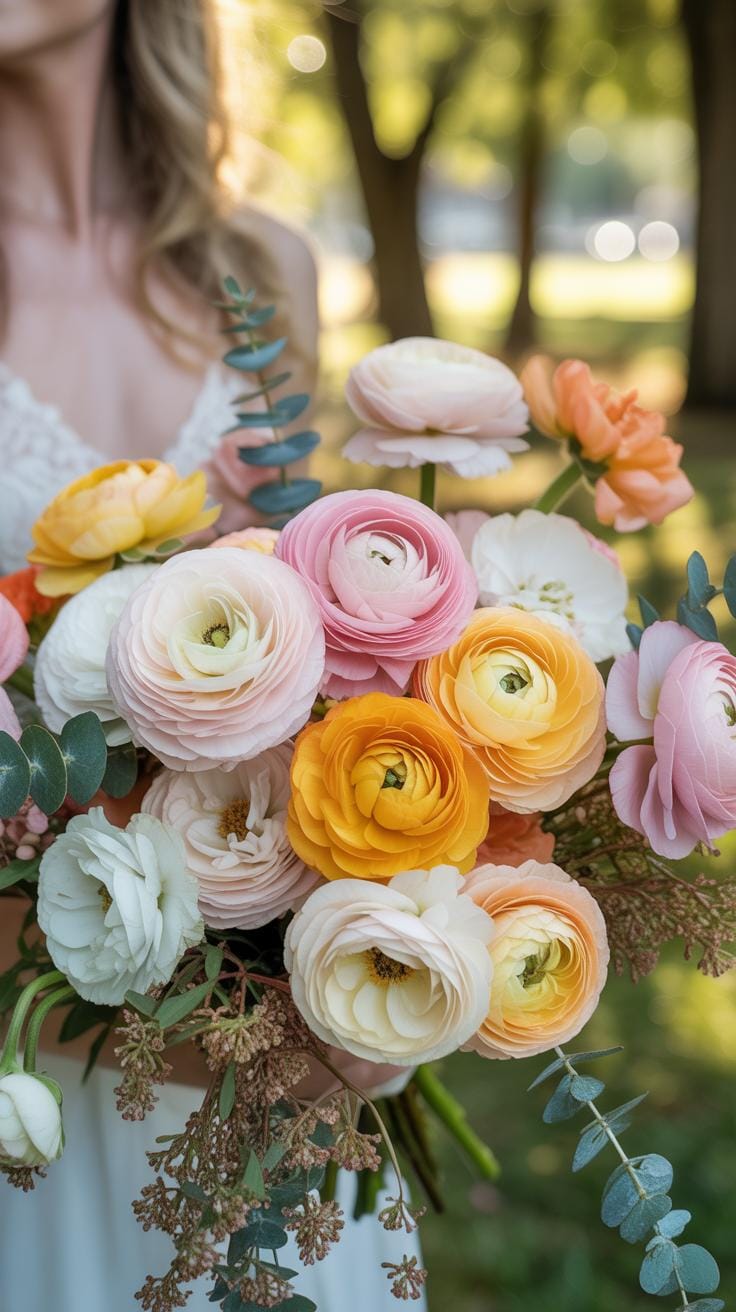
Designers use ranunculus to add focal depth to bridal bouquets. Their circular shape creates a clean visual center. Florists often pair them with textured greenery like eucalyptus. This movement draws the eye across the arrangement. The sturdy stems allow for precise placement in hand-tied designs. They do not droop under heavy ribbon wraps. This ensures the bouquet looks sharp in every wedding photograph.
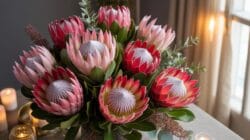
For large installations like arches, ranunculus serve as primary accents. Their small size allows florists to fill gaps between larger flowers. They work well in floral foam because their stems are hollow but strong. On tables, designers place them in bud vases to highlight their intricate petals. This minimal approach lets the flower stand alone. It reduces bulk while maintaining a luxury feel. These flowers adapt to any structural requirement.
Champagne Ranunculus Flowers The Elegant Neutral Taking Over Events
The Unique Tonal Appeal Of Champagne Ranunculus Flowers
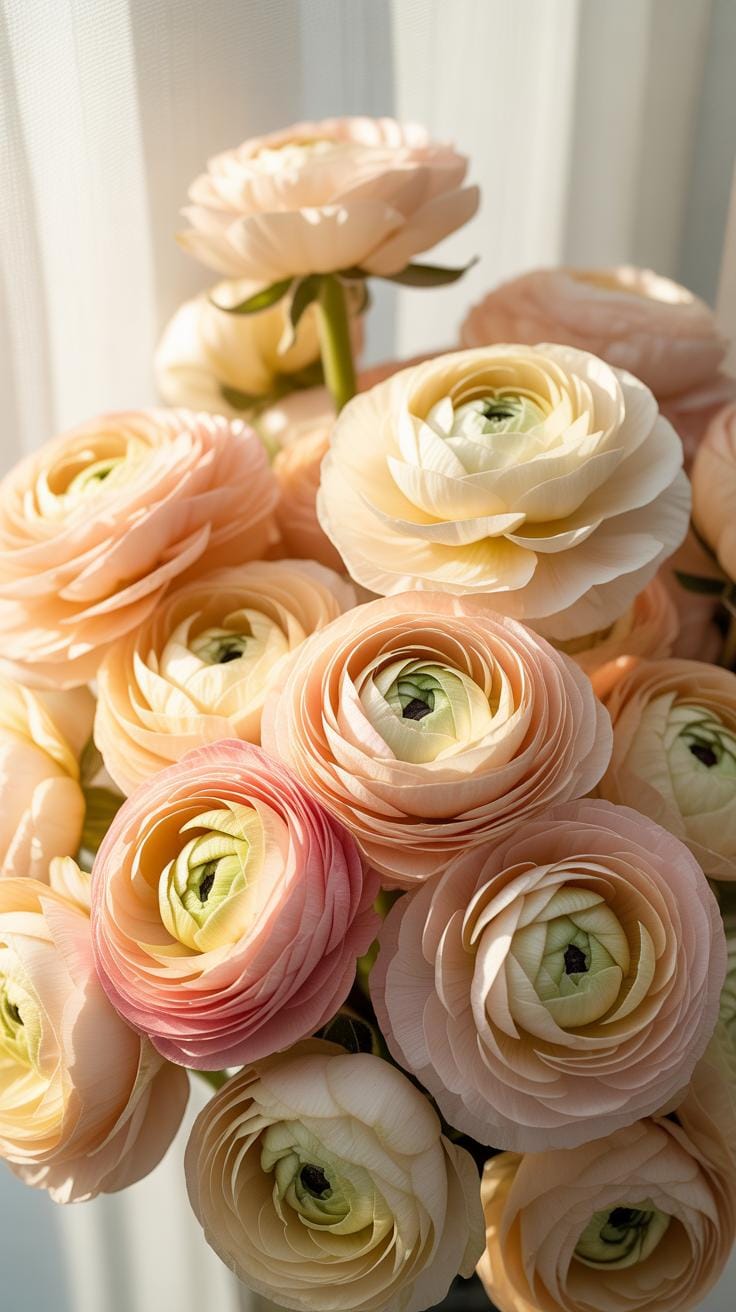
Champagne ranunculus flowers provide a bridge between stark white and deep gold. Designers use these tones to create depth in monochrome arrangements. The color resembles antique parchment or raw silk. This specific palette stays popular because it works in any lighting condition. It does not wash out under bright flash photography. It remains visible in low light during evening receptions.
The petals of the ranunculus flower are thin and numerous. These layers catch light differently than flat-petaled flowers. This creates a natural gradient from the outer edge to the center. Event planners select champagne varieties like Elegance Pastel to ground more vibrant colors. It serves as a high-end alternative to standard cream roses. The tight bloom structure ensures the flower stays upright in floral foam.
Pairing Champagne Ranunculus Flowers With Complementary Blooms And Foliage
Strategic pairing enhances the visual weight of champagne ranunculus flowers. They perform best when set against dark, matte foliage like eucalyptus or ruscus. The contrast makes the warm undertones of the flower pop. Designers often mix them with dried elements like bleached ruscus or pampas grass. This combination follows the current trend of mixing fresh and preserved materials. Such texture adds a structural element to standard bridal bouquets.
For a classic look, pair these flowers with white anemones or light blue delphinium. The champagne tone softens the transition between cool and warm colors. Avoid using bright yellow or orange fillers. These colors can make the champagne petals look dirty or faded. Stick to dusty rose or earth tones to maintain a cohesive aesthetic. This approach ensures the ranunculus remains the focal point of the design.
Ranunculus Photography Capturing Layered Petals Like A Pro
Pale Pink Ranunculus The Soft Aesthetic Redefining Minimalist Floral Trends
The Growing Popularity Of Pale Pink Ranunculus In Interior And Event Styling
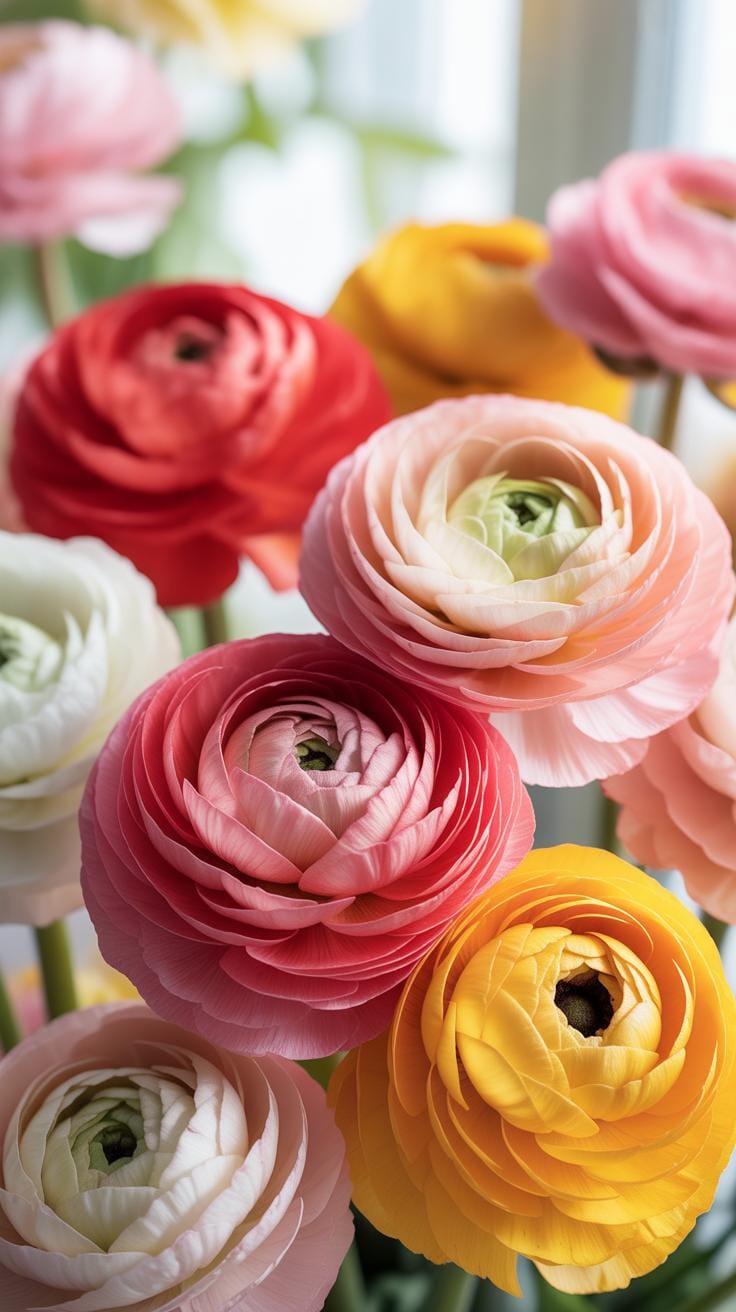
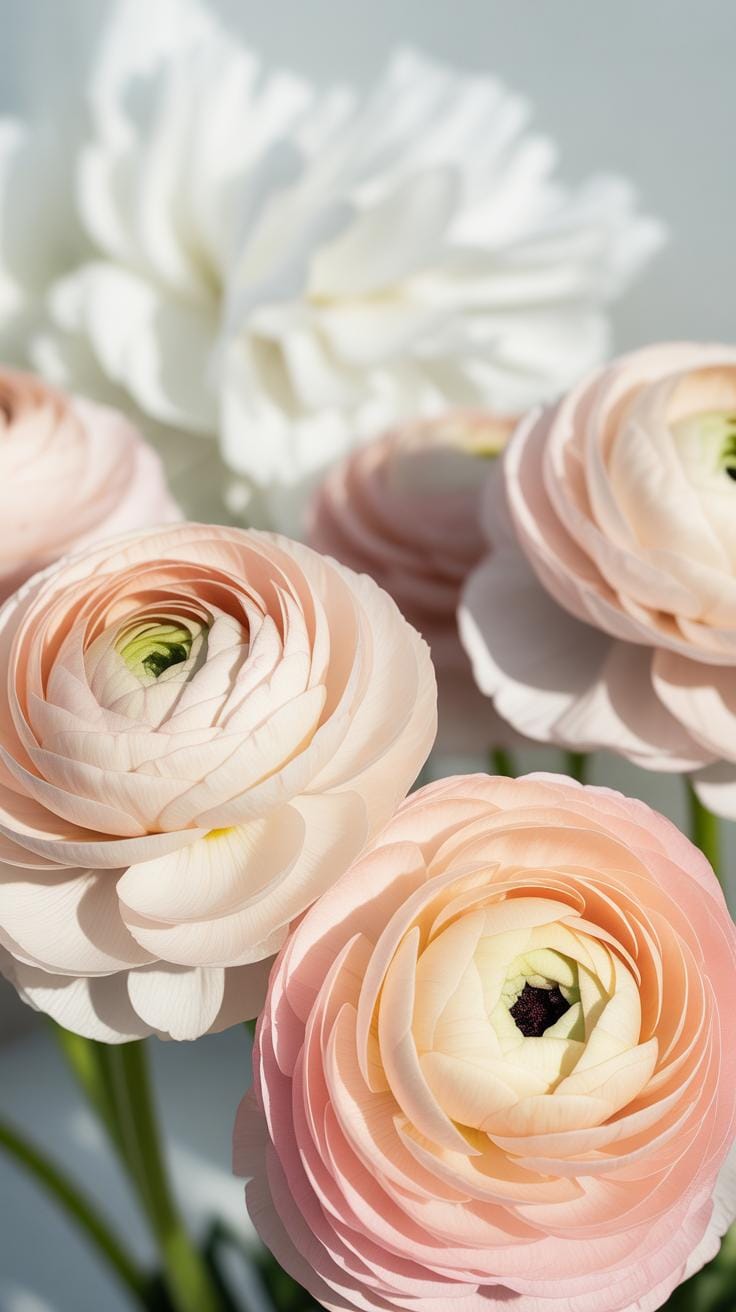
Pale pink ranunculus varieties like Hanoi have become the standard for high-end minimalist events. Designers choose these flowers for their high petal count and structural integrity. They offer a sophisticated alternative to traditional roses. Their rounded shape provides a clean silhouette that fits modern architectural spaces. This specific color palette drives the current shift toward quiet luxury in floral design.
Event planners use these blooms to create depth without visual clutter. The flowers transition well from daylight to evening lighting. This versatility makes them a top choice for luxury weddings and corporate branding. They last up to ten days in a vase with proper care. This longevity provides real value for interior staging and long events. Their popularity stems from their reliable performance and understated look.
How Pale Pink Ranunculus Pairs With Neutral And Earthy Tones
Pale pink petals serve as a bridge between stark white and warm beige. They soften harsh lines in rooms with concrete or stone finishes. Designers place these flowers against sand, terracotta, or wood textures to build organic contrast. The subtle hue prevents a space from looking cold. It adds warmth without the distraction of bright colors. This strategy maintains a focused and calm environment.
Technical pairing involves matching the flower with bleached greenery or dried grasses. This combination supports the monochromatic design movement. It removes the need for traditional fillers that look dated. Using varying shades of pink and tan creates a sophisticated layered effect. Professional florists use this method to give arrangements a high-end feel. It focuses on texture rather than loud color shifts to attract the eye.
Ranunculus Phone Wallpaper When Floral Beauty Goes Digital
Why Ranunculus Phone Wallpaper Has Gone Viral On Pinterest And Instagram
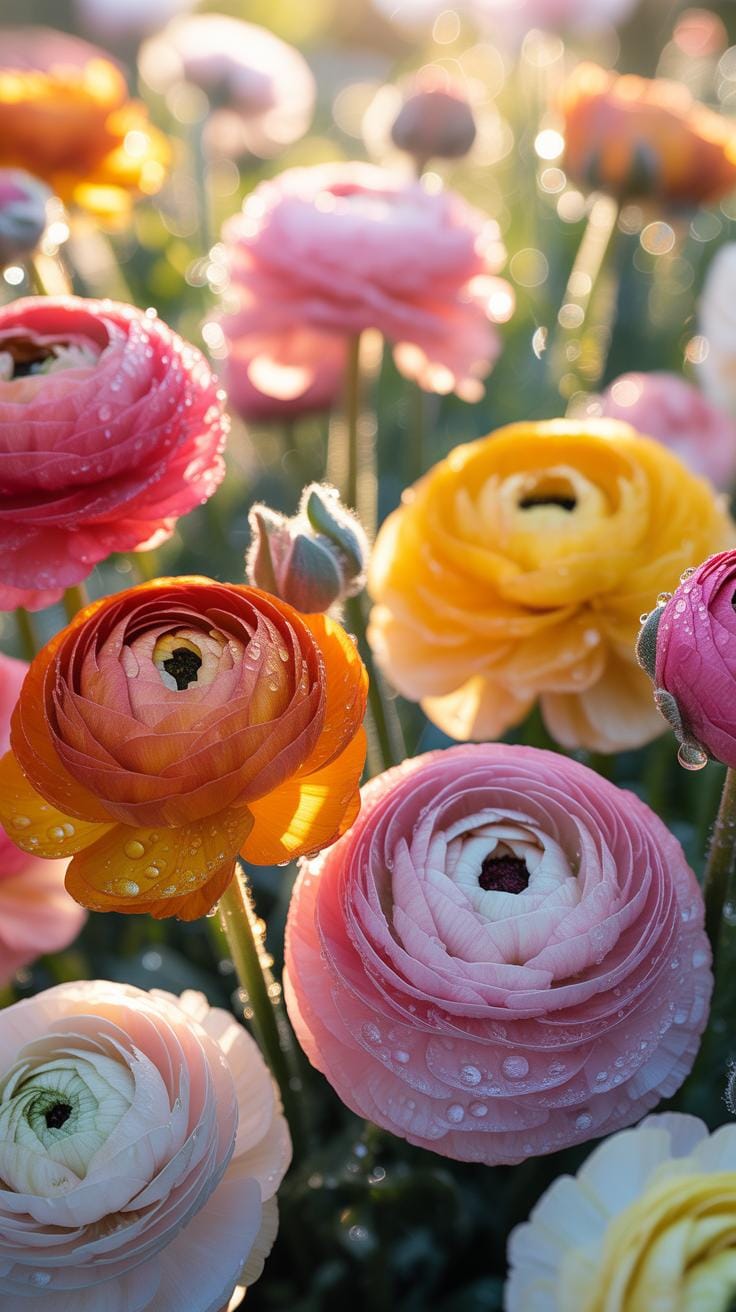
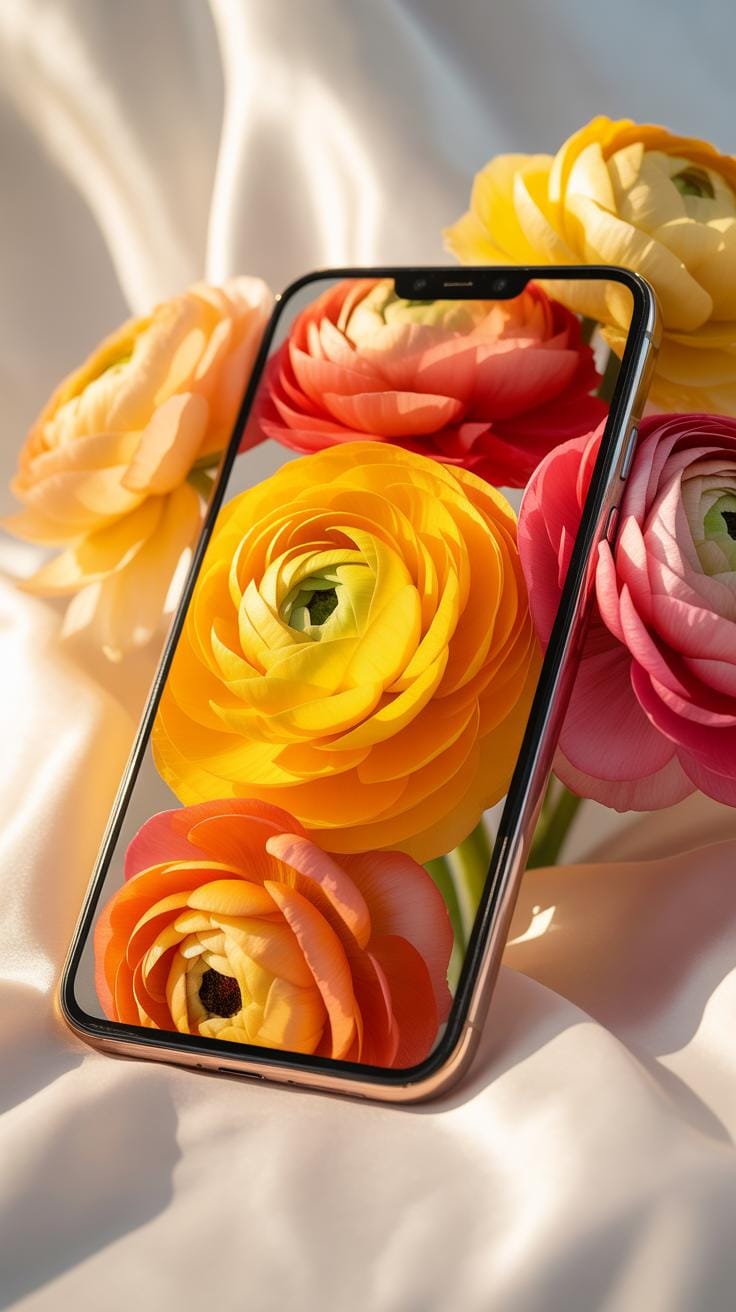
Social media algorithms prioritize high contrast and geometric patterns. Ranunculus flowers provide these through their unique petal structure. Each bloom contains dozens of thin petals layered in a tight radial pattern. This creates a deep sense of visual depth. Users share these images because the mathematical precision of the layers looks striking on high-resolution smartphone screens. Bright colors further drive engagement on visual platforms.
Pinterest and Instagram users seek a specific aesthetic called cottagecore. This design movement values traditional nature and simple beauty. Professional photographers capture ranunculus in natural light to fit this trend. The flower represents a luxury alternative to standard roses. Digital creators use these photos to signal a refined taste to their followers. High engagement rates ensure these floral images stay at the top of digital discovery feeds.
What To Look For When Choosing The Perfect Ranunculus Phone Wallpaper
Image resolution is the most critical factor for a clear background. Look for files with at least 1080 by 1920 pixels. This ensures the fine lines of the petals do not blur. Choose a composition that leaves empty space at the top. This prevents the flower from blocking your clock or notification icons. A centered bloom works best for lock screens where visual balance is necessary.
Color accuracy affects your daily phone experience. Saturated pinks and oranges can strain your eyes during long use. Look for neutral backgrounds like soft grey or wood textures. These let the natural colors of the flower stand out without being a distraction. Macro shots provide the best detail. Close-up photos highlight the tissue-paper texture of the petals. High quality images will show the distinct edges of every single layer.
Growing Ranunculus Flowers At Home A Trend Rooted In Slow Living
Understanding The Growing Season And Climate Needs Of Ranunculus Flowers
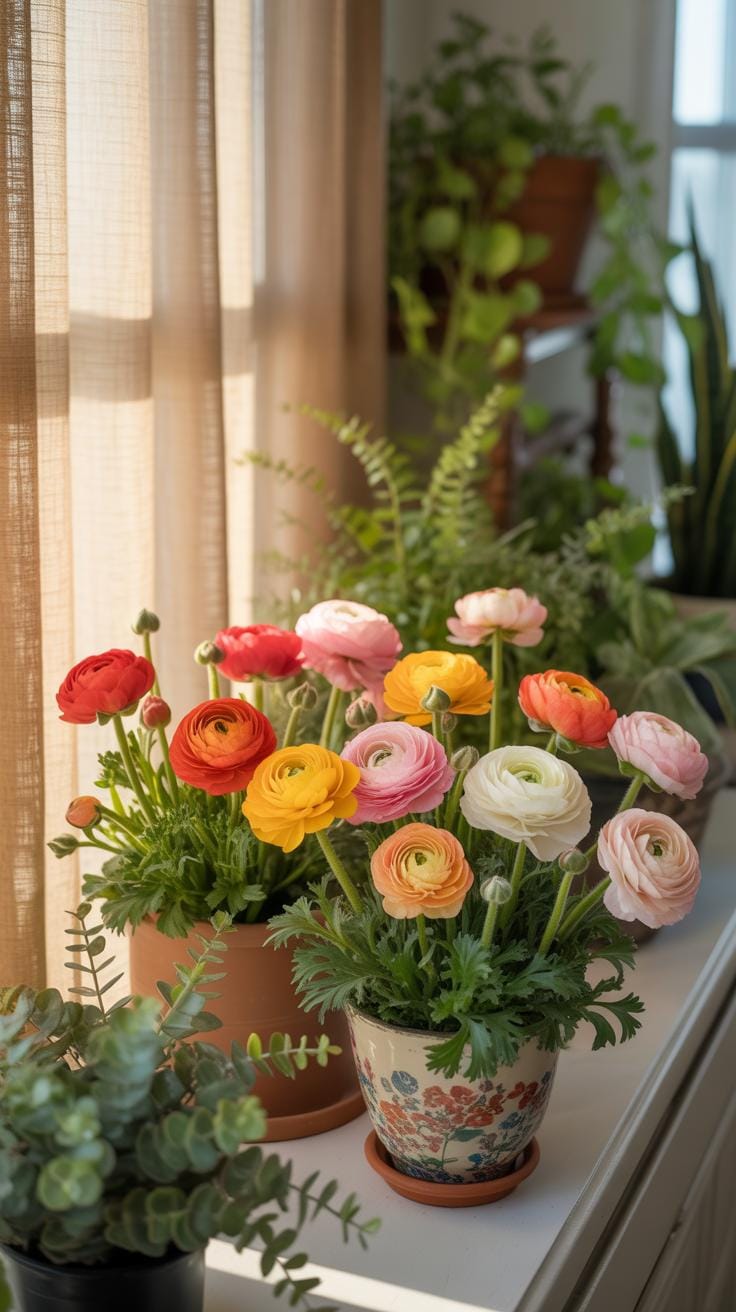
Ranunculus flowers thrive in cool Mediterranean climates. They require bright sun and temperatures between forty and sixty degrees Fahrenheit. These plants grow from claw-like corms that remain dormant in extreme heat. Gardeners must plant them in autumn for spring blooms in frost-free zones. In colder regions, you must start them indoors or plant after the last frost. Proper timing ensures the root system establishes before the sun intensifies.
Drainage is the most critical factor for success. These corms rot easily in standing water or heavy clay soil. You must use well-draining soil and containers with large holes. Water the soil once after planting and stop until you see green shoots. Overwatering during the early stage kills the plant. Strategic moisture management creates the healthy environment needed for these flowers to produce high petal counts and sturdy stems.
How The Cottage Garden Movement Has Fueled Home Cultivation Of Ranunculus
The cottage garden movement prioritizes high-yield flowers in small spaces. This design style values denseness and variety over formal structure. Homeowners now choose ranunculus for their intense colors and long vase life. These plants provide a high return on investment for small-scale growers. They fit perfectly into the trend of growing your own cut flowers for indoor arrangements. This shift moves away from industrial floral imports.
Modern gardeners value the slow process of pre-sprouting corms. This ritual aligns with the slow living movement. It encourages patience and a direct connection to the seasonal cycle. People want to control the chemicals used in their immediate environment. Growing ranunculus at home allows for organic practices. It turns a standard backyard into a functional source of beauty. This tactical approach to gardening maximizes both aesthetic and personal utility.
Ranunculus Flowers In Art Fashion And Cultural Expression
How Ranunculus Flowers Have Influenced Textile Prints And Fashion Collections
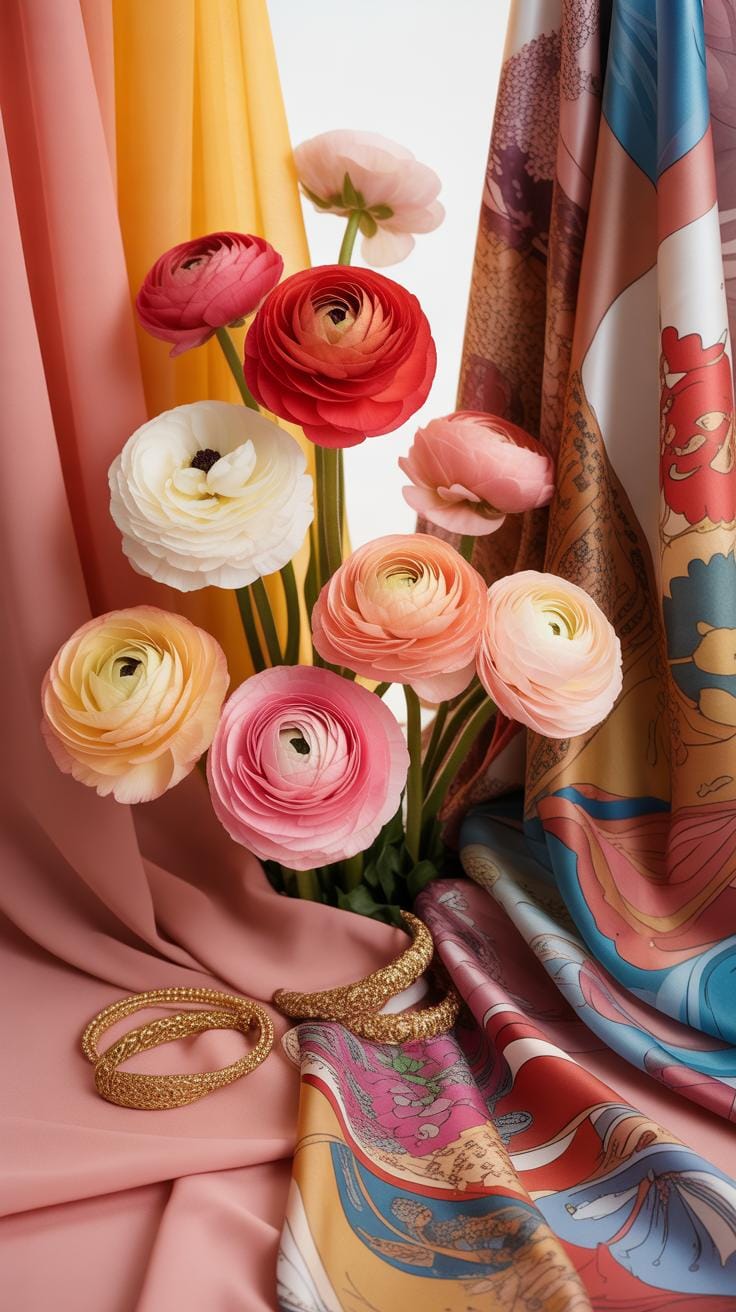
Textile designers use the ranunculus for its complex petal structure. The flower provides a dense visual texture that works well in luxury silk prints and high-end embroidery. Its layers allow for depth in two-dimensional fabric patterns. Modern fashion houses often substitute the ranunculus for the rose when they want a more structural or modern aesthetic in spring collections.
High-fashion brands use these blooms in 3D floral appliqués. The tight, concentric circles of the petals create volume without excessive weight. Designers often choose the Persian Buttercup variety for its saturated colors. These pigments translate effectively onto heavy brocades and lighter chiffons. The flower serves as a primary reference point for sculptural garment construction in contemporary runway shows.
The Symbolic Meaning Of Ranunculus Across Different Cultures And Traditions
The ranunculus carries a primary message of charm and radiance across many cultures. In the Victorian language of flowers, sending this bloom told the recipient they possessed many attractions. This historical meaning persists in modern floral gifting. People use the flower to acknowledge the inner beauty and intelligence of others. It remains a tactical choice for expressing admiration without romantic overtones.
In some Eastern traditions, the flower represents wealth and prosperity due to its many layers of petals. These layers signify an accumulation of luck and success. Native American lore sometimes refers to the flower as Coyote Eyes, linking it to legends of transformation. Understanding these cultural roots helps planners select the flower for specific ceremonies or milestone events that require symbolic depth.
Frequently Asked Questions

What exactly are ranunculus flowers and why are they so popular right now?
Known for their paper-thin petals and rose-like appearance, ranunculus flowers have become a staple in modern floral design. Their incredible petal count and wide array of vibrant colors make them a favorite for wedding bouquets and upscale spring arrangements. Because they symbolize radiant charm, they are the perfect choice for anyone looking to add a touch of sophisticated elegance and whimsical texture to their seasonal home decor displays.
How can I make my cut ranunculus flowers last longer in a vase?
To maximize the lifespan of your ranunculus flowers, trim the stems at a forty-five-degree angle and place them in cool water mixed with flower food. These blooms are heavy-headed, so using a supportive vase is essential to prevent drooping. Change the water every two days and keep the arrangement away from direct sunlight or heat sources. With proper care, these stunning blossoms can maintain their beauty for up to ten days.
Are there budget-friendly ways to incorporate these trendy blooms into my home?
While premium varieties can be pricey, you can save money by purchasing corms in bulk to grow your own in the garden. Alternatively, look for “butterfly” varieties, which offer more stems per plant and a longer blooming period. If you are buying from a florist, use a few focal stems mixed with inexpensive greenery like eucalyptus or waxflowers. This creates a high-end, lush look without the premium price tag of a solid bouquet.