
Introduction
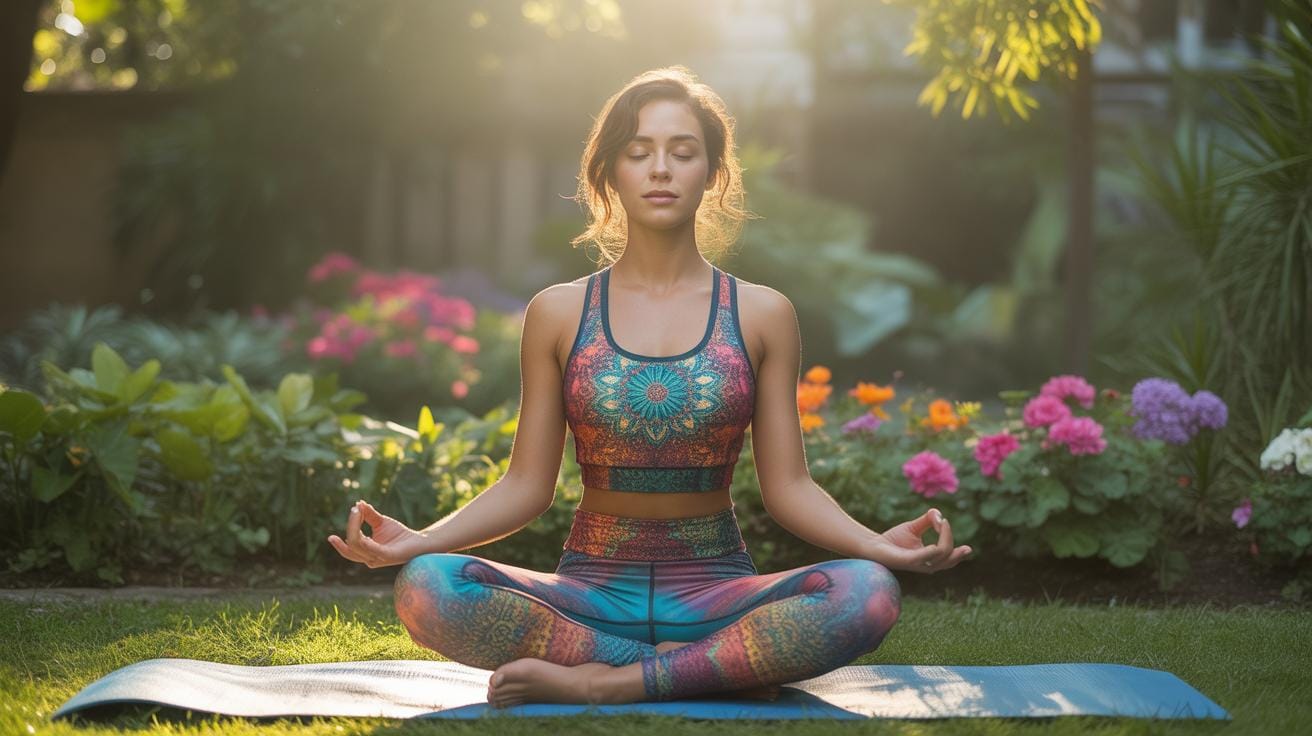
Yoga meditation plays a vital role in enhancing both your yoga practice and the overall aesthetic you present while doing it. By combining focused meditation techniques with proper attire, you can improve your experience on the mat and enjoy a greater sense of calm and balance. This article will cover effective meditation practices that fit well with yoga and how your outfit can support this harmony.
You will learn how meditation can boost your concentration and relaxation during yoga sessions. Alongside this, tips on selecting yoga clothes that allow free movement and complement the mindfulness experience will be discussed. The aim is to help you create a more fulfilling and enjoyable yoga routine that looks as good as it feels.
Benefits Of Yoga Meditation

When you practice meditation within yoga, something shifts in your mind that’s hard to sum up quickly. It often clears the mental fog, offering fresh focus on what really matters. Imagine sitting quietly at the start of a session, noticing the buzzing thoughts fade and a sharper sense of attention emerge. It’s like the mind finds a moment of rest amid the usual noise. This can lead to improved concentration throughout the day, helping you to tackle tasks with newfound clarity.

Stress, that constant companion of modern life, seems to loosen its grip through yoga meditation. As you synchronize breath with gentle movement and allow your mind to settle, a sense of calm often arises. This isn’t about escaping reality but rather creating space for relaxation. You may feel your shoulders drop or your heartbeat slow. Such moments provide a break from tension, making it easier to handle challenges without feeling overwhelmed.
Overall well-being benefits too. There’s a deeper connection to yourself, a quiet awareness that carries beyond the yoga mat. Practicing meditation in yoga can cultivate patience and reduce reactivity to daily hassles. While results vary, many practitioners report a gentler mood and a sense of balance that stretches across mind and body. Have you noticed how taking time to meditate during yoga seems to reset more than just your muscles?
Selecting Yoga Clothing For Comfort

Choosing the right clothes for yoga meditation and poses isn’t just about style. Comfort is king here. You want fabrics that breathe, stretch nicely, and can keep up with your movements without ever pinching or binding. This comes down to more than just size — it’s about fit and how the clothes react to both deep stretches and long moments of stillness.
Fabric Types To Consider
When picking yoga clothes, natural fibers like cotton can feel soft, but may soak sweat and get heavy. Instead, blends that include spandex or elastane tend to offer that perfect stretch and bounce back. Look for moisture-wicking materials like bamboo or technical polyester blends that help keep you dry and cool during both meditation and active poses. It’s a balance. Too synthetic can feel suffocating, too natural might leave you damp and distracted.
Fit And Mobility

Proper fit can truly transform your practice. Clothes shouldn’t be so tight they restrict breath or movement, nor so loose they get in the way or force you to adjust constantly. You need freedom — particularly in areas like shoulders, hips, and torso — because poses demand twisting, bending, and holding balance. Oddly, sometimes a slightly snug fit around these areas feels more supportive and secure; it’s not always about baggy comfort.
Ultimately, your clothes should fade into the background, letting your body and mind focus on the practice, not on awkward seams or slippery fabrics. Have you ever found a pair that felt just right and almost disappeared on your body? That’s the sweet spot.
How Meditation Enhances Focus

When you start a yoga session, your mind often races—thoughts about your day, the to-dos, or even distractions in the room. Meditation can really help to tame that noise. One method that stands out is focusing attention on your breath, which acts like an anchor. By deliberately paying attention to each inhale and exhale, you train your mind to stay present and reduce wandering thoughts.
One breathing exercise is called the 4-7-8 technique. You breathe in quietly through your nose for a count of four, hold that breath for seven seconds, then exhale fully through your mouth for eight seconds. It’s surprisingly calming. You might feel a little light-headed at first; that’s normal and usually passes quickly.

Besides breath control, practicing mindfulness during yoga also helps maintain focus. A simple exercise is to silently note sensations and thoughts without judgment—like feeling the mat beneath you or noticing the stretch in your muscles. This keeps your mind from drifting off, though it’s easy to get distracted, so don’t be hard on yourself.
- Try counting your breaths to five and then start over, which prevents your mind from zoning out.
- Shift your gaze to a fixed point if your eyes are open—this helps maintain steadiness.
- Use guided meditation apps occasionally; hearing another voice can pull you gently back when your mind wanders.
Finding the right meditation approach might take some experimenting, so perhaps be patient with the process. You may notice a subtle increase in your ability to focus during your practices. And isn’t that, after all, a key part of yoga itself?
Clothing Choices Comparing Materials

When it comes to enhancing your yoga meditation and practice, the clothes you wear actually matter quite a bit. Different materials interact with your body and mind in subtle ways that could affect how comfortable you feel—both physically and mentally. So, what should you be considering?
Cotton Versus Synthetic
Cotton is a classic choice. It‘s breathable, soft, and feels natural, which can help you feel grounded during meditation. But it tends to soak up sweat and stays damp longer, which might distract you if you get warm. Synthetic fabrics like polyester or nylon wick moisture away faster, making them a go-to for physically intense sessions. Yet, they sometimes feel less breathable or a bit plasticky, which can throw off your comfort, especially in stillness and slow breathing.
Eco-Friendly Options

More yogis today lean toward natural or recycled fabrics. Organic cotton or bamboo offers a gentler feel and reduced environmental impact. Recycled polyester, on the other hand, lets you be kind to the planet while still enjoying moisture-wicking properties. Choosing these materials might actually deepen your practice, linking your physical comfort with a sense of mindful sustainability. It’s a little thing but feels meaningful when you think about your impact beyond the mat.
Overall, pick what makes you feel most at ease — because when your outfit supports your meditation, your mind can finally settle without interruptions. That, perhaps, is the best outfit benefit of all.
StepByStep Yoga Meditation Routine

Starting a yoga meditation routine can feel like stepping into something quite unfamiliar. You might want to keep it simple — maybe just a few minutes to begin, gradually building your practice.
Preparation Checklist
First, pick a quiet space where you won’t be disturbed. It doesn’t have to be fancy — just somewhere comfortable. Clean the area if you can; clutter tends to distract me more than I expect.
- Choose loose, comfortable clothes that allow easy breathing.
- Have a cushion or mat ready for sitting — something that supports your posture.
- Set your phone on silent or airplane mode to avoid interruptions.
- Try some gentle stretches to loosen your body before sitting still.
Routine Steps

Now, start seated comfortably — cross-legged or on a chair if that suits you. Rest your hands gently on your knees or lap. Close your eyes if you’re comfortable doing so.
Begin with deep, slow breaths: inhale quietly through the nose to a count of four, then exhale out through the mouth for a count of six (or whatever pace feels natural). The longer exhale helps your nervous system calm down.
After several breaths, shift from breath awareness to posture awareness. Notice how your spine feels — ideally upright but relaxed. If it aches, make tiny adjustments.
Next, bring your attention to the gentle rise and fall of your belly. This coupling of breath and posture is subtle but powerful; it anchors your mind and body together.
If your mind wanders — and it probably will — simply note this without judgment and return focus to your breath and body sensations.

Try to keep this for five to ten minutes at first. You might feel restless; that’s okay. With time, the meditation blends more naturally with your yoga practice, and you’ll notice small shifts in focus and calm.
Measuring Progress In Meditation

Tracking your meditation progress over time might feel a bit elusive. After all, meditation is internal and subtle, but certain ways can help you notice shifts in your focus and emotional state. One practical method to gauge how your concentration improves is to observe the length of time you stay fully attentive without getting distracted. You could record these moments after each session, noting if the breaks in focus become fewer or shorter.
Another useful approach is journaling your meditation experiences regularly. Write down any recurring thoughts, how often your mind wanders, or how easily you return to your point of focus. Over weeks or months, these notes create a personal map of your mental shifts.
Focus Improvement Metrics
Try timing how long you can keep your attention on one object—whether your breath, a mantra, or a visual point. Use simple timers if that helps. Notice patterns: Are your distractions less frequent? Do thoughts stop pulling you away as harshly? If you find your focus deepening in some sessions but not others, reflect on what conditions or techniques influenced that.
Also, consider short quizzes to check your mindfulness after meditation. Outside the sessions, do you notice better attention during daily tasks? Sometimes progress manifests beyond the cushion—like improved presence in conversations or less habitual multitasking.
Emotional Benefits Tracking

Emotional changes often accompany meditation but can be subtle at first. Keep an eye on your moods before and after sessions. You might jot down feelings like calmness, anxiety, or frustration experienced around your practice. Over time, if you see fewer negative emotions or quicker recovery from stress, that’s progress.
It’s helpful to note specific emotional shifts after challenging days when you meditate. Do you feel more balanced or resilient afterward compared to when you skip it? Such patterns show meditation’s influence beyond the quiet minutes, affecting real-life emotional resilience.
Ultimately, measuring meditation progress isn’t about perfect scores. It’s a gentle, ongoing conversation with yourself. What small evidence of improvement do you notice right now—even if it’s just a fleeting moment of peace or stillness?
Meditation Versus Mindful Movement

Static Meditation Defined
Static meditation often means sitting still, focusing your attention inward. Think of it as a quiet pause for your mind, free from physical distractions. It usually involves sitting or lying down in a comfortable position, focusing on breath, a mantra, or a specific point of concentration.

This kind of meditation fits moments when you want to calm the mind deeply or step away from daily chaos. You might use static meditation before or after yoga to center yourself or even during stressful times to find a mental reset. It asks for patience and stillness, which isn’t always easy but can be quite rewarding.
Moving Meditation Approach
On the flip side, moving meditation weaves mindfulness into gentle, purposeful movement—like flowing through yoga poses with full awareness. It’s meditation in motion, not separate from the body. Instead of trying to fix your mind by sitting still, you engage each part of your body and breath simultaneously.
This approach suits those who struggle with sitting still or want to cultivate mindfulness while staying active. Yoga, especially styles focusing on slow transitions and breath coordination, fits perfectly here. Moving meditation can unblock tension and create a sense of flow that static meditation might not offer as directly.
How do these two forms complement your practice? Sometimes, sitting quietly offers clarity and rest, and other times, mindful movement renews your energy and focus. You might find your yoga aesthetic and outfit feel different depending on the meditation style you lean into—the quiet grace of stillness versus the vibrant flow of movement.
Case Examples Of Yoga Wear Impact

When it comes to meditation, what you wear can have a surprising effect on your experience. I’ve noticed that certain yoga outfits genuinely support a deeper, more focused practice. For example, a friend shared how switching to loose, breathable pants and a soft top helped her maintain longer meditation sessions without distraction.
Interestingly, there are also stories where the opposite happened. Tight or synthetic fabrics sometimes caused discomfort or even irritation, which pulled attention away from breath and quietude. One practitioner mentioned how a snug waistband kept shifting during poses, disrupting both her flow and mental stillness.
Comfort Leading To Better Focus
Comfort isn’t just a luxury; it’s a foundation for meditation. A comfortable outfit — think soft cotton or moisture-wicking fabrics — reduces the urge to adjust clothing constantly. I recall a yoga teacher who emphasized that wearing clothes that fit well improves posture and breath control, both crucial for meditation.
Some meditators reported feeling lighter and less distracted when their outfits didn’t restrict movement or temperature regulation. It’s almost like the body can relax more fully, and the mind follows.
Restrictive Clothing Effects
Conversely, restrictive clothing can interfere with the natural rhythm of yoga and meditation. Imagine a too-tight sports bra or leggings cutting off circulation, causing subtle annoyance that builds up over time.
In fact, some practitioners say such constraints made it hard to enter that calm, clear-headed state meditation seeks. Instead, their minds fixated on physical discomfort. It raises the question—how much of our meditation struggles come down to what’s on our bodies rather than what’s in our heads?
Common Meditation Pitfalls To Avoid

When you start yoga meditation, it’s easy to slip into patterns that don’t really serve you. Some mistakes are subtle but can make a big difference. For instance, many beginners expect an immediate quiet mind — but that’s often not how it works. It’s normal to have wandering thoughts; the trick is how you handle them. Instead of fighting distractions, try gently bringing your attention back to your breath or mantra. It’s more about patience than perfection.
Posture is another issue that often goes unnoticed until discomfort sets in. Slouching or tension can make meditation unpleasant, leading to shorter sessions. Sometimes, people sit too stiffly, which ironically causes more strain. The ideal posture supports alertness and relaxation simultaneously. That might mean propping hips slightly higher or adjusting knee placement. Everyone’s body is different, so attending to what feels sustainable is key.
Finally, be aware of common distractions around you — background noise, physical discomfort, or even your phone’s presence. Limiting these interruptions before you begin helps you settle quicker. And if distraction strikes mid-meditation, simply notice it without judgment and redirect your focus calmly.
Conclusions
Yoga meditation enhances your yoga practice by improving mental focus and emotional calm. This allows you to perform poses more effectively and appreciate the process of your workout. Along with mindful meditation, choosing the right yoga outfit supports your movement and helps maintain comfort, which encourages regular practice.
Integrating meditation techniques with suitable attire creates a balanced approach to yoga that benefits body and mind. When you feel good inside and out, your yoga sessions become more productive and enjoyable. You now have practical ideas to try that will enrich both your meditation and outfit choices for lasting improvement.