
Beginner-Friendly Home Workout Routines
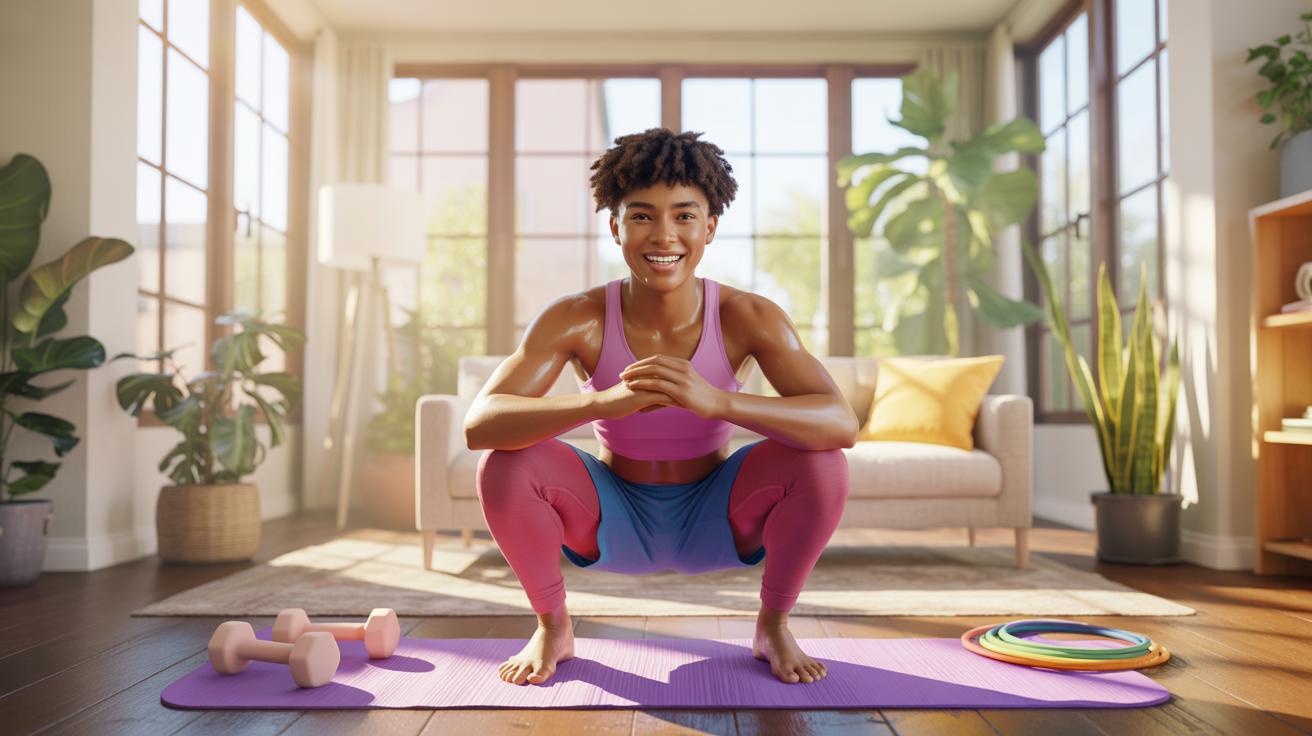
Starting a workout routine can be a good way to improve your health. Workout routines for beginners help you get used to exercising safely and effectively. This article focuses on workout routines for beginners, especially how to do a beginner workout at home.
You will learn what beginner workouts are, why it’s good to start at home, and some simple exercises you can try. The following chapters will guide you step by step to create a workout habit that fits your life.
Beginner Workout Basics

What Is A Beginner Workout Routine
A beginner workout routine is a simple plan designed specifically for people who are new to exercising. It focuses on basic movements that don’t require much skill or equipment. Exercises like bodyweight squats, walking, gentle stretching, and modified push-ups are common examples. These moves help you get familiar with your body’s limits and build a foundation.
Starting slow is key here. It might sound tedious, but paying attention to your form during each exercise can prevent injuries and make your efforts more effective. Trying to rush into intense workouts usually backfires, causing frustration or soreness that can discourage you. So, slow down and get comfortable with how your body moves. It’s about quality, not just quantity.
Benefits Of Starting At Home
Working out at home has some clear perks, especially for beginners. First, it’s really convenient—you don’t need to commute or schedule around a gym’s hours. This can make it easier to stick with a routine because you can fit it whenever fits your day best.

Also, being in your own space often feels less intimidating. When you’re just starting out, the thought of working out in front of others can be… well, unsettling. Plus, home workouts usually cost nothing. You won’t need fancy equipment or gym memberships.
There’s flexibility too. If a routine feels too hard or too easy, you can adjust things on the fly without worrying about other people waiting or watching. For many, having that control makes all the difference in staying motivated.
Simple Exercises For Starters
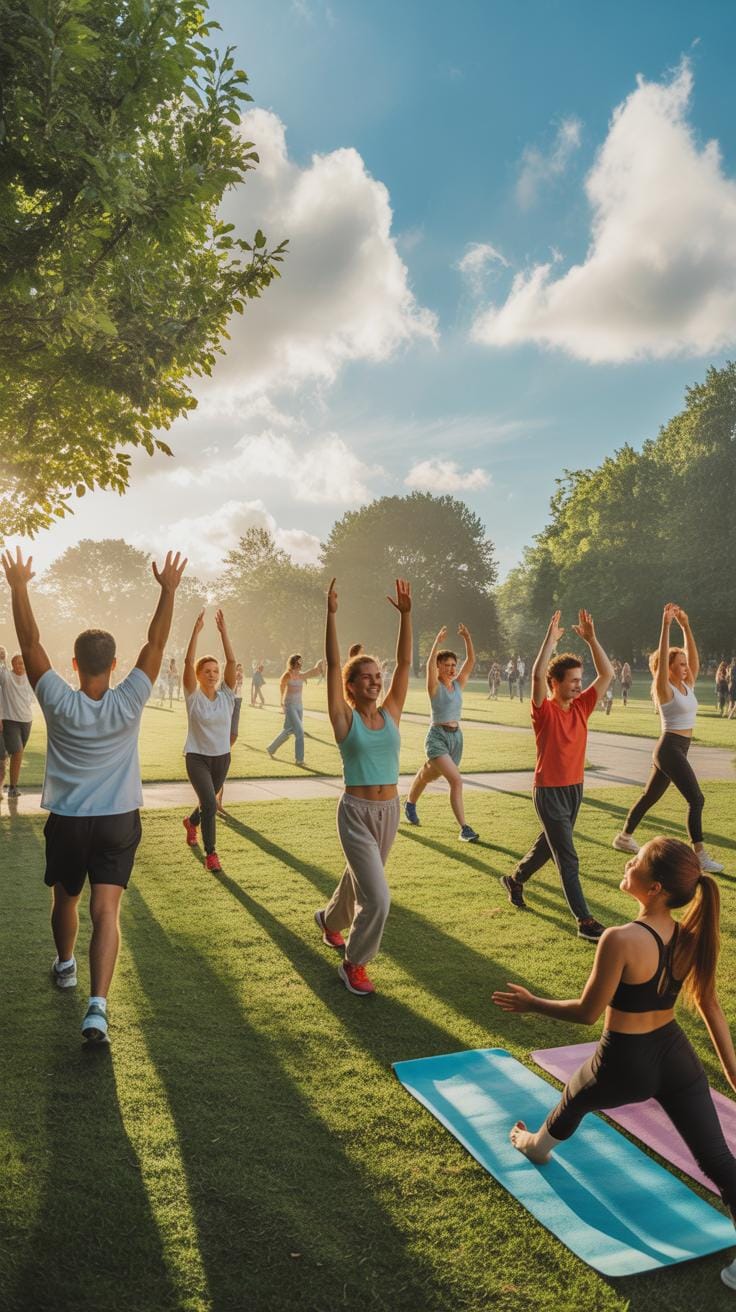
Starting out, you don’t need fancy gear or a gym membership. Some simple moves can tone different parts of your body right at home. For your legs, try standing calf raises—just lift your heels off the floor, hold briefly, and lower back down. It’s subtle but works those calf muscles. For arms, the wall push-up is a good entry point: stand a bit away from the wall, place your palms flat, and push your body toward then away from it. It’s less intense than the floor push-up but helps build strength gradually.
For your core, lying leg raises are straightforward—lie on your back, legs straight, and slowly lift them a few inches off the floor before lowering. This targets lower abs with minimal strain. And don’t forget gentle seated twists; just sit up tall and rotate your torso side to side to engage obliques.

These moves don’t demand much finesse. Sure, they might feel odd at first, but that’s part of gaining control over your body. Should you do many reps? Starting with 8–12 is fine until you feel comfortable.
Full Body Movements To Try

Full body exercises bring multiple muscles into play, which helps build overall fitness and coordination faster. Take squats, for instance. Stand with feet shoulder-width apart, bend knees, and lower hips as if sitting back into a chair. This targets your quads, hamstrings, and glutes, plus your core helps stabilize. You might notice your legs shaking a bit when new to squats—that’s normal.
Lunges work similarly but add some balance challenge. Step forward with one foot, lower your back knee toward the floor, and push back up. Switching legs spreads work around, engaging hip flexors and glutes differently. Push-ups develop upper body strength: place your hands under shoulders, keep body straight, lower chest to the floor, then push up. If that’s tough, drop knees to rest on the floor—still effective.
Planks might seem simple—hold a push-up position—but your core works hard to keep you from sagging. Try holding for 15 seconds at first and build up. They’re a surprisingly solid way to improve posture and stability.
Daily Equipment Free Options


Bodyweight exercises are the bread and butter for beginners because they use your own mass as resistance. It saves time and removes excuses like “I don’t have weights.” Squats, planks, push-ups, and lunges top the list but don’t overlook bridges (lying down, lifting hips off the floor) to work glutes and lower back. Or try bird-dogs—on hands and knees, extend opposite arm and leg simultaneously—for balance and core.
Why rely on bodyweight? They build foundational strength safely and allow you to perfect form before adding complexity. Also, you can modify intensity easily: slow down the movement, add pauses, or increase reps.
Bodyweight training pushes you to connect with your body’s mechanics. It’s basic, sure, but dependable. Before buying anything or chasing fancy routines, these exercises can ground your practice and show real progress in unexpected ways.
How To Plan Your Workout Days

Creating A Weekly Routine
When you’re just starting out, figuring out how to space your workouts can feel a bit overwhelming. A simple plan might be to aim for about three to four workout days each week. That gives your body enough activity without pushing too hard. You could, for example, pick Monday, Wednesday, and Friday as workout days, leaving gaps for rest and recovery.

It’s helpful to mix different workout types across these days—perhaps a strength-focused session one day, followed by a cardio or flexibility workout the next. Switching things up prevents boredom and keeps your motivation steady, which can be tricky if the same moves are repeated over and over.
Sometimes, you might feel inclined to fit in more sessions. Just pause and ask yourself: Am I actually enjoying this? Is it helping? That check-in can keep your routine sustainable. And if you’re pressed for time, even short, focused 20-minute workouts can be effective.
Balancing Exercise And Recovery
Rest days aren’t just “off” days—they’re where your muscles rebuild and get stronger. Skipping rest can lead to fatigue or even injuries. Muscle soreness the day after a workout is normal, but if aches last too long or you feel drained, that’s a sign to slow down.
Recovery doesn’t mean complete inactivity—it can mean gentle stretching, walking, or light yoga. These help blood flow and ease stiffness without overloading your system.
If you push too hard and too often, you risk burnout or injury. Pay attention to persistent joint pain, constant tiredness, or a drop in motivation. Those are red flags that you might need more rest or a lighter approach for a while.

Finding the right balance isn’t exact. It takes a bit of trial and error—and listening to your body more than any rigid schedule.
Tracking Your Progress Made Easy

Keeping an eye on your workout progress doesn’t need to be complicated. You can start by simply noting down the weight you lift, the number of repetitions you complete, or even the amount of time you hold a position. These small details might feel trivial at first, but they provide clear evidence that you’re improving—even when you don’t quite feel it in the moment.
Using a workout journal can really help here. Just jot down what exercises you did, how long you spent on them, and maybe even how you felt before and after. It sounds basic, but it keeps you honest and aware of your efforts. Plus, re-reading past notes sometimes reminds you how far you’ve come or reveals patterns—like when a certain exercise felt harder or easier. That can be surprisingly motivating.
Try setting small, achievable goals. For example, aim to do one more push-up than last week or hold a plank for ten extra seconds. These little targets help focus your routine and make progress feel manageable. Sometimes the goals feel too small to matter, but they add up, keeping you engaged and less likely to lose track or get discouraged.
Common Mistakes To Avoid

Skipping Warm-Ups And Cool-Downs
Jumping straight into your workout might seem like saving time, but skipping warm-ups and cool-downs can trip you up more than you’d expect. Your body needs a moment to adjust. Warming up raises your heart rate and loosens muscles, making your movements less stiff and reducing injury risk. Cooling down helps your body return to a resting state, easing muscle soreness and preventing dizziness.

Simple warm-ups can be as easy as marching in place, gentle arm circles, or light leg swings—just five minutes or so. After exercising, try stretching your major muscle groups or walking slowly for a few minutes. It doesn’t have to be complicated. I’ve noticed when I skip these steps, muscles feel more tight the next day, even if the workout was light.
Overdoing Workouts At First
It’s tempting to push hard when you’re motivated, but starting off too intense often backfires. Overtraining saps your energy and may cause soreness or even injury. You might feel excited and hammer through exercises, only to burn out fast or stop altogether.
Watch for signs like persistent fatigue, trouble sleeping, or declining performance. If your body protests, slow down. beginning with shorter sessions or fewer sets lets you build stamina steadily. Remember, progress isn’t a race. I think many people forget that rest is part of training—it’s where improvements actually happen.
Finding the right balance early on isn’t always obvious. You might feel fine one day but too worn the next. Listening carefully to those signals can help you avoid setbacks and keep going for the long haul.
Choosing Between Full Body And Split Workouts

Full Body Workout Basics
Full body workouts involve training all major muscle groups in one session. For beginners, this approach often makes more sense—it keeps things simple and helps you build balanced strength. You might do exercises like squats, push-ups, rows, and planks all in one workout. Typically, these routines are done three times a week, which allows your muscles to recover on off days.
People who want to get a feel for different movements or who have limited time usually prefer this. I remember when I started, a full body workout felt easier because I wasn’t worrying about specific muscle groups on certain days. Plus, you get to move more frequently, which might help with consistency.
What Are Split Routines
A split routine divides workouts by muscle groups or body parts—like legs one day, arms the next. Beginners might try this once they feel comfortable with the basics or if they want to focus on specific goals, such as building strength in the upper body. The idea is to train muscles more intensely but less often, often four or five days a week.
At home, splits can be tricky. You might find it hard to stay consistent if time or energy dips. Also, without gym equipment, isolating muscles can be less straightforward. On the upside, splits give variety and might reduce workout length per day. But, if you miss a day, you’re skipping a whole muscle group’s session—which could slow progress. So, for many at-home beginners, splits could feel overwhelming or less flexible.
Tips For Staying Consistent

Sticking with a workout routine isn’t always straightforward. You might start strong, then suddenly find yourself skipping days—maybe even weeks. It happens to most beginners. One thing that really helps is setting realistic, small goals instead of trying to do too much right away. For instance, aiming to exercise just 15 minutes every other day feels less overwhelming than jumping into an hour-long session daily.

Another practical tip: change your workouts slightly when boredom creeps in. Variety can keep things interesting, though don’t get caught up over-planning. Sometimes simple is better, even if it feels repetitive. What motivates you? For some, tracking progress visually—say, marking workout days on a calendar—makes a difference. Seeing those marks pile up can be oddly satisfying.
And about common reasons for quitting—lack of time tops the list. Try pairing workouts with daily routines, like following exercise with a shower or breakfast to make it a habit rather than a chore. Also, don’t beat yourself up if you miss days; that’s normal. Instead, focus on getting back on track quickly.
Building Habits That Last
Creating simple daily habits around exercise can make all the difference. The key isn’t intensity but consistency. Perhaps picking a fixed time, like mornings before work or evenings after dinner, can help. Making it part of your daily rhythm means it feels less like an option and more automatic. I found this tricky myself—some days the afternoon felt perfect, then the next day chaos hit. So, try different times but stick with what works.
Pairing workouts with an existing habit also helps. For example:
- Do a quick set of stretches right after brushing your teeth.
- Follow your morning coffee with a short walk or light bodyweight exercises.
- Keep your workout clothes visible or ready to go, that little reminder nudges you more than you might expect.
These small cues can build momentum. Sure, habits don’t form overnight, and consistency requires patience. But little by little, it gets easier.
Using Support And Reminders
Having someone on your side matters—sometimes more than you realize. Whether it’s a friend, family member, or even an online group, sharing your goals with others can create accountability. You might feel more compelled to stick with your routine if you know someone’s checking in. Or better yet, exercise together when possible.
Besides social support, technology can help keep you on course. Phone alarms, reminder apps, or workout trackers nudge you without much effort. I used to ignore alarms, but after switching to an app that celebrates small wins, I found myself more eager. Even simple notes on your fridge or bathroom mirror can serve as daily encouragement.
Sometimes it’s just about experimenting. If one reminder method feels like a hassle, try another. What matters is creating a system that fits your lifestyle and nudges you forward without feeling like pressure.
Nutrition Basics That Support Workouts

Food and water play a bigger role in your workout success than you might think. Eating well gives your body the fuel it needs to power through exercises, recover afterward, and actually build strength. Without that, you could feel sluggish or struggle to keep going.
Simple tips make a difference here. Try to eat balanced meals with some protein, carbs, and fats throughout the day instead of loading up at once. Keep snacks handy, like nuts or yogurt, to avoid running on empty. And drinking water regularly—not just when you’re thirsty—helps keep your muscles working right.
It might feel tricky at first to figure out what and when to eat. But paying a little attention to your meals can open up a whole new level of energy for your workouts. Ever noticed how you feel when you skip a meal before exercising? That’s proof food really does matter.
Eating To Support Exercise
Protein matters for repairing and building muscles—think chicken, eggs, or beans. Carbs give you energy, so whole grains, fruits, and veggies are your friends here. Fats also fuel your body and keep hormones balanced; nuts, avocados, and olive oil work well without being overwhelming.
For beginners, try simple meals like a grilled chicken salad with a slice of whole-grain bread or oatmeal topped with fruit and a spoonful of peanut butter. Snacks could be something like a banana with a handful of almonds or a small pot of cottage cheese with berries.
These foods offer a steady release of energy and nutrients. You don’t need fancy meals—sometimes straightforward and consistent works best. But, you may wonder if you should focus more on protein or carbs depending on your workout. The answer depends on your goals, but aiming for a balance often feels safer, at least to me.
Staying Hydrated
Water’s role during workouts often gets overlooked. It helps regulate body temperature, prevents cramps, and keeps joints lubricated. Lack of proper hydration can make you tire faster or feel dizzy, which nobody wants when starting out.
A good rule is to drink about eight cups daily, but this varies based on your activity, climate, and body size. Before exercising, have a glass or two. During, sip regularly—don’t wait until you’re thirsty. And after, rehydrate to replace what you lost.
Some people find it hard to drink enough water, especially if they don’t feel thirsty often. In that case, try keeping a bottle nearby or infusing water with fruit to make it more appealing. It might seem minor, but staying hydrated can really change how you feel and perform in your workouts.
Example Beginner Workout Week

Here’s a simple weekly plan to get you started with exercising at home. It mixes full body workouts and light cardio, so you don’t overdo it but still get a well-rounded routine. Each day begins with a warm-up to get your muscles ready and ends with a cool-down to help you recover.
Monday to Saturday, aim for about 20 to 30 minutes of activity. On Sunday, take a rest—yes, really rest—while doing some gentle stretching to keep your body loose. It’s okay to take it slow here; think of these moves as breathing space for your muscles, nothing intense.
Daily Workout Example
Start each workout day with about 5 minutes of marching in place or gentle jumping jacks to warm up. Then move into these exercises:
- Bodyweight squats: 2 sets of 10–12 reps. Focus on form more than speed.
- Wall push-ups: 2 sets of 8–10 reps. Easier on the joints but still effective.
- Glute bridges: 2 sets of 10–12 reps. They target your lower back and hips.
- Bird-dog: 2 sets of 8 reps per side. Great for balance and core strength.
- Light jogging in place: 2 minutes to keep your heart rate up.
Wrap up with 5 minutes of slow walking around the room, followed by some gentle stretches for your hamstrings, calves, and arms. It might seem repetitive, but your consistency now matters more than intensity.
Sunday Rest With Light Stretching
On Sunday, don’t push yourself. Try spending 10 to 15 minutes on easy stretches—neck rolls, shoulder shrugs, calf stretches, and gentle side bends work well. Maybe throw in a few deep breathing exercises or even some mindful relaxation (like lying down and focusing on your breath). You could feel slightly restless not exercising, but this day helps your muscles recover and prepares you for the week ahead.
It’s okay if these rest stretches feel too light or oddly slow—you’re not here to burn calories today. Instead, notice how your body responds to slowing down. It’s all part of the process.
Conclusions
Workout routines for beginners are simple and easy to follow. You do not need special equipment or a gym to start. At-home workouts help you build strength and confidence.
By using the tips and exercises shared here, you can make workout a regular part of your day. Remember, the key is consistency and listening to your body. Keep moving, and enjoy your progress.