

A 30-Day Plank Challenge Chart to Track Your Progress
The 30 Day Plank Challenge Chart For Tracking Your Progress is a practical tool for anyone looking to improve their core strength and overall fitness. This challenge has grown in popularity because it is simple to follow and can fit into nearly any fitness routine. By using a chart to track your progress, you can visually see your improvements which helps keep motivation high throughout the month.
Tracking daily progress with the 30 Day Plank Challenge Chart allows you to set achievable goals and measure your endurance gains. In this article, you will find detailed chapters that guide you on how to use the chart, understand the benefits of the plank exercise, and maintain consistent progress. Whether you are a beginner or someone looking to enhance your core workouts, this article provides solid advice and practical examples.
Plank Challenge Setup Checklist
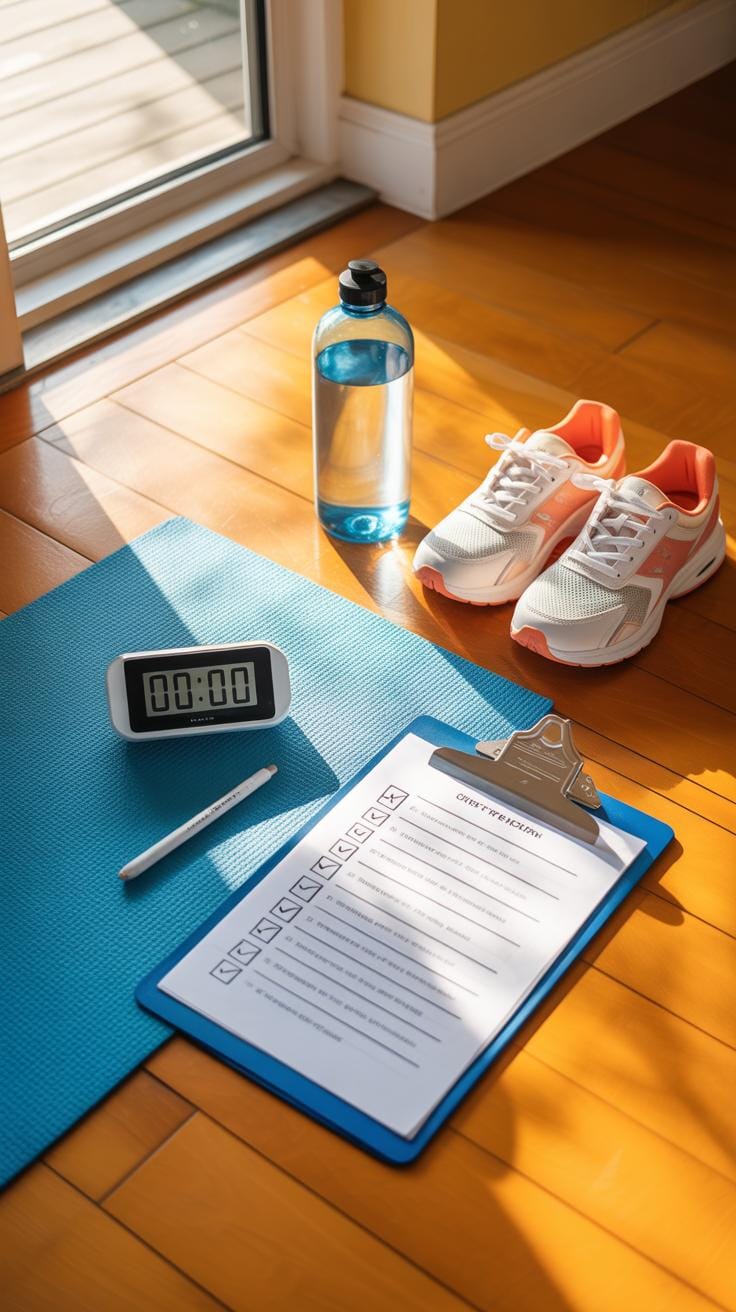
Before starting your 30-day plank challenge, it’s good to get organized. First, gather a few essentials: a timer (your phone works fine), a comfortable mat to protect your elbows and forearms, and the plank challenge tracking chart you’ll use. Having these ready makes it easier to stay consistent and avoid excuses.
Setting reasonable starting goals is key. Don’t dive in expecting to hold a plank for minutes on day one unless you’re already quite fit. Instead, think about your current level. Can you hold a plank for 20 seconds? If yes, start there. If not, try 10-15 seconds to build confidence and avoid burnout early on.

Keep your challenge realistic. One way I found useful was writing down daily goals next to each date on my chart. It gives a clearer sense of progress and helps you push yourself without feeling overwhelmed. Also, remember to leave space for notes about how you felt or what changed, even small details matter.
Choosing The Right Chart Format
There’s no one-size-fits-all chart when it comes to tracking your plank challenge. Some people like a daily checklist with simple “done” or “not done” boxes. Others prefer charts that allow recording exact plank times, which can feel more motivating because you see your hold times improve day by day.
If you’re more visual, a graph-style chart might work better. It lets you see progress as a curve, which can be surprisingly encouraging. Meanwhile, if you want quick daily confirmation rather than numbers, a calendar format where you shade in each plank day could fit.
Try to pick a chart that feels easy to update. A complicated setup might make you skip tracking, defeating the purpose. You might even blend formats: use a simple calendar for consistency and jot down times in a journal or app. The key is choosing a tracking way you’ll stick with.
Setting Realistic Daily Targets
Starting the plank challenge has a lot to do with pacing. Setting your plank hold times too high on day one can lead to frustration or quitting. Conversely, setting them too low might not push you enough. So, how do you find that middle ground?

Consider your current fitness. If planks feel tough, begin with 10 to 20 seconds per session. For those more comfortable, 30 seconds might make sense. Increase durations gradually, aiming for just a few seconds more every couple of days. Small increments are less intimidating but still effective.
Don’t stress over perfection. Some days you might hold longer, others shorter. Use your chart not just for tracking time but to gauge how your body feels. If you hit a plateau, that’s normal. Adjust goals gently rather than pushing hard all the time. After all, progress isn’t linear.
Benefits Of Daily Plank Tracking

Keeping track of your daily plank times isn’t just about ticking a box. There’s something about seeing those numbers grow that nudges you forward, almost without you realizing it. When you write down or mark how long you held a plank, you create a visual story of progress. You begin to notice patterns—days when you felt strong, times when you struggled. This awareness can push you to try a bit harder the next day, or remind you when you need a break.
Physically, tracking helps you stay consistent, which is key to strengthening your core muscles over time. If you just guess or rely on memory, it’s easy to lose sight of how far you’ve come—or how much you need to improve. Daily records encourage small, steady improvements that add up.

You might feel your posture changing, too. That extra awareness improves muscle memory subtly. Your body learns to stay aligned better. And mentally, it demands discipline—showing up each day builds a habit, even if motivation dips at times.
Have you ever felt surprised by how much stronger you got, simply because you kept a simple chart? Sometimes the impact is clearer on paper than in the mirror. That little boost might just be what keeps you going when your mind tries to skip a day.
Common Mistakes To Avoid During Challenge

Skipping Days Without Logging
Missing days in your progress chart might feel harmless at first. Maybe you were tired, busy, or just forgot. Still, skipping entries can quietly chip away at your motivation. When you don’t log your plank times consistently, it becomes tough to see real progress or patterns. That gap might make you question if your effort even matters.
Without regular tracking, it’s easy to fall into irregular training habits. You might tell yourself you’ll catch up later, but often those missed days stretch longer than expected. Logging daily—even if for a short plank—creates a routine your brain can latch onto. It’s like a subtle nudge, keeping you accountable to yourself.
Holding Poor Form
Planks aren’t just about holding the position; form really matters. If your hips sag or your shoulders creep forward, you risk strain on your back and neck. Poor technique can cause pain—and might even set back your progress.

Your tracking chart can help spot signs of bad form. If your plank times plateau or drop suddenly, maybe you’ve been compensating with poor posture. When that happens, pushing harder won’t help—it’s time to pause and reassess. Sometimes, less is more if it means doing the plank correctly.
Have you noticed your times stop improving even though you feel more tired? That could be a clue. Tracking isn’t just about numbers; it’s a mirror letting you catch errors before they become habits. So watch your chart closely—it might reveal more than you expect about how you’re really doing.
How To Use The Plank Chart Effectively

Start by logging your plank time every day without fail. Write down the exact seconds you held the plank—don’t just round up or estimate. This helps you see real, measurable progress. It might feel tedious at first, but this simple habit makes the challenge much clearer.
Once you gather a few days’ data, glance at the trends. Are your times improving steadily? Or do they plateau or even dip? This tells you how your body is adapting and might flag days when fatigue or distractions sneak in. Maybe you need more rest or a slight tweak to your form.

Try to keep your plank holds consistent—same plank variation, same environment. Changing too much can confuse your progress readings. I remember one week I switched to elbow planks without noting it properly; the results got jumbled, and I lost track of my real improvement.
Every week, use your recorded times to set the next week’s targets. Increase hold times by small, manageable amounts—perhaps 5 to 10 seconds—based on how well the previous week went. If you struggled to add time but nailed form, focus on those basics before pushing longer. If you’re consistently beating your holds, nudge the target up.
Does it seem like slow progress? Maybe your chart suggests a few hard days, but that’s normal. Adjust the goals flexibly. The chart is a guide, not a rulebook. If you force increases too quickly, motivation can drop. But if you ignore progress data, you might stay stuck.
What Progress Looks Like Week By Week

When you look at your 30 Day Plank Challenge chart, you’ll probably notice a clear pattern emerging in the first two weeks. Most people see rapid improvements here. Why? Well, your body is waking up to the new demand, activating muscles you might not have used much before. It’s almost like a quick adaptation phase. You could find yourself holding planks longer by day 10 than when you started, often with less effort.

But then, around week three, something shifts. The pace slows down. It’s common to feel stuck or see smaller jumps in plank times on your chart. This pause doesn’t mean you aren’t making progress, but your body is adjusting to a higher baseline, and improvements become more about refinement than big leaps.
So, what does this slower progress mean for your challenge? It signals that your endurance and core strength are solidifying. You might experience days when you feel stronger, followed by others where it’s tough—like your body is figuring out the new normal. If you track carefully, your chart will reflect these ups and downs, rather than a straight line up.
Initial Gains In Endurance
The fast progress early on often surprises people. It’s partly because your muscles aren’t used to isometric holds and quickly learn to engage efficiently. You might notice reduced shaking or better form just days in. This is exciting but mostly neurological improvements—your brain and muscles coordinating better.
But once you move past day 14, the gains slow as your muscles transition from learning to building real strength. Expect smaller increases in hold times and maybe some frustration. This is normal. Your chart will show this — a curve that flattens out a bit—and that’s okay.
Plateaus And How To Overcome Them
Plateaus can feel discouraging. If your daily times stall, it’s a sign your body needs a new challenge. You can break through these by mixing things up:
- Try plank variations—side planks or planks with leg lifts.
- Increase focus on form. Sometimes, slowing your hold with perfect technique is better than pushing time.
- Incorporate short active rests or breathing techniques within your planks.

These small changes can push your progress past sticking points, and your chart will start climbing again. Remember, reading your chart isn’t just about numbers—it’s about interpreting how your body responds day by day. What patterns do you notice in your own journey? Are there moments when your progress surprised you, or times you struggled? Those details matter more than just reaching a time goal.
Tracking Tools Compared For Plank Challenge
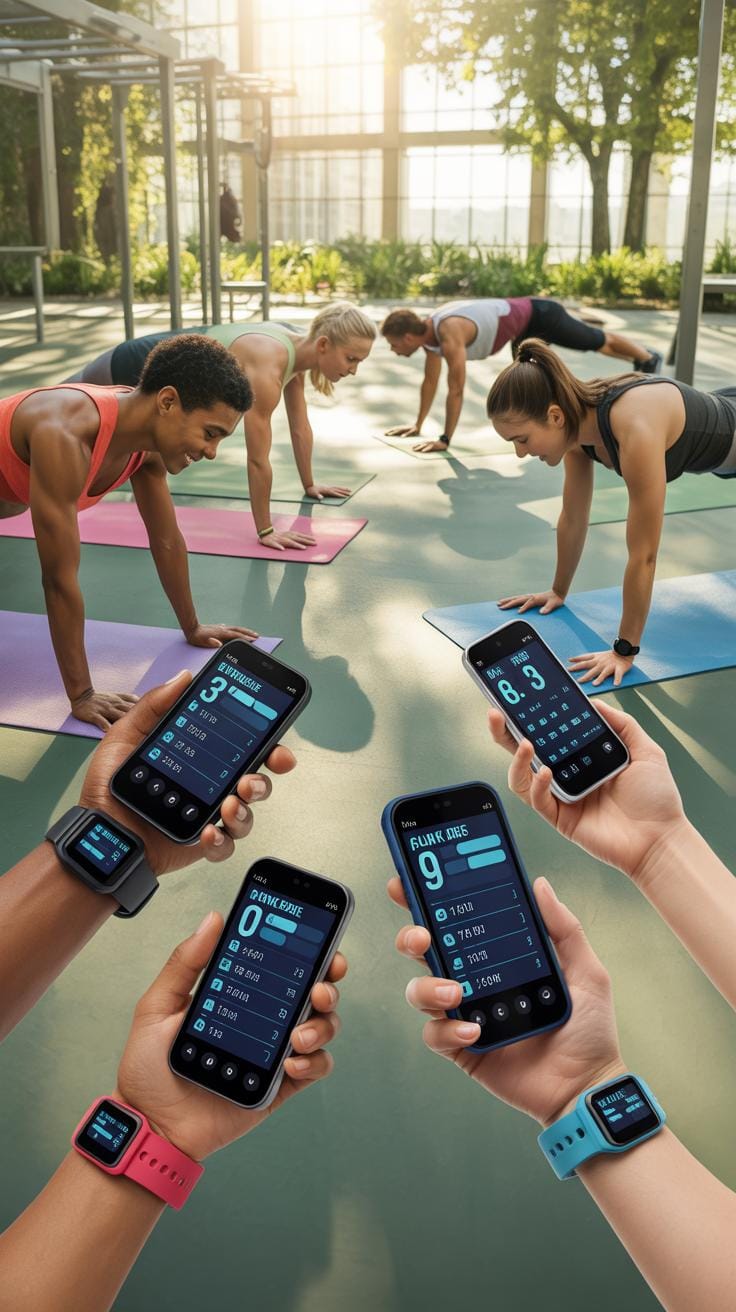
You might wonder which method fits you best when tracking your plank progress. There’s a clear divide between paper charts, apps, and spreadsheets—each with its own quirks and perks.
Paper Charts Simplicity
Paper charts have this straightforward, tactile appeal. You grab a pen and mark your achievement; it feels more personal, almost like a mini ritual. Some people say that physically crossing off days somehow boosts motivation, although that might just be me.
They don’t require any device or internet connection, which is handy when you want to avoid distractions. Plus, you can customize a printable chart however you wish—draw your own lines, decorate, or jot down notes alongside your daily times. The limitation? If you lose the chart, the record is gone. No backups or automatic summaries. Also, for those who prefer detailed analytics or reminders, paper falls a bit short.
Apps And Digital Tracking
Apps and digital trackers bring convenience to a new level. They send notifications, remind you to plank, and generate neat progress graphs over time. This helps you visualize improvements and spot plateaus you might miss otherwise.

Sharing your progress with friends or online groups is another plus, adding accountability or just a bit of friendly competition. But, on the flip side, these apps need your phone or tablet close by. Sometimes, they get buggy or drain your battery, especially if you’re not careful with settings.
Also, while some apps are free, others hide features behind paywalls. Plus, the constant buzz of reminders might feel like nagging after a while, making you ignore them altogether. It’s a bit of a trade-off between tech support and potential annoyances.
Examples Of Successful Plank Challenge Routines

Beginner Routine Example
Starting a plank challenge can feel a bit intimidating if you’re new, but small steps really do add up. For someone just beginning, I think it helps to keep each hold short and manageable. Imagine a simple plan where you start with 10 seconds on day one and gently increase the time as you go. For the first week, holding the plank for 10 to 15 seconds a day feels doable. Then, gradually bump it up by five seconds every three days or so. By day 15, you might be holding for 30 seconds comfortably.
In the last two weeks, stretches could run from 30 to 60 seconds, depending on how you feel. It’s totally okay to drop to your knees instead of going full plank if it gets too tough—the point is consistency. Maybe you wonder if this slow ramp-up is enough. It kind of is. Taking breaks between days keeps your muscles fresh without overwhelming you. Plus, you’ll notice your endurance improving, even if progress seems slow at times. Tracking holds each day makes the whole thing feel more real, like a puzzle piece finally clicking into place.
Advanced Routine Example
If you’ve done planks before and feel like you want more challenge, increasing hold times alone may not cut it after a while. So, consider adding variations to keep your body guessing. For instance, start with 60 seconds of standard plank on day one. Then add side planks for 30 seconds per side on day two. By week two, you might mix in forearm planks with leg lifts or shoulder taps.
The timing also shifts here—rather than solely increasing hold length, alternate longer holds (90 seconds) with shorter, intense variations like plank to push-up reps. You could try circuit formats: hold for 45 seconds, rest 15, then side plank for 30 seconds, rest again, and repeat. The goal becomes not just endurance, but strength and stability too. I remember days when I thought, “Is this really working?” but then noticed better posture and less back fatigue after just two weeks. Pushing yourself to try these twists keeps things fresh, reminding you why routine sometimes needs shaking up.
How To Stay Motivated Throughout Challenge

Staying motivated during a 30-day plank challenge is not always easy. Some days, you may feel strong and ready. Other days, the idea of holding a plank, even for a short time, can feel like a big ask. Using the plank challenge chart daily helps, but keeping your focus requires a bit more.
One approach is setting small rewards tied to milestones on your chart. For example, after completing 10 days, treat yourself to something simple—a favorite snack, a new workout outfit, or even a relaxing bath. These mini celebrations can create positive associations and give you something tangible to look forward to.
Another tip is to engage with a support group. This could be friends joining the challenge with you or an online community where you share progress, struggles, and tips. Having others who understand the daily grind makes it easier to stay accountable and motivated. Sometimes, knowing someone else is waiting for your update makes all the difference.
Focus on small wins rather than perfection. Missing a day or finding a plank tough doesn’t mean failure. Ask yourself what keeps you coming back, and remind yourself of that often. The plank challenge chart is more than a tracker; it’s a mirror reflecting your persistence and progress.
Interpreting Your Challenge Results

Once you’ve filled out your 30-day plank challenge chart, the next step is really figuring out what the numbers mean. Simply seeing higher times on day 30 compared to day 1 feels good, but there’s more to understanding your progress than just eyeballing the chart. Look at trends instead of daily spikes or dips. Some days your hold time might decrease due to tiredness or distractions, and that’s okay. What counts is the overall improvement trajectory.
Try calculating your average hold time every week. Add up each day’s plank duration and divide by the number of logs you have for that week. This way, you smooth out random fluctuations and see if there’s a steady upward curve. I did this myself during a challenge once and realized that in week two I plateaued a bit before pushing myself further in week three. That kind of insight can help you understand when you’re ready to ramp up or when you need a little more rest.
Don’t just stop after 30 days. Use your results to think about what’s next. For instance, can you hold a plank for a minute now but want to challenge your core in a new way? Maybe try side planks, weighted planks, or plank variations that target different muscle groups. Or set incremental goals: hold for 90 seconds by the next month, then two minutes. Goals don’t have to be huge leaps; small, consistent improvements tend to stick better.
What do your numbers really tell you about your endurance and strength? Do you notice any patterns tied to your mood, sleep, or time of day? Reflecting on these details, even briefly, can guide your future workouts. The chart becomes more than a tracker—it’s a springboard for your fitness mindset.
Conclusions
You have learned the key reasons why using a 30 Day Plank Challenge Chart helps keep your effort steady and results visible. Tracking plank holds day by day allows you to stay focused on incremental gains, avoiding overwhelm. The chapters covered how to measure progress, what changes to expect, and how to avoid common mistakes.
Using a chart is a simple yet powerful way to make your plank challenge more effective. By sticking with the challenge and recording your times, you build discipline and can celebrate your growing strength. This approach works well for anyone ready to commit to better fitness one day at a time.