

Effective Fitness Techniques for Women’s Workouts
Body fitness is crucial for health and wellbeing. Women who exercise effectively see results in strength, endurance, and appearance. This article covers key workout techniques specifically for women, helping you reach fitness goals safely and efficiently.
We explore workout plans, common errors, and specific exercises that improve overall body fitness. Follow these methods for balanced development, injury prevention, and solid, lasting fitness results.
Body Fitness Fundamentals

Body fitness, in its simplest form, means how well your body performs physical tasks and copes with demands. For women, it’s not just about looking a certain way—that’s only part of the story. It’s about strength, flexibility, endurance, and balance—each playing a role in your daily life and health.
Regular physical activity affects more than just your muscles. It helps keep your bones strong, lowers the chances of diseases, and can balance hormones, which is especially relevant if you’re juggling things like pregnancy or menopause. You might notice better sleep or even mood boosts after a workout day. Honestly, sometimes I’m surprised how much a quick walk can shift my mindset.

But body fitness doesn’t happen overnight, and it’s not one-size-fits-all. Listening to your body’s signals, pushing just enough, and recovering properly can change how you feel each day. The big question is, how do you start? What kinds of exercises matter most? That’s where understanding different types of physical activity comes in.
Types Of Physical Exercise
There are three major categories of exercise, each influencing the body differently for women:
- Aerobic exercise—think running, cycling, or dancing. This type boosts your heart and lung function, improving endurance. It helps you do everyday activities with less fatigue.
- Anaerobic exercise—this includes weight training or sprinting. It builds muscle strength and power. You might find lifting weights intimidating at first, but even small gains here can affect posture and metabolism.
- Flexibility exercises—yoga or stretching sessions belong here. These keep your joints mobile and reduce injury risk. Sometimes, I skip stretching, then pay for it later with tight muscles!
Each plays a unique role. You probably can’t—and shouldn’t—focus on just one. Mixing these helps create a balanced routine, which feels better and works better long-term.
How Fitness Boosts Health
Improving fitness isn’t just about what you see in the mirror. It’s tightly linked to controlling your weight by burning calories and building muscle—muscle being more metabolically active than fat.
Taking care of your heart is another benefit. Regular exercise lowers blood pressure and improves circulation, reducing risks of heart disease, which remains a top concern for women.

Muscle strength matters beyond just lifting things. It supports your bones and joints, making daily tasks easier and preventing falls or injuries. I remember feeling so much more confident carrying groceries after a month of strength exercises.
Finally, fitness impacts mental toughness. The challenges you face in workouts build resilience. It’s not only about physical limits but pushing past mental blocks too. Ever had a day where a workout feels impossible, but you do it anyway? That small victory can ripple into other parts of life.
Choosing Right Workouts
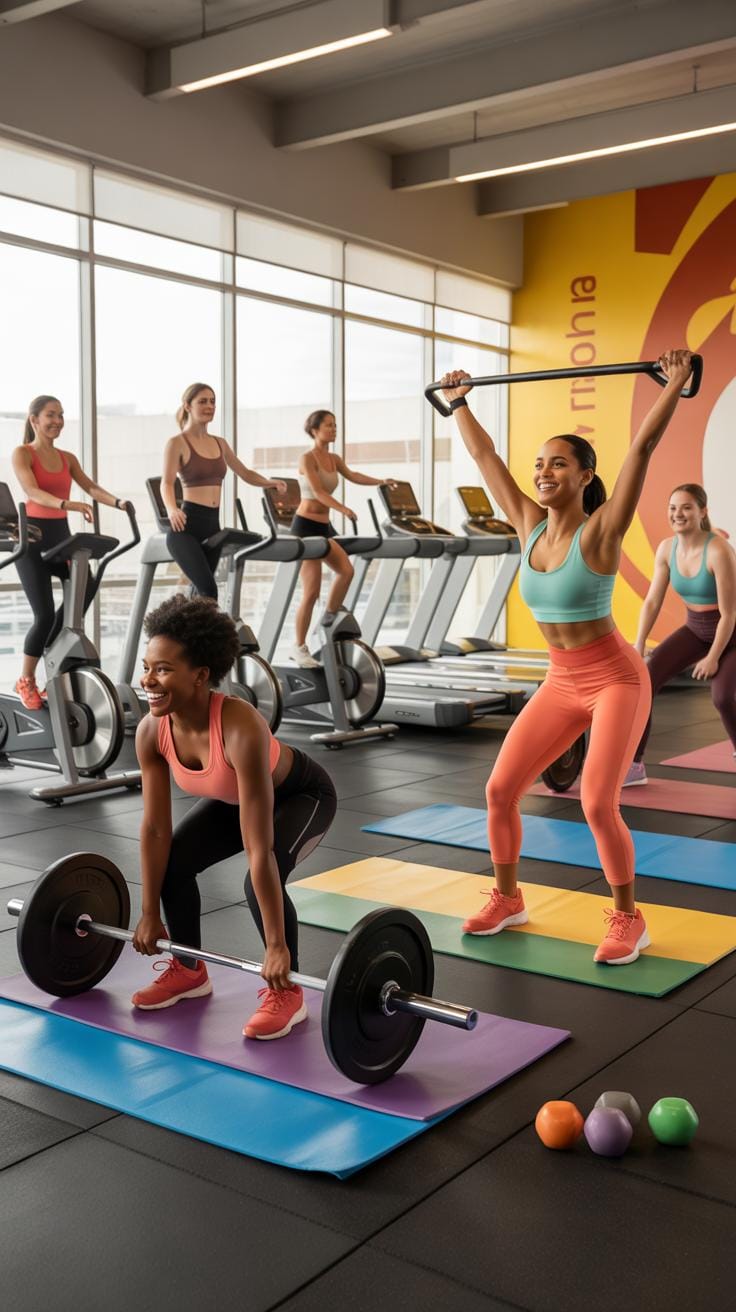
Workout Plans For Women
Picking a workout plan can feel overwhelming. There’s so much variety—it’s easy to get lost in the options. But the truth is, what works for one woman might not suit another. Your fitness level and what you want to achieve play a huge role. Are you starting out, or have you been exercising for years? Do you want to lose weight, build strength, or simply boost stamina?
For beginners, something simple like walking combined with light bodyweight exercises often works well. As you progress, adding strength training or interval workouts can bring results.

If your goal is muscle tone, incorporating resistance exercises is key. Weightlifting, resistance bands, or pilates can help shape the body without bulk. Meanwhile, endurance improvement calls for more cardio-based routines—think running, cycling, or swimming—with gradually increasing intensity.
You might find that mixing different types of workouts feels better than sticking to just one. For example, alternating strength days with cardio days. This prevents burnout and can keep motivation alive.
Finding Your Fitness Focus
Before you start, ask yourself: What fitness goal truly matters? Is it shedding fat, gaining muscle definition, or feeling less winded climbing stairs? Pinpointing this—even if it’s a bit fuzzy—helps in choosing exercises that suit you.
Maybe you want stronger legs but also crave overall flexibility. In that case, a blend of squats for strength and yoga for stretch might work. Or, if endurance is a priority but you hate running, swimming or elliptical training could be alternatives.
Don’t worry if your goals seem to shift; it happens. Some days you may want quicker, high-intensity sessions; others, slower and calming routines.

Think about what feels manageable and enjoyable. Workout plans aren’t just about working hard—they’re about working smart for your unique body and schedule.
Strength Training Versus Cardio

Benefits Of Strength Training
When it comes to women’s body fitness, strength training plays a unique role that often gets overlooked. Building muscle isn’t just about looking toned; it actually helps boost your metabolism, so your body burns more calories even when you’re resting. I know, that sounds a bit too good to be true, but it’s backed by research.
Muscle strengthening also supports bone density, which is crucial for women, especially as they age. You might have heard about osteoporosis — strength training can be a practical defense against that. Plus, feeling stronger in daily tasks is a kind of fitness that doesn’t always show on a scale but matters immensely.
Even beyond physical benefits, strength workouts can lift your mood and improve overall fitness. If you haven’t tried lifting weights or resistance bands, this might be the nudge you need.
Cardio For Heart And Endurance
Cardiovascular exercises like running, cycling, or swimming focus on aerobic capacity. These workouts train your heart and lungs, enhancing endurance. When your heart functions better, your entire body benefits. You might notice less fatigue during day-to-day activities, which is always a plus.

Cardio also burns calories quite efficiently, making it a go-to for fat loss and heart health. But if you ever wondered why some women feel drained after long cardio sessions — you’re not alone. Endurance training can be tough and sometimes feels like work rather than fun.
Choosing between strength and cardio often depends on your goals. Want stronger bones and a faster metabolism? Lean toward strength training. Need more stamina or better heart health? Cardio might suit you better. Or… maybe mix a bit of both, depending on the day, or how your body feels.
Exercise Technique Checklist
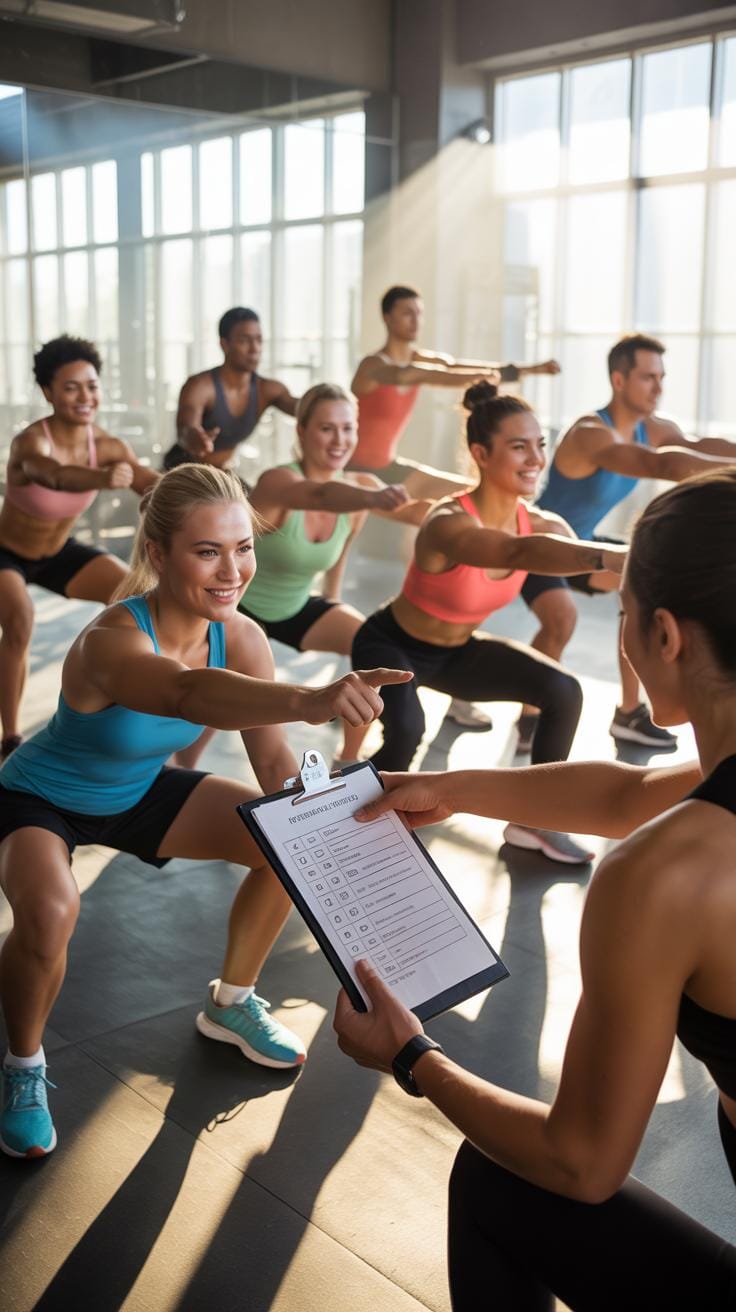
When working out, there’s a handful of priorities that help you get results and keep you safe. You might think just moving counts, but the way you move makes all the difference. So, here’s a checklist to keep in mind:
- Keep your core engaged—this stabilizes your body during most exercises.
- Move through a full range of motion but don’t force any joint beyond its comfort zone.
- Breathe steadily, matching your breath to your movements; don’t hold it.
- Start with lighter weights or body weight to nail proper form before increasing intensity.
- Control your movements; avoid jerky or rushed actions.
- Check your alignment regularly—your knees, hips, and shoulders should stay in line.
Even when you think you know these points, it’s easy to slip up, so remind yourself often.
Correct Form Tips
Posture is the backbone of effective workouts—literally. For example, during squats, your knees shouldn’t go past your toes—though some say it’s okay depending on your body type, it’s a subtle balance. It’s tricky but try to keep your back flat, not rounded or excessively arched. A slight tilt forward is normal.
When doing push-ups, hands should be shoulder-width apart, elbows at about a 45-degree angle to your body. It takes some practice, but even tiny adjustments—like where your gaze falls—can shift strain off your neck.
Pay attention to where you feel the effort. If it’s in your joints more than muscles, there’s likely an issue. Fixing your form might slow you down first, but it shapes better long-term habits.
Warm Up And Cool Down Steps
Your muscles don’t just snap awake, do they? They need gentle coaxing before tackling harder workouts. Warm-up activates blood flow and reduces injury risk.
Start with 5 to 10 minutes of light cardio, like walking or cycling, enough to make you warm but not tired. Follow this with dynamic stretches—leg swings, arm circles, hip openers. These prepare muscles and joints for what’s ahead, easing you into movement.
After working out, cooling down brings your heart rate back down smoothly and helps prevent stiffness. Static stretches—like hamstring stretches, calf stretches, or holding a gentle quad stretch—are effective here. Hold each stretch for about 20-30 seconds, but no need to push into pain.
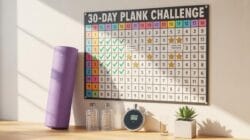
I’ve found cooling down sometimes feels skipped in the rush, but it’s the difference between waking up sore or feeling ready for the next session.
Tools And Equipment Choices
When setting up your workout space, the tools you choose can make a noticeable difference. Resistance bands, for example, are small but pack a punch in versatility. You can use them for stretching, strength training, or even rehab exercises. They don’t take much room, so they’re perfect if you’re short on space—like I found out after trying to squeeze in some workouts in a tiny apartment.
Dumbbells are another great addition. Starting light and gradually increasing the weight lets you build strength without rushing—jumping too fast can lead to strain, as I once learned the hard way. And mats aren’t just about comfort; they provide stability and support, especially for floor work. It’s a simple piece often overlooked, but a slippery or hard surface can disrupt your balance or cause injuries.
Safety comes up a lot when using any equipment. If you’re lifting weights, check the grips and handles for wear regularly. Resistance bands can snap if overstretched or weakened over time. My tip? Store them away from sunlight and heat, so they last longer. Also, wipe down mats after every use; sweat can degrade materials and reduce grip.
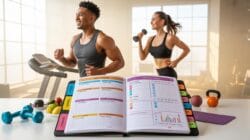
Think about what fits your routine and space. Sometimes less is more. You don’t need a full gym setup at home to get moving—just the right tools used well.
Tracking Progress Metrics

Measuring your body fitness progress isn’t just about stepping on the scale or looking in the mirror. It’s more nuanced—capturing endurance, strength, body composition, and flexibility gives a fuller picture. For endurance, timing how long you can sustain an activity like running or cycling works well. Have you noticed how even a minute longer counts? Strength can be tracked by increasing weights or reps in resistance exercises—simple but revealing.
Body composition is trickier. Instead of just weight, focus on fat percentage versus muscle mass. Scales that estimate body fat or skinfold calipers can help here, though results might fluctuate. Flexibility? Measuring how far you can stretch or hold a yoga pose shows progress, even if it’s slow and subtle.
Common metrics for women include:
– Resting heart rate
– Max reps or weights lifted
– Waist-to-hip ratio
– Flexibility tests like sit-and-reach
– VO2 max estimates for endurance
Tracking doesn’t have to be complex. Apps like MyFitnessPal or Fitbit can log workouts and body stats. Even a simple notebook works—sometimes I find writing down small wins keeps motivation better than flashy apps. The key is consistency, not perfection.
Avoiding Fitness Pitfalls

Common Workout Errors
Many women jump into workouts with strong motivation but hit some common snags along the way. One typical error is poor form. This might seem like a small thing—maybe just a tweak here and there—but over time, it can lead to muscle imbalances or even injuries. Think about a squat done too shallow or a back rounded during deadlifts; those moments add up.
Skipping warm-ups is another mistake you might have made—guilty as charged. Warm muscles perform better, and without proper preparation, your risk of strains grows. You might feel ready straight away, but your body probably isn’t.
Overtraining, or working out too hard without enough rest, tends to sneak in as well. It’s tempting to push through fatigue, thinking more equals better, but this often backfires. You may stall progress or even get injured because your body never fully recovers.
How To Recover From Setbacks
When setbacks happen—and they almost always do—you need to listen to your body carefully. If you face an injury or fatigue, resting isn’t just optional; it’s necessary. Maybe you’ll feel frustrated by the downtime, but pushing through pain often extends recovery.
Consider mixing lower-impact activities while healing—gentle swimming or walking, for example. These keep you active without aggravating the problem. Also, don’t hesitate to seek advice from a professional if the issue lingers.
Mental recovery matters too. Sometimes, a break helps you reset motivation and avoid burnout. Be patient with yourself. Workout progress isn’t linear, and recovery phases are part of the journey—even if they feel like detours.
Sample Workout Plans

Beginner Routine Example
Starting out can feel a bit confusing, but a simple plan helps you build fitness step by step. Think of three sessions a week, with rest days in between. You could begin with:
- Day 1: 20 minutes of brisk walking or light jogging, followed by 10 minutes of basic bodyweight exercises—think squats, wall push-ups, and glute bridges (10-12 reps, 2 sets).
- Day 2: Rest or gentle stretching to keep muscles from tightening up.
- Day 3: Try a 15-minute low-impact cardio routine—maybe marching in place or stepping—and then add some core work, like planks held for 15 to 20 seconds, twice.
- Day 4: Rest again, or possibly a slow walk to stay active without strain.
- Day 5: Combine a short cardio warm-up with a few more strength moves, like lunges and modified push-ups, pressing for 2 sets of 10 reps.
- Days 6 and 7: Rest or very light activities, focusing on recovery.
This plan lets your body adjust without overwhelming it. You might find some days easier than others—don’t push too hard if you feel off.
Intermediate Routine Example
Once you feel ready, you can increase both effort and variety. An intermediate plan could look like this—four to five workouts weekly, mixing strength and endurance.
- Day 1: Circuit training combining squats, push-ups, dumbbell rows, and planks. Aim for 3 sets of 12-15 reps each, minimal rest between exercises.
- Day 2: Cardio session—maybe 30 minutes of interval training, alternating jogging and faster running or cycling.
- Day 3: Strength focus—add weight to squats and lunges, incorporate overhead presses, and include side planks for oblique strength.
- Day 4: Active recovery; gentle yoga or walking to aid muscle repair.
- Day 5: Repeat the circuit or a similar mixed routine, pushing slightly more on reps or weights.
- Days 6 and 7: Rest or light activity as you feel.
Notice how this schedule demands more from you, encouraging endurance and muscle growth. But remember, it’s okay if some days don’t go perfectly—that’s part of the process, really.
Nutrition And Fitness

Nutrition plays a key role in how your body responds to fitness, though it’s not always as straightforward as it seems. You can work out consistently, but if your diet doesn’t support muscle repair or energy needs, progress might feel slow or stalled. It’s tricky sometimes—what you eat can either boost your results or hold you back without you realizing it.
For women, balancing macronutrients—protein, fats, and carbs—can be a bit of trial and error. Protein helps rebuild muscles, carbs provide fuel, and fats support hormone balance. You might find certain foods work better for you on workout days versus rest days. Listening to your body is key, even if it’s confusing at times.
Foods That Support Fitness
Some foods consistently support muscle recovery and energy, even if you’re not perfect every day. Think lean proteins like chicken, fish, or plant-based options such as beans and lentils. They’re the building blocks for muscle repair.
Complex carbs—oats, sweet potatoes, quinoa—keep your energy steady. They feel more satisfying, too, compared to simple sugars which might cause a quick spike and crash. Including colorful veggies adds antioxidants, which can help reduce exercise-related inflammation, though the science is still evolving.
Don’t forget healthy fats like avocados, nuts, and olive oil. They might not be the first thing that comes to mind when thinking about fitness, but they support overall health and energy levels.
Hydration Tips
Water intake is another piece of the puzzle. You might think just drinking a glass or two is enough, but during workouts, your body loses fluids faster than you expect. Staying hydrated helps with muscle function and prevents fatigue.
It’s not just what you drink during exercise, but throughout the day. Some women find it hard to keep up with hydration. A good way to check is the color of your urine—paler usually means you’re hydrated enough.
During longer or intense sessions, you might even consider drinks with electrolytes, though plain water often does the job for most. The key is consistency, not gulping large amounts infrequently.
Motivation And Consistency

Staying motivated can be tricky, especially when progress feels slow or life gets in the way. Sometimes motivation spikes after a good workout, but other times it just feels like a struggle to even start. One helpful approach is to remind yourself why you began in the first place. What was it that drew you to fitness? Sometimes reconnecting with that initial spark helps push through the lulls.
Consistency often matters more than intensity. You don’t have to do a perfect workout every day; it’s okay to shift your routine or take a lighter day when needed. The key is showing up regularly, even if that means shorter sessions. Habits form when actions become almost automatic — pairing workouts with daily routines like morning coffee or a post-work stretch might just make it easier.
Try tracking progress, though, with small wins rather than massive leaps. Celebrate days you met your goal, even if it’s just a brief walk or a few stretches. Sometimes breaking workouts into smaller chunks within the day helps too — you don’t need to clear an hour all at once. What are some ways you could tweak your schedule to keep moving forward without feeling overwhelmed?
Conclusions
Good results come from consistent, properly planned workouts. Women benefit by focusing on strength, cardio, and flexibility exercises combined with correct form. Avoid common errors that slow progress or cause injury.
Use the checklist and tips here to maintain motivation and measure progress. Good body fitness supports long-term health, energy, and confidence in your daily life.