A BeginnerS Guide To Flower Meanings For Weddings
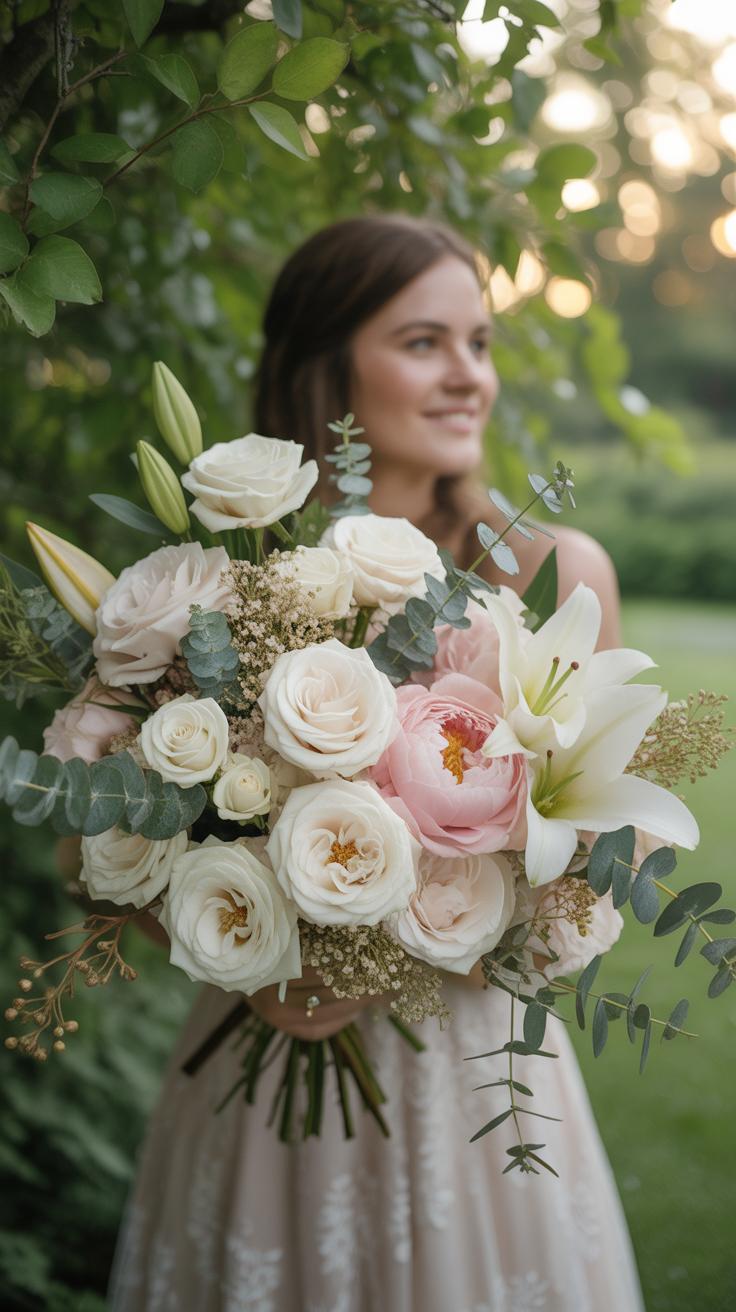
What Is Floriography And Why It Still Matters Today
Floriography is the historical practice of assigning specific meanings to different floral species. This system peaked during the Victorian era when social etiquette limited direct speech. People used small bouquets called tussie-mussies to send secret messages. Each flower acted as a distinct word or emotion. This allowed individuals to communicate complex feelings without saying a single word or breaking strict social codes.
Today, floriography provides a deliberate framework for wedding design. Modern couples use these historical definitions to add depth to their ceremony. It moves floral selection beyond visual aesthetics into the realm of intentional communication. Understanding these meanings prevents accidental messaging. It ensures the chosen blooms align with the couple’s actual values. Strategic flower choices create a cohesive narrative for the entire wedding event.
How Couples Are Using Flower Symbolism To Personalize Their Big Day
Couples integrate flower meanings to create a customized experience for guests. They select specific blooms for bridal bouquets and centerpieces based on historical definitions. This adds a layer of intellectual value to the decor. Many pairs include small cards explaining the chosen symbolism. This tactic engages guests and explains the reasoning behind the palette. It transforms simple decorations into a curated and meaningful story.
Strategic floral choices also help honor family traditions or personal history. Some couples select flowers that represent their heritage or the location of their first meeting. This functional approach to design ensures every element serves a purpose. It eliminates waste by prioritizing quality and meaning over sheer volume. Using symbolism allows couples to build a unique atmosphere. This ensures the wedding feels personal and intentional rather than generic.

Reading A Wedding Flower Chart Like A Pro
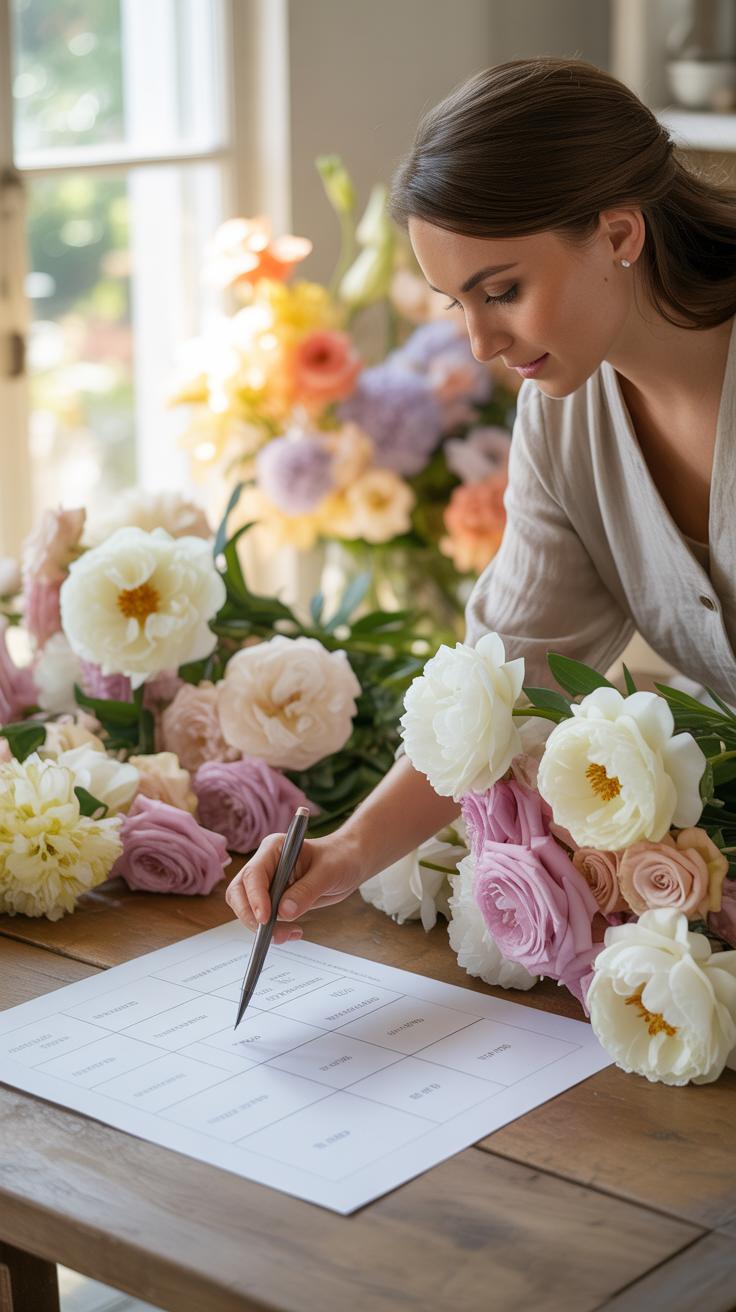
What A Wedding Flower Chart Includes And How To Use One
A wedding flower chart maps botanical species to specific symbolic interpretations. Most charts derive data from Floriography, a Victorian era communication system. These tools categorize plants by Latin name, common name, and primary attribute. You use a chart to cross-reference visual preferences with historical meanings. This process prevents accidental displays of negative symbolism. Identifying the correct species ensures your floral choices align with your intended message.
Effective charts also provide seasonality and durability data for each bloom. You must check the bloom period to ensure availability for your date. Charts simplify the selection process by filtering options based on your logistical needs. Use these documents to narrow hundreds of choices down to a functional shortlist. Reliable charts cite established historical sources to maintain accuracy. This allows you to plan with confidence and avoid errors.
Matching Flower Meanings To Your Wedding Theme And Color Palette
Your theme dictates the visual language of the event. Modern weddings often use white roses to represent purity and silence. Traditional ceremonies might favor peonies for prosperity and honor. You must match the historical weight of the flower to the formality of the venue. A rustic outdoor setting requires different symbolic anchors than a formal ballroom. Aligning these elements creates a cohesive narrative across all decorative touchpoints.
Color palettes further refine these meanings within your chosen theme. Red carnations signify deep love while white versions represent sweet innocence. You should select colors that support the primary symbolic goals of your theme. Strategic color placement allows you to layer meanings without cluttering the design. Use the chart to find secondary flowers that complement your main color story. This creates a professional look that carries a specific and clear message.
Bouquet Flower Meanings That Speak From The Heart
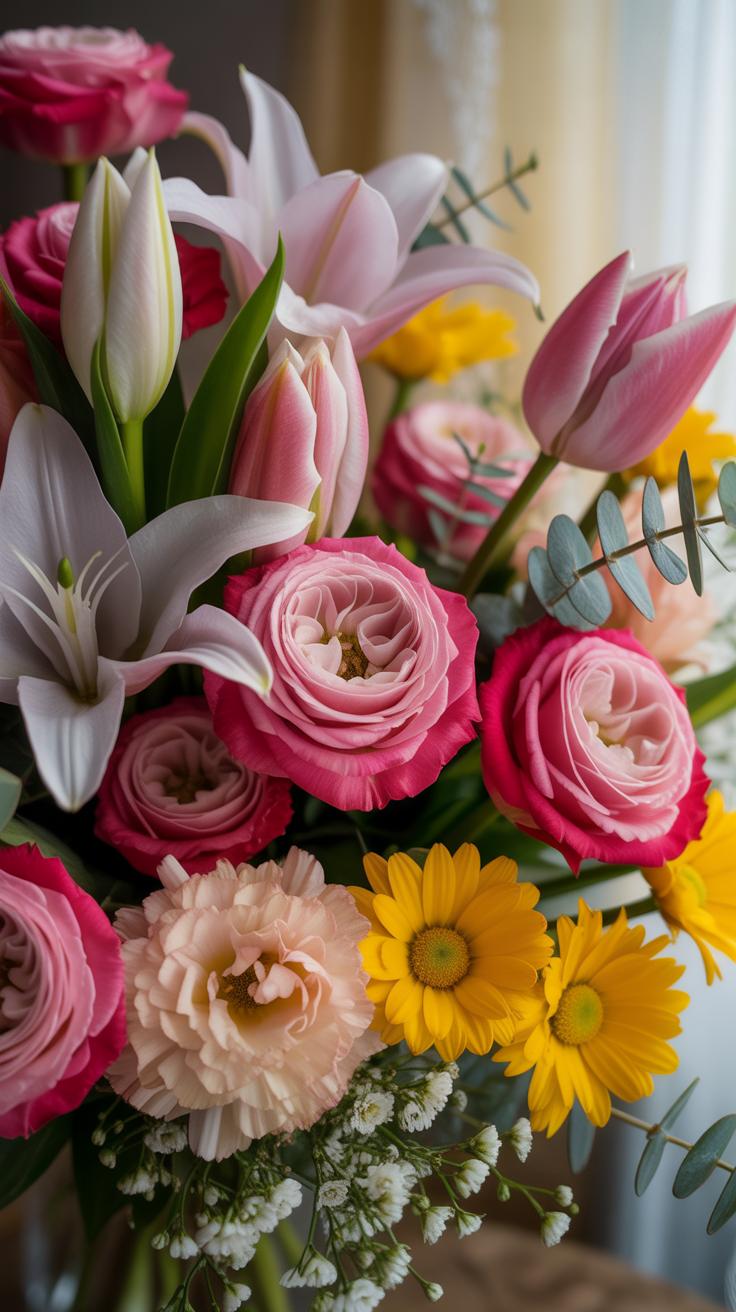
Classic Bridal Bouquet Flowers And The Emotions They Represent
Roses dominate wedding floral design because they signal specific types of love. Red roses represent intense passion while white roses indicate purity and innocence. Florists often use pink roses to convey grace and joy. These flowers provide a reliable structural base for most bouquets. Their wide availability makes them a practical choice for consistent messaging across different seasons and wedding climates.
Peonies serve as a seasonal staple representing a happy marriage and prosperity. These large blooms provide significant visual volume in a bridal arrangement. Lily of the valley offers a more delicate option with historical roots in royal ceremonies. It traditionally symbolizes the return of happiness. Both flowers carry heavy scent profiles. Designers use these specific blooms to communicate high status and long term marital success.
How To Build A Meaningful Bouquet Around A Single Sentiment
Strategic bouquet design starts with a core emotion rather than a color palette. If you choose devotion as your theme you must select flowers like sunflowers or violets. These blooms historically represent loyalty and faithfulness. You then build out the arrangement using secondary greenery that supports this central message. This method ensures your bouquet remains cohesive and purposeful instead of being a random mix.
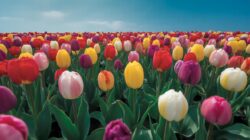
Selection of foliage is just as critical as the primary flowers. Use ivy to represent fidelity and marriage bonds. Incorporate ferns to signal sincerity. Every element in the bunch should reinforce the main sentiment you want to project. Avoid adding filler flowers that contradict your chosen message. Stick to a tight list of species that share the same historical or cultural meaning. This provides a clear and unified visual statement.
The Beauty And Symbolism Of White Flowers And Their Names
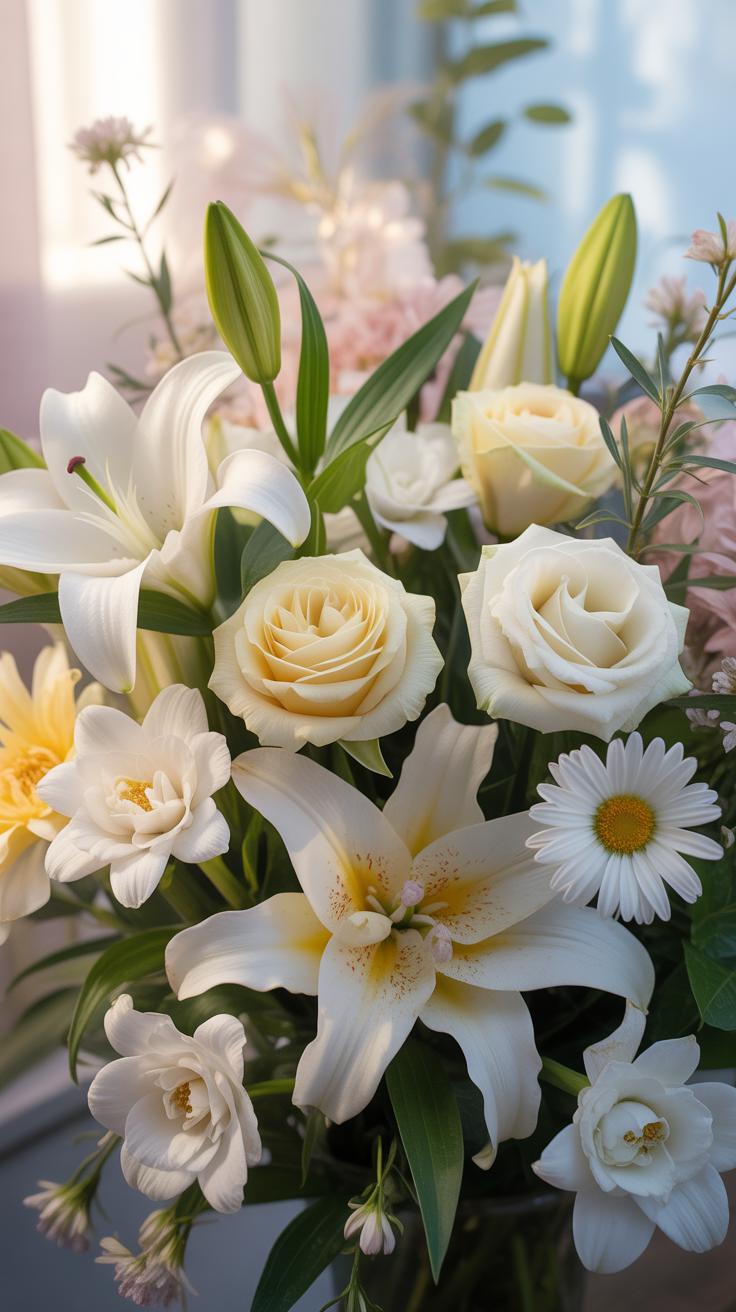
Why White Flowers Dominate Wedding Ceremonies Around The World
White flowers dominate weddings because they signal a fresh start and moral clarity. Historically, this trend accelerated in 1840 when Queen Victoria wore white to her wedding. This choice shifted global standards from colorful bridal attire to monochromatic themes. White petals reflect light effectively in various settings. This visual brightness ensures the floral arrangements stand out in high-contrast photography and large event halls.
Modern designers use white flowers to establish a neutral base for any venue. These blooms work with every color palette and architectural style. They represent sincerity and transparency in a new contract. Choosing white simplifies the design process by eliminating color clashing risks. This practicality makes white the primary choice for professional planners who require a high-end look with minimal visual noise or distractions.
Popular White Flowers And Their Names With What They Symbolize
Professional florists select specific white species based on their historical meanings and structural integrity. Each flower carries a distinct message that defines the tone of the event. Selecting the right bloom requires knowledge of these standard definitions. These choices impact how guests perceive the ceremony. Use these common varieties to communicate specific values through your floral design without using any spoken words.
- Lily of the Valley: This delicate flower represents a return to happiness and reliable sweetness. It is a traditional choice for royal bouquets due to its structured look and strong scent. It signals humble beginnings and sincere devotion in a partnership.
- White Rose: This bloom is the primary symbol of purity and innocence in Western cultures. It represents a love that is quiet and sustainable rather than fleeting. Planners use them to signify a fresh start and a bond built on deep loyalty.
- Stephanotis: Often called the bridal veil flower, this plant symbolizes marital happiness and good fortune. Its small star shape makes it perfect for intricate hand-held work. It conveys a specific message of luck and long-term travel together in a shared life.
- White Calla Lily: This flower represents magnificent beauty and rebirth in various cultural traditions. Its sleek profile fits modern and minimalist design movements. It tells a story of elegance and strength during a major life transition or a formal union ceremony.
- Gardenia: This flower symbolizes secret love and hidden joy in historical floriography. It offers a heavy fragrance that many associate with luxury and sophistication. Use this bloom to show deep emotional attraction and a refined sense of style at the altar.
Strategic floral selection relies on these established definitions to create a cohesive atmosphere. Combining these white varieties allows a couple to layer multiple meanings within a single arrangement. Fact-based symbolism ensures the decor serves a higher purpose than simple ornamentation. White flowers remain the industry standard because they deliver a clear message of commitment. Tactical planners prioritize these blooms for their reliability and classic visual appeal.
Exploring Different Types Of White Flowers For Your Wedding
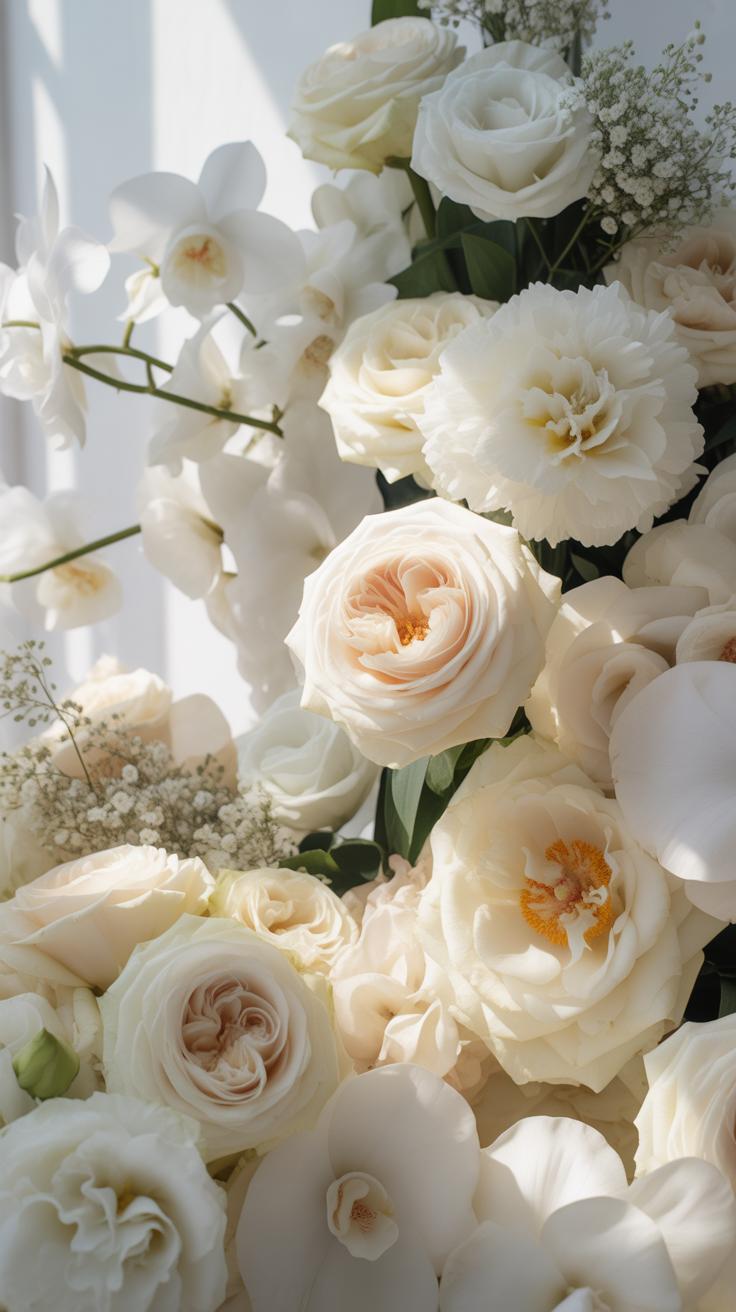
Structural Vs. Soft White Blooms And How Each Shapes A Wedding Arrangement
Structural white flowers provide the architectural foundation of an arrangement. Calla lilies and gladiolus possess rigid stems and clean lines. These flowers define the height and perimeter of a display. Florists use these blooms to guide the eye and create focal points. They work well in modern or formal settings. Their solid form ensures the bouquet maintains its intended shape throughout the long event.
Soft white blooms create volume and texture. Peonies and hydrangeas serve as mass flowers. They fill gaps between structural elements. These flowers possess delicate petals that absorb light. This effect creates a gentle look in photos. You should mix soft blooms with structural ones to find balance. This combination prevents the arrangement from looking too stiff or too messy. Use soft petals to hide floral foam.
Lesser Known White Flowers Worth Adding To Your Wedding Vision
Stephanotis and ranunculus offer distinct advantages over standard roses. Stephanotis flowers are small and star-shaped. Historically, these blooms represent marital happiness. They require wiring because they lack long natural stems. Ranunculus provides a high petal count similar to peonies but at a smaller scale. These flowers stay fresh longer in heat. They offer a more durable option for outdoor summer weddings or long receptions.

Stock and sweet peas add vertical interest and scent. Stock flowers have clusters of blooms on a single woody stem. They symbolize a happy life and provide a spicy fragrance. Sweet peas offer ruffled edges and a light perfume. They represent delicate pleasure in traditional floral language. Use these flowers to add depth to your white color palette. They create a layered look without increasing the budget significantly.
Orange Flowers And Their Meanings For A Bold Wedding Statement
What Orange Blooms Symbolize And When To Use Them At A Wedding
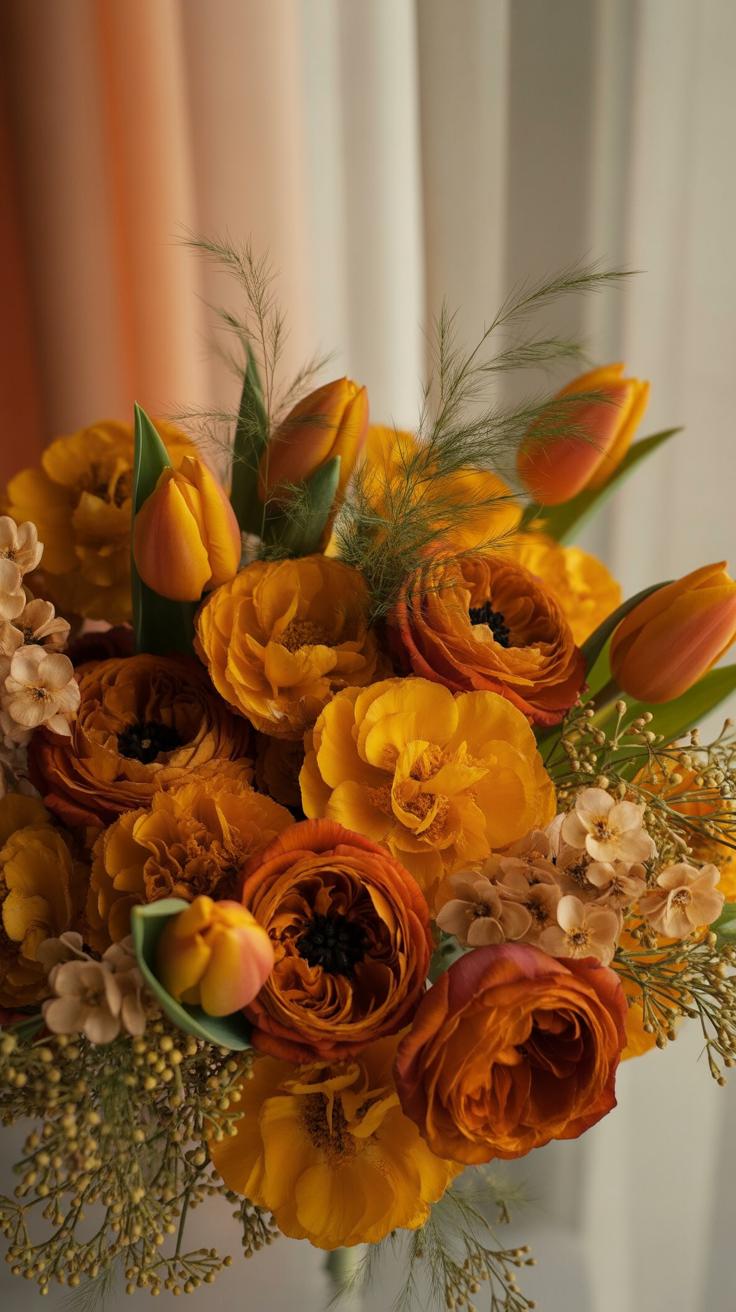
Orange flowers represent high energy and physical passion. Historically, these blooms signal excitement and the start of a new venture. They communicate warmth without the heavy weight of traditional red. Use these colors to show a strong, confident bond between partners. They work best in autumn weddings or high-summer outdoor events. Choose these if your goal is to spark movement and social interaction.
Orange marigolds represent the sun and domestic strength. In many eastern cultures, they symbolize divine protection for the couple. Bird of Paradise flowers indicate excellence and a sense of adventure. Use orange lilies to project wealth and pride in your new union. Zinnias show lasting affection and daily endurance. Select these specific varieties based on your need for either traditional stability or a modern, daring visual impact.
To have and to hold from this day forward, just like a sprig of rosemary for remembrance or a simple rose for love.
Pairing Orange Flowers With Other Colors For A Balanced Arrangement
Balance orange with neutral tones to prevent visual fatigue. Use white or cream flowers to soften the intensity of the orange pigment. Designers often use blue as a direct complement on the color wheel. This creates a high-contrast look that catches the eye immediately. Incorporate dark green foliage to ground the vibrant petals. This technique ensures the arrangement looks natural rather than synthetic or overwhelming.

Utilize grey-toned succulents or dusty miller for a modern industrial aesthetic. These muted shades allow orange ranunculus or roses to stand out without clashing. In spring weddings, pair light orange with peach and soft yellow for a gradient effect. This creates a cohesive look that feels deliberate and professional. Avoid mixing too many high-saturation colors. Stick to one primary bold shade and two supporting colors to maintain a clean design.
Planning Around Wedding Flowers By Season
Why Choosing In Season Flowers Saves Money And Looks More Natural
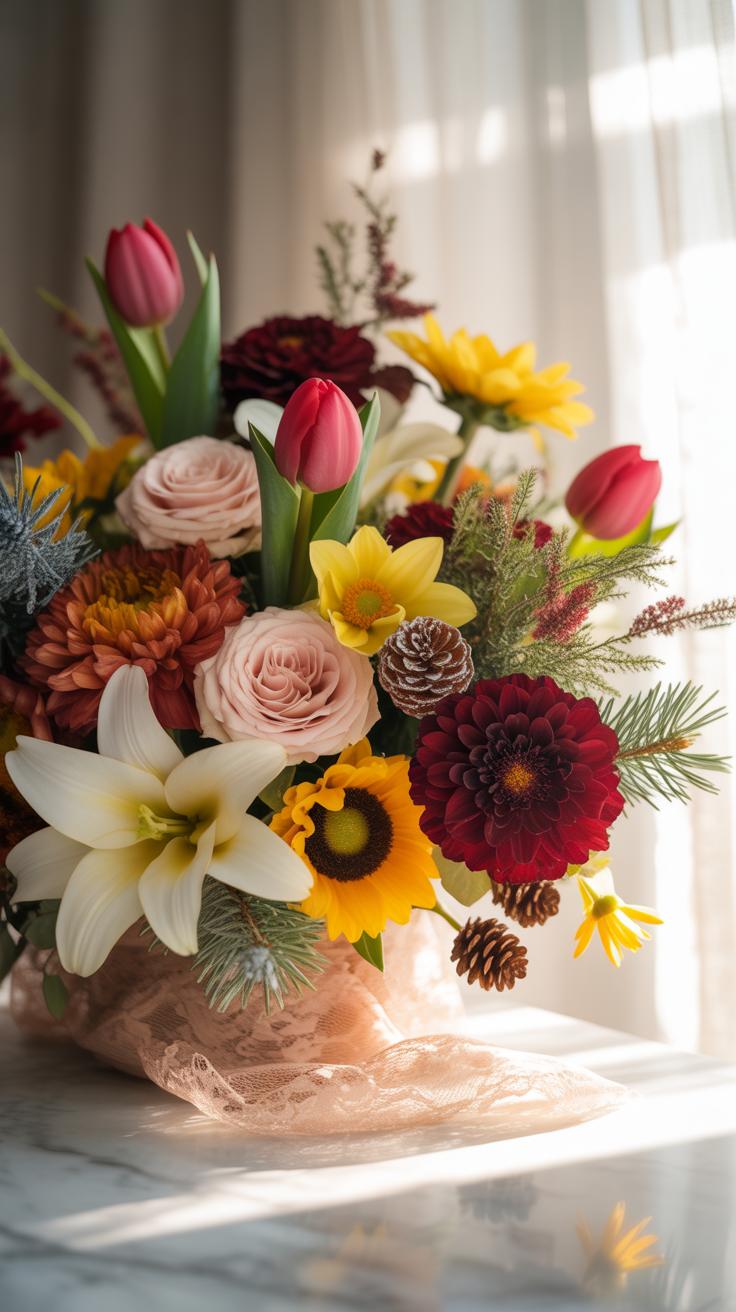
Buying flowers during their natural peak reduces logistics costs. Global shipping and fuel surcharges drive up prices for out-of-season stems. Local farms provide fresher products that last longer in heat or cold. You avoid paying for greenhouse energy costs used to force blooms early. This strategy keeps your budget focused on volume rather than expensive transportation fees.
In-season flowers integrate better with the natural environment of your venue. The colors and textures match the light quality of the current time of year. Summer blooms handle high humidity better than delicate spring varieties would. Winter greens resist wilting in dry indoor air. Using what grows naturally creates a cohesive aesthetic. This approach ensures your arrangements look healthy throughout the entire event.
Best Wedding Flowers By Season And The Meanings They Carry
Every season offers specific blooms with distinct historical symbolism. Spring flowers often represent rebirth and new beginnings. Summer varieties focus on strength and abundance. Autumn selections highlight gratitude and maturity. Winter stems emphasize resilience and constancy. Selecting blooms based on their seasonal peak ensures you get the most potent symbols for your ceremony. You gain visual impact and historical depth.
- Peonies (Spring): These represent a happy marriage and prosperity. They have deep roots in Victorian floriography as symbols of bashfulness. Their short blooming window makes them a high-demand luxury item for early year weddings.
- Sunflowers (Summer): These symbolize loyalty and longevity due to their habit of following the sun. They represent the strength of a lasting bond. Their sturdy stems make them ideal for outdoor ceremonies in high temperatures.
- Dahlias (Autumn): These signify inner strength and lifelong commitment. They come in diverse shapes and colors during the harvest season. Historically, they represent elegance and dignity. They provide
a focal point for complex fall floral arrangements. - Amaryllis (Winter): These represent pride and determination. They are hardy bulbs that bloom when most other plants are dormant. In many cultures, they symbolize radiant beauty. They hold up well in freezing temperatures during winter transitions.
- Gardenias (Year-Round): These signify secret love and purity. Their heavy scent and waxy white petals provide a classic look across all seasons. They work well for formal indoor events. They communicate a sense of refinement and sophisticated grace.
Match your floral choices to the climate of your wedding date. Choosing flowers out of their natural cycle results in smaller heads and weak stems. Professional florists prefer seasonal stock because it requires less chemical treatment to stay upright. You get better saturation and more accurate colors from plants grown in their prime. This tactical choice protects your investment and improves the quality of your photos.
Flowers By Season Aligning NatureS Bloom Cycle With Your Wedding Date
Spring And Summer Blooms That Bring Joy And Romance To Any Ceremony
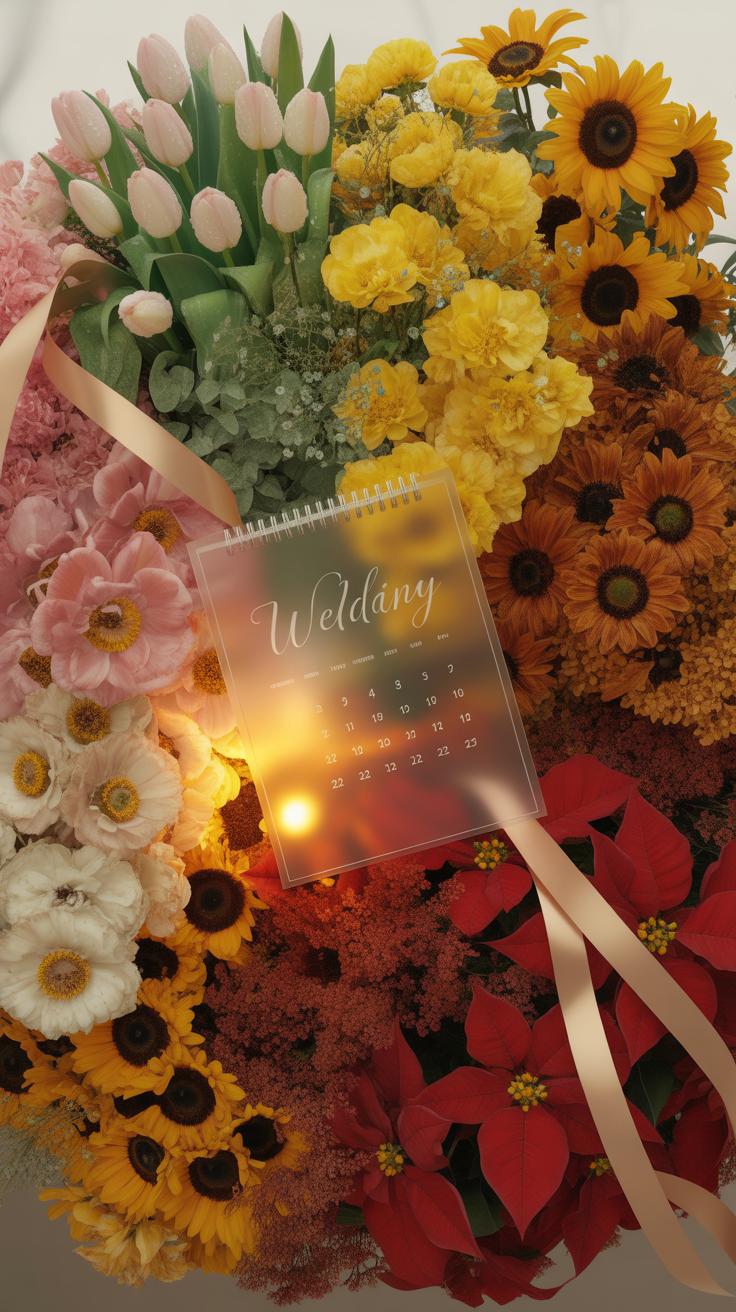
Spring provides the most diverse selection of traditional wedding flowers. Tulips and peonies dominate this period because they represent new beginnings and prosperity. Peonies have historical ties to honor and wealth in Eastern cultures. Use these blooms to create high volume in centerpieces without adding excessive weight. They thrive in mild temperatures and offer natural scent profiles that reduce the need for synthetic room fragrances.
Summer flowers must withstand high heat and direct sunlight. Sunflowers and zinnias provide structural integrity during outdoor events. These plants symbolize loyalty and endurance due to their ability to track the sun. Choose these varieties for their physical resilience and vibrant pigment. They require less hydration than delicate spring bulbs. This makes them tactically superior for long receptions in warm climates where wilting becomes a primary logistical risk.
Fall And Winter Flowers That Add Depth And Warmth To Wedding Decor
Fall florals focus on texture and saturated tones. Dahlias are the primary choice for autumn because they symbolize commitment and grace. These flowers offer complex petal patterns that add visual depth to any arrangement. Pair them with dried elements like wheat or eucalyptus to create contrast. This strategy mirrors the natural transition of the harvest season. Use these sturdy stems to maintain shape in heavier, structured floral designs.
Winter weddings require hardy species that can survive cold drafts. Hellebores and amaryllis are historically significant for their ability to bloom in harsh conditions. They represent patience and inner worth. Incorporate evergreens and berries to add bulk and symbolism of eternal life. These materials cost less during the winter months. They provide a dense green base that supports delicate focal flowers. This approach ensures your decor remains vibrant despite low humidity.
Simple Tips For Choosing Wedding Flowers With Meaningful Intention
How To Talk To Your Florist About Symbolism Without Feeling Overwhelmed
Start your consultation with a clear priority list. Professionals value efficiency over vague concepts. Tell your florist you want to incorporate specific Wedding Flower Meanings into your arrangements. Do not ask them to guess your intentions. Provide a list of three core values or emotions you want to represent. This allows the designer to source specific stems like blue violets for faithfulness or ivy for endurance.
Focus on seasonal availability to keep your budget under control. Florists cannot always source rare Victorian symbols in the off-season. Ask for substituted flowers that share the same historical meaning. Use reference books like those from the 19th-century floriography movement to verify facts. Clear communication ensures the final product matches your intent. A direct approach prevents misunderstandings and saves time during the design process.
Mistakes To Avoid When Choosing Wedding Flowers For Their Meaning
Do not ignore the negative connotations of certain stems. Historically, yellow carnations symbolized rejection or disdain in formal flower languages. Selecting a bloom purely for its color can send the wrong message to guests who know floral history. Research each variety before finalizing your order. Avoid using flowers like striped carnations if you want to convey pure love. Knowledge of these traditional meanings prevents cultural or social errors.
Stop prioritizing aesthetics over actual symbolism if the meaning is your goal. Many modern couples choose flowers based on social media trends rather than historical facts. This results in beautiful but hollow arrangements. Ensure you verify the botanical names to avoid confusion between similar species. Some plants have multiple meanings depending on the era or region. Stick to one consistent source of information to maintain a cohesive theme for your event.
Frequently Asked Questions

What are the most popular flowers and their hidden symbols for a wedding?
Understanding wedding flower meanings often begins with the classics. Roses are the ultimate symbol of everlasting love and passion, while lilies represent purity and rebirth. Peonies, a favorite for many modern brides, symbolize a happy marriage and prosperity. By choosing blooms that align with your personal love story, you can transform your floral arrangements into a meaningful narrative that resonates deeply with your guests throughout your special celebration.
How can I choose the right blooms based on their symbolic language?
To select the perfect bouquet, start by identifying the core emotions you want to convey. Research various wedding flower meanings to find blossoms that match your intent, such as ivy for fidelity or tulips for perfect love. Once you have a shortlist, consult with a florist to see which of those symbolic flowers are in season. This ensures your arrangements look fresh while carrying the specific sentimental message you wish to share.
Can I incorporate meaningful flowers if I am on a tight budget?
Absolutely! You don’t need an expensive designer bouquet to embrace wedding flower meanings. Many affordable blooms carry beautiful sentiments; for example, baby’s breath represents everlasting love and is very cost-effective. Carnations, which symbolize fascination and devotion, are also budget-friendly and durable. By focusing on a few impactful, inexpensive stems that hold personal significance, you can create a gorgeous, high-end look without overspending on your floral decor.