
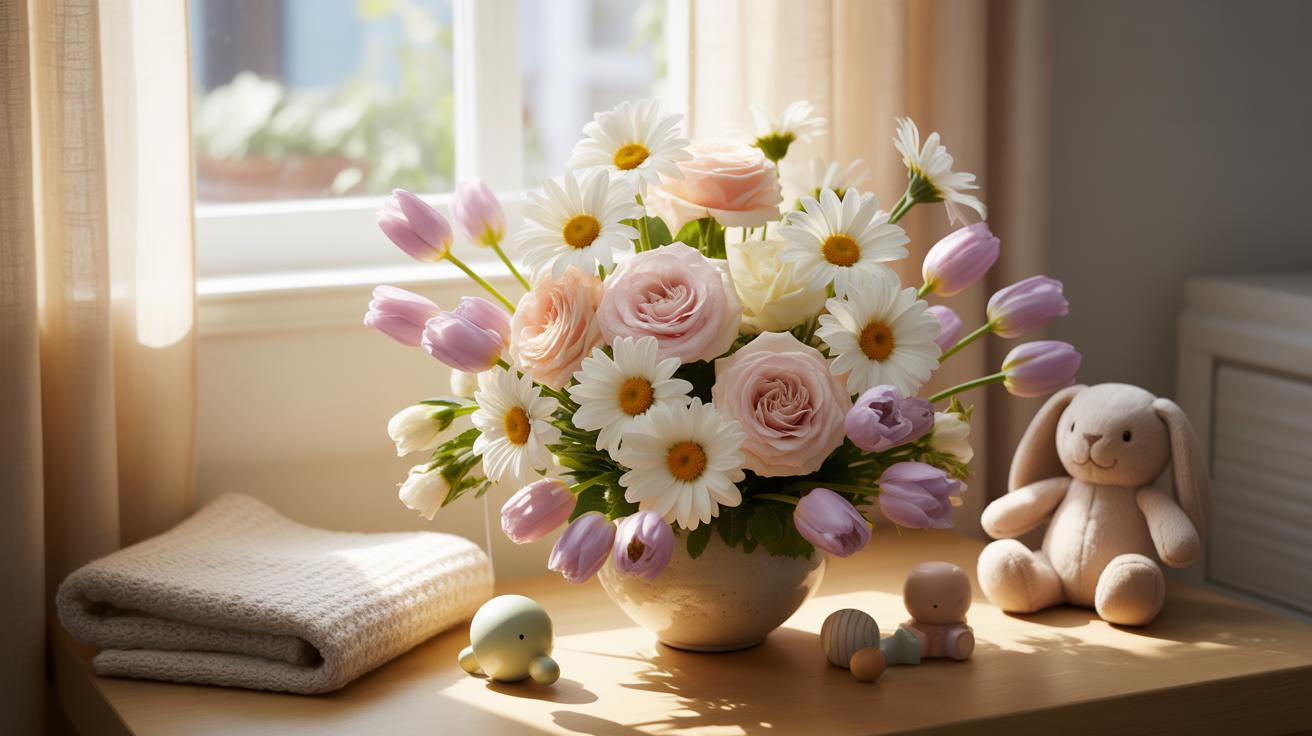
Understanding Types Of Flowers And Meanings When Welcoming A New Baby
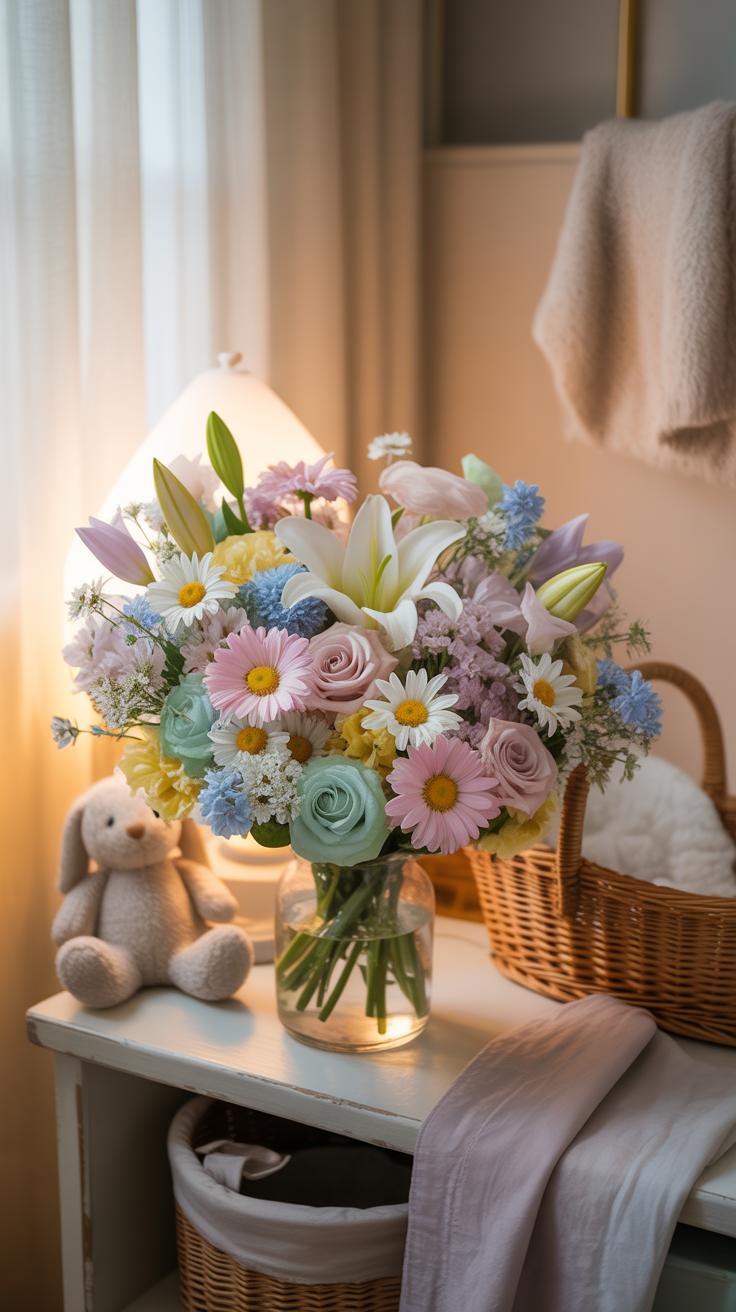
How Flower Symbolism Has Been Used To Honor New Life Throughout History
Ancient civilizations used floral symbols to mark birth and transitions. The Greeks and Romans linked specific flora to deities of fertility and childbirth. They used wreaths to communicate social status and family milestones. Families hung these arrangements on doors to signal a safe delivery. This practice established a visual language for the community. It provided a clear method to celebrate new life without words.
Victorian era floriography refined these meanings into a strict social code. People used the Language of Flowers to send coded messages about hope and protection. A specific bloom could represent a wish for the child’s future health or character. This period codified the associations we still use today. Understanding these historical roots helps you choose flowers with genuine intent. You select a legacy rather than just a decoration.
The Most Commonly Gifted Flowers For Newborns And What They Represent
White lilies and daisies dominate new baby floral arrangements. White lilies symbolize purity and the restoration of innocence. They reflect the clean slate of a newborn. Daisies represent simplicity and loyal love. These choices prioritize clean lines and bright aesthetics. They fit easily into modern home environments. They offer a neutral palette that does not overwhelm the nursery or living space.
Hydrangeas and tulips serve as practical alternatives for growing families. Hydrangeas represent gratitude and heartfelt emotion. They offer volume and longevity in a vase. Tulips symbolize perfect love and provide a sleek look. Different colors convey different messages. Pink tulips signify care, while yellow suggests cheerful thoughts. Selecting these flowers demonstrates a high level of tactical thought. You provide beauty that carries a specific, positive weight.

A Guide To Different Flowers And Their Meanings For Baby Gifts And Nursery Decor
Roses, Lilies, And Daisies: What Each Bloom Communicates To A New Family
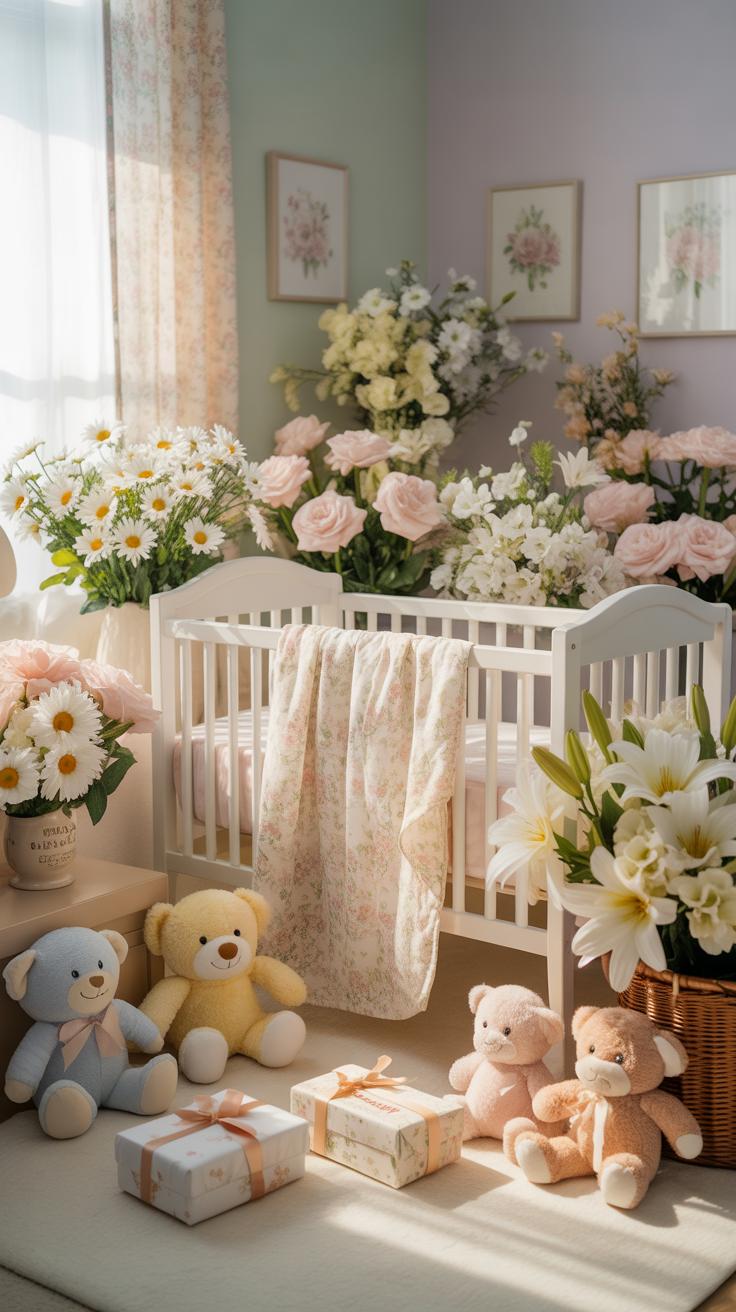
Roses convey different messages based on their specific color. White roses symbolize purity and new beginnings. They offer a formal greeting to a newborn. Pink roses represent grace and admiration for the parents. Yellow roses signal joy and friendship. High-end floral design uses these subtle shifts to match the family dynamic. Avoid red roses as they traditionally signal romantic intent rather than familial celebration.
Daisies and lilies provide distinct emotional contrasts. Daisies represent innocence and simplicity which fits the nature of an infant. They suit casual home environments and rustic nursery themes. White lilies symbolize the restored innocence of the soul. Note that lilies carry heavy religious associations in many cultures. Choose Peruvian lilies for a modern look that symbolizes lasting devotion and prosperity for the child’s future.
Choosing Gentle And Fragrance Friendly Flowers Safe For A Baby’S Environment
Nursery air quality is a primary safety concern. Strong scents from hyacinths or jasmine can cause headaches or allergic reactions in infants. Their respiratory systems are highly sensitive to volatile organic compounds found in heavy flower perfumes. Select unscented varieties like hydrangeas or sunflowers to keep the air clean. These flowers provide visual impact without polluting the nursery air with overpowering pollen or odors.

Safety extends to the physical properties of the plant. Avoid any flower with thorns like standard roses unless you strip the stems completely. High-pollen flowers like lilies can shed dust that irritates a baby’s eyes and nose. Tulips and snapdragons are excellent low-pollen choices. Always place arrangements on high surfaces where the child cannot reach them. This prevents the risk of ingestion or water spills near electrical outlets.
Using A Flowers Meanings Chart To Select The Perfect Bloom For A New Arrival
How To Read And Apply A Flower Meanings Chart When Shopping For Baby Gifts
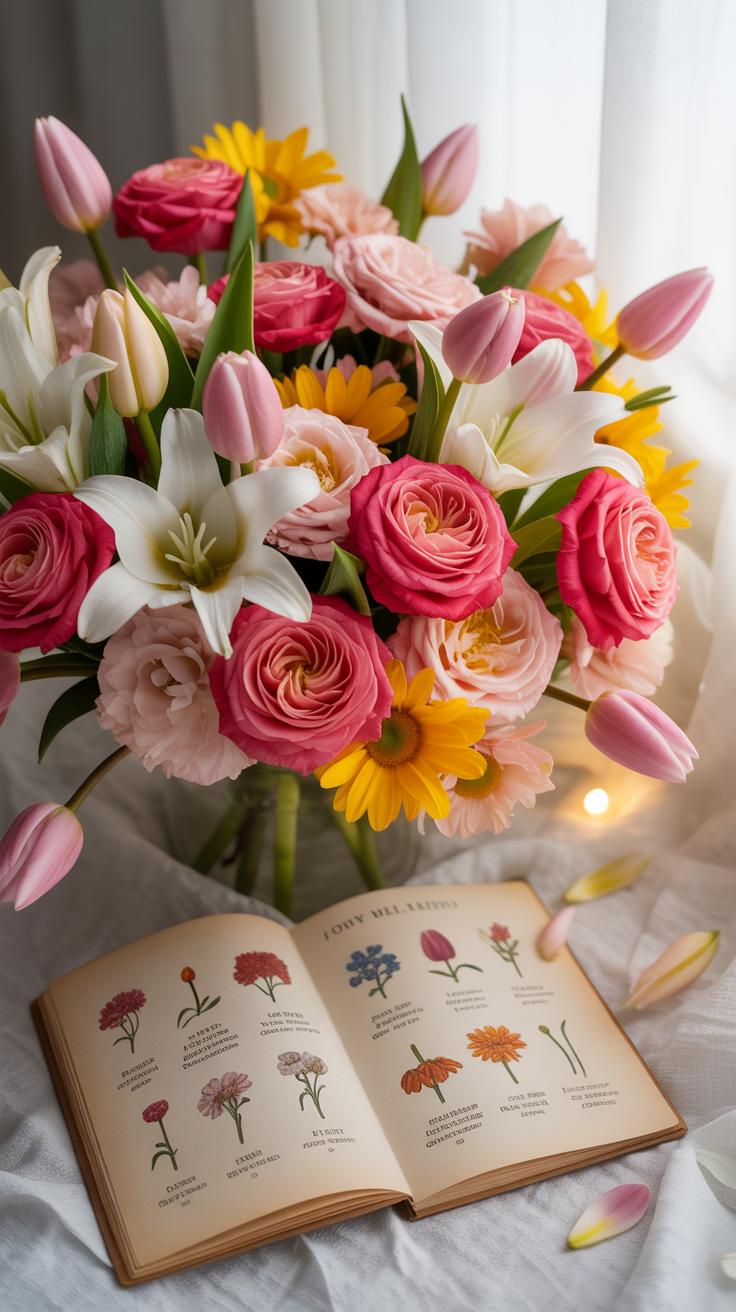
Flower meanings charts translate botanical species into specific messages. Floriography became a standardized communication tool during the Victorian era. You must identify the primary sentiment you want to convey before selecting a plant. Use the chart to match the intended emotion with a verified flower species. This systematic approach ensures the gift carries a logical purpose rather than just visual appeal.
Context matters when applying these chart definitions to newborns. Some flowers represent maternal strength while others focus on the child. Check the historical symbolism against modern cultural norms to avoid mixed signals. Verify the botanical name on the chart to ensure you buy the correct variety. Precise selection prevents common errors where different colors of the same flower change the entire meaning of the gift.
A baby is like a bouquet of flowers, each one holding a special meaning and blooming in its own time. Like a wildflower, you were meant to grow in all the places people thought you never would.
Top Flowers On The Meanings Chart That Celebrate Innocence Joy And New Beginnings
Specific flowers consistently rank at the top of meanings charts for new arrivals. These blooms represent the start of life and the purity of an infant. You should select these varieties to align with traditional celebrations of birth. Every choice listed below provides a clear and direct message of growth and happiness. Use these data points to build a meaningful bouquet.
- White Lilies: These flowers represent purity and the restored innocence of the soul. They are standard inclusions for birth celebrations because they signal a clean start. Use them to anchor a large arrangement for a nursery.
- Daisies: Meanings charts list the daisy as the primary symbol of childhood and loyal love. Their simple structure conveys a sense of uncomplicated joy. They work best in casual settings or mixed wildflower bundles for new parents.
- Daffodils: These blooms serve as the universal sign for new beginnings and rebirth. Because they appear at the start of spring, they correlate with the arrival of a new life. They provide a strong visual message of hope.
- Baby’s Breath: This flower symbolizes everlasting love and pure heart. It is a staple in birth-related floral design due to its name and delicate appearance. It adds texture while reinforcing the theme of a newborn person.
- White Roses: While often associated with weddings, white roses represent new starts and spirituality on most charts. They offer a more formal way to celebrate a birth. Choose these for high-end gifts or formal hospital deliveries.

Review the colors carefully before finalizing your selection. Charts often distinguish between subtle shades which can alter the symbolic intent. For example, a white carnation denotes pure love while a striped one represents refusal. Stick to the primary colors listed for innocence and joy to maintain clarity. This disciplined selection process guarantees your floral gift remains tactically sound and emotionally appropriate.
Exploring Flower Symbolism Meaning In Nursery Arrangements And Home Decor
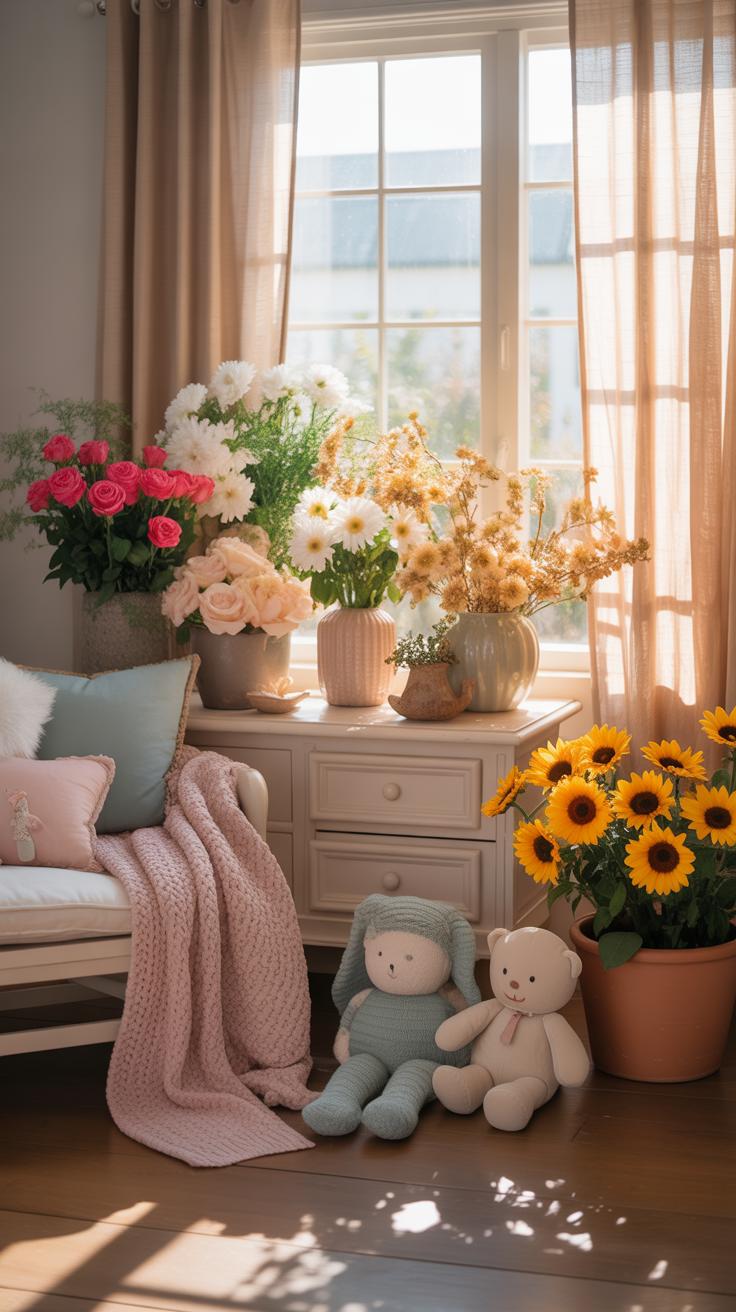
Guidance How To Incorporate Symbolic Flowers Into Nursery Themes Without Overwhelming The Space
Effective nursery design uses flowers as accents rather than primary focal points. Use botanically accurate prints or small textiles to represent specific meanings. For example, use a single sprig of lavender in a wall frame to symbolize devotion and calm. Avoid large floral wallpapers that distract the eye. Focus on high quality materials like cotton or linen that feature subtle floral embroidery.
Place small arrangements on high shelves away from the crib for safety. Use hardy dried flowers like statice or strawflower to maintain symbolism without needing daily maintenance. These flowers represent lasting memory and success. Choose vases made of wood or matte ceramic to match modern nursery trends. This approach keeps the room functional. It ensures the symbolic message remains clear without cluttering the infant’s environment.
The Emotional Power Of Flower Symbolism In Welcoming A Baby Into Your Home
Flower symbolism creates a psychological anchor for parents during the transition to new parenthood. Humans have used specific blooms to mark life milestones since the Victorian era. Incorporating daisies for innocence or white roses for new beginnings communicates a clear intent for the child’s future. These visual cues serve as daily reminders of the family’s values. They ground the home environment in tradition.

Research shows that natural elements in the home reduce stress levels for caregivers. Choosing flowers with specific historical meanings adds a layer of purpose to home decor. It moves beyond simple aesthetics. By selecting blooms like the iris for wisdom, parents establish a curated atmosphere. This intentionality helps define the home as a place of growth. It provides a structured way to celebrate the new arrival through tangible symbols.
Flowers For Each Birth Month And What They Mean For Your New Baby
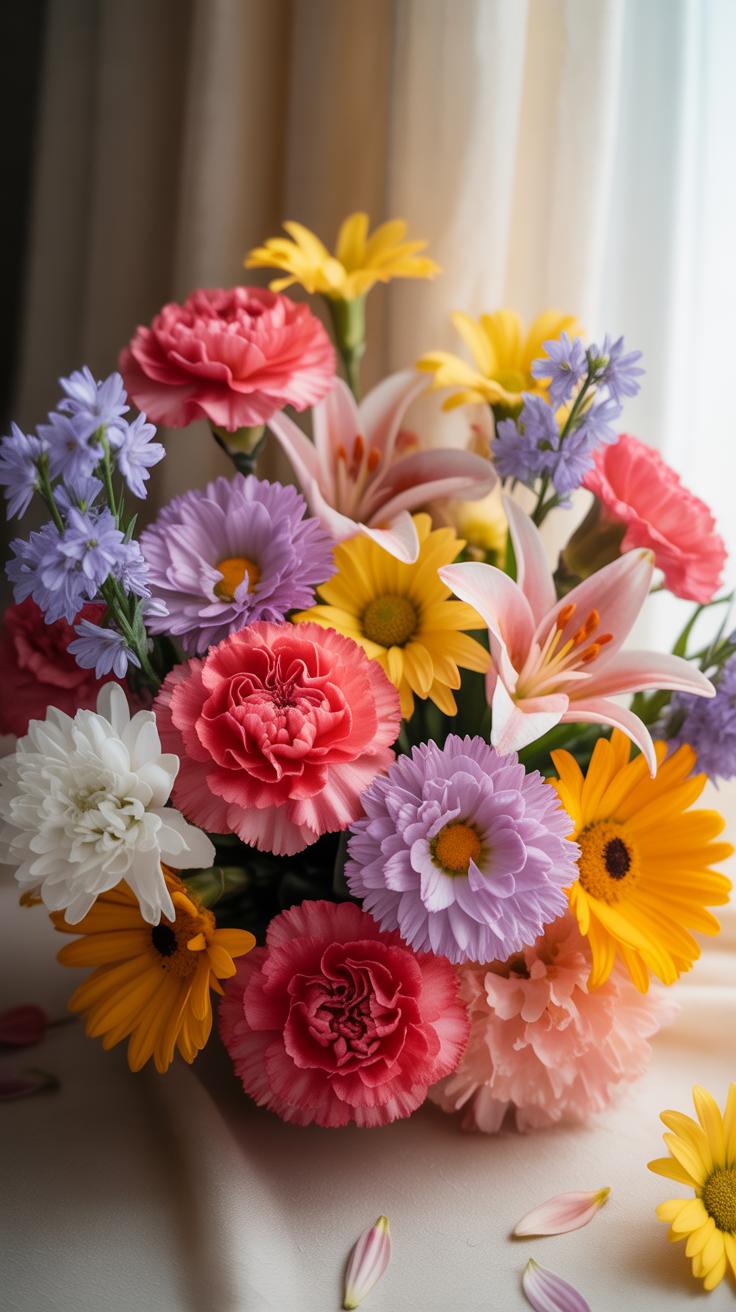
A Month By Month Overview Of Birth Flowers And Their Traditional Significance
Birth flowers assign specific traits to babies based on their arrival date. January uses carnations to represent deep love and distinction. February features violets for faithfulness and wisdom. March daisies signal new beginnings and innocence. April sweet peas represent pleasure. May lilies of the valley denote humility. June roses mean love. July larkspur signifies an open heart. August gladiolus represents strength. September asters show patience.
October marigolds represent optimism and drive. November chrysanthemums signal compassion and friendship. December narcissus expresses hope and vanity. These associations stem from Roman traditions and Victorian floriography. Each flower offers a specific character trait for the child. Using these flowers clarifies the intent behind a gift. You provide a biological link between the season and the child’s identity. This adds depth to the celebration.
How To Use Your Baby’S Birth Month Flower As A Meaningful Keepsake Or Gift Theme
Tactical application of birth flowers creates lasting value. Use the specific flower as a design anchor for the nursery. Incorporate the floral motif into textiles or wall art. This builds a cohesive visual theme based on the child’s birth month. Choose high-quality materials like cotton or linen for these items. Avoid generic decor by using the specific botanical profile of their birth month.

Create heirlooms by pressing the actual flowers from the birth month celebration. Dry the petals carefully and seal them in UV-resistant glass. This preserves the physical memory of the child’s arrival. You can also commission custom jewelry featuring the flower’s silhouette. These items serve as functional assets for the family. They move beyond temporary gifts into permanent archives. Focus on durability and historical accuracy for every piece.
Reading A Birth Month Flower Chart To Personalize Your New Baby Celebration
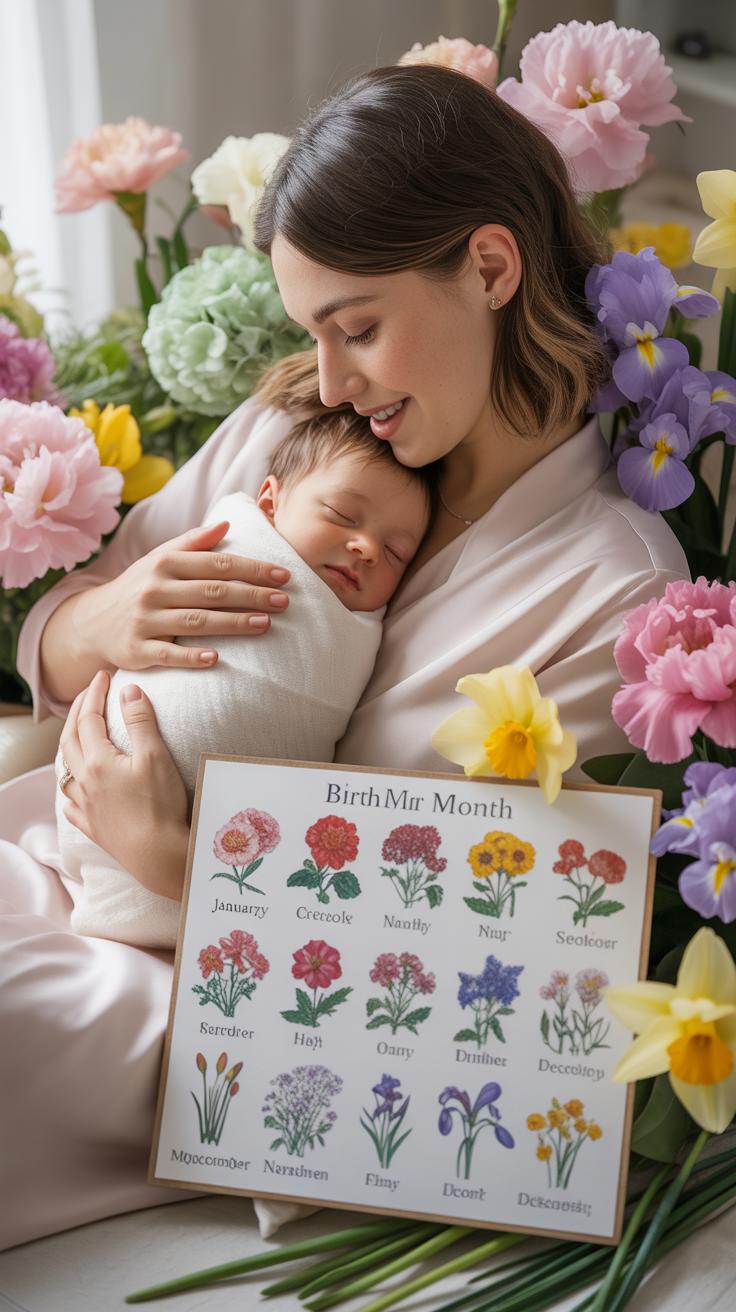
What The Birth Month Flower Chart Reveals About Personality And Life Path
Birth month charts assign specific flora to each month of the Gregorian calendar. These assignments originate from Roman traditions and Victorian era floriography. Each flower represents distinct personality traits and future expectations for the child. For example, January babies linked to the carnation symbolize resilience and deep bonds. April babies associated with the daisy represent innocence and loyal love. These historical meanings provide a roadmap for the child’s identity.
Strategic use of these charts allows parents to build a narrative around their child’s birth date. You use these traits to set intentions for the baby’s environment. Analyzing the specific attribute of each bloom helps parents select nursery decor that aligns with these traditional virtues. This data-driven approach to symbolism replaces generic choices with meaningful, historical patterns. It creates a personalized foundation for the child based on established cultural history and botanical lore.
Creative Ways To Display Your Baby’S Birth Month Flower In The Home
Integrating birth flowers into your living space requires tactical design choices. You move beyond simple vases to create permanent visual markers of the child’s arrival. These physical representations serve as a constant reminder of the baby’s unique place in the family unit. Use durable materials like wood, metal, or high-quality textiles to ensure these displays survive the infant years. Select high-traffic areas for maximum visibility and daily impact.
- Pressed Glass Frames: Preserve actual pressed specimens of the birth flower between two panes of glass. This technique provides a clean, minimalist aesthetic suitable for modern nurseries. It protects the delicate organic matter from dust or humidity damage while showcasing natural textures and colors accurately.
- Architectural Custom Millwork: Carve the floral motif into wooden furniture or door frames. This method integrates the symbol directly into the home’s structure. It offers a subtle and sophisticated way to honor the child’s birth month without relying on temporary decor items that eventually require storage or disposal.
- Textile Pattern Integration: Incorporate the flower into custom nursery upholstery or high-end linens. Choose fabrics like organic cotton or linen for longevity and safety. This application turns functional items like pillows or blankets into meaningful heirlooms. It ensures the birth symbol remains part of the child’s immediate sensory environment.
- Commissioned Botanical Illustration: Hire an artist to create a technical drawing of the specific bloom. Specify a style that matches your existing interior design, such as vintage scientific plates or modern line art. Frame the work in archival-quality materials to prevent fading from sunlight exposure over time.
- Mural Stencil Work: Apply the flower shape directly to the nursery walls using muted paint tones. This approach creates a focal point without cluttering the floor space. It allows for a large-scale visual impact that defines the room’s identity. Stenciling ensures precision and clean lines for a professional finish.

Placement strategy dictates the effectiveness of these design elements. Align the floral displays with natural light sources to enhance colors and shapes during the day. Consider the eye level of both adults and the growing child when mounting wall-based art. Effective botanical integration should feel cohesive with the rest of the home’s architecture. Use these permanent installations to document your child’s history through intentional and historically grounded design choices.
The Unique Buckwheat Flower Meaning And Its Connection To New Baby Blessings
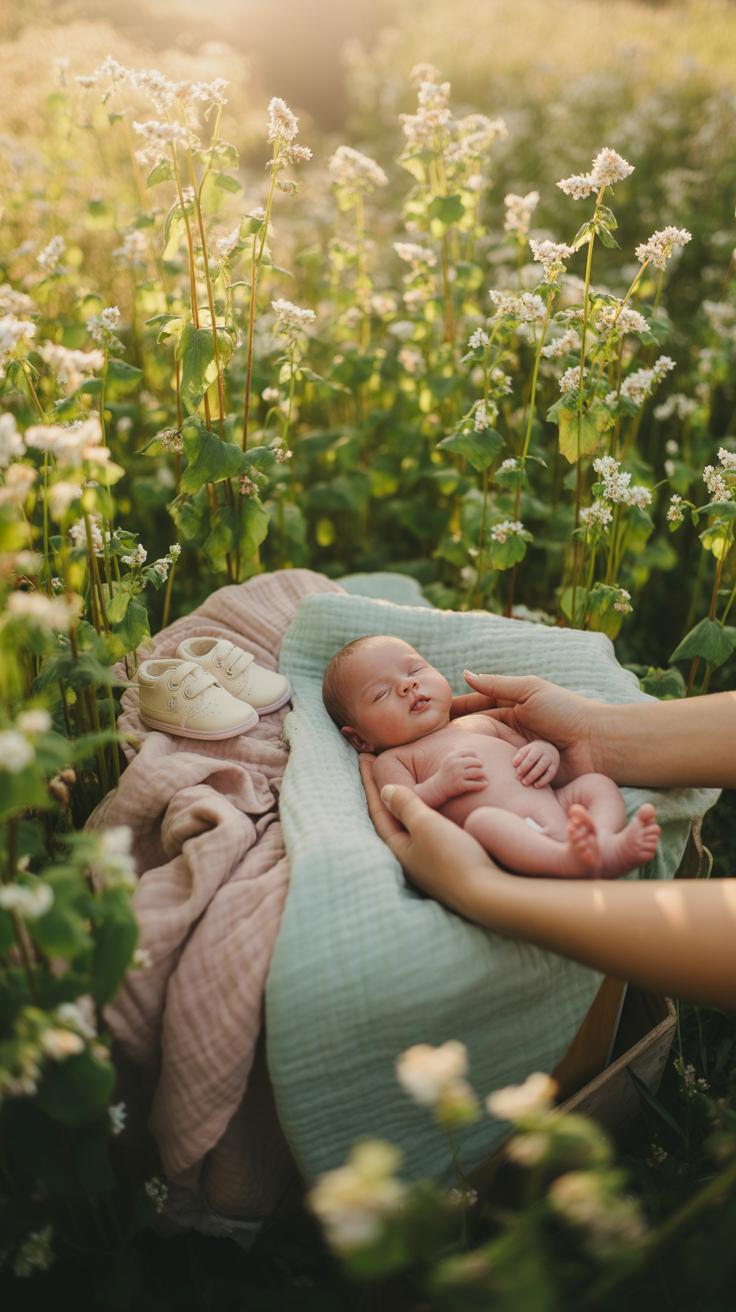
What Is The Buckwheat Flower And Why Its Symbolism Resonates With New Beginnings
The buckwheat flower comes from the Fagopyrum esculentum plant. It produces small white or pink blossoms in dense clusters. Farmers often use this crop to restore soil health. In the language of flowers, buckwheat signifies luck and solid foundations. These traits make it a powerful symbol for a new baby. You are celebrating a life built on a strong and healthy start.
The plant grows fast and survives in poor soil conditions. This resilience connects to the hope for a child to overcome any obstacle. Different cultures view the grain as a sign of wealth and protection. Using the flower in a nursery context emphasizes stability. It moves away from fragile beauty. Instead, it focuses on the grit and endurance needed for a long and successful life.
How The Buckwheat Flower Can Be Incorporated Into Baby Shower And Welcome Arrangements
Buckwheat flowers work best as a filler in rustic floral designs. They provide a delicate texture that balances larger blooms like peonies or roses. Use the dried stems for a permanent display in a new nursery. Dried buckwheat keeps its shape and color for a long time. This allows the family to keep the arrangement as a memento of the child first days.

Place these flowers in simple ceramic vases to highlight their natural form. They suit gender-neutral themes because of their neutral white and green tones. Professional florists often use them to add volume without overwhelming the focal points. You can also press the flowers into a baby book or frame. This creates a tactile record of the welcome celebration. It is a practical choice for modern parents.
The Meaning Of Different Flowers And How To Build A Purposeful New Baby Bouquet
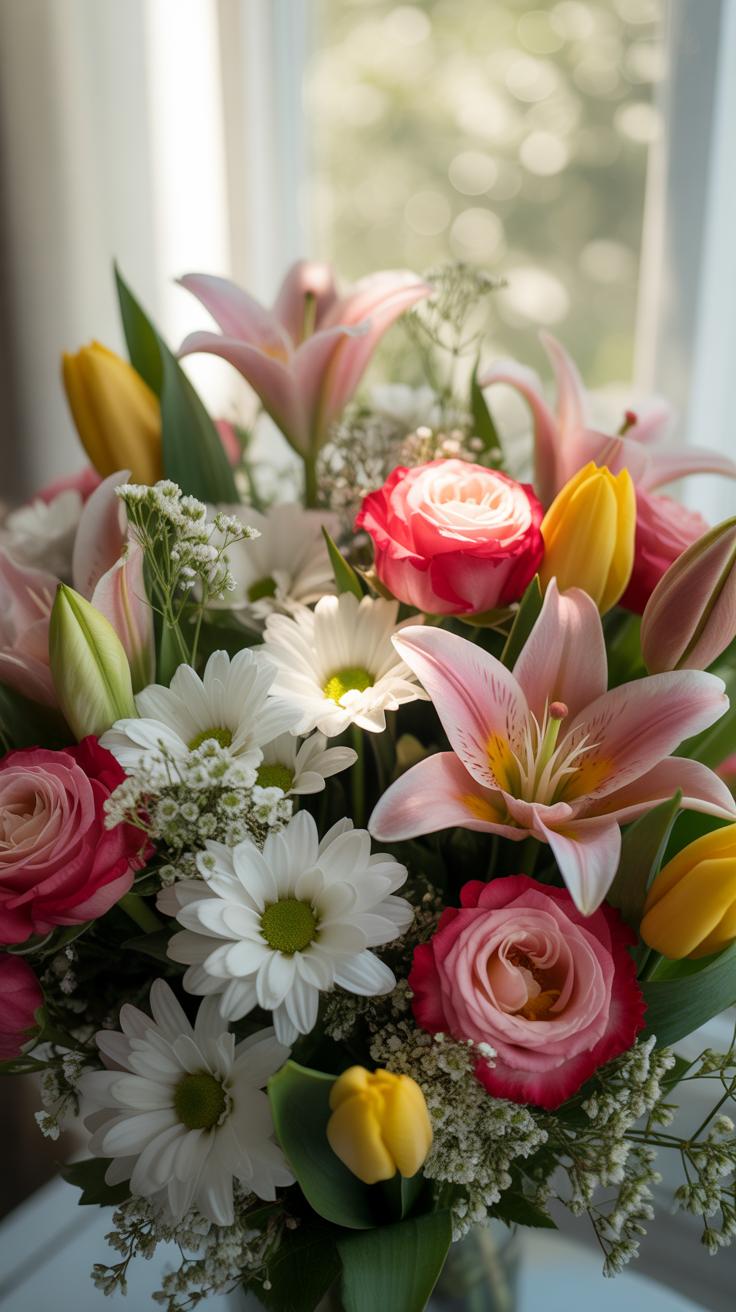
Combining Flowers With Complementary Meanings To Craft A Heartfelt New Baby Arrangement
Design a bouquet by grouping flowers that represent specific stages of growth. Pair white lilies for purity with yellow daffodils to symbolize new beginnings. This combination creates a clear narrative of hope and innocence. Use green foliage like bells of Ireland to signify luck and prosperity. Select a focal flower first to set the primary message. Build the rest of the arrangement around this central meaning.
Balance your selection by considering Victorian floriography standards. Mix pink roses for grace with baby breath to represent everlasting love. This layering technique ensures the bouquet communicates multiple layers of intent. Avoid clashing colors to keep the visual message focused. Use structural stems to provide height and support for delicate blooms. A well-constructed arrangement speaks clearly through its specific components. Every choice must reinforce the central goal of celebration.
Practical Tips For Keeping Your New Baby Flower Arrangements Fresh And Long Lasting
Maintain flower health by cutting stems at a forty-five-degree angle. Use sharp, sterilized shears to prevent crushing the vascular system. This method increases the surface area for water absorption. Remove all leaves below the water line to stop bacterial growth. Replace the water every twenty-four hours to ensure a clean environment. Bacteria clog stems and cause premature wilting. Fresh water is the most critical factor for longevity.

Keep the arrangement away from direct sunlight and heat sources. Warmth speeds up the aging process and causes flowers to drop petals. Avoid placing the bouquet near ripening fruit, which releases ethylene gas. This gas acts as an aging hormone for plants. Trim the stems by one inch every two days to maintain open pathways. Use commercial flower food to provide necessary nutrients. These steps double the lifespan of the bouquet.
Frequently Asked Questions

What are the most popular flower meanings for a new baby?
When choosing a floral gift, understanding flower meanings for new baby celebrations adds a layer of sentimental value. White lilies symbolize purity and innocence, making them a timeless choice for newborns. Daisies represent new beginnings and cheerfulness, perfectly capturing the joy of a growing family. Hydrangeas are also favored for their heartfelt emotion and abundance, serving as a beautiful way to welcome a little one into your home and heart.
How can I safely display flowers in a nursery or home with a newborn?
Safety is paramount when integrating flower meanings for new baby decor into your home. Always place arrangements on high, stable surfaces out of the reach of children and away from drafty windows. Ensure the water is changed daily to prevent bacterial growth and avoid highly fragrant blooms like lilies or hyacinths, which can be overwhelming for sensitive infants. Opt for non-toxic varieties and keep fallen petals cleared away at all times.
Are there budget-friendly ways to celebrate a birth using floral symbolism?
You don’t need an expensive bouquet to embrace meaningful florals. Consider buying single stems of carnations, which symbolize a mother’s undying love, and placing them in repurposed glass jars for a charming, rustic look. Flower seeds also make an affordable, lasting gift; planting a “growth garden” of sunflowers or marigolds allows the family to watch the blooms flourish alongside the baby, creating a living tribute that costs very little to start.