
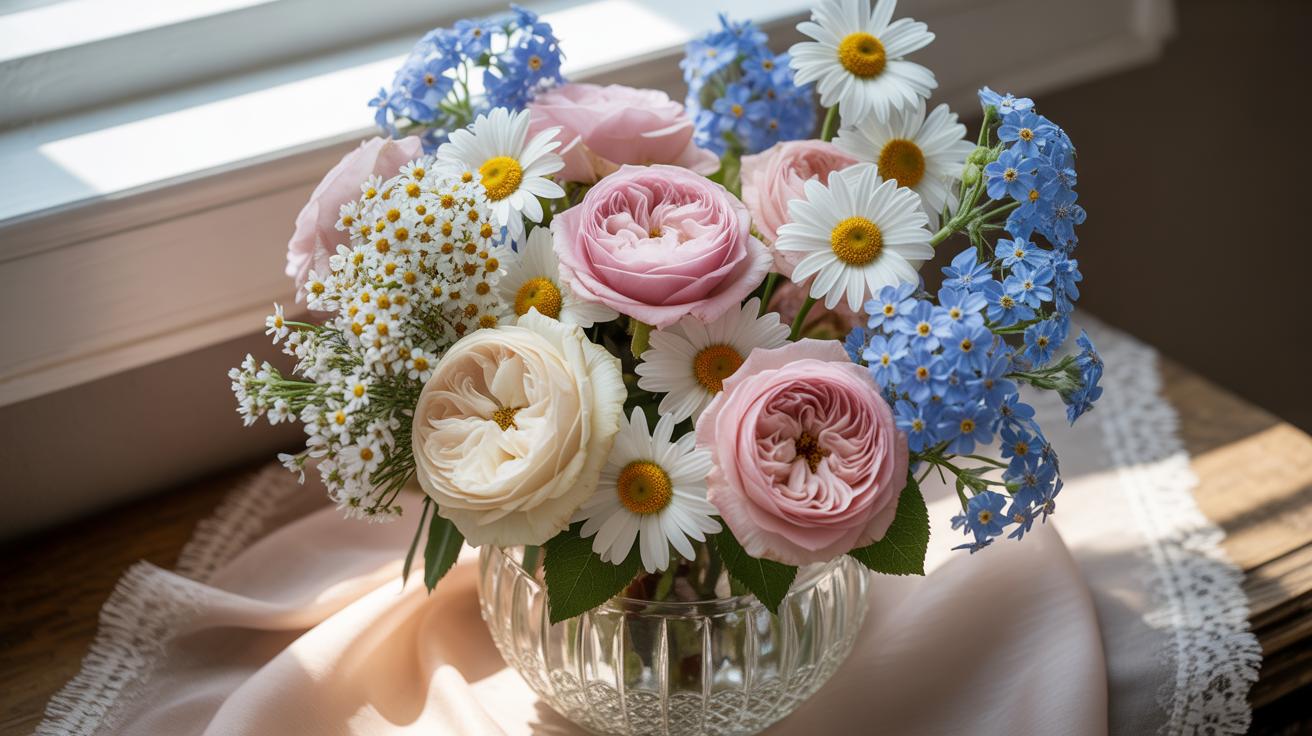
The Origins Of The Language Of Flowers And Its Victorian Roots
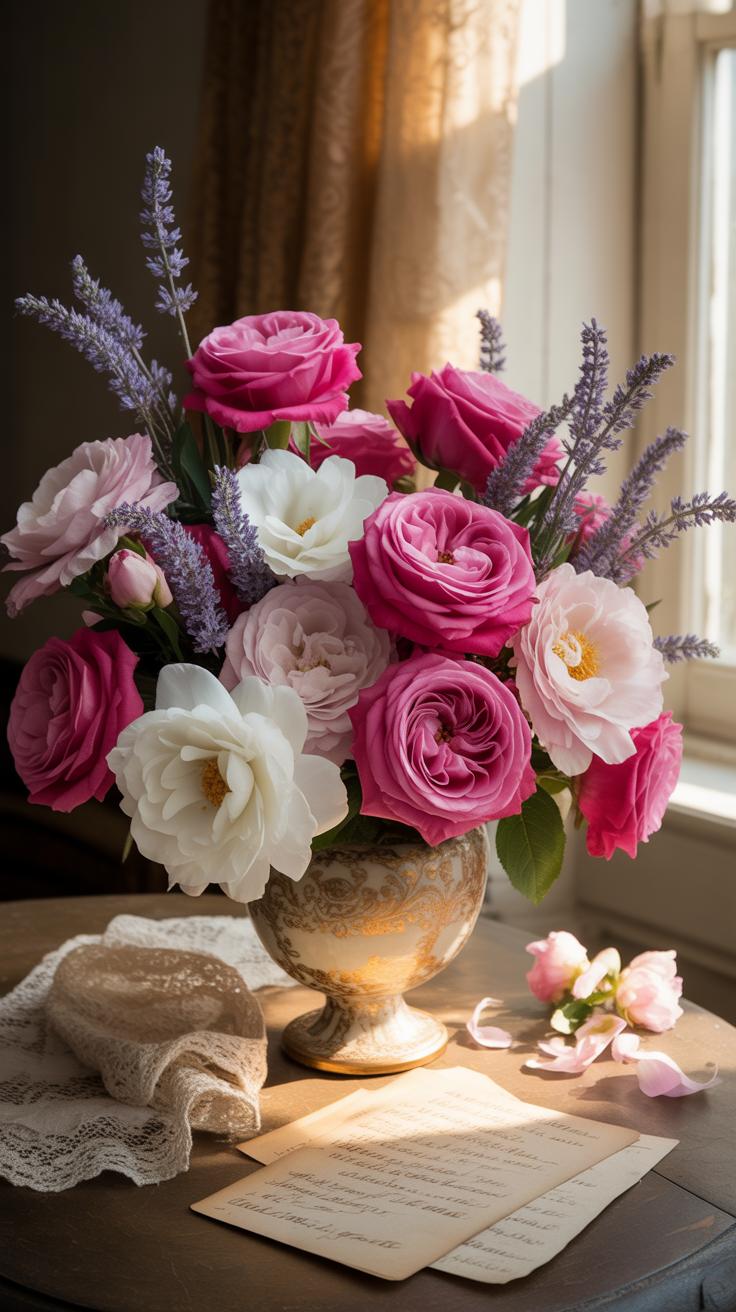
How Floral Symbolism Traveled From The Ottoman Empire To Victorian England
Lady Mary Wortley Montagu observed the Turkish custom of floriography while living in Constantinople. She wrote letters home describing a secret system called selam. This method used objects and flowers to send coded messages. She brought these observations back to England in the early 1700s. Her writings sparked initial curiosity among the British elite. However, the trend did not gain mass popularity immediately.
Aubry de La Mottraye also documented similar floral customs in his travel logs. These accounts provided the groundwork for future botanical dictionaries. French authors later refined these ideas into formal books. These publications eventually crossed the English Channel. By the early 1800s, publishers saw a market for these guides. They translated and adapted the meanings for a Western audience. This established the foundation for Victorian Flower Language.
Why The Victorian Era Became The Golden Age Of Flower Communication
Strict social rules governed Victorian life. People could not express emotions openly in public. Direct flirtation was often seen as improper or rude. Flowers provided a safe way to bypass these rigid barriers. A small bouquet allowed individuals to communicate secret feelings without speaking. This tactical advantage made floriography a vital skill for young men and women. It turned botany into a social tool.
Advancements in printing technology fueled the trend. Publishers produced cheap, pocket-sized flower dictionaries for the growing middle class. These books standardized the meanings of different blooms. Greenhouses also became more common during this period. More people had access to exotic plants year-round. This availability turned floral arrangement into a complex language. Accuracy in selection was necessary to avoid sending the wrong message. Every petal held a specific rank.

What Is Victorian Floriography And Why It Captivated A Generation
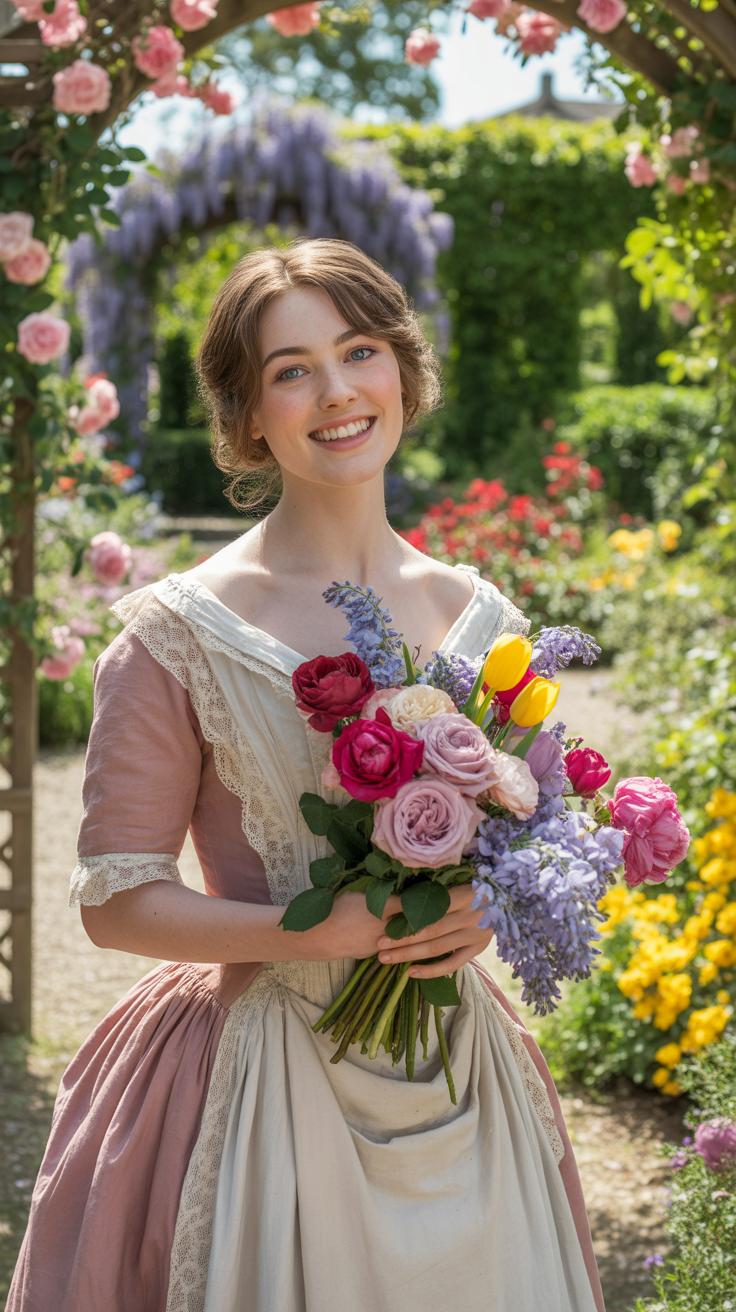
The Social Rules That Made Floriography A Necessity In Victorian Society
Victorian etiquette enforced strict social boundaries. Expressing deep emotions directly was considered rude or scandalous. People needed a way to share feelings without breaking moral codes. This cultural repression turned flowers into a functional communication tool. Floriography allowed people to speak through symbols. It moved complex messages from the mouth to the hand. This system provided a safe way to bypass rigid public standards.
The upper class used floral dictionaries to standardize these meanings. These books assigned specific traits to every bloom. A gift of flowers became a tactical move in social games. Young men and women used these codes to navigate courtship. Understanding the rules was a mark of status and education. Failure to know the symbols led to social errors. The code turned nature into a precise and calculated language.
How Tussie Mussies Were Used To Send Secret Floral Messages
Tussie-mussies were small, handheld bouquets used for specific communication. These arrangements held deep tactical value during social gatherings. A sender selected specific stems based on their assigned meanings in dictionaries. They often used a metal holder to protect the delicate arrangement. This holder allowed the recipient to carry the message throughout an evening. Every stem within the bundle contributed to a larger, complex narrative or request.
Recipients interpreted the message based on how they handled the bouquet. Holding the flowers at heart level signaled a positive response. Pointing the blooms downward indicated a rejection of the sender. Even the hand used to accept the gift changed the meaning completely. This physical interaction functioned as a silent dialogue. It allowed individuals to conduct private business in crowded rooms. Tussie-mussies turned simple gardening into a powerful and secretive social weapon.
Decoding The Flower Dictionary The Most Popular Victorian Blooms And Their Meanings
Roses, Lilies, And Violets: What Victorian Society’S Favorite Flowers Really Meant
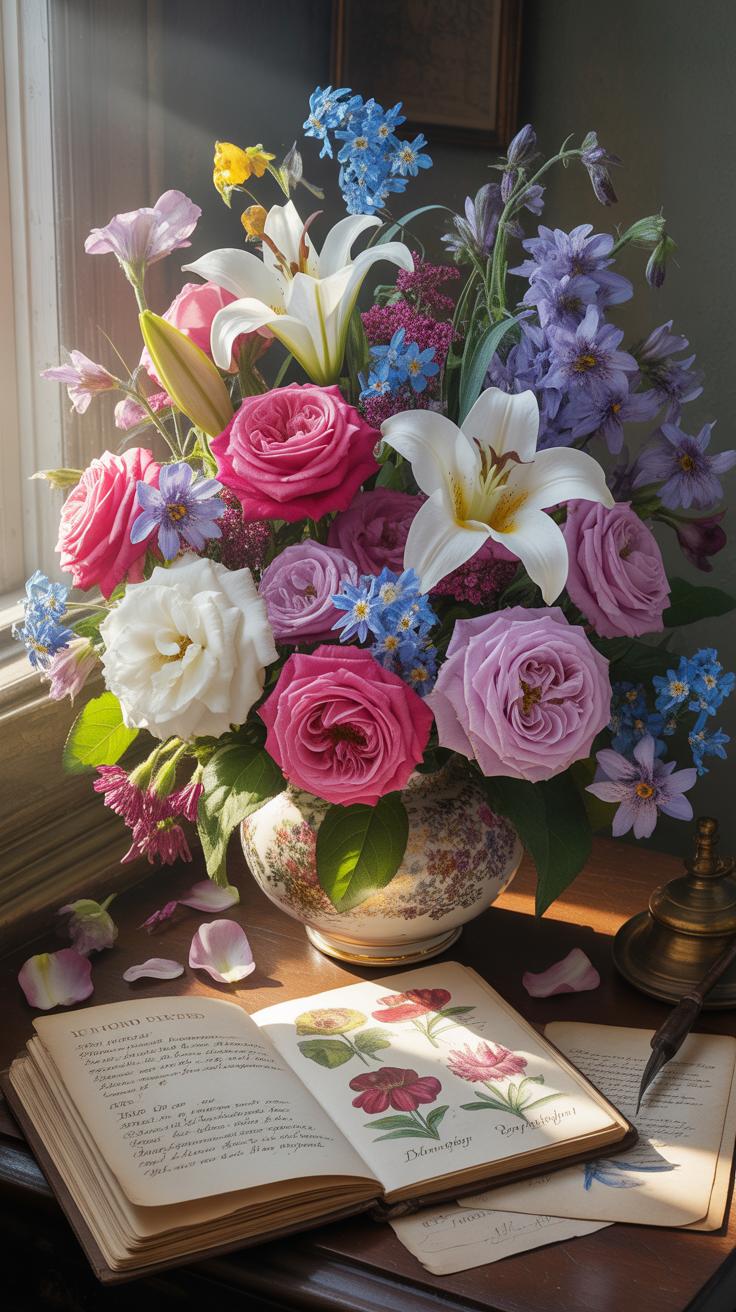
Victorian society used red roses to signal deep romantic love. They prioritized color shades to change the specific message. Deep red meant bashful shame while white roses indicated silence or girlhood. This system allowed people to express intense feelings without breaking strict social codes. The rose served as the primary tool for direct emotional communication between suitors in high society circles.
Lilies and violets held different functional roles in the floral code. White lilies represented purity and majesty in formal arrangements. Violets communicated modest blue intentions or faithfulness. Sending blue violets told the recipient that the sender remained loyal. These flowers helped individuals navigate the complex etiquette of the era. They acted as a silent language for those who could not speak their minds openly.
Lesser Known Flowers In The Victorian Flower Dictionary And Their Surprising Symbolism
Small blooms like the tansy or yellow carnations carried sharp social rebukes. A tansy declared a sense of hostile war against the recipient. Yellow carnations signaled disdain or rejection. These flowers functioned as tactical tools for ending unwanted courtships. They provided a clear and final way to communicate negative feelings. People used these plants to set hard social boundaries without using loud words.
The striped carnation specifically signaled a refusal of an offer or request. It worked as a visual “no” in the floral dictionary. Snapdragons represented deception or presumption in certain social contexts. Using these flowers required precise knowledge of the recipient’s understanding. One wrong choice could lead to a permanent social feud. Mastery of these obscure meanings gave individuals a distinct advantage in the sophisticated Victorian dating market.
Language Of Flowers Vintage Books That Defined An Era
Charlotte De Latour’S Le Langage Des Fleurs And Its Lasting Influence
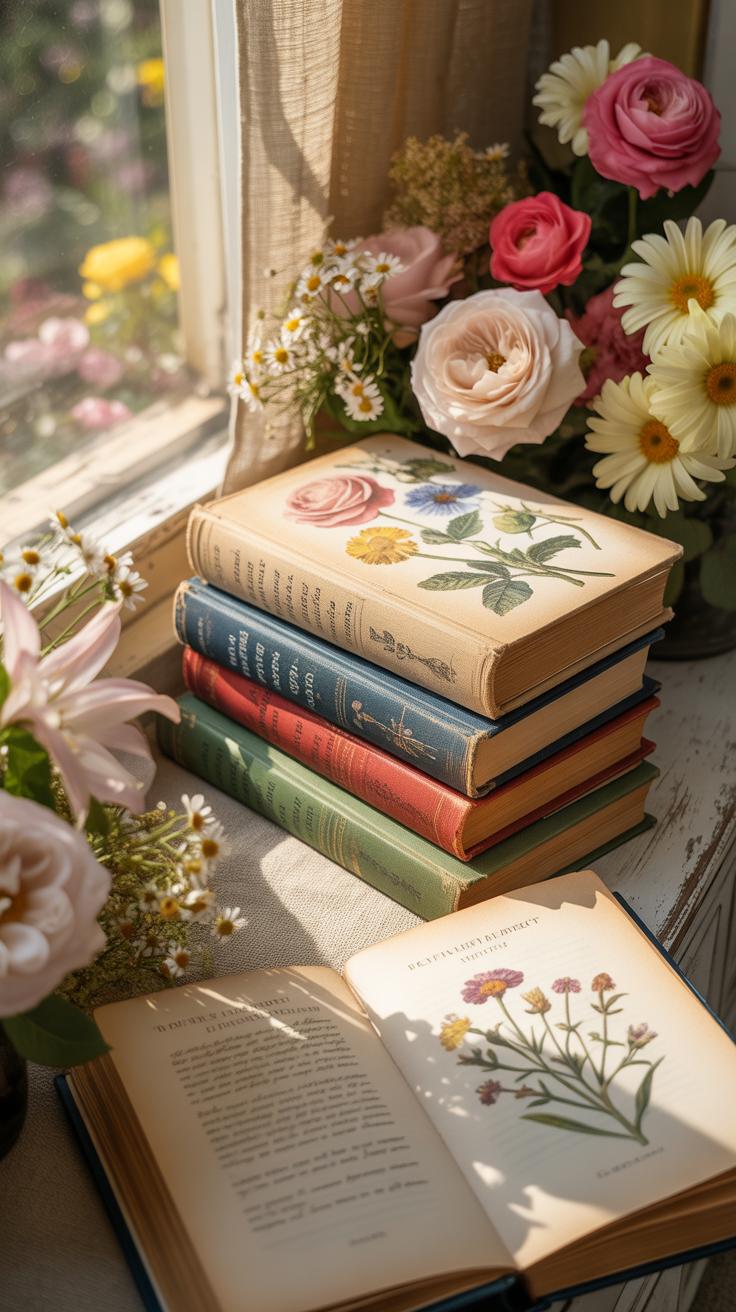
Charlotte de Latour published Le Langage des Fleurs in 1819. This book started the floral dictionary craze in Europe. She gave specific meanings to different plants and blossoms. These definitions became the standard for floral communication. Her work turned botany into a social tool. It allowed people to send secret messages through bouquets. This book is the foundation of the Victorian flower language.
The influence of this book lasted for decades. Many later authors copied her definitions exactly. English and American writers translated her French concepts for their own markets. This created a unified system of symbols across the Western world. Artists and poets used her meanings to add depth to their work. Her book transformed flowers into a practical and tactical tool for social interaction.
How Victorian Floral Dictionaries Were Published, Collected, And Cherished
Victorian floral dictionaries came in many sizes and styles. Publishers often made small books that could fit in a pocket. These tiny volumes allowed people to decode messages while in public. Many books featured high quality colored plates. These illustrations helped users identify different flower species correctly. Expensive bindings made these books perfect gifts for young women in the middle class.
Owners cherished these books as essential social guides. They were not just for reading but for daily reference. People kept them in drawing rooms to facilitate conversation and games. Collecting different editions became a popular hobby for many. These books helped people navigate strict social rules. They provided a safe way to express emotions without speaking out loud. These manuals shaped how a whole generation communicated.
Lenguaje De Las Flores How Flower Symbolism Spread Across Europe And Beyond
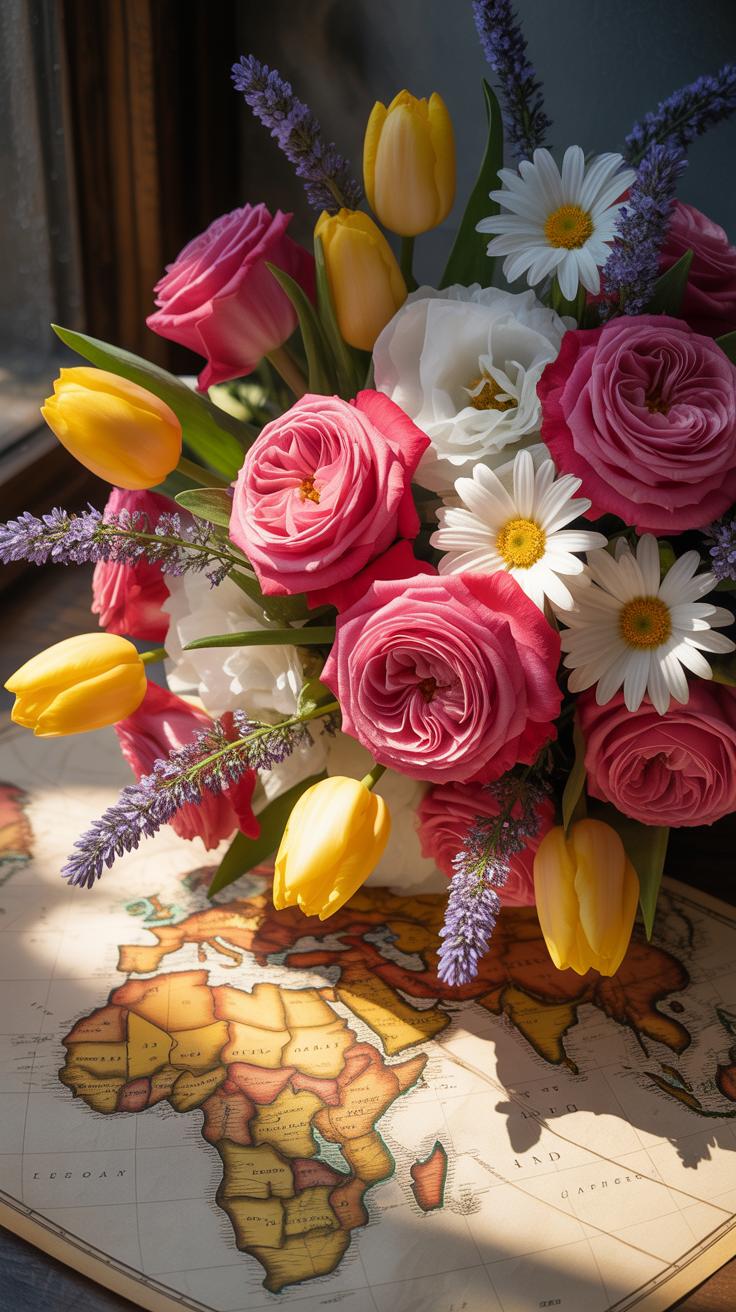
The French And Spanish Influence On The Global Spread Of Floral Messaging
Western flower symbolism gained momentum through French literature before reaching the English-speaking world. Charlotte de Latour published Le Langage des Fleurs in 1819. This book standardized floral meanings for an international audience. It shifted flower use from casual decoration to a structured communication tool. European aristocrats adopted these codes quickly. They used floral dictionaries to send secret messages in social settings where open speech was forbidden.
Spanish culture integrated these floral codes through trade and colonial expansion. The Spanish term Lenguaje de las Flores became a common phrase in high society. It influenced art, poetry, and courtship rituals across the Mediterranean and Latin America. This spread created a shared visual vocabulary between different nations. By the mid-1800s, the French system of floral classification became the dominant global standard for botanical messaging and social etiquette.
Regional Variations In Flower Meanings Across Different Victorian Cultures
Flower meanings were not universal across all borders. A yellow rose symbolized jealousy in early French texts but evolved to mean friendship in other regions. Local traditions often overwrote the standard French or British definitions. Cultural history and local availability changed how people interpreted specific blooms. You cannot assume a flower held the same meaning in London as it did in Madrid or Berlin during the Victorian era.

Climate and native species forced people to adapt the standard floral dictionaries. People substituted rare plants with local alternatives that carried similar visual traits. This created distinct regional dialects within the Victorian Flower Language. Religion and local folklore also played a major role in these shifts. Experts must look at the specific publication origin of a flower dictionary to understand the sender’s true intent during this historical period.
Top Flower Meanings That Defined Victorian Romance And Courtship
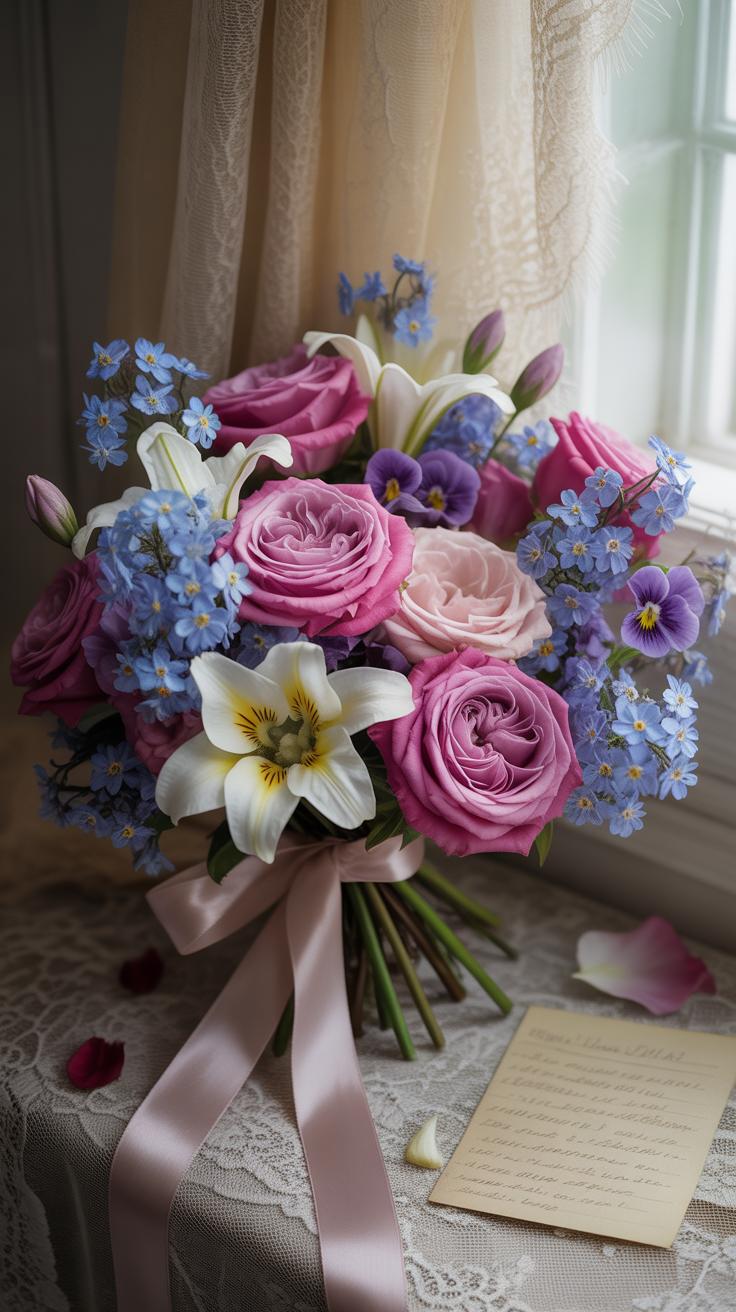
How Victorians Used Flowers To Express Love, Jealousy, And Heartbreak
Victorian society enforced strict rules on social behavior. Men and women could not speak openly about their feelings. They used floriography to bypass these social barriers. This system assigned specific meanings to every bloom. People sent small bouquets called tussie-mussies to share secrets. The sender carefully chose each stem to deliver a clear message. This method allowed for private dialogue in public spaces.
Visual cues also mattered in this exchange. A woman signaled her response by how she held the flowers. She placed them over her heart to show she liked the sender. Holding them upside down meant the opposite. She could accept or reject a proposal without saying one word. This tactical use of plants managed risks in courtship. It prevented public embarrassment while allowing deep emotional expression between partners.
Like a handwritten letter tucked among petals, the Victorian language of flowers reminds us that the quietest blooms often speak the most profound truths of the heart.
The Most Commonly Gifted Flowers In Victorian Courtship And What They Signaled
Courtship relied on standardized floral definitions found in popular floral dictionaries. These books ensured both parties understood the specific intent behind a gift. Using the wrong flower could ruin a reputation or end a relationship. Red roses symbolized deep passion as they do today. However, other plants covered more complex situations like secret love or hidden resentment. Every choice served a direct functional purpose.
- Red Rose: This flower represented romantic love and desire. It served as the primary tool for a formal declaration of affection. Senders used deep red shades to show the intensity of their feelings during the peak of courtship.
- Yellow Rose: In the Victorian era, this bloom symbolized jealousy and infidelity. Giving a yellow rose signaled a loss of love or a decline in interest. It warned the recipient that the relationship faced serious interpersonal problems or distrust.
- Striped Carnation: This flower signaled a direct refusal of an offer. It told the suitor that the recipient could not return their feelings. Use this bloom to end conversations quickly without the need for a verbal or written rejection.
- Blue Violet: Violets represented faithfulness and modesty. Lovers exchanged them to promise loyalty to one another. They often appeared in bouquets meant for long-distance relationships or long-term engagements where trust remained at the center of the pact.
- Yellow Hyacinth: This specific flower warned of jealousy in a relationship. It acted as a tactical signal of suspicion or hurt pride. Senders used it to express negative emotions without causing a loud or unrefined public scene during social events.

Handing over a bouquet required knowledge of botanical nuances. The placement of a ribbon or the direction of a leaf changed the entire meaning. Some flowers had dual meanings depending on their color or variety. This complexity required constant study of floral guides. Strategic gifting turned gardening into a sophisticated communication technology. It allowed individuals to navigate the high stakes of Victorian mating rituals with precision.
Vintage Flower Symbolism In Victorian Art Literature And Fashion
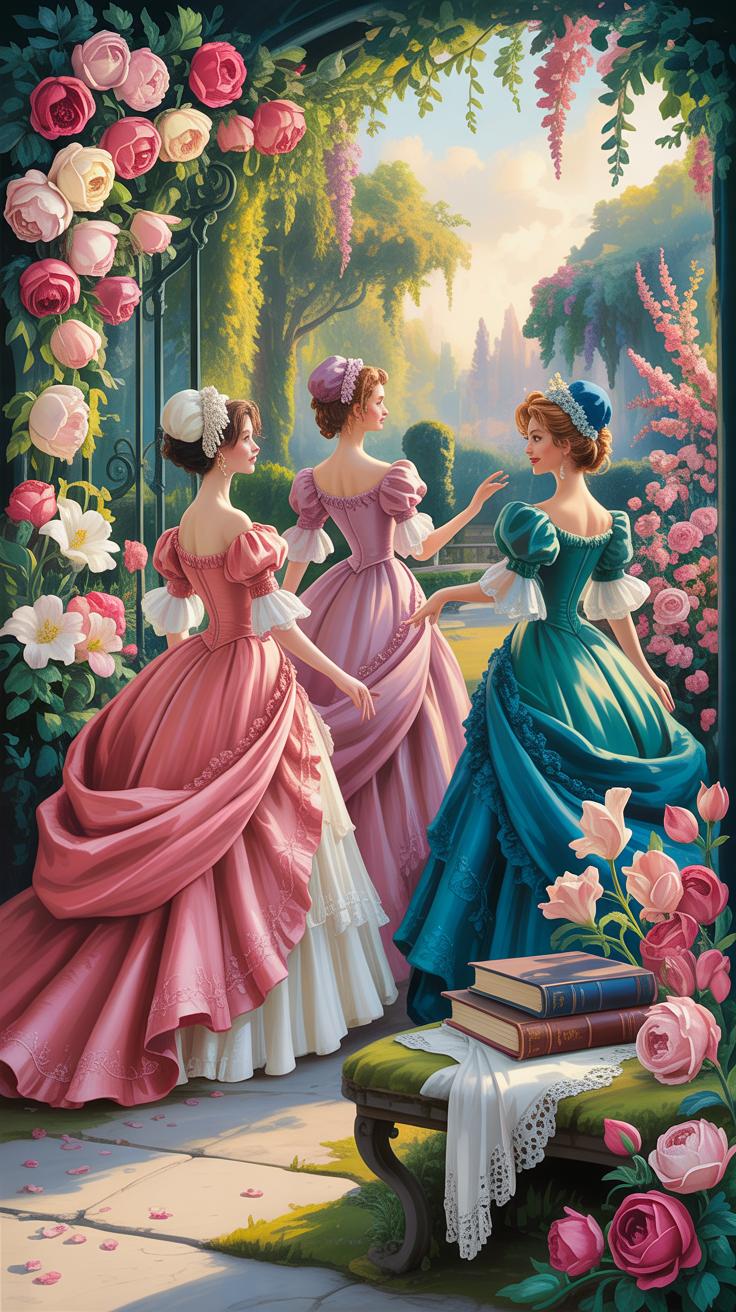
How Pre Raphaelite Painters Encoded Floral Symbolism Into Their Masterpieces
Pre-Raphaelite artists used flowers to send clear signals to their audience. They rejected simple decoration in favor of botanical accuracy. John Everett Millais and Dante Gabriel Rossetti placed specific blooms in their paintings to tell a story. Each plant held a specific meaning based on Victorian handbooks. Viewers read these paintings like text to understand the hidden emotions of the subjects.
This movement prioritized truth to nature above all else. Painters spent months studying live specimens to ensure every leaf looked real. This precision allowed the symbolic message to remain unmistakable. A crushed violet or a Lily of the Valley told the viewer about lost innocence or returning happiness. The artists leveraged these shared cultural codes to add layers of narrative without using words.
Floral Motifs In Victorian Fashion, Wallpaper, And Decorative Arts
Designers integrated Victorian Flower Language into every aspect of daily life. William Morris revolutionized wallpaper by using local English plants as primary subjects. These patterns brought the outdoors inside while maintaining symbolic order. Homeowners chose specific floral designs to reflect their personal values or social status. The choice of a trellis pattern or a specific wildflower indicated the owner’s taste and moral character.
Fashion followed these strict rules through fabric prints and physical accessories. Women wore real flowers in hairpieces and corsages to communicate their feelings at social events. Silk embroidery on waistcoats and dresses often featured pansies for thoughts or ivy for fidelity. Machine production made these floral patterns affordable for the middle class. This mass production helped spread the visual language across all levels of Victorian society.
The Vintage Language Of Flowers In Mourning And Funeral Traditions
Which Flowers Were Reserved For Grief, Loss, And Victorian Mourning Rituals
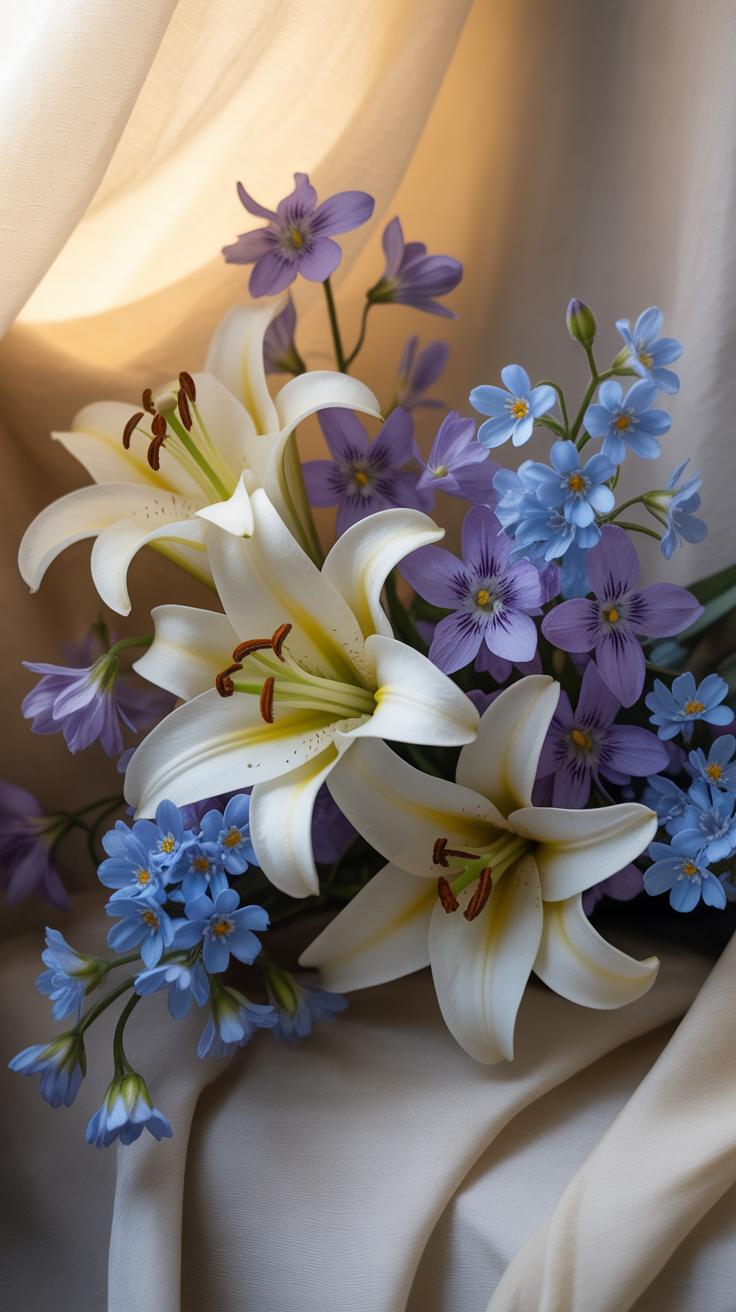
Victorian mourners used specific plants to signal their level of grief. The yew tree represented immortality and sorrow due to its long life and toxic nature. Cypress branches signaled despair and were common at gravesites. Flowers like the dark crimson rose meant deep mourning. These botanical choices allowed families to communicate their emotional state without speaking. Strict social rules governed which plants suited each stage of mourning.
White lilies symbolized the restored innocence of the soul at death. They were the standard choice for funeral displays because they represented purity and majesty. Asphodel indicated regrets that followed the deceased to the grave. Meanwhile, rosemary served as a tool for remembrance. Friends dropped these sprigs into open graves to show they would never forget the dead. Every plant choice followed a rigid social code.
How Memorial Wreaths And Funeral Bouquets Carried Deep Symbolic Meaning
Designers shaped funeral flowers into specific forms to send final messages. The circular wreath represented eternal life and the victory of spirit over death. A broken column or a snapped flower stem symbolized a life cut short too soon. Professionals often used dried flowers or wax replicas to make these tributes last longer. These shapes turned raw emotions into a structured visual language for the public to witness.

The arrangement style also dictated the intensity of the message. Tight, formal clusters showed respect and adherence to social rank. Loose, drooping arrangements signaled overwhelming personal devastation. People often combined pansies for thoughts and yellow zirnias for daily remembrance in these displays. This tactical use of floral design allowed the bereaved to manage their public image. It turned a private loss into a formal statement of family status.
Languages Of Flowers Today The Modern Revival Of A Victorian Tradition
Why A New Generation Of Florists And Creatives Are Reviving Floriography
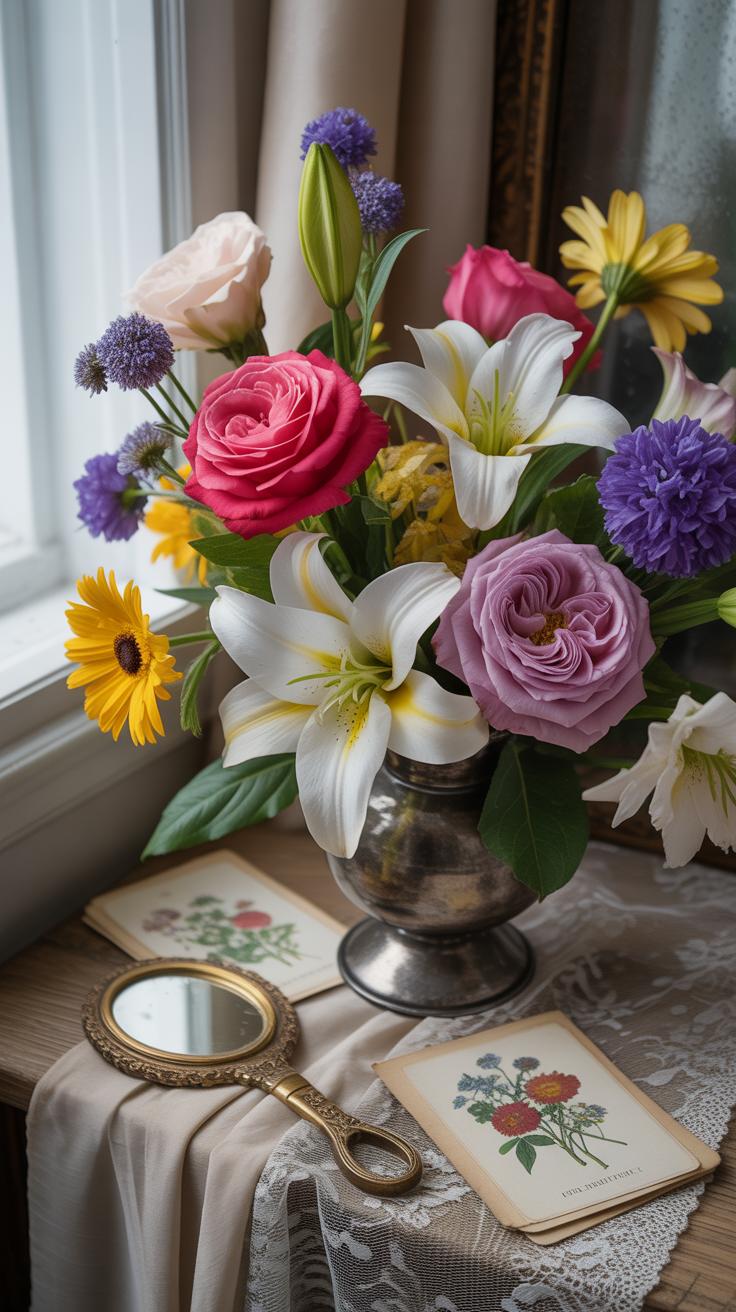
Modern florists favor Victorian flower language to add depth to their work. Digital communication often feels shallow. Designers use floriography to create a physical connection between the sender and receiver. This movement rejects mass-produced arrangements. Professionals now study texts like Charlotte de la Tour’s 1819 book to verify historical meanings. Accuracy matters to high-end clients who want bespoke and intellectual floral designs.
Sustainable floral practices also drive this revival. Florists use local and seasonal blooms rather than imported stems. Victorian traditions relied on what was available in the garden. This alignment with nature appeals to eco-conscious consumers. Creatives find that specific flowers like lily of the valley or sweet peas offer more narrative power than standard roses. They use these plants to tell complex stories that capture modern emotional nuances.
Practical Ways To Incorporate Victorian Flower Language Into Modern Gift Giving
Modern gift-giving requires more than just aesthetics. You must consider the specific message you want to send. Start by selecting a primary bloom and then add accents that modify its meaning. Use historical dictionaries to ensure your choices do not accidentally offend the recipient. This tactical approach turns a simple bouquet into a decoded letter. It shows the recipient that you put time and research into their gift.
- Consult Reliable Primers: Use established Victorian sources like Henry Phillips or Elizabeth Wirt. Different authors sometimes assigned different meanings to the same plant. Consistency is key for clear communication. Ensure your recipient knows which source you used so they can decode the message accurately.
- Focus On Foliage: Do not ignore the greenery in your arrangement. In Victorian times, leaves carried significant weight. For example, fern represents sincerity and ivy symbolizes fidelity. Use these filler plants to frame the central message of your flowers. This adds layers to the bouquet without overcomplicating the visual design.
- Note Color Variations: Colors change the meaning of the flower drastically. A red carnation signifies admiration while a yellow one means rejection. Always verify the specific hue before purchasing. Using the wrong shade can flip a positive sentiment into a negative one instantly. This level of detail differentiates a thoughtful gift from a generic purchase.
- Include A Legend: Provide a small card that lists the flowers and their meanings. Your recipient likely does not know Victorian floriography by heart. A handwritten key ensures your message is heard loud and clear. This eliminates guesswork and creates a lasting keepsake for the person receiving the arrangement.
- Match Seasonality: Choose blooms that are naturally in season. Victorian floriography focused heavily on the natural cycle of the garden. Using forced or artificial blooms weakens the authenticity of the tradition. Seasonal choices also ensure the highest quality and scent. This practical step honors the history of the practice while supporting local growers.
Small gestures provide the most impact. You do not need a massive arrangement to communicate effectively. A single stem of lavender for luck or a sprig of rosemary for remembrance works well. Keep the presentation simple to let the botanical symbols speak for themselves. This method allows you to use Victorian flower language in daily interactions and professional settings. It builds stronger personal connections through shared knowledge and intent.
How To Start Your Own Journey With Victorian Flower Language
Trusted Resources, Museums, And Communities Dedicated To Floriography
Access primary sources to master this system. Study Charlotte de la Tour’s 1819 book Le Langage des Fleurs. This text established the standard for botanical meanings in Europe. Look for digital archives from the British Library or the Smithsonian Institution. These archives host original Victorian floral dictionaries. Avoid modernized websites that lack historical citations. Reliable data comes directly from nineteenth-century authors.
Visit museums with significant botanical art collections. The Royal Botanic Gardens at Kew offers historical context on Victorian plant hunting. This hobby drove the demand for new floral symbols. Connect with gardening groups that focus on heirloom plant varieties. These organizations preserve the specific species used in original tussy-mussies. Ensure your research relies on documented academic sources rather than modern commercial blogs.
Building A Personal Floral Vocabulary Inspired By The Victorian Tradition
Start your vocabulary with a core set of ten species. Select plants that grew in nineteenth-century gardens like lavender or pansies. Learn the primary meaning assigned to each bloom during the Victorian Era. Use a single source to maintain consistency in your messages. Conflicting definitions often arose between different authors. Sticking to one dictionary prevents confusion when you compose a floral arrangement.
Document your findings in a dedicated floral journal. Note the botanical name and the assigned sentiment for every specimen. Track how different colors within a species change the meaning. For example, a red rose signifies different intent than a yellow rose. Practice assembling small bouquets to test your knowledge. Focus on the tactical use of plants to convey silent messages. This discipline builds a deep mastery of the craft.
Frequently Asked Questions

What exactly is the Victorian flower language and why was it popular?
The Victorian flower language, also known as floriography, was a complex system of communication used during the 19th century. In an era of strict social etiquette, individuals used specific blooms to convey secret feelings that could not be spoken aloud. Every flower, from a red rose to a yellow lily, carried a distinct emotional meaning, allowing lovers and friends to send coded messages through carefully curated floral arrangements called tussie-mussies.
How can I use the Victorian flower language to create a meaningful bouquet today?
To incorporate Victorian flower language into a modern bouquet, start by selecting a primary sentiment you wish to express. For instance, Choose dark crimson roses to signify mourning or white jasmine for amiability. Once you have your focal point, add greenery like ferns for sincerity or ivy for fidelity. Including a small handwritten card explaining the traditional symbolism of each stem adds a thoughtful, historical touch that elevates a simple gift.
Is it expensive to incorporate these historical floral trends into my home decor?
Embracing the Victorian flower language doesn’t require a massive budget for exotic hothouse stems. Many historical favorites, such as marigolds for grief or pansies for thought, are very affordable and can be grown in your own garden or purchased cheaply at local markets. You can also utilize pressed flowers or vintage botanical prints to display these symbolic meanings year-round without the recurring cost of fresh bouquets, making this charming trend accessible to everyone.