
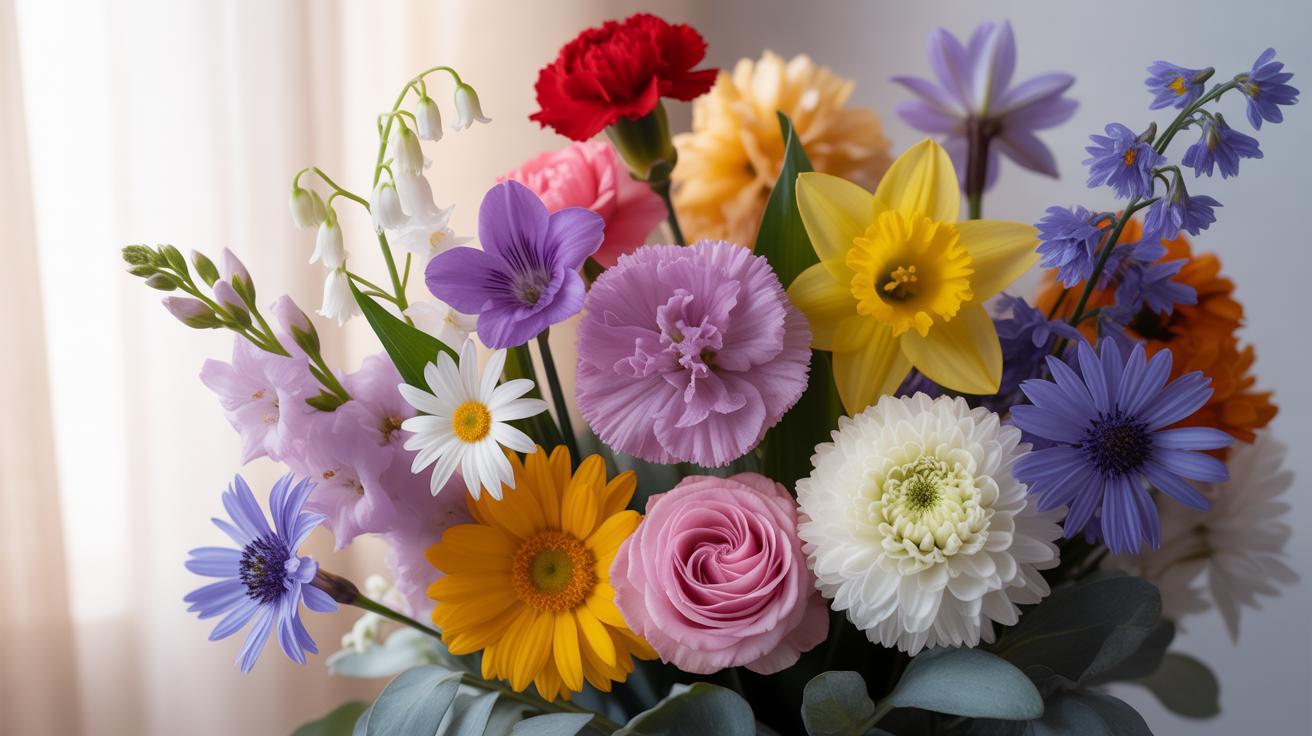
The History And Origins Of Birth Flowers By Month
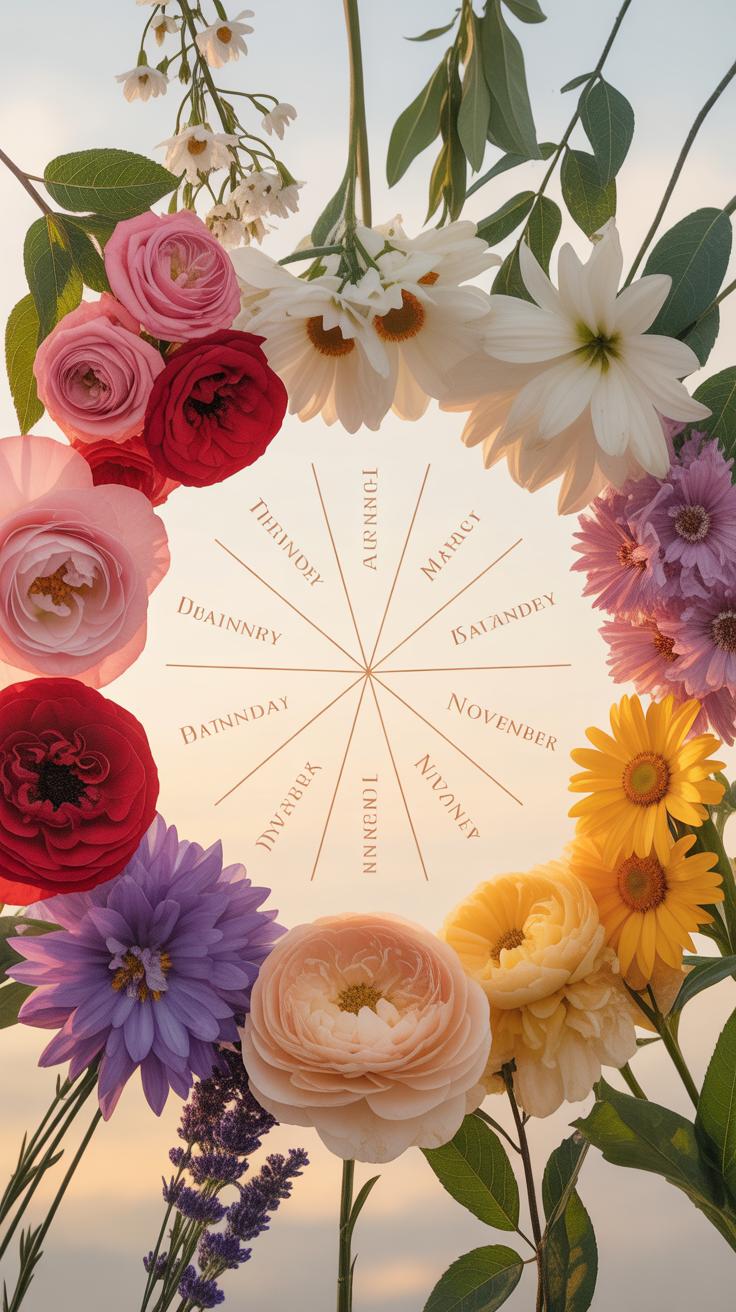
How The Tradition Of Birth Month Flowers Began
Roman civilization established the first formal use of birth flowers. Romans celebrated birthdays by decorating altars with specific seasonal blooms. They believed these plants offered protection and favor from the gods. This practice linked nature directly to the calendar year for the first time. It created a standard for associating certain plants with the month of a person’s birth.
Early seasonal availability dictated these choices. People used what grew locally during specific times of the year. Ancient cultures prioritized flowers that thrived in their specific climates. These early traditions laid the groundwork for modern floral calendars. Eventually, different regions developed their own lists based on local botanical species. This evolution turned a religious ritual into a widespread cultural social custom.
How Victorian Floriography Shaped The Language Of Flowers
Victorian society codified floral meanings into a strict communication system. They called this practice floriography. It allowed individuals to send secret messages through specific floral arrangements. The era emphasized rigid social rules and hidden emotions. Flowers provided a safe way to express feelings without using words. This system assigned precise definitions to every petal and stem available in England.
The publishment of floral dictionaries popularized these meanings during the nineteenth century. Authors defined specific traits for each month’s primary flower. This standardized the lists we use in modern gift-giving and celebrations. The Victorian influence removed the religious roots of the tradition. Instead, it focused on personality traits and interpersonal relationships. This shift created the commercial and social framework used today.

Your Complete Birth Month Flowers Chart January Through June
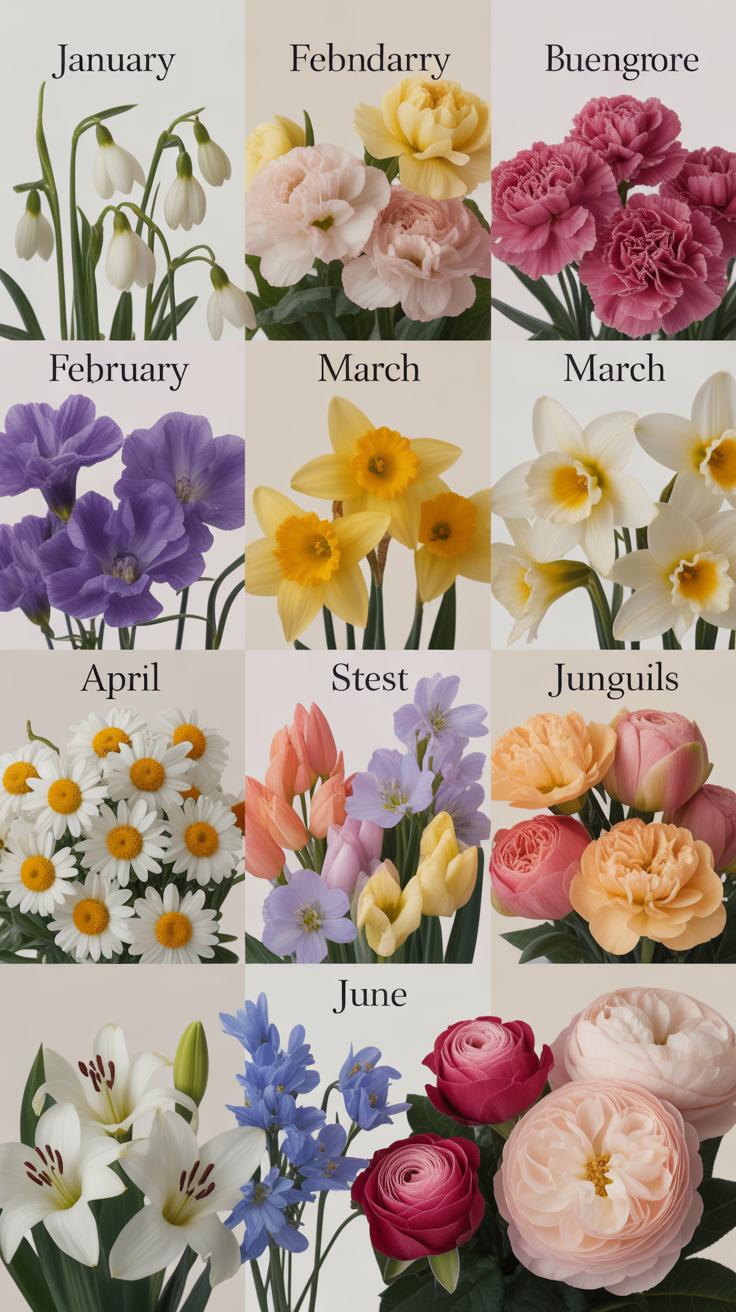
What Flower Represents What Month From January To March
January features the carnation and the snowdrop. Carnations signify loyalty and strength because they bloom in cold weather. These flowers have a documented history dating back to Ancient Rome. The snowdrop represents hope and rebirth as one of the first plants to emerge after winter. These selections reflect the resilience required for the beginning of the solar year.
February belongs to the violet and the primrose. Violets signify modesty and faithfulness. They were popular in the Victorian era for conveying coded messages. The primrose indicates young love and eternal grace. These flowers do not match Valentine’s Day roses but hold deep historical roots in European floriography. March follows with the daffodil. This bloom marks the spring equinox and represents new beginnings.
Just as every month holds its own secret beauty, our birth flowers bloom to tell the storied heritage of who we are. Like wildflowers, we are all meant to grow in our own season and carry the grace of our beginnings.
Flower By Birth Month: April, May, And June Explained
April introduces the daisy and the sweet pea. Daisies represent innocence and purity in classical traditions. They serve as a primary symbol in medieval art. Sweet peas stand for blissful pleasure and gratitude. These flowers demand specific cool climates to thrive. Both plants symbolize the peak of spring. They offer a transition from early bulbs to lush summer greenery.
May features the lily of the valley and the hawthorn. The lily of the valley signals humility and sweetness. It remains a staple in royal bridal bouquets due to its traditional prestige. June moves to the rose and honeysuckle. Roses have complex meanings based on color. Red means love while yellow means friendship. Honeysuckle represents the strong bonds of love and lasting affection.
Your Complete Birth Month Flower Chart July Through December
Birth Month Flowers For July, August, And September
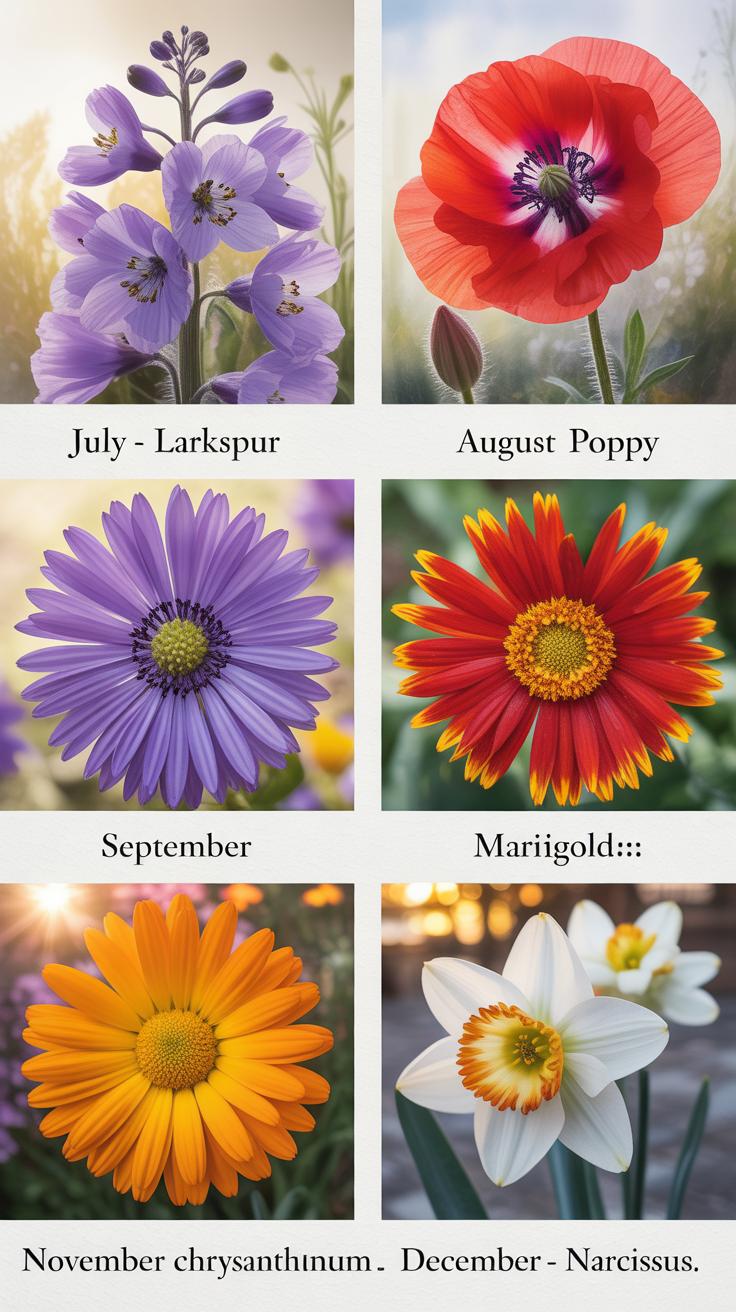
July identifies with the Larkspur and Water Lily. The Larkspur symbolizes strong bonds of love and lightness. It features vertical spikes that dominate summer gardens. The Water Lily represents purity and rebirth. It grows in aquatic environments and signifies a clean heart. These two flowers provide a contrast between land and water. They highlight the height of the summer growing season.
August features the Gladiolus and Poppy. The Gladiolus derives its name from the Latin word for sword. It represents strength, moral integrity, and infatuation. The Poppy symbolizes remembrance and imagination. Its bright colors signal the transition toward late summer. September centers on the Aster and Morning Glory. Asters represent patience and elegance. Morning Glories signify unrequited love and affection. Both blooms thrive in cooler temperatures.
Flower Birth Months For October, November, And December
October focuses on the Marigold and Cosmos. Marigolds symbolize passion and creativity. They traditionally protect against evil spirits in various cultures. Cosmos represent order and peace. Their symmetrical petals reflect a balanced nature. These flowers thrive during the harvest period. They provide high contrast against changing autumn foliage. Use them to signify resilience and internal strength in floral arrangements.
November lists the Chrysanthemum as its primary bloom. This flower represents loyalty and honesty. It is one of the few plants that bloom in late fall. December features the Narcissus and Holly. Narcissus symbolizes hope and wealth. It is an early winter bulb. Holly represents protection and domestic happiness. Its red berries provide color in frozen landscapes. These plants survive harsh conditions. They demonstrate endurance during the winter solstice.
Deep Dive Into The Symbolism Of Flowers For Birth Month
What The Colors Of Your Birth Flower Say About You
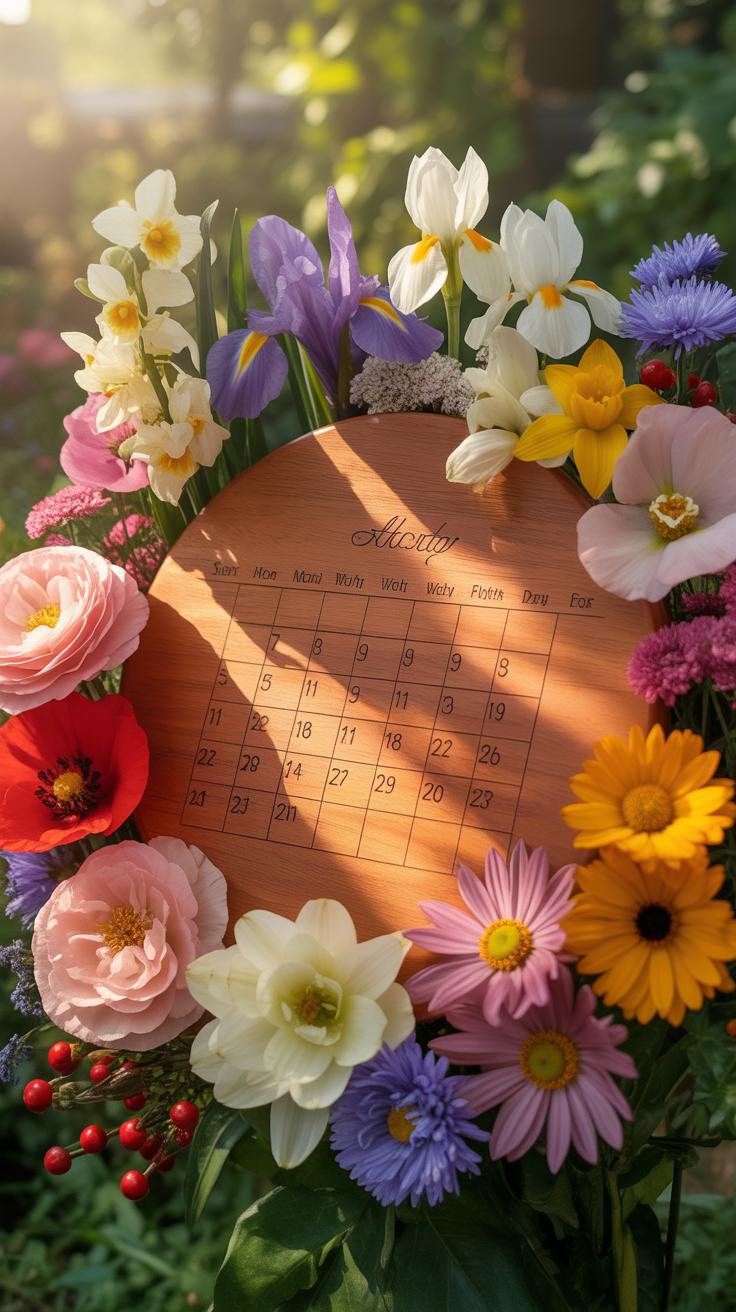
Color choice in birth flowers dictates the psychological message you send. Red blooms like the January carnation signify deep emotional attachment and physical strength. This hue triggers an immediate response of urgency and drive. White flowers like the April daisy or May lily represent clarity and purity. They signal a fresh start or a refined personality. Use these colors to align your personal brand with your natural traits.
Yellow petals in flowers like the March daffodil denote intellect and joy. This color choice reflects a high energy level and a focus on friendship. Darker shades like the purple larkspur suggest royalty and grace. These colors provide a sense of stability and status. Strategic color selection helps you communicate without words. Match your birth flower color to the specific message you want to project to others.
Cultural Meanings Behind Popular Birth Month Blooms
Historical societies linked flowers to specific social duties and ranks. The Victorians used floriography to send secret messages when speech was restricted. They assigned the November chrysanthemum to well-wishing and lasting friendship. In Asian cultures, the same flower represents longevity and the sun. Understanding these shifts helps you interpret birth flower meanings across different global markets. Realize that one flower carries multiple heavy meanings.

Ancient Rome utilized the rose for June to signal secrecy and confidentiality. People often hung roses from ceilings to indicate that private talk must stay in the room. In Greek mythology, the poppy for August symbolized sleep and eternal rest because of its chemical properties. These hard facts show that birth flowers are not just decorations. They are functional symbols rooted in medicine, law, and social protocols.
How To Find My Birth Flower And What It Reveals
A Simple Guide To Identifying Your Personal Birth Bloom
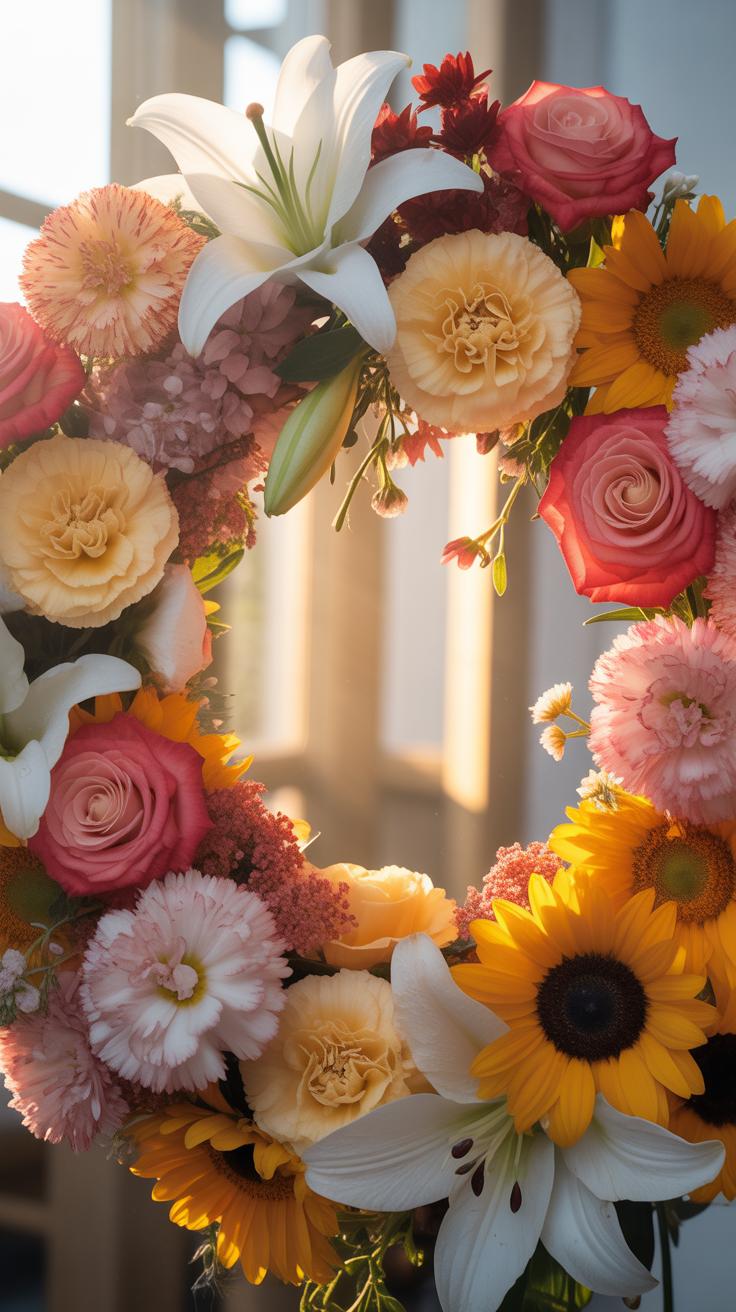
Locate your birth flower by matching your birth month to the Gregorian calendar. This system assigns specific flora to each month based on seasonal availability and historical folklore. Most months offer a primary and secondary option. Historical records from the Victorian era shaped these standard lists. You should check both options to see which botanical attributes align with your personal lineage or preferences.
The primary flower usually blooms naturally during its assigned month in the Northern Hemisphere. This seasonal link ensures the plant has a physical presence during your birth period. Some cultures use different local species based on regional climate. Stick to the standardized Western list for consistent symbolic interpretation. Identifying your flower requires no special tools besides your calendar. Use this data to inform floral purchases and gifting strategies.
Personality Traits Traditionally Linked To Each Birth Flower
Botanical symbolism assigns specific human characteristics to different flowers based on their growth patterns and historical uses. These traits reflect how people perceive your social interactions and inner strength. For centuries, the language of flowers helped individuals communicate complex emotions without speaking. Understanding these links provides a strategic advantage in personal branding. These associations stem from floriography, a formal study popularized in the nineteenth century.
- Snowdrop (January): This bloom signifies hope and rebirth during the winter. It reflects a resilient personality that thrives in difficult conditions. People born in January often display a calm, stoic nature and provide support to others when challenges arise.
- Violet (February): This flower represents modesty, virtue, and faithful devotion. It suggests a private persona that values deep, honest connections over superficial social status. February individuals often possess a sharp intuition and a strong sense of personal integrity in their daily lives.
- Honeysuckle (June): Known for its strong scent and climbing vines, this flower symbolizes undying love and devotion. It indicates a magnetic personality that draws people in easily. June births often demonstrate an adaptable nature that allows them to thrive in various social circles.
- Gladiolus (August): This tall, spear-shaped flower symbolizes strength of character and moral integrity. It points to an analytical mind and a disciplined approach to work. August individuals usually exhibit high levels of focus and lead others through their unwavering commitment to goals.
- Aster (September): Representing wisdom and valor, this late-season bloom signifies a person who values precision. It indicates an observant nature and a preference for order. People born this month often act as mediators because they approach problems with a logical and balanced perspective.

Cultural shifts influence how we interpret these meanings today. Modern psychology sometimes clashes with ancient botanical myths. However, the core traits remain a staple in traditional floral design and gift-giving etiquette. Use these personality profiles to select personalized gifts that resonate with the recipient. Accurate knowledge of these traits improves communication and strengthens social bonds. Stick to these established meanings for the most reliable results.
Flower Arrangement Inspiration Using Birth Month Blooms
How To Design A Stunning Birth Month Flower Bouquet
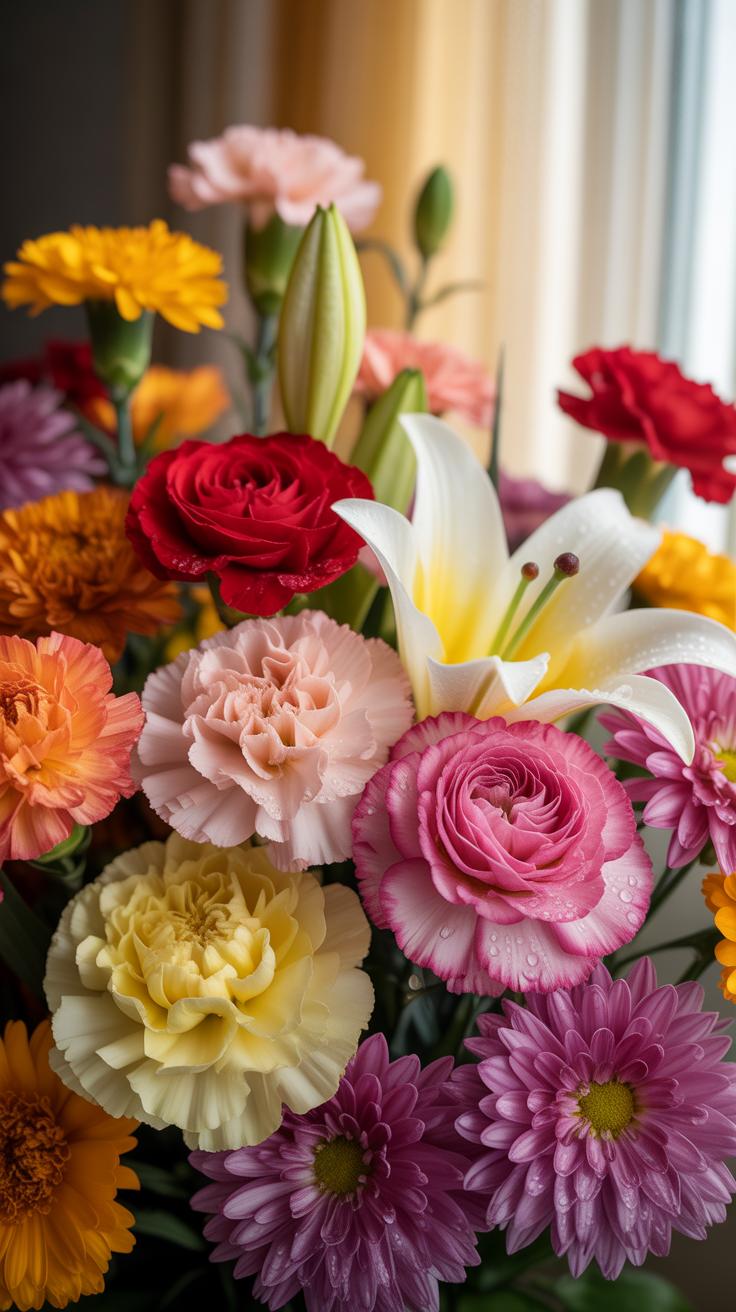
Successful birth month design requires structural hierarchy and focal point selection. Use the primary birth flower as the central mass or line element. For example, use tall Gladiolus for height in August arrangements. Place smaller secondary flowers lower to create depth. Maintain balance by distributing weight evenly across the container. High-contrast colors help the specific birth bloom stand out against standard greenery and filler foliage.
Consider the stem strength and water requirements of each specific flower species. Many birth flowers exhibit different thirsty levels and vascular structures. Narcissus stems release sap that can kill other flowers. You must soak them separately before mixing. Use mechanical aids like chicken wire or floral frogs to position delicate stems without crushing them. Proper placement ensures every bloom receives light and airflow while highlighting its unique botanical form.
Best Flower Pairings And Complementary Blooms For Each Month
Pairing birth blooms requires knowledge of seasonal availability and color theory. You must match the primary flower with fillers that do not compete for visual attention. Use neutral greens or white lace flowers to bridge the gap between bright primary blossoms. Select companions that share similar vase life expectations to prevent premature decay. Strategic pairing elevates the perceived value of the entire arrangement.
- January Carnations and Eucalyptus: Match the dense, ruffled texture of carnations with the architectural lines of silver dollar eucalyptus. This combination balances the heavy floral head with airy, fragrant foliage. Eucalyptus provides a muted backgroup that enhances the carnation’s solid colors.
- April Sweet Peas and Ranunculus: Combine the delicate, climbing vines of sweet peas with the tight, multi-layered petals of ranunculus. These flowers bloom concurrently in spring and share a soft, romantic visual profile. The structure of the ranunculus supports the thinner, more fragile stems of the sweet pea.
- July Larkspur and Queen Annes Lace: Utilize the vertical spikes of larkspur to create immediate height and movement. Add Queen Annes Lace to fill the mid-ground with flat, intricate umbels. This pairing mimics a natural meadow look while providing a strong contrast between vertical and horizontal floral shapes.
- September Asters and Solidago: Pair the star-shaped heads of asters with the feathery texture of goldenrod or solidago. These two blooms are botanical cousins that thrive in late summer. The bright yellow of the solidago acts as a natural spotlight for the deep purples and blues of the asters.
- November Chrysanthemums and Berries: Use large-headed spray chrysanthemums as the primary focal mass. Integrate Hypericum berries or mountain ash clusters to add varied texture and a shift in scale. The hard surface of the berries contrasts with the soft, dense petals of the seasonal mums.

Avoid mixing flowers with clashing nutritional needs or chemical outputs. Some species require floral preservatives while others thrive in plain water. Monitor the water clarity daily as different stem types decompose at various rates. Professional designers strip all leaves below the water line to prevent bacterial growth. This tactical maintenance preserves the integrity of the birth month arrangement and ensures the focal flowers remain vibrant.
Gifting Ideas And Occasions For Birth Month Flowers
Why Birth Flowers Make Deeply Personal And Meaningful Gifts
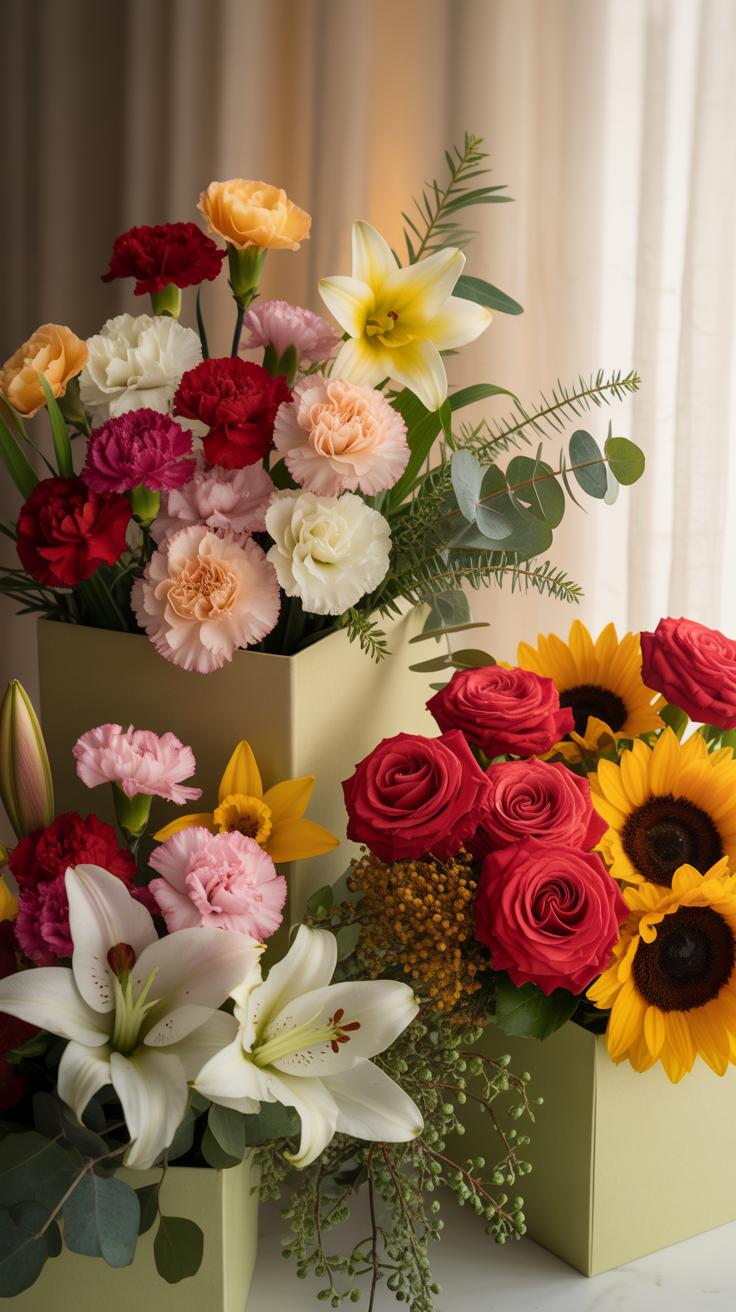
Birth flowers offer a higher level of customization than standard bouquets. They show the recipient that you know their specific identity and history. Traditional gift-giving often relies on generic choices like red roses for everyone. Using a birth month flower demonstrates intentionality. This approach moves beyond simple aesthetics. It utilizes a historical system of symbols developed over centuries to communicate a specific message.
Giving a birth flower creates a psychological connection through personalization. Research proves that people value gifts more when the item reflects their unique traits. You are not just buying flowers. You are buying a tribute to their birth. This choice eliminates the guesswork of floral selection. It provides a logical framework for your purchase. It ensures the gift carries a specific and documented meaning that standard arrangements usually lack.
Best Occasions To Gift Someone Their Birth Month Flower
Birthdays are the most obvious timing for these gifts. However, you should also use birth flowers for milestones involving legacy and timing. Use them for a new mother to celebrate the arrival of her child. This honors the specific month the baby was born. It creates a lasting memory tied to that timeframe. Professional settings also benefit from this strategy. It makes a work anniversary gift feel more personal and less corporate.

Memorials and tributes are another tactical use for birth flowers. They provide a respectful way to honor a person’s life on their birthday or death anniversary. You can use these flowers in sympathy arrangements to add a layer of personal tribute. They also work for silver or golden wedding anniversaries. You combine the birth flowers of both partners into one single arrangement. This represents the union of two distinct lives into one.
Growing And Caring For Your Flower Birth Months Bloom At Home
Which Birth Month Flowers Are Easiest To Grow In A Home Garden
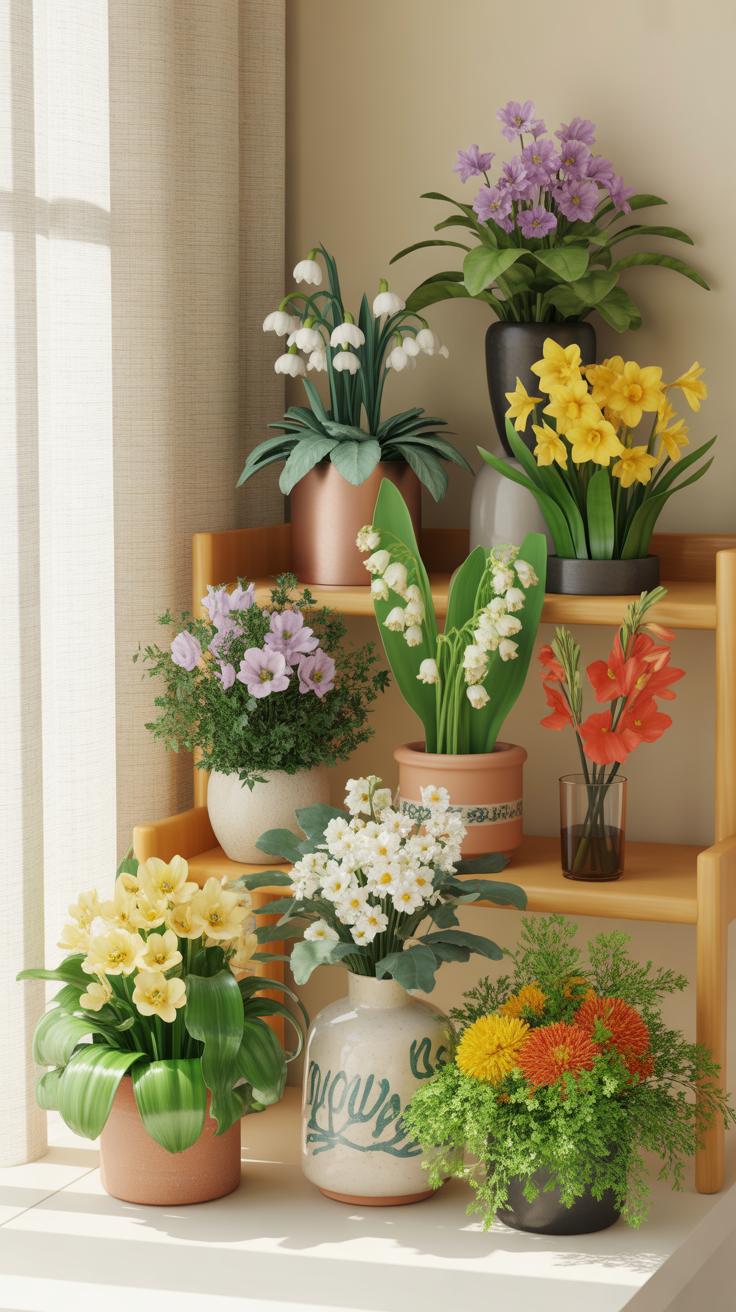
Selecting birth flowers for a home garden requires analyzing regional climate zones and soil types. Narcissus and Marigolds offer the highest success rates for beginners. Daffodils thrive in cold winters and require minimal intervention once bulbs settle in the ground. Marigolds resist most common garden pests and tolerate various soil conditions. These species provide reliable blooms without the intensive labor required by more delicate floral varieties.
Sweet peas and gladiolus demand more structural support but remain accessible for most residential spaces. High-yield growth depends on consistent drainage and sunlight exposure. You must monitor water levels to prevent root rot in spring species. Focus on hardy perennials if you want recurring blooms year after year. Annuals like Larkspur require replanting but grow rapidly in full sun. Choose species that match your local hardiness zone to ensure survival.
Seasonal Care Tips To Keep Your Birth Flower Thriving Year Round
Effective maintenance follows a strict seasonal schedule based on the dormancy cycle of each plant. Remove dead heads regularly to encourage new growth during the primary blooming phase. Apply organic mulch in late autumn to protect root systems from freezing temperatures. Proper air circulation prevents fungal infections in dense foliage. Use sharp pruning shears to make clean cuts that heal quickly. Strategic fertilization provides necessary nutrients during active growth periods.

Water management determines the health of your birth month flowers. Morning irrigation reduces evaporation and keeps leaves dry to avoid disease. Adjust your schedule based on natural rainfall and humidity levels. Potted flowers need more frequent checks than those planted in the ground. Keep records of when each variety blooms to plan future garden layouts. Consistent observation allows you to identify and treat insect infestations before they spread to other plants.
Frequently Asked Questions

What are birth month flowers and why do they have specific meanings?
Birth month flowers are specific blooms assigned to each month of the year, similar to zodiac signs or birthstones. This tradition dates back to Roman times, but it flourished during the Victorian era when “floriography” became a secret language. Understanding birth month flower meanings allows you to appreciate the symbolic traits—like hope, modesty, or strength—associated with the time someone was born, making every petal feel more personal and intentional.
How can I use birth month flower meanings to choose the perfect gift?
To choose a thoughtful gift, start by identifying the recipient’s birth month and researching its primary and secondary flowers. Once you understand the specific birth month flower meanings, you can select a bouquet, a piece of jewelry, or even a botanical art print that reflects those traits. Incorporating these symbols shows deep thoughtfulness, turning a standard floral arrangement into a personalized narrative that celebrates the recipient’s unique personality and birth story.
Can I find affordable decor featuring these flowers if the fresh blooms are out of season?
Absolutely! You don’t need expensive, out-of-season bouquets to enjoy these symbols. Budget-friendly options include shopping for botanical seed packets, minimalist line-art prints, or embroidered textiles. Many home decor brands offer affordable collections centered on birth month flower meanings throughout the year. By choosing dried stems or floral-themed stationery, you can celebrate your heritage and style without the high cost of sourcing rare, live flowers during their off-season months.