
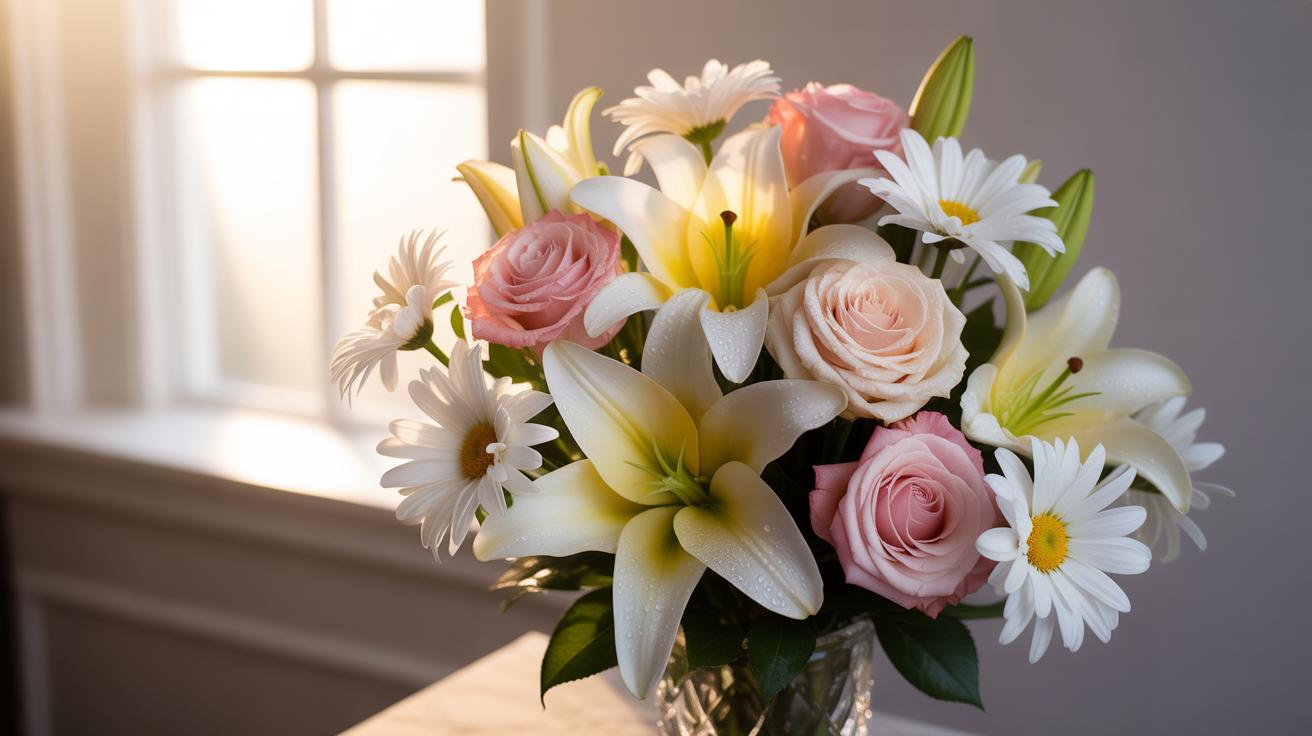
What Are Sympathy Flowers And Why Do They Matter
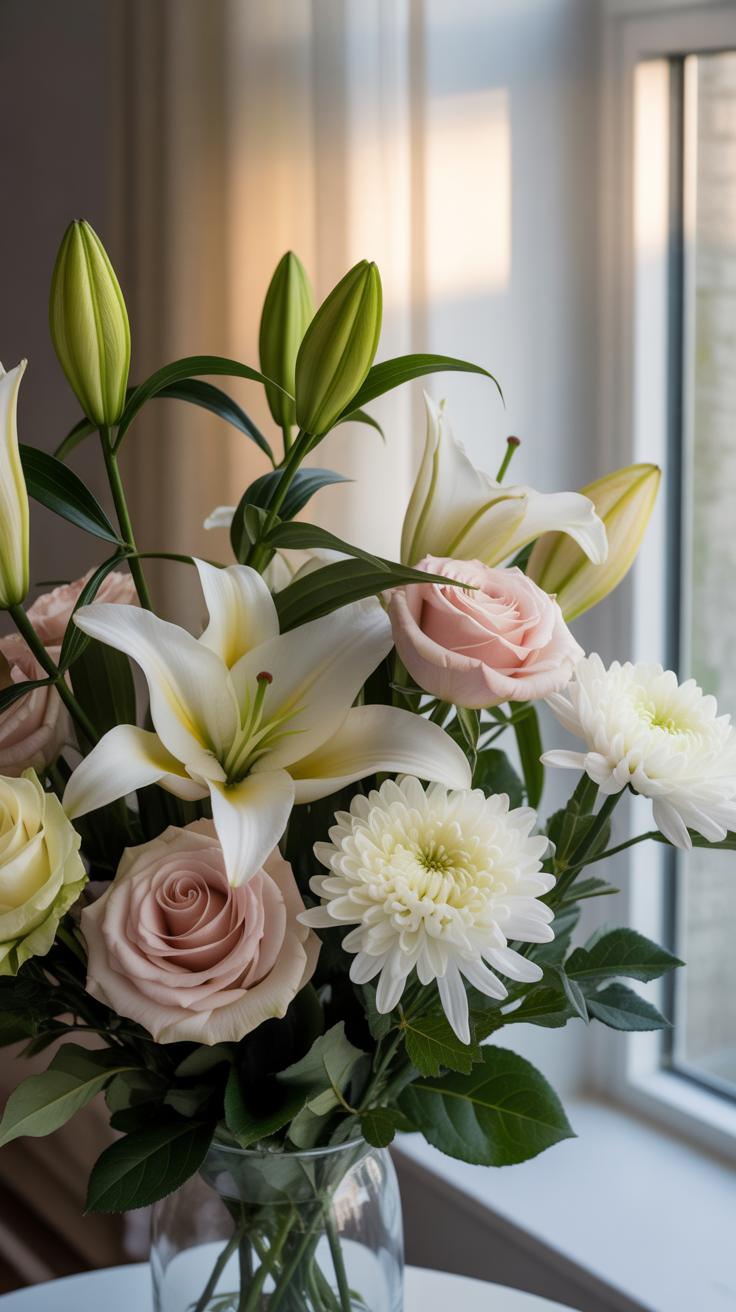
The Long History Of Offering Sympathy Flowers To The Bereaved
Prehistoric burial sites prove humans used flowers for funerals over sixty thousand years ago. Ancient civilizations used floral arrangements to mask odors during the decomposition process. Archaeological finds in the Shanidar Cave show specific species like yarrow and cornflower were deliberately chosen. These early practices established a physical link between botany and death. Practical needs drove the initial use of flora in mourning rituals.
During the Victorian era, floral symbolism became a complex social language. Strict protocol governed how people expressed grief. The growth of the florist industry in the nineteenth century standardized these offerings. Families used elaborate displays to signal social status and respect for the deceased. Today, these traditions persist as a standardized method for honoring the dead. Modern arrangements maintain deep roots in these ancient and historical customs.
How Sympathy Flowers Communicate Comfort Without Words
Floral arrangements act as a visual substitute for speech during periods of intense grief. Words often fail to convey the necessary support after a loss occurs. A physical arrangement fills the silent space in a home or funeral hall. It signals that the sender acknowledges the tragedy. This gesture provides a tangible presence when the bereaved feel isolated or overwhelmed by their current situation.
Strategic flower choices convey specific messages through established biological cues. Senders use color and scent to influence the environment of the mourning family. Bright whites represent clarity and peace while muted tones offer stability. These visual signals trigger psychological responses that lower stress levels in high-tension environments. Florists design these pieces to provide a focal point for reflection. This allows visitors to show solidarity without requiring the exhausted family to speak.

Understanding Core Flower Meanings In A Sympathy Context
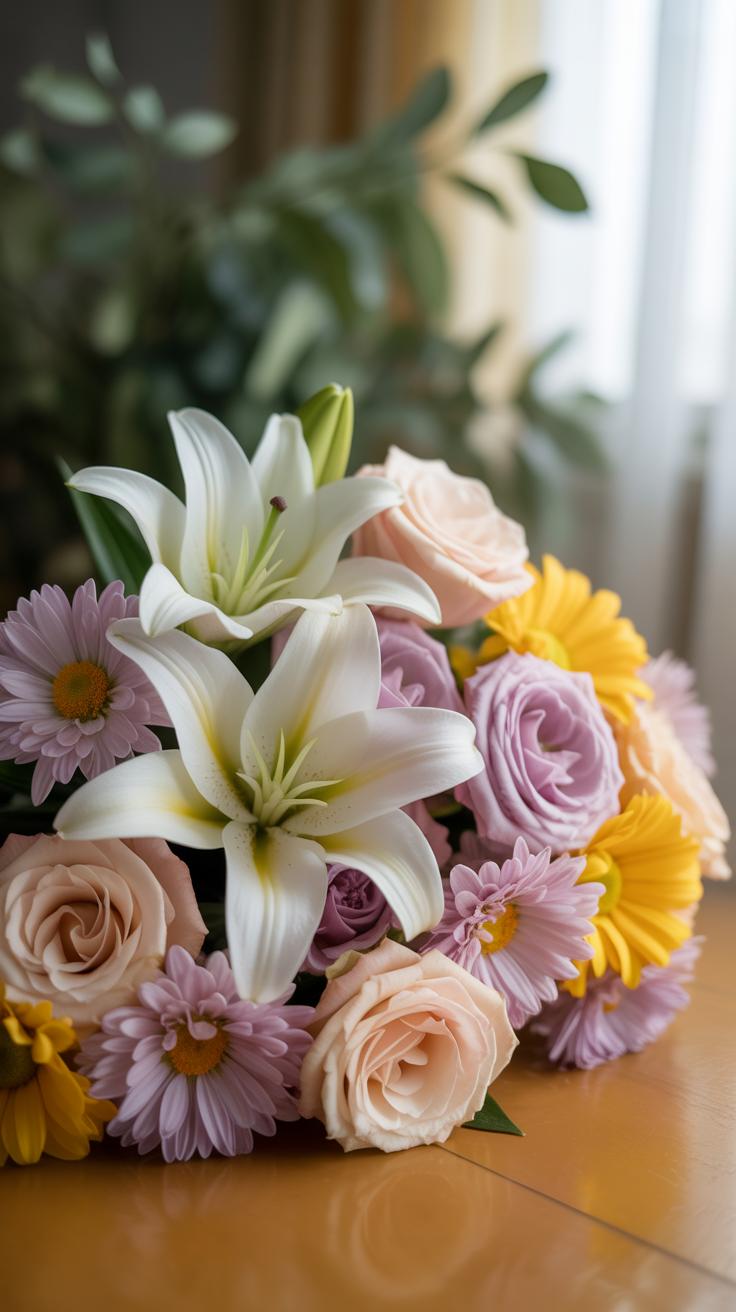
How Floriography, The Language Of Flowers, Shapes Flower Meanings
Floriography began as a hidden communication system during the Victorian era. People used specific plants to send messages they could not speak aloud. This system assigned fixed definitions to every bloom based on its color and shape. In mourning, these meanings provide a precise way to honor the dead. This historical practice remains the foundation for modern floral design and selection today.
Sticking to these traditional meanings ensures your floral gift remains appropriate. You must choose stems based on the specific intent of the sender. For example, a white lily represents restored innocence after death. This historical coding prevents social errors during sensitive times. Understanding these roots helps you navigate grief with tactical accuracy. Every flower choice communicates a clear message to the grieving family members.
Why Certain Blooms Carry Deeper Emotional Significance At Funerals
Funeral flowers serve as visual proxies for complex human emotions. Certain blooms dominate sympathy arrangements because they trigger immediate psychological associations. White flowers generally symbolize purity and peace across Western cultures. This color choice creates a quiet atmosphere for the service. Professional florists use these specific visual cues to signal respect. These flowers provide comfort through their consistent and historical symbolism.

Tactical flower selection depends on the specific relationship to the deceased. High-impact flowers like roses or carnations carry weight due to long-standing religious and cultural ties. A red rose signifies deep love, while a yellow rose marks a strong friendship. Using these established symbols allows for clear communication without using words. Proper selection ensures the arrangement matches the mood of the occasion and respects the legacy of the person.
What Flowers Represent Sympathy The Most Recognized Blooms
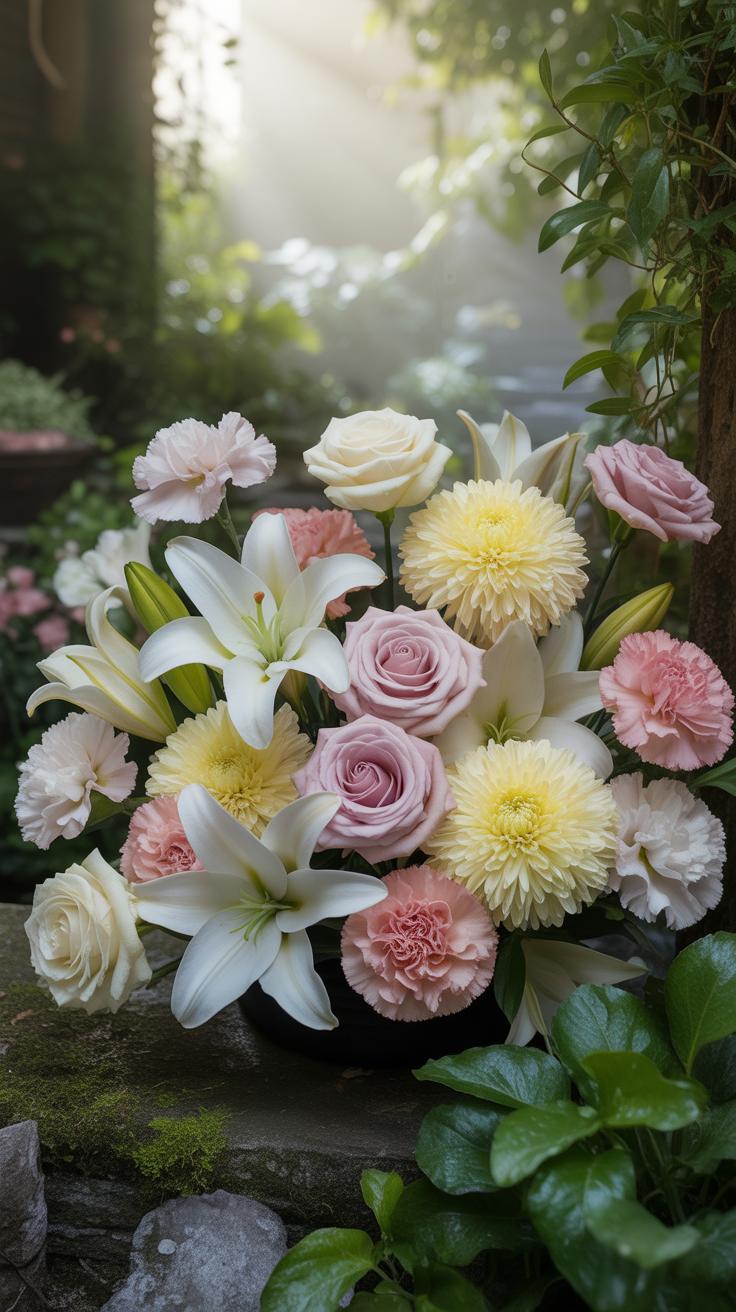
Lilies, Roses, And Chrysanthemums: Classic Flowers That Represent Sympathy
Lilies dominate the funeral industry because they symbolize restored innocence for the soul. White lilies act as the standard for purity in grief. These flowers create a visual focal point in large sprays. Use them to signal respect and majesty during formal services. They provide a high impact because their scent fills large rooms. This makes them practical for viewing ceremonies.
Roses offer versatile meanings based on their color. Red roses signify deep respect and love. Yellow roses represent strong bonds of friendship between the living and the dead. Pink roses show grace and appreciation for the life lived. White roses remain the primary choice for purity and silence. Use roses when you want to convey a specific personal relationship with the deceased family.
Lesser Known Blooms That Also Carry Meaningful Sympathy Messages
Carnations serve as a durable and cost-effective choice for sympathy arrangements. Red carnations demonstrate admiration during the mourning process. White carnations represent pure love and innocence. Florists prefer them because they last longer than most other cut flowers. They hold their shape in complex standing sprays and wreaths. This durability ensures the tribute looks professional throughout multi-day services or hot weather.

Gladioli represent strength of character and moral integrity. These tall flower spikes stand upright to symbolize the sincerity of the departed. They often appear in fan-shaped arrangements behind the casket. Use them to honor a person who lived with great conviction. Their height adds necessary architectural structure to floral displays. This allows the arrangement to be seen clearly by everyone in a large hall.
What Color Flowers For Sympathy A Simple Color Guide
White, Soft Pink, And Cream: The Most Traditional Sympathy Flower Colors
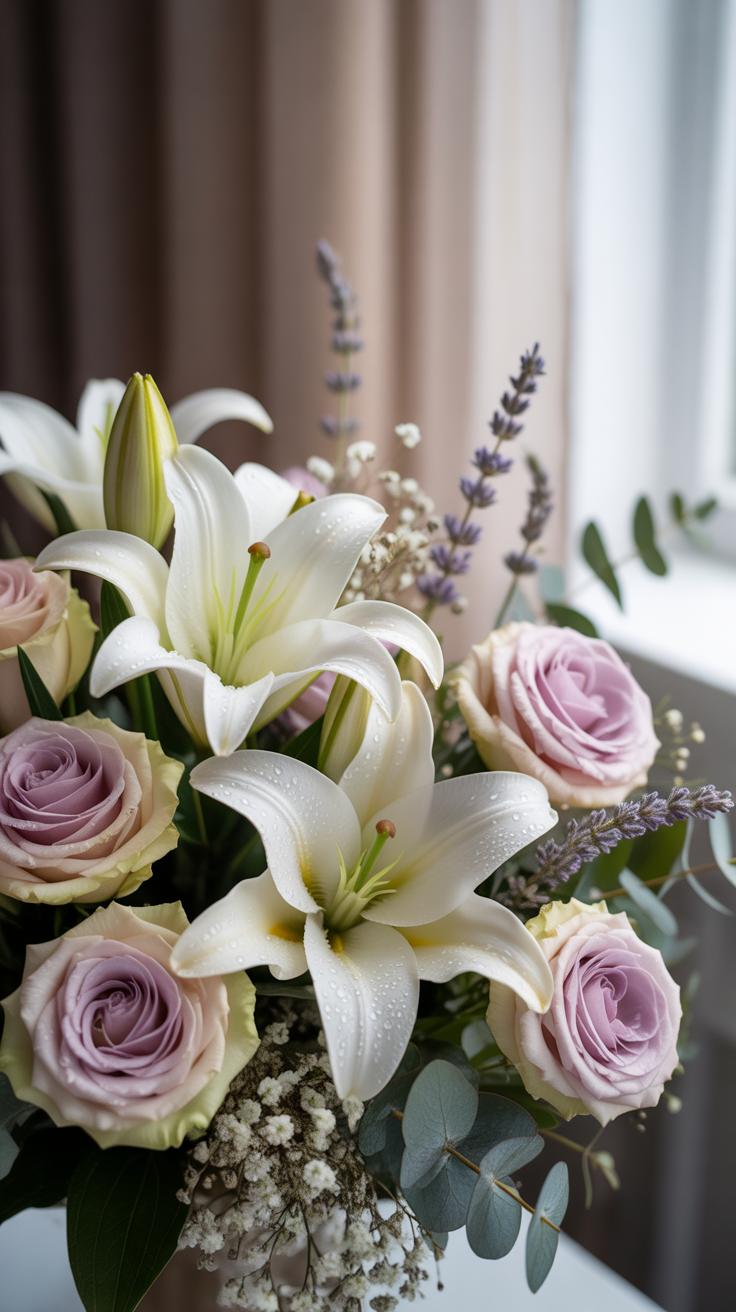
White is the standard choice for sympathy arrangements across Western cultures. It represents purity, peace, and innocence. Sending white blossoms signals a sense of reverence for the deceased. Professionals use white lilies, roses, and carnations to create a clean and formal appearance. This color provides a neutral visual field that fits any funeral service or home memorial setting without clashing.
Soft pink and cream offer a subtle shift from stark white. These colors express grace, gentleness, and therapeutic warmth. Historically, designers use pink to represent the youth of the deceased or a long-lasting friendship. Cream tones add a layer of sophistication and richness that pure white lacks. Use these palettes to acknowledge a deep personal bond while maintaining the required decorum for a mourning environment.
When To Use Yellow, Purple, Or Mixed Colors In Sympathy Floral Tributes
Yellow and purple serve specific roles in non-traditional sympathy tributes. Yellow symbolizes strong ties of friendship and support for the survivors. Choose yellow when the goal is to celebrate the lived experience of the deceased. Purple represents dignity, royalty, and respect. It is a frequent choice for the services of community leaders or dedicated professionals. Use these colors to make a bold statement.

Mixed color arrangements work well for celebrations of life rather than somber formal funerals. Varied colors reflect a vibrant personality and a diverse legacy. When selecting mixed tones, maintain a balance to avoid a festive appearance. Ensure the primary tones remain muted or deep to respect the gravity of the occasion. Strategic color mixing allows you to personalize the tribute for a family that values unique legacies.
What Kind Of Flowers For Sympathy Should You Choose
Matching The Flower Type To The Relationship You Had With The Deceased
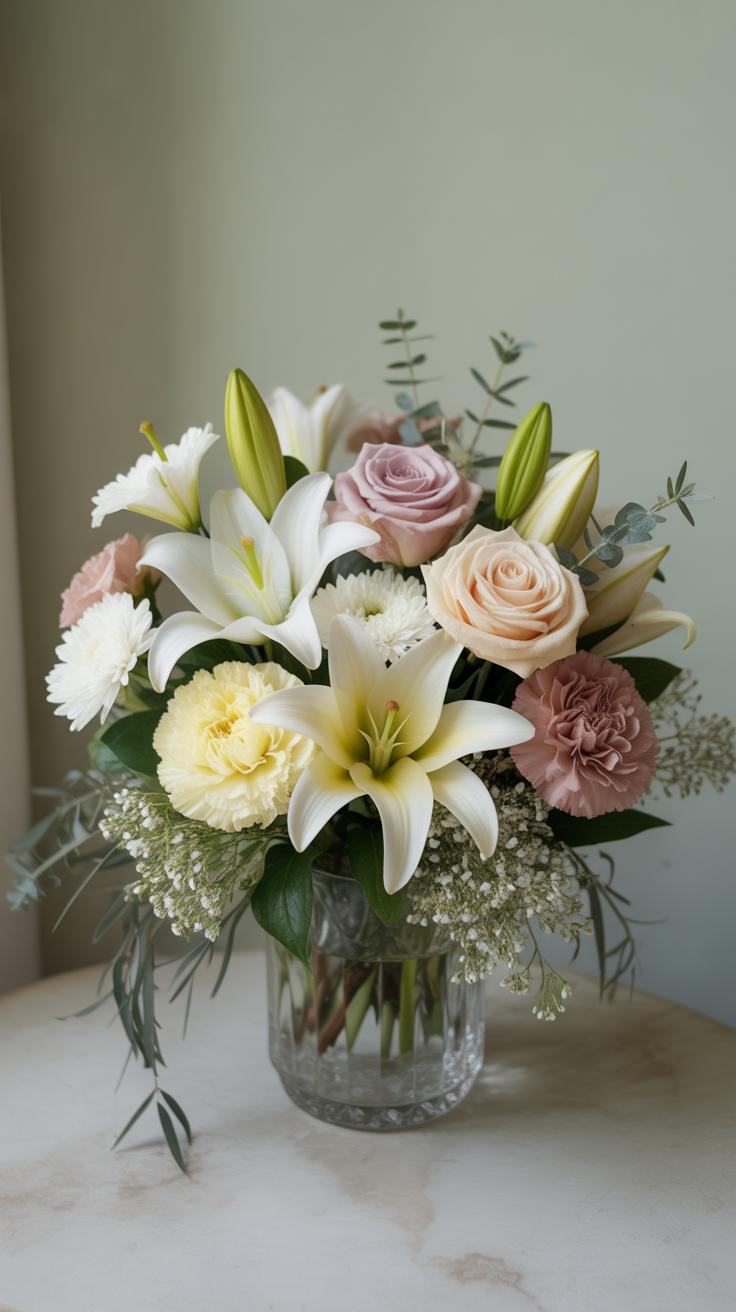
Select flowers based on your closeness to the deceased. Close family members should choose large standing sprays or heart-shaped wreaths. These pieces anchor the service and signal a primary bond. Deep red roses or white lilies traditionally represent these immediate family ties. Using these bold structures shows direct participation in the mourning process. Proper scale ensures your tribute matches your role.
Identify your professional or social distance before ordering. Colleagues and distant friends should send medium baskets or potted plants to the funeral home or the family residence. Gladioli work well for friends because they symbolize strength of character. Avoid overstepping with massive displays if you were not close. Stick to standard white or yellow arrangements to show respect without claiming a false level of intimacy.
Practical Tips For Selecting What Kind Of Flowers For Sympathy To Send
Logistics dictate which sympathy flower meanings matter most. You must consider the venue requirements and the religious customs of the bereaved. Some faiths prefer specific colors or forbid certain styles entirely. Check the obituary for phrasing like in lieu of flowers before purchasing. If the family requests donations, follow those wishes. Otherwise, use these standard rules to guide your final choice.
- Verify Delivery Timing: Coordinate with the funeral director to ensure flowers arrive at least two hours before the first viewing. Early arrival allows the staff to arrange the tribute properly within the room layout. Late deliveries disrupt the service and may be turned away at the door.
- Match Cultural Customs: Research the religious background of the deceased to avoid social errors. For example, traditional Jewish funerals do not use flowers at the synagogue or the home. In contrast, Buddhist services favor white flowers and strictly avoid red blooms as they represent celebration rather than grief.
- Prioritize Longevity: Choose hardy stems like carnations or chrysanthemums for multi-day viewings. These flowers maintain their structure without wilting in warm, crowded rooms. Fragile blooms like hydrangeas require constant water and may droop before the final service concludes. Durable plants offer a better return on your investment.
- Check Fragrance Levels: Avoid extremely pungent flowers in small, enclosed chapels. Strong scents from heavy lilies or hyacinths can overwhelm guests in tight spaces or trigger allergies. Opt for mild scents or unscented varieties to ensure the comfort of the grieving family during long hours of visitation.
- Include A Clear Card: Write a brief and legible message on the enclosure card. Include your full name and your connection to the deceased so the family can track the source of the gift. Clear identification helps the family send thank-you notes later without searching for missing sender information.

Think about the life of the arrangement after the ceremony. Potted plants like peace lilies or azaleas serve as lasting memorials that the family can take home. Cut flowers are temporary and stay at the cemetery. Sending a living plant provides long-term comfort after the funeral ends. Always weigh the benefit of a one-day display against a gift that survives for years.
What Flowers Mean Sympathy Across Different Cultures
How Eastern And Western Cultures Differ In Their Sympathy Flower Traditions
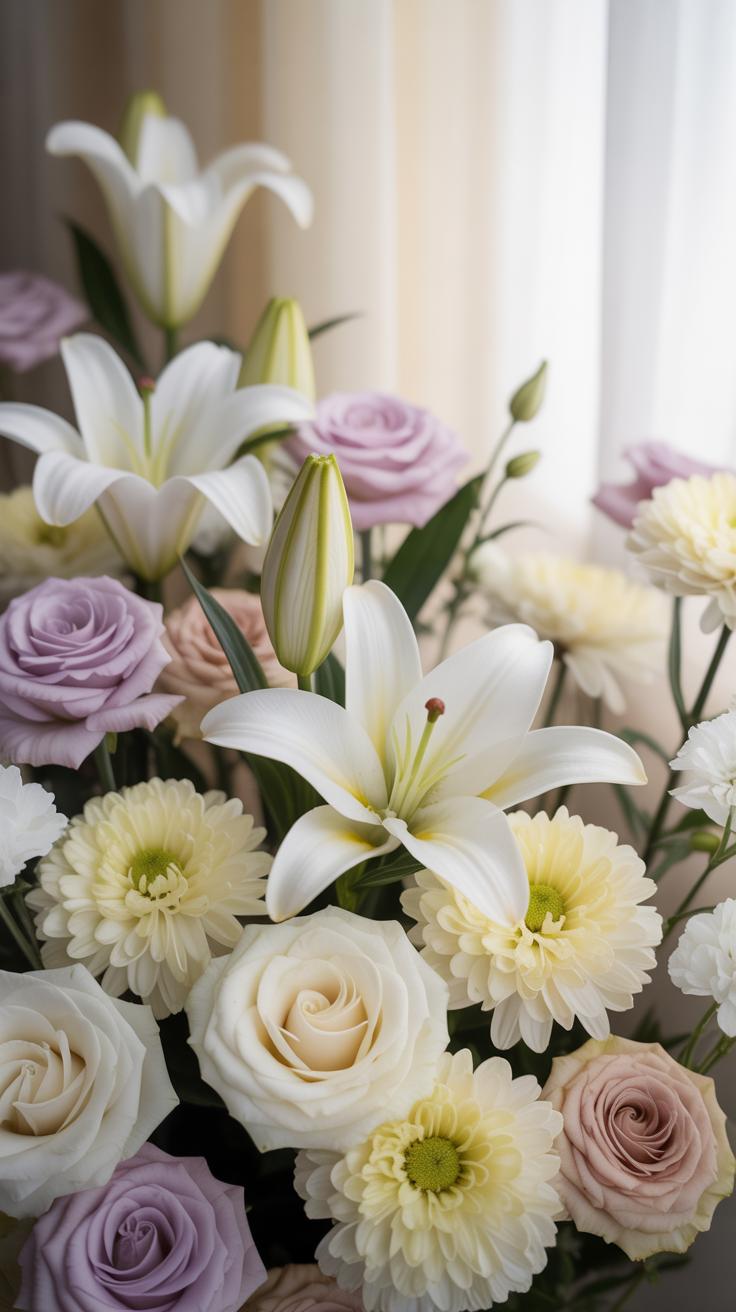
Western traditions focus on color and fragrance to honor the deceased. In Europe and the Americas, lilies and roses dominate funeral arrangements. These flowers represent peace and eternal rest. White is the standard choice for purity and innocence. Bright colors sometimes appear to celebrate a long life. Florists use heavy greenery to provide structure and symbolize the cycle of nature and growth.
Asian cultures follow stricter rules regarding color and flower types. In China and Japan, white chrysanthemums are the primary symbol of grieving. You should avoid red flowers at all costs. Red signifies happiness and celebration in these regions. Bringing red to a funeral is a major insult. Stick to yellow or white to show proper respect. These color choices influence every aspect of Eastern sympathy customs.
Religious Considerations That Influence What Flowers Mean Sympathy Globally
Religion dictates which flowers are appropriate for a memorial service. In Christian services, mourners often select lilies to represent the resurrection of the soul. Catholic traditions may include floral tributes shaped like crosses or hearts. These items sit near the casket during the wake. Proximity to the body is a key tactical consideration for floral placement. Most Christian denominations accept any modest floral arrangement.

Jewish and Muslim traditions have very different requirements. Traditional Jewish law focuses on simplicity and discourages flowers at the funeral or gravesite. Instead, send food baskets or donate to charity in the name of the deceased. Similarly, Islamic funerals emphasize humility. Many families prefer that you do not bring flowers to the mosque. Always verify the specific religious customs before you order any floral delivery for the family.
Sympathy Flower Arrangements Styles Forms And Their Meanings
Understanding The Difference Between Wreaths, Sprays, And Standing Sympathy Flower Arrangements
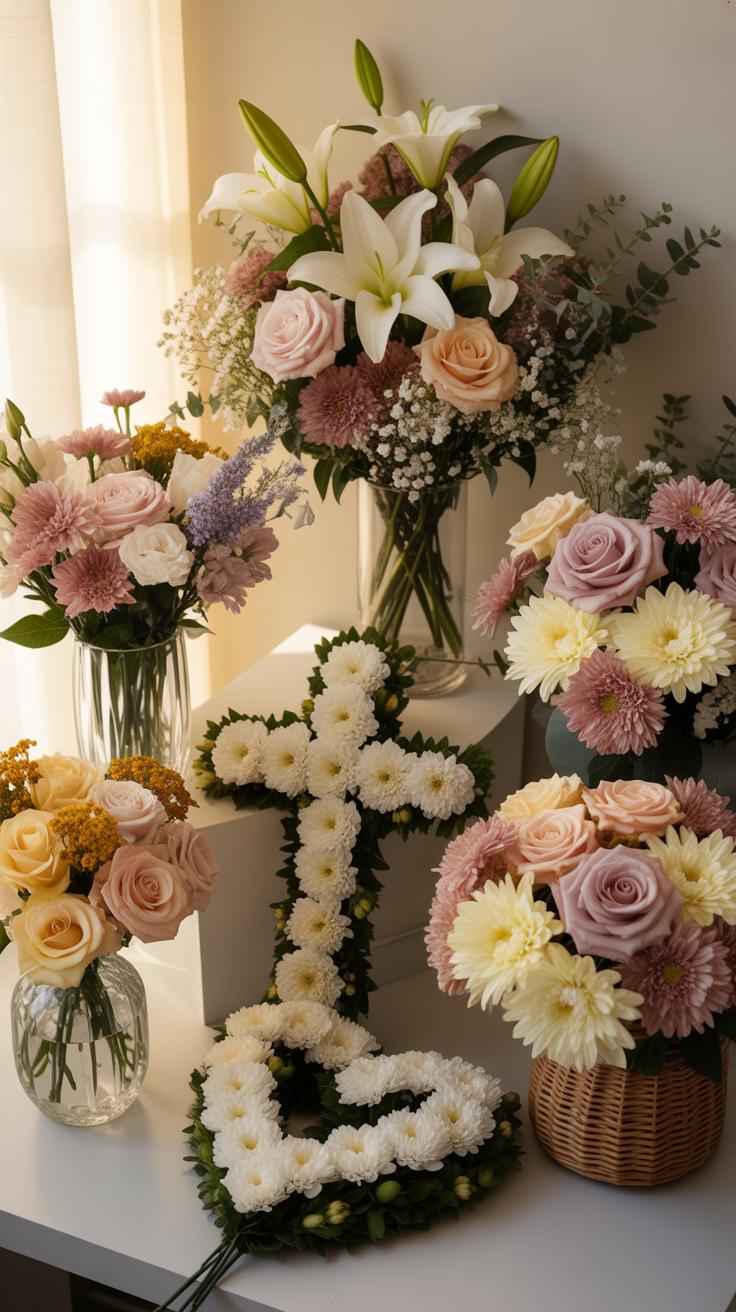
Wreaths use a circular frame to hold stems in place. They represent the concept of eternal life and the unbroken cycle of existence. These arrangements stay at the funeral home or gravesite. You rarely send these to a private residence. Florists build them on foam or straw bases to ensure the flowers stay hydrated during the entire service.
Sprays come in two distinct types. Flat sprays rest on a surface or the casket. Standing sprays sit on a wooden or metal easel. This elevation ensures every person in the room can see the tribute. Sprays focus on a single direction of view. Most designers use gladioli or snapdragons to provide the necessary height and structural integrity for these formal displays.
How The Shape And Style Of Sympathy Arrangements Convey Different Messages
The shape of an arrangement dictates the underlying message sent to the grieving family. Circular wreaths signal community support and continuity. Heart shapes represent deep personal love and are usually reserved for the closest family members. Crosses offer a strictly religious context. Choosing the right form prevents social errors during the mourning process. Each geometric choice serves as a visual shorthand for the sender.

Designers use vertical lines to suggest strength and upward movement. This helps lift the mood of the environment. Horizontal arrangements create a sense of peace and rest. Small baskets suggest an intimate connection and are easier for families to take home. Large, rigid structures command respect in big halls. Match the scale of the arrangement to the size of the venue to maintain proper etiquette.
Sympathy Floral Etiquette When And How To Send Flowers
The Right Time To Send Sympathy Floral Tributes Before Or After A Service
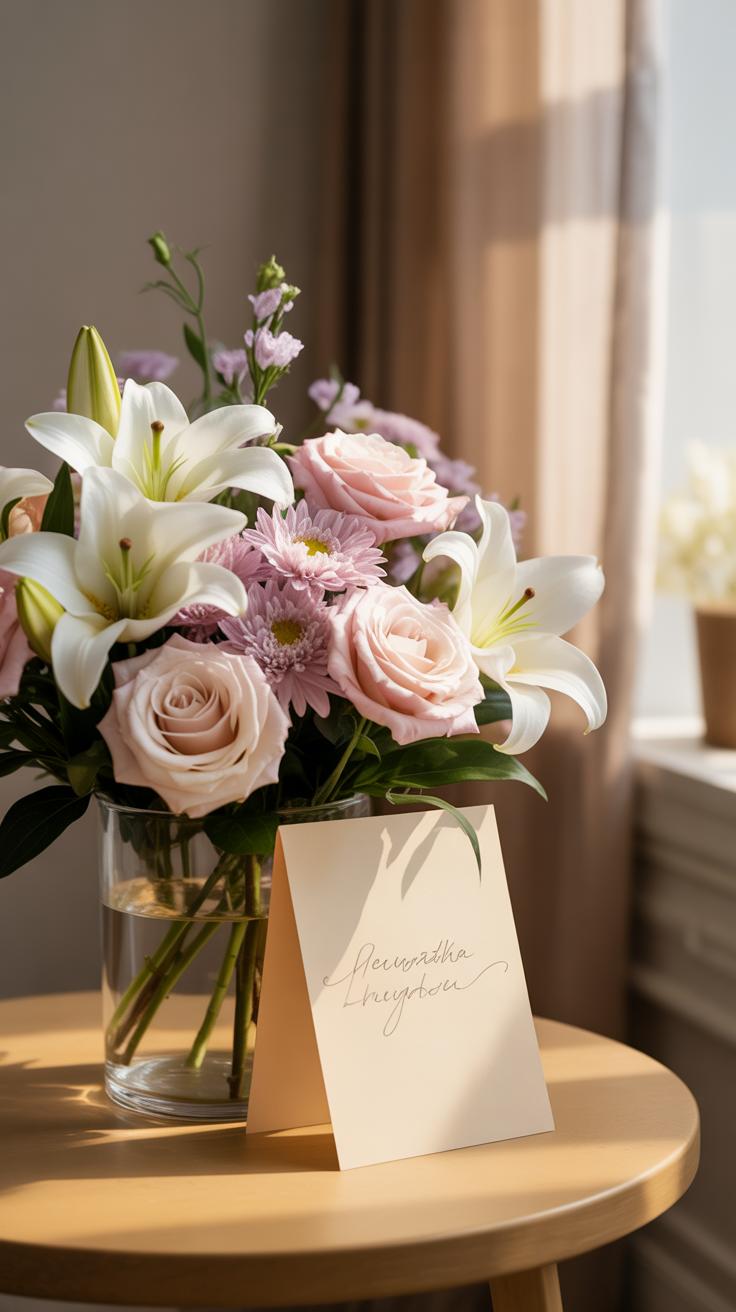
Send floral tributes immediately once you hear the news. Florists require lead time for specific designs like standing sprays or casket covers. These larger items must arrive at the funeral home before the first viewing starts. Timing ensures the family sees your support during the most difficult hours of the visitation. Early delivery allows the funeral director to arrange the room properly.
If you miss the funeral service, do not send large arrangements to the family home. Switch your strategy to a smaller sympathy bouquet or a potted plant. Send these items to the residence one or two weeks after the service. This timing provides comfort when the initial rush of support fades away. It shows the mourning family that you still remember their loss and value their grief.
To plant a garden is to believe in tomorrow, where every bloom speaks the unspoken language of the heart.
Common Sympathy Floral Etiquette Mistakes Beginners Should Avoid
Newcomers often make critical errors that cause unnecessary stress for grieving families. You must verify the burial traditions of the deceased before placing an order. Some cultures and religions have strict rules about floral displays. For example, traditional Jewish and Islamic services typically do not use flowers. Always check the obituary for specific requests like donations in lieu of flowers to respect the final wishes.
- Ignoring Religious Customs: Do not send flowers to a Jewish home or synagogue during Shiva. Check if the family prefers specific colors or types based on their faith traditions. Researching these details prevents accidental disrespect during a sensitive time.
- Wrong Delivery Location: Never send large wreaths or standing sprays to a private residence. These items use heavy wire frames meant for funeral home display only. Use a vase or basket for home deliveries to ensure the family can manage the gift.
- Mispelling Names: Check the spelling of the deceased and the survivors on the card. Florists handle many orders and might make typos if your instructions are unclear. A misspelled name on a public tribute causes pain and reflects poorly on your professional attention.
- Vague Card Messages: Avoid writing long letters on small floral cards. Keep your message short and clear so the family can read it quickly. Include your full name so the family knows exactly who sent the gift for their thank you notes later.
- Ignoring Size Constraints: Small apartments cannot hold massive floral displays. Consider the living situation of the survivors before sending a large plant or tall arrangement. A compact design is more practical and shows you considered their physical space during a time of transition.

Tactical errors in floral etiquette distract from the message of support. Avoid using bright, neon colors unless the family explicitly requests a celebration of life theme. Stick to muted tones or classic whites if you are unsure of the family preference. Quality matters more than size when selecting a tribute. A small, high-quality arrangement carries more weight than a large, poorly constructed one.
Sympathy Arrangements For Specific Losses And Occasions
Choosing Sympathy Arrangements For The Loss Of A Parent, Child, Or Friend
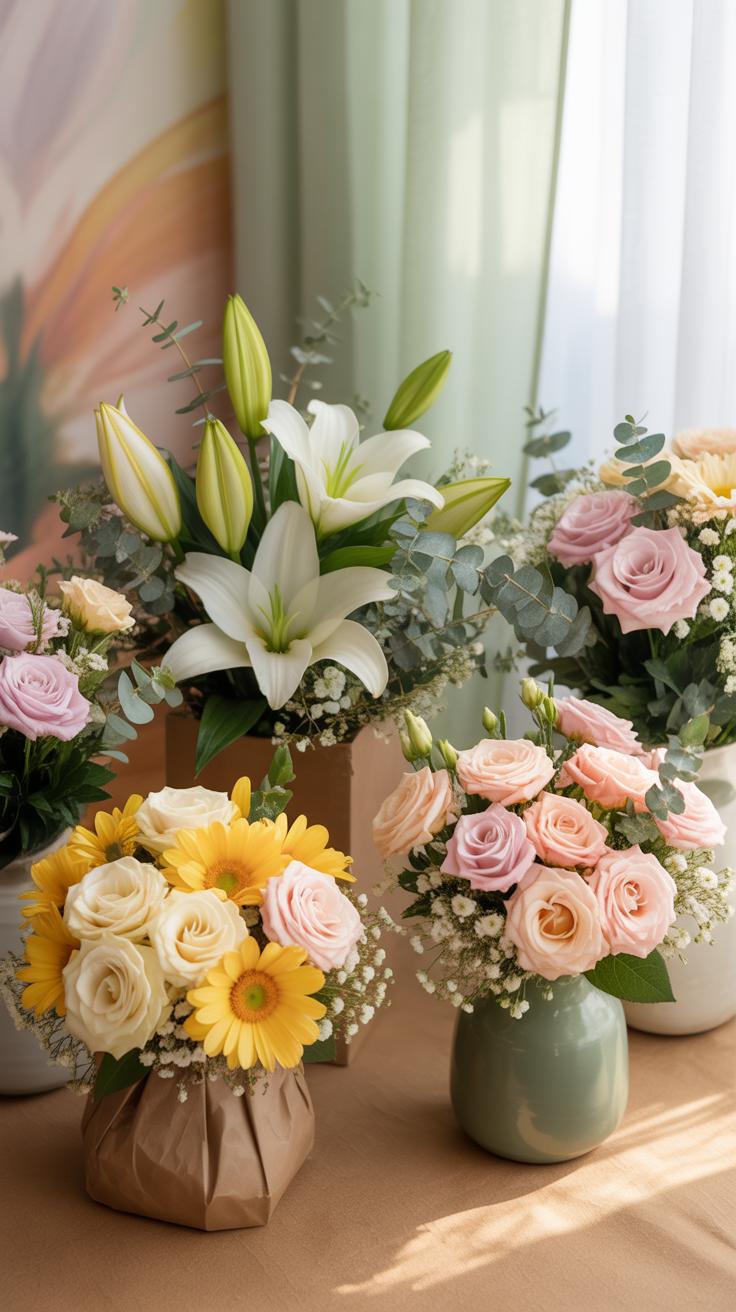
Select gladioli or roses for a parent to signal strength and deep respect. These flowers represent a long life and a strong foundation. White lilies remain the standard for mothers to show purity and grace. For a child, use small blossoms like baby breath or daisies. White is the mandatory color here to signify innocence and a life ended too soon.
Casual blossoms like sunflowers or zinnias work for a friend. These choices celebrate a personal bond rather than formal grief. Avoid rigid structures for friendship tributes. Use loose garden styles to reflect a living connection. For a father, choose deep reds or blues in a structured spray. This reinforces the concepts of stability and leadership that the deceased provided to the family.
Sympathy Arrangements For Memorial Services, Gravesites, And Home Deliveries
Large standing sprays belong at the funeral home or memorial service. These arrangements sit on wire easels to ensure visibility from the back of the room. Casket sprays are strictly for the immediate family to purchase. These pieces sit directly on the lid and serve as the visual centerpiece. Choose hardy flowers like carnations or chrysanthemums for these large outdoor or indoor displays.
Home deliveries require smaller and more manageable containers. Send vases or baskets that the family can easily move or place on a table. Avoid oversized stands for residential addresses. For graveside services, select flowers that handle wind and sun well. Potted plants are a practical choice for the cemetery. They last longer than cut stems and provide a living tribute at the site.
Budget Friendly Ways To Send Thoughtful Sympathy Flowers
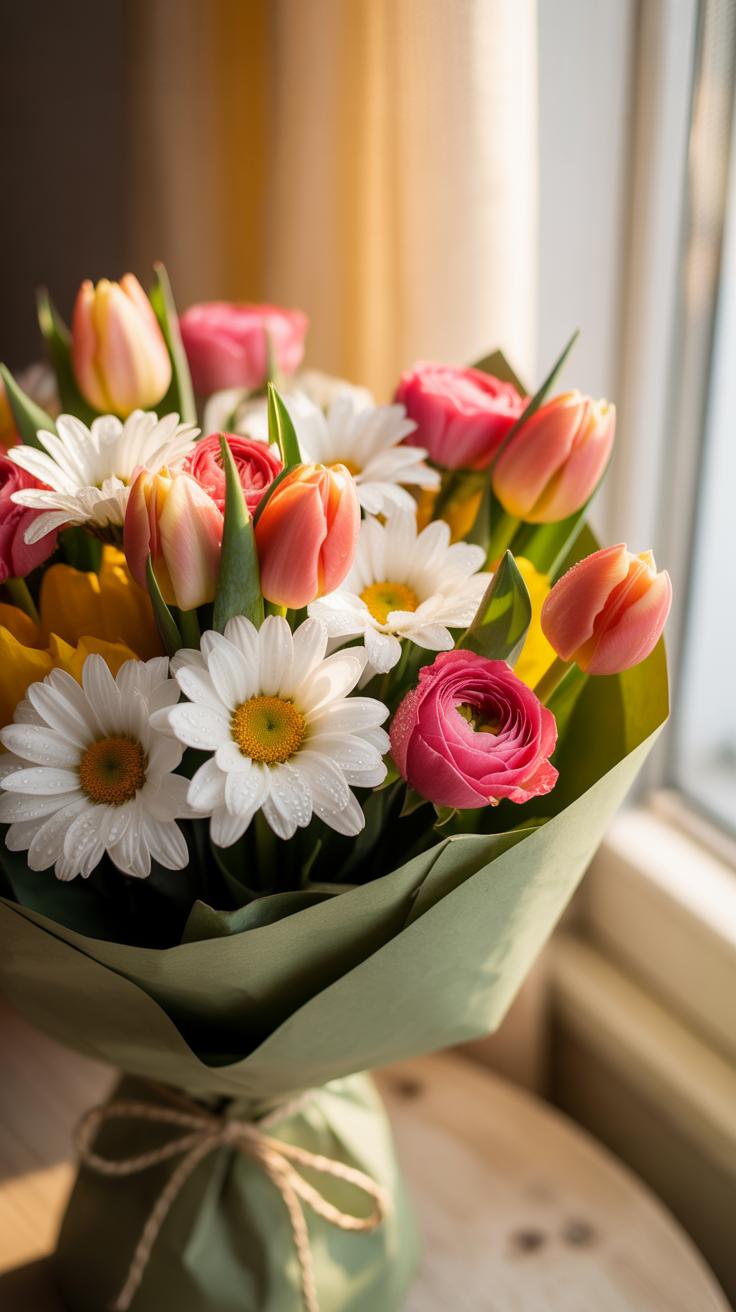
Send a single stem or a small bouquet to keep costs low. Carnations offer the best value because they last longer than most flowers. They represent pure love and remembrance in historical floral traditions. You do not need a large casket spray to show respect. A simple arrangement of white blooms honors the deceased without wasting money. Choose seasonal flowers to avoid high import fees.
Focus on the message rather than the size of the display. Write a handwritten note to add personal value. This costs nothing but carries significant emotional weight. Skip the expensive glass vases and use simple baskets or ceramic pots. These materials are often cheaper and easier for the family to transport home. Buy flowers directly from growers to remove the middleman and save on total costs.
Local florists provide better value for funeral services. They understand regional flower availability and save you money on shipping fees. National online wire services often take a large cut of your payment as a service fee. This leaves less money for the actual flowers. Dealing with a local shop ensures your money goes toward high quality stems and expert floral design.
Call a local florist near the service location directly. Ask for a designer choice arrangement within your specific budget. This allows the florist to use their freshest and most affordable inventory. Online platforms use stock photos that may not reflect the final product. Local shops give you real time updates on what flowers are in stock. This transparency prevents overpaying for low quality or wilted floral arrangements.
Frequently Asked Questions

What are the most common colors to look for when learning about sympathy flower meanings?
When exploring sympathy flower meanings, white is the most traditional choice as it symbolizes peace, purity, and innocence. However, soft pinks represent grace and admiration, while blue blooms offer a sense of calm and serenity during difficult times. Understanding these color cues helps beginners choose an arrangement that conveys the right sentiment of support and heartfelt comfort for those grieving the loss of a loved one.
How do I choose the right floral arrangement if I am unfamiliar with traditional funeral etiquette?
For those new to sympathy flower meanings, a classic standing spray or a simple ceramic vase arrangement is always appropriate. Focus on timeless blooms like lilies for the restoration of the soul or carnations for remembrance. If you are unsure, sticking to a monochromatic white palette ensures your gift remains respectful. Always include a short, sincere note to provide a personal touch that complements the symbolic message of the flowers.
Can I find meaningful sympathy flowers that fit a smaller budget?
Absolutely. You don’t need an expensive display to honor someone’s memory. Many affordable blooms have deep sympathy flower meanings, such as gladioli, which represent strength of character, or single white roses for everlasting love. Potted plants like peace lilies are also budget-friendly, accessible options that serve as a lasting tribute. Choosing a few intentional stems can be just as impactful and comforting as a large, costly funeral wreath or casket spray.