
Understanding Flowers And Their Meanings Before You Shop
Why Flowers Have Carried Symbolic Meaning Across Cultures For Centuries
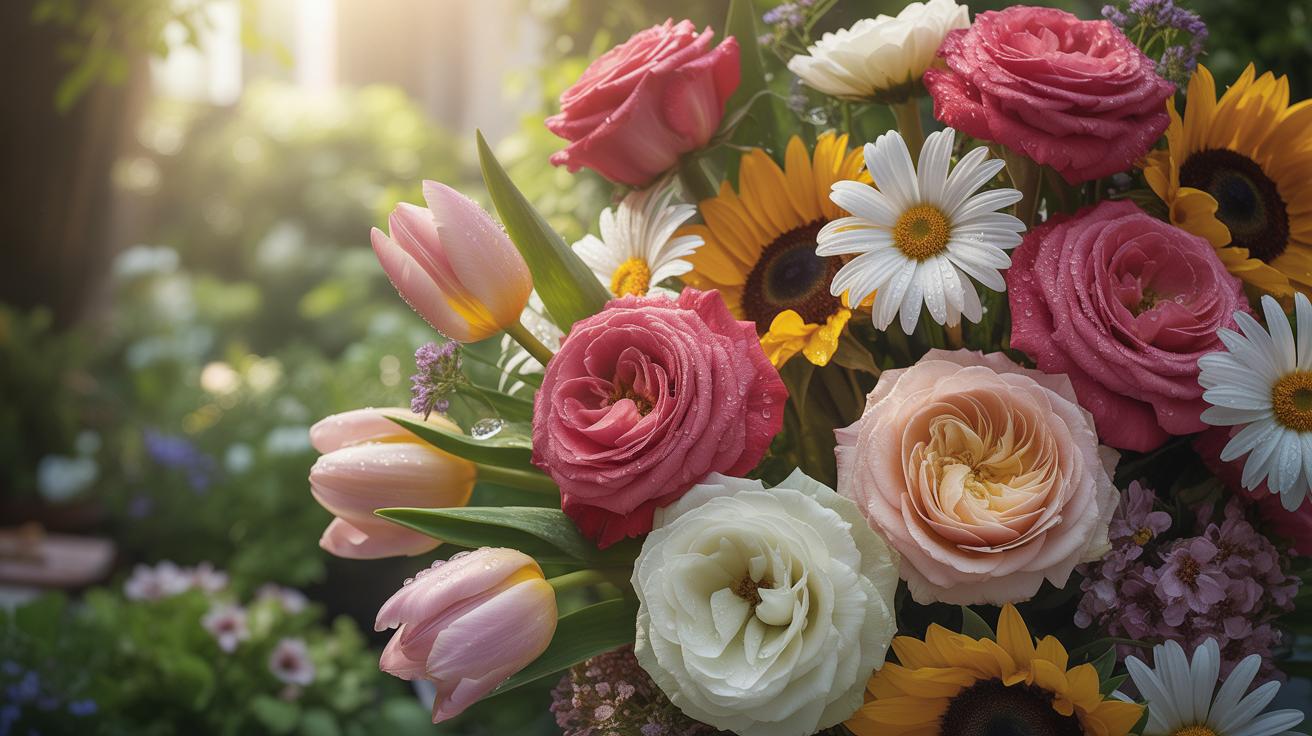
Flowers serve as a silent visual language. Ancient civilizations used floral systems to communicate when social laws prohibited direct speech. The Victorian era formalized this practice through floriography. They published floral dictionaries to assign specific traits to common blooms. This created a standardized method for sending secret messages. Botany became a tool for social diplomacy and personal expression across different global regions.
Modern floral symbolism stems from these historical roots. Cultures in Asia and Europe developed distinct meanings based on local growth patterns and colors. Red roses signify passion due to long standing Western associations. White lilies represent purity in many funeral traditions. These meanings remain relevant because they provide a shortcut for human emotion. You use these established codes to ensure your message avoids any cultural confusion.
How Knowing Flower Meanings Helps You Give More Intentional Gifts
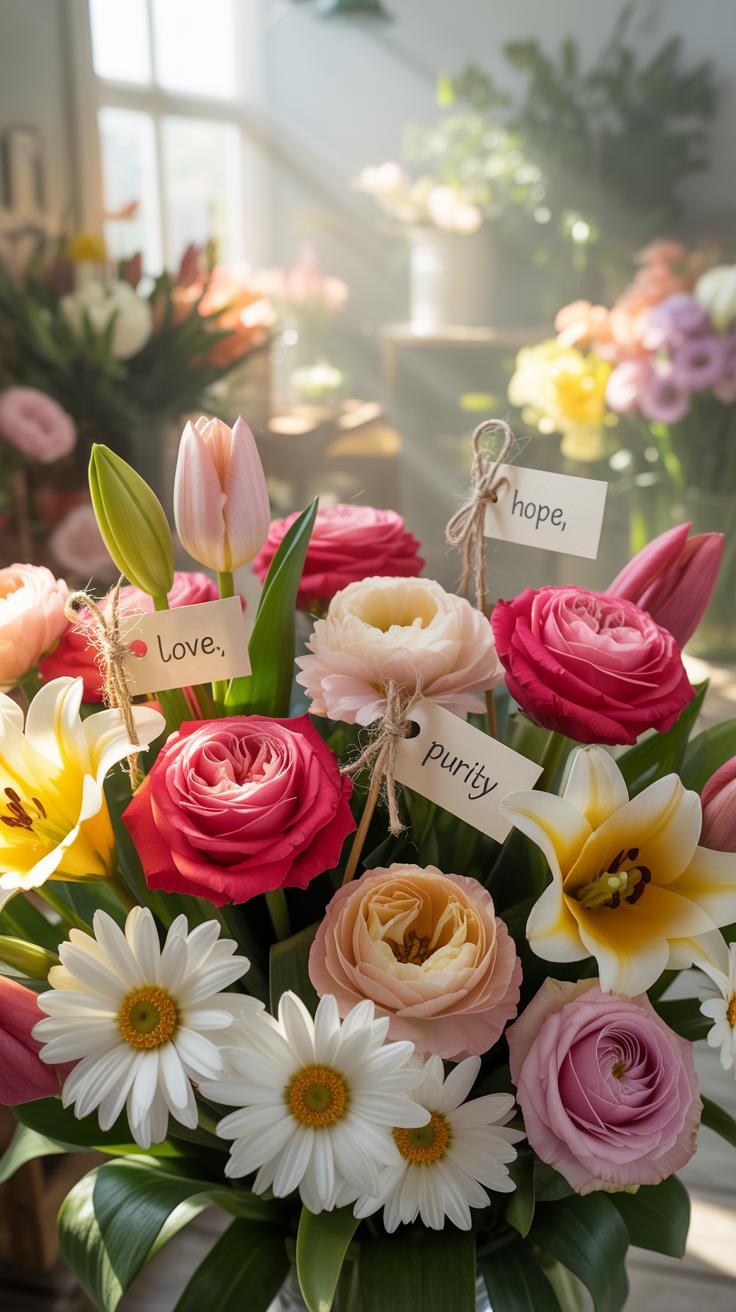
Strategic gifting requires precision and intent. Choosing a flower based on its specific meaning shows you spent time on the details. It moves the gift beyond a generic gesture. You align the botanical choice with the specific milestone. This approach prevents sending the wrong signal during sensitive events. Accuracy in flower selection reinforces your credibility and strengthens your personal or professional relationships.
Intentionality reduces the risk of social errors. Giving yellow roses in certain cultures might signal friendship, while in others it implies jealousy. You must research the specific meaning to match the recipient’s background. This knowledge allows you to customize the arrangement for the exact occasion. Proper selection ensures your gift achieves its tactical purpose. You save time and money by buying the right flowers for the situation.

A Beginner Friendly Flower Meanings Chart To Get You Started
How To Read And Use A Flower Meanings Chart Effectively
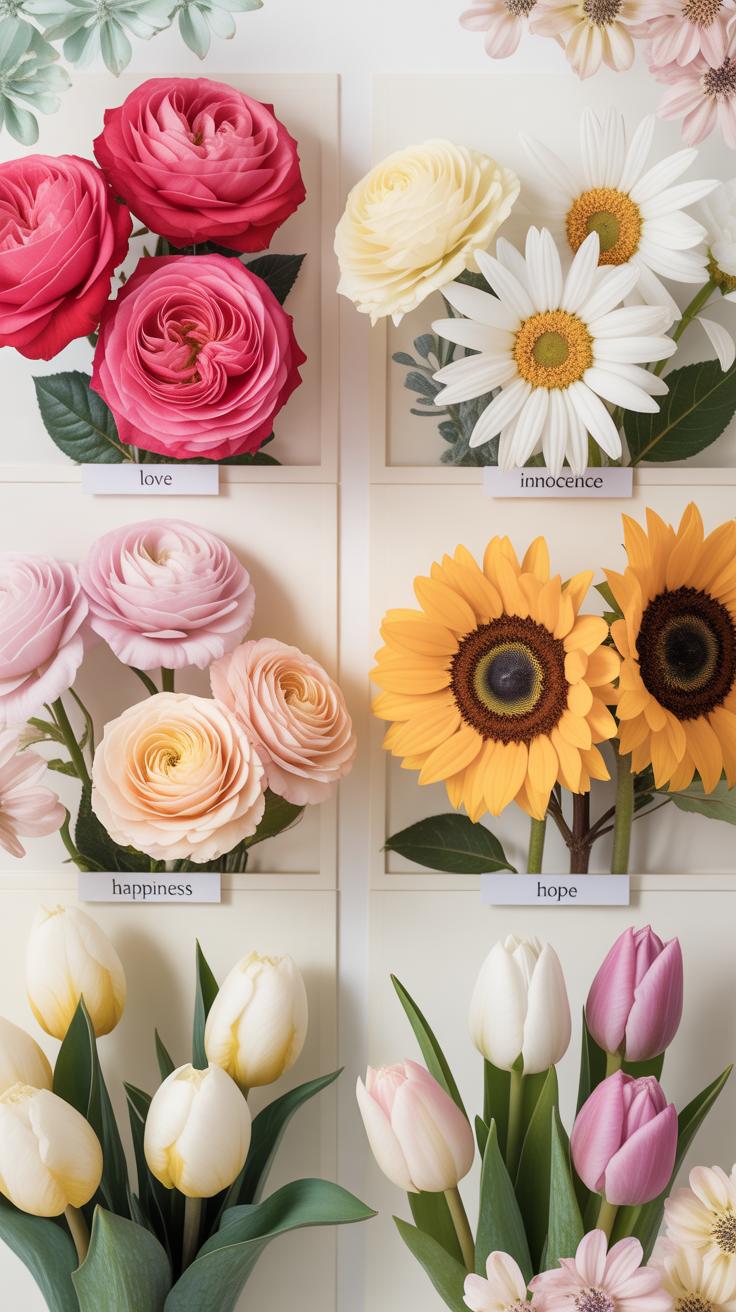
Floriography charts translate botanical choices into specific social signals. To use these charts, you must first identify the primary intent of your message. Most charts categorize flowers by their historical Victorian or Eastern meanings. Select a flower that aligns with your specific occasion. Do not mix competing symbols in one arrangement. This creates confusion and dilutes the tactical impact of your gift.
Context dictates the final interpretation of any floral symbol. A red rose means romantic love in a dating context but signifies respect at a memorial. Always cross-reference the flower color with the event type. Check for local cultural variations before finalizing your choice. Reliable charts provide the baseline meaning while you provide the situational nuance. This ensures your message remains clear and professional at all times.
The Most Commonly Referenced Blooms And What They Traditionally Represent
Standardized meanings allow for precise non-verbal communication across various cultures. Most modern floral symbolism stems from 19th-century European traditions where specific blooms acted as a silent language. Using these established meanings prevents social errors and strengthens your personal branding. Knowledge of these associations transforms a simple gift into a strategic tool. Focus on these primary blooms to ensure your message is understood globally.
- Red Rose: This flower remains the primary symbol for deep romantic love and passion. It serves as a direct declaration of intense feelings. Use it only when the intent is clear and the relationship is established to avoid sending the wrong signal to professional associates or casual friends.
- White Lily: Historically linked to purity and rebirth, this bloom is the standard choice for funerals and religious ceremonies. It represents the soul returning to a peaceful state. Use it to convey sympathy or to mark a significant new beginning in a formal setting.
- Yellow Chrysanthemum: In many Western cultures, these flowers represent joy and optimism. They work well for birthdays or get-well wishes. However, be aware that in parts of Europe and Asia, they are strictly reserved for mourning and gravesites. Research the recipient’s background first.
- Pink Carnation: These flowers symbolize gratitude and a mother’s undying love. They are the tactical choice for Mother’s Day or expressing thanks to a mentor. Their long vase life makes them a practical and durable option for long-distance shipping or extended display in an office.
- Blue Iris: This bloom represents royalty, wisdom, and valor. It is an excellent choice for a professional promotion or a graduation gift. The deep blue color provides a sophisticated alternative to brighter, more casual flowers, making it suitable for corporate environments and high-level networking events.
Mastering these five basics provides a foundation for more complex arrangements. Accuracy in selection demonstrates attention to detail and respect for tradition. Once you memorize these core meanings, you can combine them to create layered messages. Always prioritize the primary bloom to define the overall tone. Successful floral communication relies on consistency and the correct application of these historical facts.
Flower Meanings By Occasion For Weddings And Anniversaries
Classic Wedding Flowers And The Romantic Symbolism They Carry
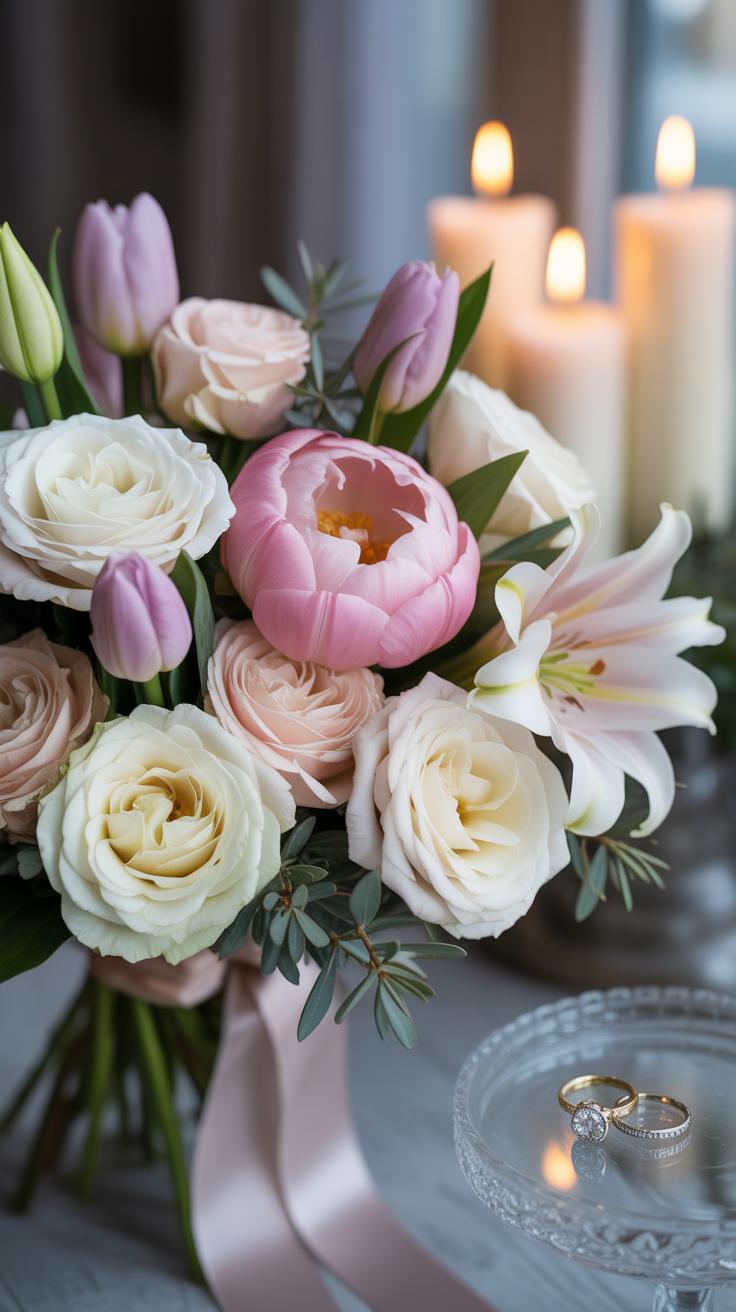
White roses serve as the primary standard for wedding ceremonies. They represent purity and young love in traditional floral floriography. Practical planners select peonies for late spring events because they signal prosperity and a happy marriage. Victorian era traditions solidified these meanings. Using these specific blooms communicates a clear message of long term commitment to all guests and participants present.
Stephanotis remains a tactical choice for bridal bouquets. This star shaped flower represents marital happiness and travel. Its sturdy structure makes it ideal for wiring into complex arrangements. Lily of the valley offers a strong scent and signifies a return to happiness. Historically, royal weddings favor this bloom to project an image of timeless elegance. Choose these flowers based on their structural integrity and historical relevance.
Choosing Anniversary Flowers Based On Years Together And Their Meanings
Specific flowers mark anniversary milestones to track the growth of a relationship. For the first anniversary, carnations represent the initial bond and intense passion of a new marriage. After five years, daisies signal loyal love and fidelity. These choices rely on historical lists established by floral guilds. Selecting the correct flower for the specific year shows attention to detail and respect for established tradition.

The tenth anniversary requires yellow daffodils to symbolize a new beginning and rebirth. After fifteen years, roses become the standard to show deep affection. Tactical gift giving uses these meanings to reinforce the emotional legacy of the couple. Clear communication through flowers removes guesswork. You provide a tangible link to history and sentiment. Stick to the recognized annual associations to ensure your message is accurate.
Meaningful Flowers To Send For Birthdays And Celebrations
Birth Month Flowers And What They Say About The Person You Are Celebrating
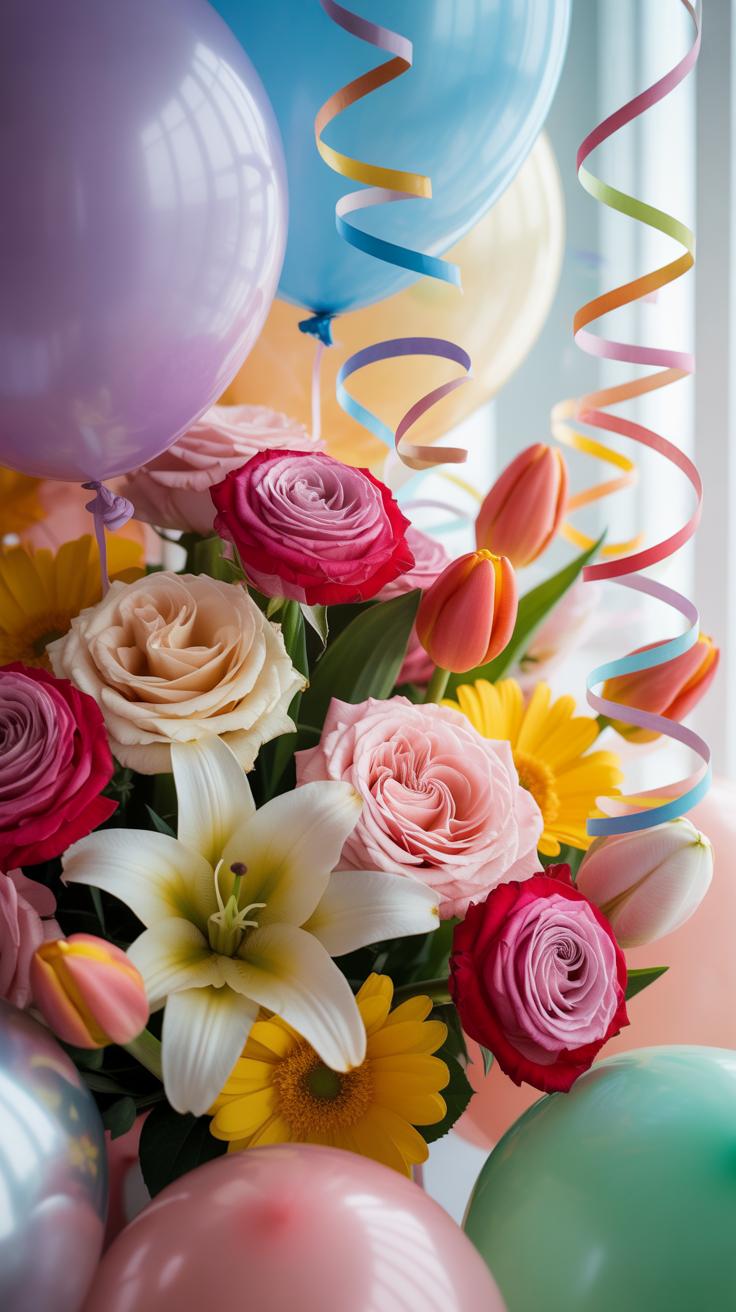
Birth month flowers originate from Roman times when people offered specific blooms to gods. Each month links to a flower with distinct historical meanings. January uses the carnation to represent loyalty and perseverance. March features the daffodil to signal rebirth and new beginnings. Using these specific flowers shows you understand the recipient on a personal level. It moves beyond generic gifting.
Strategic gifting requires matching the flower to the recipient’s timeline. May birthdays use the lily of the valley to signify humility and sweetness. September birthdays utilize the aster to represent patience and wisdom. These associations remain consistent across floral history. Always select the primary birth month flower to ensure accuracy. This method provides a clear framework for selecting the right stems every time.
How To Pair Blooms With Personality Traits For A Personalized Birthday Bouquet
Personalization depends on matching floral characteristics to human behavior. Select yellow roses for friends who value joy and deep platonic bonds. Choose gladiolus for individuals who demonstrate strength of character and integrity. This approach uses floriography to communicate specific messages without words. It creates a tactical advantage by making the gift more memorable. Focus on the core trait you want to honor.

Combine multiple flowers to build a complex personality profile. Use pink carnations to acknowledge a person’s gratitude or motherly nature. Add blue iris to symbolize faith and hope for a visionary leader. Avoid mixing conflicting messages by researching the primary meaning of each stem first. High impact bouquets rely on these specific connections. Use clear colors and strong shapes to reinforce the intended personality traits.
Different Flowers And Their Meanings For Sympathy And Funerals
Flowers That Convey Condolence, Peace, And Respect At Difficult Times
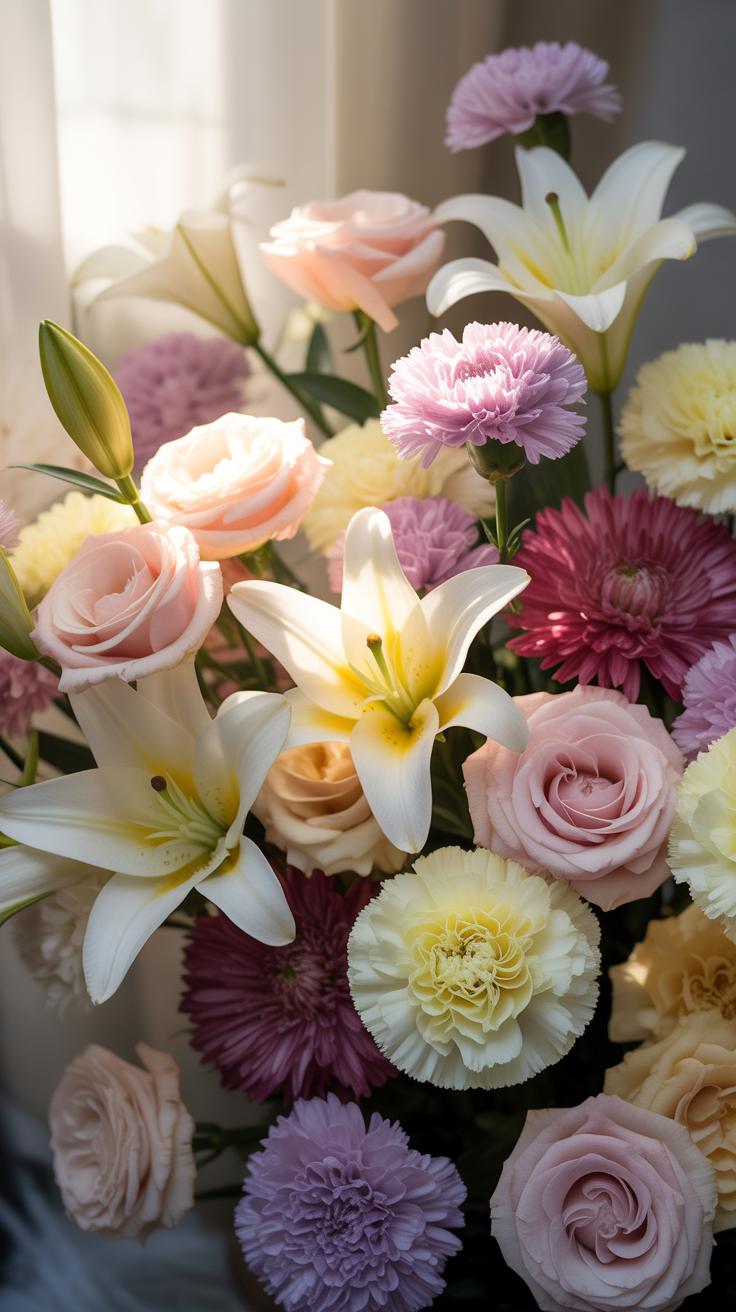
White lilies serve as the standard choice for funeral services because they represent the restorative peace of the soul. This tradition stems from Victorian era customs where white blooms signified purity and the return to a state of innocence. Gladioli offer a different message by focusing on the strength and integrity of the deceased. These tall stalks reach upward to symbolize high moral character and resilience.
White carnations and chrysanthemums provide long lasting tributes in sympathy arrangements. In many European and Asian cultures, chrysanthemums specifically denote grief and are used exclusively for funeral rites. Orchids symbolize eternal love and are appropriate for close family members to send. These varieties ensure the message remains professional and respectful while acknowledging the gravity of the loss. Use these selections to maintain proper decorum.
What To Avoid When Selecting Flowers For Grief And Mourning Occasions
Avoid bright, high energy colors like neon orange or yellow unless the family specifically requests a celebration of life theme. These hues conflict with the somber atmosphere of a traditional memorial. You must also consider the size of the arrangement relative to the delivery location. Large standing sprays belong at the funeral home or gravesite. Sending massive displays to a private residence creates an unnecessary burden for the grieving.

Cultural taboos require careful attention to avoid unintentional insults to the family. For example, red flowers signify happiness or celebration in several Eastern cultures and are strictly forbidden at funerals. Some traditions view potted plants as symbols of “taking root” in sorrow, which people find offensive. Examine the religious and cultural background of the deceased before placing an order. Simple mistakes in flower choice can damage relationships during sensitive times.
Types Of Flowers And Meanings Perfect For MotherS Day And Family Occasions
Why Carnations And Lilies Have Long Been Associated With Motherhood
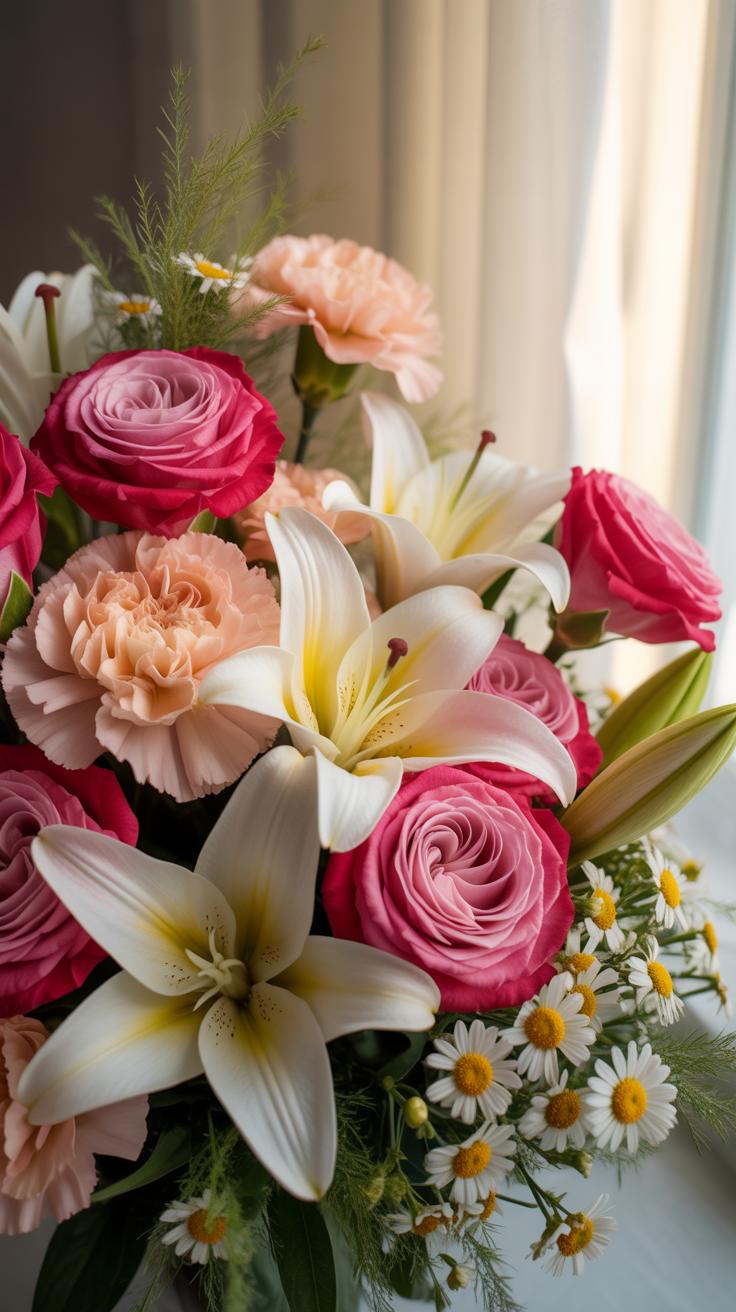
Carnations became the official flower of Mother’s Day in the early 20th century. Anna Jarvis, the holiday founder, chose white carnations to represent her mother’s favorite flower and pure love. Over time, the tradition expanded to include pink carnations to honor living mothers. These blooms offer durability and a long vase life. These traits mirror the strength and endurance required in a maternal role.
Daylilies and white lilies represent motherhood across many cultures. Chinese tradition links the daylily to filial devotion and the maternal home. In Western art, the white lily symbolizes purity and virtue. These flowers provide a structural focal point in arrangements. They signal respect and high regard for the recipient. Florists use them because they create a bold visual impact and carry deep historical weight.
Flowers That Celebrate Family Bonds, Gratitude, And Warmth
Hydrangeas represent heartfelt emotion and gratitude within a family setting. Their large, bundled blooms symbolize many individuals coming together as one unit. This makes them ideal for reunions or family celebrations. They thrive in various colors like blue, pink, and white. Each color conveys a sense of abundance and grace. Use these flowers when you want to acknowledge the collective support of your relatives.

Yellow roses and tulips signify warmth and new beginnings for family members. Unlike red roses, yellow varieties represent platonic love and joy. They brighten a room and foster a positive atmosphere during housewarmings or gatherings. Tulips offer a clean look that fits modern home decor. Choose these stems to build a sense of comfort and light. They provide a simple way to show appreciation without romantic undertones.
Flower Symbolism Meaning For ValentineS Day And Romantic Gestures
Beyond Red Roses: Other Romantic Flowers And Their Passionate Symbolism
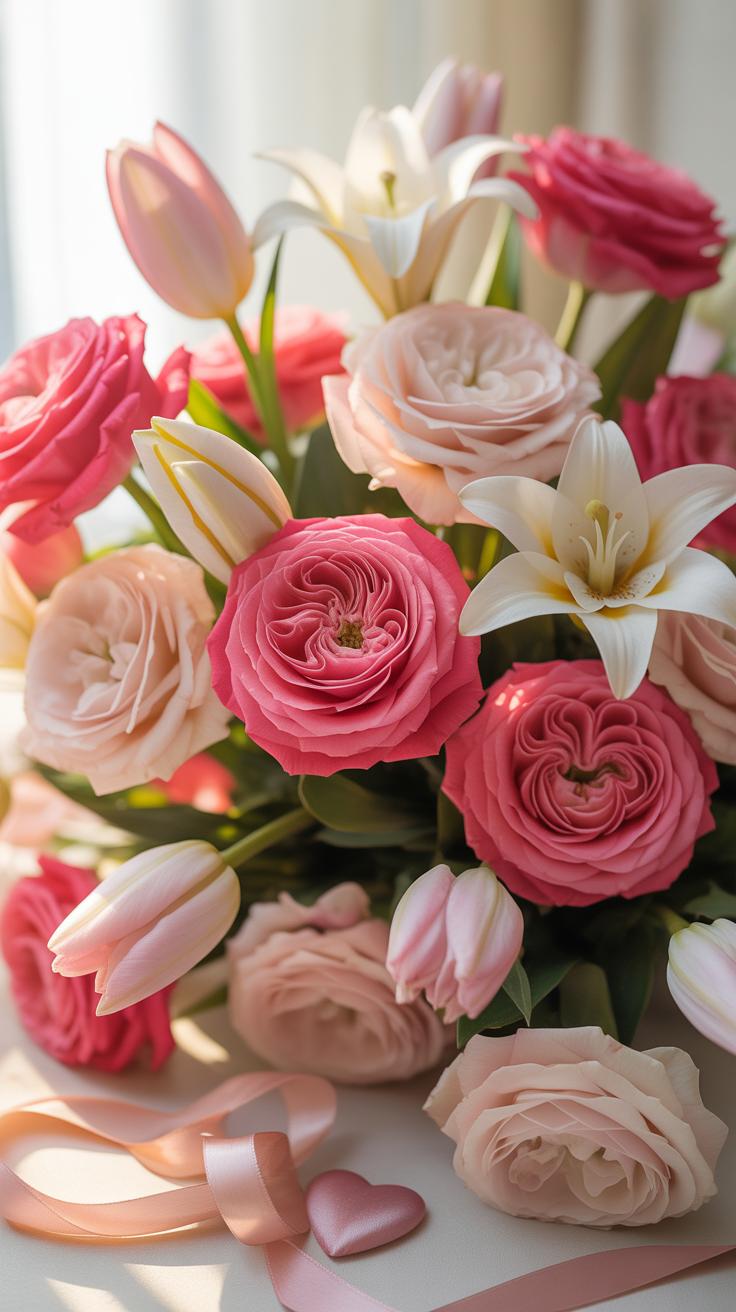
Red roses dominate the market but often lack specific strategic intent. Red tulips serve as a direct alternative. These flowers represent perfect and deep love in Persian tradition. They provide a structural and modern aesthetic for Valentine’s Day. Use them to signal a bold and clear declaration of affection. They offer a cleaner profile than traditional roses while maintaining the necessary color symbolism for the holiday.
Orchids and ranunculus offer sophisticated layers of meaning. Orchids symbolize rare beauty and strength across many historical cultures. They demonstrate a high level of respect for the recipient. Ranunculus signify intense charm and attraction. Their tight petals suggest a complex and enduring bond. Choose these varieties to differentiate your gesture from generic retail trends. They communicate effort and a deep understanding of the recipient’s personal style.
To plant a garden is to believe in tomorrow, for every bloom carries a heartfelt message tailored for life’s special moments.
How To Use Flower Symbolism To Express Different Stages Of A Relationship
Select flowers based on the maturity of the bond. New relationships require lighter signals like purple lilacs or daisies. These represent the first emotions of love and innocence. They avoid the heavy pressure of deep red blooms. Use white or pink carnations to signify pure affection and admiration. These choices keep the gesture appropriate for the early phases. They show interest without demanding an immediate lifelong commitment.

Long-term partnerships require symbols of loyalty and endurance. Sunflowers represent longevity and adoration because they follow the sun. They signal a steady and reliable presence in a partner’s life. Blue salvia or iris communicate trust and wisdom gained over time. Incorporate these into arrangements to honor shared history. Strategic flower selection reinforces the specific foundation of your current status. Avoid mixed signals by matching the flower to your actual milestones.
Flowers Symbolism In Graduation Achievement And New Beginnings

Flowers That Represent Success, Pride, And Forward Momentum
Graduation ceremonies require flowers that signal transition and peak performance. The gladiolus serves as the primary tactical choice for these events. Its name derives from the Latin word for sword. Historically, it represents strength of character and moral integrity. This flower tells the recipient that they possess the inner fortitude to handle more responsibility. It honors the hard work behind the achievement.
Yellow roses offer a specific strategic advantage for academic milestones. Unlike red roses which signal romance, yellow blooms communicate joy and professional pride. They represent the sun and high energy levels. Use these to celebrate a finished degree or a major promotion. The color provides a visual cue for optimism and intelligence. It confirms the recipient has reached a significant level of mastery.
Best Blooms To Gift When Someone Is Starting A New Chapter In Life
New beginnings demand flowers that symbolize potential and clean slates. Daffodils and daisies are the standard choices for these transitions. They signal the end of a cold season and the start of growth. These plants thrive in changing environments. They remind the recipient that change is a natural part of progress. Select these when someone moves or starts a new job.
- Daffodils: These are the first signs of spring. They represent rebirth and the start of a new cycle. Giving them acknowledges that the recipient is entering a fresh phase. They work best for career changes or relocation gifts because they symbolize resilience and the return of energy.
- Calla Lilies: These flowers represent a transition toward maturity and higher wisdom. They have a sleek and modern look. Use them for graduates or people starting leadership roles. They show respect for the person’s growth. The white variety specifically signals a pure and focused start in a new field.
- Daisies: These flowers convey a message of new starts and simple hope. They are durable and grow in many climates. This makes them a practical symbol for someone building a life in a new place. They represent the loyalty required to see a new project through to the very end.
- Proteas: These stems survive extreme conditions and represent courage. They are one of the oldest flower families on earth. Gifting a protea tells the recipient they have the strength to handle a difficult new path. It is a bold choice for someone launching a high-risk business venture.
- Sunflowers: These blooms follow the movement of the sun across the sky. They symbolize a dedicated focus on a specific goal. Use them to encourage someone to stay the course during a new journey. They provide a sense of warmth and security while the recipient navigates unfamiliar territory.

Logistics matter when choosing these arrangements. Ensure the stems are sturdy enough to survive a long ceremony or move. Avoid heavy scents in crowded indoor graduation halls. Focus on the structural integrity of the bloom. A wilted flower sends the wrong message about the longevity of the achievement. Select high-quality stock to ensure the symbol of success lasts as long as the memory.
Flowers Meanings Across Different Cultures And Traditions
How The Same Flower Can Mean Very Different Things In Eastern Vs. Western Cultures
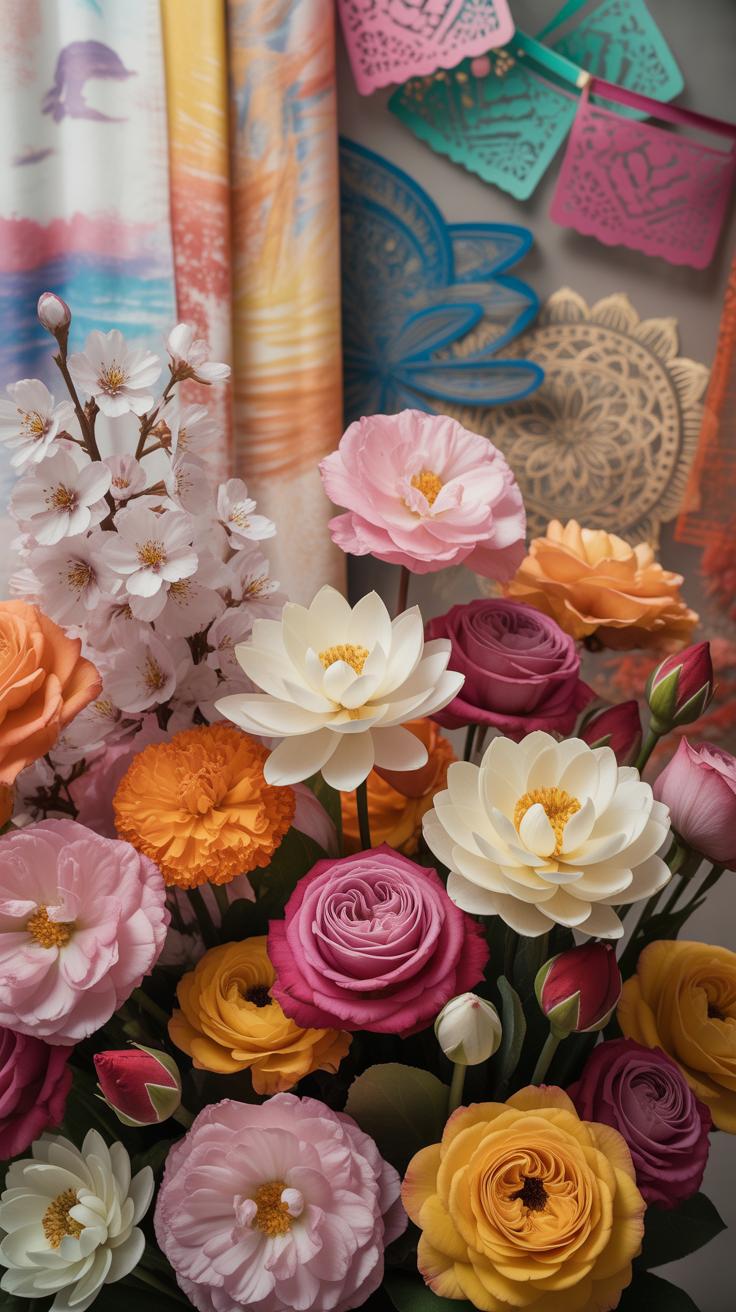
White lilies and chrysanthemums represent purity or motherhood in the West. People buy them for weddings and Mother’s Day gifts. However, these same flowers signal death in many Eastern cultures. In China and Japan, white is the color of mourning. You must never give white flowers to a living person at a celebration. Doing so insults the host and implies a death wish upon their family.
Red flowers also carry conflicting messages between regions. Westerners see red roses as symbols of romantic love and passion. In some Eastern traditions, red signifies luck, wealth, and long life. While both meanings are positive, the tactical application differs. You use red to show desire in London but use it to wish for financial success in Hong Kong. Always verify local color associations before choosing a floral arrangement.
Cultural Occasions Where Specific Flowers Play A Ceremonial Role
Specific flowers define major life milestones in unique cultural settings. The lotus serves as a core symbol in Buddhist traditions across Asia. It represents enlightenment because it grows from mud into a clean bloom. People use it in religious offerings and temple decorations. It provides a visual lesson on overcoming struggle. Understanding this allows you to communicate respect during spiritual ceremonies or formal visits to these regions.
In Mexico, the marigold is the essential flower for the Day of the Dead. Its bright color and strong scent guide spirits back to the world of the living. Families place them on altars and graves every November. This is not a standard gift for a dinner party. It is a functional tool for a specific ritual. Using flowers correctly requires knowing their historical role in these communal events.
Practical Flower Meanings Tips Anyone Can Apply Right Now
How To Build A Meaningful Bouquet Using Flower Meanings By Occasion As Your Guide
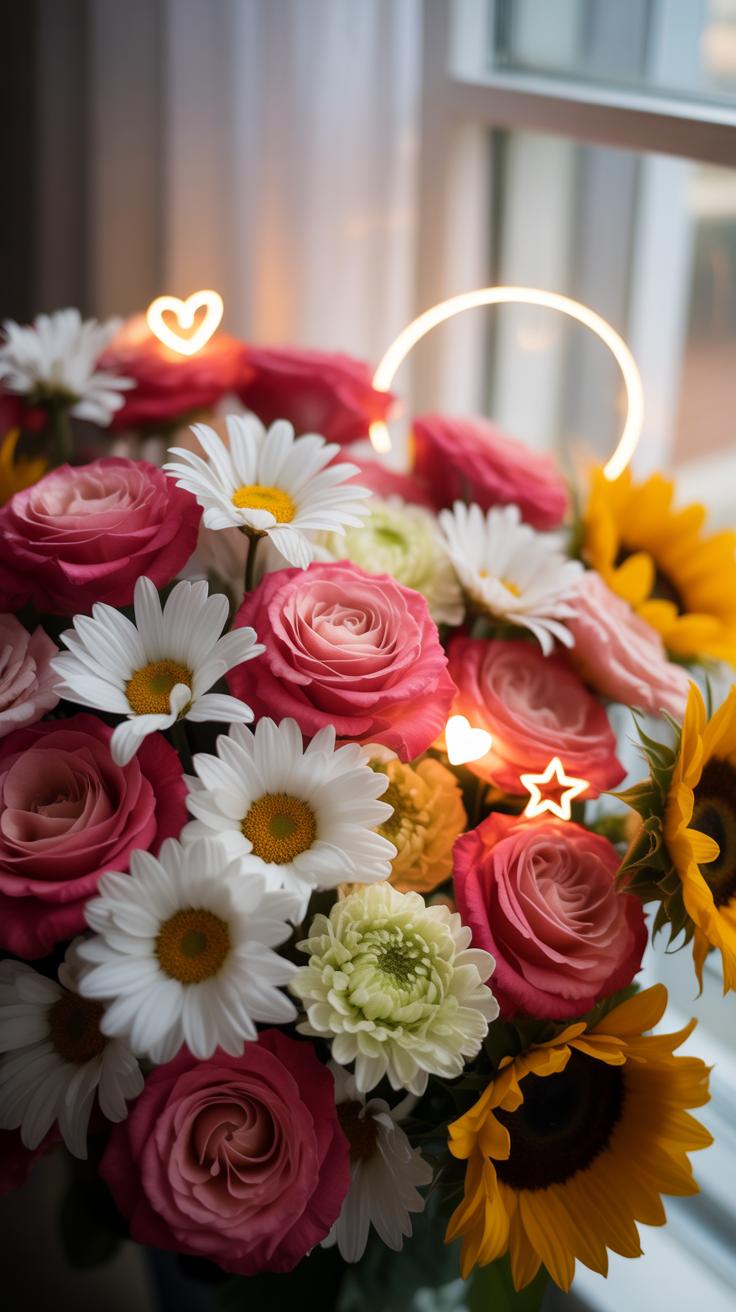
Select a primary focal flower to establish the core message. Use red roses for romantic love or yellow tulips for cheerful thoughts. This central choice dictates the tone of the entire arrangement. Match the flower to the specific event to avoid sending the wrong signal. Accuracy in selection ensures the recipient understands your intent without needing a written card to explain the gift.
Add secondary filler flowers to refine the message. Use white carnations to symbolize pure love or blue hyacinths to represent constancy. These supporting blooms add layers of meaning to your primary message. Balance the colors and types to keep the sentiment clear. A well planned bouquet uses specific botanical symbols to communicate complex emotions. This strategy creates a professional and thoughtful result every time.
Simple Ways To Research And Confirm Flower Meanings Before You Buy
Consult a reliable Victorian floriography dictionary for historical accuracy. Many modern meanings stem from these nineteenth century standards. Check multiple sources to verify that a meaning is consistent across different cultures. Some flowers have negative connotations in certain regions. Avoid relying on a single website or a floral shop sign. Cross referencing ensures your message remains professional and lacks any unintended insults.
Search for botanical names alongside common names to ensure you have the right species. Variations in color often change the entire meaning of a single plant family. Use academic or historical archives rather than marketing materials for the most objective data. Verify the current cultural significance if you are sending flowers internationally. This research phase prevents costly social errors and guarantees that your floral gift maintains its integrity.
Frequently Asked Questions

Why is it important to understand flower meanings before sending a gift?
Understanding flower meanings by occasion ensures your floral gift conveys the right message and respects cultural traditions. Flowers act as a silent language; for example, while red roses symbolize deep romantic love, yellow roses often represent friendship and joy. By learning these simple associations, you can avoid accidental social blunders and ensure your bouquet perfectly matches the sentiment of the event, making your gesture feel truly thoughtful and personalized.
How can I choose the right bouquet if I am unfamiliar with flower meanings by occasion?
If you are new to floral symbolism, start by focusing on the primary emotion of the event. For celebrations like birthdays or promotions, choose vibrant yellow sunflowers or pink carnations which signify gratitude and cheer. For somber events, stick to white lilies for purity and peace. When in doubt, consulting a guide on flower meanings by occasion allows you to select stems that align with traditional etiquette while still looking beautiful.
Can I still send meaningful floral arrangements if I am on a tight budget?
Absolutely! You do not need expensive exotic blooms to send a powerful message. Many affordable, widely available flowers carry beautiful sentiments; for instance, daisies represent innocence and new beginnings, while alstroemeria symbolizes devotion and strength. By focusing on a few intentional stems rather than a massive arrangement, you can create a high-impact gift that feels expensive because of the deep thought and symbolic meaning behind each chosen flower.