
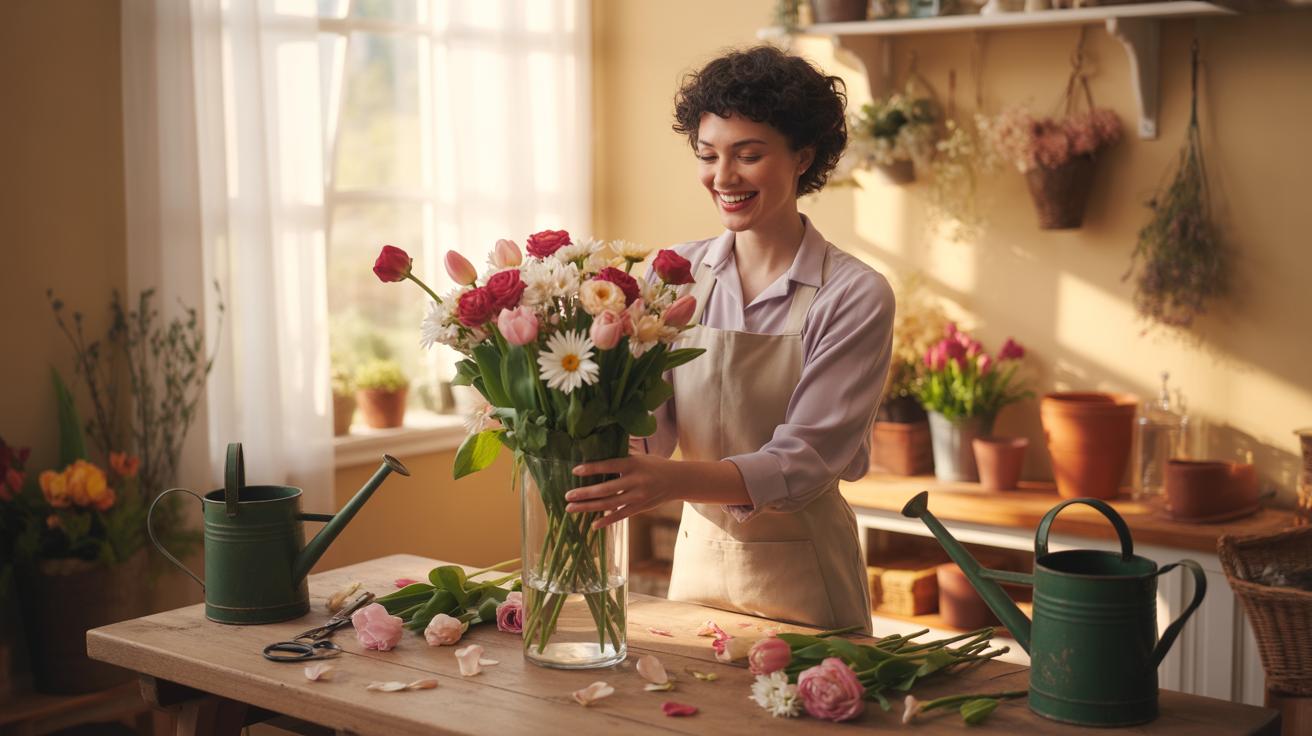
What You Need To Know Before Starting A Flower Business From Home
Understanding The Floral Industry Landscape And Market Demand
The global cut flower market operates on a just-in-time delivery model. Most retail inventory moves through major hubs like the Aalsmeer Flower Auction before reaching local markets. You must identify a specific niche like weddings, subscriptions, or daily deliveries. Demand fluctuates based on the calendar year. Mother Day and Valentine Day drive the highest volume but also increase wholesale costs significantly.
Local sourcing provides a competitive edge in modern floral retail. Consumers now favor seasonal blooms over mass-produced imports due to environmental concerns. You must research your local demographic to ensure they can sustain your price points. High-end events require premium stems like peonies or ranunculus. Daily arrangements often rely on hardier stocks like carnations or roses. Monitor local competitors to find gaps in service.
Setting Realistic Expectations For Your Home Based Floral Business
Running a flower business involves heavy physical labor and strict temperature management. You will spend hours processing stems and cleaning buckets to prevent bacterial growth. Flowers are highly perishable assets with a short shelf life. If inventory does not sell within five to seven days, you lose your investment. You need dedicated cold storage to maintain product quality and prevent premature wilting.
Profit margins depend on your ability to minimize waste and calculate labor costs accurately. Most beginners forget to charge for their time spent designing and delivering. You must also account for rising costs in hard goods like floral foam and glass vases. This business requires early mornings and weekend availability. You are not just a designer. You are a logistics manager responsible for keeping organic matter alive and saleable.

Exploring The Most Profitable Floral Business Ideas For Home Entrepreneurs
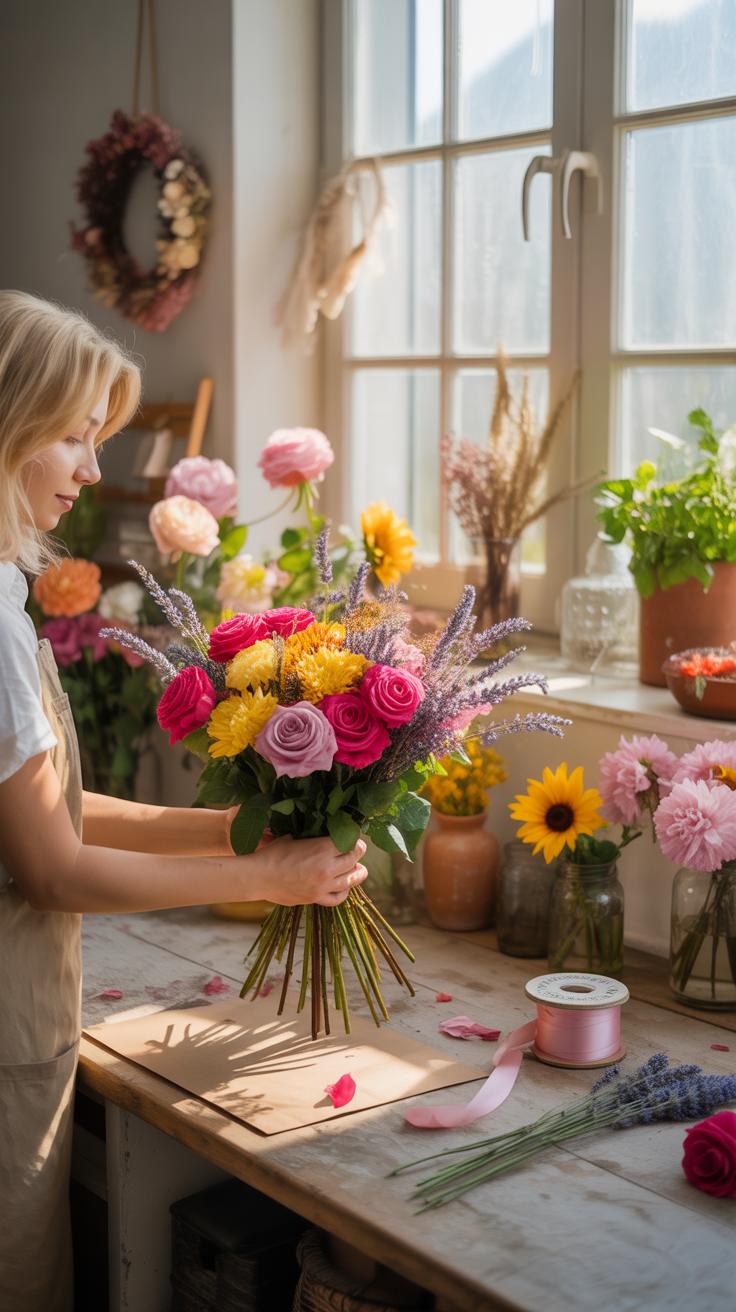
Wedding And Event Floristry As A Lucrative Home Business Niche
Wedding floristry offers high profit margins because clients pay for specialized labor and artistic design. You minimize overhead costs by operating from a home studio or garage. This model focuses on high-value projects rather than daily foot traffic. You must master logistical planning and temperature control. Success requires sourcing fresh inventory exactly forty-eight hours before the event to ensure petal longevity and structural integrity during the ceremony.
Effective event florists use the “cost-plus” pricing method. They track every stem, roll of floral tape, and hour of labor accurately. You should focus on specific design movements like English Garden or Minimalist Ikebana to stand out. Use social media to display your portfolio to local planners. This niche demands strict time management. You will work long hours on weekends to deliver and install arrangements at various venues.
Subscription Flower Boxes And Seasonal Bouquet Services From Home
Subscription models provide predictable recurring revenue for home-based growers. You ship or deliver boxes on a weekly or monthly schedule. This consistency allows you to purchase supplies in bulk and reduce waste. You curate seasonal selections based on what is currently blooming in your region. This approach lowers procurement costs compared to sourcing exotic out-of-season imports. Focus on hardy varieties that survive transport without constant hydration.

Standardize your packaging to streamline the fulfillment process. Use Kraft paper and biodegradable ties to satisfy modern consumer preferences for sustainable materials. Automation tools handle your billing and customer reminders. This reduces administrative tasks so you can focus on floral assembly. High retention rates depend on variety and quality. You must rotate color palettes and textures regularly to keep the subscription interesting for your long-term clients.
How To Start A Flower Business With A Solid Business Plan
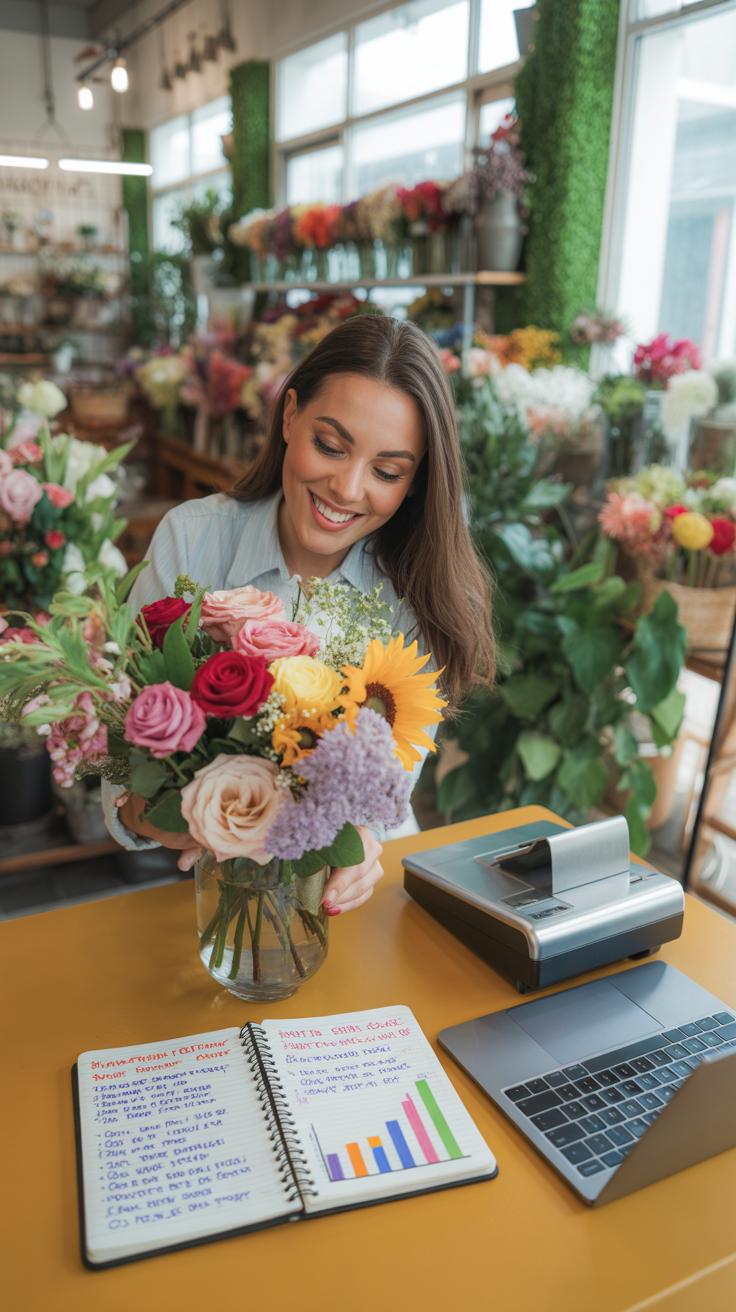
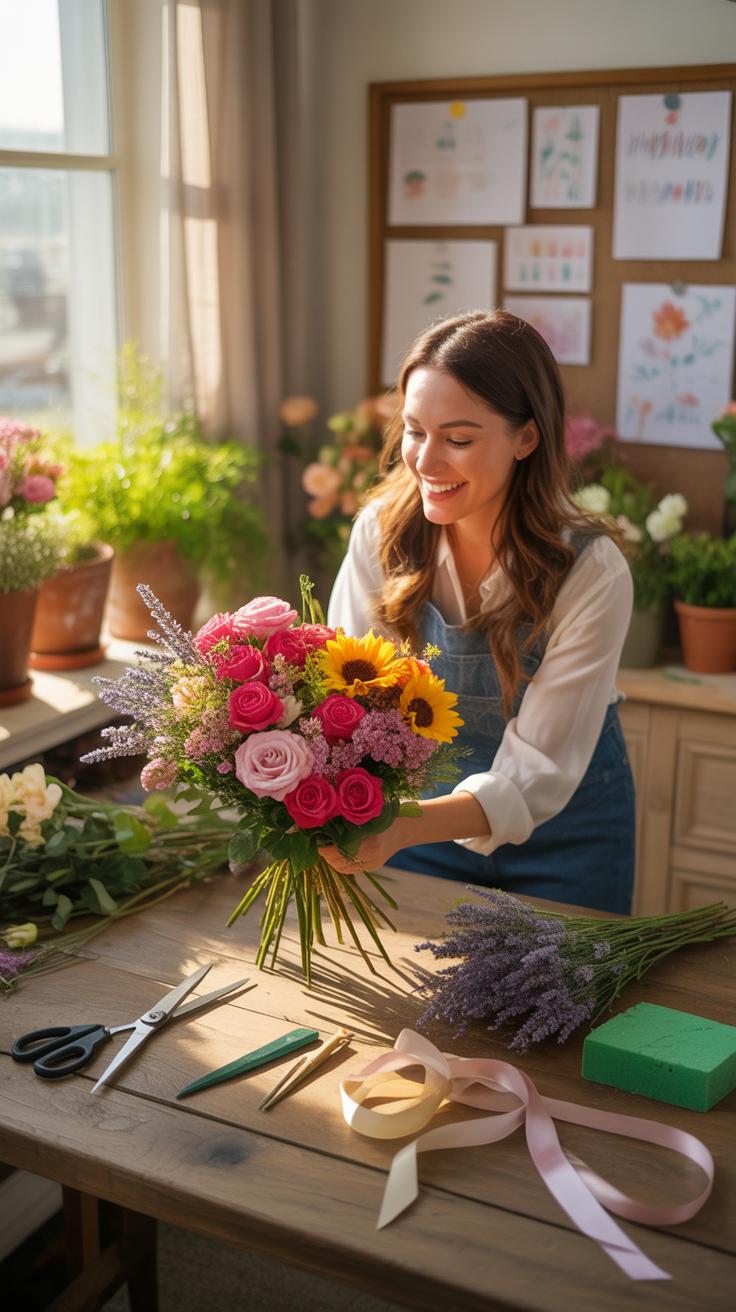
Defining Your Niche, Target Audience, And Pricing Strategy
Successful florists narrow their focus to dominate a specific market segment. You must choose between daily deliveries, wedding installments, or subscription models. Specializing allows you to streamline your toolset and inventory needs. Research your local area to find underserved customers. High-end clients require premium blooms and intricate designs. Budget-conscious buyers prioritize longevity and value. Identify exactly who will buy your flowers before you plant a single seed.
Pricing requires a cold look at your hard costs and local market rates. Use a standard industry markup for materials. Most professionals multiply wholesale flower costs by three or four. Add a labor fee to every arrangement to cover your time. Research competitors to ensure your rates stay competitive but profitable. Never underprice your work just to get sales. Low prices attract difficult clients and lead to business failure.
Budgeting, Startup Costs, And Financial Planning For Your Floral Business
Starting a floral business from home requires careful capital allocation. You need money for high-quality clippers, buckets, and floral foam or wire. Cooling is your biggest operational challenge. A dedicated floral refrigerator prevents stock loss and extends shelf life. Factor in the cost of a business license and liability insurance. These legal steps protect your personal assets. Keep professional funds separate from your personal bank account from day one.

Cash flow management determines if your business survives its first year. Flowers are perishable assets that lose all value within days. Minimize waste by ordering exactly what you need for confirmed orders. Track every expense from ribbons to delivery fuel. Build a reserve fund to cover slow seasonal periods like late summer. Accurate bookkeeping reveals which products make money and which ones drain your bank account. Keep your overhead low to maximize profit.
How To Start A Flower Business From Home With The Right Workspace Setup
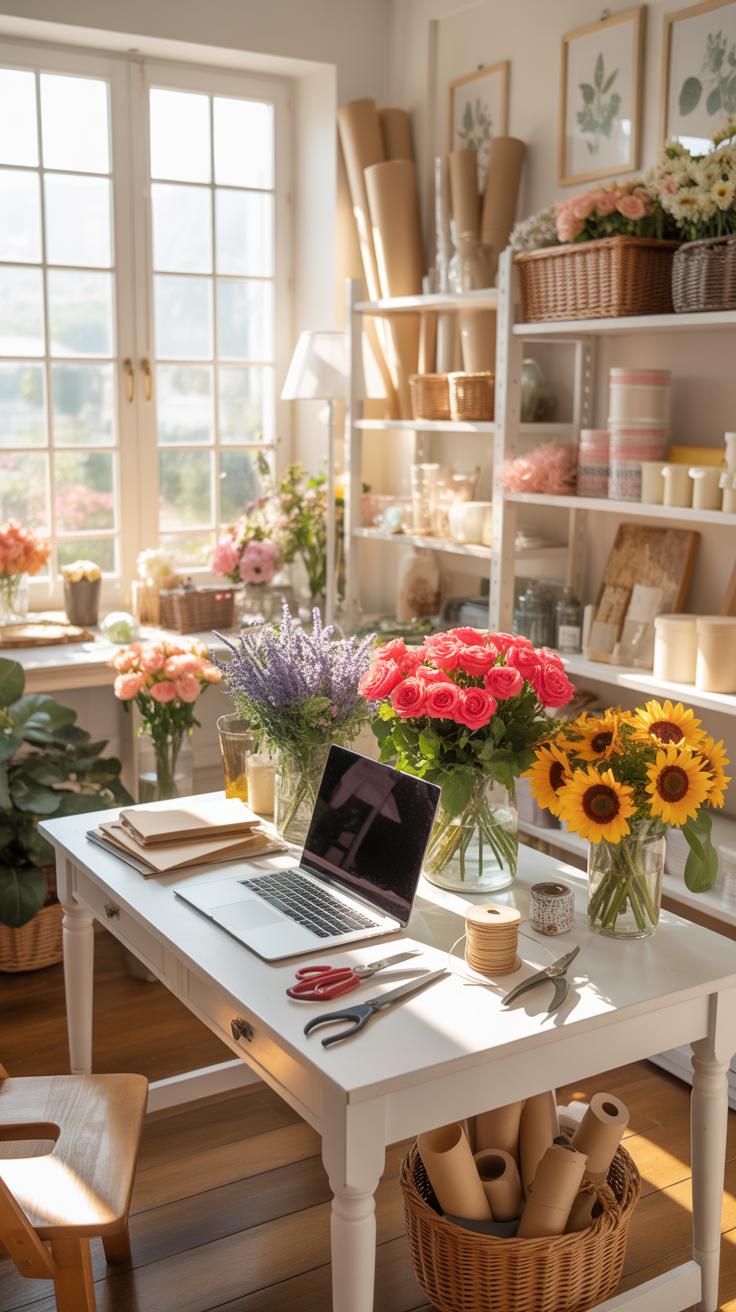
Designing A Functional And Efficient Home Floral Studio
Efficiency in a home floral studio depends on the ergonomic flow between the water source and the assembly table. You must designate a wet zone for processing stems and a dry zone for ribbon and packaging. Concrete or linoleum floors are mandatory because organic debris and water will ruin carpet or hardwood. Ensure your lighting mimics natural daylight to verify color accuracy before delivery.
- Counter Height Tables: Standard kitchen counters are too low for long shifts. Use 36 to 42 inch high workbenches to prevent back strain. Stand-up desks or industrial steel tables allow you to move freely while trimming stems and arranging heavy vases.
- Dedicated Plumbing: You need a deep basin sink with a high-arc faucet and a commercial grade hair trap. This setup prevents drain clogs from leaf fragments and soil. Access to hot and cold water is essential for tempering specific flower varieties after transit.
- Waste Management: Place large trash bins directly under or next to the work surface. Use a multi-bin system to separate green compostable waste from non-recyclable floral foam and plastic sleeves. Rapid waste removal keeps the studio floor clear of slipping hazards and pests.
- Anti-Fatigue Flooring: Hard floors cause joint pain during ten-hour floral shifts. Place thick rubber mats at every standing workstation. These mats provide necessary cushioning and increase your productivity by reducing physical exhaustion during high-volume holiday rushes like Valentine’s Day.
- Wall-Mounted Storage: Use vertical space for spools, wires, and tools to keep the primary work surface clear. Pegboards or slat walls allow you to see your inventory at a glance. Organized storage prevents overbuying and ensures you find critical tools like floral Snips instantly.
Ventilation is the final requirement for a professional home studio. Fresh flowers release ethylene gas which accelerates aging and rot. A room with stagnant air will kill your inventory prematurely. Install a powerful exhaust fan or use an air purifier with a carbon filter to remove gases and mold spores from the environment. This keeps the workspace healthy and the product fresh.
Essential Tools, Supplies, And Cold Storage Solutions For Home Florists
Professional floristry requires specialized cutting tools and temperature control systems. Do not use standard household scissors for stems because they crush the vascular system and block water intake. You need bypass pruners for woody branches and floral snips for soft stems. Invest in waterproof floral tape, chicken wire for sustainable mechanics, and several gauges of floral wire to support top-heavy blooms like ranunculus.

Cold storage is the most expensive and critical asset for your business. A standard kitchen refrigerator is insufficient because it fluctuates in temperature and lacks the necessary humidity. You must use a dedicated floral cooler or a CoolBot system to maintain a steady 34 to 38 degrees Fahrenheit. Proper refrigeration slows the respiration of the flowers. This ensures the bloom stays tight until the customer receives the final arrangement.
How To Start A Flower Shop Online And Build Your Digital Presence
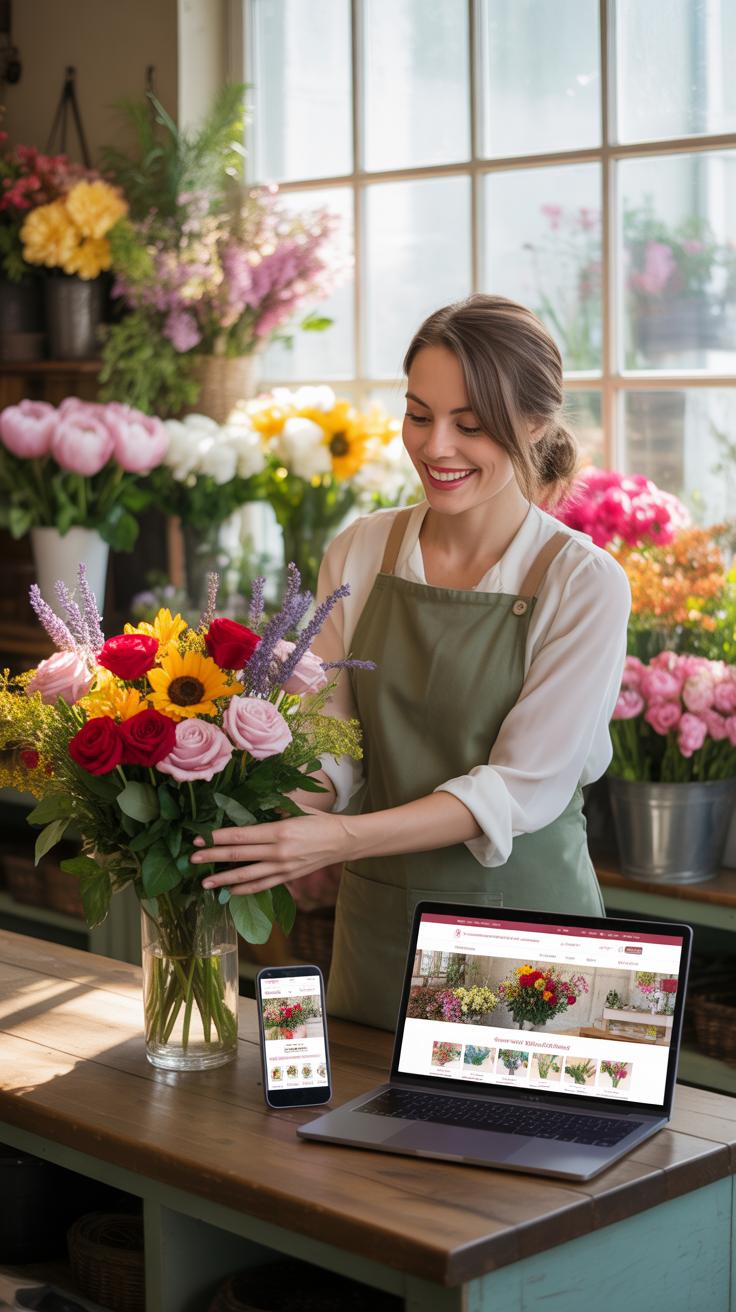
Building A Professional Website And Online Store For Your Flower Business
Your website serves as your primary sales engine. Choose a platform with strong e-commerce tools like Shopify or WooCommerce. Use high-resolution photos with clean backgrounds to show your work. Mobile responsiveness is non-negotiable because most customers order flowers on their phones. Ensure your site loads fast to prevent lost sales. Clear navigation helps customers find specific arrangements and delivery dates quickly.
Integrate a secure payment gateway to handle transactions safely. Specific delivery date pickers are essential for floral logistics. You must manage inventory in real-time to avoid selling out of seasonal blooms. Local SEO tactics will help your shop appear in regional searches. Use clear terms and conditions regarding substitutions and delivery zones. Modern floral software often synchronizes your online storefront with your physical inventory for better accuracy.
Using Social Media And Visual Platforms To Grow Your Floral Brand
Visual platforms like Instagram and Pinterest drive floral sales. Post daily content that shows behind-the-scenes work and finished arrangements. Use natural lighting for all photography to keep colors accurate. Tag your location in every post to reach local buyers. Engage with followers by answering questions about flower care and sourcing. Consistent posting builds trust and keeps your brand visible in crowded feeds.

Paid advertisements allow you to target customers based on upcoming life events. Use Meta Ads to reach people with birthdays or anniversaries in your service area. Short-form video content provides a high engagement rate. Show the process of building a bouquet to demonstrate your expertise. Link your product pages directly to your social profiles for seamless shopping. Strategic collaborations with other local businesses can expand your digital reach effectively.
Sourcing Fresh Flowers And Managing Supply For Your Flower Business
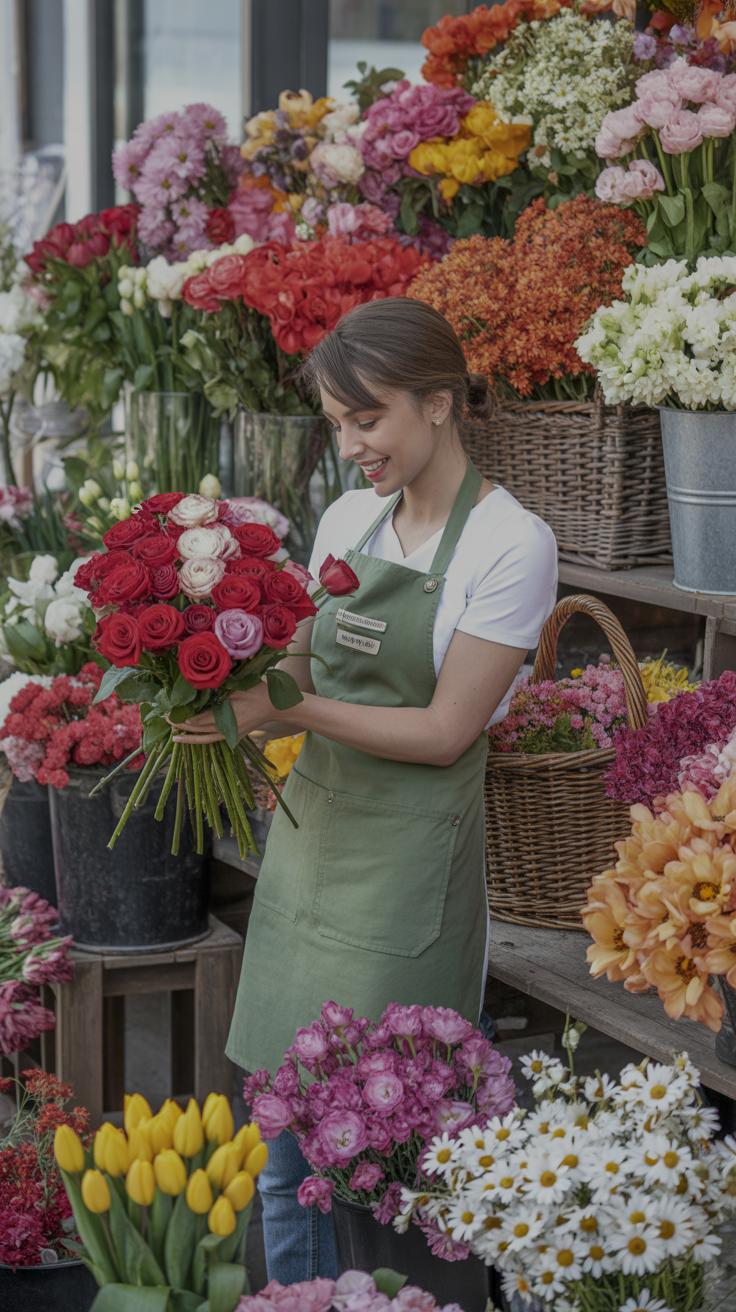
Finding Reliable Wholesale Flower Suppliers And Local Flower Markets
Wholesale suppliers provide the bulk of your inventory. You must obtain a tax identification number and a resale certificate to buy from these warehouses. These documents allow you to purchase products without paying sales tax. Large wholesalers buy from global auctions in the Netherlands or farms in South Africa and South America. Establish a relationship with a dedicated sales representative to secure better pricing and early access.
Local flower markets offer a different advantage. You can inspect the stem quality and petal hydration in person before buying. This reduces the risk of receiving damaged or wilted stock from shipping crates. Markets often feature seasonal blooms from regional growers that national wholesalers do not carry. Compare prices between multiple vendors weekly to maintain your profit margins. Reliable sourcing ensures your business meets high quality standards.
Growing Your Own Flowers At Home To Reduce Costs And Increase Uniqueness
Growing your own stock eliminates the middleman and reduces transportation fees. Start by planting high value varieties that are hard to ship. These include delicate blooms like sweet peas or heirloom dahlias. Use intensive planting methods to maximize small garden spaces. Focus on high yield crops that produce multiple stems per plant. This strategy allows you to offer specialty products that competitors cannot easily source.

Self production requires strict planning and pest management. You must align your planting schedule with your expected sales cycles. Use compost to improve soil health and extend the blooming window. Keep accurate records of bloom times and weather patterns to predict future harvests. Supplementing your wholesale orders with homegrown stems increases your total margin. This tactical move makes your brand stand out in a crowded local market.
Marketing Your Floral Business And Attracting Your First Customers
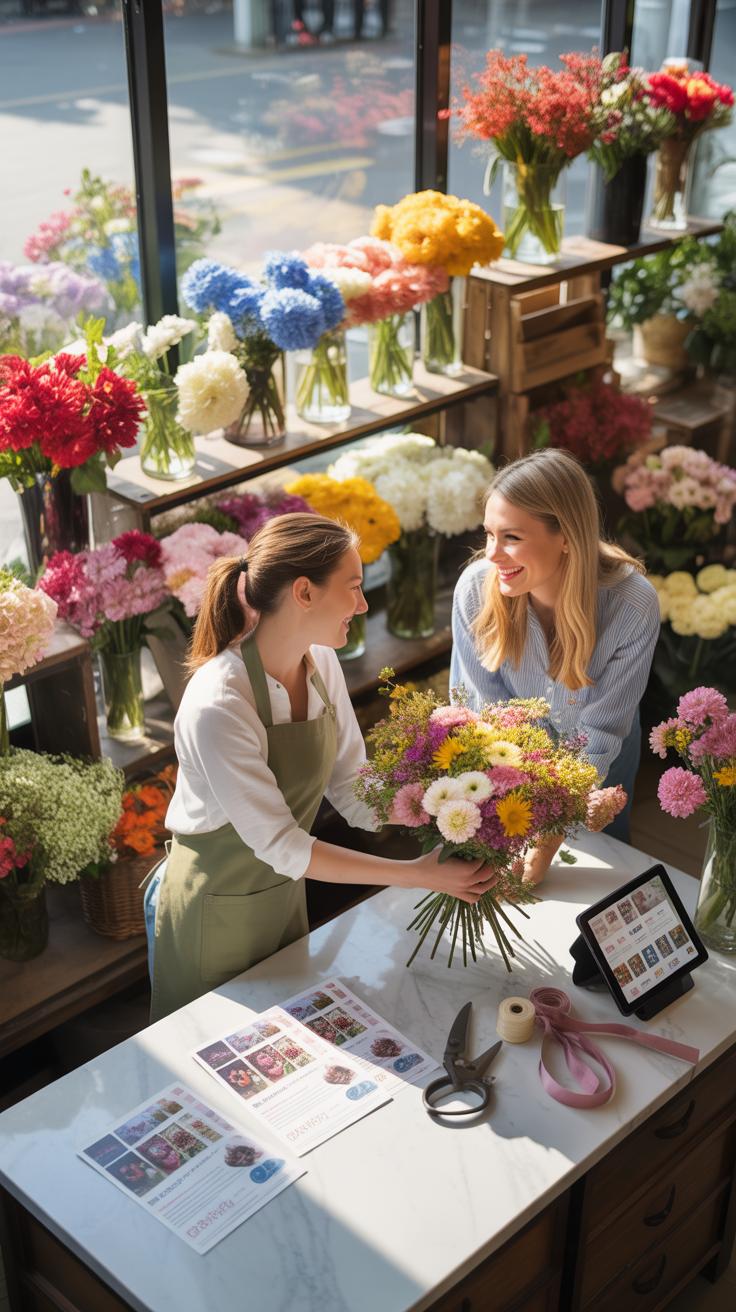
Local Marketing Strategies That Work For Home Based Flower Businesses
Local marketing requires physical visibility and digital precision. You must dominate a small geographic radius to minimize delivery costs and maximize freshness. Use social media to showcase actual inventory rather than stock photos. Tag specific neighborhoods and local businesses to increase local search relevance. Partnering with nearby shops allows you to display your work where your target customers already spend their money.
- Google Business Profile: Set up a verified profile to appear in local map searches. List your service area clearly and update your hours weekly. High quality photos of your arrangements will drive direct calls and website clicks from nearby customers.
- Partnership Pop Ups: Place small arrangements in local coffee shops or boutiques with your business cards. This provides the host with free decor while putting your product in front of qualified buyers. Establish a consistent schedule so repeat visitors recognize your brand.
- Nextdoor Advertising: Use this hyper local platform to announce seasonal flower drops or holiday specials. Residents trust neighbors more than national brands. Post clear pricing and delivery zones to filter leads and save time on administrative inquiries.
- Farmers Markets: Rent a stall to meet your community face to face. Use these events to gather email addresses for your newsletter. Physical interactions build trust faster than digital ads and allow customers to see the quality of your stems.
- Strategic Door Hangers: Target specific high end neighborhoods with professional printed materials. Include a time limited discount code to track the return on investment. Choose homes with well maintained gardens as these owners likely value premium floral design and steady service.
Paid social media ads should focus on a five mile radius. Use video content to show the scale and movement of your flowers. Targeted ads for specific holidays like Mother Day or Valentines Day yield the highest conversion rates. Ensure your website is mobile friendly for quick ordering. Consistent branding across all physical and digital touchpoints builds professional credibility for your home operation.
Where flowers bloom, so does hope, and the most beautiful businesses grow from the simple soil of a dream planted at home.
Building Customer Loyalty And Generating Word Of Mouth Referrals
Retention is cheaper than acquisition. Offer a subscription model to secure recurring revenue and stabilize your cash flow. Send a follow up text two days after delivery to ensure the flowers are still fresh. This small gesture demonstrates accountability and expertise. Provide care instructions with every order to extend the life of the blooms and prove your value as a specialist.

Referrals happen when you exceed expectations on quality and timing. Implement a simple referral program where both the existing customer and the new lead receive a credit. Direct word of mouth creates a self sustaining sales funnel that requires zero ad spend. Encourage satisfied clients to leave reviews on public platforms to build social proof. Reliable service turns one time buyers into long term brand advocates.
Legal Licensing And Business Flowers Business Ideas To Scale Over Time

Registering Your Business, Licensing Requirements, And Home Business Regulations
Starting a home flower business requires a formal legal structure. Register your business as an LLC or sole proprietorship to protect personal assets. Check local zoning laws immediately. Many residential areas restrict commercial activities or customer traffic. You must obtain a general business license from your city or county. This document proves you operate legally within your specific jurisdiction and tax district.
States require a sales tax permit to sell floral products to the public. You must collect and remit sales tax on every transaction. If you purchase wholesale flowers, get a resale certificate to avoid paying tax on your raw supplies. Research agricultural department permits if you grow your own blooms. These agencies monitor for invasive pests and plant diseases to protect the local ecosystem.
Scaling From A Home Floral Business To A Fully Established Flower Brand
Transitioning from a home studio to a major brand requires operational systems. Move beyond word of mouth by investing in a professional website with e-commerce tools. Standardize your floral designs to ensure consistent quality as order volume grows. Tracking your cost of goods sold is essential for maintaining profit margins. Efficient inventory management prevents waste and ensures you only buy what you can sell.

Expansion often involves moving into a dedicated commercial space or warehouse. This move allows for cold storage and bulk processing areas. Hire seasonal staff to handle high-demand holidays like Valentine’s Day. Invest in refrigerated delivery vehicles to maintain product freshness over long distances. Build relationships with global wholesalers to secure a steady supply of exotic stems year-round. Scaling proves your business can survive without your constant manual labor.
Frequently Asked Questions

What are the first steps for a beginner interested in starting a floral venture from home?
Starting a home flower business begins with identifying your niche, such as subscription bouquets, event styling, or dried arrangements. You should research local zoning laws and obtain necessary permits before investing in basic equipment like professional shears and hydrating solutions. Focus on honing your design style by practicing with seasonal blooms. Building a simple portfolio through social media is an excellent way to showcase your creative aesthetic to potential local customers.
How can I effectively source and store fresh blooms for my small home studio?
For those starting a home flower business, sourcing is key to maintaining healthy margins. Establish relationships with local flower farms or wholesale markets to ensure premium quality. Once your stems arrive, use the “cool, dark, and hydrated” rule. Recut stems at an angle, remove submerged foliage, and use floral preservative. While a dedicated walk-in cooler is ideal, a clean, temperature-controlled basement or a dedicated floral refrigerator can keep your arrangements vibrant.
Is it possible to launch a floral shop from home on a limited budget?
Absolutely! You can minimize initial costs by focusing on a “made-to-order” model, which reduces expensive floral waste. Start by using high-quality repurposed vessels and eco-friendly mechanics like chicken wire instead of floral foam. Growing your own “cutting garden” with easy-to-grow varieties like zinnias or cosmos can also provide unique, low-cost fillers. By prioritizing digital marketing over a physical storefront, you can keep overhead remarkably low while building a premium brand.