
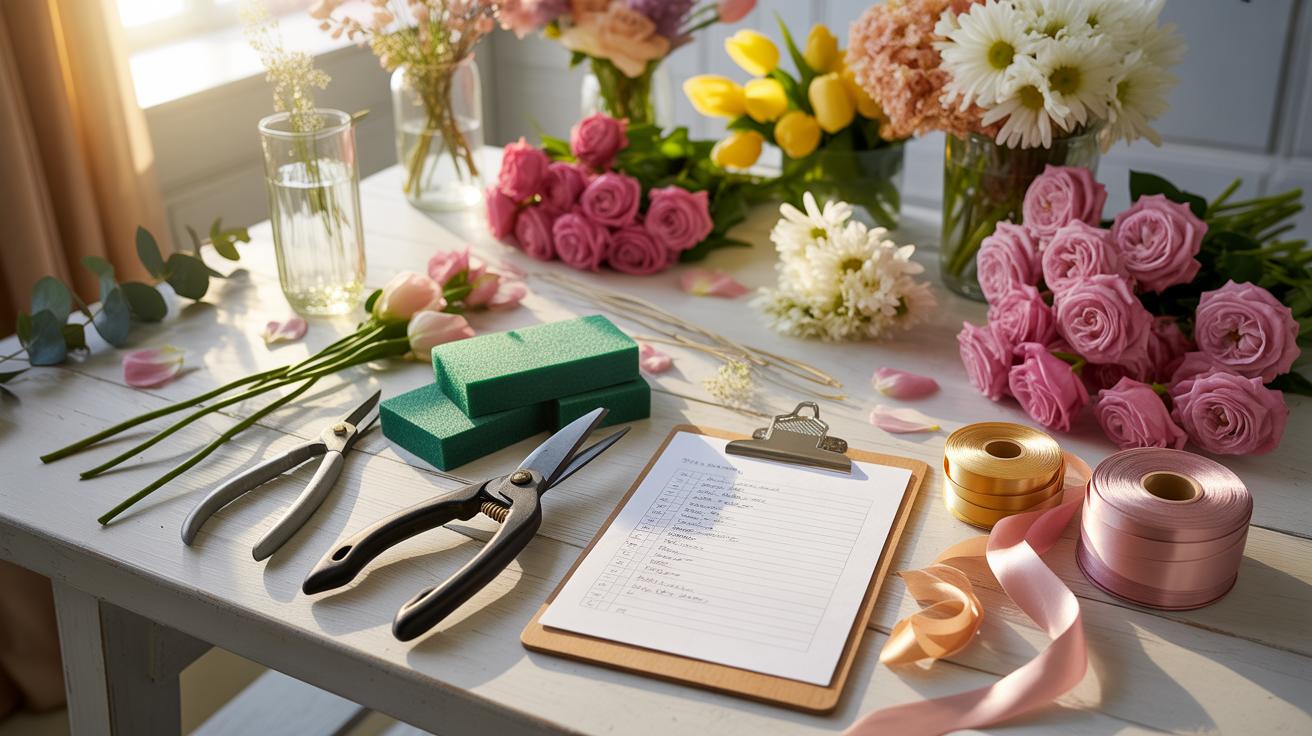
Why A Florist Tools Checklist Is The Foundation Of Every Great Floral Design
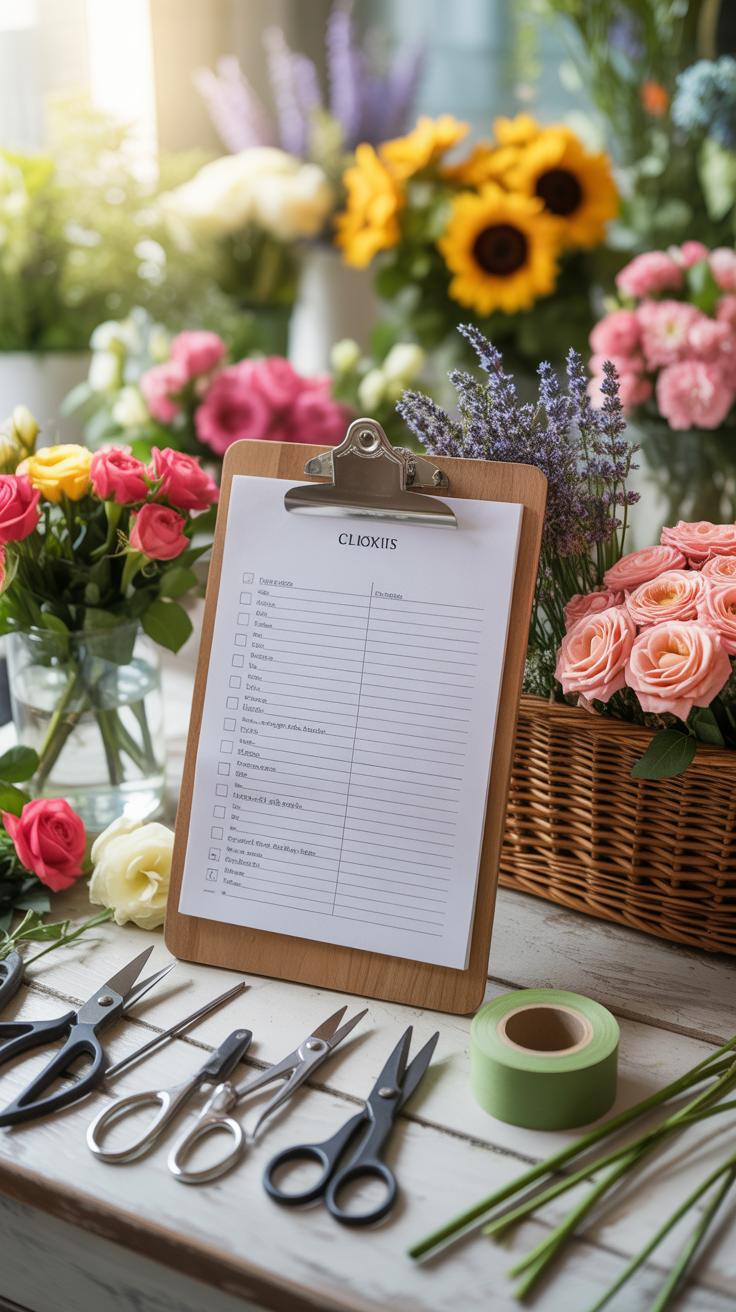
How A Structured Checklist Saves Time And Reduces Costly Mistakes In The Studio
Professional floristry relies on operational efficiency. A checklist prevents the loss of Billable hours spent searching for misplaced shears or floral tape. When a studio lacks a standardized tool inventory, workflow halts. These delays disrupt the tight schedules required for event installs. Using a formal list ensures every designer has the necessary mechanical aids. This precision eliminates the need for last minute runs to wholesalers.
Inventory management directly impacts your profit margins. Improper tool maintenance leads up to premature equipment replacement costs. A checklist forces regular inspection of blades and wire cutters. Dull tools crush stems and shorten the lifespan of flowers. By tracking tool condition, you avoid damaging expensive botanical inventory. Systematic checks reduce waste by ensuring every cut is clean and every mechanical bond is secure.
The Connection Between Professional Preparation And Consistently Beautiful Arrangements
High level floral design requires specific mechanical foundations. A checklist ensures you have the right gauge wire and adhesives for complex structures. Modern movements like foam free design demand specialized grids and kenzans. Without these specific tools, arrangements lose their structural integrity. Preparation allows the designer to focus on color theory and balance. Proper tools translate the creative vision into a stable physical form.
Clean tools prevent the spread of bacteria in water. A checklist includes sanitation steps for buckets and knives. This step is critical for plant health and longevity. Professional preparation separates hobbyists from experts. Using the correct tool for each stem type prevents wilting and breakage. Consistency comes from repeatable processes. A standard tool set ensures that every arrangement meets the same quality control standards every time.

The Core Floral Design Tools Every Florist Should Own In 2024
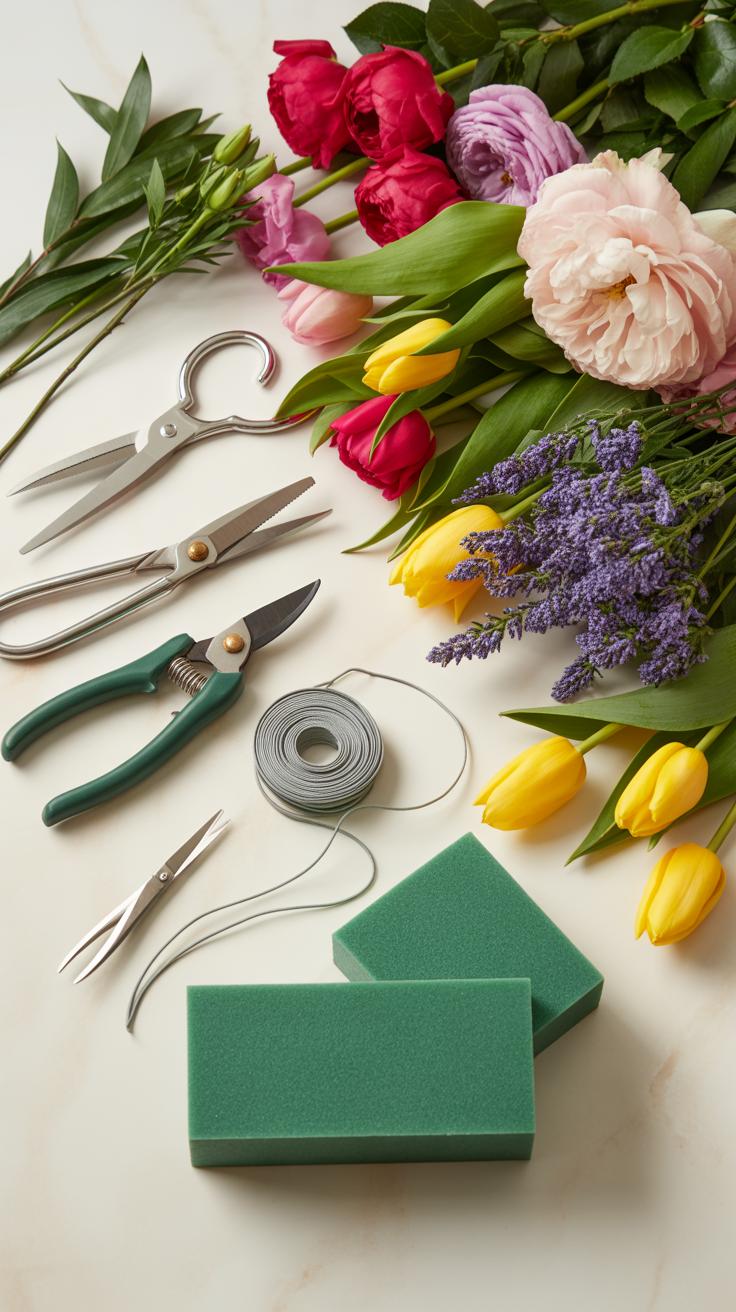
Cutting And Trimming Instruments That Form The Backbone Of Any Floral Design Tools List
Precision cutting tools dictate the lifespan of every floral arrangement. Professional florists must maintain a toolkit that includes sharp bypass pruners and high quality floral snips. These tools allow for clean breaks without crushing the cellular structure of the plant. Proper cuts ensure maximum water uptake and prevent premature wilting. You cannot rely on household blades for commercial grade floral production.
Efficient stem management requires specific edge geometry for different materials. Use heavy duty shears for woody branches and delicate snips for soft green stems. This strategic tool selection reduces hand fatigue during long shifts. Clean tools also prevent the spread of bacteria between various bunches of flowers. Maintaining sharp edges is a nonnegotiable task for any serious designer aiming for technical excellence.
How High Carbon Steel Floral Knives And Shears Outperform Standard Scissors For Stem Work
High carbon steel offers superior edge retention compared to standard stainless steel. This material allows for a thinner and sharper blade profile. A sharp floral knife creates a clean slanted cut that increases surface area for hydration. Standard kitchen scissors often pinch the stem and block the vascular system. Professional grade steel ensures your tools stay functional through thousands of repetitive cuts.
Durability and precision define the value of carbon steel in a professional setting. These blades resist bending and snapping under pressure from thicker stems. While these tools require regular oiling to prevent rust they offer unmatched performance. Invest in carbon steel to achieve surgical accuracy in your design work. This choice directly impacts the professional quality and longevity of your finished floral products.
Building Your Flower Arranging Tools List From Basics To Professional Grade
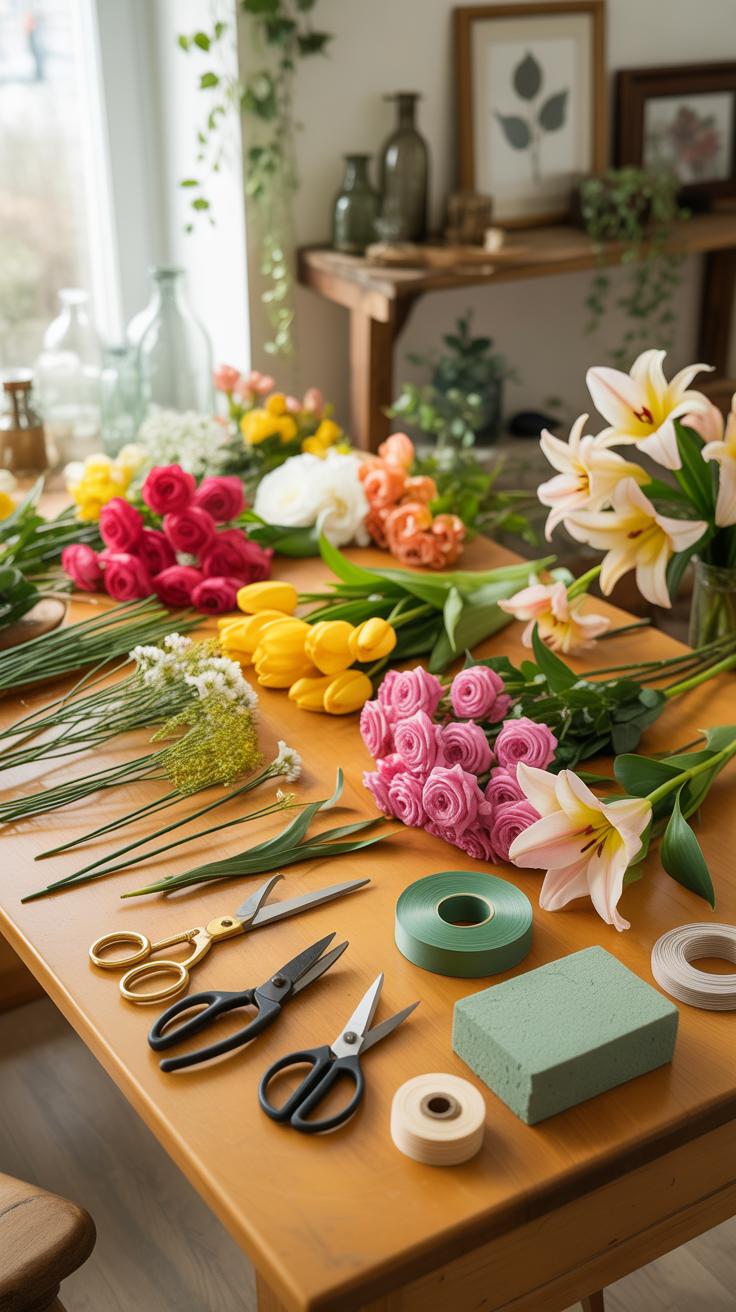
Essential Mechanics And Structural Aids That Every Flower Arranging Tools List Must Include
Stability determines the lifespan and appearance of any floral design. You cannot rely on stems to stay in place without internal support. Mechanics provide the hidden architecture for both traditional and modern styles. Professionals select these items based on the weight of the blooms and the container shape. Proper mechanical selection prevents arrangement collapse during transport and ensures consistent water hydration for every stem.
- Floral Foam: This synthetic phenolic plastic holds many times its weight in water. It provides a firm base for precise stem placement in non-transparent containers. Use high-density foam for thick woody stems and standard foam for delicate spring bulb flowers to ensure stability.
- Waterproof Floral Tape: This adhesive secures foam or chicken wire to the container rim. It resists moisture and temperature shifts. Apply it to a dry surface before adding water to create a stable anchor point for your entire structural foundation.
- Chicken Wire: This flexible mesh allows for natural stem movement while providing excellent structural support. Florists use it as a sustainable alternative to foam. It works best in heavy vases to create a grid that holds large quantities of foliage and heavy flower heads.
- Pin Frogs: These heavy metal bases feature upright needles to hold stems in place. They originated in Japanese Ikebana design and prioritize minimalism. Use them in shallow bowls where you want to show the water and create a clean, modern aesthetic without visible mechanics.
- Stem Wire: These thin metal rods come in various gauges to reinforce weak stems or create artificial ones. Lower gauge numbers indicate thicker wire for heavy blooms like gerberas. Wiring prevents drooping and allows you to manipulate flower heads into specific angles for dynamic focal points.
Wire cutters and floral shears are necessary to manipulate these materials effectively. Using the wrong tool for the job ruins your blades and slows down your production time. Keep your mechanics clean and dry before use to prevent bacterial growth. Effective structural aids remain invisible to the viewer. Your goal is to create a design that looks effortless but remains physically secure under all conditions.
To paint a truly beautiful garden, a florist must hold the right tools as tenderly as the blooms themselves. Staying mindful of each new advancement ensures that the timeless art of the bouquet never fades.
Understanding The Difference Between Beginner And Professional Flower Arranging Tools
Entry level tools focus on comfort and versatility for light use. Beginners often use multipurpose kitchen shears or thin craft wire. These items work for small home bouquets but fail under heavy daily workloads. Low quality steel dulls quickly and crushes delicate stem tissues. This damage blocks water intake and kills the flowers prematurely. Professional tools prioritize durability and precision for high volume production.

Professional grade tools utilize high carbon steel and ergonomic designs for repeated use. Serrated floral knives and heavy duty bypass pruners are industry standards. These tools provide clean cuts that maximize surface area for water absorption. Pros invest in specialized equipment like bunch cutters and specialized stem strippers. These upgrades reduce physical strain on the florist and increase the speed of the assembly process during busy holiday shifts.
Florist Essentials The Non Negotiable Supplies That Belong In Every Workspace
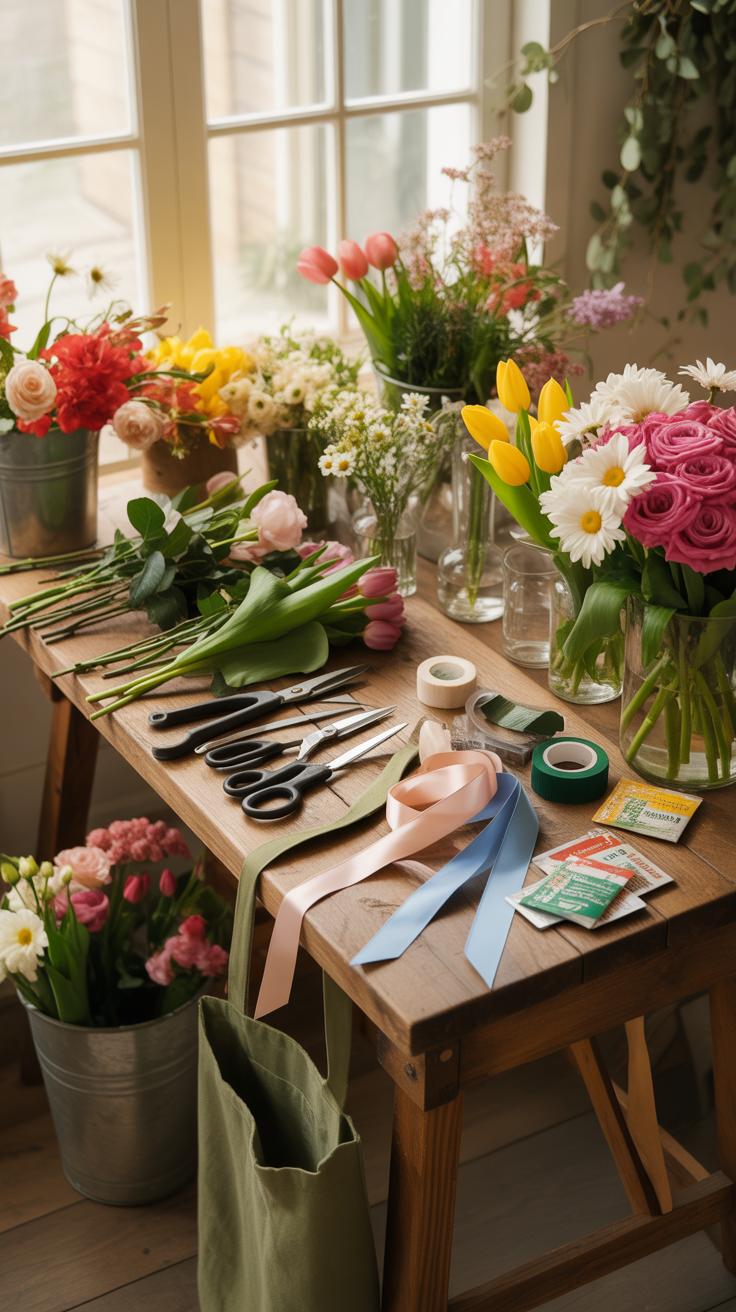
Waterproof Aprons, Gloves, And Protective Gear As True Florist Essentials For Daily Use
Professional florists face constant exposure to moisture and thorns. A heavy-duty waterproof apron protects clothing from organic stains and chemical treatments. This gear must feature reinforced pockets for quick access to shears. Durable fabrics like waxed canvas or vinyl prevent water from soaking through to the skin. Staying dry is a matter of safety and health during long shifts in cold floral refrigerators.
Technicians also require specialized gloves to prevent infections. Rose thorns carry bacteria and fungi that cause sporotrichosis. Nitrile gloves provide tactile sensitivity for delicate wiring tasks. Heavier leather or reinforced synthetic gauntlets protect the hands during brush clearing and foliage stripping. Proper protective gear reduces injury rates and keeps the workflow steady. Every Florist Tools Checklist must prioritize skin protection to ensure long-term career viability.
Why Proper Hydration Buckets And Water Tubes Are Critical Florist Essentials For Flower Longevity
Flower longevity starts with clean hydration vessels. Bacteria growth in dirty buckets clogs stems and kills blooms prematurely. Use non-porous plastic or stainless steel containers that are easy to sanitize. These buckets must support the weight of tall stems without tipping. Proper hydration requires deep water to create hydrostatic pressure. This pressure forces water up the xylem to keep the flower heads turgid.

Water tubes serve a different tactical purpose in floral design. They provide a continuous water source for individual blooms in bouquets or installations. These tubes allow stems to stay hydrated when they cannot reach the main reservoir. Check for tight-fitting rubber caps to prevent leaks. Using tubes correctly extends the shelf life of high-value focal flowers. Professional florists rely on these tools to maintain quality during transport and events.
What Belongs In A Complete Florist Tools Kit For On Location And Event Work
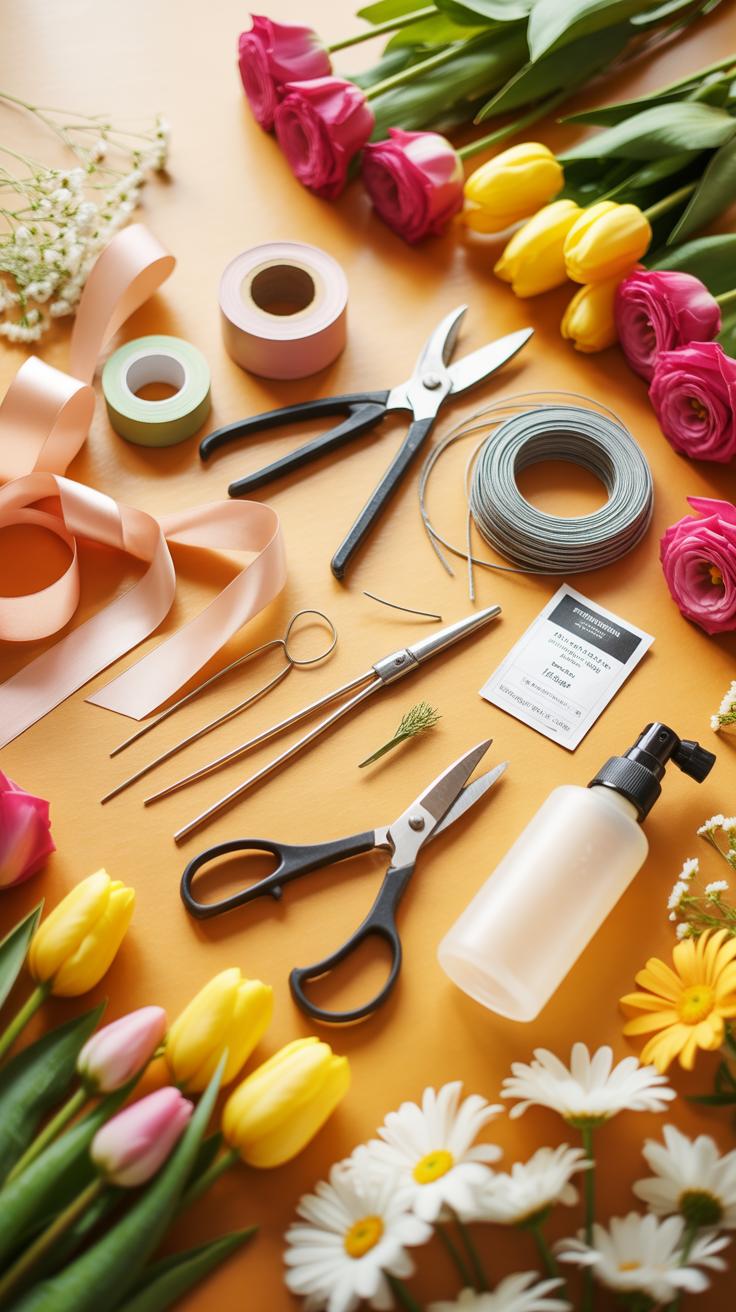
Portable Florist Tools Kit Configurations That Professional Wedding And Event Florists Rely On
Successful event florists use a modular kit system for on-site execution. You must separate your primary cutting tools from your heavy installation hardware. Essential kits include high-carbon steel shears, reinforced floral wire, and waterproof tapes. These tools must handle rapid stems prep and last-minute repairs. Proper configurations ensure you never hunt for a knife while standing on a ladder during a setup.
Your mobile kit needs redundancy for high-stress environments. Professionals carry two types of adhesive: cold floral glue and heavy-duty bouillon wire. You also need a specialized strike bag for quick access to zip ties and multi-tools. This setup allows for immediate adjustments to bridal bouquets or large-scale floral arches. Fast access to these specific items prevents delays during tight installation windows at wedding venues.
Compact Storage Solutions That Keep Your Florist Tools Kit Organised And Field Ready
Hard-shell rolling cases offer the best protection for expensive floral shears and electronics. These cases prevent moisture damage and keep your inventory visible. Use foam inserts or clear pouches to categorize items by function. This organization method allows helpers to find exactly what they need without asking questions. Efficient storage saves time during the cleanup phase when equipment often goes missing.

Wearable tool belts or holsters keep your most used items on your person. This tactic is vital for large venues where walking back to a central toolbox wastes hours. Choose leather or heavy canvas materials that resist punctures from sharp thorns and wire. Well-organized storage ensures every tool has a dedicated home. This discipline maintains your professional image and extends the lifespan of your professional floral gear.
Trending Additions To The Modern Floral Design Tools List In 2024
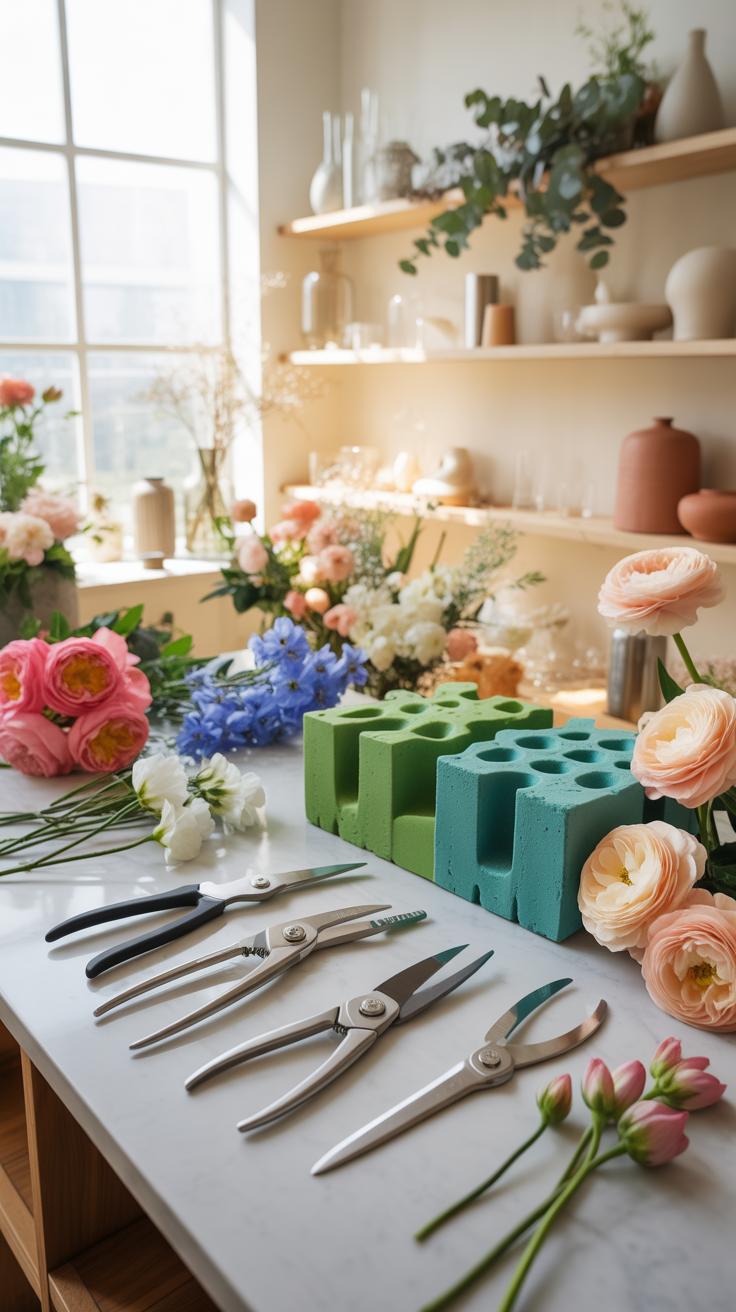
How Ergonomic And Sustainability Focused Designs Are Reshaping The Floral Design Tools List
Modern florist tools now prioritize user health and environmental impact. Repetitive strain injuries are common in high-volume shops. Manufacturers are responding with spring-loaded shears and contoured handles. These designs reduce the hand strength required for every cut. Florists are swapping heavy traditional pruners for lightweight carbon fiber versions. This shift prevents long-term wrist damage and increases daily output speeds during busy wedding seasons.
Sustainability efforts have removed single-use plastics from the professional tool kit. Designers now use reusable metal frogs and chicken wire instead of floral foam. These mechanics require specific wire cutters and heavy-duty pliers that can handle thicker gauges. Biodegradable tapes and hemp twines are replacing synthetic adhesives. Professional tool lists now reflect a commitment to eco-friendly mechanics. This change reduces waste and meets the demands of modern eco-conscious clients.
Smart Studio Gadgets And Precision Tools That Are Making Their Way Onto Every Florist’S Radar
Smart technology is entering the floral studio to improve flower longevity. Precision hydration sensors now monitor water levels and temperature in real time. These digital tools prevent premature wilting of expensive inventory. Mobile apps sync with these sensors to alert staff of environmental changes. Professionals use these gadgets to maintain strict quality control. Accuracy in the cold chain reduces financial loss from spoilage and ensures customer satisfaction.

Precision cutting tools have undergone significant upgrades for cleaner stem grafts. Ultra-sharp Japanese steel knives provide the cleanest vessel entry for water absorption. Modern studios use laser-guided cutters for perfectly straight ribbon edges and packaging. These tools eliminate frayed edges and wasted materials. High-tech glue guns with variable temperature settings prevent petal burn on delicate varieties. Every new tool focuses on speed and the preservation of the raw product.
The Florist Tool Kit Upgrade Guide When To Replace Repair Or Invest In Better Equipment
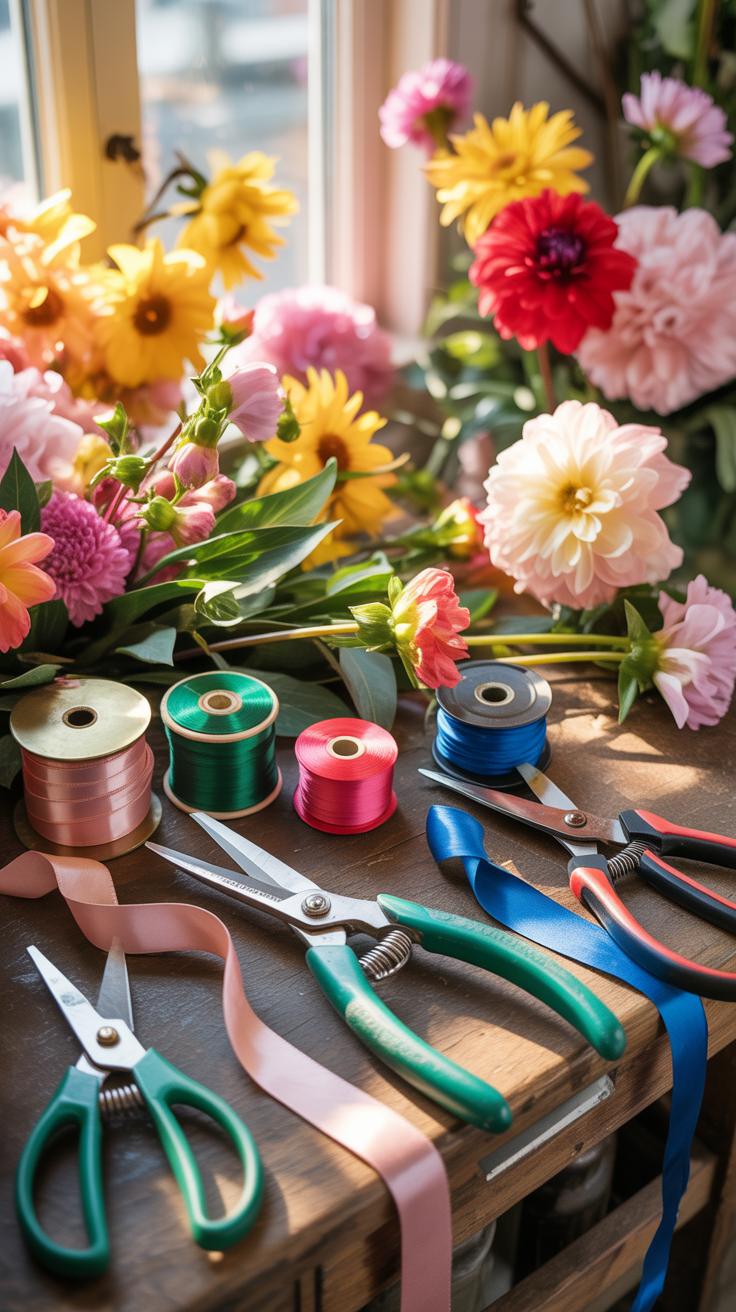
Clear Signs That Your Florist Tool Kit Needs Replacing And How To Assess Tool Wear Properly
Tool failure begins with a loss of edge geometry and mechanical tension. Inspect blades for light reflections that indicate dullness or nicks. If shears crush stems rather than slicing through vascular tissue, they require immediate attention. Check the pivot bolt for excessive play or rattling. A loose joint prevents clean contact between blades. This compromise destroys the plant cells and shortens the vase life of the flowers.
Replace nylon or plastic handles if they show stress fractures or deep gouges. Chemical exposure from preservatives often weakens cheap materials over time. Test your wire cutters by checking for gaps in the bite. If you must apply double pressure to snap a standard floral wire, the metal has fatigued. Do not attempt to sharpen specialized serrated knives by hand. Incorrect filing ruins the specific tooth pitch required for thick woody stems.
Budgeting Strategies For Gradually Upgrading Your Florist Tool Kit Without Disrupting Cash Flow
Allocate a set percentage of monthly revenue to an equipment fund. Professional grade carbon steel tools cost more upfront but last years with proper care. Start by replacing your most used item first. This is usually your bypass pruners or floral knife. Use a rotation system to avoid large lump sum expenses. Buy one high quality tool every quarter to modernize your kit without impacting your daily operating capital.

Track the lifespan of every tool in your inventory. This data shows which brands withstand high volume work and which fail early. Invest in tools with replaceable parts like springs and pins to lower long term costs. Avoid buying cheap bulk sets that contain items you do not use. Focus your spending on ergonomic designs that reduce wrist strain. Lowering the risk of repetitive motion injuries saves more money than buying bargain shears.
A Practical Florist Tools List Breakdown By Specialty Weddings Funerals And Retail
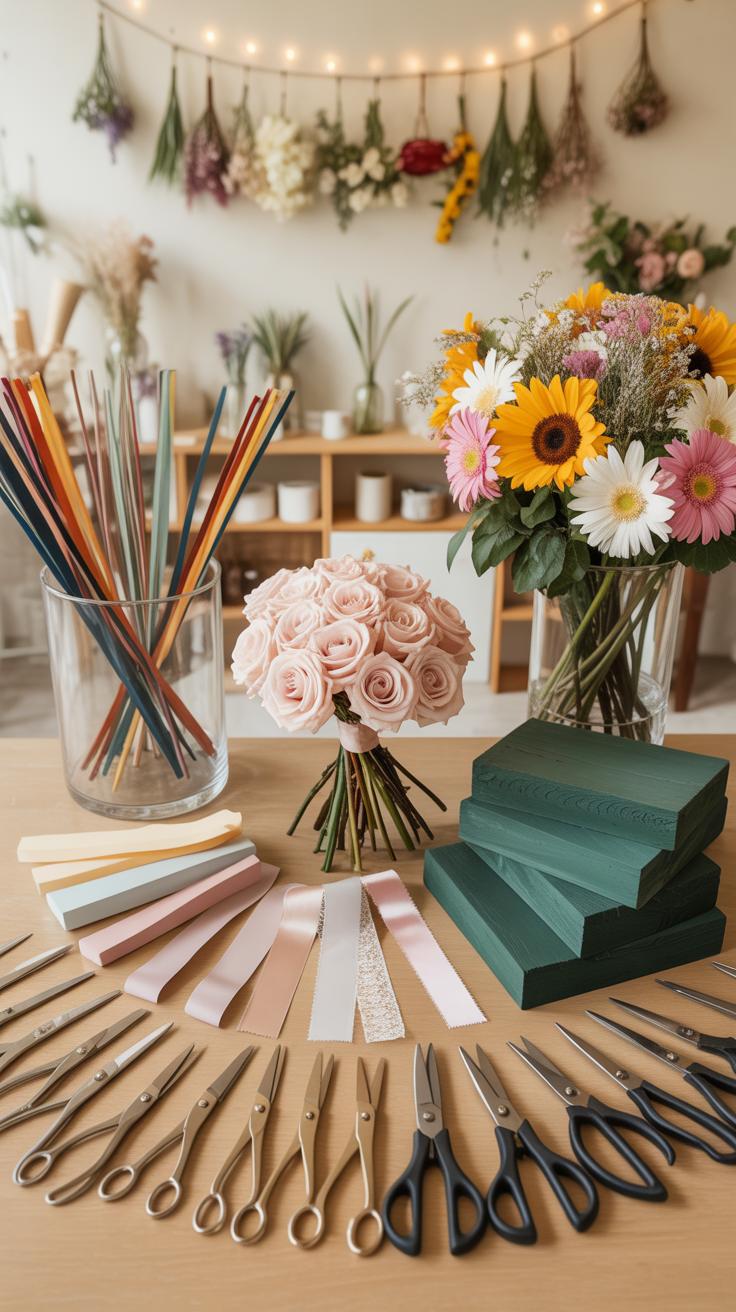
How The Florist Tools List Differs Across Wedding, Sympathy, And Everyday Retail Design Work
Retail floristry requires speed and durability for daily sales. These shops prioritize high volume processing tools like industrial stem cutters and rose strippers. Efficiency keeps labor costs low for standard bouquets and vase arrangements. Retailers stock general purpose shears and sharp knives for quick assembly. They focus on tools that handle varied stems often found in mixed seasonal shipments. Success here depends on rapid turnover and clean cuts.
Event work demands precision and structural integrity. Wedding designs use delicate tools for fine mechanics like boutonnieres and heavy duty hardware for large installations. Sympathy work relies on specialized frames and soakable foam bases for tribute sprays. These funeral pieces need secure anchoring to withstand transport and outdoor display. While retail tools emphasize speed, event tools focus on construction. Designers shift between fine wire and power tools based on the specific job.
Specialty Wiring, Foam, And Corsage Tools That Belong On A Dedicated Event Florist Tools List
Event florists need specialized kits to build complex structures. These items allow for gravity defying installations and secure personal wear. Standard retail tools lack the strength or finesse for large scale arches or intricate hair pieces. You must select tools that provide mechanical stability without adding unnecessary weight. Reliable hardware prevents design failure during high stakes ceremonies. Always carry backups of these critical items to handle on site emergencies.
- Bull Wire: This thick gauge aluminum wire provides the main skeleton for large installations. It is flexible enough to shape but strong enough to hold heavy floral branches. Use it to create structural grids on pillars or hanging chandeliers.
- Cold Floral Adhesive: This specialized glue works on living petals without causing wilt or brown spots. It is essential for corsages and jewelry work where wire cannot hidden easily. It bonds quickly and resists moisture better than hot melt options.
- Floral Cage foam: These pre-wrapped plastic cages protect the foam and provide built-in eyelets for hanging. They are vital for funeral sprays and wall installations. The cage prevents the foam from crumbling under the heavy weight of water and thick stems.
- Corrosion Resistant Snips: High humidity and wet foam destroy cheap blades quickly. Invest in carbon steel snips with a specialized coating to maintain a sharp edge. These tools handle thin gauge wires and soft green stems during the final detailing process.
- Waterproof Finishing Sealer: This spray seals the stomata on cut blooms to prevent moisture loss. It is critical for events where flowers sit out of water for many hours. Application ensures that delicate items like hydrangeas stay crisp and turgid throughout the entire wedding day.

Organization of these tools saves time during the setup window. Use a dedicated kit for on site installations to avoid searching for misplaced items. Keep sharp wire cutters separate from your floral shears to prevent blade damage. Proper maintenance of event tools ensures they perform when pressure is high. A well stocked kit reflects a professional approach to high value floral contracts. Keep your kit clean and ready for immediate deployment.
Sourcing Quality Flower Arranging Supplies Where Professionals Shop And What To Look For
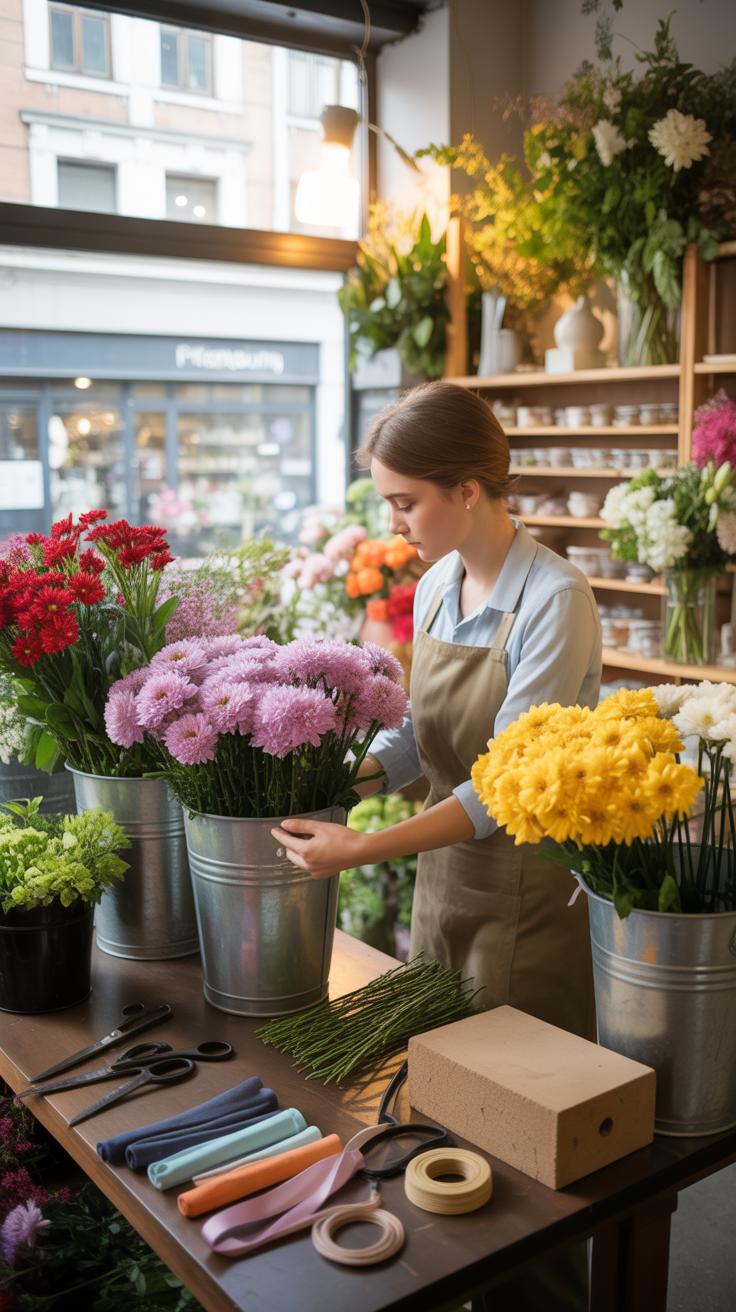
Trusted Wholesale And Trade Suppliers That Consistently Deliver Quality Flower Arranging Supplies
Professional florists avoid retail chains. They buy from dedicated floral wholesalers like BFG Supply or Kennicott Brothers. These distributors provide commercial grade knives and shears that hold an edge longer. Established trade suppliers verify business licenses before selling. This ensures you access hardware that standard hobby stores do not stock. Buying wholesale reduces your unit cost and ensures consistency across large event setups.
Reliability defines a good supplier. Look for vendors that specialize in specific brands like Victorinox for knives or ARS for pruning shears. Regional wholesalers often provide better shipping rates on heavy items like floral foam or large wire gauges. For hard goods, shop with companies that have a long history in the green industry. They understand the mechanical requirements of pro-level tools and offer better warranty support.
How To Evaluate Durability, Grip, And Material Quality When Purchasing Flower Arranging Supplies
High carbon steel is the standard for professional cutting tools. It maintains a sharp edge under heavy use despite exposure to water and sap. Avoid stainless steel for your primary shears because it dulls too fast. Check for full tang construction on knives for better stability. The tool must feel balanced in your hand. Weight indicates the quality of the metal and the density of the internal components.
Evaluate the handle material for grip and sanitation. High quality tools use non slip surfaces like textured polyamide or reinforced plastic. These materials resist bacteria growth and provide a secure hold when wet. Check the spring mechanism on bypass pruners for smooth action. A cheap spring will fatigue your hand within an hour of processing stems. Choose locking mechanisms that you can operate with one hand for maximum speed.
Maintaining And Caring For Your Flower Arranging Tools To Maximise Their Lifespan
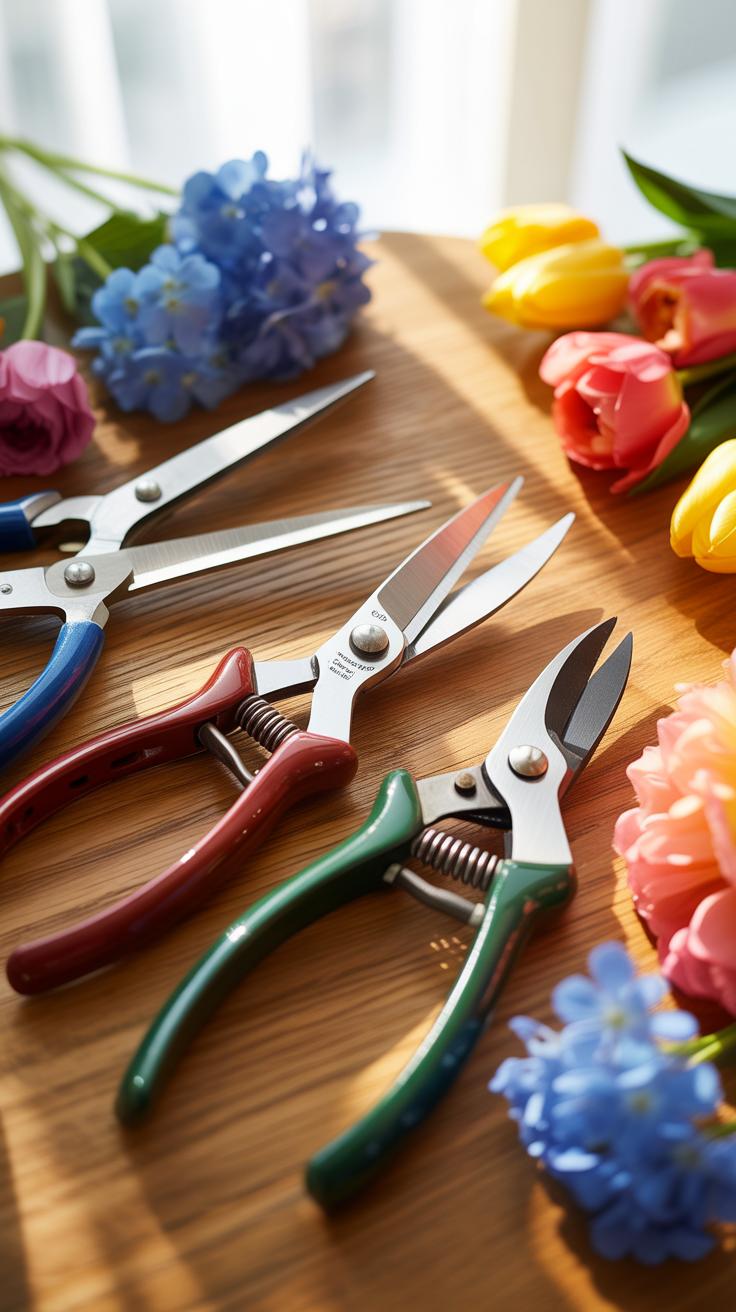
Step By Step Cleaning And Sanitising Routines That Extend The Life Of Your Flower Arranging Tools
Sap and plant debris cause oxidation on metal surfaces. You must scrub your shears and knives after every shift. Use warm water and mild dish soap to remove organic buildup. If sap hardens, apply a small amount of rubbing alcohol to a cloth to dissolve the residue. Dirty tools harbor bacteria that can move into fresh stems and kill your flowers.
Sanitize your equipment daily to prevent cross-contamination between batches. Soak blades in a solution of one part bleach to ten parts water for several minutes. Rinse the tools thoroughly with clean water to prevent chemical corrosion. Dry every surface completely with a lint-free cloth. Trapped moisture leads to rust and pitting which ruins high-carbon steel blades and weakens the metal over time.
Proper Storage Habits And Sharpening Schedules That Keep Flower Arranging Tools At Peak Performance
Dull blades crush stems instead of cutting them. This blockage prevents the flower from drinking water. Sharpen your shears and floral knives every week using a whetstone or a diamond file. Follow the original bevel angle of the blade to maintain the factory edge. Test the sharpness on a piece of paper. A sharp tool requires less hand pressure and prevents repetitive strain injuries.
Store your tools in a dry environment to stop rust. Use a dedicated tool roll or a pegboard to keep blades from touching each other. Apply a thin layer of machine oil or WD-40 to the pivot points and blades once a month. This creates a barrier against oxygen. Never throw loose tools into a drawer. Organized storage protects the fine edges and keeps your workspace safe.
Frequently Asked Questions

What are the absolute essentials for someone just starting out in floral design?
Starting your floral journey begins with a solid foundation. Every beginner should prioritize high-quality floral shears, a sharp floral knife, and thorn strippers to handle various stem types safely. Adding waterproof floral tape and chicken wire to your initial florist tools checklist will allow you to create structure in your arrangements. These basic items ensure your stems stay hydrated and your designs remain secure as you practice your craft.
How do I organize my workstation to make the most of my floral equipment?
Efficiency is key to maintaining flower freshness and workflow. Start by categorizing your supplies into a clear florist tools checklist, grouping cutting implements, binding materials, and hydration solutions separately. Use a tool belt or a magnetic strip to keep your most-used snips within reach. By keeping your workspace tidy and your essential gear sanitized, you can focus on the creative artistry of your arrangements without any unnecessary distractions.
Is it possible to build a professional floral kit without spending a fortune?
You certainly don’t need to break the bank to create beautiful displays. Focus on investing in one high-quality pair of ergonomic clippers first, then supplement with affordable bulk items like floral foam and wire from discount suppliers. Many professional designers save money by repurposing household containers as vases. Building your kit slowly over time ensures you only buy what you truly need while still maintaining a professional level of quality.