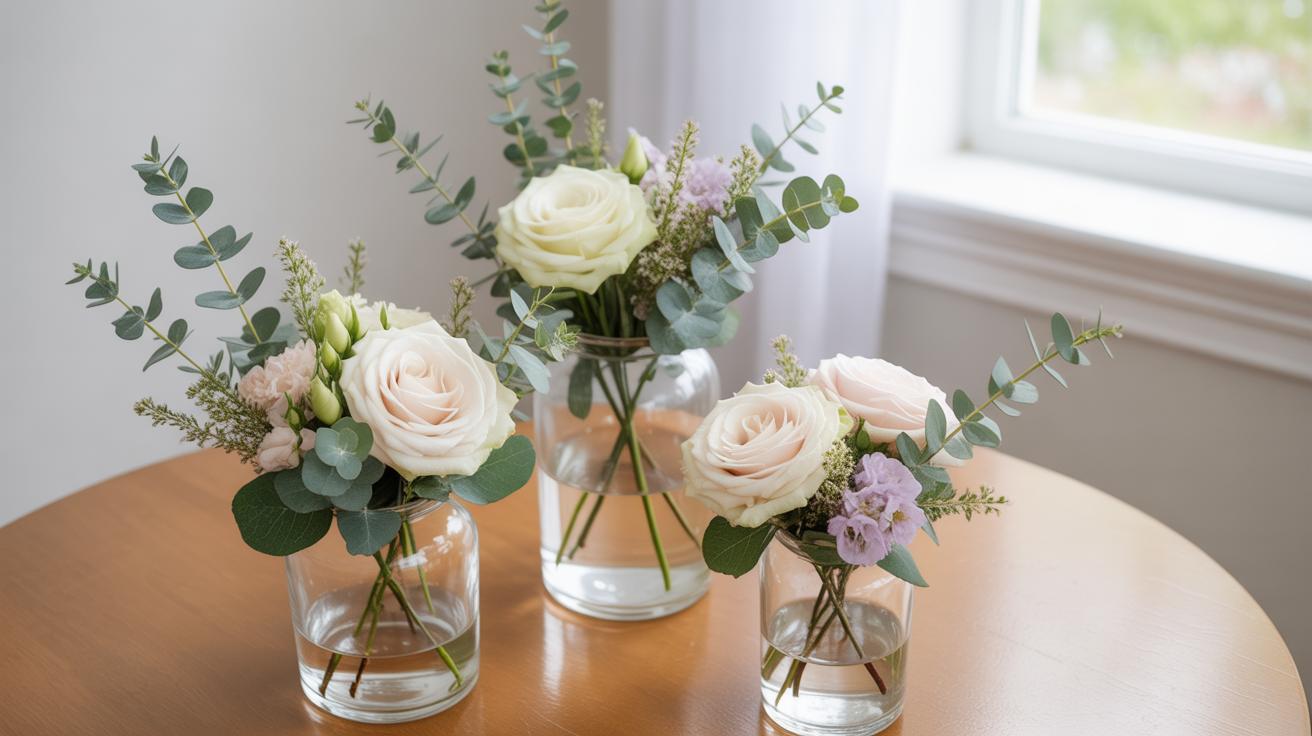
What Makes Sage Green The Perfect Neutral For Floral Arrangements
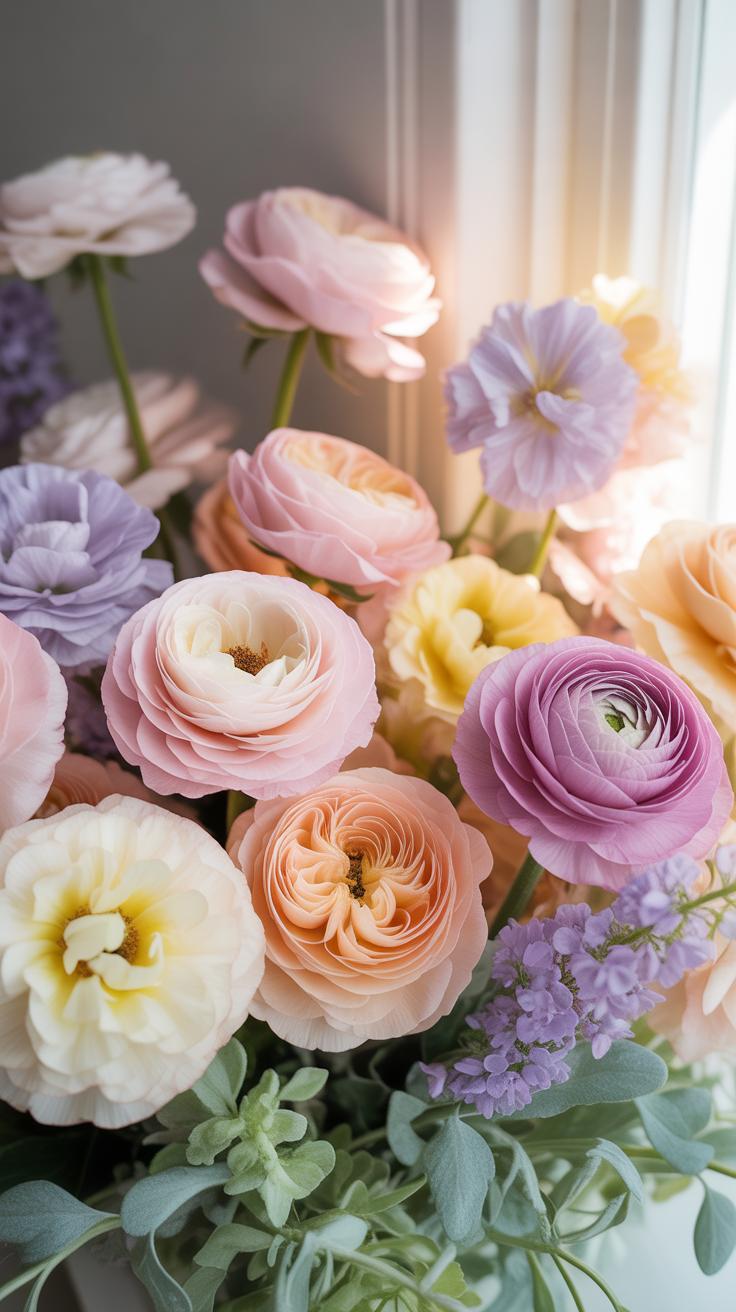
Understanding Sage Green As A Color: Where It Sits On The Spectrum
Sage green sits between green and gray on the visible color spectrum. It contains a high value of gray undertones which lowers its overall saturation. Designers classify it as a desaturated green. This specific placement makes it a receding color. Receding colors stay in the background rather than drawing the eye. This quality allows other flowers to stand out clearly.
Historically, this color mimics the dried leaves of the Salvia officinalis plant. It carries a cool temperature but maintains an earthy base. It functions as a bridge between warm wood tones and cool stone accents. In color theory, it acts as a chromatic neutral. This means it provides more visual interest than pure gray. However, it still avoids the harshness of vivid primary or secondary colors.
Why Sage Pairs So Naturally With Florals Of Every Season
Sage green works across all seasons due to its organic origin. In spring, it complements pastel pinks and yellows by providing a soft foundation. During summer, it cools down vibrant oranges and deep reds. Its gray base matches the muted light of winter arrangements. You can use it year round without clashing with seasonal palettes. It is a highly versatile tool for any designer.
The color appears frequently in common foliage like eucalyptus, dusty miller, and olive branches. These plants provide structural support and texture to bouquets. Professional florists use sage to blend different flower types together. It softens the transition between high contrast colors. This ensures the final arrangement looks balanced and professional. It provides a natural look that mimics how plants actually grow in various outdoor environments.
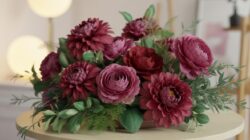
Essential Flowers And Foliage To Build Your Sage Flower Arrangements
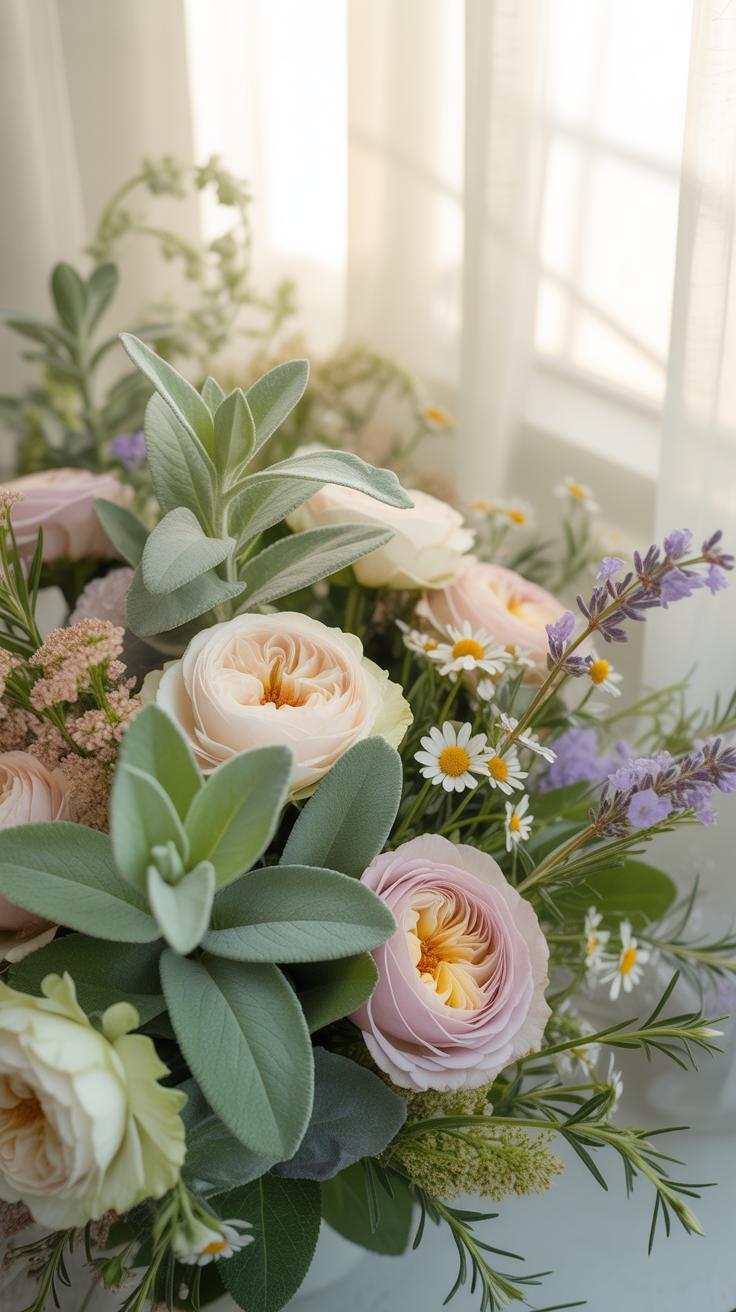
Top Flowers That Complement Sage Green Tones Beautifully
Sage green serves as a neutral base that anchors a design. You must select flowers with high contrast or tonal harmony to maximize visual impact. Cool whites and muted pastels often perform best alongside the silver undertones found in sage foliage. Avoid overly bright primary colors that clash with the desaturated nature of the greens. Stick to blooms with thick petals to ensure longevity in your arrangement.
- White Anemones: These flowers feature a dark center that creates a sharp focal point. The clean white petals provide a stark contrast against the muted sage leaves. They work well in modern and minimalist designs.
- Cream Garden Roses: Use these for bulk and texture within the arrangement center. The soft off-white hues blend seamlessly with green tones without overpowering them. Their heavy petal count adds necessary weight to the display.
- Quickfire Hydrangeas: These blooms offer a structural foundation for larger vases. Their greenish-white transitions mimic the natural color shifts found in sage plants. They provide a massive surface area for a small price point.
- Lisianthus: Choose the champagne or white varieties for a delicate appearance. These flowers have sturdy stems that support multiple buds per branch. They add height and a sense of movement to the outer edges of the work.
- Dusty Miller: While often used as greenery, the velvety leaves function like a bloom in monochromatic designs. The silver-gray surface matches the sage palette perfectly. It provides a tactile element that breaks up traditional floral shapes.
Select your focal flowers first to establish the scale of the piece. Smaller secondary blooms should fill the gaps between the main flowers and the sage greens. Ensure you trim the stems at a sharp angle to allow maximum water uptake. Proper hydration keeps the sensitive petals from wilting against the hardy foliage. Balance the weight of the flowers to prevent the vase from tipping over.
There is a quiet grace in a few green stalks that speaks to the heart of home. Beauty is a simple thing that anyone can gather from the garden and place in a jar.
Foliage And Filler Greens That Give Sage Arrangements Their Signature Look
The signature sage look depends entirely on using plants with a glaucous coating. This natural wax creates the dusty, pale green appearance required for this style. Eucalyptus is the industry standard due to its variety of leaf shapes and long vase life. These plants provide a structural skeleton that supports softer flowers. Use woody stems to build a grid inside your container before adding any blooms.
Do not overlook the historical influence of the Arts and Crafts movement on this color palette. This era popularized the use of native, muted greenery over bright artificial colors. Incorporate Olive branches or Silver Brunia berries to add texture and depth. These materials provide a rugged aesthetic that contrasts with soft floral petals. Always strip the lower leaves to prevent bacterial growth and keep the water clear.
Greenery Floral Arrangements How To Build Volume And Texture From Scratch
Starting With A Strong Green Base Before Adding Focal Blooms
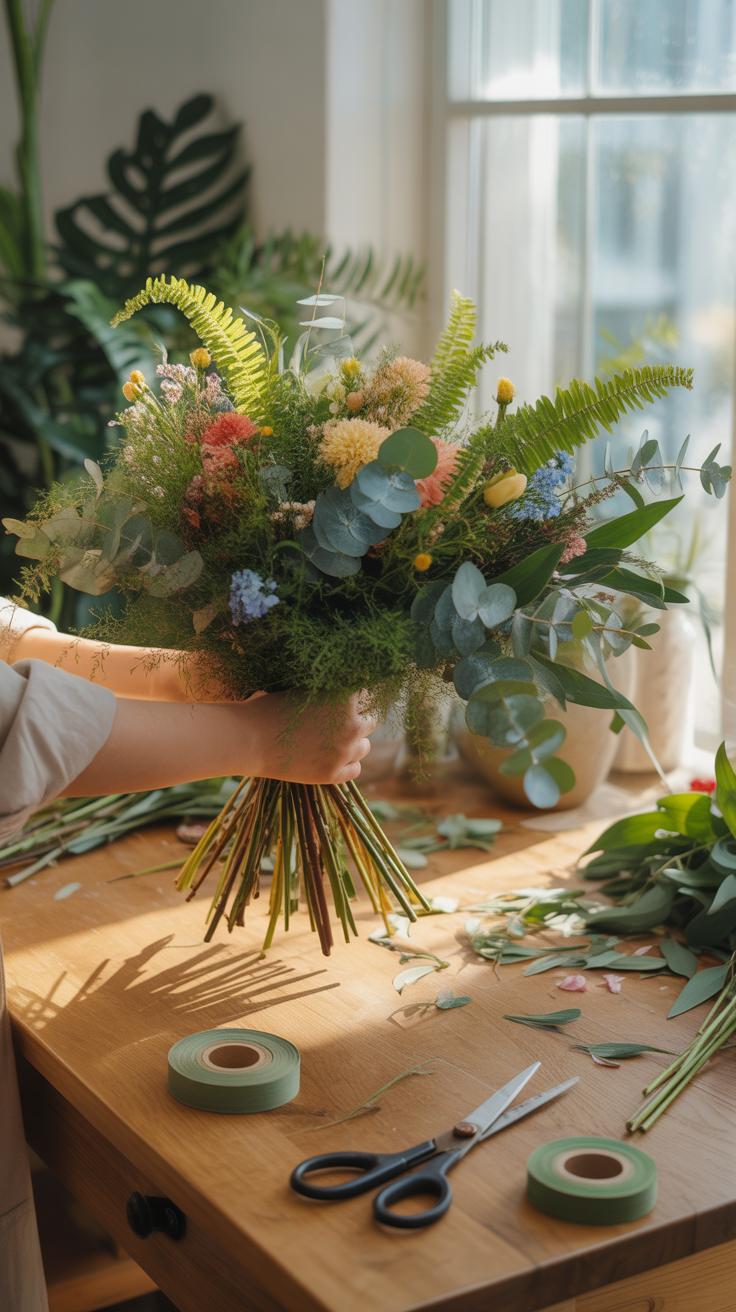
Professional florists use the grid method to define the shape of Sage Green Floral Arrangements. You must create a structural skeleton using woody stems first. This framework supports the weight of softer flowers later. Start by placing stems at alternating angles around the rim of the vase. This technique creates a natural frog that holds every subsequent stem in its designated place.
Choose base materials with muted tones like Eucalyptus or Dusty Miller for a cohesive look. These plants provide the foundational color that defines the sage palette. Ensure you strip all leaves that fall below the water line to prevent bacterial growth. A clean base keeps the water clear and extends the life of the stems. Focus on building a wide horizontal spread to maximize visual impact.
Layering Textures In Greenery Arrangements Without Overcrowding The Vase
Depth comes from mixing different leaf shapes and surfaces. Combine the broad, smooth leaves of Silver Dollar Eucalyptus with the fine, needle-like texture of Plumosus Fern. This contrast creates visual interest without needing bright colors. Avoid placing too many stems of the same size next to each other. Vary the heights to allow air and light to pass through the center of the arrangement.
Control the density by removing excess foliage from the middle of the stems. Overcrowding leads to poor air circulation and faster wilting. Use the negative space to highlight the unique serrated edges of Grevillea or the soft fuzz of Lambs Ear. Strategic placement ensures every element remains visible. Stop adding greenery once you can no longer see the center of the grid. This leaves room for your focal blooms.
Green Floral Arrangements Centerpieces For Tables That Impress
Choosing The Right Vessel: Vases, Urns, And Wooden Boxes For Centerpieces
The vessel dictates the structural integrity of your sage green floral arrangements. Use heavy stoneware or ceramic urns to anchor top-heavy foliage like silver dollar eucalyptus. These materials offer the necessary weight to prevent tipping on active dining tables. Clear glass cylinders work best for modern minimalist designs. They expose the clean lines of stems and water. Always ensure the vessel material complements the muted tones of the greenery.
Wooden boxes provide a sturdy base for low-profile horizontal arrangements. Use these for rustic or farmhouse styles where you want the foliage to spill over the sides. Ensure the box contains a plastic liner to prevent water damage to the wood. Metal troughs offer an industrial look but require floral foam to hold stems in place. Choose a vessel height that stays below eye level to maintain clear sightlines for seated guests.
Scale And Proportion Tips For Centerpieces That Suit Any Table Size
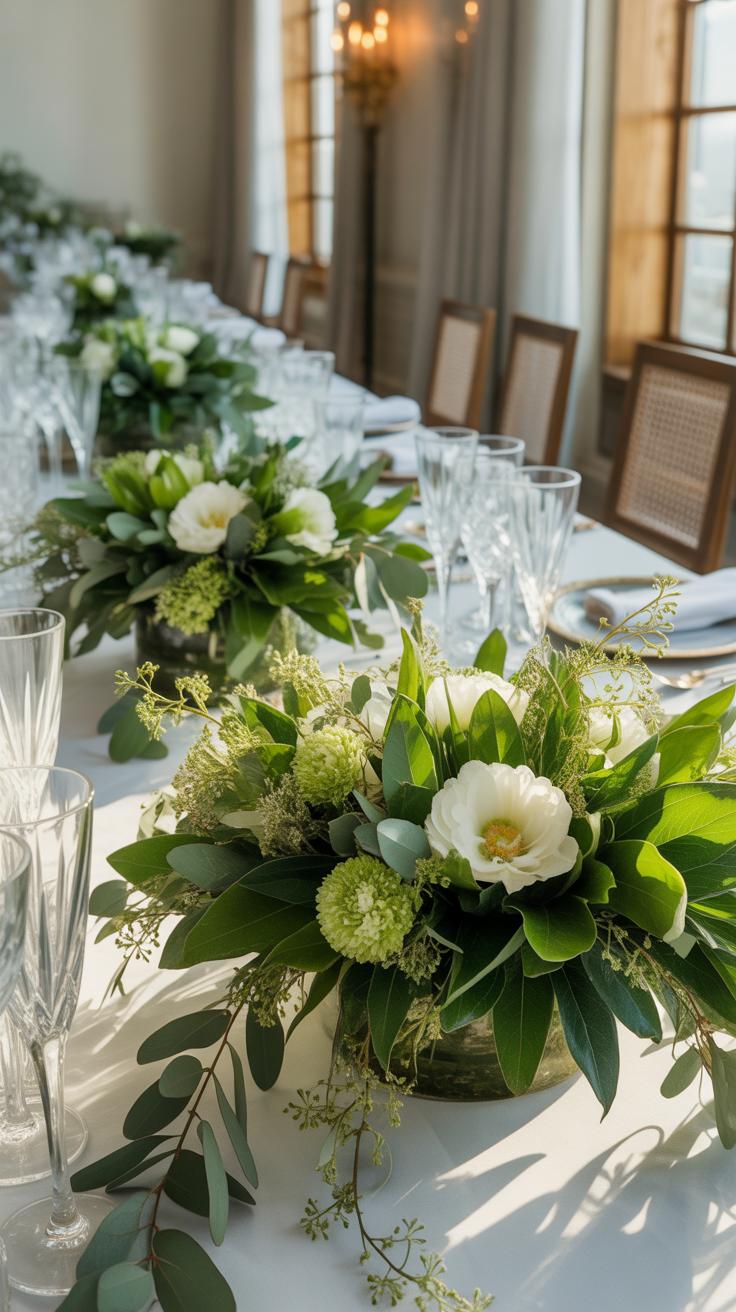
Proper scale prevents your centerpiece from overwhelming the dining space or looking lost. Follow the rule of thirds to achieve visual balance. The arrangement height should be roughly one and a half times the height of the container. For long rectangular tables, use a series of small vessels instead of one large piece. This creates a cohesive line of sage green tones across the entire surface without blocking conversation.
Standard round tables require a central focal point that mimics the table shape. Keep the maximum height under twelve inches so guests can see each other across the table. Use dense foliage like lamb’s ear or dusty miller to fill the base and hide mechanics. Measure the table width before you start your design. The arrangement footprint should only occupy the center third of the table to leave room for place settings.
Sage Green Wedding Flowers Designing Arrangements For The Big Day
How Sage Green Wedding Flowers Set A Romantic And Earthy Ceremony Tone
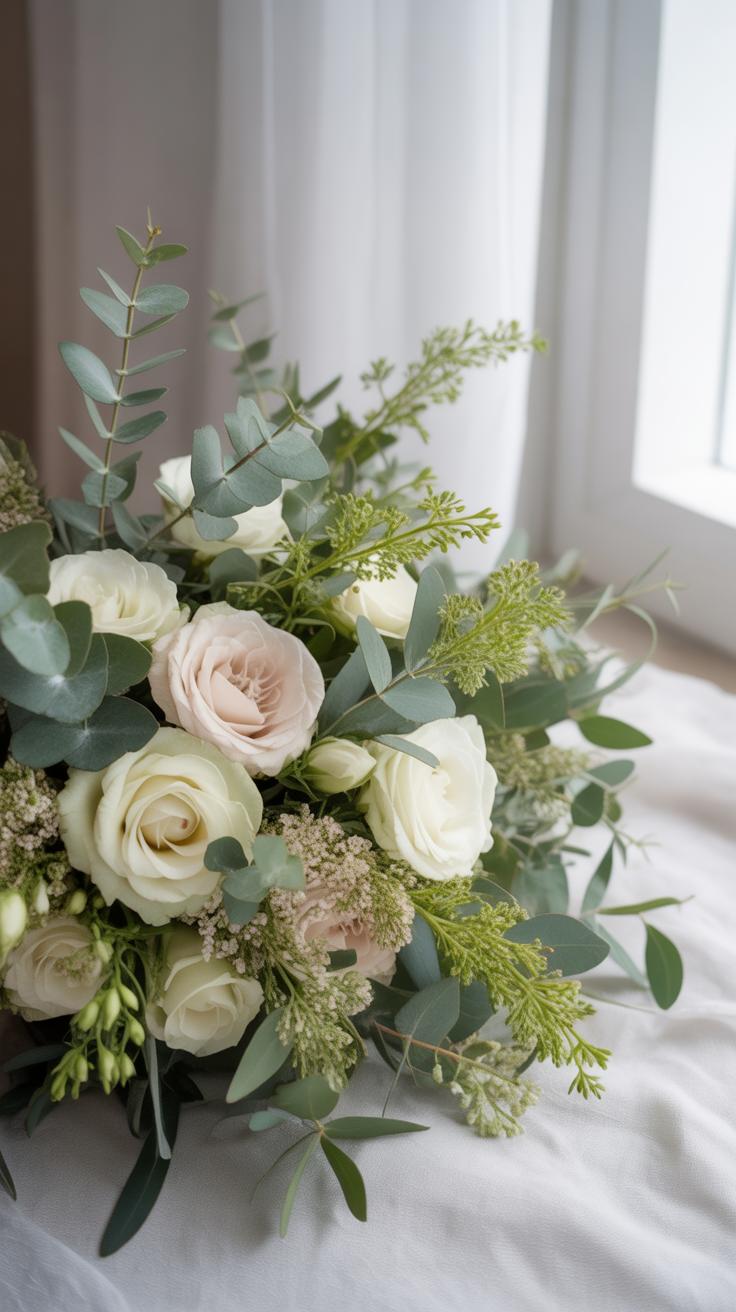
Sage green functions as a bridge between neutral shades and vibrant colors. This muted green carries gray undertones that mimic nature. It creates a calm atmosphere for wedding ceremonies. Designers use it to soften harsh whites or brighten dark woods. It grounds the visual space without overwhelming other decor. You achieve a timeless look by prioritizing these organic, desaturated tones.
Select foliage like eucalyptus or dusty miller to establish this earthy palette. These plants have a waxy coating that reflects light softly. This texture creates a matte finish suitable for professional photography. Avoid glossy leaves if you want a true earthy aesthetic. Sage green works best in outdoor or rustic settings. It pulls contemporary design elements together through consistent, natural color blocking.
Bridal Bouquet Ideas Using Sage Green As The Anchor Color
Build your bouquet around sage green foliage to create a sturdy structural base. Use silver mountain gum or seeded eucalyptus for a wide silhouette. These greens hold their shape throughout long events. They provide high contrast against ivory or cream roses. This anchor color allows you to use fewer expensive blooms while maintaining volume. The sage color serves as a modern neutral framework.
Integrate succulents like echeveria for distinct geometric shapes within the arrangement. These plants offer a thick texture and a perfect sage hue. They survive without water for hours during portraits. Balance these heavy elements with light focal flowers. Ranunculus or anemones work well against the muted green background. This strategy ensures the bouquet looks dense and professional. It maintains a clean, sophisticated profile for the bride.
Green Themed Wedding And Olive Green Weddings Styling Beyond Just The Flowers
How A Green Themed Wedding Uses Florals To Tie The Full DéCor Together
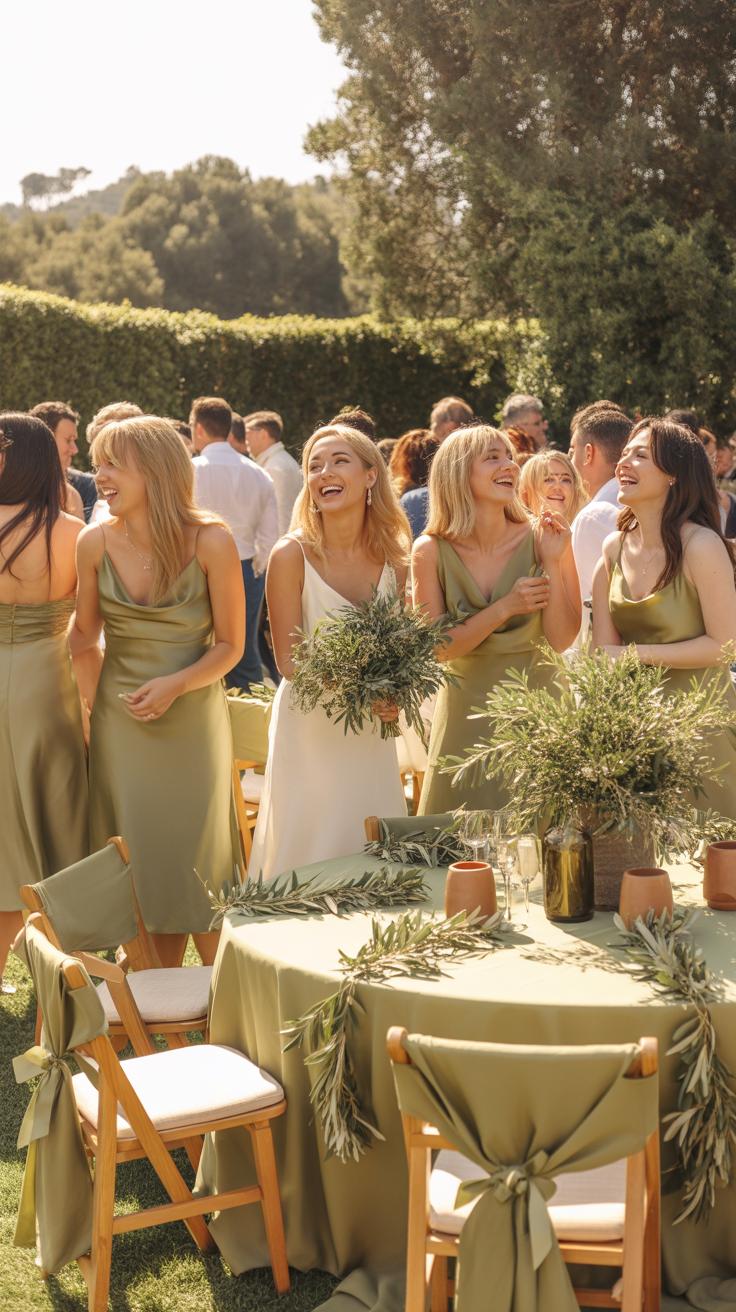
Floral design acts as the visual glue in a green themed wedding. Designers use various textures to bridge the gap between hard surfaces and soft linens. Integrating sage green foliage like eucalyptus or dusty miller creates a consistent color bridge. This strategy ensures that the table centerpieces do not look isolated from the venue surroundings. Consistent use of greenery makes the entire space feel intentional.
Tactical placement of green arrangements directs the eye toward key focal points. Use tall greenery installations to draw attention to high ceilings or architectural features. Placing smaller sage clusters on place settings connects the guest experience to the larger room design. This repetition reinforces the theme without overspending on expensive blooms. Greenery provides a neutral base that makes every other design element look more professional.
The Difference Between Sage And Olive Green Weddings And How Each Shapes The Floral Palette
Sage green relies on cool, desaturated tones with silver undertones. This palette requires specific plants like silver brunia, lambs ear, or air plants to maintain a soft look. Sage works best in light, airy spaces with plenty of natural window light. Designers often pair these greens with white or blush flowers to keep the contrast low. This approach creates a modern and clean aesthetic suited for minimalist weddings.
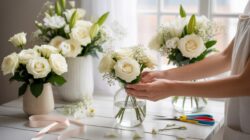
Olive green features warm, yellow, and brown undertones that evoke a Mediterranean feel. This palette demands darker, waxier leaves found in ruscus or actual olive branches. This color profile suits historic venues with dark wood or stone textures. Use deep tones like burgundy or mustard yellow to anchor olive arrangements. These choices create a moody and grounded atmosphere that feels more traditional and rustic than the light sage alternative.
Flower Arrangements For Birthday Celebrations Using A Sage Green Palette
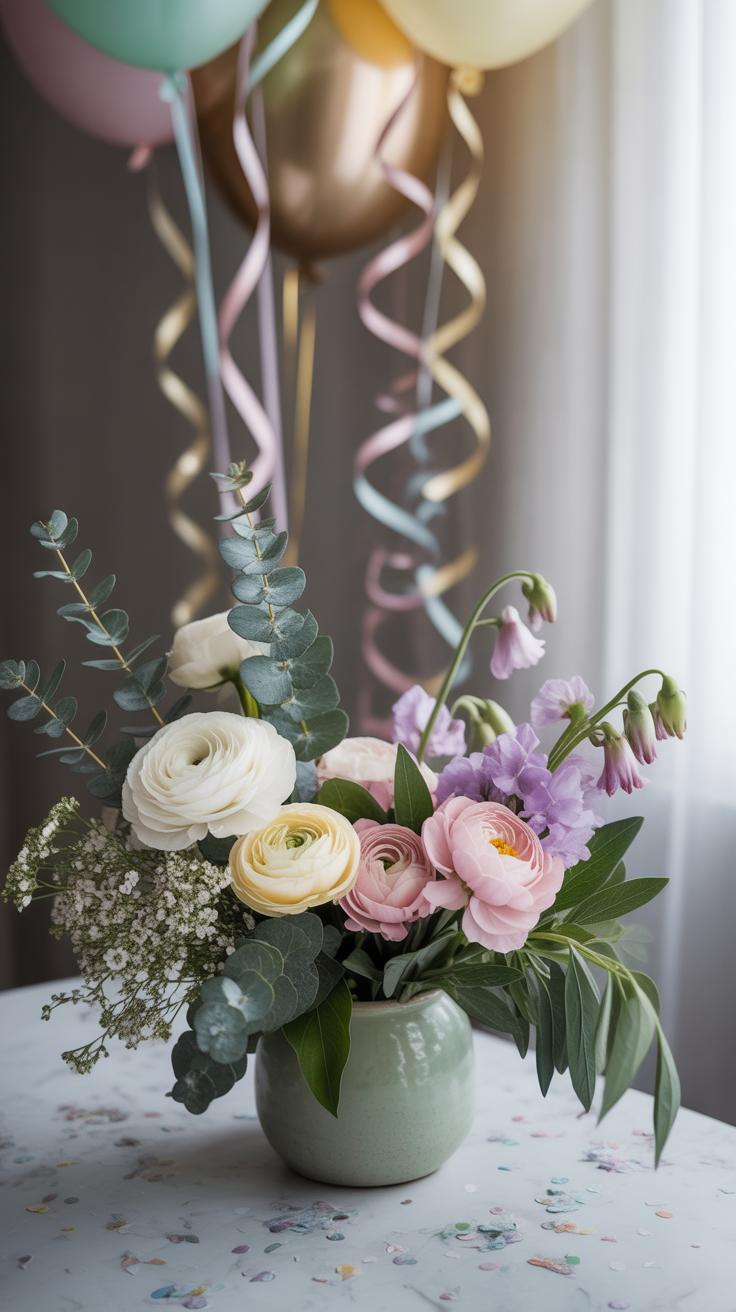
Sage green acts as a neutral base that bridges the gap between youthful and mature aesthetics. This desaturated green contains grey undertones that prevent it from clashing with vibrant birthday decor. It offers a calming visual anchor in busy party environments. Professional designers use this shade to create a high end look without the high cost of rare exotic pigments.
The color aligns with the organic modernism movement which prioritizes natural textures and understated elegance. Sage green complements metallic accents like gold or copper found in typical birthday signage. It works for any age because it avoids the gendered stereotypes of pink or blue palettes. Using these muted tones ensures the floral centerpieces remain relevant throughout the entire event duration.
Simple sage green arrangements rely on structural foliage rather than complex floral engineering. You can assemble these designs in minutes by focusing on bulk greenery and a few focal blooms. Select a clean vessel like a white ceramic pot or a clear glass cylinder. Start with your heaviest greenery to establish a firm base. This method allows for rapid setup during event preparation.
- Eucalyptus Stems: Use Silver Dollar or Seeded Eucalyptus to provide the primary sage color. These stems offer broad leaves that cover mechanical foam or structural glass quickly. They remain fresh for days without water.
- Succulent Accents: Place pachyphytum or echeveria near the rim of the vase. These desert plants provide a geometric focal point and a perfect sage hue. They add weight and visual interest to the bottom of the arrangement.
- White Carnations: Use these affordable flowers to fill gaps between green layers. They offer a clean contrast against the dusty sage leaves. Group them in clusters of three to mimic the look of more expensive ruffled peonies.
- Lambs Ear: Incorporate Stachys byzantina for a unique fuzzy texture. This foliage mimics the soft grey green found in high end bridal palettes. It works well as a perimeter filler to soften the edges of the birthday table.
- Olive Branches: Add vertical height with woody olive stems. The silvery underside of the leaves matches the sage theme perfectly. These branches provide a Mediterranean aesthetic that suggests luxury and longevity for the celebrated person.
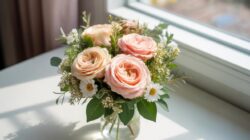
Finish the design by checking for holes at eye level. Adjust the height of your stems to create a natural asymmetrical look. Do not overthink the placement of each leaf. The beauty of the sage palette comes from its relaxed and effortless appearance. These arrangements survive transport well and make excellent take home gifts for guests after the birthday party ends.
Faux Flower Arrangements DIY Getting The Sage Green Look Without Fresh Blooms
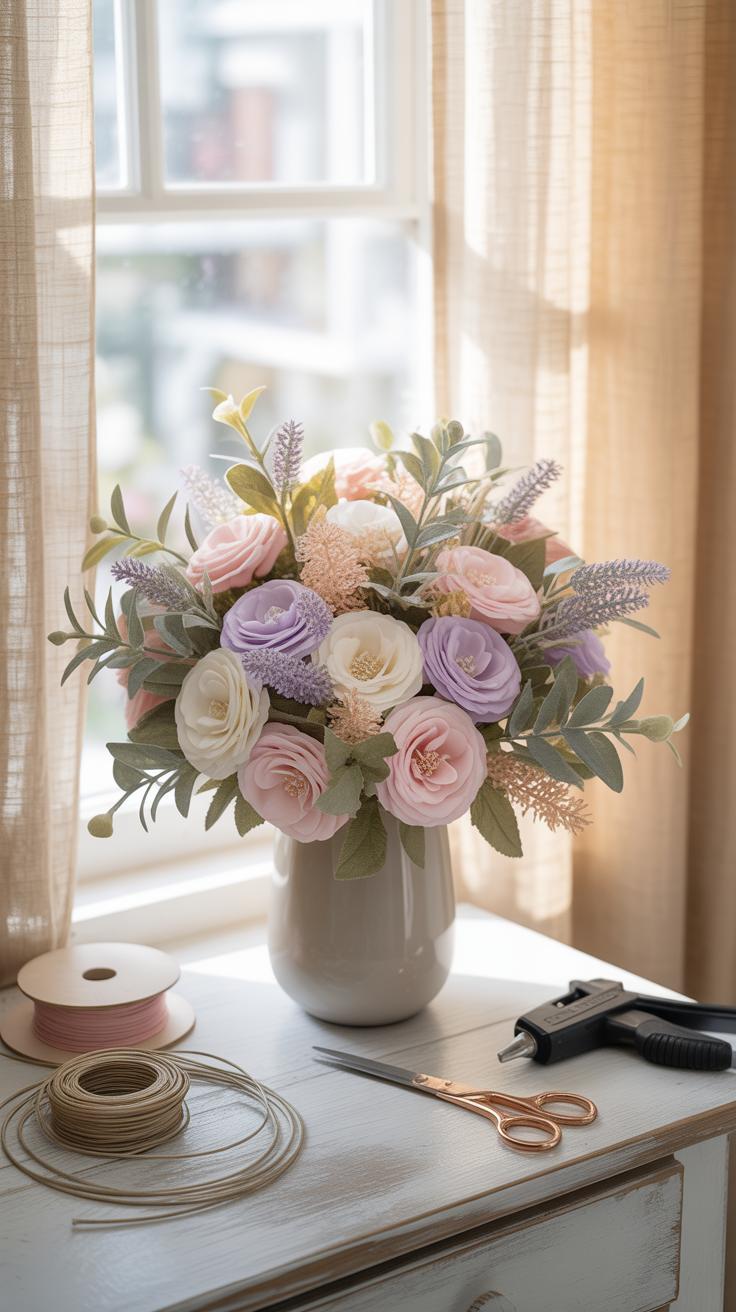
How To Choose High Quality Faux Sage Green Stems That Look Realistic
Select materials that mimic nature’s imperfections. High-quality faux sage green stems usually feature silk or “real touch” polymer coatings. Avoid plastic stems with a high-shine finish. These reflect light in ways that look cheap and fake. Look for dusty textures on eucalyptus or lambs ear. This powdery coating is called flocking. It replicates the natural UV protection found on real desert and Mediterranean plants.
Examine the wire core and the leaf attachment points. Realistic stems use variegated tones rather than a single flat color. Check for small details like notched leaf edges or visible veins. Deep sage green should shift slightly toward silver or grey in different lighting. Heavy stems often contain thick internal wires. These allow you to bend the plant into a natural arc. Stiff stems break the illusion of life.
Step By Step Tips For Assembling A Faux Flower Arrangement That Holds Its Shape
Build a firm foundation using dry floral foam or a wire grid. Unlike fresh flowers, faux stems do not need water for weight. This makes them top-heavy and prone to tipping. Anchor the foam to the container with waterproof floral tape. Secure the tallest sage green stems first to set the height. Use wire cutters to trim stems to size. Never fold them because bulk creates instability in the base.
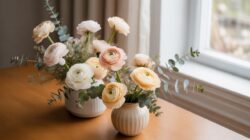
Bend every leaf and branch before placing it. Straight lines do not exist in nature. Arc the stems outward to create volume and mimic natural growth patterns. Use hot glue on the end of each stem for a permanent hold in the foam. Layer smaller sage sprigs to hide the mechanics of the arrangement. This technique ensures the design remains intact during transport or cleaning. Tight clusters prevent stems from shifting.
Caring For Your Sage Green Floral Arrangements To Make Them Last Longer
Water, Light, And Trimming: The Basic Maintenance Routine For Fresh Sage Arrangements
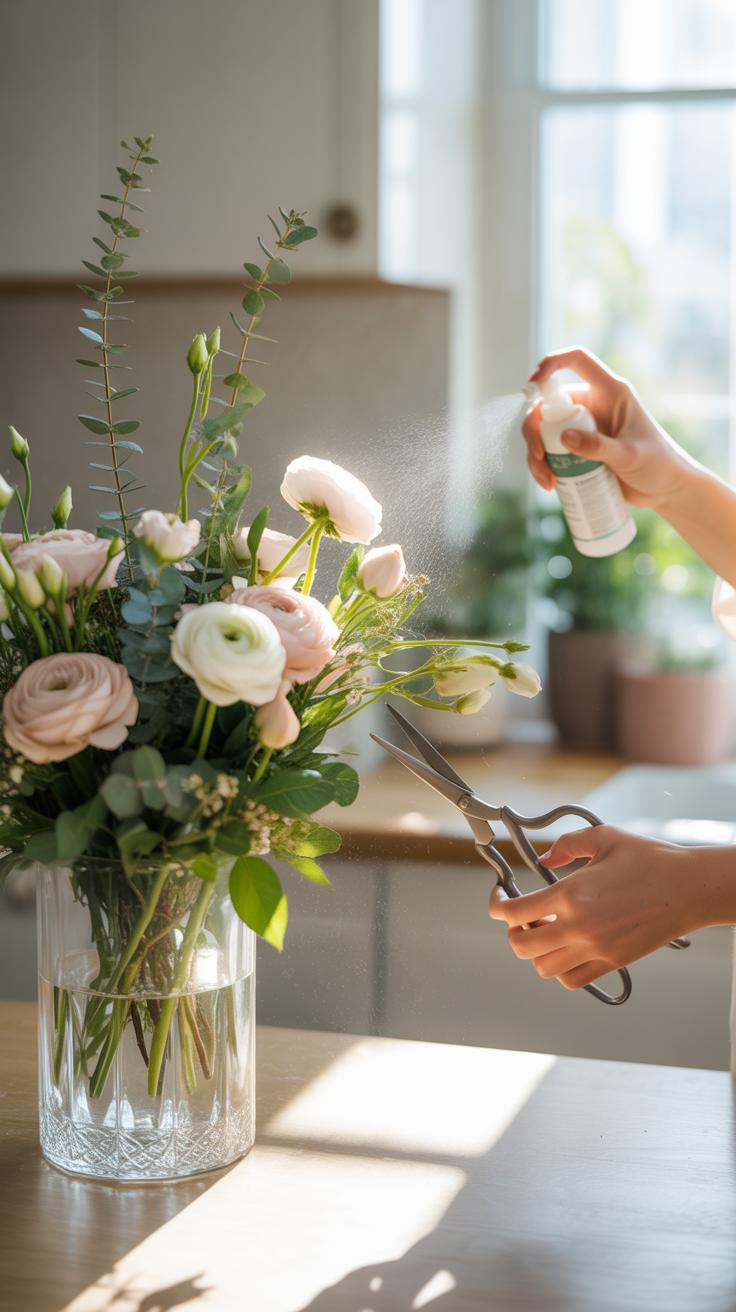
Bacteria kills fresh stems. Change the water in your sage green arrangements every two days. Use lukewarm water for most foliage and cool water for woody stems like eucalyptus. Always trim stems at a forty-five-degree angle before placing them in the vase. This increases the surface area for water intake. Remove any leaves that sit below the water line to prevent rot.
Sunlight accelerates the aging process. Place your arrangement in a cool spot away from direct windows. Keep flowers away from ripening fruit. Fruit releases ethylene gas which causes petals and leaves to drop early. Mist silver-toned foliage like dusty miller or lamb’s ear lightly to maintain their texture. Do not over-saturate the leaves as this leads to mold growth in dense clusters.
When To Refresh Your Arrangement And How To Repurpose Wilting Stems Creatively
Monitor your arrangement daily for signs of decline. Remove wilting flowers or yellowing leaves immediately to protect the healthy stems. If the water becomes cloudy, pull the entire arrangement out and scrub the vase with soap. Bacteria from one dying stem can quickly spread to the rest of the greenery. High-quality sage elements like dried eucalyptus often outlast the softer floral components.
Repurpose stems that lose their freshness. Air-dry sage-colored foliage by hanging it upside down in a dark room. This technique preserves the muted color for permanent decor. Use dried silver dollar eucalyptus in wreaths or small bud vases. You can also press flat leaves between heavy books to create botanical art. This extends the value of your materials long after the initial display period ends.
Frequently Asked Questions

What are the best greenery options for a beginner sage green floral arrangement?
If you are new to designing sage green floral arrangements, start with hardy foliage like Silver Dollar Eucalyptus or Lamb’s Ear. These plants offer that signature muted, silvery-green hue and hold their shape beautifully. Pair them with white ranunculus or soft blush roses to create a professional look with minimal effort. Their sturdy stems make it easy for beginners to practice layering different textures without worrying about delicate wilting.
How do I arrange sage green stems to look natural yet intentional?
To master sage green floral arrangements, begin by creating a structural base with your largest leafy stems. Use the “criss-cross” method in your vase to build a grid that supports smaller blooms. Focus on varying the heights of your stems to mimic how plants grow in nature. By placing soft, cascading greens around the rim and clusters of focal flowers near the center, you achieve a balanced, organic aesthetic every time.
Can I create an elegant sage green look without spending a lot of money?
Absolutely! You can achieve an high-end look on a budget by foraging from your own backyard or local park (where permitted). Look for olive branches, bay leaves, or even dried sage herbs to serve as your primary greenery. These cost-effective elements provide the earthy, sophisticated tones needed for stylish decor. Mixing these affordable gathered greens with a few inexpensive supermarket carnations creates a stunning piece that looks incredibly luxurious.