
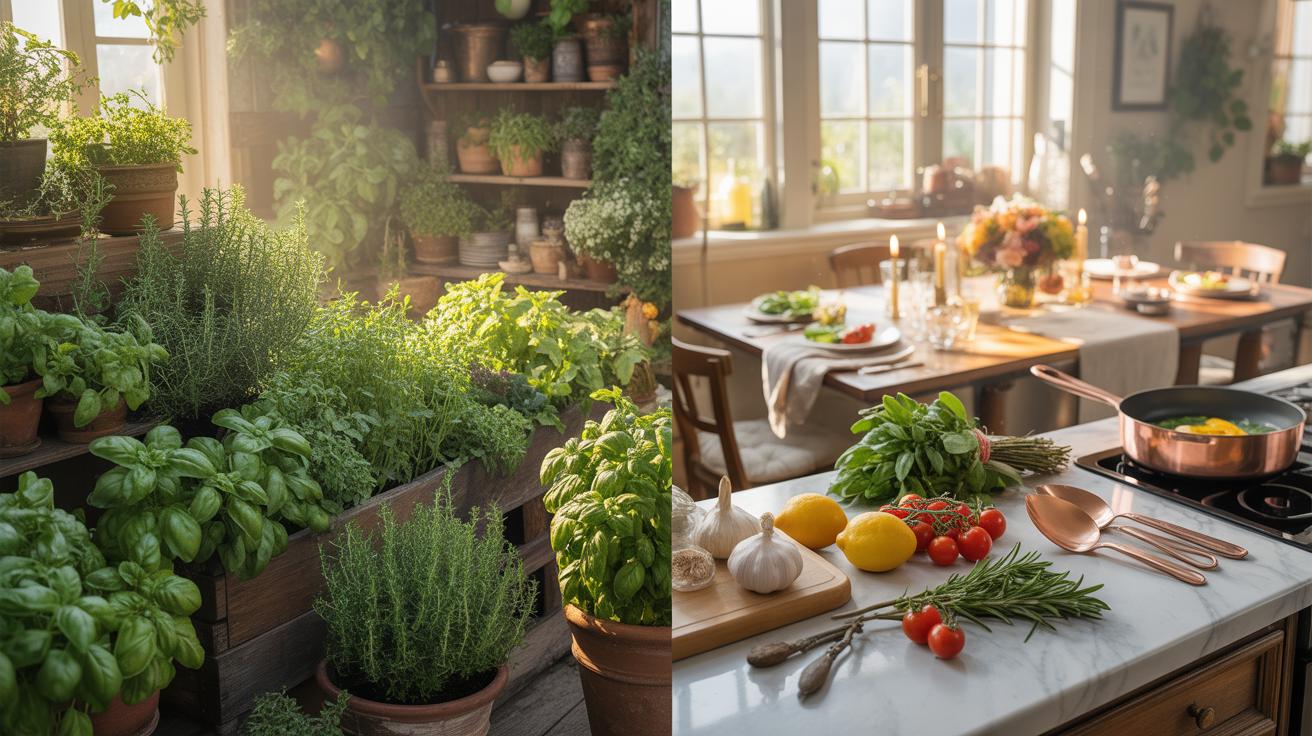
Why Growing Herbs Indoors Is A Game Changer For Special Occasion Cooking
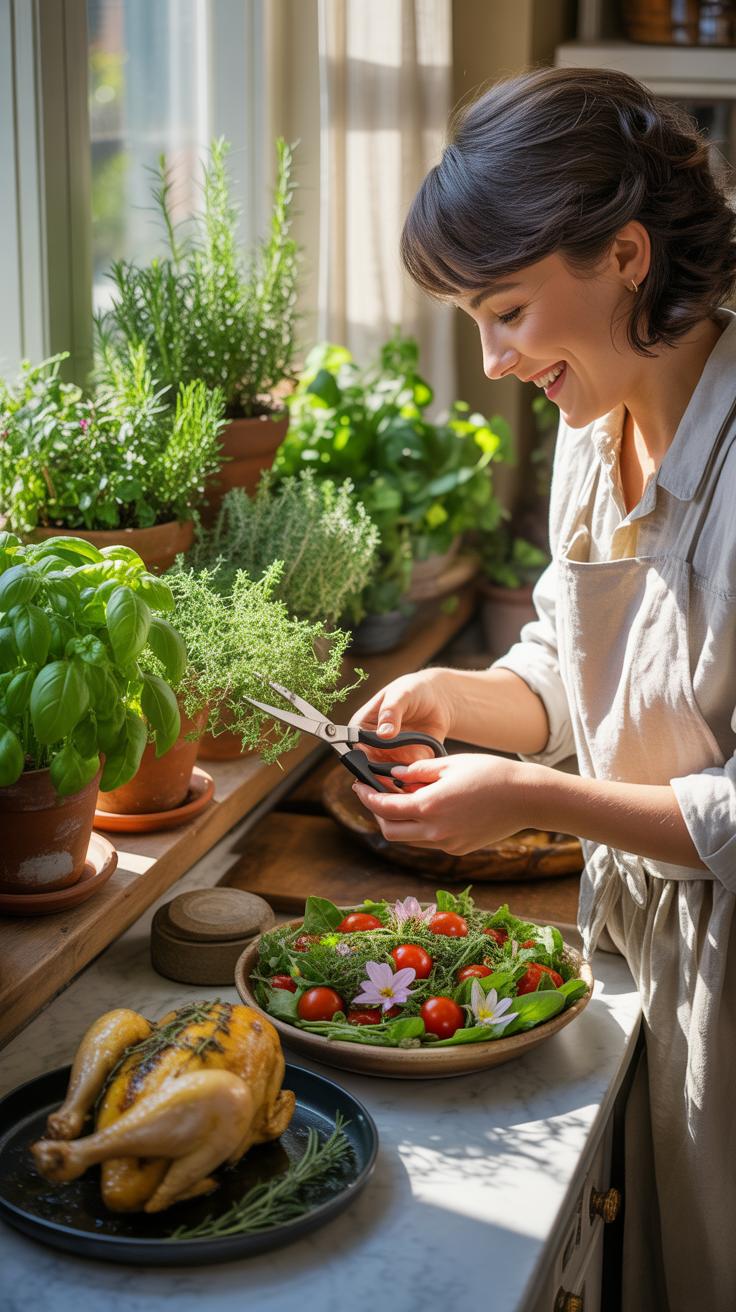
The Freshness Advantage: How Indoor Herbs Outperform Store Bought Every Time
Store-bought herbs lose essential oils the moment farmers cut them. These oils provide the flavor and scent needed for high-end cooking. By the time plastic clamshells reach your kitchen, the herbs are wilting. Their chemical compounds break down during transport and refrigeration. Growing herbs indoors ensures you harvest them seconds before use. This proximity preserves the maximum concentration of volatile organic compounds.
Freshly cut herbs provide a potent flavor profile that dried or aged versions cannot match. You control the growing environment, which prevents exposure to harsh industrial pesticides. This control results in a cleaner product for your guests. Indoor gardens allow you to harvest specific amounts, which eliminates food waste. You get peak potency every time you cook. This reliability is vital for maintaining consistent results across complex recipes.
Which Occasions Benefit Most From Having Fresh Herbs At Your Fingertips
Holiday dinners demand high volumes of aromatic herbs like sage, rosemary, and thyme. These events often involve heavy meats and complex sauces that require sharp flavor balance. Having a live supply prevents last-minute trips to crowded stores. It also ensures your ingredients are not sold out during peak seasonal demand. Fresh herbs elevate these traditional meals from standard fare to professional-grade culinary experiences through superior seasoning.
Cocktail parties and formal celebrations rely heavily on visual appeal and aroma. Mint, basil, and cilantro provide essential garnishes that must look vibrant to be effective. Wilting greens ruin the presentation of expensive drinks and appetizers. Indoor gardens offer a steady supply of perfect leaves throughout the year. Use these fresh clippings to infuse syrups or oils instantly. This immediate access allows you to customize menus based on guest preferences.

Setting Up Your Herb Garden In Kitchen Practical Layouts That Actually Work
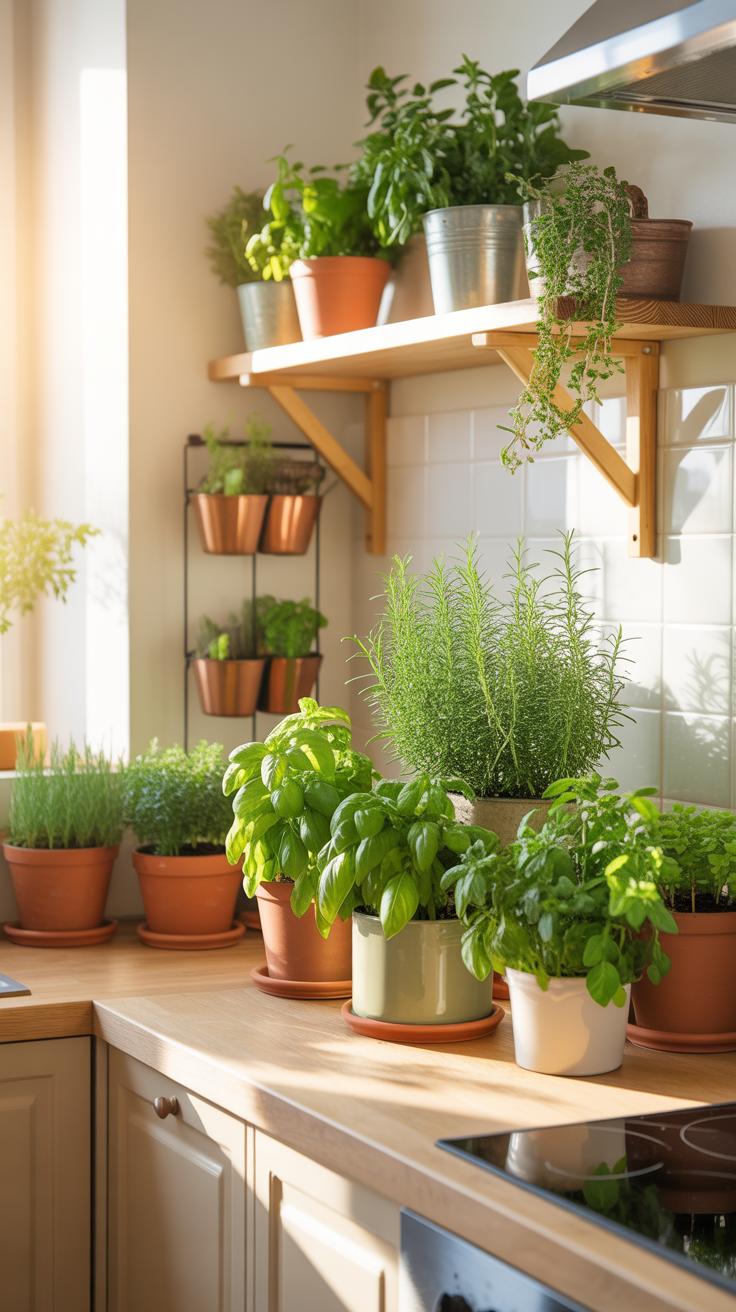
Choosing The Right Windowsill Counter Space Or Shelf For Your Kitchen Herb Setup
Locate your herb station within arm reach of your primary prep zone. Use south facing windowsills to maximize solar heat and light exposure for Mediterranean species. Southward positioning follows historic architectural standards for winter gardening. Avoid placement near stoves or ovens. High heat fluctuations stress plant tissue and dry out soil too quickly. Consistency is the primary goal for long term growth.
Select countertop areas with non porous surfaces like granite or stainless steel. These materials resist moisture damage from runoff and spills. Use vertical shelving units if counter space is limited. Modular shelves allow you to adjust height based on plant growth. Ensure the structure supports the total weight of wet soil and ceramic pots. Heavy containers can warp cheap wooden shelves or destabilize flimsy plastic units.
There is no better way to honor a special celebration than by bringing the heart of your garden into the warmth of your kitchen. The secret to a memorable meal lies in those handpicked herbs gathered with love and a creative spirit.
Light Drainage And Airflow The Three Non Negotiables For A Thriving Kitchen Herb Garden
Light intensity dictates growth rate and essential oil production. Herbs require six to eight hours of direct sunlight every day. Supplement natural light with full spectrum LED grow lights during winter months or in north facing kitchens. Position artificial lights ten inches above the foliage. This prevents leaf scorch while providing necessary energy. Insufficient light leads to leggy stems and weak flavor profiles.
Proper drainage prevents root rot and fungal infections. Always use pots with bottom holes and matching saucers to catch excess water. Never let plants sit in stagnant water for more than thirty minutes. Airflow is the final requirement for success. Move air gently with a small fan or open window. Good circulation strengthens stems and stops pests like spider mites from settling on your herbs.
Herb Garden Design Ideas That Double As Beautiful Kitchen Decor For Entertaining
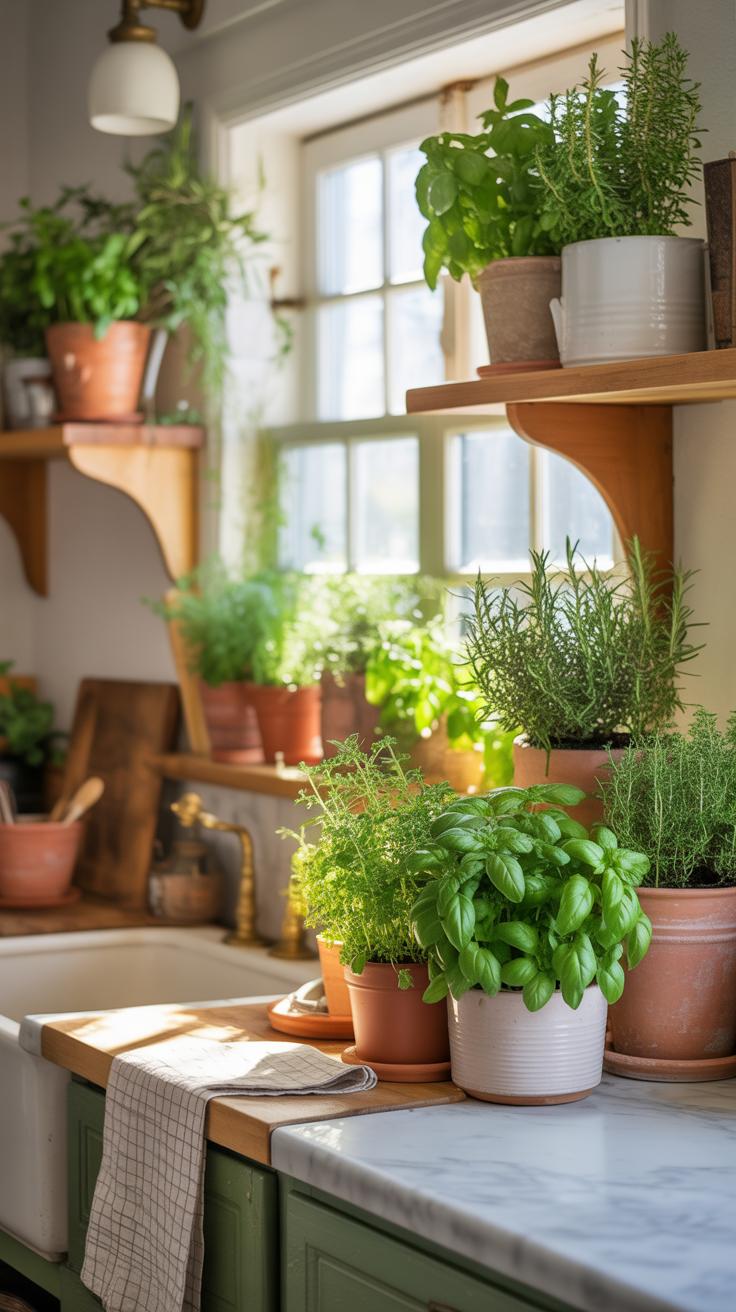
Styling Your Herb Pots And Containers To Match Your Occasions Aesthetic
Select materials that align with your event theme. Use unglazed terracotta for rustic or Mediterranean styles. This material breathes well and regulates soil moisture. Choose sleek polished concrete or brushed steel for a modern industrial look. These provide clean lines and neutral tones. Uniformity creates a cohesive visual field. Ensure every pot matches to signal professional intent. Proper drainage prevents root rot and soil odor.
Place taller herbs like rosemary or bay laurel in the center. Use shorter, spreading herbs like thyme around the edges. This tiered approach mimics classical landscape architecture in a small space. Use natural stone or wooden trays to protect surfaces and group small pots together. These trays provide a clean boundary between the garden and food preparation areas. Effective styling blends functional growth with deliberate interior design.
How A Thoughtful Herb Garden Design Impresses Guests Before The First Course Is Even Served
Strategic herb placement signals freshness and quality to your guests. Position a vibrant indoor garden near the entry or dining area. This creates a sensory bridge between the outdoors and the meal. The aroma of crushed basil or mint stimulates appetite naturally. A healthy garden demonstrates culinary skill and attention to detail. It shows you value raw ingredients and prepare food from the source.
Visible herbs act as living proof of a scratch kitchen. Guests recognize the difference between dried spices and live plants. An organized layout indicates a disciplined cook who prioritizes flavor. Use lighting to highlight the green texture against neutral wall colors. This creates a focal point that sparks conversation about your menu. A well-maintained kitchen garden establishes high expectations for the dining experience.
The Vertical Herb Garden Maximizing Small Kitchen Spaces Without Sacrificing Variety
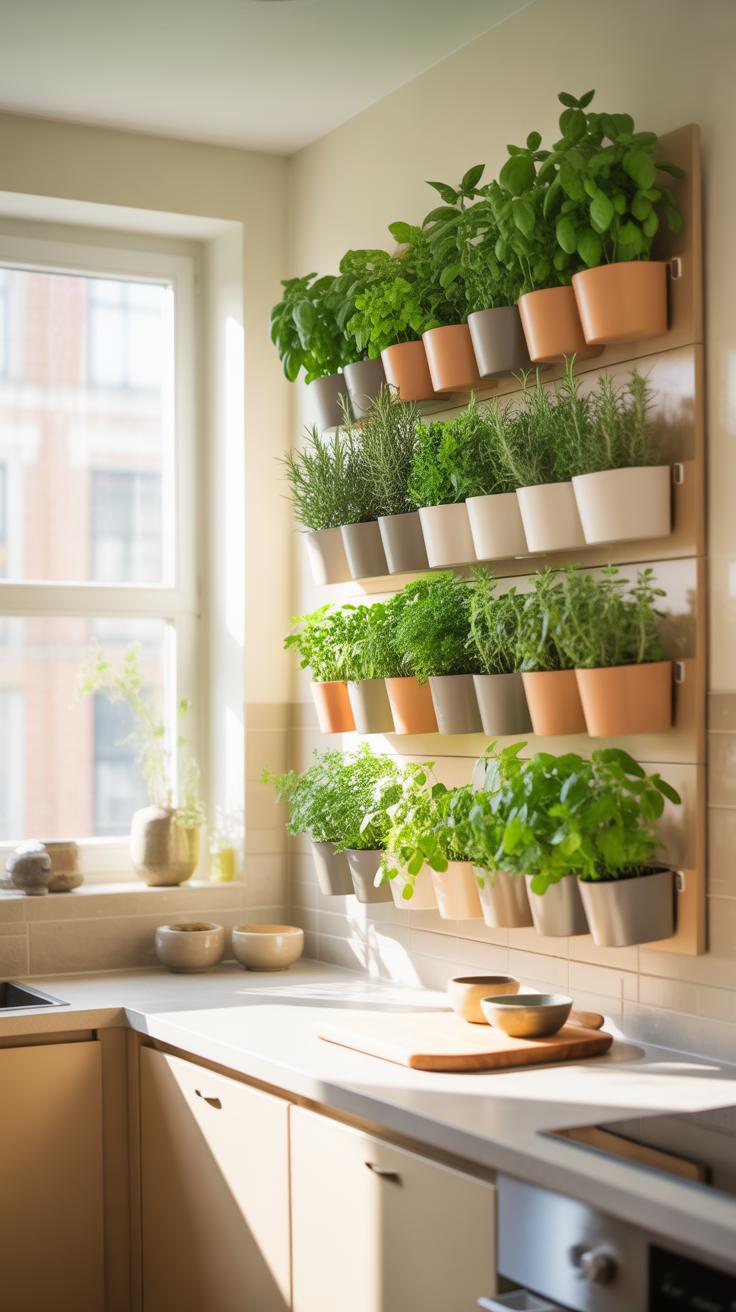
Wall Mounted Vertical Herb Garden Systems That Keep Herbs Organized And Accessible
Vertical gardening systems solve the problem of limited floor space in urban kitchens. These systems utilize wall real estate to increase harvest yields. Modular designs allow gardeners to swap individual pots based on seasonal cooking needs. You must prioritize drainage to prevent root rot in stacked configurations. Use moisture-resistant backboards to protect your interior walls from water damage and mold growth.
- Pocket Planters: Felt or canvas pouches offer high breathability and air pruning for roots. They are lightweight and easy to mount on flat walls. These systems work well for moisture-loving herbs like mint or chives that require consistent hydration and good airflow.
- Magnetic Tin Grids: Small metal containers with magnets attach to steel plates or refrigerator doors. This system keeps low-profile herbs like thyme or oregano within reach of the stove. It is best for small-batch harvesting and tight spaces where every inch counts.
- Railing Systems: Horizontal bars with hanging pots allow for easy lateral movement and organization. This design mimics professional kitchen tool storage for maximum efficiency. It accommodates diverse pot sizes to support various root depths for perennial herbs like rosemary.
- Tiered Wooden Troughs: Slanted boxes provide deep soil capacity for larger herb varieties while maintaining a slim profile. This structure ensures bottom plants receive adequate light from overhead sources. It is a durable solution for heavy-duty kitchen production and frequent harvesting.
- Hydroponic Towers: Vertical tubes circulate water and nutrients directly to the roots without using soil. These systems reduce mess in the kitchen and speed up growth cycles. They are ideal for high-volume leafy herbs like basil and parsley needed for large events.
Effective organization requires grouping herbs by their specific light and water requirements. Place drought-tolerant herbs like sage at the top where heat rises and air is drier. Keep thirsty varieties like basil and cilantro at the bottom for easier watering access. Proper labeling prevents mistakes during high-stress meal preparation. Use clear signage to distinguish between similar-looking herbs like flat-leaf parsley and cilantro to ensure flavor accuracy.
Best Herb Combinations To Grow Vertically For Holiday And Dinner Party Menus
Successful dinner party planning depends on rapid access to complementary flavors. Vertical gardens should group herbs based on classic culinary pairings to streamline the cooking process. A Mediterranean section featuring rosemary, thyme, and oregano supports roasted meats and root vegetables. These woody perennials tolerate the drier air found at higher vertical levels. Growing them together ensures consistent seasoning profiles for complex holiday roasts.

For fresh appetizers and cocktails, dedicate a vertical tier to soft-stemmed herbs. Combining mint, basil, and cilantro provides the necessary ingredients for infusions and garnishes. These herbs require more frequent watering and should sit at eye level for quick inspection. This proximity allows the chef to pinch off fresh leaves immediately before serving. Freshness directly impacts the aromatic quality of the final dish during a special occasion.
Hanging Herbs Creative Overhead Displays That Free Up Counter Space And Look Stunning
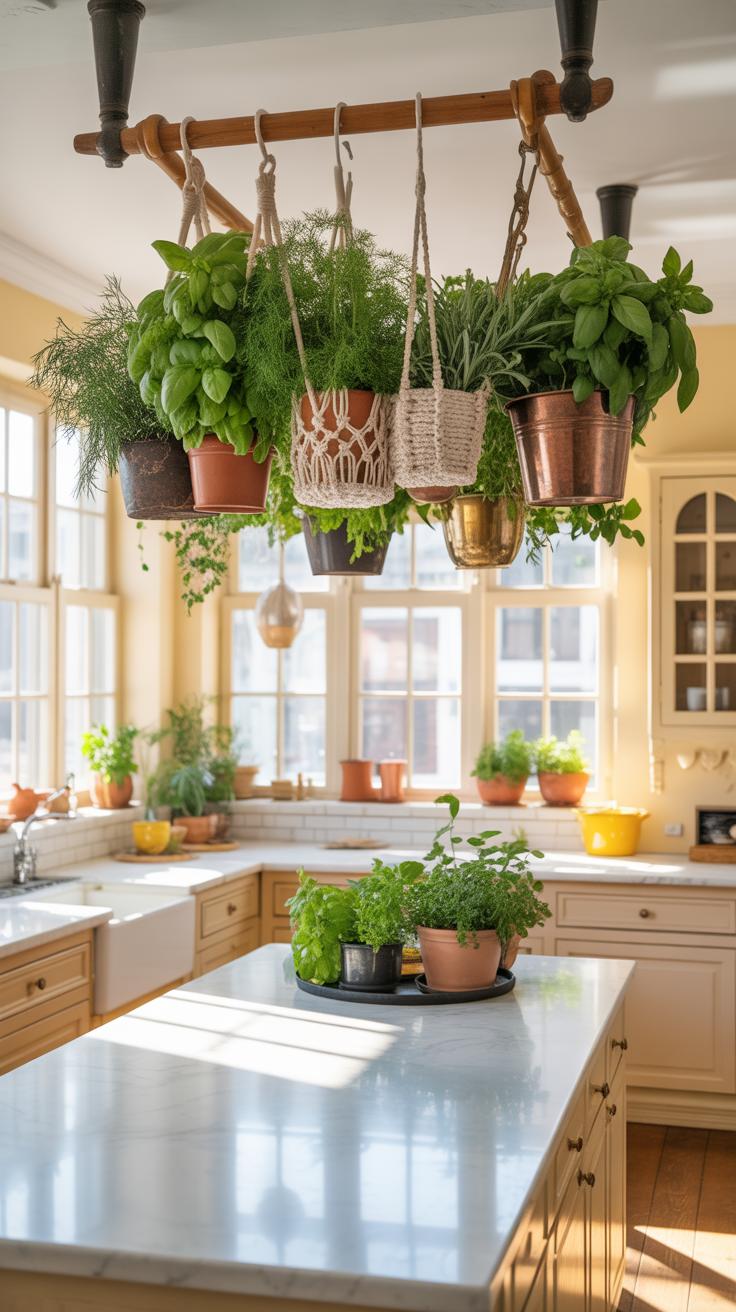
How To Hang Fresh And Dried Herbs Safely In The Kitchen For Quick Occasion Prep
Mount overhead racks or wall hooks away from the stove. Heat and steam damage the essential oils in fresh plants. Secure bunches with butcher twine or heavy thread. Ensure the mounting hardware can support the weight of wet herbs. Hang bundles upside down to keep stems straight during the drying process. This positioning forces the remaining moisture into the leaves for better preservation.
Choose a spot with consistent airflow but no direct sunlight. Light bleaches the color and weakens the flavor. Keep herbs at eye level for fast access during meal service. Check for dust weekly if you plan to use them for cooking. Use small metal S-hooks for easy removal. This system keeps your workspace clear for plating large meals. Proper spacing prevents mold growth by allowing air to circulate.
The Best Herbs To Dry And Hang For Fragrance, Flavor, And Festive Kitchen Ambiance
Woody herbs work best for hanging displays. Rosemary, thyme, and oregano contain low moisture levels. These varieties dry quickly without rotting. They maintain their structural integrity and look professional in a kitchen setting. Avoid soft herbs like basil or cilantro for this method. Those plants turn black and lose their scent when air dried. Use sage for a clean, sharp aroma that cuts through heavy cooking smells.

Lavender and bay leaves provide excellent visual appeal for formal events. Bay leaves stay flat and retain their green hue for months. You can pluck them directly from the bunch to season soups or stews. This method follows old European tradition where cooks kept herbs within reach of the hearth. Properly dried bundles serve as both decor and pantry stock. They provide a high-quality finish to any professional kitchen aesthetic.
Indoor Herb Garden Harvesting Techniques That Preserve Flavor For Festive Dishes
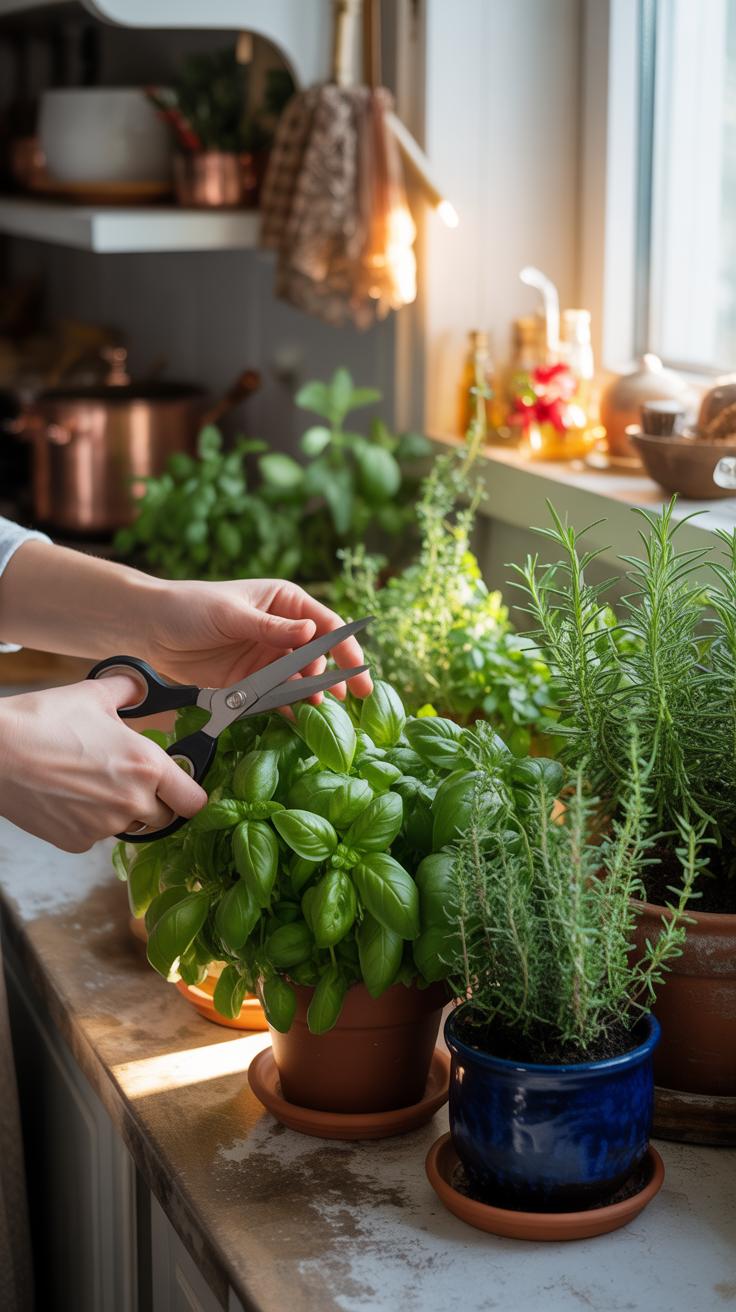
When And How To Harvest Kitchen Herbs To Ensure Peak Flavor On The Day Of Your Event
Timing dictates the oil concentration in your herbs. Harvest your indoor herbs in the early morning after the dew dries but before the sun hits the window directly. This period captures the highest essential oil content. Use sharp shears to make clean cuts above a leaf node. Never pull the stems by hand. Ragged edges cause the plant stress and dissipate flavor oils.
Focus on the top growth to encourage new production. Plan your final harvest three hours before food preparation begins. For woody herbs like rosemary, cut the newer green stems rather than the old wood. For soft herbs like basil, pinch the center terminal bud first. These specific Herb Garden to Kitchen Tips ensure the strongest aroma and taste profile for your festive dinner.
Storing Freshly Harvested Herbs Properly So Nothing Goes To Waste Before The Party
Fresh herbs degrade quickly once removed from their root system. Temperature and moisture control prevent wilting and enzyme breakdown. You must categorize your harvest into soft and hard herbs before storage. Soft herbs behave like cut flowers and require hydration. Hard herbs need a breathable environment to stay crisp. Proper execution of these steps protects your investment and ensures high food quality for your guests.
- Water Jar Method: Place soft herbs like parsley and cilantro in a jar with one inch of water. Cover the tops loosely with a plastic bag. Store them in the refrigerator to maintain cellular pressure and prevent total dehydration.
- Damp Paper Towel Wrap: Wrap woody herbs like thyme and rosemary in a lightly damp paper towel. Place the bundle inside a sealed plastic bag or airtight container. This keeps the leaves hydrated without causing rot from excess moisture.
- Basil Room Temperature Storage: Keep harvested basil on the counter in a glass of water. Cold temperatures in the refrigerator turn basil leaves black and kill the flavor. Keep this jar out of direct sunlight to avoid rapid wilting.
- The Ice Cube Hack: Finely chop excess herbs and place them in ice cube trays. Cover the herbs with olive oil or melted butter and freeze. Use these frozen portions directly in hot pans for sauces during the frantic party prep.
- Oxygen Removal: Use a vacuum sealer for large harvests if you have the equipment. Removing oxygen slows the oxidation process significantly. This technique works best for sturdier herbs that will be cooked rather than used as a raw garnish.

Inspect your stored herbs every twelve hours leading up to the event. Change the water in jars if it appears cloudy. Discard any yellowing leaves immediately to prevent the spread of ethylene gas. These tactical storage steps prevent waste and maintain the chemical integrity of the herbs. Your guests will notice the difference in potency and visual appeal when you plate the final dishes.
Top Kitchen Herbs To Grow Indoors And How To Use Them In Special Occasion Recipes
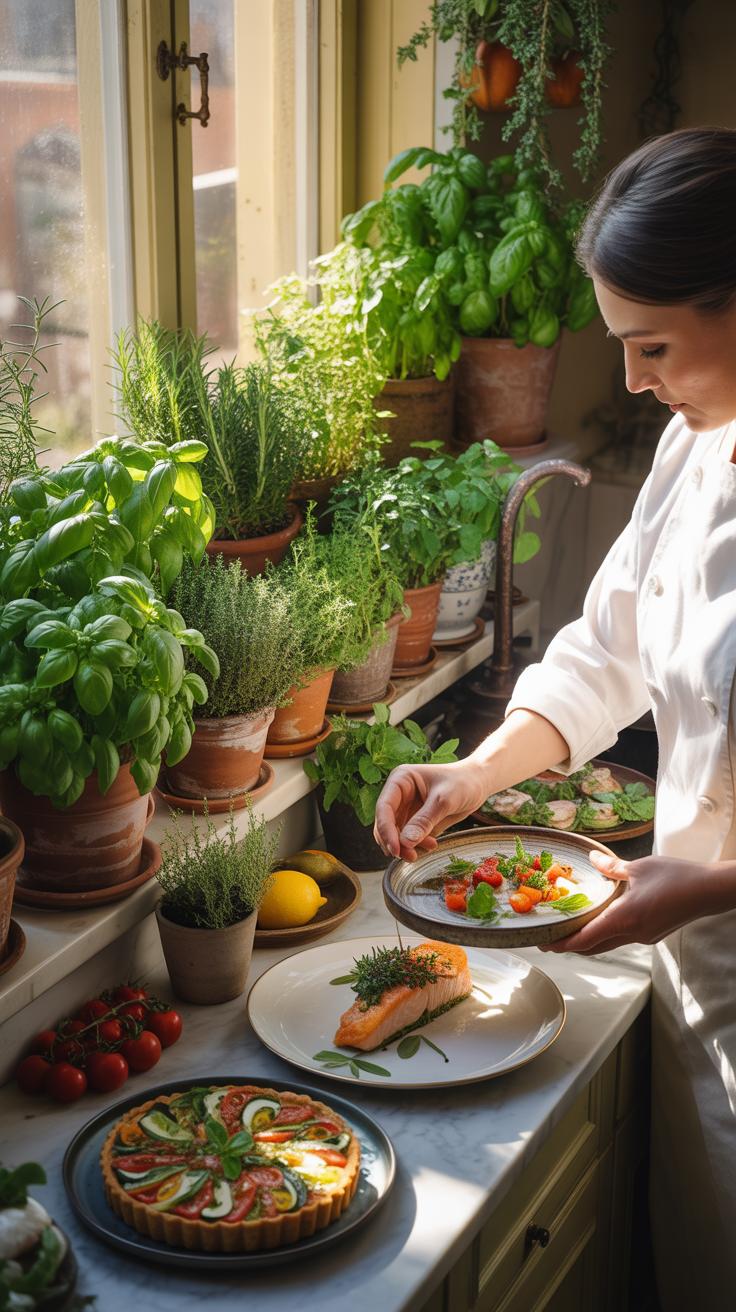
Basil, Rosemary, Thyme, And Mint: Pairing Classic Herbs Indoors With Celebration Menus
Basil and rosemary require high light levels to thrive on a windowsill. Place basil in a south facing window to ensure large leaves for pesto or caprese salads. Rosemary provides a woody structure for roasting meats. Use fresh sprigs to infuse oils or garnish lamb dishes during holiday dinners. These herbs provide strong aromatic bases that define traditional Mediterranean celebration menus.
Thyme and mint handle indoor conditions well with consistent moisture. Thyme adds depth to slow cooked stews and poultry stuffings used in festive gatherings. Mint spreads quickly in pots and serves as a vital component for desserts or cocktails like mojitos. Harvest these herbs just before serving to maximize essential oil potency. Integrating these four staples ensures your indoor garden supports a full multi course meal.
Lesser Known Indoor Herbs Like Tarragon And Chervil That Bring Gourmet Flair To Any Table
Tarragon and chervil offer sophisticated flavors that elevate basic dishes to professional standards. French tarragon requires well draining soil and bright light to produce its signature anise scent. It serves as the primary flavoring for Bearnaise sauce used on prime rib. Chervil thrives in cooler indoor spots and provides a delicate parsley and licorice mix. Use it to finish light seafood courses or spring soups.

These delicate herbs do not tolerate high heat during the cooking process. Add them at the very end to preserve their volatile oils and bright green color. This technique keeps the flavor profile sharp for your guests. Growing these specific varieties gives you immediate access to ingredients often missing from local grocery stores. They provide a competitive edge for hosts looking to serve authentic French cuisine at home.
Herb Garden To Kitchen Tips Turning Homegrown Herbs Into Memorable Garnishes And Infusions
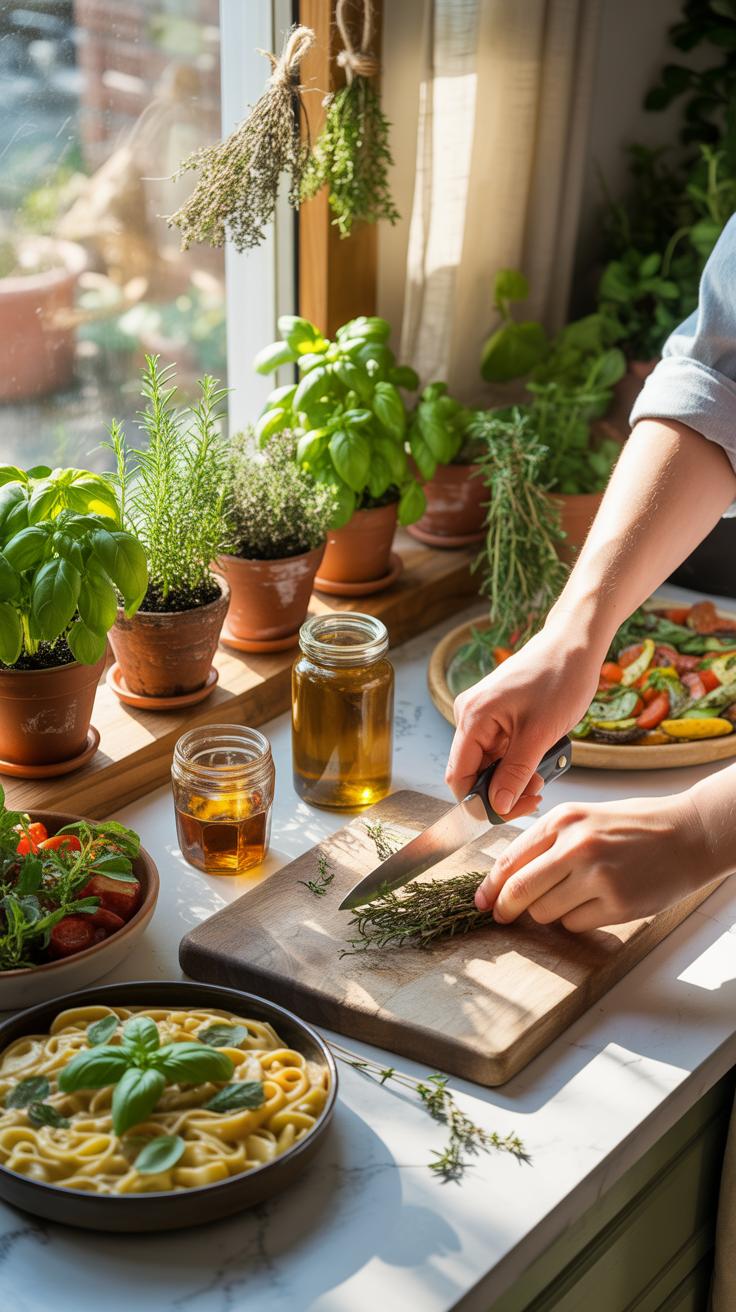
Crafting Herb Infused Oils, Butters, And Salts That Elevate Every Special Occasion Dish
Infusing garden herbs into fats and minerals concentrates flavor for high-impact cooking. Use the cold-infusion method for delicate herbs like basil or cilantro to prevent browning. Combine clean, dry leaves with high-quality olive oil in a blender and strain immediately. For hardy herbs like rosemary or thyme, use a heat-infusion process. Warm the oil or butter over low heat to release essential oils without scorching the plant material.
Herb salts provide a finishing touch that adds both texture and seasoning. Use a ratio of one part fresh herbs to four parts coarse sea salt. Pulse the mixture in a food processor until the herbs break down and coat the salt grains. Spread the mixture on a tray to air dry for twenty-four hours. Store in airtight glass jars. This technique preserves the harvest and enhances grilled meats or roasted vegetables.
Using Fresh Herb Garnishes To Create Stunning Visual Presentation On Your Celebration Table
Visual presentation relies on the structural integrity of the herbs. Keep garnishes in ice water until the moment of service to prevent wilting. This step is critical for soft herbs like mint and parsley. Pat them dry before placing them on the plate. Use sharp kitchen shears to avoid bruising the cell walls. Clean cuts prevent the edges from turning black under heat or air exposure.

Placement dictates the diner’s first impression of a dish. Position woody sprigs like rosemary or sage alongside roasted proteins to suggest earthy flavors. Use edible flowers from herbs like chives or lavender to add color without overwhelming the palate. Focus on contrast by placing bright green herbs against dark sauces or white ceramics. Strategic garnishing signals freshness and attention to detail. This professional touch defines high-end event catering.
Frequently Asked Questions

How can I start using fresh herbs from my garden for hosting dinner parties?
Beginning your journey is simple by starting with versatile staples like rosemary, basil, and mint. To elevate your event, use these herb garden to kitchen tips: harvest your sprigs during the cool morning hours when their essential oils are most concentrated. This ensures maximum fragrance and flavor for your signature cocktails or roasted dishes, making even a basic home-cooked meal feel like a professionally catered celebration for your guests.
What is the best way to incorporate homegrown herbs into a festive table setting?
You can transform your landscape into decor by creating “edible centerpieces.” Bundle long stems of sage or lavender with twine to use as fragrant napkin rings, or place small potted herbs in decorative ceramic bowls as living favors. Following these herb garden to kitchen tips adds a tactile, sensory element to your special occasion, allowing guests to pluck fresh leaves directly from the table to garnish their own plates.
Can I create a special occasion herb display if I have limited space or a small budget?
Absolutely! You don’t need a sprawling estate to impress your guests; a sunny windowsill with a few recycled glass jars is enough. Focus on high-impact herbs like chives or cilantro that grow quickly in small containers. Upcycling tin cans with a coat of gold paint creates an elegant look for pennies. Providing fresh, flavorful garnishes from a tiny indoor setup proves that thoughtful hosting is about creativity rather than cost.