
The Timeless Appeal Of Rose Petals In Culinary Traditions
A Brief History Of Edible Roses In Global Cuisines
Culinary use of roses began in the Middle East and Persia. Ancient cooks distilled petals into rose water for flavoring meats and desserts. This practice spread throughout the Ottoman Empire and into India. In these regions, rose became a staple ingredient in spice blends like ras el hanout. It provided a distinct floral profile that balanced heavy spices and savory fats in traditional dishes.
Medieval European herbalists also adopted roses for medicinal and culinary purposes. They used petals in jellies, tarts, and infused syrups. By the Victorian era, rose flavoring appeared frequently in cakes and preserves. Cooks valued the flower for its aroma and color. Today, classic recipes continue to rely on these historical techniques. Modern chefs still use petaling methods to add depth to sweet and savory Mediterranean menus.
What Makes Rose Petals Safe And Suitable For Cooking
Safety in rose consumption starts with the source. You must use organic petals free from systemic pesticides and fertilizers. Commercial florist roses are toxic because they contain chemical preservatives. Only food-grade roses or home-grown varieties are safe for human intake. Ensure you wash the flowers thoroughly to remove insects and soil. This step prevents contamination and maintains the purity of your final dish.
Suitability also depends on the rose variety. Rugosa and Damask roses offer the strongest flavor profiles for cooking. These species contain high concentrations of essential oils and aromatic compounds. Always remove the bitter white base at the bottom of each petal. This small part ruins the taste of the recipe. Focusing on the fragrant upper portion ensures a consistent and pleasant flavor when adding roses to any food.

How To Make Rose Petal Jam At Home With Simple Ingredients
Choosing The Right Rose Varieties For Your Rose Jam Recipe
Rose petal recipes require specific botanical choices to ensure food safety and flavor quality. Use only Rosa damascena or Rosa centifolia for the best results. These varieties offer the high oil content and potent scent necessary for jam. Never use roses from commercial florists or nurseries unless they are certified organic. Those flowers contain systemic pesticides and heavy chemicals that are toxic if ingested.
Select roses early in the morning when their essential oil concentration peaks. Darker red and deep pink petals usually provide the most intense flavor and natural pigment. White or yellow roses often lack the tannic structure needed for a complex preserve. Always remove the bitter white claw at the base of each petal. This small step prevents your finished jam from having a sharp or unpleasant aftertaste.
Step By Step Guide To A Classic DIY Rose Petal Jam Recipe
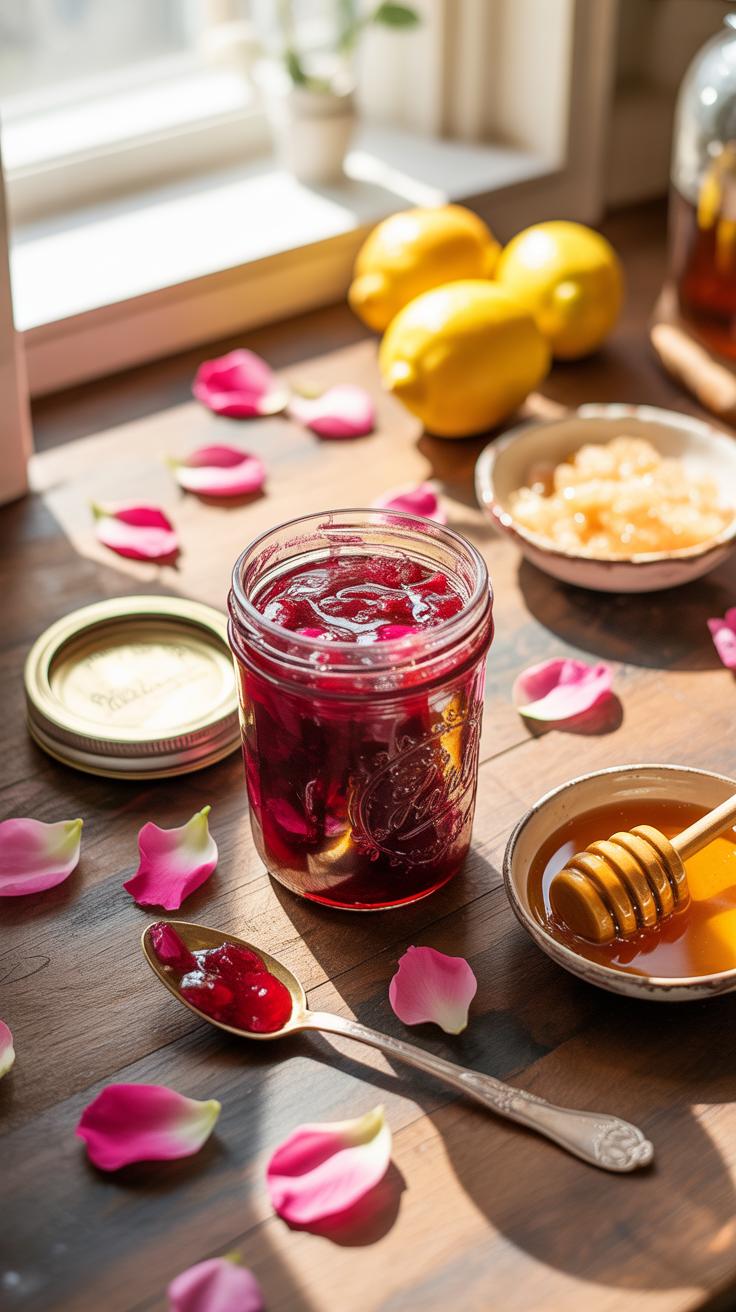
Standard rose jam production relies on a precise balance of sugar, acid, and pectin. You must macerate the petals to break down their fibrous cell walls before cooking. This process draws out the natural juices and sets the color. Use a stainless steel or copper pot to prevent metallic reactions with the floral acids. Follow these technical steps to achieve a shelf-stable and high-quality preserve.
- Macerate the Petals: Combine cleaned petals with half of the sugar and lemon juice in a glass bowl. Rub the mixture by hand until the petals soften and release their liquid. This step ensures the floral texture remains tender instead of chewy in the final product.
- Prepare the Syrup: Dissolve the remaining sugar in water over medium heat until it reaches a clear boil. High sugar concentration acts as the primary preservative and provides the necessary structure for the jam. Maintain a steady simmer to prevent scorching the sugar crystals.
- Incorporate the Flowers: Add the macerated petal mixture to the boiling syrup. Stir constantly to distribute the solids evenly throughout the liquid. The heat will initially dull the color, but the acidity from the lemon will eventually restore and brighten the deep pink hues.
- Boil to Setting Point: Increase the heat and boil the mixture until it reaches 220 degrees Fahrenheit on a candy thermometer. This is the temperature where sugar and pectin bond to create a gel. Perform a cold plate test to verify the consistency before removing from heat.
- Seal and Store: Pour the hot jam into sterilized glass jars, leaving a quarter-inch of headspace. Wipe the rims clean and secure the lids tightly. Process the jars in a boiling water bath for ten minutes to create a vacuum seal for long-term storage.
Heat management is the most critical factor during the boiling phase. Cooking the jam for too long will darken the color and create a caramelized flavor that overpowers the floral notes. If the mixture does not set, add a small amount of liquid pectin and return to a boil for one minute. Proper sterilization of equipment ensures the jam remains safe for consumption for up to one year.
Exploring Rose Petal Jam Uses Beyond The Breakfast Table
Guidance On Using Rose Petal Jam As A Filling For Cakes And Pastries
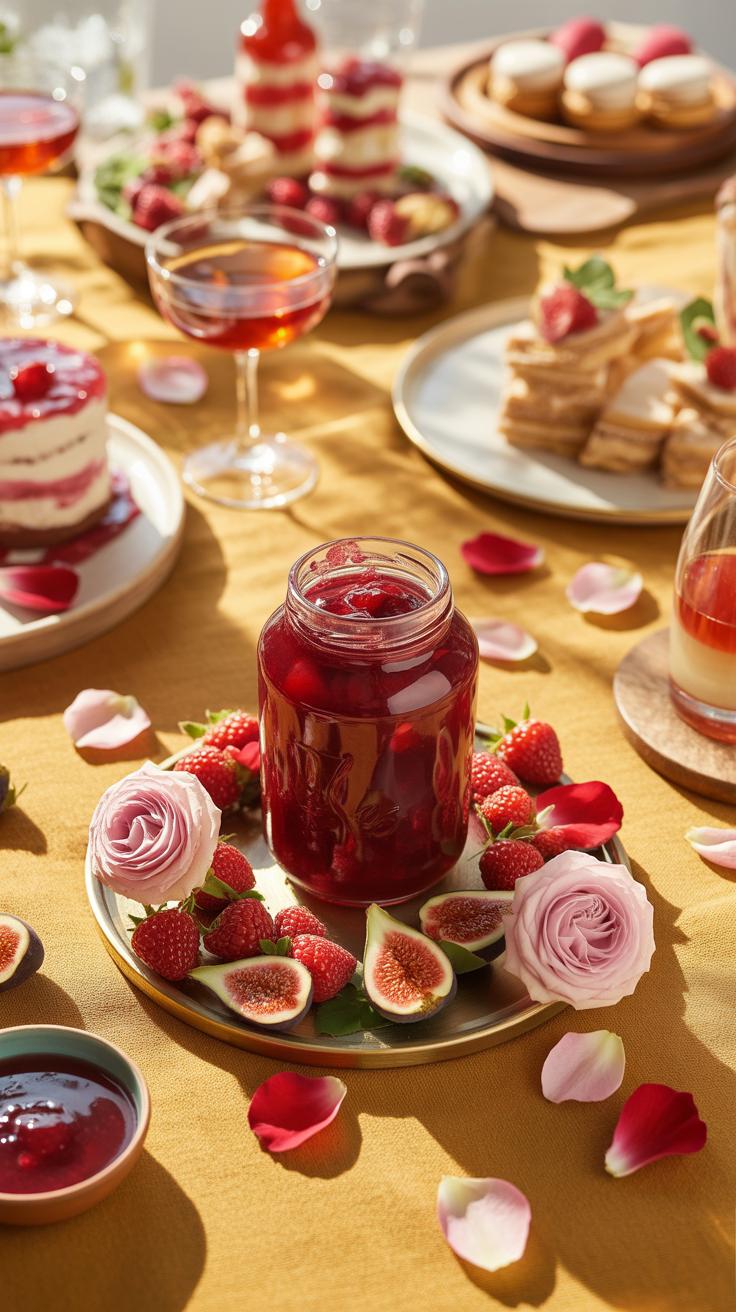
Rose petal jam serves as a high-density flavor concentrate for professional baking. Its thick pectin structure prevents moisture migration into cake layers. You must apply a thin coat to prevent the sponge from sliding. Use it between vanilla or almond layers to complement the floral notes. This technique ensures a clean cut and a balanced flavor profile in every slice of the cake.
Inject rose jam into pastries like croissants or donuts after the baking process. Use a narrow piping tip to maintain the structural integrity of the dough. The heat from the fresh pastry softens the jam and releases trapped aromatic compounds. This method prevents the floral scent from evaporating in a high-heat oven. Always select jam made from Rosa damascena for its superior heat stability and intense perfume.
Savory Pairings And Unexpected Ways To Enjoy Homemade Jam
Savory applications utilize the sugar and acidity in rose jam to balance heavy fats. Pair this jam with soft cheeses like Brie or goat cheese. The tannins in the petals cut through the creaminess of the dairy. This combination is common in Middle Eastern cuisine where floral notes meet salty appetizers. It provides a complex flavor profile that standard fruit preserves cannot match for high-end dining.
Apply rose jam as a glaze for roasted meats during the final ten minutes of cooking. The sugar caramelizes on the surface while the floral aroma penetrates the protein. It works best with duck, lamb, or game birds due to their strong natural flavors. You can also whisk it into vinaigrettes for bitter greens. The sweetness counters the bite of arugula or radicchio while adding a unique floral finish.
Crafting A Rose Petal Jelly Recipe With Pectin For A Silky Finish
Understanding The Role Of Pectin In Rose Petal Jelly
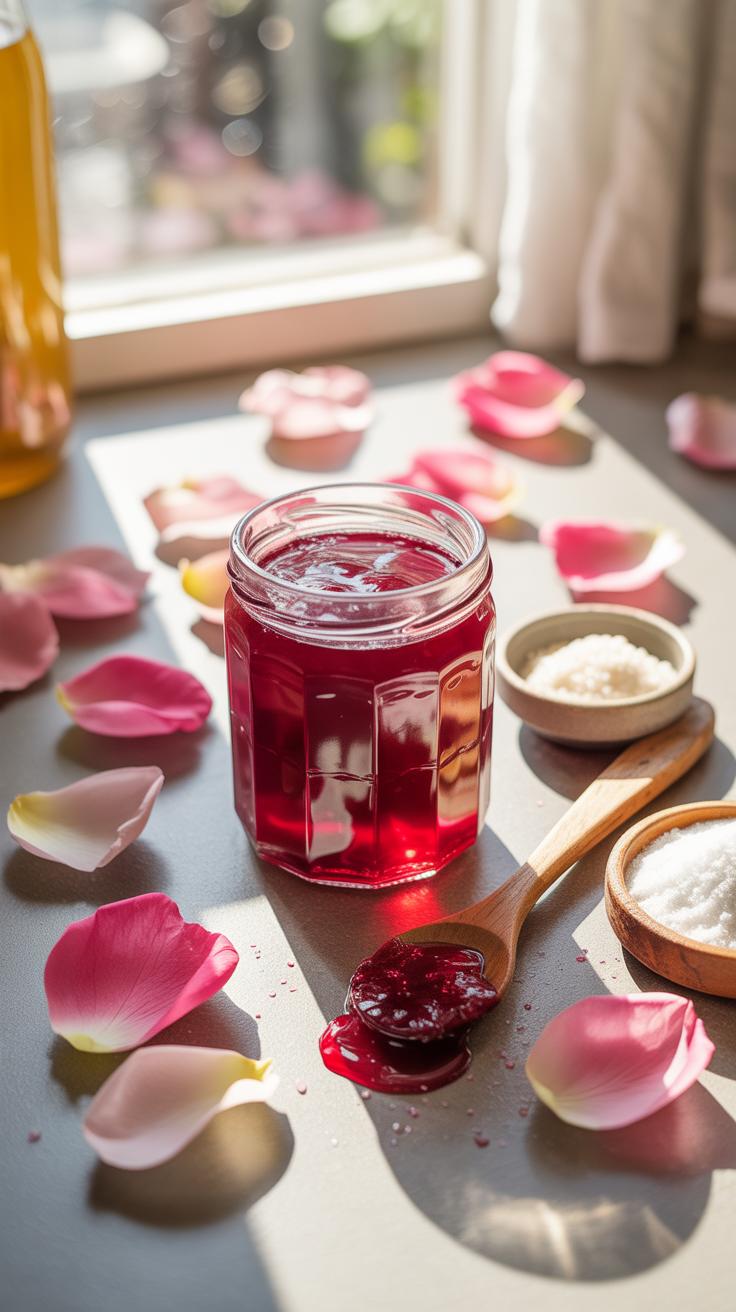
Pectin acts as the primary gelling agent in rose petal jelly recipes. This naturally occurring starch resides in the cell walls of fruits. Rose petals contain almost no natural pectin. You must add commercial pectin to achieve a firm set. High methoxyl pectin works best with the high sugar levels required for floral jellies. This ensures the mixture thickens into a spreadable state.
Acid plays a critical role in the pectin activation process. You must add lemon juice to the rose water infusion. This lowers the pH level and allows the pectin chains to bond. Without this chemical reaction, the jelly remains a thin syrup. Proper heat management ensures the pectin hydrates fully. Boil the mixture rapidly for the exact time specified on the product packaging.
To create with rose petals is to cook with the very essence of love and memory. Each bloom added to a dish transforms a simple meal into a fragrant celebration of the heart.
Key Differences Between A Rose Petal Jam Recipe And A Rose Petal Jelly Recipe
Texture defines the main difference between these two preserves. A rose petal jam recipe uses the entire flower petal. This creates a chunky and rustic consistency. Most traditional Middle Eastern recipes focus on the jam style. These preparations involve macerating petals in sugar to soften the fibers. You eat the physical plant material along with the concentrated syrup in every single spoonful.
A rose petal jelly recipe requires a clear liquid base. You boil the petals to extract flavor and color then strain them out. The final product contains no solid plant matter. This process yields a translucent finish that looks like stained glass. Jelly offers a smoother mouthfeel and a more refined appearance. Strategists choose jelly for high-end plating where visual clarity and silkiness are the primary goals.
Brewing A Soothing Cup Of Homemade Rose Petal Tea
How To Dry And Prepare Rose Petals For Homemade Rose Petal Tea
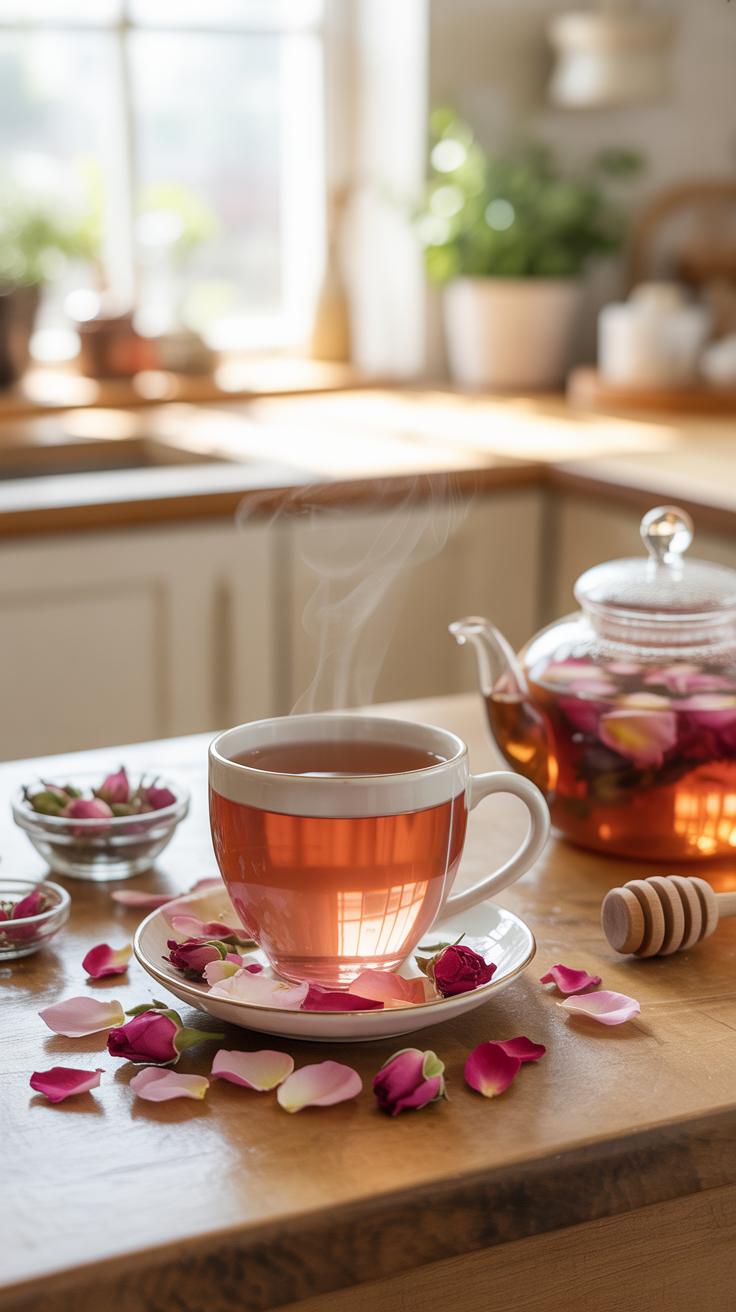
Harvest petals from roses free of chemical pesticides. Pick blooms in the early morning after the dew evaporates. This timing ensures the highest concentration of oils and flavor. Pull the petals away from the stem and discard the white base. This base often carries a bitter taste that ruins the tea. Rinse the petals in cold water and pat them dry carefully.
Dry the petals using a screen or a dehydrator set to low heat. High temperatures destroy the delicate volatile compounds responsible for the floral profile. Keep the petals in a single layer to prevent mold growth. Store the finished product in an airtight glass jar away from direct sunlight. Correct storage preserves the color and potency for up to six months in a cool environment.
Flavor Pairings And Serving Suggestions For Rose Petal Tea At Events
Balance the floral notes of rose tea with astringent or citrus elements. Black tea leaves provide a robust foundation that grounds the lighter rose scent. Green tea offers a grassy profile that complements the floral aroma. Add dried lemon peel or a slice of fresh ginger to increase the complexity. These additions prevent the beverage from tasting like perfume or becoming too sweet.
Serve the tea in clear glass vessels to highlight the natural pigment. Steeping for three to five minutes yields the best results without extracting excess tannins. Use honey instead of white sugar to sweeten the drink. Honey matches the organic profile of the petals better than processed sweeteners. For cold events, chill the tea and garnish with a single fresh, edible petal for visual impact.
Rose Petal Recipes For Romantic Dinners And Anniversaries

Creating Rose Infused Desserts That Impress Without Overpowering
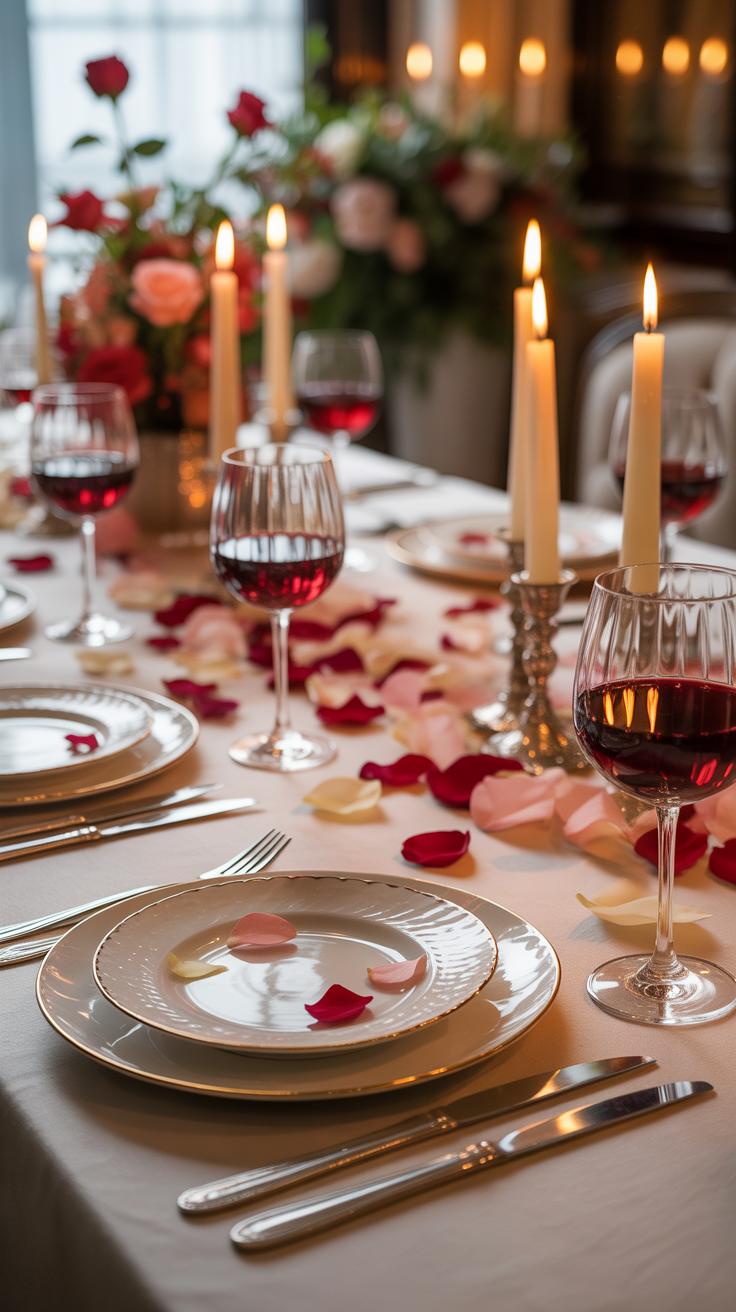
Balance is the mechanical requirement for rose-based desserts. Excessive rose water creates a soapy flavor that ruins a meal. Use high-quality culinary rose water or dried Damascus petals for consistency. Start with small measurements to maintain a subtle floral background. Combine rose with acidic or creamy elements to anchor the flavor profiles. This technique ensures the floral notes enhance rather than dominate the dish.
Temperature affects how diners perceive floral scents. Cold desserts like panna cotta or rose-flavored ice cream require slightly more essence because cold temperatures mute flavor. Warm desserts like puddings or poach liquids release aromatics more aggressively. Always taste your mixtures at their intended serving temperature. Use white chocolate or vanilla as carriers for the rose oils to provide a stable fat base for the infusion.
Rose Petal Cocktails And Mocktails To Set The Mood
Liquid applications require clear infusions to maintain visual appeal. Rose simple syrup is the standard tool for consistent dosing in drinks. Simmer equal parts sugar and water with dried organic petals until the liquid absorbs the pigment and scent. Strain the solids immediately to prevent bitterness. This syrup integrates easily into gin or vodka bases. It provides a reliable floral punch without adding texture to the drink.
Color management is a tactical necessity for anniversary beverages. Use petals from red or deep pink varieties to achieve a natural tint. Acidic additions like lemon or lime juice will shift the pH levels of the rose infusion. This reaction often turns a dull liquid into a vibrant pink hue. Garnish with fresh petals only if they are pesticide-free. This ensures safety for the consumer while providing a professional visual finish.
Rose Petal Recipes For Weddings And Celebratory Gatherings
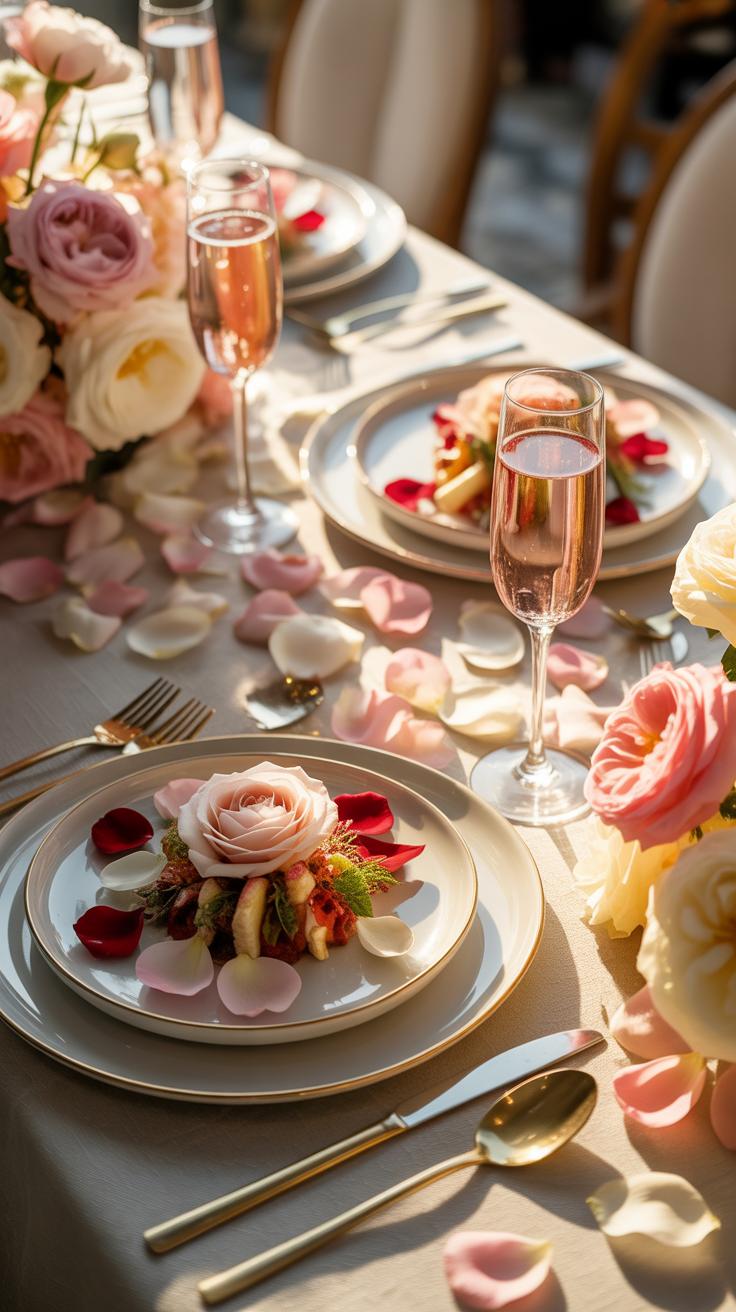
Elegant Rose Petal Garnishes And Edible Decorations For Wedding Cakes
Crystallized rose petals provide a structural garnish for tiered cakes. You must use pesticide-free petals from the Rosa damascena or Rosa centifolia species for the best flavor. Paint each petal with a thin layer of egg white or meringue powder. Sprinkle fine caster sugar over the surface to create a frosted appearance. This technique preserves the petal shape and adds a crunchy texture.
Placement matters for food safety and visual impact. Do not put fresh petals directly on buttercream if they are not organic. Use a food-grade barrier like wax paper or chocolate discs. Arrange the petals in a cascading pattern to mimic natural movement. Professional bakers often pair these with metallic gold leaf. This combination elevates the aesthetic without adding heavy artificial dyes to the dessert.
Gifting Homemade Jam And Rose Petal Jelly As Personalized Wedding Favors
Rose petal jelly serves as a high-value wedding favor. You extract the flavor by steeping fresh petals in hot water to create a strong tea. Add lemon juice to stabilize the color and activate the pectin. This process creates a clear, ruby-red spread. Small glass jars with airtight seals ensure a long shelf life. This gift offers guests a practical and edible memory.
Small batch production requires precise temperature control. Use a candy thermometer to reach the setting point of 220 degrees Fahrenheit. Sterilize all jars in boiling water before filling them to prevent spoilage. Proper labeling should include the harvest date and a full ingredient list for allergy safety. This tactical approach ensures a professional finish. It transforms simple garden ingredients into a luxury guest experience.
Tips For Sourcing And Storing Rose Petals For Your Recipes
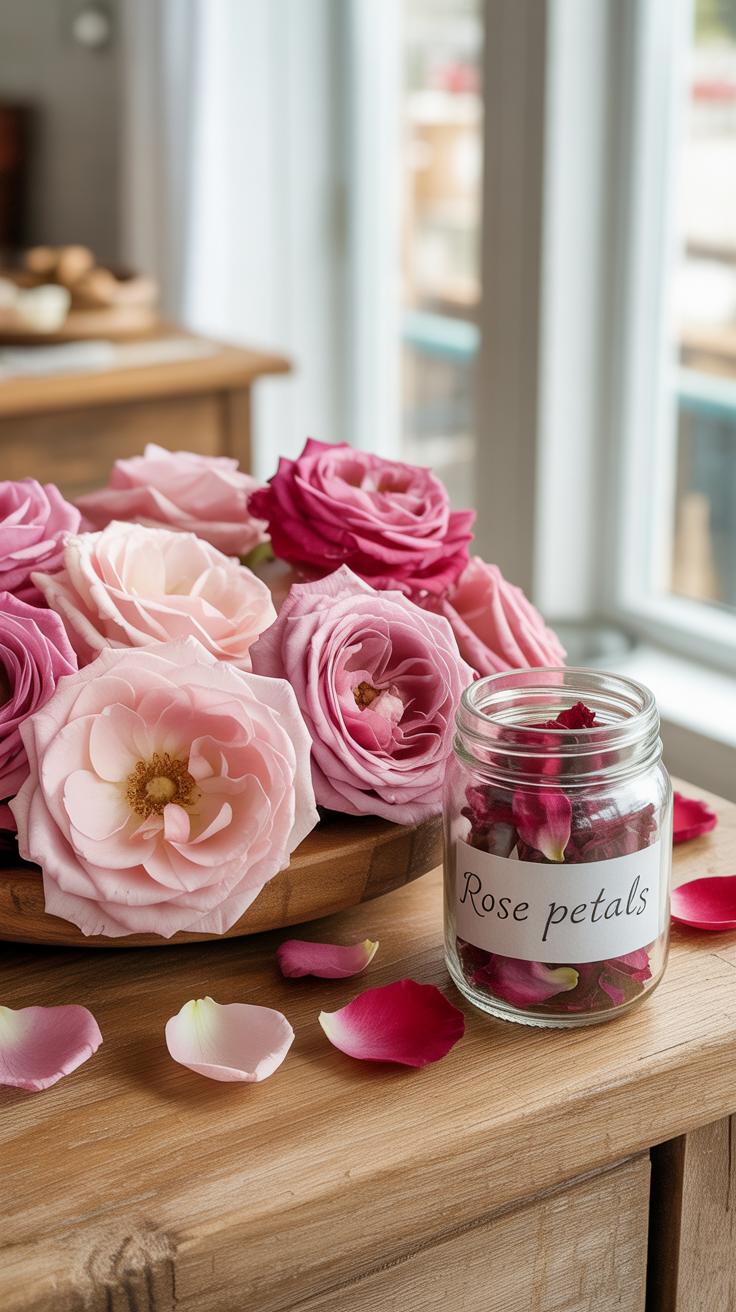
How To Source Organic, Food Grade Rose Petals Safely
Sourcing rose petals for consumption requires strict adherence to safety protocols. You cannot use flowers from standard commercial florists or nurseries. These businesses apply systemic pesticides and chemical fertilizers not cleared for human ingestion. Consuming treated petals leads to chemical toxicity. You must verify the source uses organic practices. Focus on edible varieties like Rosa damascena or Rosa centifolia for the best results.
- Certified Organic Growers: Purchase only from suppliers who hold organic certifications. These growers must follow strict guidelines that prohibit synthetic pesticides and herbicides. This ensures the petals are safe for direct contact with food and liquid infusions.
- Home Gardens: Grow your own roses to maintain total control over the environment. Do not use any chemical sprays or treated soil. Ensure your garden sits far away from busy roads to avoid heavy metal contamination from vehicle exhaust and runoff.
- Wild Foraging Rules: Harvest wild roses only in areas known to be chemical-free. Avoid lands near industrial sites, power lines, or commercial farms. Local regulations often dictate where you can legally forage. Correctly identify the species to ensure it is not a toxic lookalike.
- Food Grade Labeling: Look for specific food-grade markings when buying dried petals. Items sold in the tea or spice aisle undergo different safety checks than those sold for potpourri. Craft store petals often contain artificial scents and dyes that make them toxic.
- Heirloom Varieties: Select older rose varieties for superior culinary properties. Modern hybrids often prioritize visual appeal and shelf life over scent and flavor. Antique roses provide the high essential oil content needed for potent syrups, waters, and infusions in professional kitchens.
Inspect all petals for insects and mold immediately after sourcing. Rinse fresh petals gently in cool water to remove dust and small debris. Pat them dry with a clean cloth or paper towel. If using dried petals, ensure the color remains vibrant. Faded petals indicate age or poor processing methods. High quality dried stock should retain a strong, natural floral aroma.
Best Practices For Storing Fresh And Dried Rose Petals To Preserve Flavor
Fresh rose petals degrade quickly once removed from the stem. To maintain their integrity, place them between damp paper towels and seal them in an airtight container. Store this container in the crisper drawer of your refrigerator. This method prevents wilting and maintains the essential oils for up to three days. Use them as fast as possible to capture the peak flavor.
Dried petals require different conditions to prevent spoilage and flavor loss. Place them in glass jars with tight lids to block moisture. Store these jars in a cool, dark pantry away from heat sources like stoves or sunlight. Heat and light break down the volatile compounds that provide the rose scent. Properly stored dried petals stay viable for six to twelve months before losing their potency.
Common Mistakes To Avoid When Making Rose Petal Recipes At Home
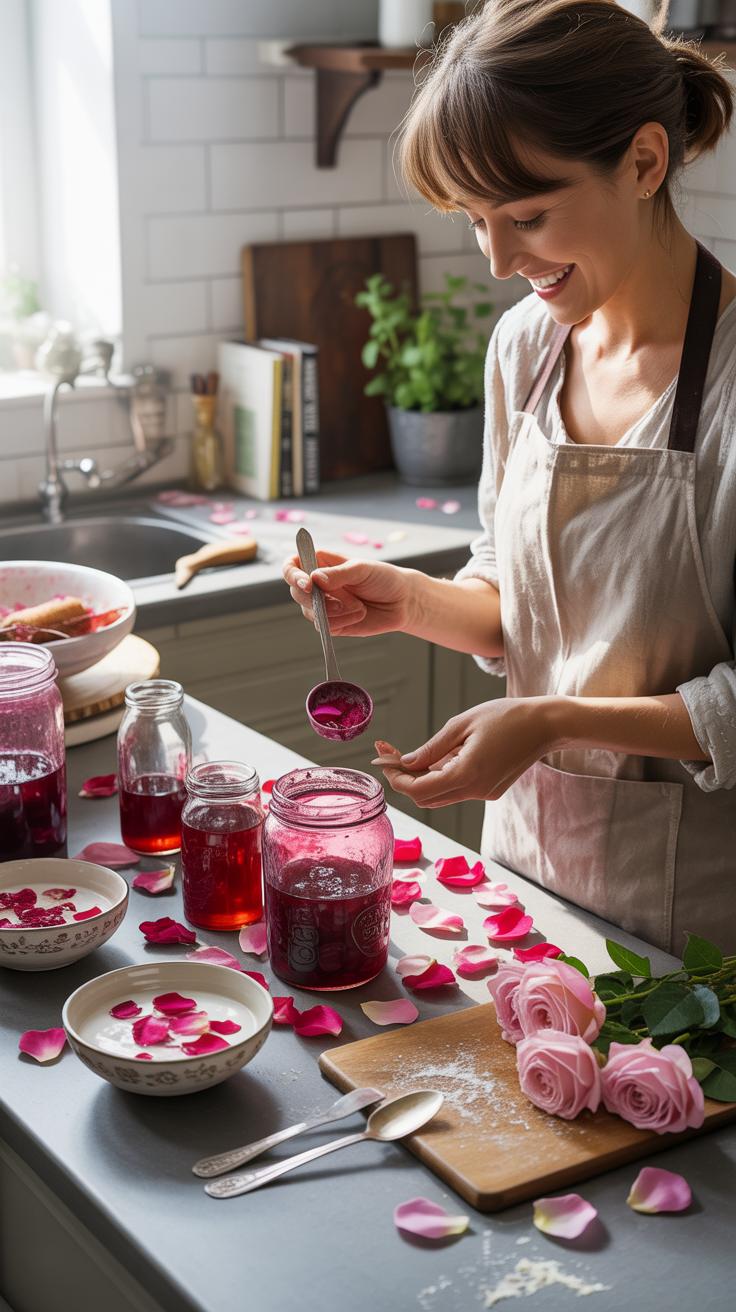
Why Overpowering The Floral Flavor Can Ruin Your Rose Petal Jam Recipe
Rose petals contain volatile oils that release intense aromatics when heated. Most amateur cooks use too many petals or boil the mixture for too long. Excessive heat destroys the delicate top notes and leaves behind a bitter, soapy aftertaste. You must balance the botanical elements with sugar and acid to create a palatable spread. Focus on precision rather than quantity during the infusion stage.
Rose water is a common additive that frequently ruins jam profiles. Generic rose water often contains synthetic perfumes that taste like chemicals. If you add this extract to a concentrated petal base, the flavor becomes aggressive. This cloying profile masks the natural fruity undertones of the flower. Use only food-grade hydrosols in small increments. Taste the mixture constantly to ensure the floral notes remain a subtle enhancement.
Texture And Setting Errors To Watch For In A Rose Petal Jelly Recipe
Standard rose petal jelly relies on a precise chemical reaction between pectin, sugar, and acid. Most failures occur because the cook ignores the pH levels of the petals. Roses are naturally low in acid. Without adding enough lemon juice or citric acid, the pectin chains will not bond. This results in a thin, syrupy liquid instead of a firm jelly. Always verify your acidity levels before the final boil.
Removing the white base of each petal is a critical tactical step many skip. These “claws” contain concentrated tannins that create a gritty, fibrous texture in your preserves. If you leave them attached, the jelly will feel rough on the tongue. Straining the solids out too early also causes issues with flavor depth. Infuse the petals fully but trim them properly first to ensure the final product remains smooth.
Frequently Asked Questions

Are all types of roses safe to use in culinary recipes?
While all roses are technically edible, you must ensure they are organic and free from chemical pesticides. Florist roses are often treated with preservatives, so it is best to source specifically food-grade options or harvest from your own garden. When experimenting with rose petal recipes, focus on fragrant varieties like Damask or Gallica, as the scent directly correlates to the depth of floral flavor in your dishes.
How do I properly prepare fresh blossoms for cooking?
To prepare your blooms, gently rinse them in cool water and pat them dry with a soft cloth. The most important step for successful rose petal recipes is to remove the bitter white base of each petal with scissors. This simple snip ensures your syrups, salads, or desserts remain sweet and aromatic rather than astringent, allowing the delicate, natural perfume of the flower to truly shine through.
Can I use dried petals if I don’t have access to fresh flowers?
Absolutely! Culinary-grade dried petals are a budget-friendly and accessible alternative that you can find at most spice shops or online retailers. They have a concentrated flavor profile that works beautifully in teas, spice blends, and infused sugars. Because they are shelf-stable, you can keep them in your pantry year-round to add a sophisticated, romantic touch to your cooking without needing a blooming garden nearby.