
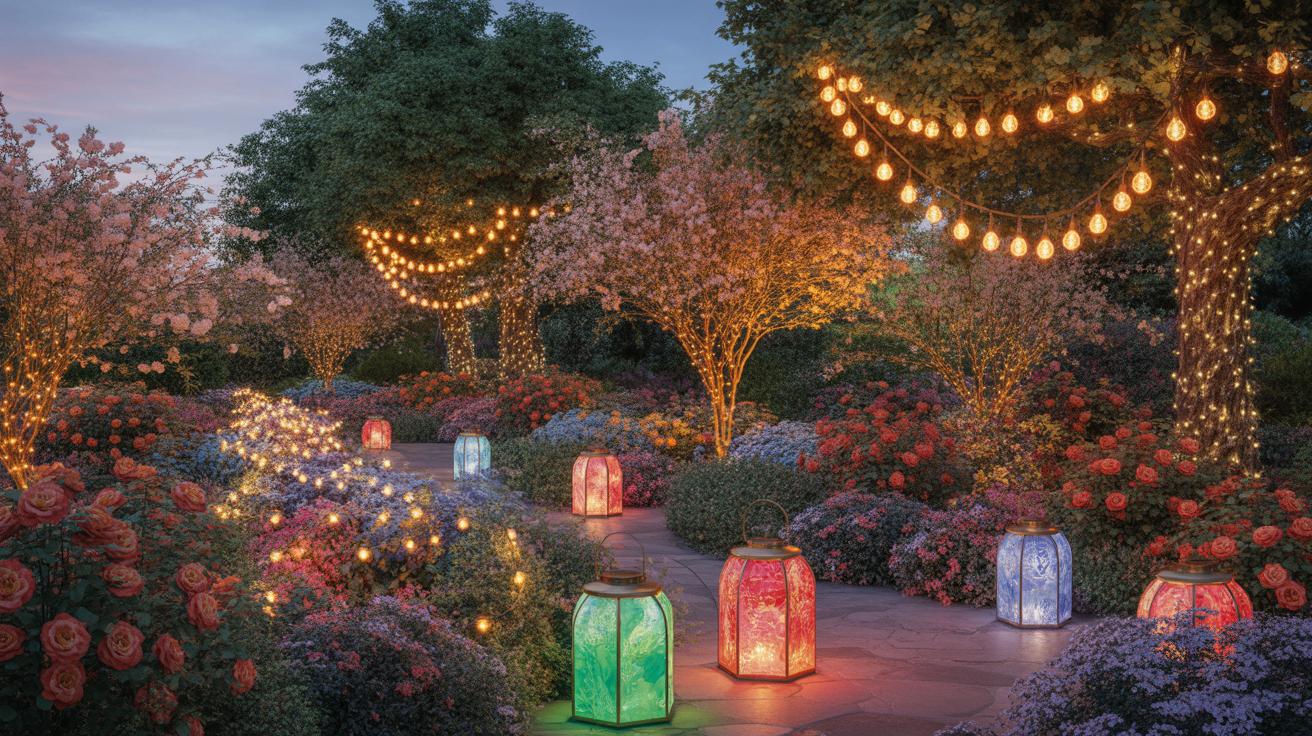
Why Garden Lighting Ideas Can Make Or Break A Special Occasion
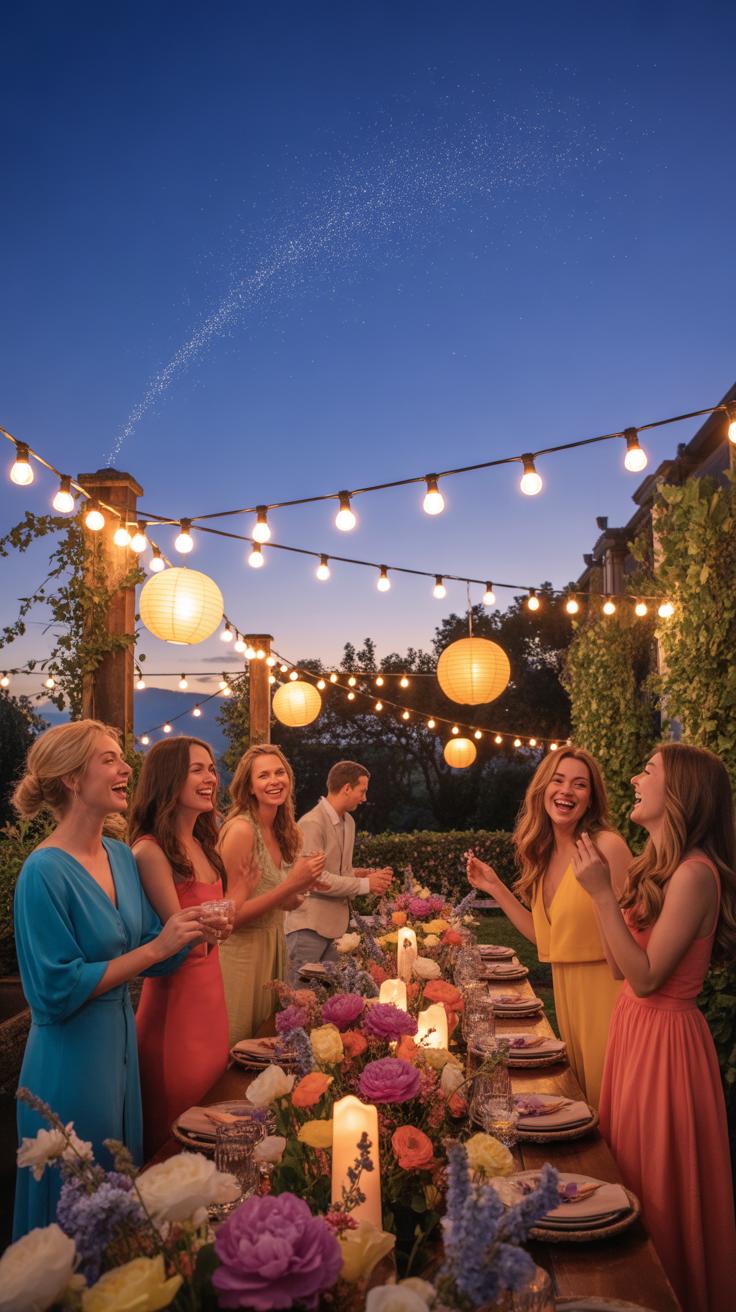
The Role Of Ambiance In Outdoor Celebrations
Ambiance dictates how guests interact with a physical space. In outdoor settings, lighting defines the legal and social boundaries of an event after sunset. It prevents the environment from feeling vast or uninviting. Proper light placement directs the eye to specific focal points. This control ensures guests feel secure and focused on the intended activity. Without it, the space feels disorganized.
Effective lighting design mimics natural cycles to keep guests comfortable. Use warm color temperatures between 2700K and 3000K to encourage relaxation. High-glare or overly bright lights trigger a fight-or-flight response. This ruins the social dynamic of a party. Strategically placed fixtures create layers of depth. These layers make a small garden seem larger and more structured. Ambiance is a utility, not just a decoration.
How The Right Lighting Sets The Mood And Tone For Your Event
Lighting serves as a silent conductor for guest behavior. High-intensity lighting works for high-energy activities or safety-critical transitions like stairs. Lower light levels signal a transition to intimate conversation or dining. Designers use light to establish a formal or casual hierarchy. Clear glass fixtures suggest a traditional tone. Frosted or diffused light sources create a modern and relaxed atmosphere for guests to enjoy.
Technical choices impact the psychological state of everyone present. Directional grazing on stone walls adds texture and weight to the setting. Uplighting trees creates a sense of height and grandeur for formal occasions. Poorly planned lighting causes eye strain and fatigue. This leads to shorter event durations as guests leave early. You must align your hardware choices with the specific emotional goals of the gathering to succeed.

String Lights And Fairy Lights Timeless Garden Lighting For Every Event
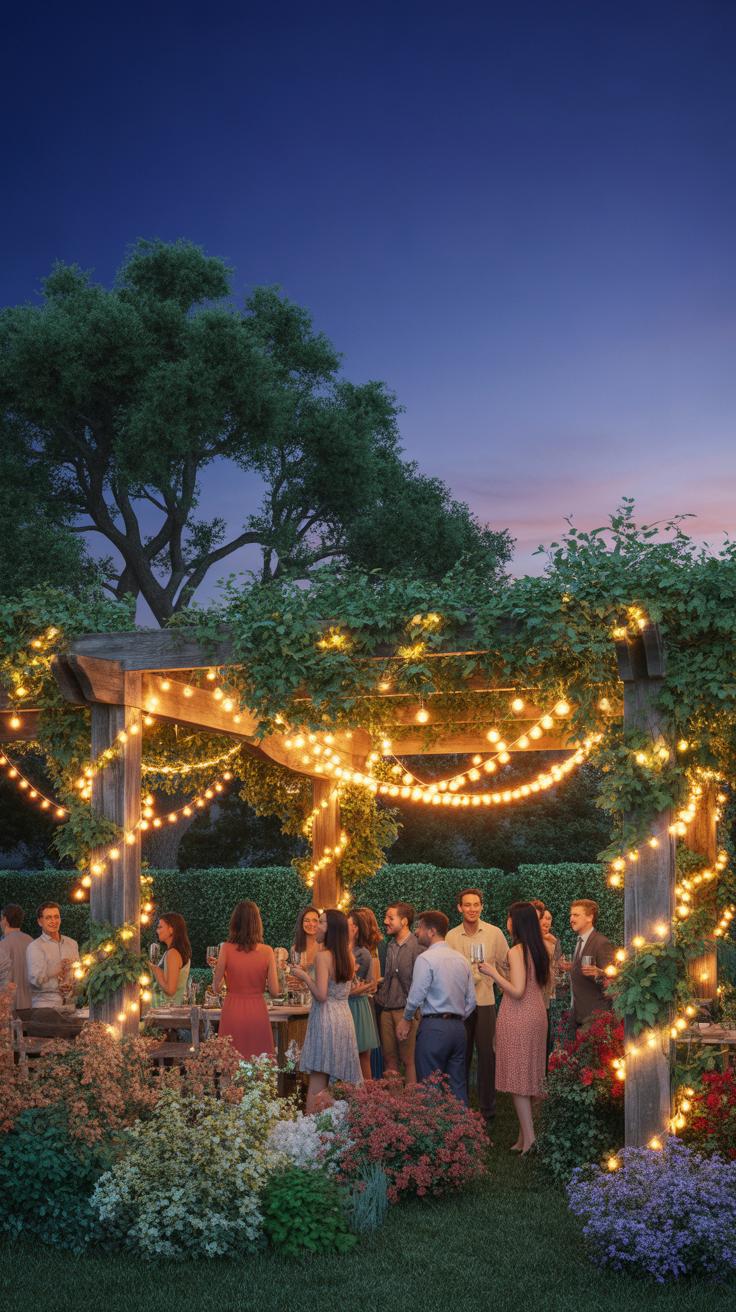
How To Drape String Lights Across Trees, Fences, And Pergolas
Professional installers use a zig-zag pattern for maximum coverage. You must identify solid anchor points before hanging. Use heavy-duty screw hooks for wooden fences and pergolas. Avoid stapling through the wires to prevent electrical shorts. Keep the tension firm but allow for slight thermal expansion. High-quality commercial-grade cables withstand wind better than thin consumer wires. Guide wires offer necessary support for long spans over open ground.
Wrapped trunks provide a classic architectural look. Start from the base and work upward with tight spacing. Secure the ends with plastic zip ties rather than metal wire. For pergolas, follow the structural beams to define the space. Ensure all outdoor connections reside in weather-rated junction boxes. Use LED bulbs to reduce heat damage to foliage. Check the total wattage to avoid overloading your outdoor circuit or extension cords.
Choosing Warm White Vs. Colored Fairy Lights For Different Occasions
Warm white lights offer the most versatile utility for garden events. They mimic the 2700K color temperature of traditional tungsten bulbs. This creates a high-end feel for weddings and formal dinners. Warm tones complement natural wood and stone textures. They provide enough illumination for safety without causing glare. Designers choose white for its ability to blend into any existing landscape color palette without clashing.

Colored lights serve specific seasonal or thematic purposes. Use solid red or green for winter holidays to drive a clear narrative. Multi-colored strands work best for casual parties and children’s events. Saturated blues and purples can highlight specific water features or modern art. Avoid mixing too many colors in one area. This creates visual clutter. Stick to a dual-tone scheme to maintain a professional and controlled aesthetic throughout the garden.
Pathway Lighting Guiding Guests Safely Through Your Garden In Style
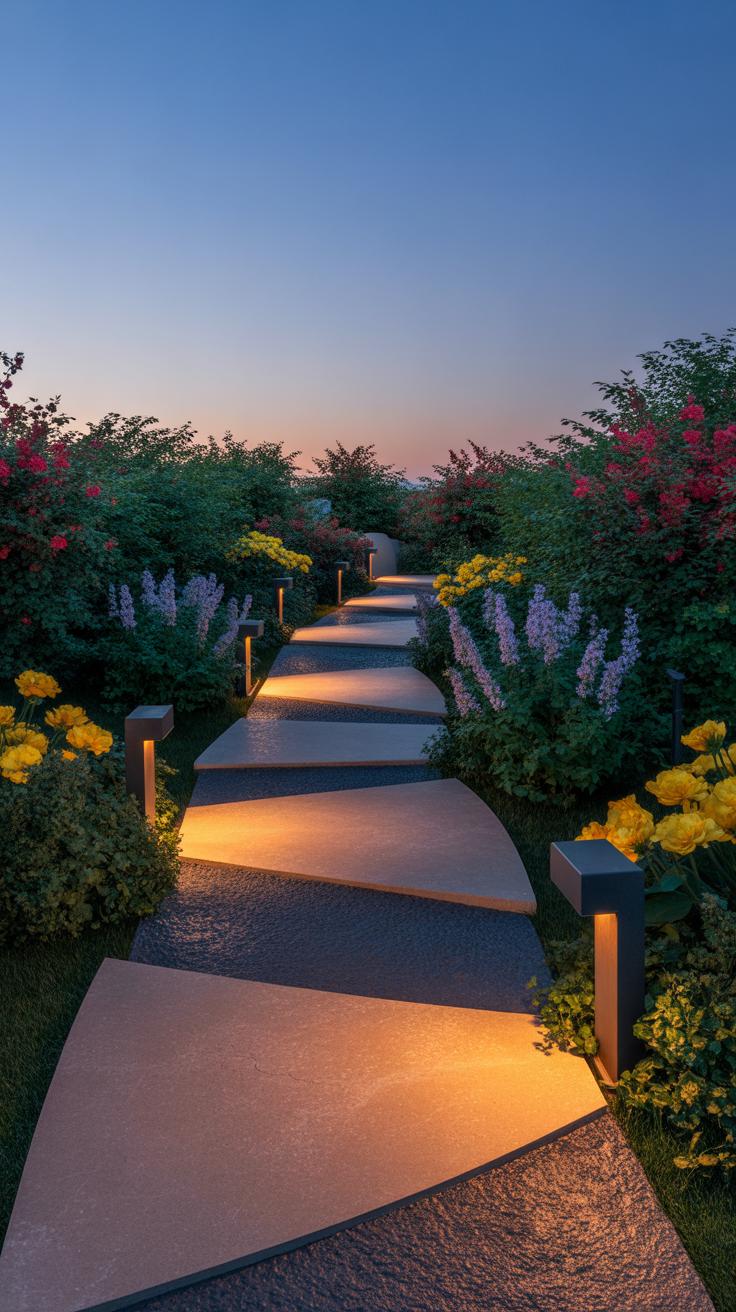
Solar Powered Vs. Wired Pathway Lighting: Which Works Best For Events
Wired systems deliver consistent brightness for high-traffic events. Professionals use low-voltage transformers to convert home power into safe twelve-volt currents. This setup ensures lights remain active all night regardless of weather conditions. Wired lighting provides higher lumen output than solar alternatives. Use these systems for main entry paths where safety is the priority. Hardwired fixtures offer long-term reliability and permit dimming for mood control.
Solar-powered lights offer rapid installation for temporary gatherings. They require zero cabling and rely on onboard batteries charged by sunlight. Use solar units when the event location sits far from electrical outlets. Performance depends entirely on the previous day’s sun exposure. These lights typically emit lower levels of illumination. Choose high-quality polycrystalline panels to ensure the battery lasts through the duration of your evening event.
Creative Pathway Lighting Arrangements That Double As Decorative Features
Staggered placement creates visual depth along a walkway. Do not align lights in straight parallel lines like an airport runway. Instead, position fixtures on alternating sides of the path. This technique mimics natural light patterns and softens the garden landscape. Proper spacing prevents dark spots while highlighting specific plant textures. Use hooded fixtures to direct light downward. This prevents glare and keeps the focus on the walking surface.

Moonlighting involves placing fixtures high in tree branches. This technique casts shadows through leaves onto the path below. It replicates the look of natural moonlight and provides soft illumination. You can also use recessed well lights to graze stone walls or hedges flanking the path. This adds vertical interest to the garden layout. Always hide the light source to maintain a professional look. Focus on illuminating the journey rather than the fixture.
Garden Lamps Outdoors Elegant Lanterns And Post Lights For Formal Occasions
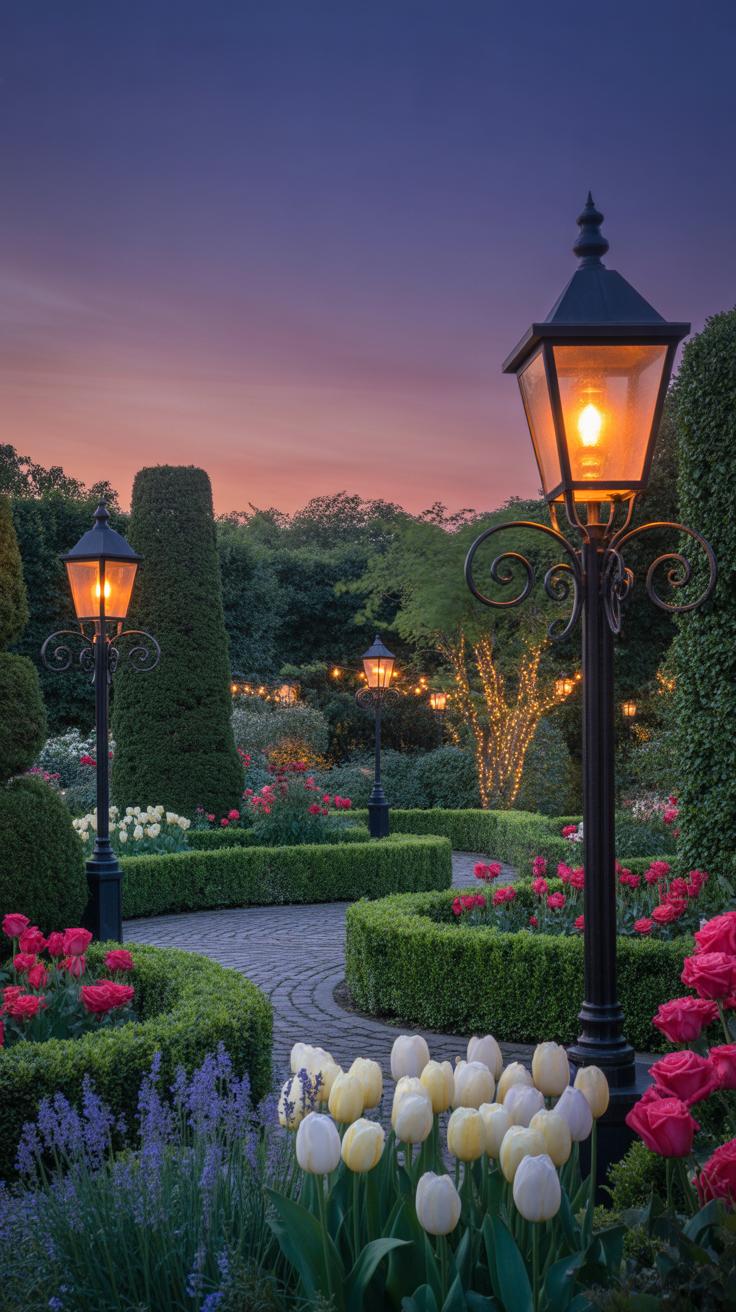
Selecting The Right Garden Lamps Outdoors For Weddings And Dinner Parties
Formal events require high color rendering index ratings. Choose lamps with a CRI of ninety or higher to keep floral arrangements and skin tones looking natural. For weddings, use warm white color temperatures between 2700K and 3000K. This range mimics traditional incandescent bulbs. Use heavy cast aluminum or brass fixtures. These materials resist tipping and withstand wind better than thin plastic alternatives.
Place post lights at key transition points like gate entries and patio steps. This ensures guest safety without flooding the space with harsh light. Select lanterns with frosted or seeded glass to reduce glare at eye level. For dinner parties, mount lamps at heights that avoid direct line of sight for seated guests. Consistent metal finishes across all fixtures create a disciplined and professional visual environment.
How To Arrange Outdoor Lanterns To Create A Cohesive Garden Aesthetic
Effective arrangements follow the principles of symmetry and rhythmic spacing. Place lanterns along primary walkways at equal intervals to create a clear lead to the event area. Use the architectural lines of the house as a guide for placement. Aligning lamps with windows or pillars anchors the lighting to the structure. This technique makes the light feel like a permanent part of the estate design.

Group lanterns in uneven numbers to create focal points in garden beds. Mix different heights of the same lantern style to add depth without introducing visual clutter. Keep the highest intensity light on the ground and lower the intensity as you move up. This keeps the focus on the landscape features. Use shielded tops on all lanterns to prevent light pollution and focus the beam downward onto the path.
Tree Garden Lights Uplighting And Canopy Effects For A Magical Atmosphere
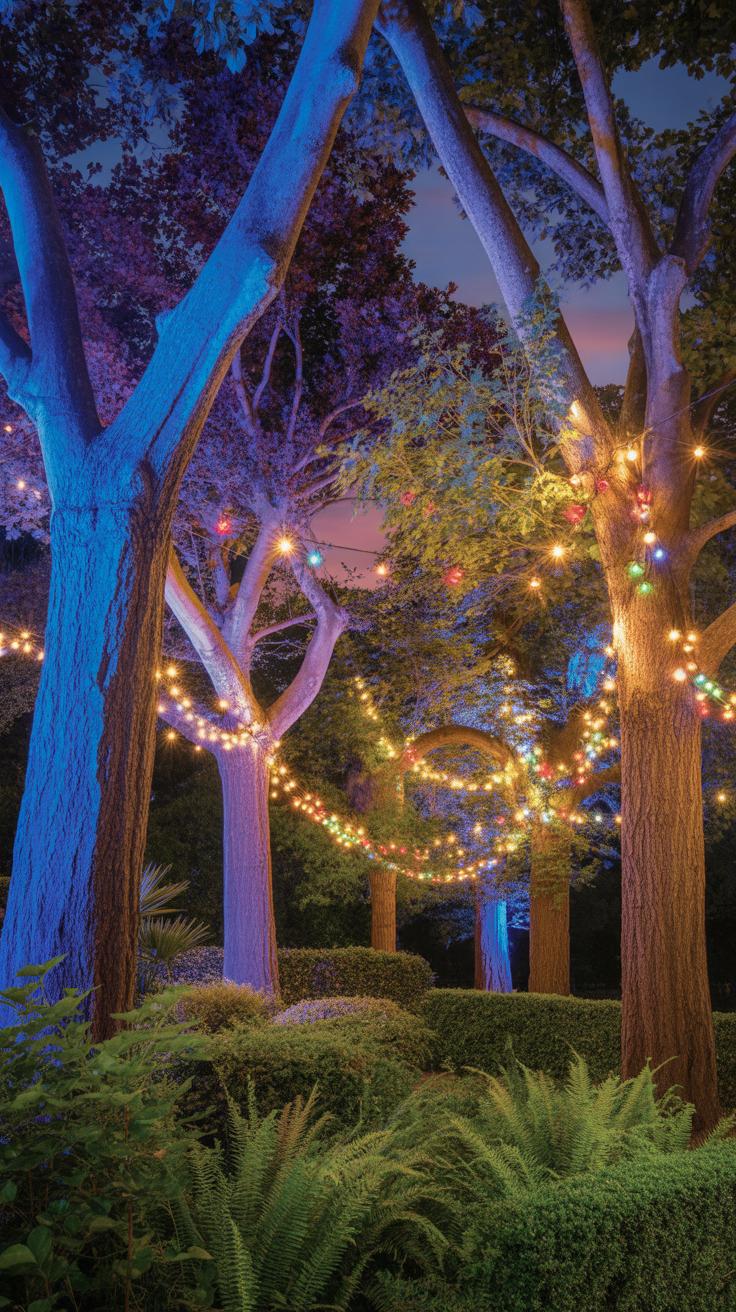
How Uplighting Trees Creates Dramatic Visual Effects After Dark
Uplighting positions light sources at the base of a tree to direct beams upward. This technique highlights trunk texture and structural branch patterns. Professional designers use narrow beam spreads for tall, thin trees. They use wide floods for sprawling canopies. This method creates depth by separating the tree from the dark background. It defines the vertical limits of your outdoor space effectively.
Select fixtures with high lumen output for mature timber. Place lights six to twelve inches from the trunk for maximum texture grazing. Move fixtures further back to illuminate the entire underside of the leaf canopy. Use cool white tones to enhance green foliage or warm tones for autumn colors. Proper placement prevents light pollution and glare. Focused beams ensure light stays on the target rather than spilling into the sky.
Wrapping Tree Trunks And Branches With Tree Garden Lights For Celebrations
Wrapping involves winding string lights tightly around the main trunk and primary limbs. This technique defines the tree shape during winter or special events. Use commercial grade LED strings for durability and safety. Start at the base and work upward to the first major fork. Secure the wires without piercing the bark to prevent tree disease or structural damage.

Tight spacing between wraps provides a clean and architectural look. Spacing wires four inches apart is a standard industry practice for consistent glow. Use brown or black wire to hide the hardware against the bark during daylight hours. Connect multiple strands using weatherproof seals to prevent short circuits. This method transforms static landscape features into active focal points. It provides high visibility for guest navigation and perimeter marking.
Garden Lights Ideas Outdoor Spotlights Floodlights And Wash Lighting Techniques
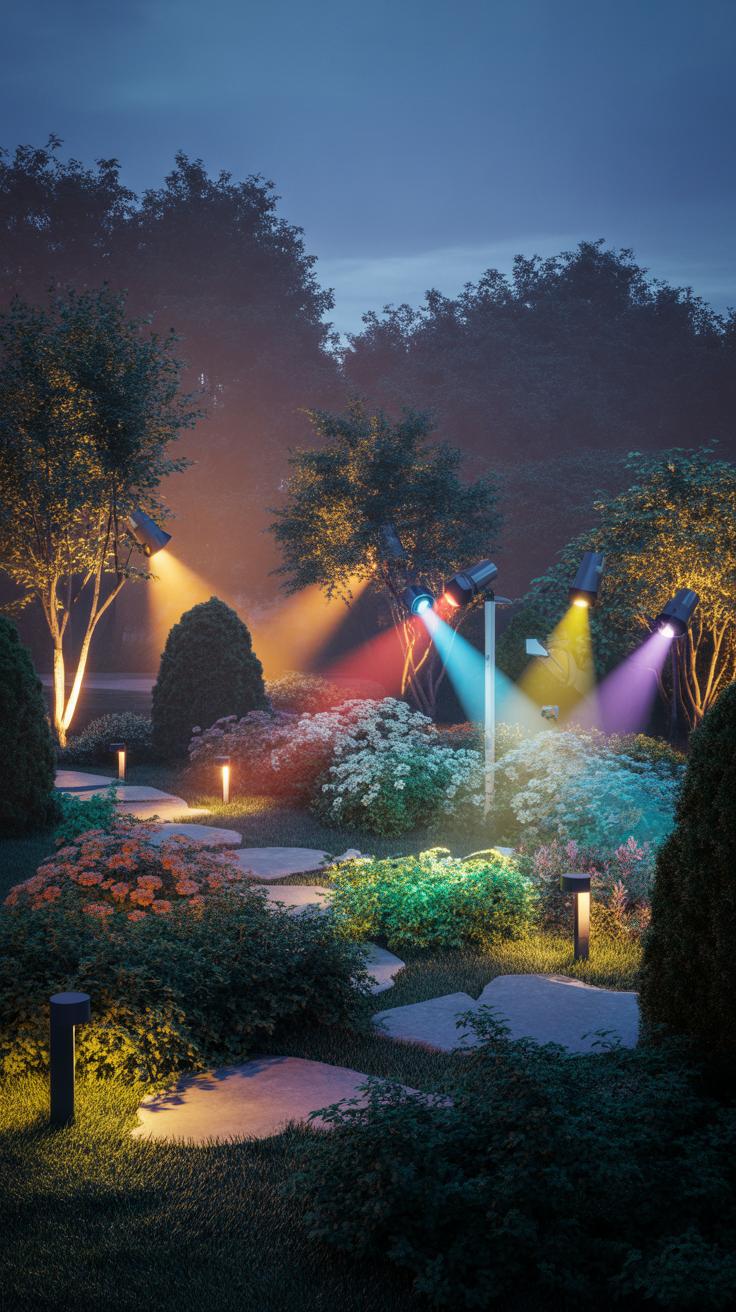
Using Spotlights To Highlight Garden Focal Points During Special Events
Spotlights use narrow beams to draw attention to specific objects. For special events, place these lights at the base of statues or specimen trees. This technique creates a dramatic visual anchor for guests. Direct the light upward to emphasize height and texture. High intensity beams work best for large features. Use low voltage LED fixtures to reduce energy heat near foliage or flammable decor.
Angle the light carefully to avoid blinding your guests. Positioning the fixture at a forty-five degree angle reduces harsh glare. Cross-lighting involves using two fixtures from different sides of an object. This method eliminates heavy shadows and provides a three dimensional view. Use shields or cowls on the fixtures to hide the light source. This keeps the focus on the feature rather than the equipment.
Garden Wash Lighting: How To Softly Illuminate Walls, Hedges, And Borders
Wash lighting covers large flat surfaces with even illumination. It hides imperfections on stone walls or wooden fences during events. Place wide angle floodlights at the base of the surface. Space them evenly to prevent dark spots between the beams. This technique creates a backdrop that makes the yard feel larger. It provides enough ambient light for safety without being too bright.

Use warm color temperatures for a soft atmosphere on hedges and borders. Position the lights slightly away from the foliage to achieve a smooth spread. Avoid pointing these lights directly at seating areas. The reflected light from a masonry wall offers a gentle glow. This method defines the perimeter of your event space clearly. It ensures guests see the boundaries of the garden while maintaining a relaxed mood.
Outdoor Garden Lighting With Candles And Fire Features For Intimate Gatherings
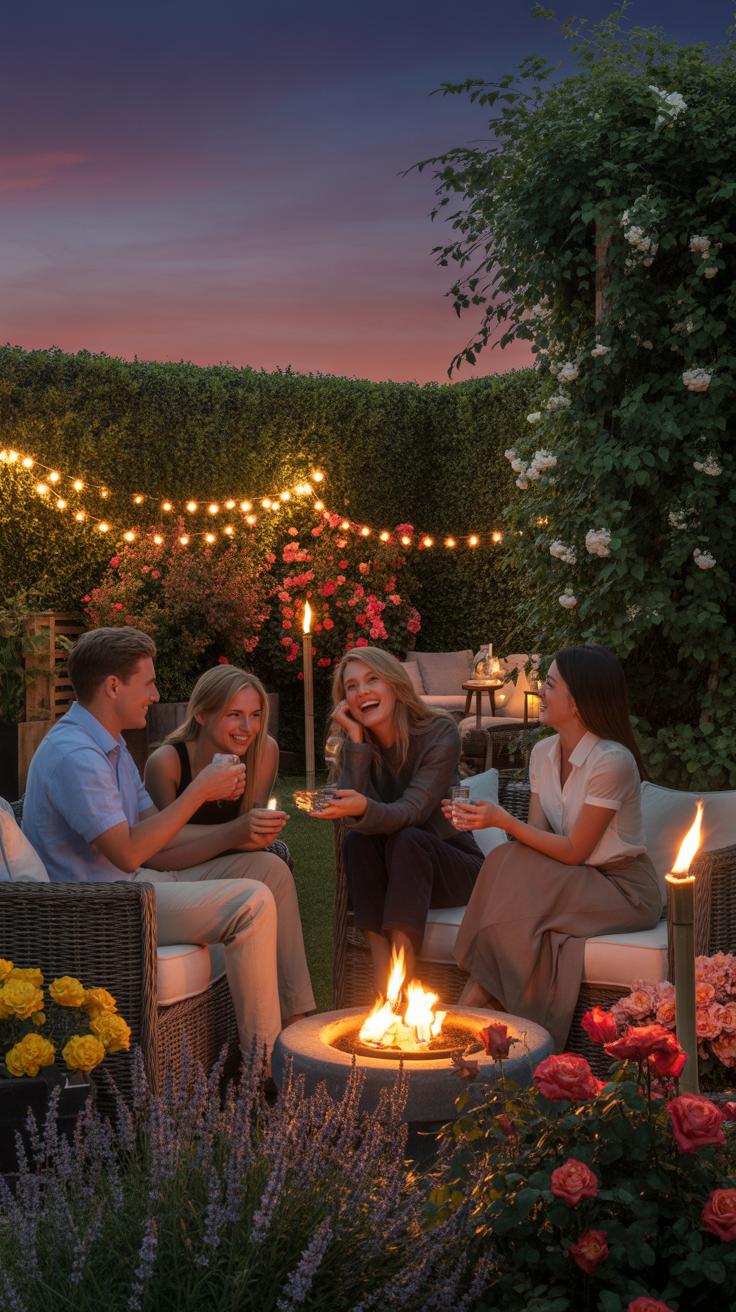
Using Hurricane Lanterns And Pillar Candles Safely In Outdoor Garden Settings
Hurricane lanterns stabilize light by protecting the flame from wind. Use heavy glass enclosures to prevent tipping and contain wax. Place these lanterns on flat surfaces like stone pavers or heavy wooden tables. Position them away from dry leaves or low branches. This setup ensures safety while providing low level illumination. Quality pillar candles offer longer burn times for events lasting several hours.
Select unscented candles to avoid clashing with food or natural garden scents. Use glass sleeves that extend two inches above the flame for maximum wind protection. Ledger stone or slate bases dissipate heat effectively. Clean the glass before each event to maintain light clarity. Proper placement creates a clear perimeter without creating glare. Check the local fire code before using open flames in high risk areas.
Fire Pits And Torches As Functional Outdoor Garden Lighting For Evening Events
Fire pits provide heat and light simultaneously. Permanent stone structures offer the most stability and safety. Situate the pit at least ten feet from any building or combustible material. Use seasoned hardwoods like oak for a steady flame and minimal sparks. Propane fire tables offer an immediate on and off switch for tighter control. These features act as the primary light source for seating areas.

Garden torches define pathways and property edges. Bamboo or metal options work well when driven deep into the soil. Use high quality citronella oil to repel insects while lighting the space. Space torches six feet apart to ensure even light coverage. This distance prevents dark spots along the walking path. Always extinguish every flame manually before leaving the site. Check soil moisture to ensure torches remain upright and stable.
Backyard Decor Meets Lighting Combining Decorative Elements With Garden Illumination
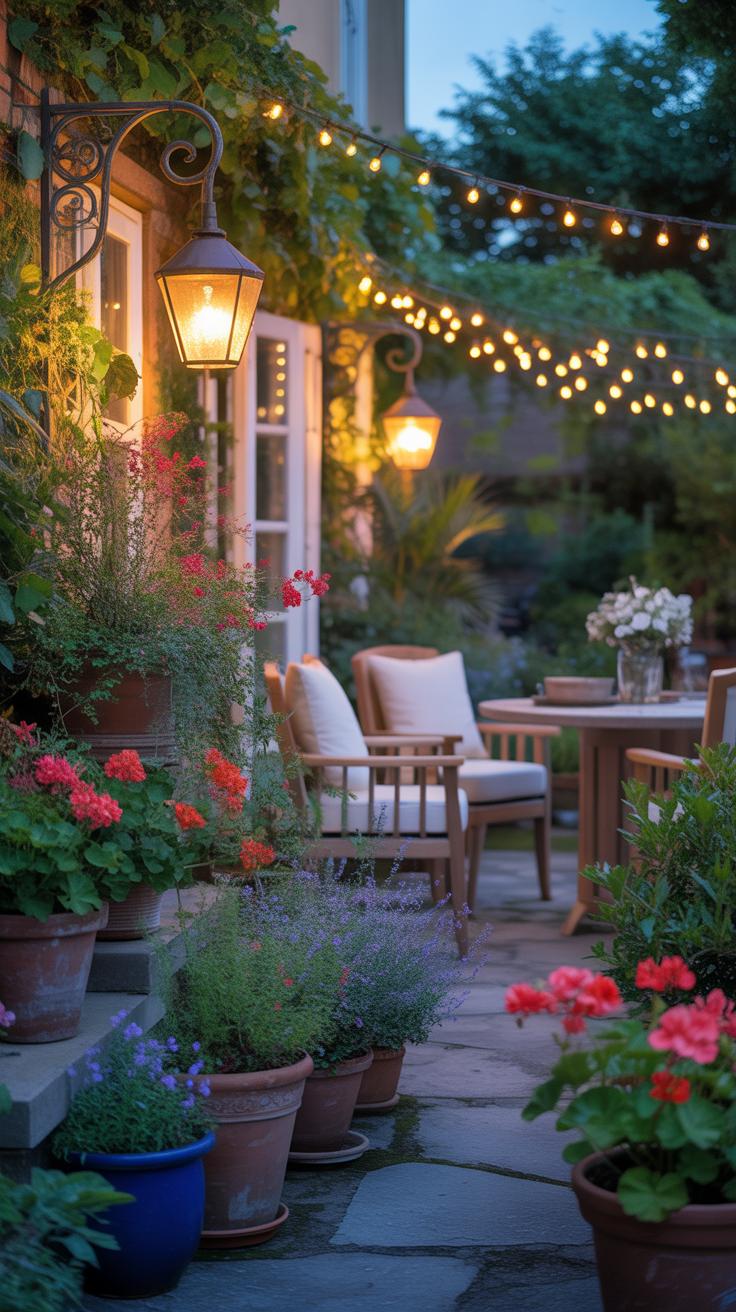
Pairing Backyard Decor Pieces Like Mason Jars And Planters With Light Sources
Tactical lighting requires merging functional hardware with existing yard assets. You must treat every planter, jar, and statue as a potential housing unit for illumination. This method reduces clutter by repurposing items you already own. Focus on heat management when using glass or ceramic containers. Proper placement ensures the light source remains hidden while the object itself glows and defines the space.
- Mason Jar Sconces: Use wire handles to hang jars from fence posts or tree limbs. Place battery-operated fairy lights inside to create a localized glow. This setup avoids the fire risk associated with traditional candles while maintaining a rustic aesthetic common in folk-inspired design.
- Illuminated Planters: Insert waterproof LED puck lights into the base of large translucent pots. The light shines through the material to turn the planter into a lantern. This technique highlights foliage from below and provides clear perimeter marking for walkways or patio edges.
- Terracotta Shadow Casters: Drill specific hole patterns into clay pots and flip them over light sources. The opaque ceramic blocks light except through the holes, projecting distinct patterns onto the ground. This strategy utilizes the natural thermal resistance of clay to handle higher-wattage bulbs safely.
- Glass Bottle Torches: Fill empty wine or spirit bottles with paraffin oil and insert a wick through a metal coupler. Secure these to perimeter walls using heavy-duty clamps. This creates a high-output flame that serves as both a light source and a primitive pest repellent.
- Metal Basket Lanterns: Line wire baskets with moss and hide low-voltage spotlights inside the greenery. The metal frame breaks up the light beam, creating soft, diffused patterns on surrounding surfaces. This adds texture to flat walls without requiring expensive specialized hardware or complex installation.
Position these decorative light units at varying heights to create visual depth. Place heavier stone or ceramic pieces on the ground to anchor the scene. Hang lighter glass elements at eye level to draw the gaze upward. This vertical layering forces the eye to move across the entire landscape. It transforms simple garden tools into active components of your security and event lighting plan.
To paint with light in your private garden is to weave a tapestry of stars that will dance in your memory long after the evening ends.
Color Coordinating Your Backyard Decor Lighting Scheme To Match Event Themes
Color coordination requires a strict adherence to the color wheel and specific event objectives. Use warm white tones for formal gatherings to mimic the candlelit environments of the 19th century. For high-energy events, deploy saturated primary colors through RGB LED systems. You should match the Kelvin temperature of your bulbs to the dominant colors of your furniture and floral arrangements to prevent visual clashing.

Achieve consistency by using colored gels or smart bulbs that allow precision tuning. Cool blue tones complement silver or modern industrial decor but make food look unappealing. Use amber or soft orange hues near dining areas to enhance the appearance of wood and stone surfaces. Avoid mixing too many colors in one zone. Keep the palette limited to three main shades to maintain a professional and intentional look.
Garden Lights Ideas For Seasonal Celebrations From Summer Parties To Winter Festivities
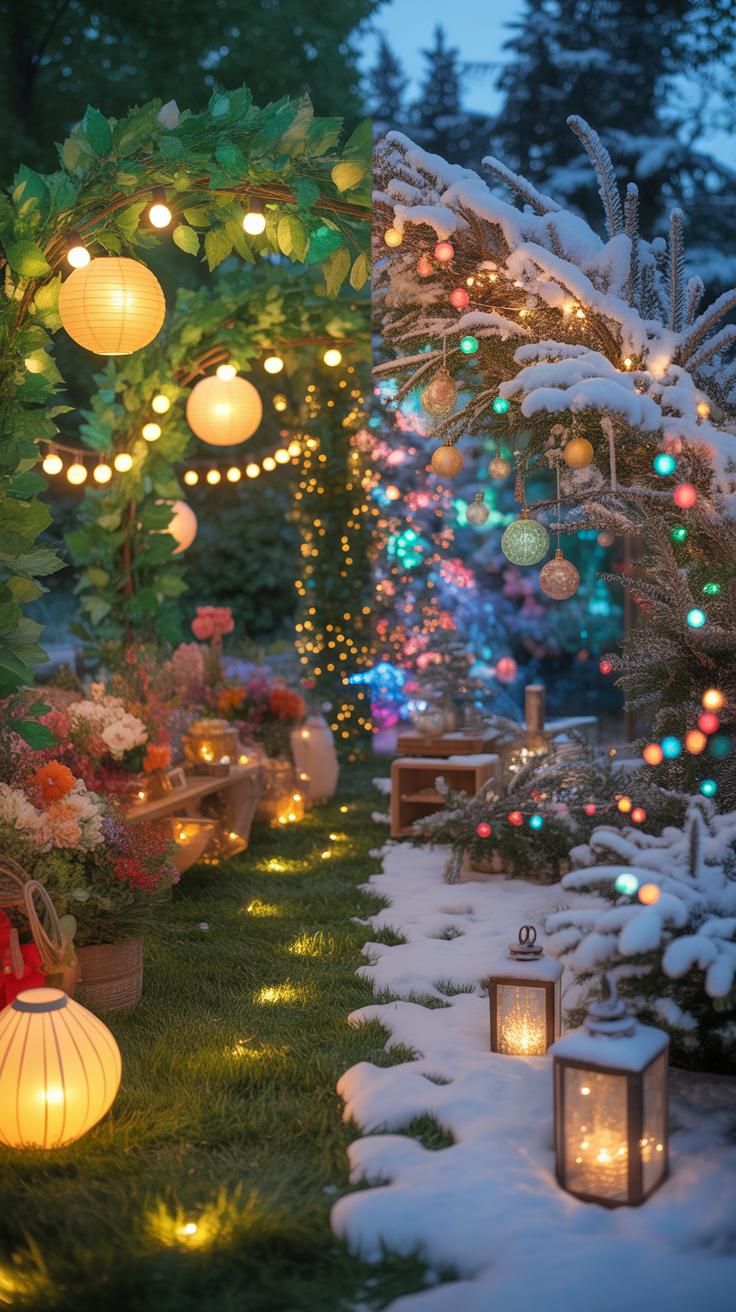
Summer Garden Lighting Ideas For Outdoor Birthdays, BBQs, And Garden Parties
Summer events require lighting that manages heat and insects. Use LED bulbs instead of incandescent types to keep temperatures low around guests. Place lights at the perimeter to define the party space and guide movement. Festoon lighting provides high lumen output for dining areas and cooking zones. Use focused spotlights on grills or bars to ensure safety during food preparation and service.
Layer your lighting to avoid harsh glare in dark corners. Use low voltage path lights to prevent tripping hazards on uneven turf or stone. Solar stakes offer a quick setup for temporary events without running extension cords. Place lanterns on tables to create intimacy without blocking sightlines. Position fixtures to highlight architectural features or large trees. This creates a functional backdrop for evening social interaction.
Winter And Holiday Garden Lighting Ideas To Brighten Cold Weather Celebrations
Winter lighting must endure freezing temperatures and moisture. Select fixtures with an IP65 rating or higher to prevent short circuits from snow and rain. Use warm white LEDs to contrast against the cold blue tones of winter nights. High contrast lighting helps define paths when early sunsets reduce natural visibility. Focus on permanent structures because plant foliage is often sparse during this season.
- Laser Projectors: Use these devices to cover large surface areas like house walls or dense hedges. They eliminate the need for ladders and complex wiring. High quality units function in sub zero temperatures and provide wide coverage with minimal energy draw.
- LED Net Lights: Drape these over dormant bushes or deciduous hedges to create uniform light distribution. This technique provides structure to the garden when greenery is gone. Ensure the mesh is UV resistant to prevent plastic degradation from winter sun exposure.
- Submersible Well Lights: Position these at the base of evergreen trees to provide upward grazing. The light reflects off snow on the branches to increase ambient brightness. Use waterproof housings to protect the electrical components from melting ice and heavy ground saturation.
- Battery Powered Lanterns: Place these on porches or along stairs where hardwiring is difficult to install. Choose models with timers to preserve battery life during long winter nights. Look for heavy bases to prevent the lanterns from blowing over during high wind events.
- Silica Rope Lights: Use flexible rope lighting to outline walkways and driveways hidden by snow. The casing protects the LEDs from direct contact with ice and salt. This creates a clear visual border that improves safety for vehicles and pedestrians entering the property.
Balance your winter layout by focusing on depth and perspective. Uplighting large trees creates a skeleton effect that adds visual interest to a bare landscape. Use timers or smart hubs to manage energy costs as dark hours increase. Integrate motion sensors near entry points for practical security. Strategic placement ensures the garden remains a focal point even when viewed from inside the warm house.
Practical Tips For Planning And Installing Garden Lighting For Special Occasions
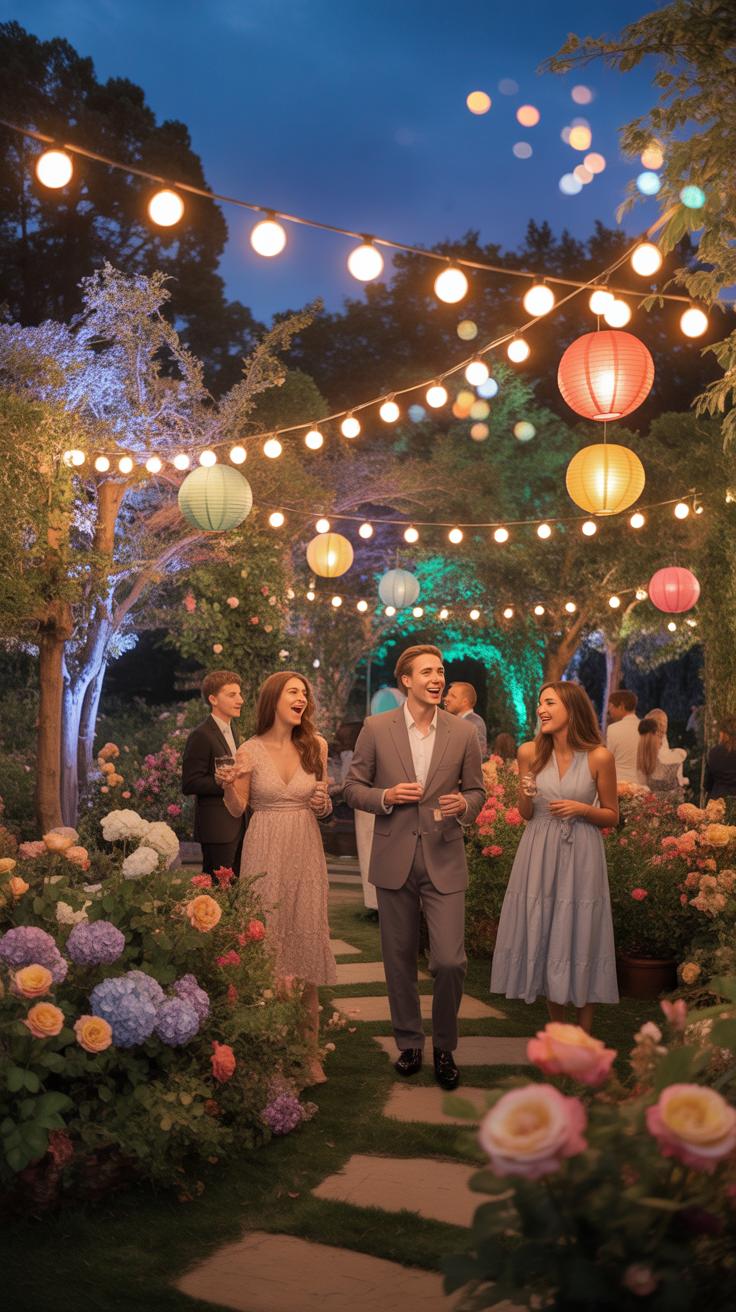
How Far In Advance Should You Plan Your Garden Lighting Setup For An Event
Initiate your lighting design at least four weeks before the event date. This timeframe allows you to assess the existing power capacity and order specific fixtures. You must account for shipping delays and hardware shortages. Early planning ensures you can test the layout during night hours. You need to see how light hits foliage and pathways before committing to a final installation.
Finalize the physical installation three days prior to the occasion. This window provides time to troubleshoot blown fuses or faulty bulbs. It also allows you to adjust the aim of spotlights as the sun sets. Rapid last-minute setups often result in exposed wires and poor light distribution. Professional results require at least two nights of live testing to balance brightness levels and eliminate glare for guests.
Safety, Power Supply, And Weatherproofing Considerations For Outdoor Lighting
Prioritize electrical safety by using Ground Fault Circuit Interrupter outlets for all connections. Total wattage must stay below eighty percent of the circuit capacity to prevent breakers from tripping. Use heavy-duty extension cords labeled for outdoor use. Keep all connections off the ground to avoid water contact. Secure loose cables with stakes or bury them under mulch to prevent guests from tripping during the event.
Verify the Ingress Protection rating on every light fixture used. Outdoor equipment requires at least an IP44 rating to resist splashing water and solid objects. Use weatherproof junction boxes for all splices. For temporary setups, wrap connectors in electrical tape or use plastic safety covers. Professional installers avoid daisy-chaining too many strands of lights. This practice prevents voltage drops that cause dimming or fire hazards in your garden.
Frequently Asked Questions

What are the best garden lighting ideas for someone just starting out?
If you are new to outdoor decorating, start with versatile options like solar-powered path lights or classic string lights. These garden lighting ideas are incredibly user-friendly because they require no professional electrical work. Simply drape fairy lights over tree branches or tuck stakes along your flower beds to instantly add a magical, celebratory glow to your backyard without any technical stress or complicated installation.
How can I safely hang lights in my trees for an outdoor party?
Safety is key when heightening the mood for special occasions. Use outdoor-rated command hooks or plastic gutter clips rather than metal staples to avoid damaging the bark or the wires. When executing these garden lighting ideas, ensure you use a sturdy ladder and avoid over-tightening cords to allow for wind movement. Always check that your extension cords are specifically labeled for exterior use to prevent any electrical hazards.
Is it possible to create a festive atmosphere on a very tight budget?
Absolutely! You can achieve a high-end look without spending a fortune by using upcycled glass jars paired with inexpensive LED tea lights or battery-operated votives. Placing these handmade lanterns along stone walls or outdoor tables creates a beautiful, intimate ambiance. Repurposing items you already own is one of the most sustainable ways to enhance your space while keeping your decorating costs low and your creativity high.