
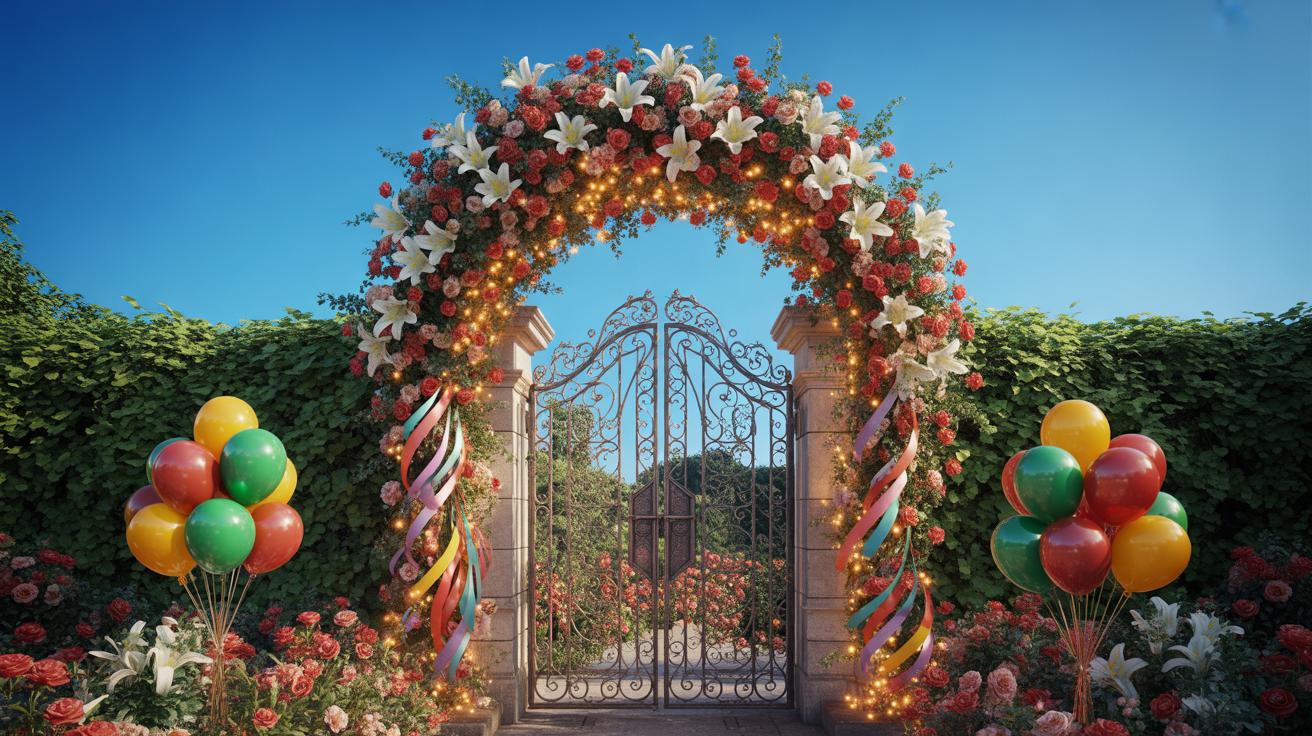
Garden Gate Ideas Wooden Classic Styles That Suit Every Celebration
Why Wooden Garden Gates Have Stood The Test Of Time
Wood provides lasting structural integrity and versatility for garden entrances. Craftsmen favor timber because it adapts to various architectural styles. Traditional joinery techniques like mortise and tenon create strong bonds that resist sagging. This durability ensures the gate functions during high-traffic events. Hardwoods like oak and cedar contain natural oils that prevent rot. These materials offer a neutral backdrop for any seasonal decor.
Standard wooden designs offer a sense of privacy and security. Solid panel gates block views from the street to create an intimate event space. Picket and spindle styles allow airflow while defining boundaries clearly. These gates accept stains or paints easily to match specific color schemes. Property owners choose wood for its reliability and ease of repair. It remains the most practical choice for long-term outdoor use and aesthetic flexibility.
Pairing A Wooden Garden Gate With Climbing Florals For Festive Events
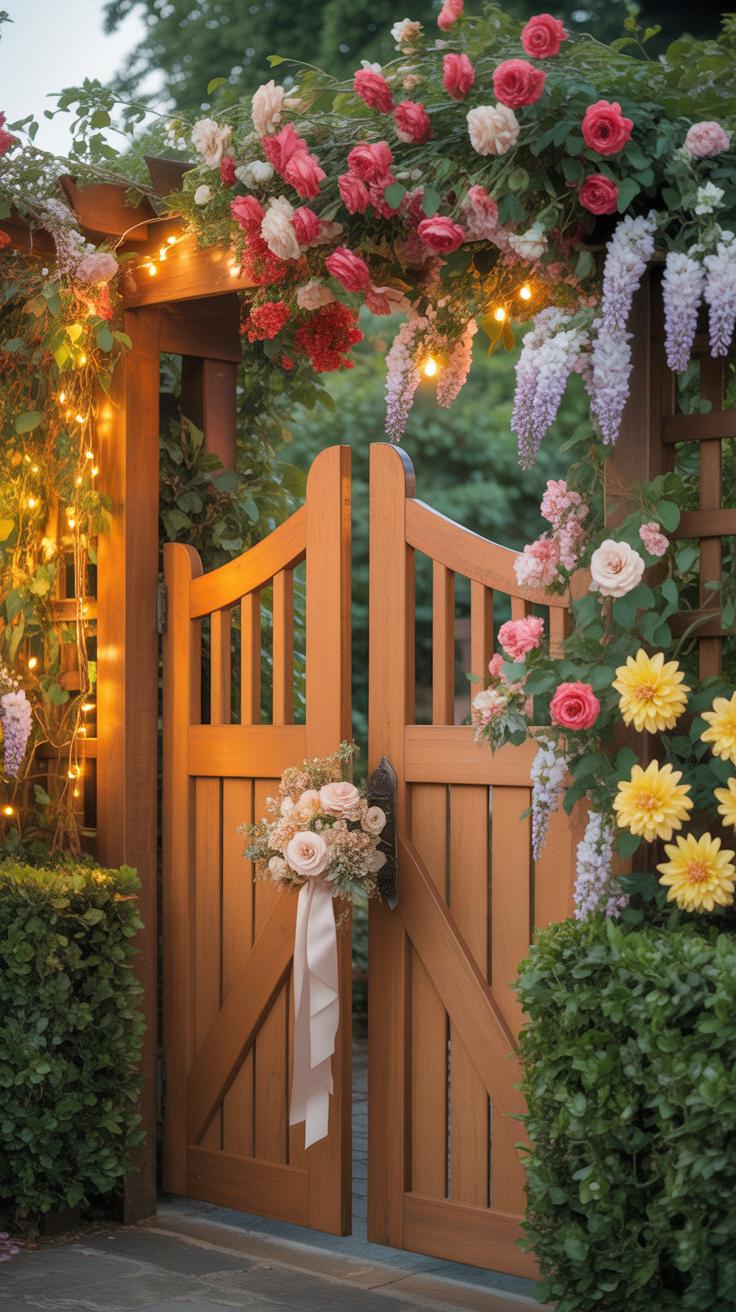
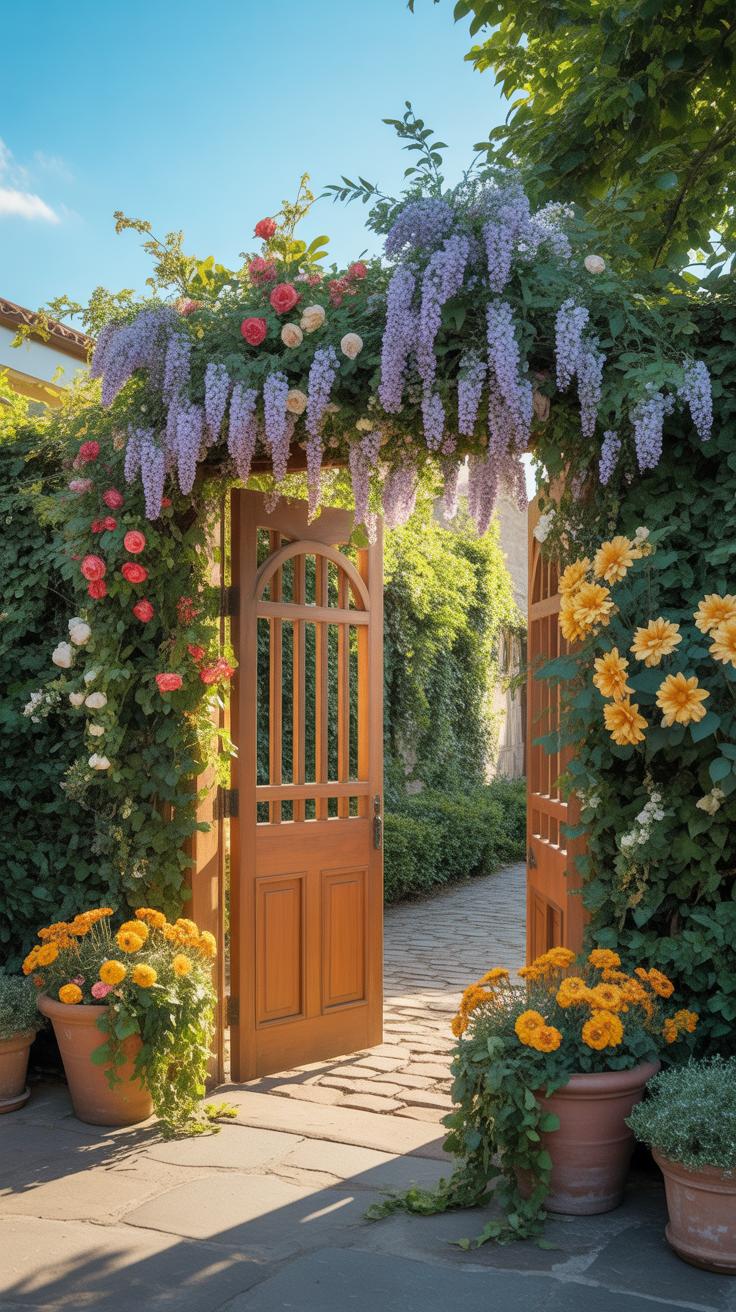
Vertical gardening on wooden structures adds natural texture to event entrances. Strong wooden frames support the weight of heavy vines like wisteria or climbing roses. You must install stainless steel eyelets or wooden trellises to guide plant growth. These attachments provide grip for stems without damaging the gate face. Proper spacing between the wood and the foliage prevents trapped moisture. This setup creates a living arch for guests to pass through.
Selection of the right plant species ensures the gate remains functional. Choose light-weight annuals like sweet peas for temporary summer celebrations. Use perennial climbers for permanent displays that bloom every year. Fasten branches with soft ties to avoid scarring the wood finish. Pruning keeps the clearance open for foot traffic and hardware operation. This combination of timber and greenery provides a high-impact visual for weddings or garden parties.

Wood Garden Gates Ideas Choosing The Right Timber For Your Garden Gate
Comparing Cedar, Oak, And Redwood For Outdoor Garden Gate Construction
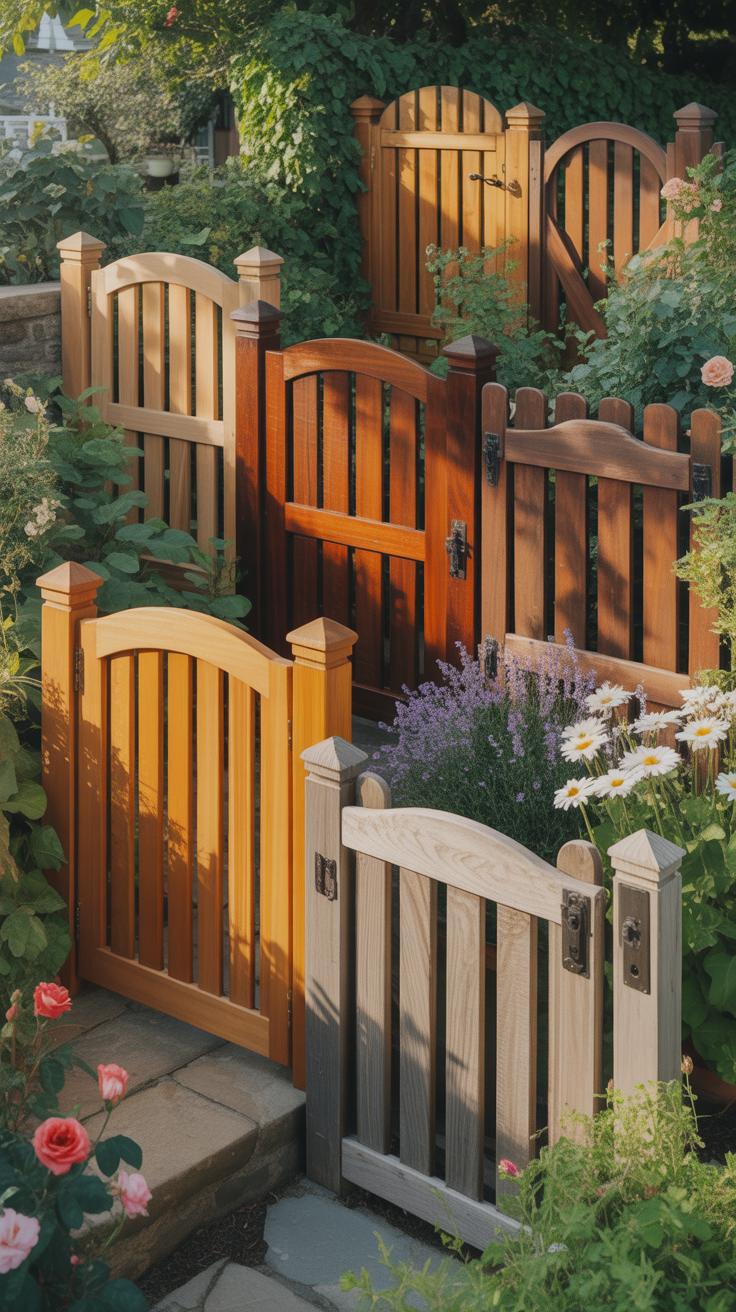
Western Red Cedar is the industry standard for lightweight, decay-resistant gates. It contains natural oils that repel insects and limit moisture absorption. This prevents warping in varying weather conditions. Professionals choose cedar when the gate hardware cannot support heavy loads. It offers a reliable balance of cost and performance. Use it for medium-span openings where weight and structural stability are primary concerns.
Oak represents the premium choice for structural integrity and historical accuracy. European or White Oak provides extreme density and strength. It lasts for decades but requires heavy-duty steel hinges to manage its weight. Redwood offers similar rot resistance to cedar but provides superior dimensional stability. It shrinks and swells less than most softwoods. Select redwood for high-end projects where tight tolerances and long-term alignment are critical.
How Timber Choice Affects The Longevity And Aesthetic Of Your Gate
Timber selection dictates the maintenance schedule and the final visual style. Softwoods like cedar and redwood weather to a silver-grey patina unless you apply UV-rated stains. These woods accept finishes easily due to their open grain structure. Oak develops a rugged, textured appearance over time. It reacts with iron hardware to create dark streaks. This look fits traditional or craftsman designs but requires specific stainless steel fasteners.

Density affects how well the gate holds its shape against gravity. Dense hardwoods resist sag better than light softwoods over five-year periods. However, improper sealing leads to checking and splitting in hardwood gates. Softwoods require more frequent applications of water repellent to prevent fiber breakdown. Choose your wood based on your ability to perform annual maintenance. High-quality timber reduces the need for structural repairs and keeps the gate swinging freely.
Garden Gate Design Architectural Styles That Make A Statement
Arched Vs. Flat Top Garden Gate Designs And When To Use Each
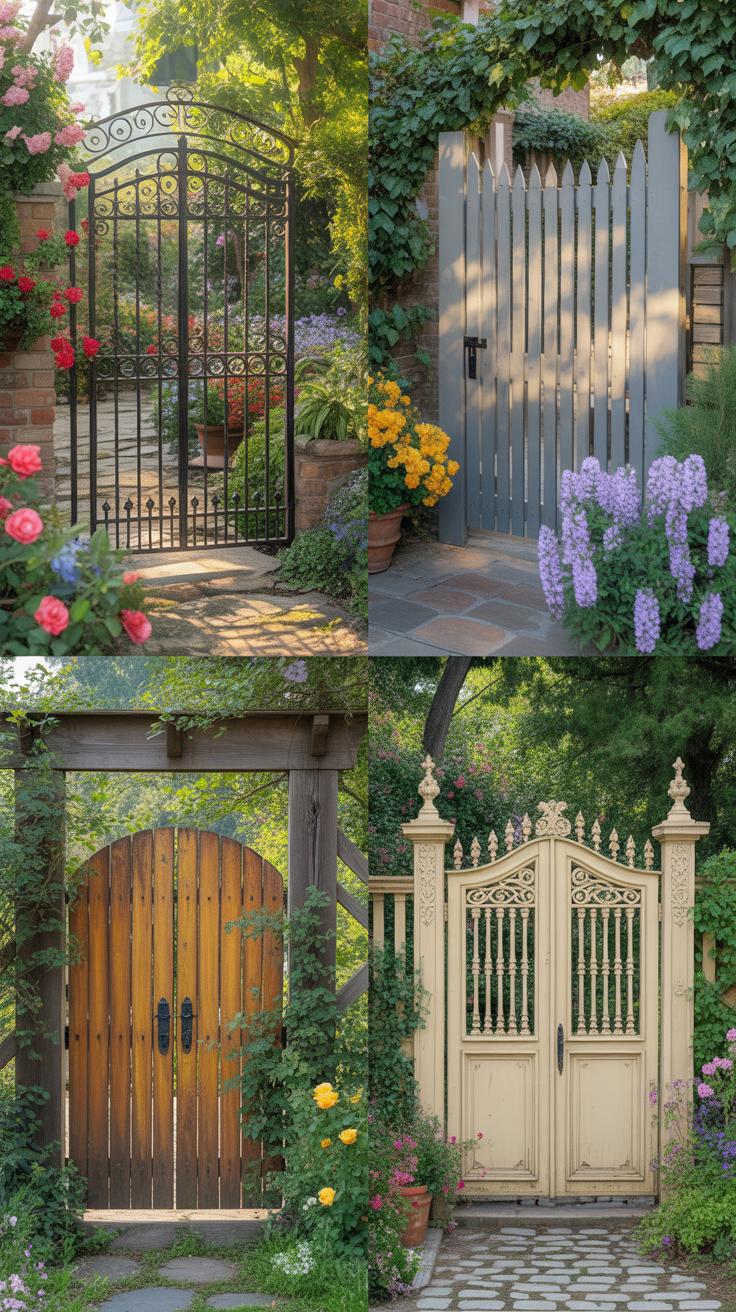
Arched gates offer superior structural integrity and visual height. The curved top directs the eye upward and mimics natural forms found in traditional cottage gardens. Use arched designs to soften the hard lines of a tall stone wall or a high fence. This shape provides better weight distribution across the frame. It requires precise joinery to ensure the wood or metal maintains its curve over time.
Flat top gates serve a more functional and modern purpose. These designs align perfectly with horizontal fence lines and minimalist architecture. They are easier to build and require less specialized labor. Choose a flat top when your goal is to maintain a low profile or match a contemporary deck. This style provides a clean look that does not compete with the surrounding landscape features or complex plant textures.
Incorporating Decorative Hardware And Ironwork Into Your Gate Design
Hardware defines the era and strength of your gate. Wrought iron hinges and latches provide a heavy, secure feel rooted in blacksmithing traditions. Authentic ironwork uses carbon levels that resist snapping under pressure. Choose strap hinges that span at least half the width of your gate to prevent sagging. Proper hardware installation ensures the gate operates smoothly and stays aligned despite constant outdoor exposure and heavy use.

Decorative elements like scrolls or finials add significant security benefits beyond just looks. Sharp finials discourage climbing while intricate scrollwork acts as a structural brace for the gate frame. Use cast iron for complex patterns or stainless steel for modern, rust proof performance. High quality hardware transforms a basic wooden frame into a high end architectural feature. Pick finishes that match your home exterior to create a unified and professional look.
English Cottage Garden Gate Inspiration For Romantic And Rustic Occasions
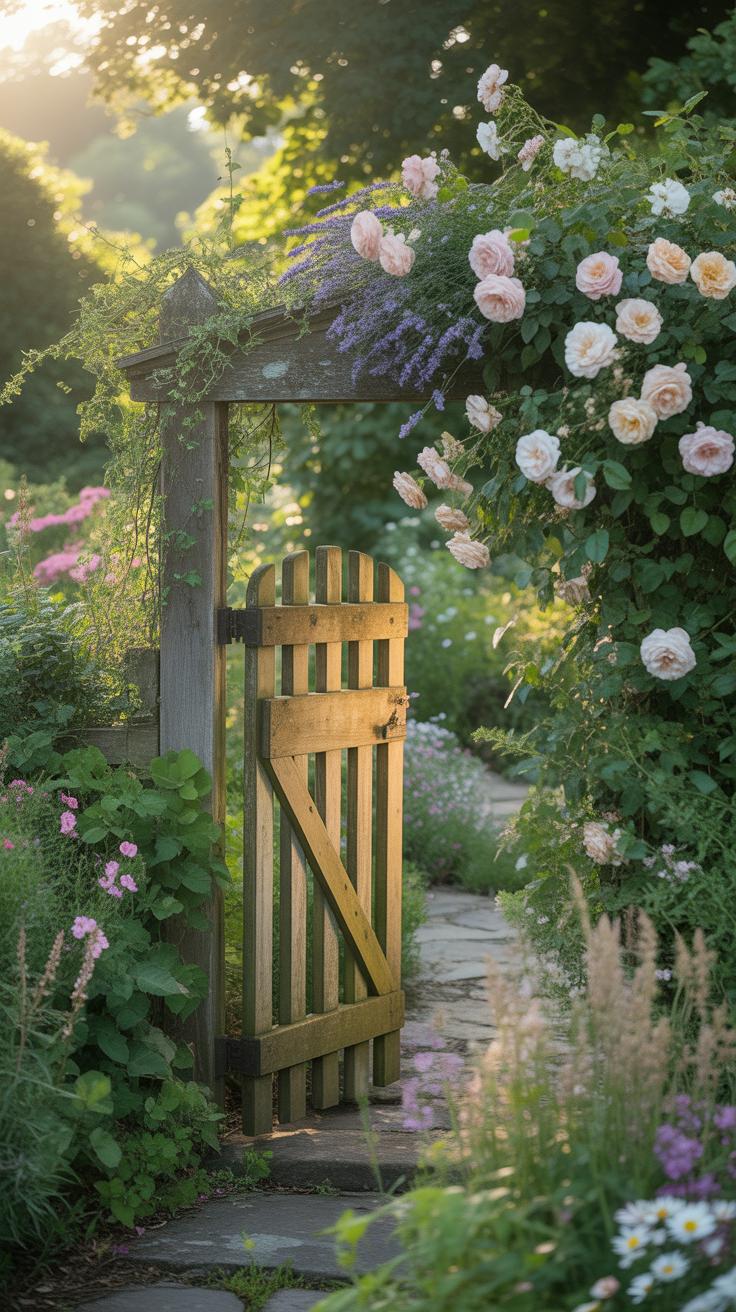
The Defining Characteristics Of The English Cottage Garden Aesthetic
The English cottage style relies on functional simplicity rather than formal grandeur. Historically, these gardens served laborers who needed food and medicine. The aesthetic uses local, raw materials like weathered oak, flint, or wrought iron. Gates must look handmade and lived-in. Avoid mass-produced plastic or vinyl. You need a gate that shows texture and age. This creates a sense of history for any event or gathering.
Structures should emphasize an informal layout. A cottage gate marks a transition from public roads to private sanctuaries. Use low-height designs to maintain visibility of the surrounding flower beds. Select materials that develop a patina over time. Lichen and moss on stone pillars or greyed wood finishes are essential features. These details provide a grounded, authentic feel. This approach ensures your Garden Gate Ideas remain timeless and practical.
A garden gate is not just an entry, but a beautiful threshold where we welcome the magic of life’s most cherished celebrations. Every latch turned and hinge swung open begins a new story under the open sky.
Gate Styles And Plant Pairings That Capture The Cottage Garden Spirit
Picket and lychgate styles are the primary choices for this look. A low wooden picket gate allows heavy plantings to spill over the sides. Use traditional joinery like mortise and tenon for durability. Pair light-colored wood with dark green foliage. This contrast draws the eye toward the entrance. Strategic placement ensures the gate acts as a frame for the garden interior. It creates an immediate focal point.

Integrate climbing plants to soften the hard edges of the gate frame. Clematis and climbing roses are standard choices for high-traffic entrances. Secure these plants with copper wire or heavy-duty staples to the gate posts. Ensure the gate still swings freely without snagging the vines. Use lavender or catmint at the base of the posts to mask structural footings. This layered planting technique builds depth and adds sensory appeal.
Wooden Gates Finishing And Decorating Them For Festive Events
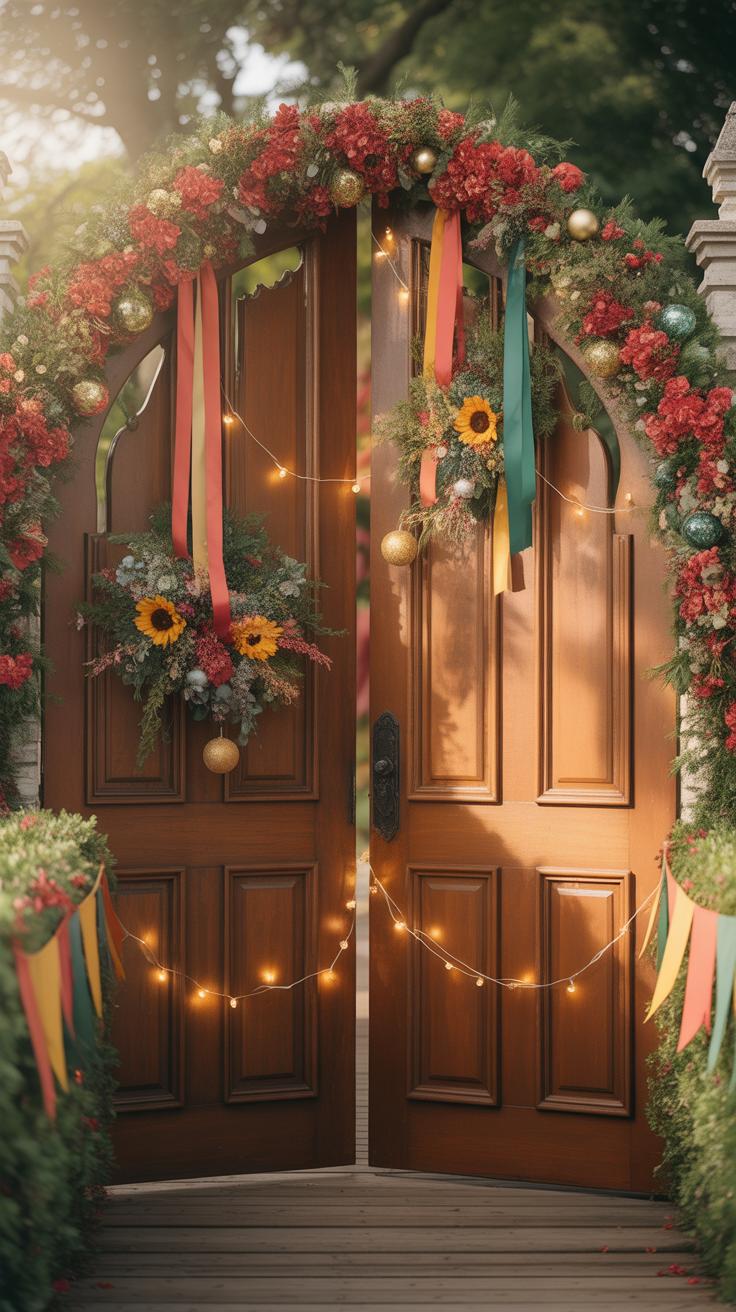
Staining, Painting, And Sealing Wooden Gates For Weather Resistance And Curb Appeal
Exterior wooden gates require chemical protection to prevent rot and UV degradation. Use oil-based stains to penetrate the wood grain for deep protection. Water-based paints offer high UV resistance but may peel if the wood expands. Professionals apply a clear sealant over the finish to block moisture. Sand the surface with 120-grit paper before applying any product to ensure proper adhesion.
Maintain the gate every two years to prevent warping and structural failure. Inspect the bottom rail for water damage. Vertical grain softwoods like Western Red Cedar resist rot naturally but still need UV blockers. Apply finishes in dry weather with low humidity. This ensures the coating cures correctly. A well-sealed gate provides a neutral canvas for festive decorations while protecting your property investment.
Essential Supplies For Decorating A Wooden Gate For Special Occasions
Temporary decorations require hardware that does not damage the wood finish. Avoid using heavy nails or permanent adhesives. Use non-marring clips or over-the-door hangers to support wreaths and garlands. Nylon zip ties and floral wire provide secure attachment points without puncturing the sealant layer. Gather these supplies before the event to ensure a fast and professional installation process.
- Stainless Steel Eye Hooks: These small screws provide permanent anchor points for stringing lights or heavy banners. Use stainless steel to prevent rust streaks from running down the wood face. Pilot holes prevent splitting.
- Pressure-Sensitive Adhesive Hooks: Use these for lightweight items like ribbons or paper lanterns. Select outdoor-rated versions that withstand temperature changes. They pull away cleanly after the event without stripping the paint or stain.
- Jute Twine: Natural fibers complement wood textures and provide strong tensile strength for hanging greens. Twine is biodegradable and easy to cut down. It will not scratch the finished surface of the gate.
- Floral Wire: Professionals use green coated wire to hide attachment points within foliage. It is flexible and grips the gate structure tightly. This prevents decorations from shifting or sliding during high wind events.
- Bungee Cords: Short cords secure larger structural elements or heavy signage to the gate frame. They distribute weight evenly across the timber. Always hide the hooks behind the decoration to maintain a clean aesthetic.
Organize all tools into a portable kit for rapid setup and teardown. Include wire cutters, a measuring tape, and a step ladder. Ensure all electrical components carry an outdoor safety rating if using lights. Check the gate weight capacity before adding heavy floral arrangements. Proper preparation prevents damage to the wood and ensures the gate functions correctly while decorated.
Wooden Gate Ideas Personalizing Your Entrance For Special Moments
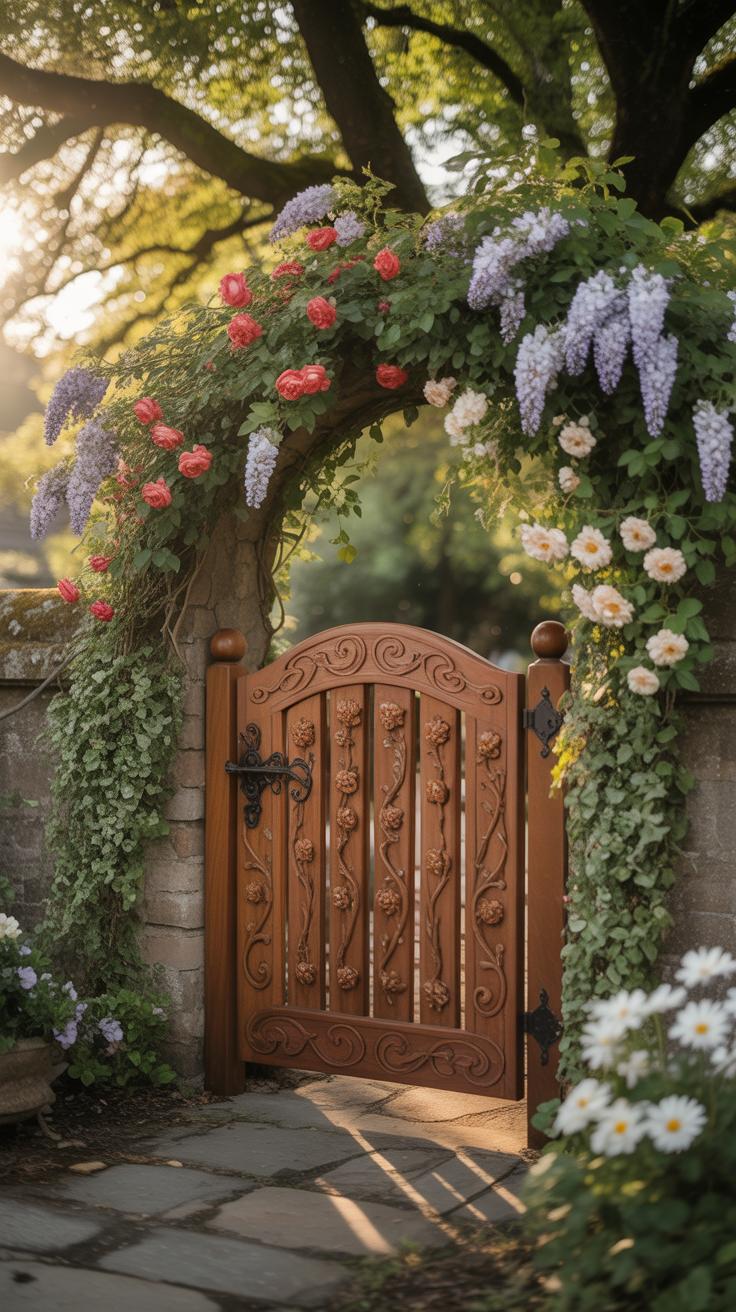
Adding Monograms, Carvings, And Custom Signage To Wooden Gates
Wooden gates provide a solid surface for permanent and temporary identification. For events like weddings or anniversaries, you can mount CNC-machined monograms directly onto the gate pickets. Use marine-grade plywood or PVC for temporary signs and solid hardwoods like oak for permanent carvings. Fasten these items with stainless steel screws to prevent rust streaks on the wood grain. This creates a clear focal point.
Incorporate relief carving techniques for a high-end architectural look. This method involves removing wood from the background to make symbols stand out. If you prefer a faster approach, use laser-engraved plaques made of brass or slate. Secure these to the center rail or top beam. These additions signal the importance of the occasion. They turn a standard utility gate into a commemorative marker that guests will notice immediately.
Using Lighting And Seasonal Wreaths To Transform A Wooden Gate Entrance
Lighting dictates the mood and safety of your entrance during evening events. Install low-voltage LED path lights or solar-powered lanterns on the gate posts. Avoid bright floodlights that cause glare. Instead, use warm-toned bulbs to highlight the texture of the wood. Use waterproof tape to hide wires along the back of the rails. Effective lighting ensures guests find the entry point without difficulty or safety risks.
Seasonal wreaths offer a fast way to update your gate for specific holidays. Use heavy-duty magnetic hooks or over-the-gate hangers to avoid drilling new holes every season. Natural fibers like grapevine or eucalyptus complement the organic look of cedar and redwood. Ensure the wreath scale matches the width of the gate. A small wreath on a wide double gate looks out of place. Secure the bottom to prevent wind damage.
Garden Gate Ideas Seasonal Themes That Celebrate Every Occasion
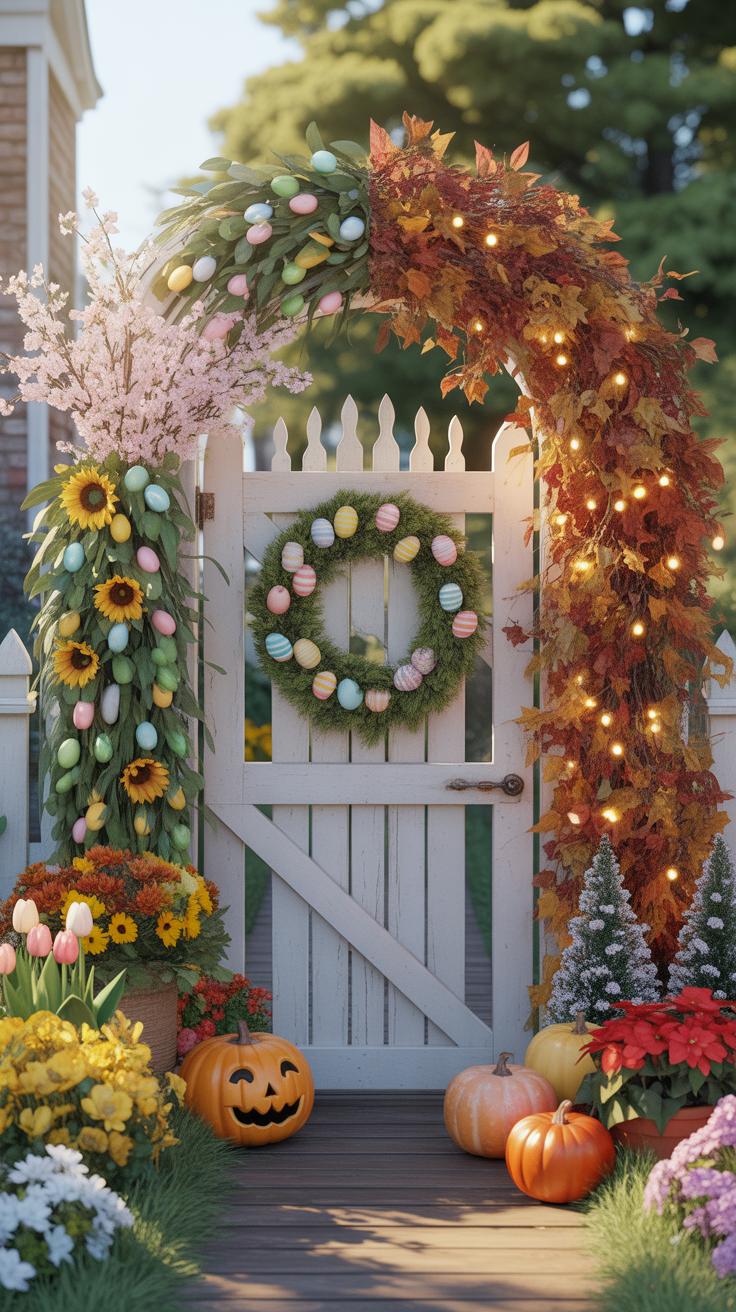
Spring And Summer Gate Decorating Ideas For Weddings And Garden Parties
Spring weddings require sturdy gate structures. Use iron or heavy timber gates to support live floral weight. Hydrangeas and lilies provide bulk without adding excessive strain on hinges. Secure all greenery with green floral wire to hide the mechanics. Ensure the gate remains functional during the event. Guests must pass through without catching clothing on thorns or wire ends.
Summer parties demand shade and heat resistance. Use dried lavender or wheat sheaves for longevity in high temperatures. These materials do not wilt like fresh cut roses. Place battery-powered LED lanterns on gate posts for evening visibility. Avoid candles to prevent fire risks near dry wood. Use neutral colors like white or cream to reflect sunlight. This keeps the entrance area cooler for arriving guests.
Autumn And Winter Gate Themes For Holidays And Milestone Celebrations
Autumn decor focuses on durability and harvest themes. Use grapevines or willow branches to create structural wreaths. These materials withstand wind and rain better than paper or fabric decorations. Secure heavy pumpkins or gourds at the base of the gate rather than hanging them. This prevents sagging or structural damage to the gate frame. Use copper wire for a professional and rust-resistant finish.

Winter themes prioritize visibility and weatherproofing. Use evergreen boughs like spruce or fir for natural insulation and color. These plants stay green despite freezing temperatures. Wrap gate rails in heavy-duty exterior lights rated for moisture. Use plastic zip ties for a secure hold that does not damage the wood finish. Keep the ground clear of ice around the swing path to ensure the gate opens fully.
Yard Gates Ideas Entrance Creating A Welcoming First Impression
Designing A Grand Entrance With Matching Gate Posts, Paths, And Plantings
Standard gate design fails without a unified structural foundation. You must align gate posts with the architecture of the primary residence. Use stone or brick masonry that matches the house facade to create visual weight. Secure the posts deep in concrete to prevent sagging over time. Heavy posts justify the presence of a wide gate and signal a formal transition point.
The path and plantings must direct the eye toward the hardware. Use hardscaping materials like gravel or flagstone that contrast with the gate color. Flank the entrance with symmetrical evergreen shrubs such as boxwood or yew. These plants provide Year-round structure and frame the walkway. High-impact lighting should illuminate the path and the gate frame to ensure safety and visibility at night.
How Scale, Proportion, And Symmetry Shape THE Feel Of A Yard Gate Entrance
Proportion determines how a visitor perceives the boundary. A small gate on a large property looks weak and out of place. Ensure the gate height matches the fence line or slightly exceeds it for emphasis. Classical design relies on the Golden Ratio to balance the width of the opening against the height of the pillars. Proper scaling makes the entrance feel intentional rather than accidental.

Symmetry creates a sense of order and formality. Use two identical gate leaves for wide driveway entrances to distribute weight evenly. In pedestrian entrances, center the gate within the frame to maintain equilibrium. Formal gardens often use mirrored planting beds on both sides of the gate. This balance calms the viewer and establishes a clear hierarchy. Mismatched elements confuse the eye and degrade the overall value of the installation.
Moon Gate Garden DIY How To Build A Circular Garden Entrance
The History And Symbolism Of The Moon Gate In Garden Design
Moon gates originated in traditional Chinese gardens during the Shang and Zhou dynasties. These circular openings served as passageways through high courtyard walls. They acted as frames for specific views of the landscape. Owners used them to showcase wealth and taste. The shape represents the full moon, which symbolizes rebirth and family unity in Eastern philosophy. This design remains a core element in classical Suzhou gardens today.
Western landscape designers adopted the moon gate during the eighteenth century Chinoiserie movement. Modern versions use wood, stone, or metal to fit different styles. Beyond aesthetics, the gate serves a psychological function. It marks a clear transition between different outdoor zones. Passing through the circle creates a sense of entering a private sanctuary. Today, these gates remain popular garden gate ideas for people wanting a permanent architectural statement in their backyard.
Step By Step Guide To Building A DIY Moon Gate For Your Garden
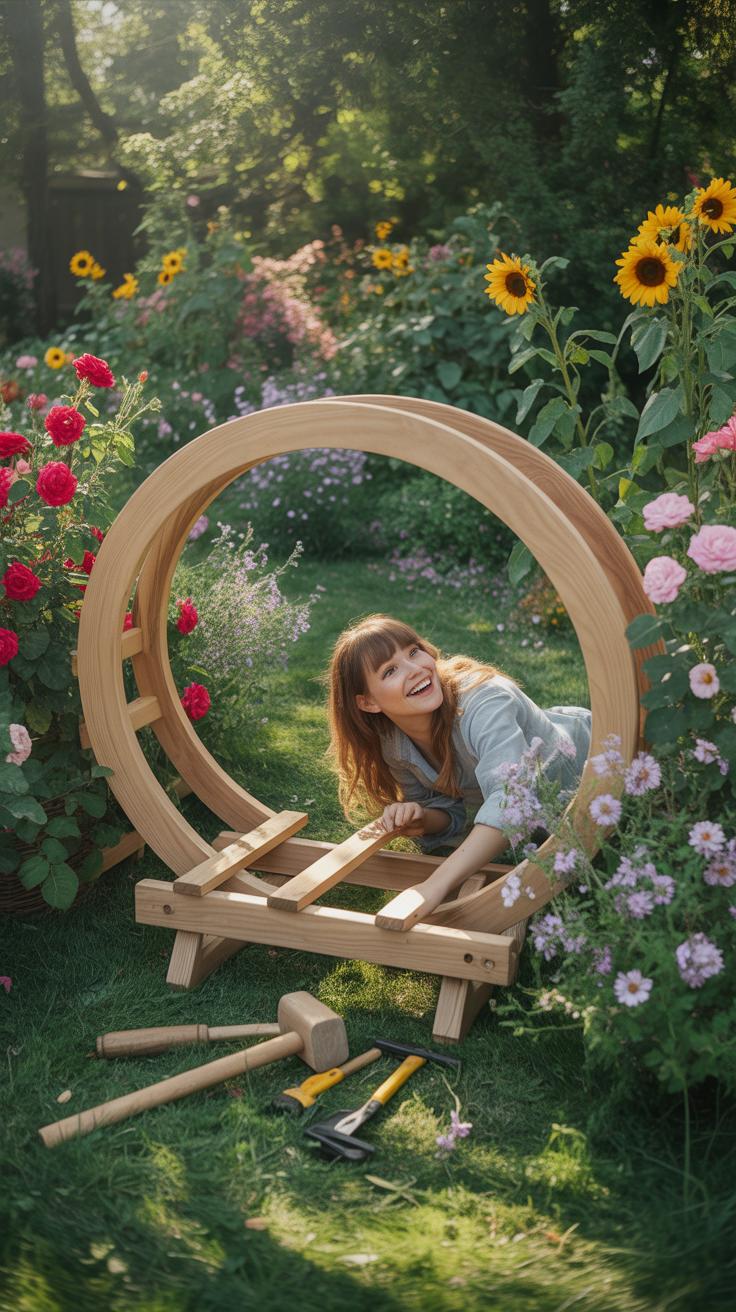
Building a moon gate requires precise geometry and structural integrity to remain safe and level. Most DIY builders use pressure-treated lumber or flexible plywood layers to form the curve. You must anchor the base in deep concrete footings to prevent the heavy structure from tipping. Modern kits also exist for those who want a steel frame. Success hinges on accurate measurements and a sturdy foundation that can withstand high wind loads.
- Site Selection: Choose a level area with stable soil to prevent the structure from shifting over time. Ensure the gate aligns with a focal point in the garden to maximize its visual impact.
- Foundation Pouring: Dig two holes thirty inches deep for the main support posts. Fill these with fast-setting concrete to create a stable anchor point that resists frost heave and heavy winds.
- Template Creation: Use a central pivot point and a string line to draw a perfect circle on large plywood sheets. This template guides your cuts and ensures the final arch is perfectly symmetrical.
- Frame Assembly: Layer thin strips of flexible cedar or redwood over your template and glue them together. Use waterproof industrial adhesive and clamps to hold the shape until the wood dries into a curve.
- Final Installation: Bolt the circular frame to the vertical support posts using galvanized hardware. Apply a high-quality exterior sealant or paint to protect the wood from moisture rot and UV damage during the year.
Inspect all joints and fasteners annually to ensure the gate remains secure. Wood naturally expands and contracts with the seasons, which can loosen bolts. Tighten hardware and check for wood rot at the ground level during your spring maintenance. A well-built moon gate increases property value and provides a permanent artistic feature. Focus on the structural connections to ensure your garden gate ideas last for several decades.
Frequently Asked Questions

How can I decorate my garden gate for a seasonal celebration without making permanent changes?
Temporary flair is perfect for festive occasions. You can easily elevate your entry by using over-the-gate wreath hangers, zip ties, or removable adhesive hooks to secure faux greenery and ribbons. These garden gate ideas allow you to transition from a spring floral display to a spooky Halloween portal or a winter wonderland without damaging your wood or metalwork, keeping your entrance versatile and ready for the next big family gathering.
What are some creative ways to incorporate lighting into my garden gate for an evening event?
Lighting transforms your entrance into a magical focal point once the sun sets. For a practical application, try weaving solar-powered fairy lights through the lattice or draping elegant Edison bulbs along the frame. If you are exploring garden gate ideas for a wedding or dinner party, placing battery-operated lanterns at the base or hanging Moroccan-style lamps provides an inviting glow that safely guides guests into your outdoor sanctuary while adding sophisticated ambiance.
Can I achieve a high-end look for my garden gate on a limited budget?
Absolutely! Upcycling is a fantastic way to create a stunning entrance without a large investment. Consider painting your existing gate a bold, celebratory color like deep navy or sage green to make it pop. You can also source affordable vintage items, such as antique doorknobs or reclaimed wrought iron pieces, to add character. Adding a simple handmade garland of dried eucalyptus or local wildflowers provides an expensive, artisanal aesthetic for pennies.