
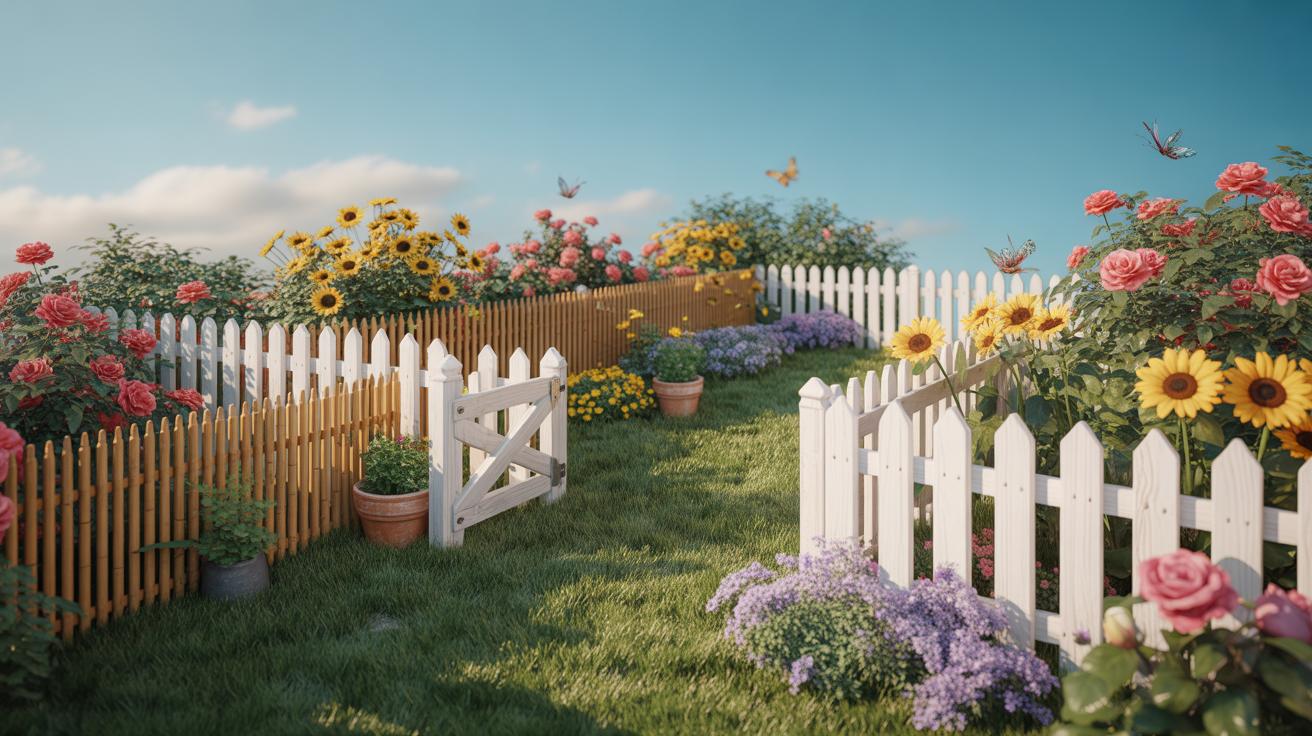
Why Garden Fence Ideas Matter For Your Outdoor Space
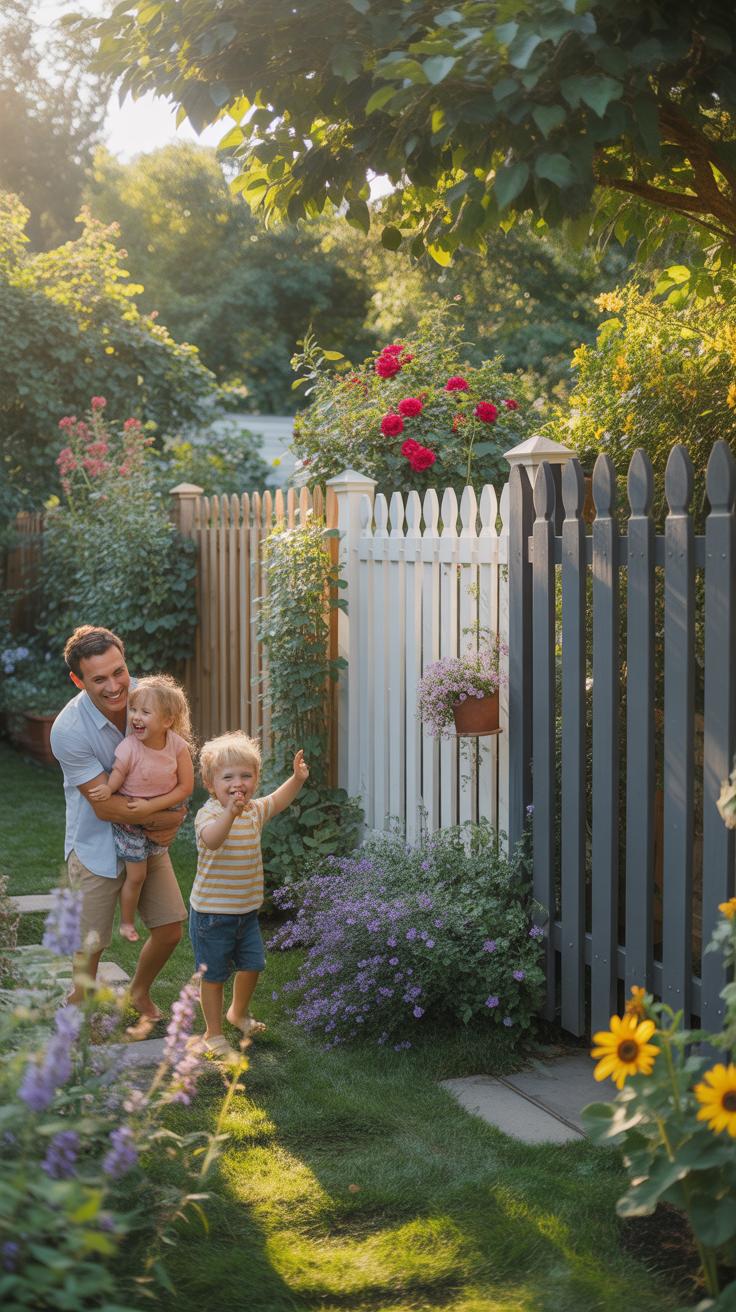
The Practical Benefits Of Adding A Fence To Your Garden
Fences provide immediate physical security for your property. A solid boundary stops unauthorized entry and keeps pets and children within safe limits. Beyond security, fences act as a mechanical buffer against wind and noise. High fences reduce wind speeds at ground level. This protection prevents soil erosion and stops delicate plants from snapping during storms. You gain a controlled environment for your garden.
Privacy is the primary tactical advantage of a garden fence. Solid panels block the sight lines of neighbors and passersby. This turns an open yard into a private room. Fences also define clear legal property lines. This prevents land disputes and encroachment from neighboring builds. Proper installation ensures you maximize your usable square footage. You manage your land with precision when boundaries stay clear and fixed.
How A Garden Fence Enhances Curb Appeal And Property Value
A well-installed fence signals property maintenance to potential buyers. Real estate markets value defined boundaries and finished landscapes. Modern buyers prioritize move-in-ready outdoor spaces. Wood, vinyl, and metal fences offer different functional aesthetics. A clean perimeter creates a strong first impression. It suggests the owner cares for the entire home. This perceived value often leads to higher appraisal figures during a sale.
Strategic material choice links your garden to the architectural era of the house. For example, wrought iron suits Victorian styles while horizontal slats match mid-century modern designs. This visual consistency increases curb appeal instantly. Fences also hide unsightly utility areas like trash bins or compost piles. By masking clutter, you keep the focus on the best features of your home. Professional fencing is a high-return investment for any homeowner.

Getting Started With DIY Garden Fence Projects
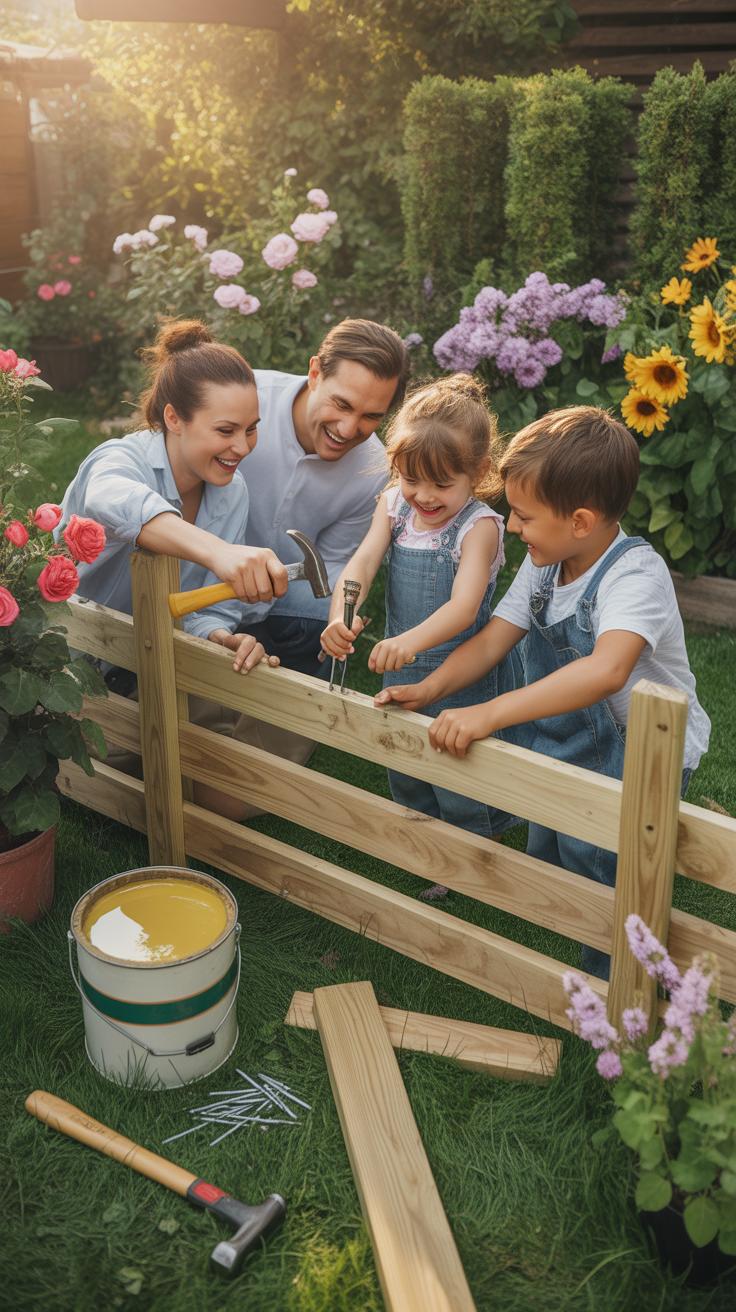
Essential Tools And Materials You Need Before You Begin
Preparation saves money and time. You must gather all hardware and measuring tools before digging the first hole. Checking local building codes is the first step because it dictates your material choices. Most residential zones limit backyard fence heights to six feet. Collect your stakes and string lines to mark the perimeter accurately. Verify all utility lines before you break any ground.
- Post Hole Digger: Use a manual clamshell digger or a power auger for efficiency. This tool creates deep, narrow holes that provide lateral stability for the posts. You must reach below the frost line to prevent the fence from heaving during winter freezes.
- Pressure Treated Posts: Select wood rated for ground contact to ensure longevity. These beams resist rot and insect damage over decades. Cedar and redwood are natural alternatives but cost more than treated pine. Choose straight vertical grains to minimize warping.
- Level and String Line: Tight strings establish a straight path across uneven terrain. A long carpenter level ensures each post stands perfectly vertical. Use a plumb bob for high precision on corner posts. Improperly leveled fences will lean and fail prematurely.
- Concrete Mix: Quick-setting concrete secures the posts without long wait times. You pour the dry mix directly into the hole and add water. This creates a solid foundation that prevents the wind from pushing your fence over. Proper drainage requires sloping the top.
- Galvanized Fasteners: Use screws or nails with a hot-dipped galvanized coating. Standard steel will rust and streak your wood when exposed to rain. Rust weakens the structural integrity of the joints. Screws provide better holding power than nails for beginner projects.
Organize your workspace for high speed. Keep your power drill batteries charged and your lumber off the damp ground. Use a circular saw for clean crosscuts on your rails and pickets. Safety gear is non-negotiable. Wear heavy gloves to prevent splinters and eye protection when cutting wood or mixing concrete. Follow these steps to build a fence that lasts for years.
A simple fence made of wood or stone does more than protect your plants; it frames the memories you are about to grow. To plant a garden is to believe in tomorrow.
Common Beginner Mistakes To Avoid When Building A DIY Garden Fence
Beginners often fail because they ignore the property line. Building on a neighbor’s land leads to expensive legal disputes and forced removal. Always locate your survey pins before you start. Another critical error is shallow post holes. Posts must sit deep enough to resist wind pressure and soil movement. Shallow posts lead to a sagging fence within the first two years.

Spacing errors also ruin garden fence projects. Never guess the distance between posts. Use a spacer block to keep pickets uniform across the entire span. Inconsistent gaps look unprofessional and compromise security. Remember to plan for gate placement early. Gates require extra bracing and wider posts to handle the weight of the swinging door. Neglecting these structural details ensures the gate will soon drag on the ground.
How To Design A Garden Fence That Suits Your Space And Style
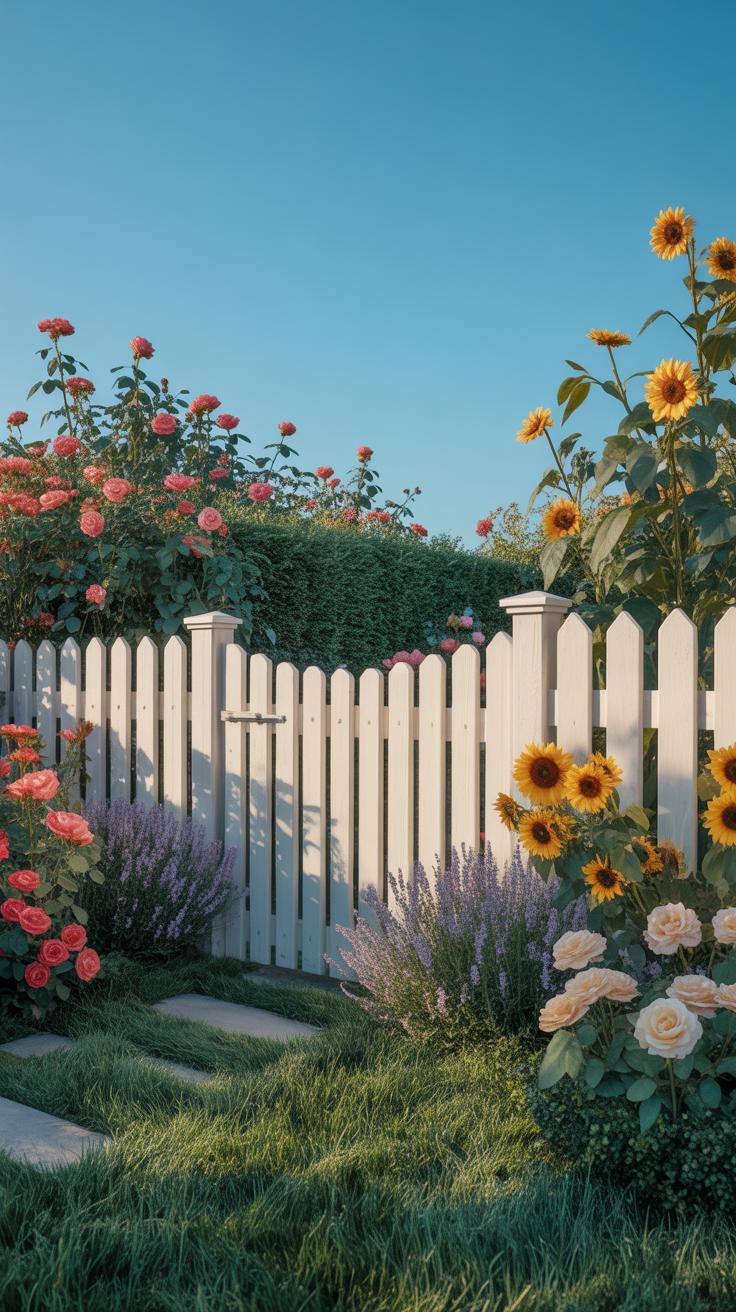
Measuring And Planning Your Garden Fence Layout Like A Pro
Precise measurement prevents waste and structural failure. Start by identifying your exact property lines to avoid legal disputes. Drive wooden stakes into the ground at every corner and gate location. Run a tight string line between these stakes to establish a straight perimeter. Use a tape measure to record the total linear footage. This data determines your required volume of materials.
Account for changes in ground elevation before buying lumber. Sloped terrain requires either a stepped design or a raked installation. Mark the location of every post hole at equal intervals. Standard spacing is usually six or eight feet on center. Ensure post positions do not sit directly on underground utility lines. Accurate layout planning ensures the finished fence remains level and structurally sound for years.
Choosing The Right Height And Spacing For Your Garden Fence Design
Fence height dictates privacy and airflow. Low fences of three feet define boundaries without blocking views. These work well for front yards or decorative borders. Taller fences of six feet provide security and noise reduction. Check local zoning laws and homeowner association rules before selecting a height. Many municipalities limit front yard heights to four feet and backyards to six or eight feet.

Slat spacing impacts both aesthetics and function. Tight spacing creates a solid barrier for total privacy. Wide spacing allows wind to pass through the structure safely. High winds can topple solid fences that lack proper gaps. Consider the shadow patterns the fence will cast on your plants. Proper spacing ensures your garden receives enough sunlight while maintaining the desired level of enclosure and protection from external elements.
Best Garden Fence Ideas Using Wood For A Classic Look
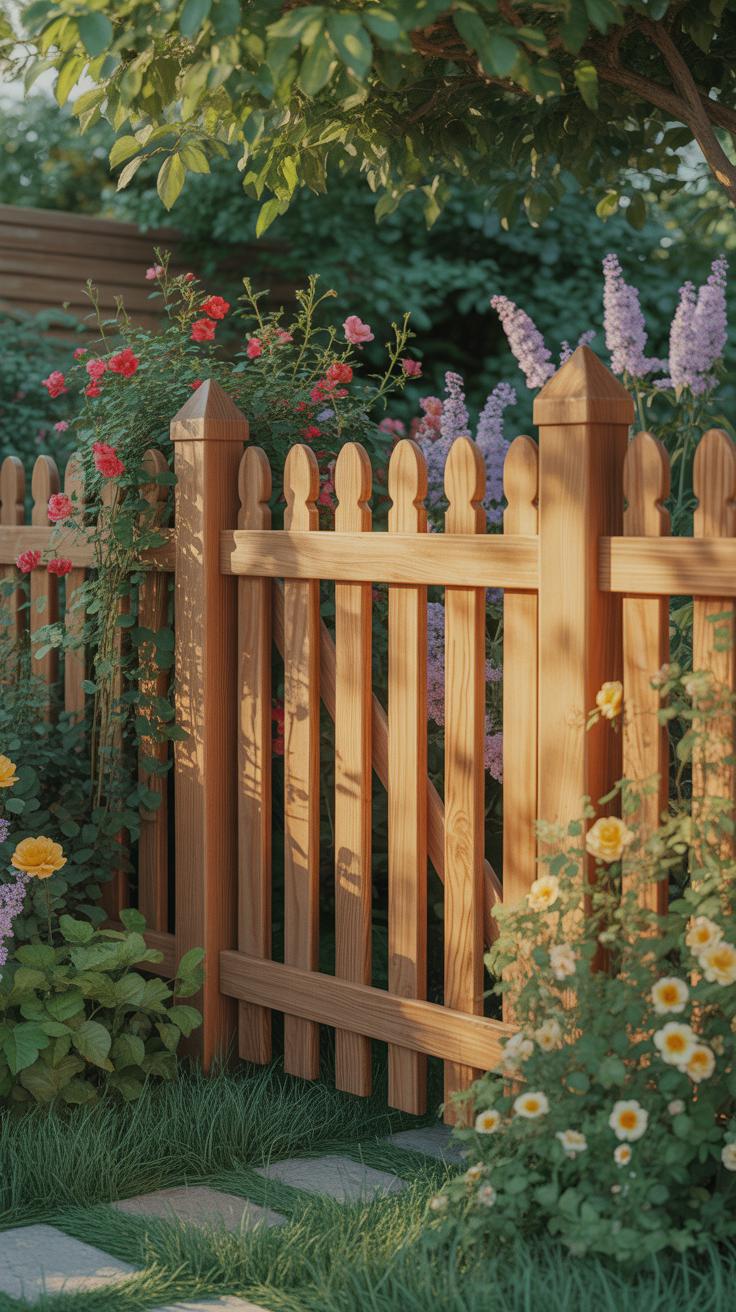
Why A Wooden Fence Remains One Of The Most Popular Garden Choices
Wood remains the primary choice for garden fencing because of its versatility and low entry cost. It offers natural strength that resists wind better than lightweight plastic alternatives. You can easily cut, nail, and move wood with basic hand tools. This makes it the most practical material for beginners who want to build or repair their own boundaries without hiring expensive contractors.
Cedar and pressure-treated pine provide high resistance to rot and insects. These materials offer long-term durability when you install them correctly with proper drainage. Wood also takes paint and stain well. This allows you to update the look as your landscape changes over time. You get a functional physical barrier that integrates into the natural environment better than metal or vinyl.
Picket, Split Rail, And Plank: Exploring Wooden Fence Styles For Beginners
The picket fence defined early American colonial architecture as a way to protect small gardens. It uses spaced vertical slats to provide a clear boundary without blocking airflow or sunlight. This style is best for marking property lines or keeping small pets contained. Beginners favor this design because it requires fewer materials and relies on simple, repeatable patterns that are easy to align.

Split-rail fences use heavy logs and require no nails or hardware for assembly. This makes them the fastest option for covering large areas on a tight budget. Horizontal plank fences provide more privacy and fit modern design trends. These solid panels block the view entirely and reduce noise from the street. You must ensure posts are deep and level to support the extra weight of solid planks.
Charming Garden Fence Inspiration Using Natural And Living Materials
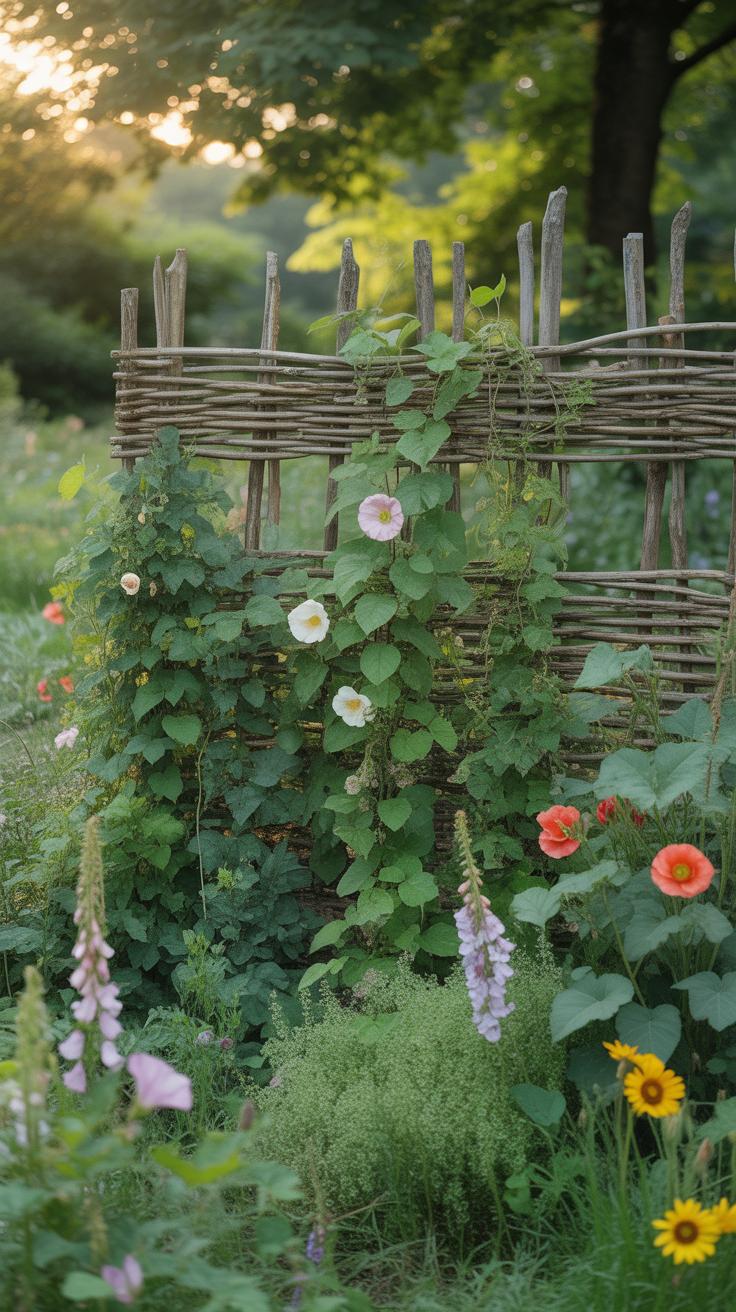
What Is A Natural Fence And Why It Works Beautifully In Home Gardens
A natural fence uses living plants or organic materials to create a boundary. This method avoids the rigid look of plastic or metal. It provides a soft transition between different zones in your yard. Homeowners choose this approach to improve local air quality and provide food for pollinators. These barriers effectively reduce wind speed and help retain soil moisture near the base.
Tactically, natural fences offer superior noise reduction compared to thin wood panels. Dense foliage absorbs sound waves rather than reflecting them. This approach also costs less over long periods because plants grow and repair themselves for free. You do not need to paint or stain a living wall. It adapts to the unique shape of your land without complex measuring or professional tools.
Best Hedges, Bamboo, And Woven Branch Options For A Natural Fence Look
Choosing the right material depends on your soil and climate. Boxwoods and privets are traditional hedge choices that tolerate frequent pruning. They create formal, sharp lines that define property edges. For faster coverage, clumping bamboo offers height and density within two seasons. Always select clumping varieties to prevent the roots from spreading into unwanted areas of your garden or onto neighboring land.
Woven branch fences use an ancient technique called wattle. You drive upright stakes into the ground and weave flexible wood like willow or hazel through them. This DIY method requires no hardware or chemicals. It creates a sturdy structure that allows air to pass through freely. This prevent the wind damage often seen with solid fences. Use these materials for a functional and biodegradable garden solution.
Trellis Fence Designs That Add Height Structure And Plant Support
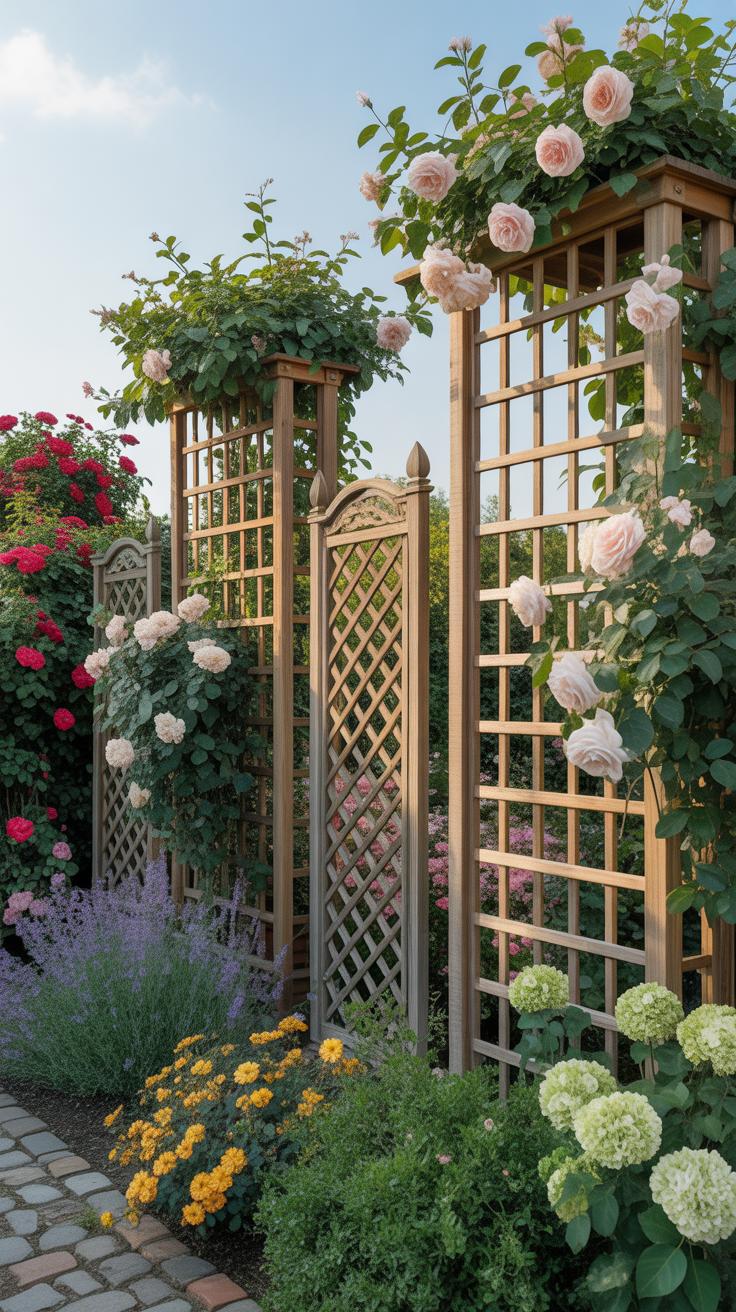
Understanding The Trellis Fence And How It Differs From Solid Fencing
A trellis fence uses an open framework of wood or metal. It features intersecting laths that create a grid or diamond pattern. Unlike solid fencing, a trellis allows light and air to pass through freely. This design reduces wind resistance and prevents the structure from blowing over during storms. It provides clear boundaries without blocking your view or creating a boxed in feeling.
Standard privacy fences use overlapping boards to stop all visibility. A trellis prioritizes vertical growth and structural support for greenery. You can install trellis panels on top of existing walls to increase height legally in many zones. This method adds privacy through foliage rather than heavy materials. It serves as a living wall that changes with the seasons while maintaining a defined perimeter.
Best Climbing Plants To Pair With A Trellis Fence For Maximum Impact
Selection depends on your local climate and the strength of the trellis. Woody vines provide permanent structure but require heavy duty frames. Annual climbers offer fast coverage for temporary privacy during the summer months. You must match the plant attachment method to the grid size. Some plants use tendrils to wrap around thin laths while others need manual ties to stay upright.
- Clematis: This flowering vine uses twining petioles to climb thin structures. It offers a variety of bloom times and colors. You should prune it according to its specific group type to ensure consistent yearly growth and health.
- English Ivy: This evergreen climber uses sticky aerial roots to attach to surfaces. It provides thick year-round coverage and grows well in shaded areas. Use caution because it can damage soft wood or mortar if left unmanaged for years.
- Wisteria: This vigorous woody vine produces heavy purple or white flower clusters. It requires a very strong support system due to its massive weight at maturity. Regular pruning is necessary to control its aggressive spread across the garden fence.
- Honeysuckle: This plant produces fragrant flowers that attract pollinators like bees and hummingbirds. It winds its stems around the trellis laths for support. It works best in sunny locations and can cover a large fenced area in just a few seasons.
- Climbing Roses: These plants do not climb naturally and require gardeners to tie canes to the trellis. They offer classic aesthetics and thorns that provide a secondary security barrier. Choose disease resistant varieties to minimize the need for chemical sprays.

Proper placement ensures your plants thrive without rotting the fence material. Leave a small gap between the trellis and the plants to allow airflow. This prevents moisture buildup and fungal diseases on the leaves. Use galvanized wire or soft ties to secure heavy branches safely. Constant maintenance keeps the vegetation from pulling the fence out of alignment or causing structural failure over time.
Exploring Fence Styles That Work For Every Garden Type
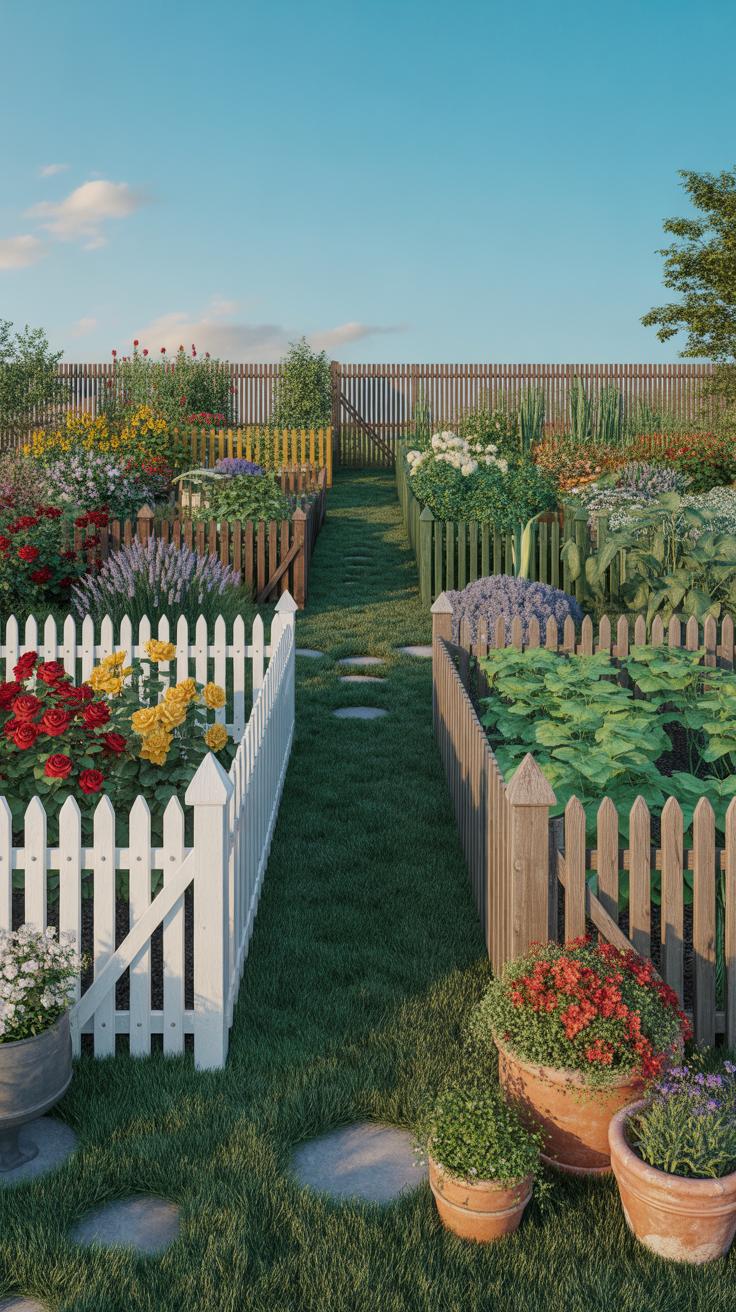
Matching Fence Styles To Your Gardens Theme: Cottage Modern And Rustic
Cottage gardens rely on traditional picket fences to manage climbing plants and flowers. White painted wood or natural cedar offers a classic look that defines boundaries without blocking views. These low fences guide the eye toward the vegetation rather than the structure itself. Use spacing between slats to allow air flow and prevent mildew on your garden beds during damp seasons.
Modern gardens require clean lines and minimal ornamentation. Choose horizontal slat fences made from dark stained timber or black aluminum to create a sleek backdrop. These structures highlight architectural plants and provide high privacy levels. Rustic themes benefit from split rail or wattle fencing using local hardwoods. These styles emphasize texture and raw materials over precise finish. Choose the style that matches your existing home architecture.
How To Mix And Match Fence Outdoor Materials For A Unique Garden Border
Mixing materials solves specific functional problems while adding visual interest. Combine solid masonry bases with metal or wood top panels to increase durability against ground moisture. Use stone or brick footings to prevent wood rot at the soil line. This strategy extends the life of your fence significantly. Metal posts paired with wooden slats provide the strength of steel with the warmth of natural timber.
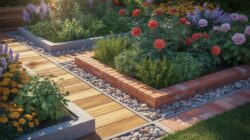
Integrate gabion baskets filled with river rock alongside standard wooden panels to break up long runs of fencing. Gabions provide excellent drainage and sound dampening properties in loud areas. Use translucent polycarbonate sheets between solid posts to let light reach shaded garden corners without sacrificing security. Strategic mixing allows you to put expensive materials in focal points while using budget options for less visible perimeter lengths.
Low Cost Fence Outdoor Solutions That Still Look Stunning
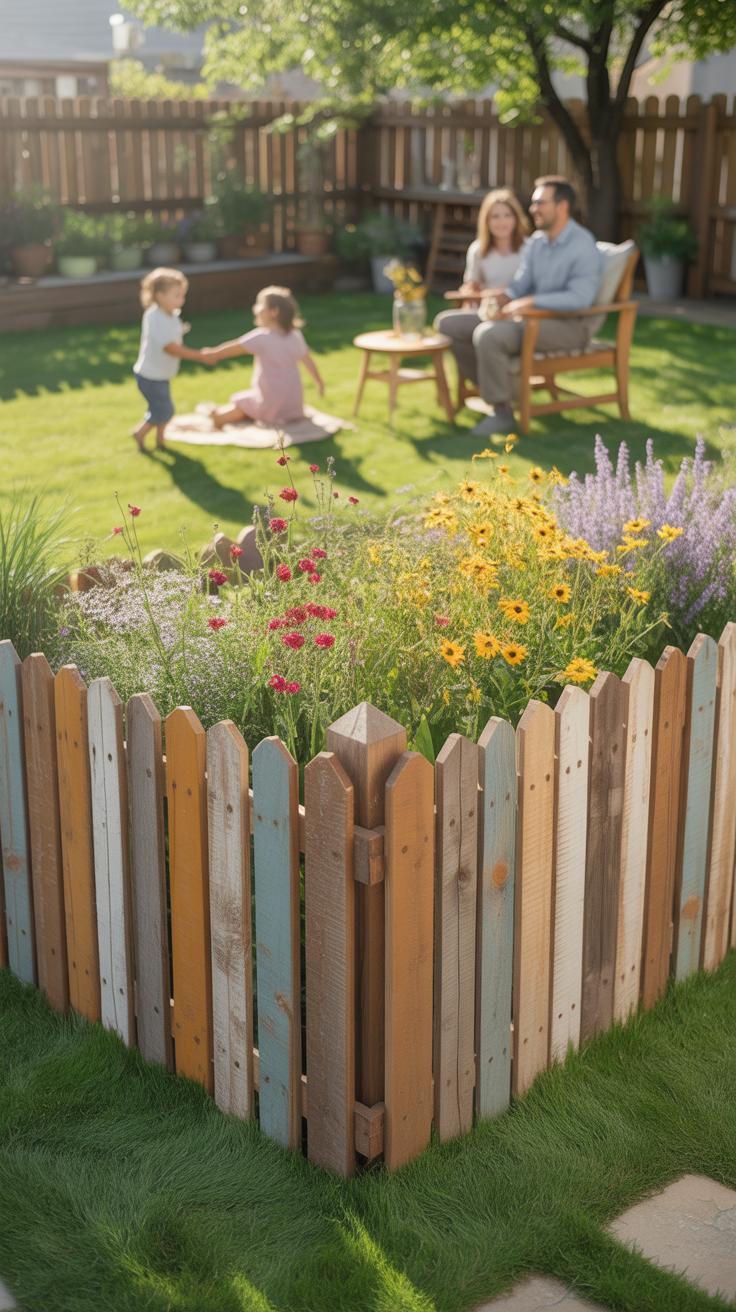
Budget Friendly Garden Fence Ideas Using Reclaimed And Repurposed Materials
Reclaimed wood offers a high-value alternative to new lumber. Sourcing heat-treated pallets or old barn wood reduces raw material costs to near zero. These materials provide structural integrity when paired with sturdy posts. Use galvanized fasteners to prevent rust streaks on the weathered surfaces. This approach mirrors the rustic utility of early American farm enclosures while maintaining a modern aesthetic through clean lines.
Corrugated metal panels salvaged from roofing projects provide a durable barrier. These panels resist rot and fire better than timber. Secure them to a simple wooden frame to create a visual contrast. This industrial style fits urban and rural settings alike. Ensure you deburr all sharp edges before installation to prevent injuries. These salvaged components create a functional perimeter without the high price of retail kits.
How To Maintain Your Garden Fence So It Lasts For Years Without Costly Repairs
Moisture is the primary enemy of any garden fence. Apply a high-quality oil-based sealer every two years to repel water. Focus on the end grains of the wood where absorption is highest. Ensure soil does not touch the bottom rails or pickets to prevent fungal growth. Clear away debris and heavy vegetation that traps damp air against the fence surface throughout the winter months.

Inspect the structural posts annually for signs of movement or decay. Reset loose posts with fast-setting concrete to maintain vertical alignment. Tighten or replace loose screws and nails to keep the panels rigid against wind pressure. Check for insect damage early to avoid widespread infestations that require full section replacements. Consistent small actions prevent the need for a total rebuild and extend the life of your investment.
Frequently Asked Questions

What are the simplest garden fence ideas for someone with no DIY experience?
If you are new to landscaping, the best garden fence ideas involve pre-assembled materials that require minimal tools. Options like decorative plastic border fencing or interlocking wooden pickets are excellent choices. These modular systems simply press into the soil, providing a clean edge without the need for heavy digging or power tools, making them the perfect entry point for any beginner looking to define their outdoor space.
How do I properly install a basic wire fence to protect my vegetable patch?
To install a basic wire fence, start by driving t-posts into the ground at each corner of your garden. Unroll galvanized hexagonal wire or hardware cloth and attach it to the posts using zip ties or heavy-duty wire clips. Ensure the bottom is buried a few inches underground to prevent pests from digging underneath. This straightforward approach provides a functional solution while you explore more decorative garden fence ideas later on.
Can I build an attractive garden fence if I am on a very tight budget?
Absolutely! Many cost-effective garden fence ideas utilize reclaimed materials like upcycled wooden pallets or fallen tree branches for a rustic wattle design. Pallets are often available for free from local businesses and can be disassembled into sturdy slats. By using recycled wood or bamboo stakes, you can create a charming and sustainable boundary that looks high-end without the expensive price tag of traditional store-bought fencing panels.