
What Is Garden Edging And Why It Matters For Landscaping Borders
The Practical Role Of Garden Edging In Defining Your Outdoor Space
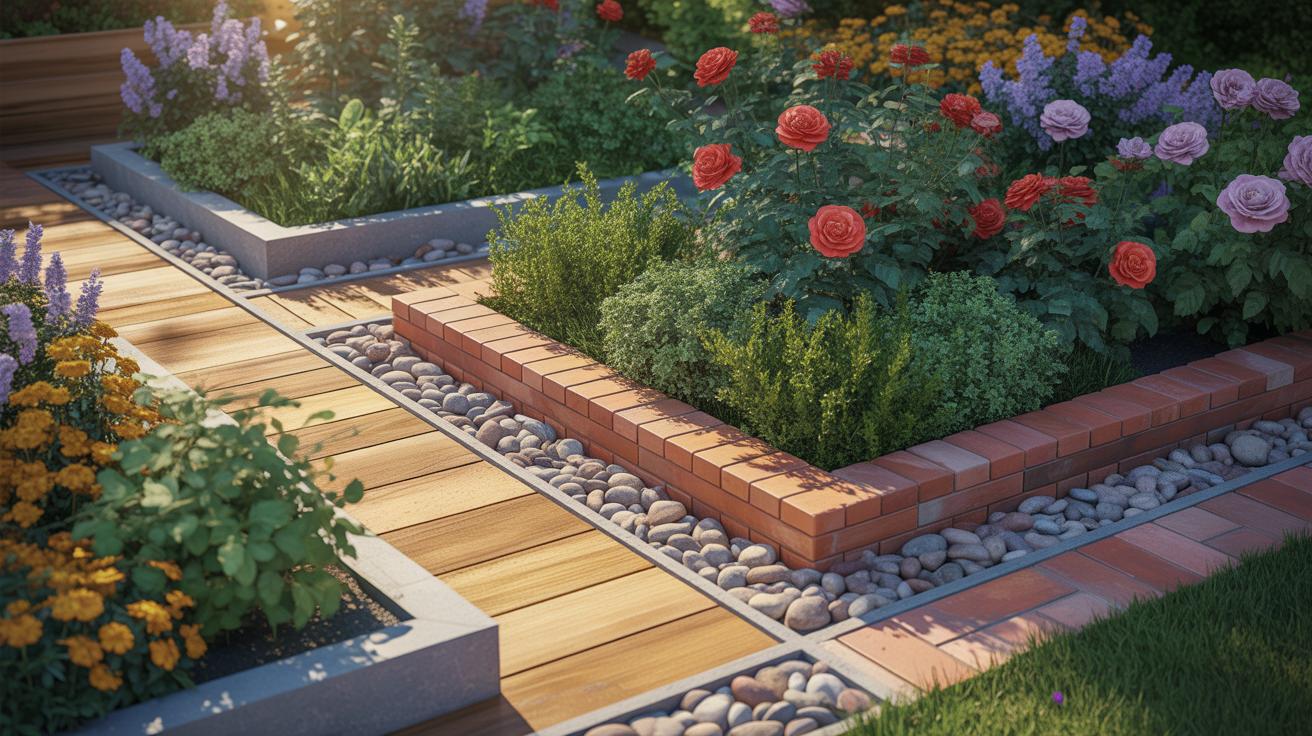
Garden edging acts as a physical barrier between distinct zones in your yard. It separates turf from mulch beds to prevent grass roots from invading planting areas. This containment strategy keeps organic matter like wood chips or soil from washing onto walkways during heavy rain. Effective edging reduces the time you spend weeding and trimming because it establishes a clear and permanent cut line.
Modern landscaping relies on these borders to maintain structural integrity. Without a firm edge, soil erosion occurs and garden beds lose their shape over time. Heavy duty materials like steel or thick plastic strips hold pavers in place and prevent shifting under foot traffic. You use these borders to organize your outdoor space into functional compartments. This organization simplifies irrigation tasks and prevents mower damage to delicate ornamental plants.
How Clean Landscaping Borders Boost Your Home’S Curb Appeal
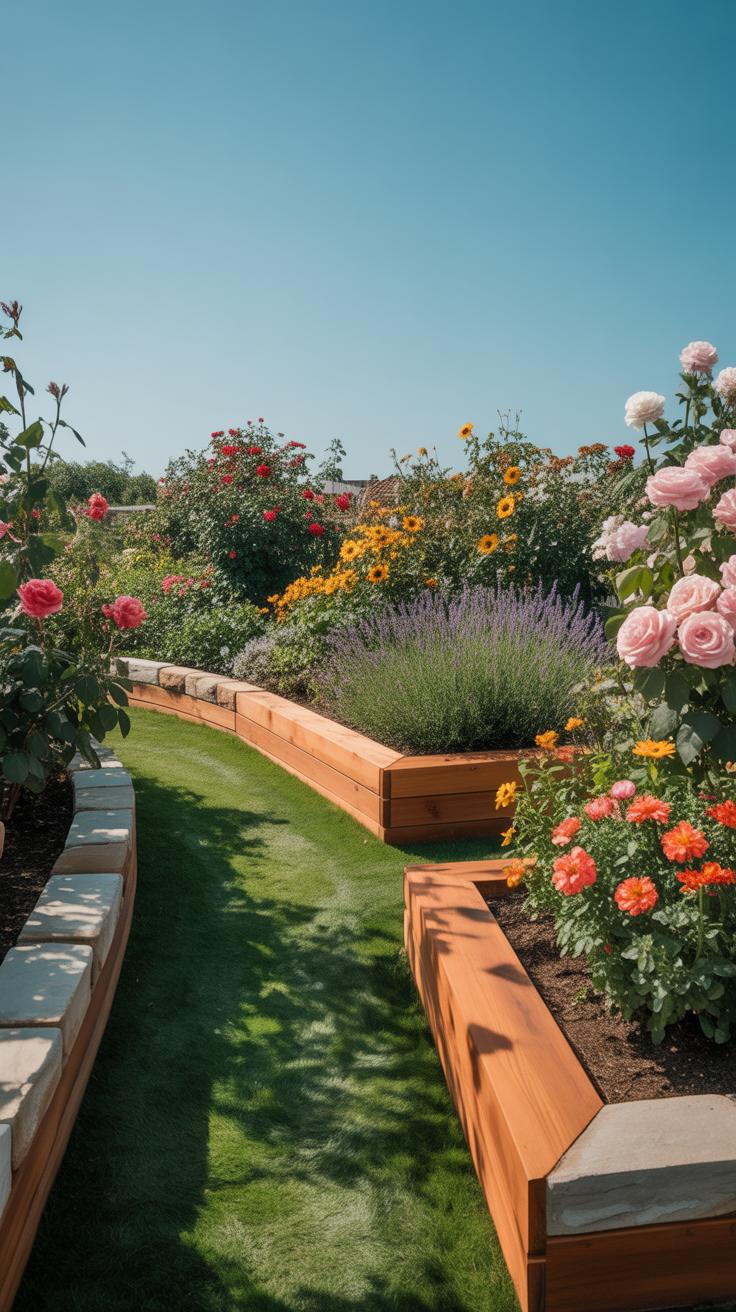
Clean borders create immediate visual impact by providing high contrast between different textures. A crisp line makes a lawn look manicured even if the grass is not perfectly level. Real estate professionals use sharp edging to signal that a property receives consistent upkeep. This geometric precision draws the eye toward specific architectural features and creates a sense of order that appeals to the human brain.
Professional designers use edging to lead the viewer through the landscape. Straight lines suggest a formal or modern design movement, while curved borders mimic natural environments found in English cottage gardens. These borders hide unsightly gaps and provide a finished look to every planting bed. By defining the perimeter of your greenery, you create a professional finish that increases the perceived value of your entire residence.

Top Landscape Edging Ideas DIY Homeowners Can Actually Pull Off
Simple Tools And Techniques For A DIY Garden Edge At Home
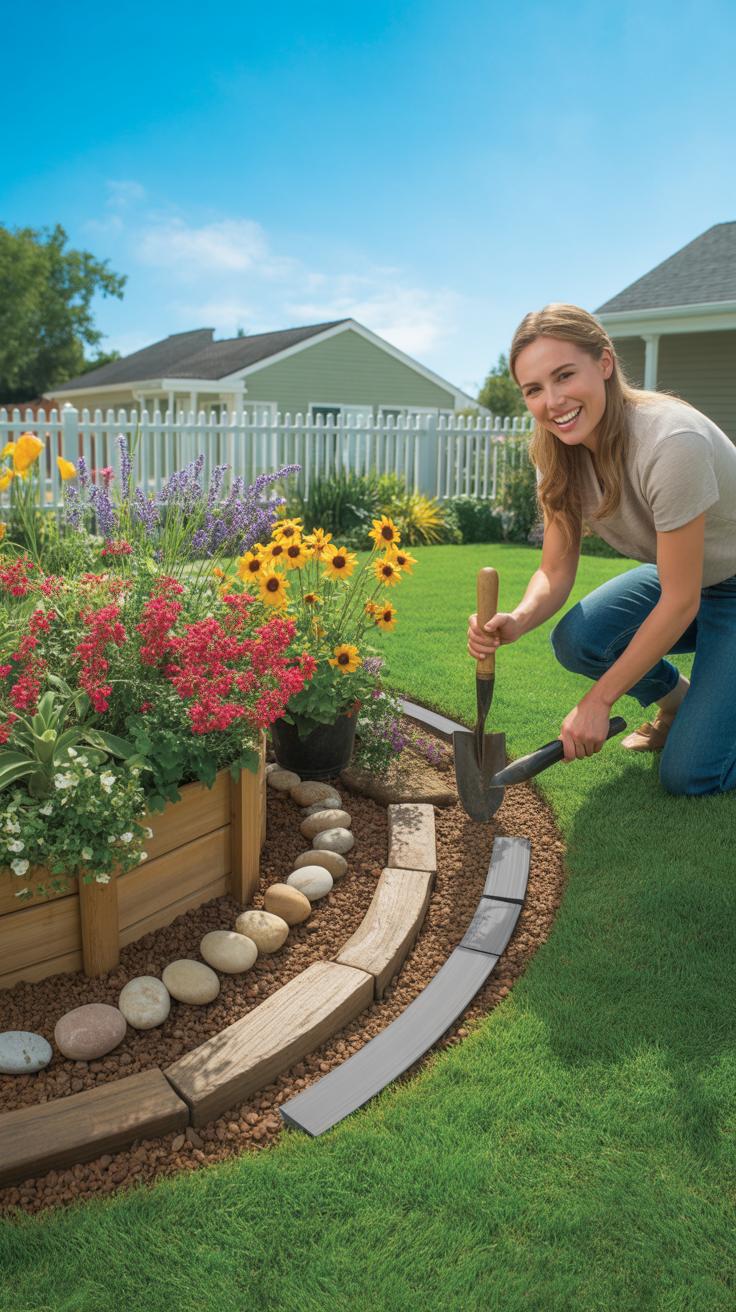
The spade edge remains the most practical technique for a clean look without high costs. Use a sharp half-moon edger or a straight-blade shovel to cut a vertical line into the turf. Move the tool back and forth to create a distinct trench. This method separates grass roots from garden soil effectively. It requires zero hardware and stays true to classic English landscape traditions.
Maintain the edge by removing loose soil and debris from the trench regularly. Aim for a depth of four to six inches to prevent grass from jumping the gap. This physical barrier stops lateral root growth from invading your flower beds. Clear lines provide immediate visual structure to any outdoor space. You must re-cut these lines twice a year to maintain a crisp and professional appearance.
Best DIY Materials To Use For A Neat And Long Lasting Garden Border
Select materials based on durability and ease of installation. Professionals favor rigid options that withstand ground movement and weather changes. High-quality materials prevent soil erosion and keep mulch contained within its boundaries. Using the right heavy-duty components ensures your border lasts for decades. Avoid thin plastics that crack during winter freezes or warp under intense summer heat. Choose materials that provide a solid weight and structural integrity.
- Steel Strip Edging: Thin gauge steel provides a nearly invisible transition between grass and gardens. It bends easily for curves and resists lawn mower damage. Secure it with deep metal stakes to prevent frost heave from pushing the strips out of the ground annually.
- Poured Concrete: This permanent solution offers maximum durability and keeps weeds out effectively. Homeowners can use flexible forms to create custom shapes and heights. It serves as a solid mowing strip that allows mower wheels to run directly on the concrete surface for efficiency.
- Concrete Pavers: These blocks offer a classic look and simple installation process for beginners. Set them in a shallow sand bed to ensure they stay level over time. Pavers come in various colors and sizes to match existing walkways or home masonry work perfectly.
- Natural Stone: Fieldstone or flagstone provides an organic feel suited for rustic landscape designs. Stack the stones tightly to prevent soil from leaking through the gaps. This material is heavy and requires manual labor but offers a timeless aesthetic that improves as the stone weathers.
- Pressure-Treated Timber: Large wood beams create straight and bold lines for modern garden layouts. Use galvanized spikes to anchor the wood into the earth securely. Ensure the timber is rated for ground contact to prevent premature rot and insect damage in wet soil conditions.

Proper installation determines the lifespan of these materials regardless of their quality. Dig a shallow trench before placing any hardscape items to ensure stability and alignment. Use a level frequently to avoid uneven rows that ruin the visual line. Backfill the outer edges with soil or gravel to lock the materials in place. Correct preparation prevents the border from shifting during heavy rain or seasonal temperature shifts.
Brick Landscape Edging A Timeless And Durable Border Idea
Why Brick Remains One Of The Most Reliable Landscape Edging Materials
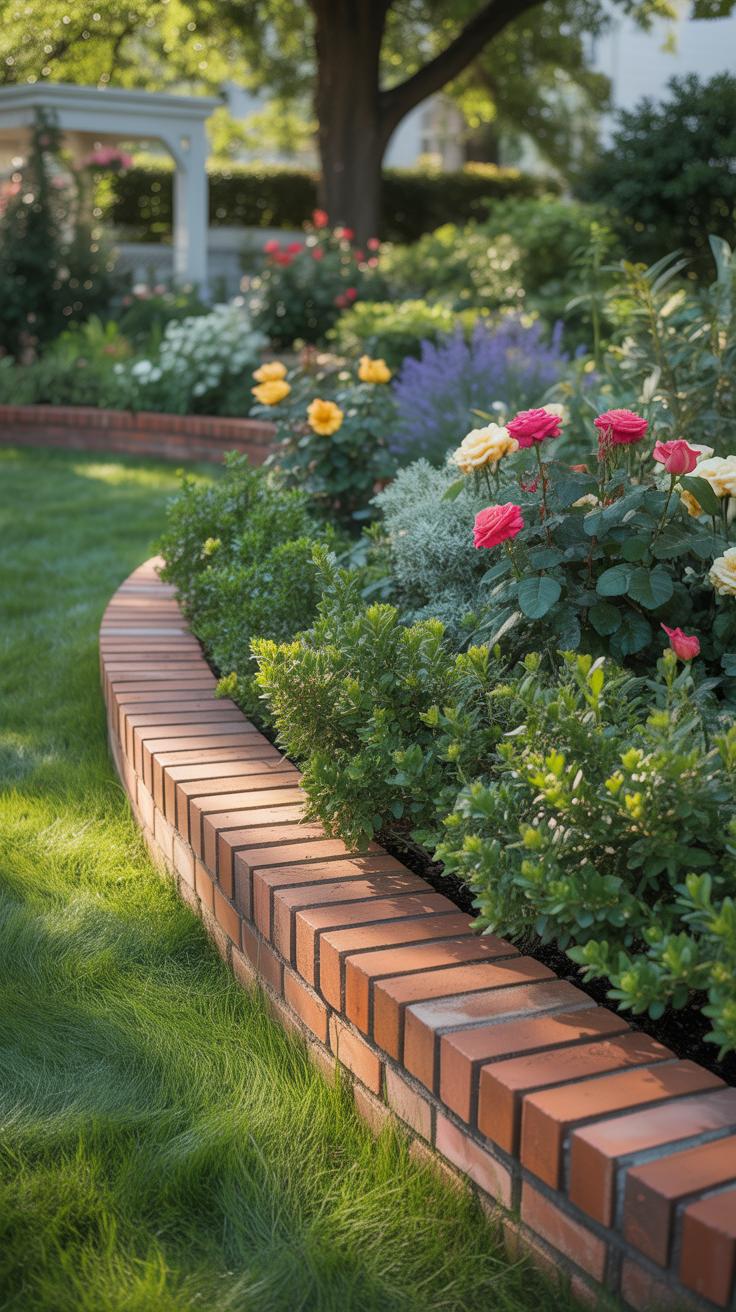
Brick offers unmatched structural integrity for long term garden boundaries. Clay bricks withstand extreme temperature shifts without cracking or warping like plastic or wood. This material provides heavy mass that keeps soil and mulch contained during heavy rain. You can find reclaimed bricks to match historic home styles or buy new ones for consistency. They offer a dense barrier that stops invasive grass roots from creeping into flower beds.
Installation requires a firm base but yields a permanent result. Bricks do not rot or succumb to pest damage over time. They age well and develop a natural patina that blends into the landscape. You can easily replace a single unit if it breaks without tearing up the entire border. This modularity makes brick a cost effective choice for homeowners who prioritize low maintenance and high durability in their outdoor spaces.
Creative Ways To Lay Brick Edging For A Classic Or Modern Garden Look
Positioning bricks vertically creates a traditional soldier course. This method provides a deep root barrier and a clean visible line. Dig a narrow trench and set bricks side by side on a sand base. This height helps separate distinct garden zones effectively. It works best for formal English gardens or colonial style homes. The straight lines highlight order and symmetry while providing a solid edge for string trimmers.

A flat or flush installation suits modern and minimalist designs. Lay the bricks lengthwise and level with the turf. This creates a mowing strip that allows mower wheels to run directly over the border. It eliminates the need for hand trimming and creates a seamless transition between grass and soil. Use a running bond pattern for additional stability. This layout keeps the landscape looking sharp and reduces repetitive yard work for the homeowner.
Inexpensive Landscape Edging Ideas That DonT Sacrifice Style
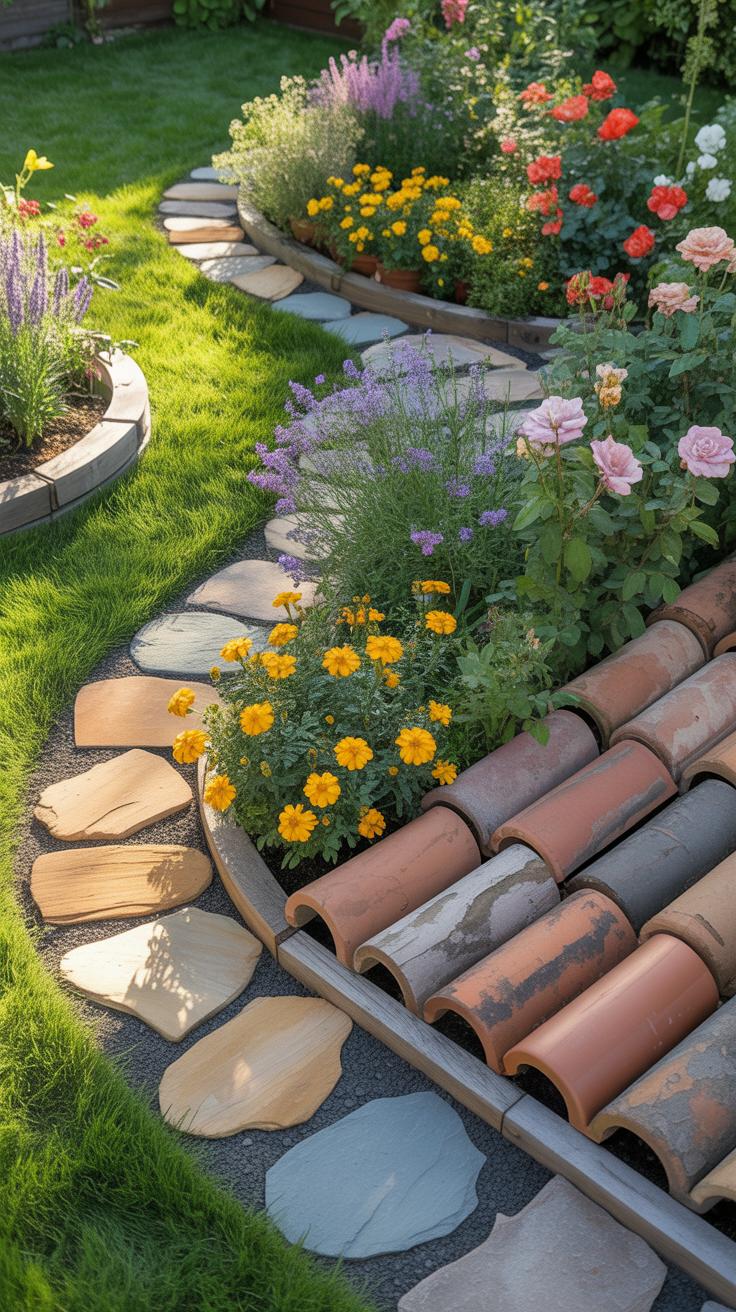
Budget Friendly Edging Options That Look Expensive In Any Garden
Trench edging provides the most cost-effective solution for a clean profile. Users cut a V-shaped groove between the lawn and the garden bed. This method requires only a sharp spade and manual labor. It mimics the high-end English landscape style seen in professional estates. The deep shadow line creates a clear visual break. This technique prevents grass roots from invading planting areas without purchasing expensive materials.
Steel strip edging offers a slim profile that disappears into the landscape. You can buy thin gauge steel at lower prices than heavy-duty professional grades. It provides the same modern aesthetic found in contemporary design movements. Proper installation involves driving the strips deep into the soil. This creates a crisp edge that remains stable over time. It resists rot and lawn mower damage better than cheap plastic alternatives.
How To Repurpose Everyday Materials Into Attractive Lawn Borders
Upcycling common building materials reduces costs while maintaining structural integrity. Old roof tiles or reclaimed bricks serve as durable barriers. You should bury tiles vertically to create a serrated or smooth line. This method draws from historical cottage garden styles where owners used local waste. Bricks laid in a soldier course provide a stable mowing strip. These heavy materials stay in place without specialized stakes or hardware.

Raw timber offcuts or fallen branches create a rustic border for zero investment. This approach fits naturalistic or woodland garden designs. You must select rot-resistant species like cedar or locust for longevity. Strategic placement involves stripping bark to prevent pest nesting. Homeowners save money by sourcing these materials from their own land or local construction sites. Correct drainage around the wood extends the life of these organic garden dividers.
Lawn Edging Solutions For A Crisp And Well Maintained Grass Edge
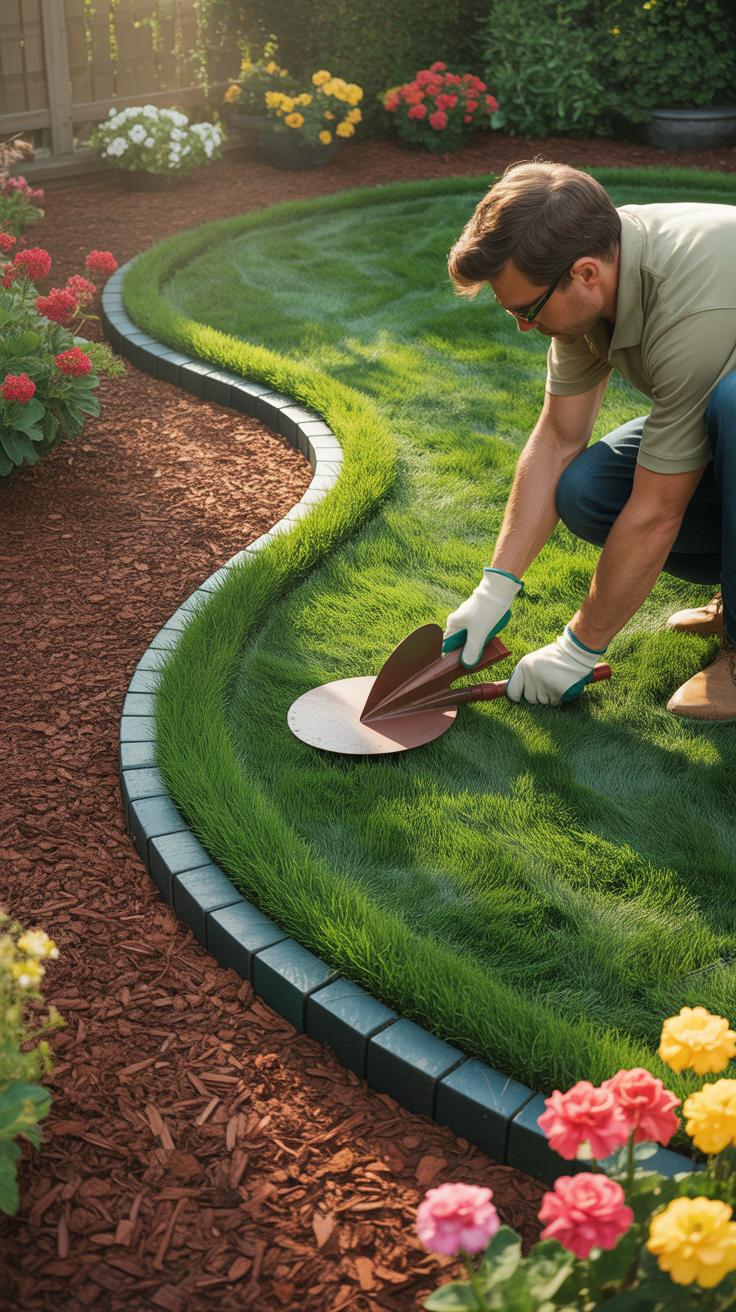
Understanding The Difference Between Lawn Edging And Garden Edging
Lawn edging focuses on the specific boundary between grass and another surface. It prevents lateral root growth and stop invasive turf from creeping into soil beds. This process involves physical barriers or deep cuts in the earth. You manage the grass height and its horizontal spread. True lawn edging requires a vertical cut to sever roots. This keeps your turf contained and organized.
Garden edging serves a broader aesthetic and structural purpose. It defines the perimeter of planting beds or walkways. This method prevents mulch from washing away during heavy rain. It also creates a visual break between different landscape elements like stone and shrubs. While lawn edging stops grass movement, garden edging manages the contents of the bed itself. Use both techniques together to achieve a professional landscape look.
How To Maintain A Sharp Grass Edge Throughout Every Season
Maintain your landscape lines by executing specific mechanical tasks at the right times. Grass grows at different rates depending on soil temperature and moisture levels. You must adjust your tools and frequency to match these growth cycles. Sharp equipment prevents jagged edges that turn brown and invite disease. Consistency ensures the clean line remains visible even during the dormant winter months or dry summer heat.
- Manual Half-Moon Edger: Use this tool for precision cutting in early spring. Step firmly on the blade to slice through thick turf and create a vertical trench. It provides the most control for curved lines and requires no fuel or electricity to operate effectively.
- Power Gas Edger: Deploy this machine for long, straight runs on large properties. The high-speed rotating blade cuts deep and fast through compacted soil. It saves significant time when you need to redefine hundreds of feet of perimeter along sidewalks or driveways quickly.
- String Trimmers: Turn your trimmer vertically to maintain the edge during weekly mows. Hold the head so the string spins perpendicular to the ground. This technique knocks back new growth before it crosses the boundary, keeping the trench clean between major seasonal overhauls.
- Mechanical Spades: Use heavy-duty spades for establishing new beds in tough clay. These tools have reinforced shoulders for maximum foot pressure. They allow you to remove large chunks of sod at once. This tool is essential for the initial construction phase of any crisp lawn border.
- Reciprocating Pot Edgers: Attach these specialized blades to multi-tool systems for refined detail work. The oscillating motion cuts through woody roots that stop standard blades. Use them in areas where lawn meets established shrubs or old trees to protect the health of larger plant root systems.
Clear the debris from your trenches after every cutting session. Use a stiff broom or a leaf blower to remove soil and clippings from the structural gap. This prevents organic matter from filling the void and becoming a seedbed for weeds. Check the depth of your edge twice a year. Re-cut any areas where the soil has slumped or the grass has bridged the gap.
Border Ideas For Landscape Designs That Suit Every Garden Style
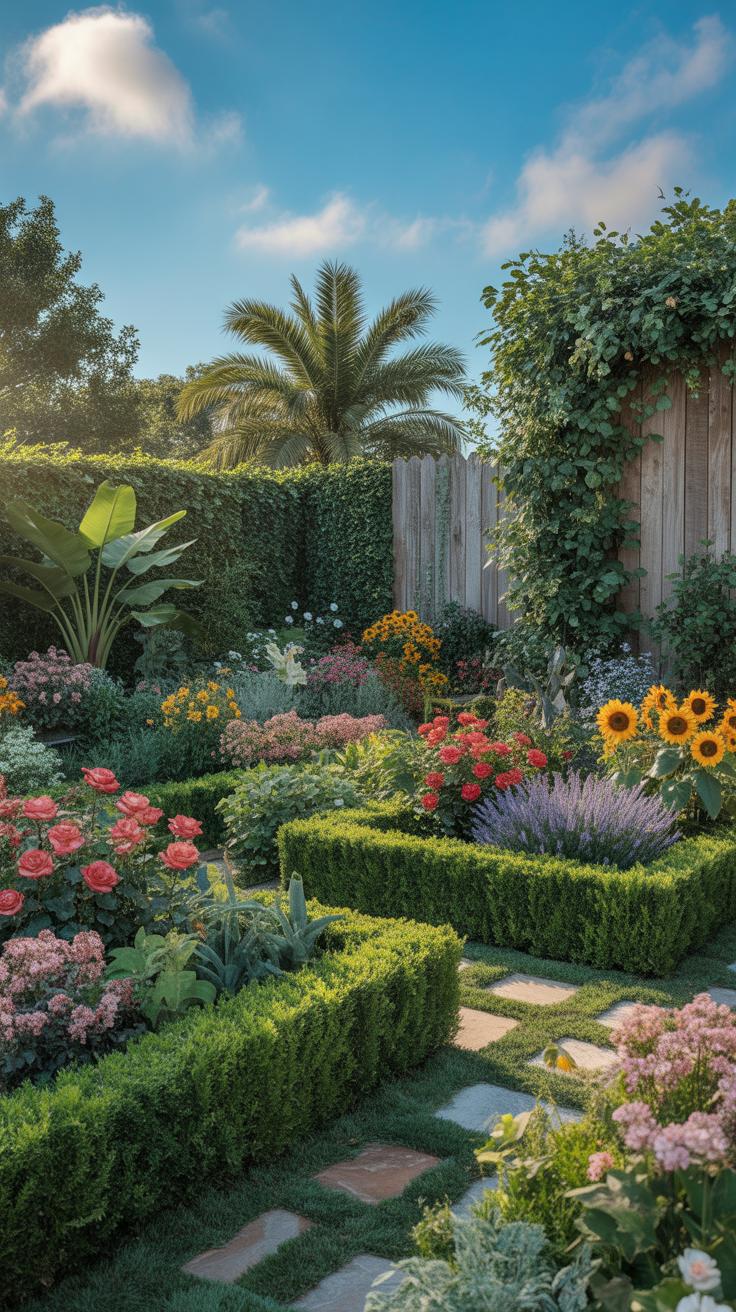
Formal Vs. Informal Border Ideas And Which Works Best For Your Home
Formal borders rely on symmetry and clean lines to create order. This style uses straight edges and sharp right angles. Boxwood hedges or stone masonry provide the structure needed for these designs. Property owners choose formal edging for geometric layouts. This approach suits homes where the landscape must mirror the organized interior. Precise execution ensures the garden looks intentional and highly maintained.
Informal borders favor organic curves and natural flow. These designs use soft transitions instead of rigid barriers. Use materials like aged wood or tumbled stones to achieve this look. Informal edging works well for cottage gardens or wooded areas. It mimics the shapes found in nature. This style requires less frequent maintenance than formal borders. Choose this option for a relaxed atmosphere that feels unforced.
A garden is a grand continuation of the home, where thoughtful edges frame our fondest memories like a beautiful picture.
How To Match Your Landscape Border Style To Your Home’S Architecture
Architectural styles dictate the most effective edging materials. Modern homes with flat roofs and glass walls require minimalist borders. Use steel strips or cast concrete to maintain these industrial lines. These materials disappear into the landscape while providing a sharp divide. Matching the color of the edging to the home exterior creates visual unity. This consistency strengthens the overall curb appeal of a contemporary property.

Traditional homes require classic materials like brick or cobble. Victorian and Colonial houses benefit from the weight and texture of clay pavers. Historical accuracy matters when choosing these finishes. Lay bricks in patterns that reflect the masonry of the main structure. For rustic homes or ranch styles, use local timber or fieldstone. Aligning the durability of the material with the home ensures the landscape survives regional weather.
Outdoor Landscaping Border Materials Natural Vs Manufactured Options
Natural Edging Materials Like Stone, Wood, And Living Plants Explained
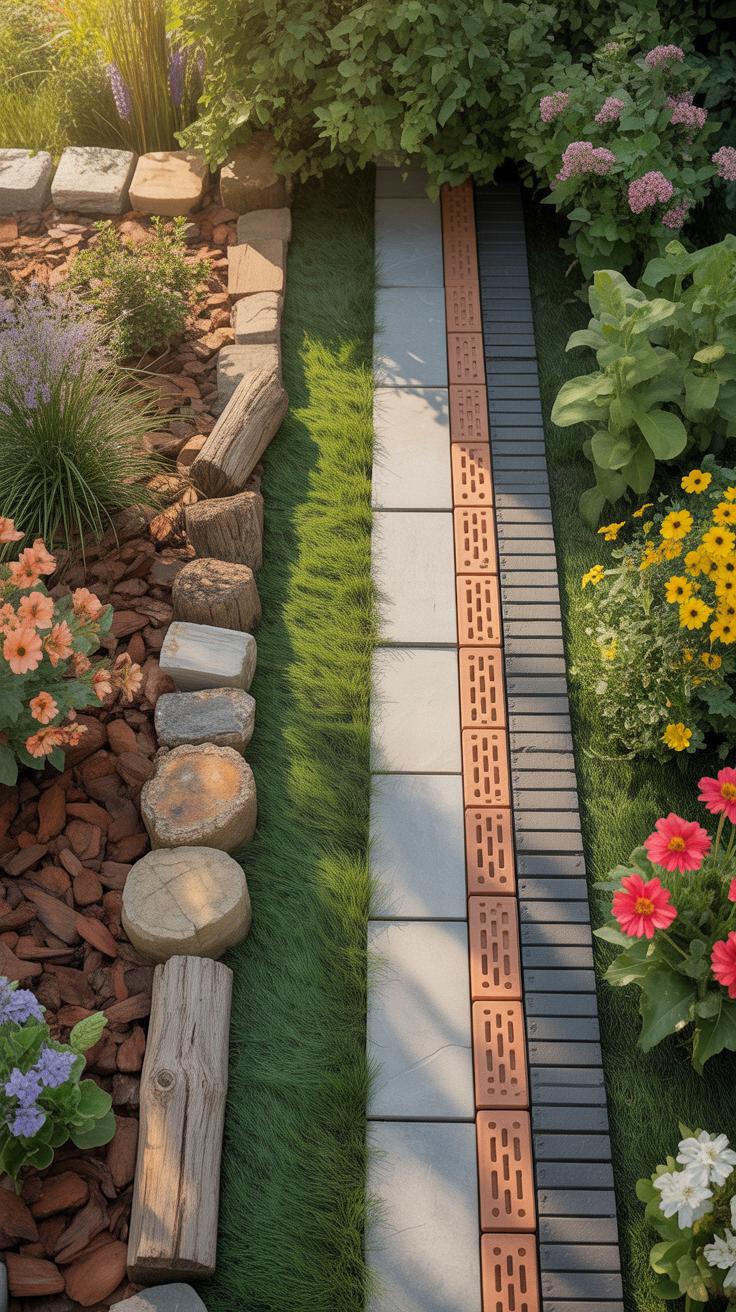
Natural stone remains the primary choice for permanence. Fieldstone and flagstone provide heavy mass that prevents soil migration. You must dig a trench to set these materials properly. Dry-stacking stones allows for natural drainage without mortar. This method prevents water buildup behind the border. Stone fits rustic and traditional designs. It requires high initial labor but zero chemical maintenance over time.
Wood edging provides a structured look at a lower cost. Pressure-treated timber or cedar resists rot and insects. You can install wood borders quickly using stakes and screws. Living edges use dense plants like boxwood or ornamental grasses to define boundaries. These require constant pruning to maintain the line. Natural materials blend into the environment better than synthetic parts. They age and weather predictably.
Manufactured Border Materials Such As Metal, Plastic, And Concrete Compared
Metal edging offers the cleanest profile for modern landscapes. Steel and aluminum are the industry standards. Commercial-grade steel develops a rust patina that protects the core metal. Aluminum does not rust and remains flexible for curves. You drive these thin strips into the ground with a mallet. This creates a sharp barrier that stops grass roots from entering flower beds. It saves space.

Plastic and concrete serve different budget tiers. Recycled plastic coils are cheap and easy to hide. They prevent grass creep but can heave during winter freezes. Pre-cast concrete blocks offer uniform shapes and interlocking joints. These sit on a sand base to prevent shifting. Concrete provides the most weight and stays in place under heavy rain. Choose manufactured materials when you need precise geometry and low maintenance.
Landscape Ideas Simple Enough For Beginners To Create A Stunning Garden Edge
Easy Weekend Edging Projects That Instantly Refresh Your Front Or Backyard
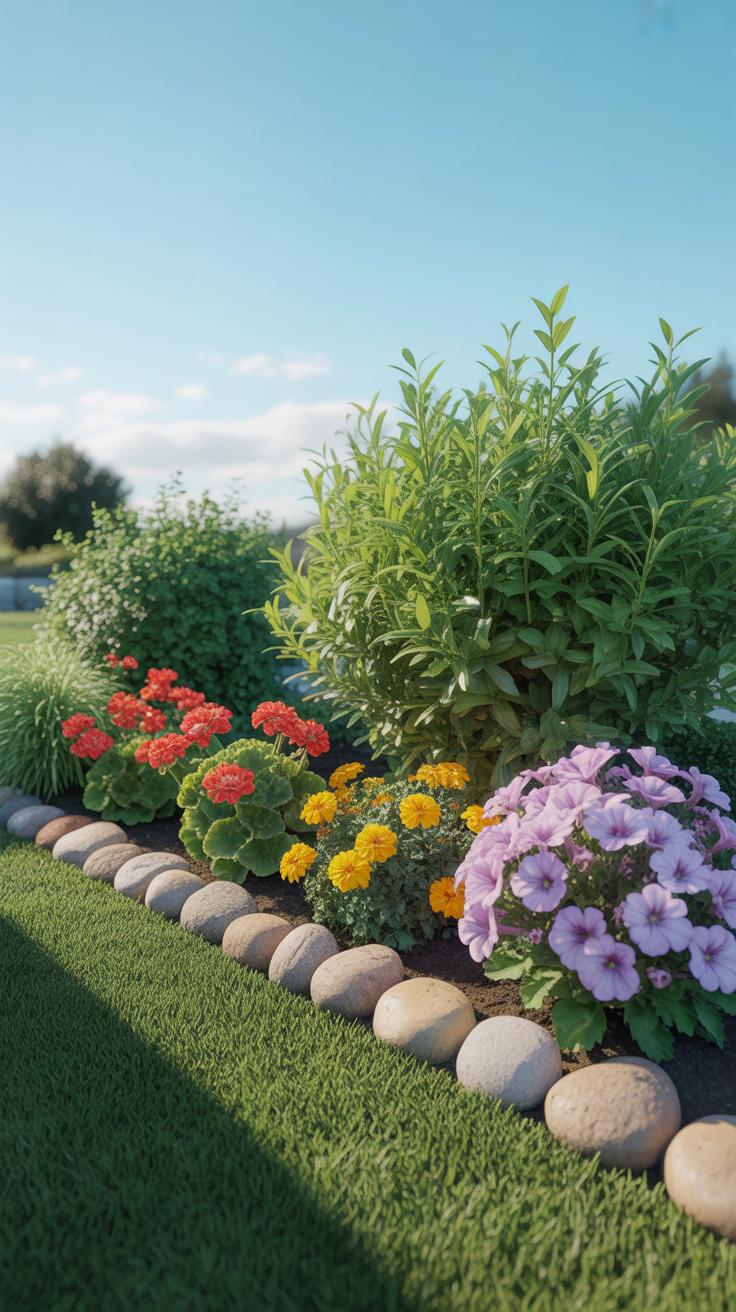
Natural trench edging represents the most straightforward project for a novice. You only need a sharp spade or a half-moon edger to cut a clean line between the turf and the soil. This method creates a physical barrier that stops grass roots from invading your flower beds. It requires no expensive materials and takes only a few hours to complete for a standard yard.
Plastic or composite bender board offers another rapid solution for curved landscapes. You dig a shallow trench and stakes the flexible strips into the ground. This material resists rot and maintains its shape against soil pressure. Beginners can install this system without specialized masonry tools. It provides a crisp visual break and keeps mulch contained within the designated planting areas throughout the growing season.
Common Mistakes To Avoid When Installing Garden Edging For The First Time
Installing edging too high above the soil line is a frequent error. High borders interfere with lawn mower blades and create trip hazards. You must set the material deep enough so only a small portion remains visible. This placement ensures the mower can pass safely over the edge. Proper depth also prevents grass roots from growing underneath the barrier and entering the garden.

Ignoring the drainage needs of your specific site leads to water pooling and plant death. Many beginners forget that solid borders like stone or concrete can act as dams. You must maintain the natural slope of the land to allow water runoff. Check your levels with a string line during the planning phase. Consistent depth and correct grading prevent frost heave from pushing your edging out of the ground.
Frequently Asked Questions

What is the primary purpose of installing garden edging?
Garden edging serves both functional and aesthetic purposes in your landscape. Practically, it creates a clean barrier that prevents grass from invading your flower beds and keeps mulch or soil contained during heavy rain. From a design perspective, utilizing various garden edging ideas helps define different zones in your yard, providing a polished, professional look that boosts curb appeal while making routine maintenance like mowing much faster and easier.
How do I properly install decorative stone or brick edging?
To install stone or brick garden edging ideas, start by digging a shallow trench along your garden perimeter, ensuring it is slightly wider than your material. Level the bottom with a thin layer of sand to prevent shifting over time. Place your stones tightly against each other, using a rubber mallet to tap them into place. Finally, fill any small gaps with dirt or sand to ensure a stable, seamless finish.
What are the most affordable materials for budget-friendly garden borders?
If you are looking for cost-effective solutions, reclaimed materials like old bricks, large cobblestones, or even treated timber are excellent choices. Plastic landscape bording is the most accessible commercial option, but you can also achieve a high-end look for free by digging a “Victorian trench” edge. This technique involves cutting a sharp, deep V-shape into the turf, providing a sophisticated transition between your lawn and garden beds without spending a dime.