
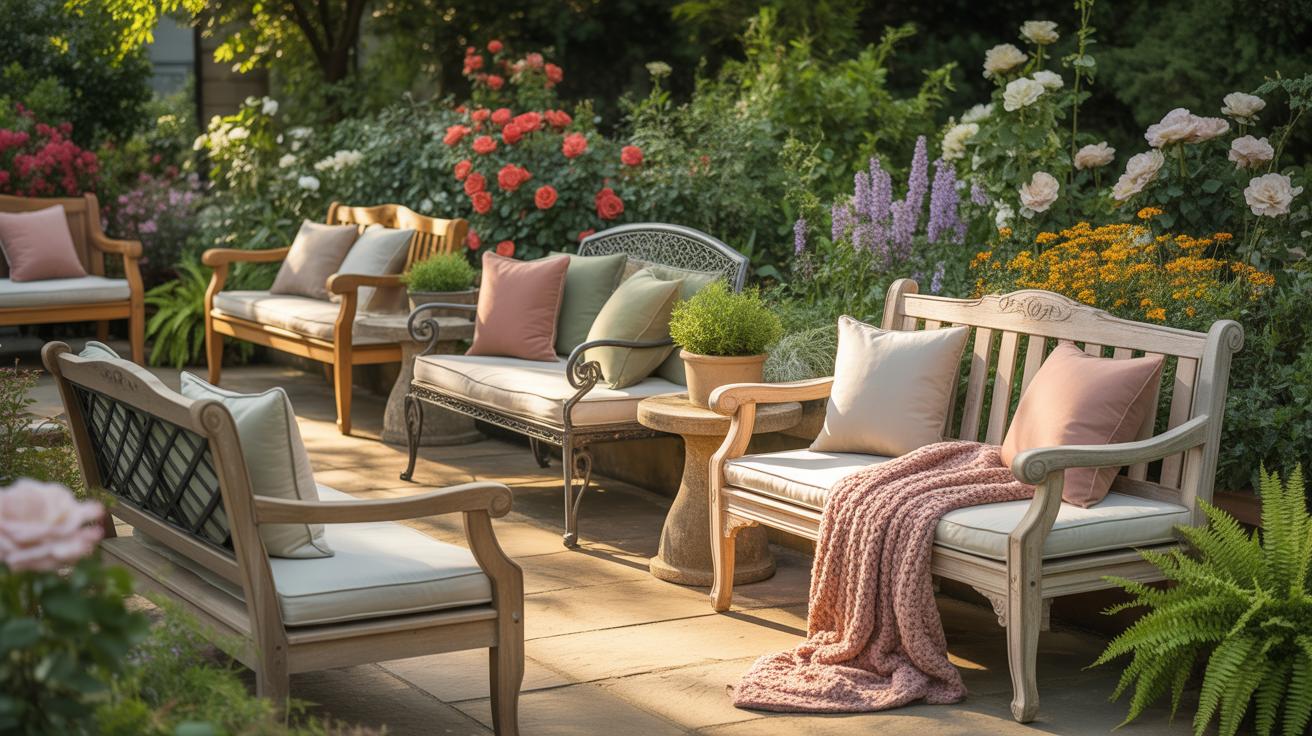
Why Garden Benches Ideas Are Central To Outdoor Living
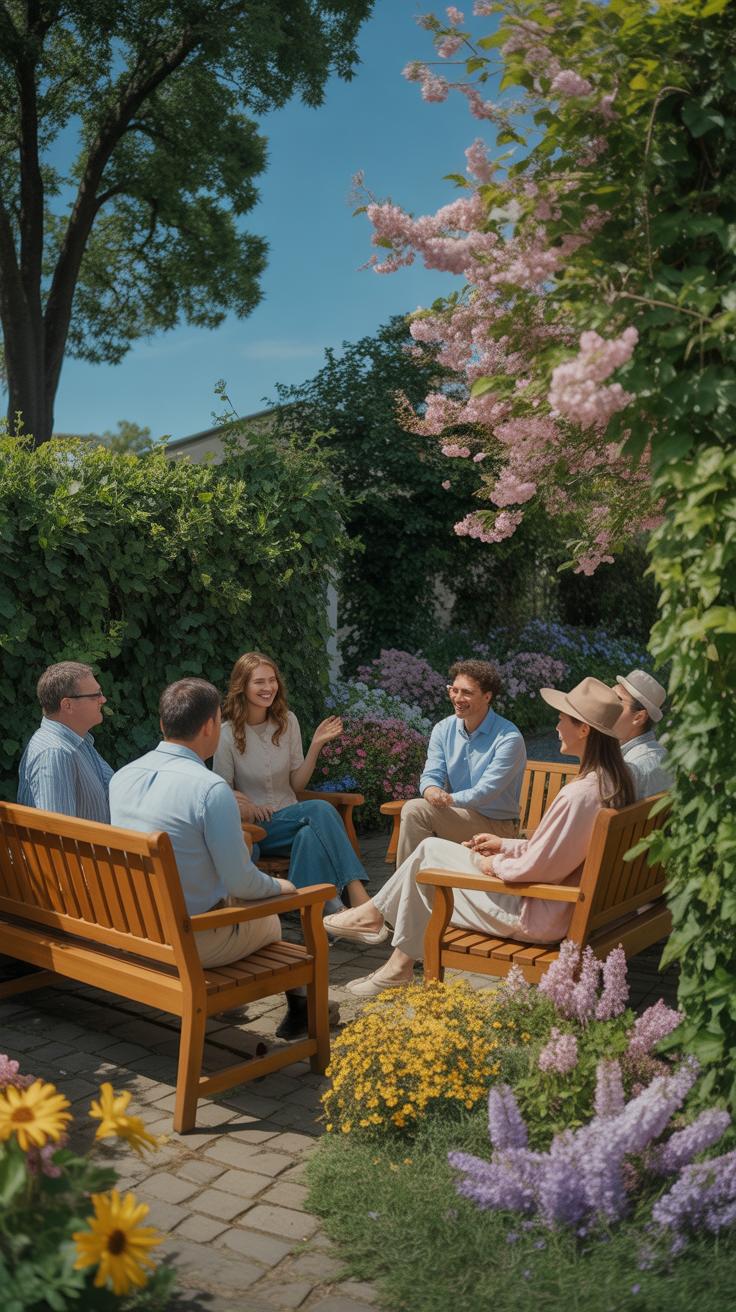
The Timeless Appeal Of A Garden Bench In Any Yard
The garden bench remains a fundamental element in landscape design because it serves a dual purpose. It provides a fixed location for rest while acting as a visual anchor. Historically, benches appeared in formal English and Italian gardens to mark the end of a path. This tradition continues today. Modern designers use benches to create a sense of permanence in a changing natural environment.
A quality bench offers high utility regardless of yard size. It transforms a transition space into a destination. Wood styles like teak or cedar resist rot and insects naturally. Stone and wrought iron provide extreme durability against harsh weather. Selecting the right material ensures the bench lasts for decades. This stability makes the bench a reliable centerpiece for any outdoor area. It bridges the gap between architecture and nature.
How A Well Placed Bench Shapes The Feel Of Your Garden
Placement dictates how people move through and perceive your outdoor space. A bench positioned against a wall or hedge provides a sense of security. This is known as the prospect-refuge theory in design. It makes the user feel safe while they look out at the yard. Strategic placement also controls the view. You can direct the eye toward specific plants, water features, or distant horizons.
A bench also defines the boundaries of outdoor rooms without using walls. Placing a bench at the edge of a patio creates a clear limit to the seating area. It guides foot traffic away from delicate planting beds. On a functional level, it provides a spot to remove boots or set down garden tools. The bench acts as a silent coordinator for all yard activities. It organizes the landscape into logical and usable sections.

Garden Bench Ideas Landscaping Integrating Seating Into Your Garden Design
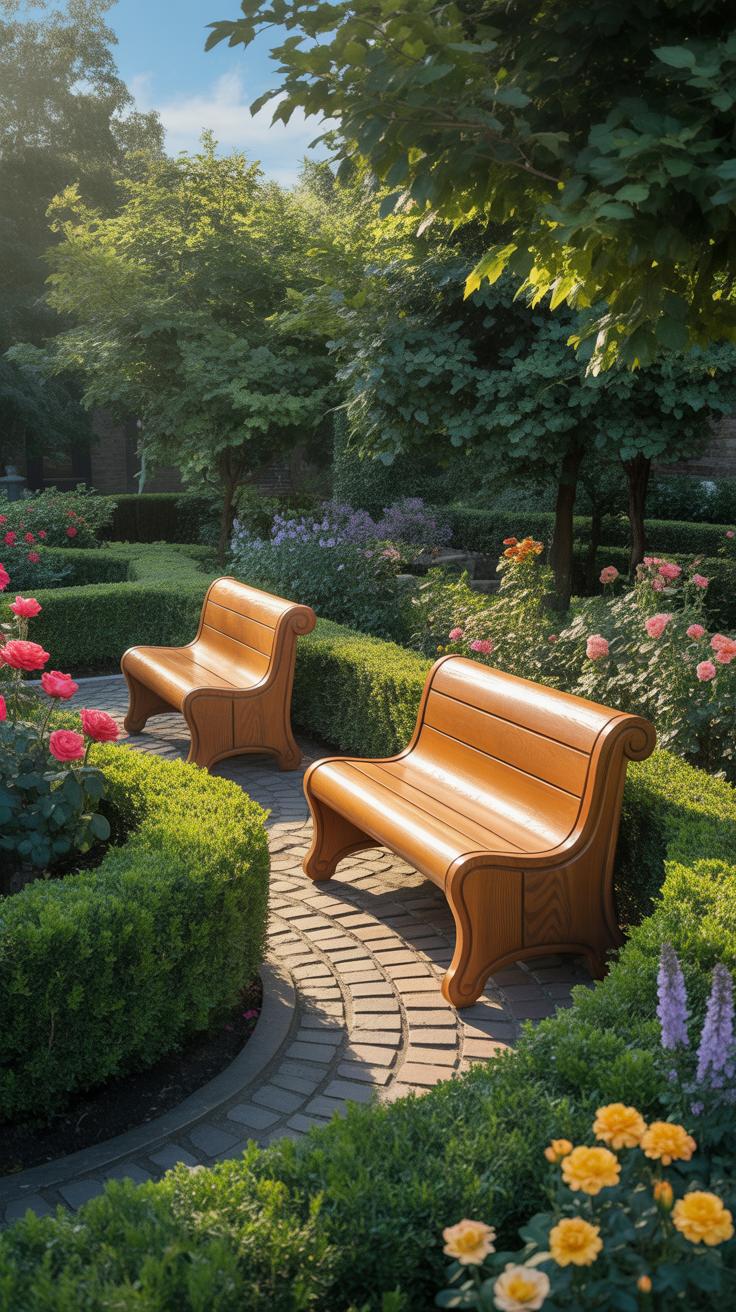
Using Benches As Focal Points Along Garden Paths And Borders
Place a bench at the end of a long path to draw the eye forward. This technique creates a destination for the viewer. It forces the gaze toward a specific area of the garden. Position the seat slightly off-center to create a more natural look. Use heavy materials like stone or cast iron to ensure the bench stays in place. This adds a sense of permanence to your layout.
Borders need structure to stop them from looking messy. A bench acts as an anchor among soft plants and flowers. Ensure the bench back sits higher than the surrounding plants. This prevents the furniture from disappearing into the greenery. Use dark colors to make the bench recede or bright wood to make it pop. The bench should serve as a resting spot and a visual weight for the border.
Matching Bench Styles To Your Landscaping Theme
Identify your garden style before buying furniture. Formal gardens require symmetrical designs and clean lines. Choose stone or painted wood for English cottage styles. Modern landscapes benefit from concrete or metal benches with sharp edges. Matching the material to the architecture of your house creates a unified look. This prevents the bench from looking like an afterthought in your outdoor space.

Historical accuracy improves the overall design quality. Use teak for maritime or coastal themes because it resists salt air. Select wrought iron for Victorian or Mediterranean styles. Simple timber planks work best for rustic or woodland settings. Avoid mixing too many different styles in one area. Consistency in materials helps tell a clear story. Professional designers use these rules to ensure every piece of furniture serves the broader aesthetic goal.
Designing The Perfect Garden Seating Area Around Your Bench
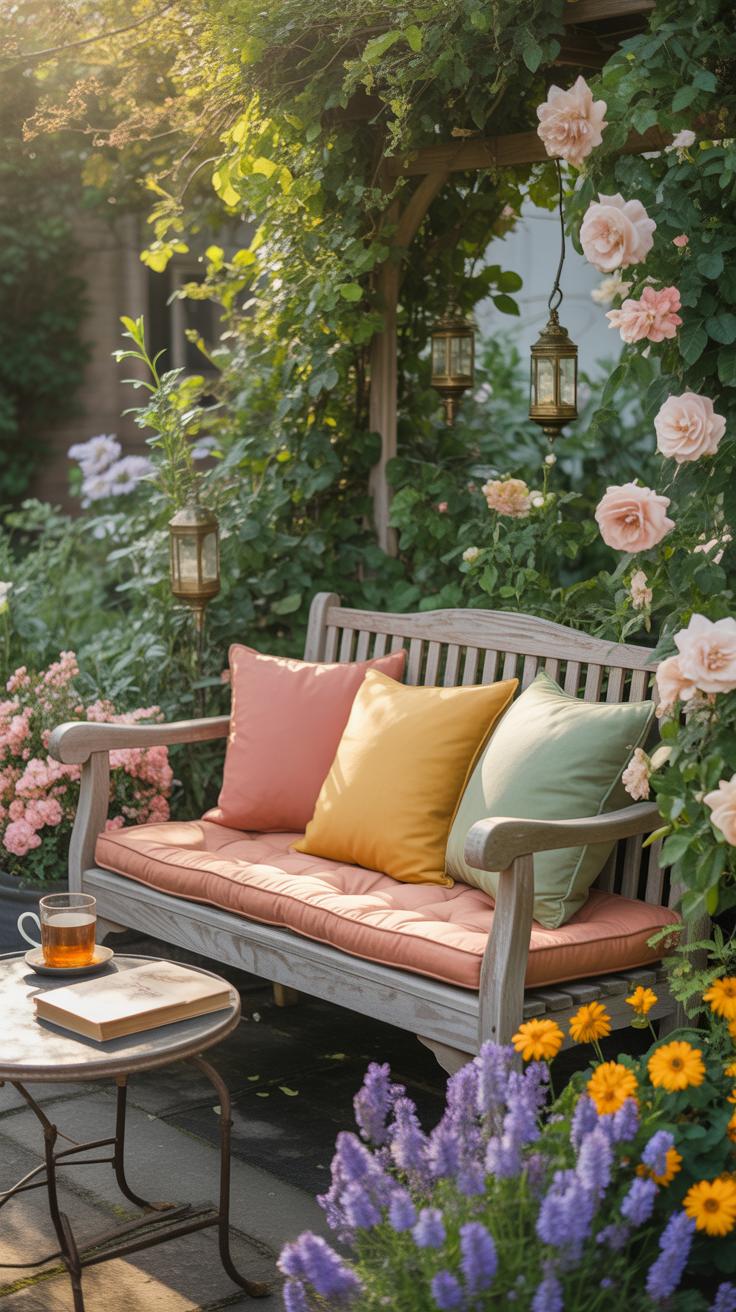
Choosing The Right Location For A Comfortable Garden Seating Area
Placement dictates utility. You must analyze the sun path before installation. South-facing spots provide maximum heat but require shade during summer peaks. North-facing areas often remain damp and encourage moss growth on wooden benches. Track the light for the specific time of day you plan to use the space. Ensure the ground is level to prevent structural strain on the bench legs.
Strategic sightlines increase the value of your seating. Position the bench to face a focal point like a water feature or a specific flower bed. Professionals call this the terminal feature technique. Avoid placing benches directly under sap-dropping trees or bird nesting sites. These locations increase maintenance costs and ruin materials quickly. Wind protection from hedges or walls extends the usable season significantly.
Complementing Your Bench With Plants, Pavers, And Lighting
Hardscaping provides the foundation for stability. Use permeable pavers or gravel to allow drainage around the bench base. This prevents water from pooling and rotting wood or rusting metal. Set the bench on a flat surface to stop it from sinking into the soil. Choose materials that match the architecture of your house. Bluestone or brick works best for traditional styles.

Layered planting creates privacy and comfort. Use mid-height shrubs behind the bench to act as a natural windbreak. Scented plants like lavender or rosemary placed within reach improve the sensory experience. Low-voltage LED lighting ensures safety after dark. Install downlights in nearby trees to mimic moonlight. This prevents glare while highlighting the path to the seat. Task lighting makes the area functional for reading.
Covered Bench Outdoor Solutions For Year Round Comfort
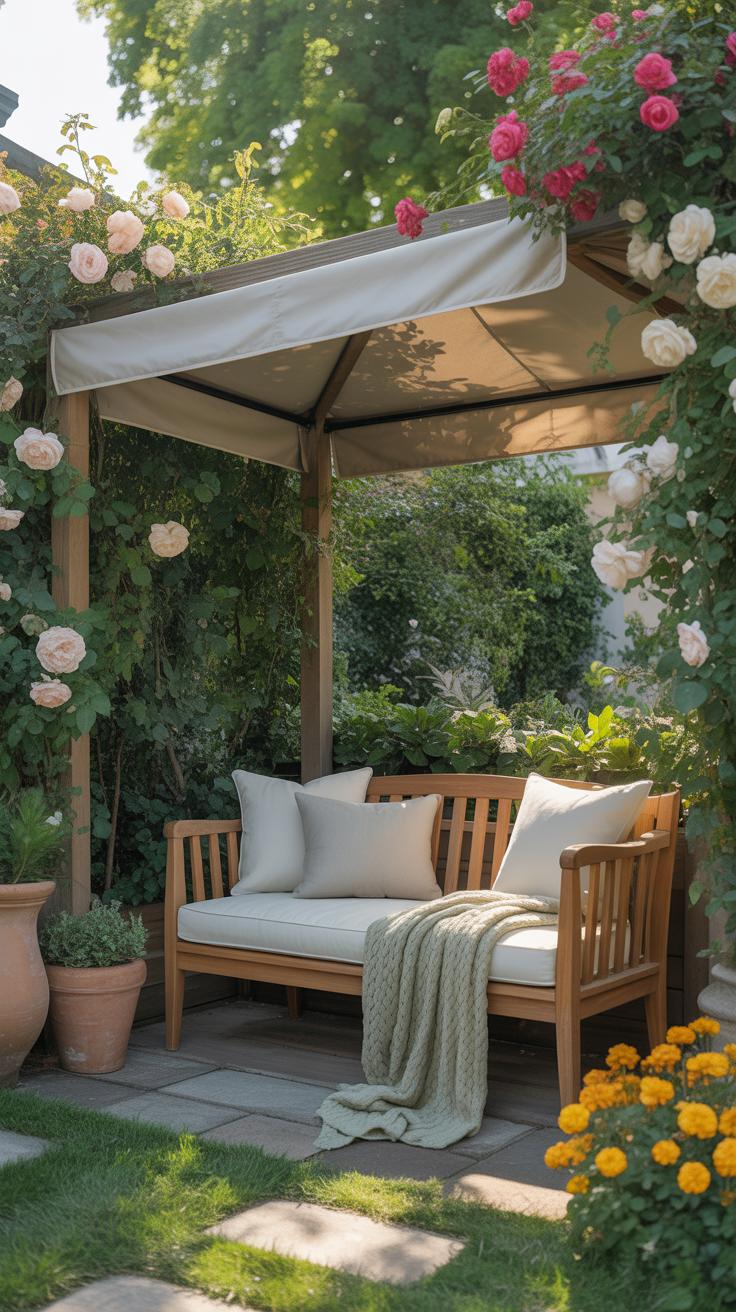
Popular Shelter Options: Pergolas, Arbors, And Canopies Over Garden Benches
Shelter structures extend the lifespan of garden furniture and improve user comfort. Pergolas provide filtered shade using horizontal crossbeams. They do not block rain unless you add a solid roof or a retractable fabric cover. Arbors offer a more compact solution for single benches. These arched frames support climbing plants that create a natural windbreak and vertical shade over the seating area.
Canopies offer the most flexible protection for garden bench ideas. Fixed metal or wood frames with waterproof fabric covers block UV rays and precipitation effectively. Permanent wooden pavilions provide full overhead coverage for all seasons. These structures allow you to use cushions and textiles without constant removal. Strategic placement near walls or hedges further reduces wind exposure and helps regulate the temperature around the bench.
A garden bench is a place to pause and let the soul catch up with the body, blending old memories with new designs.
Materials That Hold Up Best Under A Covered Outdoor Bench Structure
Selecting the right material ensures the bench survives humidity and temperature shifts found under shelters. Covered areas trap moisture more than open spaces. You need materials that resist rot and fungal growth without direct sunlight to dry them out quickly. Hardwoods and treated metals perform best in these microclimates. Avoid cheap softwoods that warp when air circulation is limited under a roof.
- Teak: This wood contains high natural oil content and silica. It resists rot and water damage even in damp, shaded environments. It maintains structural integrity for decades without requiring chemical sealants or frequent maintenance.
- Powder-Coated Aluminum: This metal does not rust or corrode when exposed to humidity. The factory-applied finish provides a durable barrier against moisture. It stays cool to the touch and offers a lightweight yet strong seating option.
- Cast Iron: Use this for heavy, permanent installations under solid roofs. It offers extreme durability and historical aesthetic value. Proper painting or powder coating prevents surface oxidation in areas where rain might blow in from the sides.
- High-Density Polyethylene: This marine-grade plastic resists mold and mildew growth in stagnant air. It does not splinter or crack like natural wood. It works well for covered benches because it requires almost zero maintenance beyond occasional wiping.
- Wrought Iron: Known for its strength and traditional appearance, this material requires a protective finish. Under a shelter, it stays dry and avoids the pitting caused by constant rain. It provides a stable base for heavy-use garden seating.

Structural integrity depends on the combination of the bench material and the shelter type. Pair heavy masonry or iron benches with permanent pavilions for a fixed architectural look. Use lighter aluminum or teak benches under arbors if you plan to reposition them seasonally. Always check for ground moisture levels under the structure. Constant dampness can rot bench legs even if the seat remains dry under the roof.
Classic Garden Benches Traditional Styles That Never Go Out Of Fashion
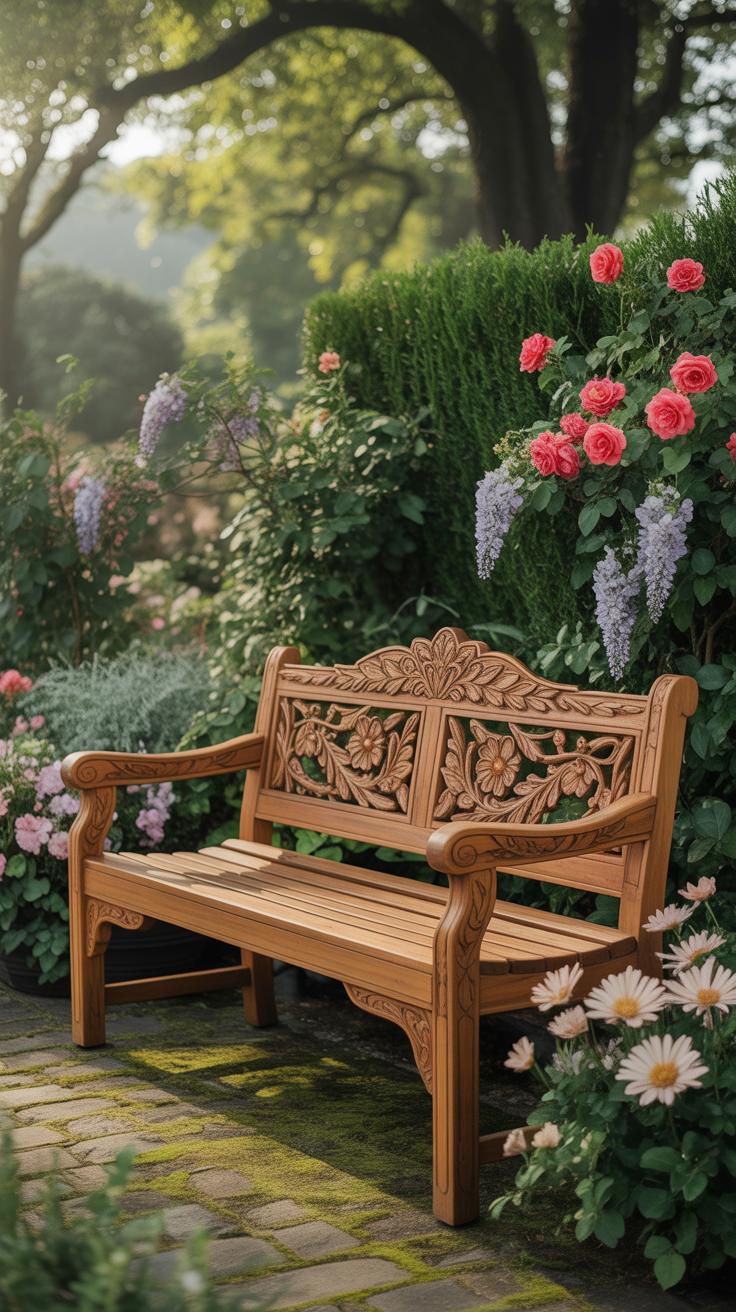
Cast Iron And Hardwood Benches And Their Enduring Garden Legacy
Tactical bench design relies on material longevity. Cast iron provides the structural skeleton while hardwood offers the seating surface. This combination resists high winds due to its heavy weight. Iron frames prevent the sagging common in plastic or light metal alternatives. Manufacturers use powder coating today to stop rust on the iron. Hardwoods like teak or oak withstand rot naturally for several decades.
Selection dictates maintenance cycles in professional landscaping. You choose cast iron for stability and permanent placement. It does not move easily once set. The hardwood slats require periodic oiling to maintain structural integrity. This pairing serves as the industry standard for public parks and high-traffic private estates. It balances cold industrial strength with the organic feel of natural wood. These materials prioritize function over decorative trends.
How Victorian And Edwardian Bench Designs Still Influence Gardens Today
Victorian era benches focused on intricate patterns and industrial manufacturing. These designs prioritize heavy ornamentation like floral motifs and scrolls. They established the concept of the garden as a formal outdoor room. Modern manufacturers still replicate these patterns using sand-casting techniques. Owners choose these styles to create focal points in structured landscapes. They work best in zones with symmetrical layouts and clipped hedges.
Edwardian styles shifted toward cleaner lines and ergonomic comfort. This period introduced the Lutyens bench with its distinct arched back. It moved away from the heavy clutter of the previous century. You use these designs to suggest heritage without the visual noise of Victorian ironwork. They provide a softer aesthetic for transition zones between the house and the lawn. These historic styles remain relevant because they define traditional British and American garden standards.
Pallet Bench Projects Sustainable And Budget Friendly Seating
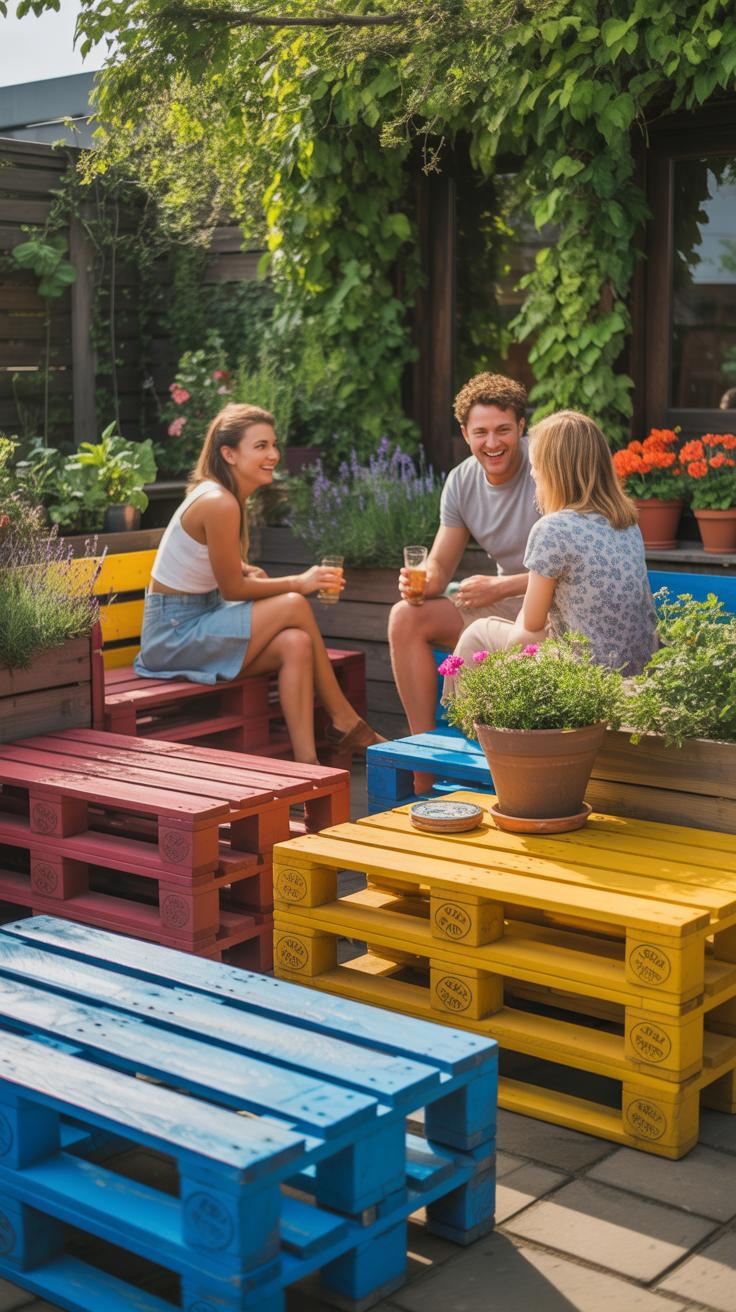
Why Reclaimed Pallets Have Become A Go To Material For Garden Benches
Reclaimed pallets provide a low-cost entry point for Garden Bench Ideas. They offer dense hardwood or sturdy softwood at zero cost. This material gained popular traction during the mid-2000s DIY movement. Designers appreciate the raw aesthetic and modular nature of the wood. You can dismantle pallets to create custom lengths or stack them for immediate height. This flexibility saves significant time.
Environmental sustainability drives the continued use of pallet wood in modern landscapes. Repurposing these crates prevents massive amounts of timber from entering local landfills. The wood often features a weathered texture that takes years to achieve naturally. This pre-aged look fits rustic and industrial design themes. You get a durable outdoor seat while reducing your carbon footprint. It is a practical choice for functional decor.
What To Consider Before Building A Pallet Bench For Outdoor Use
Safety is the primary concern when selecting pallets for seating. You must check the heat treatment stamps on the wood. Look for the HT mark which indicates thermal processing. Avoid pallets marked with MB. This stands for methyl bromide which is a toxic pesticide. Chemical leaching will ruin your garden soil and pose health risks. Always inspect the wood for oil spills or biological contaminants.

Structural integrity requires specific assembly techniques to ensure long-term use. Pallet wood dries out and cracks if you do not apply a proper sealant. Use galvanized screws to prevent rust streaks on the timber. Sand all surfaces thoroughly to remove splinters and rough patches. Apply a high-quality UV-resistant deck stain to protect against rot. Regular maintenance will double the lifespan of your handmade bench. Follow these steps for a professional finish.
Outdoor Bench Ideas For Every Garden Size And Style
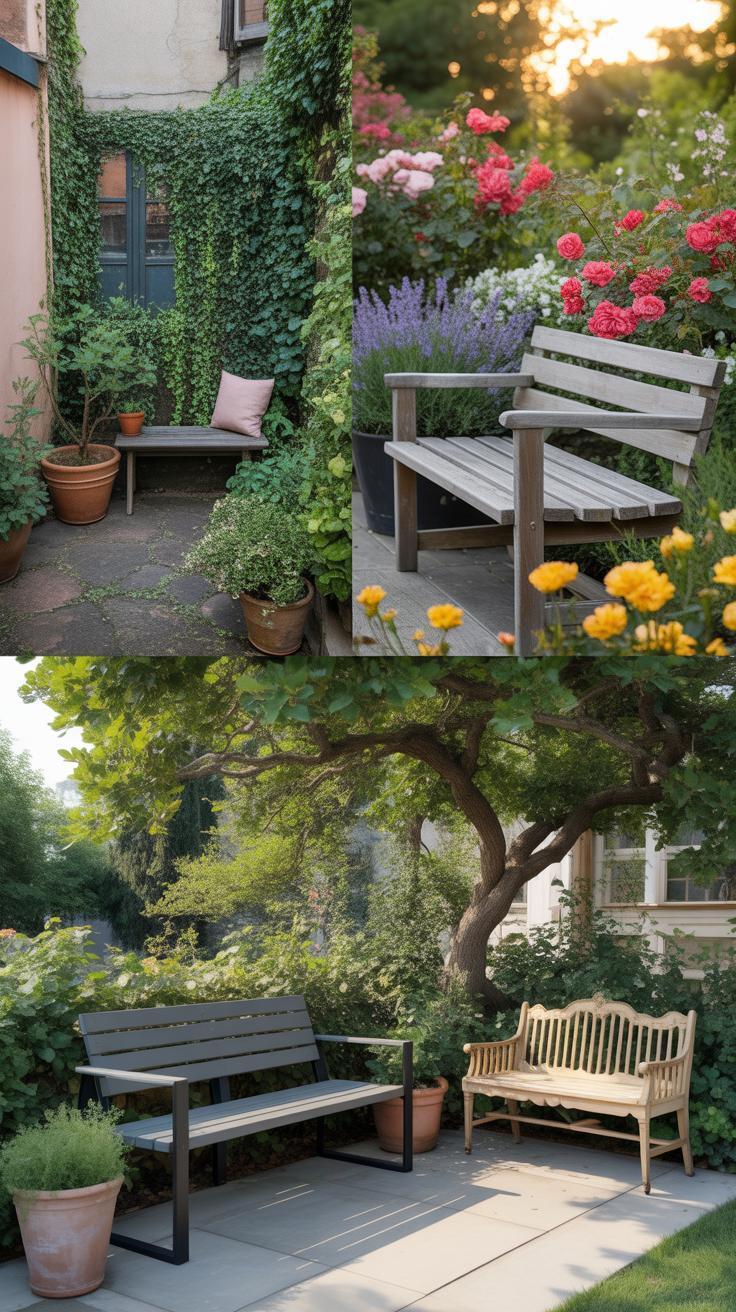
Space Saving Bench Ideas For Small Gardens, Balconies, And Courtyards
Maximize vertical space and perimeter boundaries in tight areas. Wall-mounted floating benches eliminate leg clutter and keep floor tiles visible. This trick makes small balconies feel larger. Choose fold-down models for multi-use zones. Use narrow profiles under sixty centimeters deep to maintain clear walking paths. Solid hardwoods like teak or ipe resist rot without requiring bulky support frames or heavy bases.
Corner seating utilizes dead space in courtyards. Built-in masonry benches serve as retaining walls while providing permanent seating. You can integrate storage under the seat to hide gardening tools. This dual-purpose design saves square footage. For balconies, select slim metal frames. These provide structural strength without the visual weight of wood. Keep lines clean to prevent the furniture from overwhelming the restricted environment.
Statement Benches For Large Gardens And Open Landscapes
Large landscapes require furniture with significant visual weight to anchor the space. Place oversized benches at the end of long vistas to create a clear focal point. Use heavy materials like cast iron or thick-cut natural stone. These materials withstand wind and match the scale of mature trees. Positioning a bench under a large canopy provides a destination for walkers.
Choose historically accurate designs for formal gardens. Curved Lutyens benches provide a structural silhouette that works well in English landscape styles. For modern estates, use monolithic concrete or long timber beams. These designs emphasize the horizon line. Ensure the bench is wide enough to seat four people comfortably. Large scales allow the furniture to function as a piece of sculpture even when not in use.
Outdoor Bench DIY Build Your Own Garden Seating From Scratch
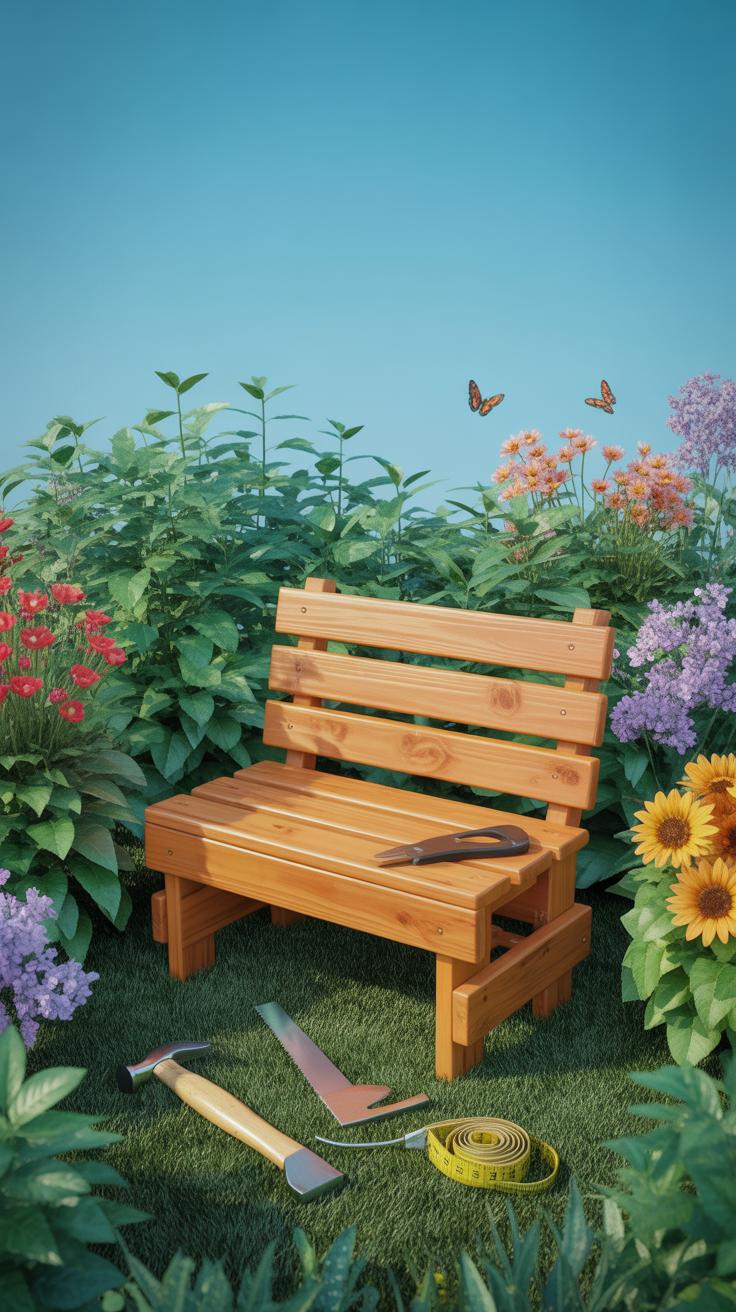
Essential Steps To Plan And Build A Simple Outdoor Bench DIY Project
Efficient DIY construction requires a clear plan. Start by selecting a design that matches your skill level. A basic box frame or a classic slatted bench works best for beginners. Measure your space to determine exact dimensions. You must choose dimensionally stable lumber to prevent warping. Purchase high quality corrosion resistant fasteners. Gather all necessary tools before you begin to maintain workflow speed.
- Material Selection: Choose pressure treated pine for budget projects or cedar and redwood for natural rot resistance. These woods contain oils that repel insects and moisture. Hardwoods like white oak offer superior durability but require pre-drilling for every screw.
- Site Preparation: Create a level foundation for the bench. Placing wood legs directly on soil causes rapid rot. Use concrete pavers or gravel beds to provide drainage. This separation extends the life of the wood by several years.
- Structural Reinforcement: Use wood glue rated for exterior use on all joints. Mechanical fasteners like deck screws provide the grip while glue creates a permanent bond. Add corner bracing to prevent racking or wobbling over time.
- Safety Gear: Wear impact resistant goggles and a dust mask when cutting lumber. Modern pressure treated wood contains chemicals that you should not inhale. Work in a well ventilated space to ensure safety during the assembly and sanding process.
- Measurement Accuracy: Follow the rule of measuring twice and cutting once. Use a speed square to ensure every cut is perfectly ninety degrees. Small errors in the frame lead to a bench that sits unevenly on flat ground.
An organized workspace improves the quality of your build. Cut all your wood pieces to size before you start the assembly phase. This tactical approach allows you to identify mistakes early. Use clamps to hold pieces in place while you drive screws. This ensures tight joints and professional results. Test the stability of the bench on a flat surface before moving it to the garden.
Finishing And Weatherproofing Your Homemade Garden Bench
Proper finishing protects your investment from ultraviolet rays and moisture. Bare wood degrades quickly when exposed to the elements. Sand the surface with eighty grit sandpaper then finish with one hundred twenty grit. This opens the wood grain to accept the protective coating. Apply a high quality oil based stain or a clear sealer. These products penetrate the wood fibers to block water absorption effectively.

Maintenance ensures your bench lasts for decades. Inspect the finish every year for signs of peeling or fading. Reapply a fresh coat of sealer when water stops beading on the surface. Tighten any loose fasteners caused by natural wood expansion and contraction. Clean the wood with a mild detergent and water before applying new finishes. Consistent care prevents expensive structural failures and keeps the wood looking new.
Bench Ideas Outdoor Current Trends Shaping Garden Bench Design
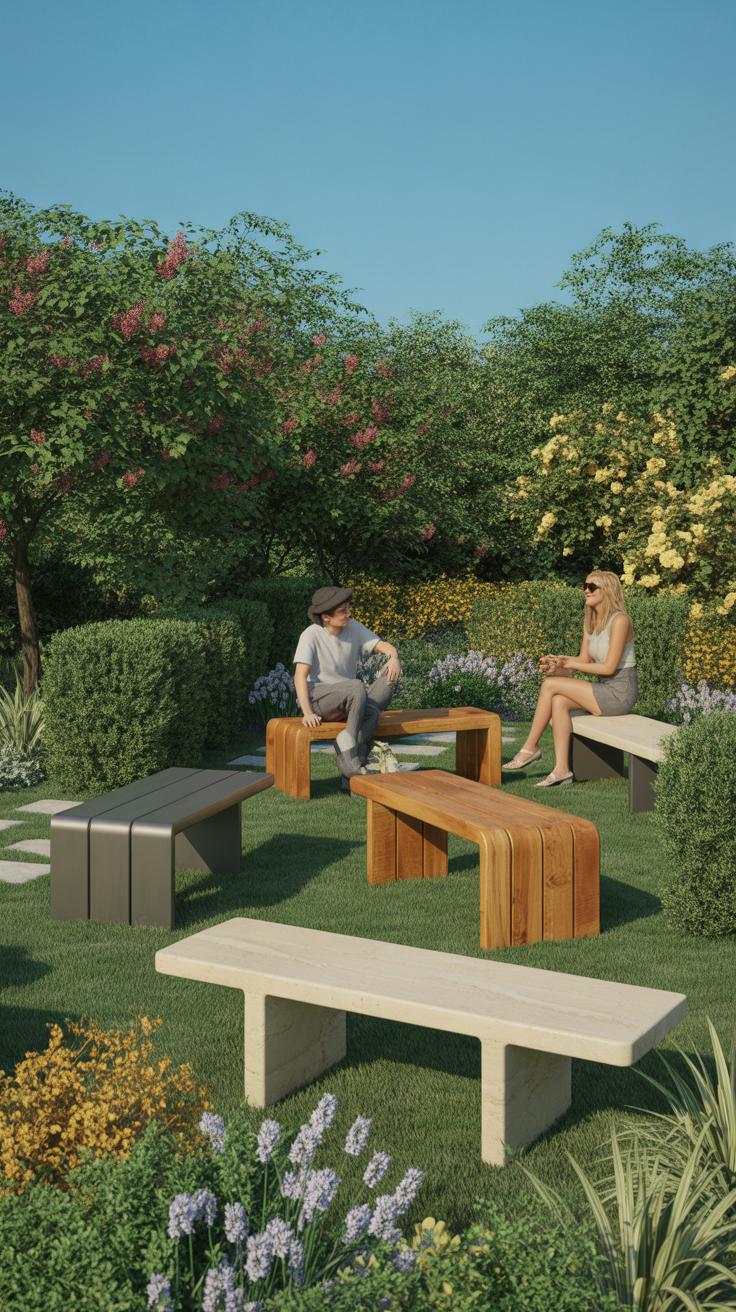
Modern Minimalist And Eco Friendly Bench Trends Gaining Popularity
Modern minimalism focuses on clean lines and geometric shapes. Designers now use raw materials like black steel and cast concrete to create stark silhouettes. These pieces remove visual clutter from natural landscapes. Practitioners prioritize durability over ornamentation to ensure longevity. Low profiles and cantilevered seats define this movement. You must select materials that age well without requiring frequent chemical treatments or heavy maintenance.
Eco friendly trends shift toward recycled plastic lumber and reclaimed hardwoods. Many builders choose FSC certified teak or repurposed oak from old structures. These choices reduce waste and stop deforestation. Wood alternatives like composite materials resist rot and insects without toxic sealants. You should look for modular designs that allow for part replacement. Sustainable sourcing is now a primary requirement for high end landscape architecture projects.
Multi Functional Bench Designs That Double As Storage Or Planters
Multi functional benches solve the problem of limited space in urban gardens. Storage benches feature hinged seats or pull out drawers to hold cushions and tools. This design keeps outdoor areas tidy and protects items from weather damage. Manufacturers use watertight gaskets to keep internal compartments dry. You maximize utility by combining seating with essential utility. It turns a simple furniture piece into a strategic organizational asset.
Integrated planter benches merge masonry or woodwork with living vegetation. These units feature built in pockets for shrubs or herbs at each end. The weight of the soil adds stability to the bench frame. Proper drainage systems prevent water from rotting the wooden supports or staining the stone. This trend brings greenery closer to the user for a sensory experience. You save ground space by stacking vertical growth with horizontal seating solutions.
Frequently Asked Questions

What are the best materials for a beginner looking to add a garden bench?
For those just starting out, wood and metal are the most popular choices. Teak and cedar are excellent natural options because they resist rot and weather beautifully over time. If you prefer low maintenance, powder-coated steel or aluminum offers durability with a modern flair. Exploring various garden bench ideas allows you to find a material that complements your outdoor aesthetic while fitting your specific climate and lifestyle needs.
How can I style a garden bench to make it look more high-end?
Elevating your outdoor seating is all about layering textures and colors. Start by adding weather-resistant plush cushions and a few decorative throw pillows in trending patterns like botanical prints or geometric shapes. Surround the area with tiered planters or lanterns to create a cozy nook. These simple garden bench ideas turn a basic seat into a sophisticated focal point that mimics the comfort and style of an indoor living room.
Are there any affordable ways to incorporate stylish seating on a budget?
Absolutely! You can achieve a high-end look without a massive investment by choosing multi-functional pieces or DIY projects. Consider upcycling old wooden pallets or using concrete blocks with timber beams for a minimalist, industrial vibe. Refurbishing a secondhand find with a fresh coat of bold outdoor paint is another cost-effective way to experiment with new trends while keeping your backyard transformation affordable, stylish, and unique.