
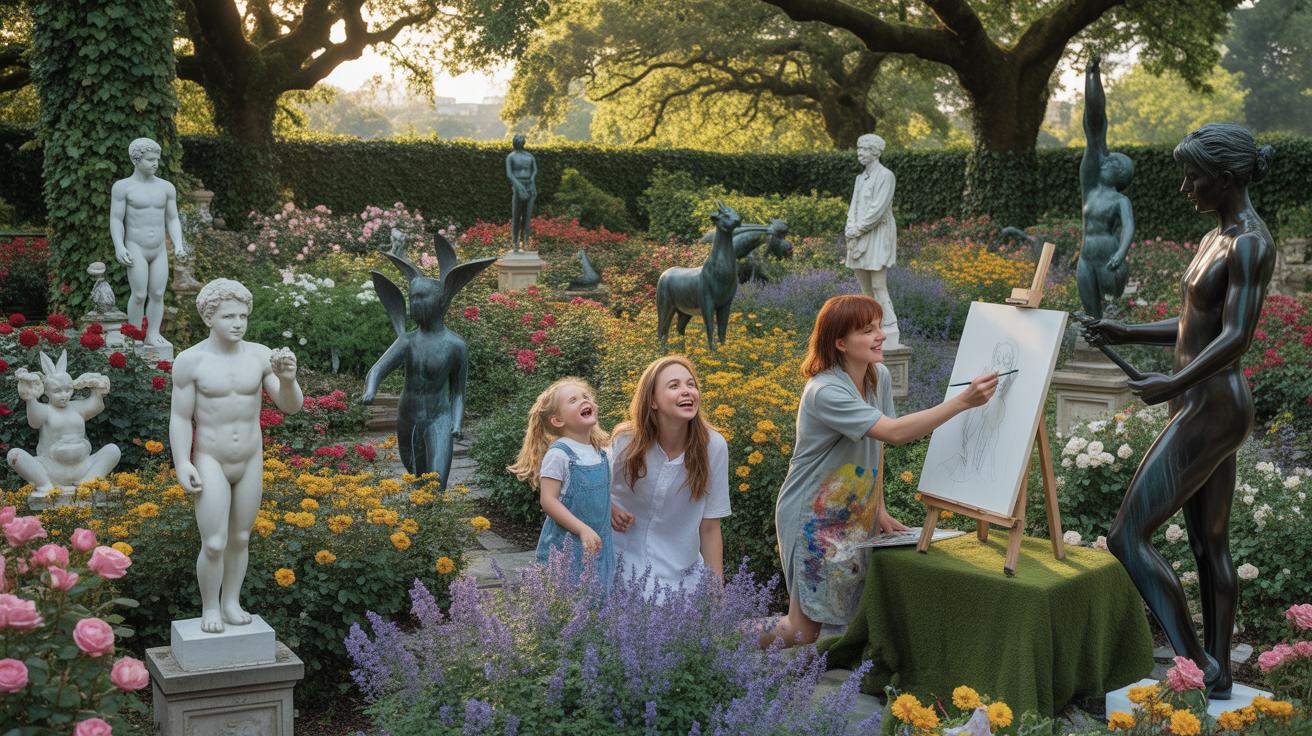
Understanding The History And Appeal Of Garden Statuary
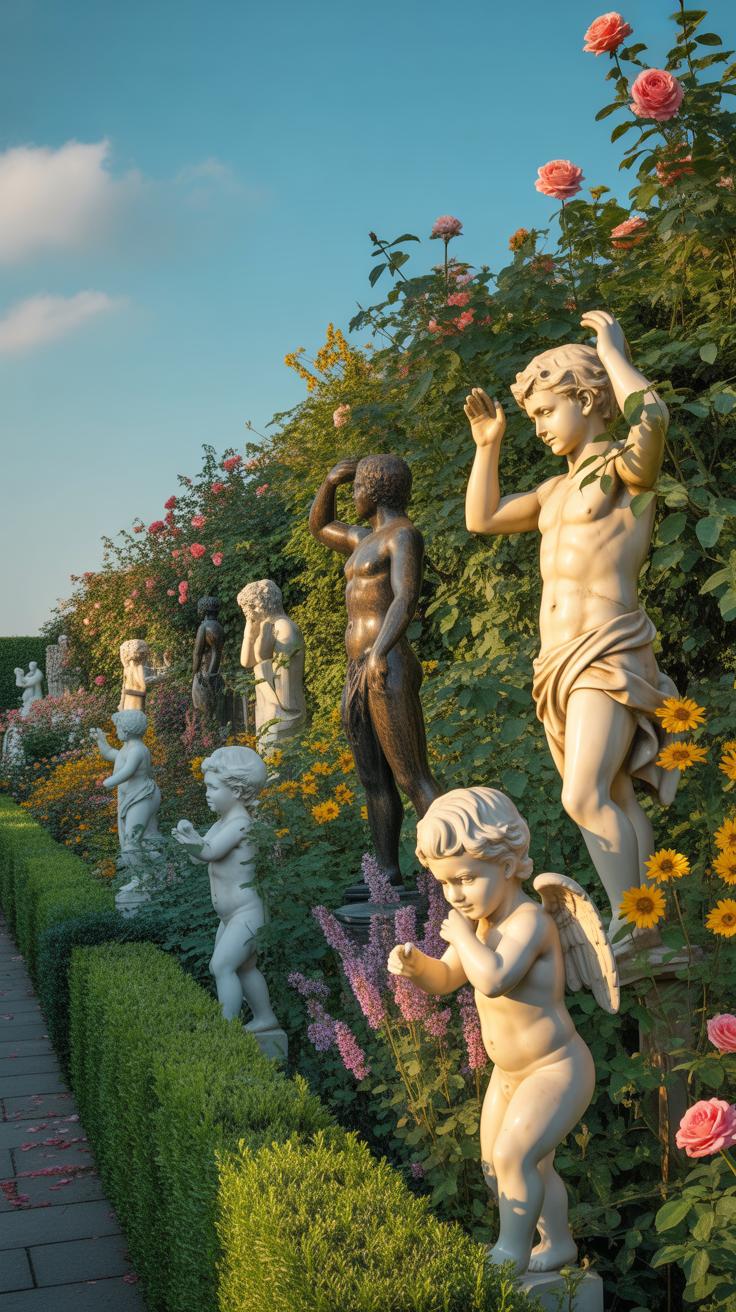
The Ancient Roots Of Garden Statuary In Landscape Design
Ancient Egyptians used statues to mark sacred spaces and honor deities. They carved stone figures to place near water features and temple entrances. These early designs served a clear functional purpose. They established authority and defined the boundaries of a landscape. Greek and Roman civilizations later expanded this practice. They used marble and bronze to celebrate the human form and mythology.
The Renaissance reintroduced classical styles to European gardens. Wealthy landowners used statues to create focal points in large parks. They placed figures at the end of long paths to guide the eye. This period solidified the use of symmetry and geometry in design. Modern landscaping still relies on these historical principles. You use statues today to create structure and provide a sense of permanence in the garden.
Why Garden Statues Continue To Captivate Homeowners Today
Statues serve as year-round anchors for your outdoor space. Plants change colors or lose leaves as seasons shift. Stone or metal figures remain constant and maintain the visual layout. They provide a structural skeleton for the garden when everything else dies back. This reliability helps you manage the visual weight of your backyard without constant maintenance. A well-placed statue fixes a messy or empty corner instantly.
Homeowners use statuary to express personal taste and design intent. A clean concrete bust signals a formal or classic style. A weathered metal piece suggests an industrial or modern look. These objects act as a shorthand for your design goals. They tell visitors how to feel about the space. Strategic placement turns a simple lawn into a curated gallery. You gain a professional look by using these physical markers effectively.

Choosing The Right Garden Statue Ideas For Your Outdoor Style
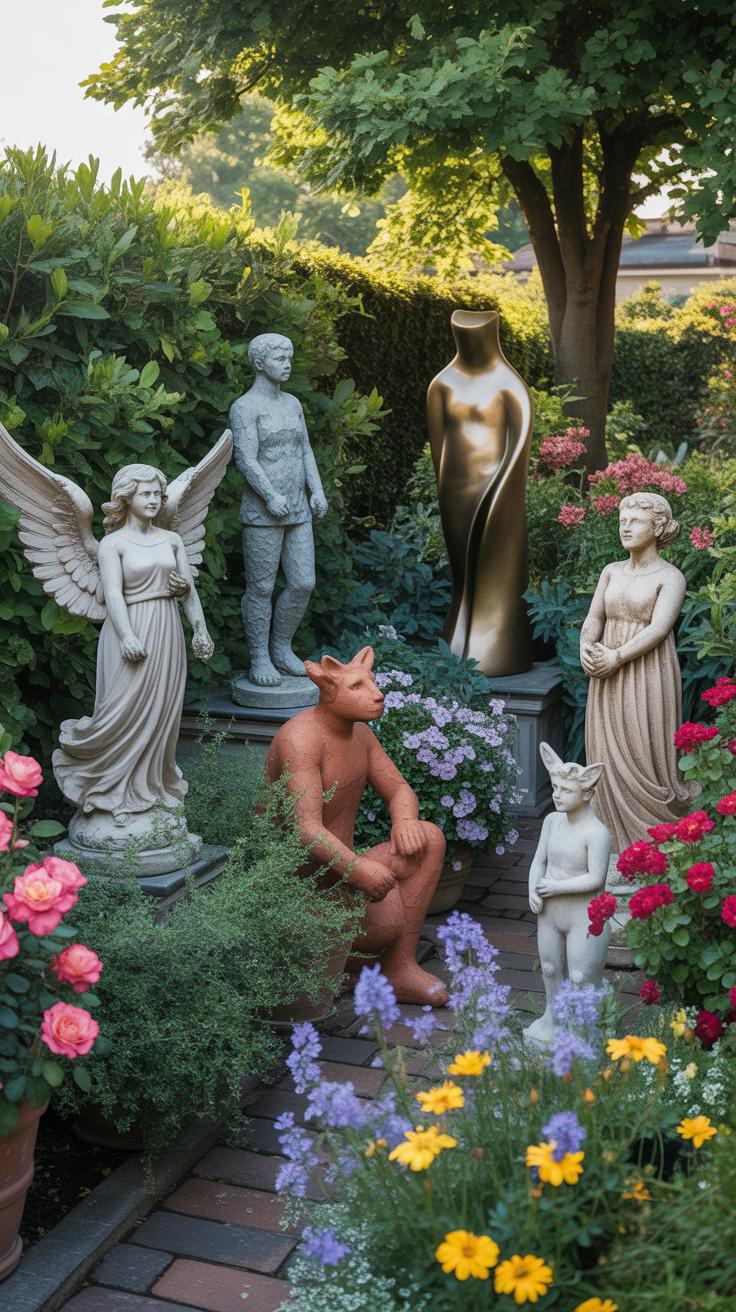
Matching Statue Themes To Your Garden’S Overall Aesthetic
Your garden theme dictates your statue choice. A formal French garden requires symmetry and classical figures. These gardens use central focal points to draw the eye along straight paths. Placing a jagged modern sculpture here disrupts the visual order. Stick to stone or cast lead materials to maintain historical accuracy. These choices reinforce the structured layout of your outdoor space.
Cottage gardens and natural landscapes allow for more organic shapes. Weathered wood or rustic terracotta pieces blend with dense planting. You should place these statues where they appear partially hidden by foliage. This creates a sense of discovery for the viewer. Avoid high-polish metals in wilder settings. Use materials that develop a patina over time to match the growing environment.
A garden should be a place where the soul finds rest, and every statue we place is a silent storyteller of our past. To create something truly stunning, let your heart choose pieces that whisper memories of old, sun-drenched afternoons.
Classic Vs. Contemporary Garden Statues Ideas: Which Suits Your Space?
Classic statues draw from Greek and Roman traditions. These include busts, pedestals, and mythological figures. Use these to add a sense of history and permanence to your property. They work best in structured environments with boxwood hedges or gravel paths. Concrete and marble are the standard materials for this style. High-quality reproductions offer the look of antiquity without the cost of original ruins.

Contemporary statues focus on abstract forms and industrial materials. Choose stainless steel, Corten steel, or glass for a modern look. These pieces rely on geometry and shadow rather than literal representation. They fit best in minimalist gardens with clean lines and limited color palettes. Use them as bold architectural statements. Position them in open areas where their silhouette stands out against a flat wall or open sky.
Best Materials For A Long Lasting Outdoor Sculpture Garden
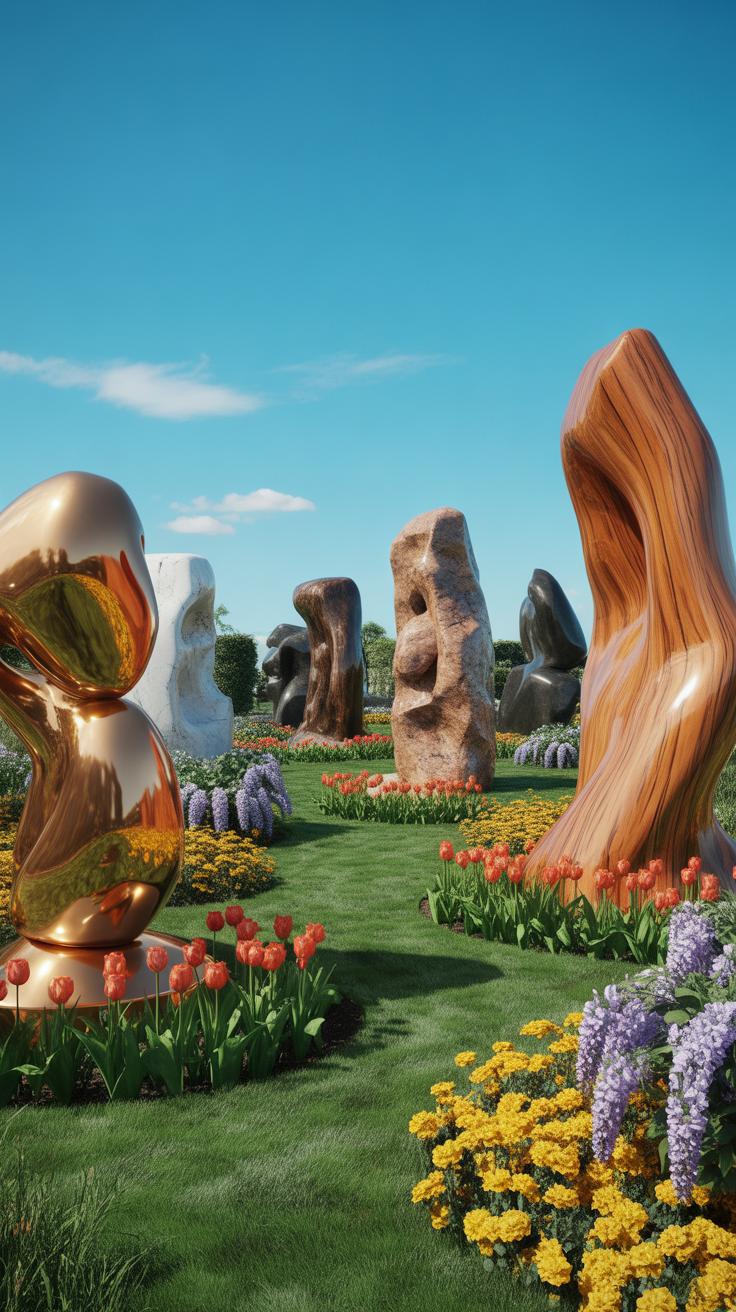
Comparing Stone, Bronze, Resin, And Concrete For Garden Sculptures
Selection of garden materials dictates the lifespan and maintenance requirements of your investment. Natural stone and bronze represent the highest tier of durability and historical prestige. Concrete offers a mid-range solution for weight and texture. Resin provides a lightweight alternative for budget-conscious projects. You must match the material density to the intended placement and foot traffic of the garden site.
- Natural Stone: Hand-carved granite or marble resists decay for centuries. These materials withstand extreme heat and acidic rain without losing structural integrity. Stone develops a natural patina that many collectors value for its aged appearance in traditional landscapes.
- Cast Bronze: This copper-based alloy is the gold standard for public and high-end private art. It requires minimal care and withstands physical impacts better than brittle materials. The surface oxidation creates a protective layer that prevents deep corrosion over many decades.
- Reinforced Concrete: Concrete uses a mix of cement and aggregate to mimic stone at a lower cost. It is heavy enough to discourage theft or wind damage in open fields. Manufacturers often use steel rebar to prevent cracking during severe temperature shifts and ground movement.
- Fiberglass Resin: Resin uses synthetic polymers to create highly detailed shapes impossible with heavy stone. It is easy to move and install without professional machinery. These pieces work well for temporary displays or rooftops where weight limits prevent the use of traditional heavy sculpture.
- Weathering Steel: Also known as Cor-Ten, this metal is designed to rust on the surface. This controlled oxidation stops further corrosion from reaching the core of the piece. It fits modern and industrial design themes while requiring zero maintenance once the rust layer stabilizes.
Material choice also impacts the installation process and site preparation needs. Heavy stone and bronze require reinforced pads or footings to prevent sinking into the soil. Resin and thin wood sculptures need secure anchoring to prevent wind from toppling the art. Evaluate the long-term cost of ownership, including cleaning and sealing, before finalizing your material selection for the garden.
How Weather And Climate Affect Your Choice Of Sculpture Material
Climate is the primary cause of sculpture degradation over time. High-moisture environments promote moss growth on porous materials like limestone and concrete. In regions with freezing winters, water enters small cracks in the material. This water expands as it turns to ice, causing the sculpture to split or flake. You must choose non-porous materials like bronze or sealed granite for these harsh environments.

Arid climates with high UV exposure damage synthetic materials and painted finishes. Resin can become brittle and crack after prolonged sun exposure. Intense heat also causes metal to expand, which may loosen anchors in stone bases. Direct sunlight fades pigments in stained concrete or painted metal. Use UV-resistant coatings or select naturally colored stones to maintain the visual impact of your garden art through different seasons.
How To Plan And Design A Cohesive Statue Garden Layout
Using Scale And Proportion To Place Statues Effectively In Your Garden
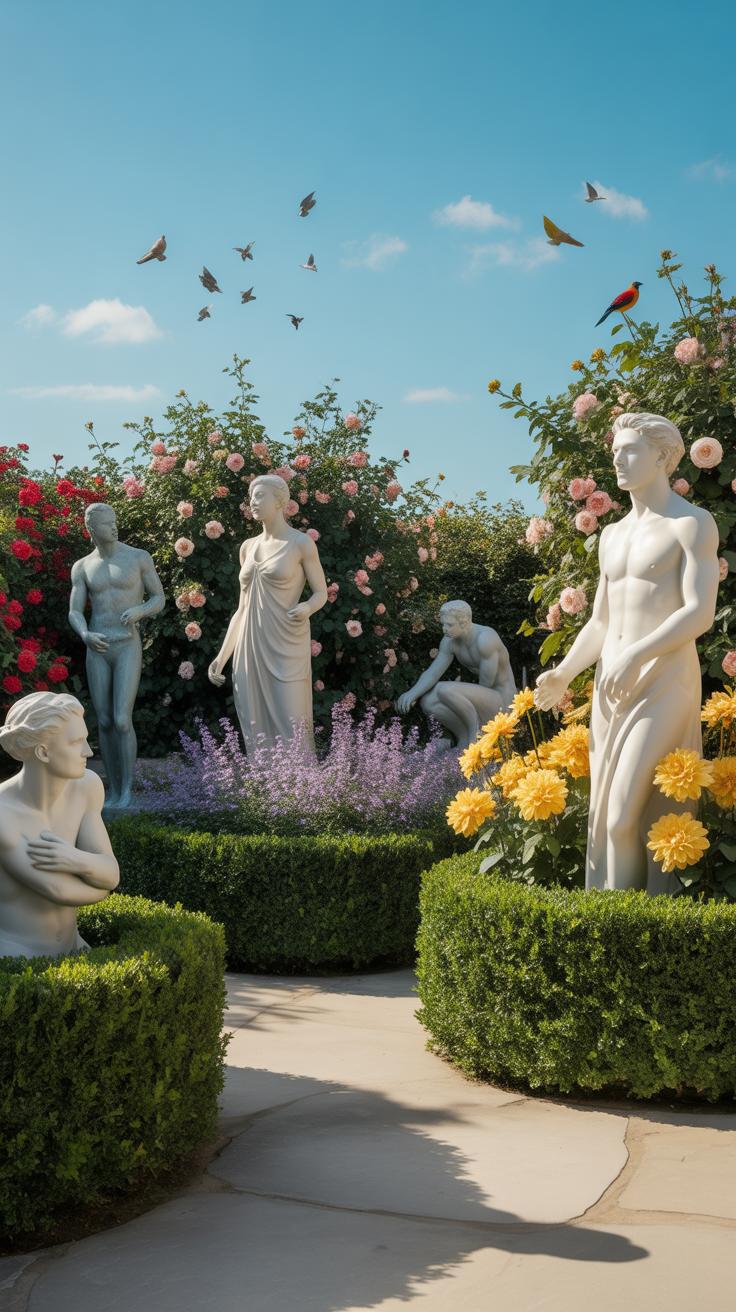
Size dictates the psychological impact of a statue. A small figurine vanishes in an open field. A large monument overwhelms a tight courtyard. Match the height of the piece to the surrounding vegetation. Classic Italian Renaissance gardens utilized human-scale heights to create a sense of relatability. Measure your viewing distance before buying. Use a cardboard cutout to test the height on site.
The ratio between the statue and the negative space matters most. Ensure the base supports the weight and the visual mass of the art. Tall, thin vertical sculptures work well near narrow trees like cypress. Low, wide basins or stone animals suit open lawn areas. Proportional balance prevents the garden from looking cluttered or sparse. Stick to one dominant piece per sightline to maintain order.
Creating Focal Points And Visual Flow With Strategic Statue Placement
Position statues at the end of paths to draw the eye forward. This technique creates a clear destination for the viewer. Historically, French formal gardens used this method to establish dominance over the landscape. Every statue should act as a visual anchor. Place pieces where architectural lines meet or where a path changes direction. This placement guides movement and dictates the pace of the walk.

Backgrounds define how a statue appears to the observer. Use dark evergreen hedges to make light stone or white marble pop. Avoid busy backgrounds that camouflage the sculpture details. Lighting also affects flow. Shadow and light highlight the texture of bronze or granite. Align your statues with the natural axis of the house or garden gate. This alignment ensures the entire layout feels intentional and structured.
Top Garden Sculpture Art Styles To Elevate Your Outdoor Space
Exploring Classical, Abstract, And Figurative Garden Sculpture Art Forms
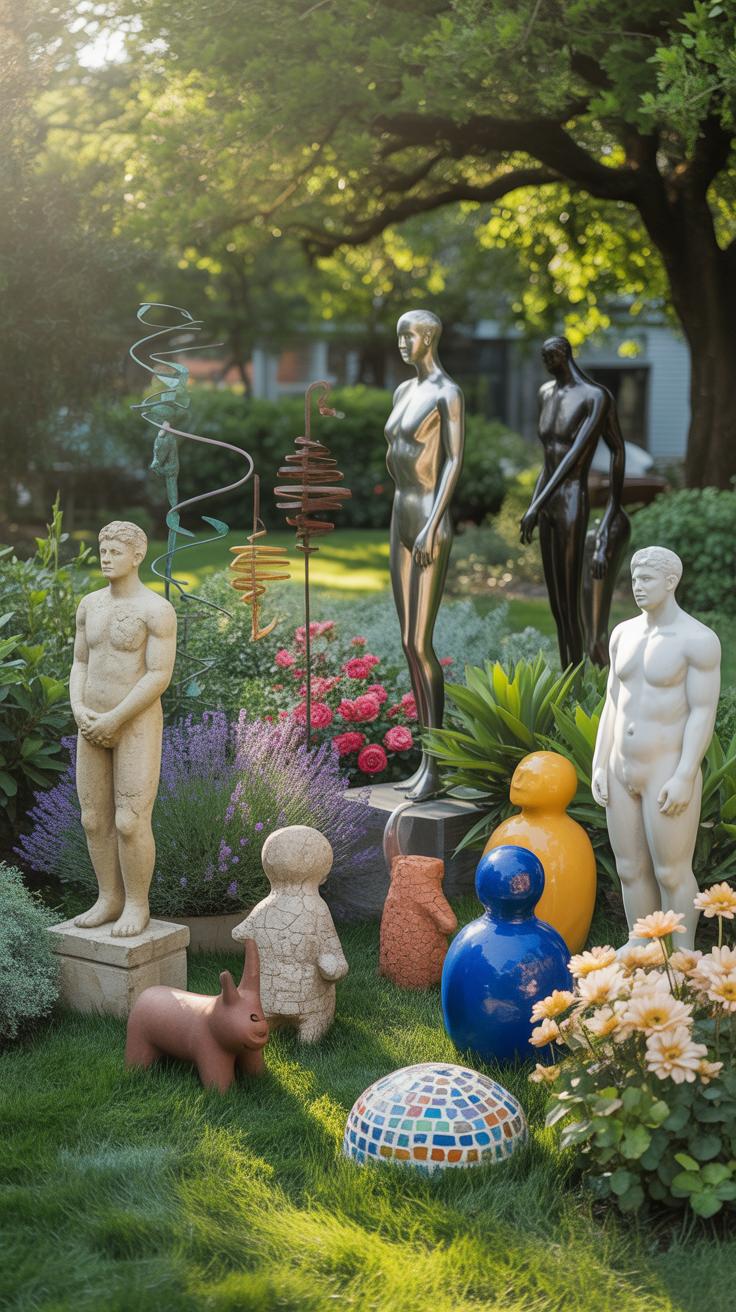
Classical styles derive from Greek and Roman traditions. These forms focus on realism and human proportions. Sculptors use white marble or cast stone to mimic ancient ruins. These pieces create a sense of permanence and order. Use them to anchor a formal garden. Position these statues at the end of long paths. They serve as primary focal points in structured landscapes.
Abstract art ignores literal representation. These pieces use shape, line, and texture to create visual interest. Common materials include weathering steel and polished resin. Abstract sculptures work well in modern or minimalist settings. They provoke thought without a specific narrative. Choose these for areas where you want to emphasize movement or light. Strategic placement enhances the surrounding plant textures and architectural lines.
How Cultural And Regional Art Traditions Influence Garden Sculpture Choices
Cultural traditions dictate material and subject choice. Asian garden design often uses granite and basalt. Pagodas and stone lanterns reflect Zen Buddhist principles of balance. These elements promote quiet reflection and stillness. European traditions favor bronze and limestone figures. These choices link the garden to historical art movements like the Renaissance. Select materials that match the regional history of your home design.
Regional influences impact scale and placement. Southwestern styles utilize terracotta and clay to withstand dry heat. These pieces celebrate desert motifs and local wildlife. Coastal gardens require non-corrosive materials like marine-grade stainless steel. This prevents salt air from destroying the art surface. Always verify the durability of a material against your local climate. Real art traditions solve practical environmental problems while providing aesthetic value.
Creative Backyard Statues And Yard Statues For Small And Large Spaces
Smart Backyard Statue Ideas For Compact Gardens And Urban Yards
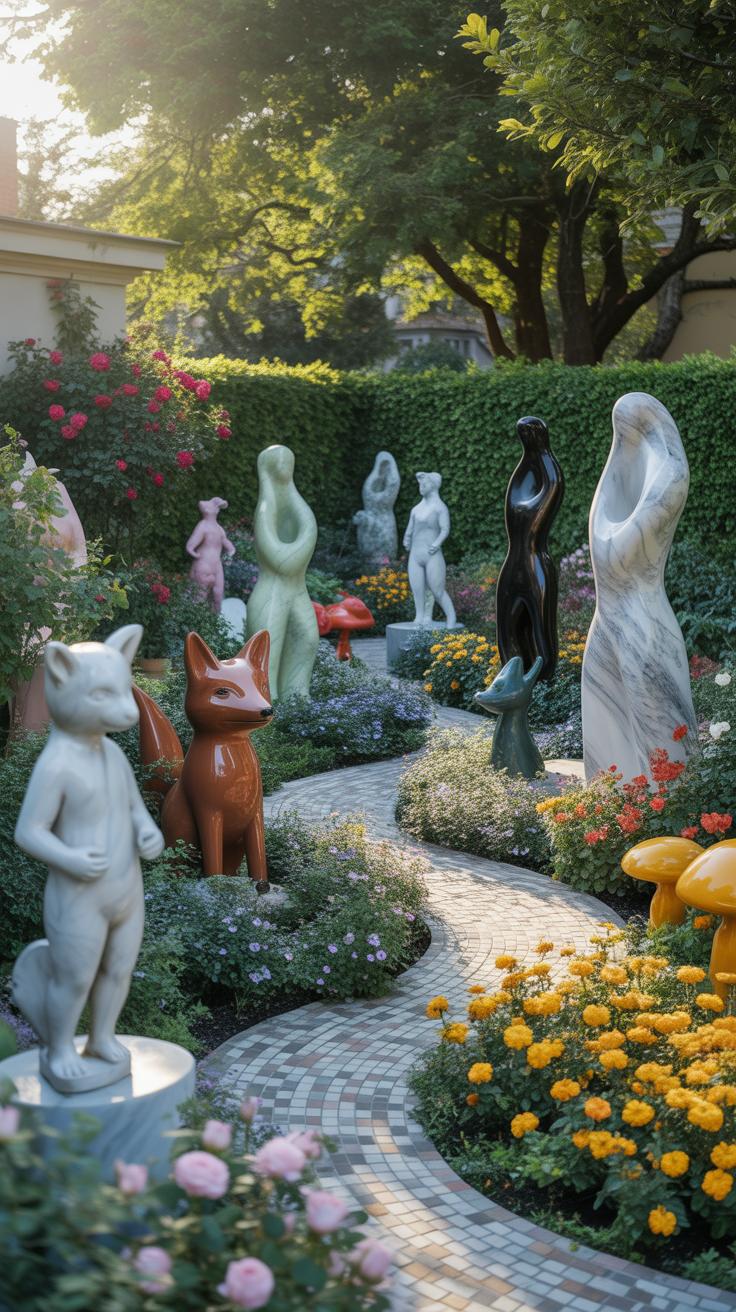
Verticality is the primary strategy for small spaces. Tall and slender statues draw the eye upward. This technique makes a cramped yard feel larger. Choose slim obelisks or modern abstract columns. These shapes take up very little ground area. Position them in corners to define the boundaries of the lot. Use light colors like white marble or polished metal to reflect light.
Material choice determines the visual weight of the area. Heavy stone can overwhelm a tiny patio. Glass or open wire mesh designs allow sightlines to pass through the object. This prevents the statue from blocking the view. Mount small sculptures on walls to save floor space. Integrated wall relief carvings provide detail without reducing walking room. This approach maximizes every square inch of your urban garden.
Bold Yard Statues That Make A Statement In Larger Outdoor Areas
Large landscapes require massive scale to avoid looking empty. Tiny ornaments get lost in sprawling lawns. Select life sized bronze figures or heavy stone monoliths. These pieces act as anchors for the entire property. Place them at the end of long sightlines or garden paths. This draws visitors through the space. Use heavy materials like granite or cast iron to withstand high winds in open fields.

Grouping multiple statues creates a narrative flow. Use a series of classical busts or a progression of geometric shapes. This technique mimics the formal gardens of the Renaissance era. It establishes a rhythm that guides the viewer. Ensure the base or plinth is proportional to the statue size. A wide base prevents the sculpture from sinking into soft turf. Properly scaled art turns a vacant field into a planned estate.
How To Incorporate A House Garden Statue Into Your Front Or Back Yard
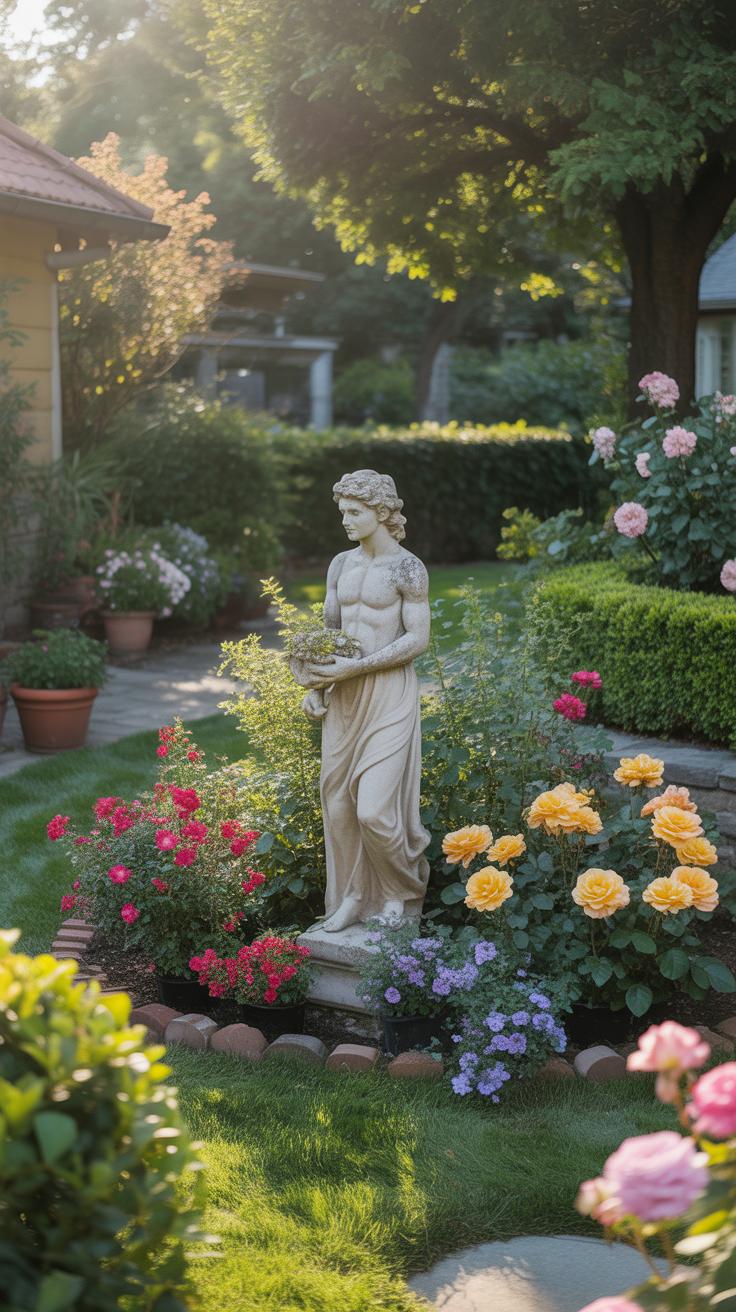
Positioning A House Garden Statue For Maximum Curb Appeal And Welcome
Place a statue near the entrance to establish a clear focal point. Use the rule of thirds to pull the eye toward the front door. A single large piece creates a sense of order. Avoid small cluttered items that look like debris from the road. Position the height to align with natural sightlines. This ensures guests see the art immediately upon arrival.
Symmetry works best for formal front yards. Place matching statues on both sides of a path to mimic classical Greek or Roman layouts. This technique guides movement and emphasizes the walkway. For backyards use asymmetrical placement to create a hidden discovery. Tucking a statue behind a corner adds mystery. This forces the viewer to engage with the entire landscape rather than just a single spot.
Pairing Garden Statues With Plants, Water Features, And Hardscaping
Contrast the statue material with the surrounding greenery to make it pop. Use dark bronze against light green leaves for high visibility. White marble stands out against dark evergreens or boxwood hedges. Ensure the scale of the plants matches the statue size. High shrubs can swallow small sculptures. Use low groundcover like sedum around the base to ground the piece without hiding the fine details.
Place statues near moving water to capture reflections and improve the atmosphere. A stone figure next to a pond creates a balanced look. Use hardscaping like gravel or stone plinths to prevent the statue from sinking into the dirt. A raised pedestal adds authority and protects the base from lawn mower damage. This physical separation keeps the art clean and extends the life of the material over many years.
Caring For And Maintaining Your Garden Statue Year Round
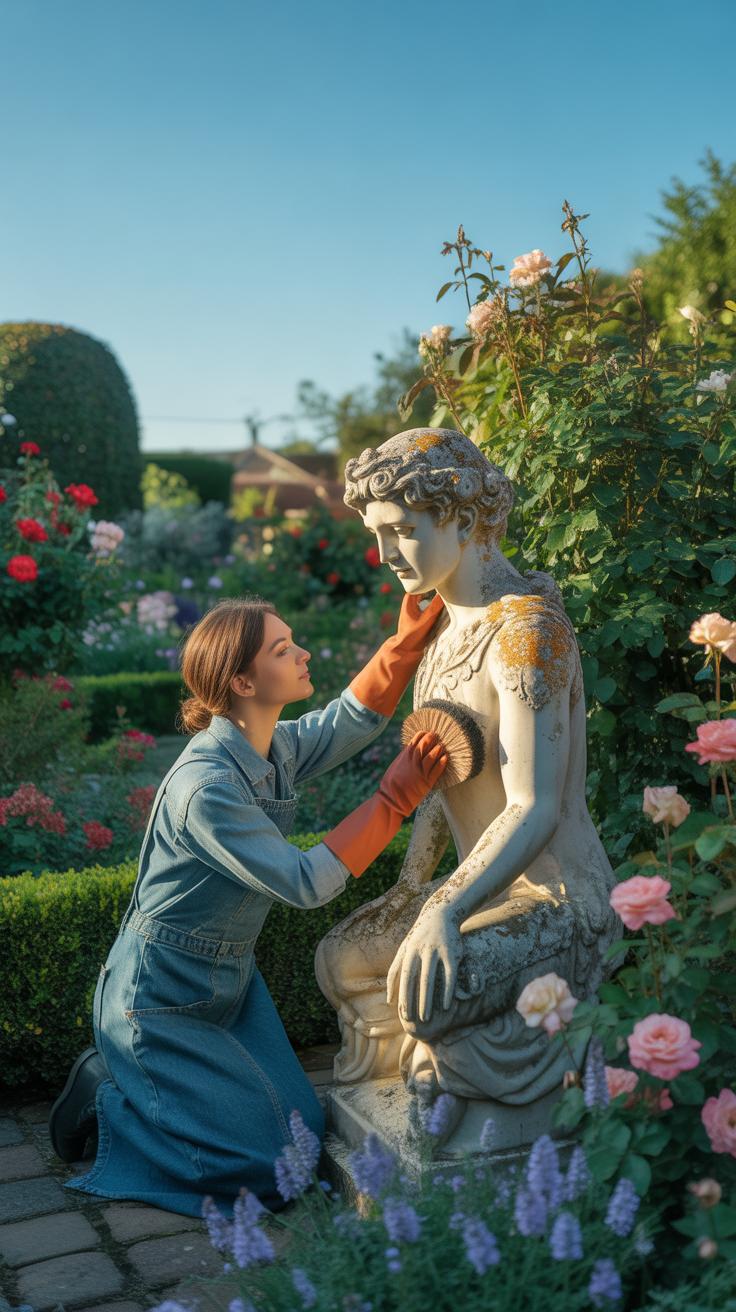
Seasonal Maintenance Tips To Preserve The Beauty Of Your Garden Statue
Outdoor statues face constant environmental threats that change with the seasons. Temperature fluctuations cause materials like concrete and terra cotta to expand and contract. This process leads to internal stress and surface cracks. Winter poses the greatest risk due to the freeze-thaw cycle. Water enters small pores in the material and expands as it turns to ice. This pressure shatters stone from the inside.
- Drainage and Elevation: Lift statues off the bare soil using bricks or stone pedestals. This prevents the base from absorbing ground moisture. Proper elevation stops rising damp and reduces the risk of the base cracking during hard winter freezes.
- Winter Covering: Wrap porous statues in breathable waterproof covers or burlap during the coldest months. Avoid tight plastic wraps that trap moisture against the surface. Trapped condensation can lead to mold growth and cause severe surface spalling when temperatures drop.
- Internal Drainage Check: Examine statues with basins or hollow sections for standing water before the first frost. Remove all liquid to prevent ice expansion. If water remains inside a cavity, the resulting ice pressure can split the structural walls of the piece.
- Autumn Debris Removal: Clean fallen leaves and organic matter away from the statue base every week. Wet leaves produce tannins that permanently stain light-colored stone and marble. Decaying vegetation also creates a high-moisture environment that accelerates the growth of damaging fungi.
- Spring Structural Inspection: Conduct a full visual audit every spring to identify new hairline fractures or chips. Early detection allows you to apply masonry patches before water penetrates deeper into the core. Addressing small issues now prevents total structural failure in future seasons.
Sunlight also impacts statue longevity through thermal expansion and UV degradation. Intense summer heat dries out protective waxes and sealants quickly. You must adjust your maintenance schedule based on your hardiness zone. High-humidity areas require more frequent checks for biological growth. Arid climates demand more attention to surface cracking and fading. Timely intervention ensures the statue remains a permanent fixture rather than a temporary decoration.
Cleaning, Sealing, And Protecting Statues From Moss, Algae, And UV Damage
Start cleaning with the gentlest method possible to avoid damaging the surface patina. Use a soft brush and distilled water to remove loose dirt and bird droppings. Avoid pressure washers because they strip away the top layer of stone. For organic growth like algae or moss, use a pH-neutral cleaner specifically formulated for natural stone. Harsh chemicals like bleach cause yellowing and can weaken the structural integrity of cast stone.

Apply a high-quality silane or siloxane-based sealer to porous materials after cleaning. These sealers penetrate the surface to create a water-repellent barrier without trapping internal vapors. For bronze and metal statues, use a specialized wax coating to block oxygen and moisture. This prevents oxidation and the formation of green verdigris. Reapply these protective layers every year to defend against UV rays and acid rain. Consistent sealing extends the life of the art.
Where To Source Unique And Affordable Garden Statues For Every Budget
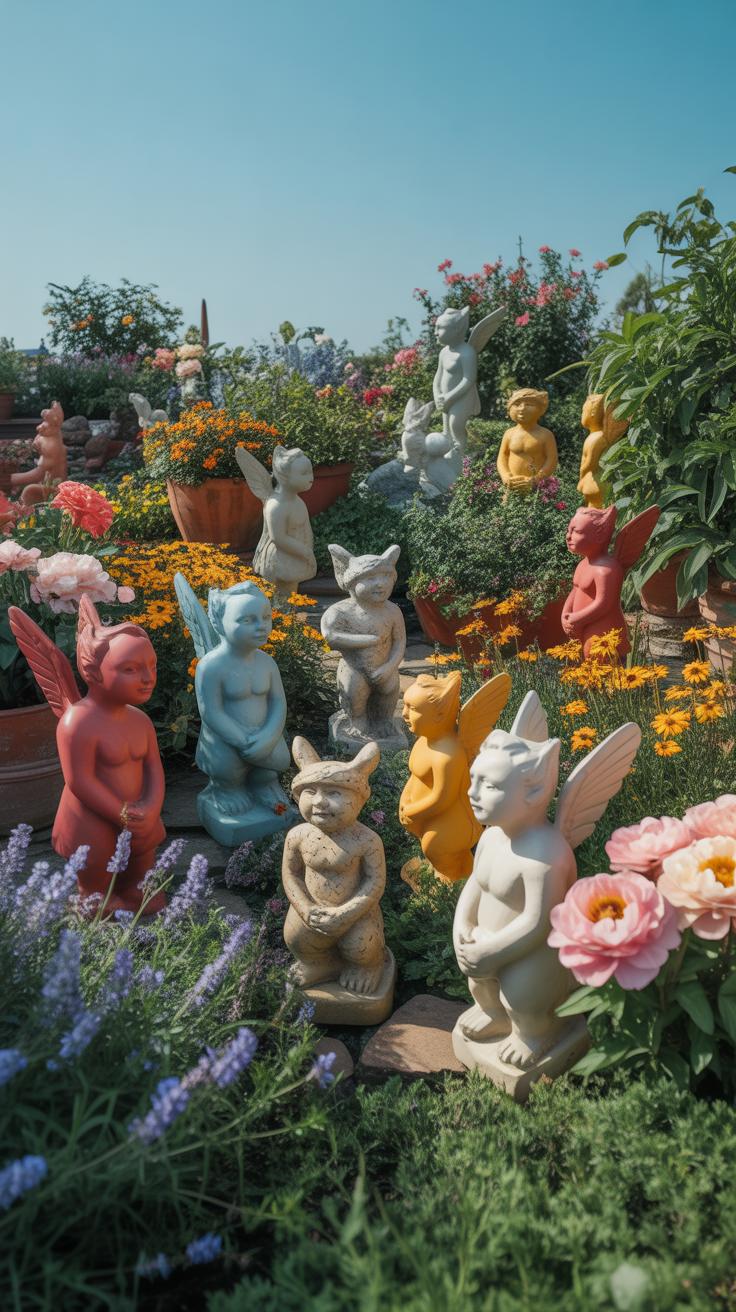
Finding Quality Garden Statues Through Nurseries, Art Galleries, And Online Retailers
Local plant nurseries offer concrete and stone statues that withstand harsh weather. These businesses stock cast stone items from regional manufacturers to keep shipping costs low. This allows you to inspect the finish and weight before buying. Commercial garden centers often sell classical reproductions like Greek gods or heavy troughs. You get immediate possession and avoid the risk of transit damage common with heavy items.
Art galleries and specialty online platforms provide access to unique bronze or resin works. Online marketplaces allow you to filter by material and artist location. Seek out sculptors who specialize in modern geometric shapes or abstract metalwork for a contemporary look. Always check the shipping policy for large scale pieces. Freight costs can exceed the price of the statue. Buy from reputable vendors with clear return policies for peace of mind.
DIY Garden Statue Projects: Creating Custom Pieces With Personal Meaning
You can build your own statues using simple masonry techniques. Hypertufa is a lightweight material made from cement, peat moss, and perlite. It mimics the look of weathered volcanic rock or ancient stone. You pour the mixture into a mold or shape it by hand over a wire frame. This method works well for making troughs, lanterns, or primitive heads. It offers high durability and survives freezing temperatures without cracking.
Repurposing salvage materials creates industrial or rustic art. Visit scrap yards for copper pipes, steel gears, or old tools. Weld or bolt these components together to create unique vertical structures. Use a clear sealant to prevent rust or let the metal develop a natural patina. This approach lowers your costs and reduces waste. It ensures your garden features reflect your personal style and technical skills through direct physical labor.
Frequently Asked Questions

Where should I start when choosing a garden statue for the first time?
When starting out, focus on the existing style of your landscape. If your backyard is lush and overgrown, a weathered stone piece or a whimsical woodland creature works beautifully. For modern spaces, look for geometric shapes or minimalist metal designs. The goal is to find garden statue ideas that complement your home’s architecture, creating a cohesive visual story rather than a cluttered space that feels disconnected from nature.
How do I properly position a garden statue to create a focal point?
To create a stunning impact, place your piece at the end of a pathway or nestled within a frame of tall greenery. Effective garden statue ideas rely on the element of surprise; don’t simply center everything on the lawn. Instead, use different heights to lead the eye upward. Ensure the statue has a solid, level base like a stone paver to prevent sinking and keep it visible above low-growing groundcover.
Are there ways to decorate with garden statues on a limited budget?
Absolutely! You can achieve a high-end look without a massive investment by upcycling vintage finds or using lightweight resin alternatives that mimic heavy cast iron or marble. Another tip is to focus on one medium-sized statement piece rather than several small trinkets. Shopping at estate sales or flea markets often reveals unique treasures that add character and timeless charm to your outdoor sanctuary for a fraction of the retail cost.