
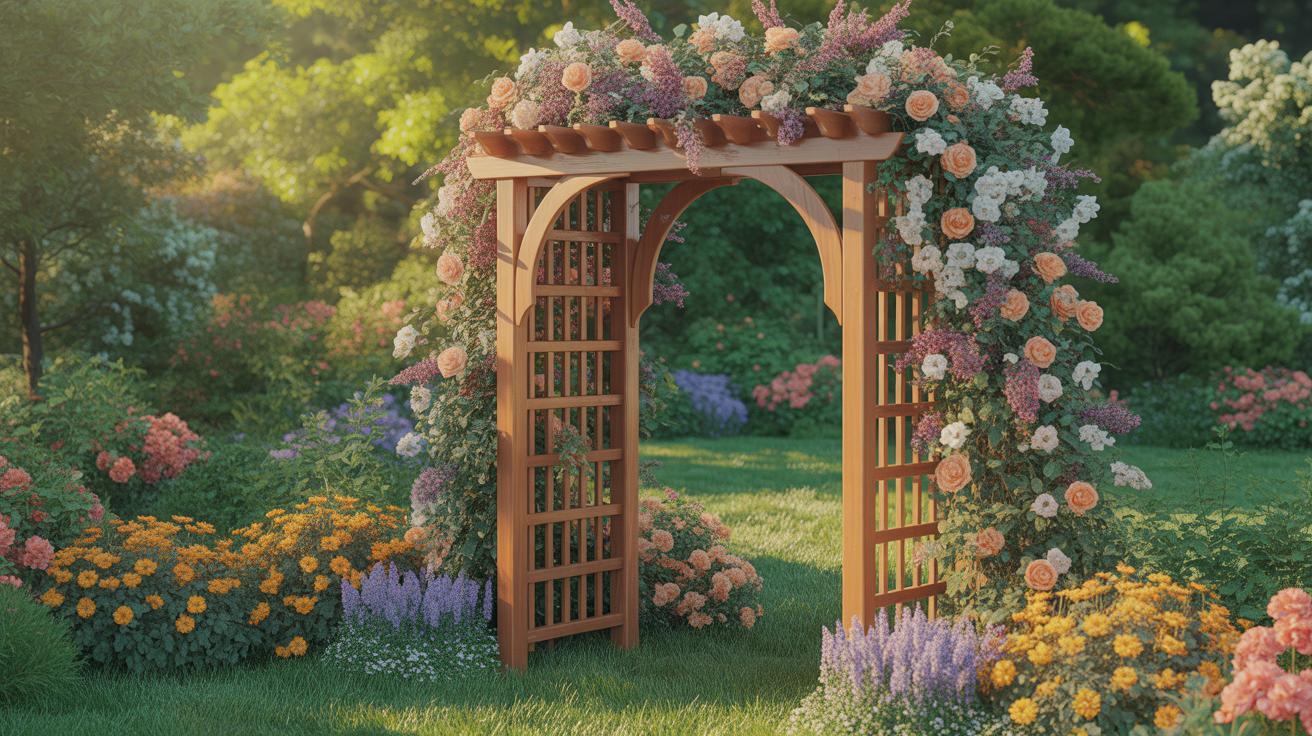
What Is A Garden Arbor And Why It Elevates Your Backyard
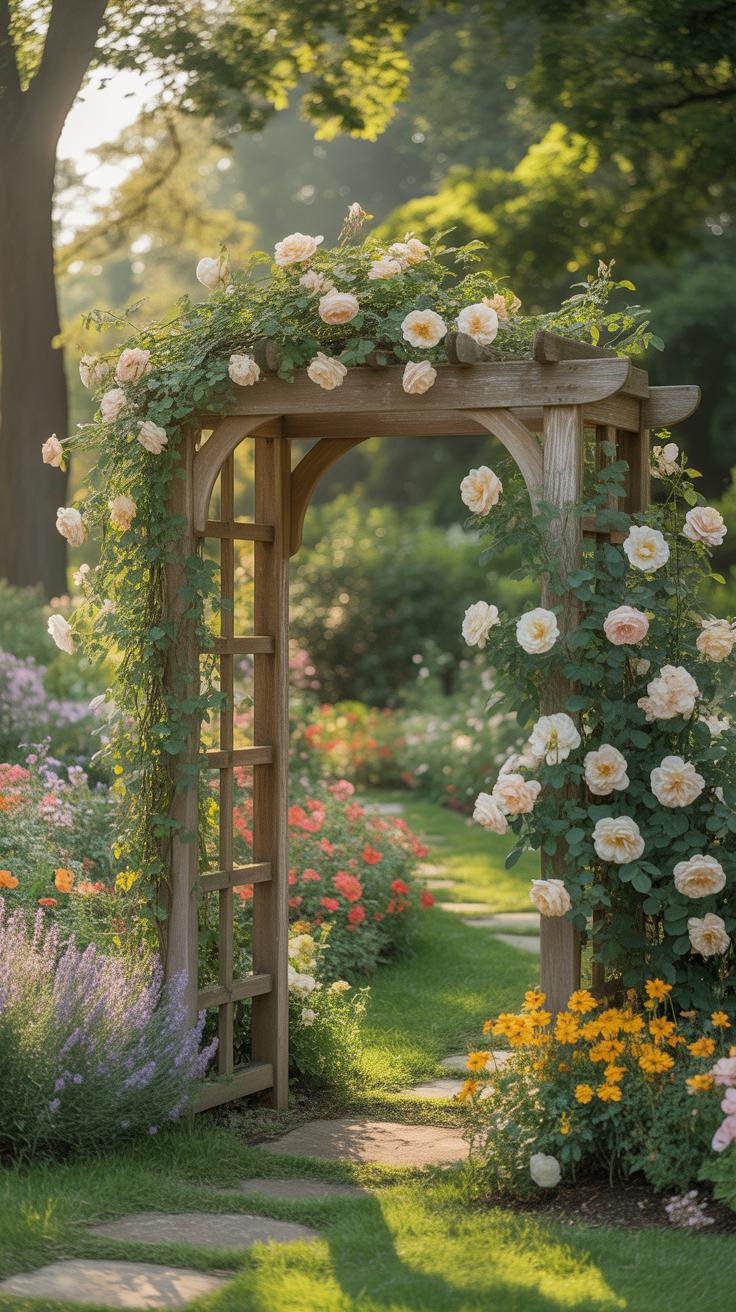
The Difference Between Garden Arbors, Pergolas, And Archways Explained
Arbors serve as functional entryways or transitions between garden rooms. They differ from pergolas because they are smaller and self-contained units. Most arbors feature two or four posts connected by a latticed roof. Builders often integrate benches or gates into the design. They evolved from English cottage gardens where they supported heavy climbing plants. The structure defines a specific point of passage.
Pergolas are larger architectural features meant to cover decks or patios. They rely on heavy columns and open roof beams. Archways are simpler curved structures that lack the depth and side panels found on arbors. While an archway is a thin frame, an arbor creates a tunnel-like experience. You use an arbor to frame a view or mark a property line.
How A Garden Arbor Adds Structure, Shade, And Visual Interest To Your Yard
Garden arbors provide an immediate focal point in flat landscapes. They create vertical height where trees or fences are missing. This structure draws the eye upward and breaks up horizontal lines in a backyard. High-quality arbors use cedar, redwood, or powder-coated metal to resist rot and rust. These materials ensure the frame survives the weight of mature vines like wisteria or jasmine.
Strategic placement offers natural shade through dense plant coverage. As vines grow over the top, they block direct sunlight. This makes the area underneath cooler for seating. Arbors also create a sense of enclosure without building solid walls. They divide a large lawn into smaller, manageable zones. This tactic improves the flow of foot traffic and enhances the overall property layout.

Top Garden Arbors Ideas For Backyards Of Every Size And Style
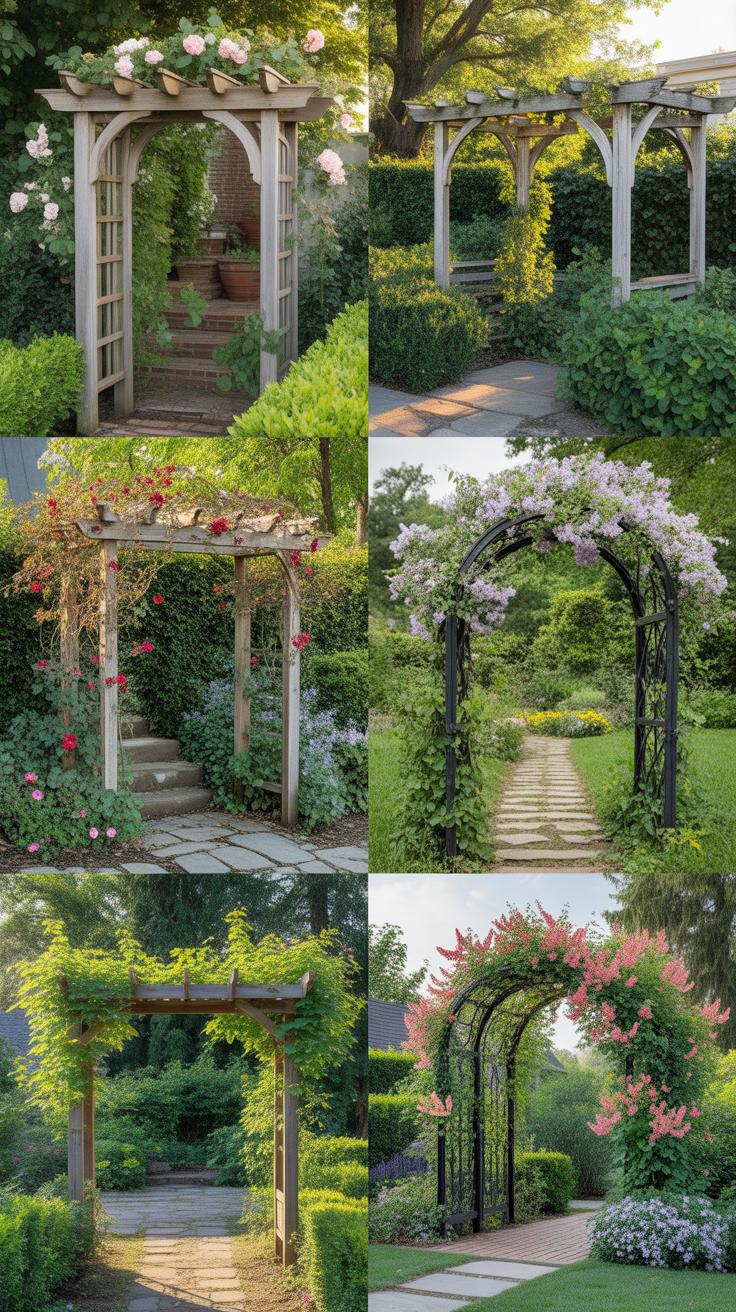
Classic Wooden Arbor Designs That Complement Traditional And Cottage Gardens
Traditional wooden arbors prioritize cedar and redwood for natural rot resistance. These structures often feature arched tops or gabled roofs consistent with Victorian and English garden history. Lattice side panels serve a primary tactical function by providing structural support for climbing roses and clematis. Use rot-resistant wood species to ensure longevity in high-moisture environments. Secure posts in concrete footings to prevent wind damage.
Cottage styles focus on informal aesthetics but require precise construction. White paint or clear sealants protect the wood grain while matching existing perimeter fencing. Builders often use mortise and tenon joints to provide stability without heavy hardware. These designs create clear transition points between different garden zones. Position these arbors over main walkways to establish a focal point. Maintain the wood annually to prevent decay and fungal growth.
Modern And Minimalist Arbor Styles That Suit Contemporary Outdoor Spaces
Modern arbor designs use clean lines and industrial materials like powder-coated steel or aluminum. These structures follow the Mid-Century Modern and Bauhaus philosophy where form follows function. They feature flat roofs and right angles instead of ornate curves. Metal arbors offer high durability with low maintenance requirements compared to wood. Select dark matte finishes to create a sleek silhouette against natural green foliage.
Minimalist arbors often incorporate wire tension systems to support light vines without adding bulk. Use stainless steel cables to maintain the open feel of a small backyard. This approach creates a floating effect for vertical greenery. Ensure the frame connects securely to a concrete slab for maximum stability. Modern designs prioritize negative space to keep sightlines clear. This tactical choice prevents the structure from overwhelming a limited outdoor footprint.
Creative Garden Arbor Ideas DIY Homeowners Can Actually Build
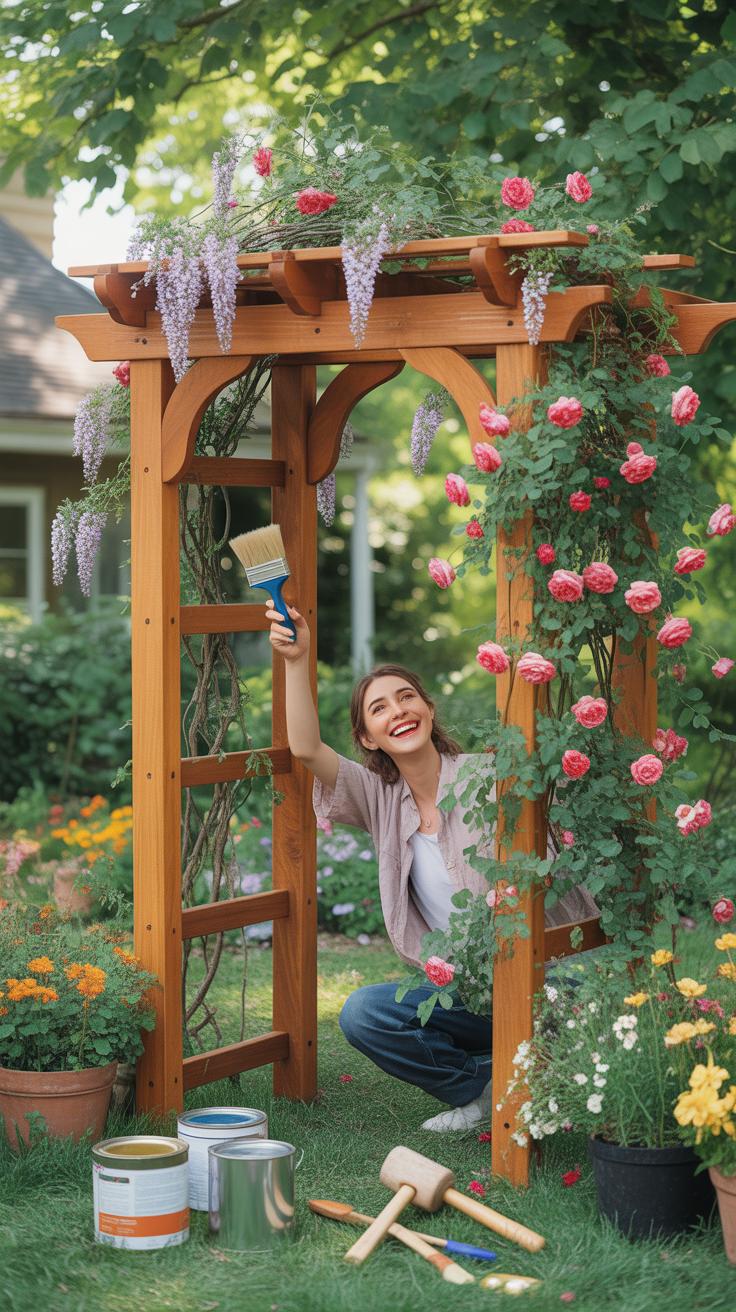
Essential Materials And Tools You Need Before Starting Your DIY Garden Arbor
Preparation dictates the lifespan of your structure. You must select rot-resistant lumber such as cedar, redwood, or pressure-treated pine to withstand soil moisture. Structural integrity depends on heavy-duty galvanized hardware that resists rust. Ensure you have a level site and a clear blueprint before cutting wood. Skipping the planning phase leads to uneven posts and collapsed headers under the weight of heavy vines.
- Rot-Resistant Lumber: Select cedar or redwood for natural resistance to decay and insects. These woods contain organic tannins that prevent rot without chemical treatment. Pressure-treated pine is a cost-effective alternative for ground-contact posts but requires specific safety handling during the cutting process.
- Galvanized Hardware: Vital for outdoor longevity. Use stainless steel or hot-dipped galvanized screws and bolts to prevent corrosion. Standard interior fasteners will rust quickly when exposed to rain and irrigation, leading to structural failure and staining on the wood surface over time.
- Post Hole Digger: Necessary for creating deep, narrow holes for the main supports. Reaching the frost line prevents the arbor from shifting during freeze-thaw cycles. Proper hole depth ensures the structure can handle high winds and the weight of mature climbing plants without leaning.
- Spirit Level: Essential for ensuring vertical and horizontal accuracy. Use a long carpenters level to check that posts are perfectly plumb and the top rafters are level. An unlevel arbor distributes weight unevenly, which causes the frame to rack and warp as the lumber seasons.
- Quick-Set Concrete: Used to anchor the posts firmly into the ground. Mixing concrete directly in the hole saves time and provides a solid foundation. This prevents the arbor from toppling during storms and keeps the wood posts from shifting in loose or sandy garden soil.
Organize your workspace to maximize efficiency and safety. Gather a miter saw for clean crosscuts and a cordless drill with high torque for driving long lag bolts. Verify all measurements twice to avoid wasting expensive lumber. Having the right tools on hand prevents mid-project delays. Focus on precision during the assembly phase to ensure the finished arbor remains stable for decades.
Step By Step Tips For Planning And Building A Sturdy DIY Wooden Garden Arbor
Start by marking your post locations using batter boards and masonry string. This ensures the footprint is perfectly square. Dig holes at least twenty-four inches deep to manage the leverage of the tall structure. Place a few inches of gravel at the bottom of each hole for drainage. This simple step prevents the wood base from sitting in standing water and decaying prematurely.

Brace your vertical posts with scrap wood to keep them plumb while the concrete sets. Once the foundation is solid, install the horizontal headers and crossbeams using notched joints for extra strength. These notches, known as lap joints, provide more surface area for fasteners and increase lateral stability. Finish the project by adding a trellis or lattice to the sides to support your specific climbing plants.
Arbors And Pergolas Garden Archway Combinations That Make A Statement
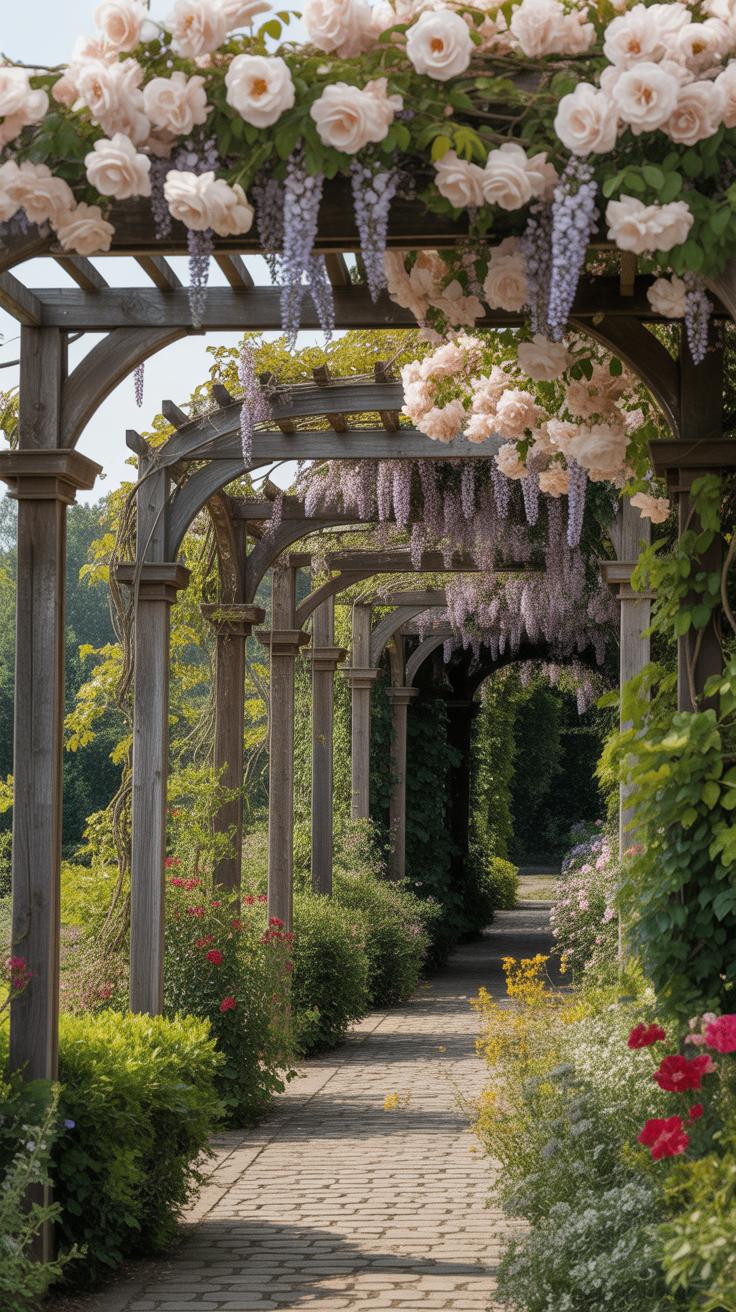
How To Combine An Arbor With A Pergola For A Seamless Garden Archway Feature
Structural integration requires matching the scale and material of both units. An arbor serves as the entry point while the pergola provides the destination. Align the rafters of the arbor with the main beams of the pergola to create a visual line. Use pressure treated wood or cedar for consistency. This setup defines a clear path from the gateway to a seated area. It maximizes vertical space in small yards.
Stability depends on post depth and hardware. Set posts in concrete at least twenty four inches deep to manage wind loads. Use galvanized steel brackets to prevent wood rot at the base. Connect the two structures using a trellis wall or a consistent overhead joist pattern. This creates a unified tunnel effect. Ensure the transition height remains consistent. Expert builders use this method to expand outdoor living zones without adding heavy walls.
A garden arbor is a gateway to the heart, framing the simple beauty of nature with a touch of timeless grace. It turns a path into a journey and a house into a sanctuary of memories.
Best Climbing Plants To Grow Over Arbors And Pergolas For Year Round Beauty
Selection must prioritize the weight limits of your structure. Wisteria requires a heavy timber frame because the woody vines become massive over time. Clematis offers a lighter alternative for smaller metal arbors. Use perennials to ensure the foliage returns every spring. Deciduous vines provide shade in summer and allow sun exposure in winter. This thermal control improves the utility of the space. Research hardiness zones before purchasing any species.

Maintenance prevents structural damage and plant disease. Prune vines twice a year to maintain airflow and light penetration. Thinning the canopy prevents moisture buildup on wood surfaces. Secure young shoots with soft ties to guide growth along the rafters. Avoid invasive species that can choke local ecosystems. Evergreen options like Carolina Jessamine offer privacy in colder months. Consistent trimming keeps the garden archway neat and structurally sound for decades.
DIY Metal Arbor Ideas That Are Durable Stylish And Low Maintenance
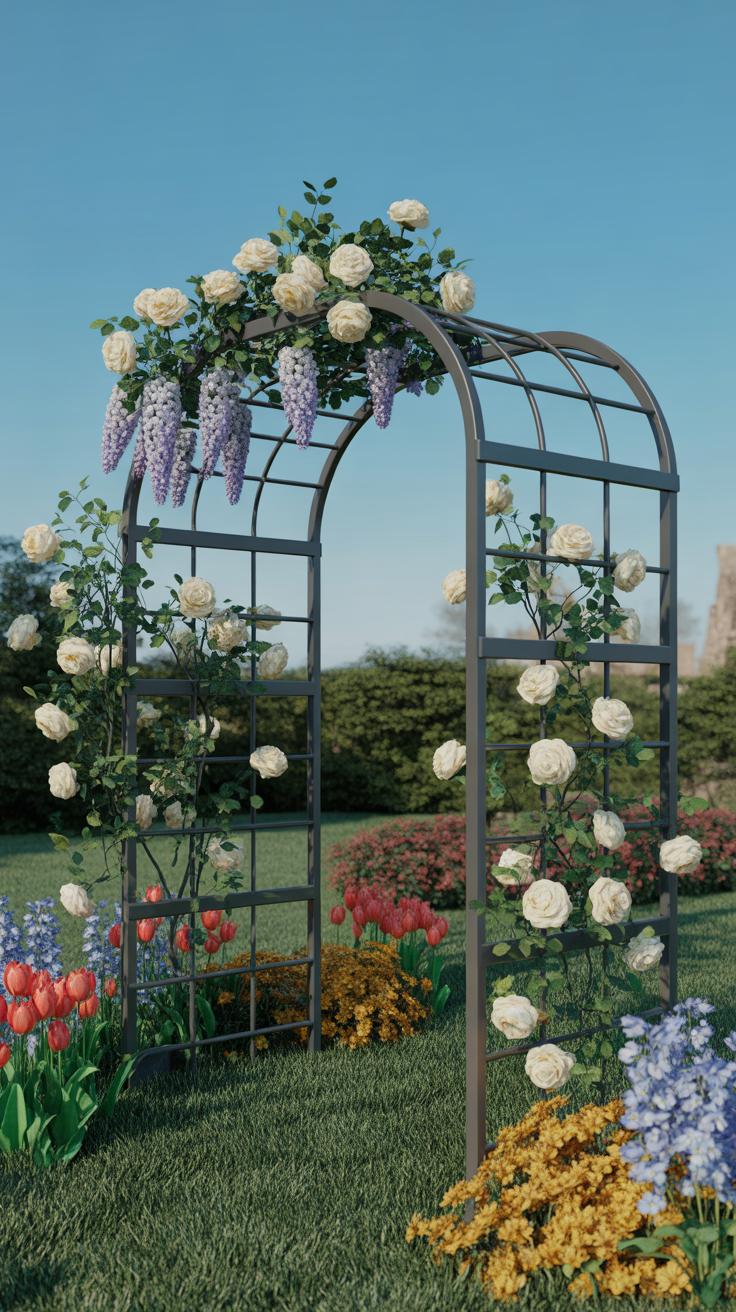
Why A DIY Metal Arbor Is A Long Lasting Alternative To Traditional Wood Structures
Wood arbors fail because of organic decay and pest infestation. Termites and rot destroy lumber ground stakes within years. Metal eliminates these biological risks. A steel or aluminum frame handles heavy vine weight without sagging or snapping. You spend less time replacing parts and more time growing plants. Metal offers a structural lifespan that wood simply cannot match in wet climates.
Structural integrity remains the primary advantage of metal builds. These frames resist warping and cracking caused by temperature shifts and moisture cycles. You do not need to sand or restain metal annually. Most metal structures require only a basic rust-resistant coating or powder finish. This reduces long-term maintenance costs and labor. Choosing metal secures your garden footprint for decades with minimal physical effort or upkeep.
Popular Metal Arbor Designs Including Wrought Iron, Steel, And Aluminum Options
Wrought iron designs reflect Victorian and Gothic architectural influences. These structures use heavy, solid metal bars for maximum stability. They support the heaviest climbing roses and woody vines. Wrought iron requires a protective paint layer to prevent oxidation. It provides a classic look that works well in formal garden layouts. The weight makes these units difficult to move once you install them.
Modern steel tubing offers a lighter and cheaper alternative for DIY projects. You can easily cut and bolt steel pieces together using basic power tools. Aluminum is the best choice for coastal areas because it does not rust. It is lightweight and easy to assemble without professional help. Each material serves a specific environmental need. Select your metal based on local weather patterns and your desired vine weight.
Simple Arbor Ideas That Look Beautiful Without Breaking The Budget
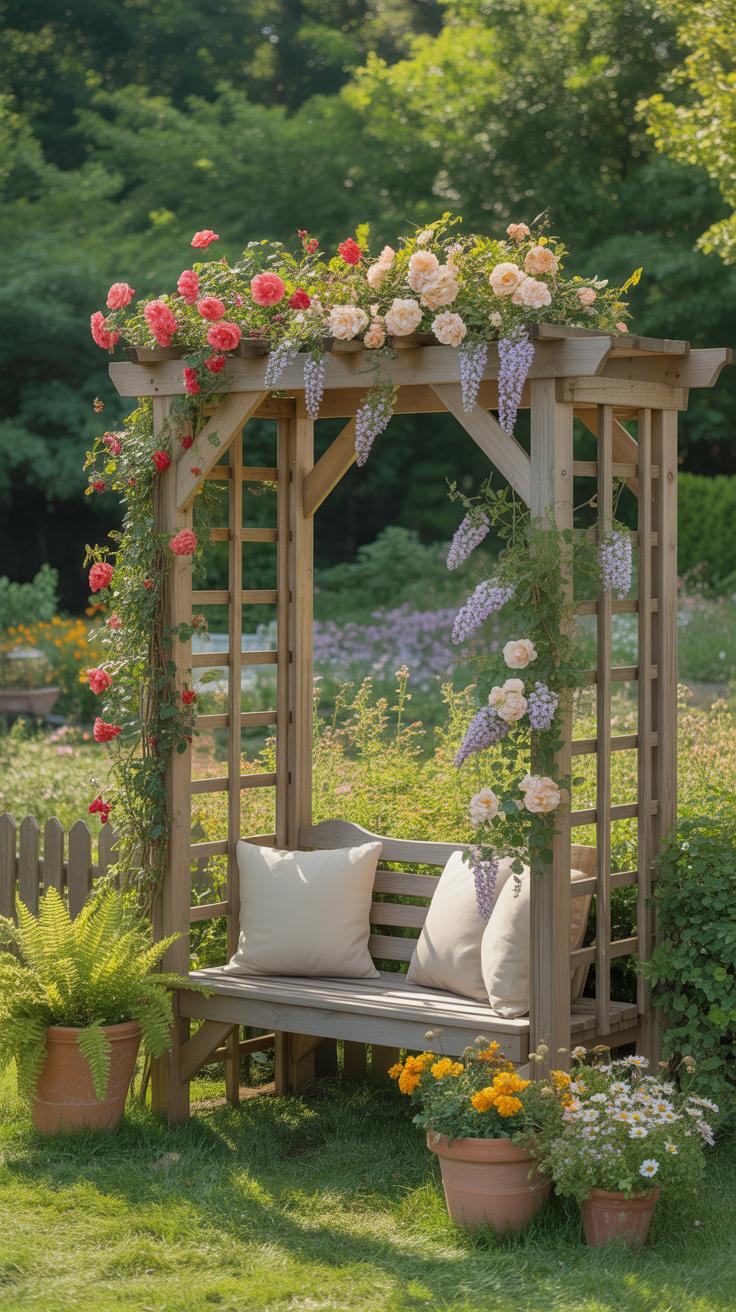
Affordable Simple Arbor Designs You Can Build Or Buy For Under A Weekend
Low cost arbors prioritize structural utility over ornate detailing. Pressure treated pine and cedar remain the most cost effective wood choices for DIY projects. These materials resist rot and insects while providing a neutral base for paint or stain. Prefabricated metal kits made of tubular steel offer an even faster solution. You can assemble these units in less than two hours using basic hand tools.
Simple designs often feature a flat top header known as a lintel. This minimalist approach reflects the Arts and Crafts movement style which focuses on clean horizontal lines. Use 4×4 posts for stability and 2×4 rafters for the roof. Secure the posts in level ground using gravel or concrete for long term durability. These basic frames support heavy plant weight without requiring a massive financial investment.
How To Decorate A Simple Arbor With Lights, Fabric, And Climbing Vines
Strategic additions transform a basic frame into a focal point without high costs. Lightweight materials add visual depth and functionality to the structure. You must choose accessories that withstand wind and rain to avoid frequent replacements. Focus on textures that complement the existing landscape colors. Proper attachment methods prevent damage to the arbor finish and ensure the safety of the electrical components Used during installation.
- Solar String Lights: These provide ambient illumination without the need for outdoor electrical outlets. Wrap the wires around the rafters to hide the hardware. The internal batteries charge during the day and trigger automatically at dusk for daily operation.
- Canvas Drapes: Use outdoor grade canvas or polyester panels to create shade and privacy. Attach the fabric using heavy duty grommets and curtain rods. This setup allows you to slide the panels open or closed based on the sun position.
- Annual Seedlings: Plant fast growing vines like Morning Glories or Sweet Peas for immediate coverage and color. These plants die back every year which allows you to inspect the arbor wood for damage. They provide a dense green screen within one growing season.
- Bird Feeders: Hang cedar or metal feeders from the side rafters to encourage local wildlife. Ensure the hooks are sturdy enough to support the weight of the feed. Regular maintenance prevents debris from building up on the arbor floor or the hardware.
- Weatherproof Paint: Apply a bold color to the wood to create an instant visual impact. Dark charcoal or deep forest green helps the frame blend into shadows. High quality exterior paint protects the wood from moisture penetration and UV rays.

Balance your decorative choices to keep the structure functional. Overloading a simple arbor with heavy fabric or thick vines can lead to sagging or collapse. Secure all light strings with plastic clips rather than metal staples to prevent rust and wire shorts. Check your attachments every season to ensure they remain tight and safe. Proper upkeep ensures your budget friendly arbor remains a high value asset for many years.
Creating A Stunning Arbor Entrance To Garden Paths And Walkways
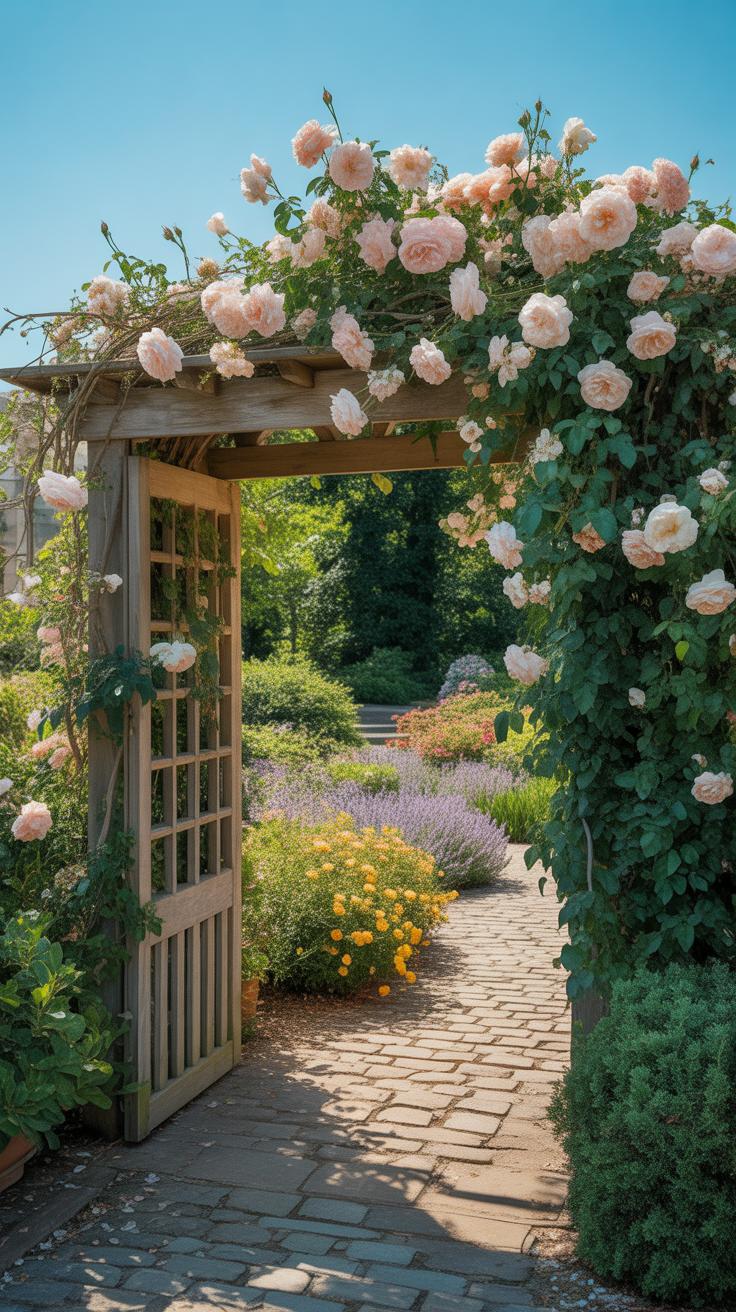
How To Design An Arbor Entrance That Frames And Welcomes Guests Into Your Garden
A solid entrance arbor defines the boundary between public and private spaces. You must align the structure with the physical center of the path. Select materials that match your home architecture to ensure visual continuity. Use heavy timber for a Craftsman look or wrought iron for formal English styles. Proper scaling prevents the structure from looking like an afterthought in your landscape design.
Install the arbor at a natural transition point to signal a change in the environment. Secure the posts in concrete footings to resist wind loads and plant weight. Use vertical slats or lattice to support climbing species like clematis or climbing roses. Ensure the clear opening width allows two people to pass comfortably. This setup creates a forced perspective that makes the garden beyond appear more organized.
Small Arbor Ideas That Work Perfectly As A Garden Entrance In Compact Spaces
Small gardens require slim profiles to avoid crowding the walkway. Opt for a flat top or a simple gable roof to minimize vertical bulk. Metal archways work best in tight spots because the thin frames provide strength without blocking light. You can place these structures against a wall or fence to create a portal effect. This tactic adds depth to a shallow yard.
Focus on minimalism to maintain a clean aesthetic in restricted areas. Use a wall-mounted semi-arbor if you lack ground space on one side of the path. Select slow-growing vines to prevent the foliage from overrunning the narrow passage. Paint the structure a dark color to make it recede or white to make the entrance pop. These strategic choices maximize the utility of every square foot.
Garden Arbor With Gate Designs That Combine Beauty And Functionality
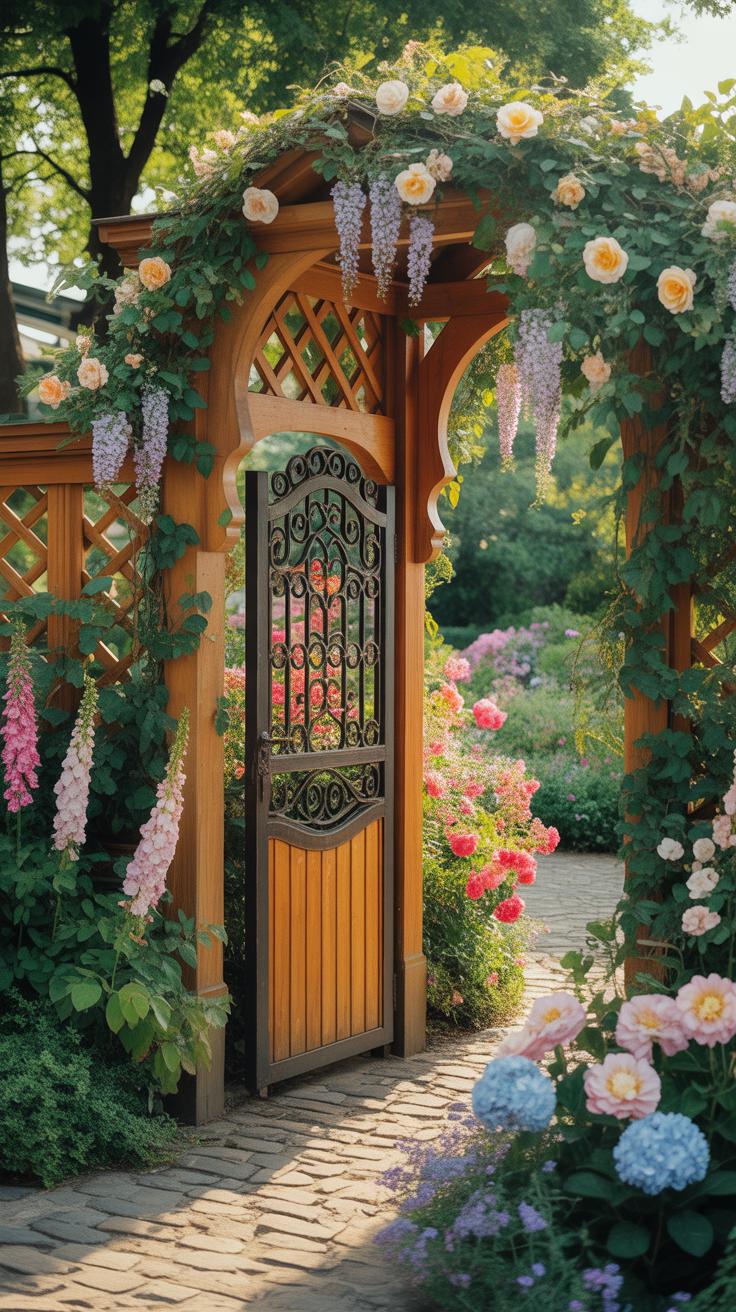
Why Adding A Gate To Your Garden Arbor Improves Both Security And Curb Appeal
A gate adds a physical boundary to your property line. This barrier deters unauthorized entry and keeps pets or children within a safe zone. It transforms a simple decorative arch into a functional checkpoint. You control the flow of traffic into your private space. This transition point signals a shift from public areas to private gardens. It increases the perceived value of your home immediately.
Curb appeal relies on focal points. A gated arbor creates a strong visual anchor for your front yard or side path. The structure draws the eye toward the entrance. It provides a sense of enclosure and structure that open arches lack. Strategic placement hides unsightly utilities or service areas from street view. You gain privacy without building a tall, solid wall. It balances openness with necessary containment.
Top Garden Arbor With Gate Styles From Rustic Picket To Elegant Wrought Iron
Rustic picket gates offer a traditional look. This style uses cedar or pressure treated pine for durability. Wood resists decay when properly sealed and stained. The picket design mimics classic American fences from the colonial era. It works best in informal cottage gardens. These gates feel welcoming rather than fortress like. Natural wood aging adds character to the landscape over several years of exposure.
Wrought iron gates provide superior strength and longevity. Black powder coating prevents rust and corrosion in humid climates. This material allows for intricate scrollwork or clean vertical lines. It reflects Victorian and European design influences. Metal gates offer high visibility while maintaining a rigid barrier. They require less maintenance than wood structures over time. Choose iron for a permanent, high end look that withstands heavy daily use.
Frequently Asked Questions

What exactly is a garden arbor and how does it improve my yard?
A garden arbor is a freestanding structure that serves as a beautiful entryway or a shaded focal point in your landscape. Incorporating creative garden arbor ideas allows you to define different outdoor zones while providing essential vertical support for climbing roses or ivy. Beyond aesthetics, these structures add architectural height and character, instantly boosting your home’s curb appeal and creating a welcoming atmosphere for guests as they enter your backyard sanctuary.
Which climbing plants are best suited for a new garden arbor?
When exploring various garden arbor ideas, choosing the right greenery is essential for a lush, established look. Fast-growing perennials like clematis, wisteria, and climbing hydrangeas are popular choices because they wrap naturally around the frame. Ensure you select species compatible with your local hardiness zone and sunlight levels. Regular pruning and initial training of the vines will help the plants follow the structure’s shape, eventually creating a stunning, living tunnel of blossoms.
Can I build a stylish garden arbor on a limited budget?
Absolutely! You can achieve a high-end look without a massive investment by using affordable materials like pressure-treated pine, cattle panels, or even repurposed cedar branches for a rustic feel. Simple DIY designs focus on clean lines and structural integrity rather than expensive ornamentation. Painting or staining a basic wooden model can also provide a custom, sophisticated finish that mimics more expensive luxury versions while keeping your outdoor renovation costs manageable and efficient.