Why Flower Photography For Social Media Performs So Well As A Flower Post
The Psychological Appeal Of Flowers In Visual Content
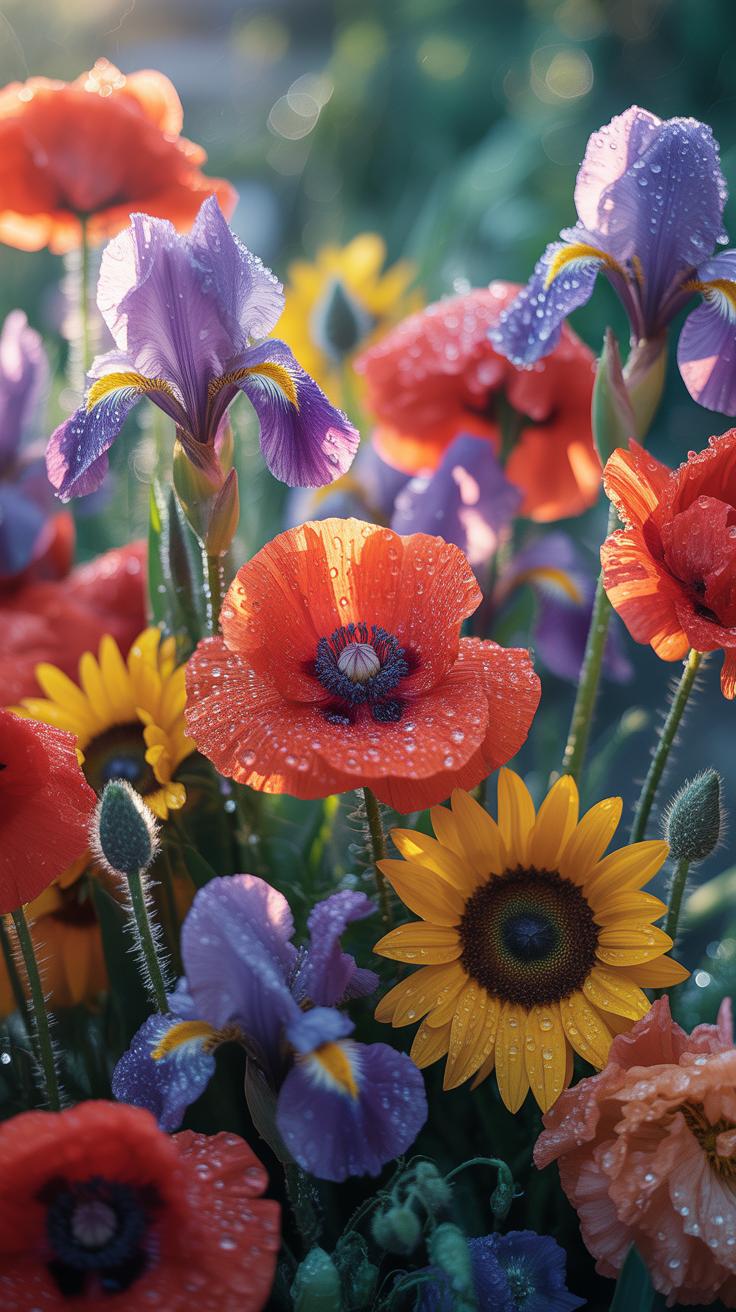
Flowers trigger immediate positive biological responses in humans. Research in environmental psychology shows that floral visuals reduce cortisol levels and improve mood. This reaction is involuntary and universal across cultures. Viewers stop scrolling when they see organic shapes and vibrant colors. These elements signal life and health to the brain. Using flowers in your content taps into these deep-seated human instincts.
Successful flower photography for social media leverages the Biophilia Hypothesis. This theory states that humans possess an innate tendency to seek connections with nature. Floral images provide a quick digital dose of the outdoors. This connection builds trust and tranquility within a high-stress digital environment. Clean, sharp images of plants satisfy the eye. They offer a physical sense of order and natural beauty that users crave.
How Flower Posts Drive Engagement Across Platforms Like Instagram And Pinterest
Instagram and Pinterest operate on visual discovery and aesthetic aspiration. Flower posts perform well because they fit the high-quality standards of these platforms. Bright petals and green stems provide high color contrast. This contrast helps images stand out in a busy feed. Algorithms prioritize content that holds user attention. Detailed flower shots keep users on the screen longer to inspect the intricate natural patterns.
Pinterest users specifically look for inspiration and seasonal decor. These users save flower photos to boards for future events or home projects. This behavior increases the lifespan of the post. On Instagram, floral content encourages shares to stories. People want to associate their personal brand with the freshness and vitality of nature. High engagement rates come from the broad appeal that flowers have across every demographic.

Essential Camera Settings And Equipment For Flower Photography For Social Media
Shooting With Your Smartphone Vs. A DSLR: What Actually Works
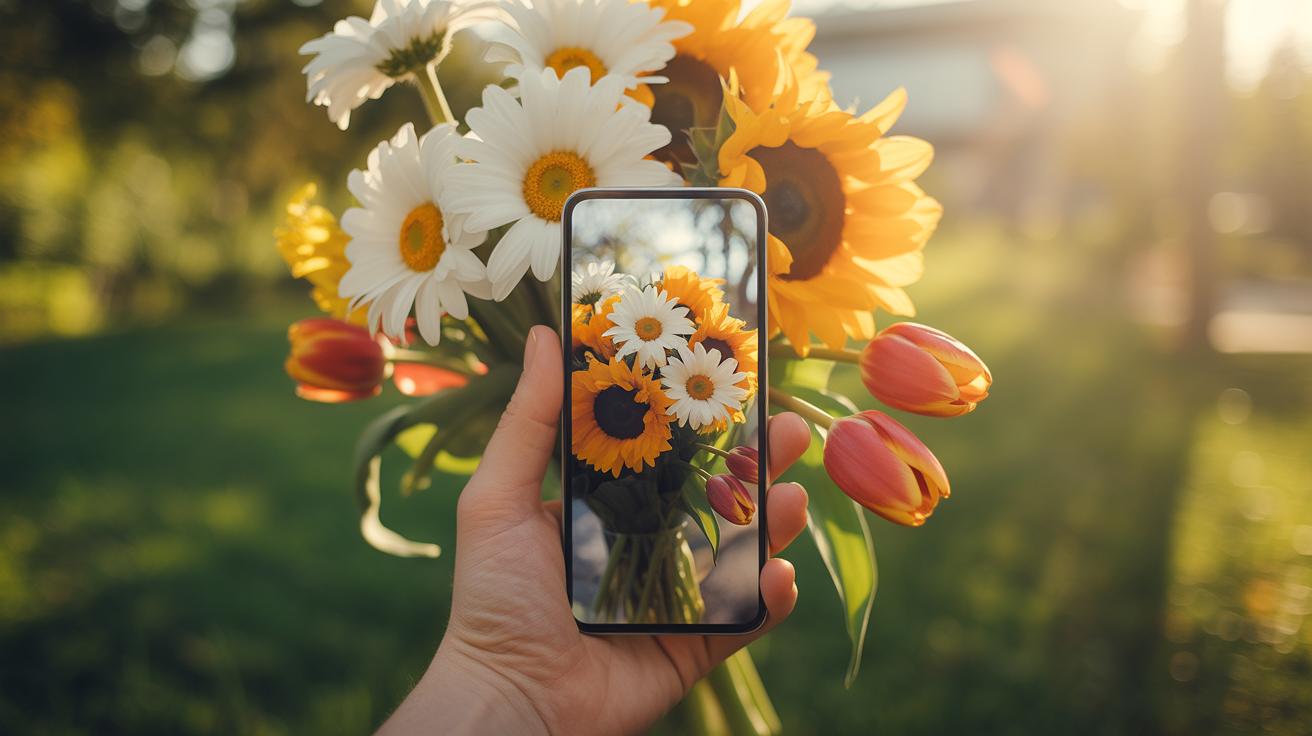
Smartphones dominate flower photography for social media due to their computational power. Modern mobile sensors use infrared data and software to simulate shallow depth of field. This allows you to post high-quality images instantly. Use the portrait mode to blur backgrounds without carrying heavy glass. Mobile devices also excel at macro focus distances where standard kit lenses often fail to lock on small petals.
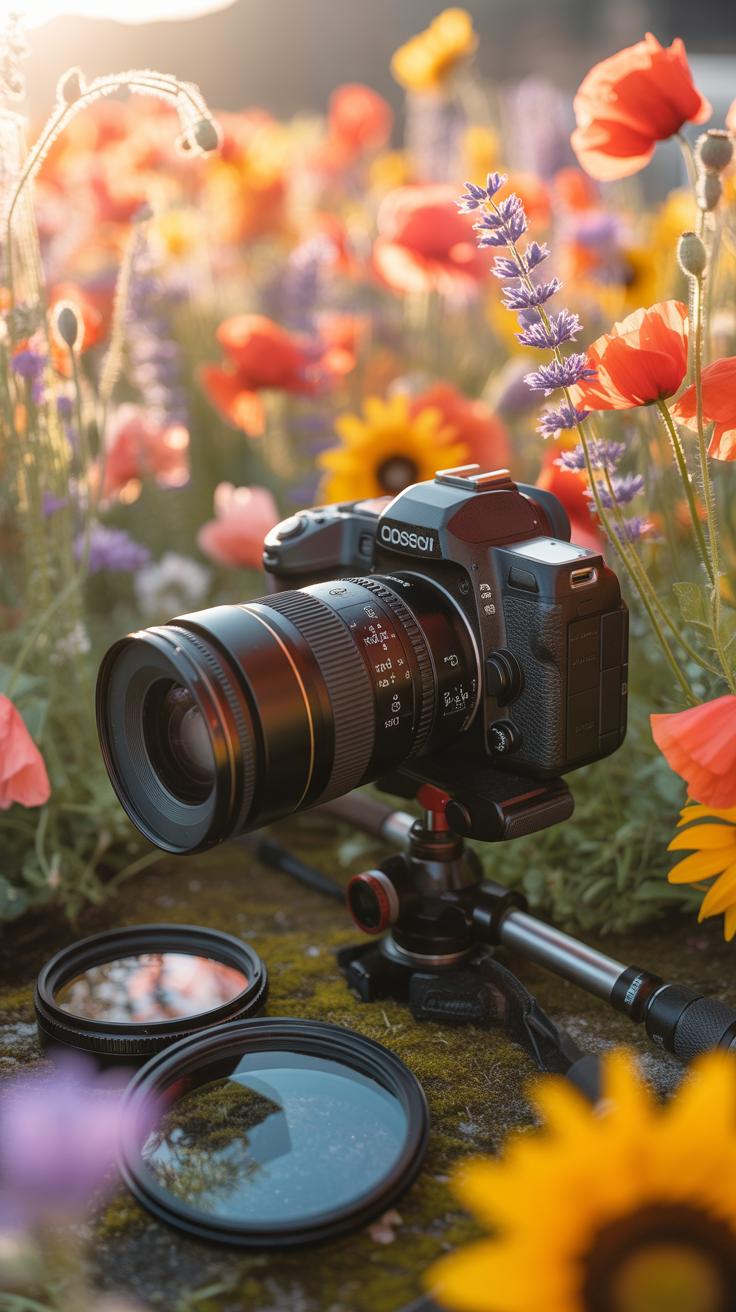
DSLR and mirrorless cameras provide superior dynamic range and optical clarity. They handle harsh sunlight better than mobile sensors. You need a dedicated macro lens to match the close-up capabilities of a phone. Manual control over aperture allows you to sculpt light and focus precisely on the stamen or pistil. Choose a professional camera if you plan to crop images heavily or print your work for physical displays.
Must Have Gear And Accessories To Improve Your Flower Shots
Proper gear eliminates technical errors and stabilizes your compositions. You do not need an expensive studio to get professional results. Small tools solve common problems like wind movement and harsh shadows. These items fit in a pocket or small bag. They allow you to control the environment around the plant. Using the right accessories ensures your final image remains sharp and well-exposed.
- Reflector and Diffuser: Use a small circular reflector to bounce light into dark areas of the bloom. A semi-transparent diffuser softens direct mid-day sun to prevent blown-out highlights on white petals. These tools fix lighting issues instantly.
- Travel Tripod: Stability is vital for sharp flower shots in low light. A tripod with a tilting center column lets you position the camera directly over the flower. This prevents blur caused by shaky hands during long exposures.
- Plamp or Clamp: Wind ruins sharp focus by moving the stem. Use a small adjustable clamp to hold the flower stalk steady during the shot. Attach the other end to your tripod or a heavy object to secure the plant.
- Macro Filter: Screw-on macro filters or close-up lenses are budget-friendly alternatives to dedicated glass. They reduce the minimum focus distance of your existing lens. This allows you to fill the frame with tiny details like pollen grains or dew.
- Spray Bottle: Fill a small mister with plain water to create fake dew drops. Water droplets add texture and visual interest to the petals. This technique simulates an early morning look even when you shoot in the heat of the afternoon.

Invest in gear that solves specific physical problems. A steady stem and soft light matter more than megapixels. Most social media platforms compress your files significantly. This means your lighting and stability dictate the final quality more than the camera body price. Focus on accumulating tools that give you more control over the immediate environment. These small additions create a massive difference in your technical execution.
Mastering Natural Light To Elevate Your Flower Shop Social Media Content
The Best Times Of Day To Photograph Flowers Outdoors
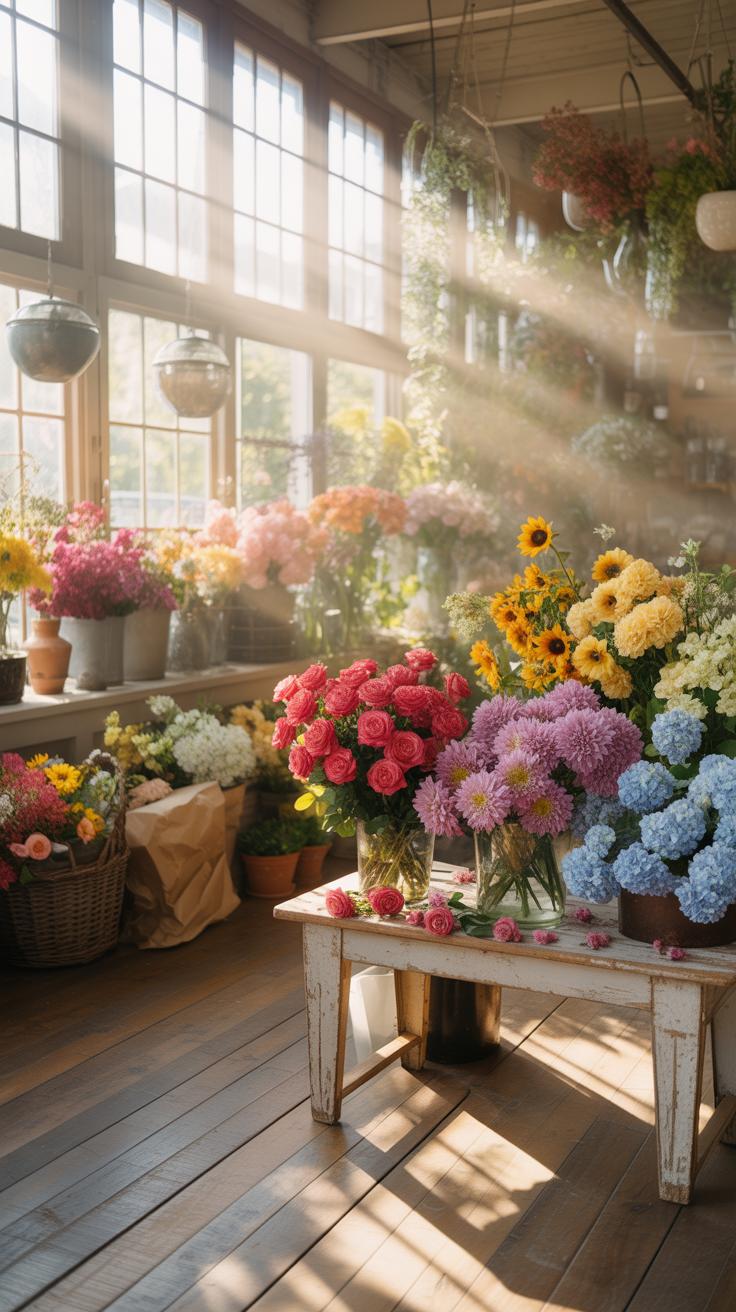
Outdoor photography requires precise timing to manage contrast. Harsh midday sun creates deep shadows and blown-out highlights on delicate petals. Shoot during the golden hour shortly after sunrise or before sunset. This low sun angle provides soft illumination and emphasizes flower textures. This directional light adds depth to floral arrangements without the need for expensive studio flashes or reflectors.
Cloudy days offer the most consistent light for social media content. Overcast skies act as a giant softbox to eliminate hard lines and preserve color saturation. High noon light washes out the natural pigments in stems and blooms. Professionals prefer early morning light because dew remains on the plants. This moisture adds visual interest and a sense of freshness that attracts more engagement on feeds.
How To Use Window Light Indoors To Recreate That Natural Glow
Indoor lighting should mimic the quality of an overcast sky. North-facing windows provide the most stable and neutral light throughout the day. Place your floral arrangements within three feet of the glass to maximize brightness. Avoid direct sunlight hitting the flowers to prevent hot spots and high contrast. Soft light captures the intricate details and subtle color gradients necessary for high-quality retail photography.

Control the shadows by using simple tools near the window. A white foam board placed opposite the light source fills in dark areas of the bouquet. If the light is too intense, hang a sheer white curtain to diffuse the rays. This setup creates a studio-quality look using only existing architecture. Consistent window light creates a professional aesthetic that makes your flower shop social media grid look cohesive.
Composition Techniques That Make Every Flower Shop Photo Stand Out
Using The Rule Of Thirds And Negative Space In Floral Shots
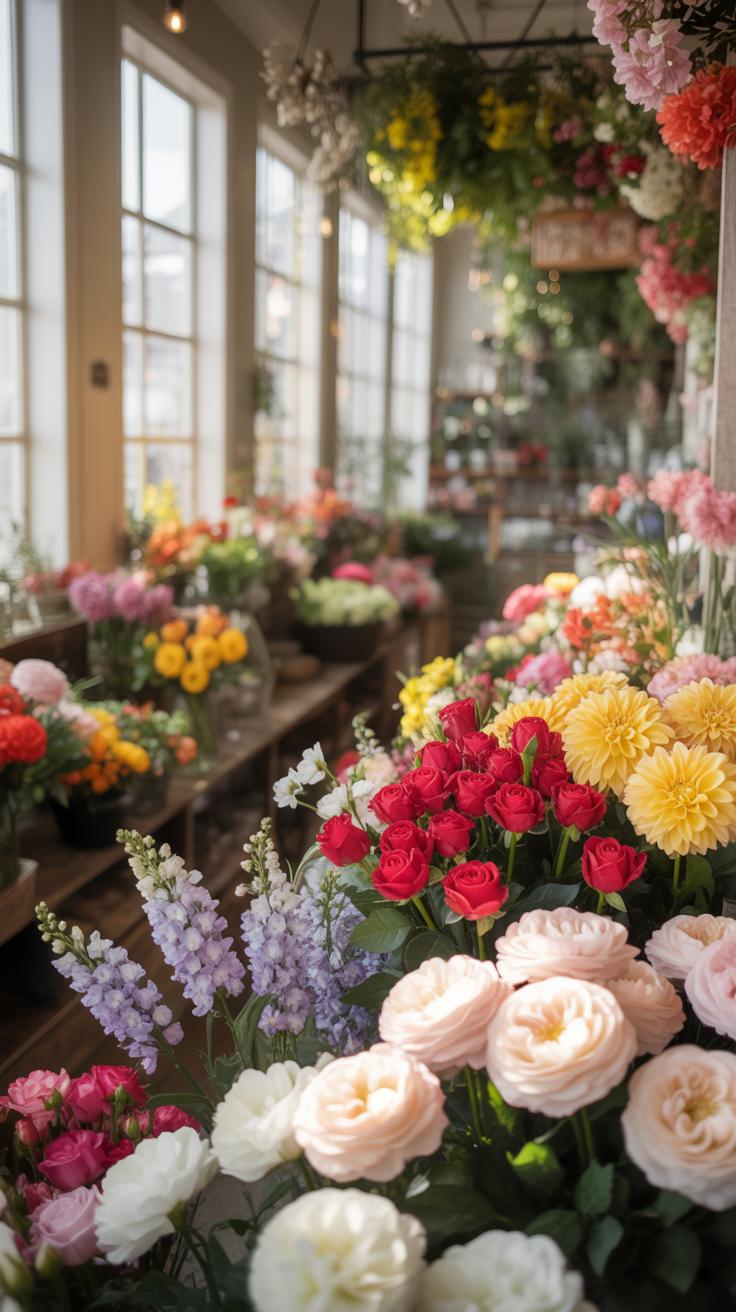
The rule of thirds divides your frame into a nine-part grid. Place the center of the flower at one of the four intersections to create balance. This technique mimics the Golden Ratio used by painters for centuries. It draws the eye naturally to the subject rather than forcing a static center focus. Proper grid placement makes your social media feed look professional.
Negative space refers to the empty area around the flower bouquet. This space provides breathing room and prevents the image from looking cluttered. Use solid walls or clear skies to isolate the subject. Large areas of empty space allow you to overlay text for promotions or pricing. Minimalist compositions perform better on mobile screens because they reduce visual noise for the scrolling viewer.
Exploring Angles And Perspectives That Highlight Flower Detail
Macro photography requires a tight focus on the reproductive parts of the plant. Shift your camera to capture the petals from a side profile rather than just from above. This reveals the architectural structure of the bloom. Move your lens close to capture textures and pollen grains. These fine details prove the freshness of your product to potential customers browsing online shops.

Change your physical level to find unique perspectives. Shoot from below the flower head to make the plant look powerful and tall against the light. This worm eye view replaces the standard flat look most amateurs use. Alternatively, use a top-down flat lay for large arrangements to show symmetry. Constant variation in camera height keeps your social media followers engaged with your content.
Backgrounds Props And Styling Tips For The Florist Who Shoots Their Own Content
Choosing Backgrounds That Complement Without Competing With Your Flowers
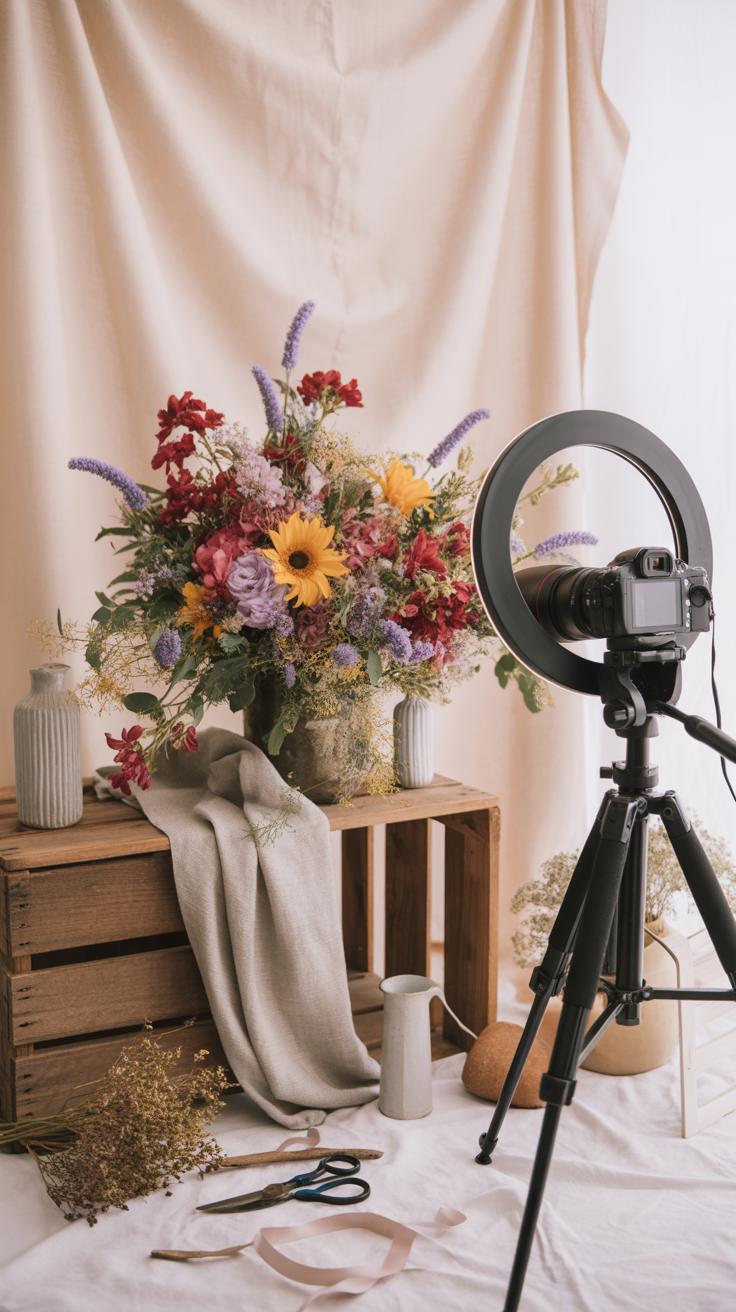
Backgrounds must remain neutral. High-contrast colors or busy patterns distract the eye from the floral subject. Professional photographers often use matte surfaces to prevent glare. Light gray, charcoal, or beige surfaces provide the best tonal balance for most petals. Avoid reflective plastic or high-gloss paints. These materials create hot spots that ruin the exposure and color accuracy of the digital image.
Natural textures work best for social media platforms. Dark wood or aged stone provides organic contrast that enhances the vibrancy of green stems. Use a large foam board painted with flat interior paint for a portable studio wall. Ensure the background size exceeds the frame of the shot. This prevents unwanted edges from appearing in the crop. Keep the surface clean and free of dust for a professional finish.
Simple Props That Add Context And Story To Your Floral Images
Props serve as scale and narrative tools. A pair of carbon steel floral shears links the image to the craft of floristry. Antique glass bottles or ceramic vessels provide structural variety. Use materials that reflect different historical design movements like Art Nouveau or Modernism for specific aesthetics. Select items that share a common color palette with the flowers. This creates a cohesive visual identity for your brand.
Physical tools tell the viewer about the process. Use garden twine, kraft paper, or a worn wooden table to suggest a working studio environment. These items add depth without taking focus away from the bloom. Keep props to a minimum to maintain a clean composition. Each object must have a clear reason for being in the shot. Remove any item that does not directly support the main subject or the overall message.
Editing Your Flower Photos To Align With Your Florist Brand Aesthetic
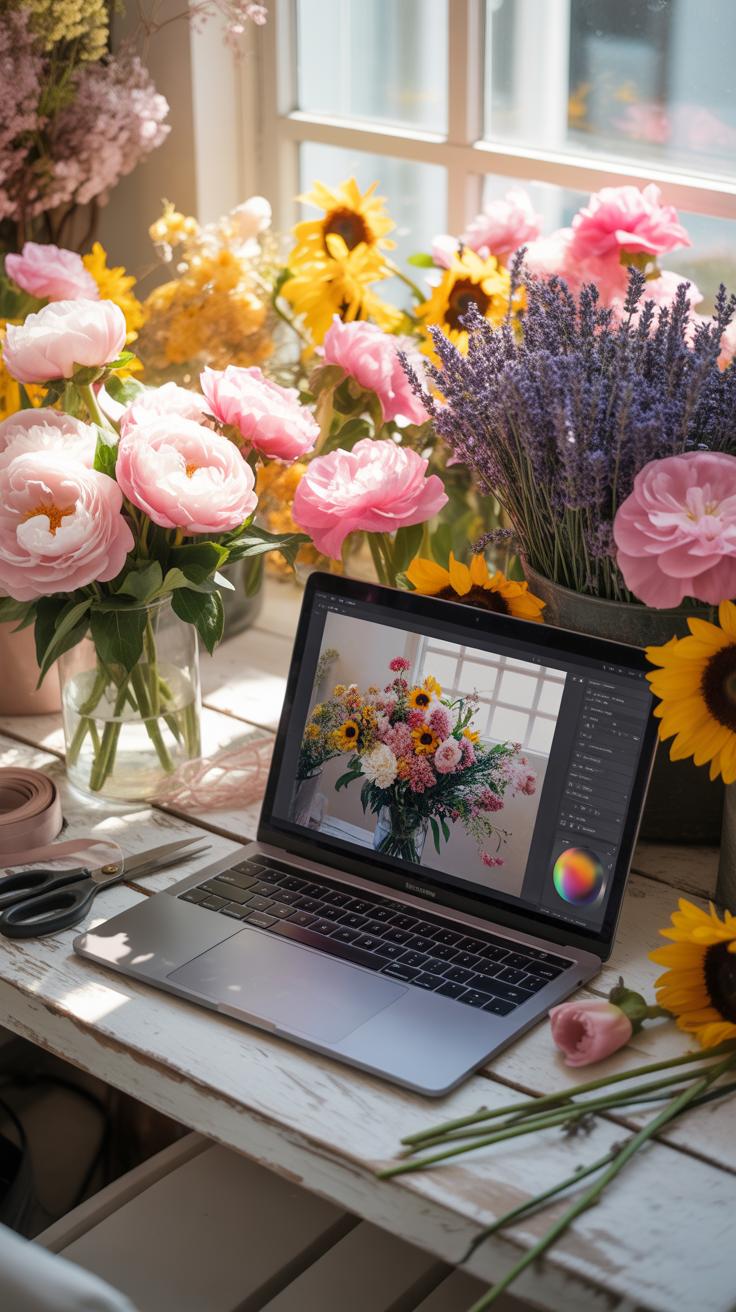
Free And Affordable Editing Apps That Work Well For Floral Photography
Adobe Lightroom Mobile is the industry standard for precise color grading and exposure control. It allows you to adjust specific color channels like green and magenta. Use the selective adjustment tool to brighten flower petals without overexposing the background leaves. This app handles high resolution files and preserves raw image data effectively. Professional photographers rely on it because it offers desktop level power on a smartphone interface.
Snapseed remains a top choice for quick structural edits and localized retouching. The healing tool removes distracting brown spots or dust from petals with one tap. Use the white balance tool to correct artificial yellow lighting common in indoor shops. This app is completely free and does not degrade image quality during exports. It works best for florists who need fast results before posting a fresh arrangement to their stories.
Building A Consistent Color Palette And Mood Across Your Social Feed
Consistency defines your brand professional level on social media platforms. Repeat specific color temperatures and saturation levels across every post you share. If you prefer a moody look, lower the blacks and shadows in every photo. If you want a clean look, keep your highlight levels high and whites bright. A unified feed tells customers what to expect from your floral design style and seasonal offerings.

Use the grid preview feature to ensure new photos match your existing gallery. Pay close attention to the background textures and colors behind your flowers. Neutral backgrounds like wood or concrete create a stable visual anchor for your brand. Avoid jumping between heavy filters that distort the natural colors of the blooms. Accurate color representation prevents customer disappointment when they receive their physical orders in person after seeing them online.
Flower Instagram Post Ideas And Flower Content Ideas To Keep Your Calendar Full
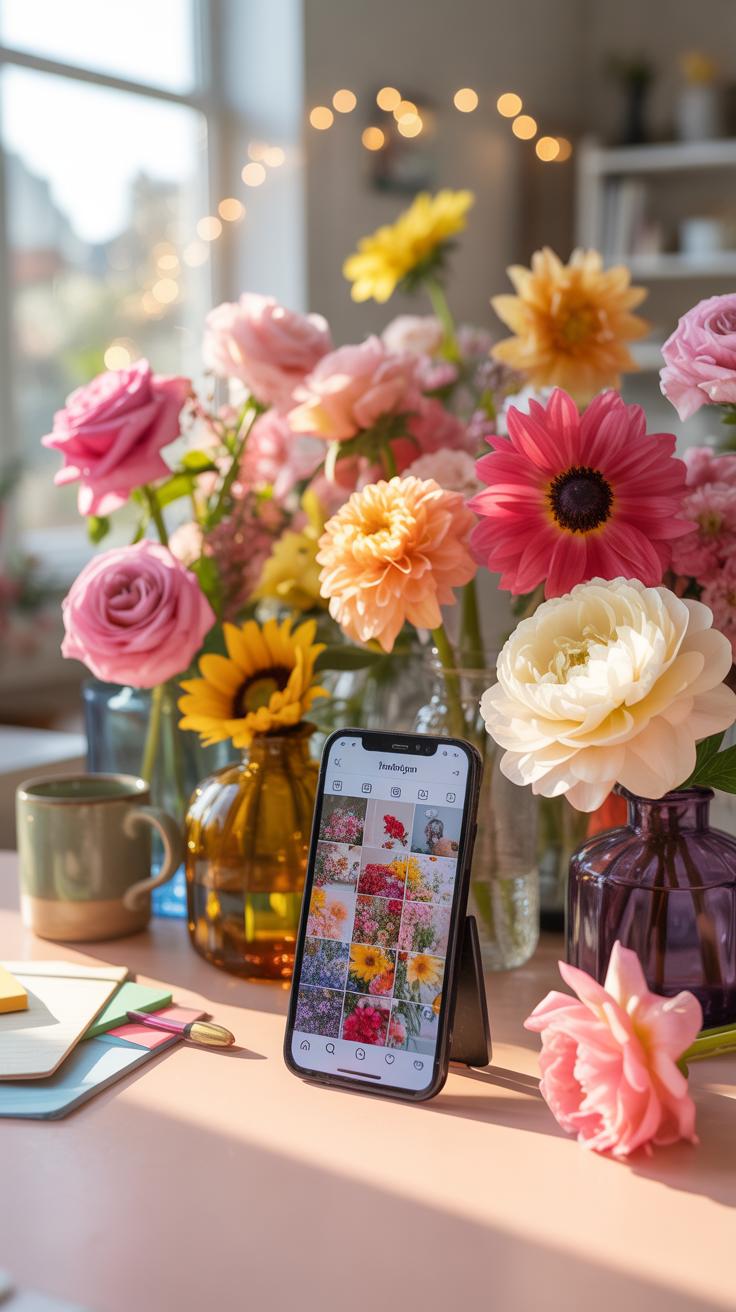
Seasonal And Holiday Based Content Themes That Resonate With Flower Buyers
Seasonal cycles dictate market demand and floral availability. Consumers search for specific blooms during peak growth periods and cultural holidays. You must align your content calendar with the natural flowering timeline to capture active search traffic. Use regional bloom charts to anticipate trends before they hit peak volume. This strategy positions you as a knowledgeable authority while providing high demand visual content.
- Spring Bulb Documentation: Highlight early season stems like tulips and daffodils as people seek signs of warmth. Use natural morning light to capture the translucent quality of these petals. These flowers signal change and drive high engagement through seasonal anticipation.
- Summer Field Aesthetics: Focus on sunflowers and zinnias during the heat of July and August. These hardy varieties tolerate direct sunlight shots better than delicate spring blooms. Show mass plantings to emphasize abundance and the peak of the growing season.
- Autumn Harvest Palettes: Transition to dahlias and dried textures like pampas grass as temperatures drop. Deep oranges and burgundies resonate with the changing environment. Document the shift from fresh blooms to preserved botanical elements to show versatility in your photography.
- Winter Evergreen Textures: Pivot to foliage and forced bulbs like amaryllis when outdoor growth ceases. Focus on the structural details of pine and cedar to provide greenery during dormant months. Contrast these textures against neutral backgrounds to maintain a clean aesthetic for social media.
- Holiday Pivot Points: Create content for Valentine Day and Mother Day weeks in advance. These are the highest volume sales periods for the floral industry. Use staged arrangements that emphasize gifting and emotional connection to drive commercial intent through your imagery.
Map out your photography schedule at least one month ahead of the current season. This allows you to source unique materials and scout locations before the rush begins. Consistency requires a backlog of edited images ready for immediate deployment. You cannot rely on current weather conditions to provide professional results every single day. Stockpile these seasonal assets to maintain a steady posting frequency during poor weather.
Behind The Scenes And Process Shots That Build Authentic Connection
Process shots provide transparency and demonstrate the labor behind the final product. People value the craft of floral design more when they see the technical steps involved. Document your workspace and the raw materials before you arrange them. Show the trimming of stems and the removal of guard petals. These details prove your expertise and build trust with your audience through educational value.

Technical shots of tools and mechanics offer a refreshing break from standard flower portraits. Photograph your floral shears, pin frogs, and chicken wire armatures. These items add an industrial edge to your feed that contrasts with soft organic shapes. Viewers enjoy learning how professionals keep heavy stems in place. Use these images to explain the structural integrity required for complex floral installations and large scale arrangements.
How Florists And Flower Ads Can Use Photography To Convert Followers Into Customers
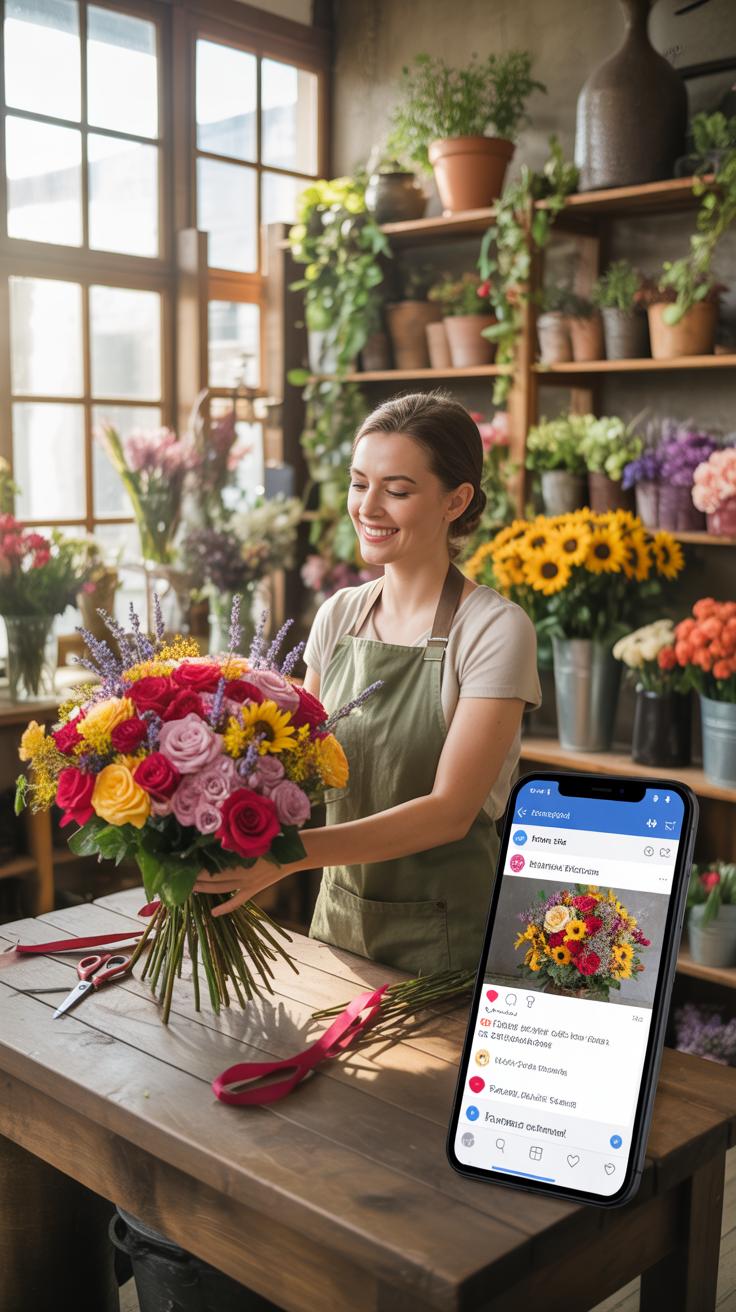
Crafting Product Focused Shots That Work For Paid Flower Ads On Social Media
Paid flower ads require a clear focal point to stop the scroll. Use a shallow depth of field to isolate the primary bloom from the background. This technique directs the eye straight to the product. Use natural side lighting to show texture and depth. Avoid busy backgrounds that distract from the floral arrangement. High contrast images perform better in competitive social media feeds.
Product shots must reflect the actual item the customer receives. Use macro lenses to capture fine details of petals and stems. This builds trust by showing the quality of the livestock. Ensure the color balance is accurate to prevent customer disappointment upon delivery. Consistent lighting across all ad sets creates a professional brand image. Direct shots of the bouquet at eye level work best for conversion.
Earth laughs in flowers, and a simple lens lets us keep that joy forever. Real beauty doesn’t require a studio, only a heart that notices the light.
Pairing Strong Visuals With Captions And Calls To Action That Drive Sales
Visuals get attention but captions close the deal. Write short sentences that highlight the specific occasion for the flowers. Focus on the benefit of the purchase rather than just the type of flower. Use urgent language to prompt immediate action from the viewer. Mention delivery availability and speed to remove buying friction. Clear communication ensures the user knows exactly what to do next.

Every post needs a direct call to action to be effective. Tell the user to click the link or shop the collection. Place the most important information in the first two lines of text. This prevents key details from being hidden behind the more button. Match the tone of the caption to the mood of the photo. A cohesive message between the image and text increases overall conversion rates.
Drawing Inspiration From Manifesti Grafici And Design Traditions For Floral Visual Storytelling
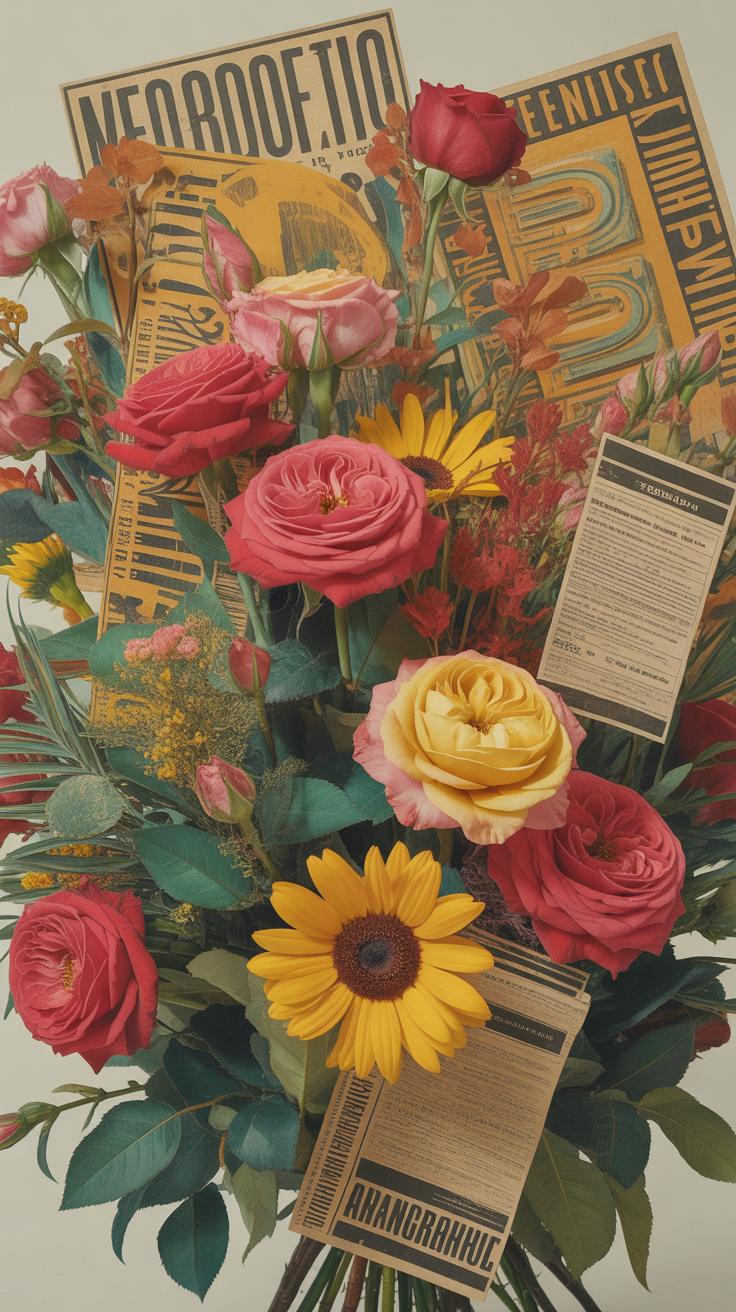
What Classic Graphic Poster Art Teaches Us About Floral Composition And Color
Manifesti Grafici and mid century poster art rely on high contrast and flat planes of color. These Italian graphic traditions prioritize legibility from a distance. You must treat your flower as the central icon of a poster. Use a monochromatic or complementary color scheme to create immediate visual impact. This approach removes depth distractions. It forces the viewer to focus on the shape and silhouette of the plant.
Classic design teaches the importance of the grid and negative space. Poster artists used empty areas to direct the eye toward the primary subject. In floral photography, this means positioning your bloom off center to create a balance with the background. Do not fill the entire frame with petals. Leave open space to mimic the layout of a vintage advertisement. This creates a professional look that stops users from scrolling.
Translating Bold Visual Design Principles Into Your Modern Social Media Flower Content
Modern social media platforms favor images with clear silhouettes and bold outlines. Apply the principles of the Bauhaus movement by focusing on geometric shapes within nature. Look for circles in sunflowers or triangles in lilies. Use hard lighting to create distinct shadows that define these shapes. This technical choice mirrors the lithographic printing styles of the past. It makes your digital content feel grounded in established design history.
Consistency in your visual language builds a recognizable brand. Use specific color palettes inspired by Constructivism or Art Deco. Limit your color count to three main tones per post. This constraint ensures your feed looks cohesive and intentional. Avoid soft focus or blurry backgrounds that hide the form. Instead, use sharp apertures to capture every edge. High clarity results in a graphic look that performs better on small mobile screens.
Frequently Asked Questions

What are the best basic tips for a beginner starting with flower photography?
To start, focus on finding soft, natural light, which prevents harsh shadows and keeps the colors vibrant. Position yourself level with the bloom rather than looking down at it to create a more intimate feel. When practicing flower photography for social media, remember that simplicity is key; choose a clean background that allows the intricate details and textures of the petals to be the main focal point of your shot.
How can I make my flower photos look professional on a crowded social media feed?
The secret to professional flower photography for social media lies in the composition and post-processing. Use the “rule of thirds” to place your flower off-center for a balanced look. Additionally, use a simple editing app to slightly boost the saturation and sharpen the details. Consistency in your editing style will help your floral images stand out, creating a cohesive and aesthetically pleasing grid that instantly captures the attention of your followers.
Do I need an expensive camera to take high-quality floral photos?
Absolutely not! Most modern smartphones are equipped with incredible lenses that are perfect for capturing nature. You can achieve a beautiful “bokeh” or blurred background effect by using Portrait Mode or simply moving closer to the flower. Using cheap accessories like a white poster board for a reflector or a spray bottle to add “dew” drops can elevate your photography without requiring a major financial investment in pro equipment.