What Are Flower Infused Syrups And Why Are They Trending
The Rise Of Floral Flavors In Modern Home Entertaining
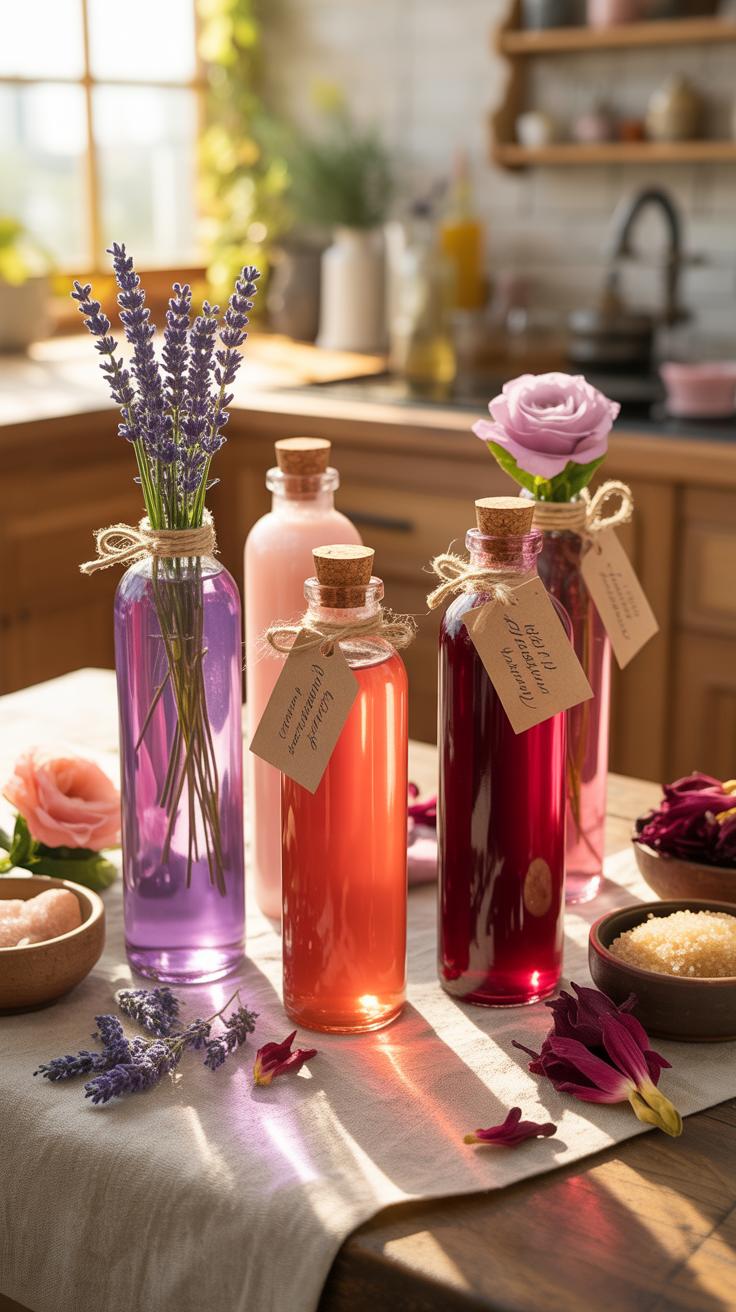
Modern home entertaining now prioritizes complex flavor profiles over sugar content. Culinary trends show a shift toward botanical ingredients like lavender, elderflower, and hibiscus. Hosts use these syrups to upgrade basic drinks without hiring professional staff. This movement reflects a desire for natural ingredients that offer unique smells and colors. High end bars started this trend, and it moved into homes.
Floral syrups provide a tactical advantage for the home host. They allow you to create premium cocktails and mocktails with one pour. This efficiency matters when hosting guests. Consumers now demand clean labels and recognizable plant sources. The rise of craft culture has made these botanical extracts a staple in the modern kitchen. They offer a sophisticated alternative to synthetic flavorings found in mass market products.
How Flower Infused Syrups Differ From Standard Simple Syrups
Standard simple syrups use a basic one to one ratio of water and granulated sugar. They provide sweetness but no depth or character. Flower infused syrups use specific heating methods to extract essential oils from petals. Technical precision ensures the floral notes do not become bitter. Unlike plain sugar water, these syrups add scent, color, and a specific mouthfeel to the final beverage or dish.
The production process requires high quality dried or fresh botanicals. Producers must monitor temperature closely to avoid scorching the delicate organic matter. This controlled infusion creates a concentrated flavor profile that sugar alone cannot achieve. Standard syrups serve as a sweetener only. Flower infused versions act as a functional ingredient. They change the entire chemical and sensory balance of a drink. Professional grade versions often avoid artificial dyes.
The Art Of Using Flowers In Drinks A BeginnerS Guide
Which Edible Flowers Are Safe And Flavorful For Syrup Making
Botanical safety is your first priority. Use only flowers specifically grown for human consumption. Common varieties like lavender, hibiscus, and rose offer reliable flavor profiles. Avoid florist shop blooms because they contain toxic pesticides. Stick to species with documented culinary histories. Elderflower provides a creamy profile while violets offer a faint earthy sugar note. Always verify the scientific name.
Flavor extraction requires specific types of petals. Use Damascus roses for intense aroma or culinary lavender buds for herbal depth. Hibiscus flowers provide sharp acidity and a deep red color. Avoid bitter white bases at the bottom of petals. These parts ruin your syrup. Focus on the colored sections of the bloom. These areas hold the essential oils and pigments needed for a high quality drink base.
To have a stylish home is to bottle the very essence of a summer garden. A splash of floral nectar transforms a simple drink into a fragrant memory of sun-drenched afternoons.
Essential Tips For Sourcing And Preparing Fresh Flowers For Drinks
Commercial sourcing requires a strict vetting process. Buy only organic or food grade certified flowers from reputable farmers. Avoid any plants found near roads or industrial sites due to chemical runoff. Freshness dictates the final taste of your syrup. Pick flowers in the early morning when oil concentration is at its peak. This ensures you capture the most potent aromatics before the sun evaporates them.
- Verify Botanical Identity: Use the latin name to confirm the plant is safe for consumption. Many toxic plants look like edible ones. Consult a botanist or a reliable field guide before you start boiling.
- Remove The Calyx: Strip away all green parts and stems from the flower head. These bitter components contain tannins that create a harsh aftertaste. Use only the clean petals to maintain a pure and sweet flavor profile.
- Shake For Pests: Shake the blooms gently over a white surface to remove insects. Do not soak the flowers in water for long periods. Excessive washing removes the pollen and fragrant oils that are essential for making a high quality syrup.
- Avoid Floral Shops: Never use flowers from a standard florist or grocery store bouquet. These plants undergo heavy chemical treatments for longevity. These toxins are not safe to ingest and will contaminate your syrup. Stick to culinary sources.
- Check For Pollen Allergies: Identify potential allergens before serving flower infusions to guests. Some flowers like chamomile are related to ragweed. Always disclose your ingredients to avoid medical issues. Safety is as important as the flavor you create.
Cleaning petals requires speed and precision. Use a gentle air puff or a quick cold rinse to remove dust. Do not use hot water until the infusion stage. Heat triggers the release of oils. You want that release to happen in your sugar base, not the sink. Process the flowers immediately after picking or buying. Wilting petals lose their chemical potency and result in a dull syrup.
Fresh Lilac Syrup A Fragrant Favorite For Spring Recipes
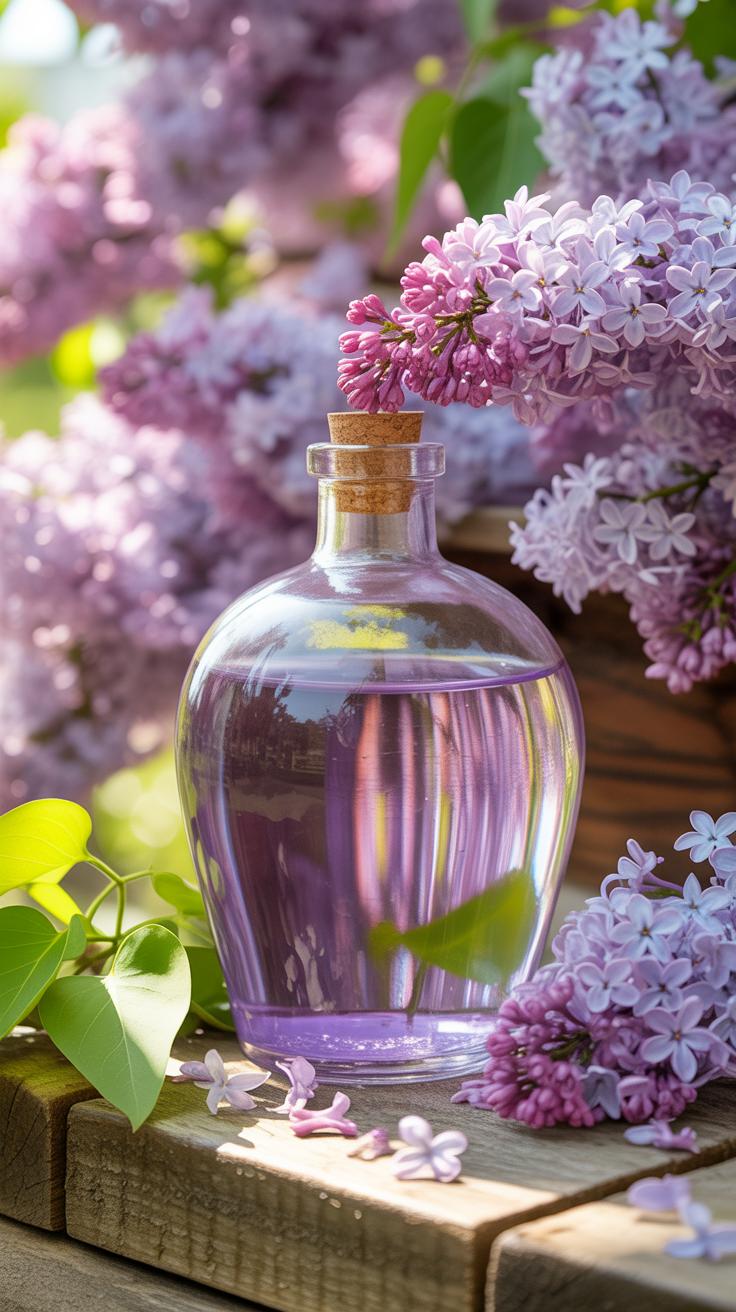
Understanding The Flavor Profile Of Lilac And Its Culinary History
Lilac syrup offers a distinct floral taste with subtle notes of citrus and honey. The flavor is heavy and pungent compared to delicate rose or violet. Historically, these flowers appeared in Eastern European medicine and culinary arts for centuries. Cooks used them to flavor puddings and jellies during the spring bloom. The chemical compounds in the petals create a slightly bitter aftertaste if you include green stems.
Modern mixology uses lilac to add botanical depth to gin and vodka drinks. It serves as a natural sweetener that enhances light desserts. The syrup captures the scent of the Syringa vulgaris bush before the petals wilt. You must harvest the blossoms at peak fragrance for the best results. Professionals value lilac because it provides a unique sensory experience that characterizes the transitional spring season in temperate climates.
How To Make Fresh Lilac Syrup At Home With Simple Ingredients
You produce lilac syrup using a standard simple syrup base. Combine equal parts white sugar and water in a small saucepan. Heat the mixture until the sugar dissolves completely. Remove the pan from the heat source before adding cleaned lilac florets. You must strip every green stem and leaf from the flowers first. These green parts contain tannins that ruin the flavor with an acrid bitterness.
Steep the blossoms in the hot liquid for at least three hours. Long steeping times allow the essential oils to penetrate the sugar solution. Strain the mixture through a fine mesh sieve or cheesecloth to remove all solids. Store the finished liquid in a glass bottle inside the refrigerator. Use the syrup within two weeks for maximum freshness. Add a single blueberry during the boil if you want a deeper purple color.
DIY Lilac Syrup And Tea Combining Floral Syrups With Herbal Brews
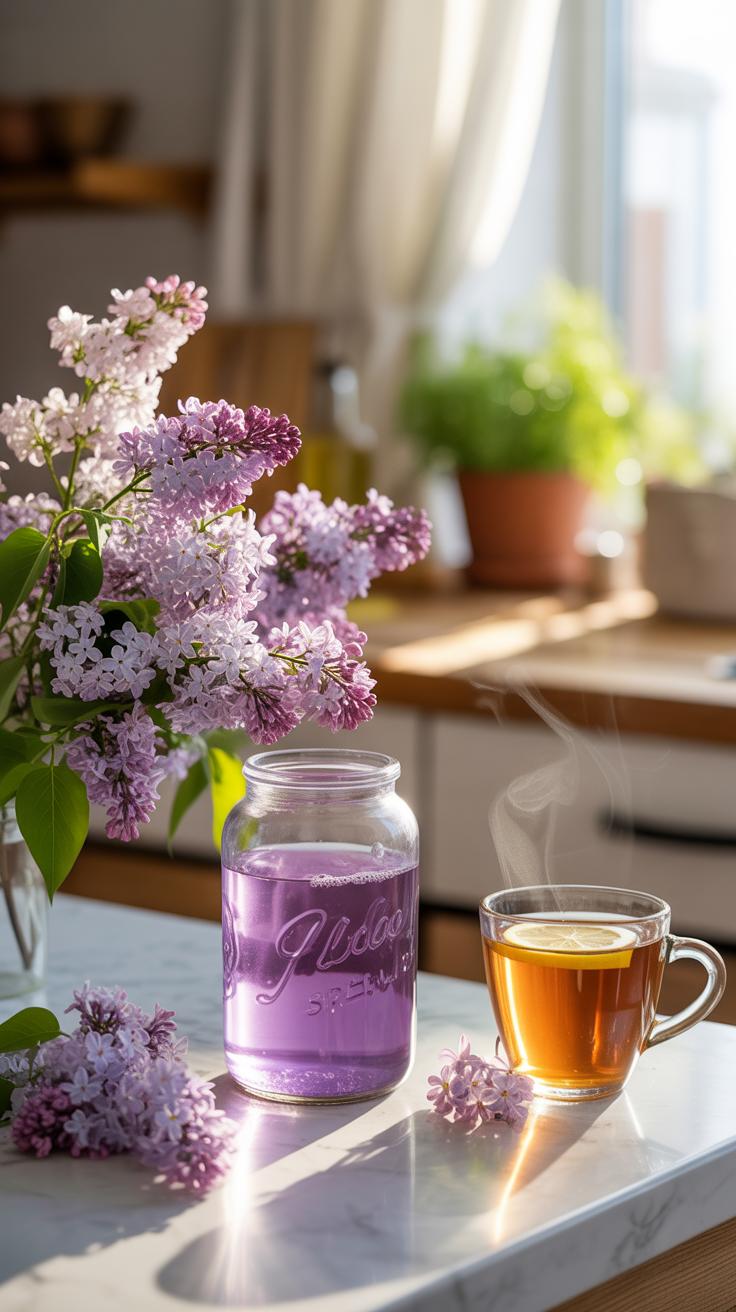
Why Lilac Syrup Pairs Beautifully With Black, Green, And Herbal Teas
Lilac syrup adds specific chemical compounds to tea that enhance flavor profiles. The primary aromatic compound in lilacs is syringin. This chemical provides a clean floral note that does not overpower the base beverage. It creates a bridge between the tannins in black tea and the delicate grassy notes found in green tea. Professional mixologists use this syrup to add sweetness without the heavy molasses taste of brown sugars.
Proper pairing requires understanding temperature and concentrations. Warm tea releases the volatile oils in the lilac syrup for a stronger scent. Cold brews keep the syrup stable and crisp. Lilac works best with Earl Grey because the bergamot citrus cuts through the floral density. It also complements mint tea by adding a counterpoint to the menthol. Using lilac syrup provides a calculated way to elevate standard herbal infusions into complex drinks.
Step By Step Guide To Crafting A DIY Lilac Syrup And Tea Drink At Home
To make the syrup, you must harvest clean blossoms from Syringa vulgaris plants. Remove all green stems and leaves because they contain bitter compounds that ruin the flavor. Simmer equal parts sugar and water until clear before adding the petals. Infuse the mixture off the heat for several hours to extract the maximum aroma. Strain through a fine mesh to ensure a professional clear finish for your drinks.
- Harvesting Flowers: Pick fresh lilac clusters during the morning hours when oil concentration is at its peak. Ensure the plants have not been treated with any chemical pesticides or fertilizers. Remove every green stem to prevent bitterness in the final syrup.
- Creating the Base: Mix one cup of granulated white sugar with one cup of filtered water in a small saucepan. Heat the mixture over medium heat until the sugar dissolves completely. Do not let the syrup reach a rolling boil or it will thicken too much.
- Steeping the Petals: Add two cups of cleaned lilac petals to the hot sugar water and remove the pan from the heat. Cover the pot with a tight lid to trap the aromatic steam inside. Let the flowers steep for at least four hours at room temperature.
- Straining and Storage: Pour the mixture through a cheesecloth or fine mesh strainer into a glass bottle. Squeeze the petals to extract every drop of concentrated liquid. Store the finished lilac syrup in the refrigerator for up to three weeks for maximum freshness.
- Mixing the Drink: Brew a strong cup of black or green tea and let it cool slightly. Add two tablespoons of the lilac syrup and stir until it integrates fully. Add ice and a slice of lemon to balance the floral sweetness with a hit of bright acidity.
Precision in measurement ensures consistent results every time you brew. Do not boil the flowers directly in the water because high heat destroys the delicate floral esters. Using a glass storage container prevents the syrup from picking up metallic or plastic taints. This method provides a reliable way to incorporate botanical flavors into a daily tea routine. Control the sugar levels to maintain the tea’s natural antioxidant properties.
Lilac Lemonade Recipe A Stunning Floral Drink For Any Occasion
The Origins And Appeal Of Floral Lemonade As A Stylish Beverage
Floral beverages date back to Medieval and Renaissance Europe. Cooks used rose and violet infusions to flavor water and sugar. This practice provided more than just taste. Flowers added color and scent to basic drinks. This made hospitality seem more refined and intentional. In the Victorian era, edible flowers became a status symbol. Hosts used floral flavors to show sophistication and wealth.
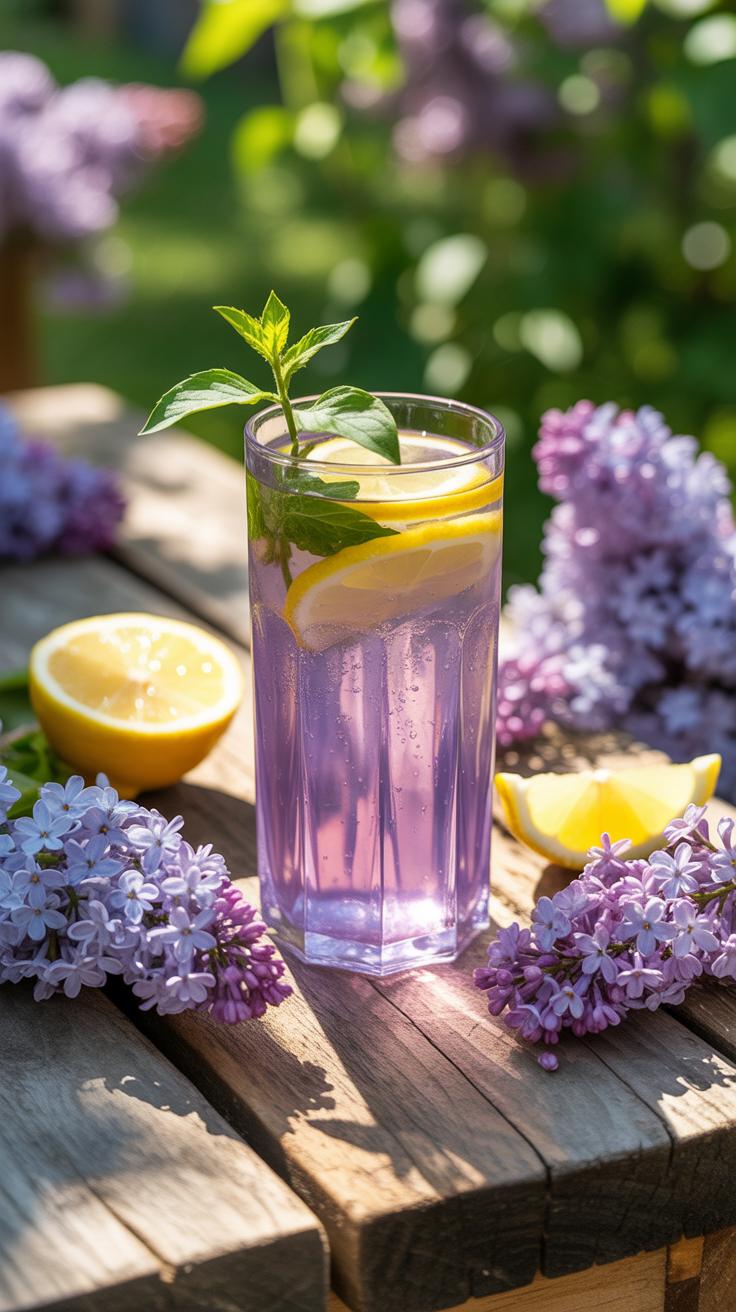
Modern design focuses on natural elements and minimalism. Bartenders and home hosts now use flower infused syrups to elevate basic lemonade. This shift moves away from artificial flavorings. High-end hospitality uses floral components to create a multi-sensory experience. A lilac infusion offers a subtle taste profile. It fits the current trend of botanical craft cocktails. It turns a simple childhood drink into a mature beverage choice.
How To Build The Perfect Lilac Lemonade Recipe Using Homemade Syrup
To build this drink, you must first steep lilac florets in a simple syrup. Use a one-to-one ratio of sugar and water. Bring the mixture to a brief boil and then simmer. Remove the heat and add the clean lilac blossoms. Let the mixture steep for several hours to extract the oils. Strain the solids through a fine mesh. This creates a concentrated floral base for your beverage.
Combine the lilac syrup with cold water and fresh lemon juice. Use a ratio of one part syrup to two parts citrus. Adjust the water based on the desired strength. Stir the mixture gently to integrate the density of the syrup. Serve the drink over large ice cubes to prevent quick dilution. This method preserves the delicate scent of the lilac. Proper technique ensures a balance between tart citrus and sweet floral notes.
Homemade Lilac Honey Recipe A Floral Twist On A Classic Sweetener
What Makes Lilac Honey A Versatile And Elegant Pantry Staple
Lilac honey creates a sophisticated flavor profile for high-end kitchens. Its chemical composition allows it to carry the volatile oils of the Syringa flower without spoiling. Professional chefs use this infusion to add depth to cheese boards and charcuterie. The honey acts as a preservative for the floral essence. This keeps the scent fresh for several months in a cool environment.
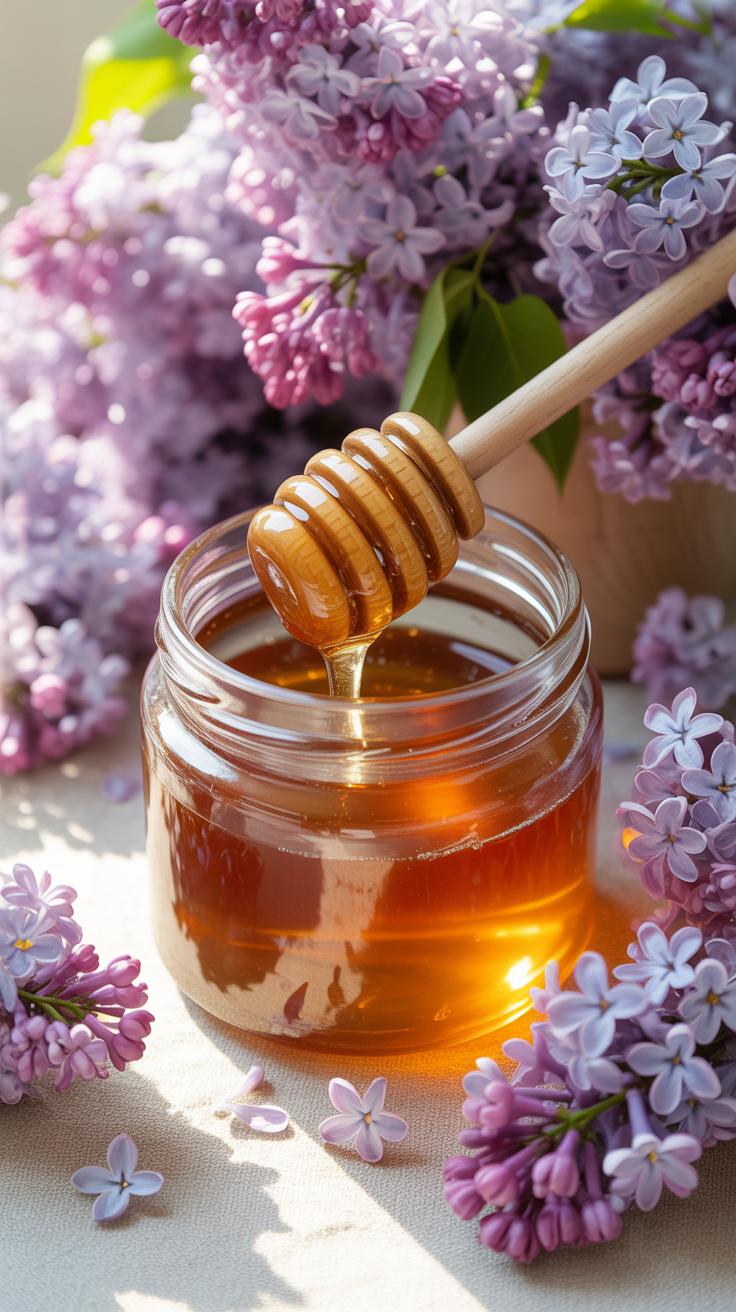
Modern interior design often emphasizes functional decor. A clear glass jar of lilac-infused honey serves as a visual focal point on marble countertops. It connects the kitchen to seasonal cycles. You can use it in hot tea or drizzle it over yogurt. The infusion provides a sensory experience that standard sweeteners cannot match. It elevates simple ingredients into luxury culinary components quickly.
How To Infuse Raw Honey With Lilac Blossoms For A Homemade Lilac Honey Recipe
Start with clean and dry lilac florets. Only use the purple or white petals. Remove all green stems and leaves because they taste bitter. Fill a glass jar halfway with the blossoms. Pour raw clover or wildflower honey over the flowers. Use a thin knife to stir the mixture. This removes trapped air bubbles that can cause fermentation or mold growth.
Seal the jar tightly and store it in a dark place. High heat destroys the delicate floral notes in the petals. Turn the jar every day to keep the blossoms submerged in the honey. Let the mixture sit for at least two weeks for maximum flavor. Strain the honey through a fine mesh sieve into a clean jar. Store the final product in a cool pantry.
Beyond Lilac Other Beautiful Flower Infused Syrups To Try At Home
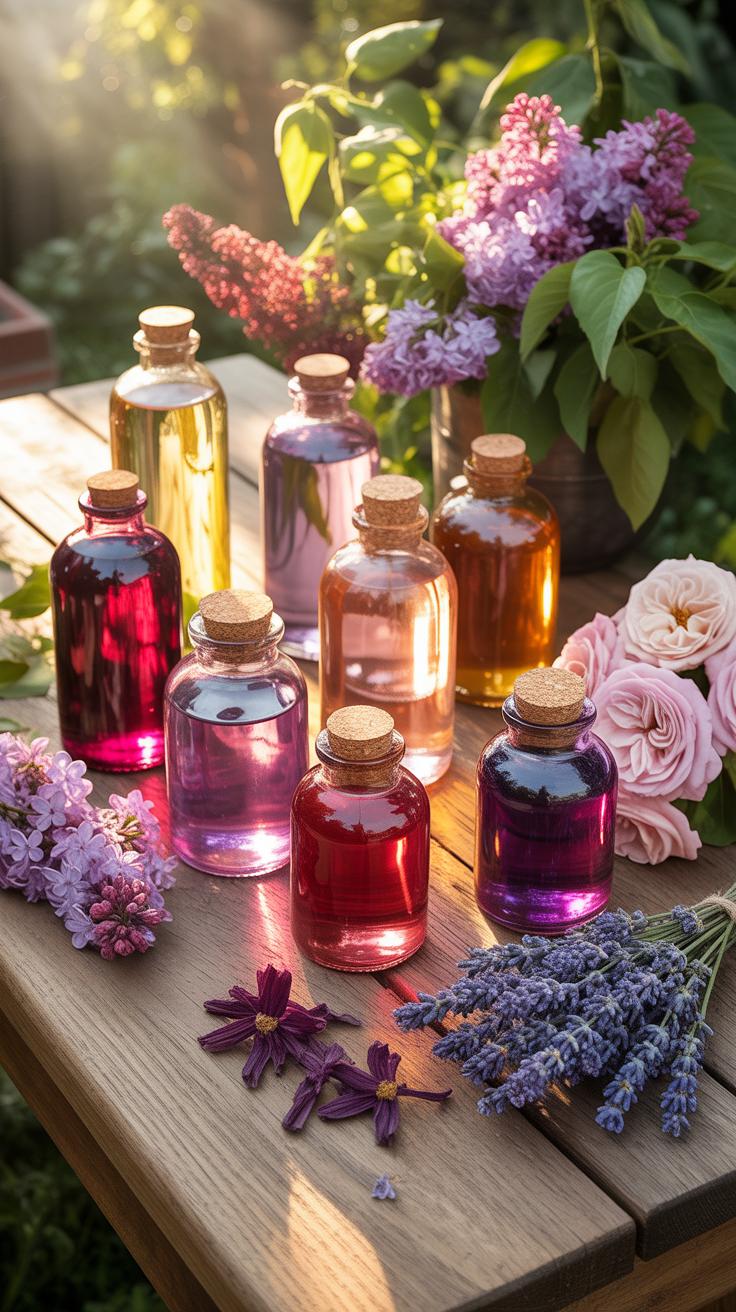
Rose, Lavender, And Elderflower Syrups And How They Differ In Taste
Rose syrup provides a heavy floral profile with a musk finish. It mimics the scent of the flower through a high concentration of phenethyl alcohol. Lavender syrup offers a camphoraceous and herbaceous profile. It contains linalool and linalyl acetate which create a soapy or pine like taste if overused. These two syrups dominate the palate and require careful dosing in most recipes.
Elderflower syrup differs by offering a fruity and acidic profile. It tastes like lychee and pear rather than perfume. This syrup contains high amounts of pollen and nectar which add thickness to the liquid. While rose and lavender serve as central flavors, elderflower acts as a bridge. It blends well with citrus and white spirits because it does not overwhelm the other ingredients.
Creative Drinks With Flowers That Go Beyond The Basics
Bartenders use flower syrups to modify classic spirit forward drinks. A dash of lavender syrup replaces simple syrup in a Gin Fizz to add botanical depth. Rose syrup works in hot preparations like lattes or steamers because the heat vaporizes the aromatic compounds. This makes the flavor more intense. You can also mix these syrups into carbonated water for sophisticated non alcoholic sodas.
Modern mixology uses flower syrups to balance high tannin drinks like black tea or dry wine. Adding elderflower syrup to a sparkling wine creates a dry yet aromatic cocktail. Use flower syrups in culinary applications to glaze proteins. A lavender and honey glaze works on roasted lamb. Rose syrup functions as a soaking liquid for sponge cakes. These applications move flower flavors from glass to plate effectively.
Tea Drink Recipes Enhanced With Flower Infused Syrups For A Stylish Home
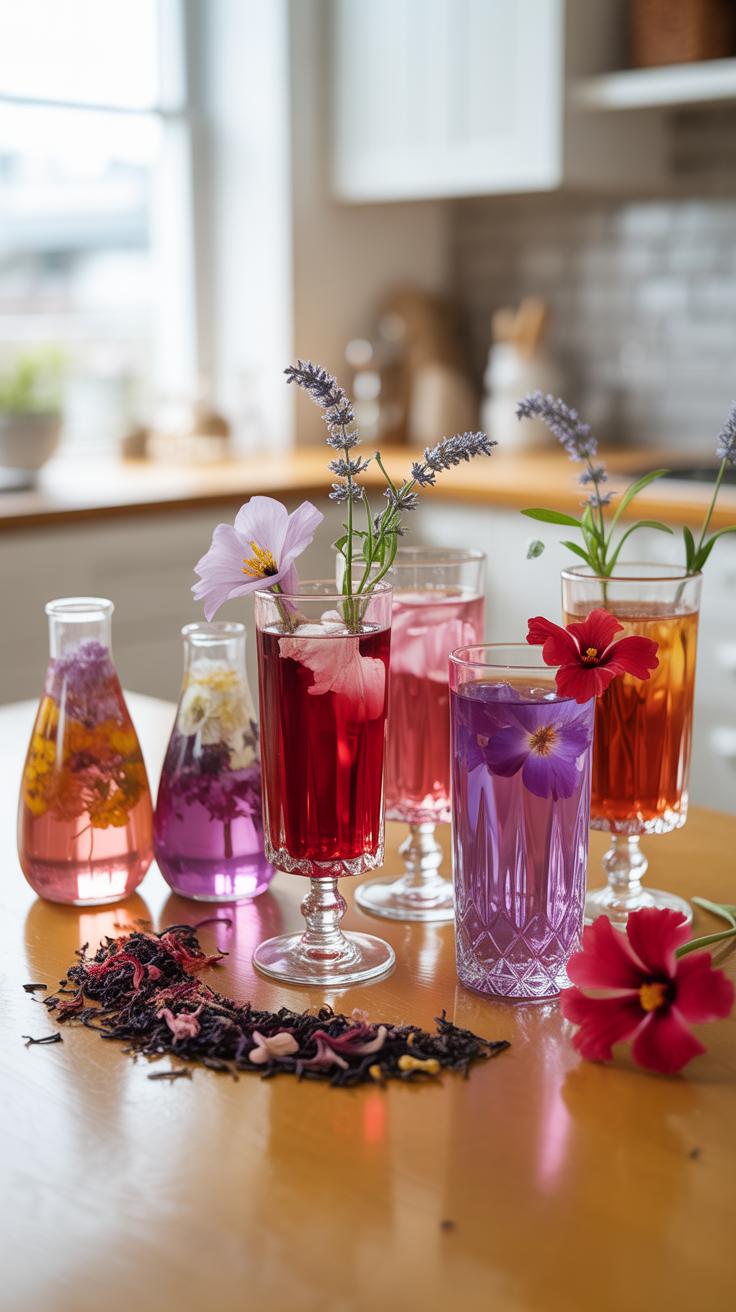
How Floral Syrups Transform Everyday Tea Drink Recipes Into Something Special
Floral syrups replace standard white sugar with complex aromatic profiles. They alter the molecular structure of the beverage by introducing essential oils extracted from petals. These syrups bridge the flavor gap between the tannins in black tea and the delicate notes of white tea. Professionals use them to balance acidity without masking the natural profile of the tea leaf or botanical blend.
These additives serve a structural purpose in recipe development. Lavender and rose syrups provide a heavy mid-tone that lingers on the palate. Elderflower and hibiscus syrups offer bright top notes that cut through the richness of milk-based tea lattes. Using these syrups allows you to control sweetness levels while adding specific scent triggers. Scent heavily influences the human perception of taste and luxury during consumption.
Presentation And Styling Tips For Serving Floral Tea Drinks At Home
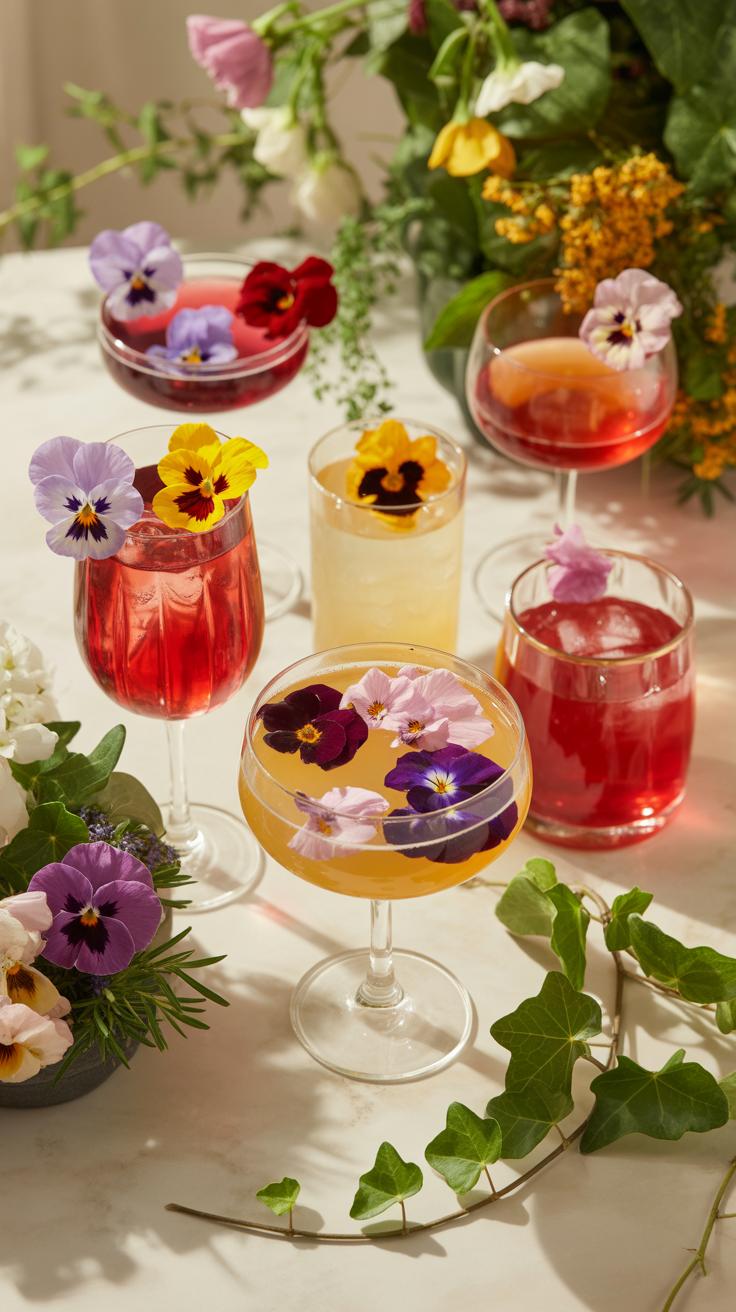
Proper presentation requires a focus on visual contrast and material quality. Use clear tempered glass to showcase the color depth of hibiscus or butterfly pea flower syrups. These liquids act as natural dyes that create distinct layers when poured over a spoon. Silver or brushed brass spoons add a functional metallic element that reflects light. Minimalist vessels highlight the clarity of the tea.
Design movements like Mid-Century Modern or Japanese Minimalism dictate clean lines for service. Avoid cluttered garnishes that interfere with the drinking experience. Use a single dried botanical or a clean citrus peel to signal the flavor profile. This approach maintains a professional aesthetic and focuses attention on the drink quality. High-quality linens in neutral tones provide a stable visual base for the colorful tea service.
Frequently Asked Questions

What are flower infused syrups and how can they elevate my home entertaining?
Flower infused syrups are simple syrups simmered with edible botanicals like lavender, hibiscus, or elderflower to capture their delicate essence and color. For the style-conscious host, these syrups add a sophisticated, artisanal touch to at-home bars. Beyond flavor, they offer a stunning visual element, turning basic lemonade or sparkling water into a fragrant, botanical experience that looks as beautiful as it tastes in your glassware.
How do I properly store flower infused syrups to maintain their freshness and color?
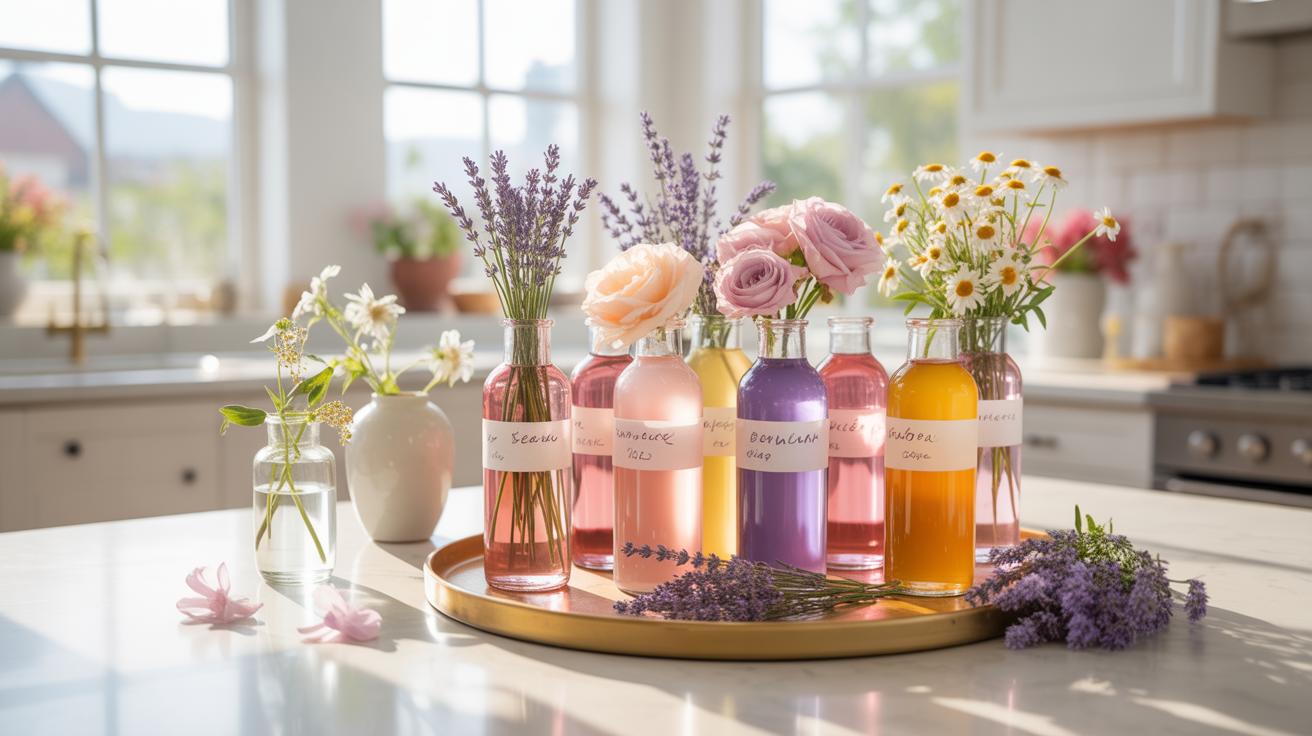
To keep your flower infused syrups vibrant and fresh, store them in airtight glass bottles or decorative decanters inside the refrigerator. Because they contain organic floral material, they are best used within two to three weeks. For a stylish presentation, choose clear glass to showcase the natural hues, but ensure the seal is tight to prevent oxidation, which can dull those beautiful botanical flavors and vibrant garden-inspired pigments.
Can I make high-quality floral syrups at home on a budget?
Absolutely! You do not need expensive specialty boutique brands to enjoy these flavors. You can create affordable versions at home using culinary-grade dried flowers or fresh petals from your own organic garden. By simmering equal parts sugar and water with your chosen blooms, you can produce professional-quality syrups for a fraction of the retail price. It is a cost-effective way to add a luxurious, custom touch to your pantry.